Who Turns Up
We work out of 115 Glastonbury Blvd, Glastonbury, CT 06033, a few minutes from Glastonbury Center. Most of our calls come from this side of town and the towns around it - Wethersfield, East Hartford, Rocky Hill, Newington, and out toward Cromwell and West Hartford. That radius isn't arbitrary; it's how far a truck can reasonably go and still get to you the same day.
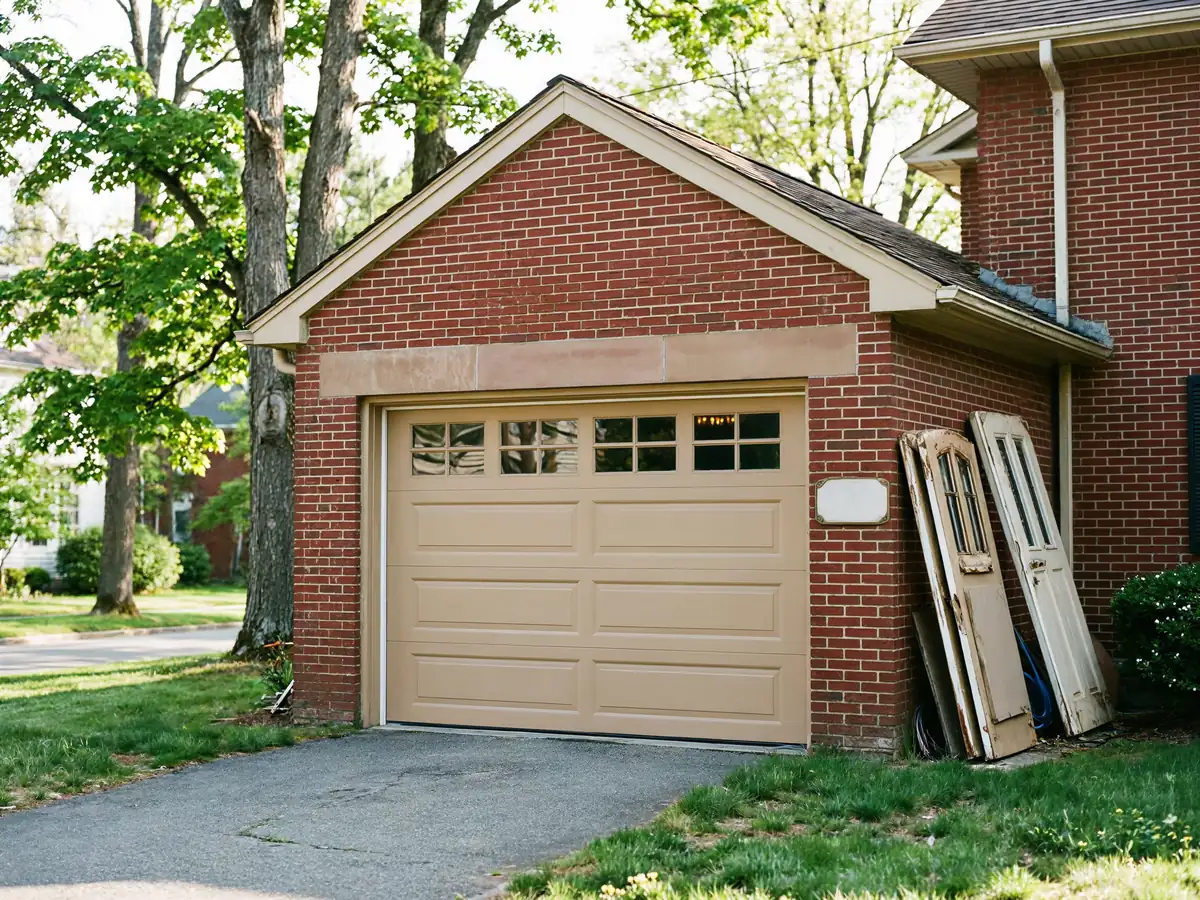
The houses we work on mostly date from 1938 to 1990, with the bulk of the stock built in the 1960s and 70s. That matters more than it sounds like it should. A door and opener installed on a house built in 1965 is not the same animal as one installed in 2015 - different track spacing, different header clearance, sometimes a jamb that's shifted half an inch over sixty years. We show up with that in mind, not with a one-size kit.
We don't claim years in business or a crew size here, because that's not what tells you whether we're worth calling. What tells you is whether we know what's behind the panel before we open the truck doors.
What We Are Called Out For
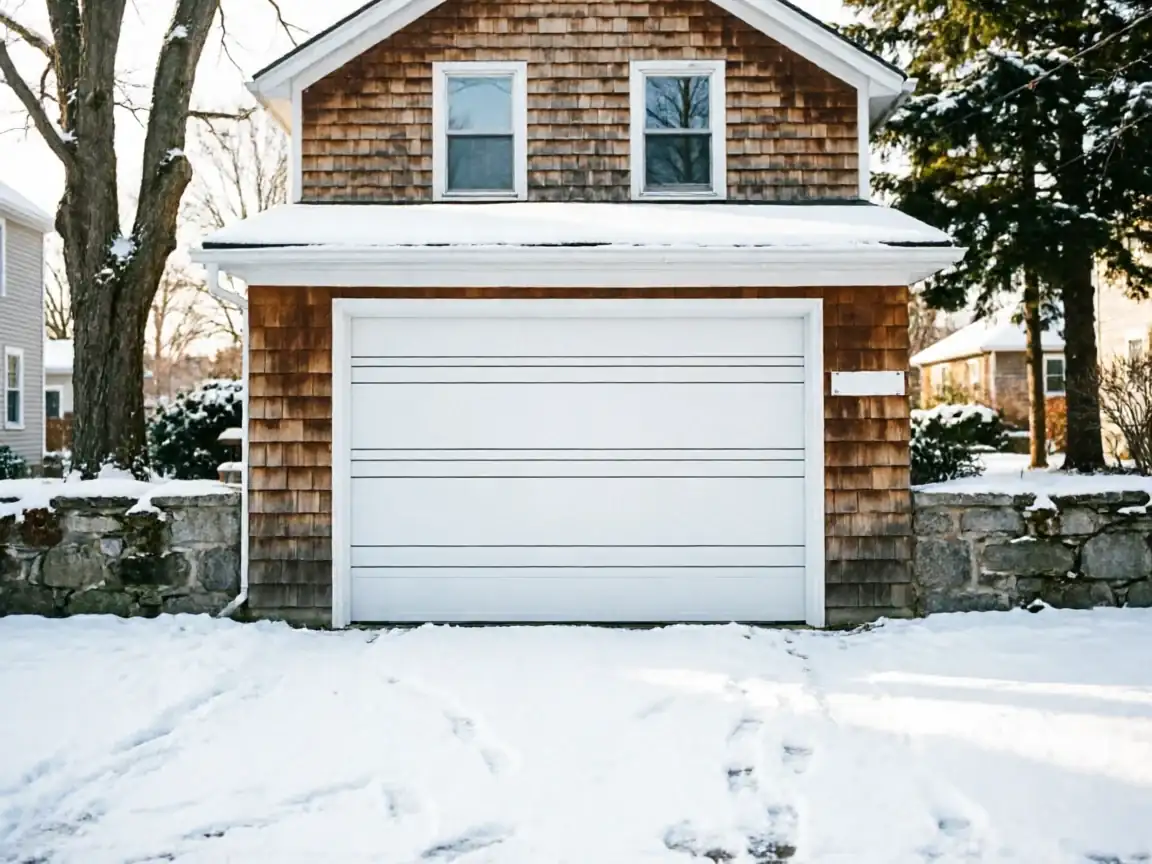
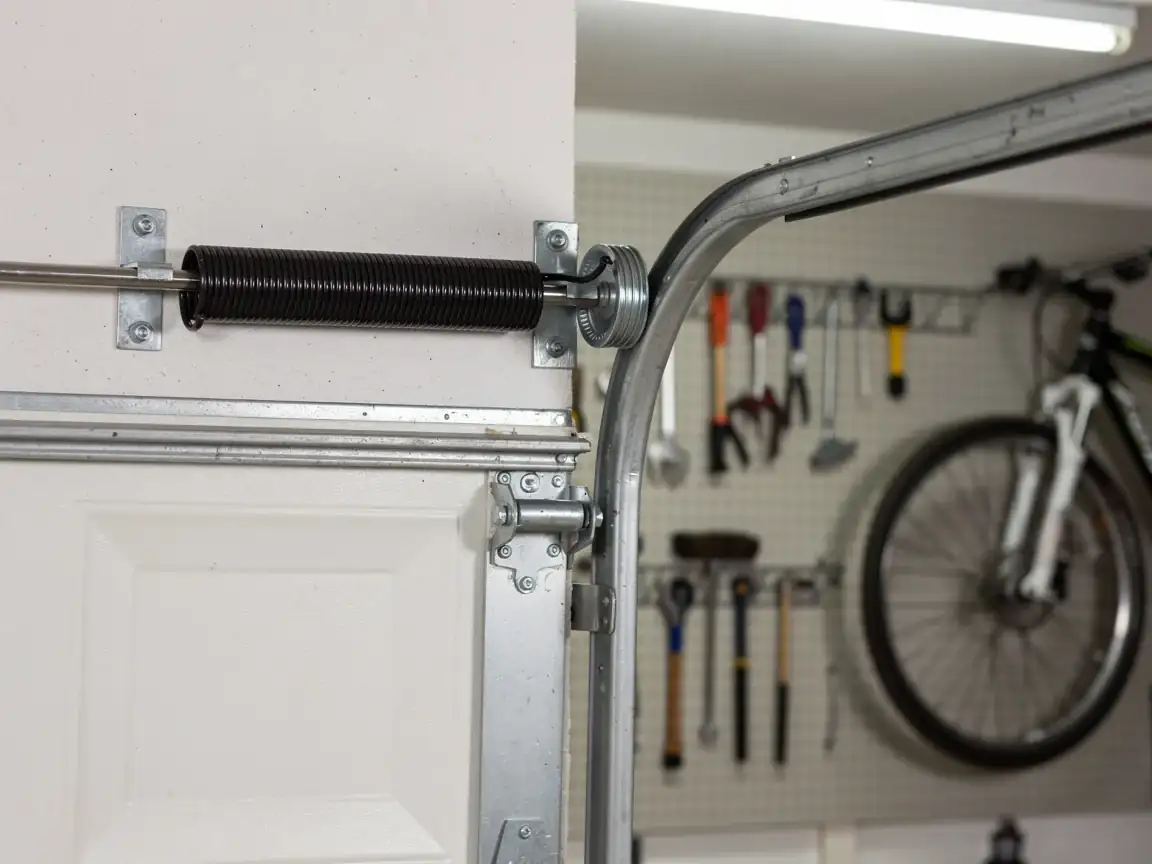
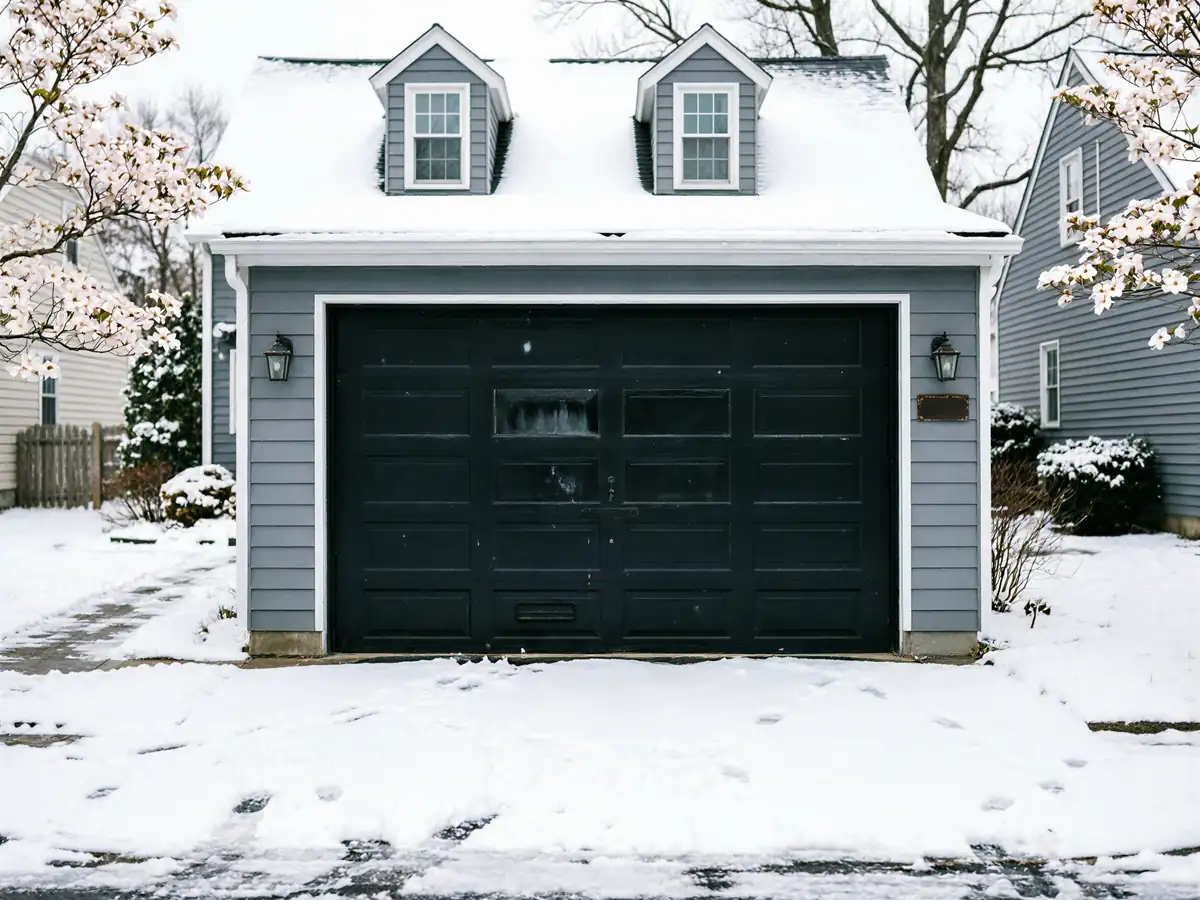
Connecticut winters are hard on garage doors, and this area sits in a cold, severe climate band - which means freeze-thaw cycles that work bolts loose, crack brittle old rubber seals, and stiffen torsion springs until they snap on a cold morning instead of a mild one. A lot of our calls in January and February are exactly that: a spring that let go overnight, or an opener straining against a track that's iced at the bottom.
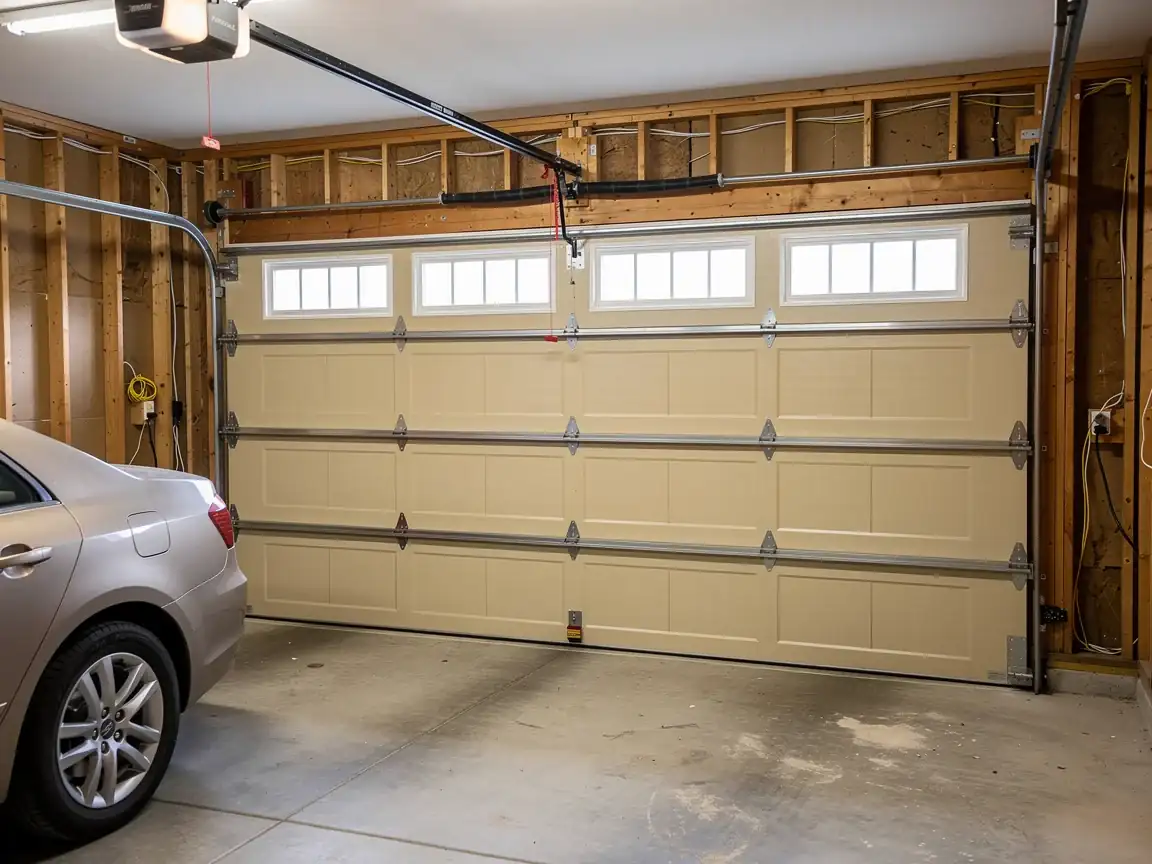
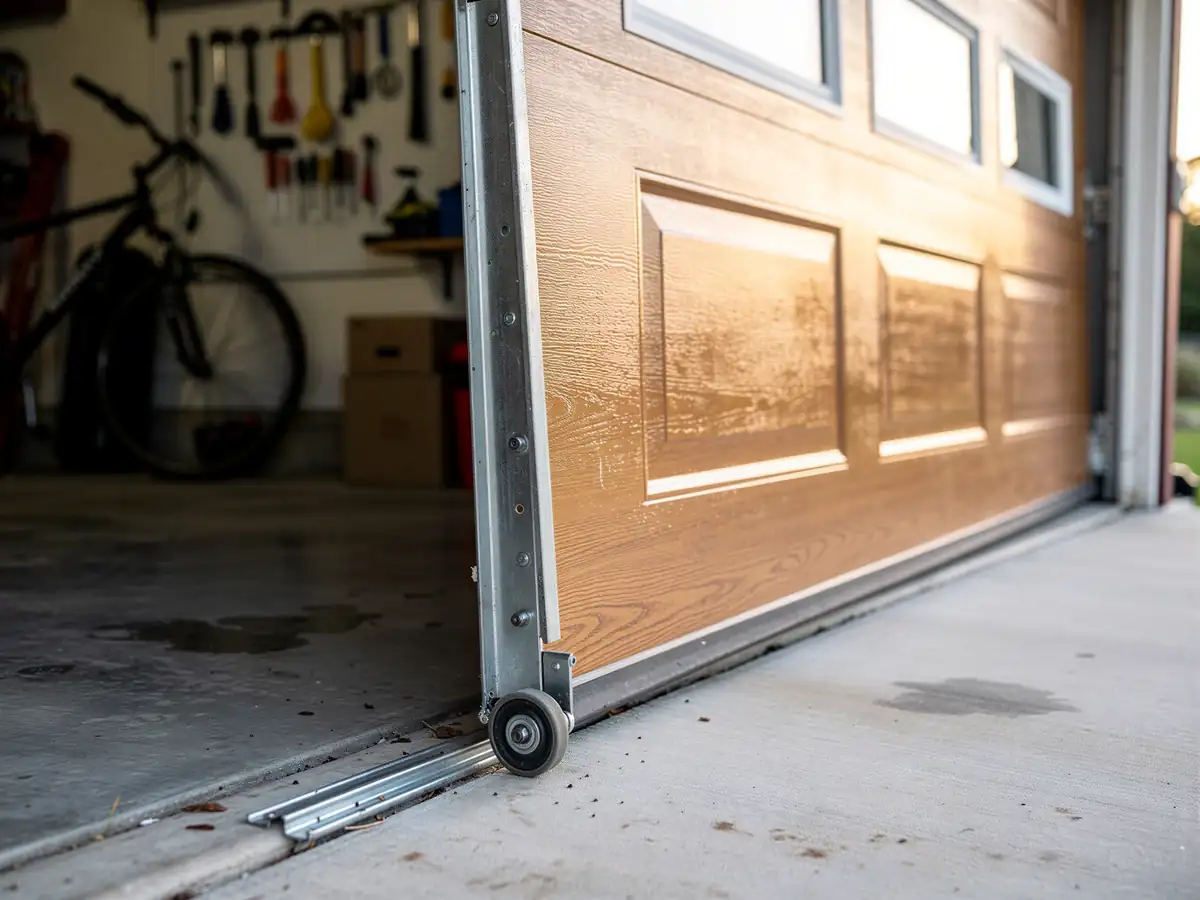
On the older housing stock in this service area - the 1960s and 70s builds especially - we also see a steady run of original hardware still in place: single-layer steel panels, galvanized rollers worn oval, openers with chain drives nobody's serviced since they were installed. None of that is unusual for a house this age. It's just worn out, not broken by anything dramatic.
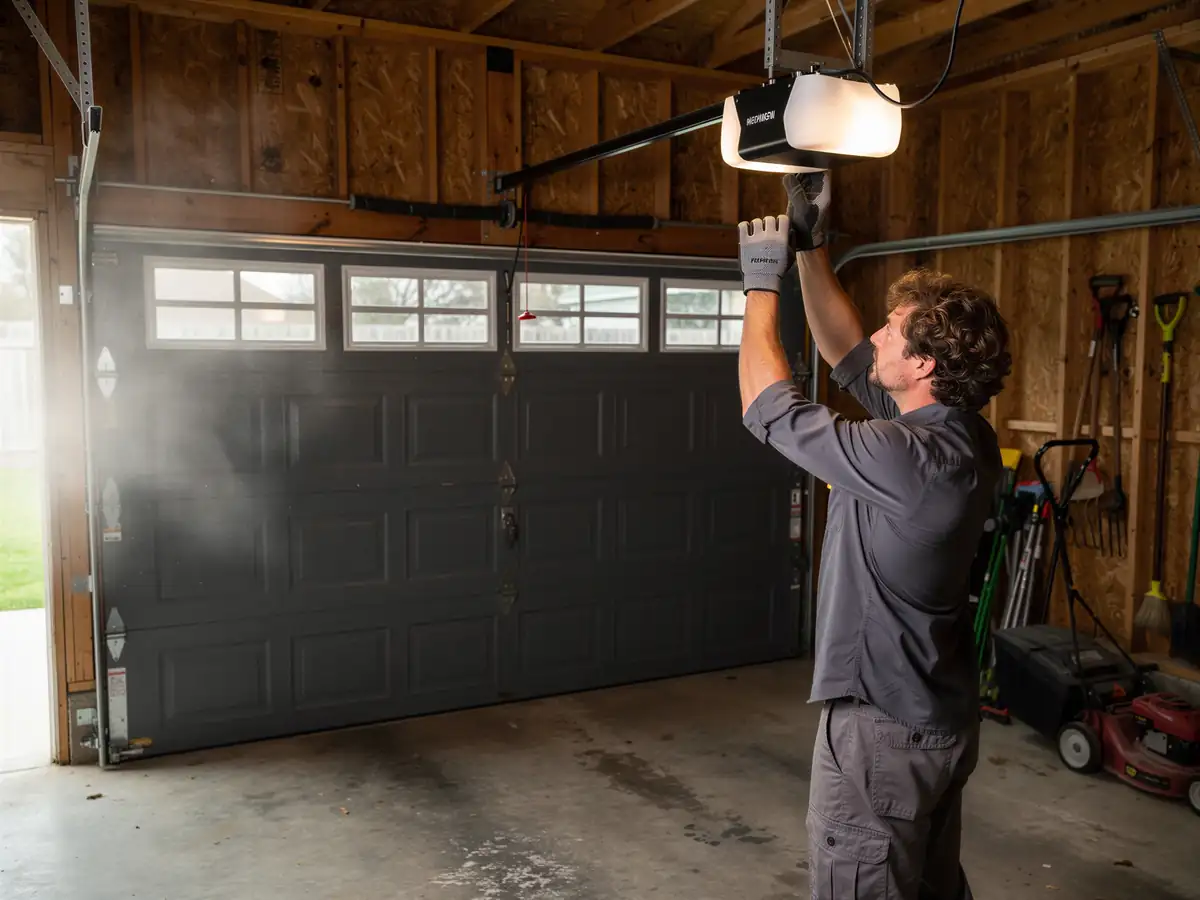
We also get the simpler stuff - a cable that's frayed off the drum, a sensor knocked out of alignment, a remote that's stopped talking to the opener. Those are quick calls, and we treat them that way instead of padding the job.
What Comes Next
When you call, we ask what the door is doing
Won't open, won't close, makes noise, stuck halfway - and whether it's safe to leave alone until we get there. A door stuck open is a different priority than one that's just noisy on the way down.
Once we're at the house, we look at the whole system before touching anything
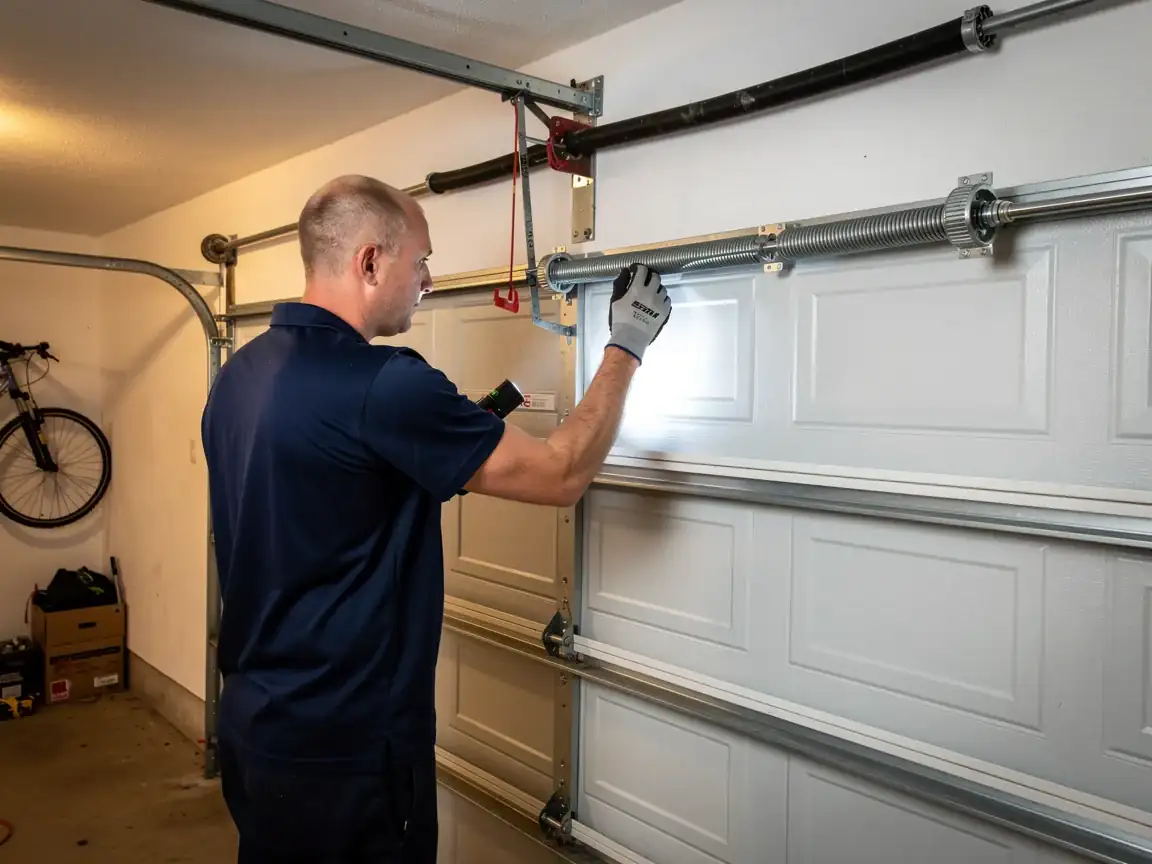
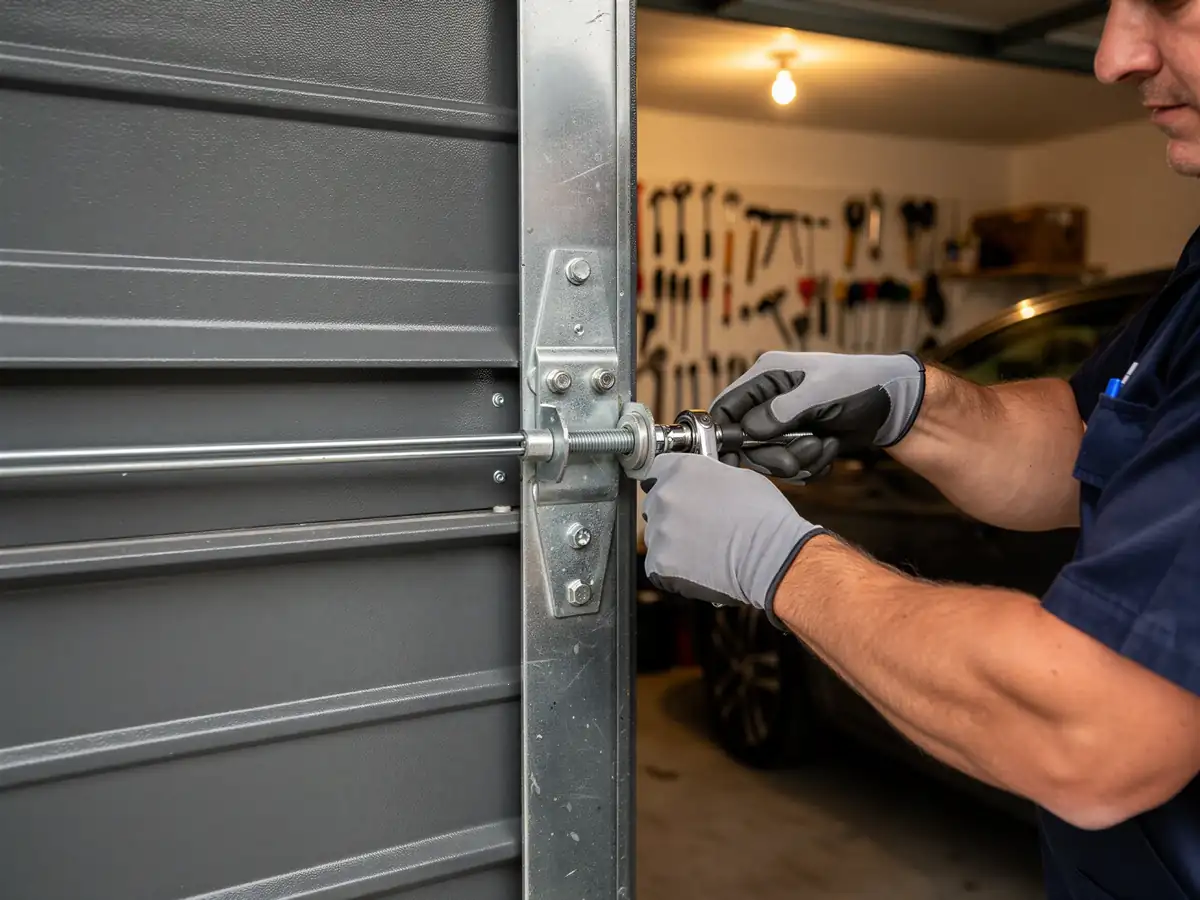
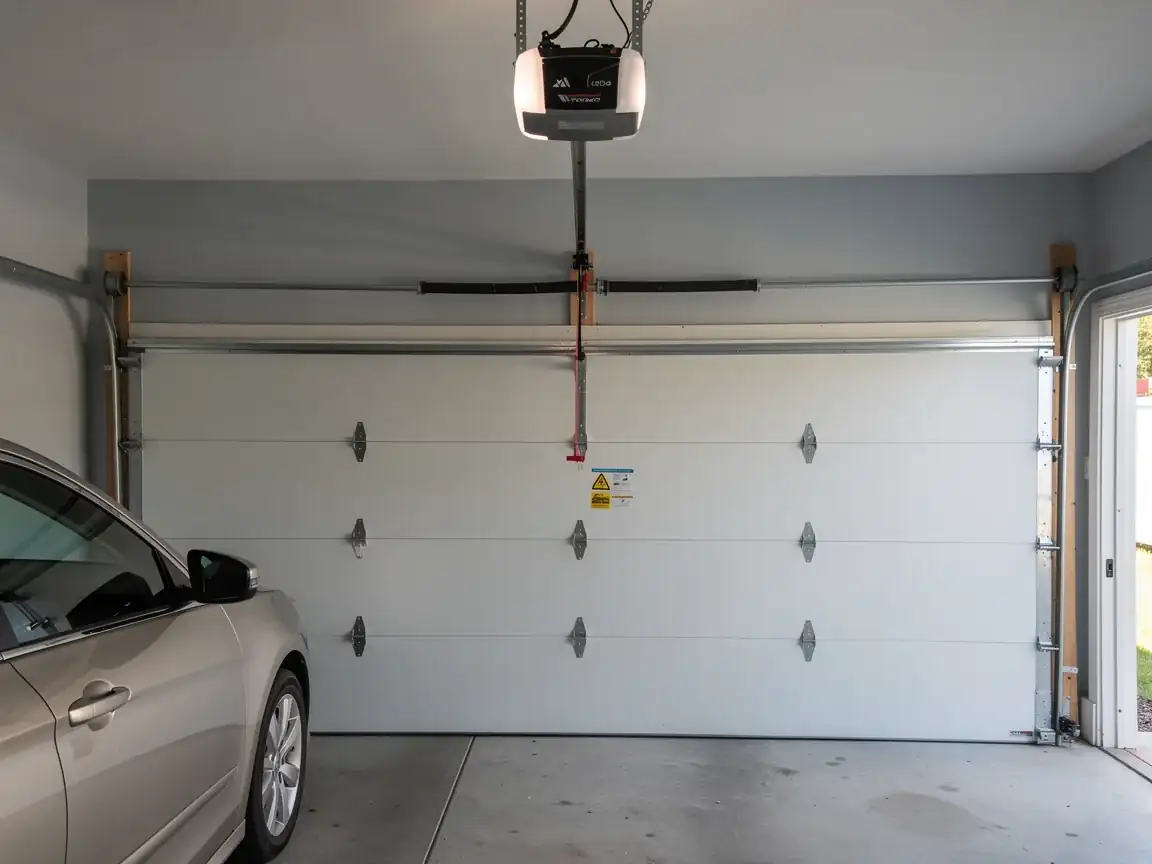
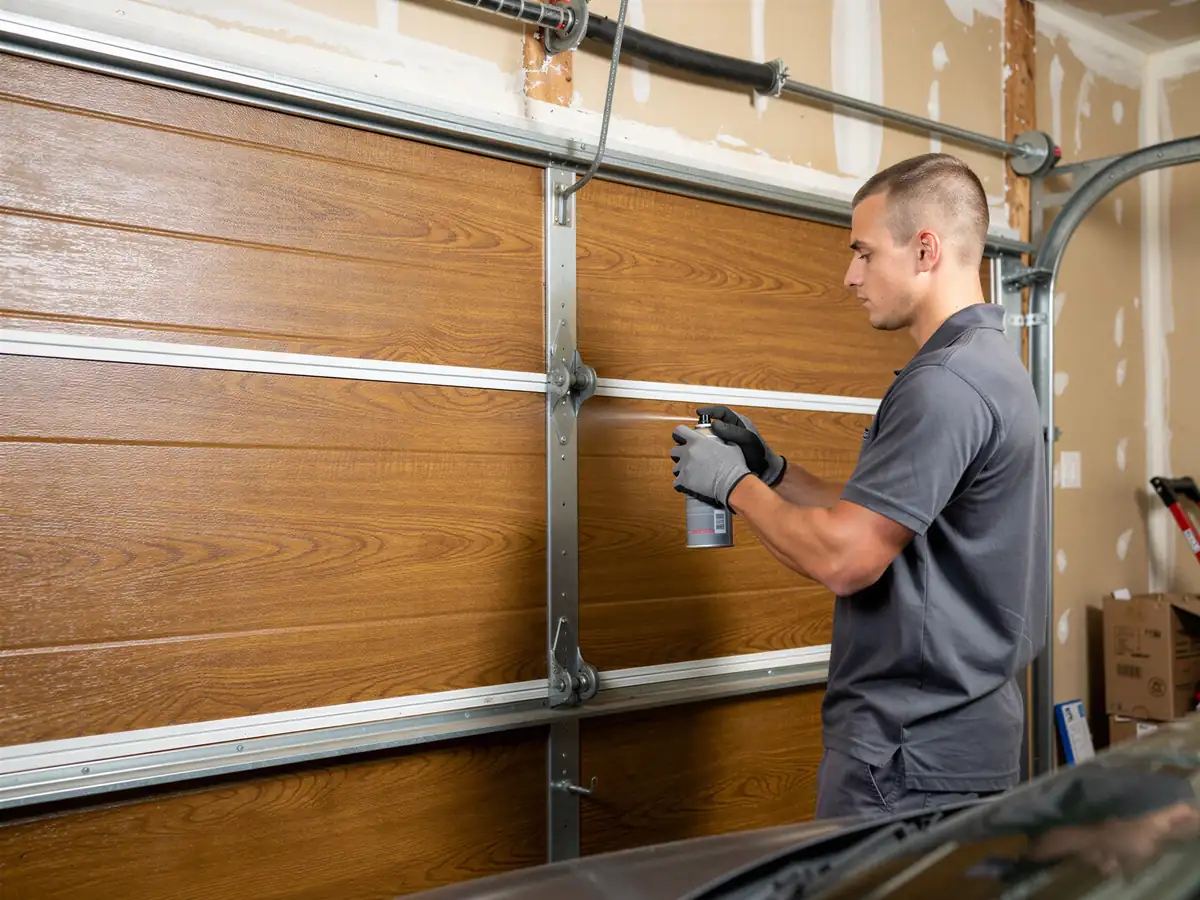
Springs, cables, rollers, track alignment, opener condition. On a house from the 1960s or 70s stock common around here, that often means checking whether the torsion hardware was ever upgraded or if it's original. We tell you what we find, what it costs to fix, and what the trade-off is if you'd rather replace instead of repair.
We don't push replacement on a door that still has a lot of life in it just because it's inconvenient to repair
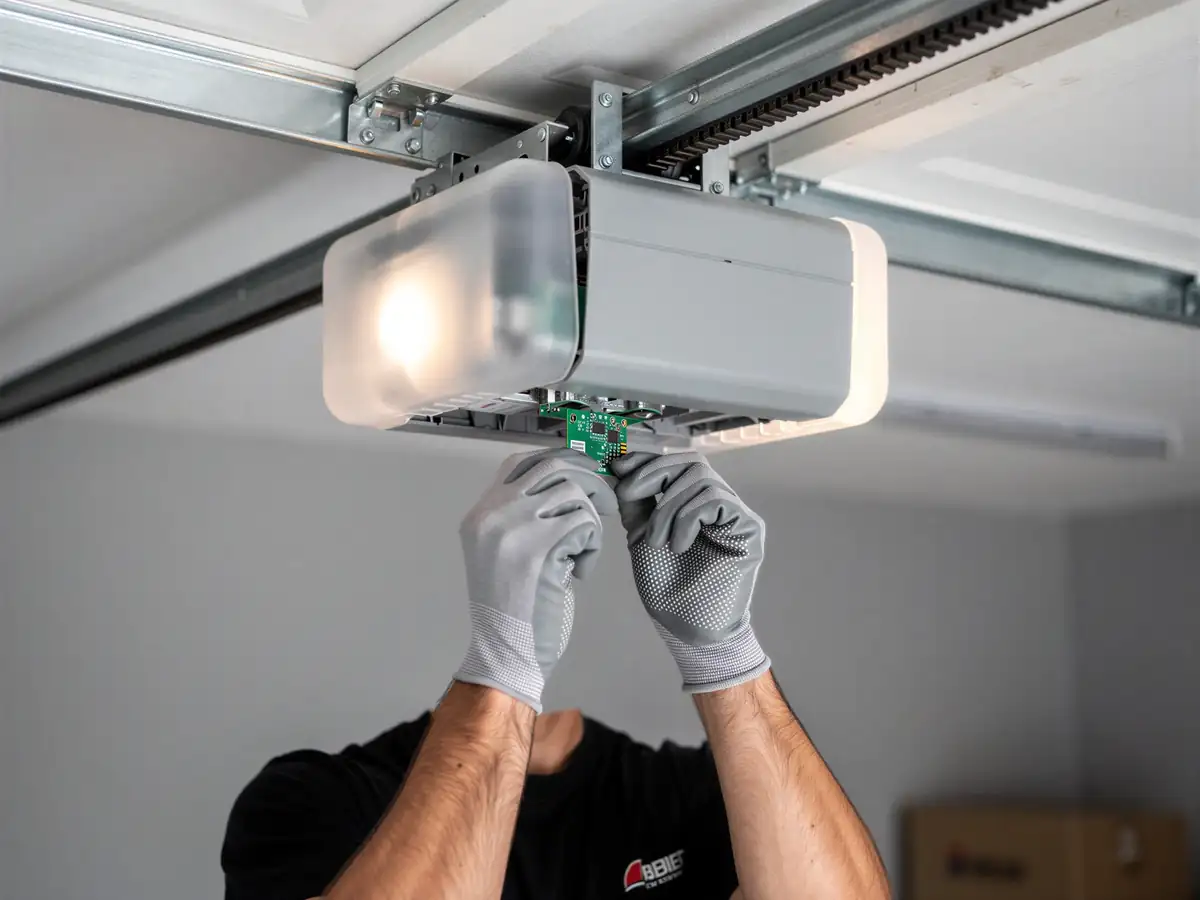
If a spring swap and a roller set gets you another decade out of a serviceable door, that's what we'll recommend. If the opener is on its last motor and parts are hard to source, we'll say that too, and let you decide with real numbers in front of you instead of a guess.
Work We Turn Down
We don't do new construction installs as a standalone service, and we're not the right call if you're looking for someone to build out a garage from scratch. Our work is repair, replacement, and service on doors that already exist.
We also won't tell you a 1970s steel door with rusted-through panel seams and a bent track is worth another round of patching. At some point the honest answer is replacement, and we'll say so even if it's the less profitable answer for us that day. If a part's lead time runs long because it's an odd size or an older track profile, we'll tell you that up front rather than let you wait without knowing why.