Serving Glastonbury, CT & nearby
(860) 217-5253
Glastonbury, CT

What a Technician Checks First in Glastonbury

Glastonbury homes built 1938-1990 face severe cold winters, which strains garage door springs and tracks. Here's what a technician checks first on every call.

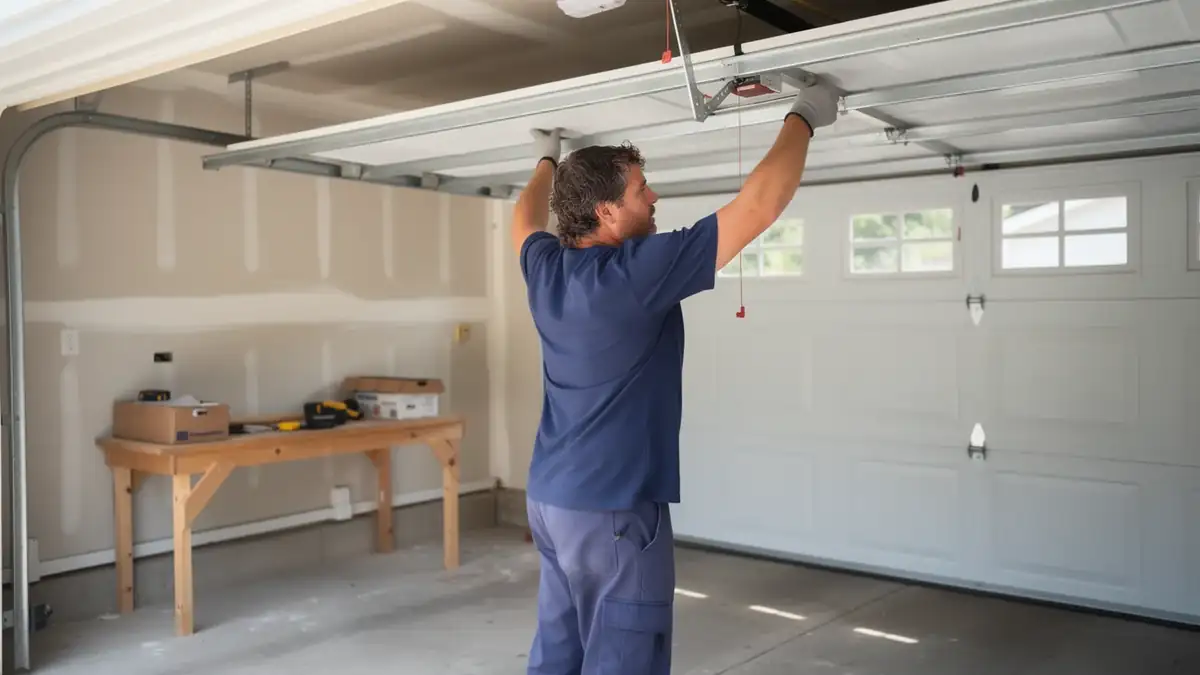
A technician in a blue shirt works on the garage door opener.

What Local Conditions Do

Glastonbury's housing stock mostly went up between 1938 and 1990, with the median build year landing around 1973. That matters more than people think. A door and opener installed on a house from that era was sized and hung for a different set of expectations than what gets installed today, and across the 61 named areas that make up this town, the bulk of the stock is specifically 1960s-70s construction - meaning the same generation of torsion hardware, the same gauge of track, often the same style of extension spring setup that newer builds don't use anymore.

On top of the age of the hardware, this town sits in a severe cold climate band. That's not a minor detail for a garage door. Steel springs lose tension faster in hard freeze-thaw cycles, and the lubricant in an original 1970s-era roller or hinge thickens up in deep cold, which is exactly when a homeowner finds out the door won't lift smoothly, or at all. A tech who's worked this area knows to check spring tension and roller condition before touching the opener logic board, because nine times out of ten the age of the metal and the winter temperature swing are doing more damage than the electronics ever will.

The Situation

A lot of the service calls in this part of Connecticut come from houses built in that 1938-1990 window, clustered close to Glastonbury Center and the surrounding neighborhoods within a few miles - toward Wethersfield, East Hartford, and Rocky Hill. Those towns share the same building wave, which means the same hardware problems show up on both sides of the line: torsion springs rated for a door weight and insulation standard that's decades out of date, and tracks mounted with brackets that were fine for 1973 but don't meet current spacing guidance.

When a tech walks up to a garage on a house from that era, the first thing checked isn't the opener - it's whether the spring and cable setup was ever upgraded, or whether it's original. Original torsion hardware on a door this old has usually cycled tens of thousands of times more than it was built for, and in a cold climate that wear accelerates. The second thing checked is the track alignment, because decades of seasonal ground shift common to older Connecticut foundations can throw a track out of true by enough to cause binding that looks like a motor problem but isn't.

What You Pay

  1. We don't post a flat number here

    Because what a door needs depends on what's actually wrong, and that only shows up once someone's hands are on the hardware. What we can say: this is an area with a median household income around $107,012, and across the roughly 173,708 owner-occupied houses in the broader service area, we see a consistent pattern - homeowners in older homes often start out asking for a spring repair and end up choosing a fuller hardware replacement once the tech points out the track, rollers, and cables are all the same age as the spring.

    • $107,012 median household income
    • 173,708 owner-occupied
  2. That's not an upsell pitch, it's math

    If the spring is original to a house built before 1990, the rest of the moving parts on that door are too, and replacing one component while leaving forty-year-old cables on the same drum is asking for a second service call. We'll always quote the narrow fix if that's genuinely what's needed. But we tell people up front that a call limited to 'just the spring' on a house this old sometimes turns into a bigger conversation once the door's open.

What Most People Get Wrong

The biggest mistake we see is treating a stiff or noisy door as an opener problem first. On houses from this town's 1960s-70s building wave, the opener is usually the newest part on the whole system - it's been swapped once or twice over the decades - while the spring, track, and hinges are original. Replacing a motor on a door that's binding because of a worn spring just means the new opener burns out trying to force a door that's fighting it.

The second mistake is ignoring what cold does to old steel. A spring that held fine in August can snap outright on a 10-degree morning in January, because the metal has already lost tension all year and the cold is just the final straw. People wait for the warm season to call, assuming the problem will resolve itself, and it rarely does.

One honest limitation: we can't always tell from a phone description whether a sticking door is spring, track, or opener. On a house built in that 1938-1990 range it's frequently more than one of those at once, which is why we'd rather look at it in person than guess over the phone.
How it works

From “it’s stuck” to “it’s fixed”

A quick, honest process - no guesswork and no surprises.

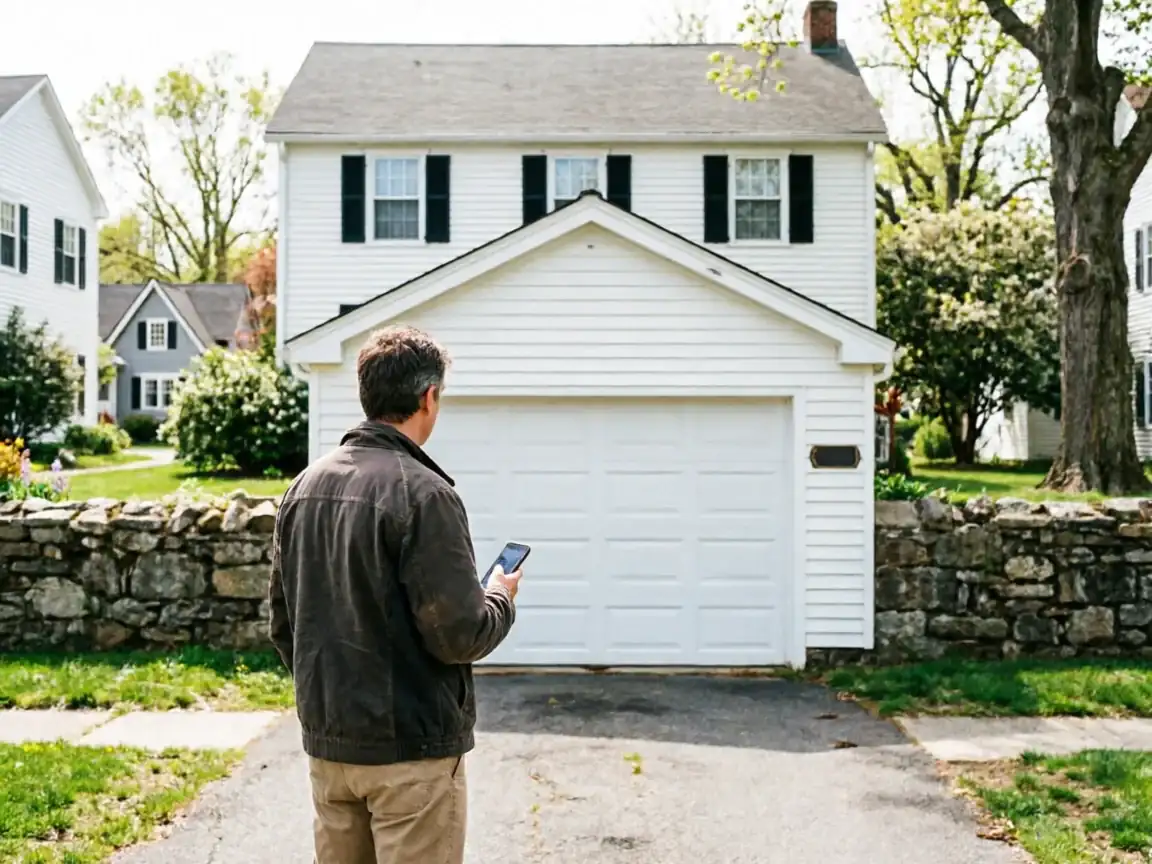
  1. A man stands in a driveway holding a phone, facing a white garage door.
    1

    Tell us what’s wrong

    Describe the symptom - won’t open, loud bang, opener runs but the door won’t move.

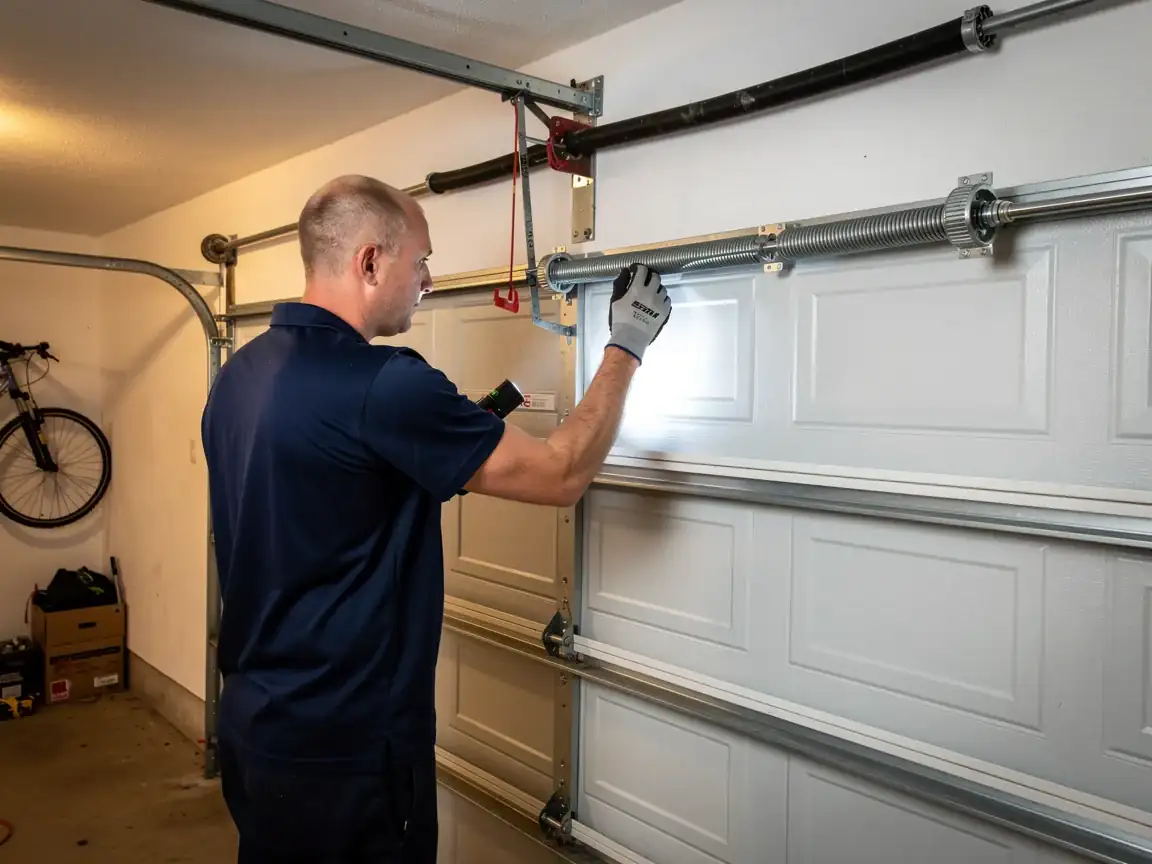
  2. A technician shines a flashlight on a garage door torsion spring.
    2

    On-site diagnosis

    A technician tests the door under power and by hand and finds what actually failed.

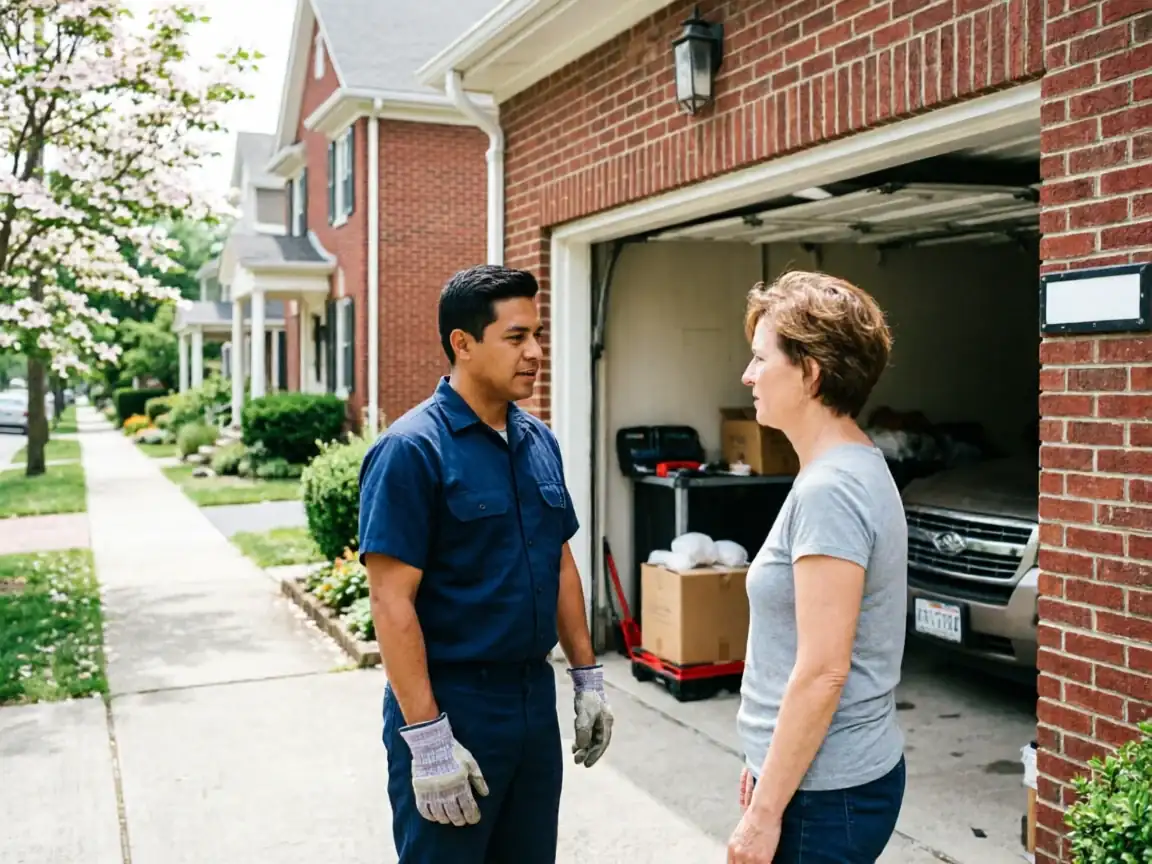
  3. A technician talks to a woman in front of a brick house with an open garage.
    3

    Clear, up-front plan

    You get the fix that’s needed and what drives the cost - before any work starts.

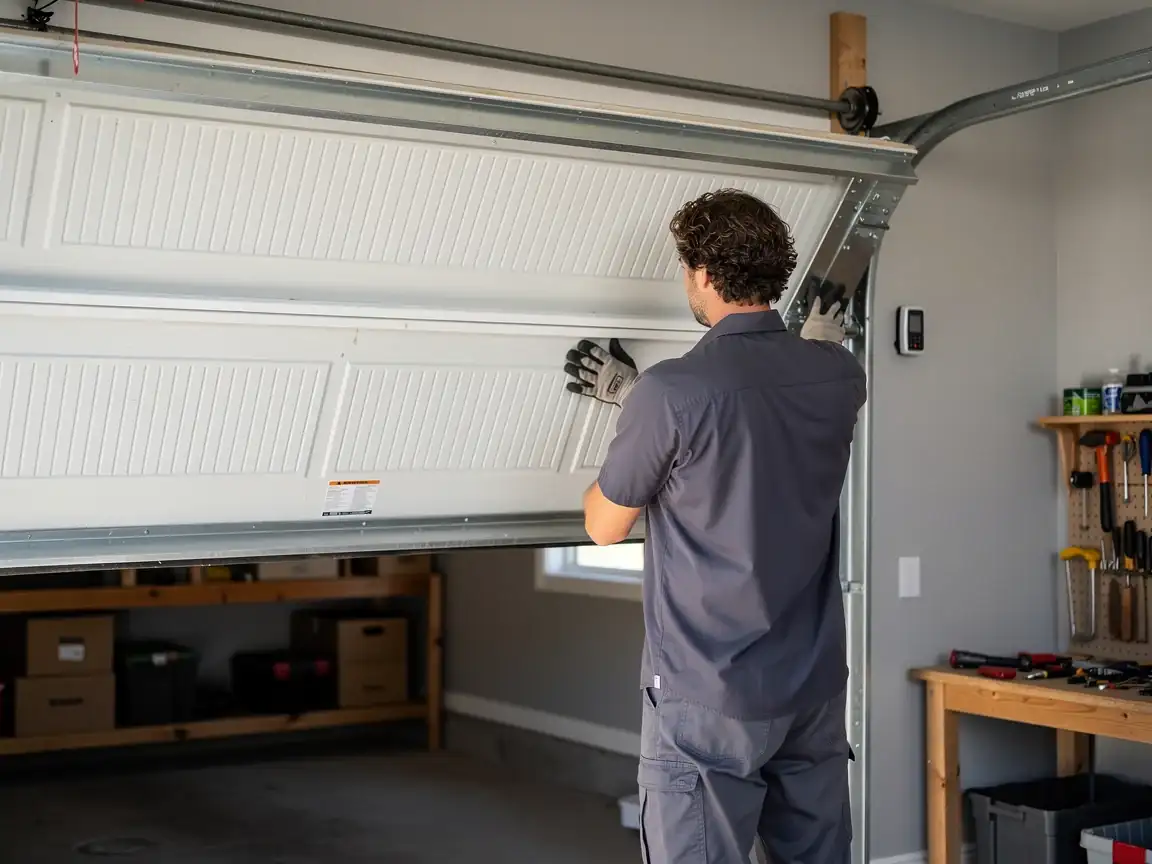
  4. A technician in a gray uniform is working on a white garage door.
    4

    Repaired & tested

    The repair is done, the door is set true and tested, and the work area left clean.

Not sure which repair your door needs in Glastonbury, CT? Describe what it’s doing - every job starts with a diagnosis.

How we work

What to expect

  • Diagnosis firstEvery visit starts by finding what actually failed - not a pre-written parts list.
  • The right part for the doorSprings and openers matched to the door’s weight and age, so the fix holds up.
  • Straight answersWhen a repair makes more sense than a replacement - or the reverse - you hear it plainly.
  • Clean, careful workTension released safely, hardware set true, the door tested under power before we leave.
What we do

Garage Door Services

Repair and installation work for Glastonbury homes and businesses.

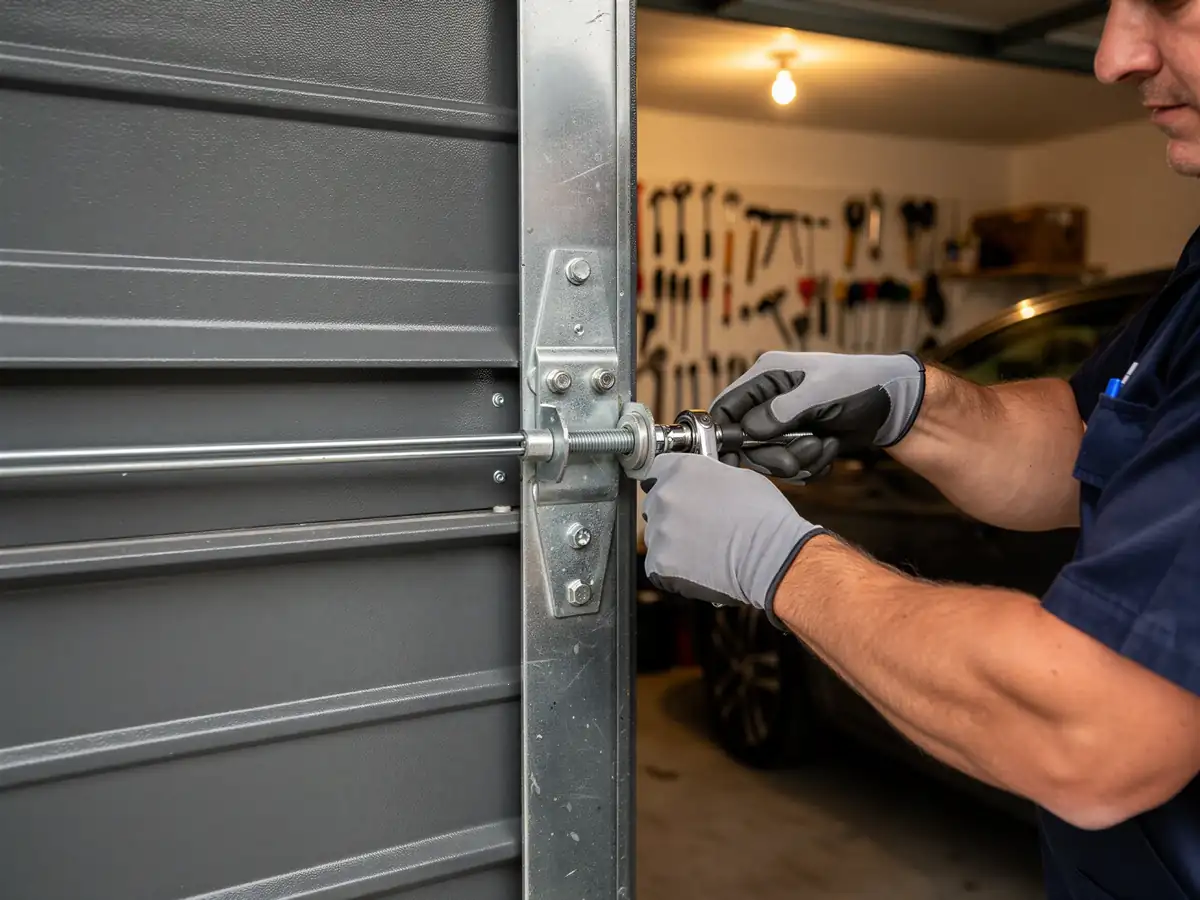
A technician in gloves adjusts a garage door roller and track.

Garage Door Repair

Garage door repair for Glastonbury homes built between 1938 and 1990, where original torsion hardware and cold-weather strain cause the most common spring and opener failures.

Learn more
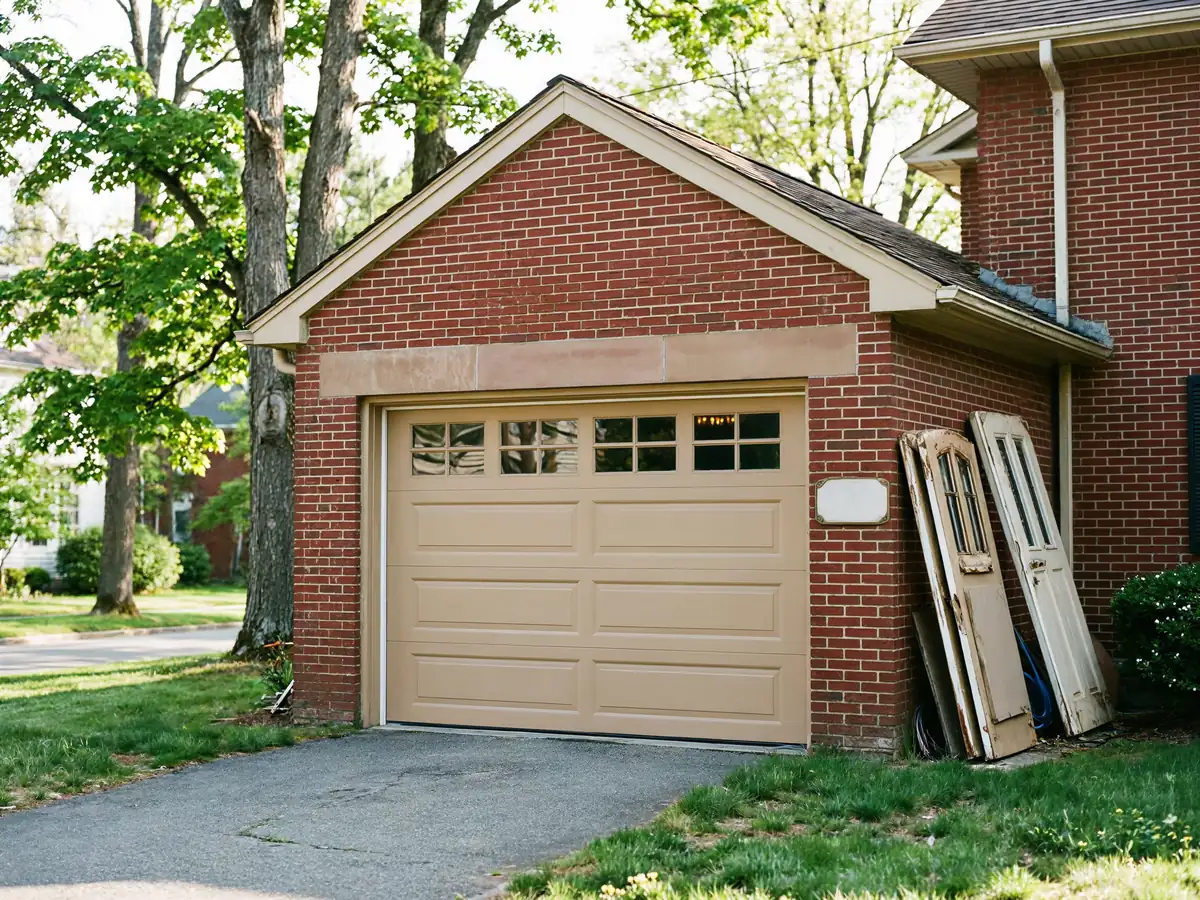
A tan garage door with windows is on a brick garage next to a driveway.

Garage Door Installation

Garage door installation in Glastonbury, CT for homes built mostly 1938 to 1990, where original openers and tracks no longer match new doors or cold winters.

Learn more
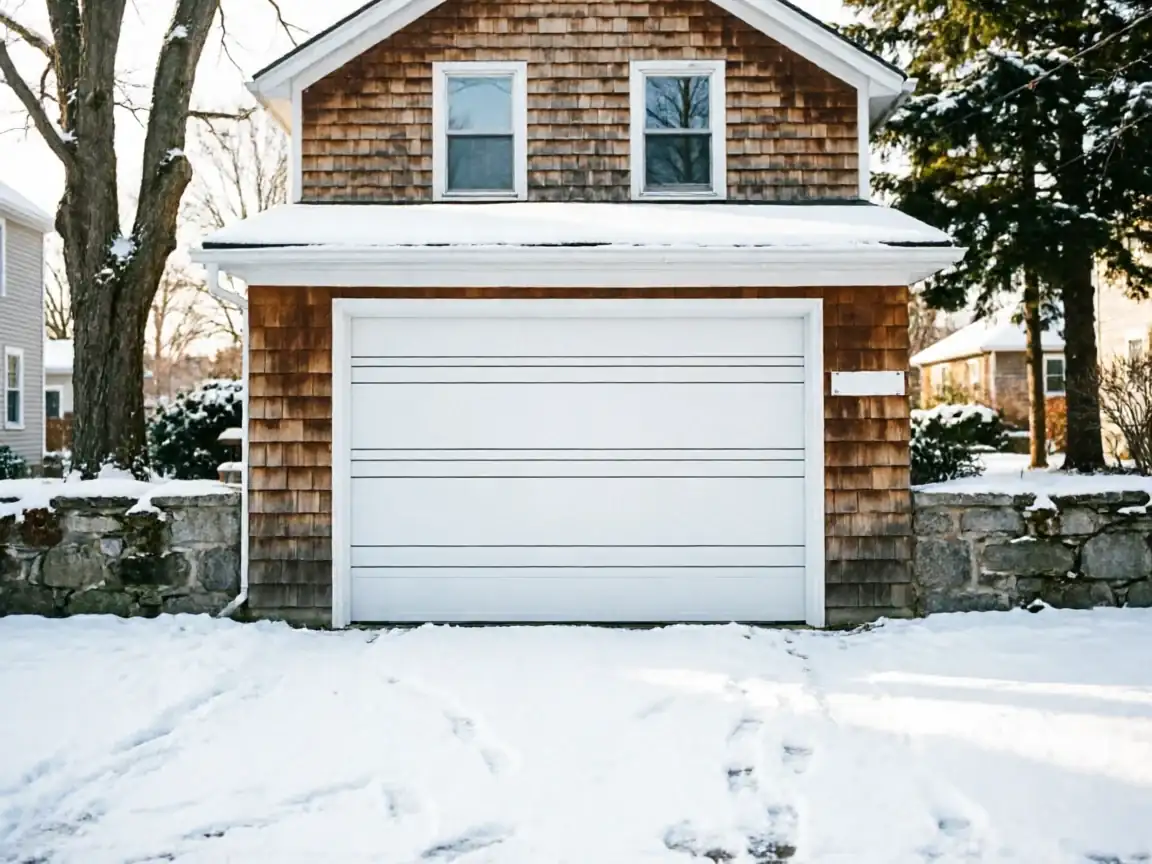
The house has a white garage door, cedar shake siding, and a snow-covered driveway.

Garage Door Service

Garage door repair for Glastonbury's 1960s-70s housing stock. We know why torsion springs and openers fail here, and what a cold Connecticut winter does to them.

Learn more
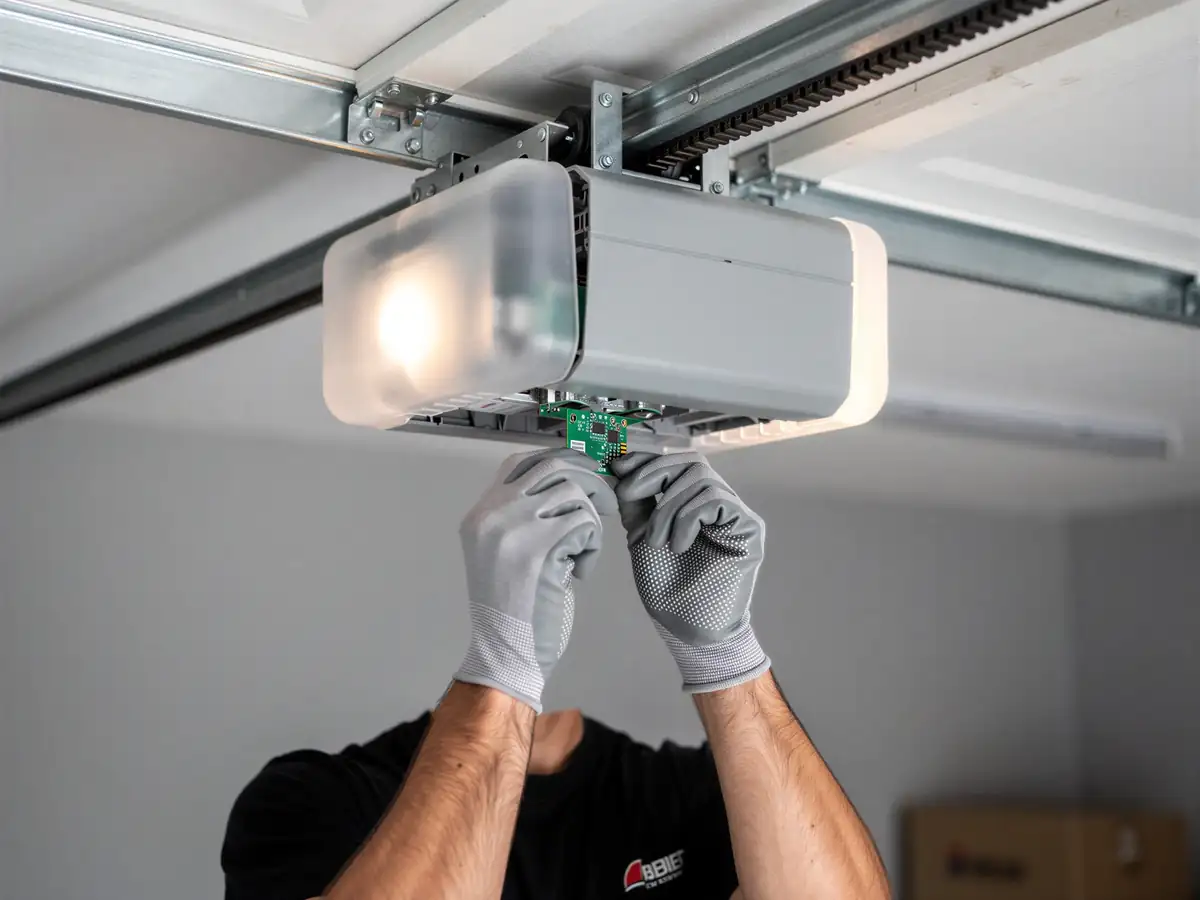
A technician in gloves works on the circuit board of a garage door opener.

Opener Repair

Opener dead or acting up in a Glastonbury home built before 1990? We diagnose the fault, price the fix plainly, and get the door moving again the same visit.

Learn more
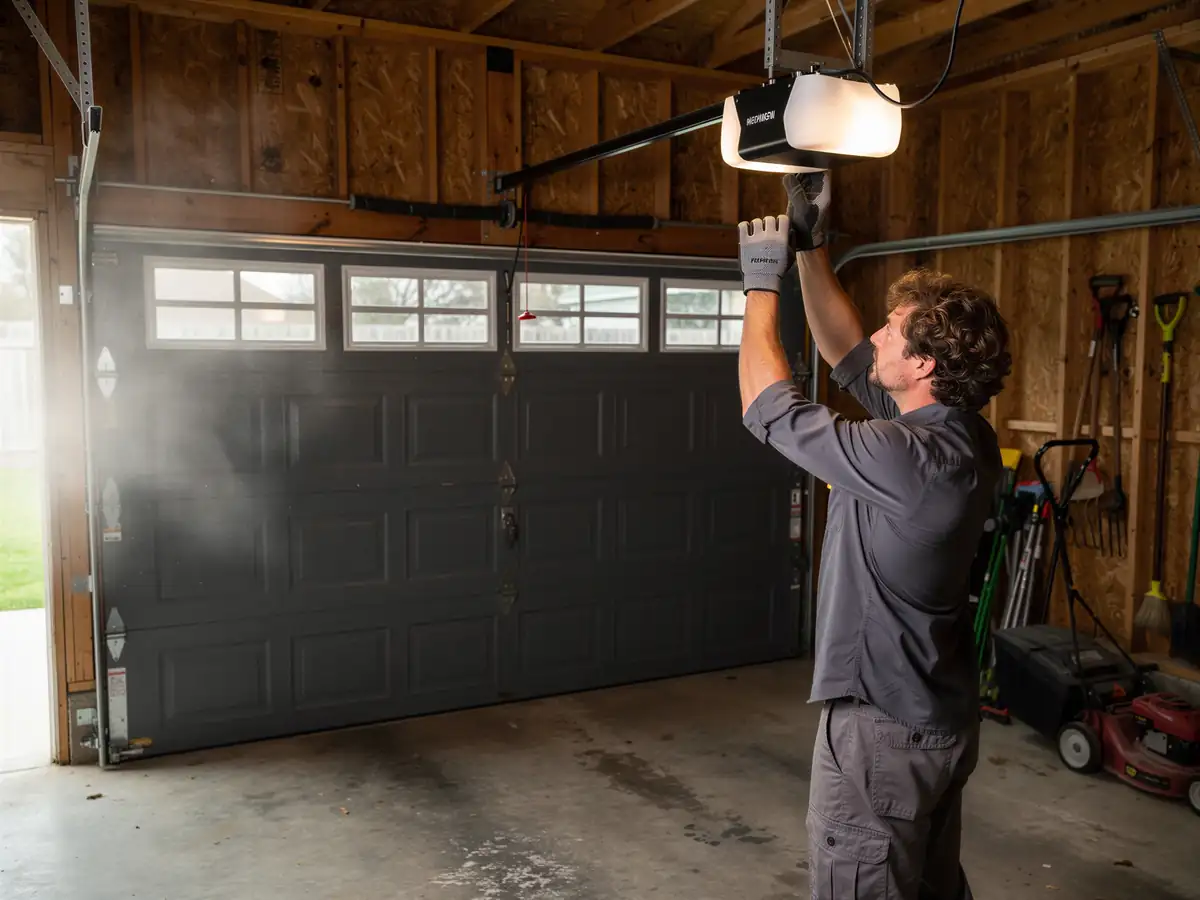
A technician adjusts a garage door opener above a dark gray garage door.

Opener Installation

Opener installs and swaps for Glastonbury homes built mostly between 1960 and 1990, where original drive units are decades past their rated life in a cold climate.

Learn more
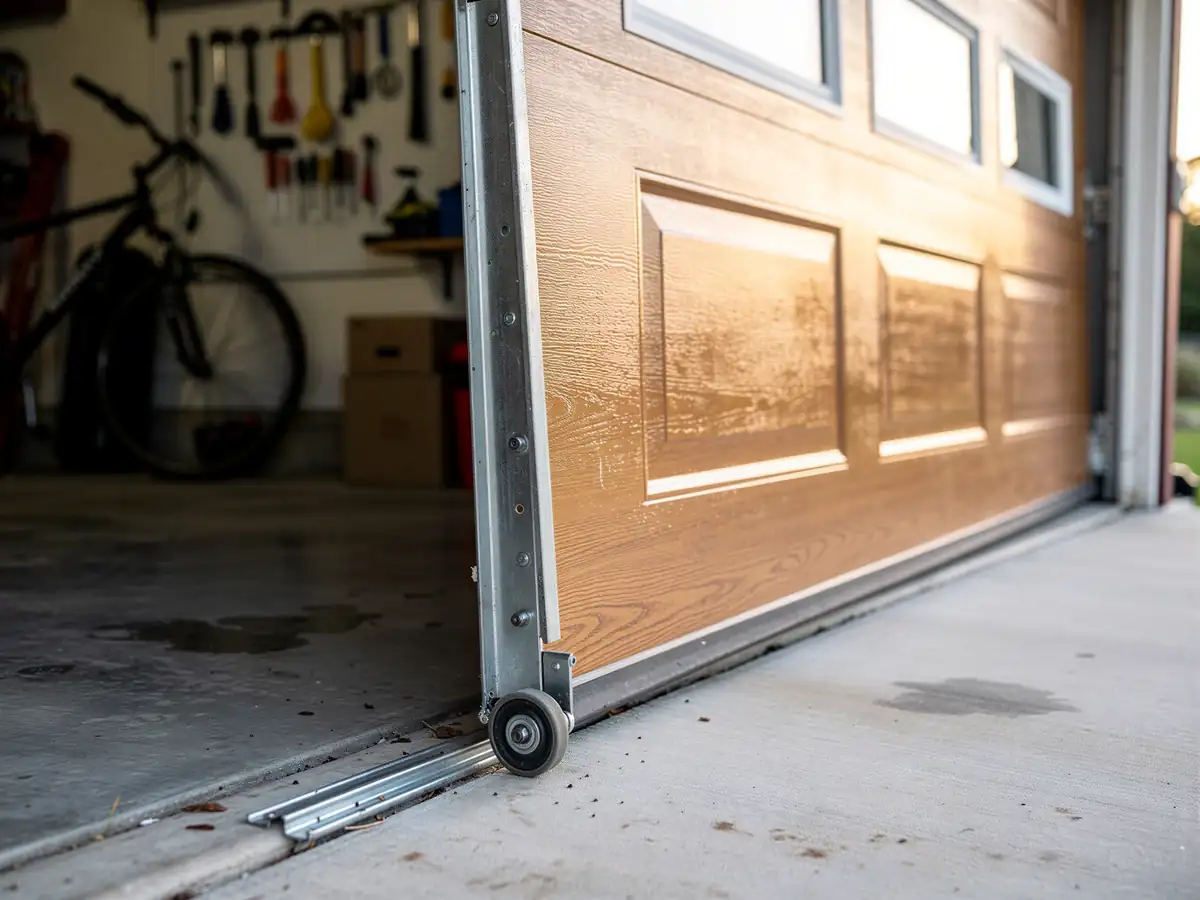
The garage door is partially open with a roller off its track.

Off-Track Repair

Garage door jumped its track in Glastonbury? We explain why it happens so often in homes built 1938-1990 and what the fix actually costs.

Learn more
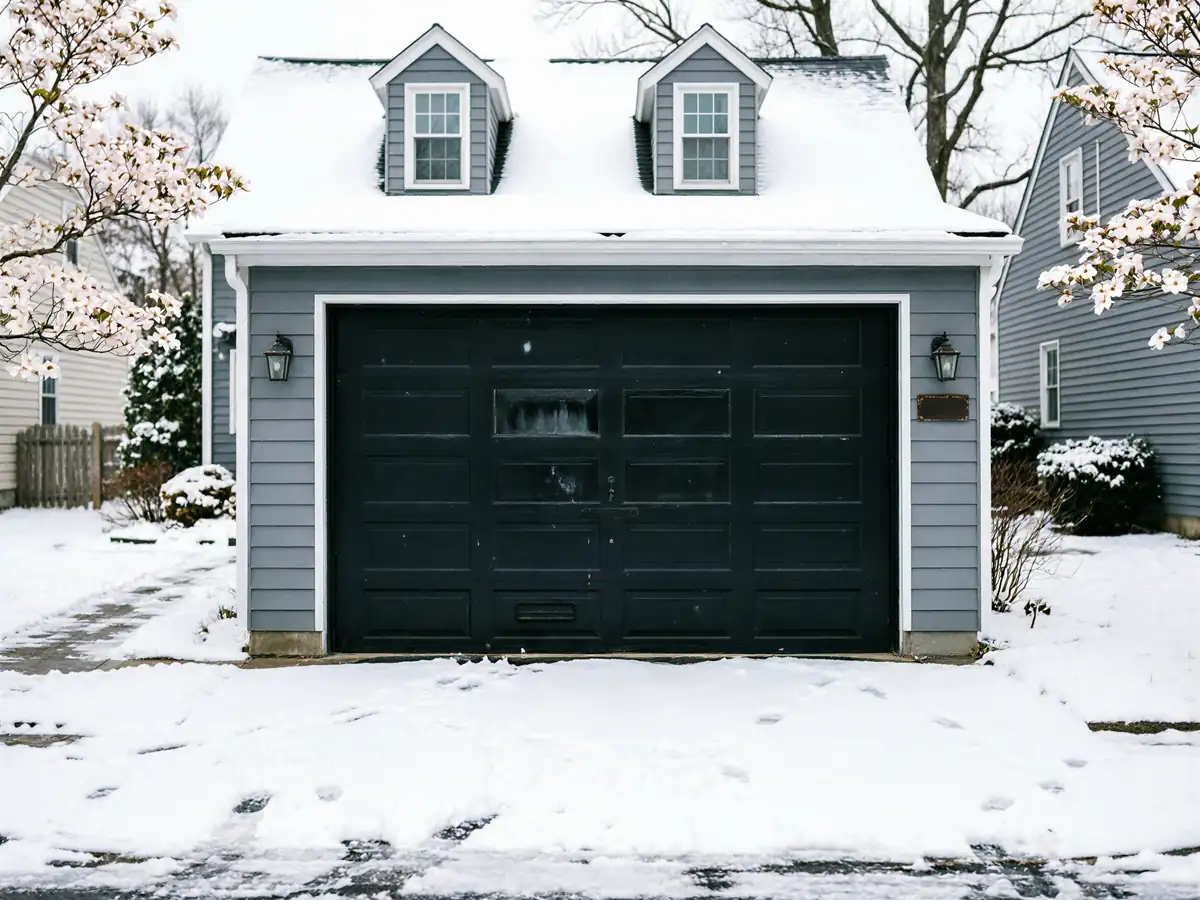
A gray garage with a black door and two dormer windows is covered in snow.

Panel Replacement

Cracked, dented, or rusted garage door panel in Glastonbury? We match panels on 1960s-70s doors and explain what drives cost and timeline for this housing stock.

Learn more
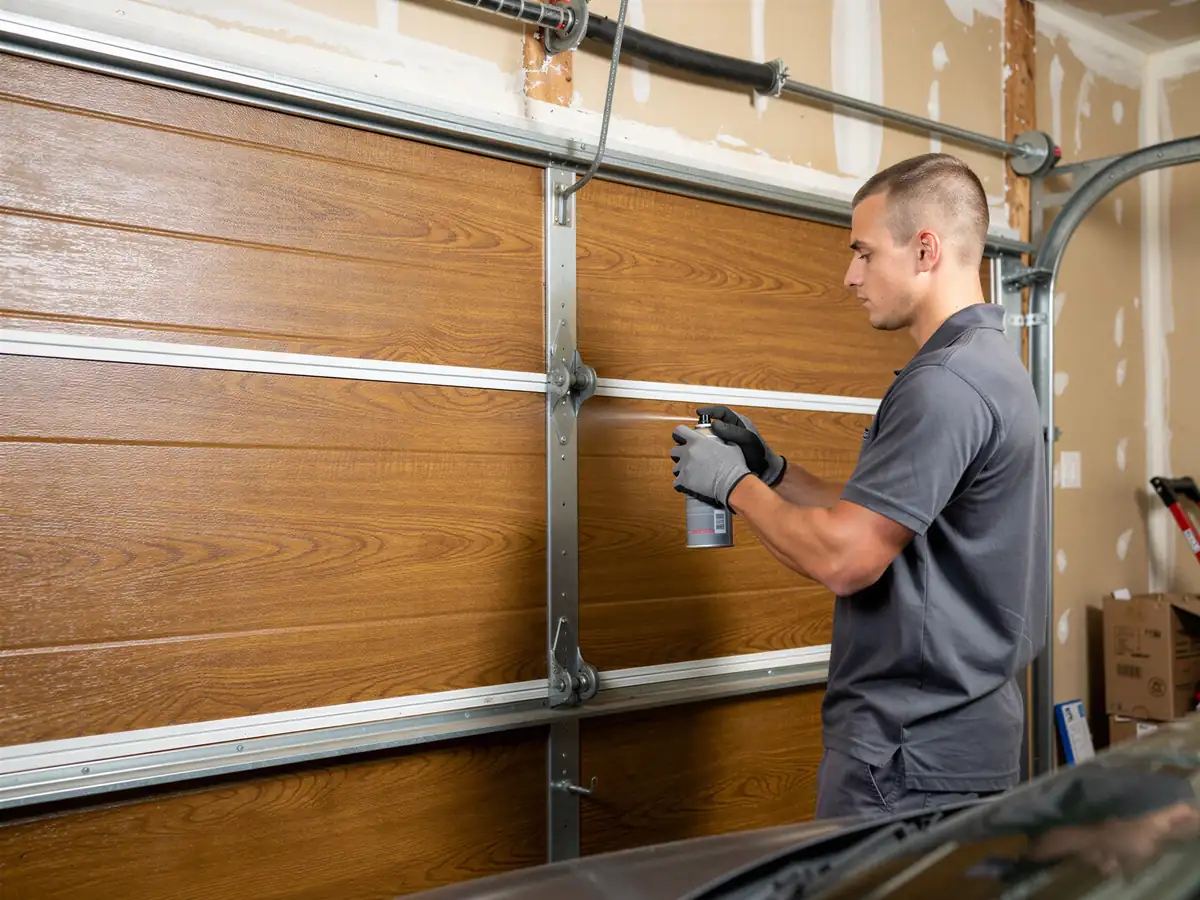
A technician in gray gloves sprays lubricant on a brown garage door.

Maintenance

Glastonbury homes built between 1938 and 1990 carry original hardware that wasn't made for New England winters. Here's what maintenance actually catches before it fails.

Learn more
Questions

Frequently asked

Straight answers about garage door repair in Glastonbury. Still unsure? Ask us directly.

Why does my garage door get harder to open in winter?

Steel torsion springs lose tension as they age, and in a severe cold climate that process speeds up - cold steel is less elastic. On a house built before 1990, which describes most of this town's housing stock, that spring has had decades of freeze-thaw cycling already working against it, so winter is when it finally shows.

Is my opener the problem or is it something else?

Usually something else. Most houses here have had the opener replaced at least once since the original build, while the spring, track, and hinges are often untouched. If the door feels heavy or binds before the motor even engages, that points to the spring or track, not the opener.

Do I need a full replacement or just a repair?

Depends on what's original. If the spring, cables, and rollers are all from the same build era - common on houses from the 1938-1990 range - fixing one part while the rest stays decades old often leads to a repeat call. A tech can tell you after looking, not before.

Ready to get your garage door sorted?

Tell us what it’s doing and where you are in Glastonbury - we’ll take it from there.

Request a QuoteCall