Serving Glastonbury, CT & nearby
(860) 217-5253
Glastonbury, CT

Is Your Glastonbury Garage Door Worth Fixing, or Time to Replace

Glastonbury's housing dates mostly to 1938-1990, with a 1960s-70s peak. That shapes which garage doors around town are worth repairing, and which ones aren't.

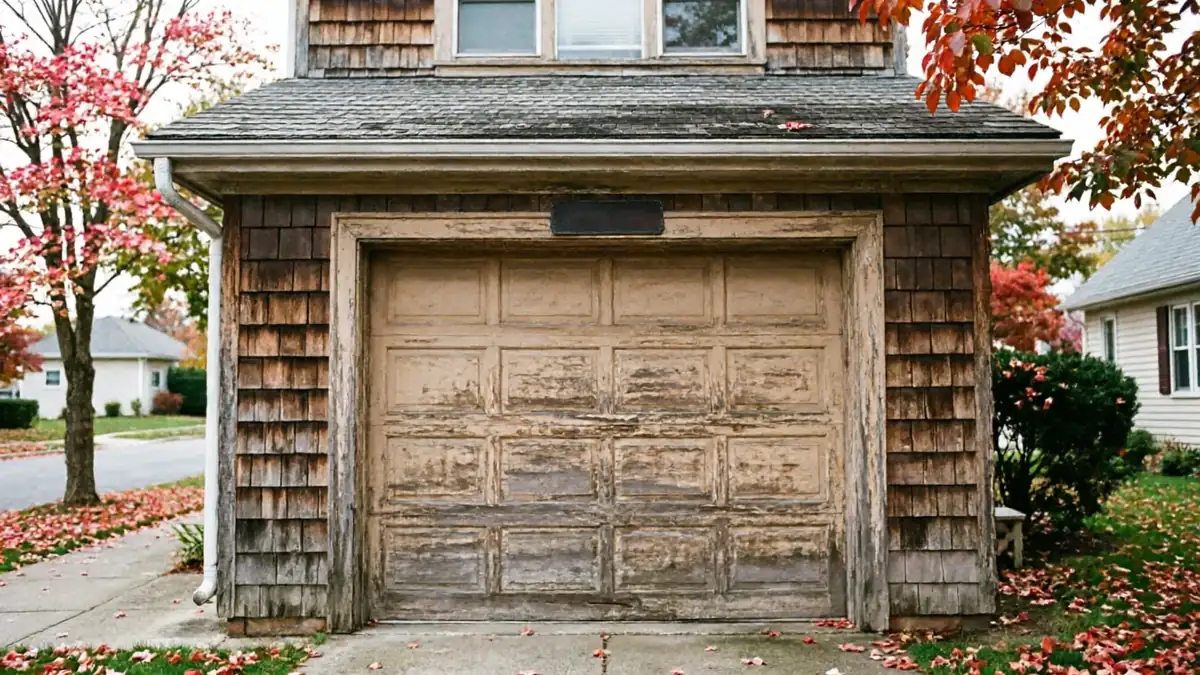
The old garage door has peeling paint and is surrounded by cedar shingles.

What Local Conditions Do

Glastonbury sits in a climate band rated cold to severe, and that changes what 'worn out' means on a garage door here versus somewhere milder. A torsion spring rated for normal cycling fatigues faster when it's cycling through hard freezes and fast thaws several times a winter. Steel contracts, lubricant stiffens, and a spring that's already carrying forty years of wear doesn't ease into failure - it snaps. Same story with galvanized tracks: condensation and road salt tracked in on tires eat at the coating faster once a door's hardware is original to a house built in the 1938-1990 range common around here. Panels matter too. A lot of the doors going up in that era weren't insulated, and in a severe cold band that's not just a comfort problem - it's condensation dripping onto rollers and bottom brackets that were never meant to handle it. None of this means an older door is doomed. It means the conditions do more of the damage, faster, than they would somewhere with a milder winter. When we look at a door that's acting up, the first question isn't just its age - it's how many winters like this one it's actually been through.

The Situation

Most of the housing stock across this service area, Glastonbury included, dates to between 1938 and 1990, with the thick of it built in the 1960s and 70s. That's consistent across the 61 named areas we cover, and it means a predictable range of door types: steel sectional doors on extension or torsion springs, often with openers added later rather than installed with the house. Glastonbury Center sits about a mile from a lot of the oldest of that stock, and the concentration of original hardware - springs, drums, and cable that have never been swapped - is higher close in than it is out toward the newer construction nine or ten miles out, closer to South Windsor or Terramuggus. That distinction matters when we're figuring out what we're walking into on a call. A door a mile from the center is more likely to still have its first set of torsion springs and a shaft that's never been touched. A door further out might be newer, or might have already had one round of repair work done on it by someone else. We can't tell you which situation your house is in without seeing it, but the age distribution itself tells us what to expect before the truck leaves.

What You Pay

We're not going to put a number on this page that isn't yours to trust - we don't have a published price list to point you to here, and quoting one would mean making it up. What we can tell you is what drives the decision between repair and replacement. The median household income across the service area is a little over $107,000, and across roughly 364,000 households, about 173,000 are owner-occupied houses - the kind of houses that actually carry garage doors rather than renting a unit where someone else decides. That's relevant because it changes the math on a borderline call. A spring job on a door that's otherwise sound is a smaller decision. Replacing a whole door and opener on a house with original 1960s hardware is a bigger one, and whether it's worth it depends on what else is wrong, not just the spring. One honest limitation: parts for some of the older torsion setups, particularly oddball drum sizes from that era, aren't something we keep on the truck, and getting the exact match can take longer than people expect. Sometimes that lead time alone is what tips a repair into a replacement.

What Most People Get Wrong

The biggest mistake we see is treating a broken spring as the whole problem. On a door that's original to a house built in the 1938-1990 range common around here, a snapped torsion spring is often the first visible failure, not the only one. The drum, the cable, and the shaft bearings have usually been under the same load for just as long, and replacing only the spring on a door like that means getting called back within a year or two when the next part gives out. The second mistake is assuming newer always means better. A door from the 1990s with a bad opener gear isn't automatically worth less fixing than a 1960s door with good bones - it depends on what's actually failed, not the decade on the label. The third is waiting too long on a door that's dragging or binding. A track that's slightly out of alignment on an older door puts uneven strain on hardware that's already fatigued from decades of cold-weather cycling, and small problems turn into cable failures faster on old stock than new. We'd rather tell you a spring job will hold for years than sell you a door you don't need yet.
How it works

From “it’s stuck” to “it’s fixed”

A quick, honest process - no guesswork and no surprises.

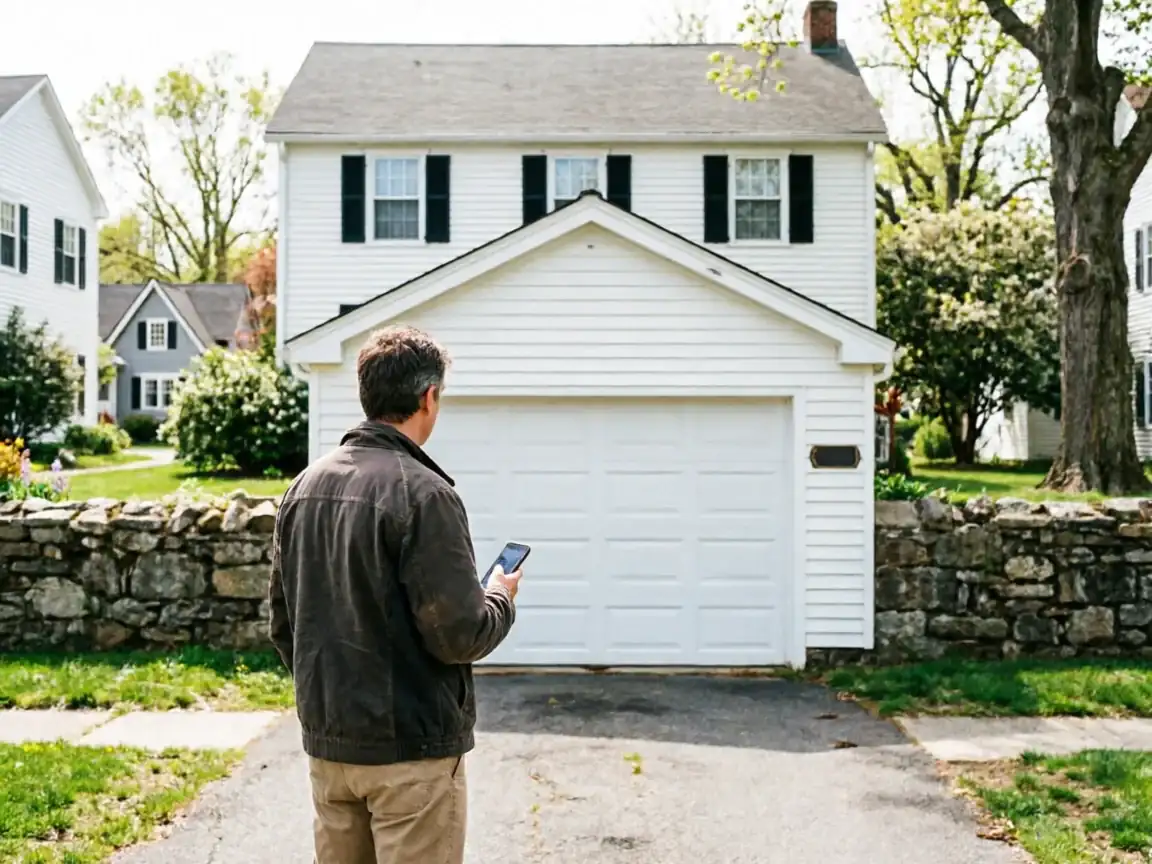
  1. A man stands in a driveway holding a phone, facing a white garage door.
    1

    Tell us what’s wrong

    Describe the symptom - won’t open, loud bang, opener runs but the door won’t move.

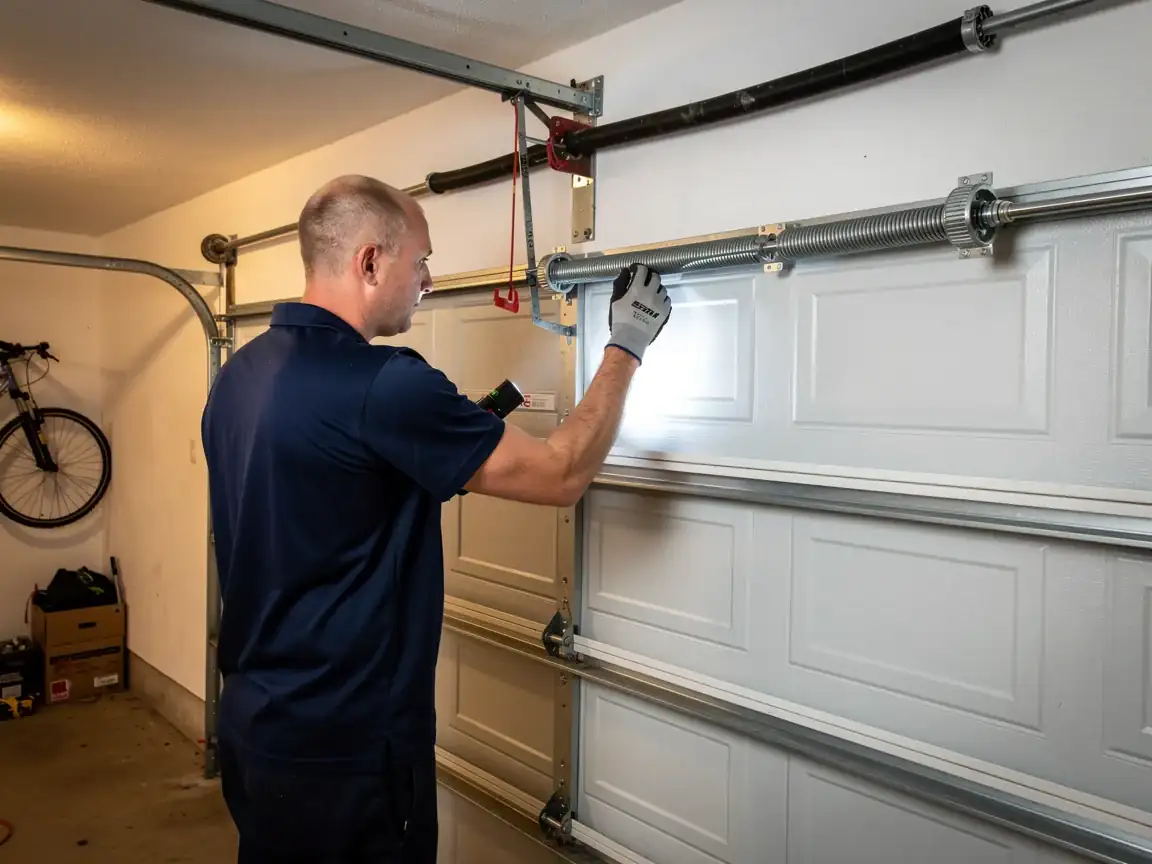
  2. A technician shines a flashlight on a garage door torsion spring.
    2

    On-site diagnosis

    A technician tests the door under power and by hand and finds what actually failed.

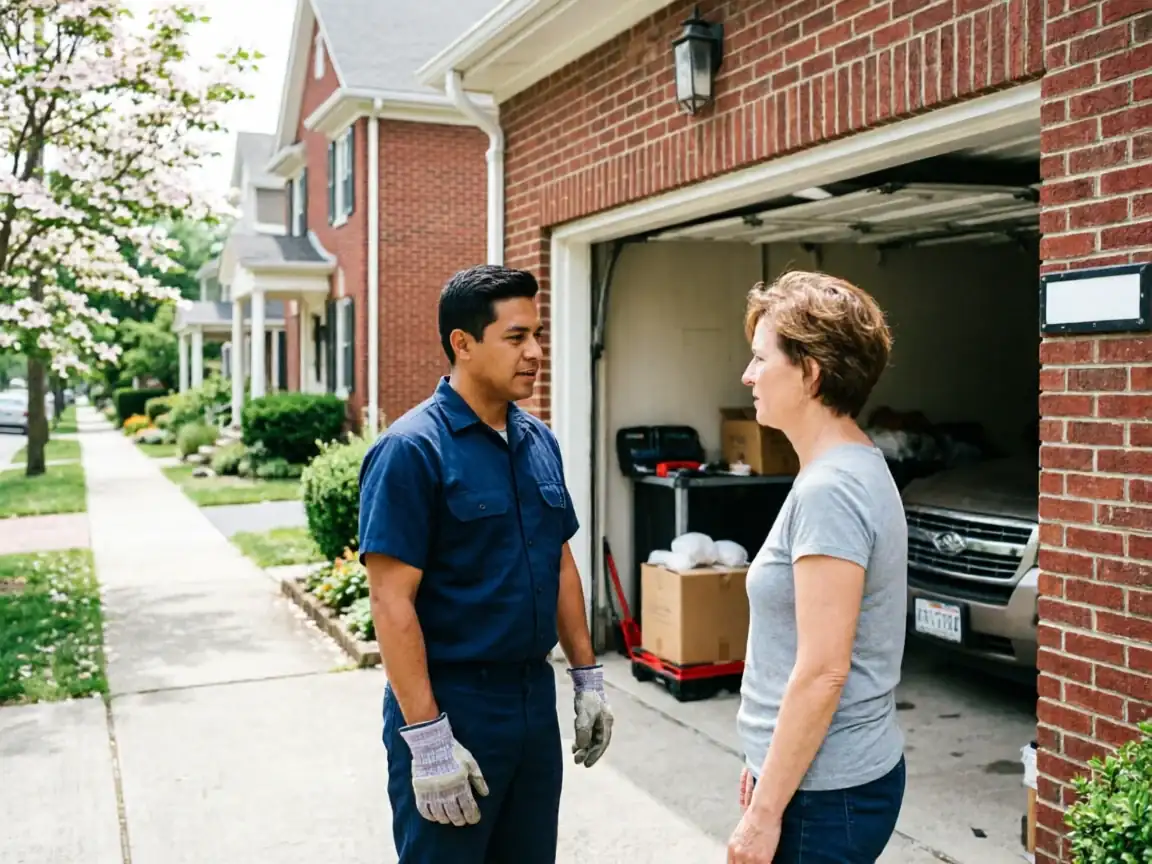
  3. A technician talks to a woman in front of a brick house with an open garage.
    3

    Clear, up-front plan

    You get the fix that’s needed and what drives the cost - before any work starts.

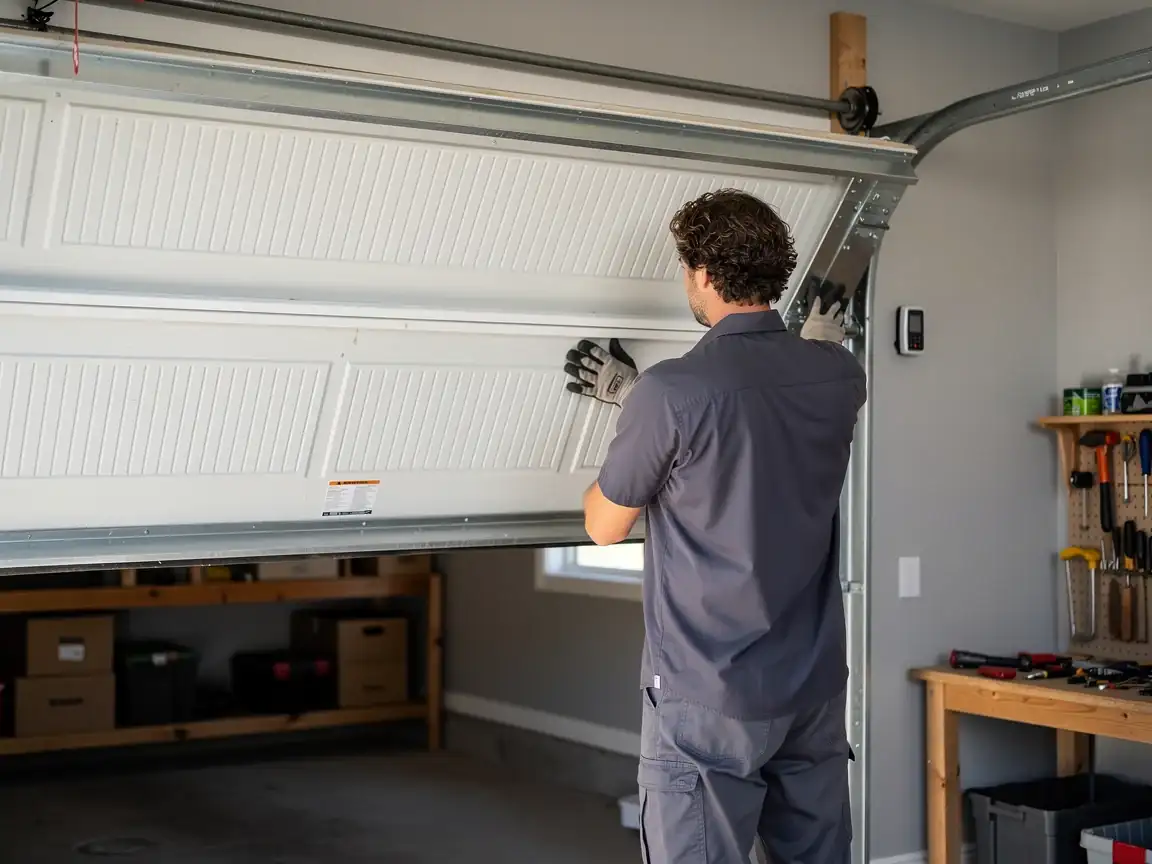
  4. A technician in a gray uniform is working on a white garage door.
    4

    Repaired & tested

    The repair is done, the door is set true and tested, and the work area left clean.

Not sure which repair your door needs in Glastonbury, CT? Describe what it’s doing - every job starts with a diagnosis.

How we work

What to expect

  • Diagnosis firstEvery visit starts by finding what actually failed - not a pre-written parts list.
  • The right part for the doorSprings and openers matched to the door’s weight and age, so the fix holds up.
  • Straight answersWhen a repair makes more sense than a replacement - or the reverse - you hear it plainly.
  • Clean, careful workTension released safely, hardware set true, the door tested under power before we leave.
What we do

Garage Door Services

Repair and installation work for Glastonbury homes and businesses.

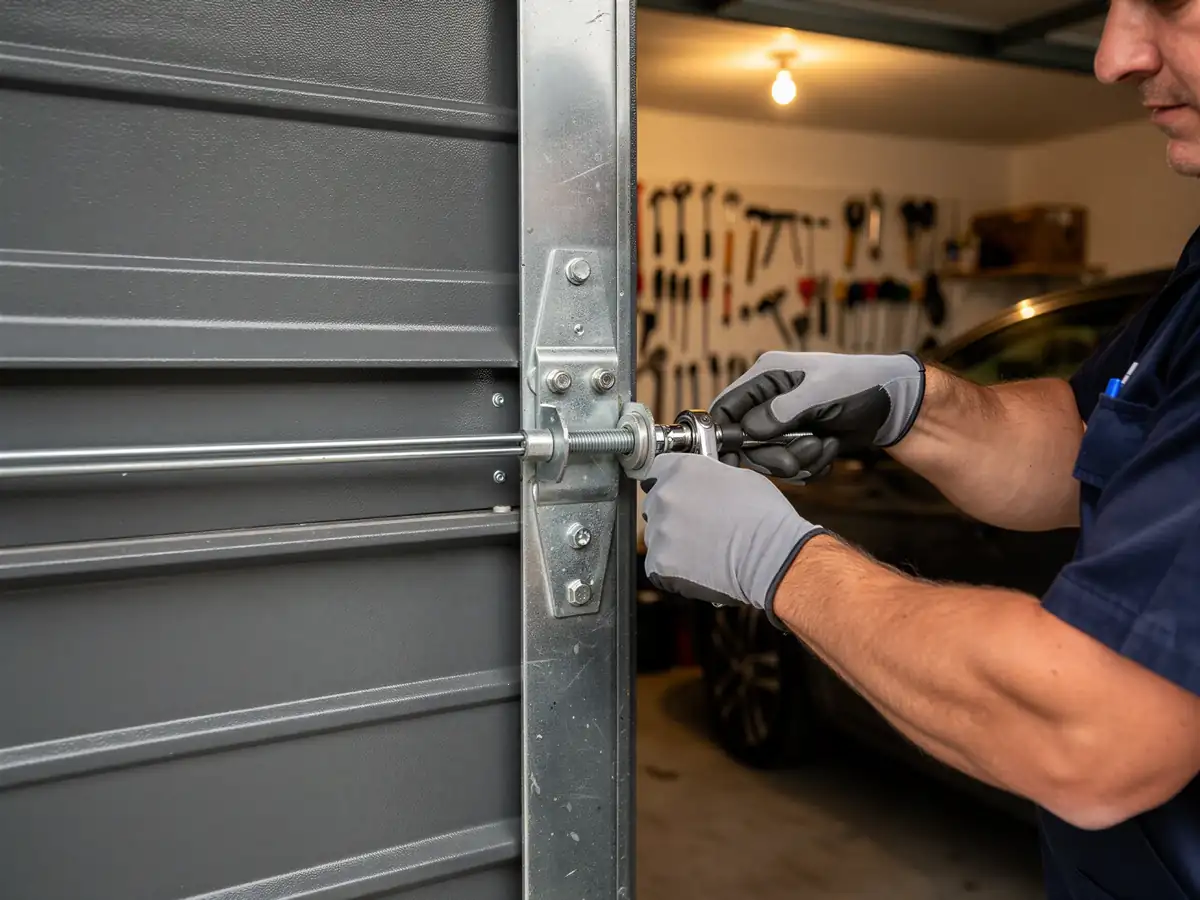
A technician in gloves adjusts a garage door roller and track.

Garage Door Repair

Garage door repair for Glastonbury homes built between 1938 and 1990, where original torsion hardware and cold-weather strain cause the most common spring and opener failures.

Learn more
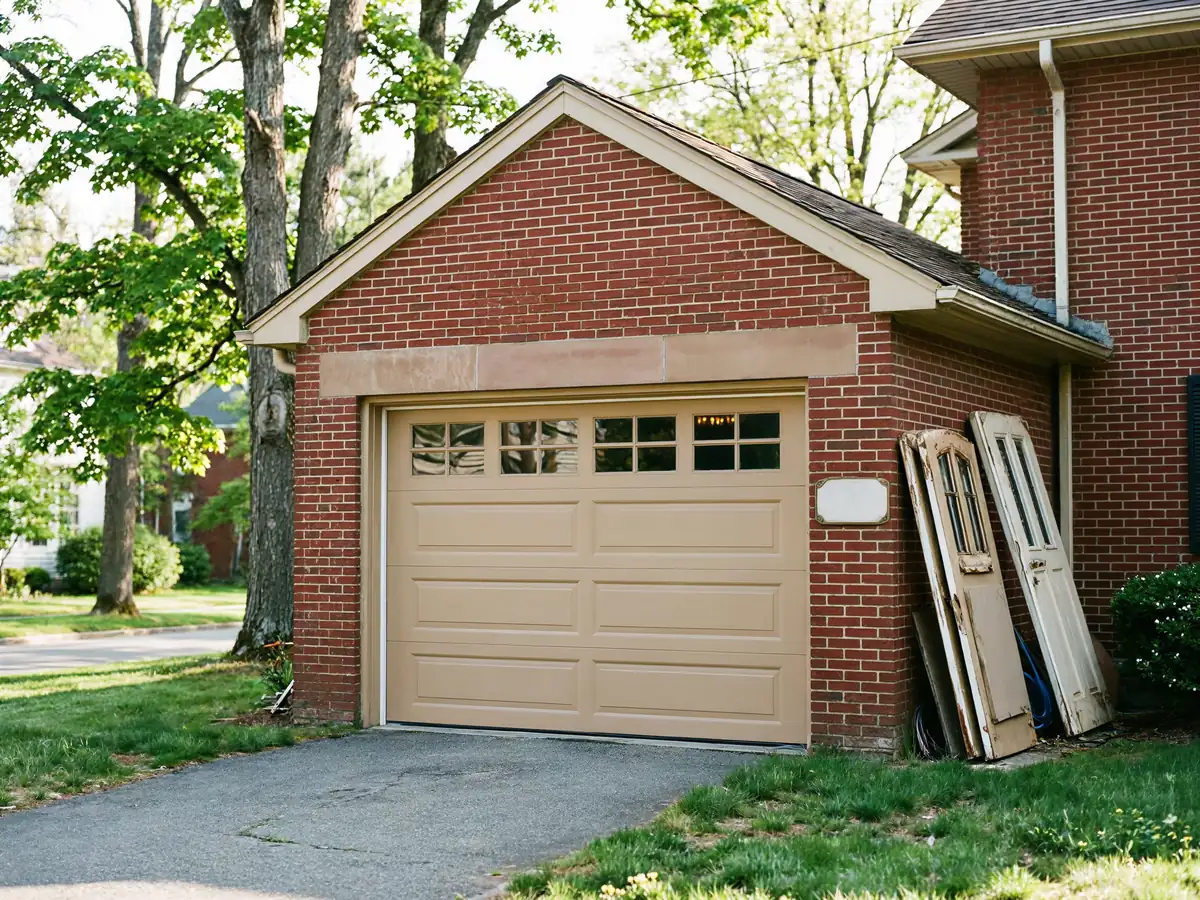
A tan garage door with windows is on a brick garage next to a driveway.

Garage Door Installation

Garage door installation in Glastonbury, CT for homes built mostly 1938 to 1990, where original openers and tracks no longer match new doors or cold winters.

Learn more
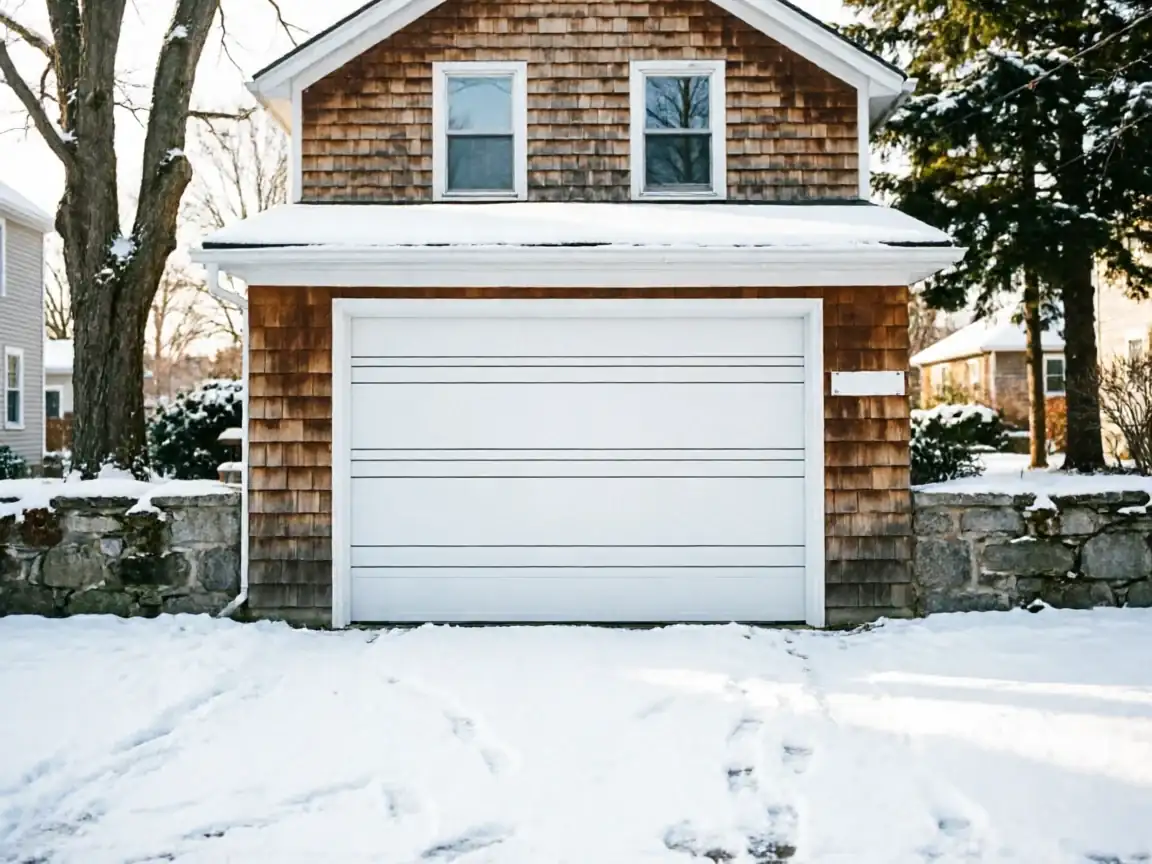
The house has a white garage door, cedar shake siding, and a snow-covered driveway.

Garage Door Service

Garage door repair for Glastonbury's 1960s-70s housing stock. We know why torsion springs and openers fail here, and what a cold Connecticut winter does to them.

Learn more
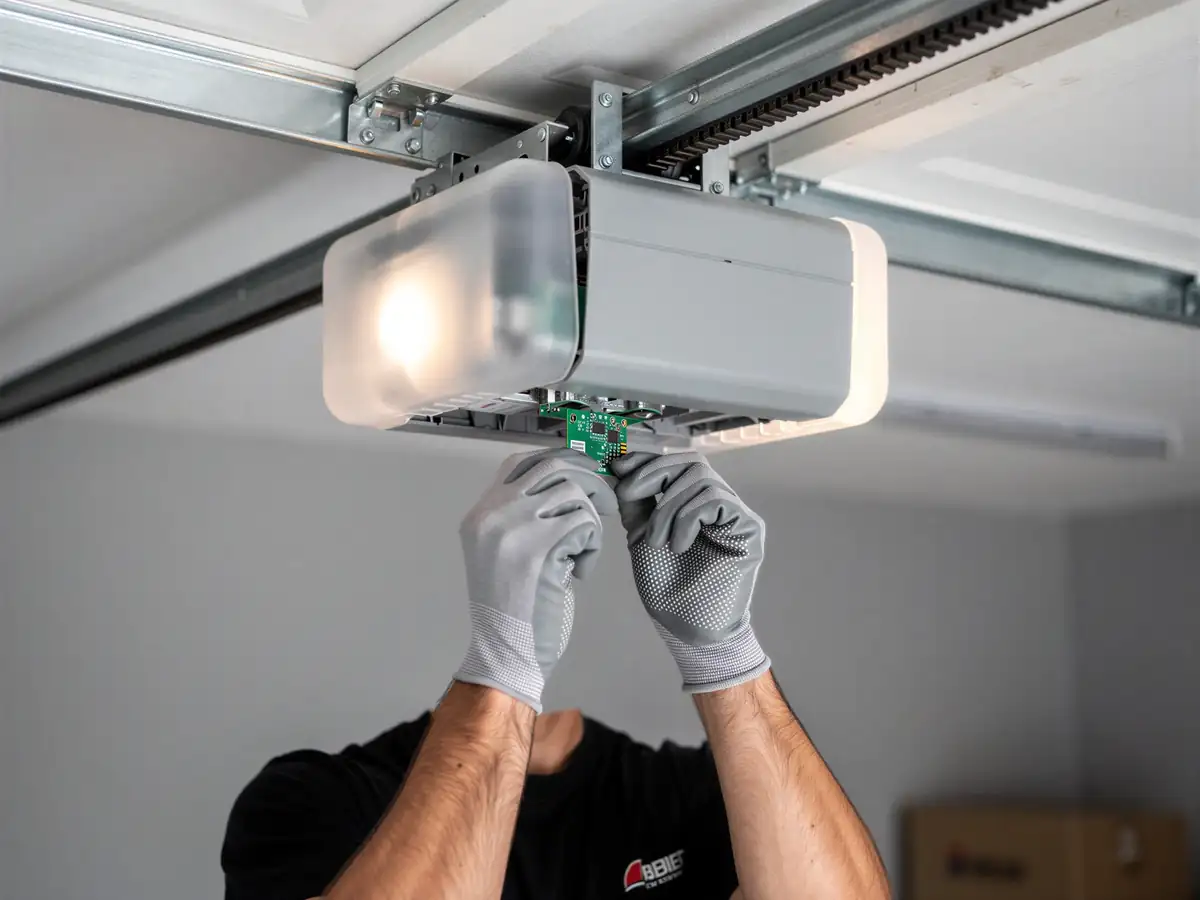
A technician in gloves works on the circuit board of a garage door opener.

Opener Repair

Opener dead or acting up in a Glastonbury home built before 1990? We diagnose the fault, price the fix plainly, and get the door moving again the same visit.

Learn more
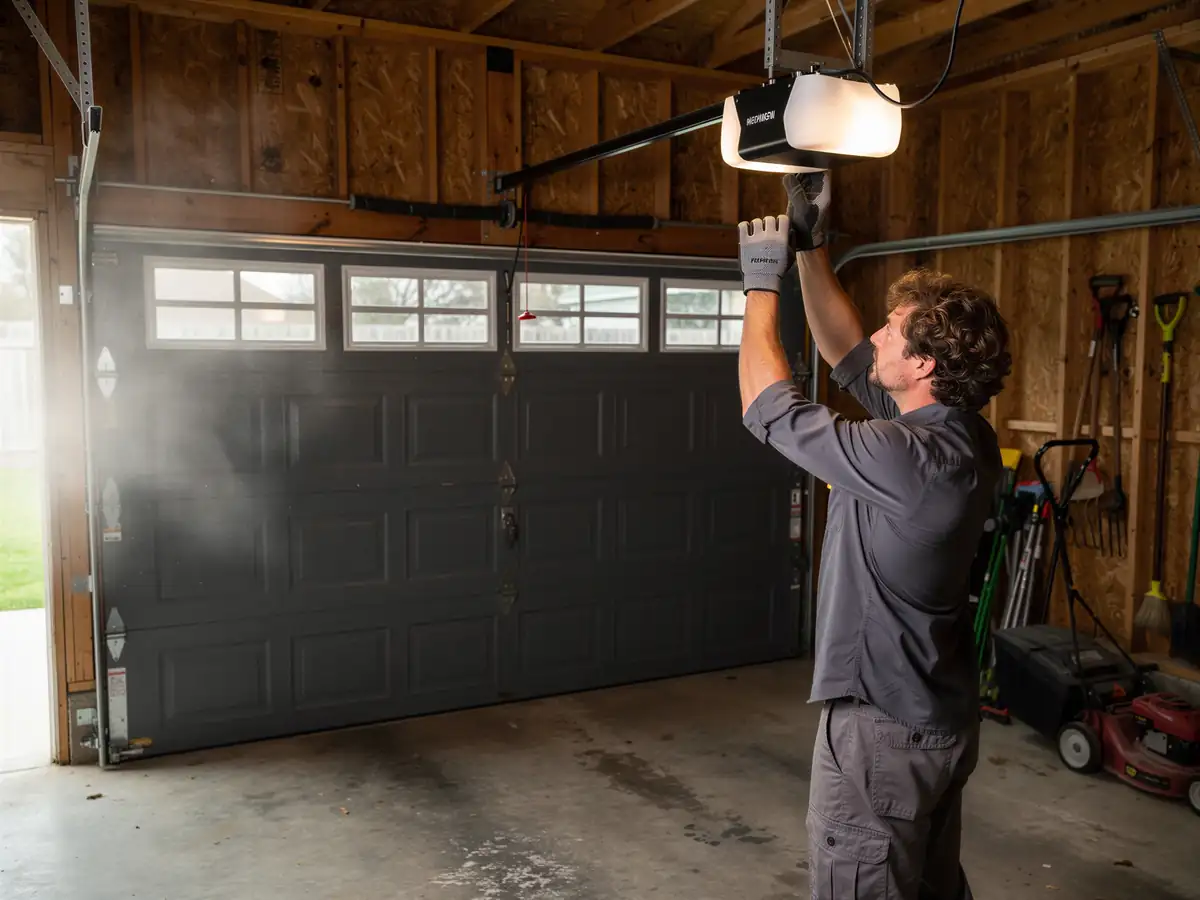
A technician adjusts a garage door opener above a dark gray garage door.

Opener Installation

Opener installs and swaps for Glastonbury homes built mostly between 1960 and 1990, where original drive units are decades past their rated life in a cold climate.

Learn more
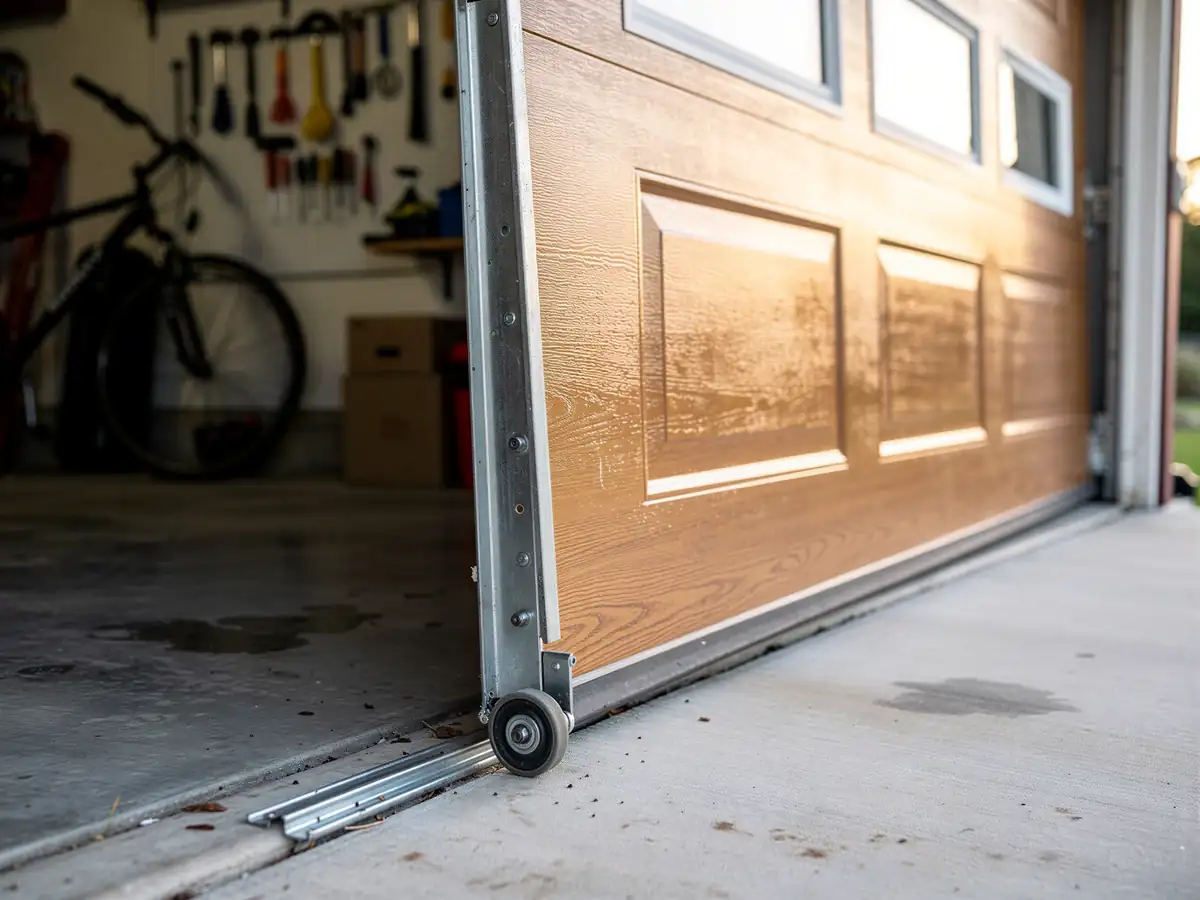
The garage door is partially open with a roller off its track.

Off-Track Repair

Garage door jumped its track in Glastonbury? We explain why it happens so often in homes built 1938-1990 and what the fix actually costs.

Learn more
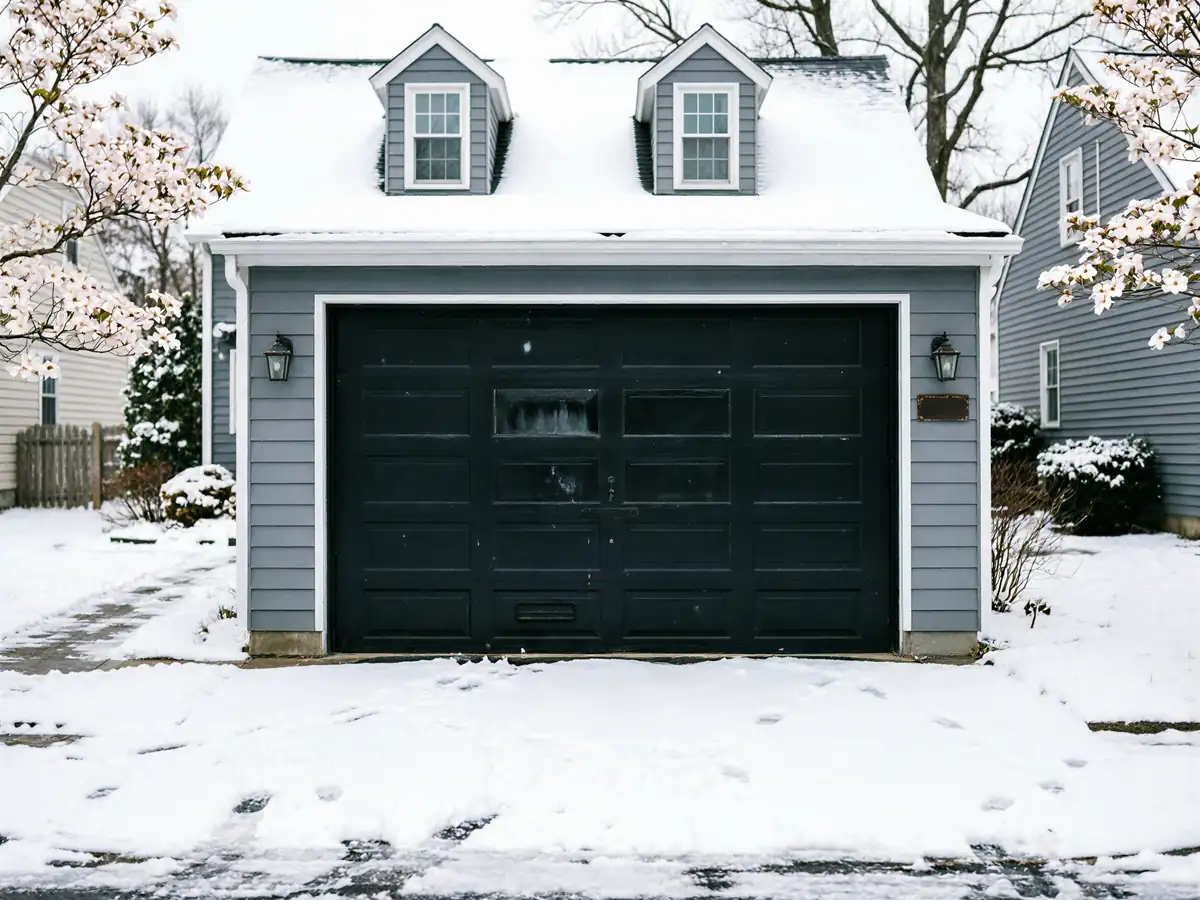
A gray garage with a black door and two dormer windows is covered in snow.

Panel Replacement

Cracked, dented, or rusted garage door panel in Glastonbury? We match panels on 1960s-70s doors and explain what drives cost and timeline for this housing stock.

Learn more
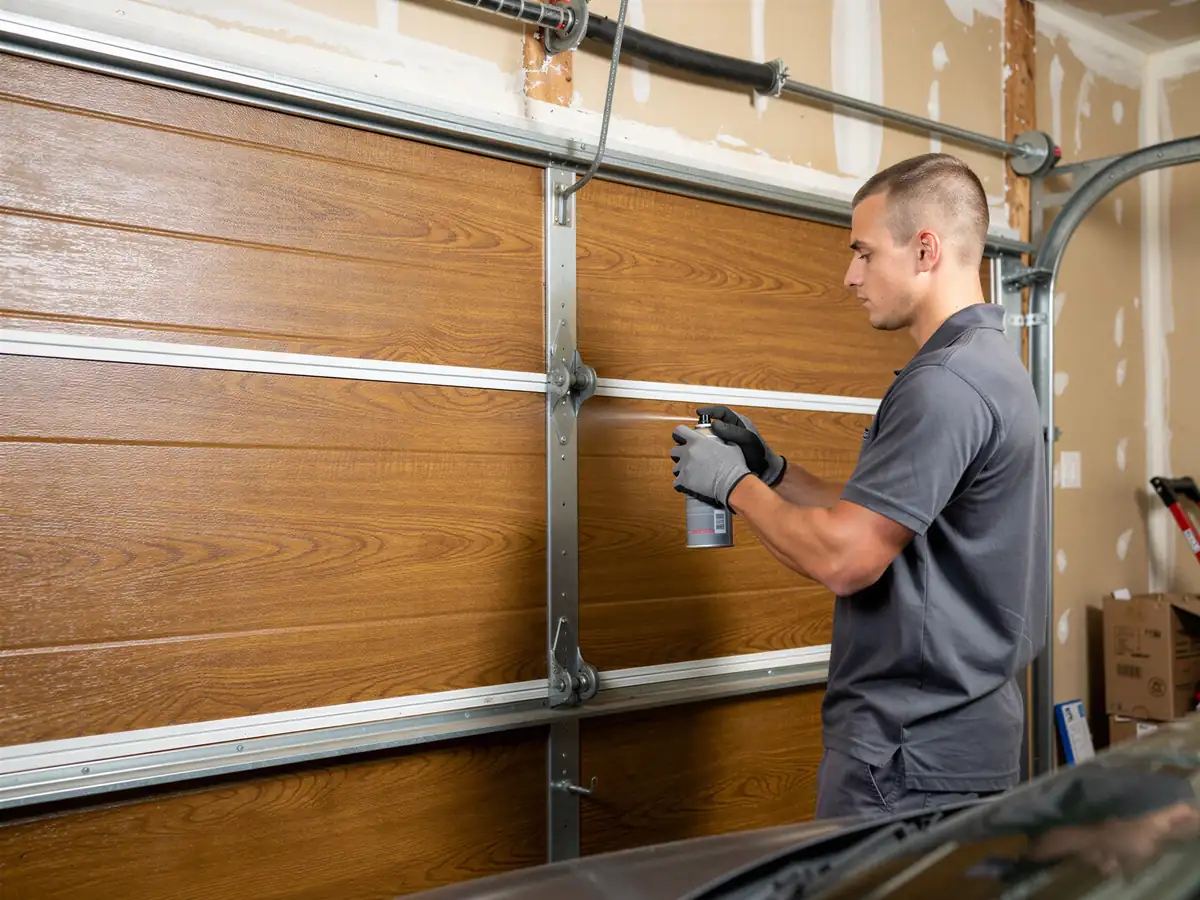
A technician in gray gloves sprays lubricant on a brown garage door.

Maintenance

Glastonbury homes built between 1938 and 1990 carry original hardware that wasn't made for New England winters. Here's what maintenance actually catches before it fails.

Learn more
Questions

Frequently asked

Straight answers about garage door repair in Glastonbury. Still unsure? Ask us directly.

Is it worth fixing a garage door that's original to a 1960s Glastonbury house?

Usually yes, if the failure is isolated to one part - a spring, a cable, a roller - and the track and drum are sound. If the shaft, bearings, and hardware are all original and showing wear together, replacing the whole assembly often makes more sense than chasing one failure after another.

Why do torsion springs seem to break more in winter around here?

The service area sits in a severe cold climate band. Steel contracts and lubricant stiffens in hard freezes, and a spring that's already fatigued from decades of cycling tends to snap outright rather than just sag or slow down.

Do you have a flat price for spring replacement?

We don't publish one here because it depends on the spring size, drum type, and whether the shaft and bearings need work too. Older torsion setups, especially original ones, sometimes need parts that aren't stock on the truck, which can change the job.

Is a door near Glastonbury Center more likely to need work than one further out?

Based on the age of housing stock, yes - the area close to the Center has a higher share of original 1960s and 70s hardware that's never been swapped. Houses built further out toward newer development tend to have newer doors and openers.

Ready to get your garage door sorted?

Tell us what it’s doing and where you are in Glastonbury - we’ll take it from there.

Request a QuoteCall