What Local Conditions Do
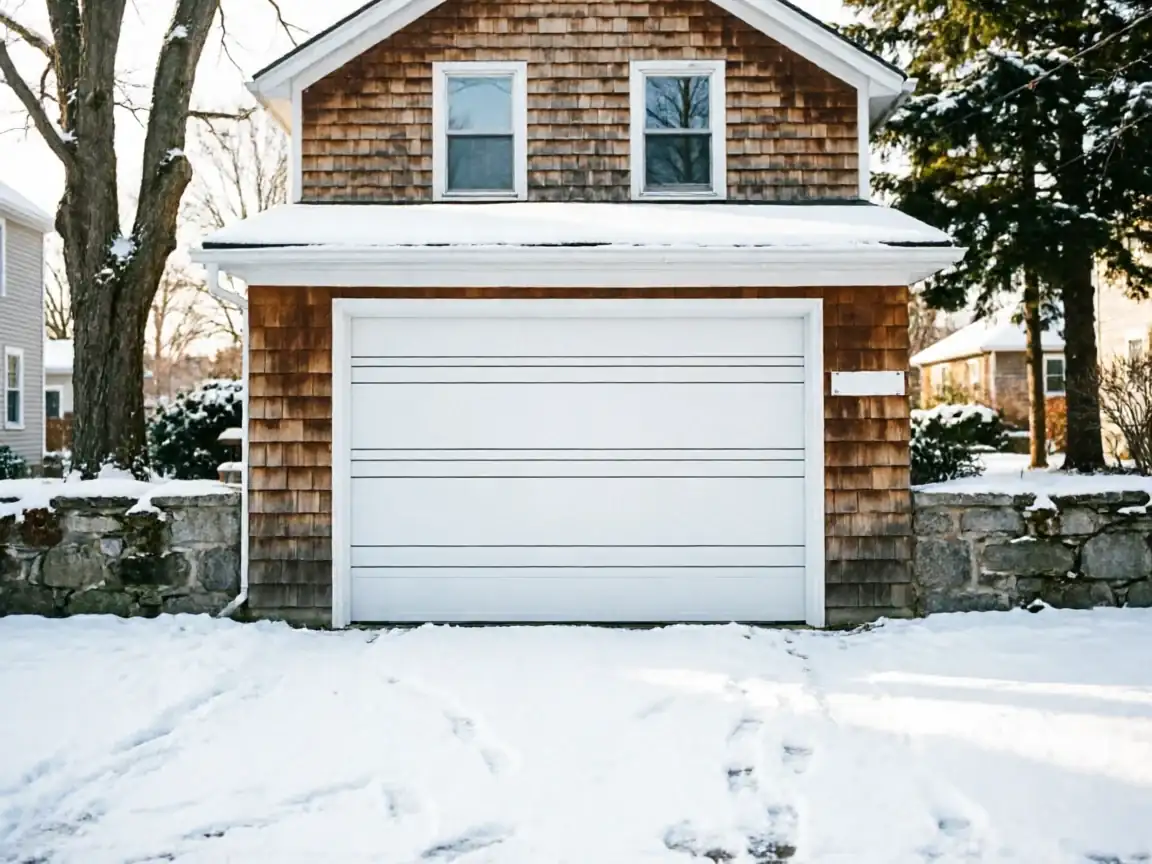
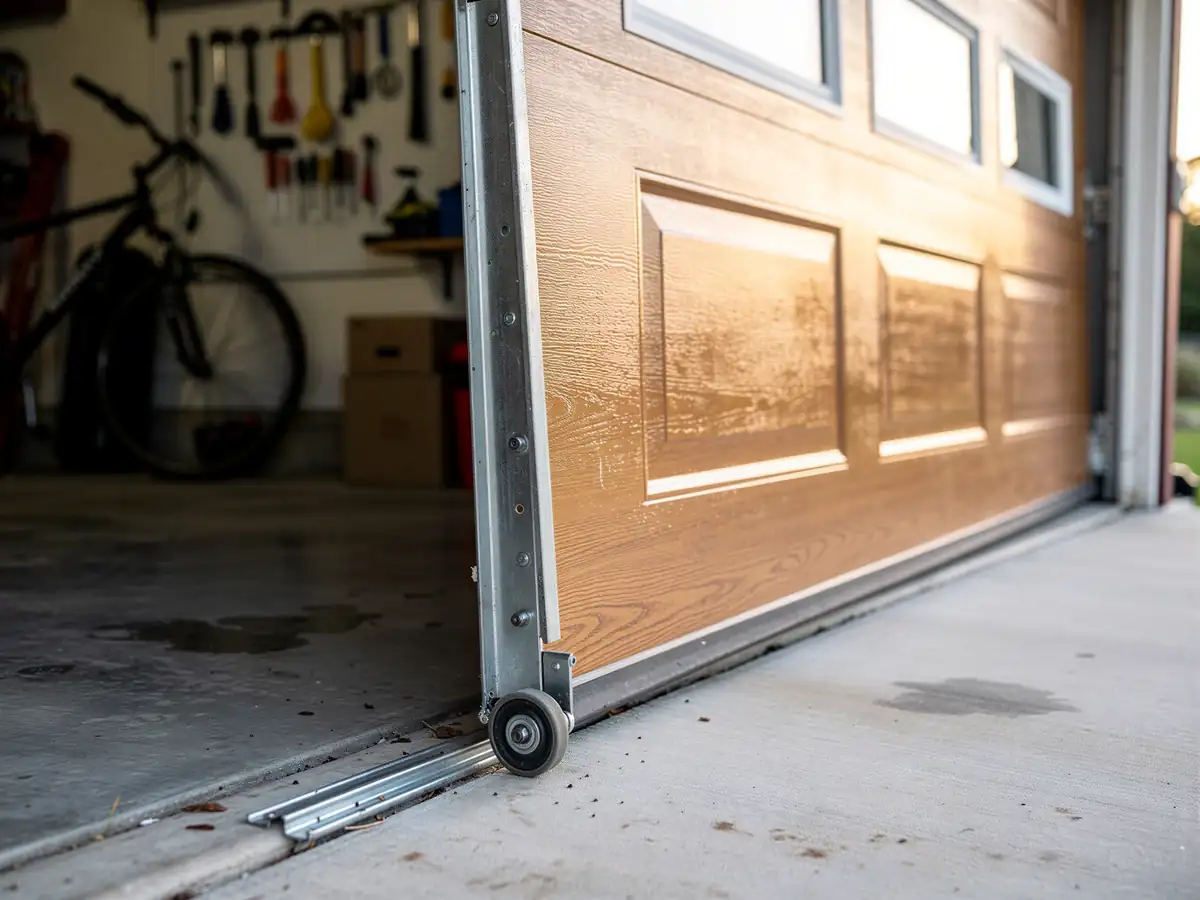
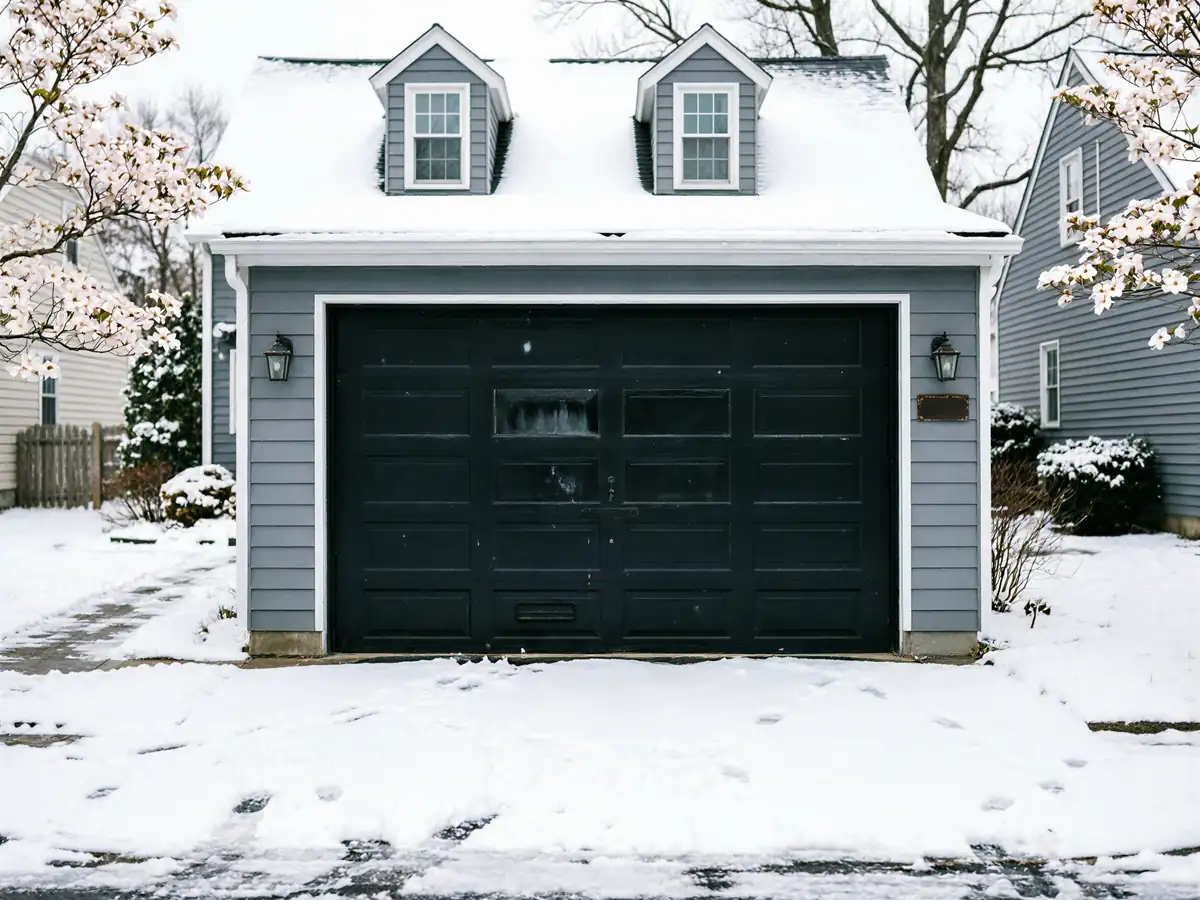
Glastonbury sits in a cold-climate band, and that matters more for garage doors than people think. Grease in torsion springs and roller bearings thickens when the temperature drops, so a door that ran quiet in September can start groaning by December for no reason other than the cold itself. Metal track brackets also contract slightly in deep cold, which is enough to turn a track that was a hair out of alignment in summer into one that scrapes a roller every cycle in January. None of this means something broke overnight. It means the hardware is responding to the season, and a sound that shows up only in cold weather is worth checking before it becomes a sound that shows up every time.
The practical upshot: if your door got noisy right as the weather turned, start with lubrication and alignment before you assume a part failed. If it's been getting louder gradually across a whole winter, that's a different story and usually means wear, not weather.
The Situation
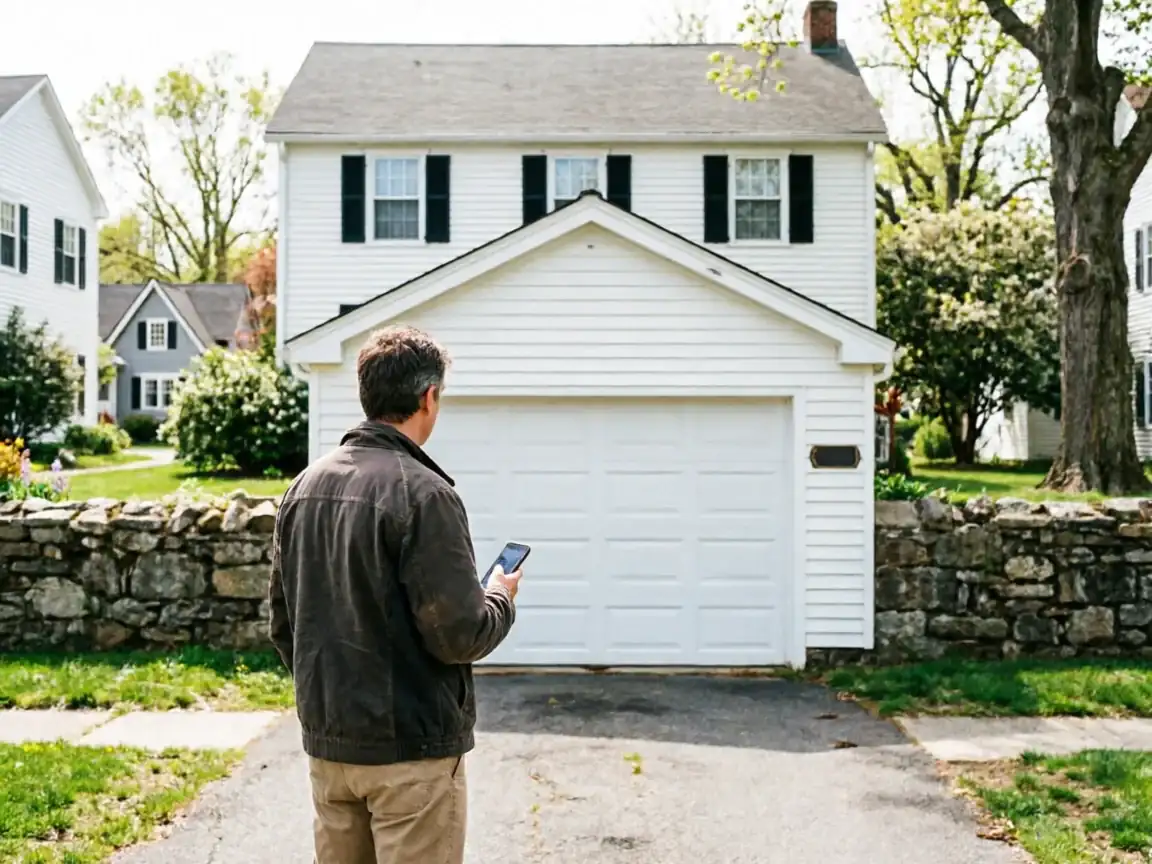
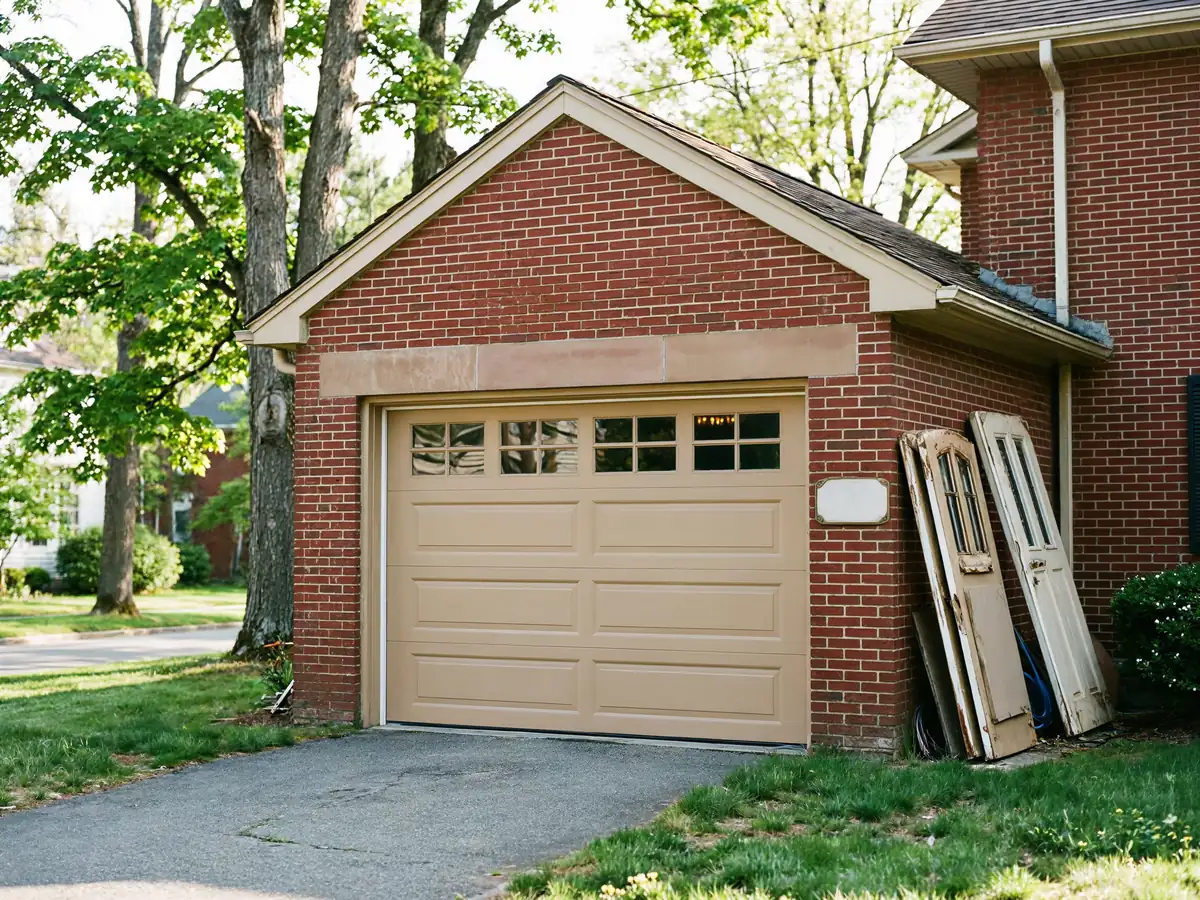
Housing in and around Glastonbury was mostly built between 1938 and 1990, with the median house going up in 1973, and that 1960s-70s stock dominates across the 61 named areas we cover. A door installed when a 1970-built house was new is on its second or third spring by now, and a lot of those original torsion setups are side-mounted designs that newer parts don't always match cleanly. That's the detail that changes what a sound means here versus in a neighborhood built last decade: a squeal from a torsion spring on a house near that median build year is often the spring nearing the end of its cycle count, not a lubrication problem.
Houses close to Glastonbury Center, within that first mile, skew toward the older end of that range, and we see more original hardware there than in newer construction further out toward Marlborough or Hebron. Age of the door tells you more than age of the complaint.
What Most People Get Wrong
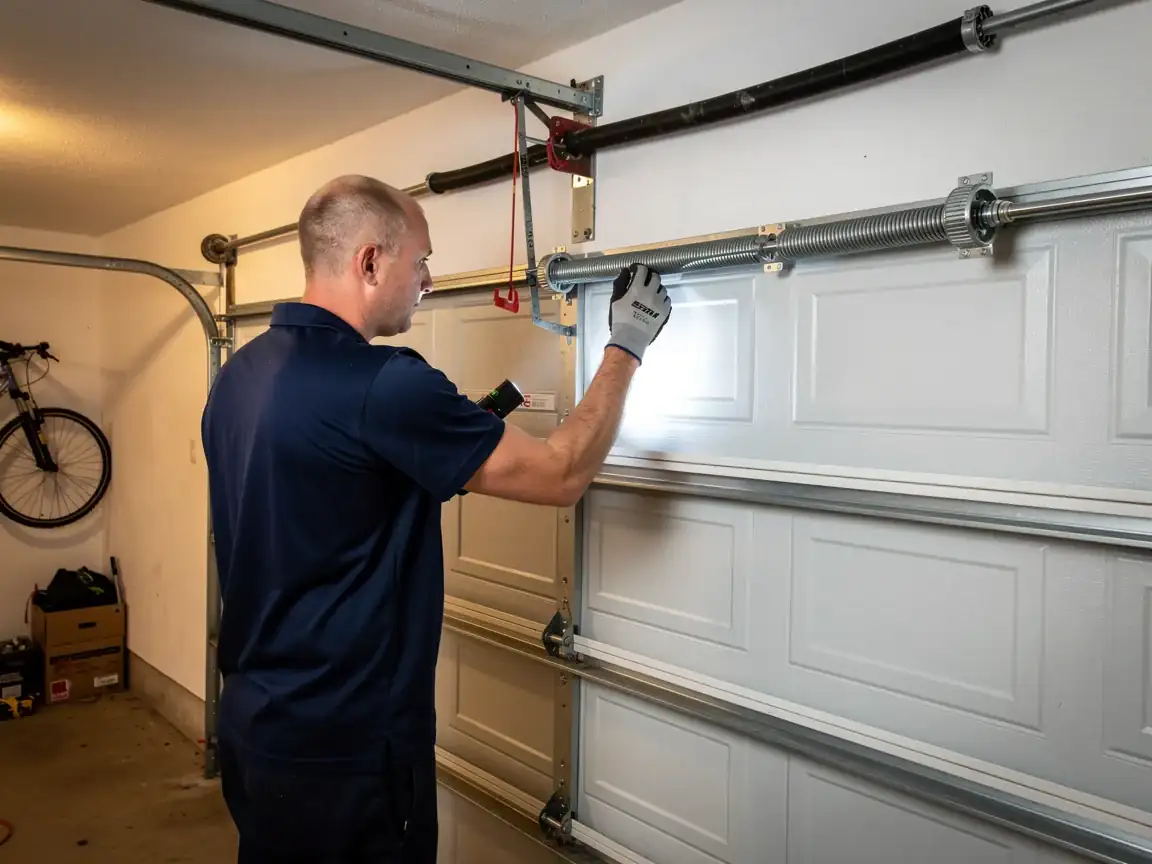
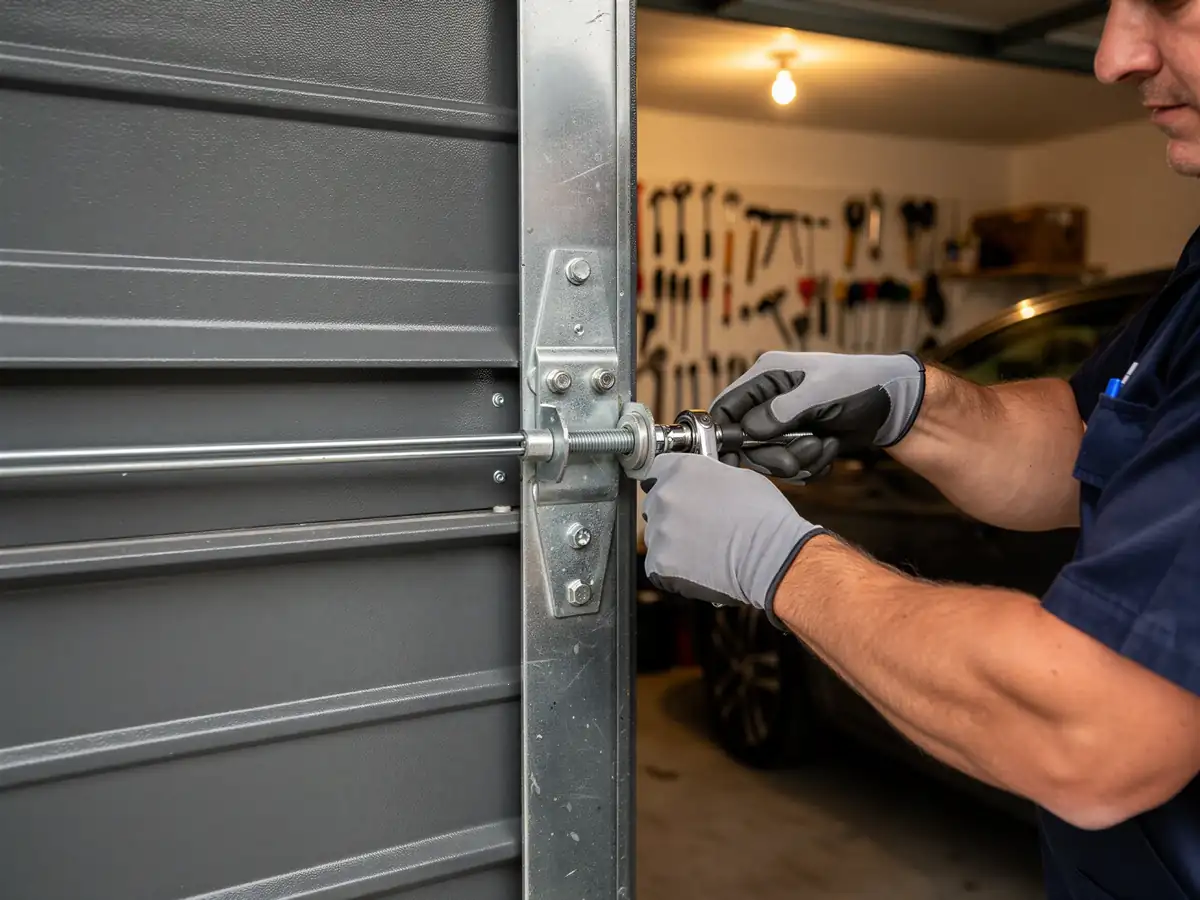
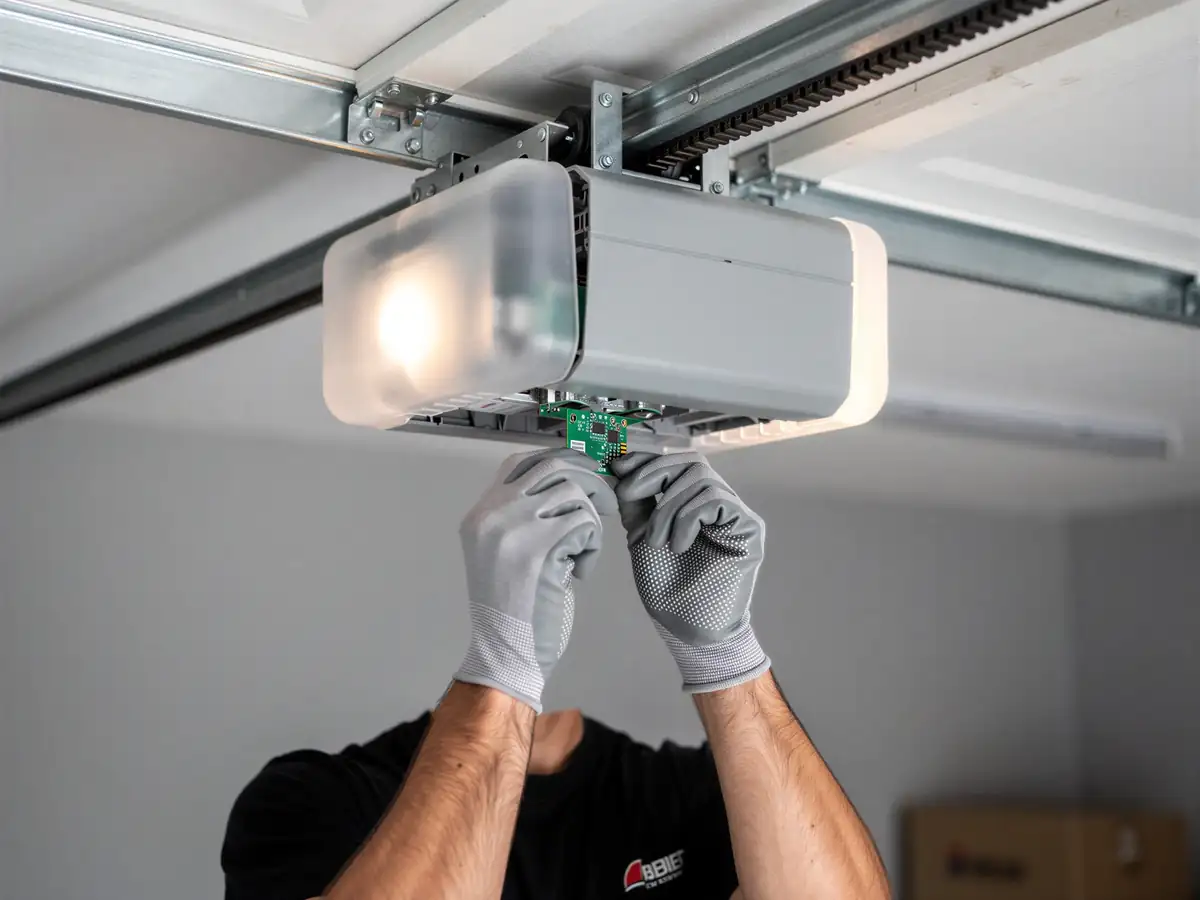
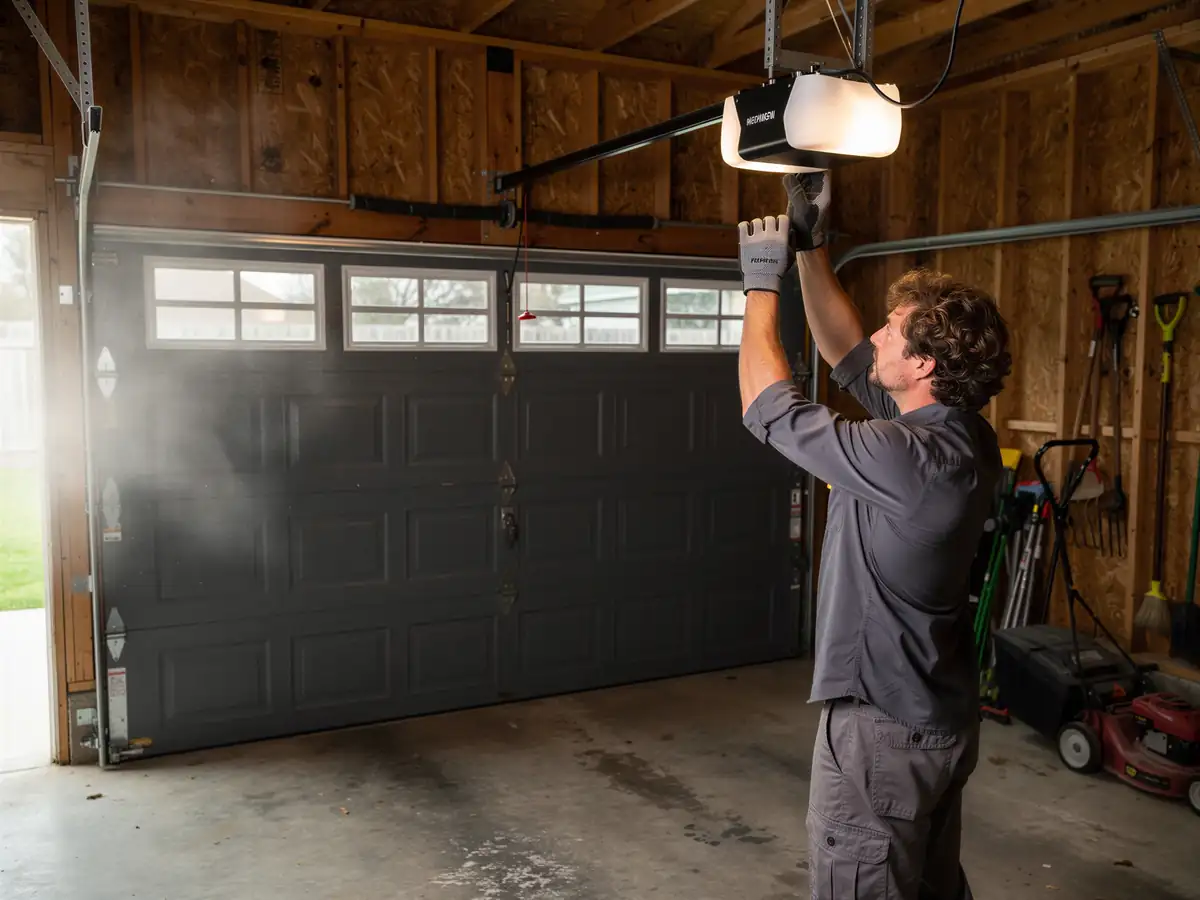
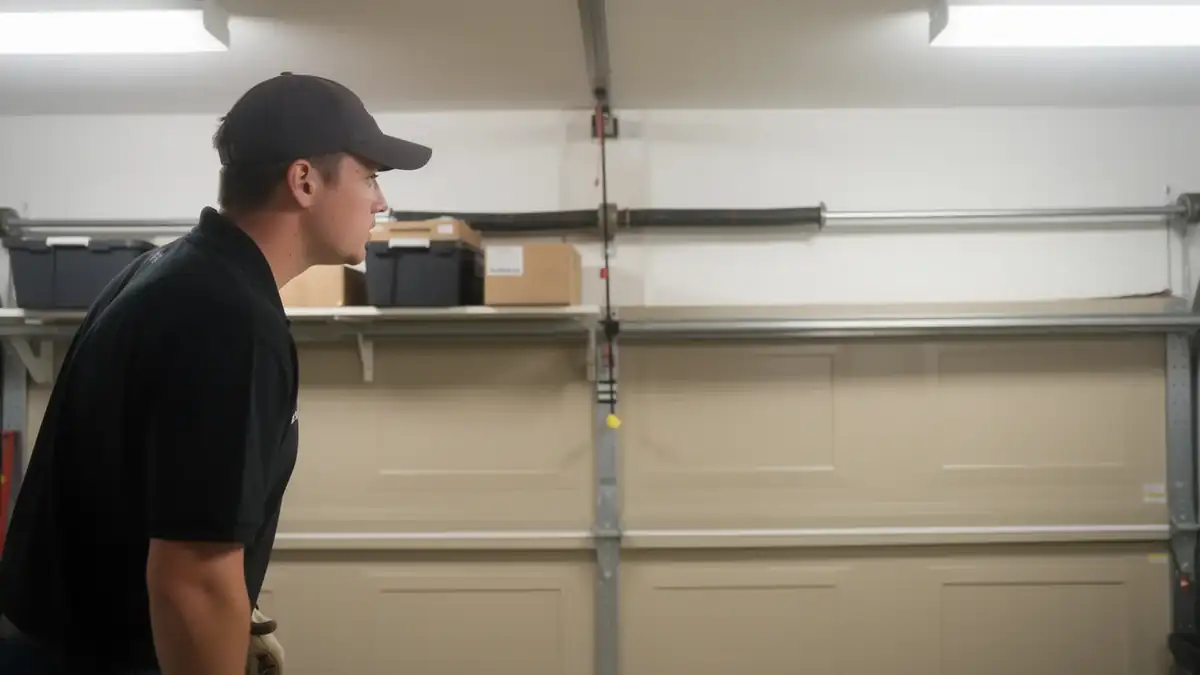
The most common mistake is blaming the opener for a sound the spring or rollers are actually making. The motor is the loudest-looking part, so it gets blamed first, but a grinding or popping noise on the way up is almost always coming from the torsion hardware above the door, not the unit on the ceiling. Given how much of the housing stock here dates to the 1960s and 70s, that hardware has had decades to wear, and a popping sound is frequently a spring coil rubbing on itself right before it lets go, not an opener issue at all.
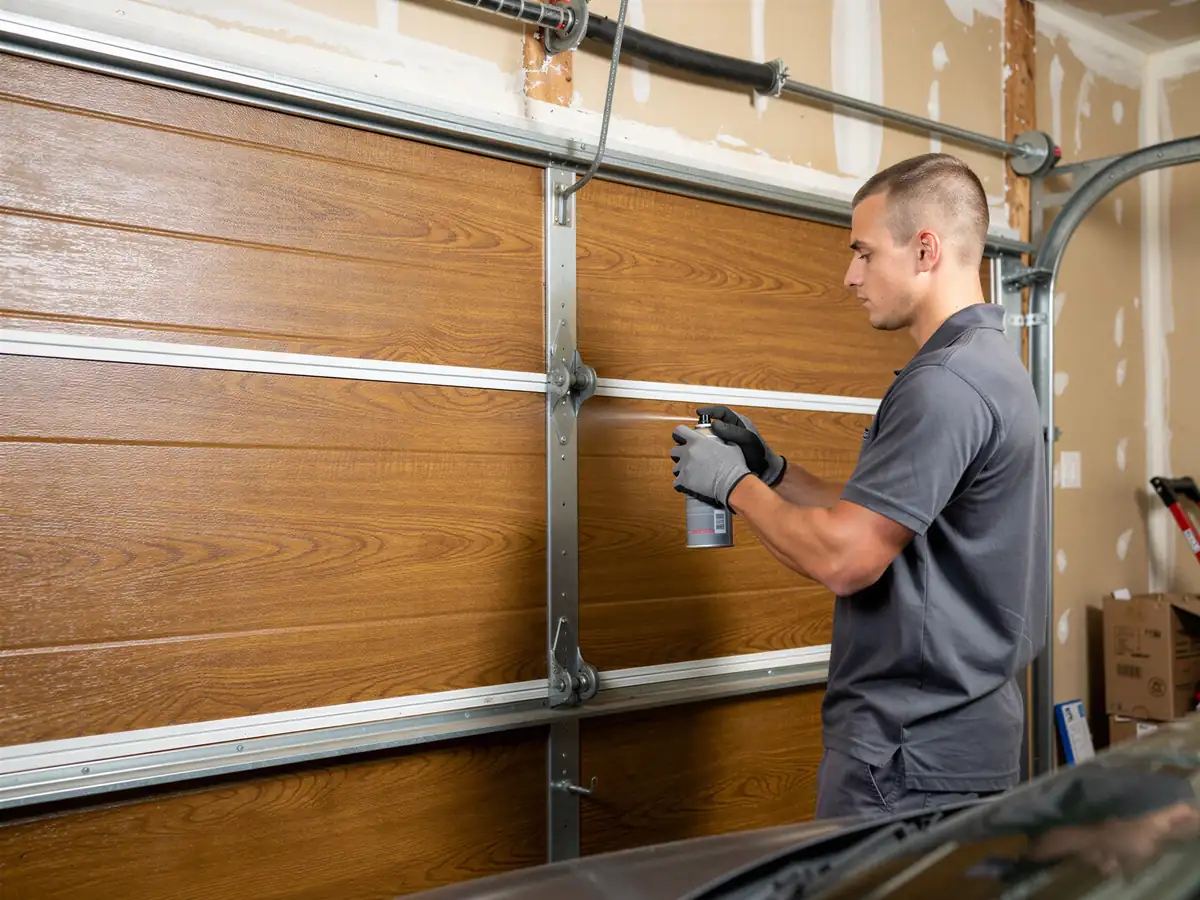
The other mistake is spraying WD-40 on everything and calling it maintenance. It's fine on hinges but it's not a proper lubricant for springs or tracks, and on cold-climate hardware it can actually thin out and leave metal drier than before. A silicone-based garage door lubricant does the job that this climate actually calls for.