Getting Here
Southington sits about 16 miles from our shop in Glastonbury, which puts it on the longer end of our service area. We don't keep a depot or a second crew out this way - every job here is a truck coming from Glastonbury, loaded before it leaves. That means we plan the day around it rather than treating it as a drop-in call between closer jobs. If you need a specific arrival window, ask when you book rather than assuming we're already in the area, because we're not. The drive itself isn't the issue - it's that a 16-mile trip means we bring the parts we expect to need, since a forgotten part means a second trip, not a quick run back to a nearby van.
We still take Southington calls the same as any other town in our coverage area, and we quote the same way we would for a job five miles from the shop. The distance just means scheduling a same-day emergency repair here depends more on what's already on the truck than it does closer to home.
The Usual Work Here
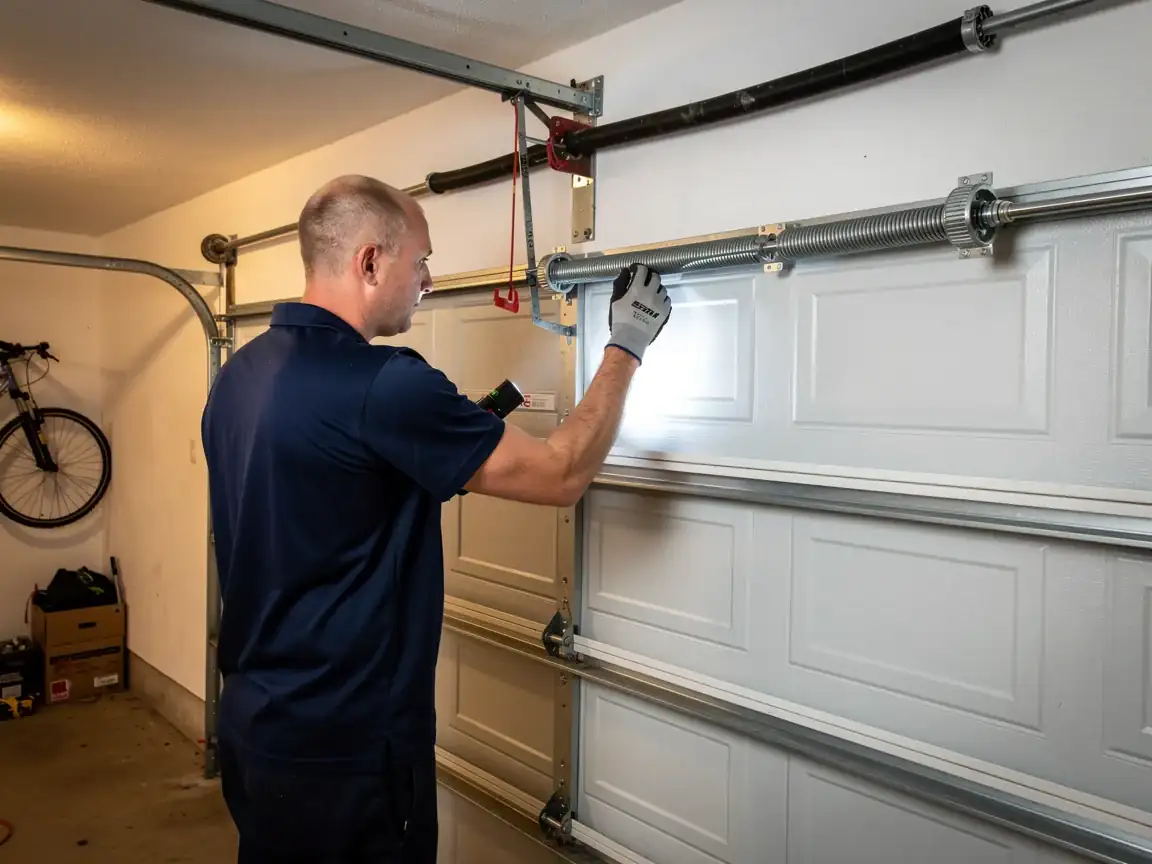
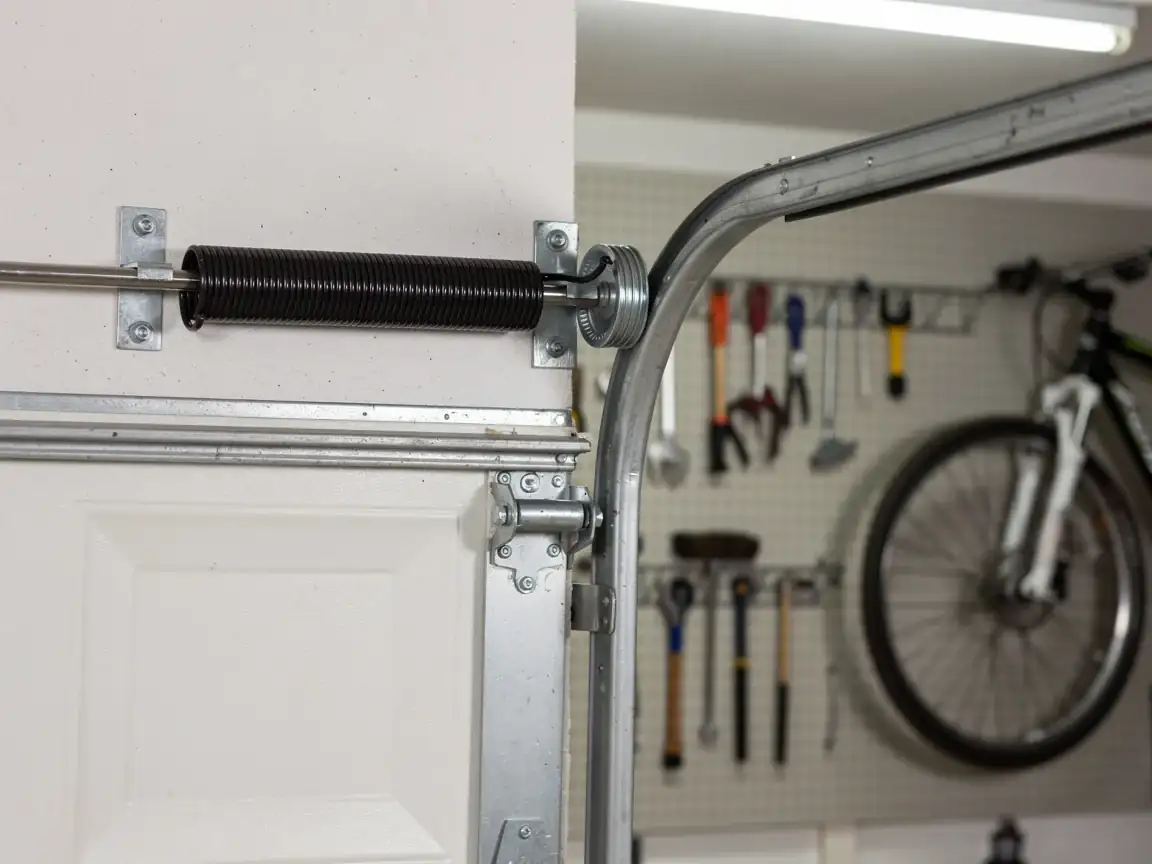
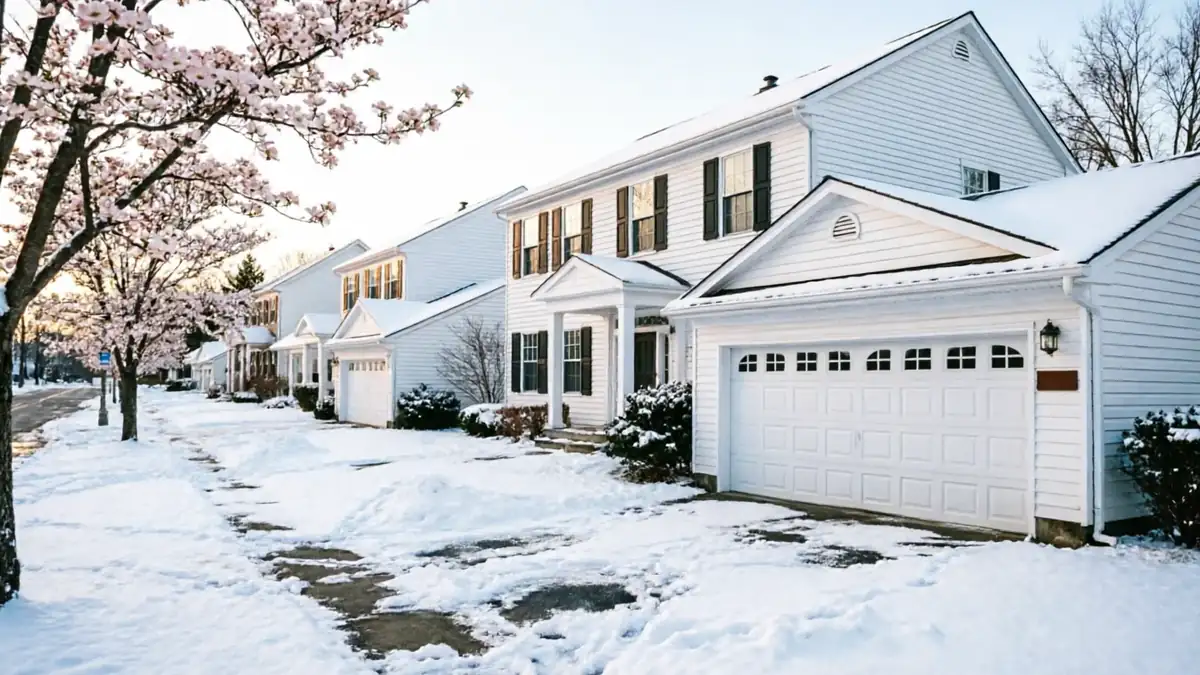
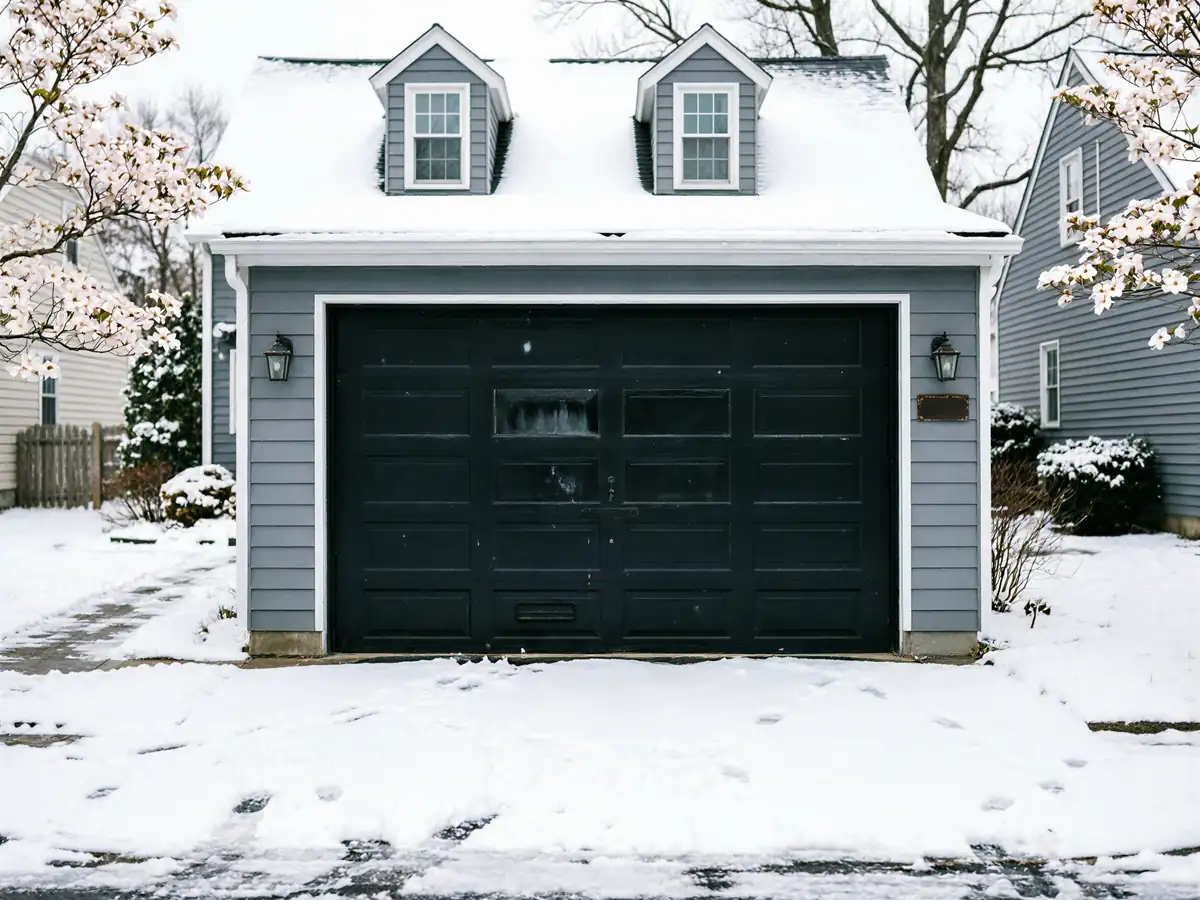
Southington's weather sits in the same cold-climate band as the rest of our coverage area, and that matters more for door hardware than most people think. Cold makes steel contract, which stiffens springs and tightens tolerances on tracks that were already slightly out of plumb. A door that rolled fine in October can start binding or dropping fast once temperatures hold below freezing for a stretch, and torsion springs that were already fatigued tend to let go in that window rather than in summer.
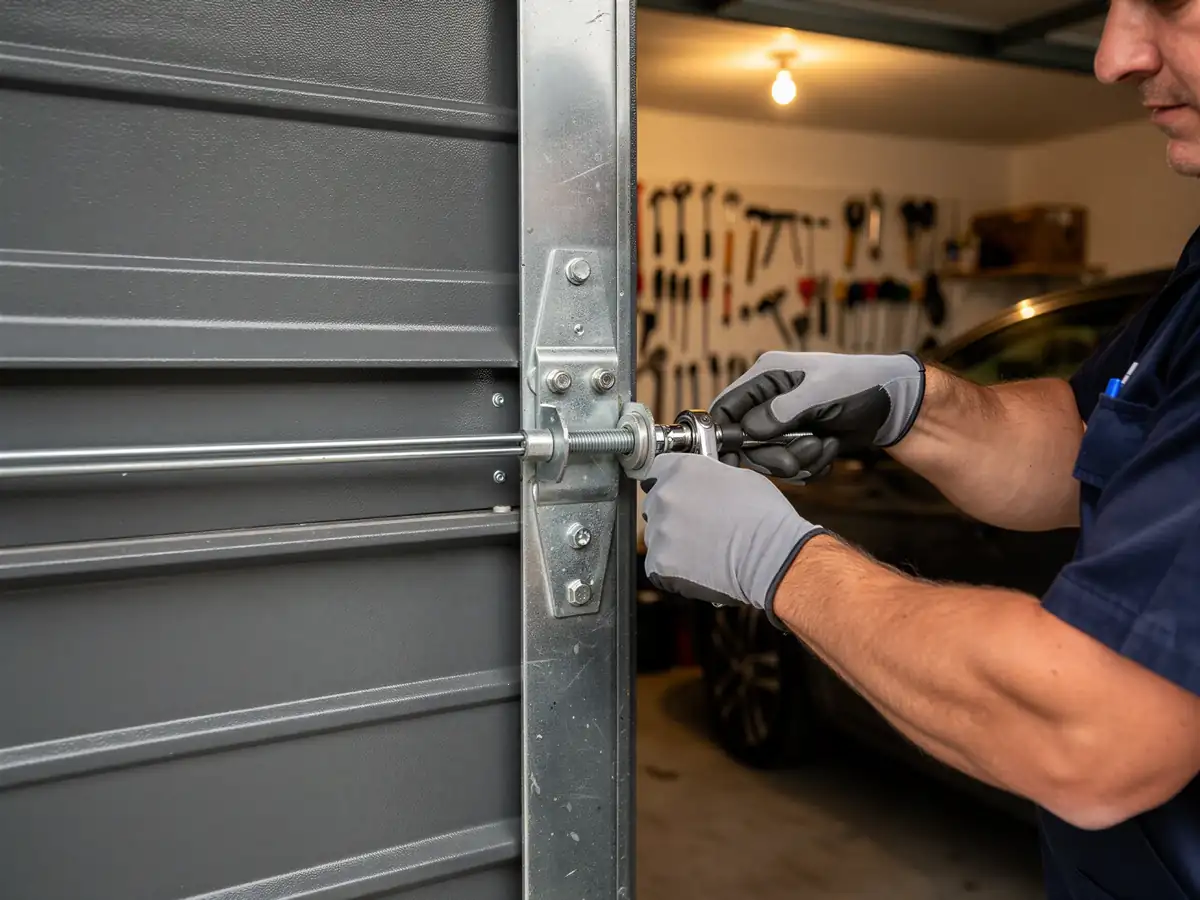
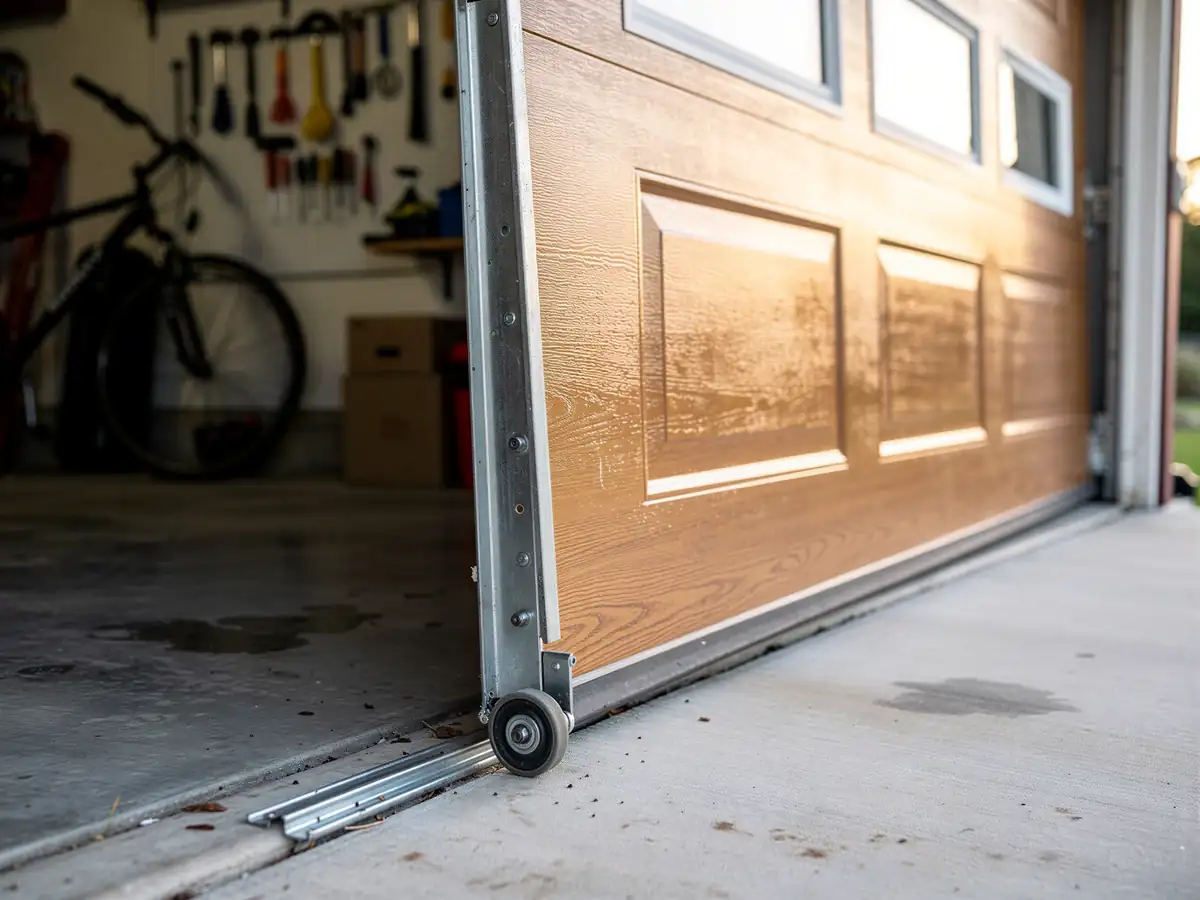
Most of what we see here is spring failure on doors that are old enough that the spring has simply outlived its cycle count, plus opener gear-and-sprocket wear on chain-drive units that have been running for decades. We also see cable fraying on older drums and rollers that have gone from steel to plastic-and-steel hybrid without anyone noticing until the door starts shuddering on the way up. None of this is unique to Southington, but the age of the housing stock here makes it more common than it would be in a newer development.
The Houses Here
The median home in Southington was built in 1973
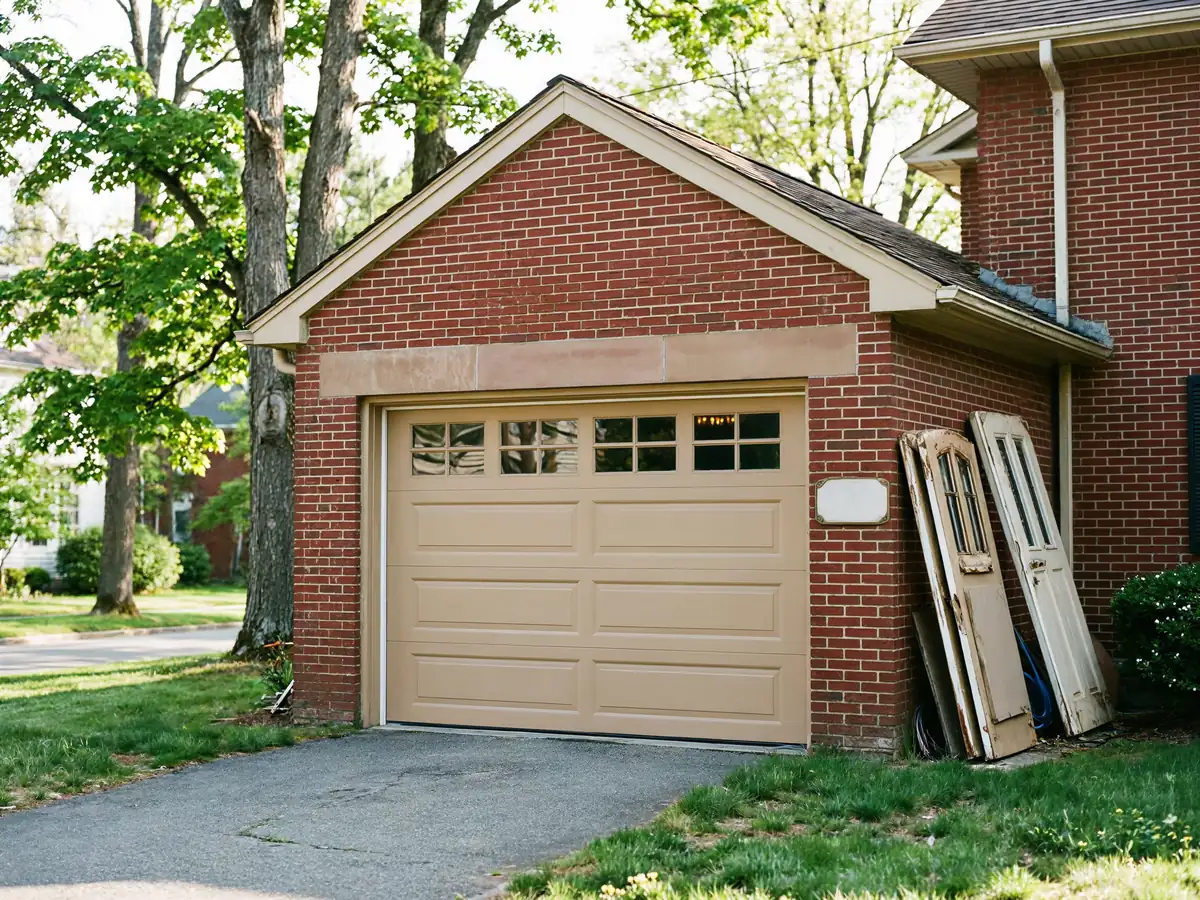
And that single number explains a lot about what we find behind the door. A house from that year was framed for a single garage door opening sized to the cars and the codes of the early 1970s, usually with a steel panel door on a torsion spring sized for its weight at installation - not necessarily the weight of whatever's been bolted onto it since.
There are roughly 17,349 households in this area
And median household income runs around $121,584, higher than the service-area average. That income level tends to show up in the calls we get: more owners replacing a door outright rather than nursing an old one along, and more interest in insulated steel or heavier-gauge panels than in the cheapest option available. We don't see much pre-1950s housing here, which means we're rarely dealing with original wood doors - most of what's failing is mid-century steel hardware reaching the end of its service life, not historic carpentry.
- 17,349 households
- $121,584 median household income
What the Housing Means for Your Door
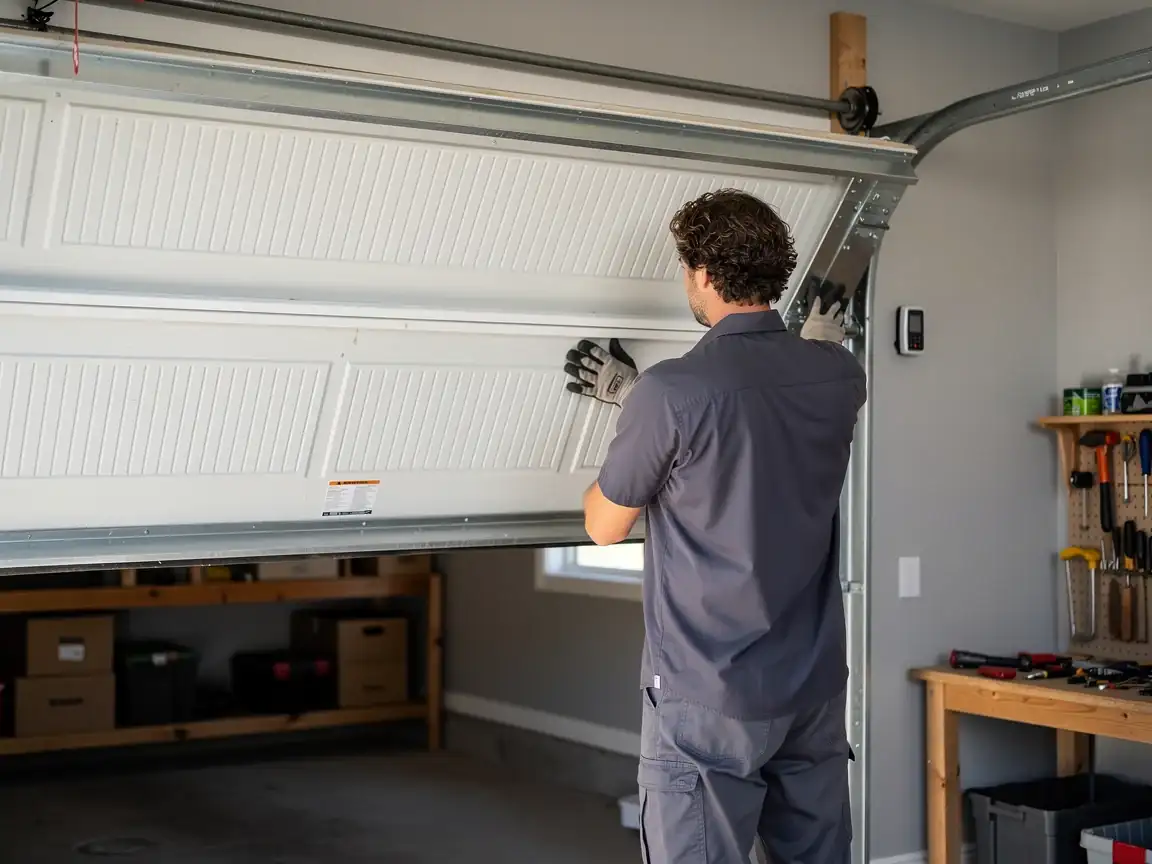
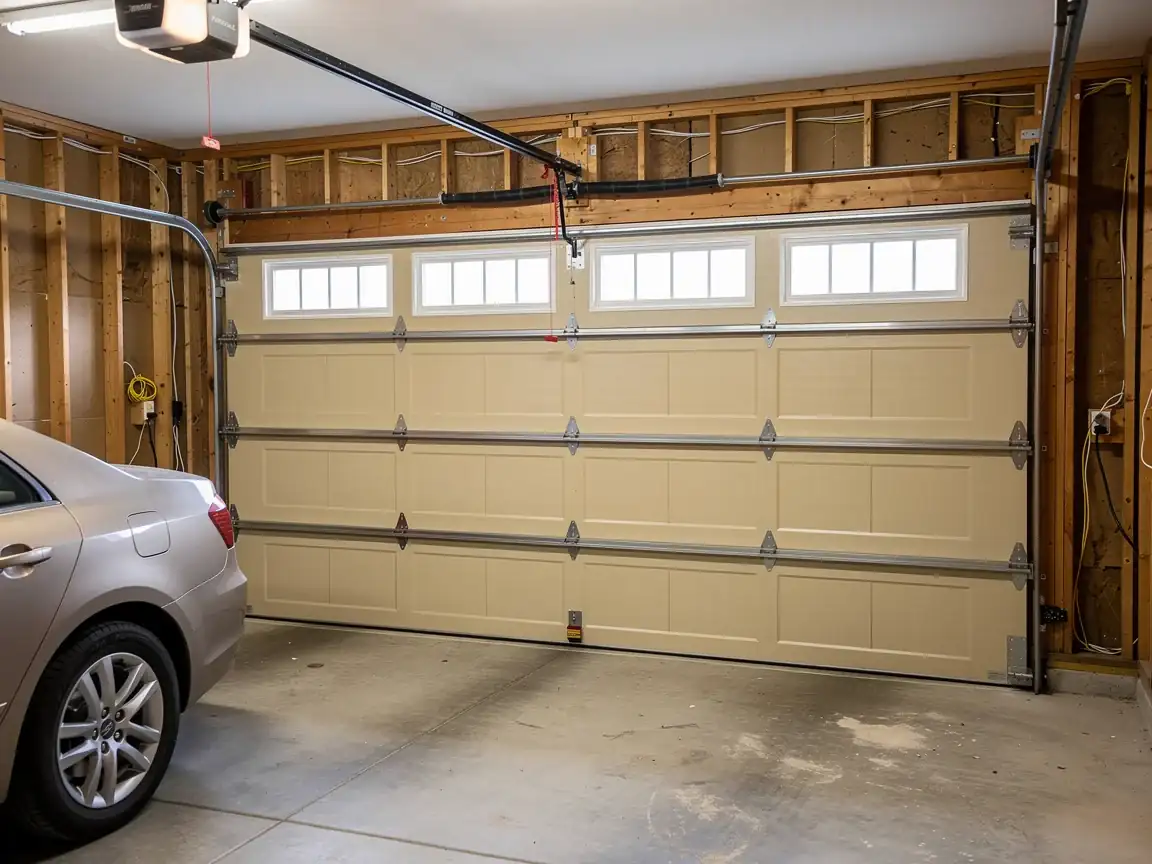
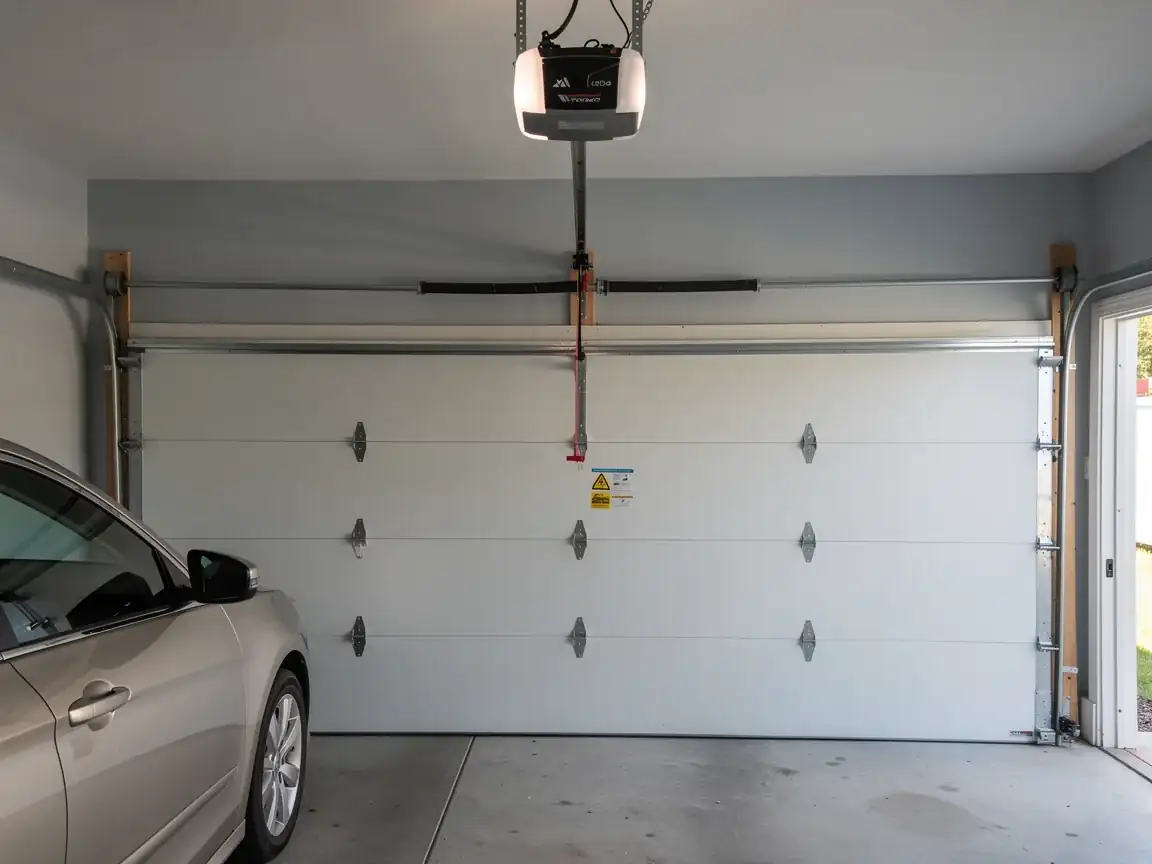
Because most Southington houses date to around 1973, the garage doors we work on tend to fall into a narrow band of hardware: single-layer steel panels, torsion springs sized to early-70s door weights, and openers that have usually been replaced at least once already since original construction didn't include them as standard. If your door has never had the spring replaced, it's likely original-era hardware running past its intended cycle count, and that's the most common failure we see at this age.
One honest limitation: if your door or opener is a less common size or an older model no longer in production, we may need to order the part rather than carry it on the truck, which adds a day or two versus a same-day fix. For a house built in the early 1970s, replacing the door entirely is often the better call once the spring, cables, and rollers are all showing wear at the same time - patching one component on hardware that old usually just moves the next failure a few months down the road.