What You Pay
Southington has 17,349 households, a fraction of the 364,772 across the whole service area we run from Glastonbury, so this isn't a town where every third house has the same builder-grade door. The median household income here, $121,584, sits well above the $107,012 figure for the area overall, and that shows up in what people choose to fix: more owners here go for a full matching panel rather than a mismatched patch, even when a single damaged section would technically do the job.
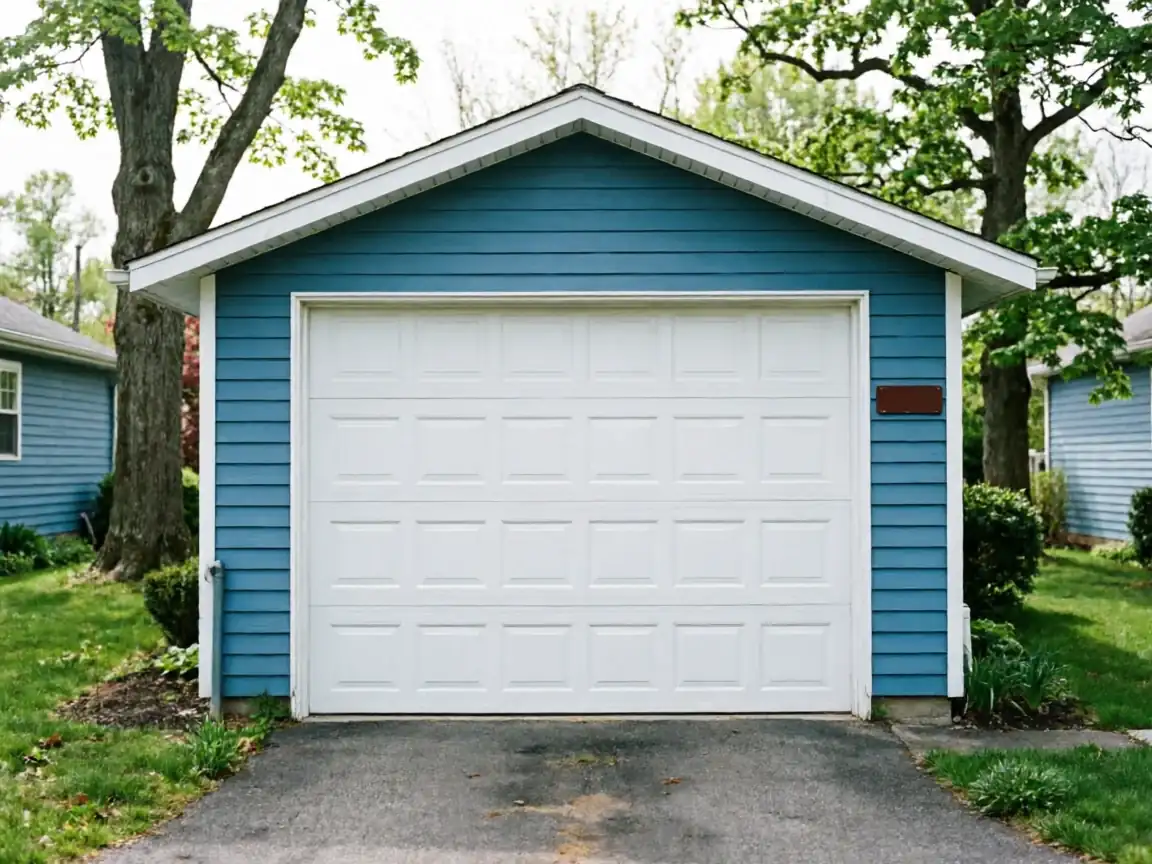
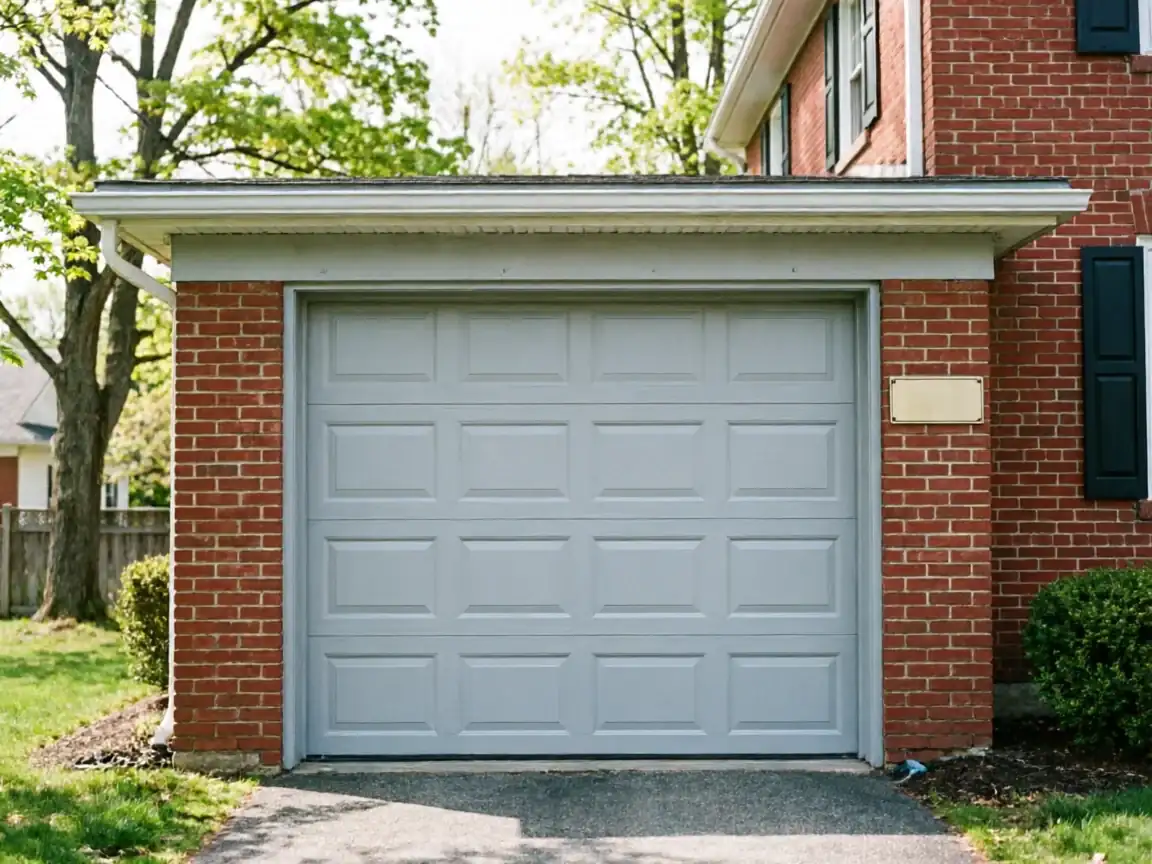
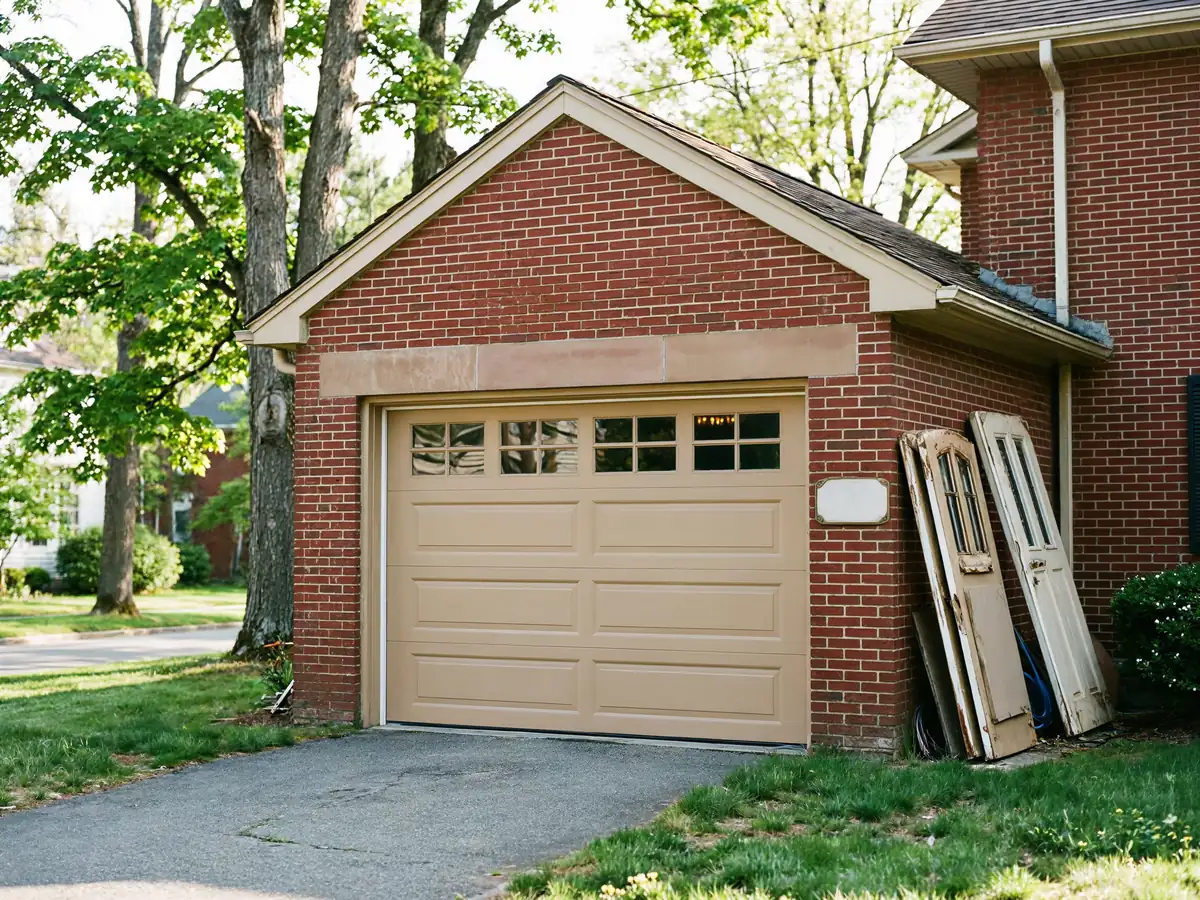
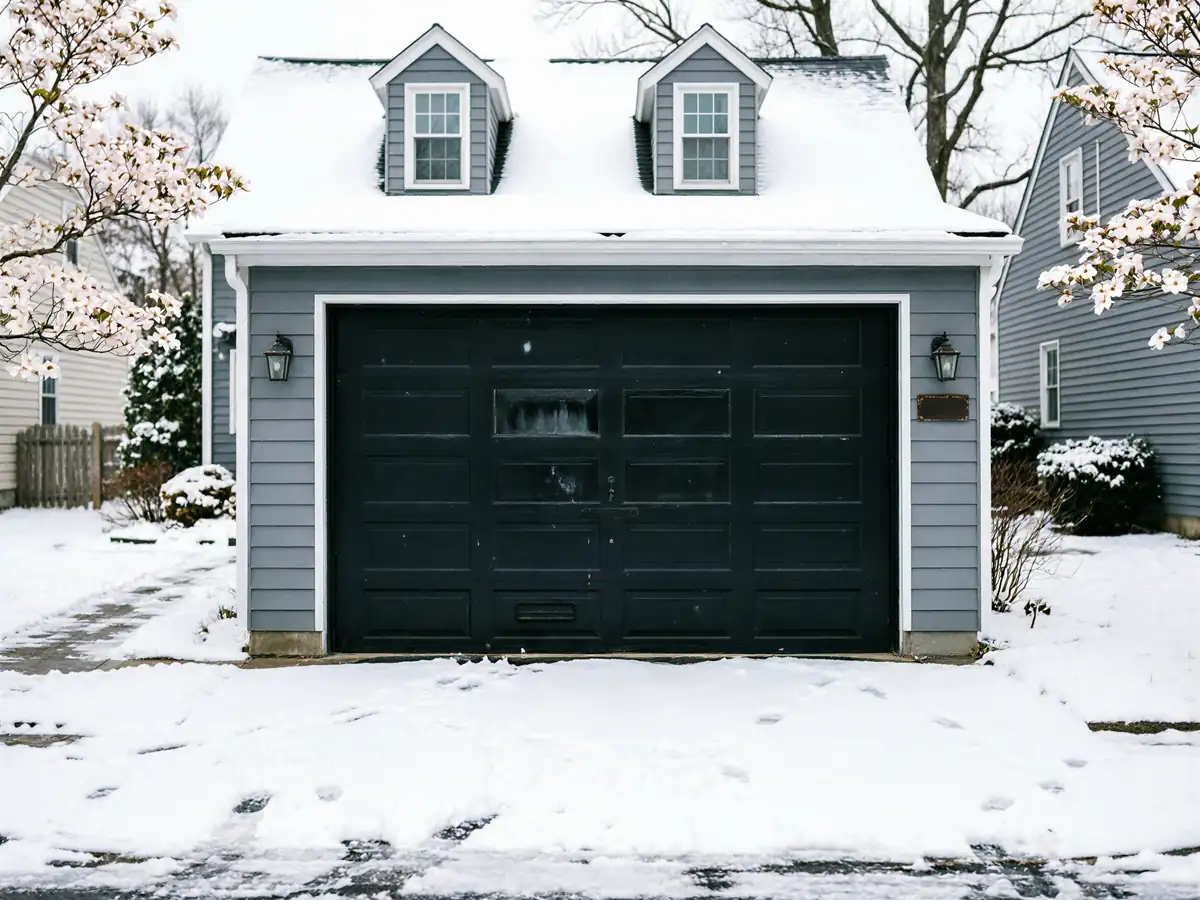
What drives the cost on any panel job isn't labor, it's the door itself. A steel sectional door from the 1970s era that's common on this side of town can often take a factory-matched replacement panel without much trouble. A door with a discontinued embossing pattern or a color no longer run by the manufacturer is a different job, sometimes closer to a full door swap once you account for the mismatch. We'll tell you straight when a single panel isn't worth chasing and a full door makes more financial sense - that call depends on the door in front of us, not a flat rule.
We don't quote a number sight unseen, because the two jobs above cost very differently and we're not going to guess on your driveway.
How to Book
We run this job out of Glastonbury, 16 miles from Southington, and there's no branch or depot here - every truck for a Southington call starts that trip. Book through our Southington garage door repair page, where we handle scheduling for the town; that page covers the full range of repair work we do here, this one is specifically about panel replacement.
When you call or request a time, have the door's rough age and, if you can see it, any model or part number printed inside the top section. For a town built up mostly in the 1960s and 70s, that panel number tells us in five minutes whether a factory match exists or whether we're looking at a full-door conversation before a truck even leaves Glastonbury. Skipping that step usually just means a second visit once we've confirmed the panel isn't stocked anywhere nearby.
If your door is part of a matched pair, two doors on one house built the same year, say so when you book. It changes which panel stock we bring.
Time on the Job
A straight panel swap
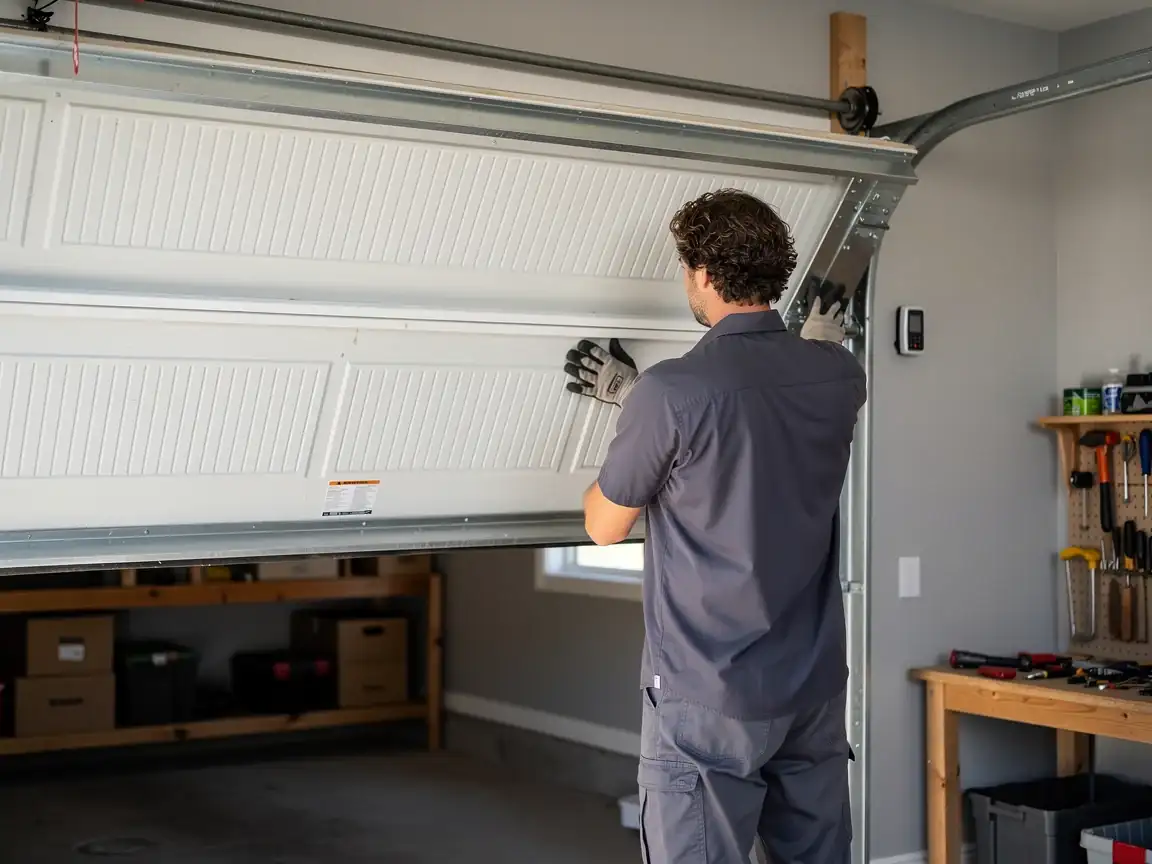
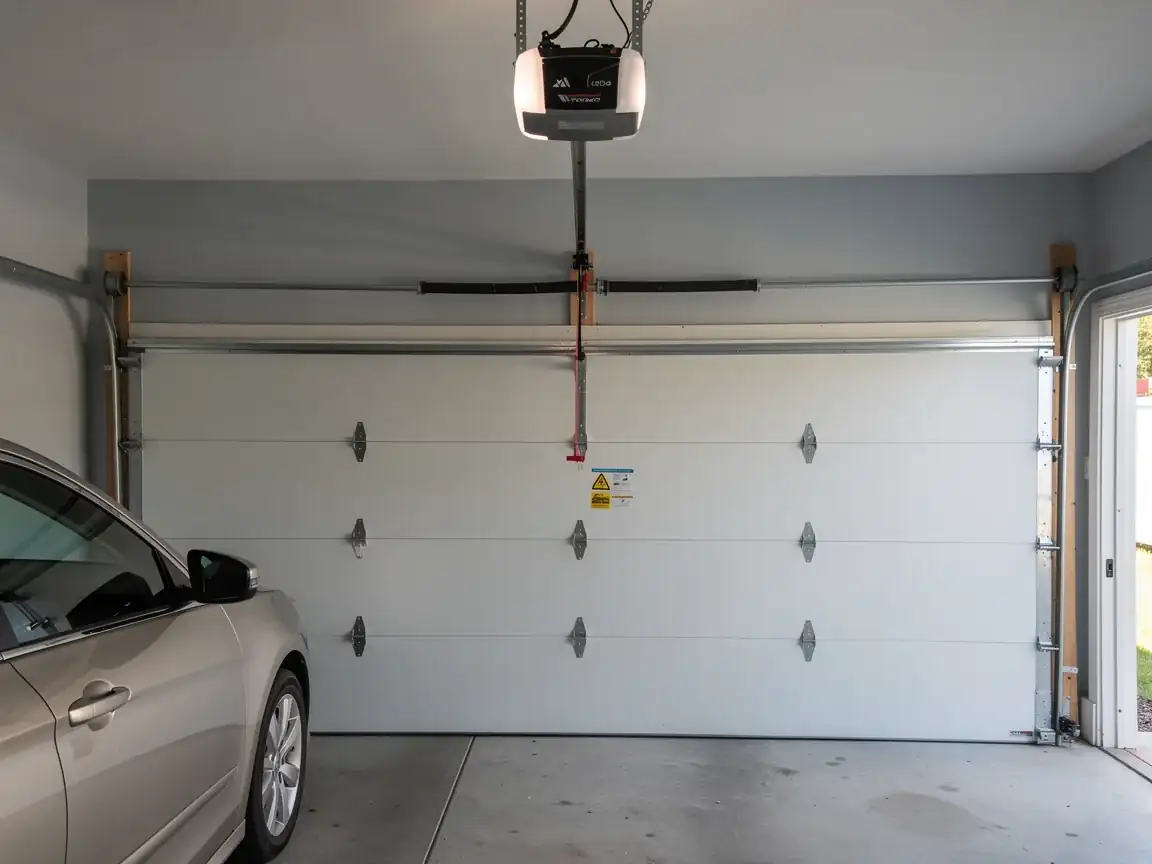
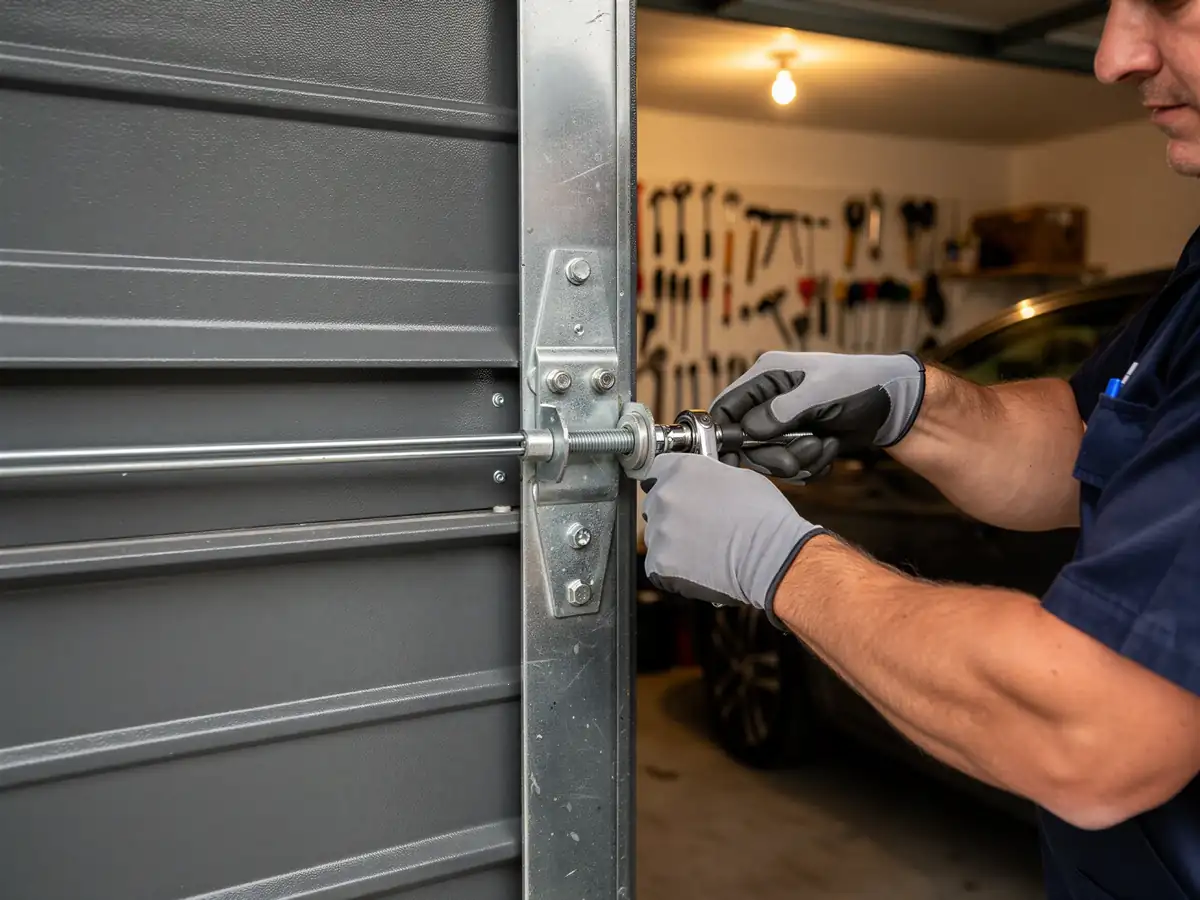
Where the section bolts to a door already running true on its track, is usually the shorter visit of the jobs we do - we're not rebuilding the opener or the spring system, just pulling fasteners, lifting the damaged section, and setting the replacement. The variable in Southington is less the labor and more whether the panel showed up with the truck or has to be special-ordered.
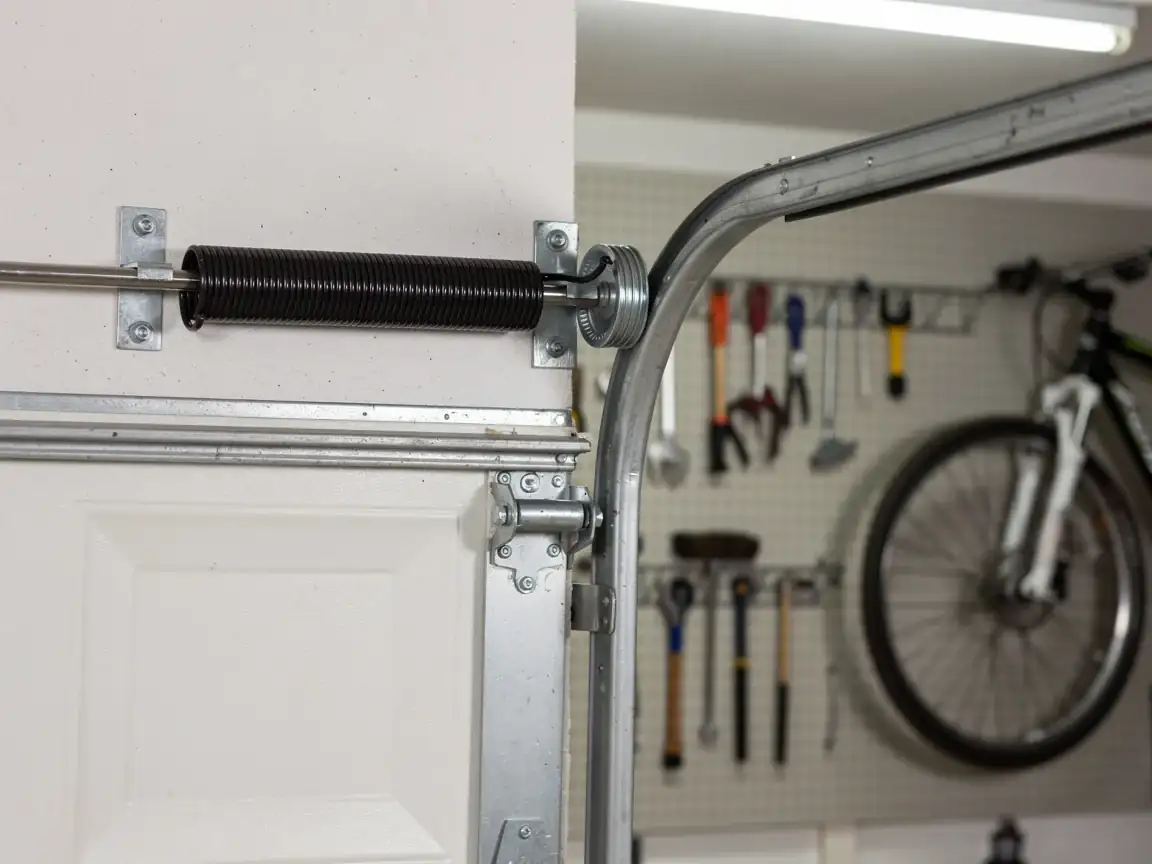
Houses built around the town's 1973 median year generally carry steel sectional doors on torsion hardware
Not the older one-piece slab doors you'd find in housing stock from the 1940s and 50s. That's a point in your favor: torsion-era sectional doors are the design every manufacturer still supports, so a matching panel is far more often in catalog than it would be for an older slab door.
Where it slows down is color and embossing
A door that's been repainted once already, or one with a woodgrain pattern a manufacturer has since dropped, can mean the panel ships from a regional warehouse rather than riding on our shelf, and that adds days, not hours, to the job.
Stocked Parts
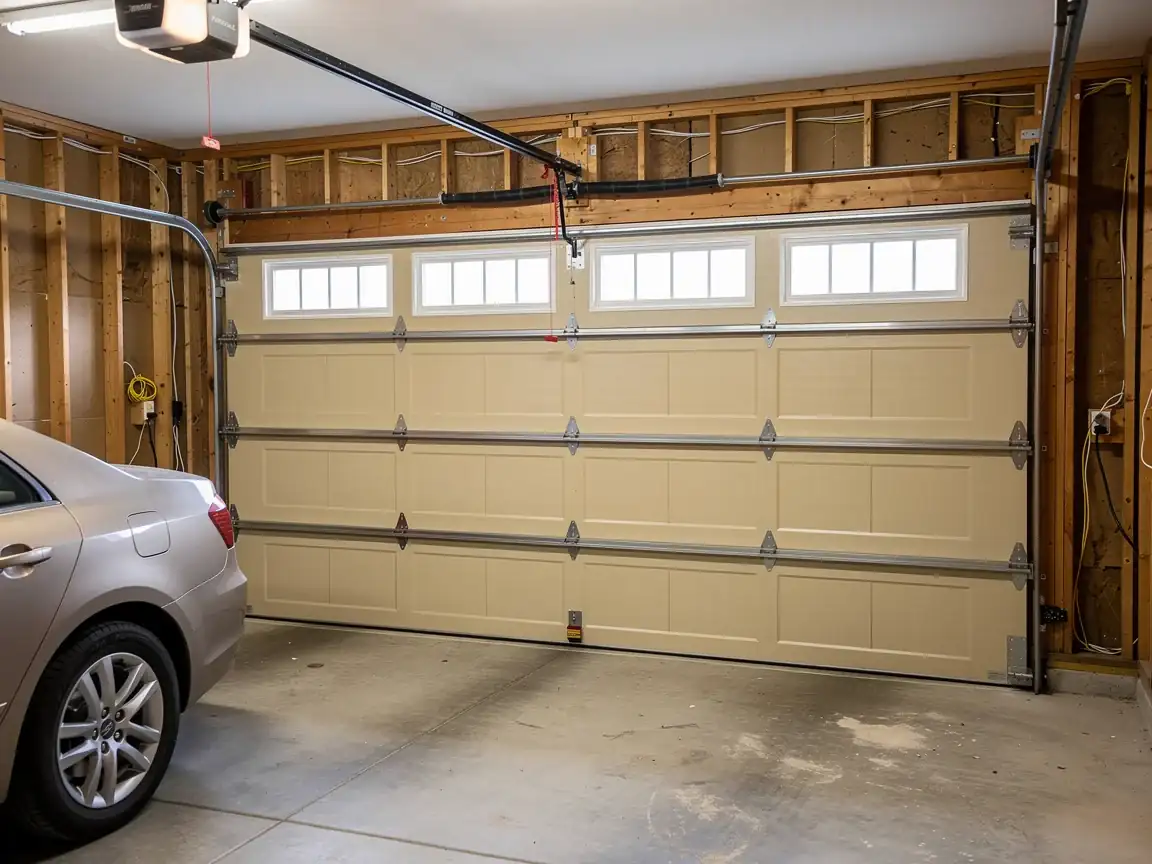
We carry standard steel sectional panels sized for the torsion-era doors common across homes built in the 1960s and 70s, which covers a good share of what we see on a Southington call - flat panels, basic raised-panel designs, in the colors manufacturers still run as standard stock. Those we can usually install same visit.
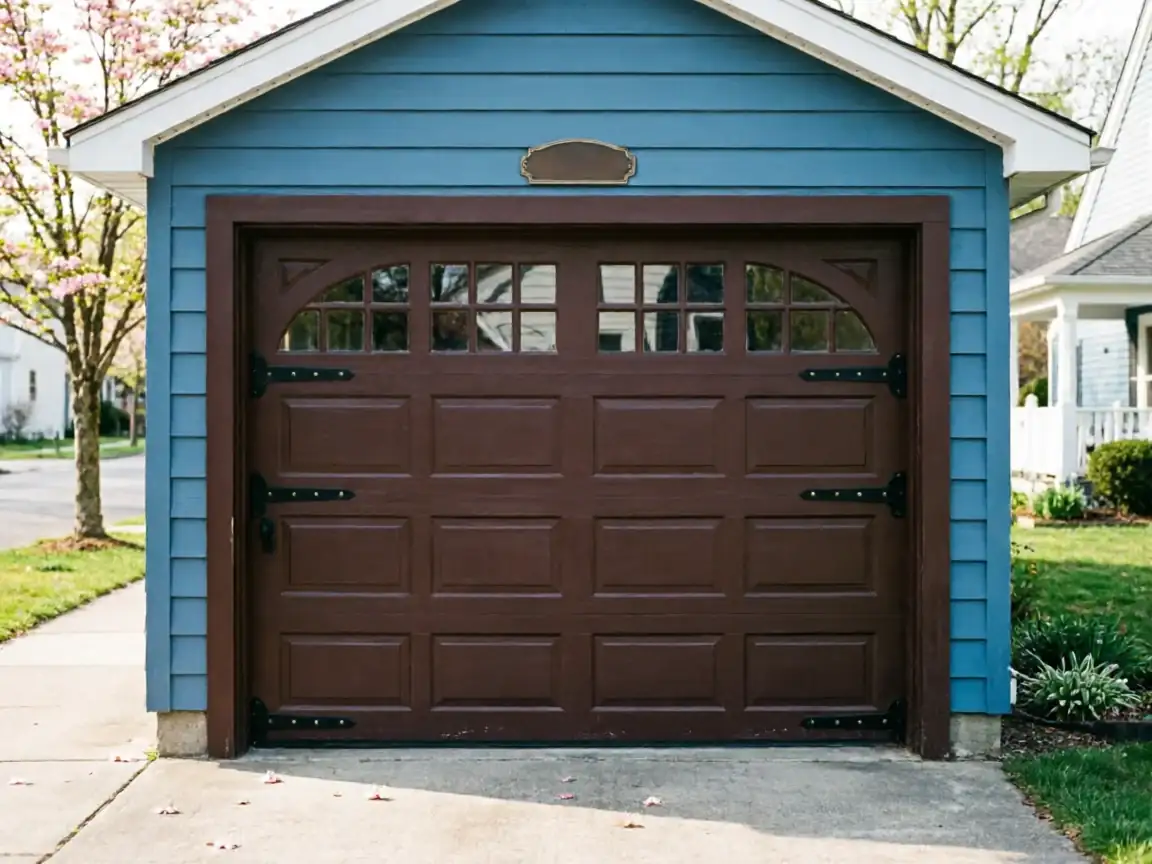
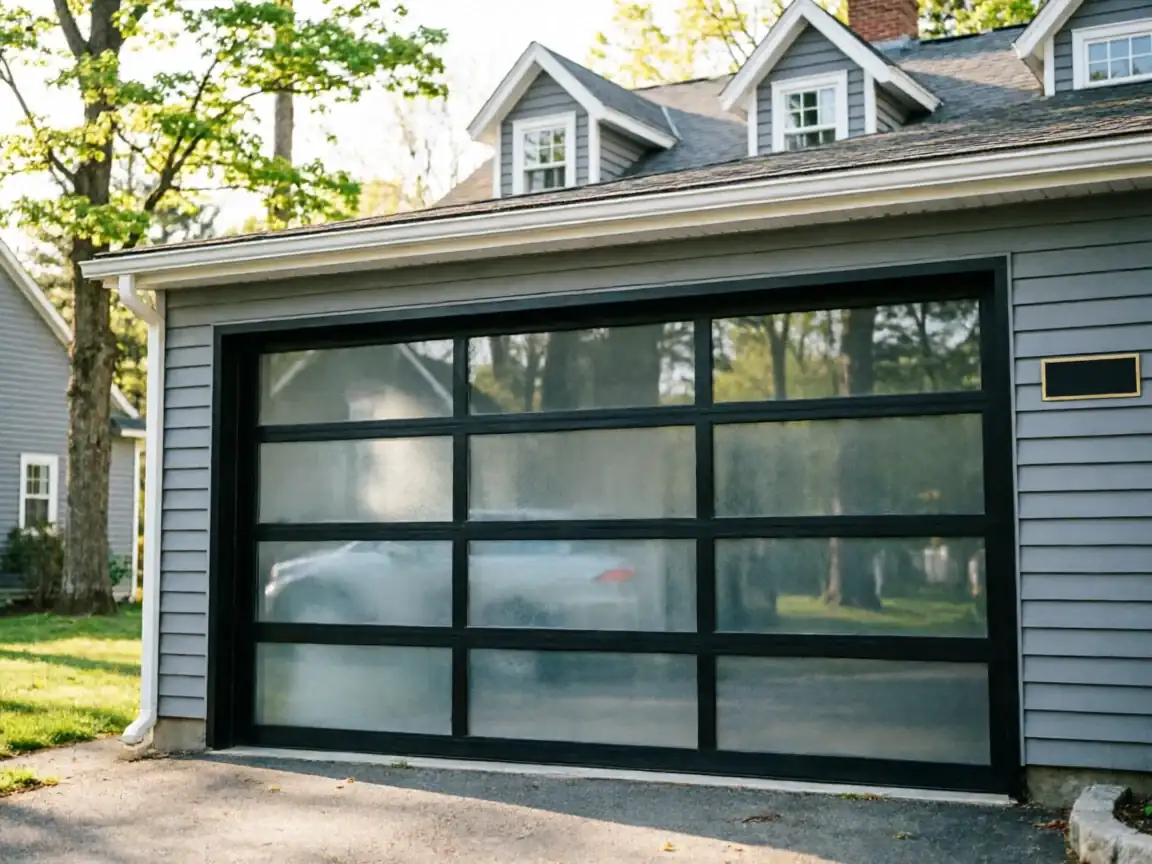
What we don't carry on the truck is anything discontinued: a specific woodgrain embossing a manufacturer dropped years back, a custom window-insert panel, or a color that was special-order even when the door was new. For those, we order from the manufacturer once we've confirmed the exact model, and that lead time is outside our control - it's the one honest limit on this job. We'd rather tell you that up front than promise a same-week fix we can't back.
If a full match isn't available at all, which happens on older or heavily customized doors, replacing the whole door usually looks better and costs less in the long run than patching in a close-but-not-exact panel that stands out every time the sun hits it.