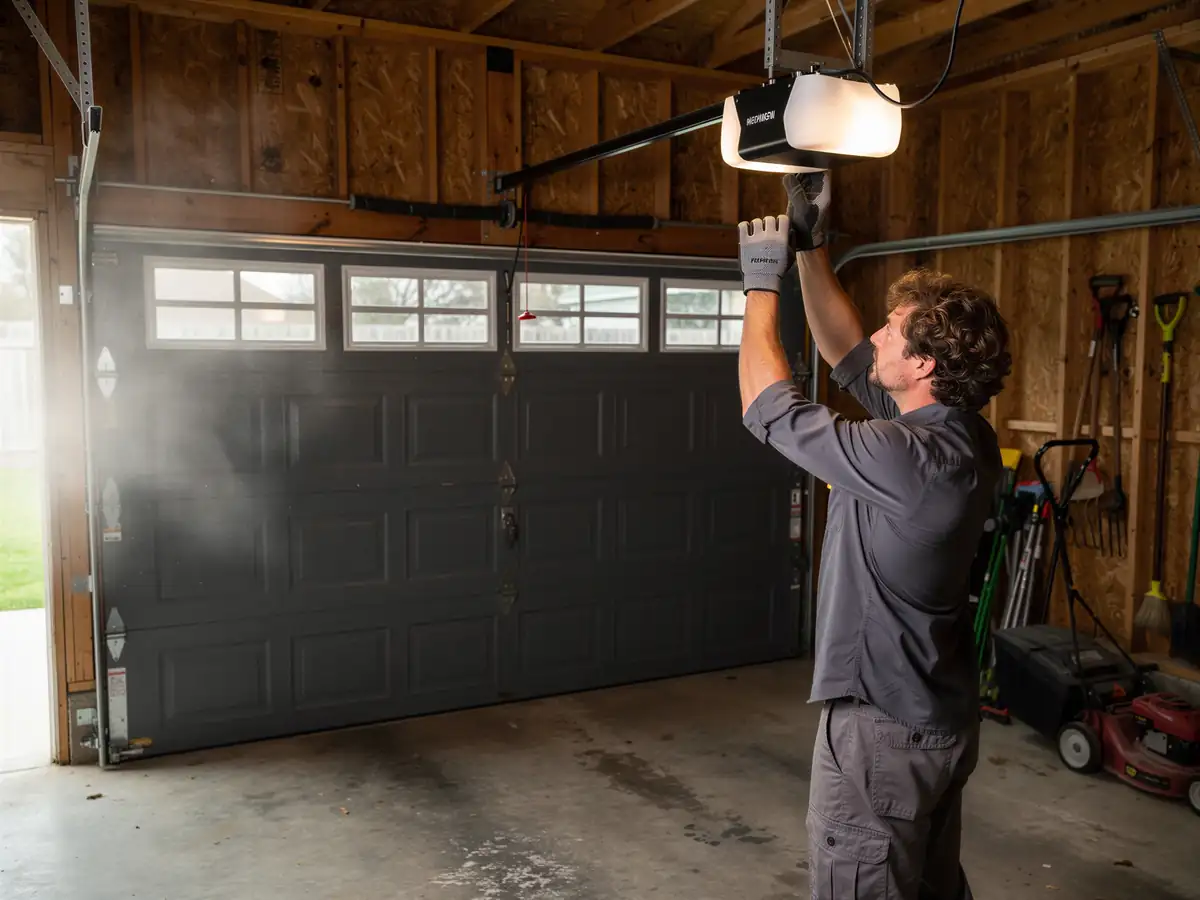
The Symptom
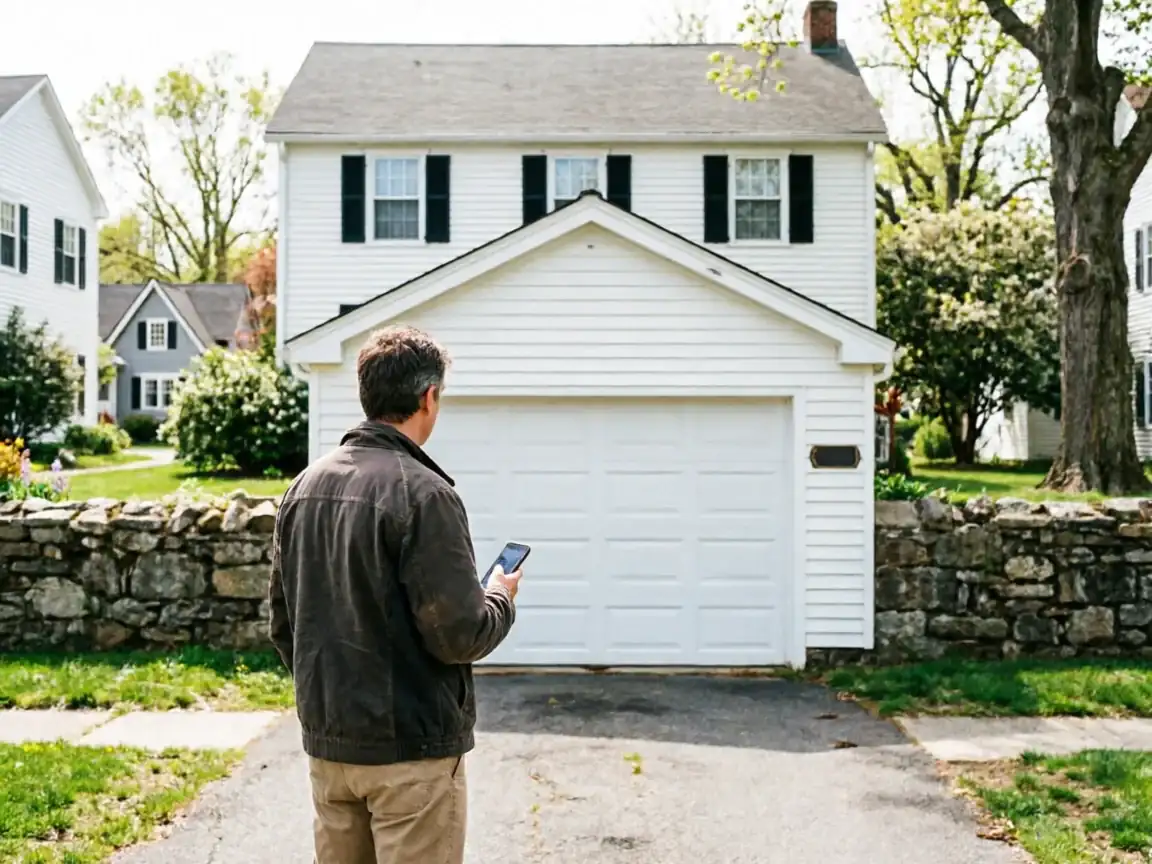
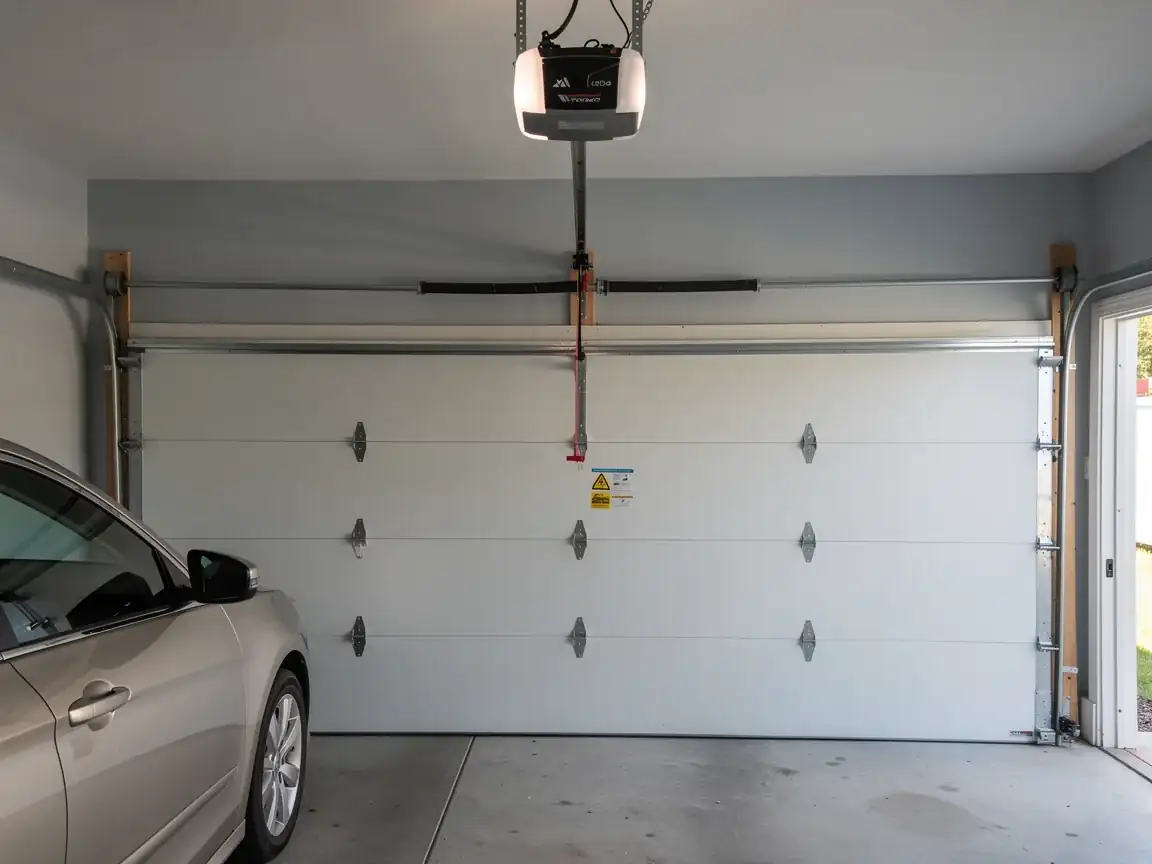
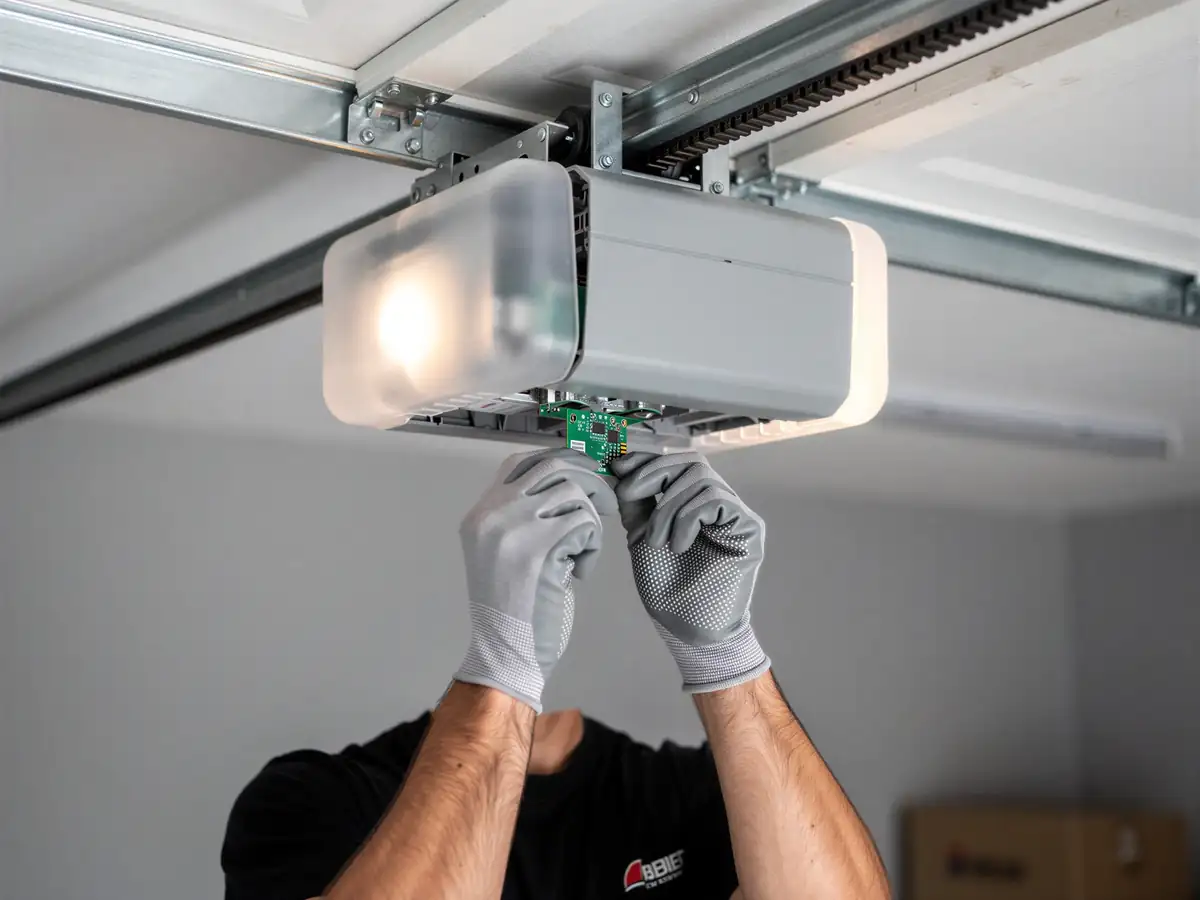
The opener groans before it moves, stalls halfway up, or runs the motor without the door budging at all. Sometimes it's the remote that stopped talking to the unit, sometimes it's a chain that's jumped the sprocket. Either way, the pattern we see most in this area is a motor that still spins but has lost the torque to lift the door square - the drive gear inside has worn down to plastic dust. Homeowners usually notice it gradually: the door used to close in three seconds, now it takes eight and reverses halfway through for no reason. That reversing behavior often gets blamed on the safety sensors, and sometimes it is the sensors, but on an opener this old it's just as likely the logic board compensating for a motor that can't deliver consistent power anymore. If your opener is original to the house and the house was built before 1990, you're not dealing with a quirky unit - you're dealing with a part that has outlived its design life by a wide margin.
Why This Fails Locally
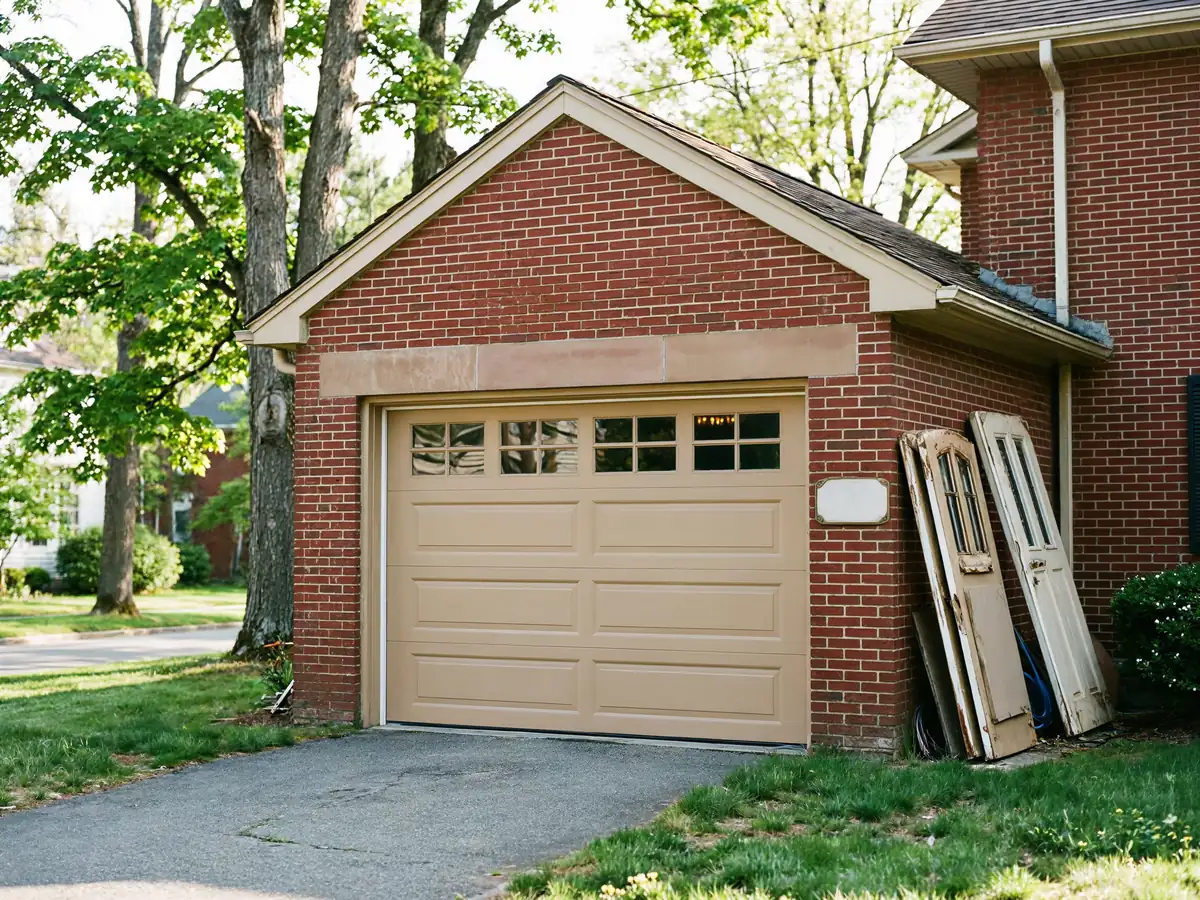
Housing in this service area runs old. Most of the stock went up between 1938 and 1990, with the median year sitting at 1973 - meaning a large share of garage openers out there are either original equipment or a single replacement installed decades ago. An opener built in the 1970s or 1980s wasn't engineered with modern circuit boards, rolling codes, or the thermal tolerances that today's units carry as standard. That matters here because this area sits in a cold-severe climate band: repeated freeze-thaw cycles work on the chain tension, the gear lubrication thickens in deep cold, and metal housings contract and expand enough over forty-plus winters to loosen mounting bolts you'd never see from the ground. None of that is a defect - it's just what happens to a mechanical unit that's been doing its job since before most smartphones existed. A newer opener handles those temperature swings with sealed gearing and better-insulated electronics, which is part of why a straight swap, not just a repair, is often the right call once a unit from that era starts acting up.
Time on the Job
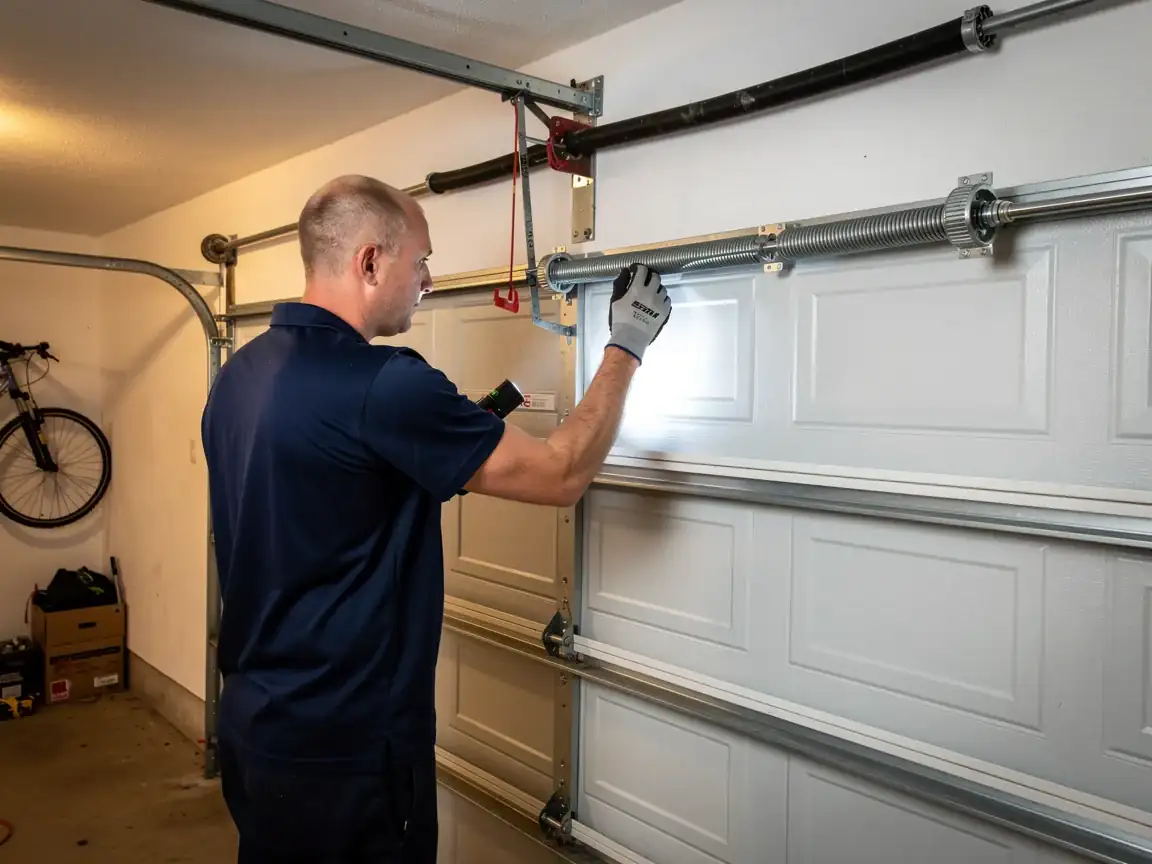
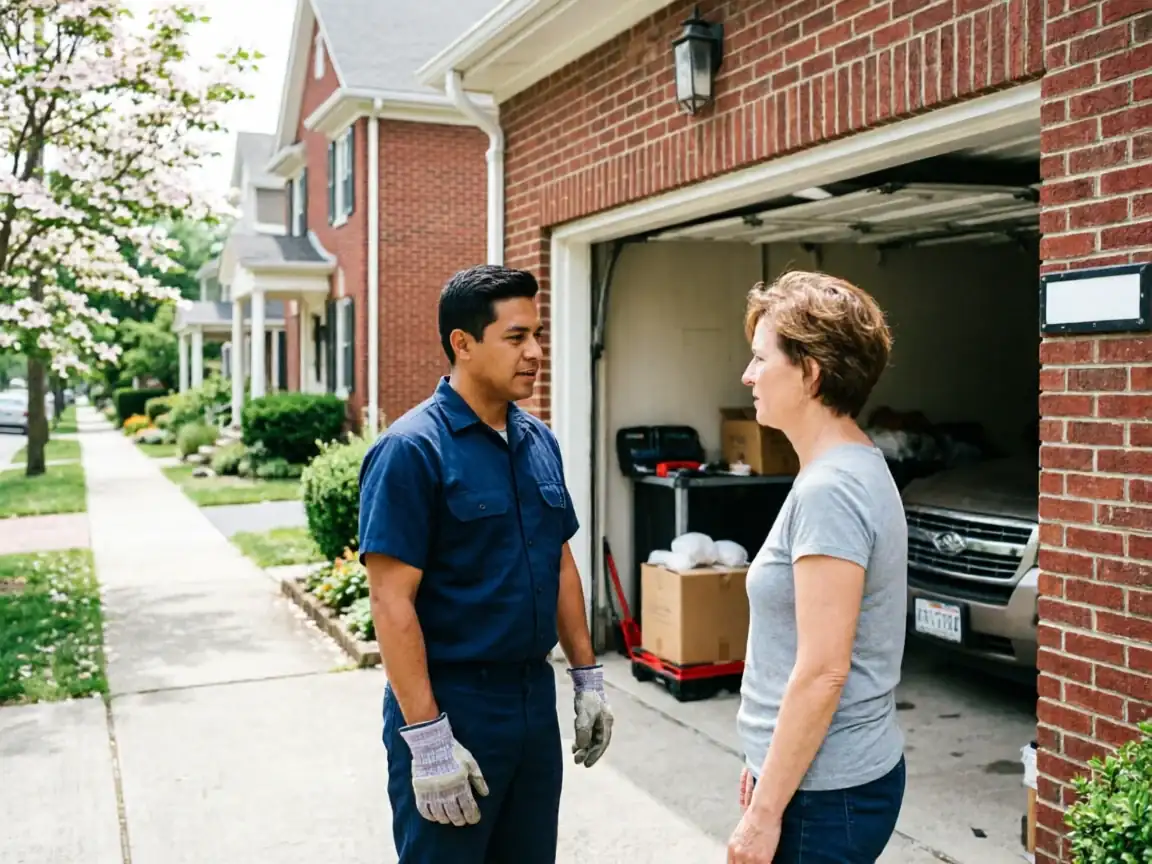
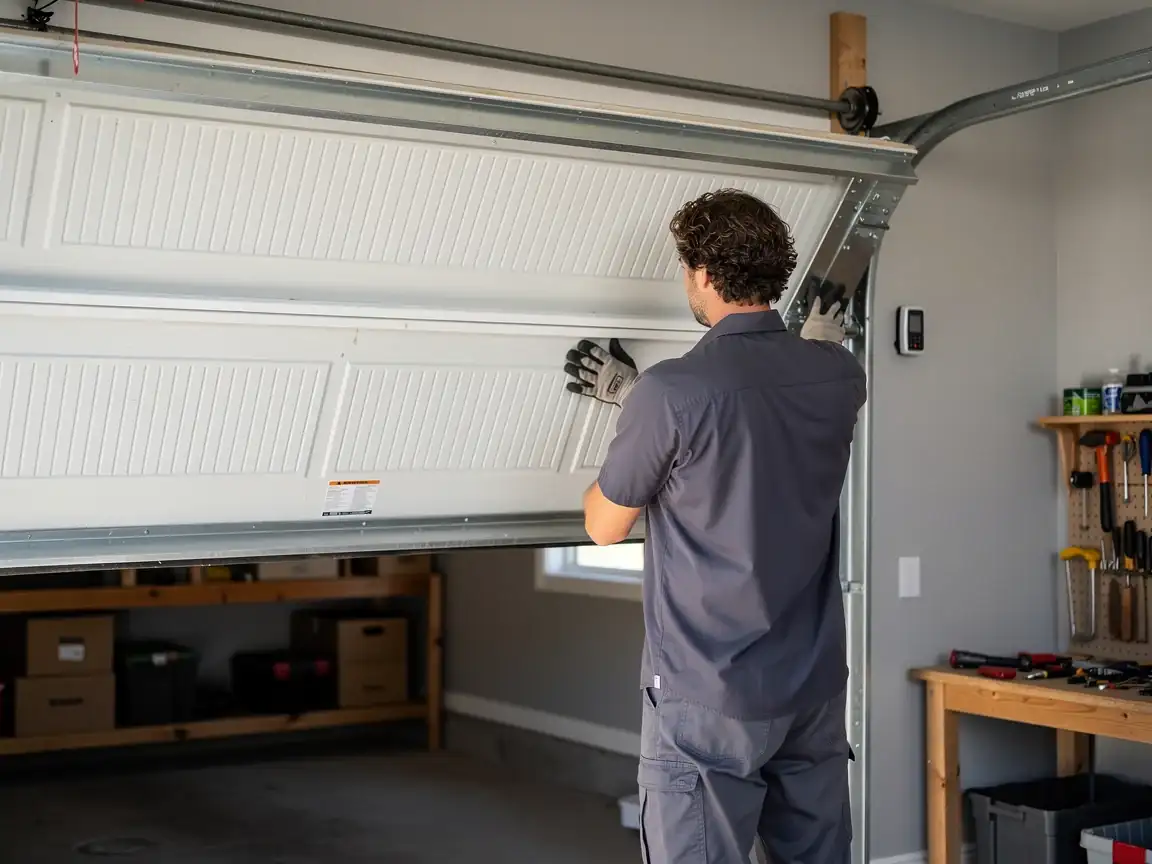
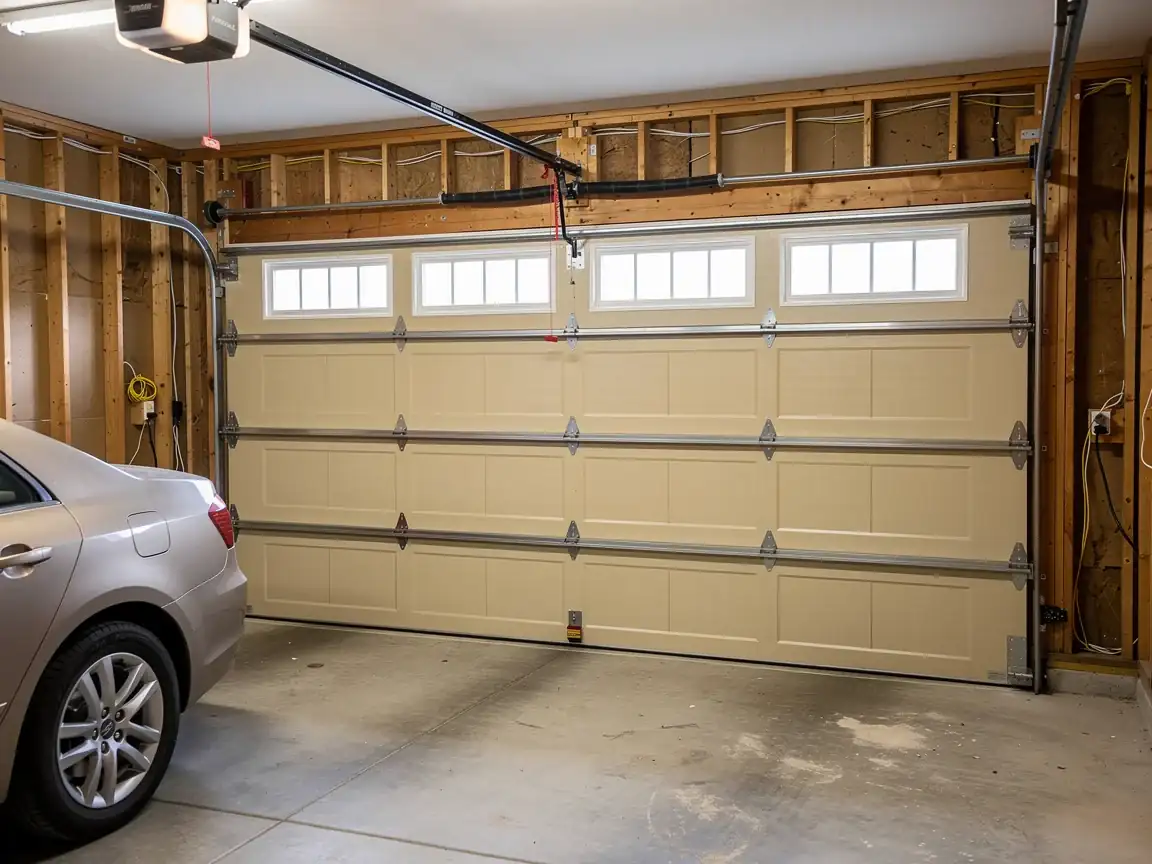
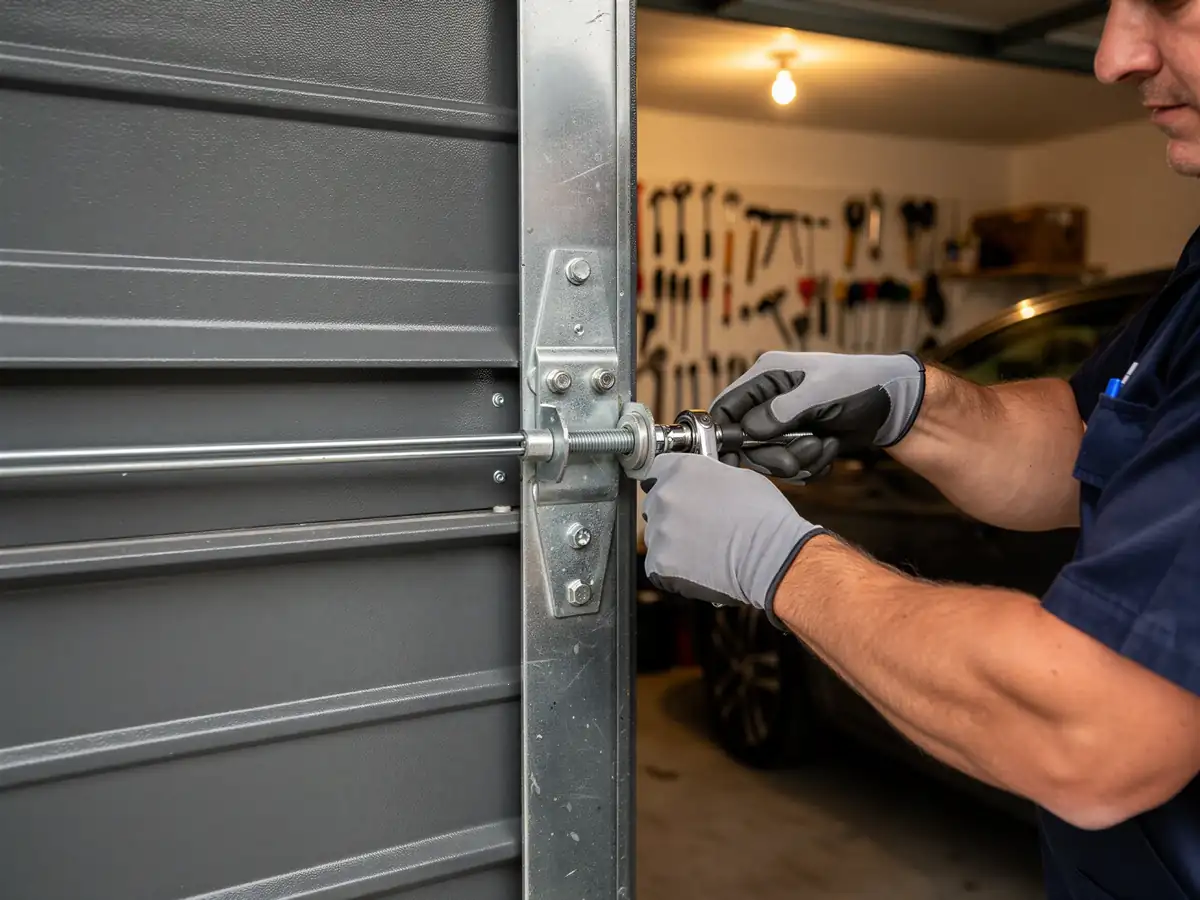
A straight opener swap on existing, usable hardware is typically a same-visit job - we pull the old unit, mount the new one, run the rail, and program the remotes and keypad before we leave. Jobs take longer when the header bracket needs rebuilding, when wiring has to be rerouted, or when the door itself needs adjustment to run true with the new unit - common on houses from the 1960s and 70s where the original track was installed to looser tolerances than current code expects. We test the auto-reverse and the force settings before we call it done, since those are the two things that actually keep the door safe once we've driven off. If parts for your specific bracket style aren't something we carry on the truck, we'll tell you that up front rather than have you wait around for a second visit you didn't know was coming.