Getting Here
West Hartford sits about 8 miles from our Glastonbury shop, which puts it on the far side of our coverage map compared to closer towns like Wethersfield or Rocky Hill. We don't keep a crew stationed in West Hartford itself - every job starts with a truck leaving Glastonbury, so when you call, factor that drive into when someone can get there. It's not a same-town hop, but it's well within the range we run routes through regularly, alongside stops like East Hartford and Newington. The trip matters less for scheduling and more for stocking: a tech heading 8 miles out loads the truck differently than one staying local, which is part of why we ask what your door is doing before we leave the shop. If you're near the Center or further out toward the Farmington line, say so when you call - it helps us plan the day's route and get the right parts on the truck the first time.
The Usual Work Here
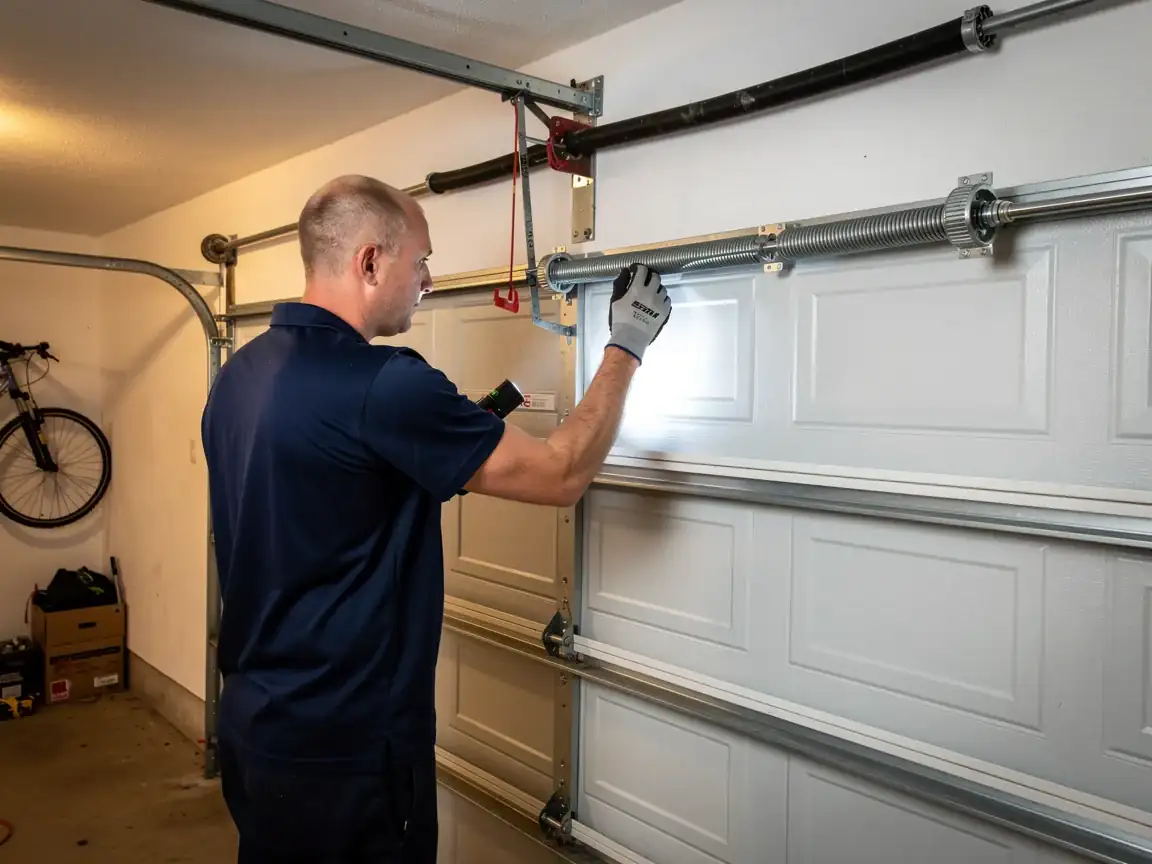
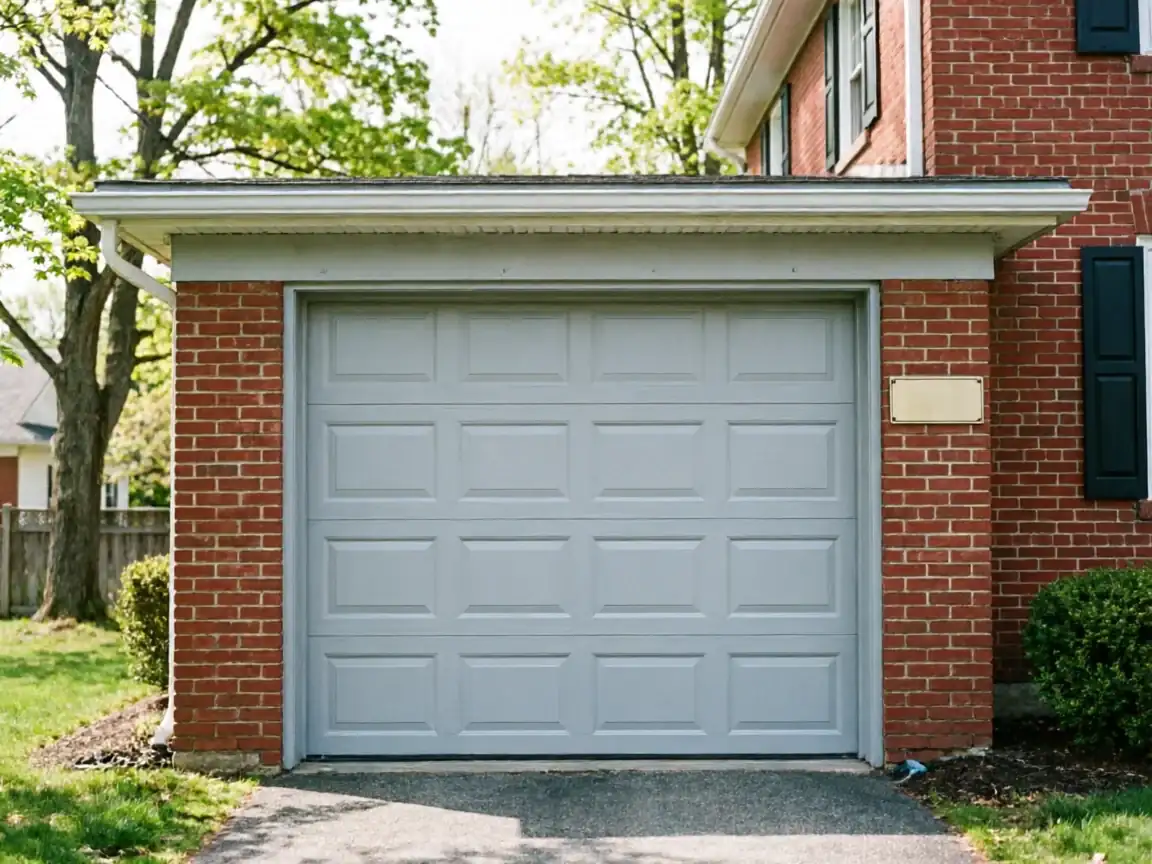
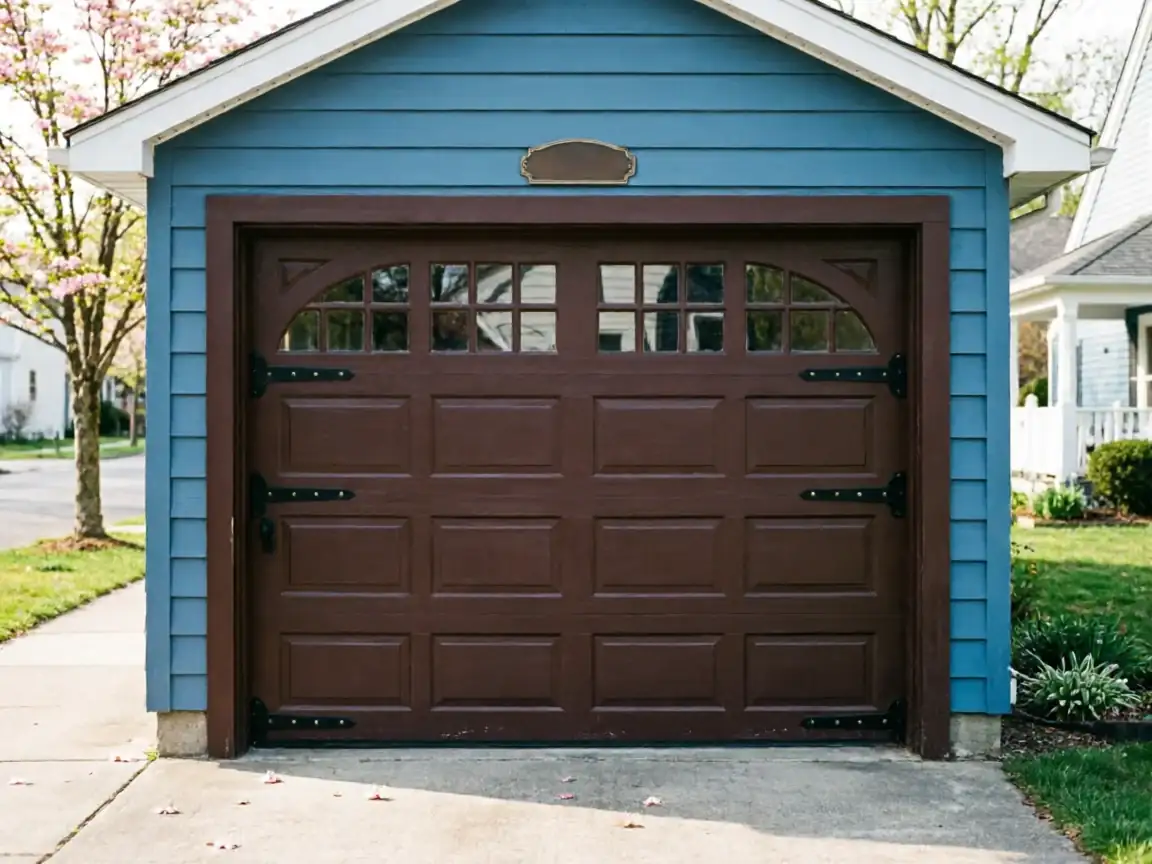
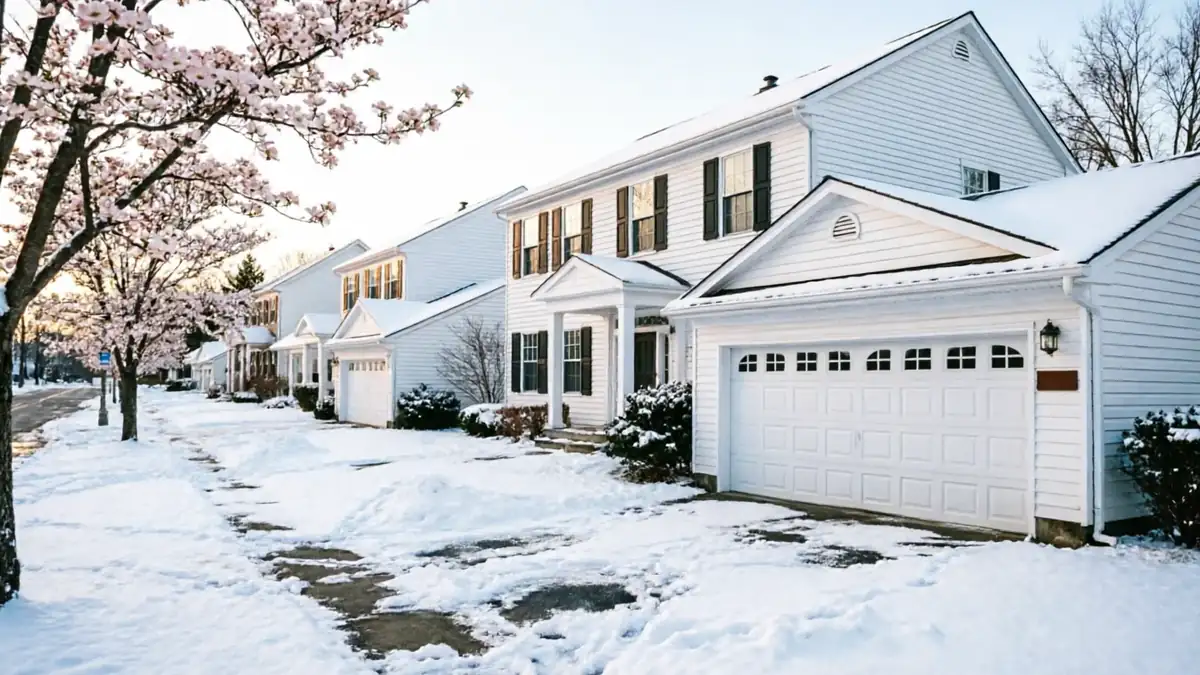
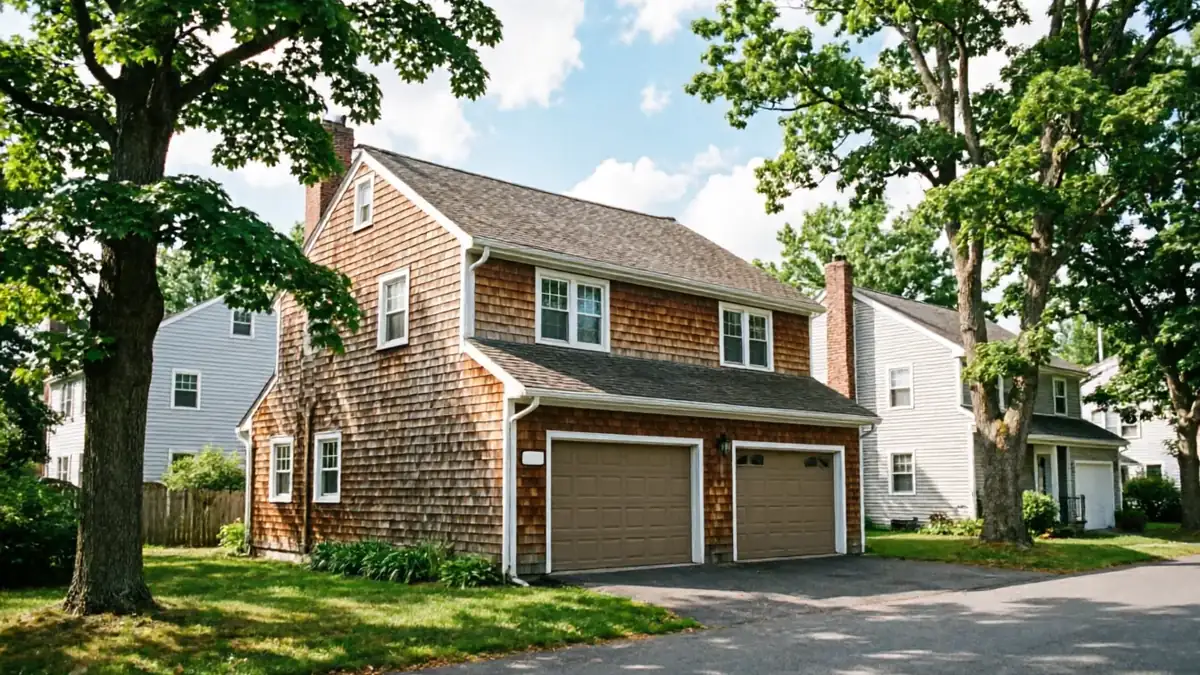
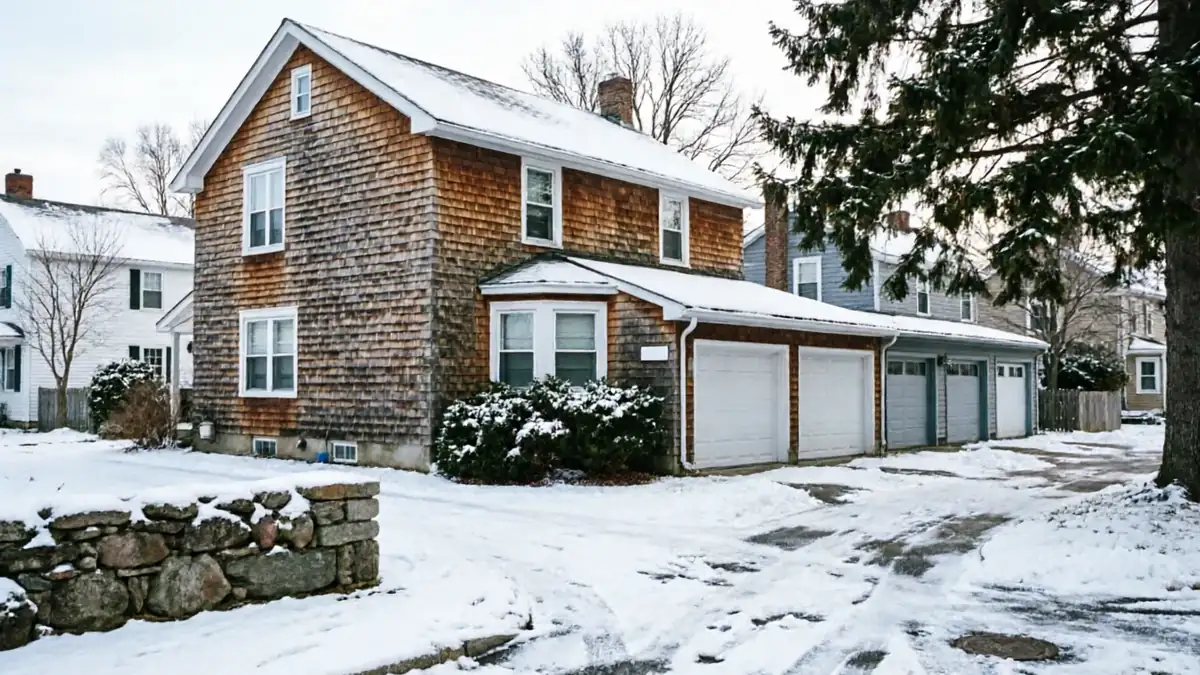
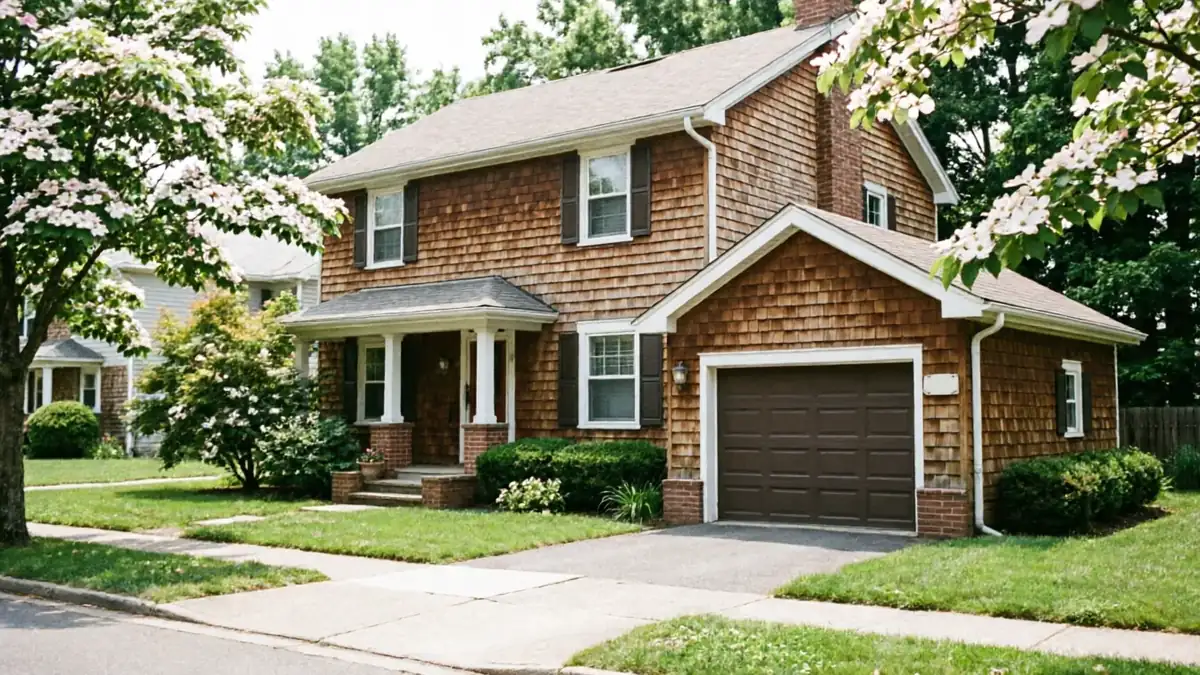
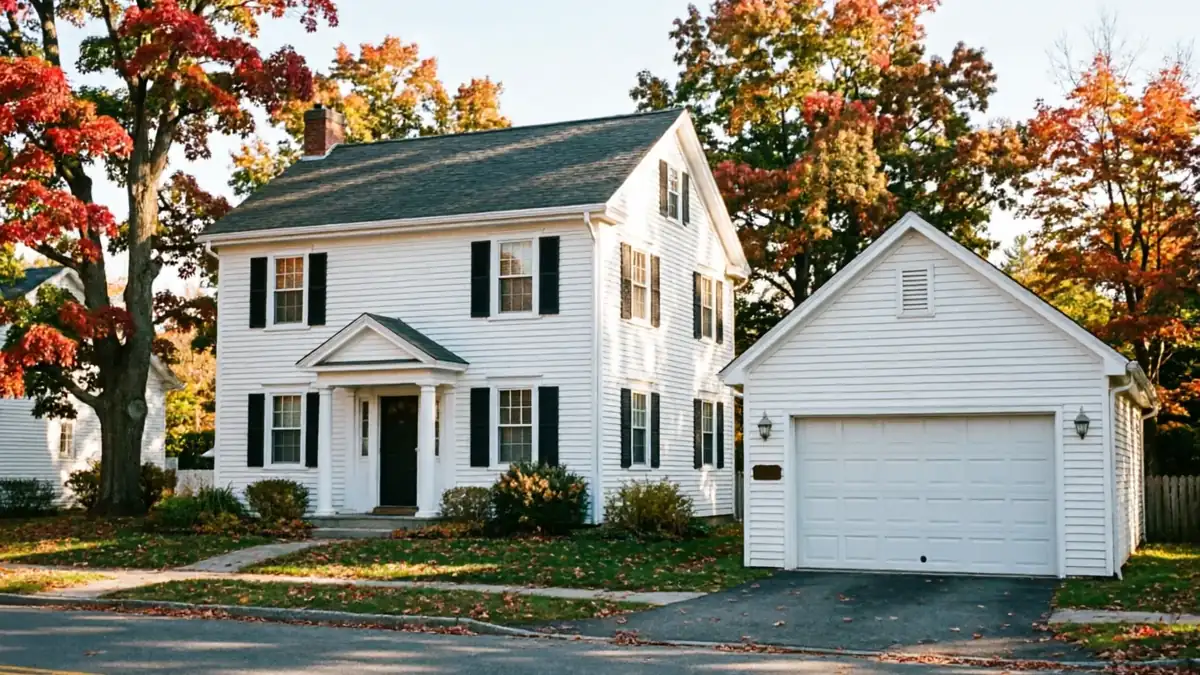
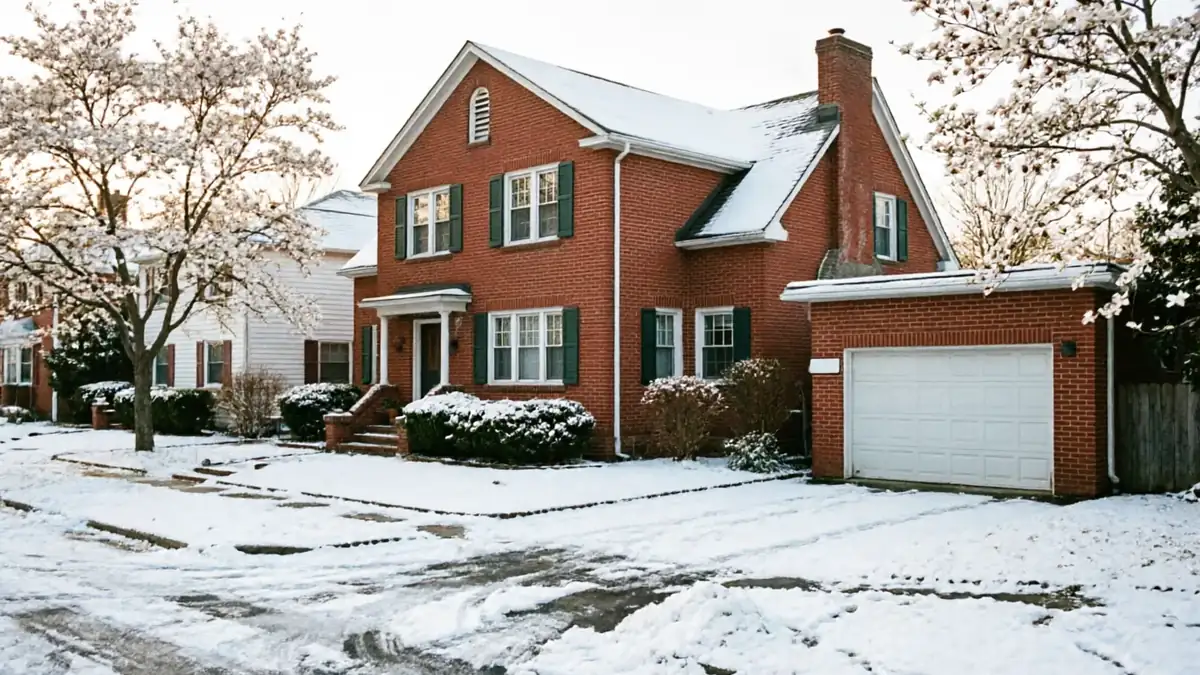
The median home in West Hartford went up around 1955, which is notably older than the 1973 median across our whole service area. That gap matters. Houses from the mid-1950s were often built with single-car or narrow double garages and lighter wood doors on hardware that's been replaced at least once by now, sometimes twice. We see a lot of torsion springs that were swapped out in a previous decade and are due again, plus track systems that were never upgraded when the door itself got replaced - a mismatch that causes binding and rough travel. Openers in these houses are frequently a second or third unit bolted onto original framing, which can mean the header bracket isn't where a modern opener wants it. None of this is exotic work, but it's different work from what you'd find in a subdivision built in 1985. We don't guess at what's behind the wall here; a lot of these garages have had enough owners and enough partial fixes that the safest move is opening it up and looking before quoting anything.
What the Housing Means for Your Door
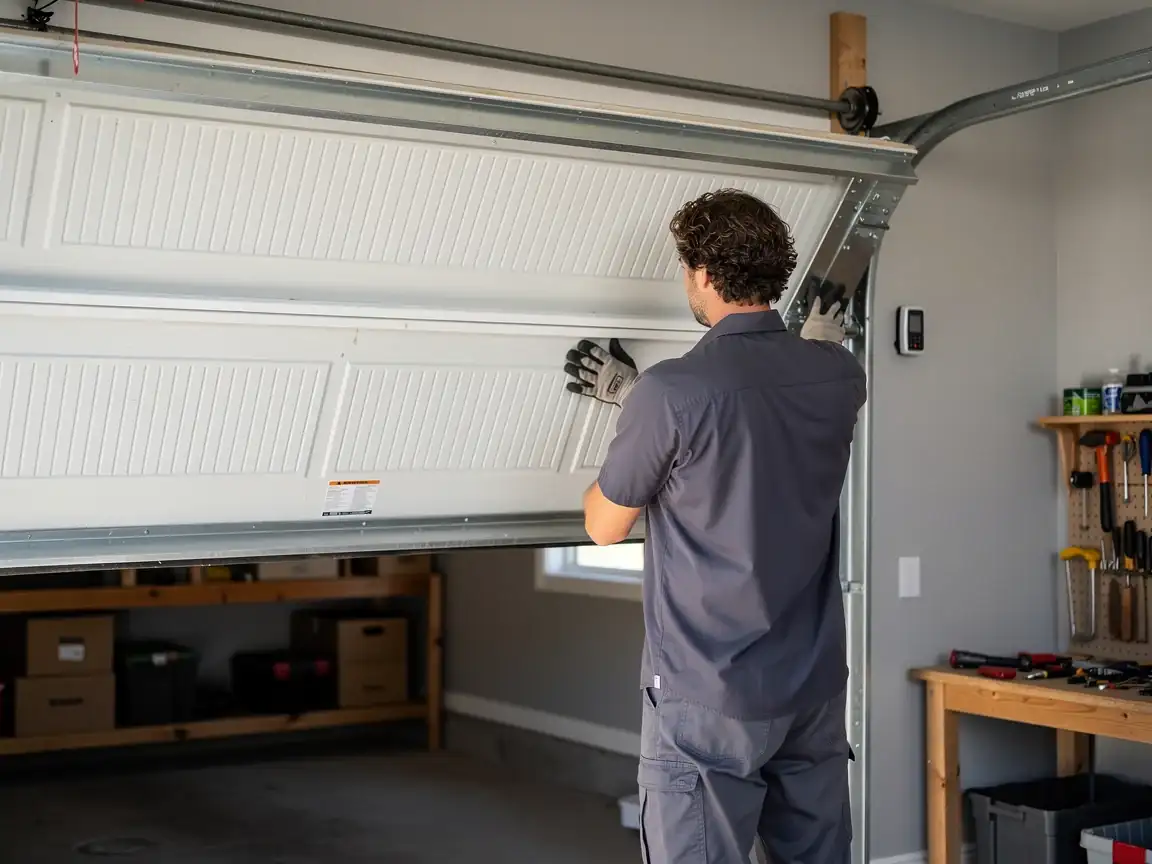
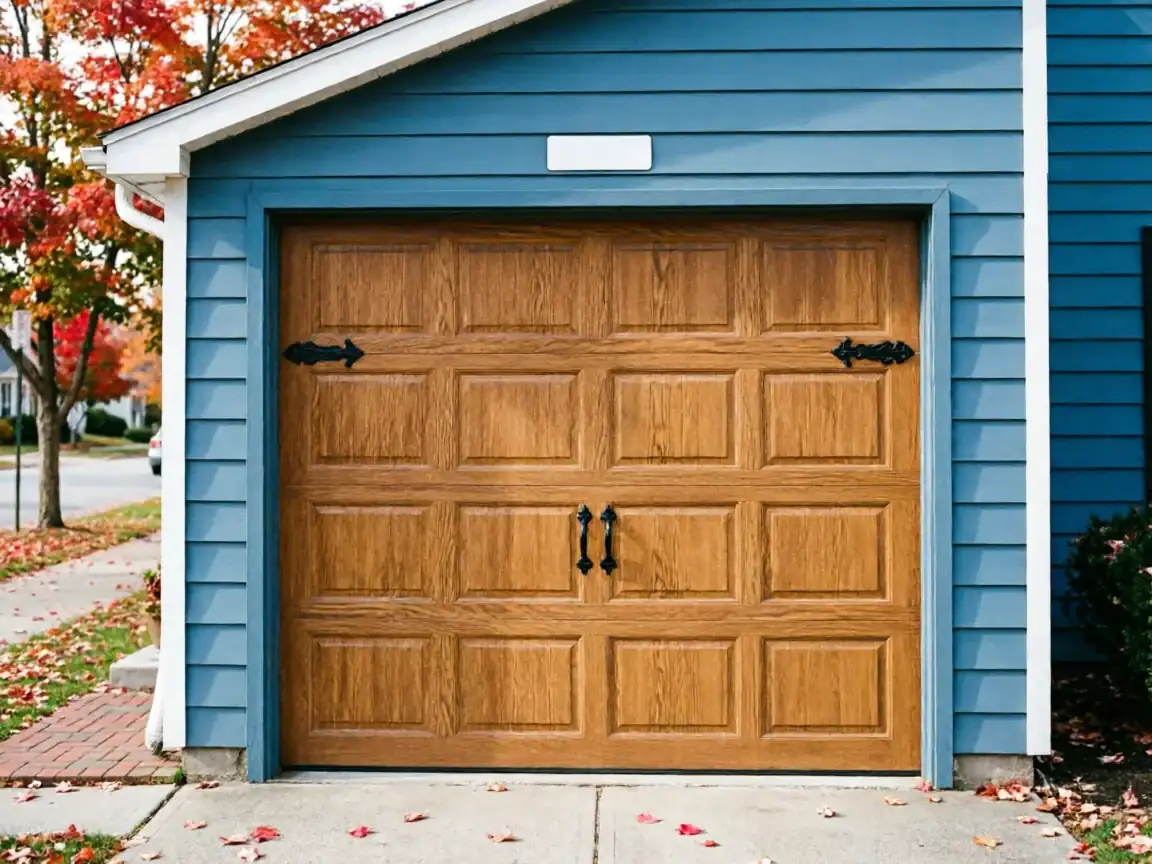
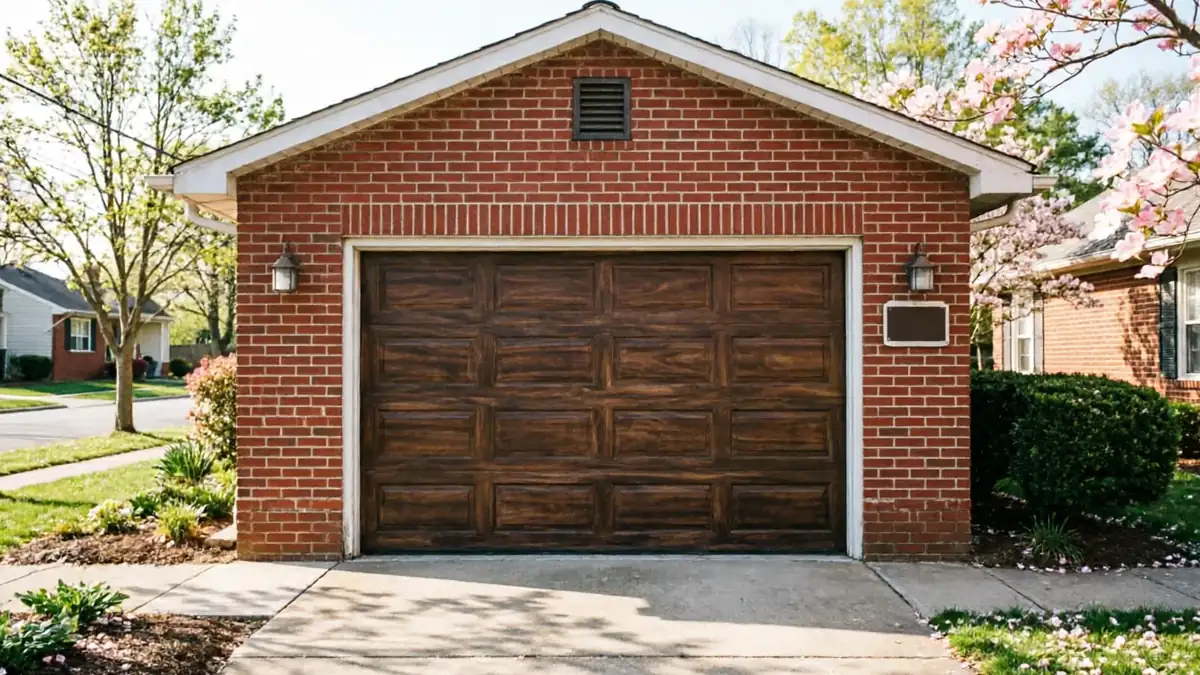
A door built for a 1955 garage opening doesn't always match what's sold off the shelf today, and that's the first thing we check before quoting a repair versus a replacement. If the frame has settled or the opening is a nonstandard width - common in houses this age - a stock door needs trimming or a custom order, which adds time. We're honest when a repair isn't worth it: if the panels are rusted through or the track is bent beyond pulling straight, patching it is a short-term fix you'll pay for twice. On the other hand, a lot of these older doors have solid bones and just need the spring, cables, or rollers brought up to current hardware, which is often the cheaper and faster call. One limit worth naming: because we travel in from Glastonbury, we don't carry every custom panel size on the truck, so a nonstandard 1950s opening sometimes means a return trip once the part comes in.