Time on the Job
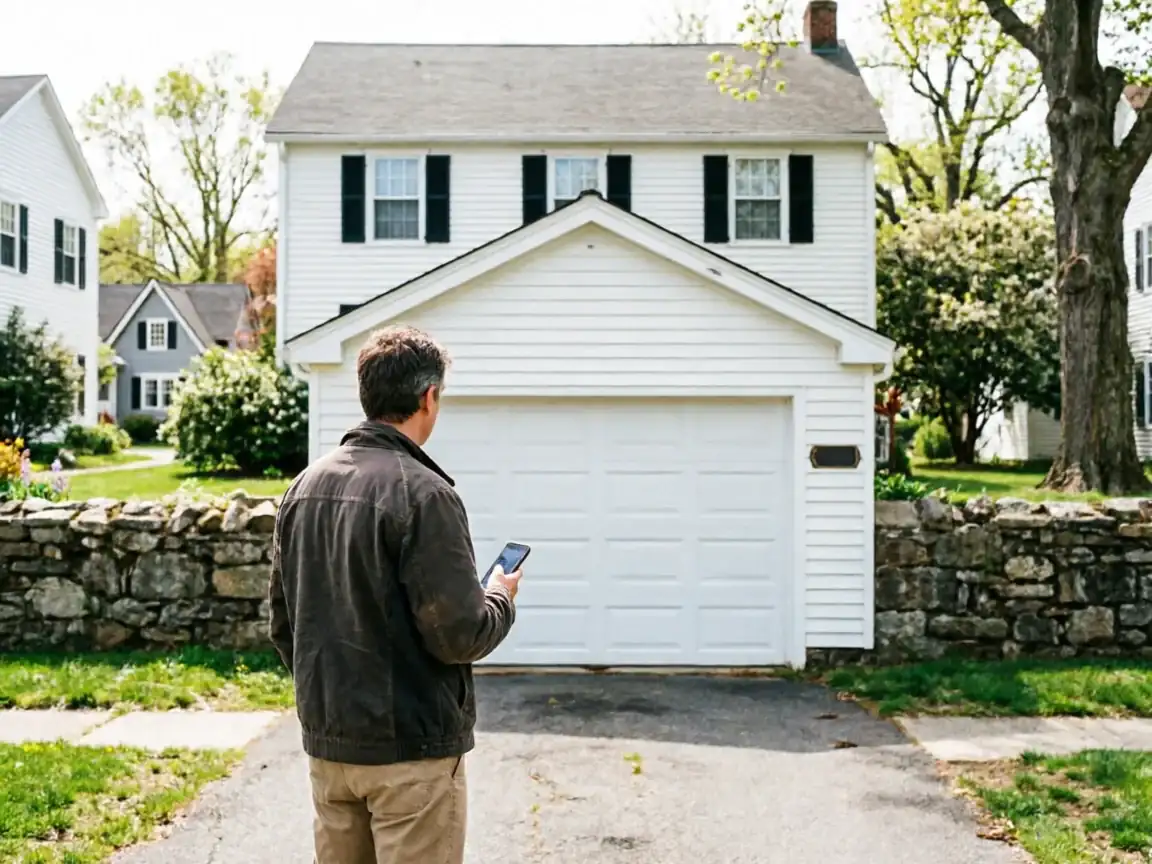
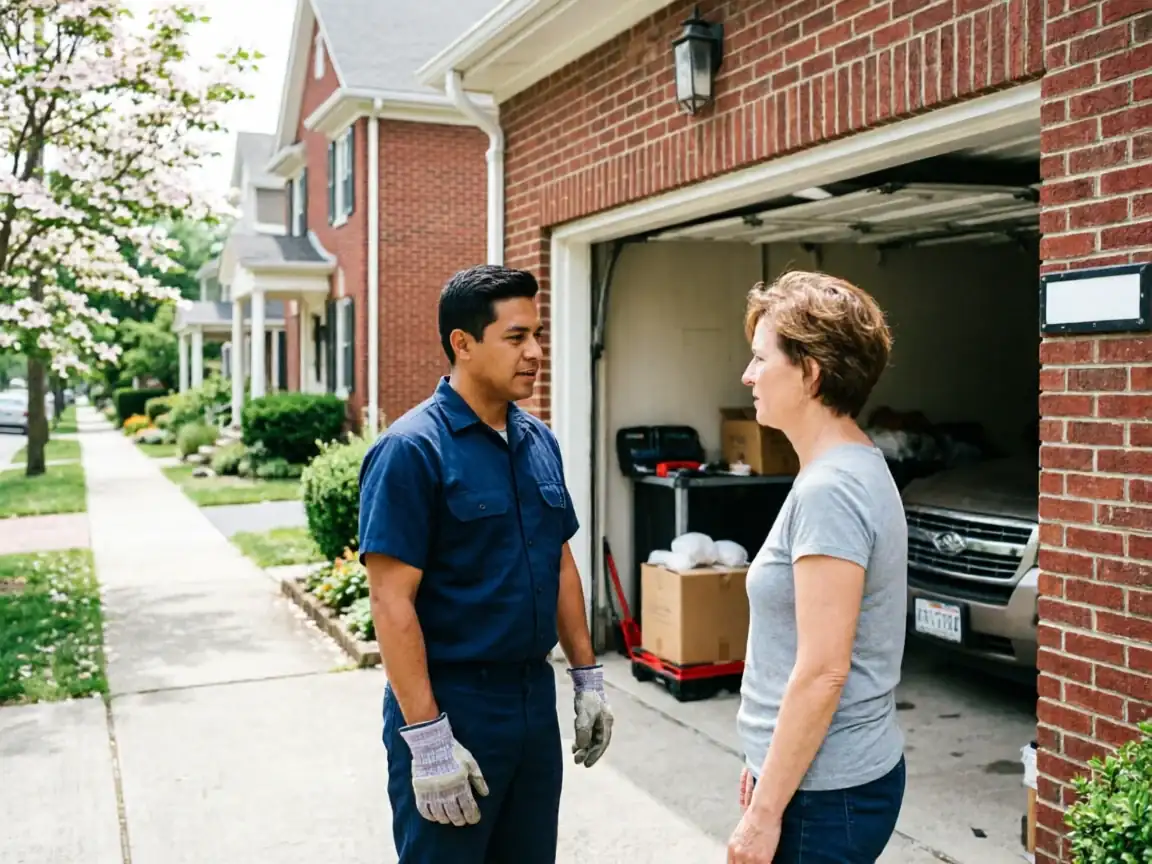
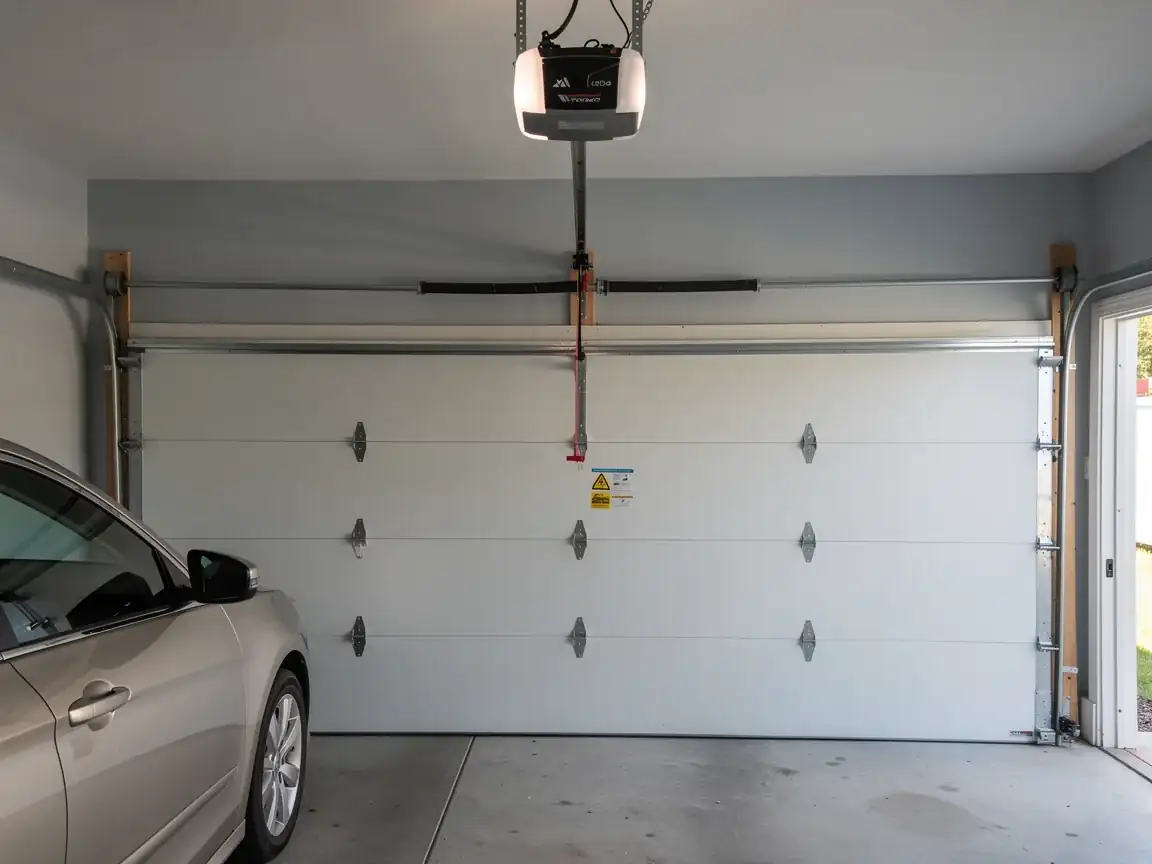
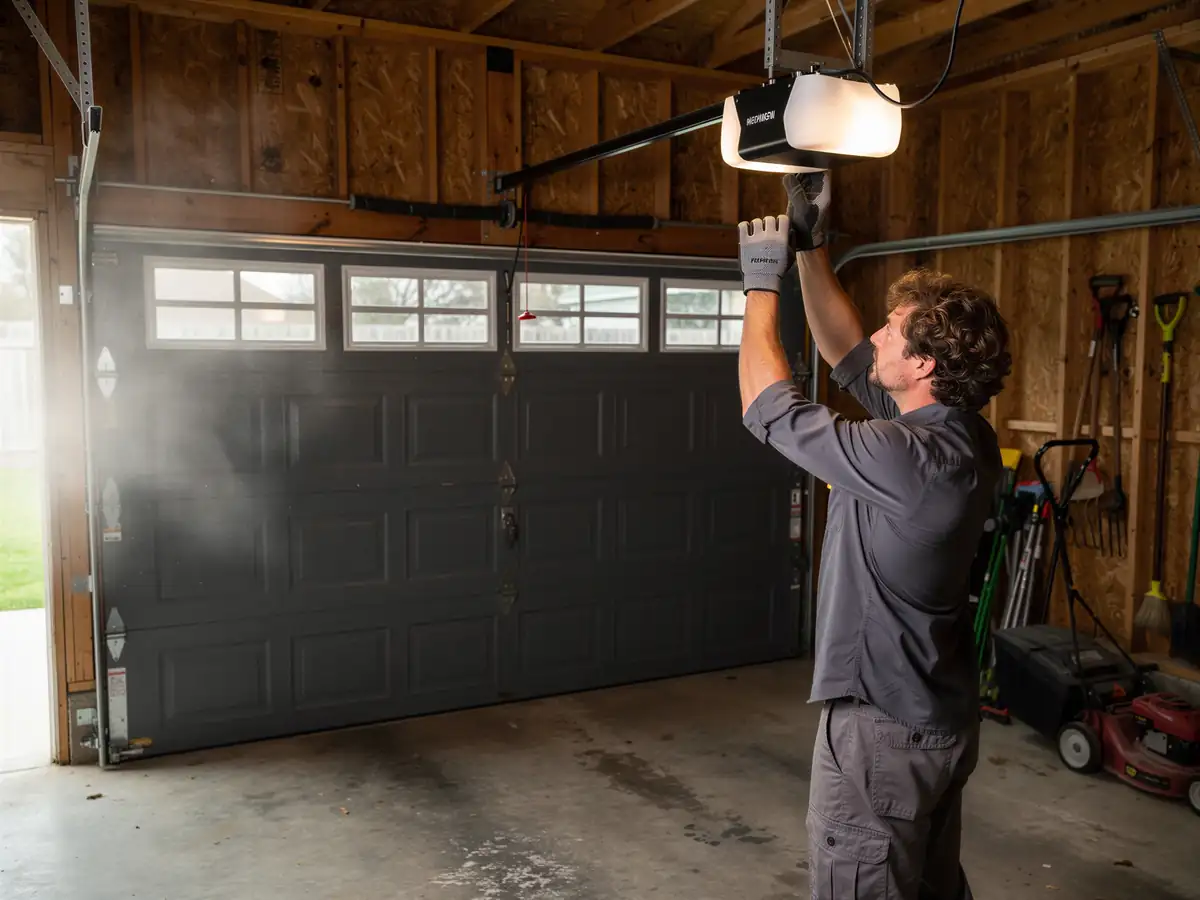
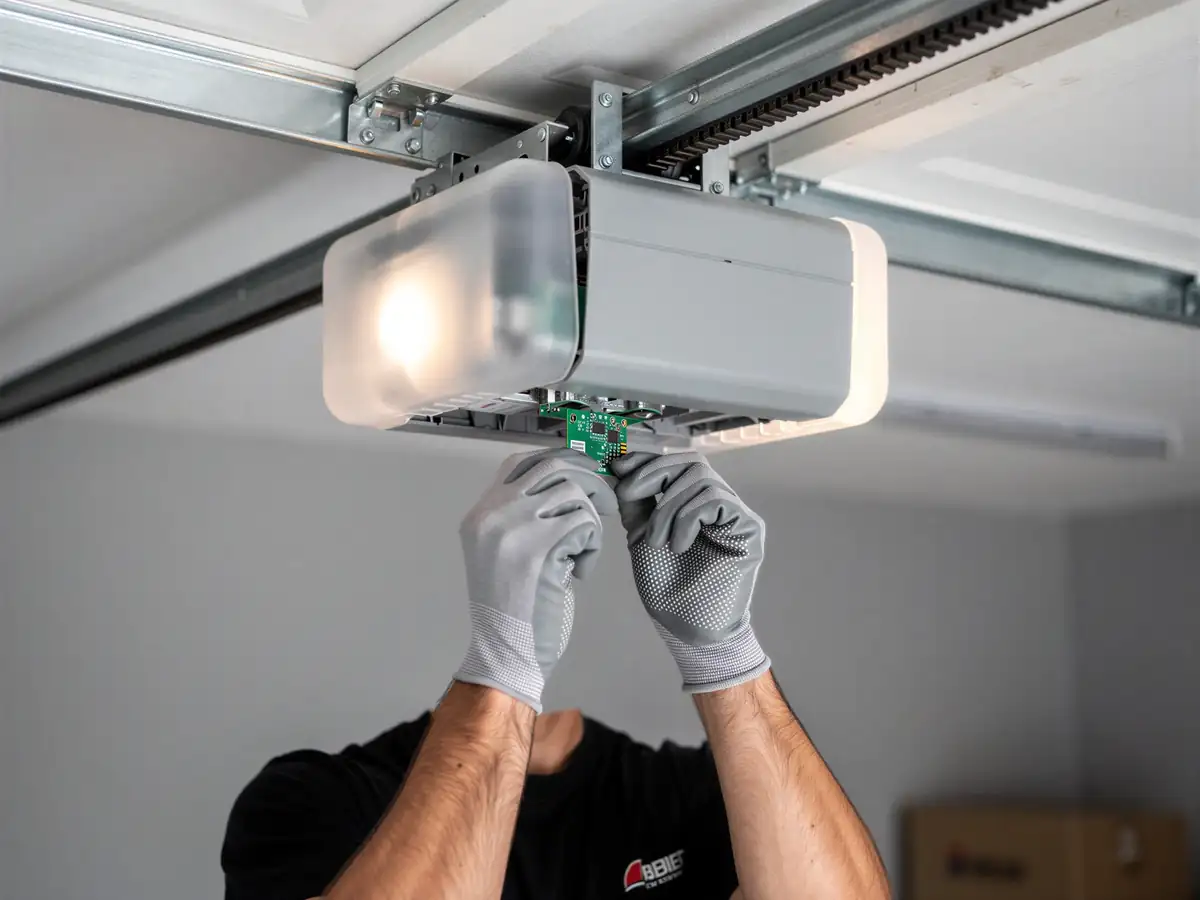
A dead opener call in West Hartford isn't a quick swap-and-go most of the time. We're driving the 8 miles out from Glastonbury, and once we're on site the time gets spent figuring out what actually failed before anything gets replaced. On a house from the 1955 era, that often means checking whether the opener is original equipment bolted to a header board that predates the unit by decades, or a retrofit someone wedged in during the 90s. Diagnosing a logic board versus a bad capacitor versus a stripped gear takes longer than people expect, because all three can look identical from the driveway: door won't respond, lights flash, nothing happens. We don't guess and swap parts until something works - that's how a $40 fix turns into a $300 bill. The actual repair, once we know what's wrong, usually runs under an hour. The diagnosis is the part that takes the time, especially on older houses where the wiring has been touched by more than one owner over the years.
Why This Fails Locally
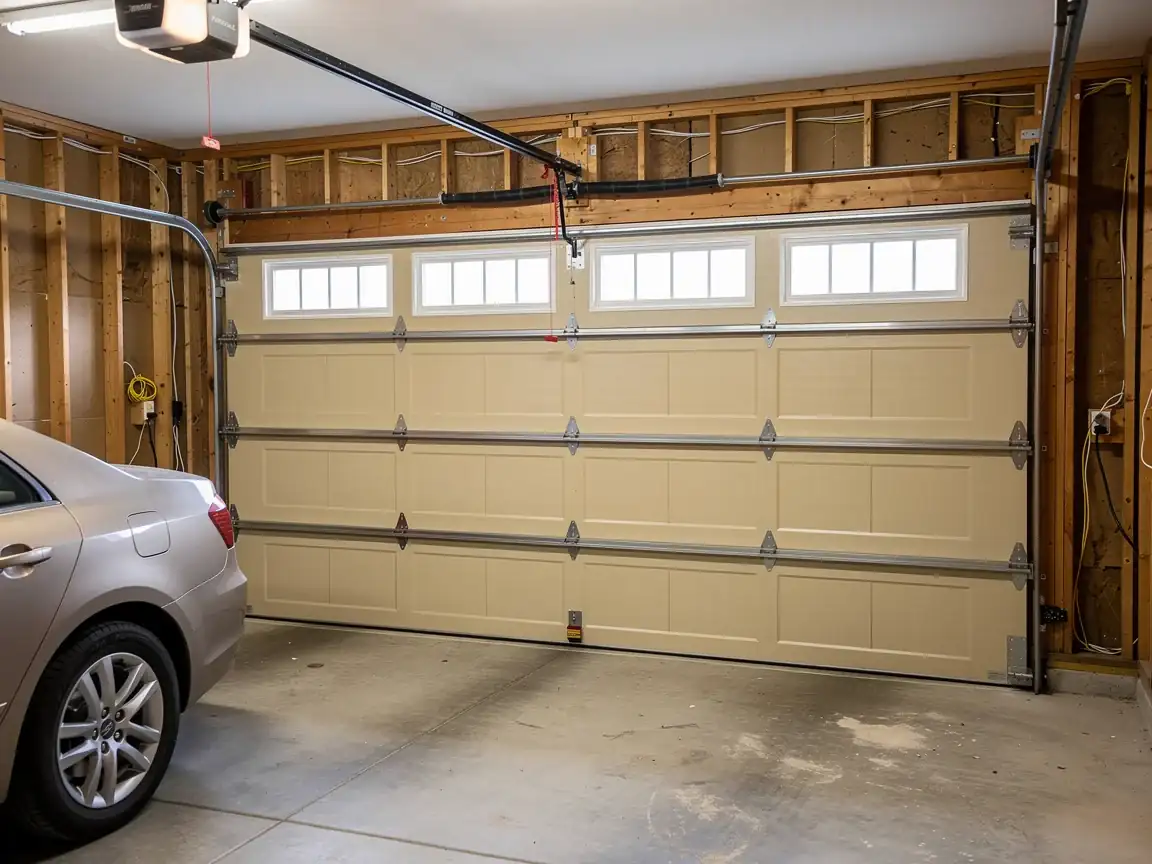
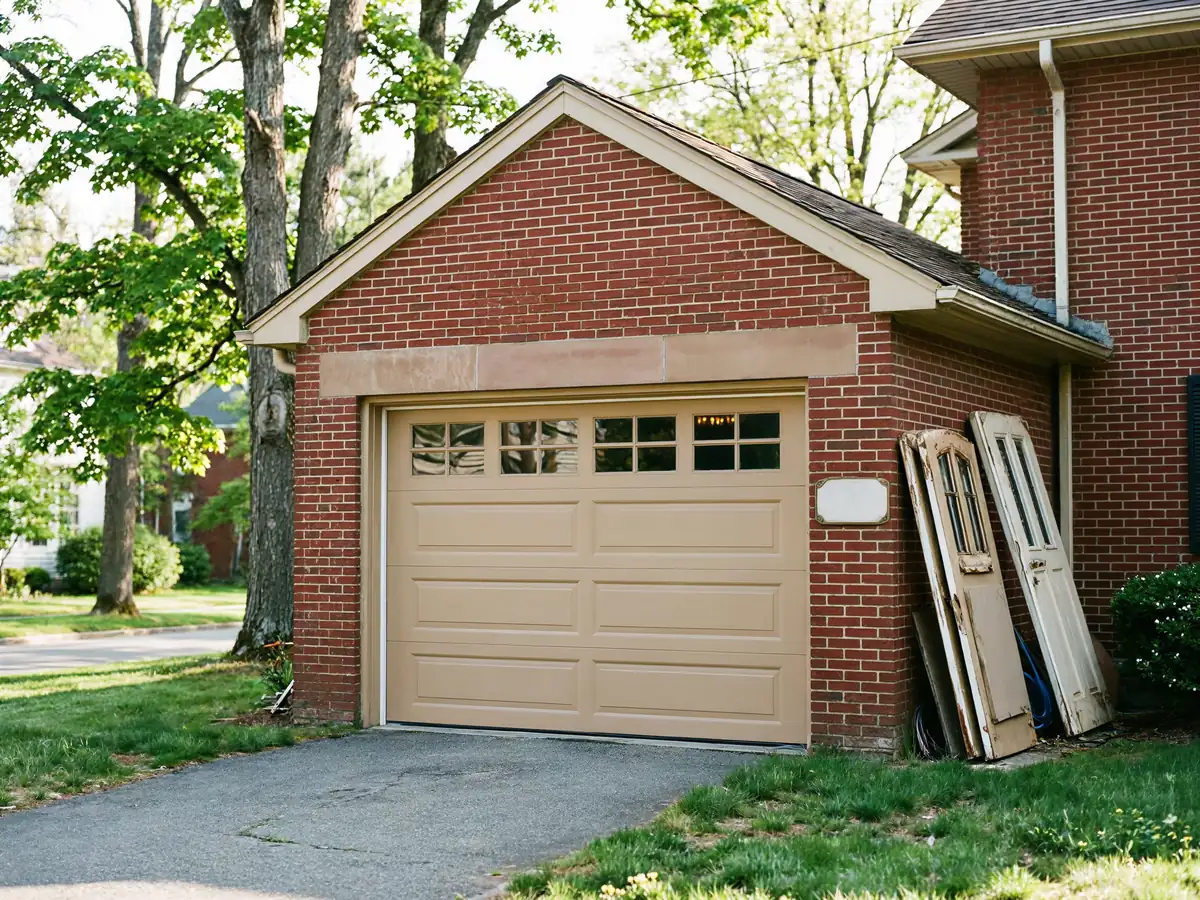
Most houses in West Hartford went up around 1955, nearly two decades earlier than the 1973 median across the rest of the service area we cover out of Glastonbury. That gap matters for openers specifically. Houses from that era were framed with headers sized for a manual door and a lightweight chain hoist, not the 3/4-horsepower belt-drive units homeowners buy today. When a newer opener gets mounted on that original framing, the bracket works loose, the rail sags, and the unit grinds itself into early failure - it looks like an opener problem but it's really a mounting problem from a house 70 years older than the hardware. At a median household income of $125,616 here, well above the $107,012 median across the wider service area, more owners here have already upgraded to Chamberlain or LiftMaster belt-drive units with battery backup, which is good, but it means we see more units straining against original framing rather than old chain-drives quietly dying of age. Both patterns end the same way: an opener that worked fine for years suddenly won't hold the door.
What the Repair Takes
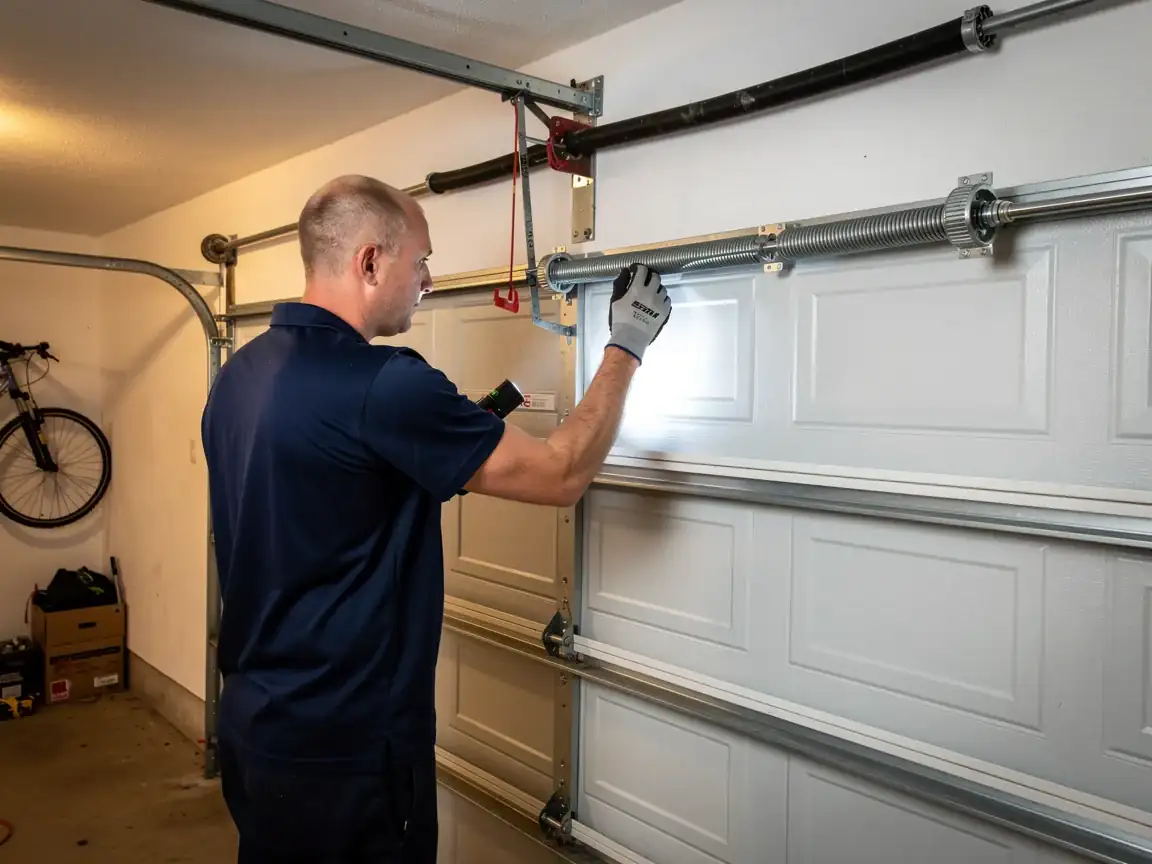
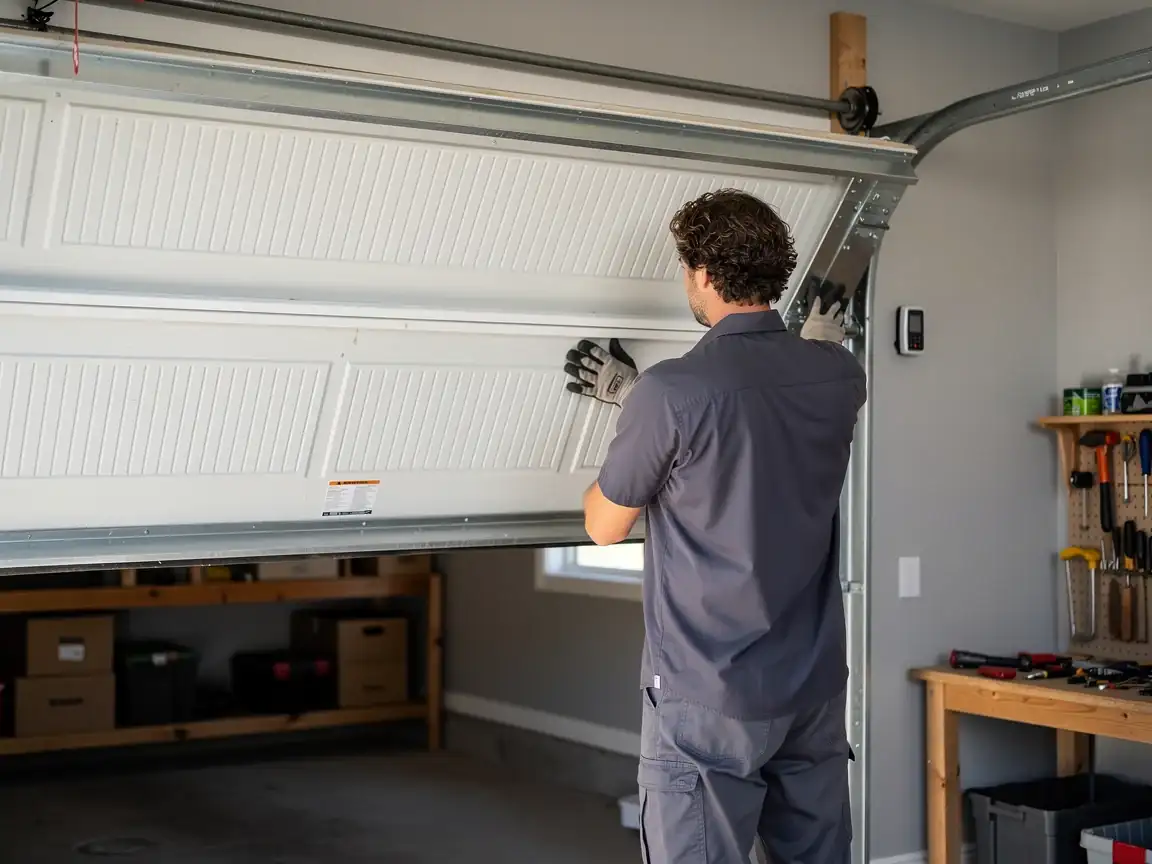
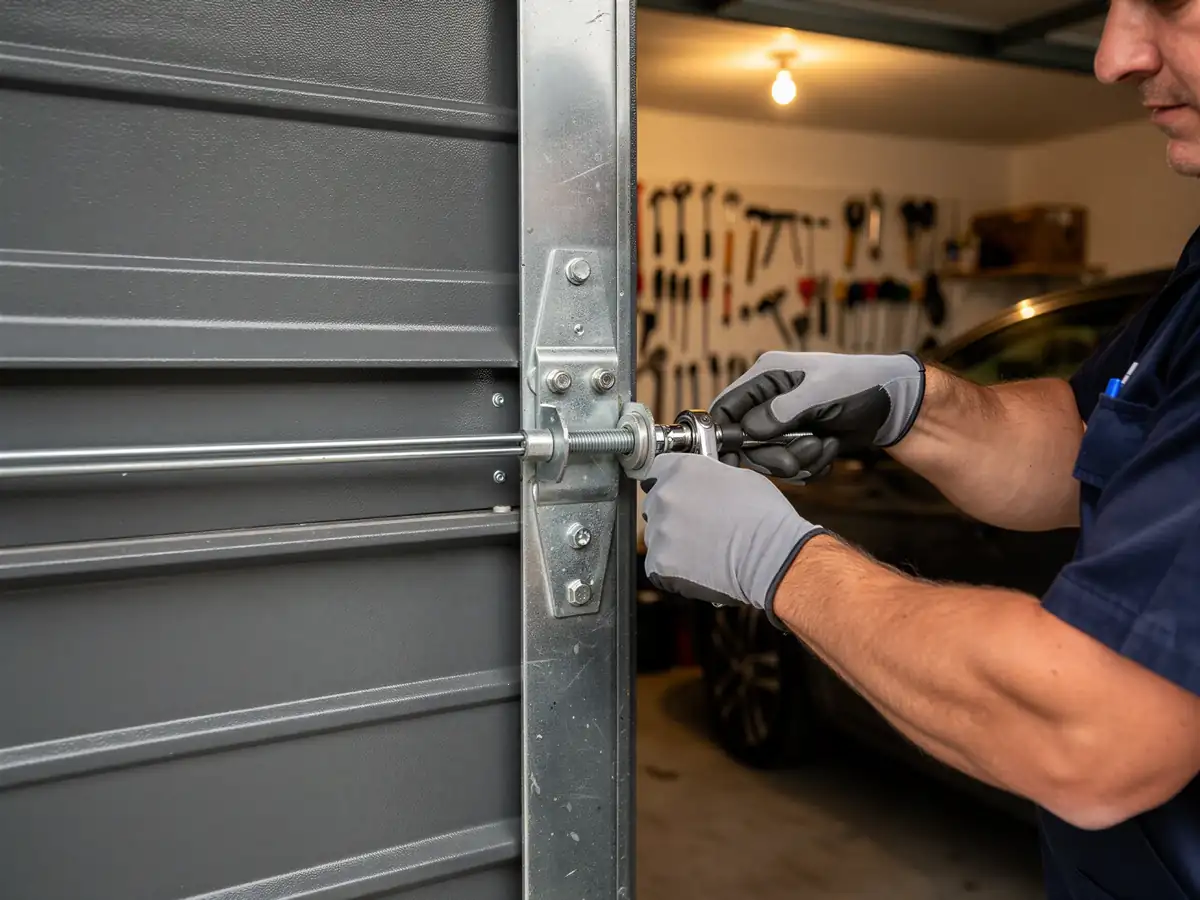
For most opener calls in West Hartford, the parts are standard - a replacement logic board, a capacitor, a drive gear kit, or a new belt - and we carry the common ones on the truck. What takes extra time here is the mounting work: checking whether the header the opener hangs from is sound enough to carry the repaired unit, and reinforcing it if it isn't, which is common on houses from the 1955 era that were never built with a motorized door in mind. With 26,276 households in town, we see the same handful of failures repeat: stripped gears from age, capacitors that die in the cold, and boards fried after a power surge. We test the full cycle before we leave - open, close, auto-reverse, remote range - not just whether the motor turns over. If the opener itself is beyond repair, we'll say so and walk through replacement options rather than patch something that's going to fail again in six months.