Time on the Job
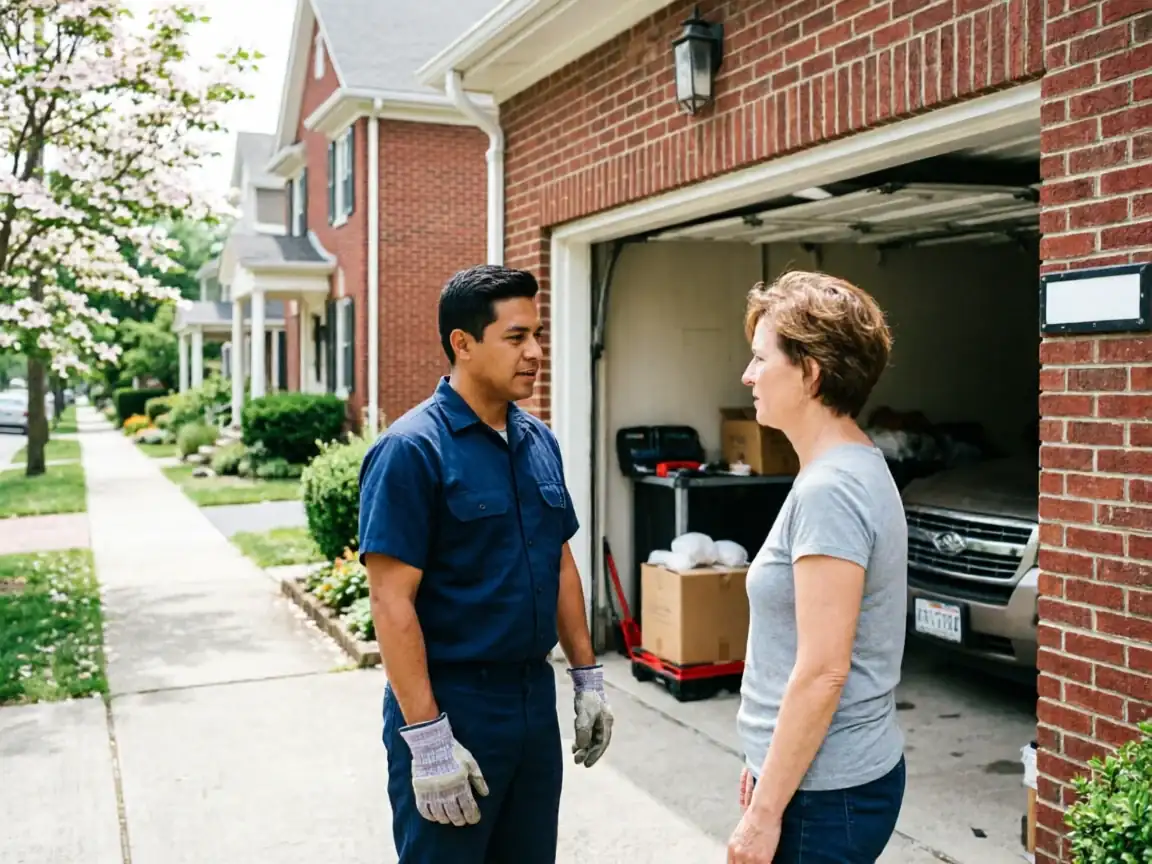
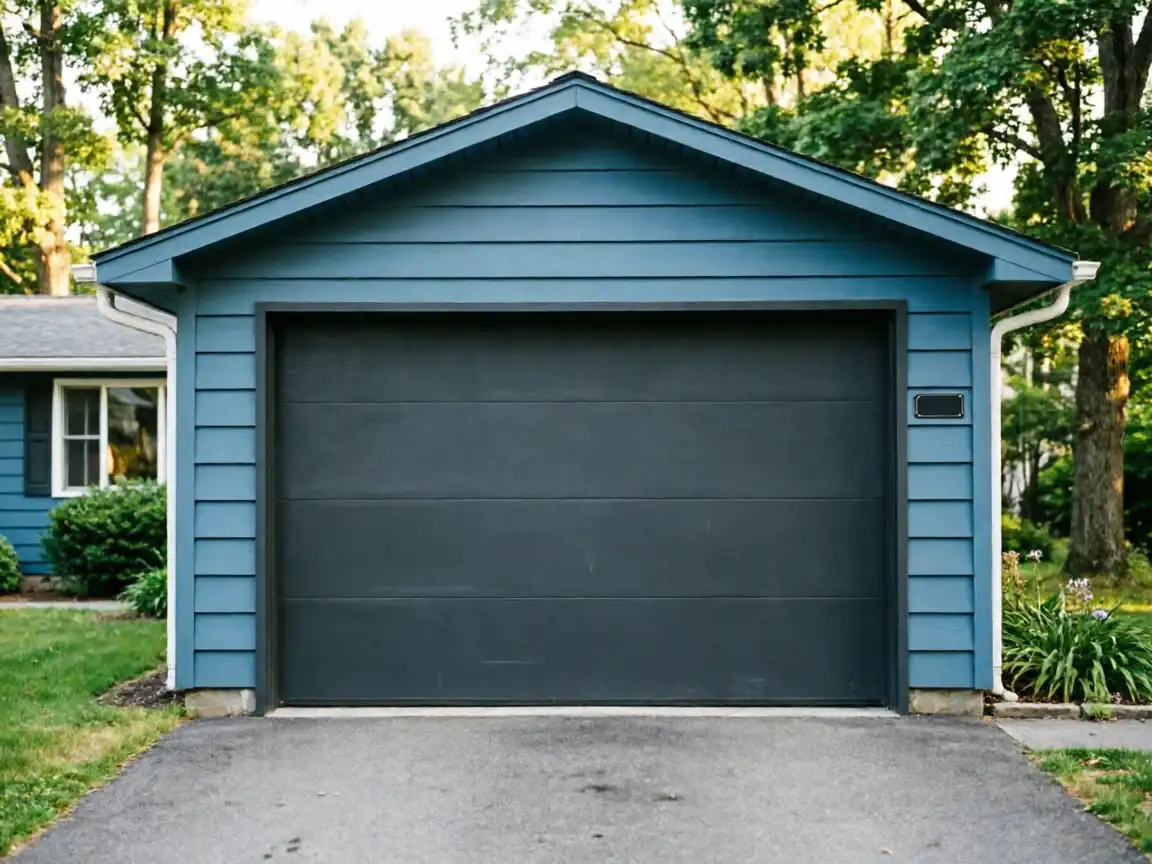
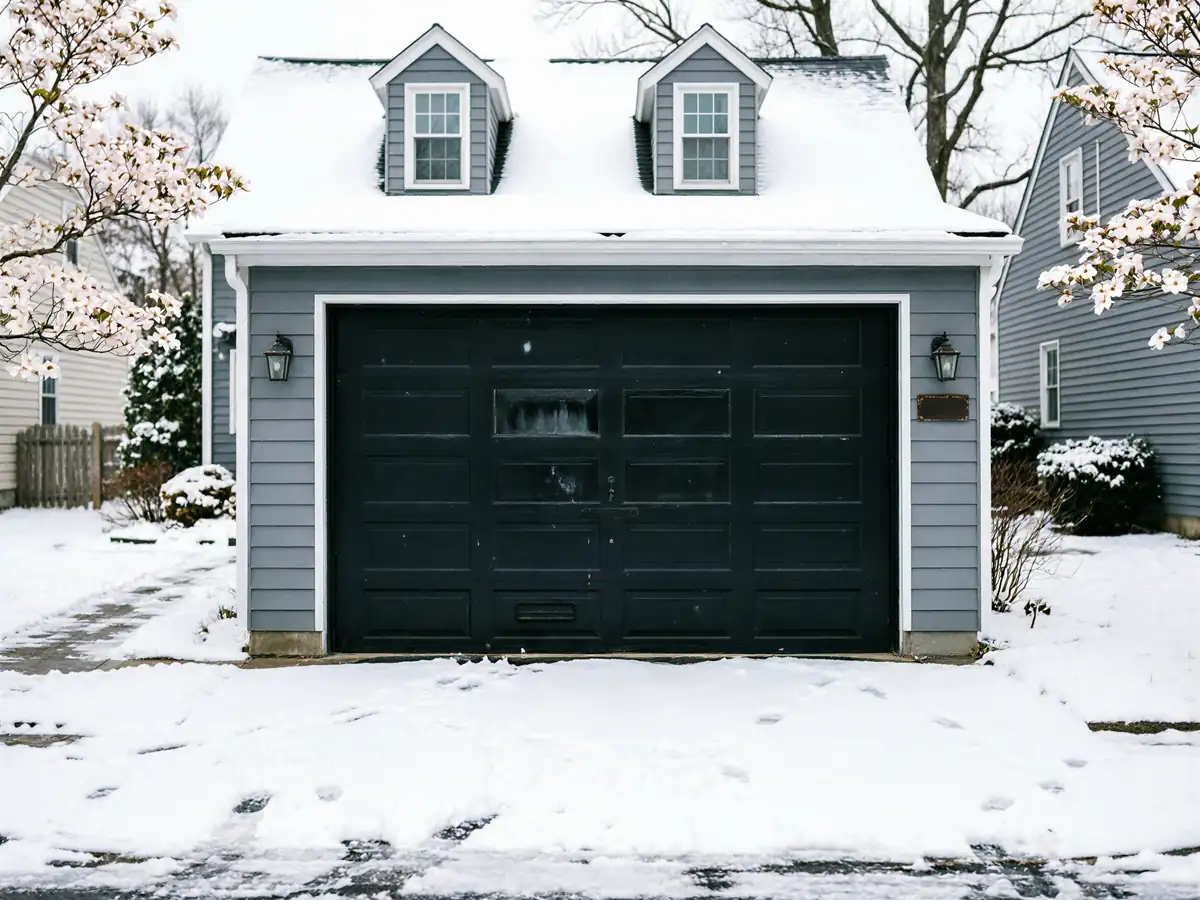
West Hartford carries 26,276 households, a town-sized market with its own rhythm, not just another dot on a route sheet. That size matters because it tells us what kind of jobs repeat here: not new-construction openers going into garages built to code last year, but retrofits and replacements in garages that have been standing a long time.
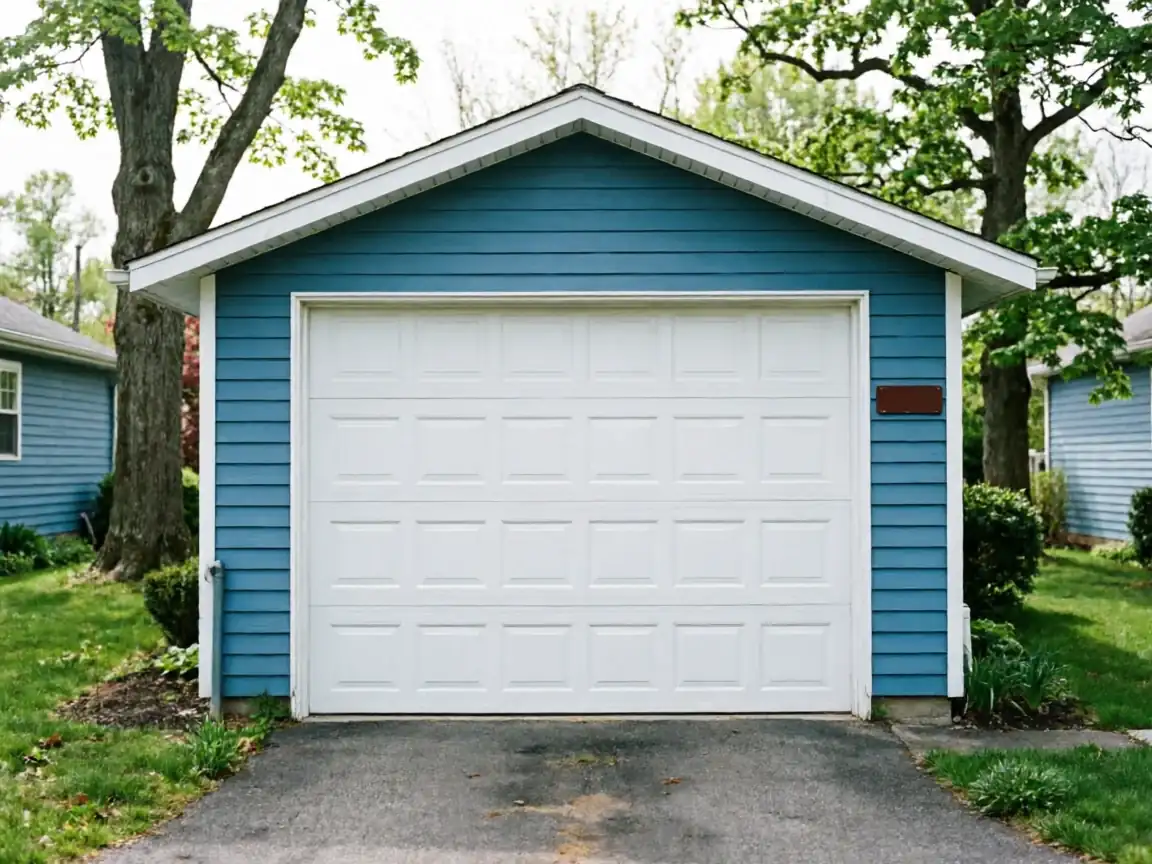
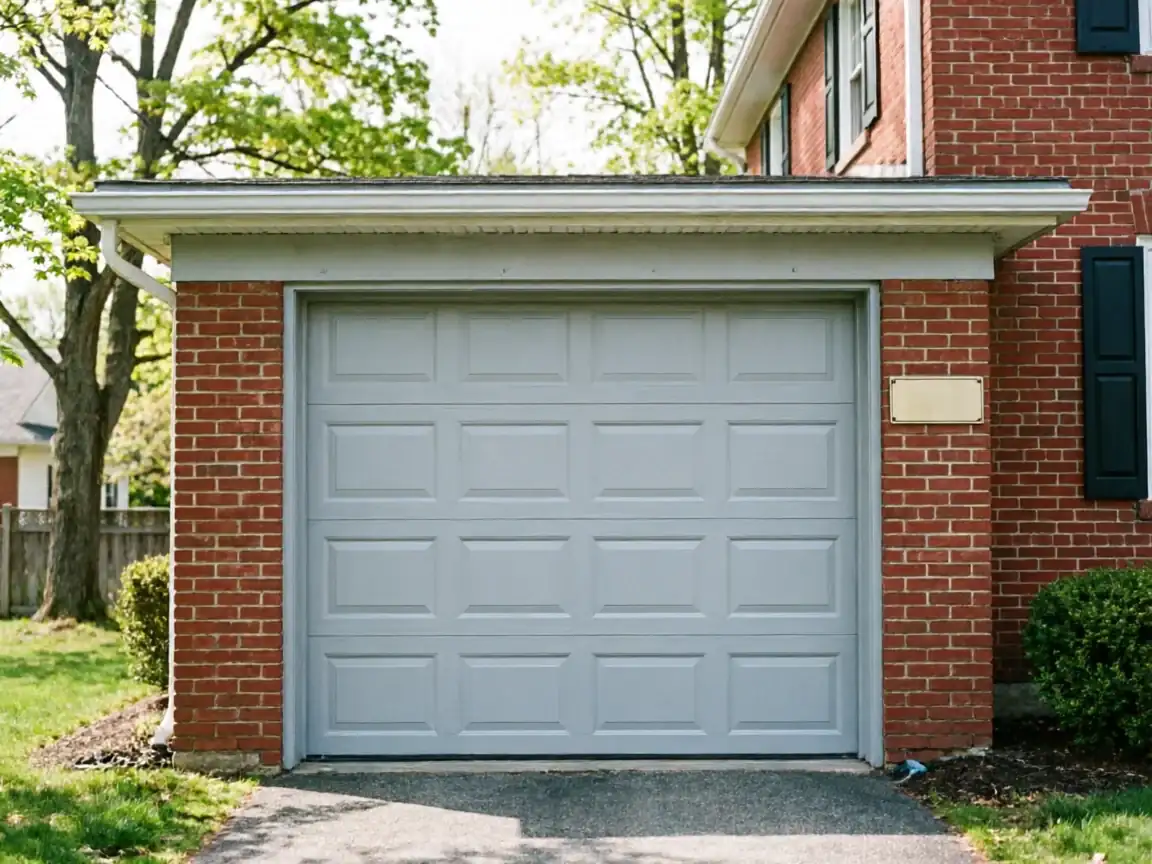
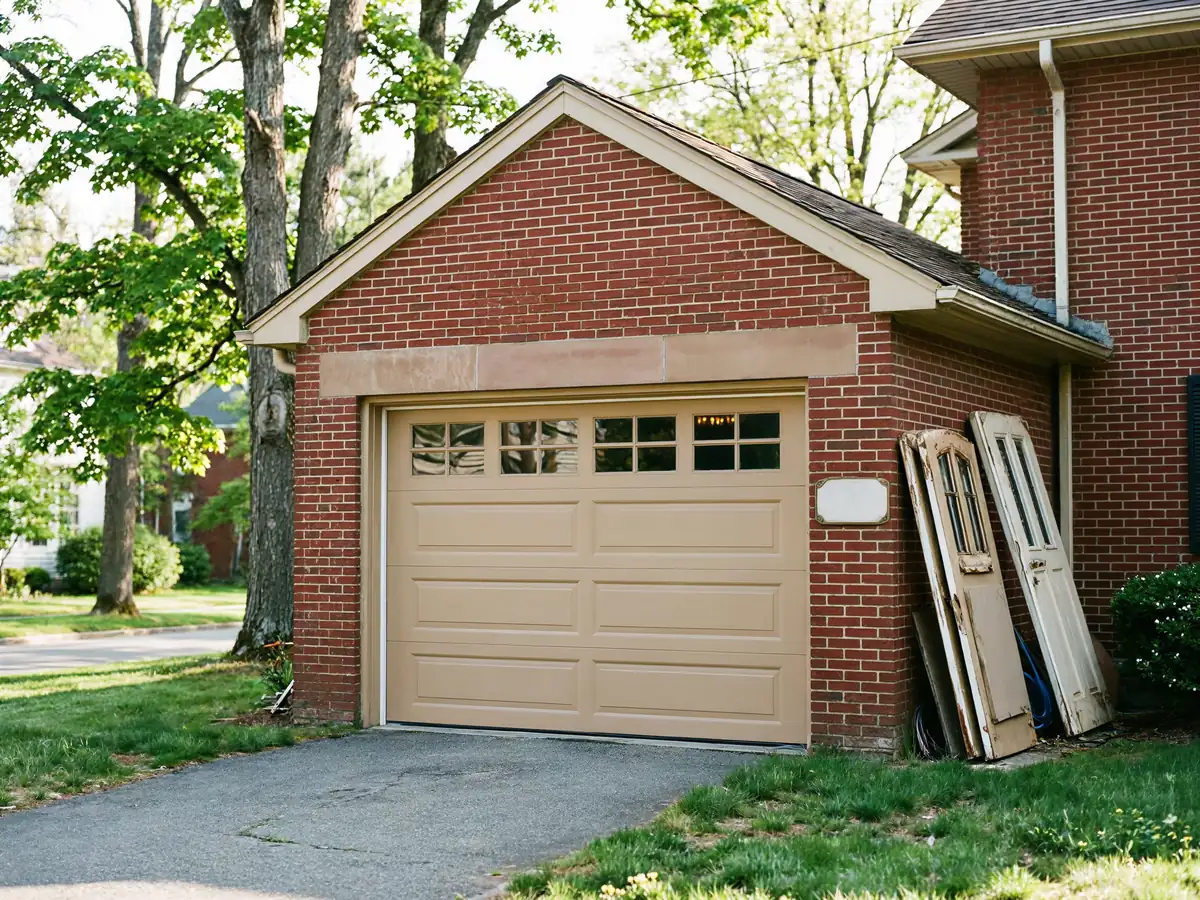
Most of the housing in this part of our service area went up between 1938 and 1990, with the overall median landing around 1973. West Hartford skews older than that average - its garages mostly date to around 1955, nearly two decades ahead of the broader service-area median. That's not a small gap. A garage built in the mid-1950s was framed before most opener brands existed as a factory-installed option, which changes what we find behind the wall when we get there.
We come out of Glastonbury, 8 miles away, so this isn't a stretch call - it's a short, regular run, and it's one we make often enough to know the pattern in these older garages before we open the door.
Why This Fails Locally
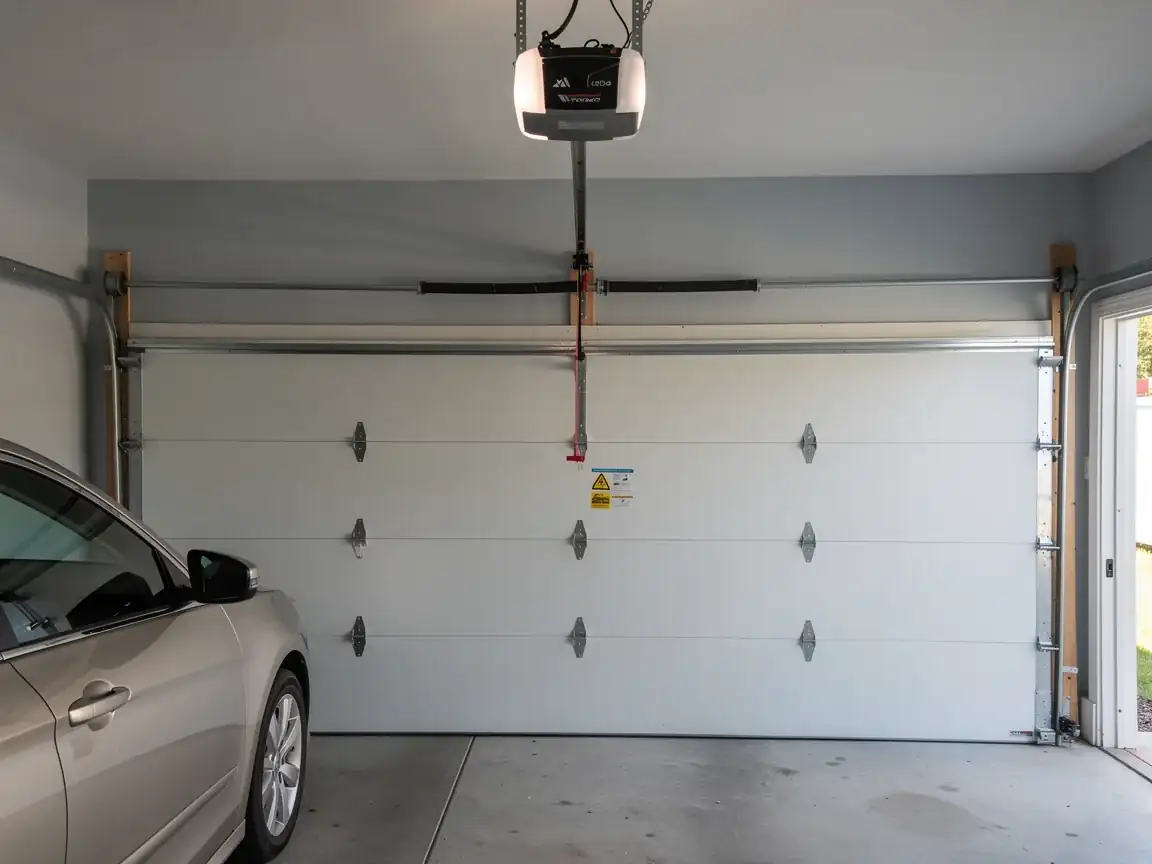
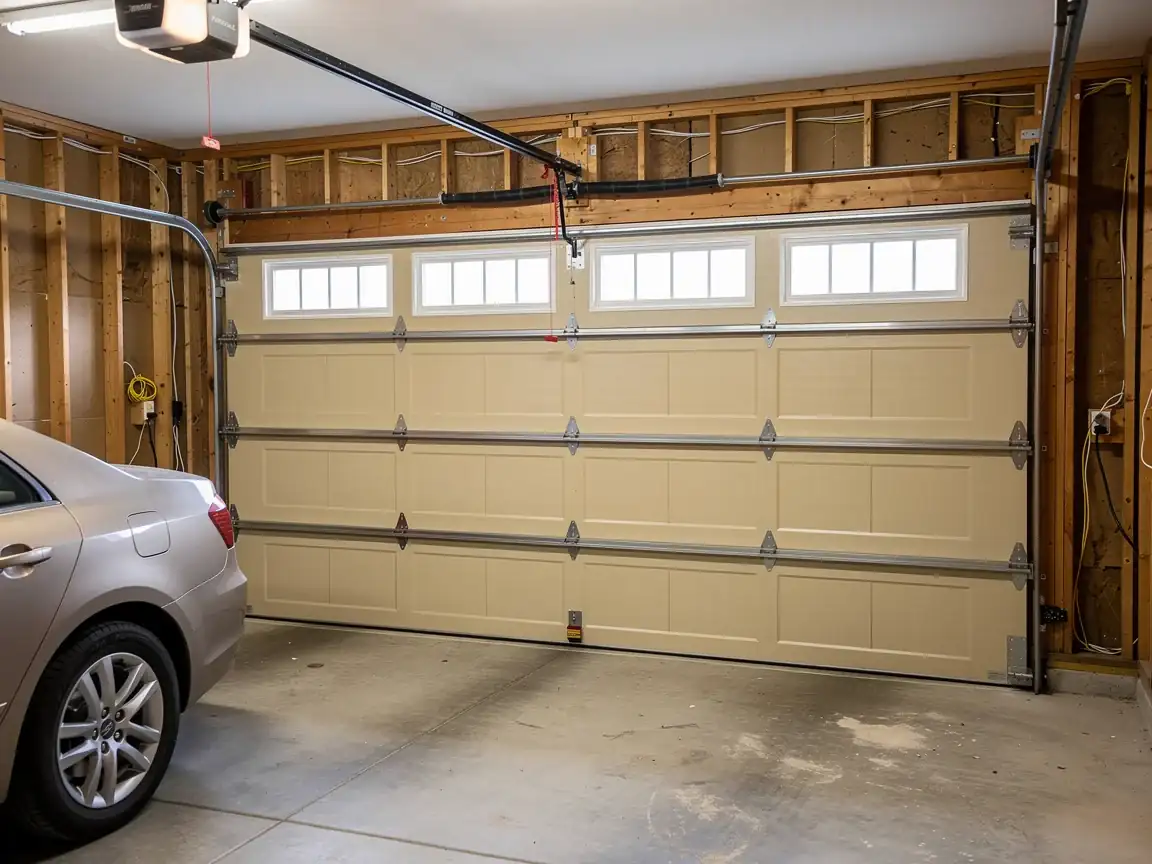
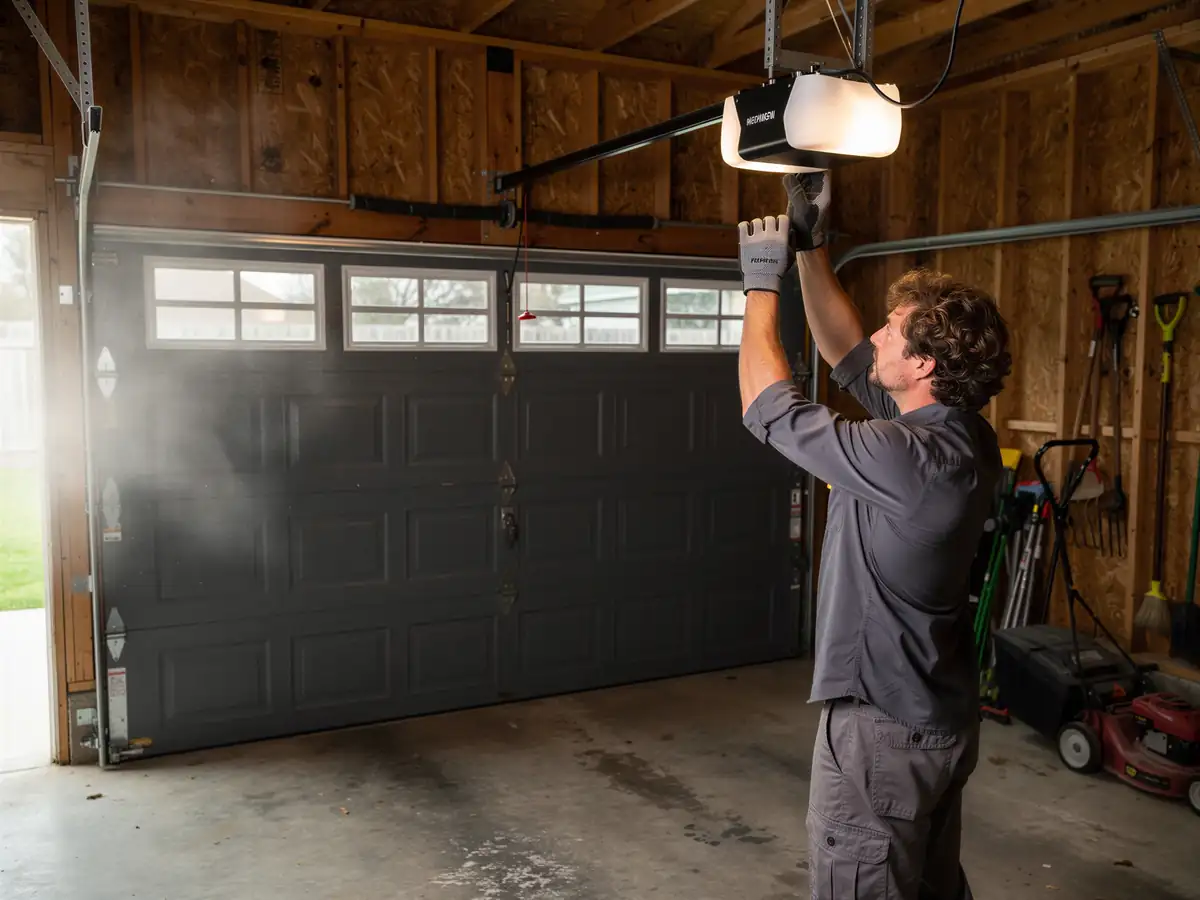
A 1955-built garage usually means the opener was added years after the house went up, not wired in from the start. That shows up as a loose extension cord run along the ceiling joists instead of a dedicated outlet, or a light fixture doubling as the only power source in the bay. Neither is a safe way to run a motor that pulls a door up and down several times a day.
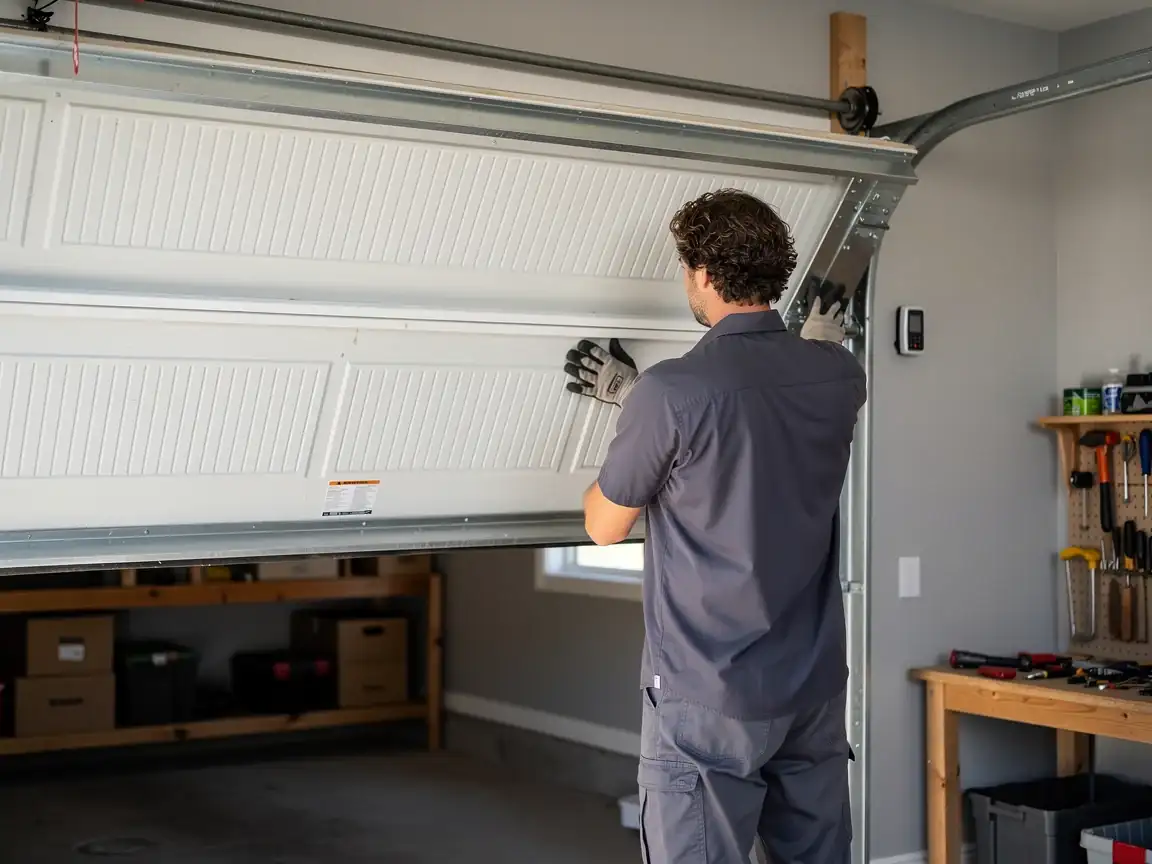
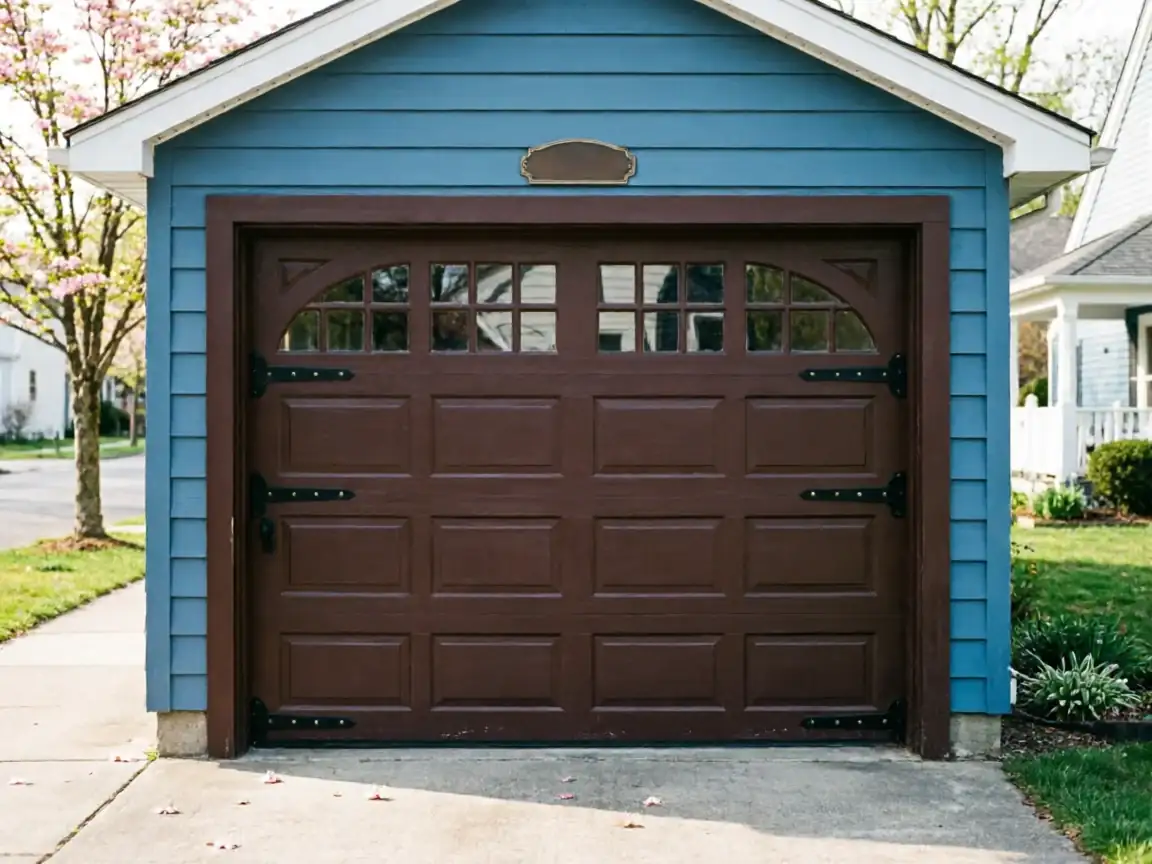
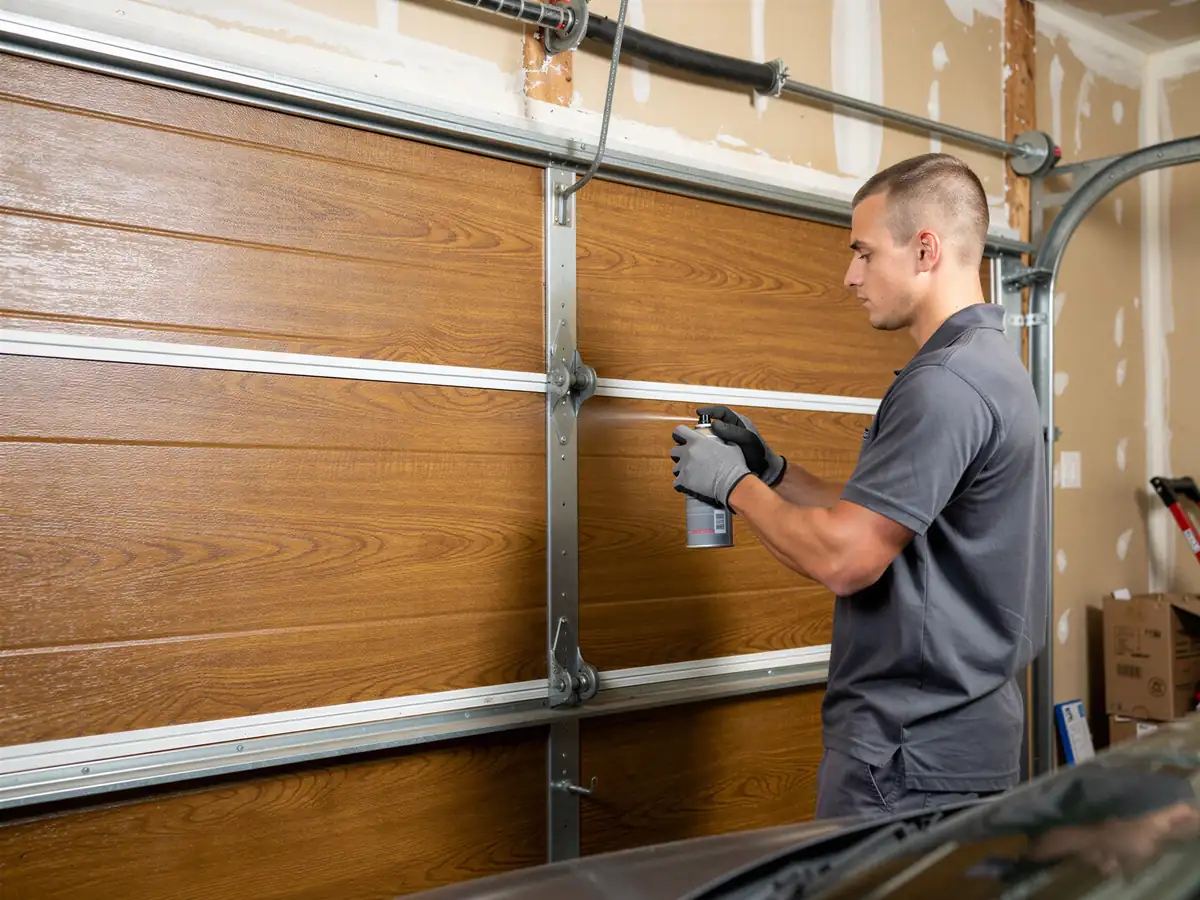
The doors themselves are often the original heavier wood or early steel panels, sized and hung for a different era of hardware. An opener rated for a standard modern door can struggle - or burn out early - against that extra weight if nobody checks the door's actual pull before sizing the unit.
West Hartford's median household income runs $125,616, well above the $107,012 median across the rest of our service area, which means people here are less likely to be shopping on price alone and more likely to want the job done once, correctly, with the wiring brought up to a safe standard rather than patched around the old setup. That's the fix we aim for: not just bolting on a new motor, but correcting what the original install skipped.
The DIY Question
A boxed opener kit from a hardware store comes with generic instructions written for a generic door
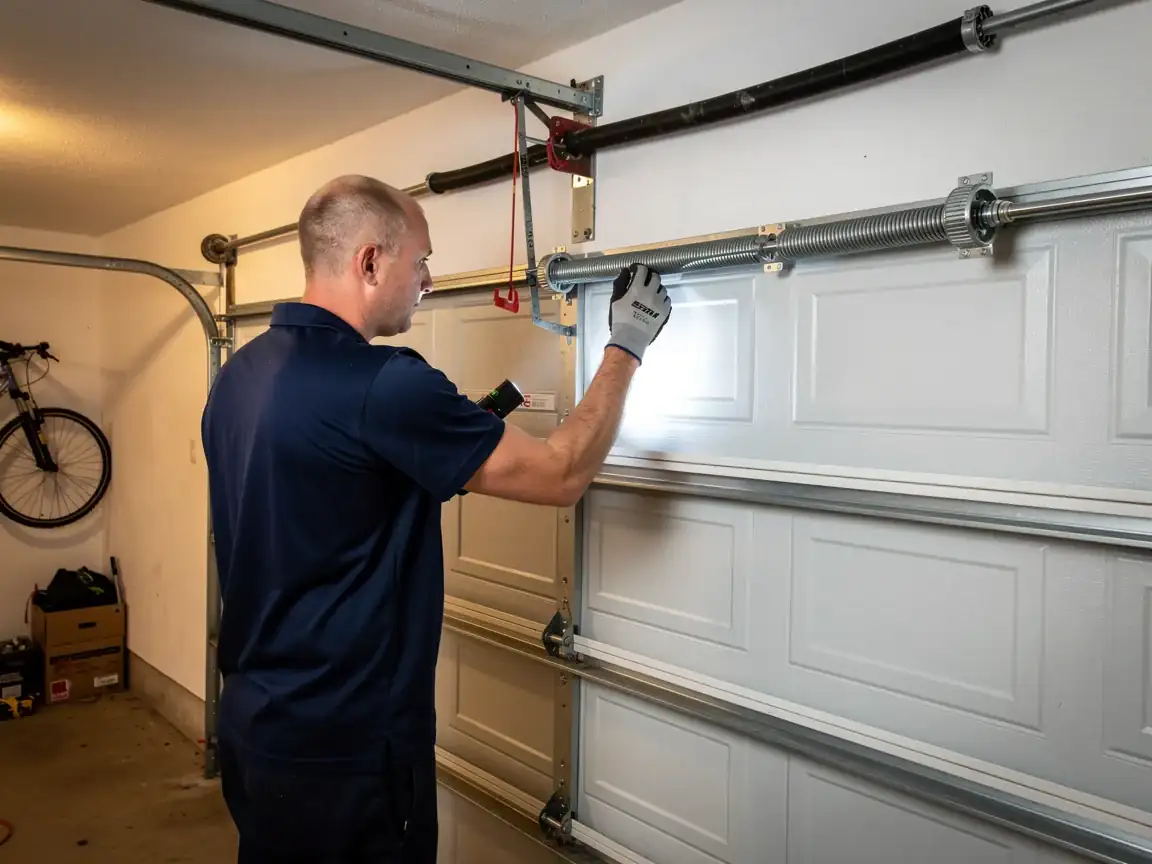
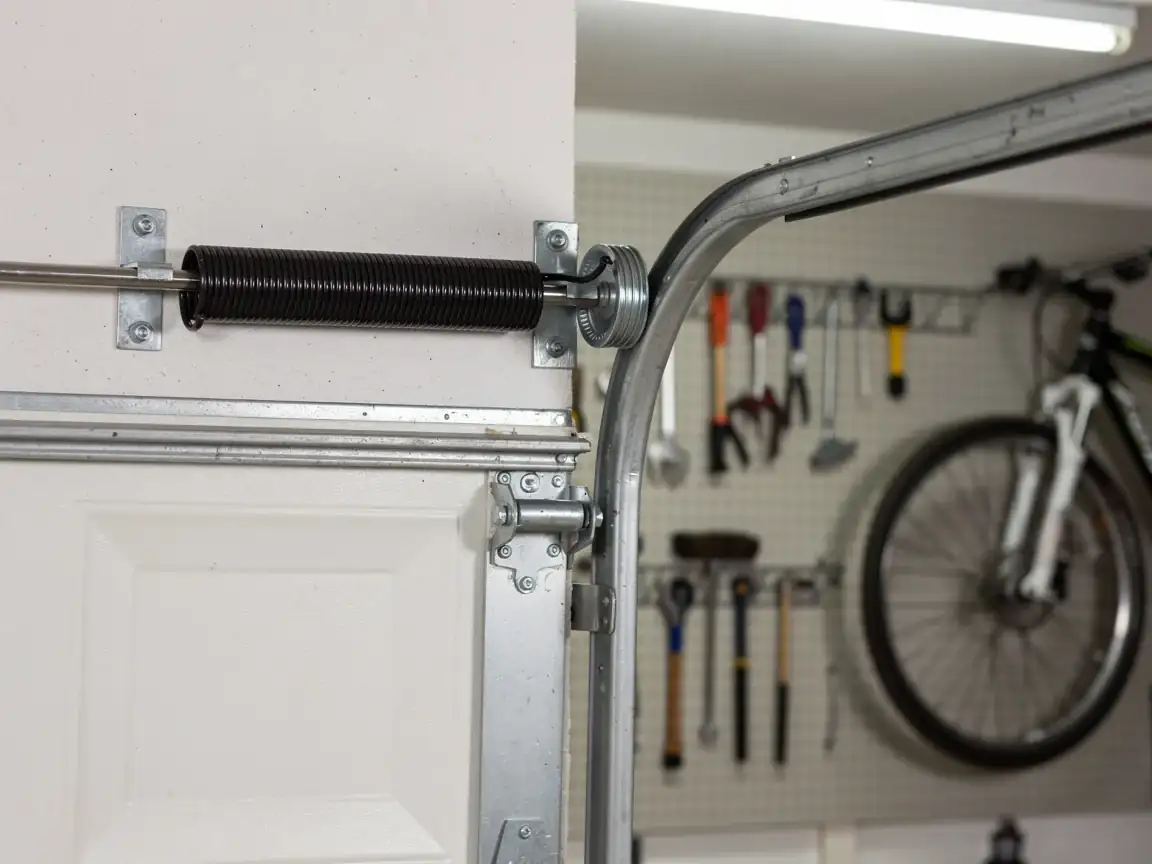
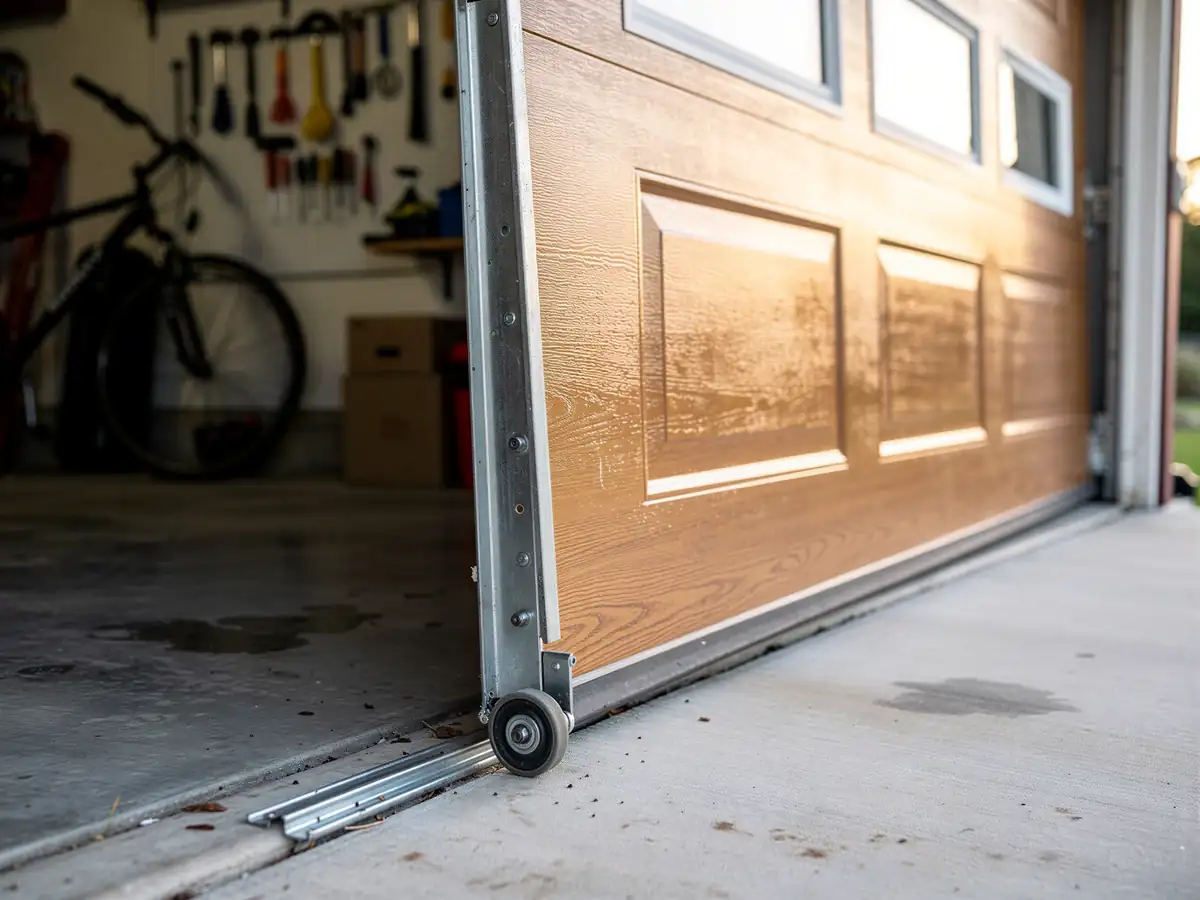
And that's exactly the gap in a garage like the ones common in West Hartford. The kit won't tell you whether your door's spring tension is still within range for safe manual testing, or whether your track is bent enough that the opener will fight it every cycle.
Winters here call for real cold-weather performance
Our region sits in a severe cold climate band - and a gear-drive unit that isn't rated for it will bind up and strip teeth faster in January than it would in a mild climate. That's not a detail a self-install usually accounts for.
Honest limit here: if your door panel is warped, your track is out of plumb
Or your spring is near end of life, installing a new opener on top of that doesn't fix anything - it just gives the old problem a new motor to fight. We'll tell you when the opener isn't the actual issue, even if that means a smaller job than you called about.
What the Repair Takes
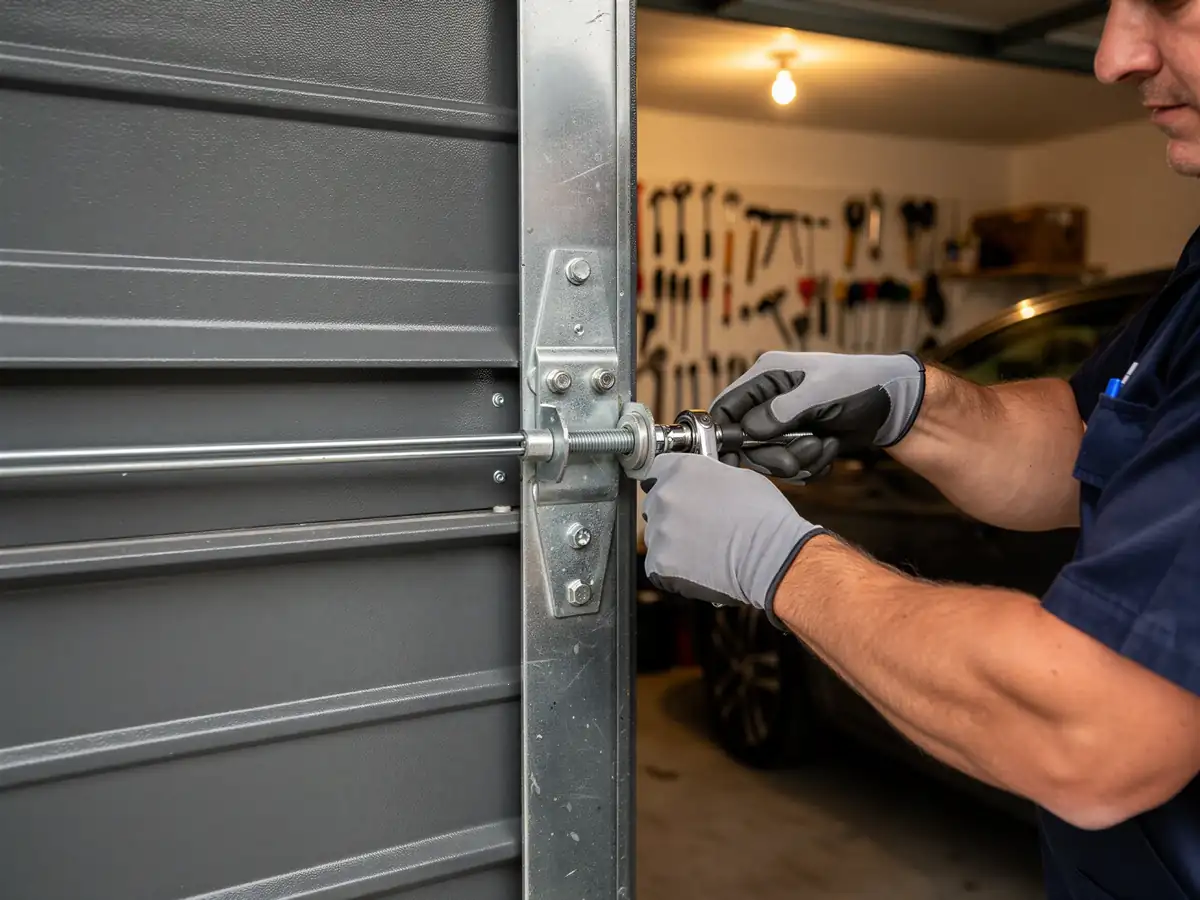
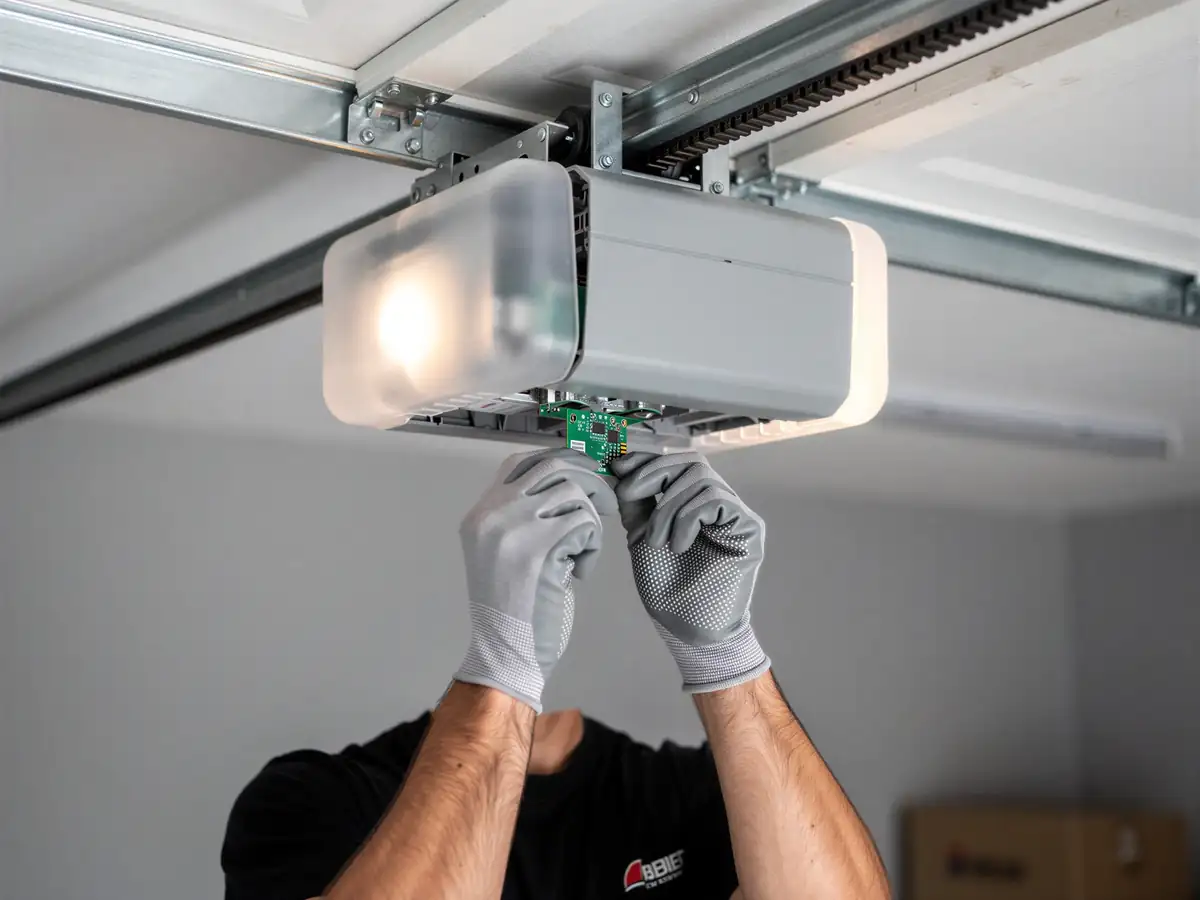
Installing an opener right in one of these older West Hartford garages starts with checking the door itself - weight, balance, and whether the track and spring can still handle daily cycling - before any motor goes in. If the door's out of balance, the opener gets blamed for a problem it didn't cause and wears out early.
Next is the electrical: running a proper dedicated circuit if one isn't already there, rather than tapping an existing outlet meant for something else. Given the cold winters this area sees, we spec units built to keep working in low temperatures rather than ones that just meet a mild-climate minimum.
Last is setting the travel limits and force settings to match the actual door - not a factory default - so the safety reverse works the way it's supposed to on a door this age and this weight. None of that is flashy work, but skipping any one step is how a new opener ends up failing within the first winter.