Time on the Job
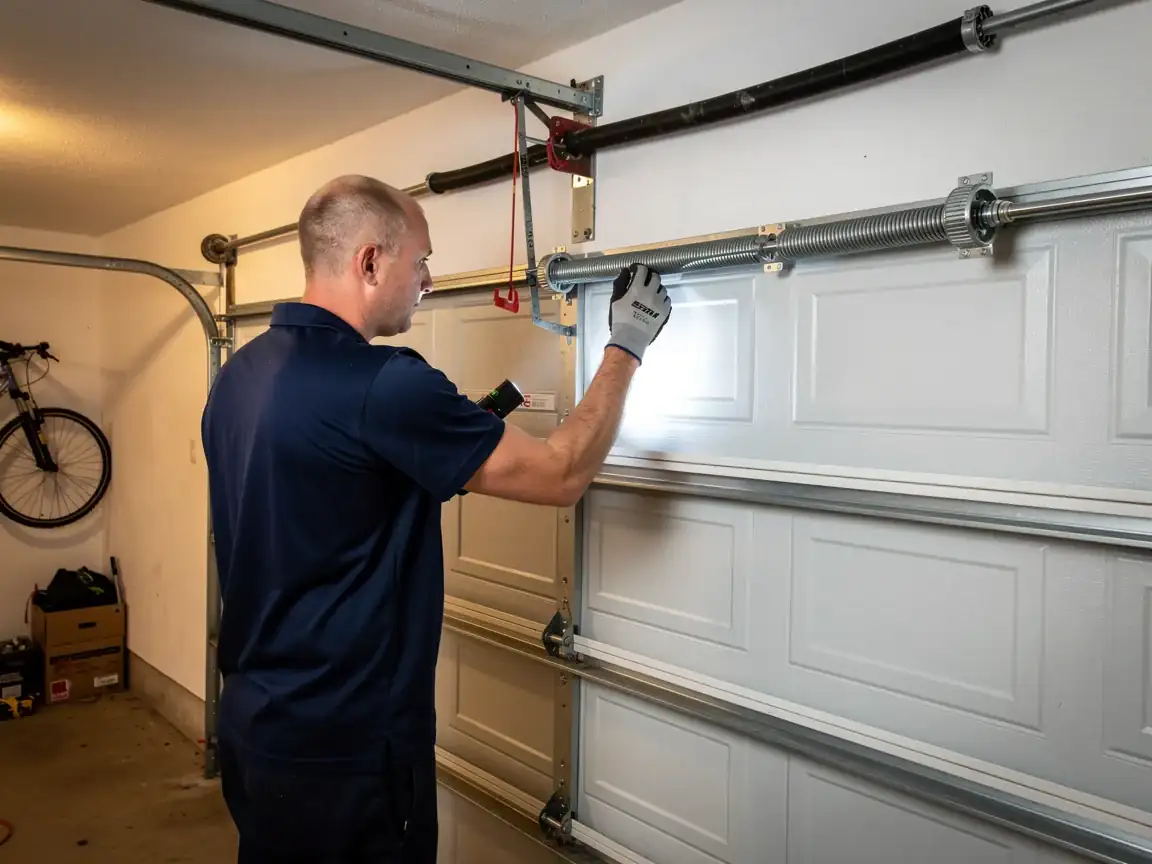
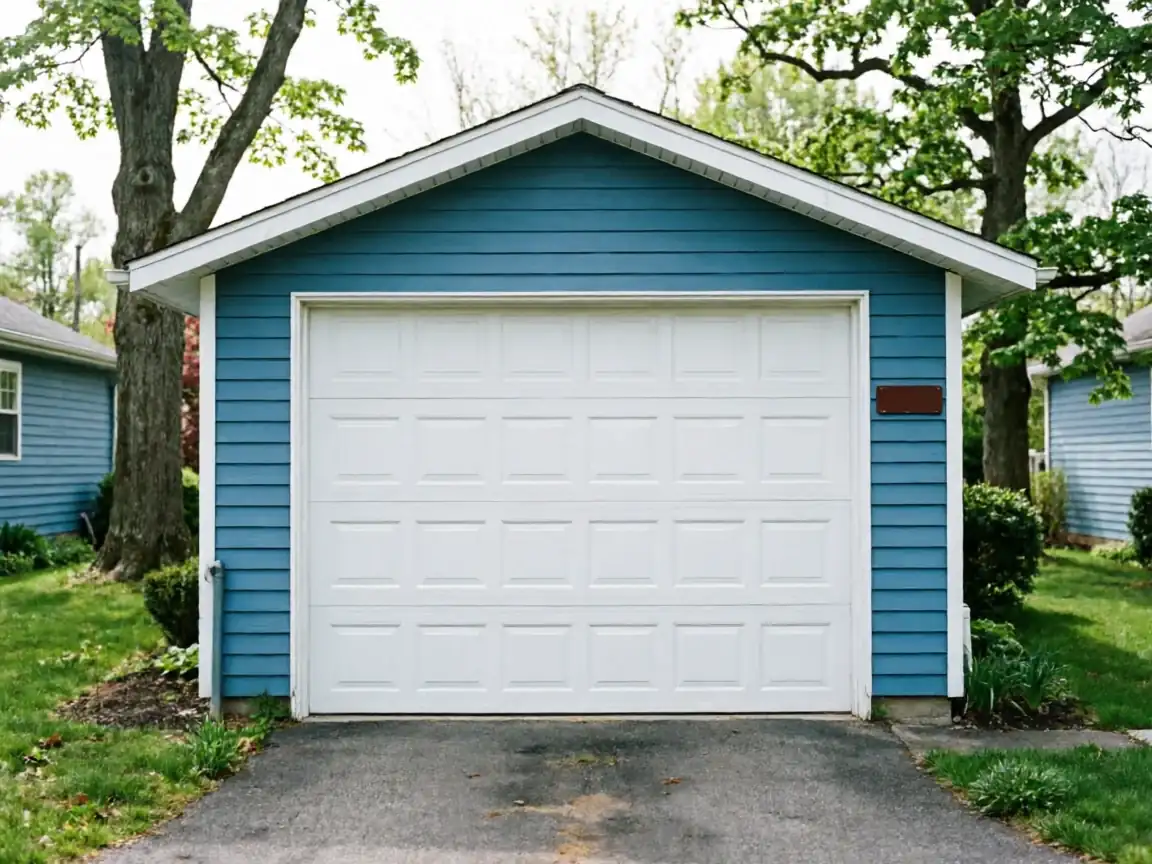
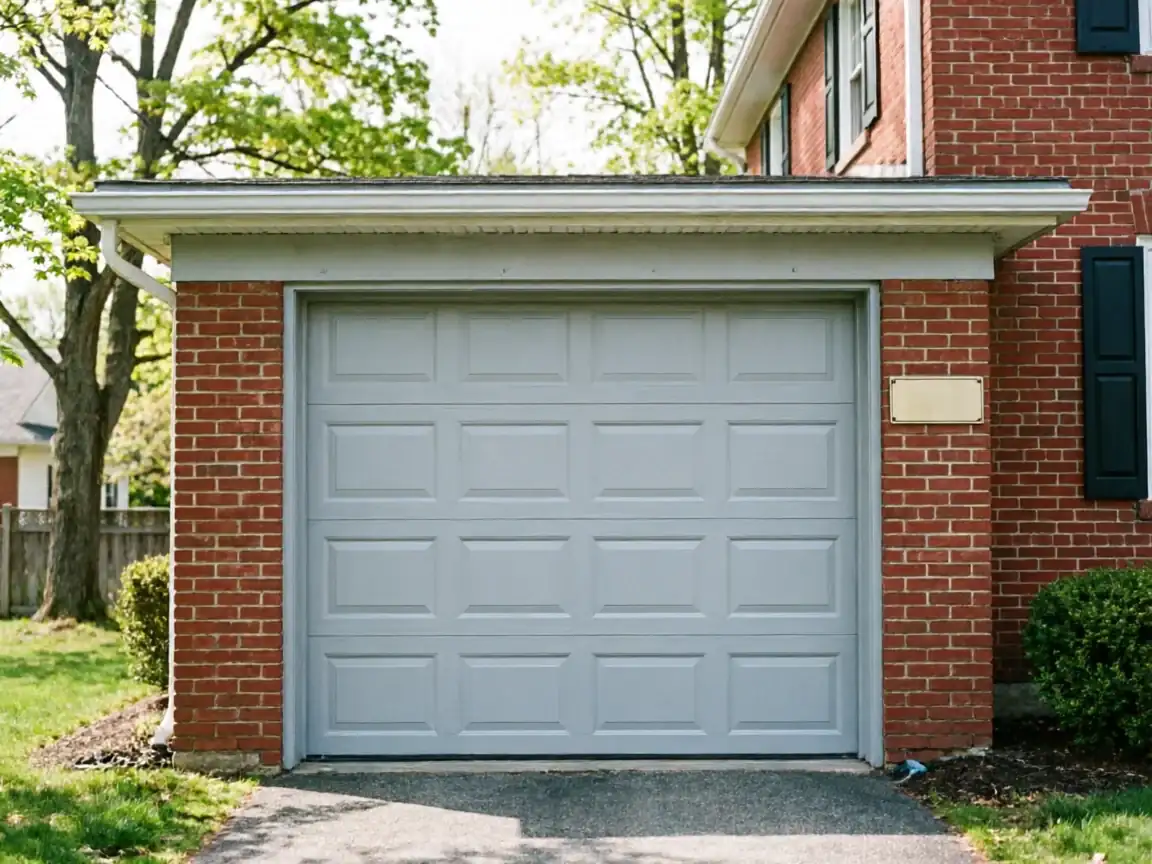
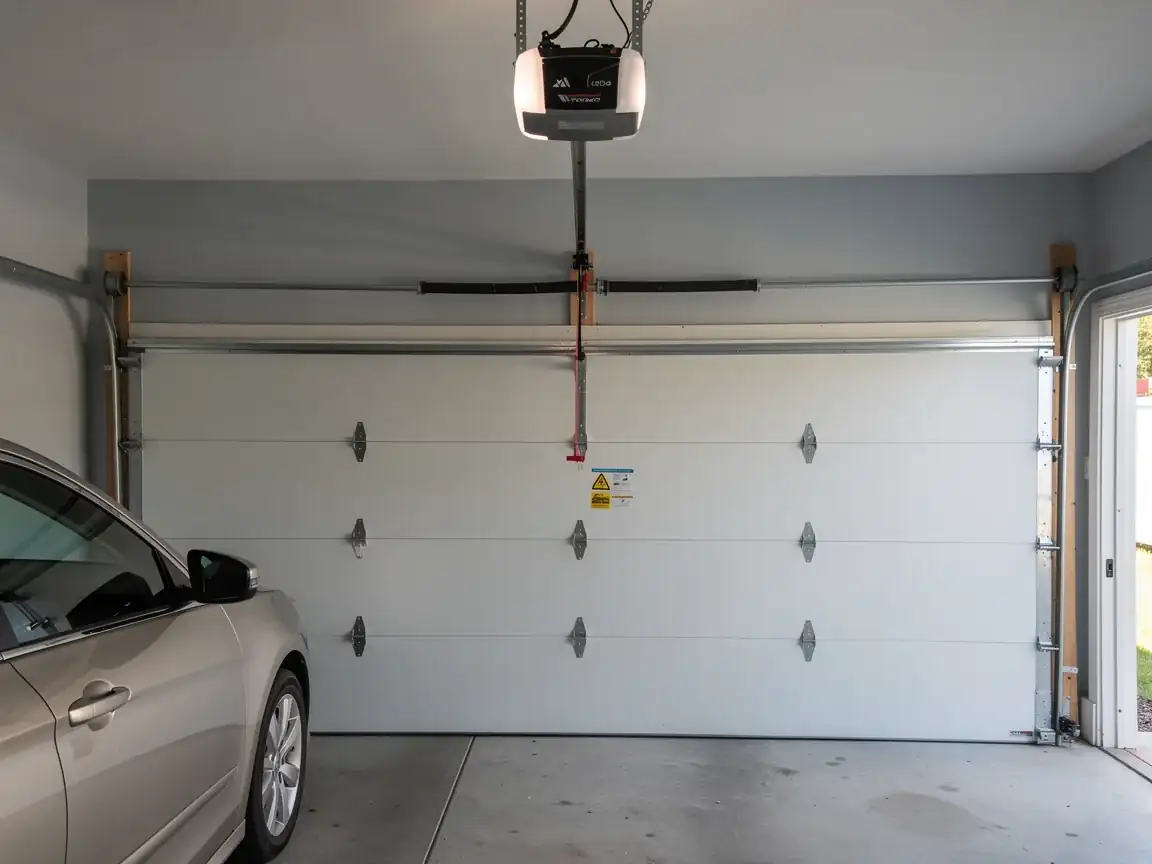
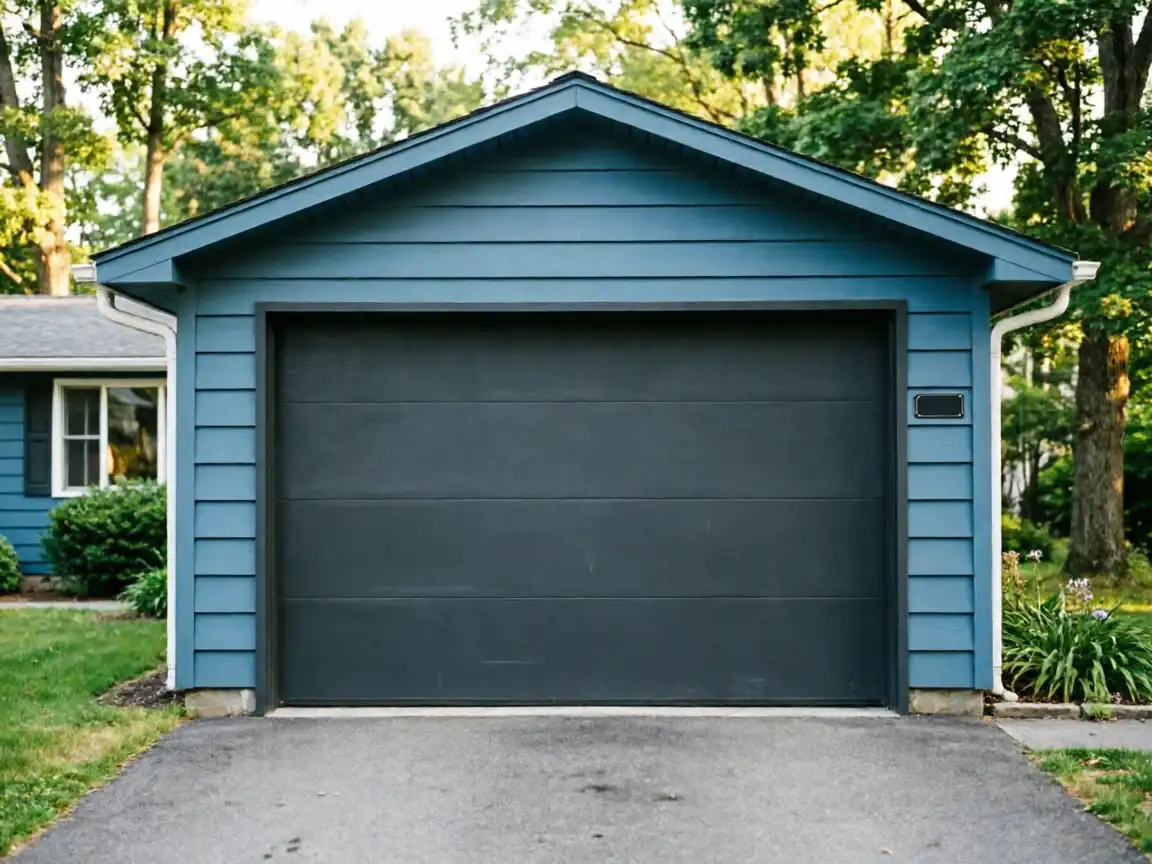
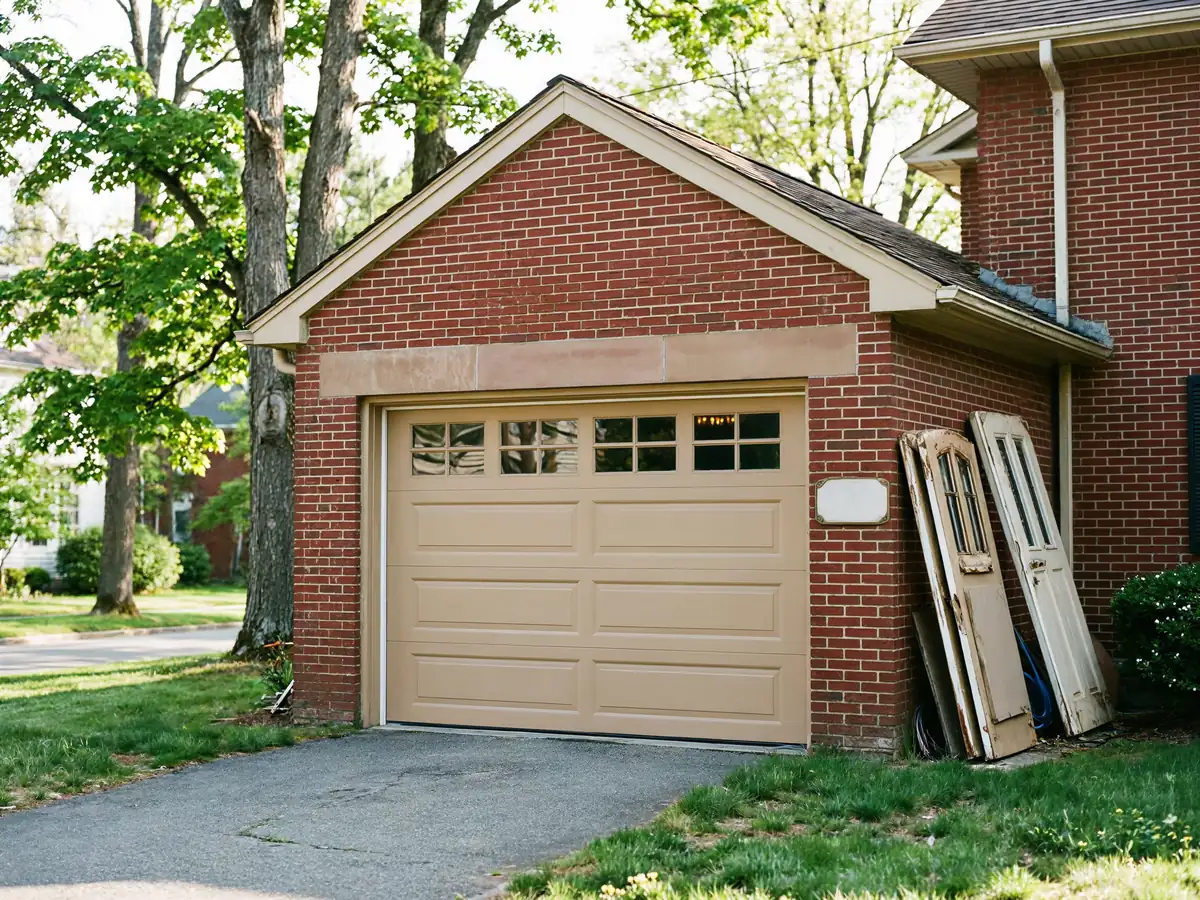
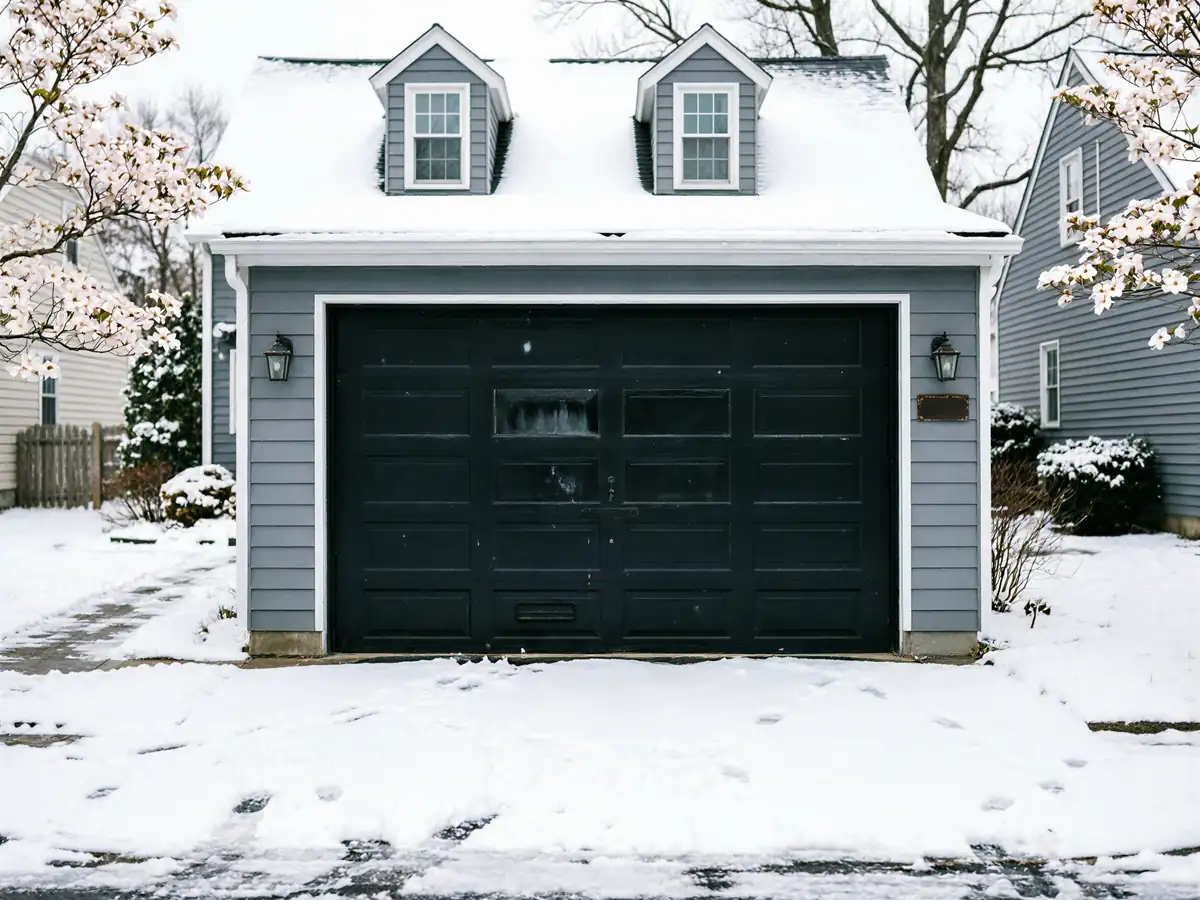
Most garages in West Hartford were built with the house, and most of those houses went up around 1955. That means a lot of what's bolted to the header above your car is original: the torsion shaft, the end bearings, maybe even the door panel itself if nobody's put a car through it. Nobody rips out a working garage door just because it's old, so these setups run thirty, forty, fifty years past when a shop would have specced them differently today.
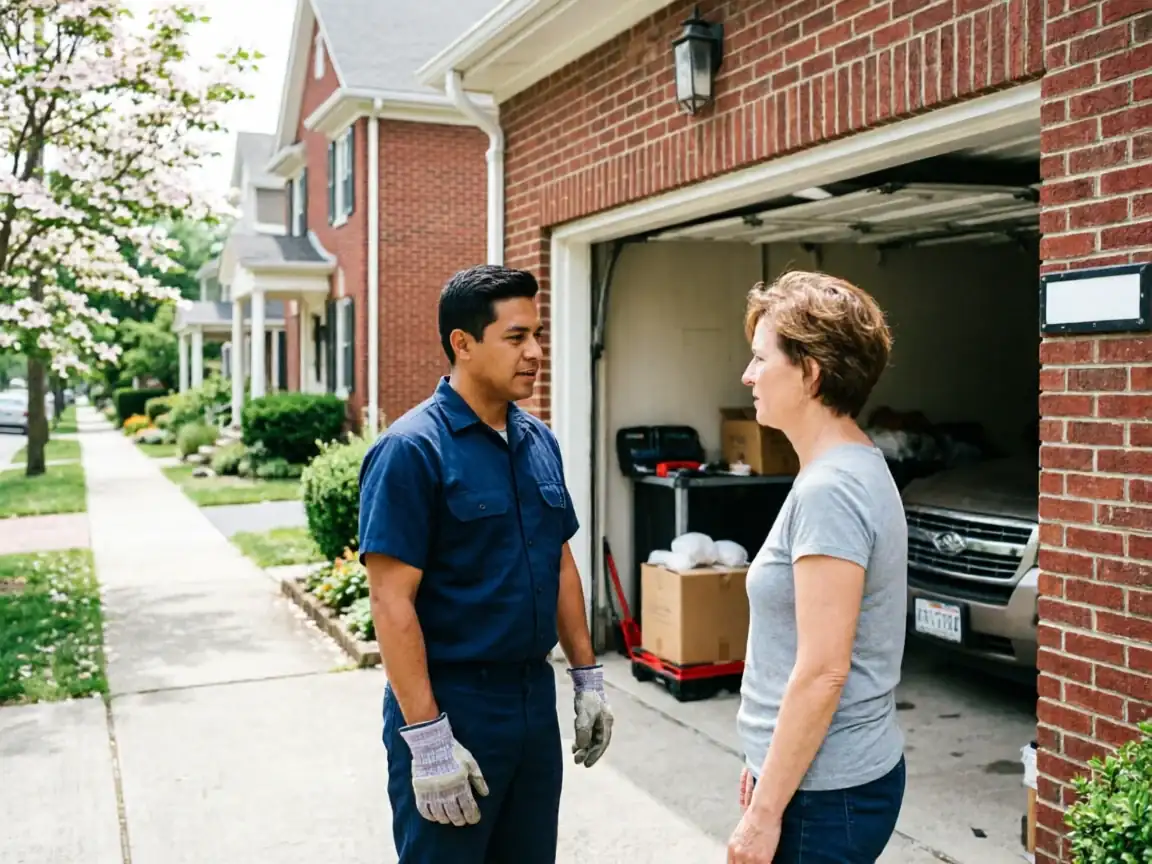
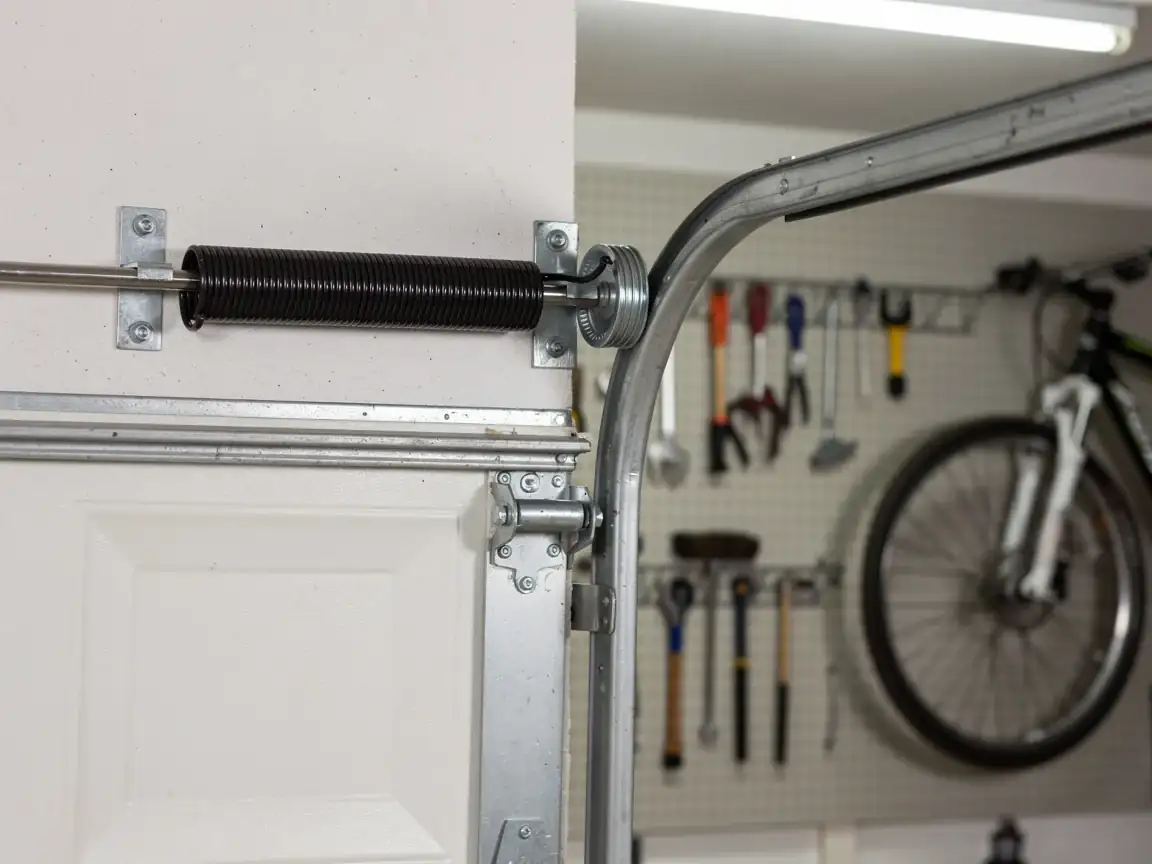
We come out from Glastonbury, about eight miles over, so this isn't a stop on a route we're already driving. When we get a call from this side of town, we're usually looking at hardware from a build era that predates galvanized cable standards and factory-set spring cycles. The springs on a 1955 door weren't rated the way a spring is rated now, and whoever replaced them last - if anyone did - may not have matched the original wind count. That mismatch is often the actual fault, not just old age.
Why This Fails Locally
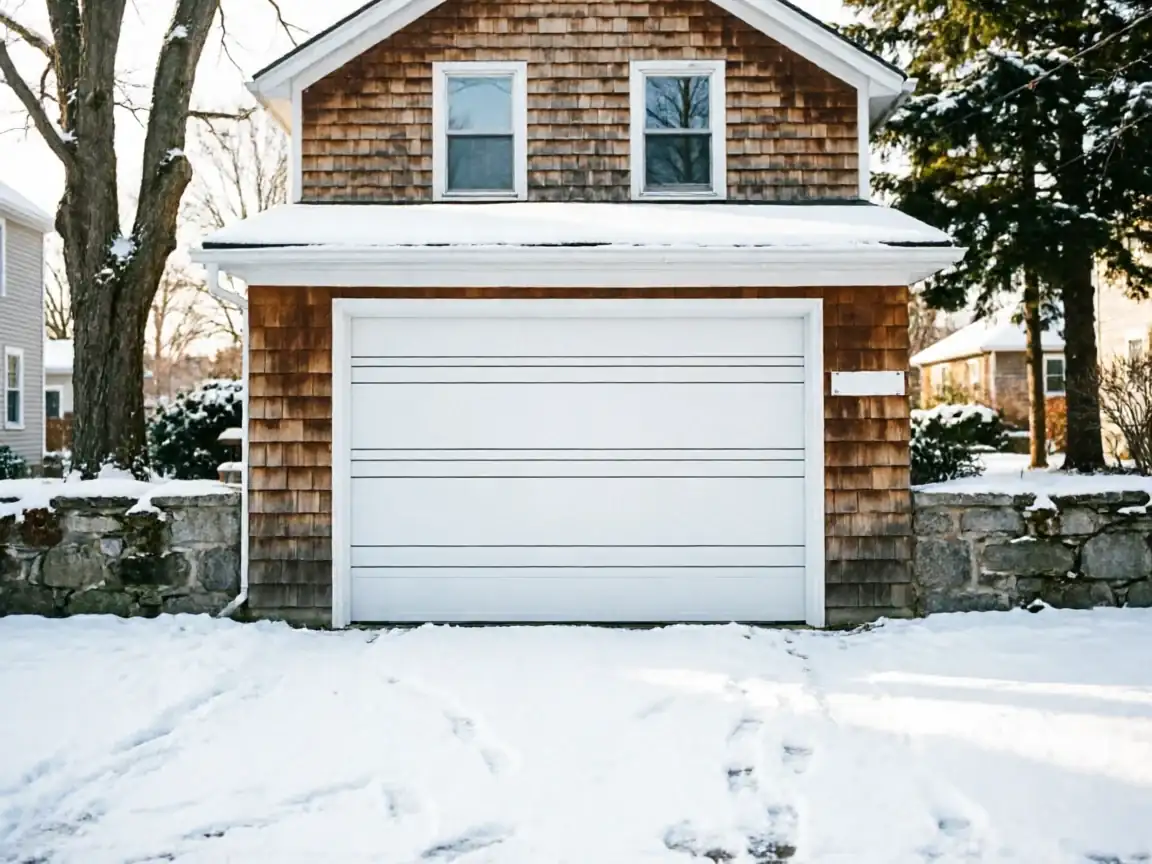
Connecticut winters are the real stress test here, and this region sits in a cold, severe climate band. A torsion spring loses tension in cold steel faster than most owners expect, and a spring that was already undersized for the door's weight gives out on the first hard freeze of the season, not gradually. On a 1955 door, the steel panel itself is often heavier than anything a modern torsion spring kit assumes, because insulation and lightweight panel construction came later.
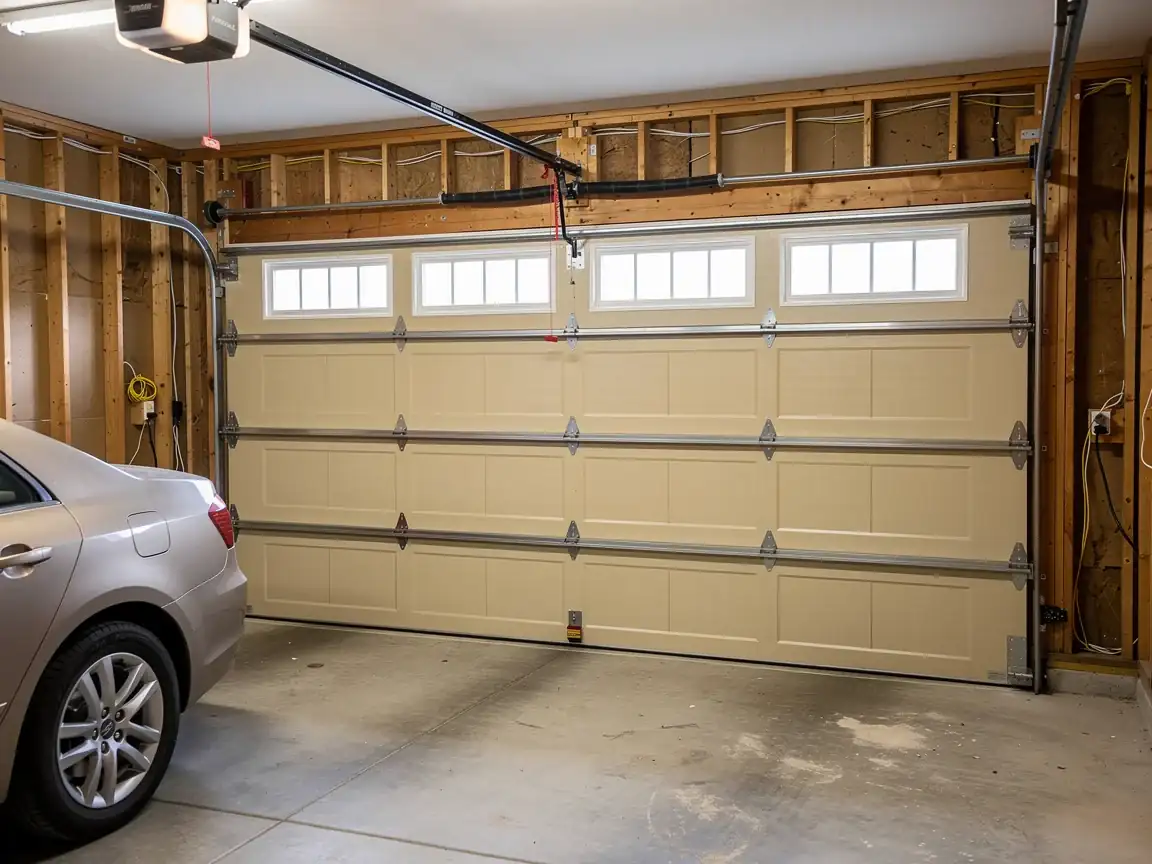
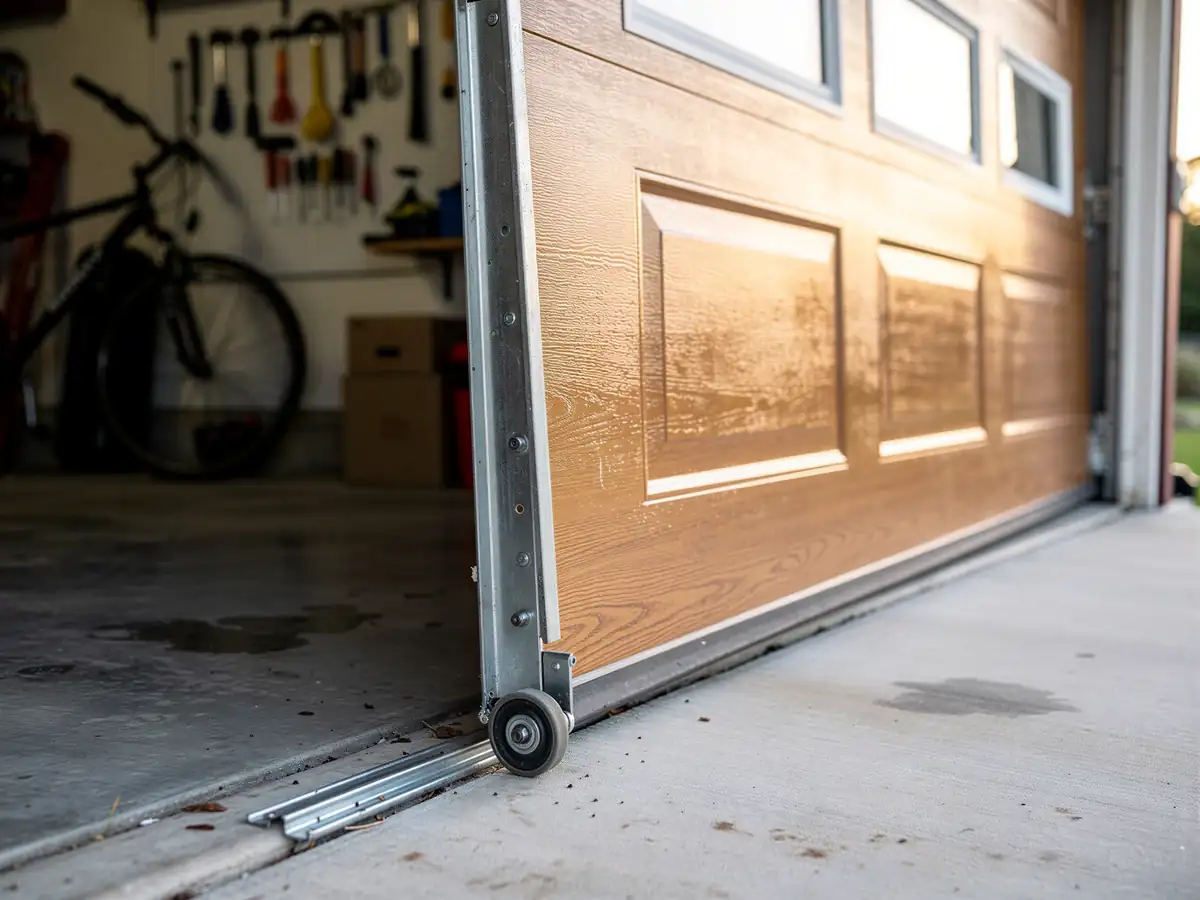
The second failure pattern is the track. Original track brackets were lag-bolted into framing that's had seventy years to shift, dry out, and loosen. Add a swollen, frost-heaved slab in front of the door - common across this climate band - and the door binds in the track before anyone touches the opener. Owners call it an opener problem. It's almost never the opener.
The DIY Question
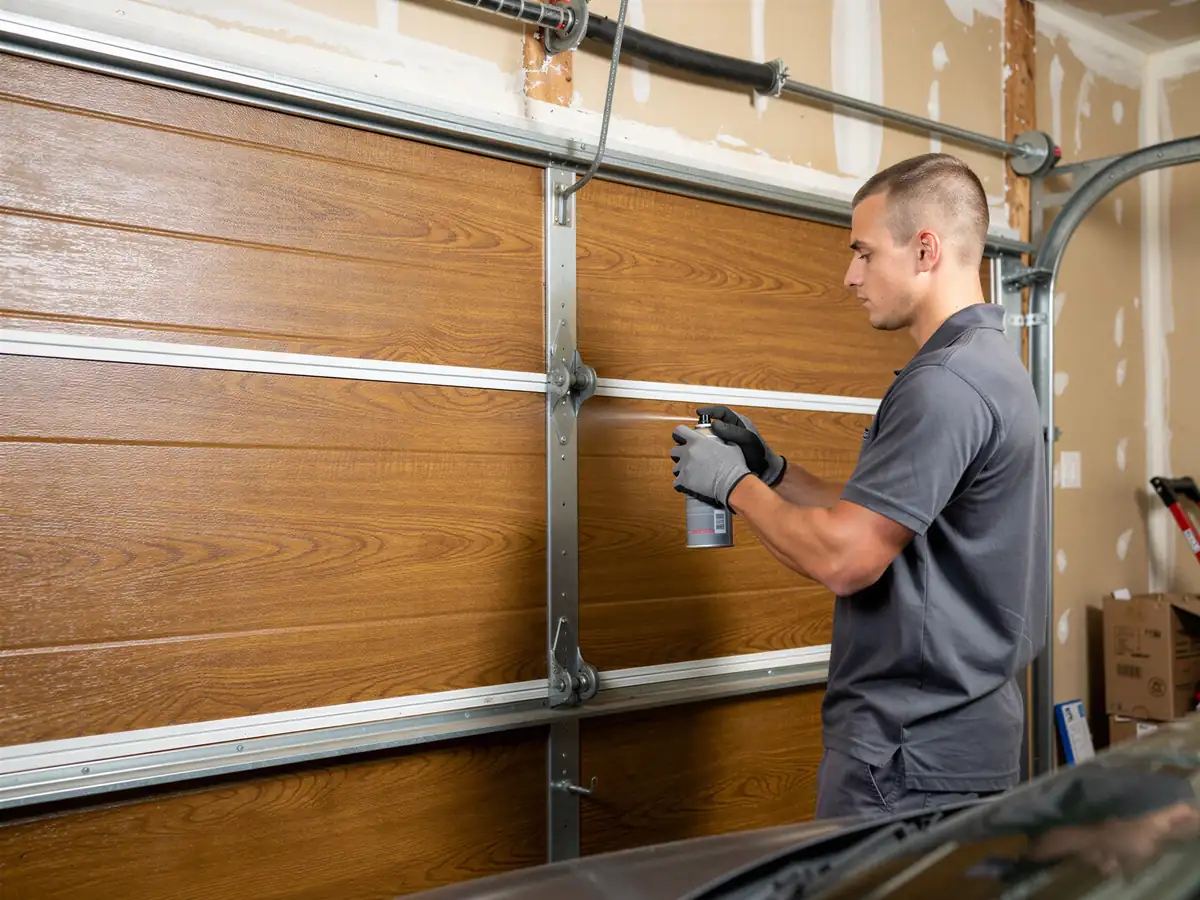
A torsion spring under tension can take a finger or worse, and on a door this old, the winding cone itself may be corroded enough to shear under a standard winding bar
That's not a job to learn on your own driveway, and we won't talk you through it over the phone.
What you can check yourself
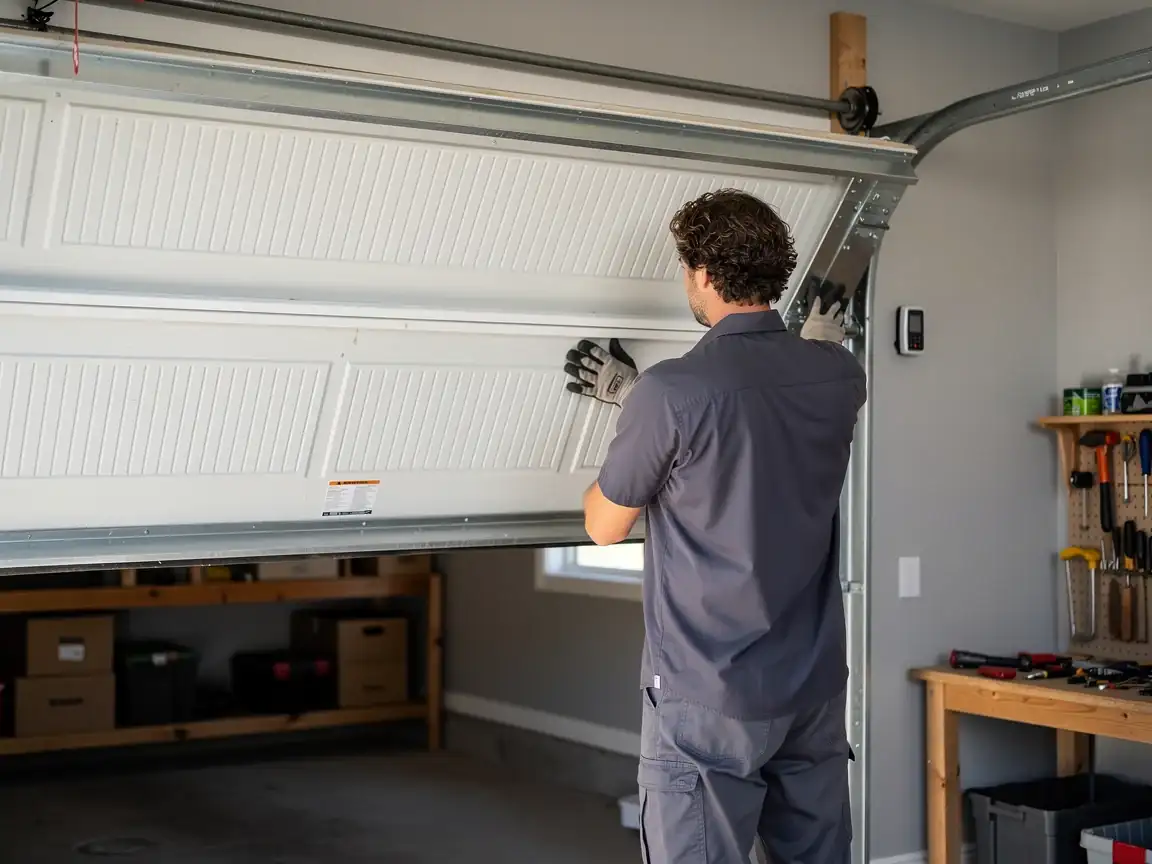
The track brackets for visible rust or loose lag bolts, and whether the door drags unevenly on one side when you lift it manually with the opener disconnected. If it's smooth and balanced, your problem is likely the opener or the cable drum, not the spring - a simpler, cheaper call. If it binds or one side drops faster, leave the spring alone and get it looked at before you run the opener again, because a cable under uneven load on old hardware is how someone loses a finger or a windshield.
What the Repair Takes
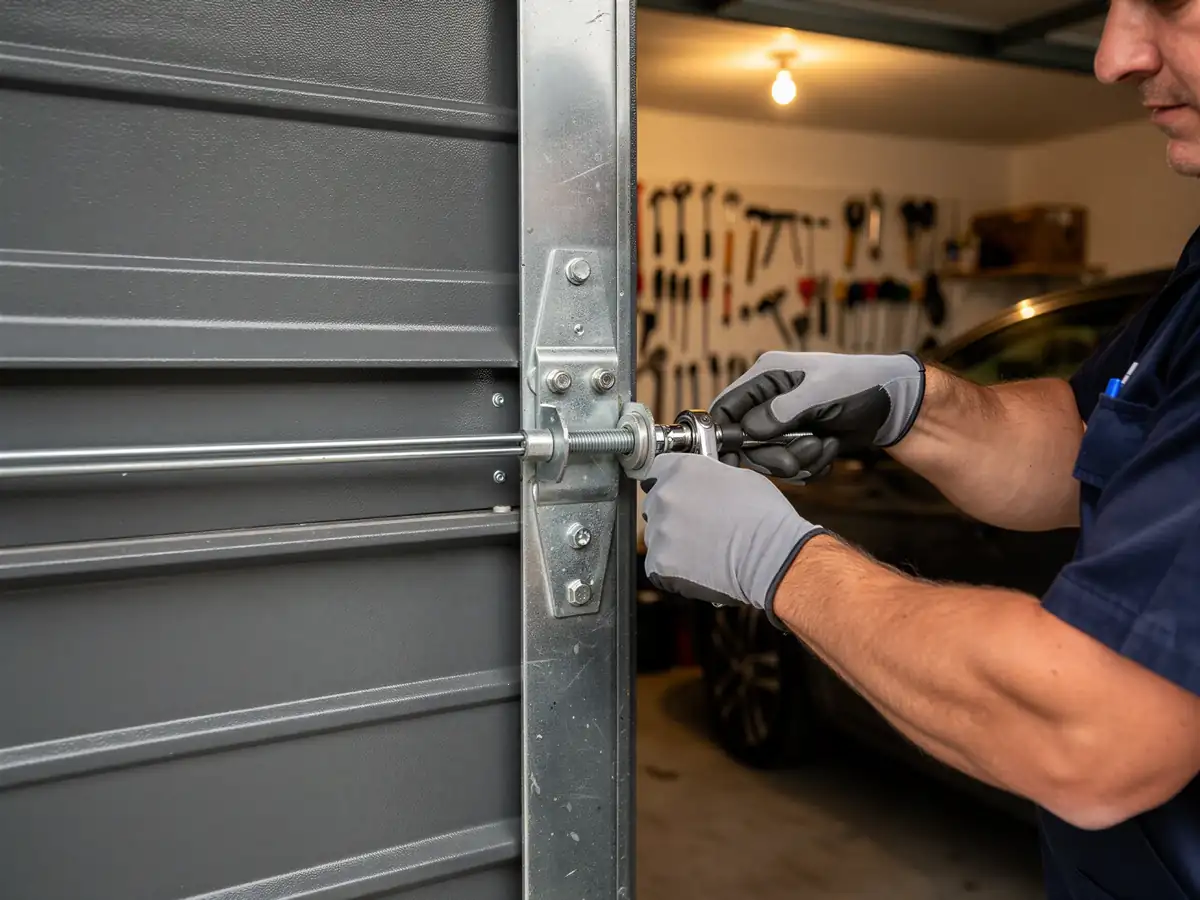
On a door with this much original hardware, a straight spring swap sometimes turns into more once the track and bearings come off. We won't know the full scope until we're looking at the actual hinges and roller brackets, because corrosion on 1955-era steel doesn't always show from the floor.
We're honest that parts for some of these older one-piece doors aren't something we carry on the truck - a specific panel or an obsolete hinge pattern can mean a short wait on order, and we'll tell you that up front instead of promising a same-visit fix we can't deliver. For standard torsion spring and track work, though, it's a single visit. Given the household income levels typical in West Hartford, most owners here choose a full hardware refresh over a patch repair once we're already inside the opening, since the labor to get the door apart is the same either way.