Time on the Job
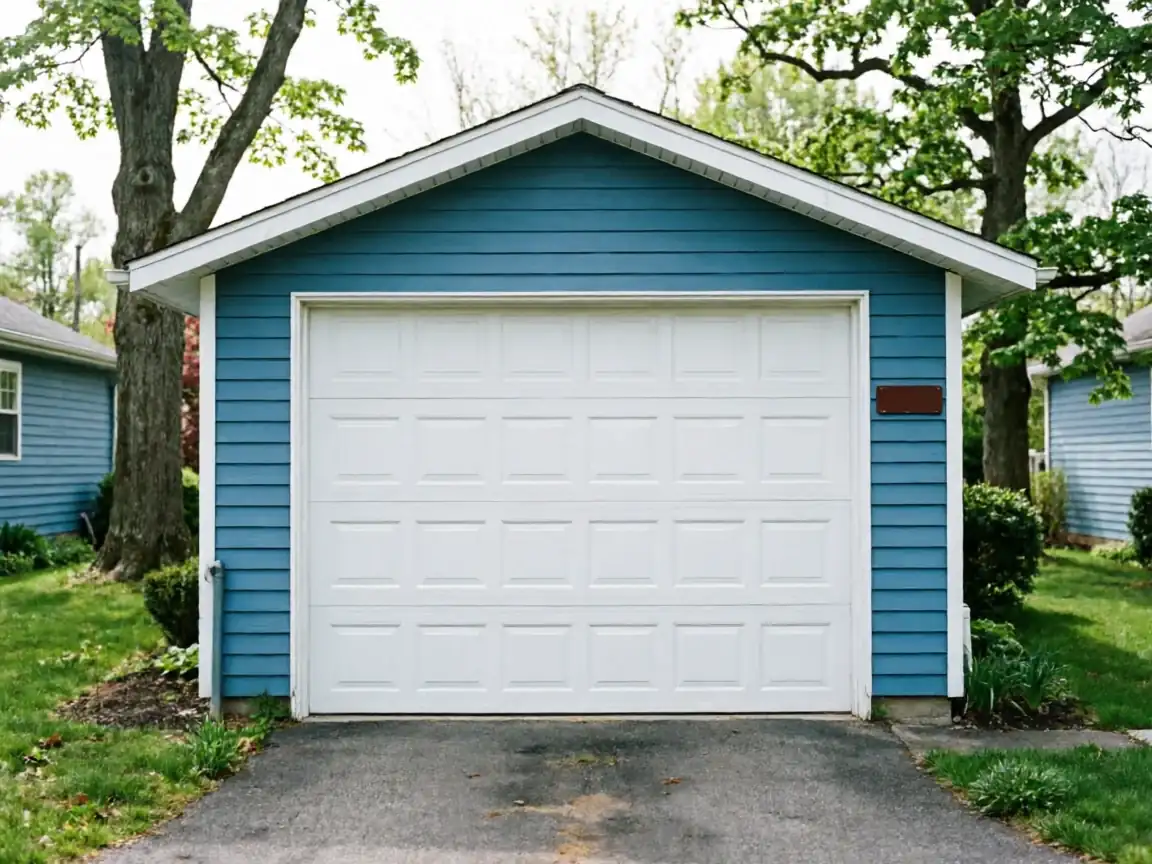
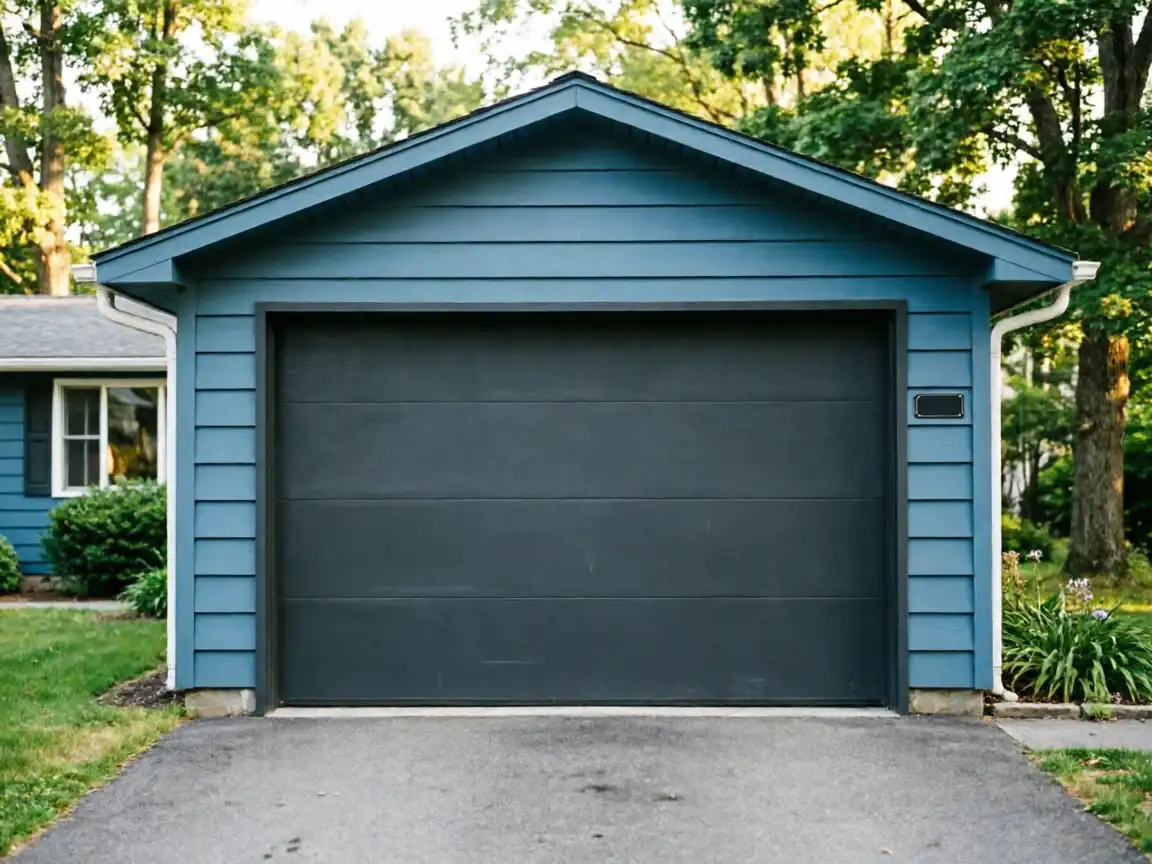
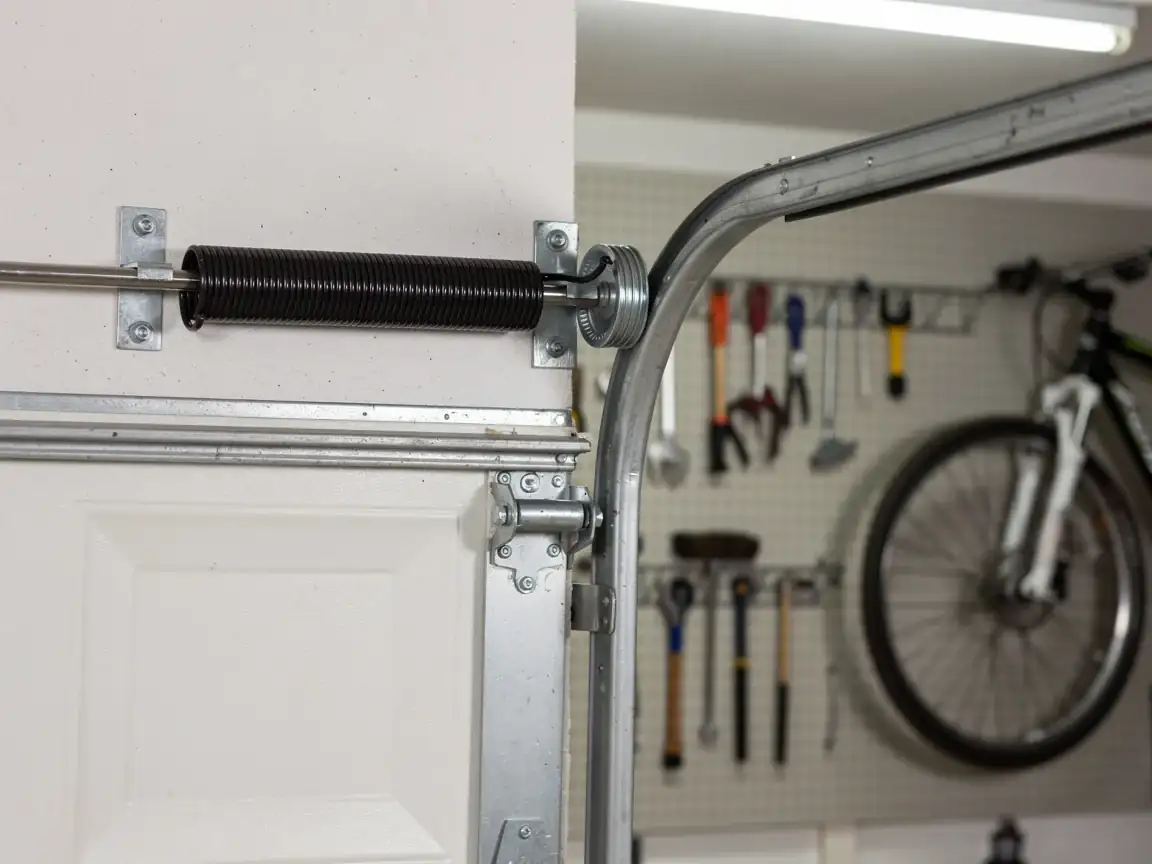
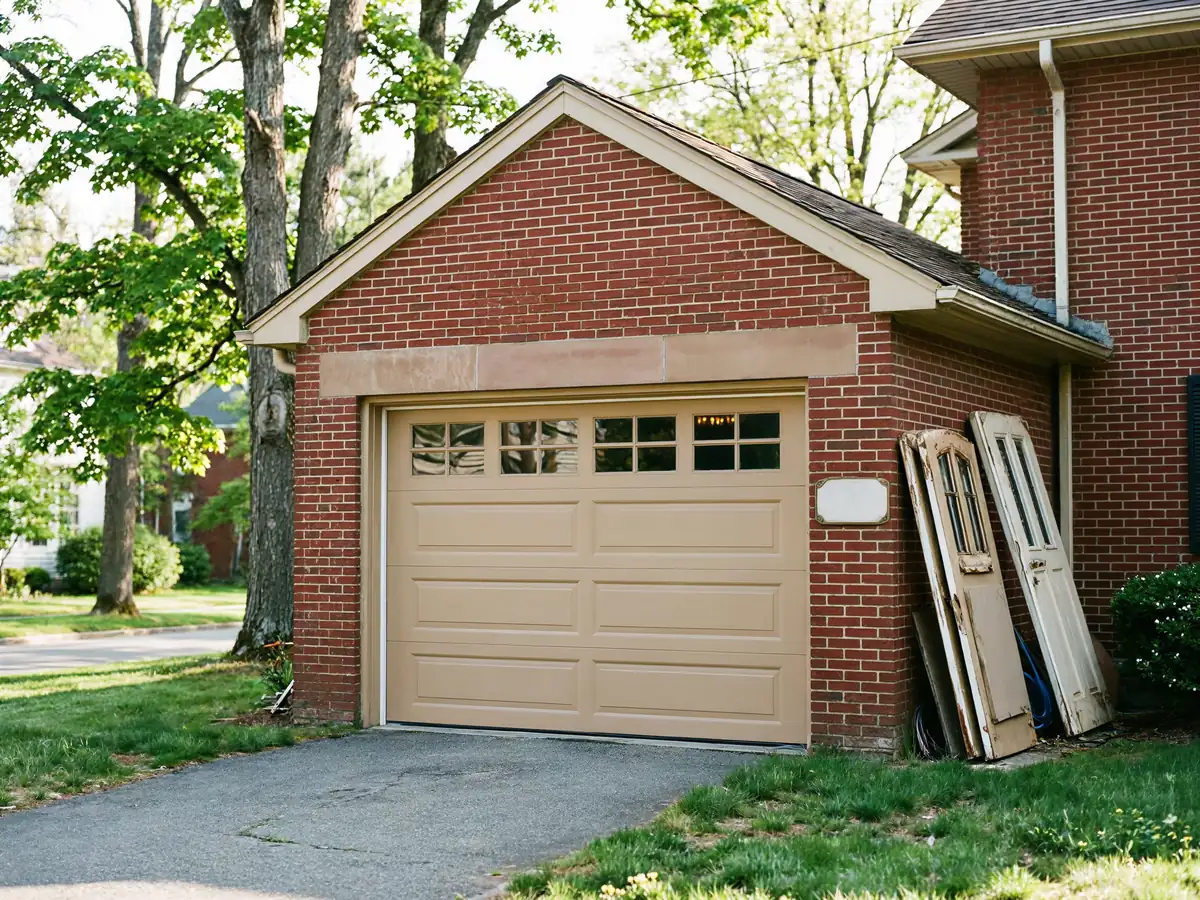
The typical house in West Hartford went up around 1955, well ahead of the 1973 median across the wider service area. That matters for maintenance because a door installed on a 1955 build is almost never the original anymore, but the opening, the track spacing, and often the spring hardware that replaced it have been shaped by that older frame. Extension springs over the track, not torsion springs on a shaft, were standard on doors from that era, and a lot of West Hartford garages still run that setup even after a door swap.
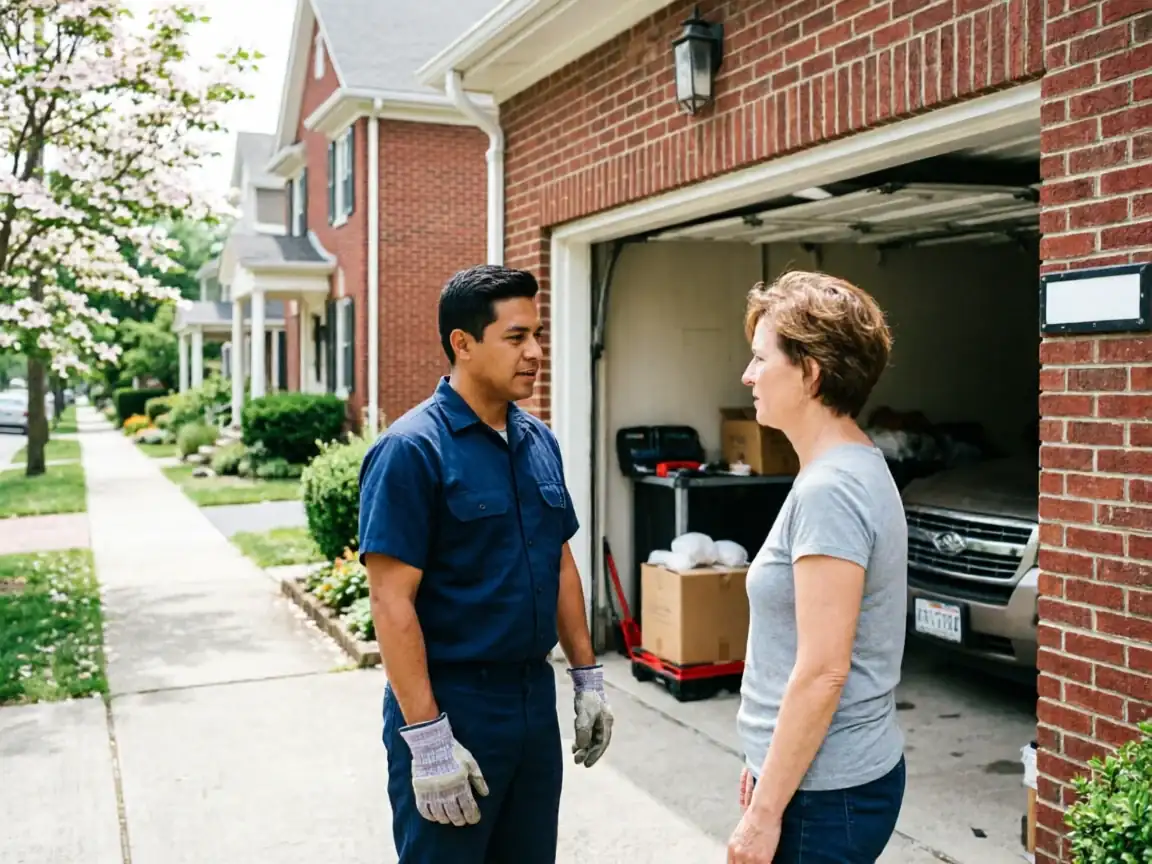
We come from Glastonbury, about 8 miles out, so a maintenance stop here isn't a quick trip around the corner - it's worth bundling a full inspection into one visit rather than calling back every time a roller squeaks. West Hartford's median household income, at $125,616, runs noticeably above the $107,012 median across the full service area of 364,772 households, which tends to track with owners who maintain a door on schedule instead of waiting for it to fail outright. Scheduled upkeep is cheaper than a weekend emergency call, and on a house this age, the parts most likely to need attention aren't exotic - they're just old.
Why This Fails Locally
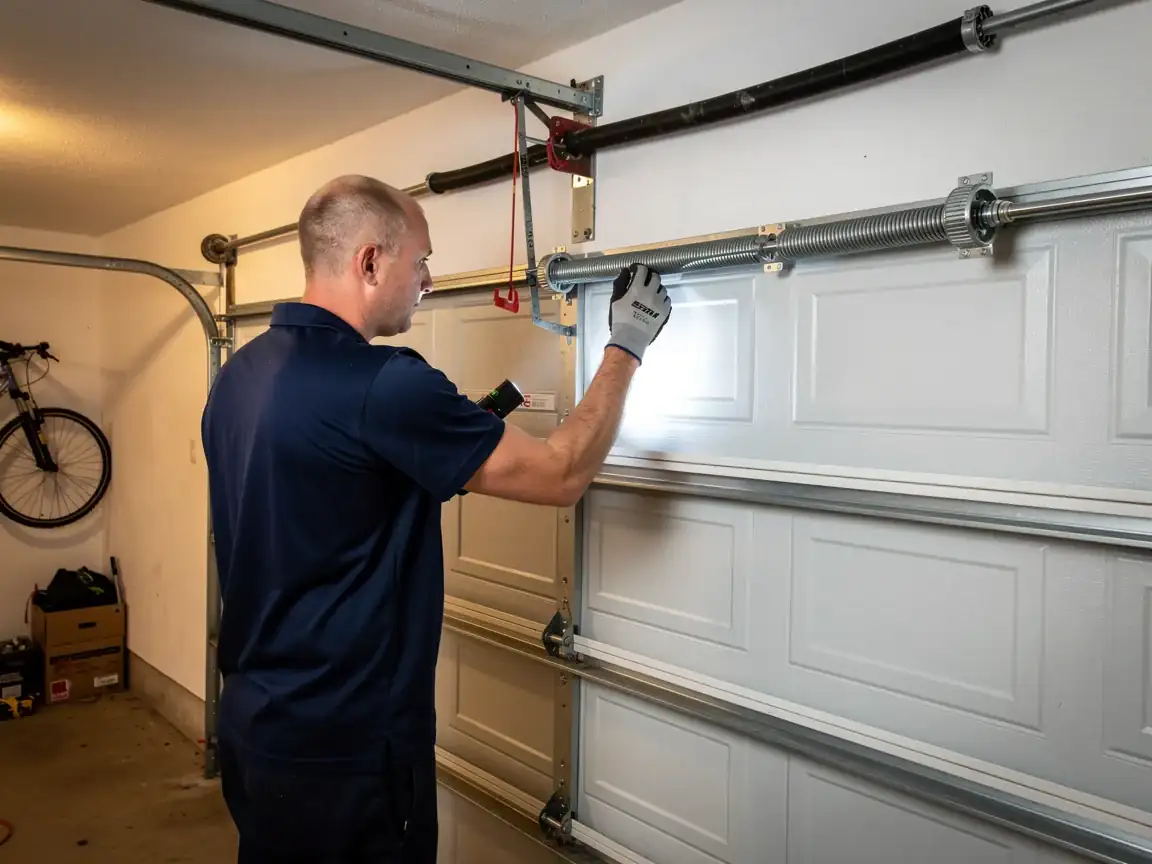
Cold-climate contraction is hard on any garage door, but it's harder on 1950s-era steel track and galvanized spring coils than on newer insulated systems. The service area sits in a severe cold band, and metal track narrows and widens with every freeze-thaw cycle, which loosens bolts and glazes roller bearings faster than a mild-climate town would see. On a door running the original extension-spring layout, that cycling also fatigues the spring coils themselves, and a tired extension spring doesn't usually give a warning before it snaps.
There's a safety angle too. A 1955-built garage almost certainly predates the 1993 federal requirement for spring containment cables on extension-spring systems. If nobody's retrofitted that cable, a failed spring has nowhere to go but loose into the garage. That's not a West Hartford quirk specifically, but it's a near-certainty given how much of this town's housing stock dates to the mid-1950s, and it's the single most common gap we find when we check an older door here.
The DIY Question
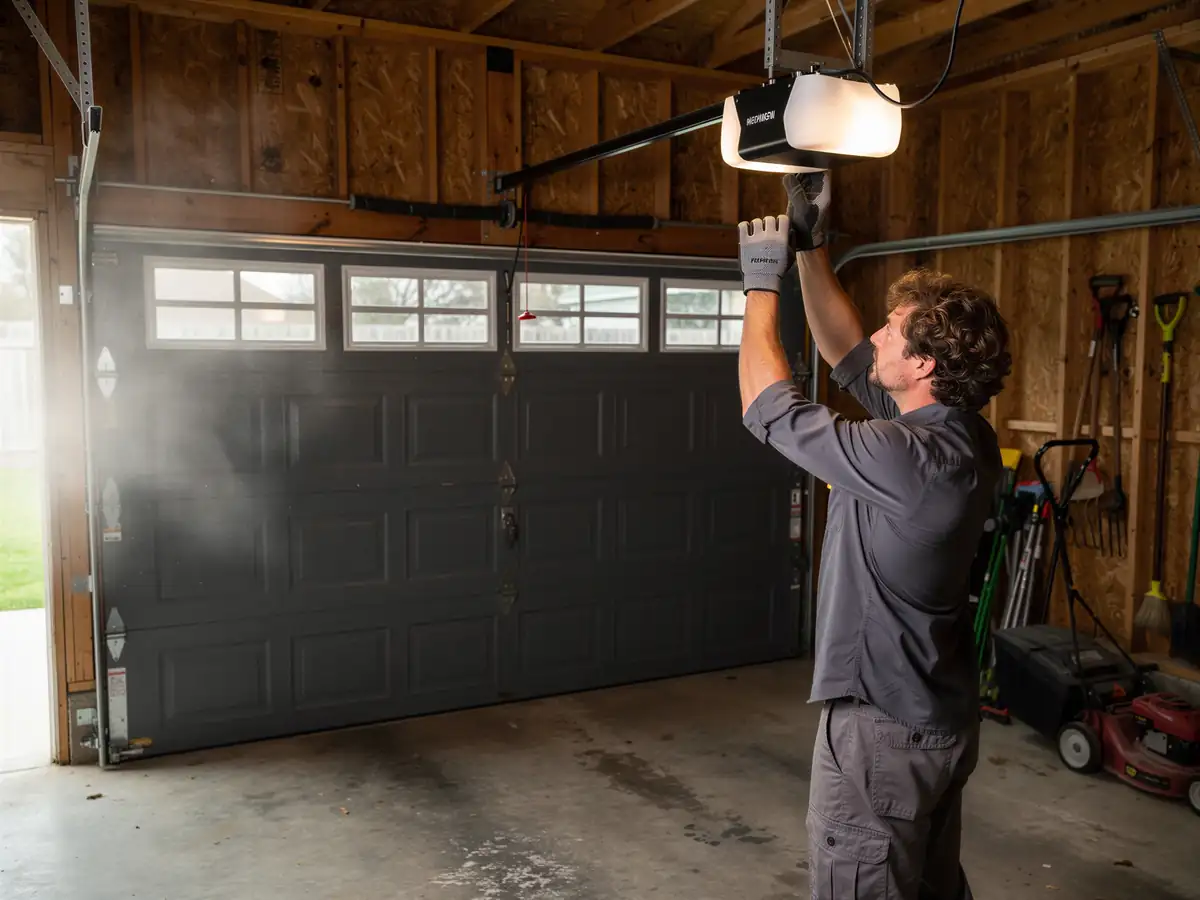
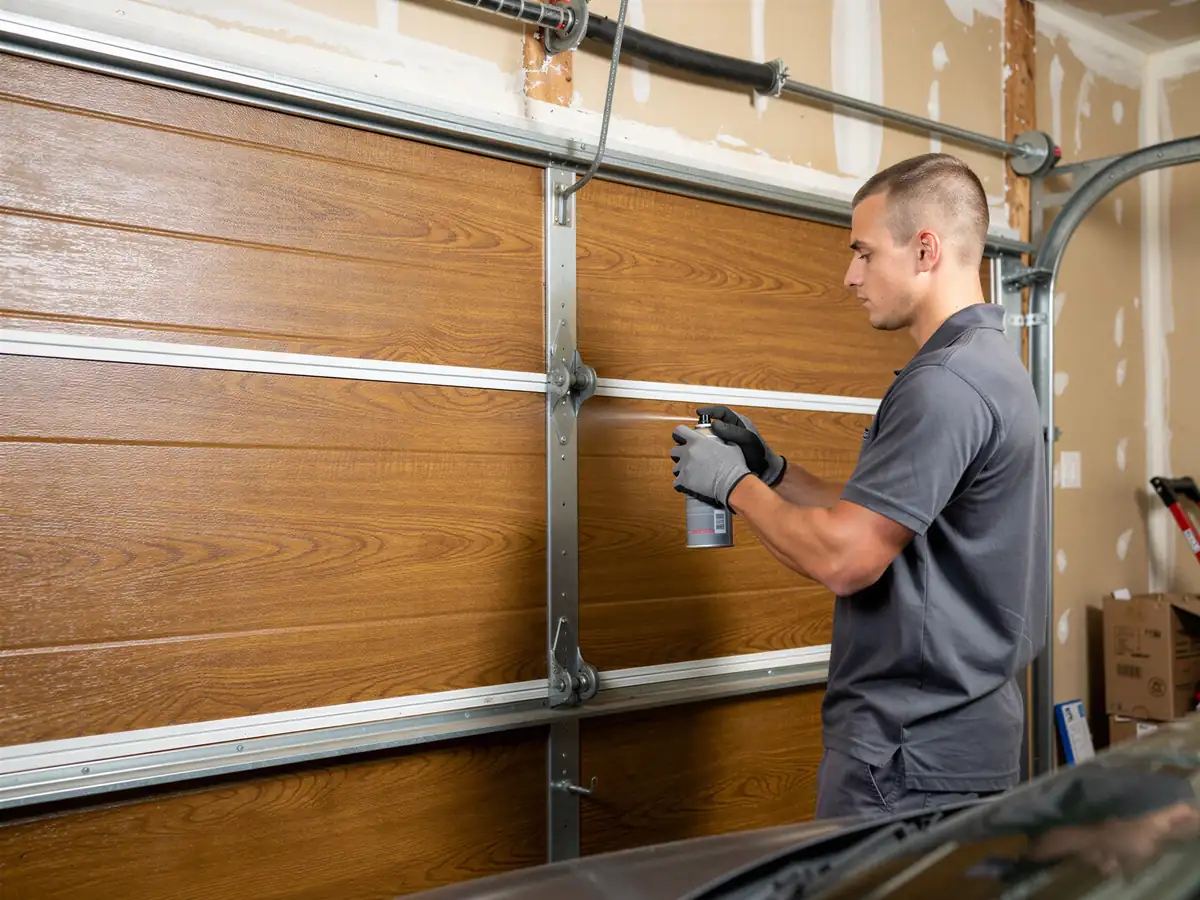
Lubricating hinges and rollers with a garage-door-specific lubricant
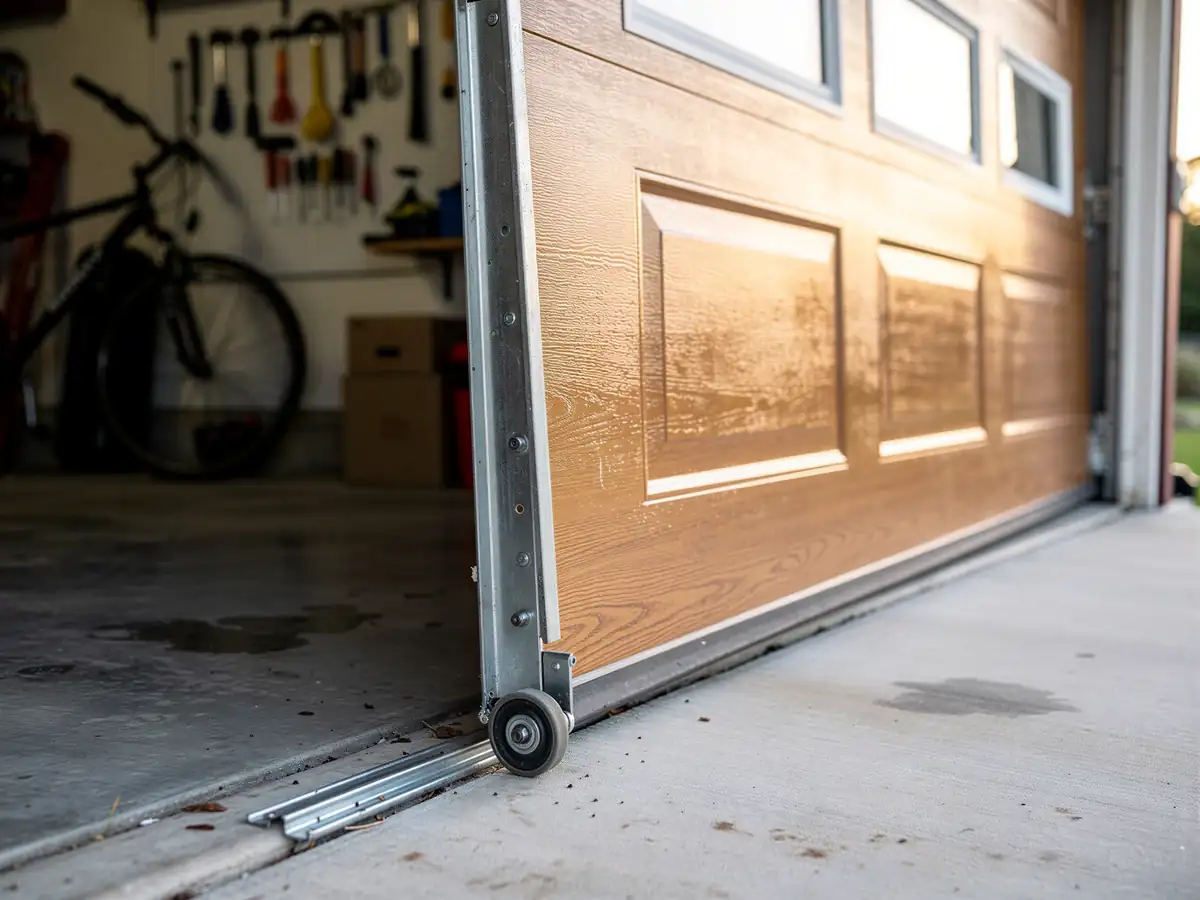
Checking the weatherstrip at the bottom panel for cracking, and tightening visible hardware bolts are all reasonable for an owner to do without calling anyone. None of that requires touching the spring system.
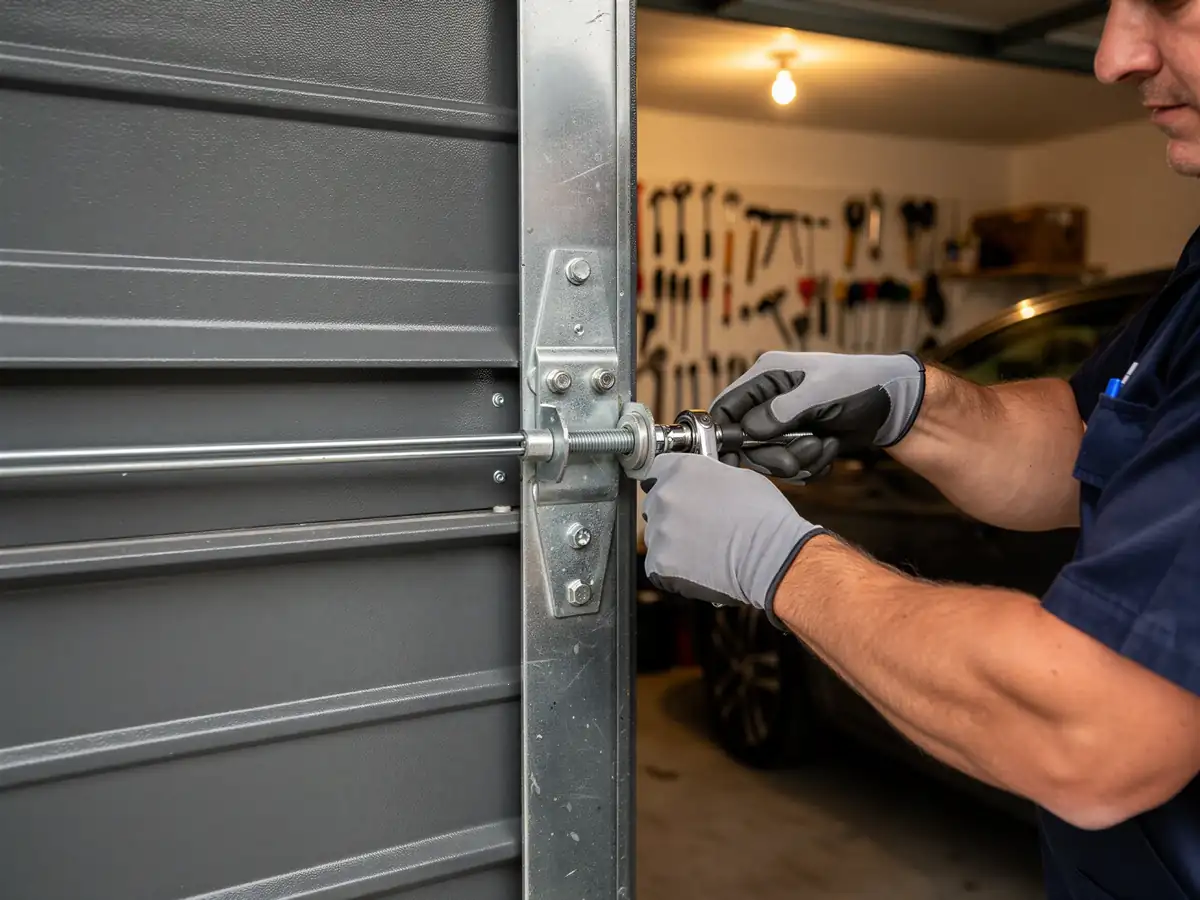
What isn't reasonable is adjusting spring tension or replacing a containment cable yourself
An extension spring under load can take a finger off, and on a door this old you often can't tell by looking whether the spring has already lost half its rated tension. If you're not sure whether your door has a safety cable at all, that's worth a look from someone who does this for a living rather than a guess.
One honest limitation: we don't do same-day emergency calls out to West Hartford
We travel from Glastonbury, and a maintenance visit here gets scheduled, not rushed. If a spring lets go on a Saturday night, plan for next-business-day, not next-hour.
What the Repair Takes
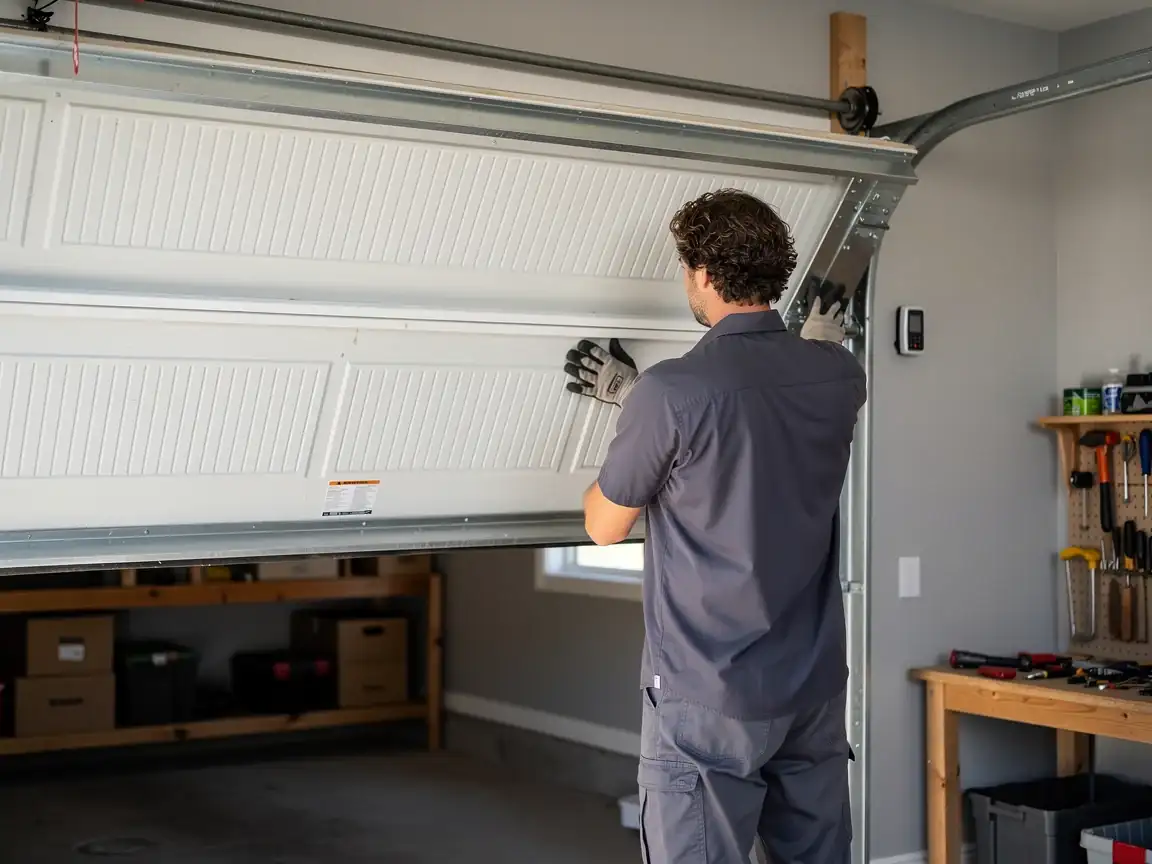
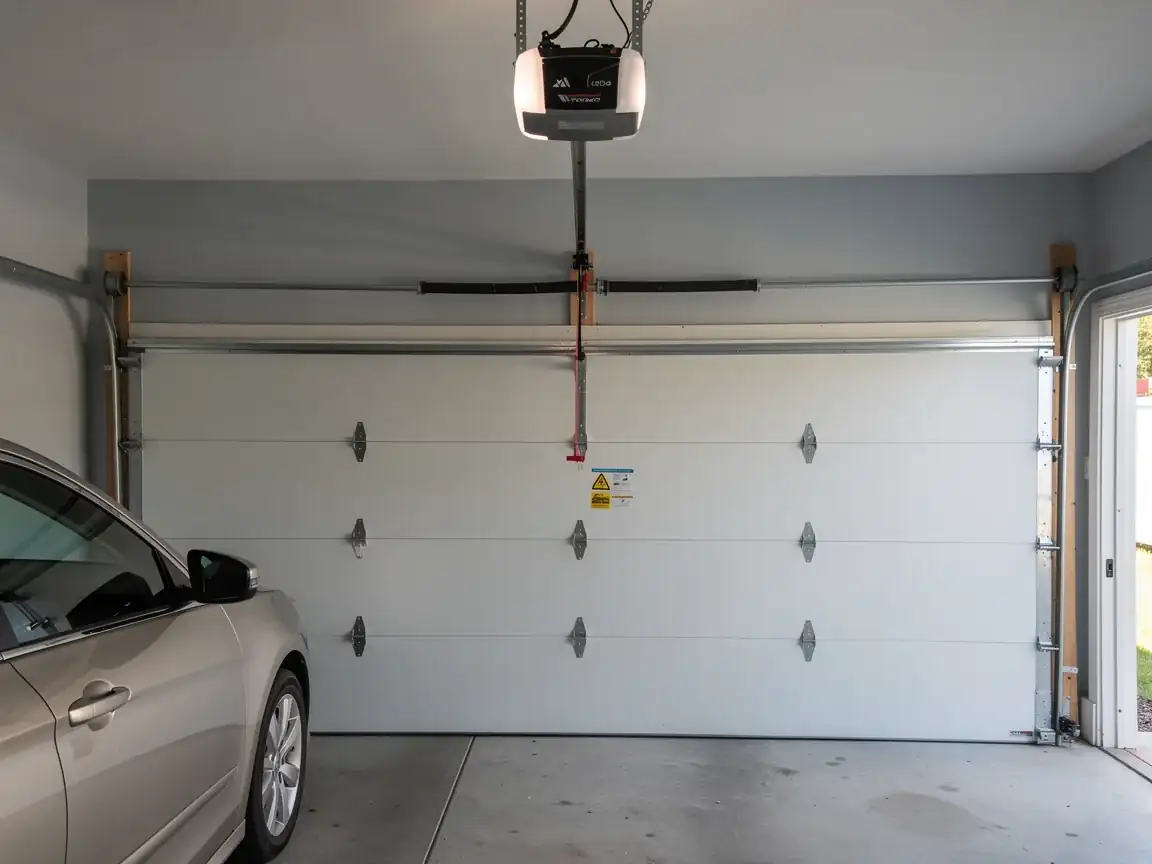
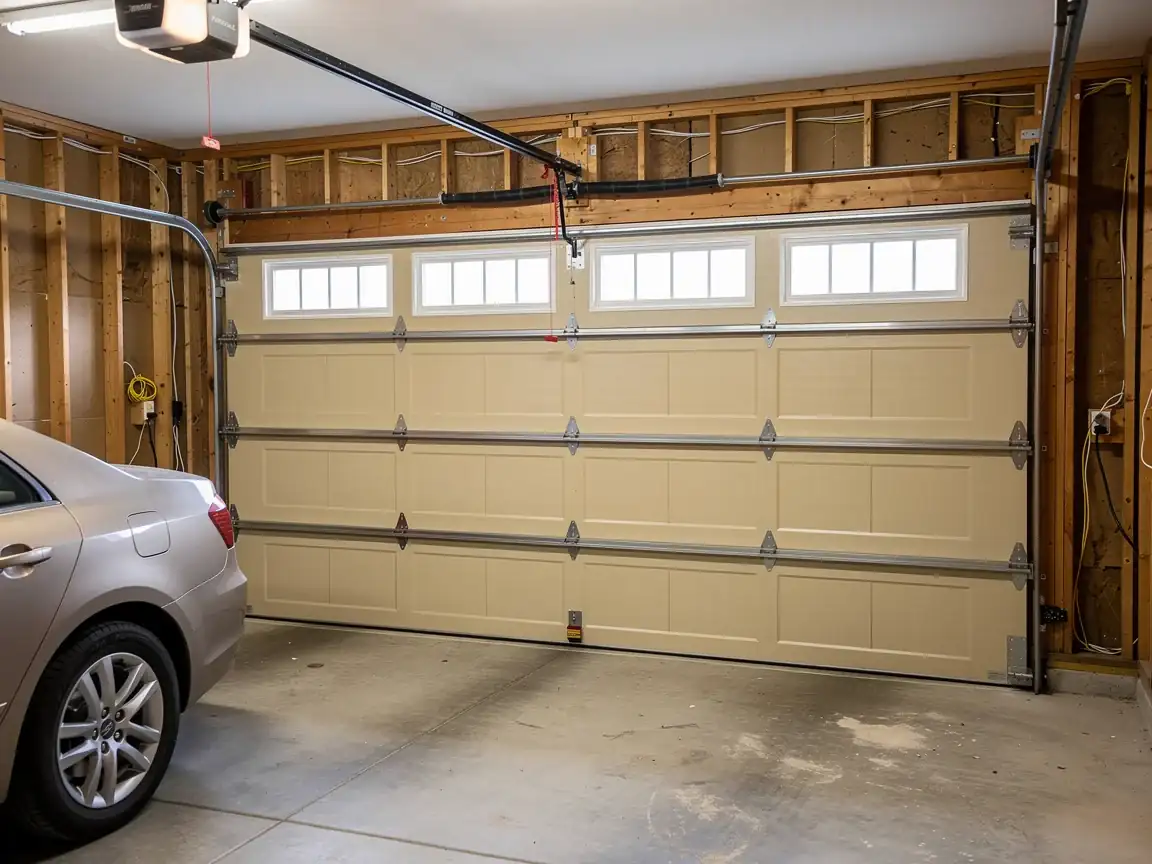
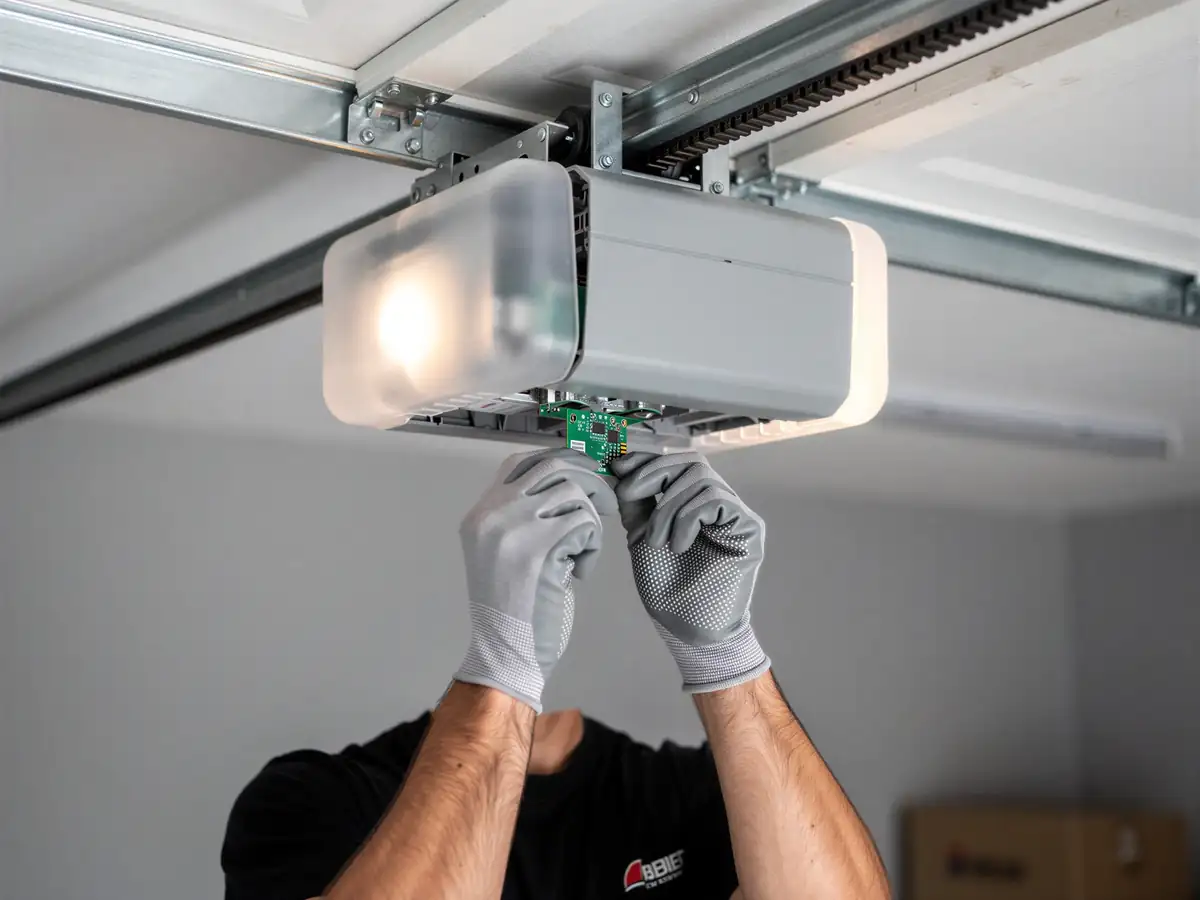
A maintenance visit on a West Hartford door starts with the spring system - checking coil tension on an extension setup, inspecting for rust pitting on the coils, and confirming a containment cable is in place and rated for the door's weight. From there it's track alignment, roller condition, and hinge wear, all of which take a beating from the area's freeze-thaw cycles more than from age alone.
Weatherstripping gets checked last but matters more here than in a milder climate - a gapped seal at the floor lets cold air work on everything else in the garage, including whatever's stored near the door. None of this is a long visit under normal circumstances, but a door that's gone years without any attention usually needs more than lubrication, and we'll say so rather than charge for a tune-up that won't hold.