Serving Glastonbury, CT & nearby
(860) 217-5253
Glastonbury, CT

When Repair Stops Making Sense in Glastonbury

A look at when a Glastonbury garage door has reached the end of repair, based on this town's 1938-1990 housing stock and severe cold winters.

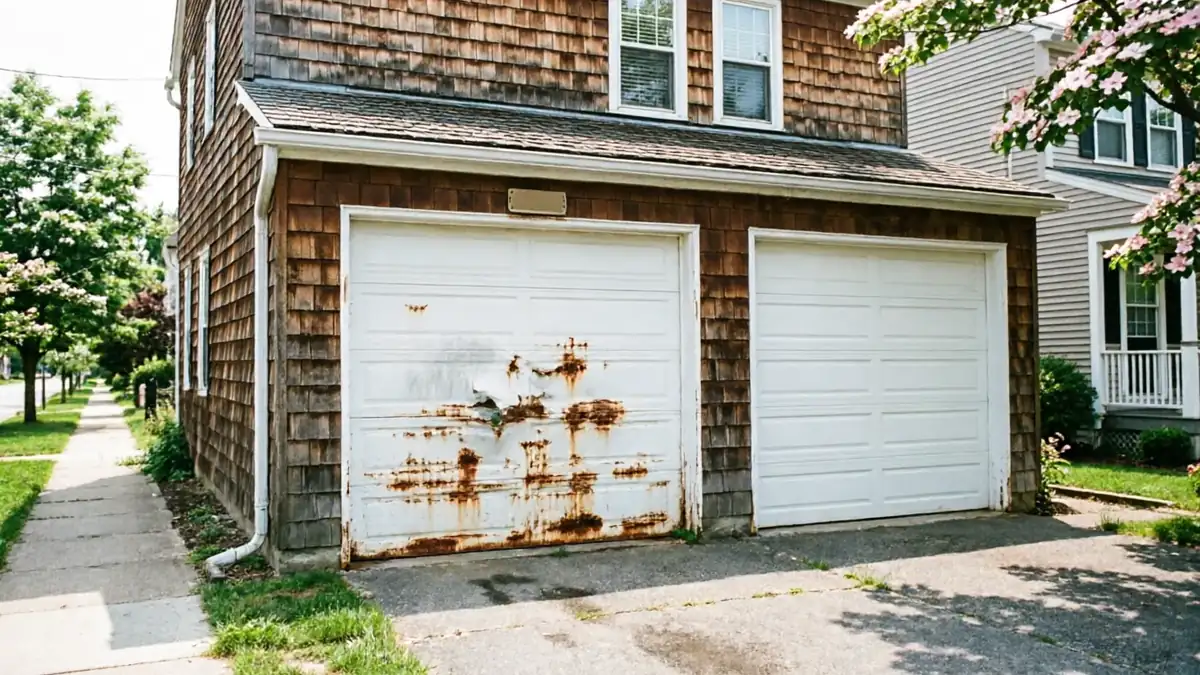
The garage has two white doors, one with significant rust and a dent.

What Local Conditions Do

Most houses in this part of Glastonbury went up between 1938 and 1990, with the median sitting around 1973, which means a lot of original hardware that nobody stocks anymore. That matters because Glastonbury sits in a cold-climate band with severe winters, and that cold is hard on springs and rollers in a way warmer towns never see. Steel contracts in the cold, lubricant thickens, and a torsion spring that's already fatigued from forty or fifty winters of cycling can let go on the coldest morning of the year, not the day you noticed it was stiff. Across the 61 named areas this company covers, the housing stock skews the same way: 1960s and 70s construction with openers and tracks from that era. A door built to that period's spec wasn't engineered for the opener loads or insulation standards we use now. Repeated repairs on a door that old are often patching one symptom while the rest of the assembly - track alignment, panel seams, the opener's gearing - keeps aging at the same rate. That's a local pattern, not a guess: the age of the stock around here is the reason repair conversations in Glastonbury look different than they would in a subdivision built in 2005.

The Situation

If your house is one of the roughly 173,708 owner-occupied homes in this service area built in that same mid-century window, the parts conversation is different than it would be for new construction. A door a mile from Glastonbury Center built in 1973 has had fifty winters of cold-snap cycling on its springs, and that fatigue doesn't show up until the day it snaps. When we're called out a second or third time in a year for the same door - a new cable here, a roller there - that's usually the tell that we're chasing age, not a single bad part. The track may still be true and the opener may still run, but if the springs, cables, rollers, and hinges are all original to a house from the 1960s or 70s, replacing them one at a time costs more over two years than replacing the door section does once. We'll tell you straight when a repair is a stopgap. We don't push replacement on a door that's got life left in it, but we also won't keep billing you for parts on a door whose hardware has simply outlived its run.

What You Pay

We don't have a flat number to quote here without seeing the door, and we're not going to pretend otherwise. What we can say is that the math shifts with income and house age both. Median household income across this service area runs around $107,012, which tends to mean homeowners here can weigh a full door-and-hardware replacement against a string of smaller repair calls rather than defaulting to the cheapest fix every time. On an original 1960s or 70s door, a single repair call is usually the lower number, but three or four of those calls inside eighteen months, on a door whose remaining original parts are the same age, often lands higher than doing the whole job once. We'll give you the real number for your specific door and hardware before any work starts, not a town-wide average.

What Most People Get Wrong

The most common mistake we see is treating a broken spring as an isolated event instead of asking what else on that same door is the same age. On a house from the 1938-1990 window that makes up most of this area's stock, a snapped spring usually means the cables, rollers, and hinges are the same vintage and under the same stress. People fix the spring, and six months later they're calling about a cable. The other mistake is assuming cold weather problems are an opener issue when they're a spring or hardware issue - the opener often gets replaced first because it's the part people can see working harder, when the real fatigue is in the springs. One honest limit on our end: if a part is specific to a door model that stopped being made decades ago, we may not be able to source an exact match, and we'll tell you that rather than stall the job pretending we can get it.
How it works

From “it’s stuck” to “it’s fixed”

A quick, honest process - no guesswork and no surprises.

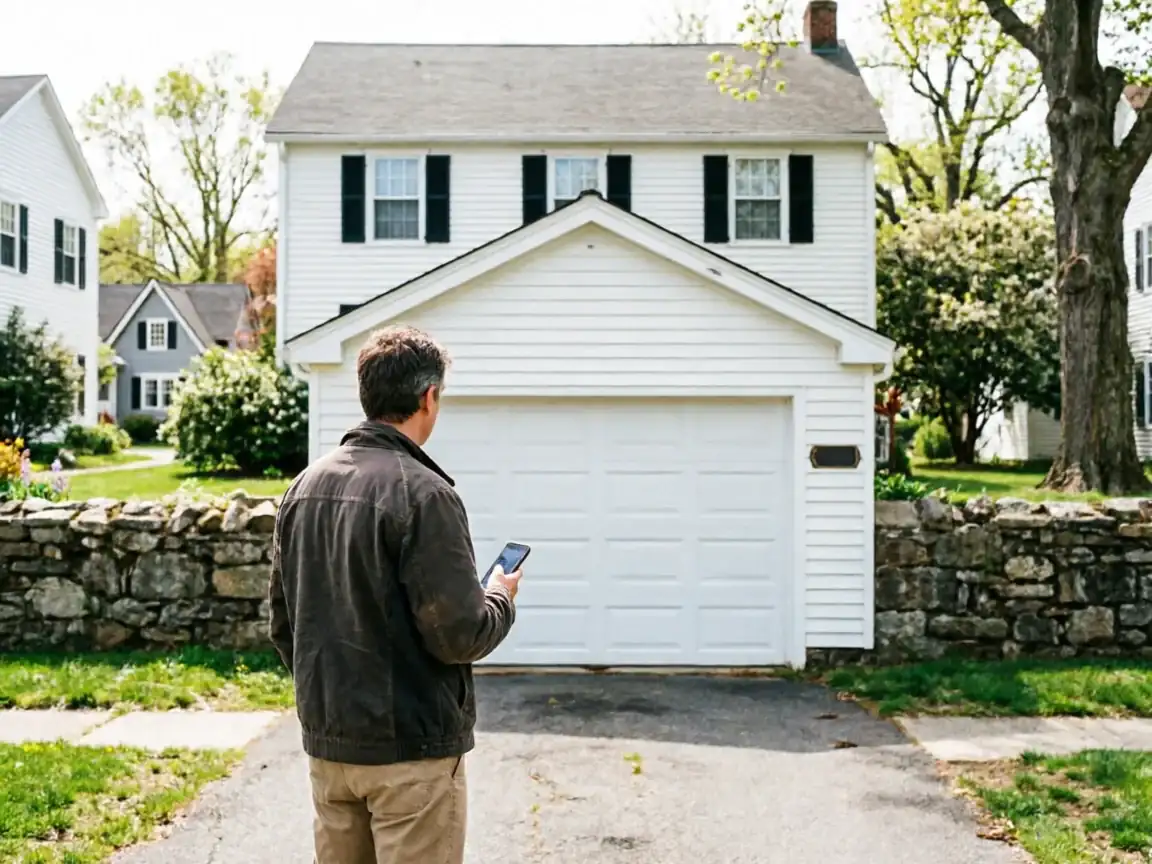
  1. A man stands in a driveway holding a phone, facing a white garage door.
    1

    Tell us what’s wrong

    Describe the symptom - won’t open, loud bang, opener runs but the door won’t move.

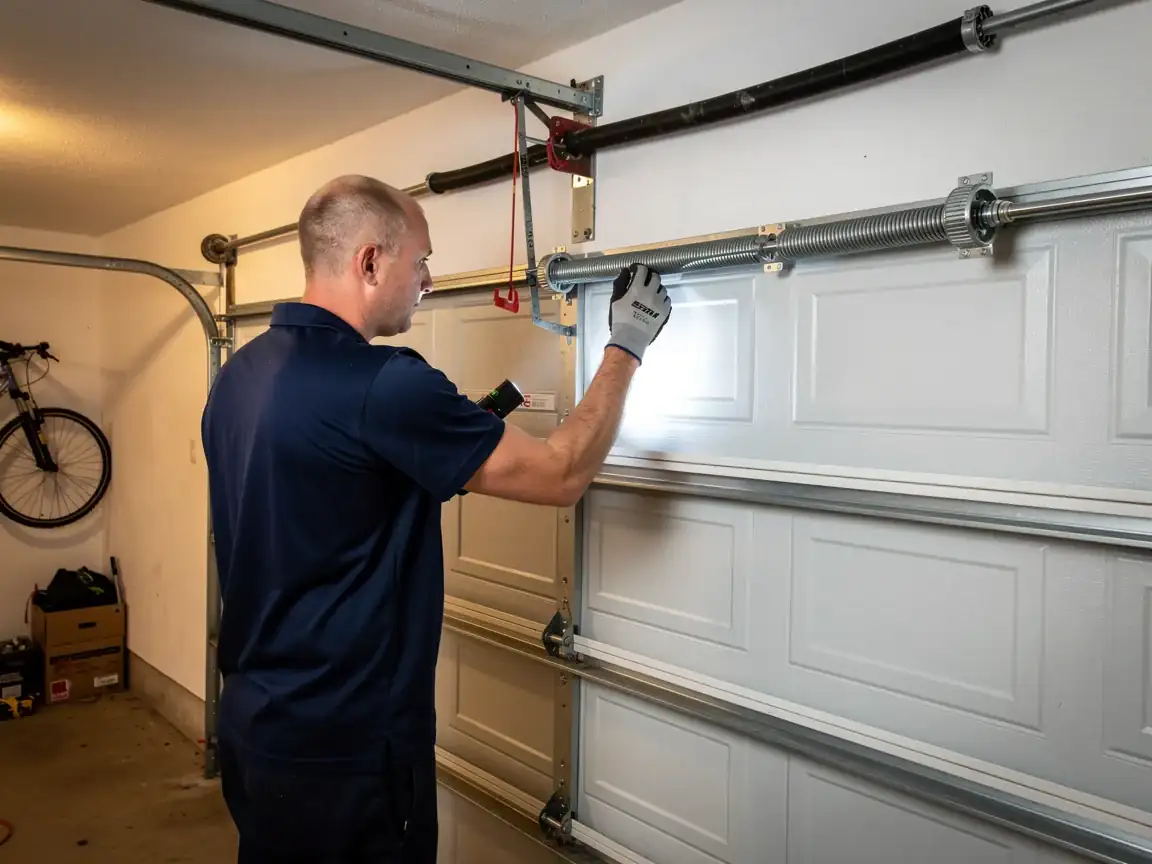
  2. A technician shines a flashlight on a garage door torsion spring.
    2

    On-site diagnosis

    A technician tests the door under power and by hand and finds what actually failed.

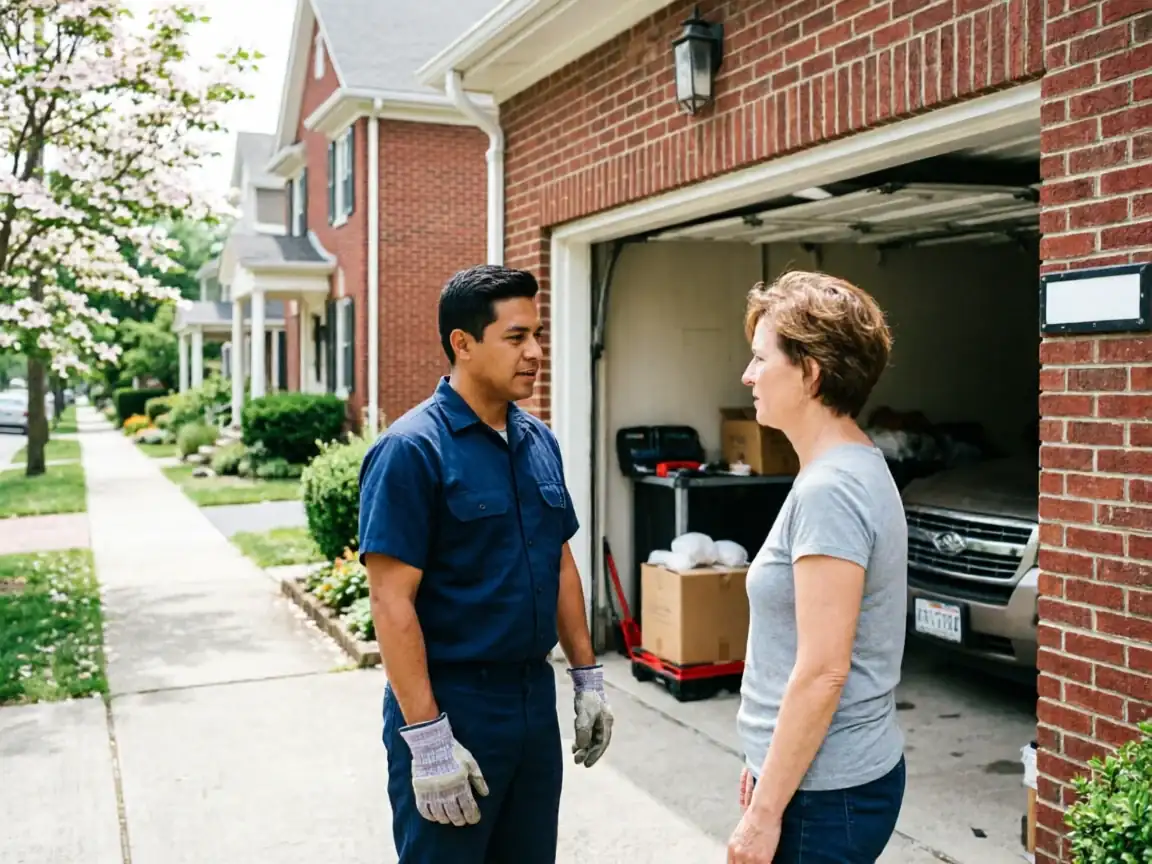
  3. A technician talks to a woman in front of a brick house with an open garage.
    3

    Clear, up-front plan

    You get the fix that’s needed and what drives the cost - before any work starts.

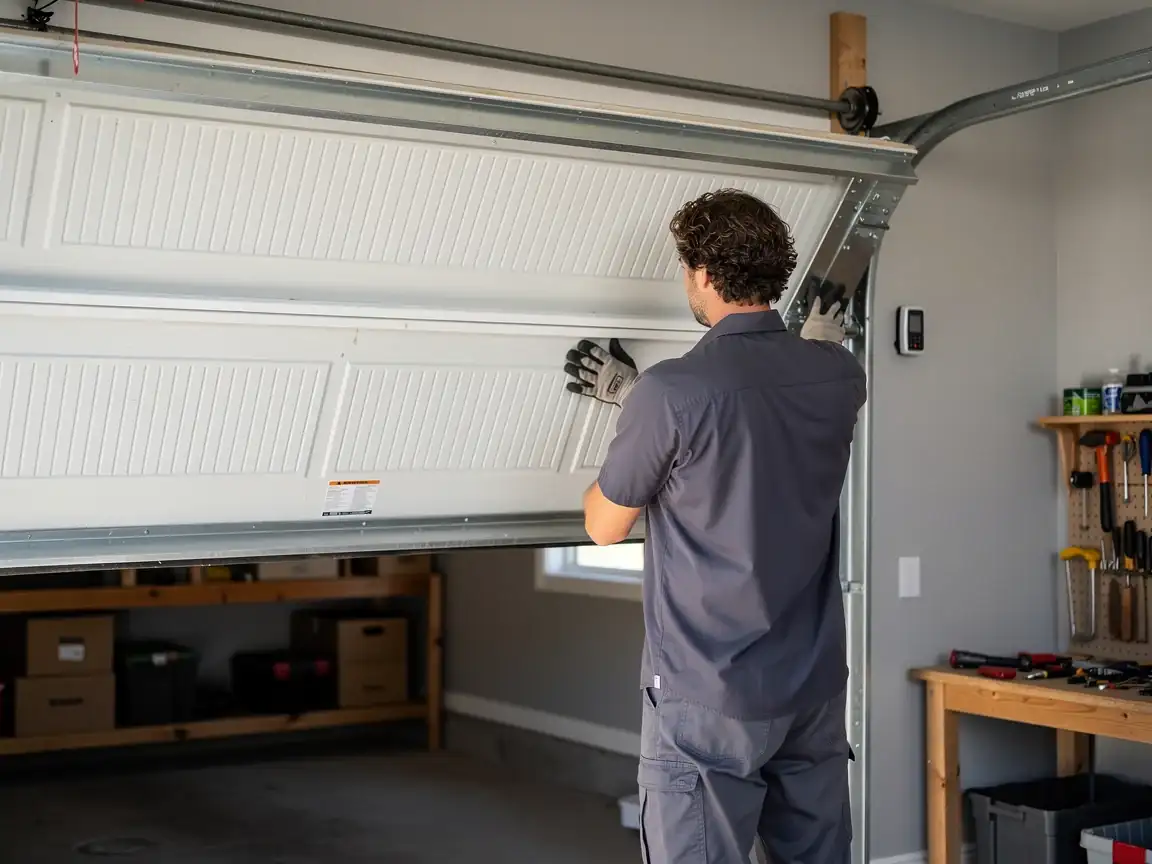
  4. A technician in a gray uniform is working on a white garage door.
    4

    Repaired & tested

    The repair is done, the door is set true and tested, and the work area left clean.

Not sure which repair your door needs in Glastonbury, CT? Describe what it’s doing - every job starts with a diagnosis.

How we work

What to expect

  • Diagnosis firstEvery visit starts by finding what actually failed - not a pre-written parts list.
  • The right part for the doorSprings and openers matched to the door’s weight and age, so the fix holds up.
  • Straight answersWhen a repair makes more sense than a replacement - or the reverse - you hear it plainly.
  • Clean, careful workTension released safely, hardware set true, the door tested under power before we leave.
What we do

Garage Door Services

Repair and installation work for Glastonbury homes and businesses.

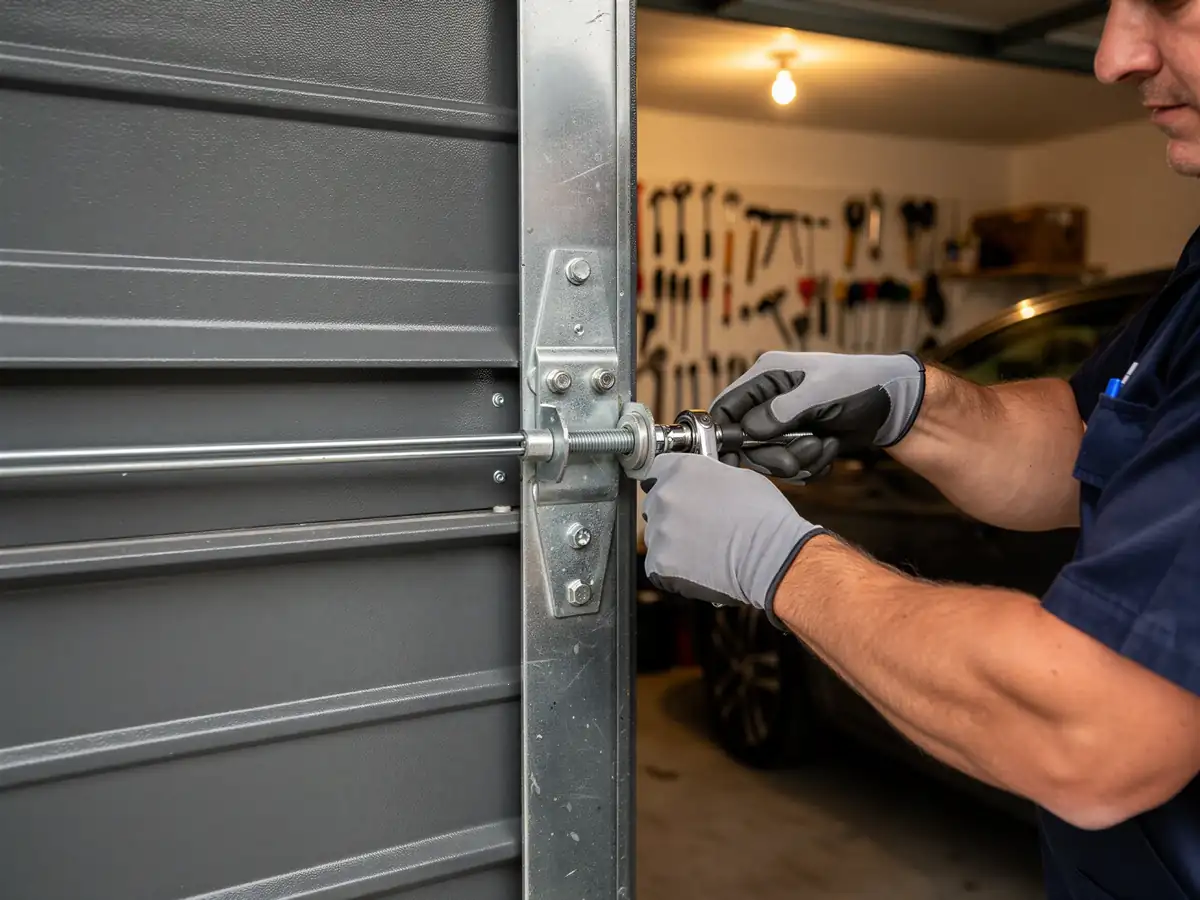
A technician in gloves adjusts a garage door roller and track.

Garage Door Repair

Garage door repair for Glastonbury homes built between 1938 and 1990, where original torsion hardware and cold-weather strain cause the most common spring and opener failures.

Learn more
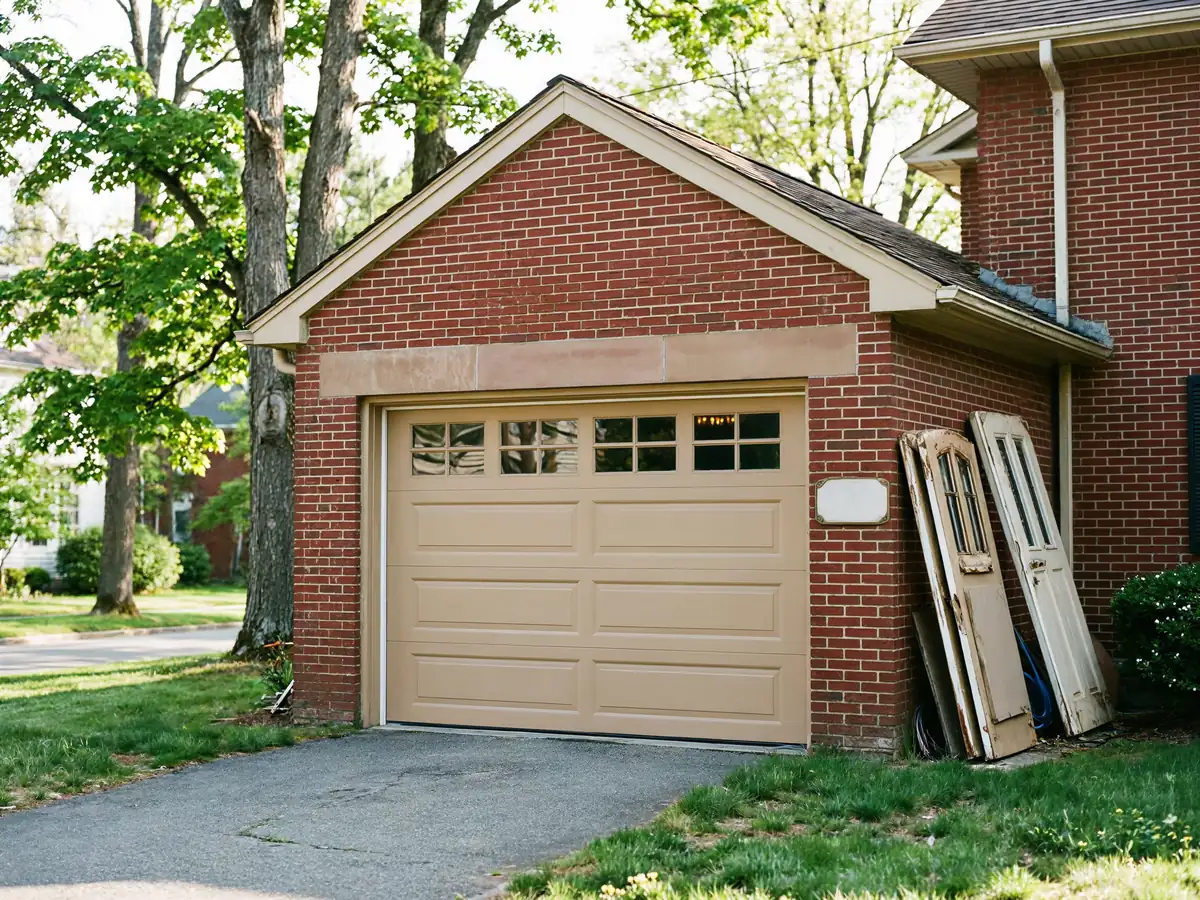
A tan garage door with windows is on a brick garage next to a driveway.

Garage Door Installation

Garage door installation in Glastonbury, CT for homes built mostly 1938 to 1990, where original openers and tracks no longer match new doors or cold winters.

Learn more
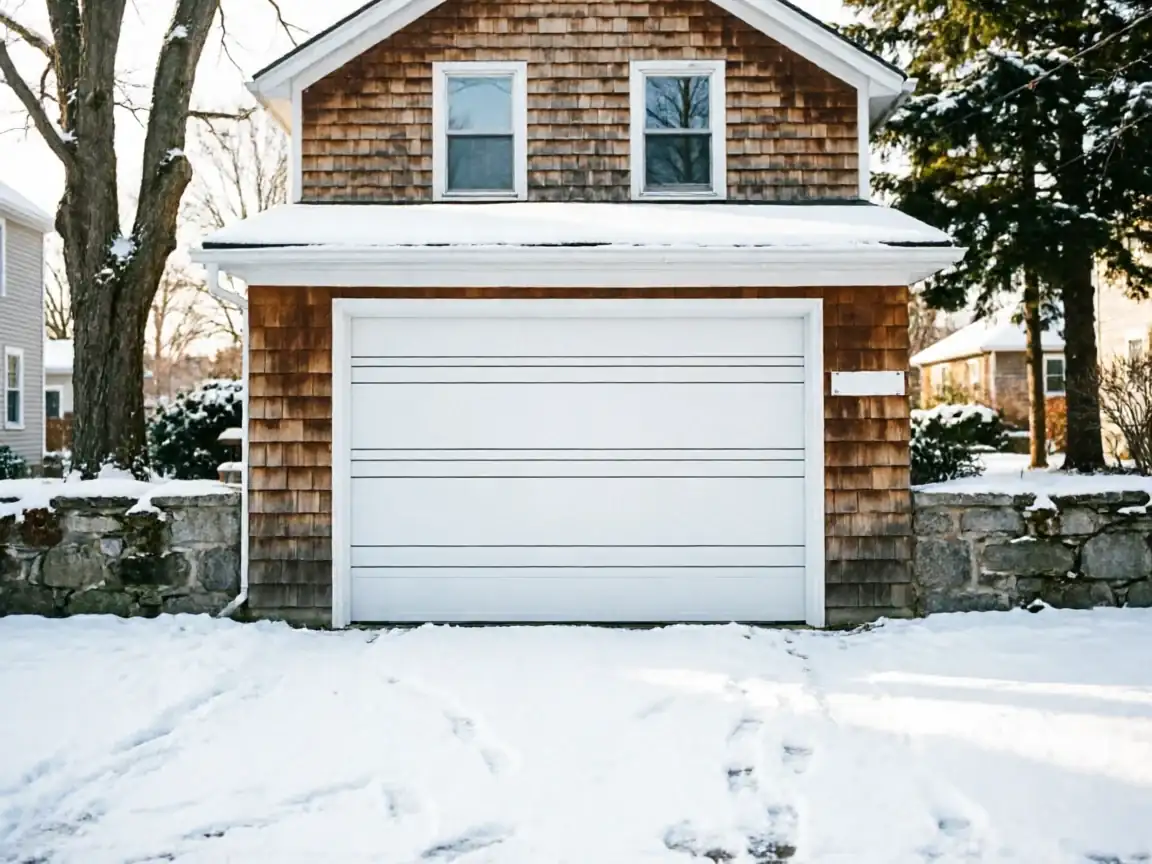
The house has a white garage door, cedar shake siding, and a snow-covered driveway.

Garage Door Service

Garage door repair for Glastonbury's 1960s-70s housing stock. We know why torsion springs and openers fail here, and what a cold Connecticut winter does to them.

Learn more
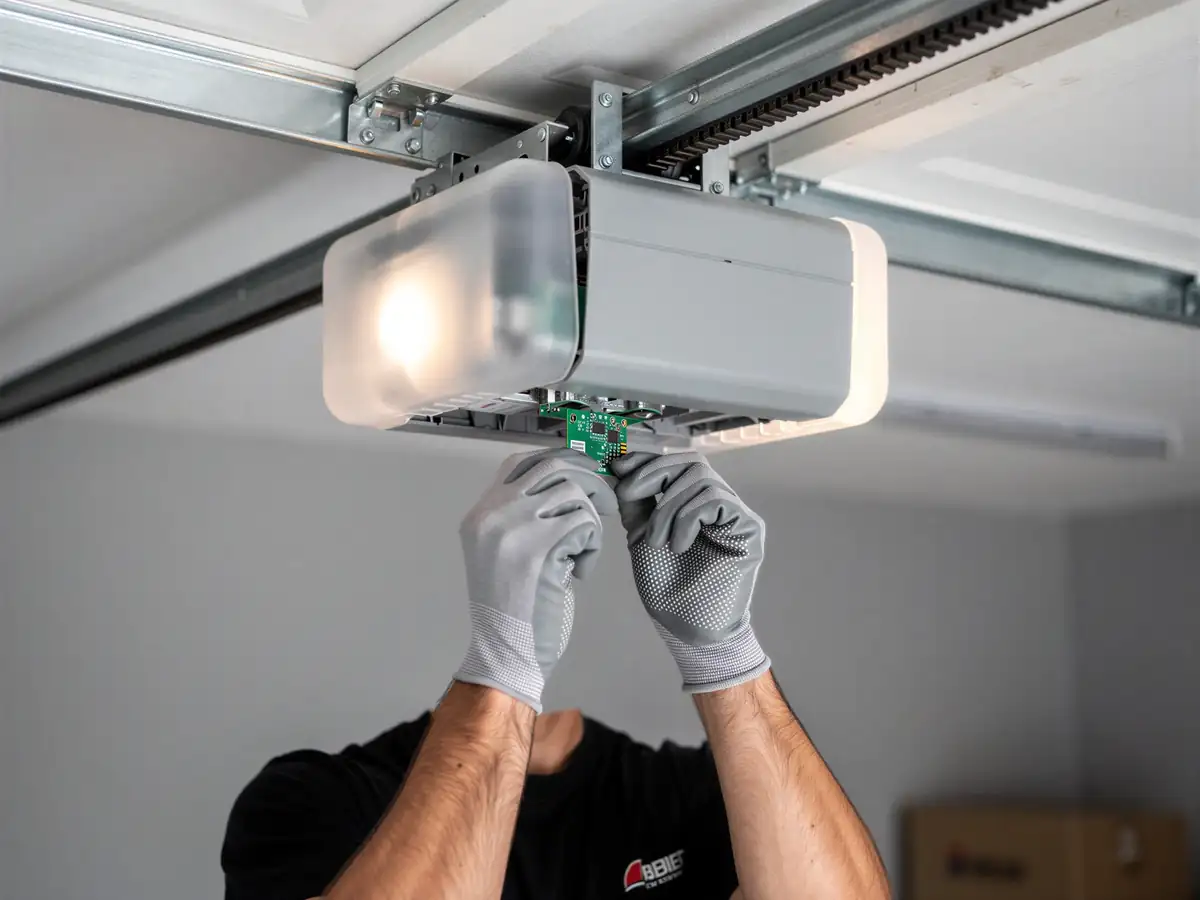
A technician in gloves works on the circuit board of a garage door opener.

Opener Repair

Opener dead or acting up in a Glastonbury home built before 1990? We diagnose the fault, price the fix plainly, and get the door moving again the same visit.

Learn more
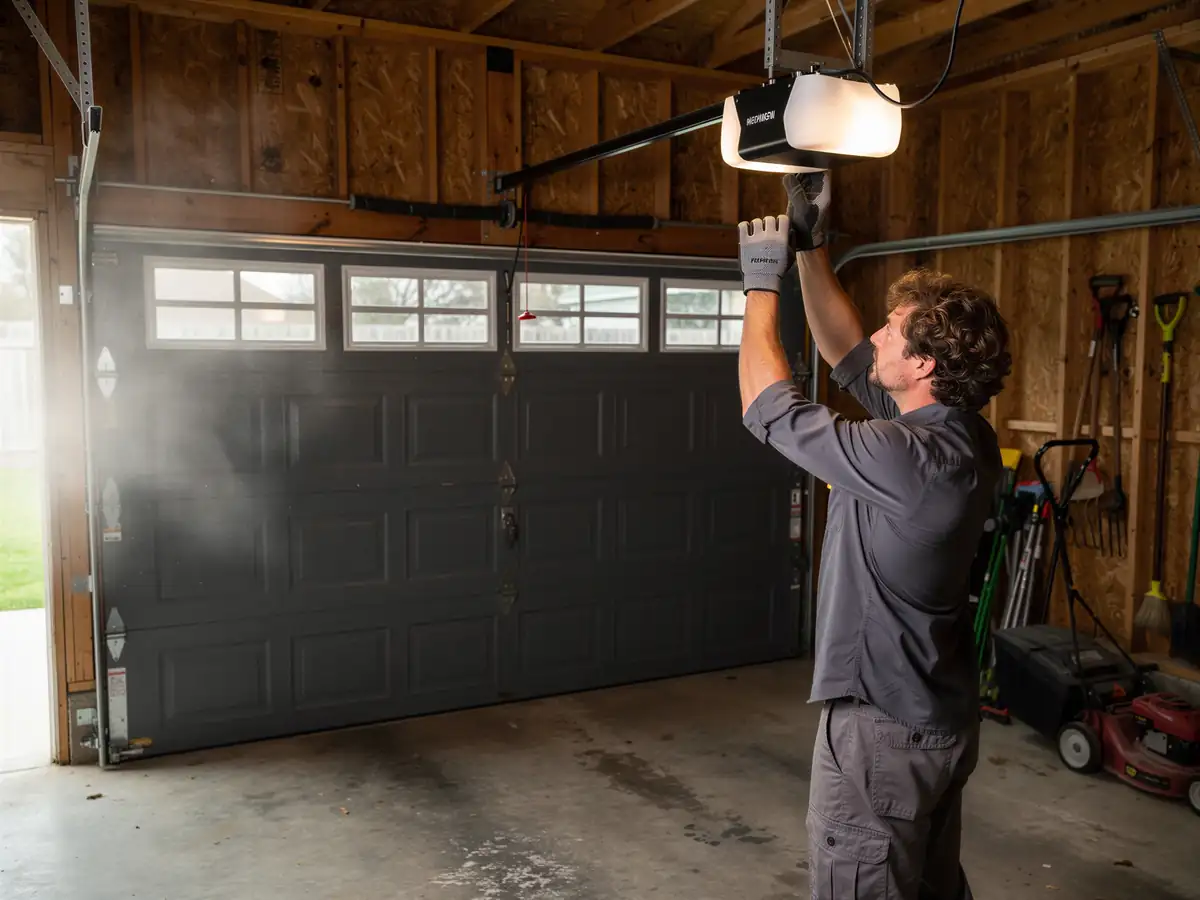
A technician adjusts a garage door opener above a dark gray garage door.

Opener Installation

Opener installs and swaps for Glastonbury homes built mostly between 1960 and 1990, where original drive units are decades past their rated life in a cold climate.

Learn more
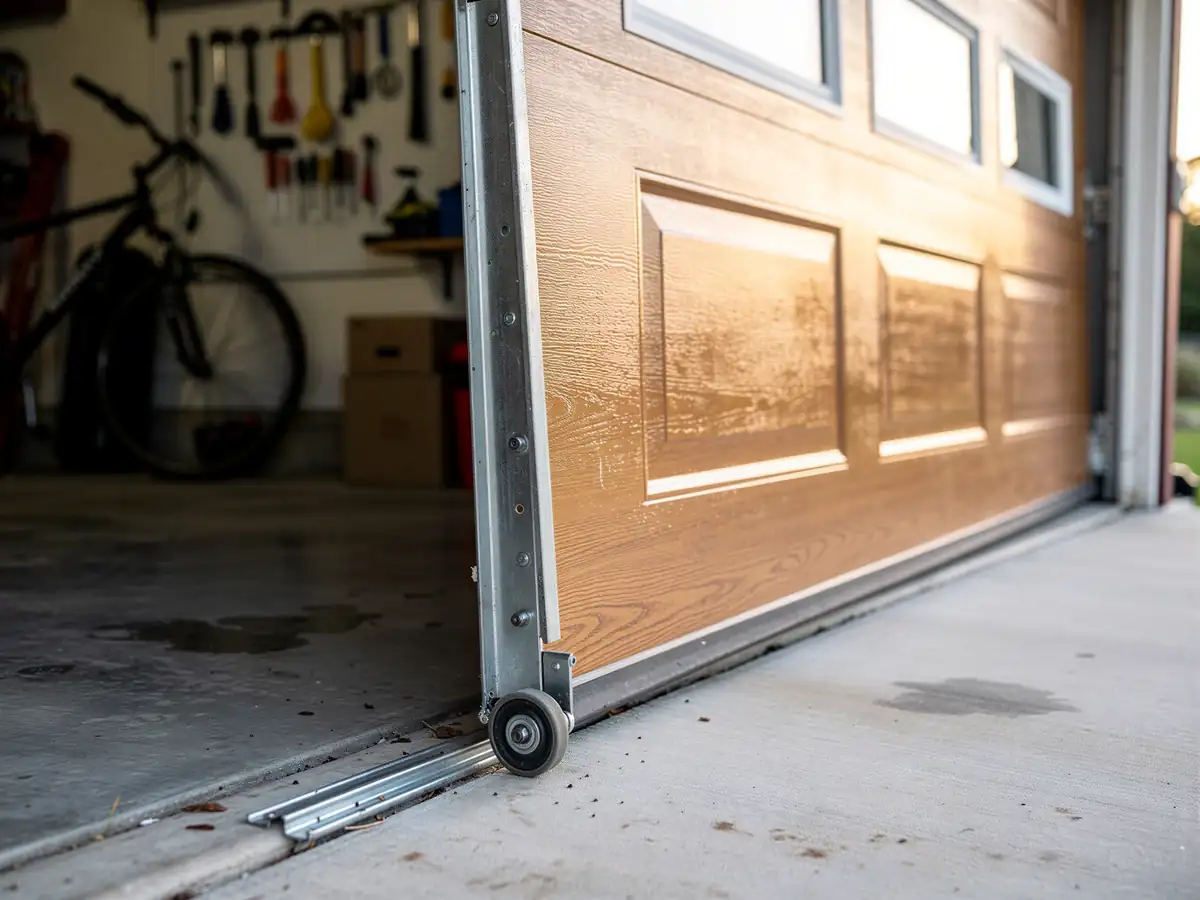
The garage door is partially open with a roller off its track.

Off-Track Repair

Garage door jumped its track in Glastonbury? We explain why it happens so often in homes built 1938-1990 and what the fix actually costs.

Learn more
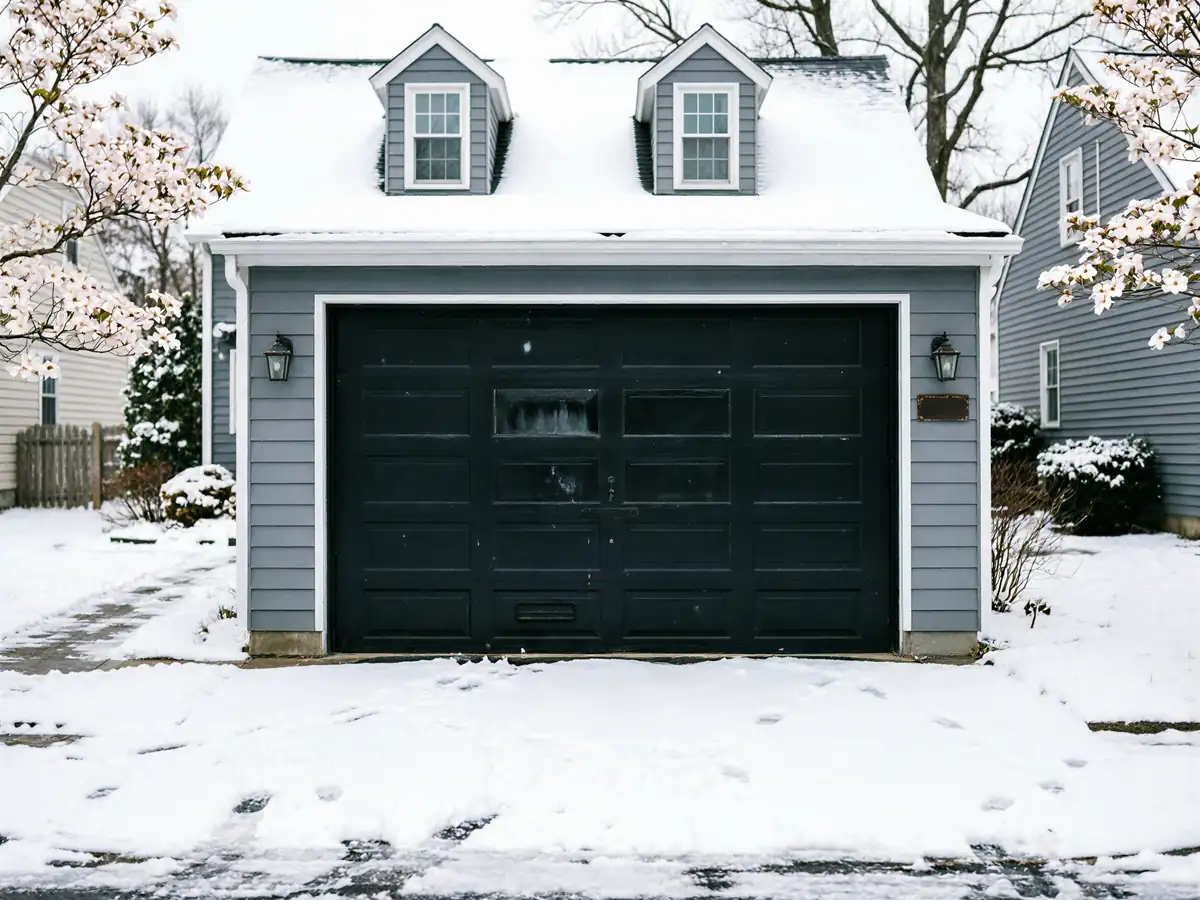
A gray garage with a black door and two dormer windows is covered in snow.

Panel Replacement

Cracked, dented, or rusted garage door panel in Glastonbury? We match panels on 1960s-70s doors and explain what drives cost and timeline for this housing stock.

Learn more
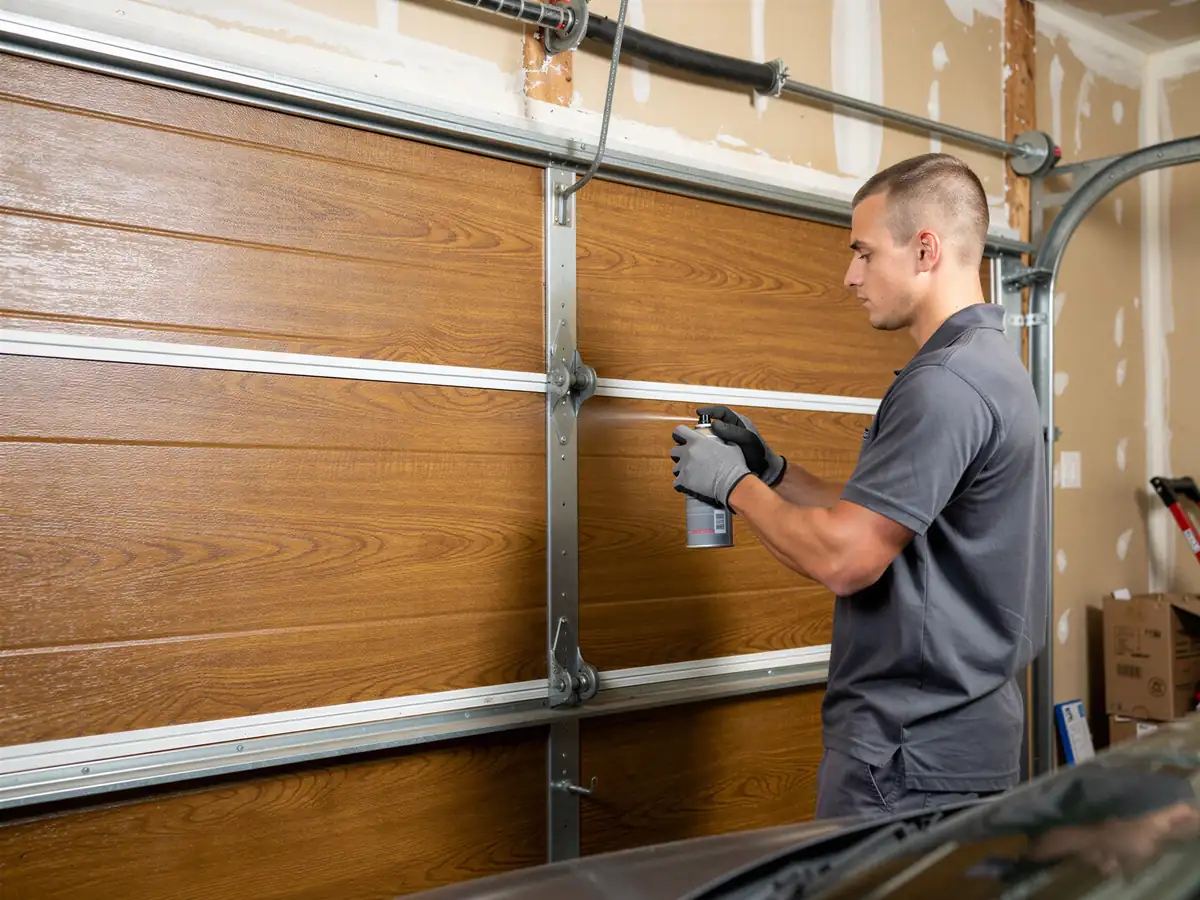
A technician in gray gloves sprays lubricant on a brown garage door.

Maintenance

Glastonbury homes built between 1938 and 1990 carry original hardware that wasn't made for New England winters. Here's what maintenance actually catches before it fails.

Learn more
Questions

Frequently asked

Straight answers about garage door repair in Glastonbury. Still unsure? Ask us directly.

How old does a garage door have to be before repair stops making sense?

There's no fixed year, but in Glastonbury, where most houses date from 1938 to 1990, a door with original springs, cables, and rollers from that era is the one we watch closest. If you're on your second or third repair call in a year on an original door, that's usually the point to talk replacement instead of another patch.

Does Glastonbury's winter weather actually shorten garage door life?

Yes. Glastonbury sits in a severe cold-climate band, and repeated cold cycling fatigues torsion springs and stiffens lubricant faster than it would in a milder climate. A spring that might run another five years in a warm state can fail here on the coldest morning of the season.

Can you give me a price before you see the door?

Not honestly. We don't have a flat rate to quote sight unseen, and we won't pretend otherwise. What we can tell you is that one full replacement often costs less over time than several separate repairs on original 1960s-70s hardware.

Ready to get your garage door sorted?

Tell us what it’s doing and where you are in Glastonbury - we’ll take it from there.

Request a QuoteCall