Getting Here
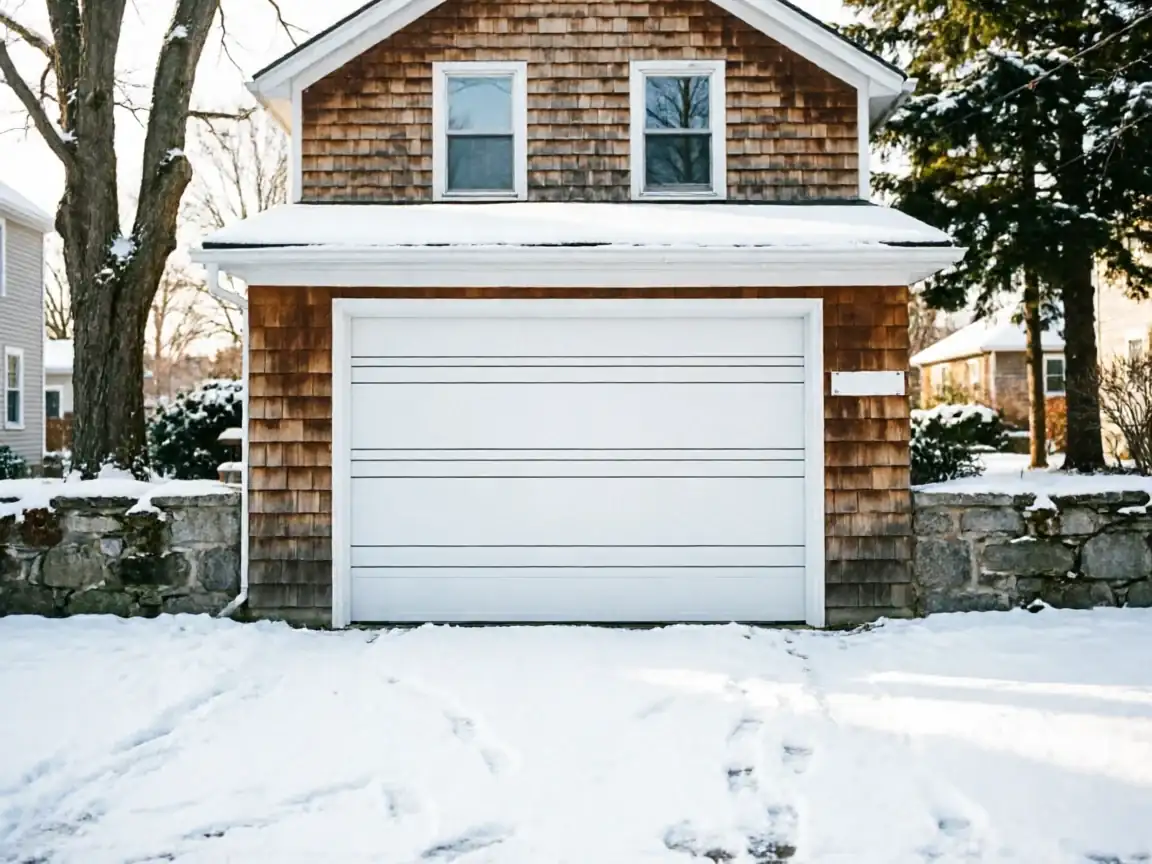
Glastonbury Center is about a mile from our shop in Glastonbury, which keeps it one of the shortest runs on our schedule. From there the roads fan out toward Wethersfield and East Hartford, both about three miles off, with Rocky Hill five miles beyond. That short hop matters less for how fast we show up - we don't promise a window here we can't back up - and more for the fact that we're in and out of this neighborhood regularly enough to recognize the door styles before we pull into the driveway. Connecticut's winters sit in the severe end of the cold climate band, and that cold doesn't stop at the town line. Ice in the track, stiff springs on a frigid morning, an opener that groans before it moves - all of that shows up here the same as anywhere else in the region, which is part of why a close shop is worth more than a fast promise.
The Usual Work Here
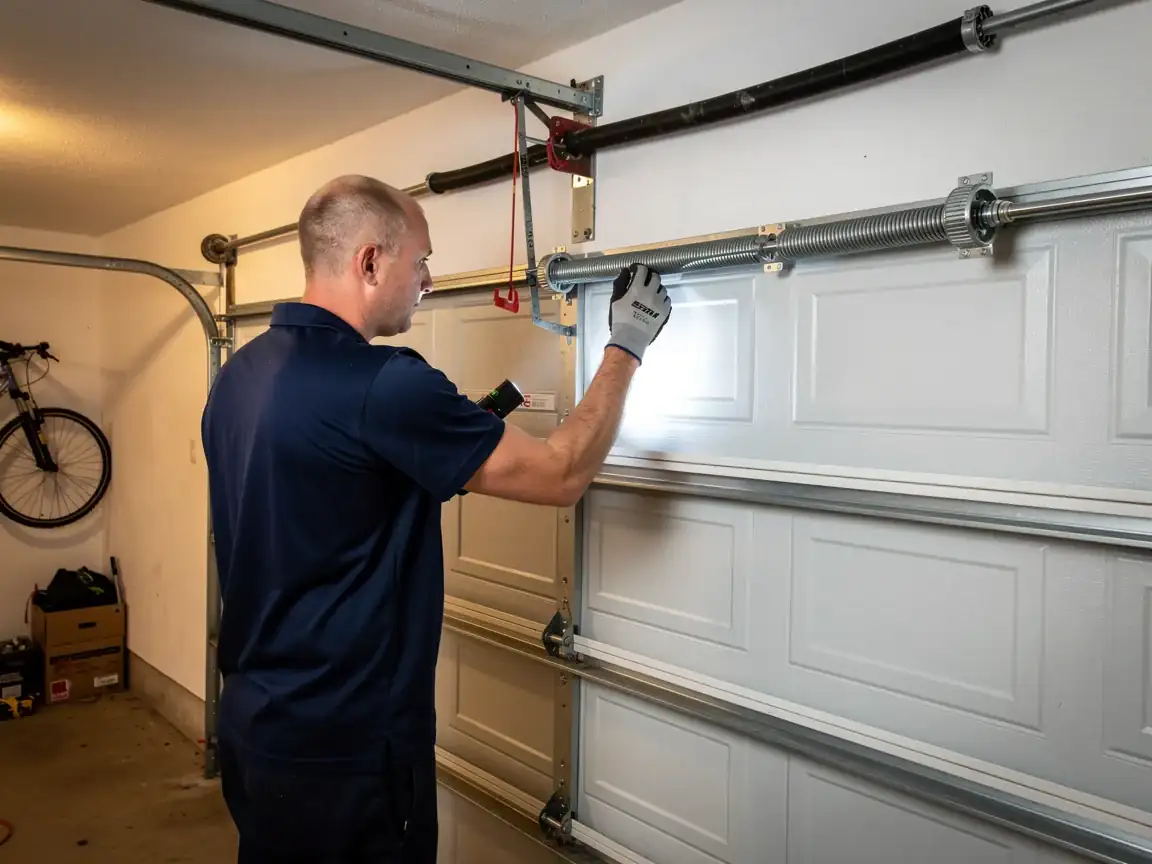
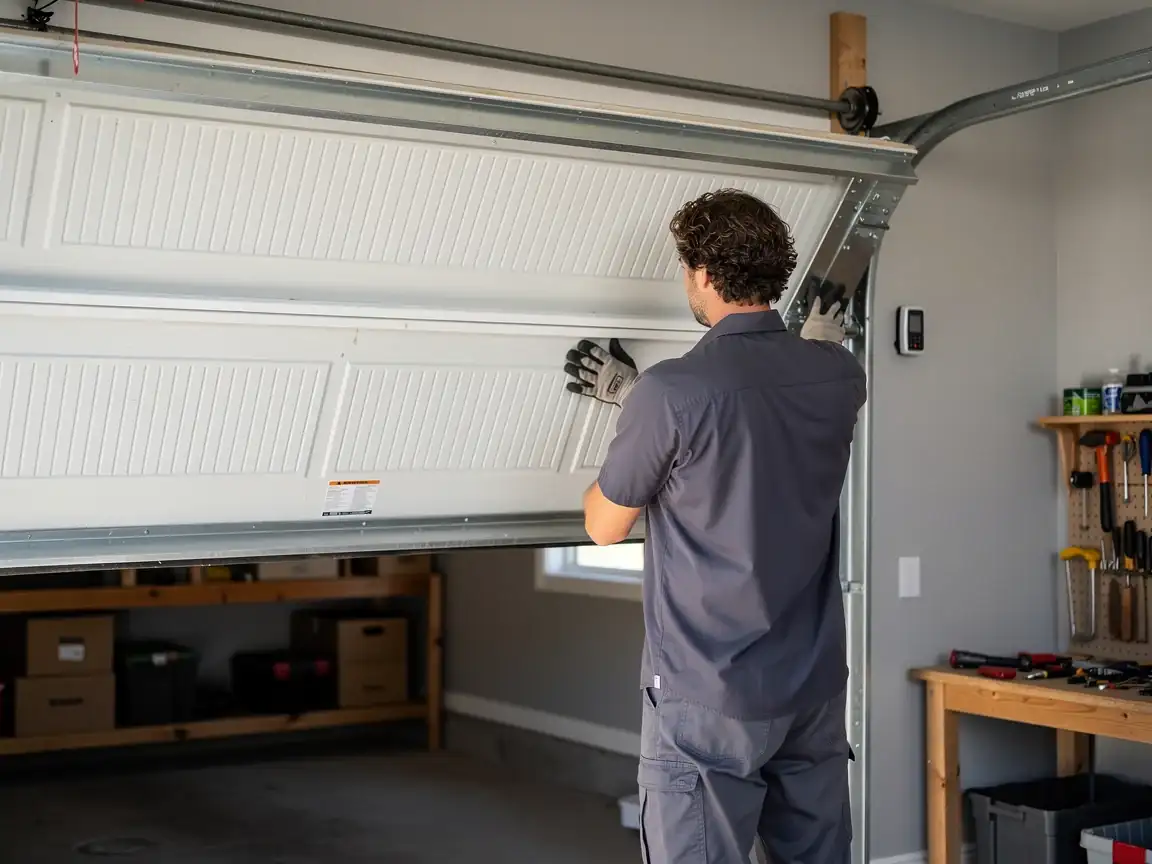
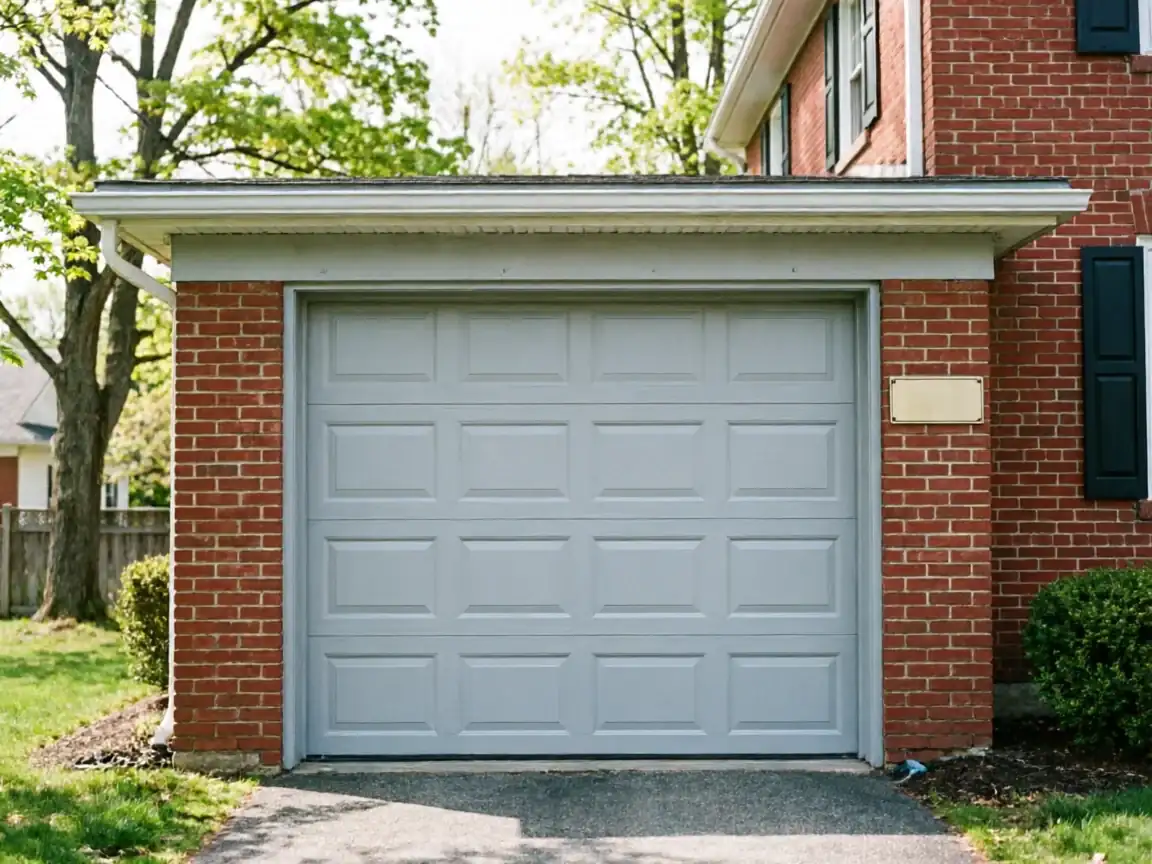
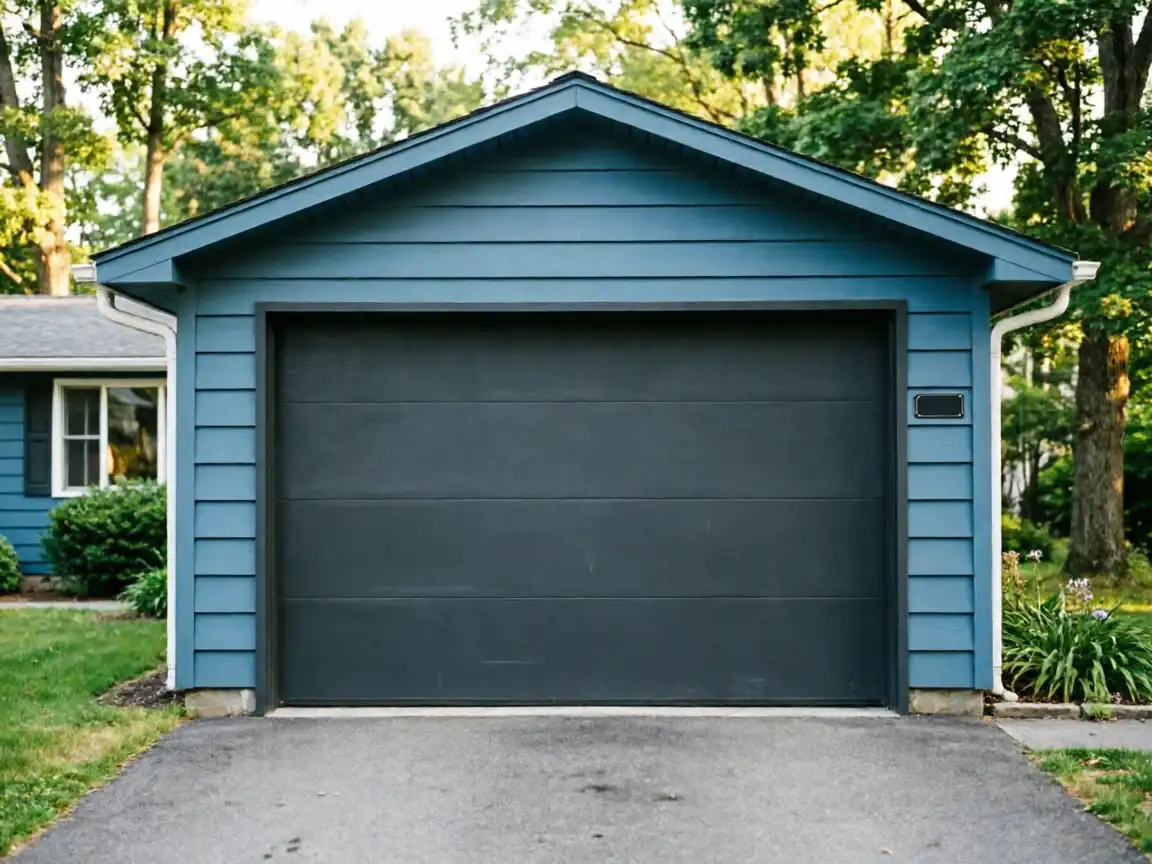
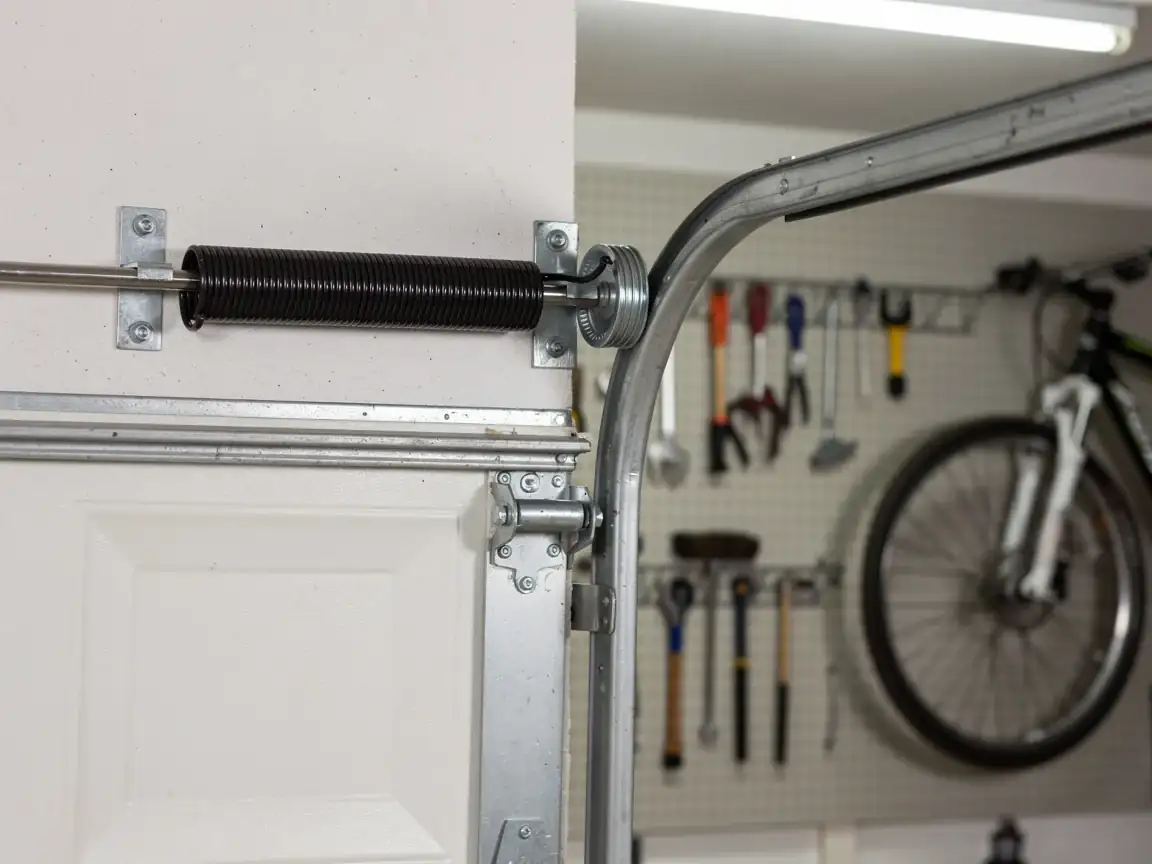
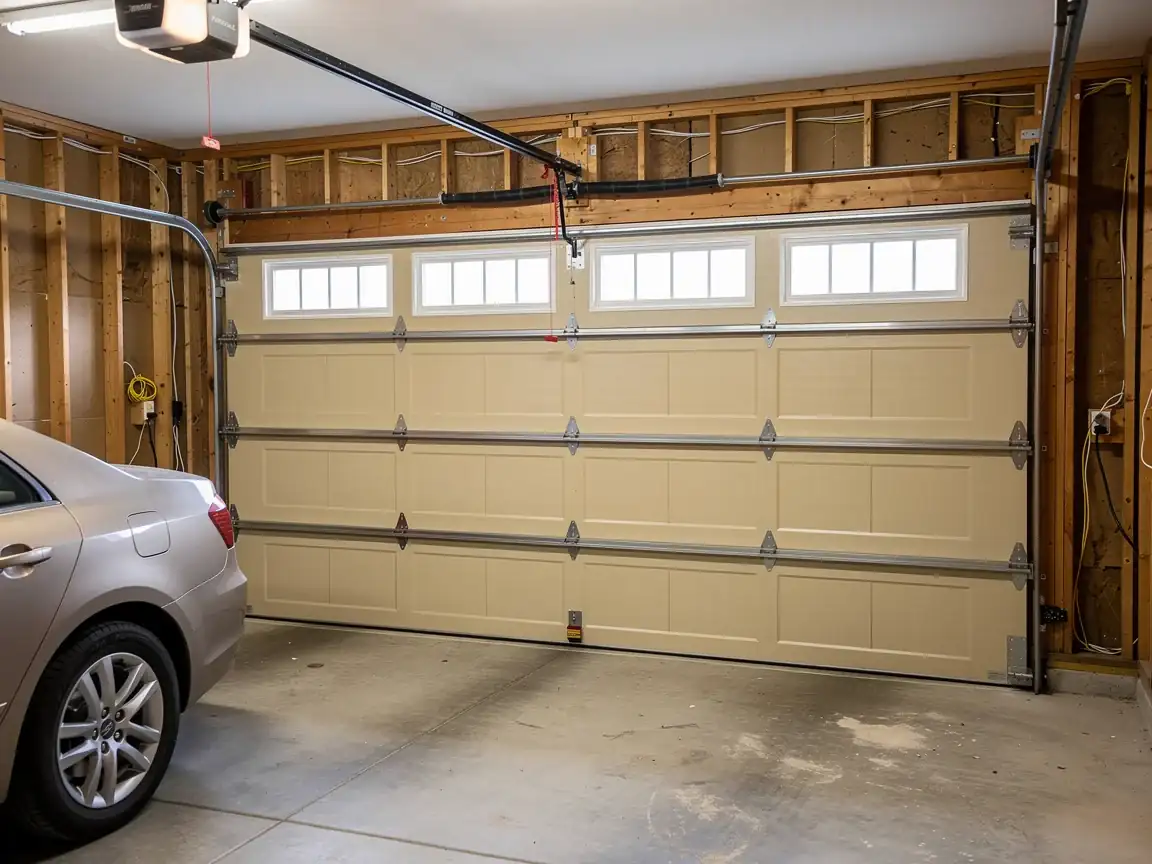
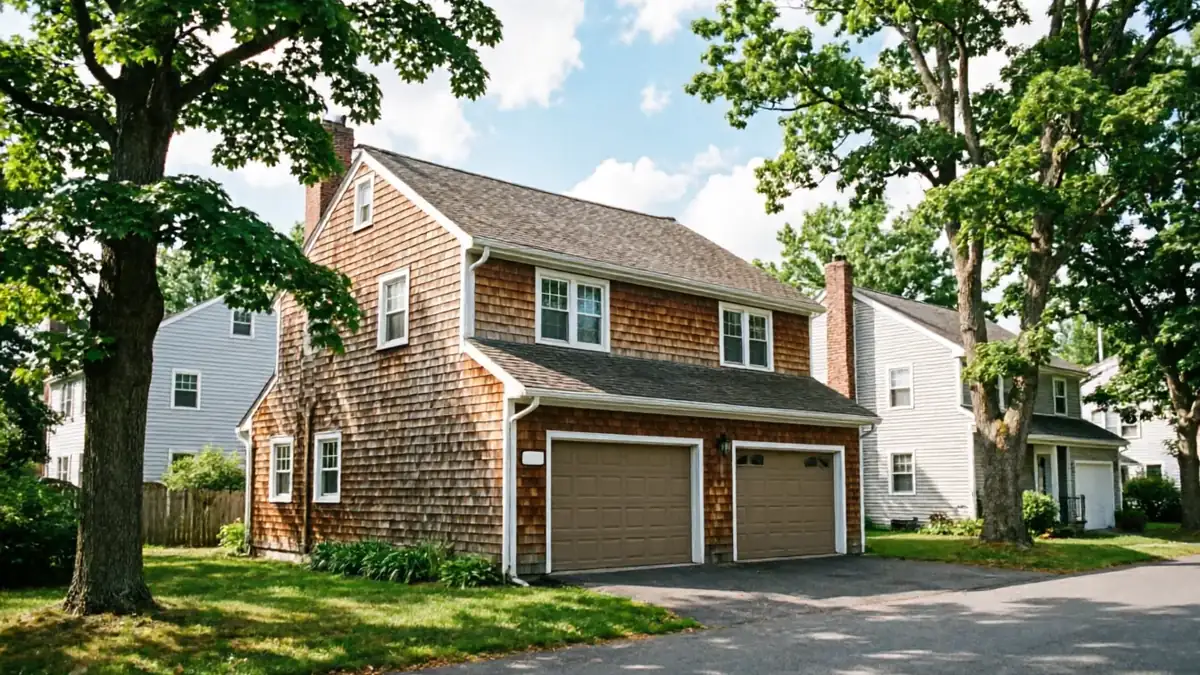
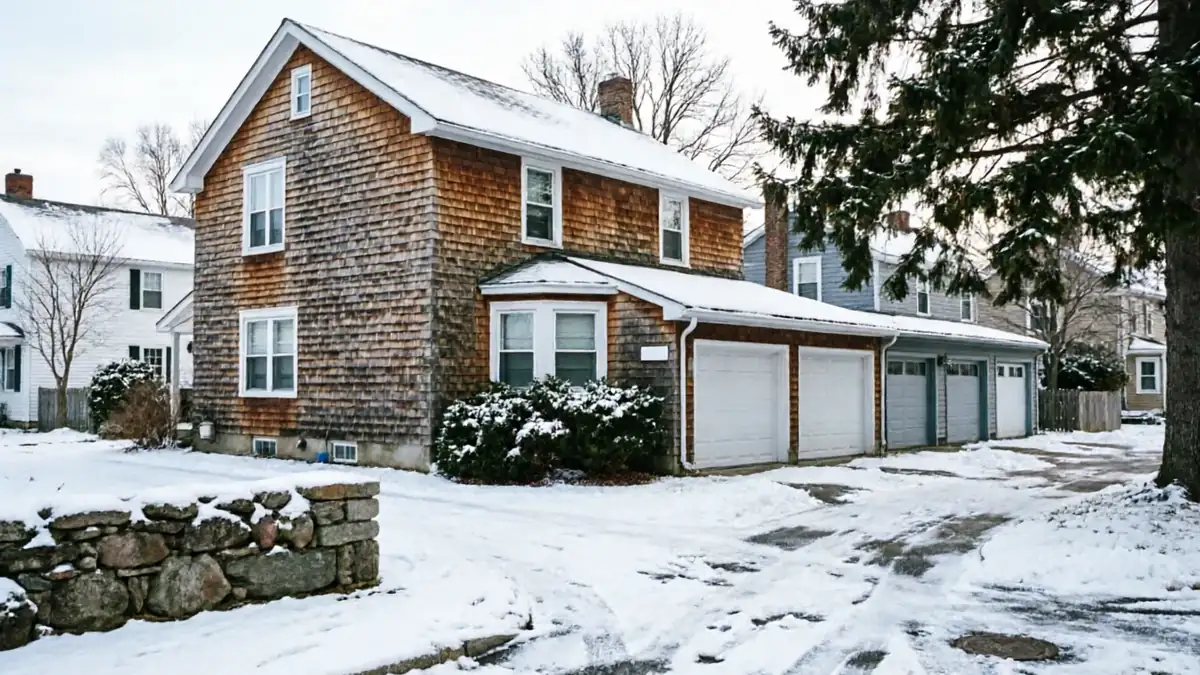
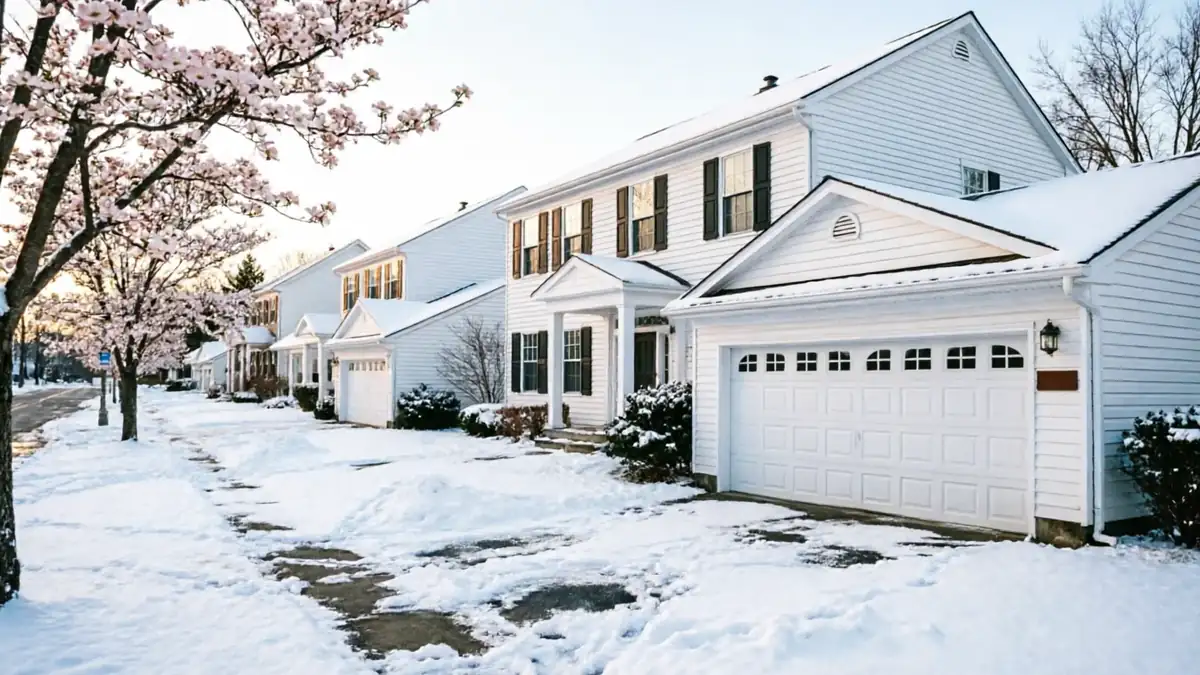
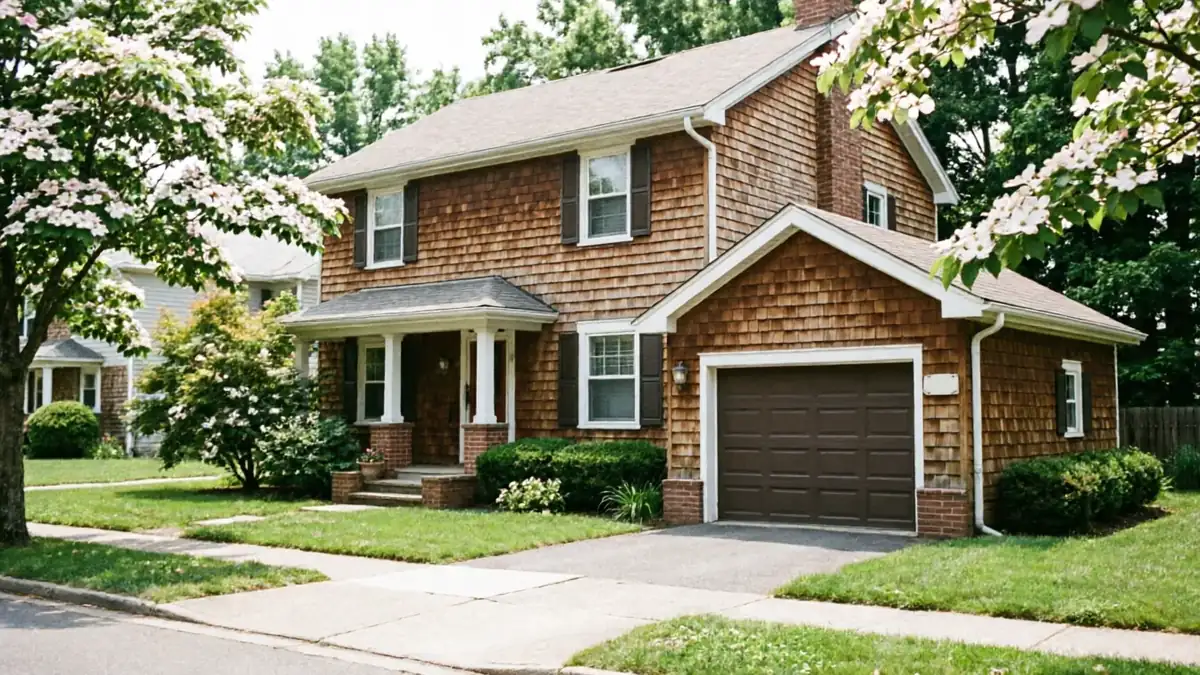
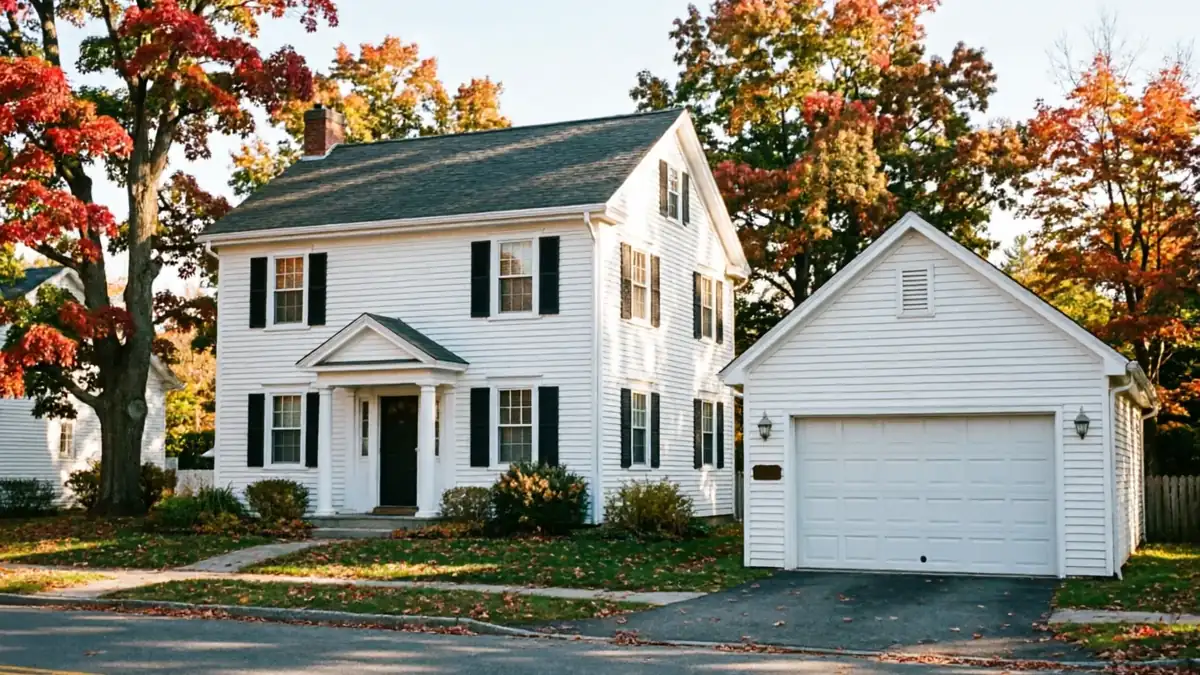
The median home around Glastonbury Center went up in 1972, which puts most of the original garage doors and openers at the end of their practical life, if they haven't already been swapped once. What we see most is torsion spring failure on doors that are either the original steel sectional or a first replacement from the 1990s, plus chain-drive openers from that same era grinding out their gears. Extension springs on older single-car doors show up too, usually paired with worn pulleys nobody's looked at in decades. We don't stock every obsolete spring size or discontinued track bracket from that period on the truck - some of those jobs need a day to source the right part, and we'd rather tell you that up front than pretend otherwise. Panels themselves hold up fine; it's the moving hardware that wears out first in a neighborhood this age.
What the Housing Means for Your Door
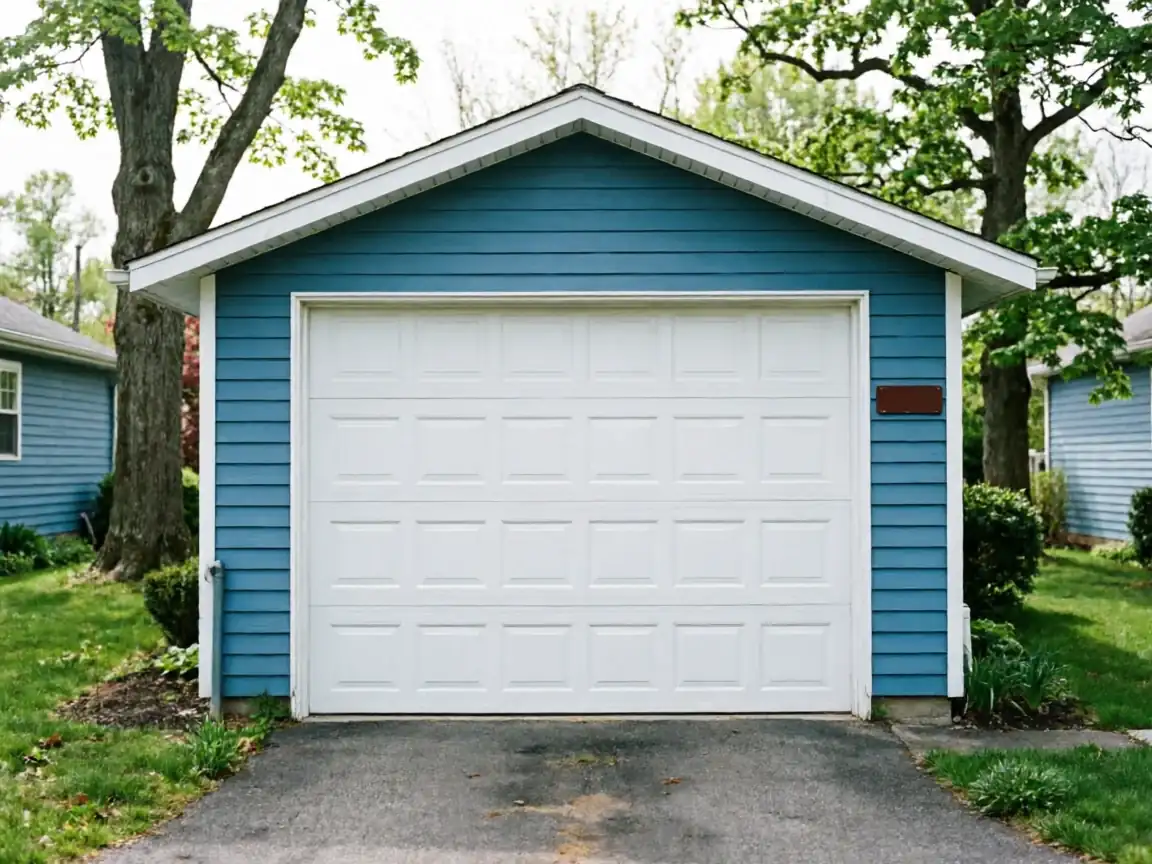
A door matched to a 1972 build usually means torsion hardware sized for a lighter, uninsulated panel than what's sold today. Swap in a heavier insulated steel door without checking the spring rating, and you'll strip the opener's gear trying to lift it. Given the severe cold here, that gap matters more than it would in a milder climate - stiff grease and a borderline spring make for a snapped cable on the first hard freeze of the season. The other pattern we run into is original jamb and header framing that's shifted slightly over fifty years, which throws off a new door's seal even when the opening looks fine to the eye. None of this is a reason to panic about a door that's still running; it's a reason to get the spring weight and the opener's lift capacity checked together rather than replacing one piece and assuming the rest will keep up.