What You Pay
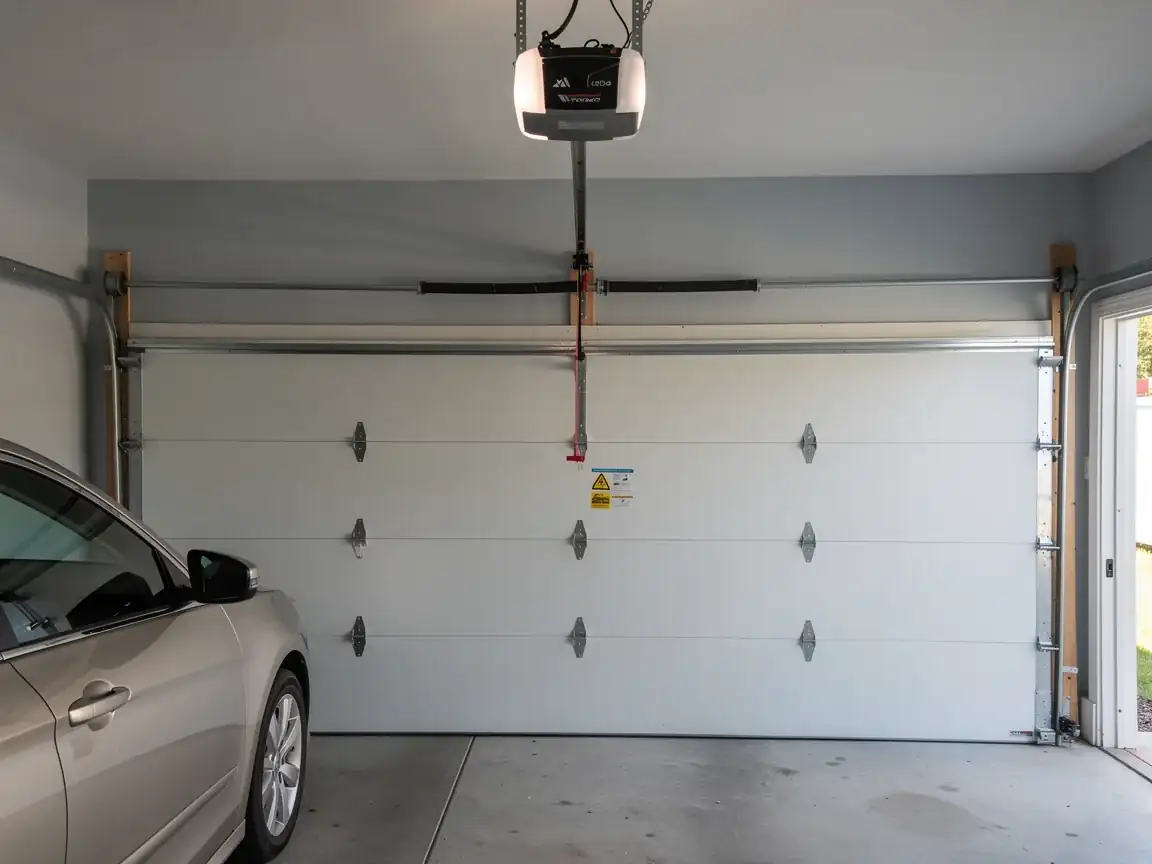
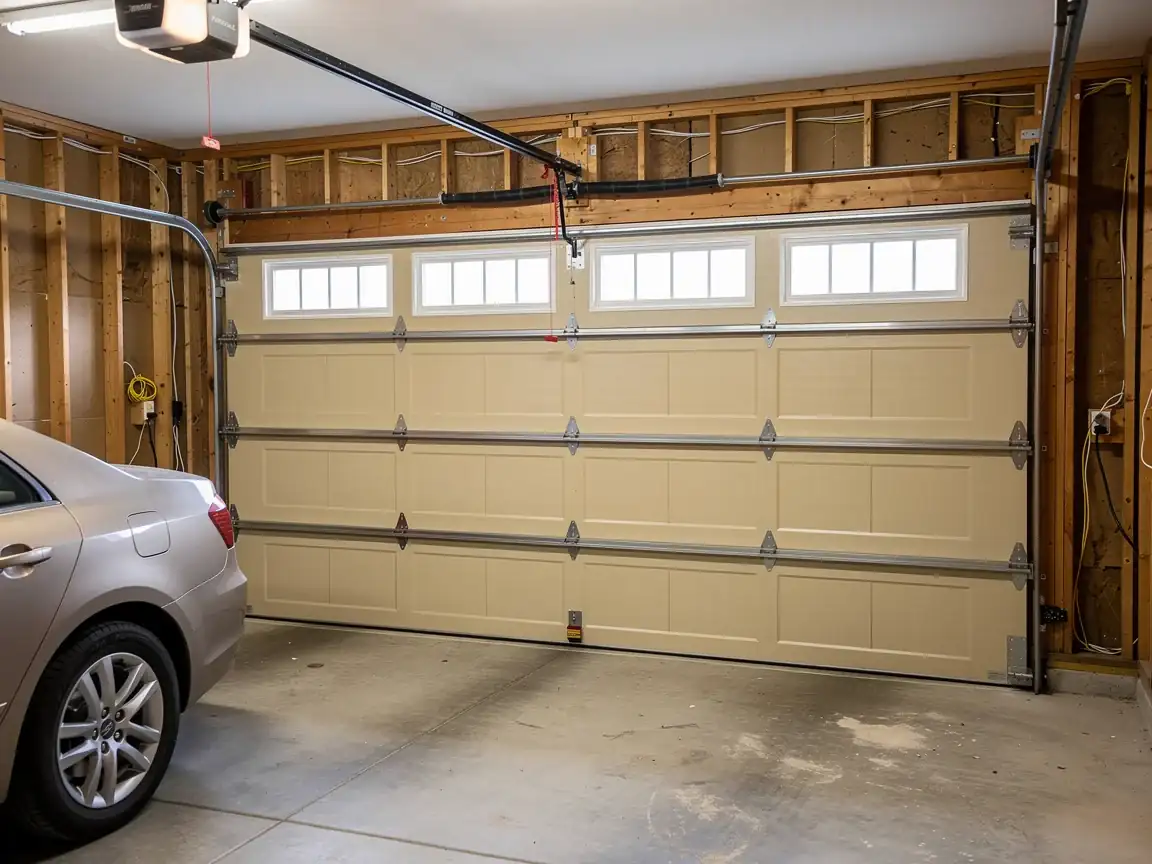
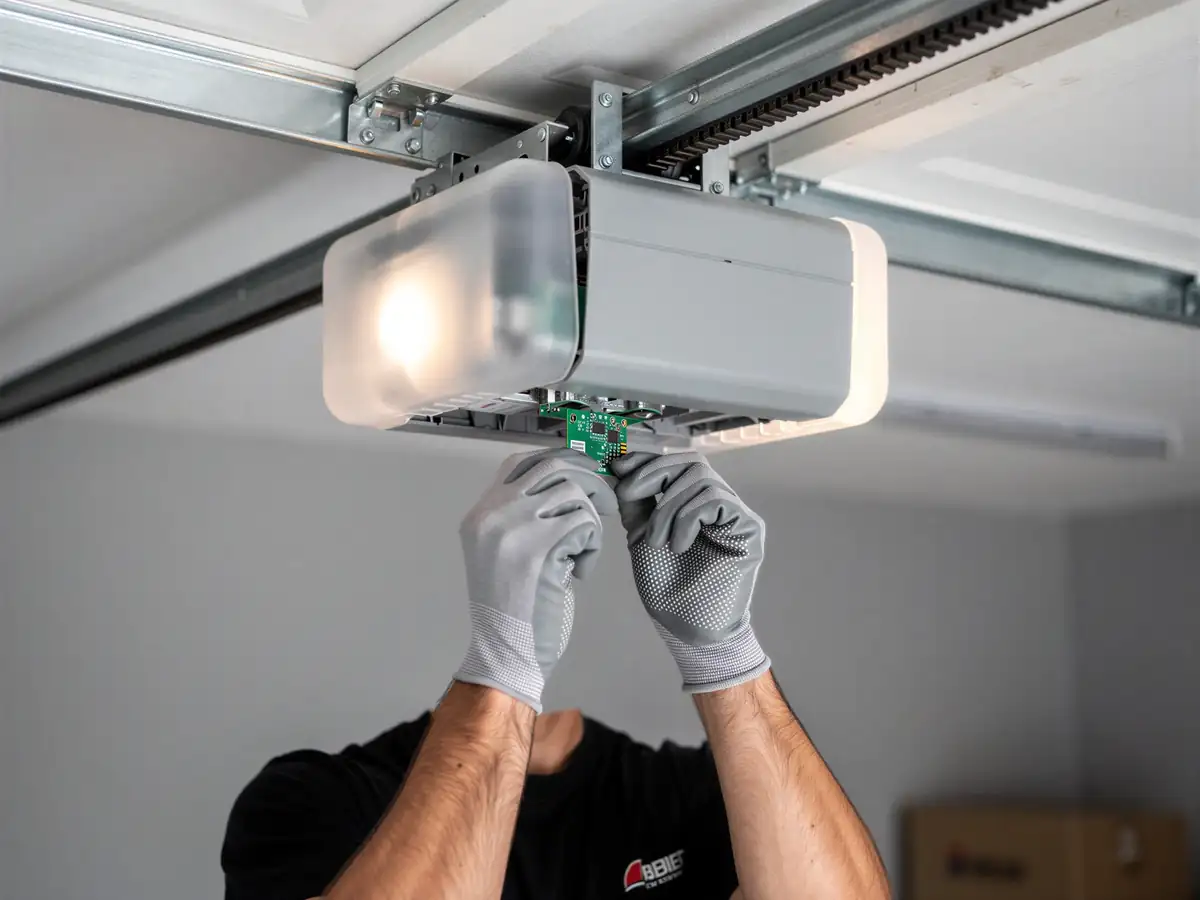
We don't quote opener installs over the phone without knowing what's already hanging on your door, and in Glastonbury Center that matters more than usual. Houses here cluster tightly around 1972 build dates - tighter than the broader service area, where stock ranges from 1938 to 1990 with a median of 1973. That narrow band means a lot of doors in this particular pocket share the same vintage track and header clearance, which cuts down on the surprises that drive up labor on older or mismatched setups elsewhere. You're still paying for the opener unit itself, the rail, the sensors, and whatever bracket or header reinforcement the door needs - we just don't have a published number to hand you here, because header height and door weight vary house to house even on the same street. What we can tell you is that a household income here running well above the wider area's $107,012 median doesn't change what the hardware costs; it just means more owners in this area ask for belt-drive units over chain-drive for the quieter run. That's a preference, not a price difference worth quoting without seeing your door.
How to Book
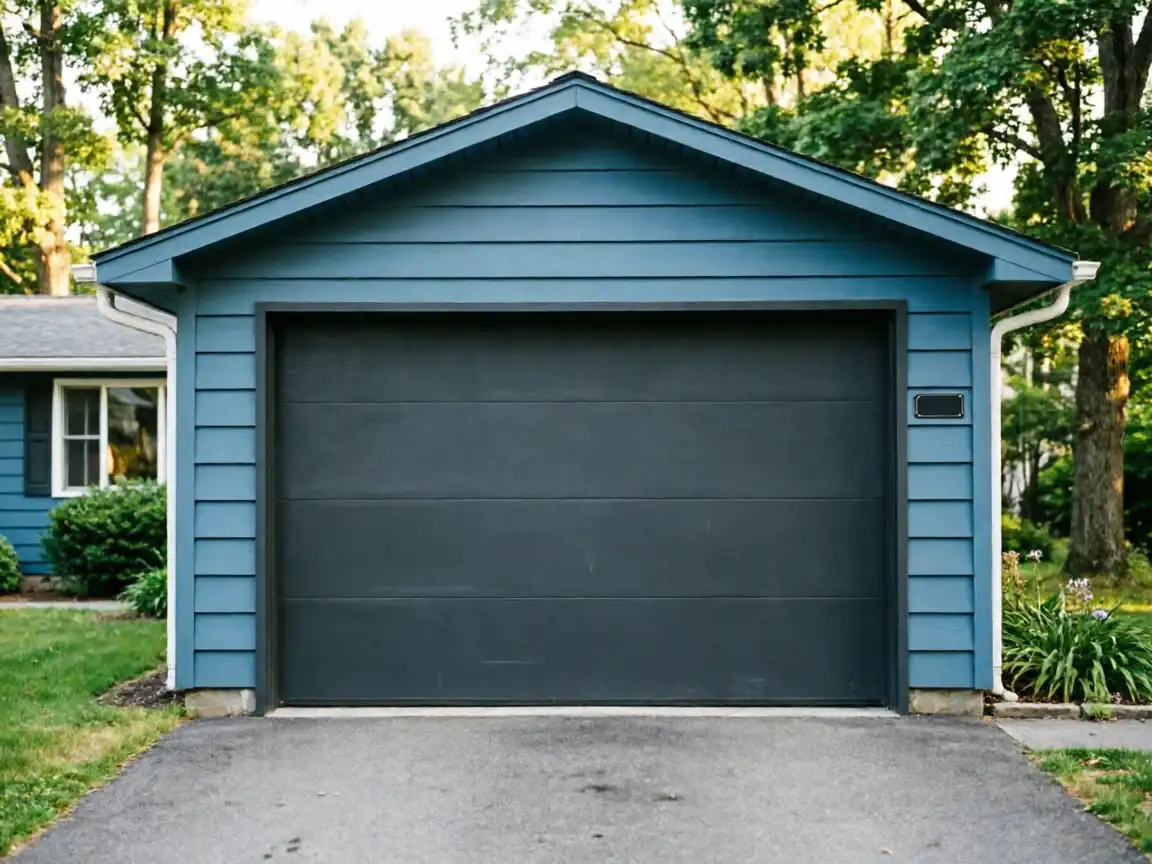
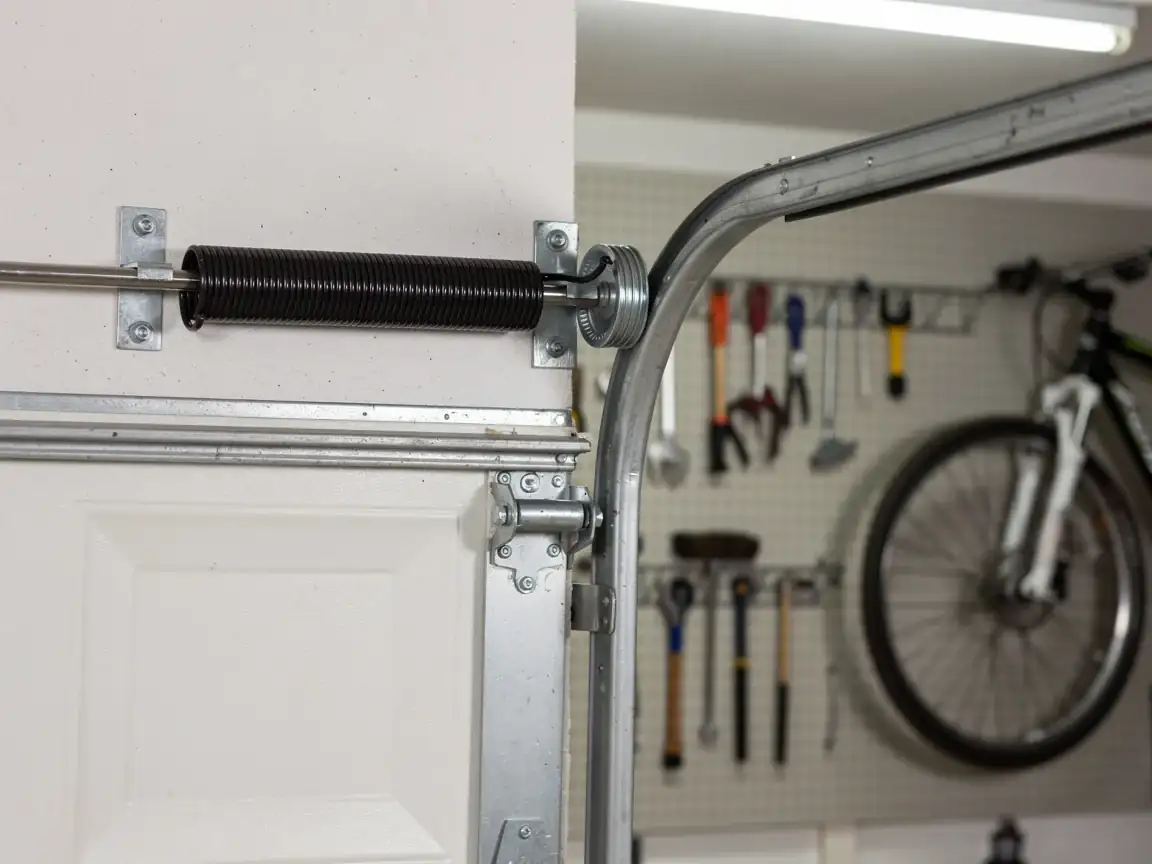
We run this job out of Glastonbury, about a mile from Glastonbury Center, so getting a truck to your driveway isn't the bottleneck - scheduling around what your door needs is. Start on our Glastonbury Center repair page if you're not sure whether this is an opener problem or a door problem; a lot of calls that sound like a dead opener turn out to be a spring or cable issue that an opener can't fix no matter how new it is. If you already know you want an opener swapped or added, the opener installation page for Glastonbury covers unit types and what we ask before we come out. Either way, tell us the age of the door itself, not just the house - on a lot of Glastonbury Center lots the door and the opener were replaced at different times, and that mismatch is often the actual reason an install takes longer than expected.
Why This Fails Locally
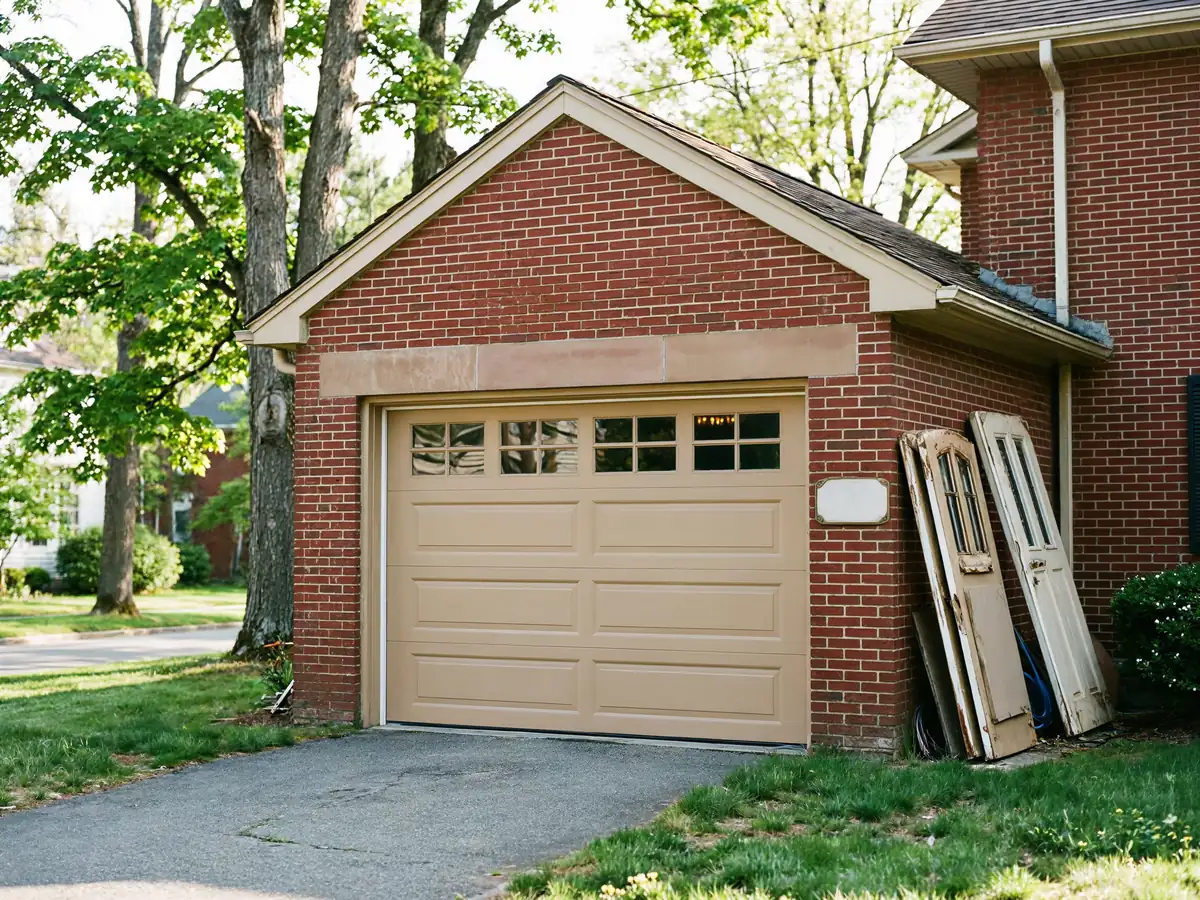
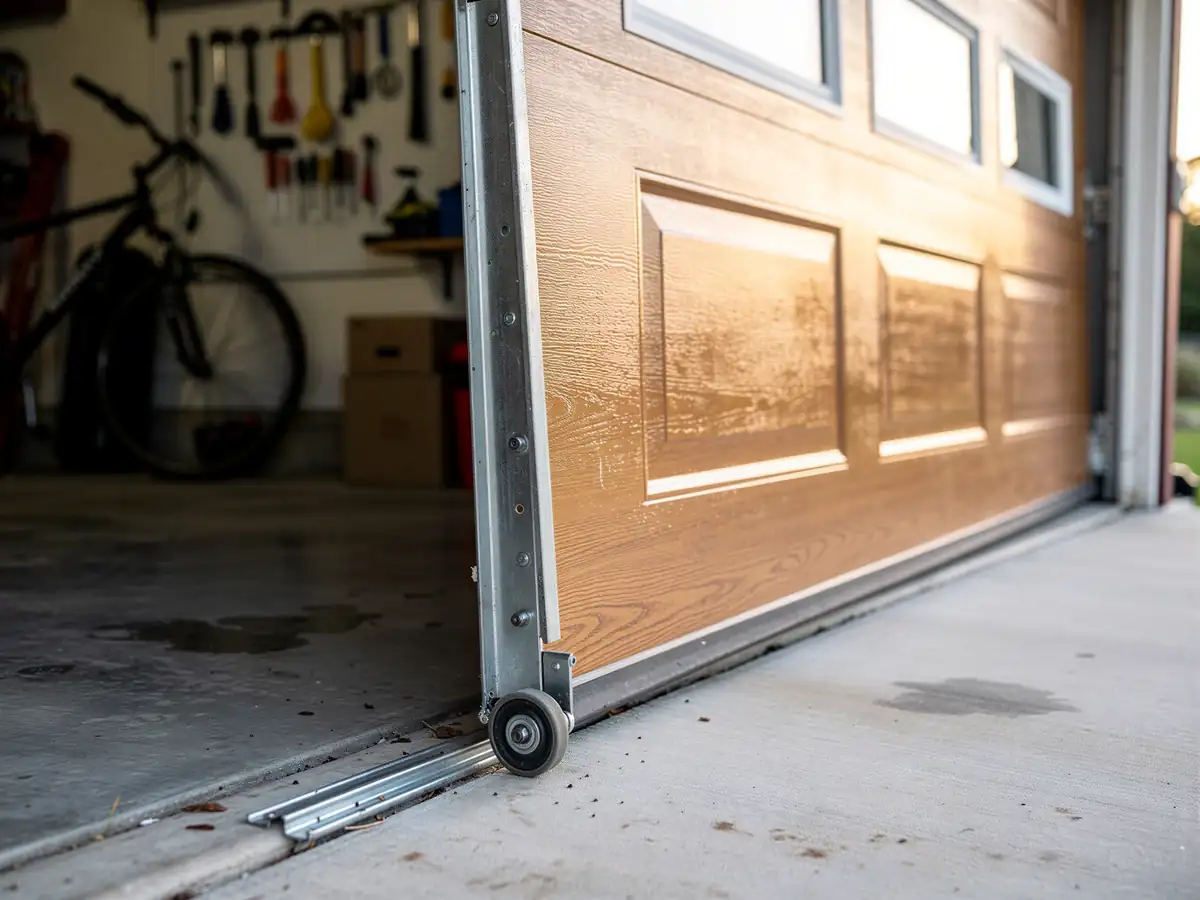
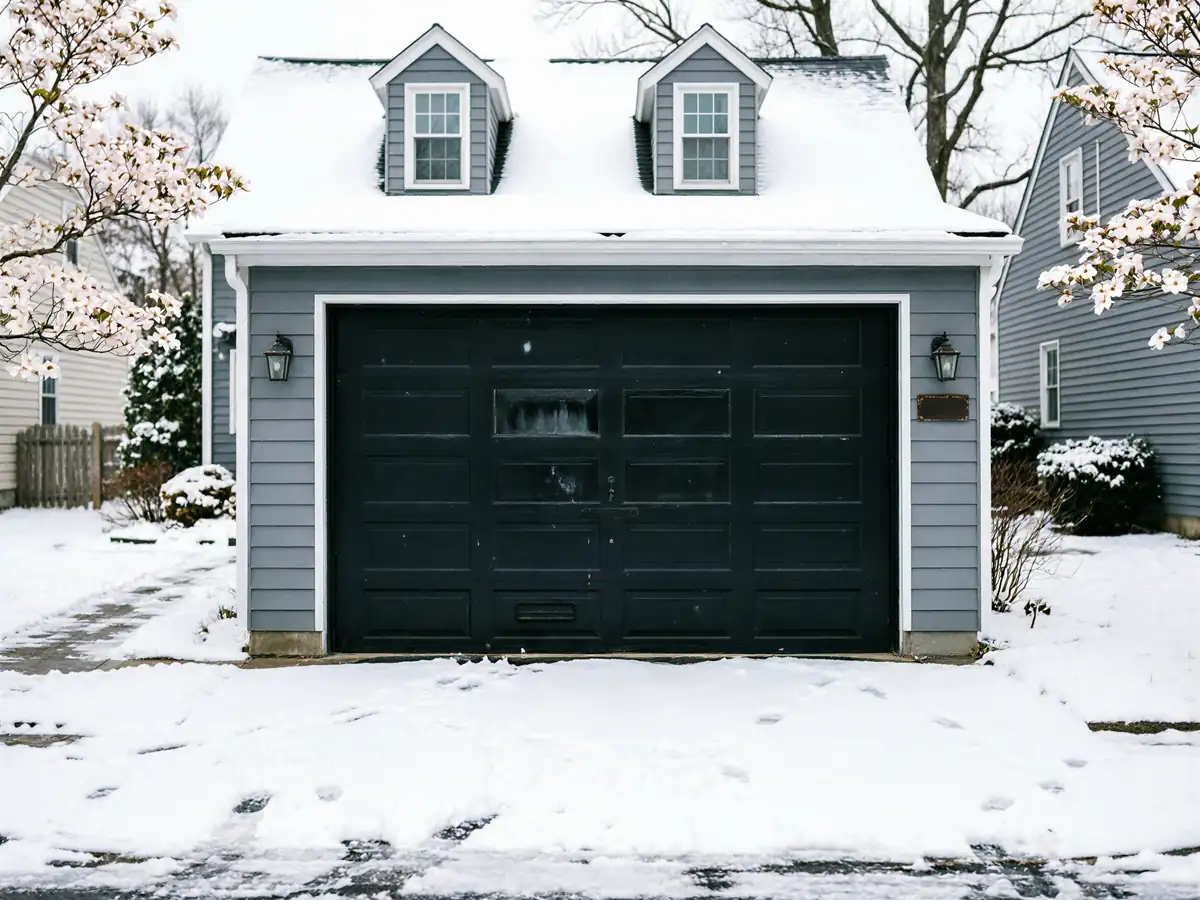
Connecticut's winters sit in a cold, severe climate band, and that's hard on garage door openers in a specific way: the gear and belt inside the unit work harder against cold grease and a door that's stiffer in low temperatures, and battery backup becomes less optional once outages start showing up with ice and wind. On a lot of Glastonbury Center doors from the early 1970s, the panel itself is single-wall steel with little or no insulation, so the opener is fighting a heavier, colder door than it would on a newer build. That combination - older door, cold climate, and an opener sized for a lighter modern panel - is the most common failure we see: an opener that's technically installed correctly but undersized for what it's actually lifting through a Connecticut winter.
The DIY Question
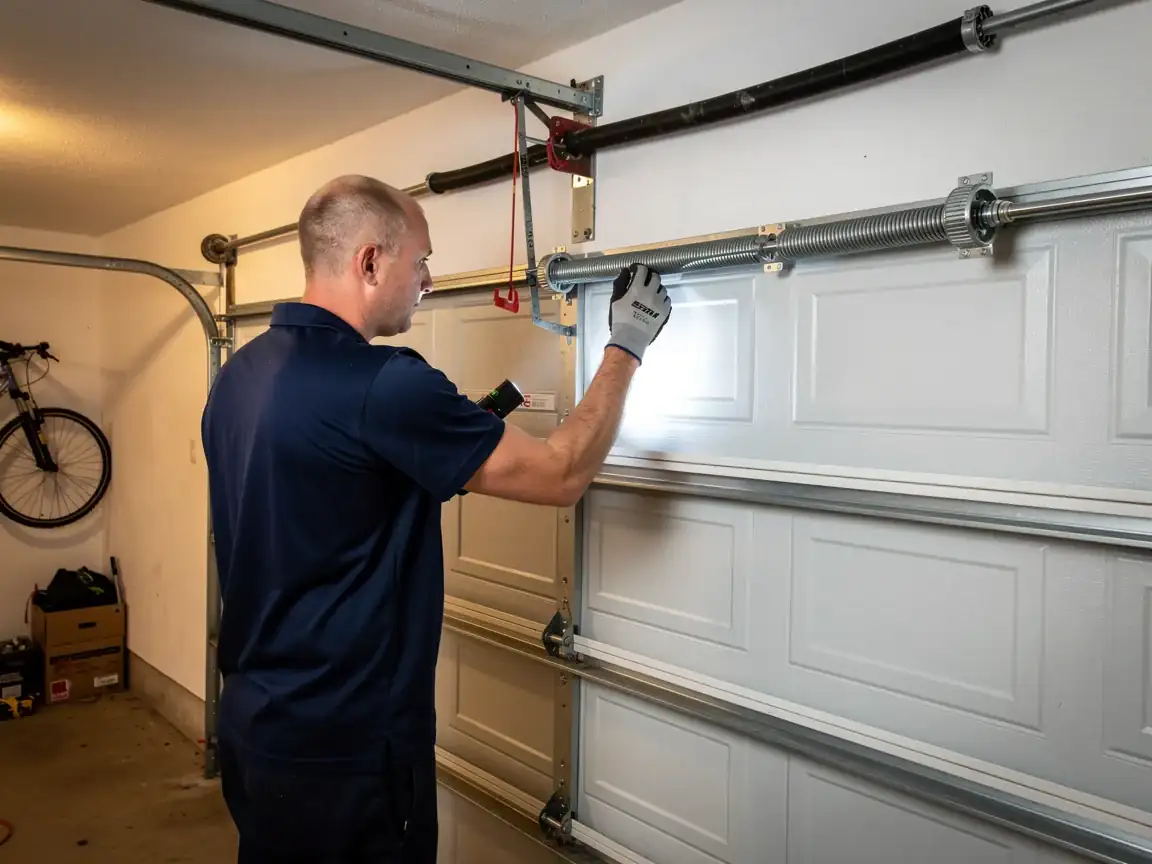
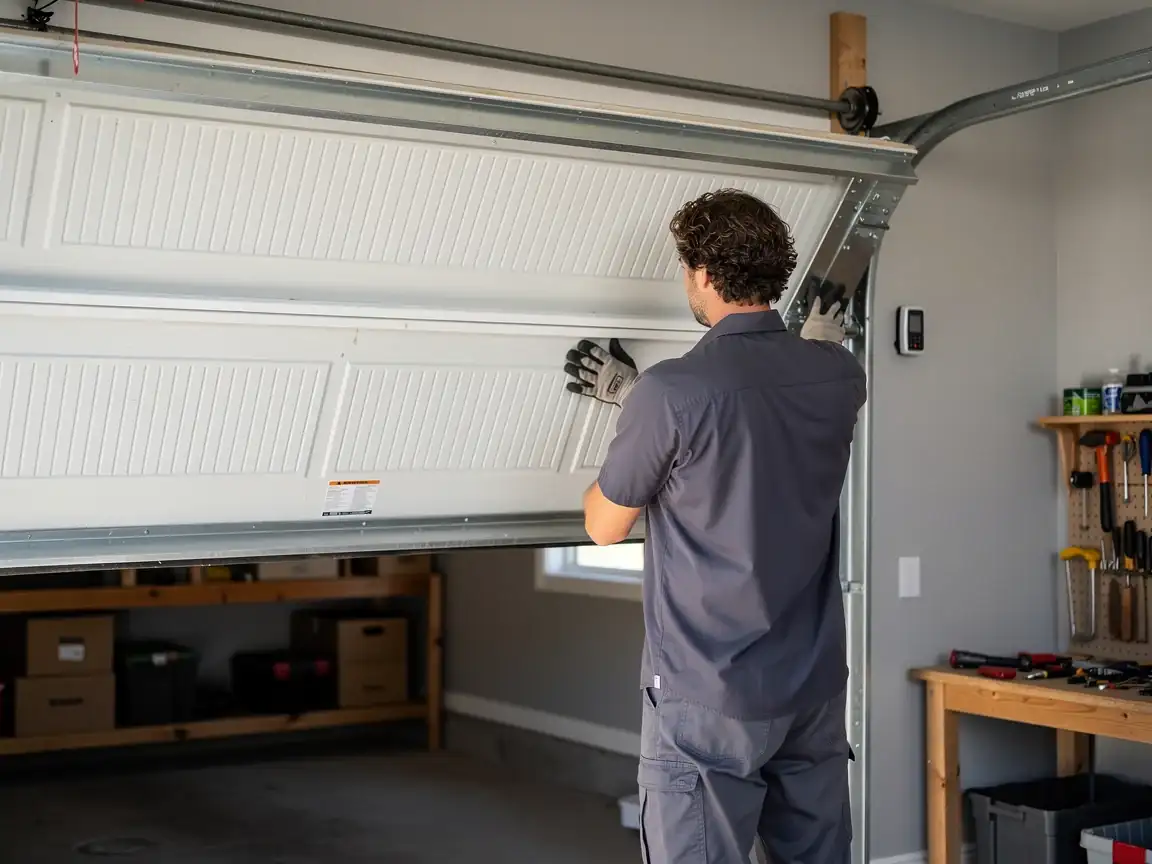
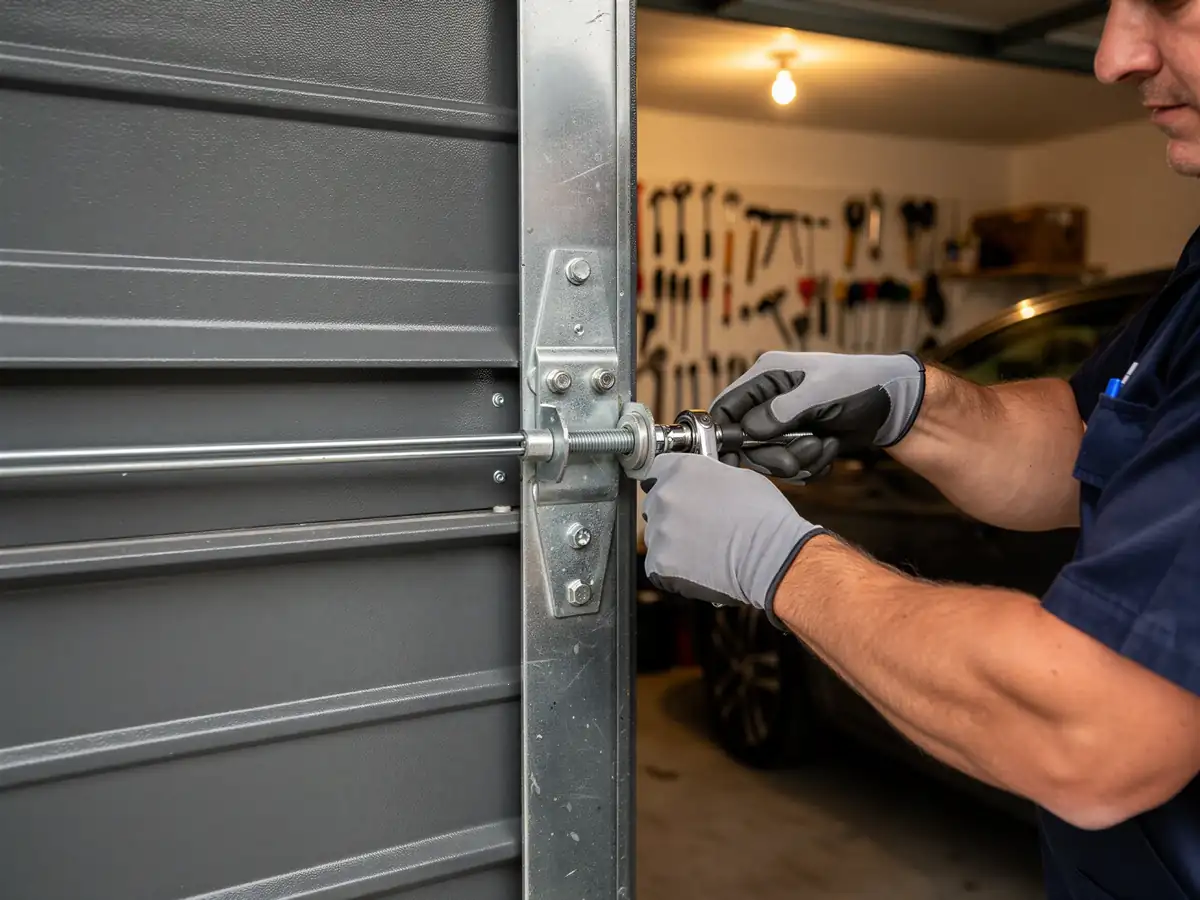
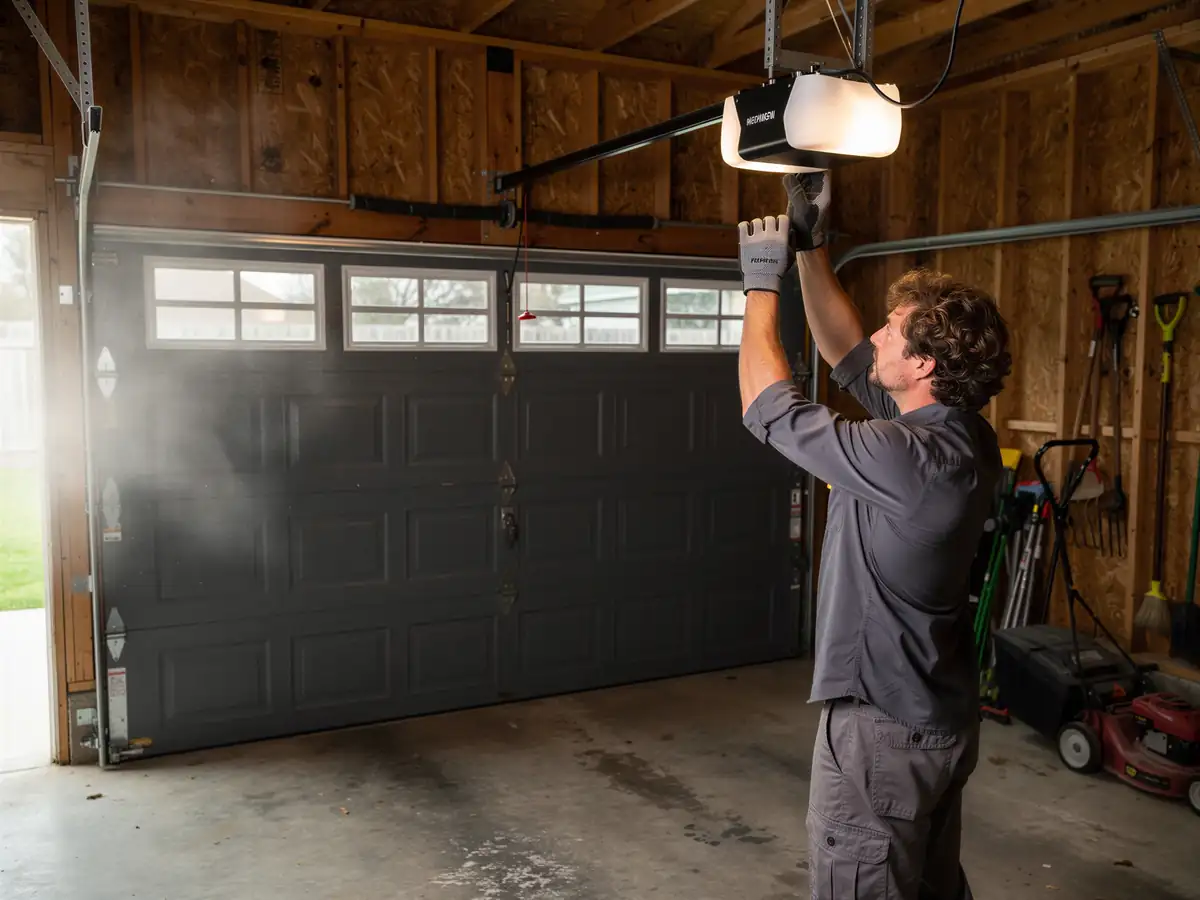
A straightforward opener swap, same mounting points, same rail length, is within reach for a handicapped homeowner with help lifting it into place. Where it stops being a weekend project is the header and bracket work on a lot of these 1972-era doors - if the original bracket is pulling away from the header or the door isn't balanced, bolting a new opener to it doesn't fix the underlying problem, it just hides it until the opener fails early. We'll say plainly: if your door doesn't lift smoothly by hand with the opener disconnected, installing a new opener on top of that isn't a repair, it's a bandage. That's the one limitation worth knowing before you order a unit online - the opener is rarely the whole job here.