The Symptom
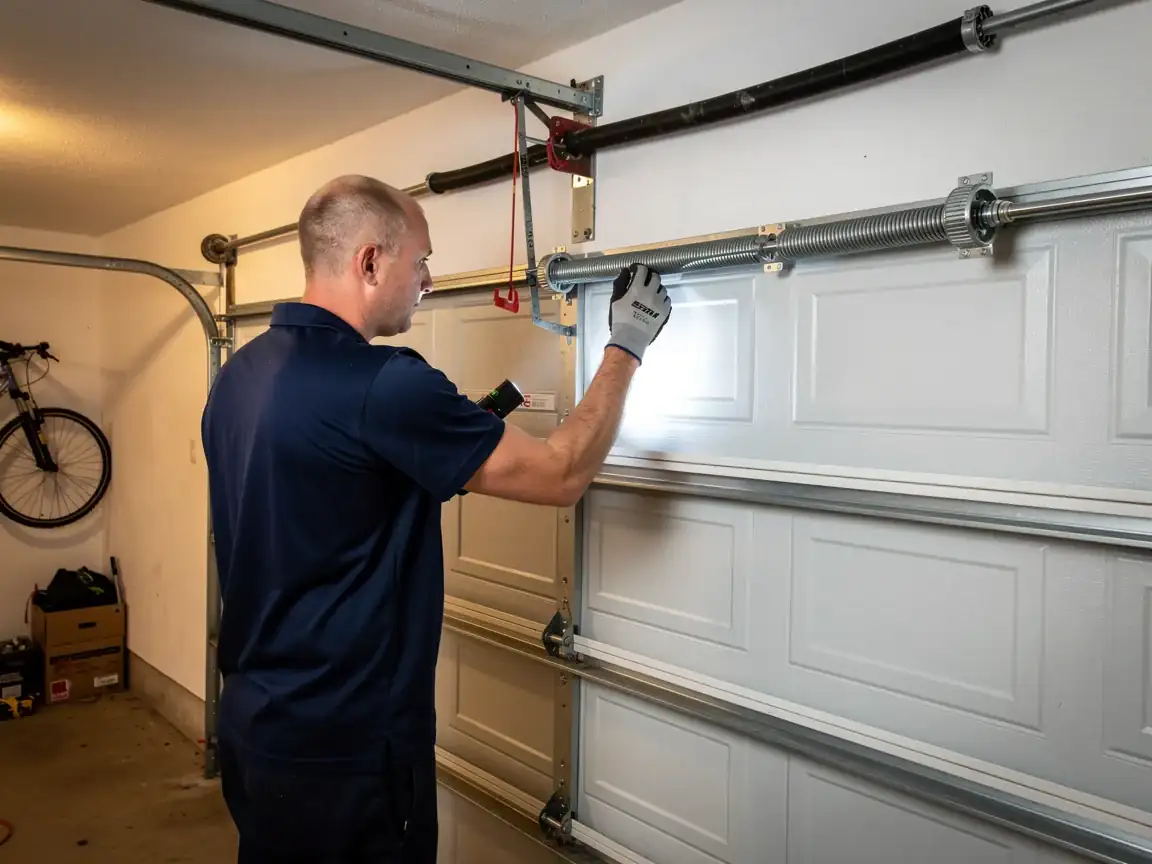
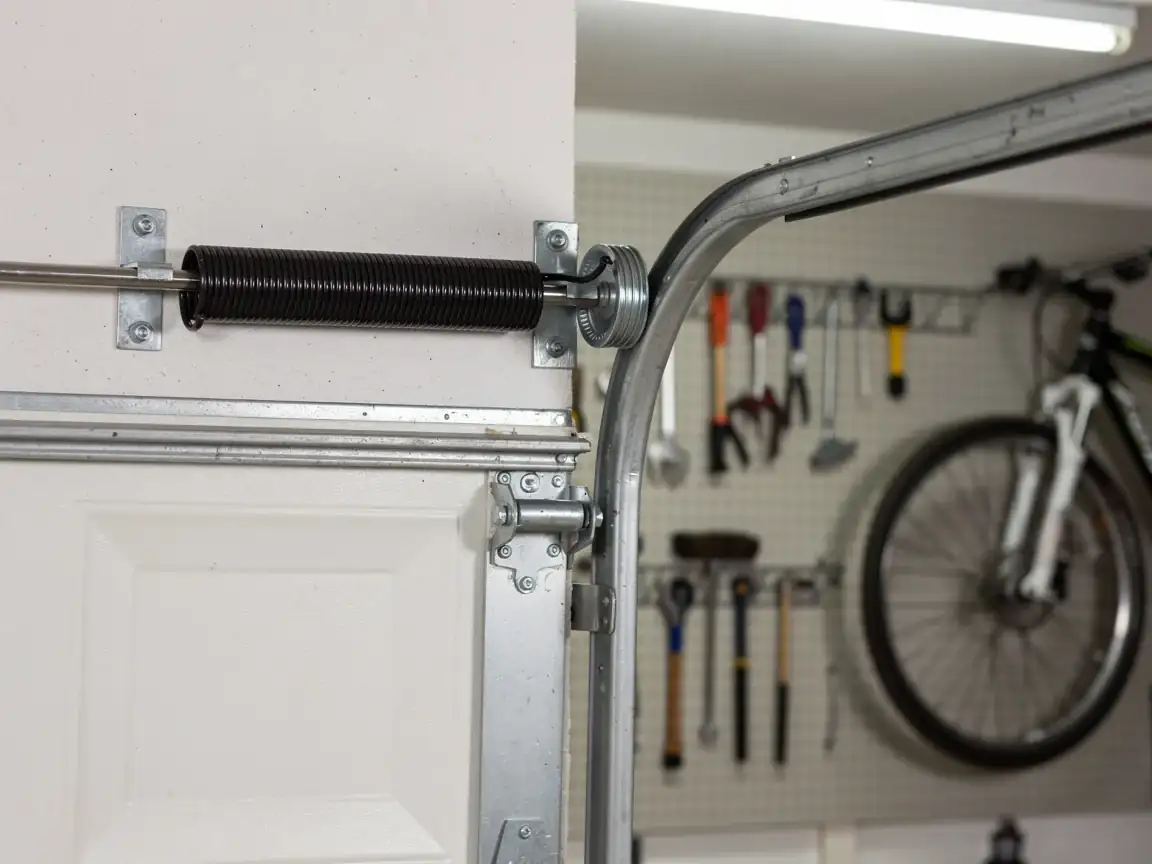
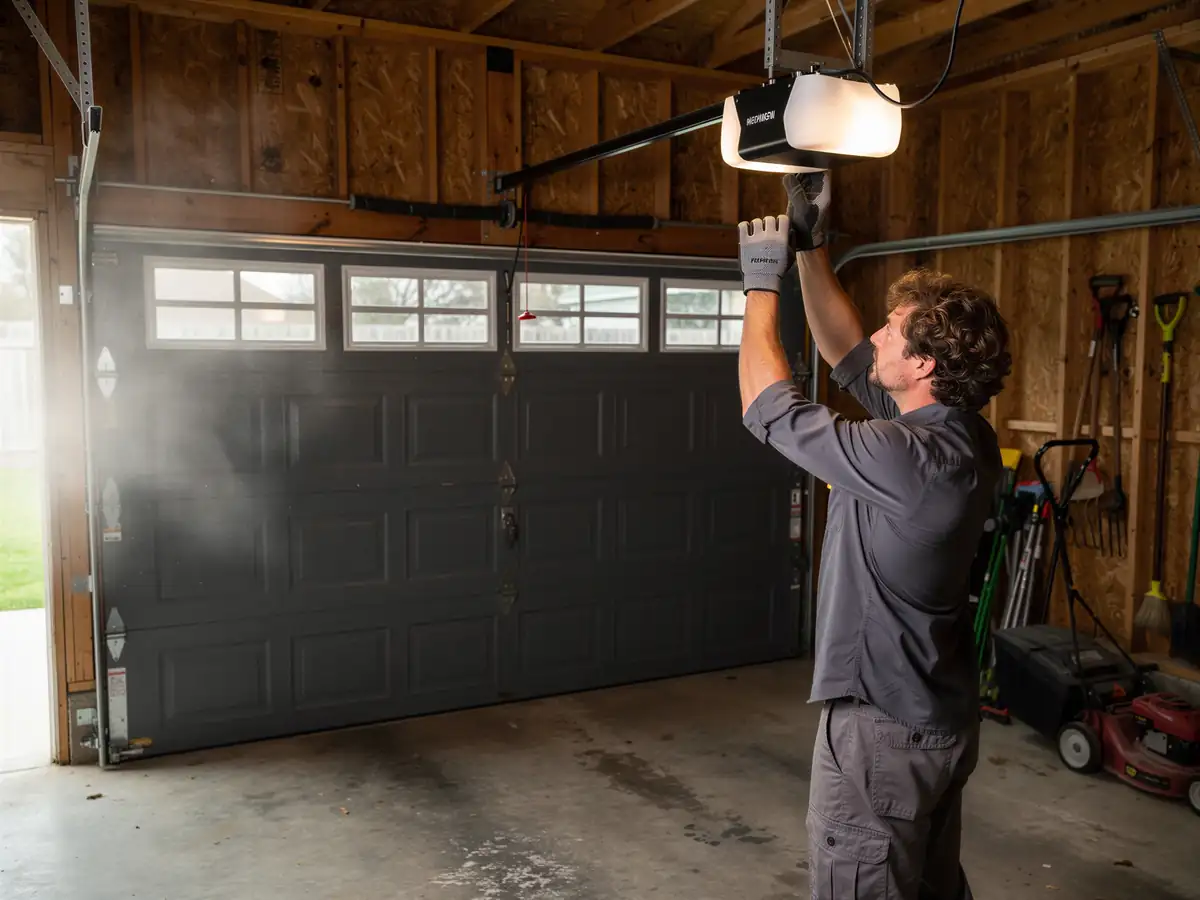
The door won't go up, or it goes up and slams back down. You hit the opener button and get a hum and nothing else, or the door lurches up a few inches and stalls. Sometimes it's a loud bang from the garage first thing in the morning, which is almost always a torsion spring letting go overnight.
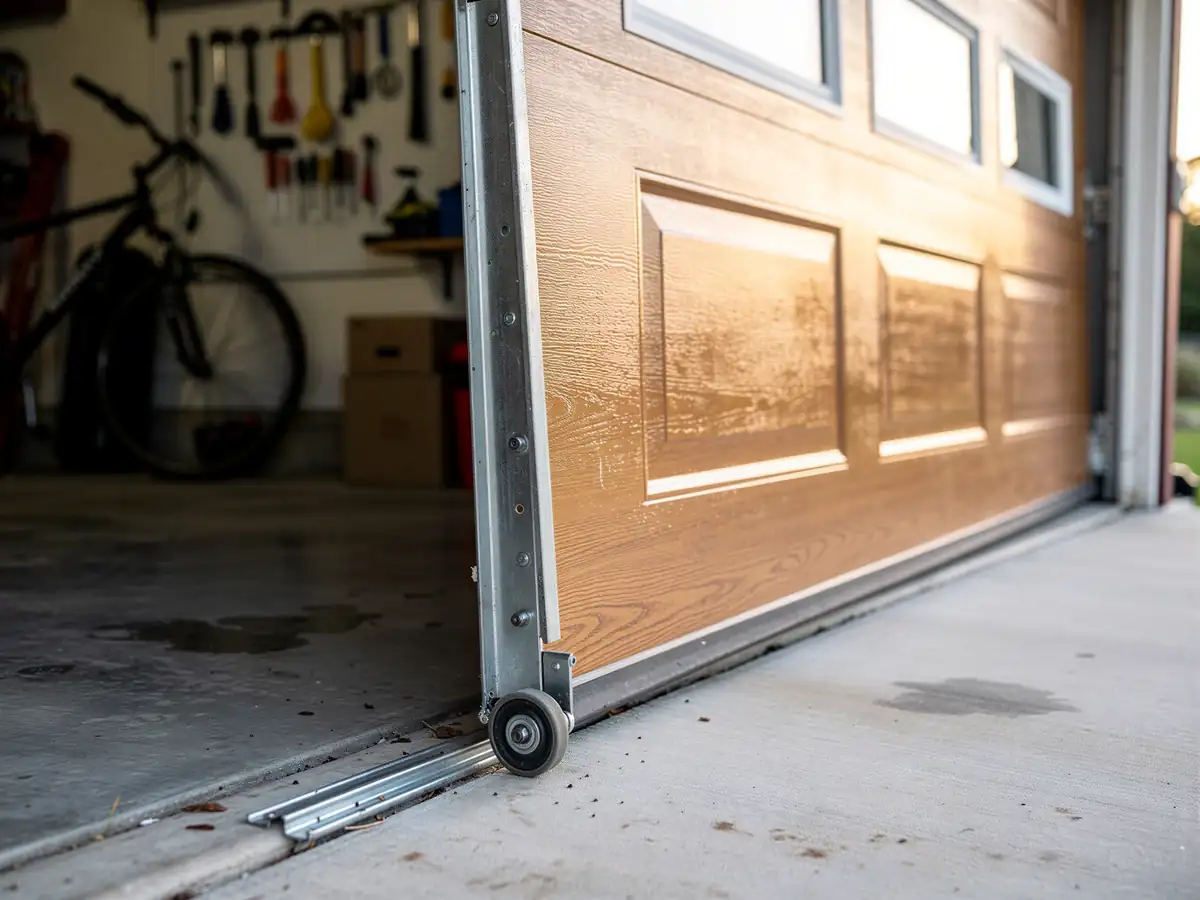
On a lot of Glastonbury calls, the owner tells us the door has been "getting heavier" for weeks before it finally quit. That's a spring losing tension gradually, not suddenly - the cable didn't snap, the spring just wore out. Other times it's a cable off the drum, which looks similar from the driveway but is a different repair with different parts.
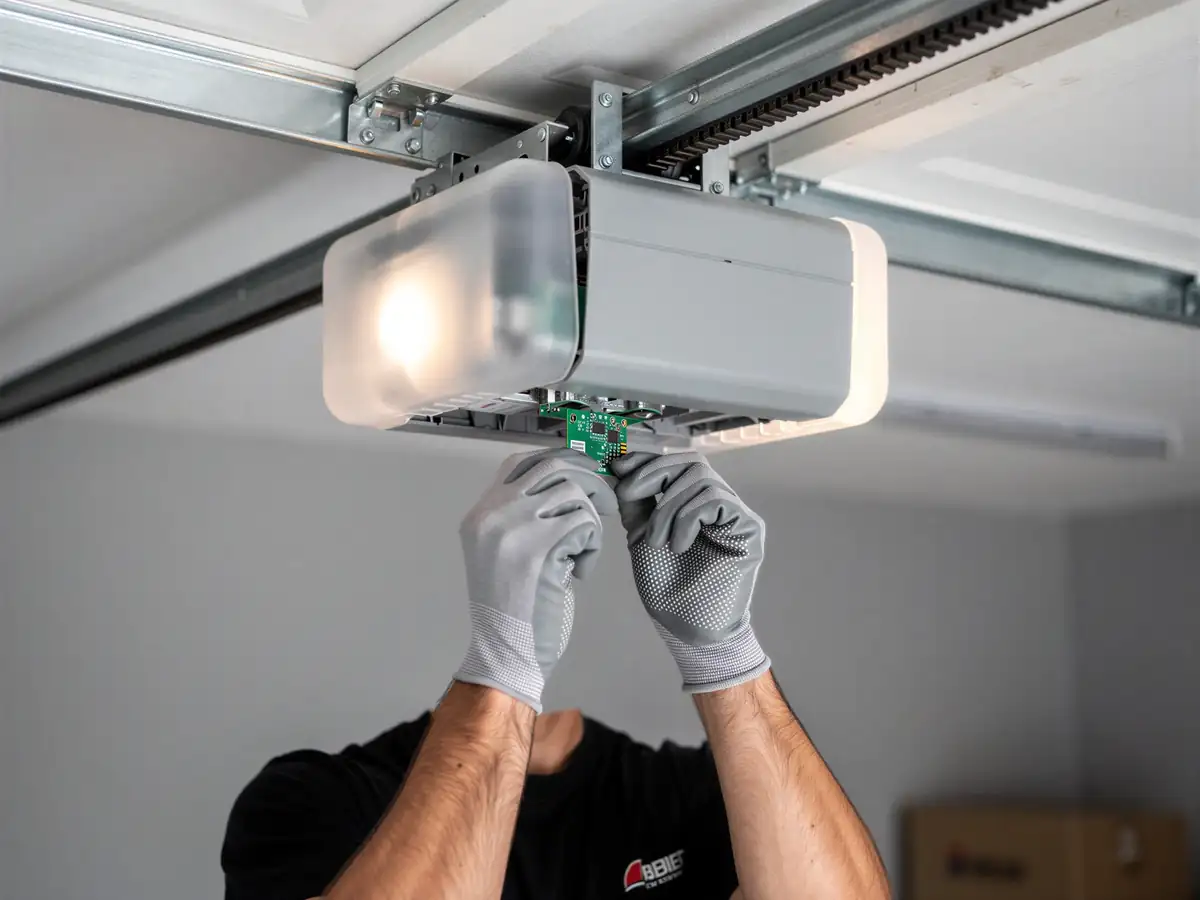
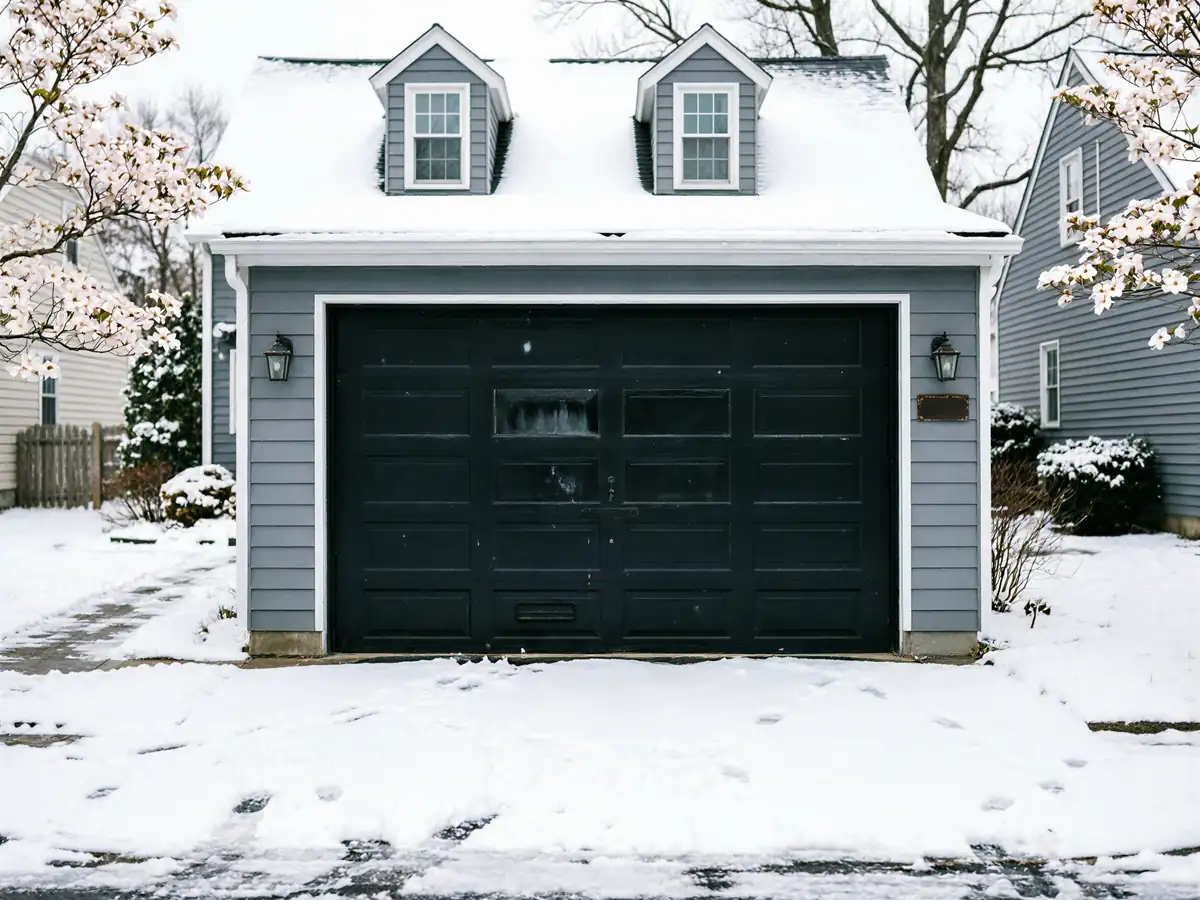
A third pattern: the door runs fine until the temperature drops, then it sticks halfway or the opener strains and reverses. That one is specific to cold, and it shows up every winter on doors that ran fine all summer. If your door is doing any of these, don't keep running the opener against it - that's how a stripped gear or a burned-out motor gets added to a spring job.
Why This Fails Locally
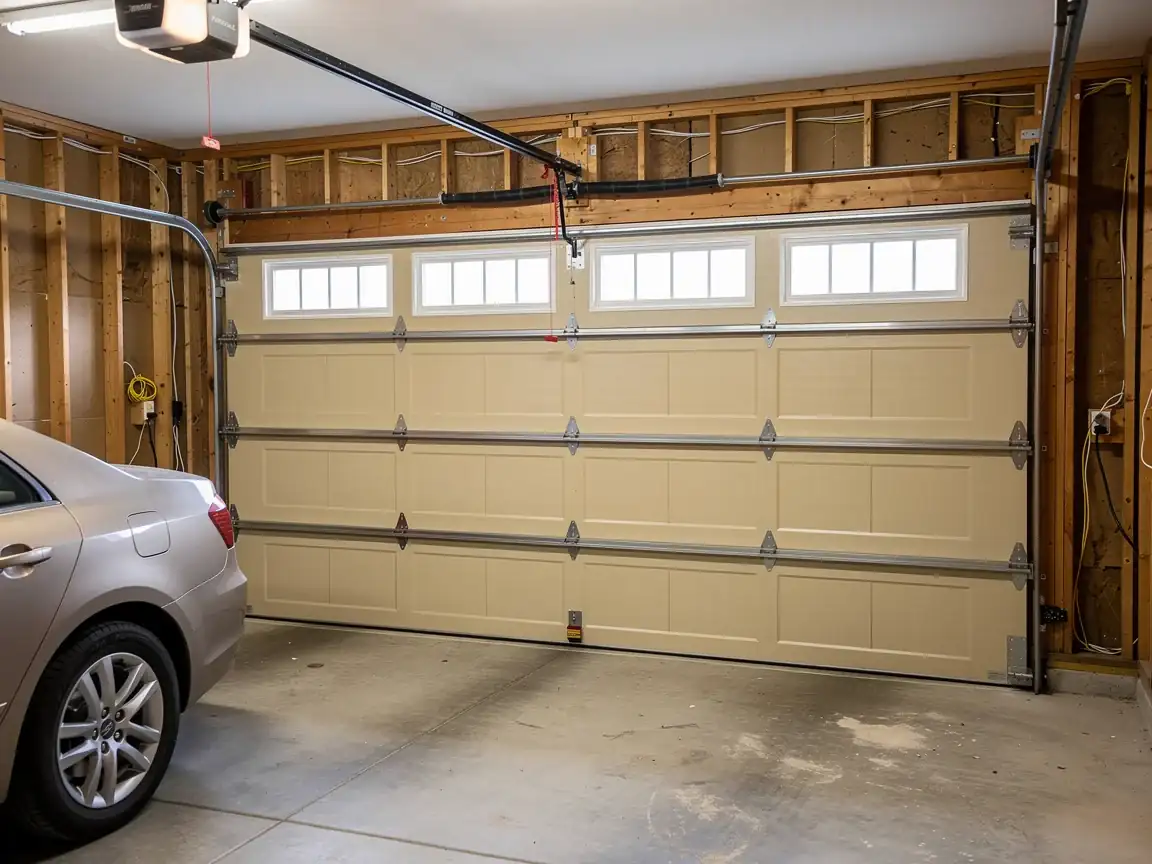
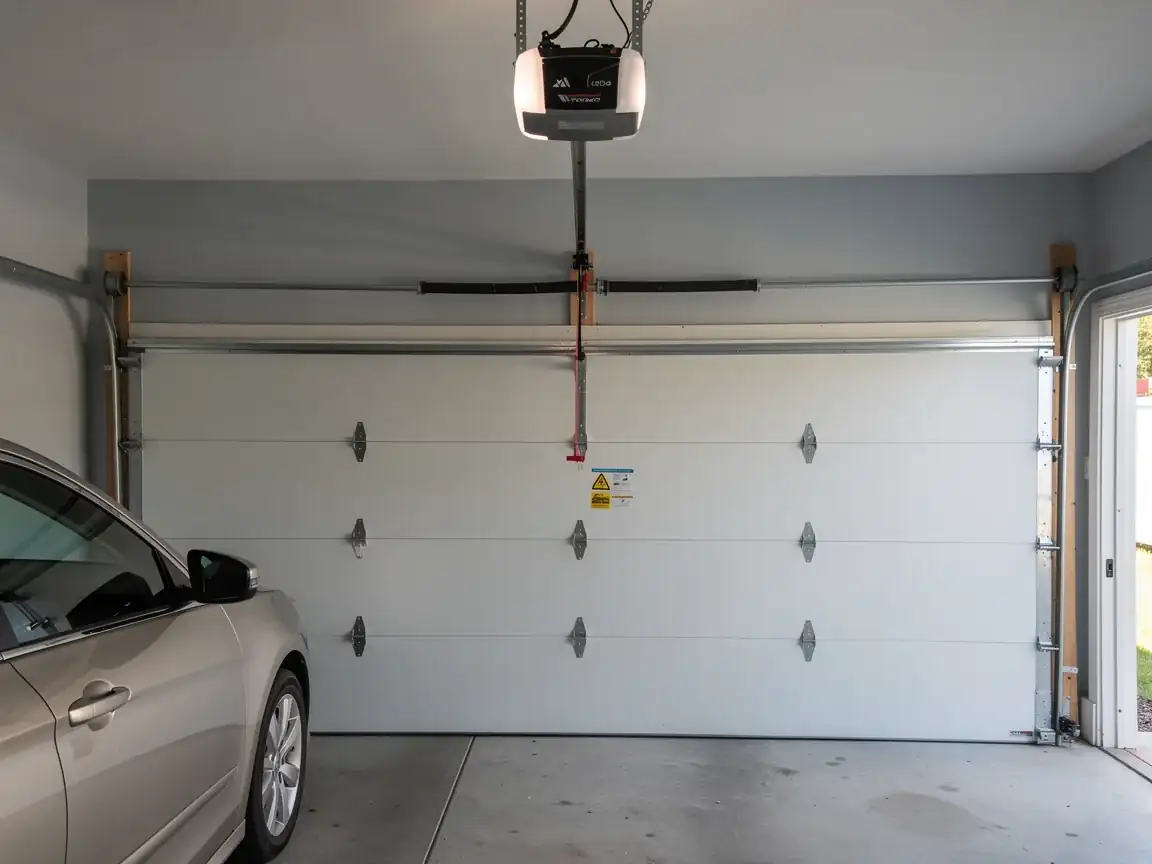
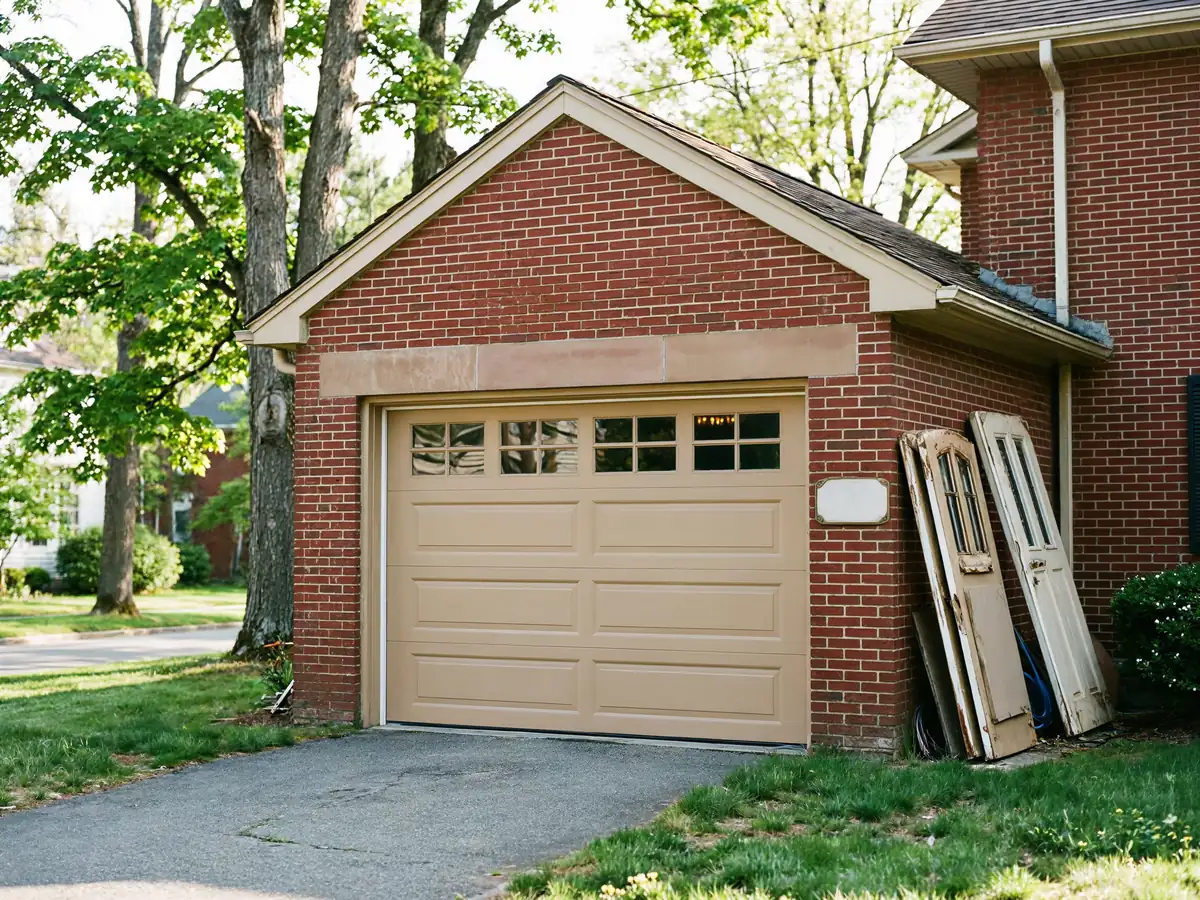
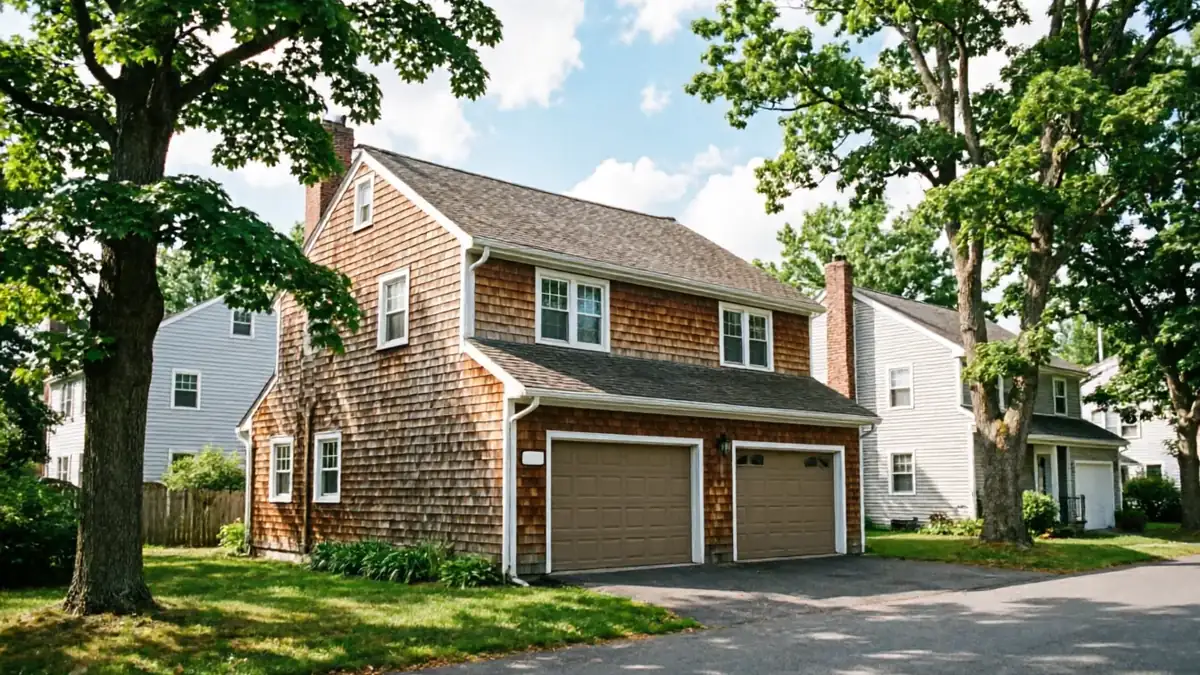
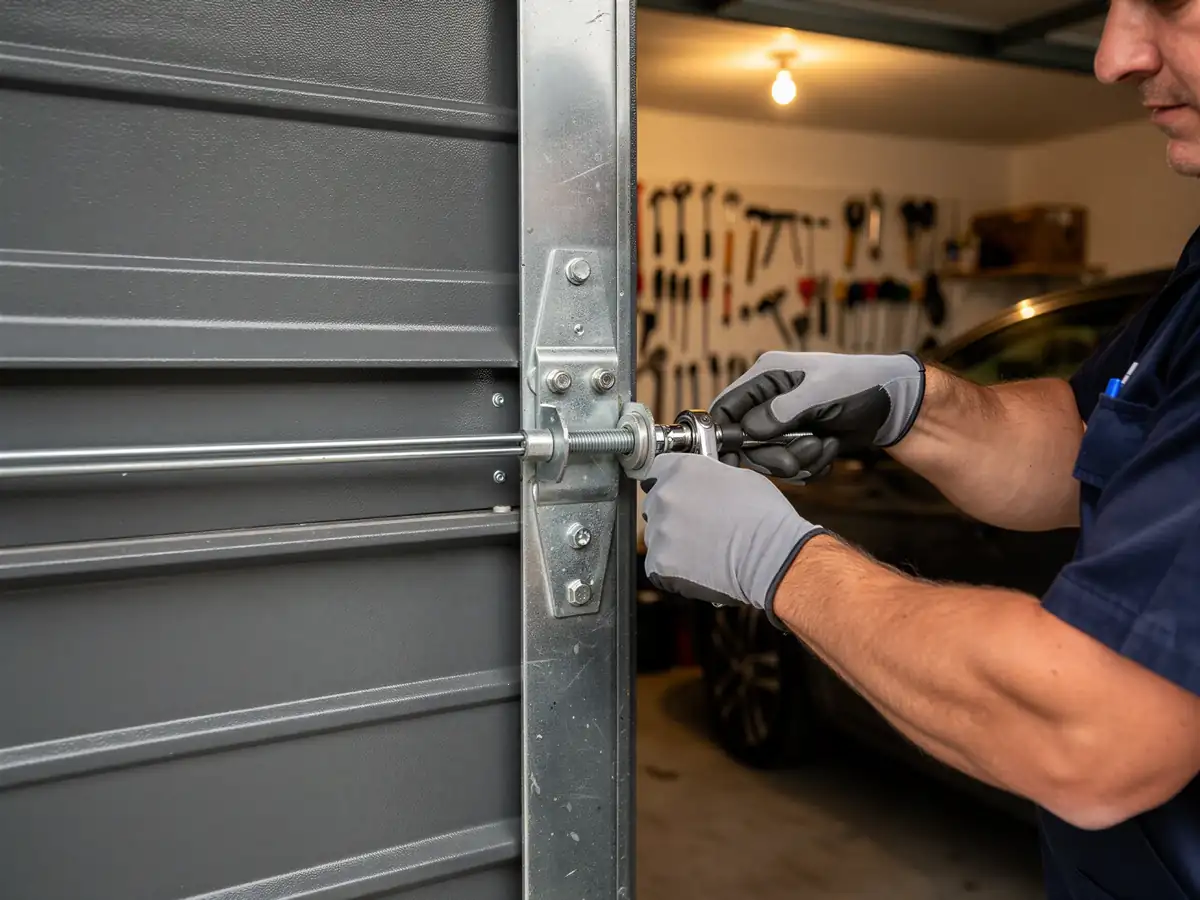
A big share of the houses in this area were built between 1938 and 1990, with the median landing around 1973, and most of the stock across the 61 named neighborhoods we work in is 1960s and '70s construction. That matters for garage doors because houses from that era were built with torsion spring systems sized to the lighter, mostly single-layer doors that were standard then. A lot of those original systems are still in the garage, sometimes with the original springs, sometimes with a replacement spring that was sized to the old door and never re-rated after someone swapped in a heavier insulated door later.
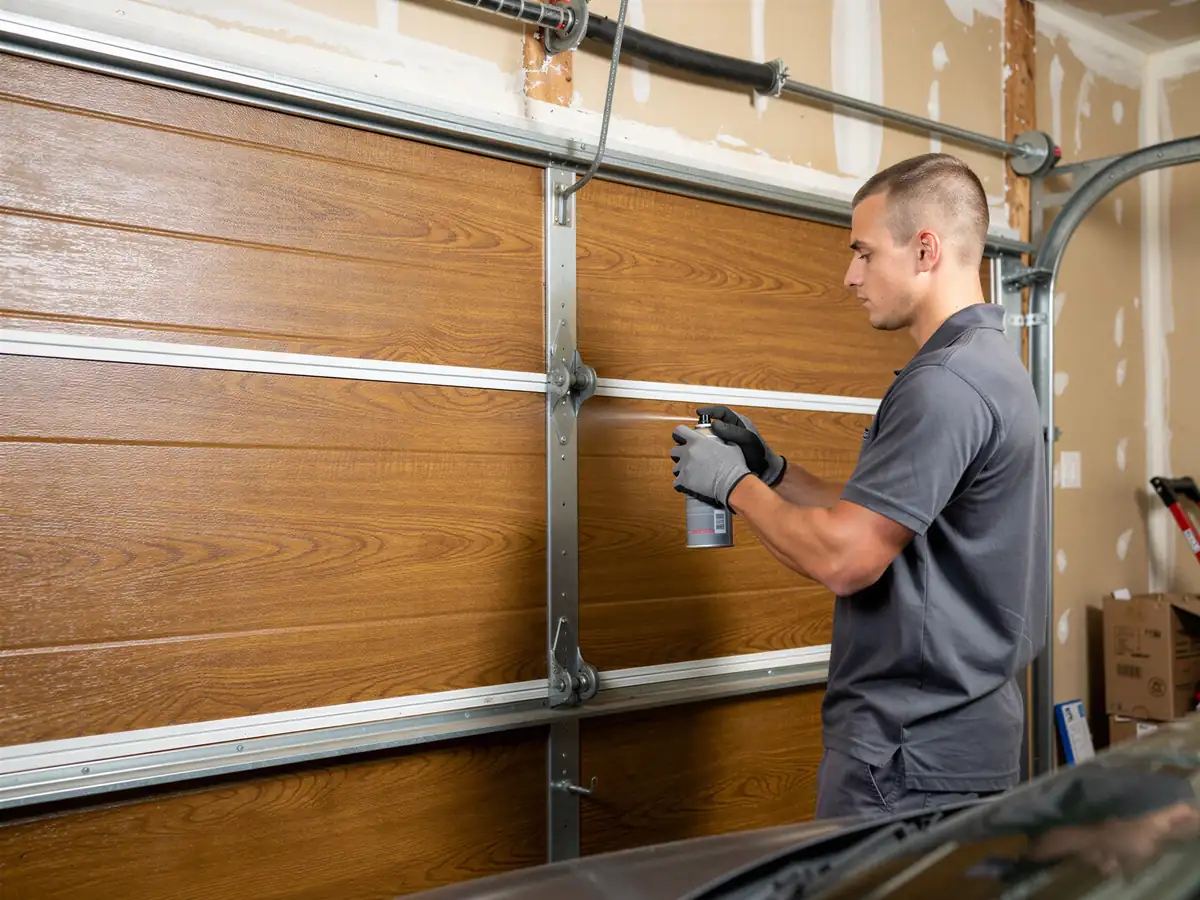
Add the climate. This area sits in a cold, severe winter band, and steel springs lose temper faster when they're cycling through hard freeze-thaw swings every week from December through March. The metal contracts, the lubricant in the coils thickens, and a spring that had a few hundred cycles left in September gives out in January. Tracks do the same thing - old steel track, slightly out of plumb from fifty-plus years of a house settling, binds worse once it's cold enough to tighten every joint in the system.
So the failure you're seeing isn't random. It's an original or near-original torsion setup, sized for an older door, working through a hard winter.
What You Pay
We don't post a flat number here because spring jobs and cable jobs price differently depending on door weight, spring count, and whether the drums or bottom brackets also need replacing - and on an older torsion system we won't know for sure until we've got eyes on the hardware
What we can tell you is how we quote: we diagnose on site, tell you what's actually worn versus what's fine, and give you a price before any work starts. No work happens without that number being said out loud and agreed to.
One honest limitation
If your garage still has the original 1960s or '70s track and drums, we may recommend replacing more than just the spring, because matching a single new part to fifty-year-old steel sometimes just moves the next failure six months down the road instead of fixing it. We'll tell you when that's the case and let you decide - a straight spring swap is cheaper up front, a fuller hardware replacement costs more now and less over the next decade. We'd rather tell you that than sell you a patch and see you again in the spring.
Time on the Job
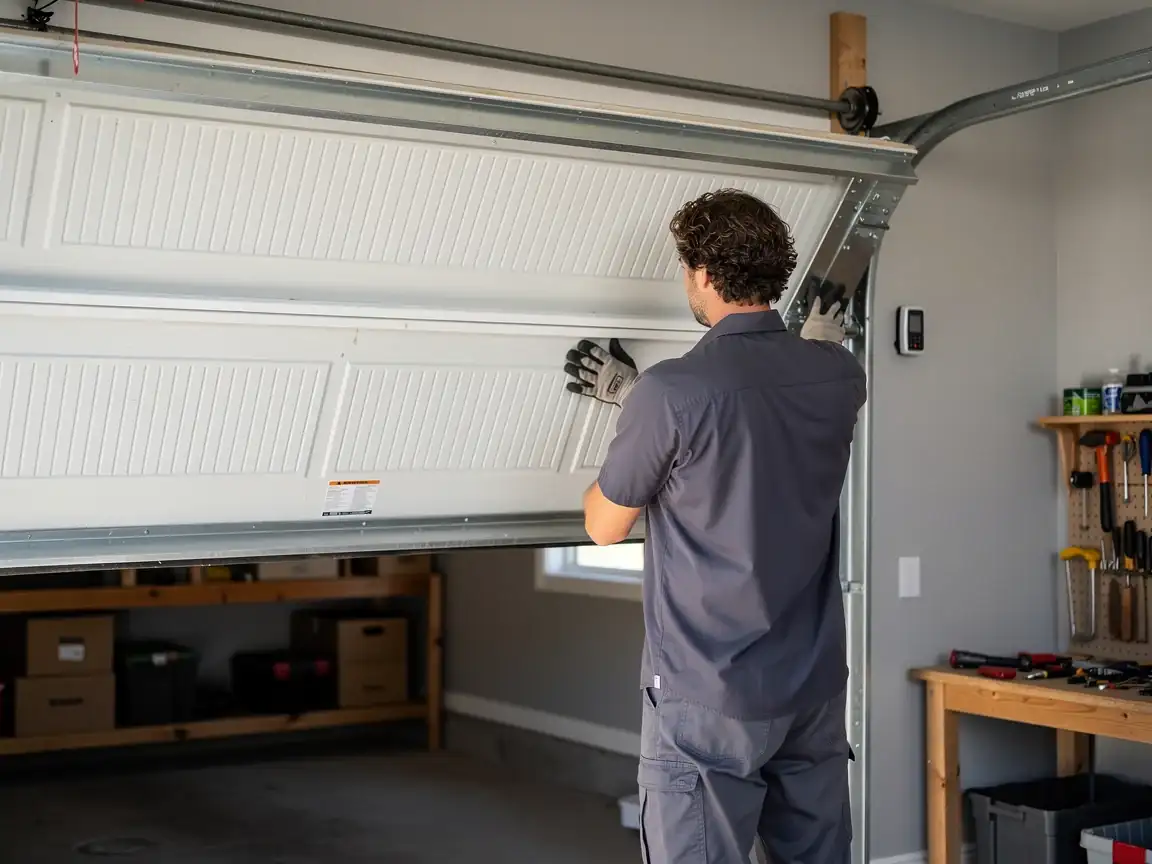
A straightforward torsion spring replacement on a single door is usually the shortest call we run. A double door with two springs, or a job where the cables and drums need to come off too, takes longer. If the track is bent or the bottom brackets are rusted through - which we see more on houses with the original 1960s-70s hardware than on newer builds - that adds time because we're not just swapping a part, we're resetting the door's alignment start to finish.
Winter calls in this area run a little longer on average than summer ones, simply because cold steel is stiffer to work with and a frozen garage floor slows down anything that involves jacking or clamping the door in place. We'd rather take the extra time to get the tension and alignment right than rush it and have you calling back in a month.