What Local Conditions Do
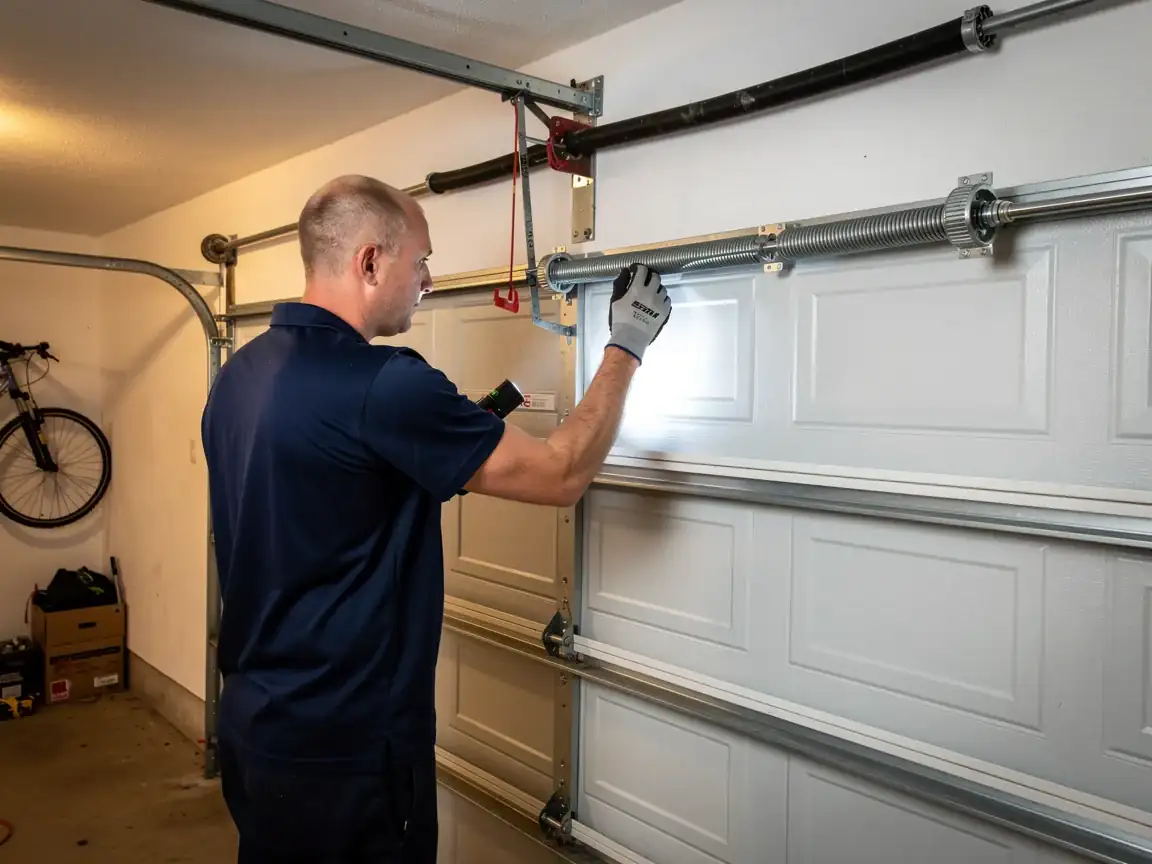
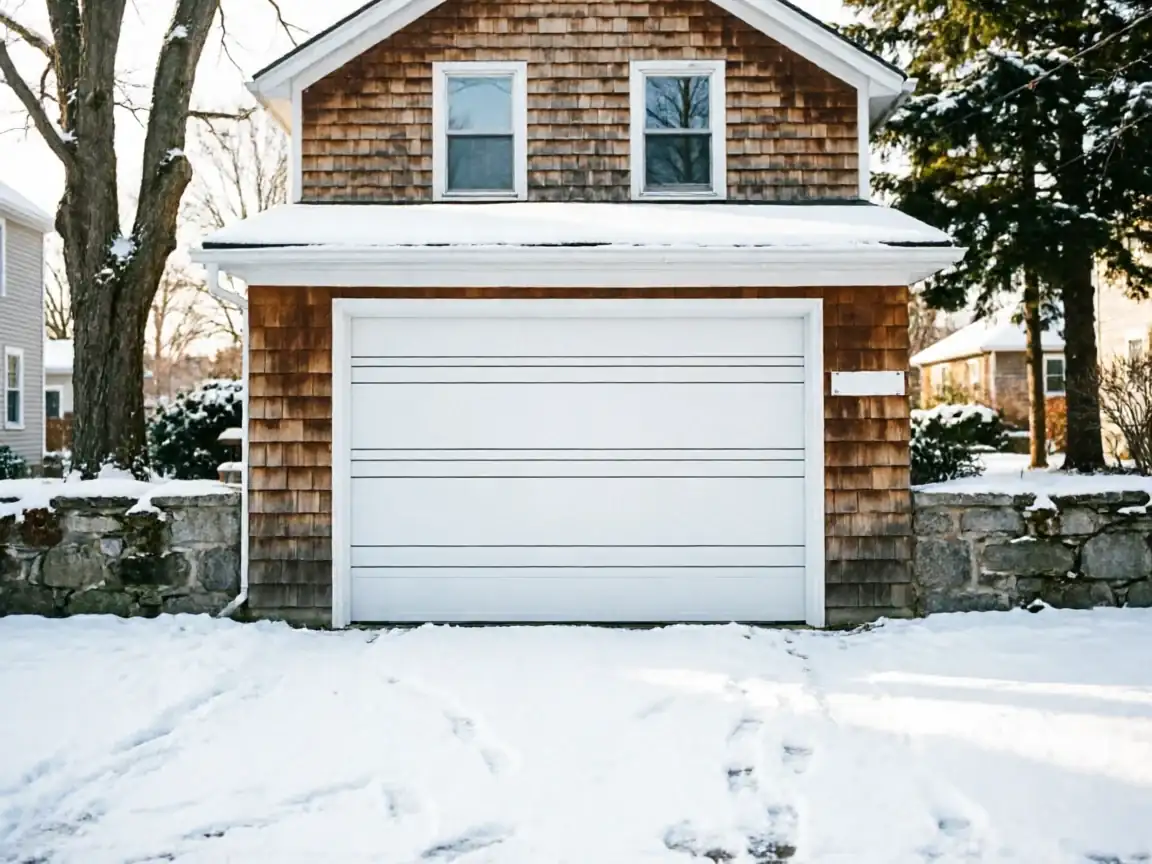
Glastonbury sits in a climate band classified cold-severe, and that matters more for a garage door spring than almost anything else on the house. Steel contracts as it cools, and a torsion spring that's already carrying the full weight of a door loses a measure of flex with every degree the mercury drops. On a mild fall morning a spring with a hairline fatigue crack might hold another season. On a hard cold snap, the same spring reaches its breaking point and lets go, usually with a bang loud enough to bring you out to the garage in your socks.
This isn't a once-a-winter event here. Cold-severe means repeated freeze cycles over several months, not one storm and done. Each cycle adds a small amount of metal fatigue, and springs that were already near the end of their wind count get pushed over the edge during the coldest stretches. If your door has felt heavier to lift by hand over the past few weeks, or the opener has started straining on the way up, that's usually the spring telling you it's close, not a motor problem. Waiting for the loud snap instead of the slow warning is the expensive way to find out.
The Situation
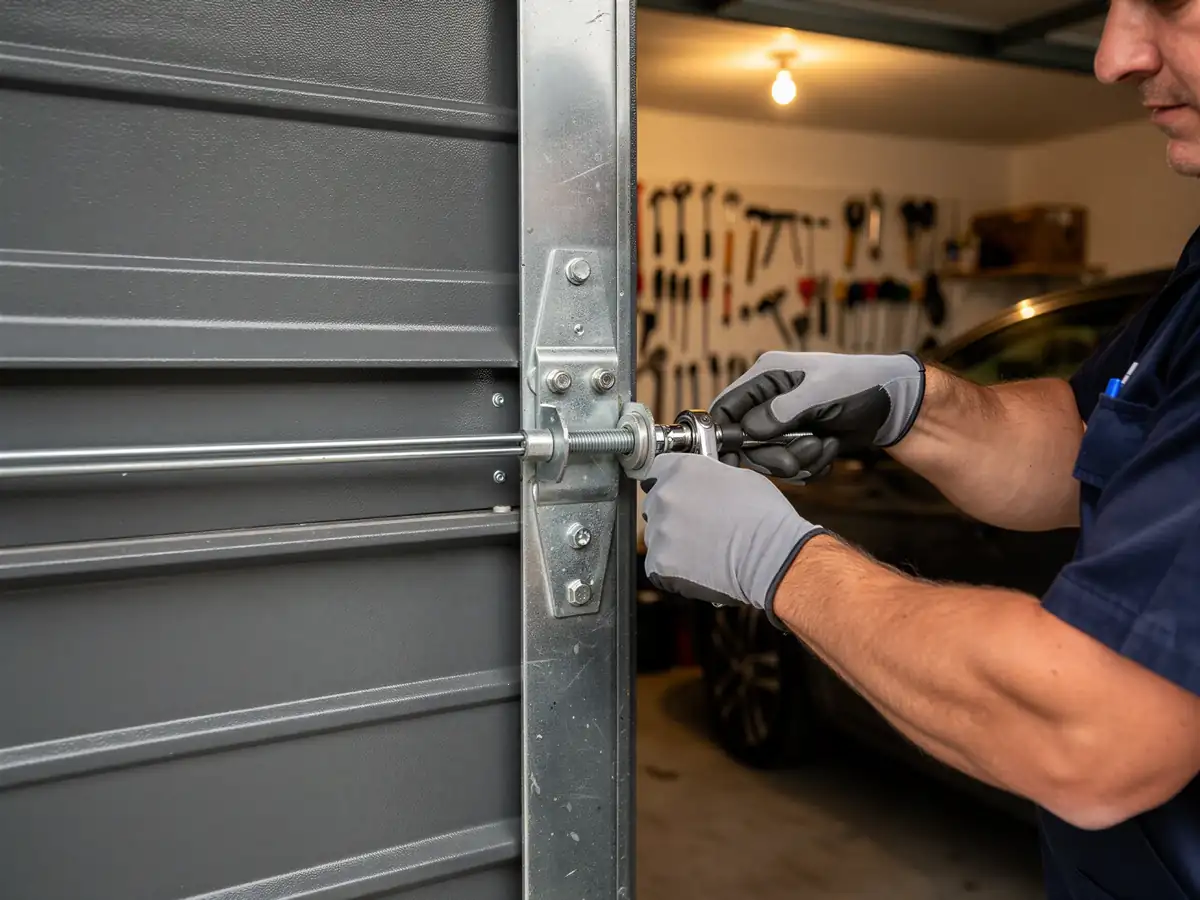
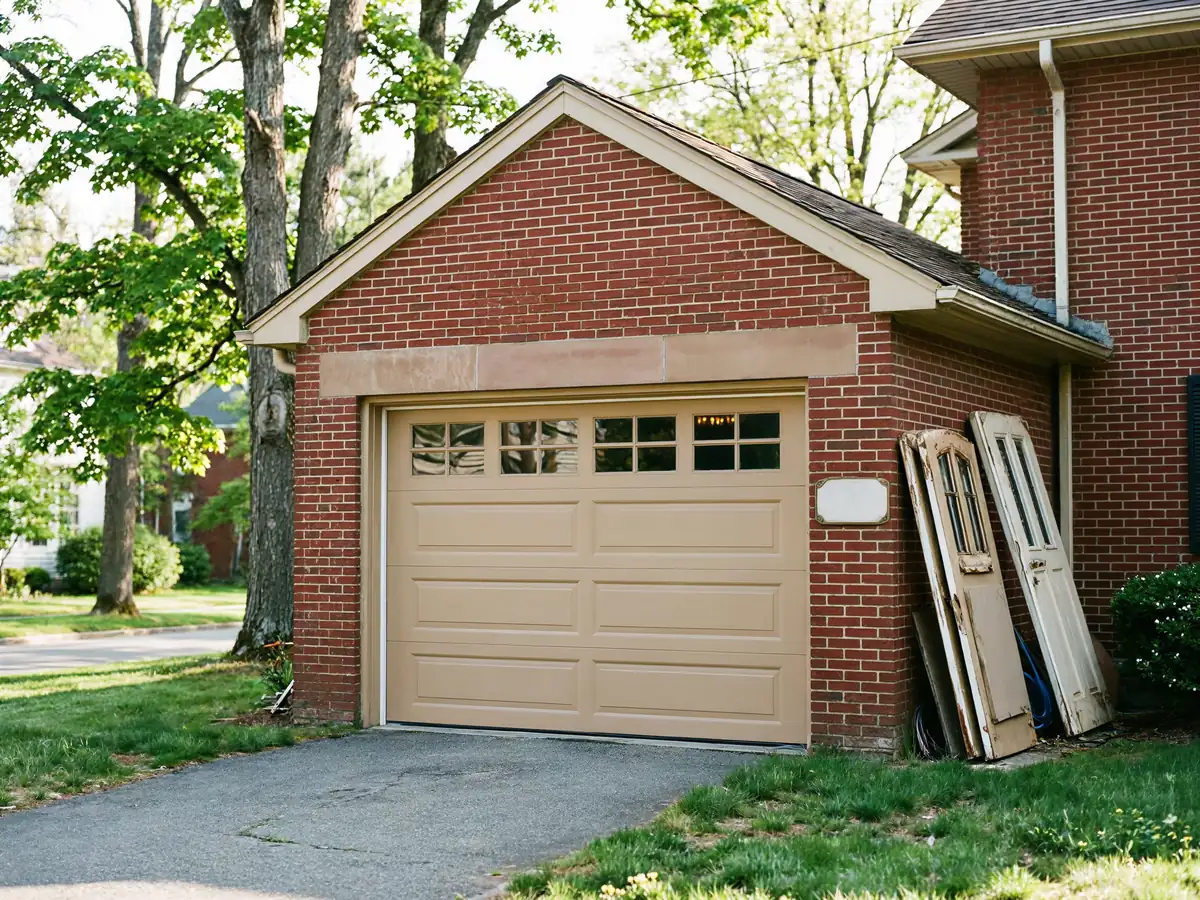
Housing in this part of Connecticut mostly went up between 1938 and 1990, with the median landing around 1973, and that's the detail that actually drives what we see on a spring call. A lot of the garages built in the 1960s and 70s still have the original torsion hardware, or a replacement spring that was sized decades ago to match a door and track combination that nobody sells new anymore. The spring itself isn't exotic, but matching the wire gauge, coil length, and wind direction to a fifty-year-old setup takes more than grabbing a part off a shelf.
Across the 61 named areas that make up this service territory, that 1960s-70s stock is the pattern, not the exception. Whether you're near Glastonbury Center or out toward the edges by Marlborough or Hebron, the doors, tracks, and springs installed during that original building wave tend to fail on the same schedule, because they were installed on the same schedule. When one goes in a cold week, it's rarely a surprise to the owner next door with the same house built the same year.
What You Pay
I'm not going to put a number here that I don't have
Because the honest answer is it depends on what's actually on your door. A single torsion spring on a one-car door costs less than replacing both springs on a double door, and if your hardware is the older style common to this area's 1960s-70s builds, matching the exact spring spec sometimes takes longer to source than a modern universal size would.
That's the one real limitation worth saying out loud
If your door has an unusual original spring and the matching part isn't on the truck, there can be a short wait while we track down the right one rather than force-fit something that'll wear wrong. Most owners with a double door choose to replace both springs together even if only one broke, since the second one is carrying the same age and the same cold-weather fatigue as the one that just failed. That's a judgment call based on the door's age and use, not a fixed rule, and we'll tell you honestly if your door doesn't need both.
What Most People Get Wrong
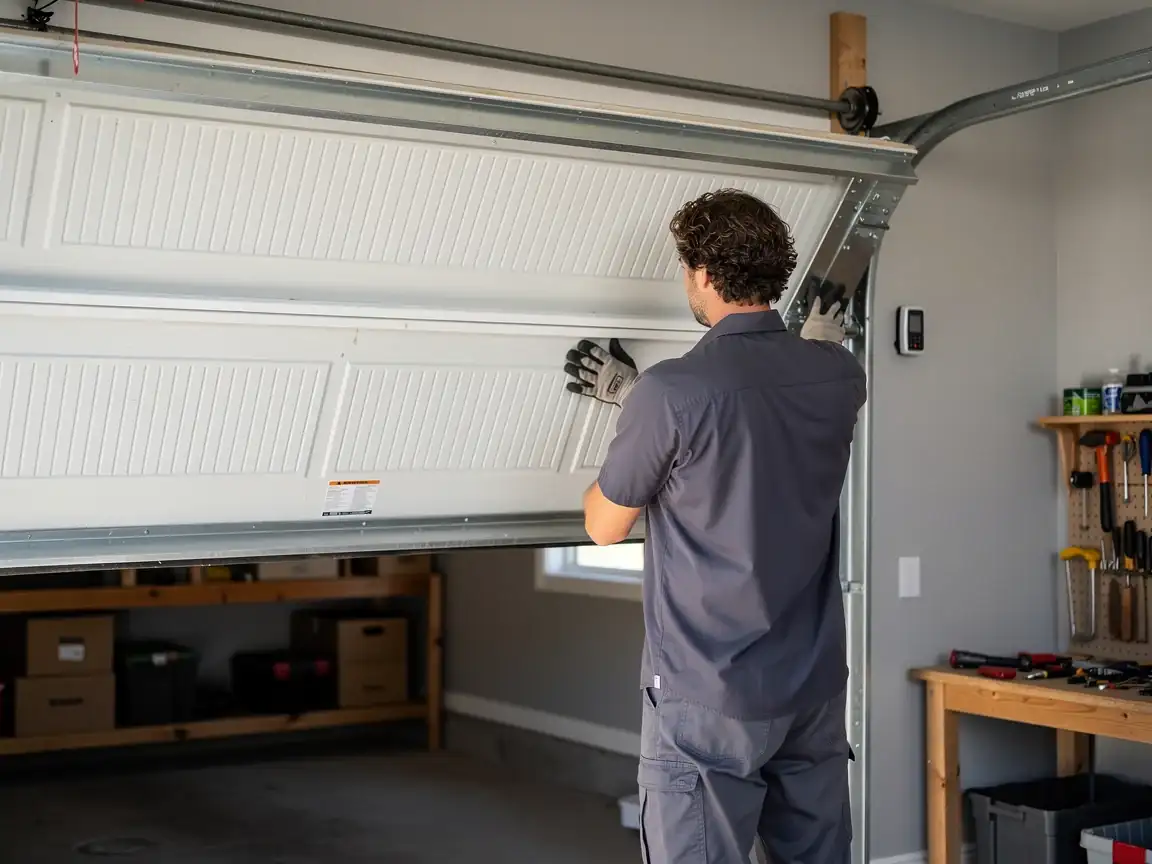
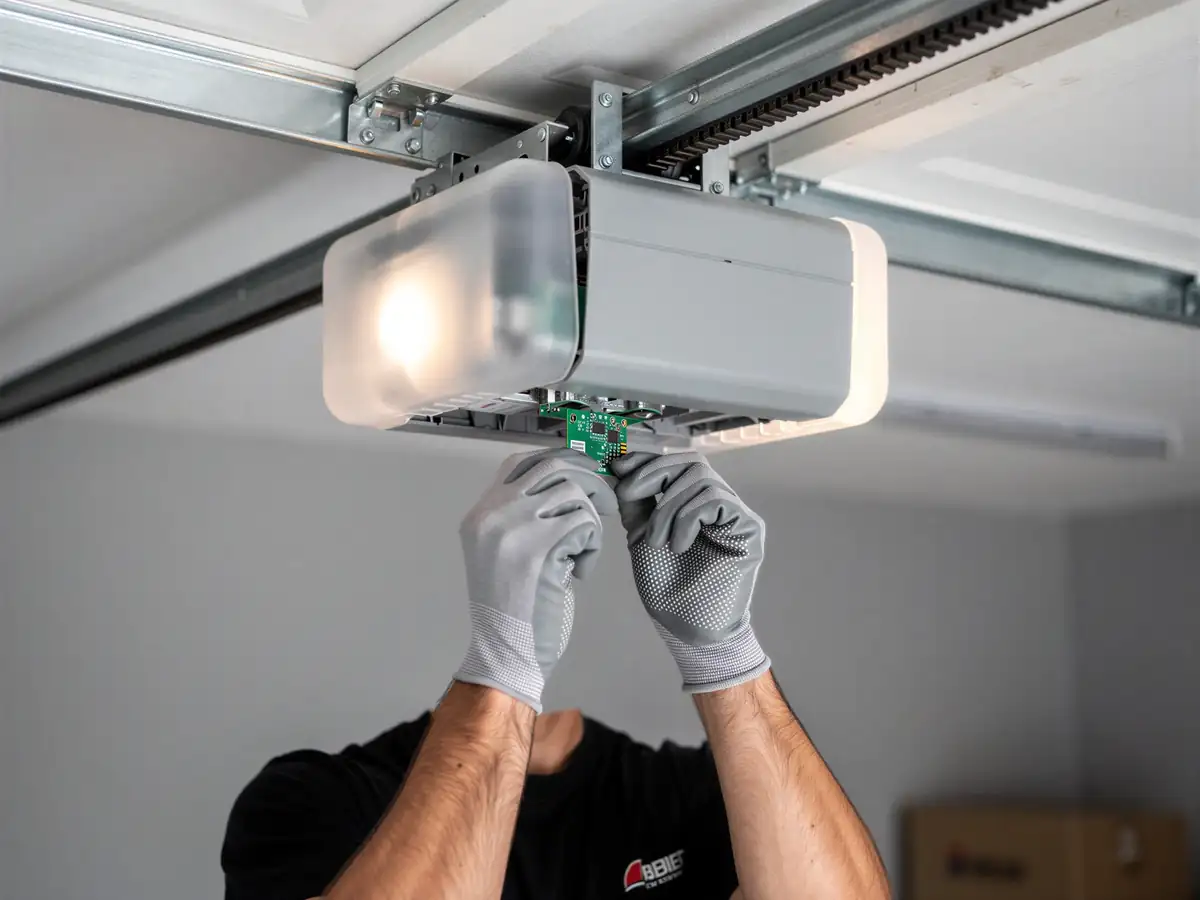
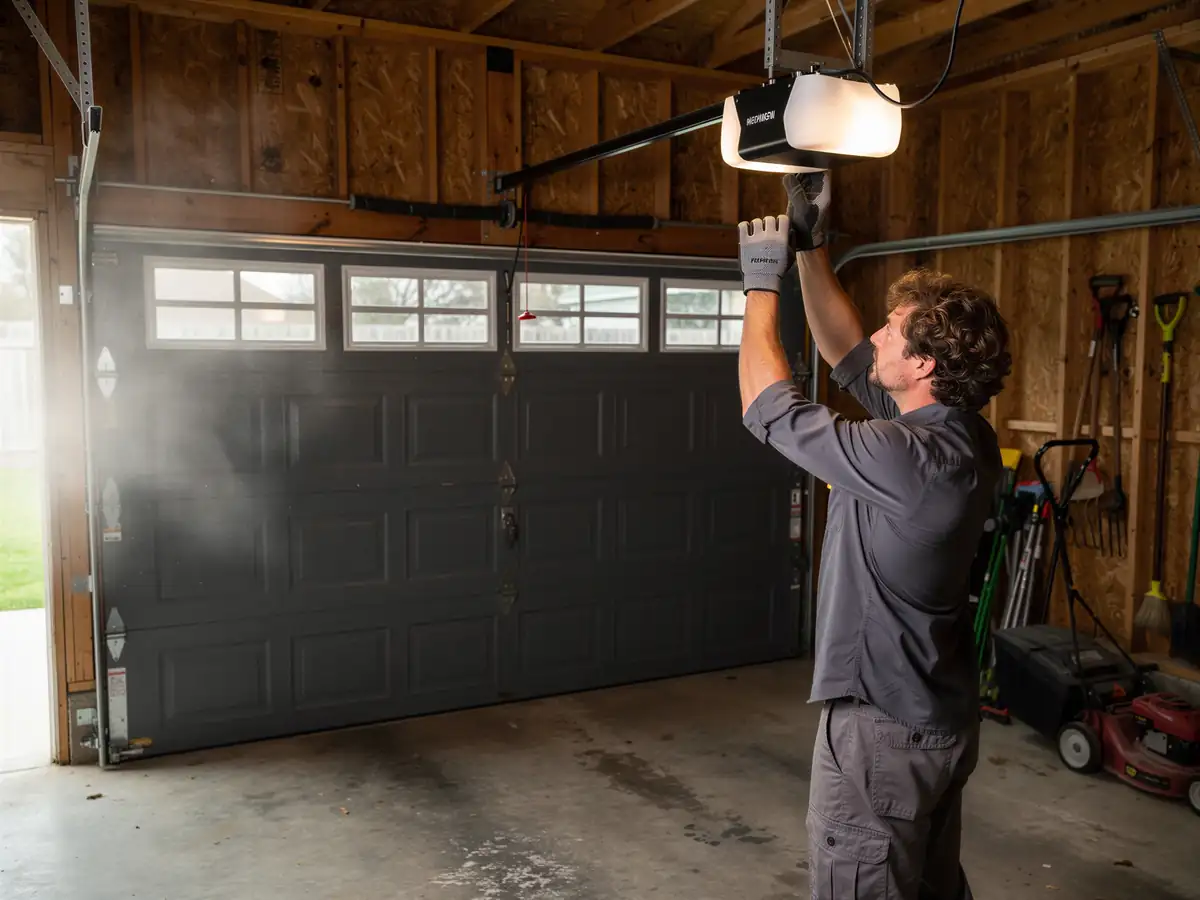
The biggest mistake is assuming a slow-to-open door or a straining opener means the opener itself is failing. In a lot of these older Glastonbury-area garages, the opener is newer than the springs, having been swapped once already while the original torsion spring stayed in place since the house was built. The opener is just working harder to compensate for a spring that's lost tension, and replacing the opener doesn't fix that.
The other common error is treating a broken spring as a weekend fix. A wound torsion spring under tension is not a safe DIY repair, cold weather or not, and the tools to do it properly aren't things most people have in the garage. The third mistake, specific to houses from this build era, is assuming any spring sized for the door's weight will work. A spring that's slightly off in wire gauge or wind count will seem fine for a few weeks, then fail early in the next cold stretch, which just means doing the job twice.