Getting Here
Cromwell sits about 7 miles from our shop in Glastonbury, and that's the drive our trucks make for every call out this way. We don't have a second location or a depot sitting in Cromwell itself, so when you call, you're booking a truck that's coming from Glastonbury, not one already parked around the corner. That distance is short enough that it doesn't change how we schedule the day, but it's worth saying plainly: we're a Glastonbury company that covers Cromwell, not a Cromwell company. If you need same-day attention, say so when you call and we'll tell you straight whether that's realistic for the day you're calling on.
The Usual Work Here
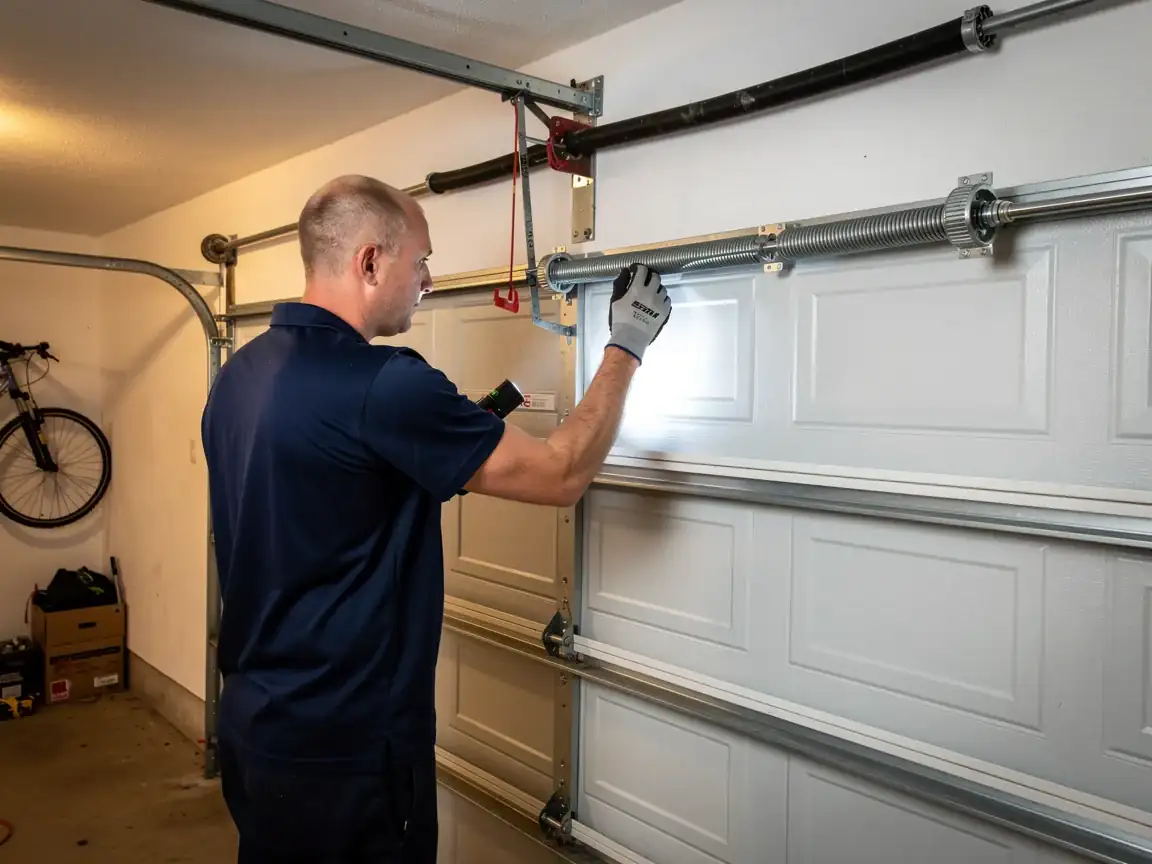
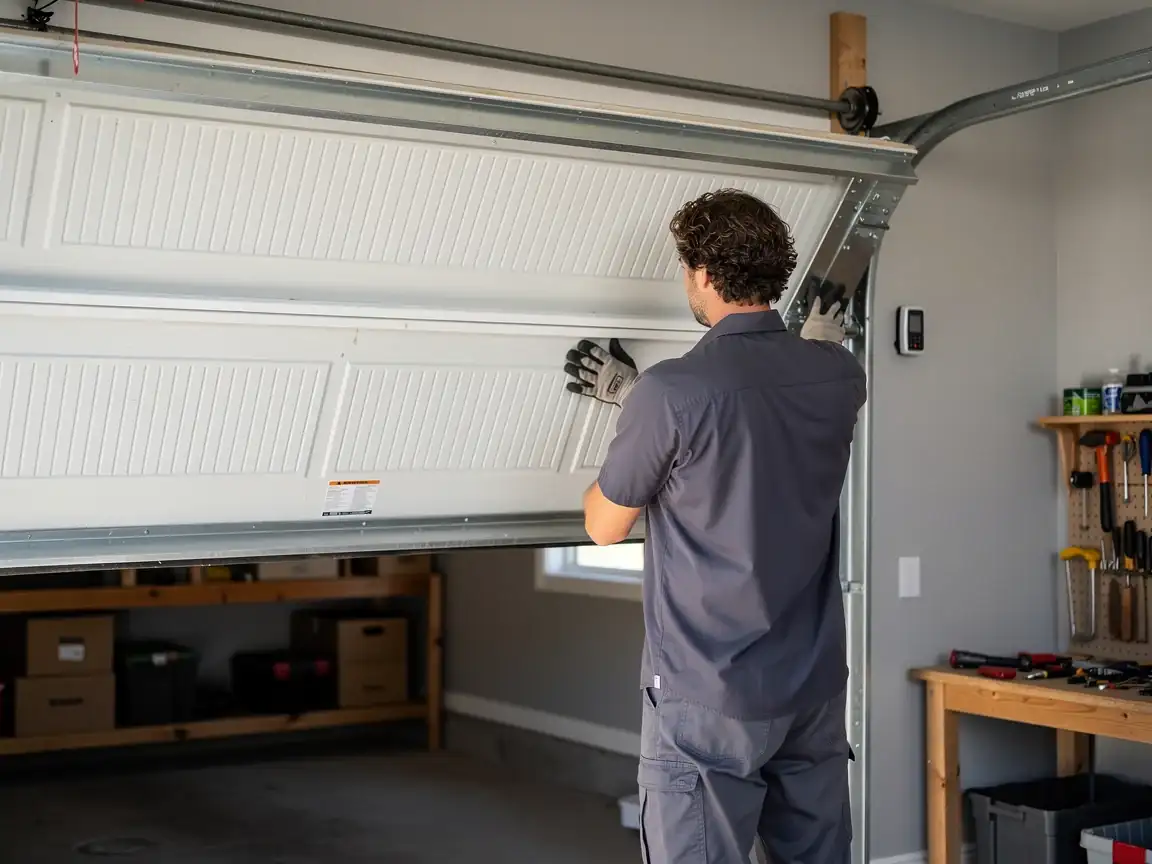
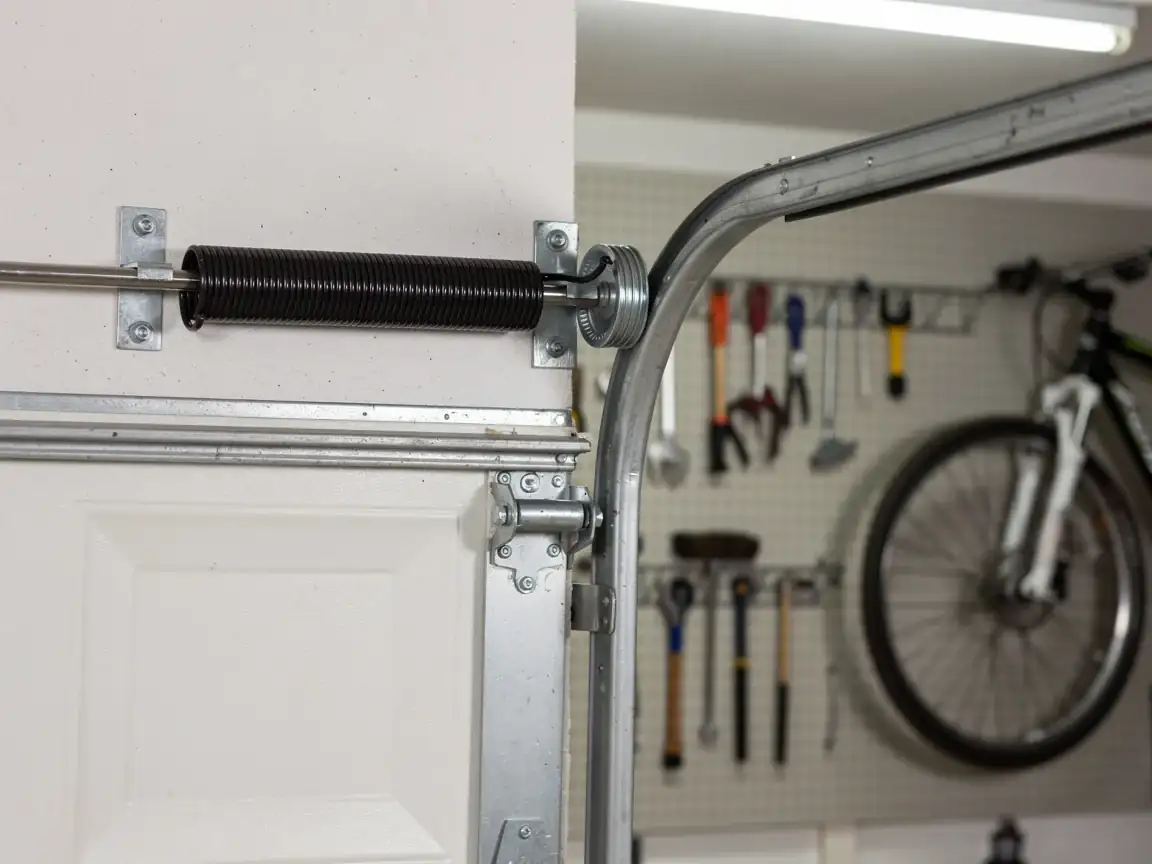
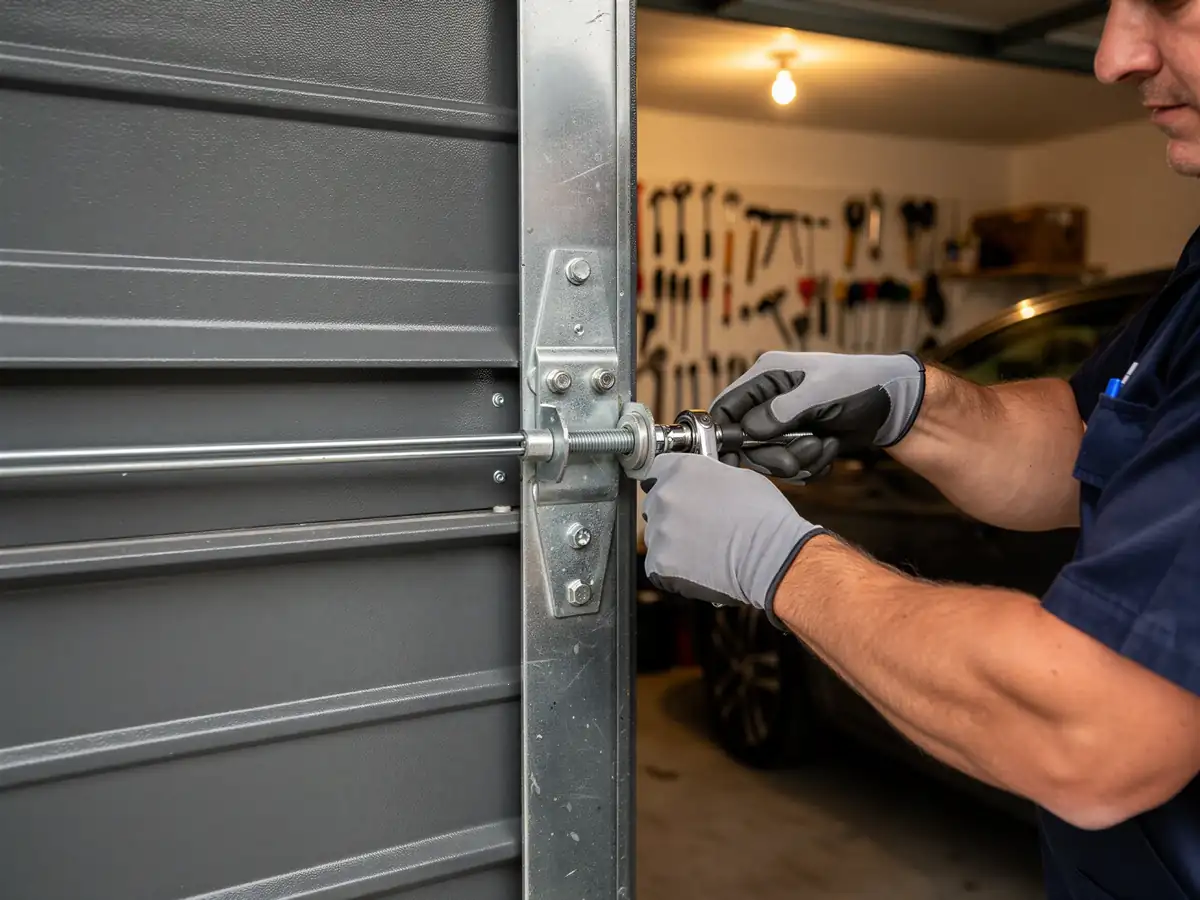
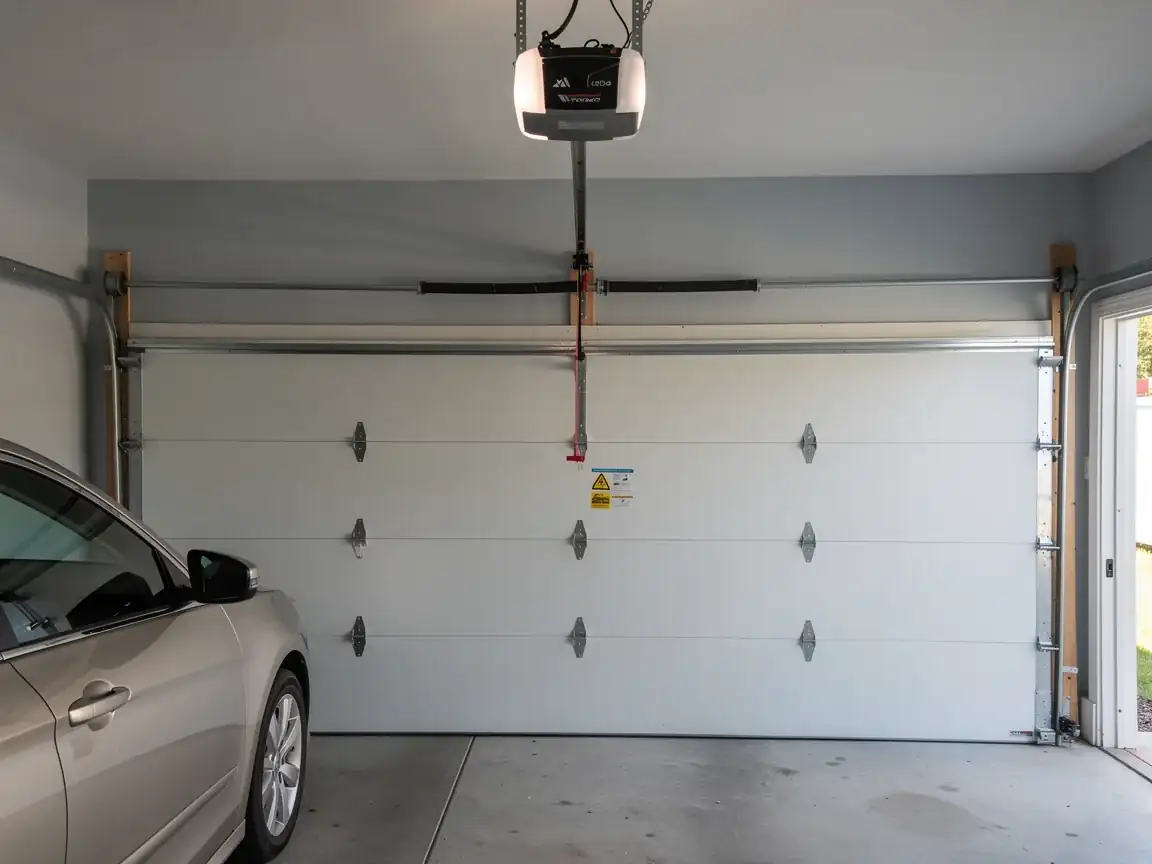
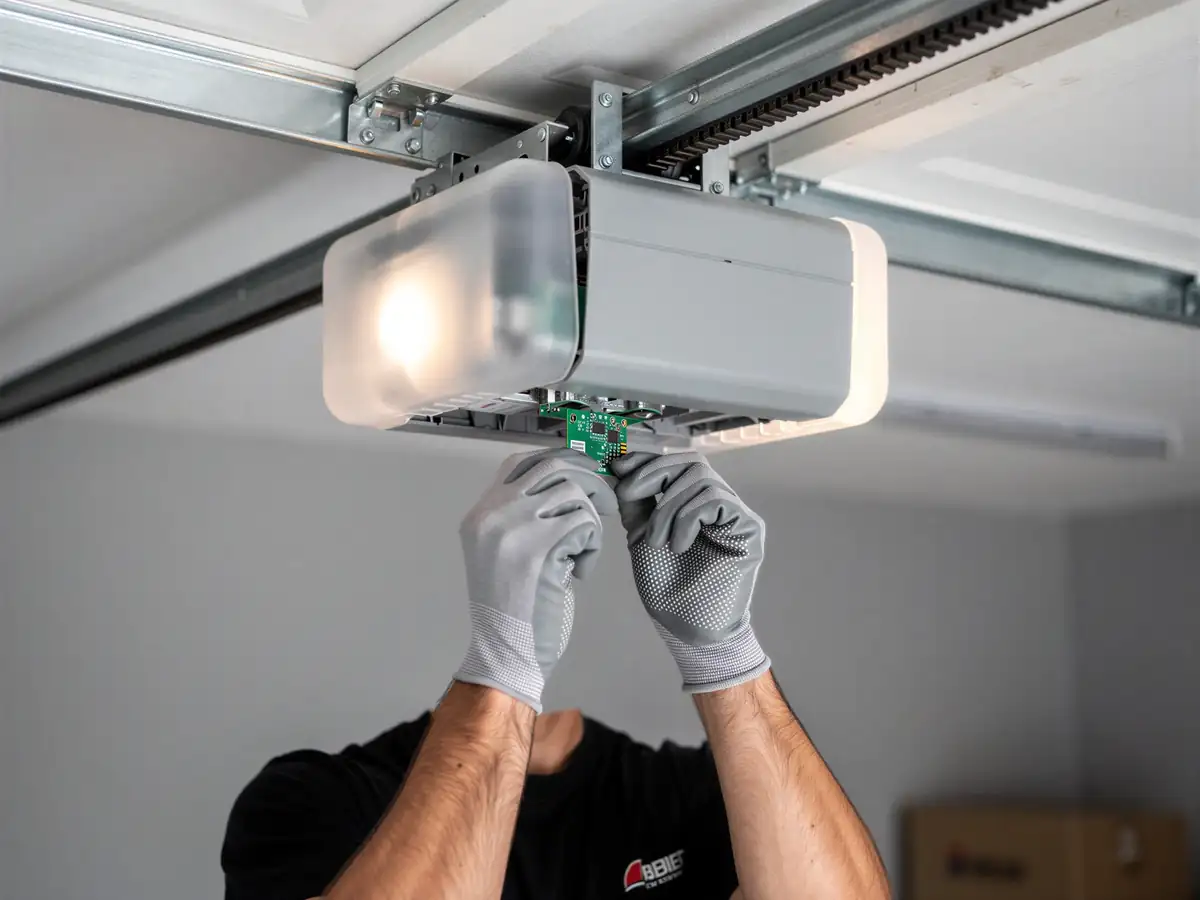
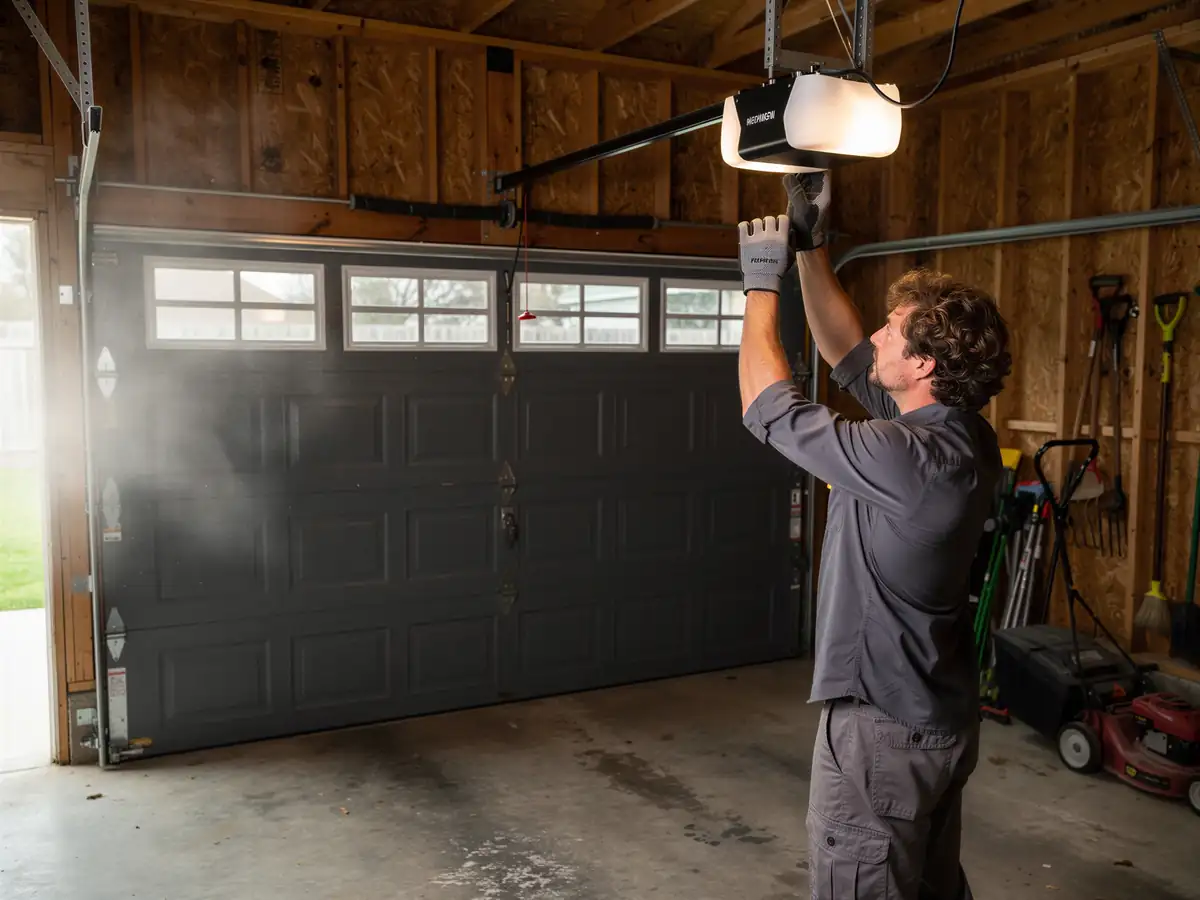
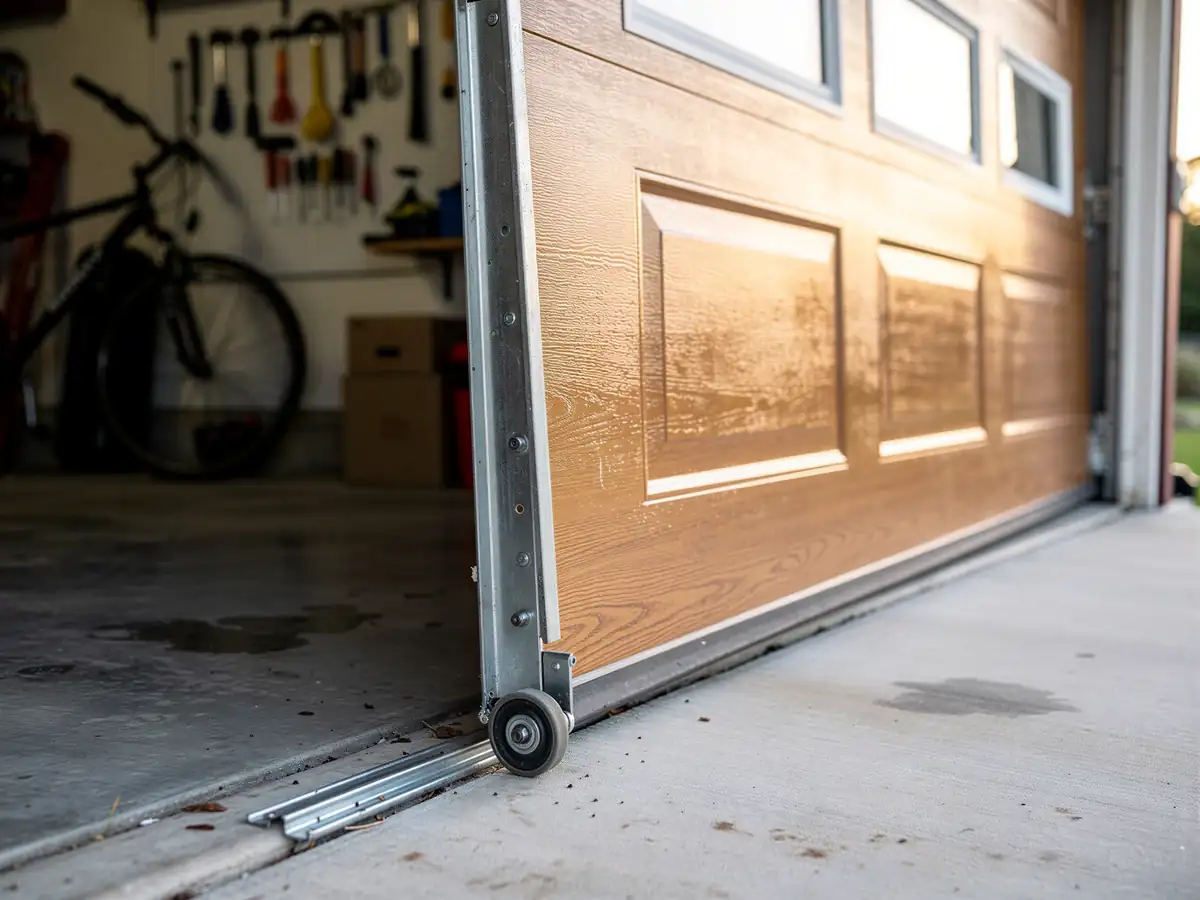
Most of what we get called for in Cromwell traces back to the age of the hardware, not the age of the house. Torsion springs rated for 1970s-era door weight are past their service life by now almost everywhere in this part of Connecticut, and Cromwell is no exception - a spring that's thirty-plus years old doesn't give much warning before it lets go. We also see a fair number of openers that are original or close to it, which means chain-drive units with worn gears and no battery backup, the kind that stop working the moment the power blinks in a winter storm. Rollers and cables on doors from this era are usually steel-on-steel without the sealed bearings you'd get on newer hardware, so they wear faster and louder. None of this is exotic work. It's the same handful of failure points, over and over, because the housing stock that's doing the wearing is all roughly the same age.
What the Housing Means for Your Door
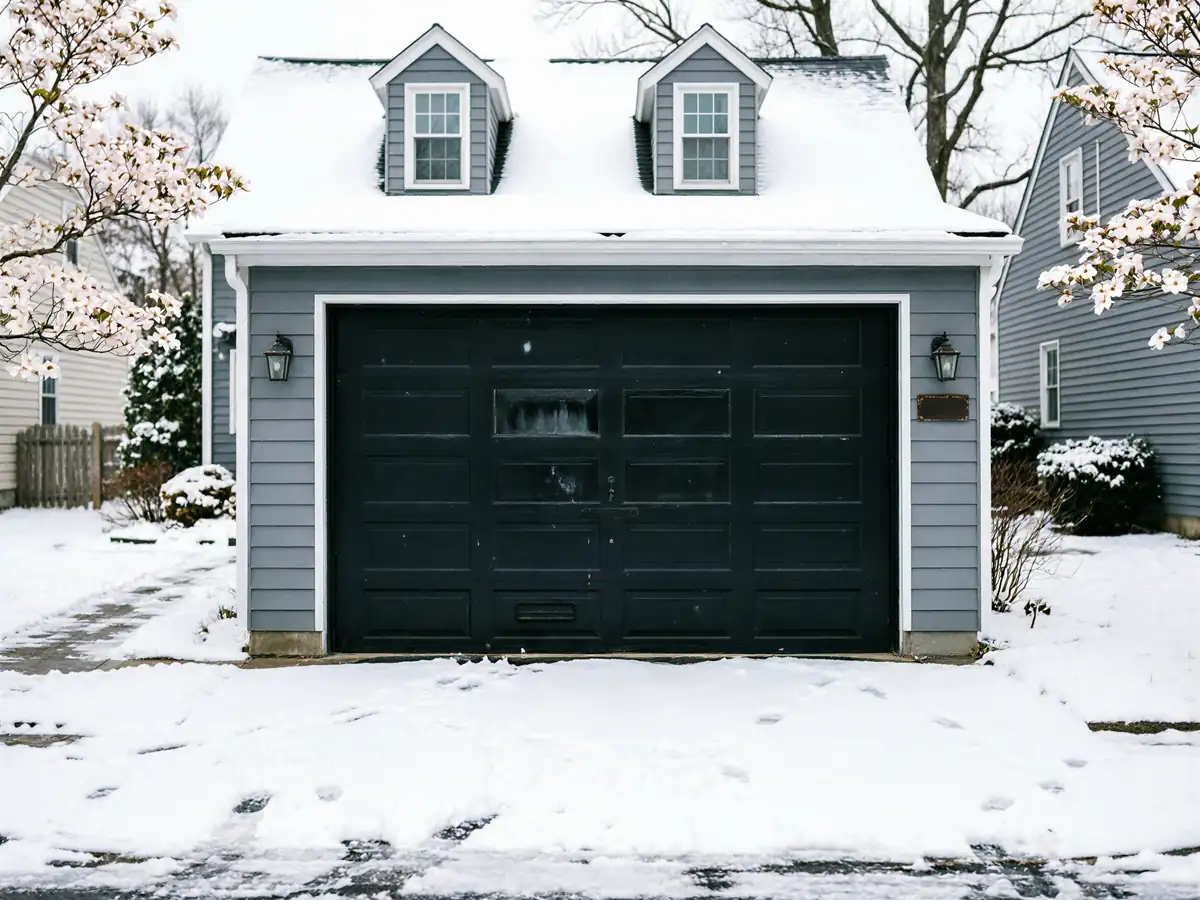
Because Cromwell's housing clusters a few years past the regional median, the doors we're replacing here tend to be slightly newer than what we see pulling springs in the oldest pockets of the service area - but 'newer' in this case still means pushing fifty years old. That matters for parts. A lot of 1970s-spec torsion hardware was sized for doors that weighed less than what's sold today, so when we replace a spring, we're not just swapping like for like - we're often correcting for a door that's heavier than the original setup was built to handle. Connecticut's winters are the other piece. This is a cold-climate zone with real seasonal swings, and steel sectional doors from this build era weren't insulated to current standards, which shows up as frost on the inside of the door and stiff, slow-moving tracks on the coldest mornings. One honest limit: if your opener is original to a 1970s install, we'll tell you when replacement makes more sense than repair, because parts for some of that era simply aren't made anymore.