What You Pay
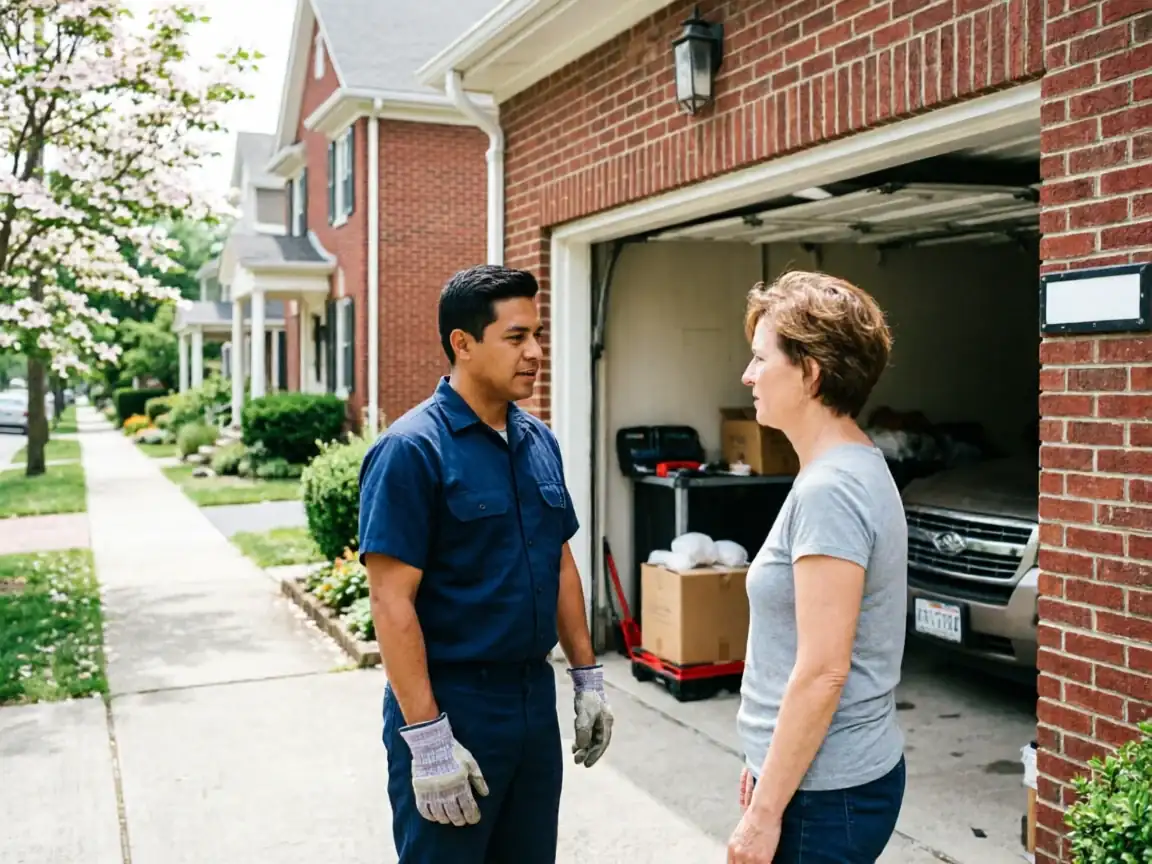
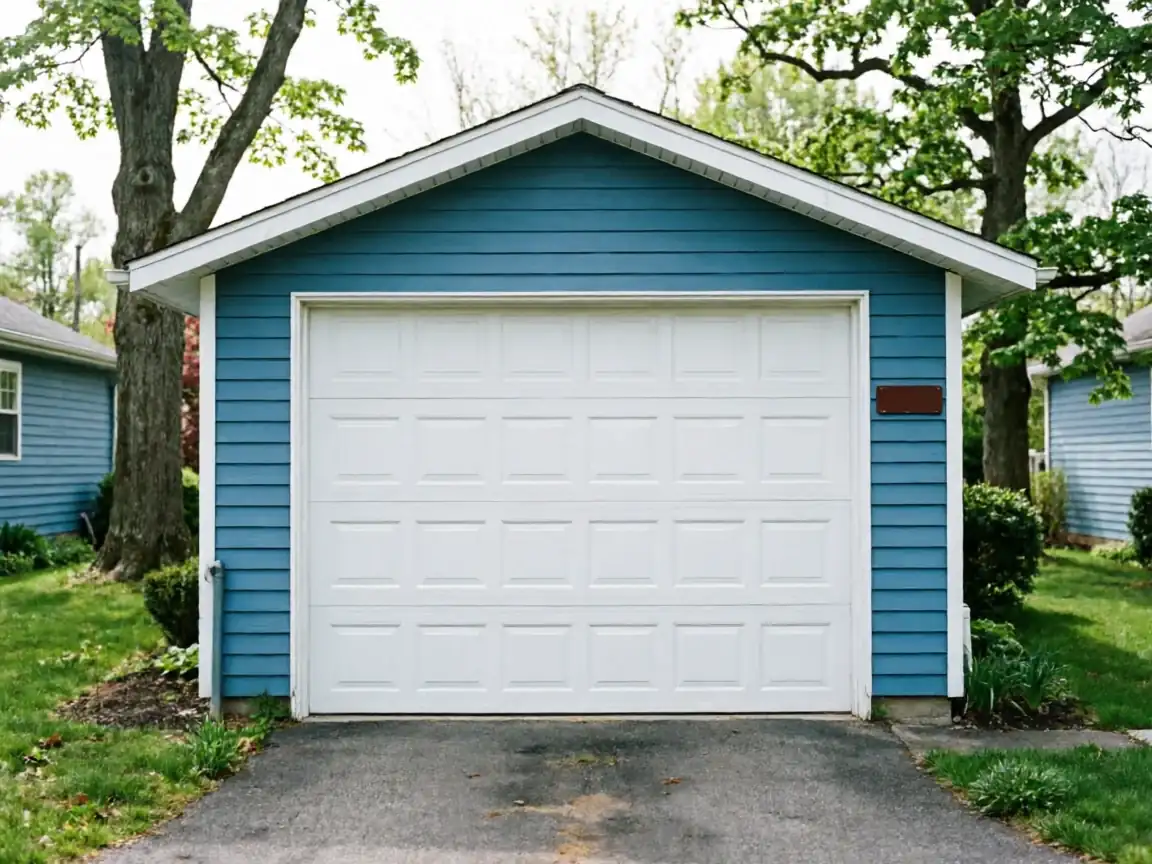
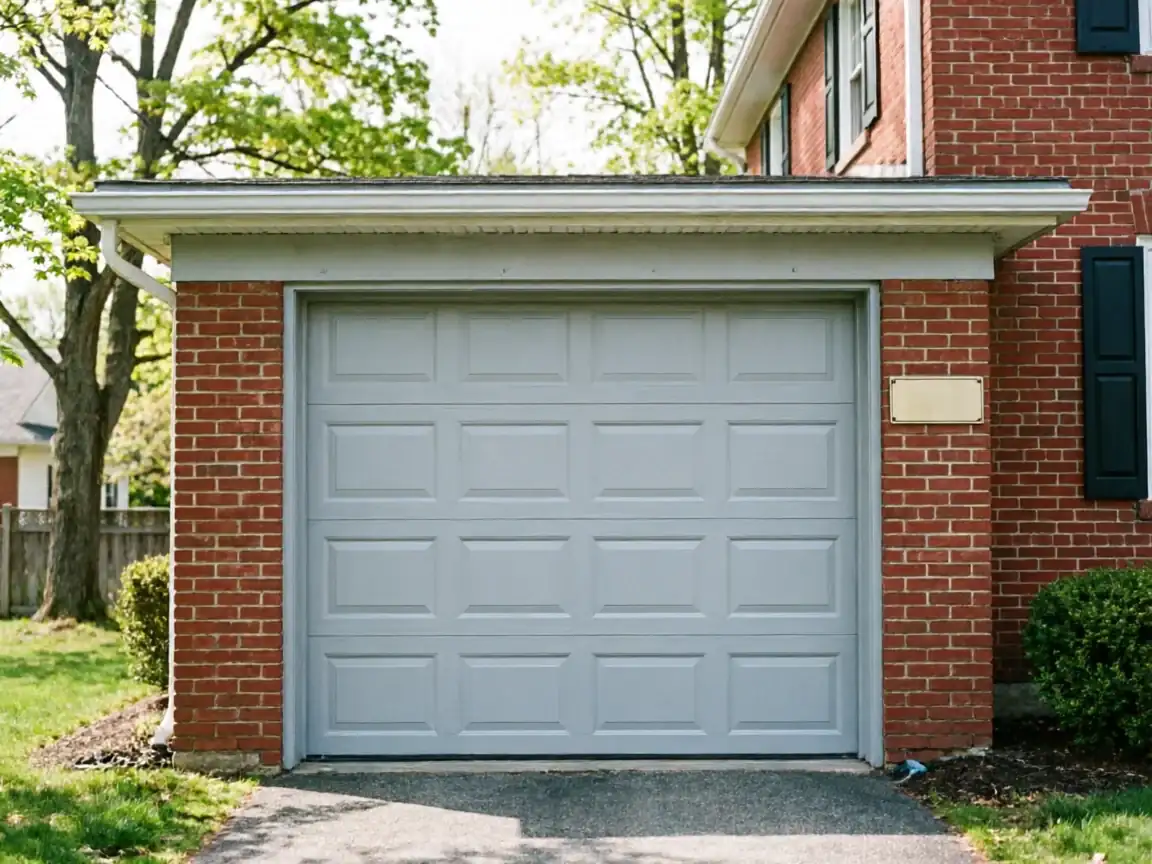
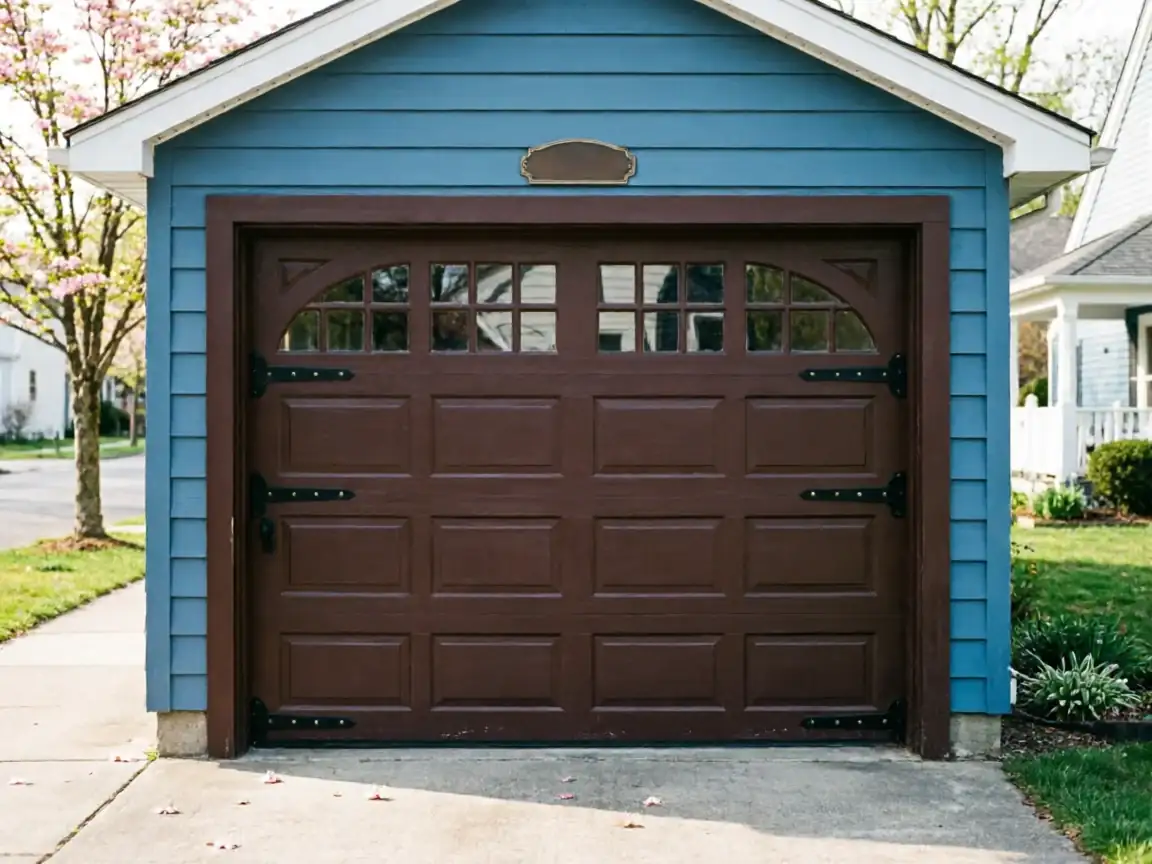
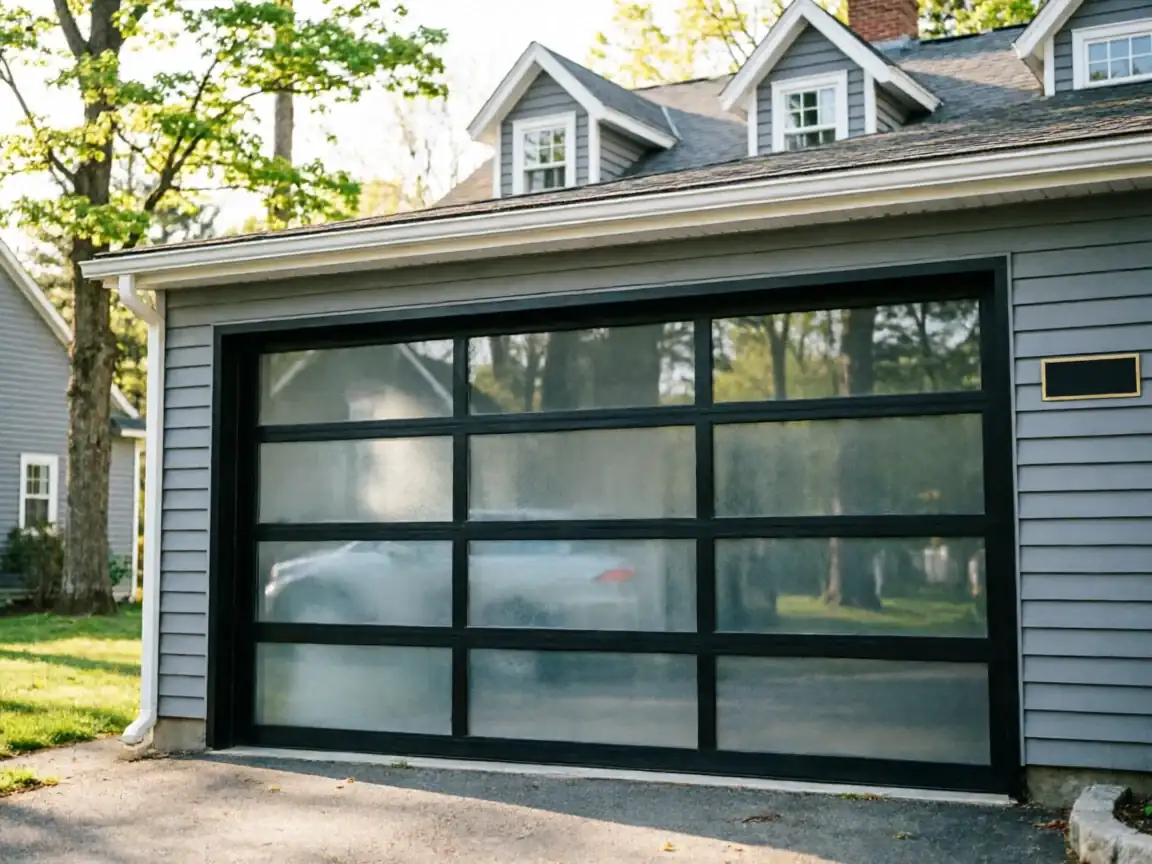
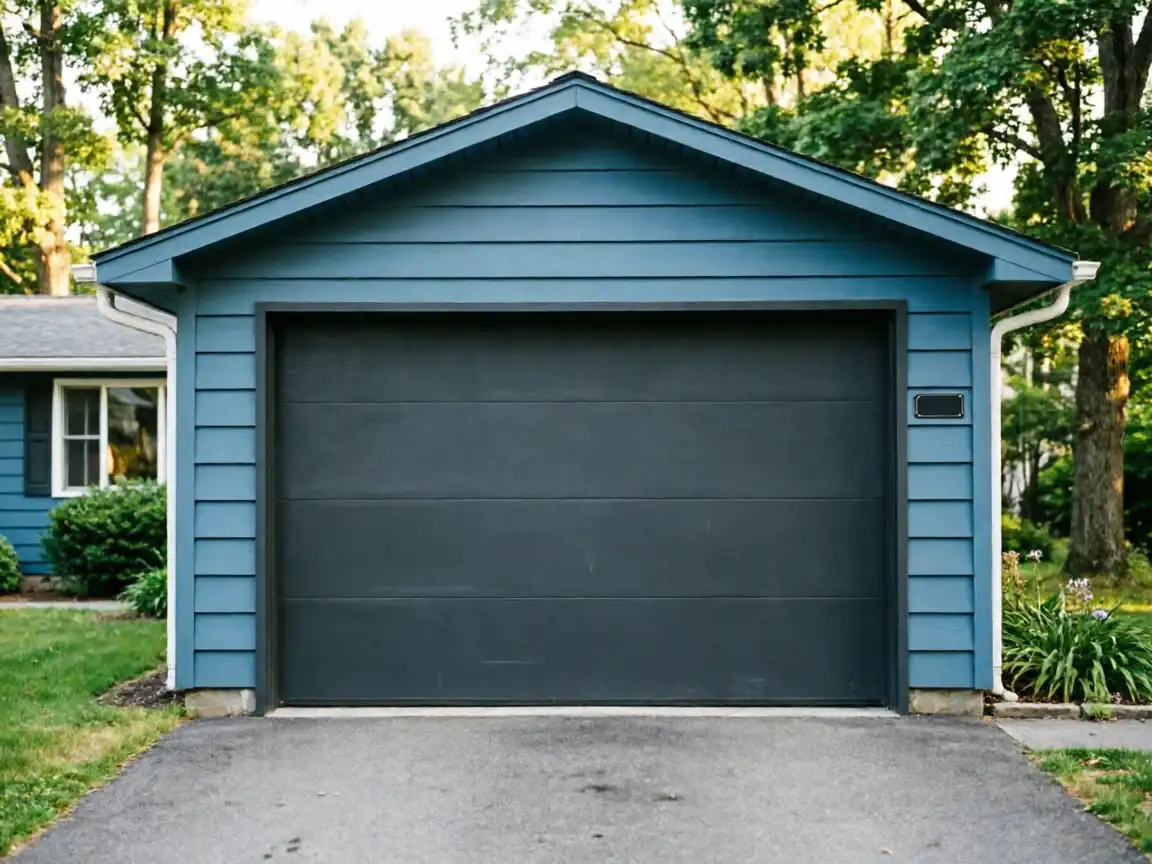
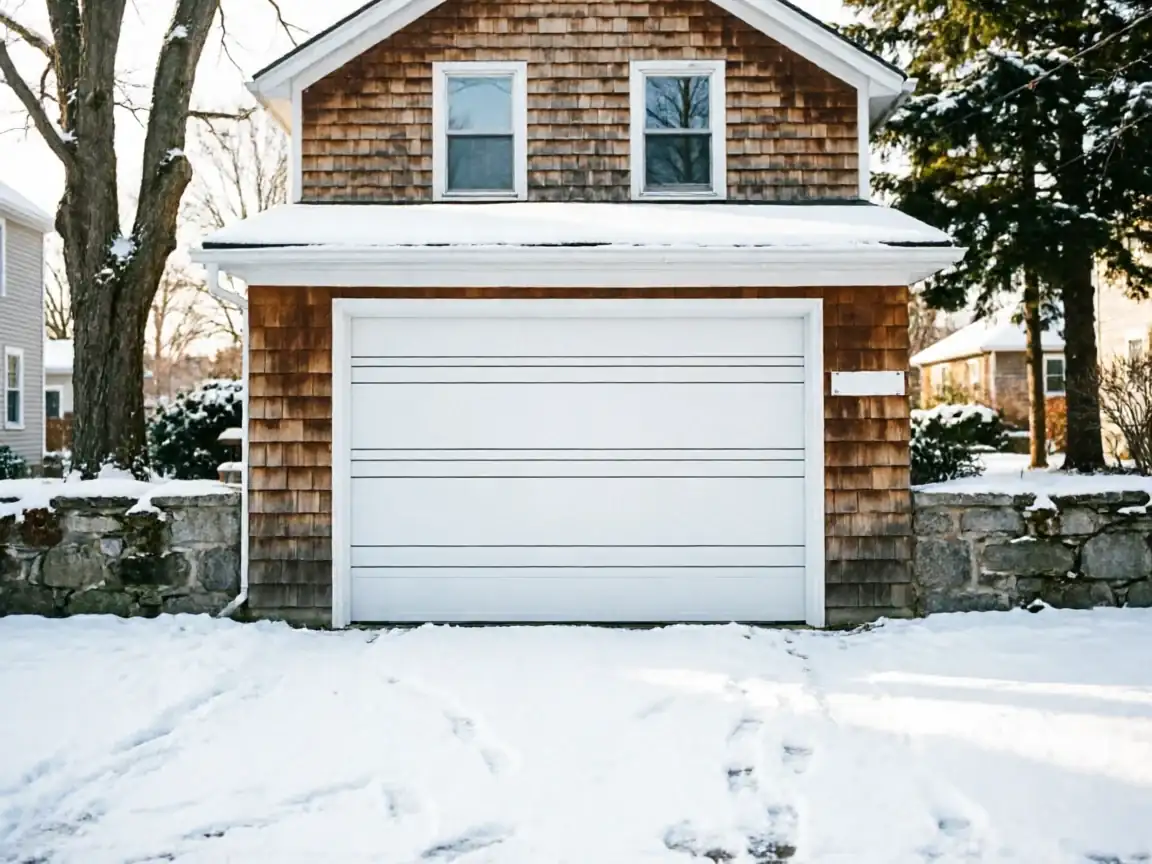
We can't quote a number here without seeing the opening, so we won't guess one. What we can tell you is what drives the number on a Cromwell job specifically: most openings in this part of town were framed for the single-panel steel or wood doors that were standard when these houses went up, which means a modern insulated sectional door often needs track and header work the original builder never planned for. Add in the cold band this region sits in, and insulation value stops being optional - a door rated for a milder climate will cost you on the heating bill every winter after the install, not just on the invoice. The honest limitation: if your opening is out of square or narrower than current standard width, we tell you before we order the door, not after. We'd rather lose ten minutes on a measurement than deliver a door that doesn't fit. Expect the estimate to separate labor, door, insulation tier, and opener if you're replacing that too - four line items, not one bundled guess.
Where This Job Goes Sideways
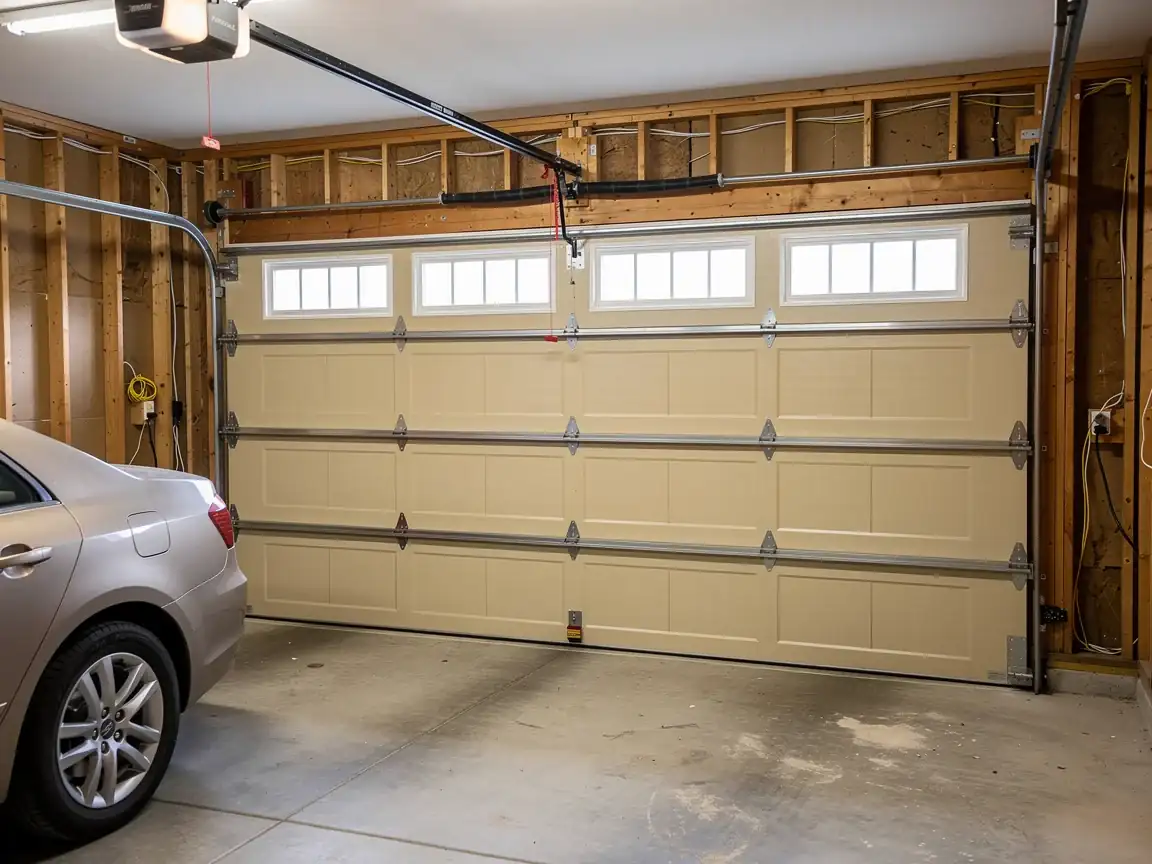
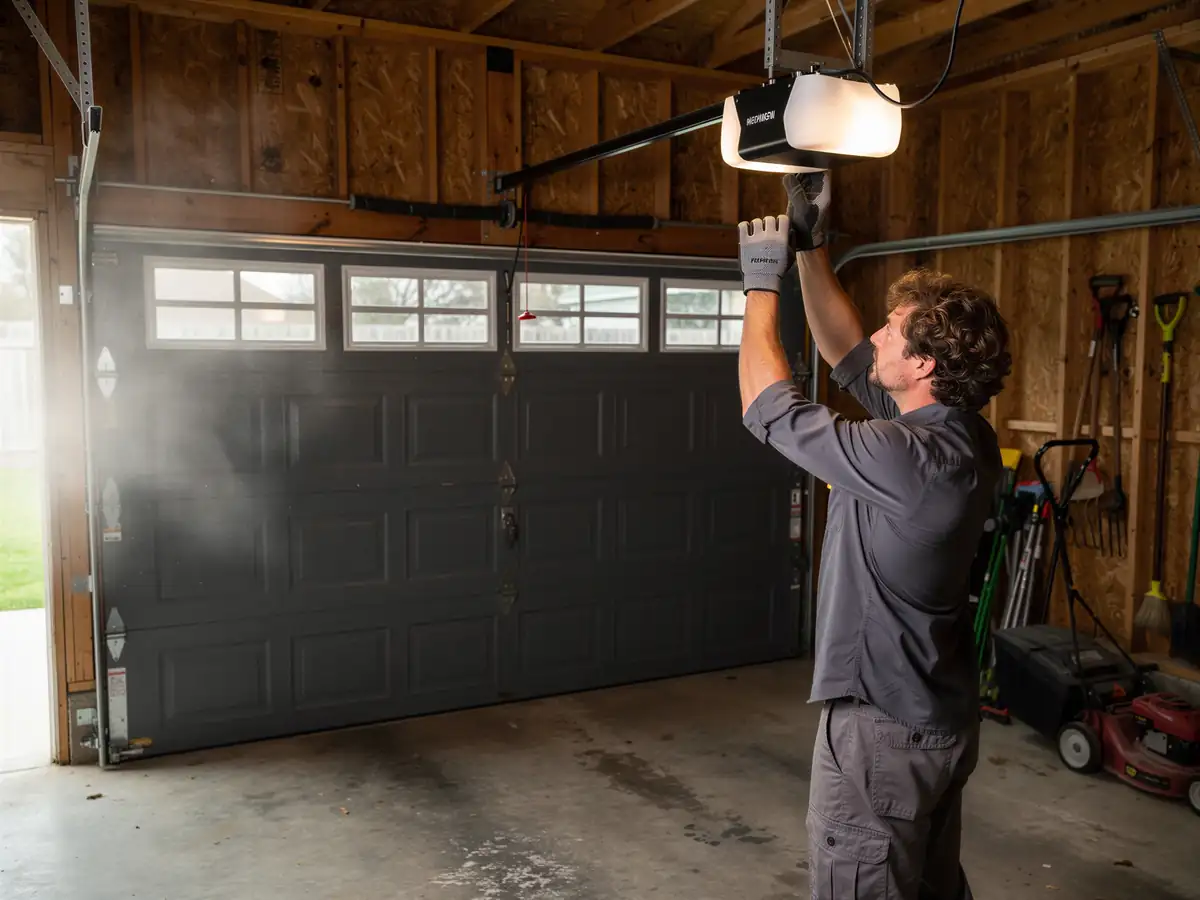
The failure point on a lot of these jobs isn't the door - it's what's behind the door. Houses from the 1970s in this area often have the original jamb and header still in place, sized for a lighter single-layer door with less dead weight hanging on the track brackets. Put a heavier insulated sectional on that same framing without checking it, and you get a door that sags at the corners within a year or an opener that strains every cycle because the balance was never right to begin with. The other spot it goes wrong: electrical. A lot of these garages were wired for a light bulb and nothing else, not a dedicated opener circuit. We've seen installs where the opener gets plugged into an extension cord run from the house because nobody budgeted for an outlet. That's a problem you want flagged on day one of the estimate, not discovered the day the installer shows up with the new door on the truck and no place to plug it in.
Stocked Parts
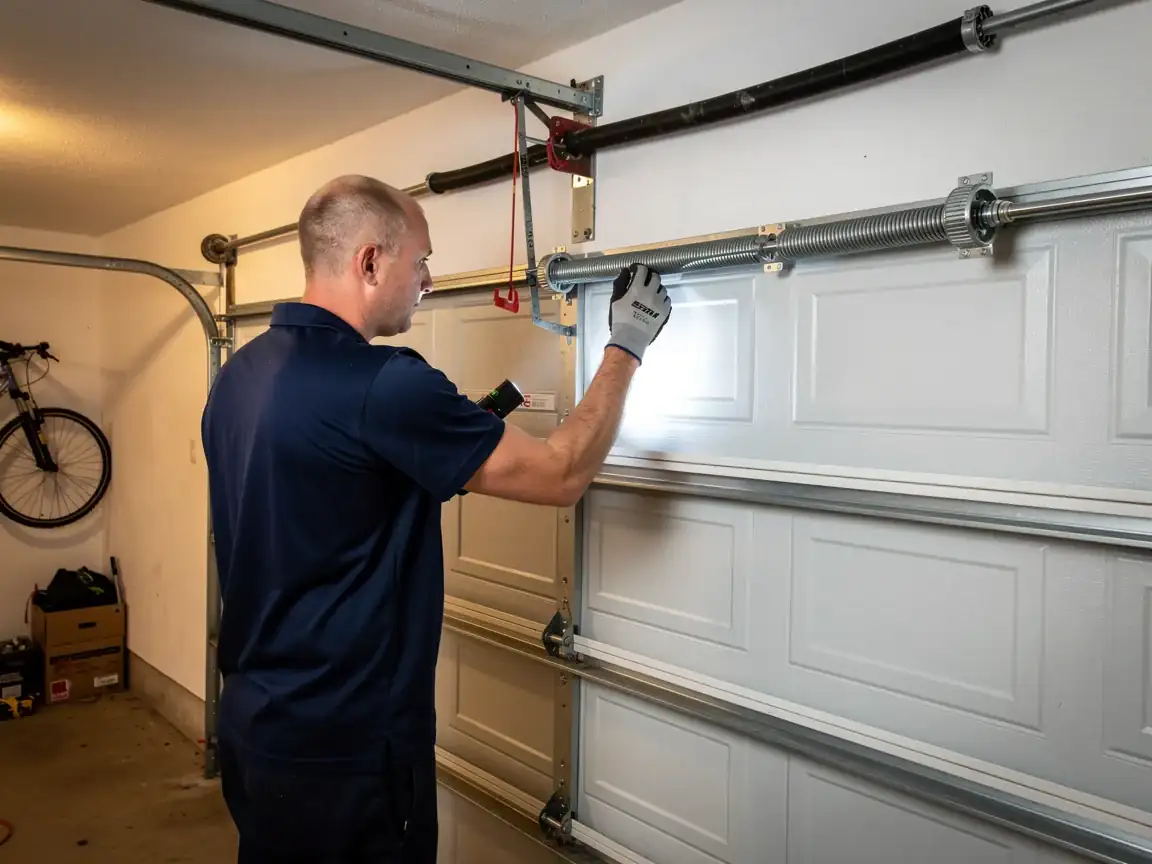
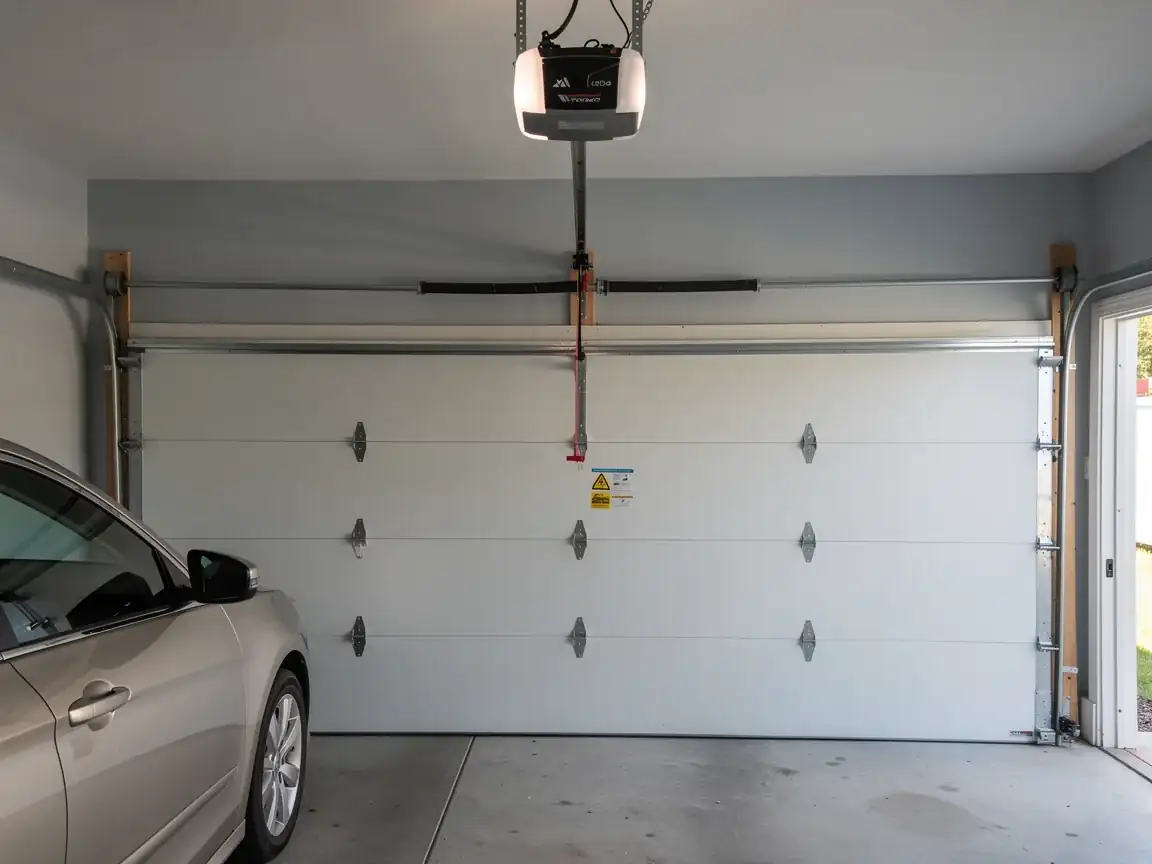
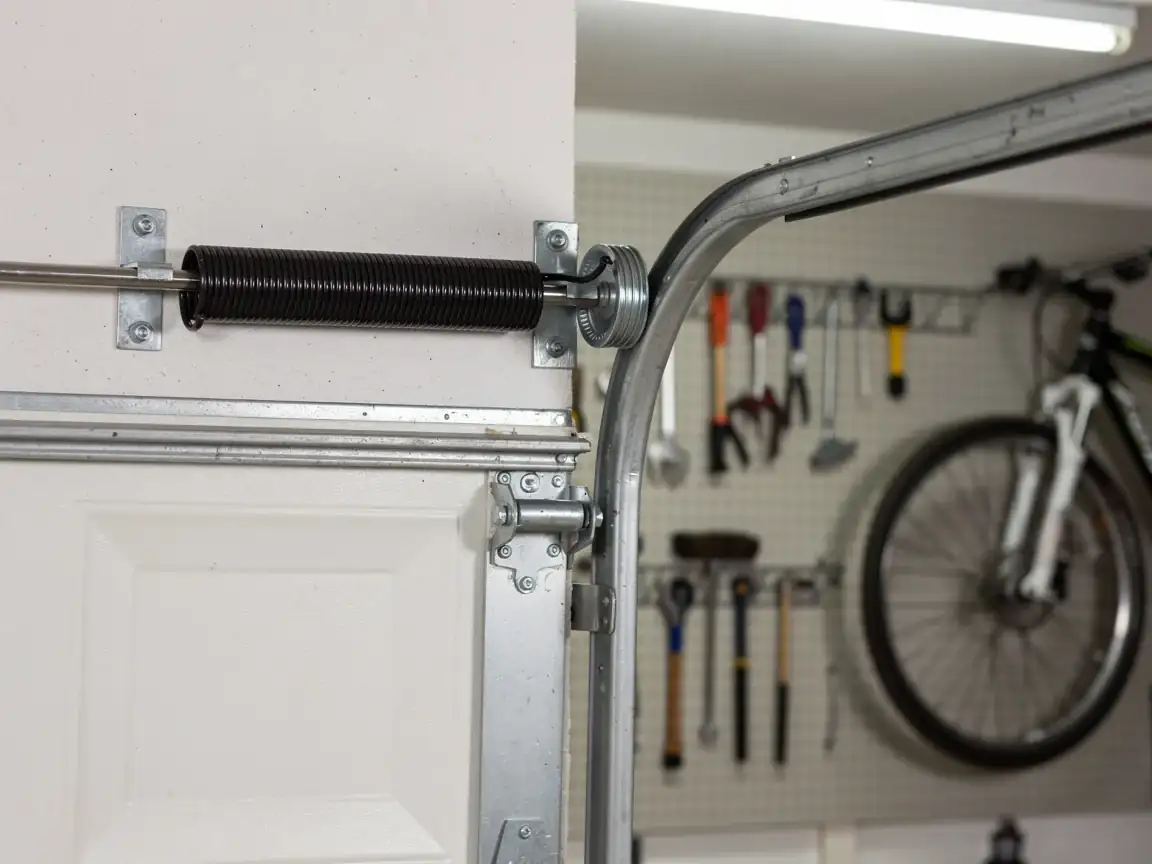
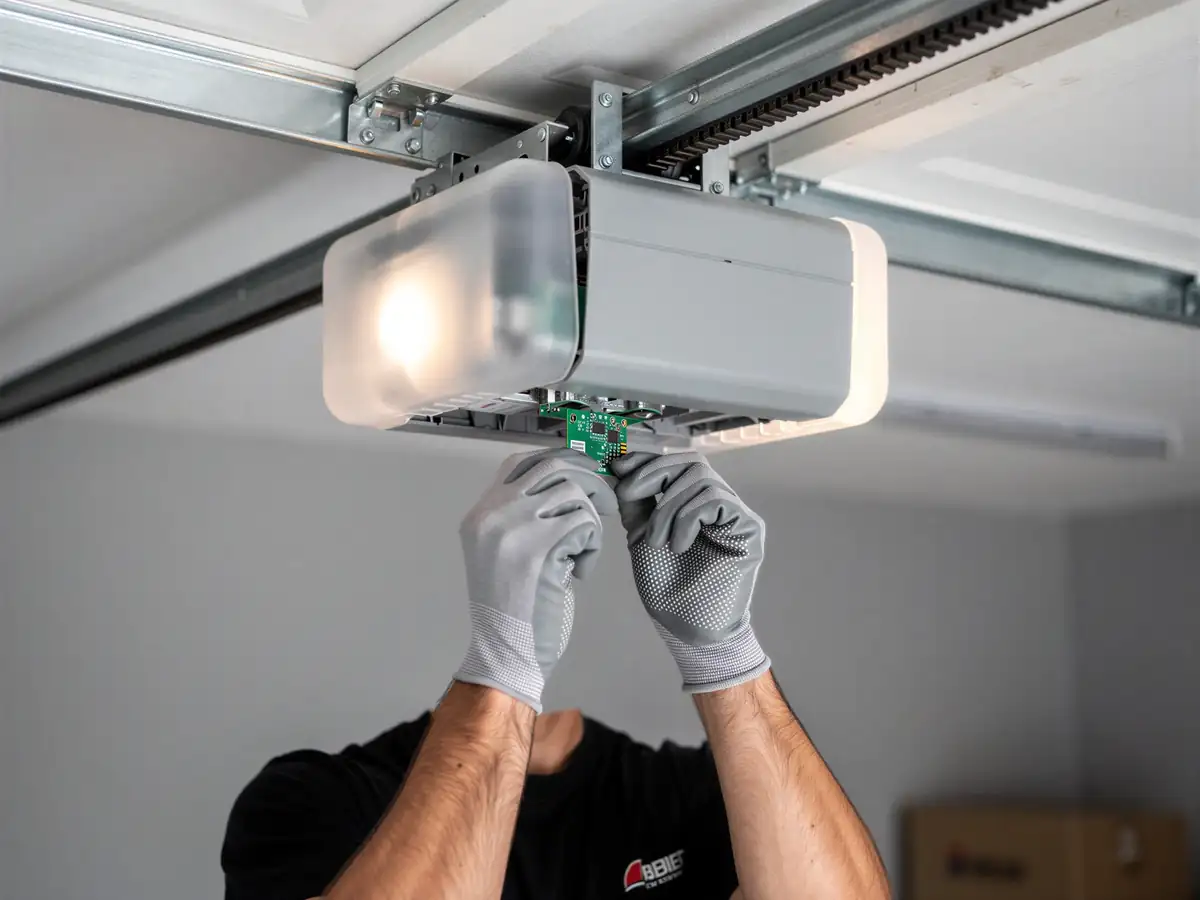
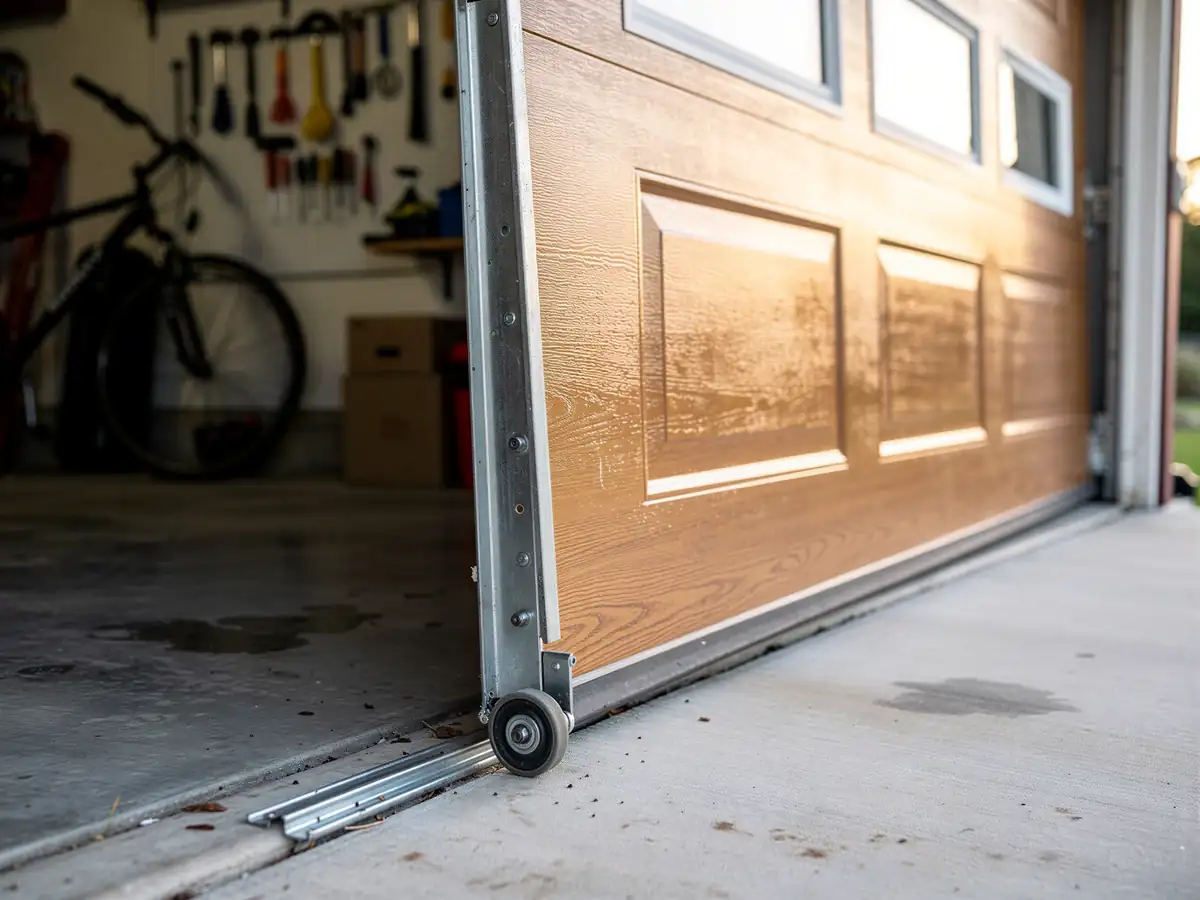
For a new install, the parts list is shorter than a repair call - new door, new track if the old one doesn't match the door's spec, new rollers, and a torsion spring sized to the door's actual weight once insulation is factored in. That last part matters in a cold-climate area: an insulated door weighs more than the single-layer door it's replacing, so the spring has to be sized for the new weight, not reused from the old setup. We size springs to the installed door, not estimated off the old one, because a spring that's slightly wrong either won't lift the door cleanly or will wear out the opener trying. If your opener is staying - not every install replaces it - we check that the lift capacity still matches before we call the job done. Lead time on specialty door sizes or non-standard widths runs longer than a stocked standard size, and we'll tell you that number when we see your opening, not before.
What the Repair Takes
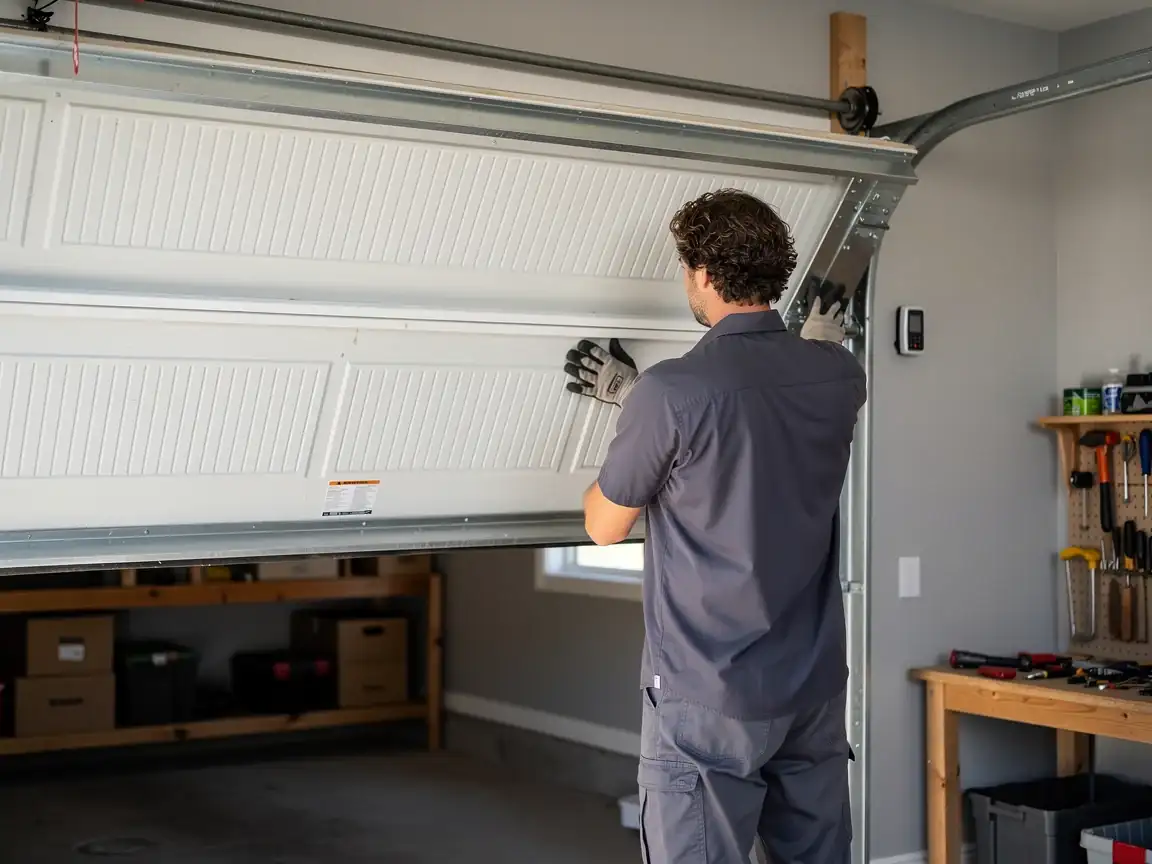
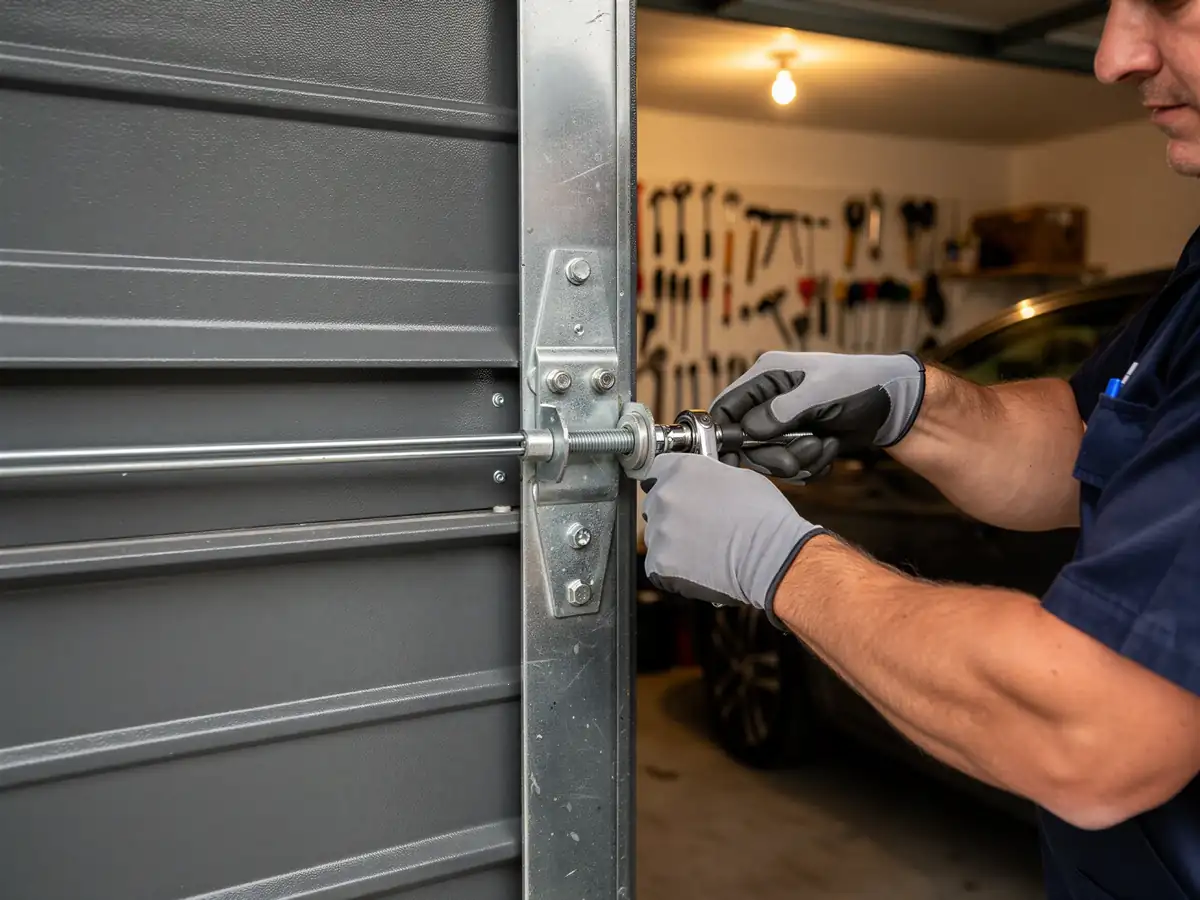
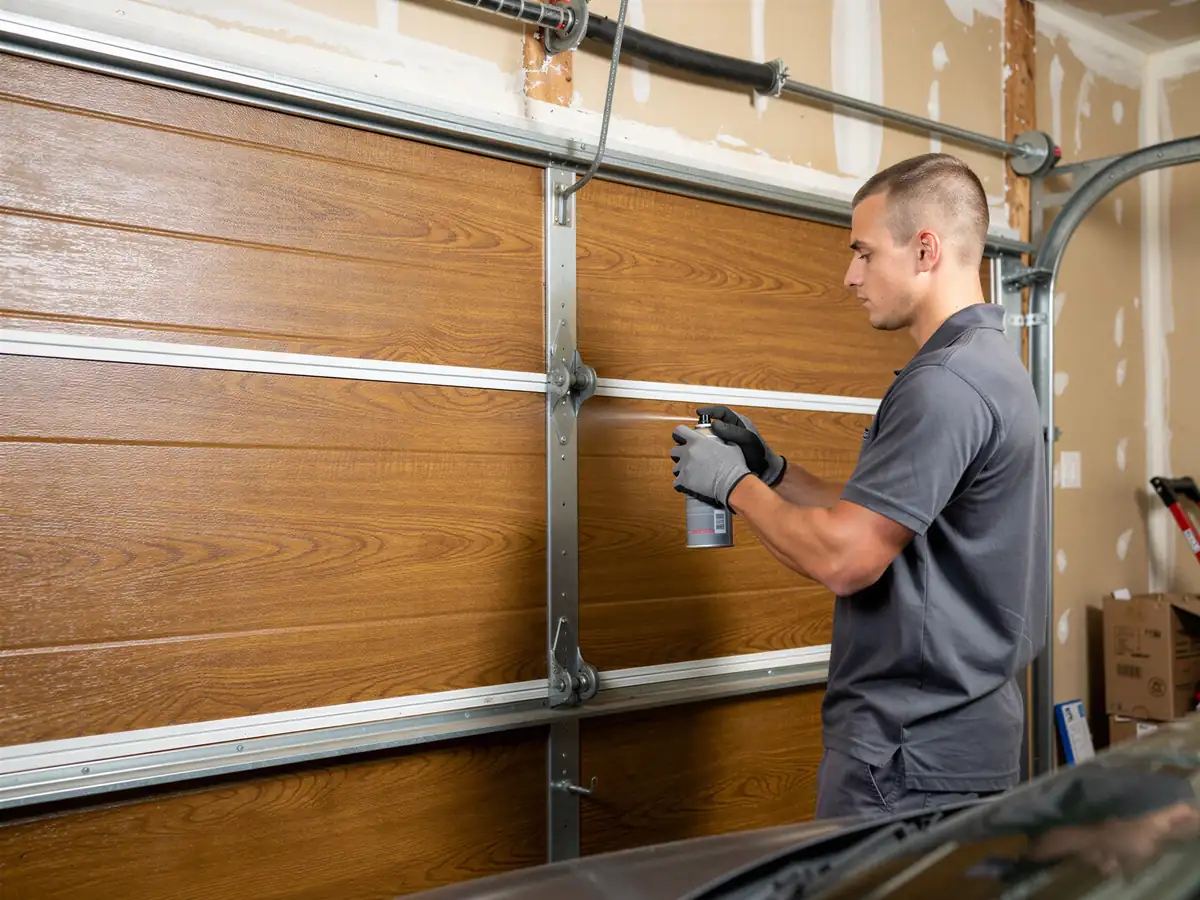
A straight swap - same size opening, standard width, framing in good shape - is a one-day job: old door off, track and hardware checked against the new door's spec, new door set, opener matched or reinstalled, balance tested. Where the opening needs framing work, header reinforcement, or an electrical run for the opener, that adds a return trip, because we're not going to rush carpentry or wiring to hit a one-day timeline. We test the door under full cycles before we leave - open, close, auto-reverse if there's an opener, manual release - not just a single demo lift. For insulated doors going into the cold band this area sits in, we also check the weather seal at the floor and jambs, since that's where most of the heat loss actually happens on an otherwise well-installed door. We don't warranty work on framing we didn't touch; if the opening's structural issue predates the call, that's flagged separately.