What You Pay
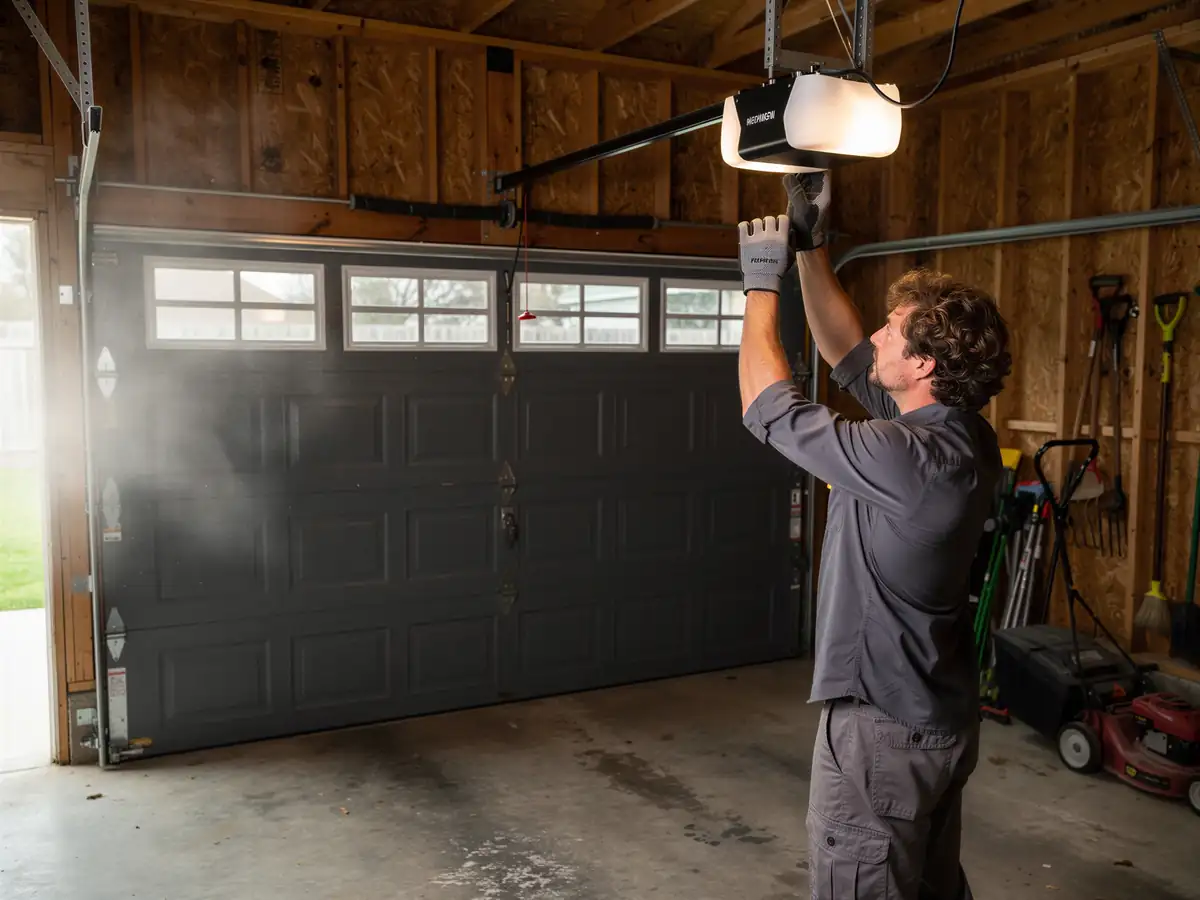
We don't post a flat number for opener repair because what's wrong with your unit decides that, not a zip code. A dead capacitor on a motor is a different job than a stripped gear or a logic board that's lost its mind. What we can tell you straight: we quote after we've looked at the opener, not before, because guessing a price over the phone and then changing it at your garage is how trust gets wrecked.
Cromwell runs about $104,458 in median household income, which puts it close to the middle of the towns we cover out of Glastonbury, not at either end. That doesn't set your price, but it does mean most of the openers we pull off walls here are mid-grade units bought to last, not the cheapest chain-drive box or the top-shelf belt system either. Expect a fair number of these jobs to be a motor or gear-set repair rather than a full swap, since the housing stock here skews older and owners tend to replace openers less often than they replace springs.
One honest limit: if the opener is old enough that the manufacturer doesn't make parts for it anymore, we'll tell you that on site instead of chasing a part that doesn't exist. Sometimes replacement is the cheaper call.
Where This Job Goes Sideways
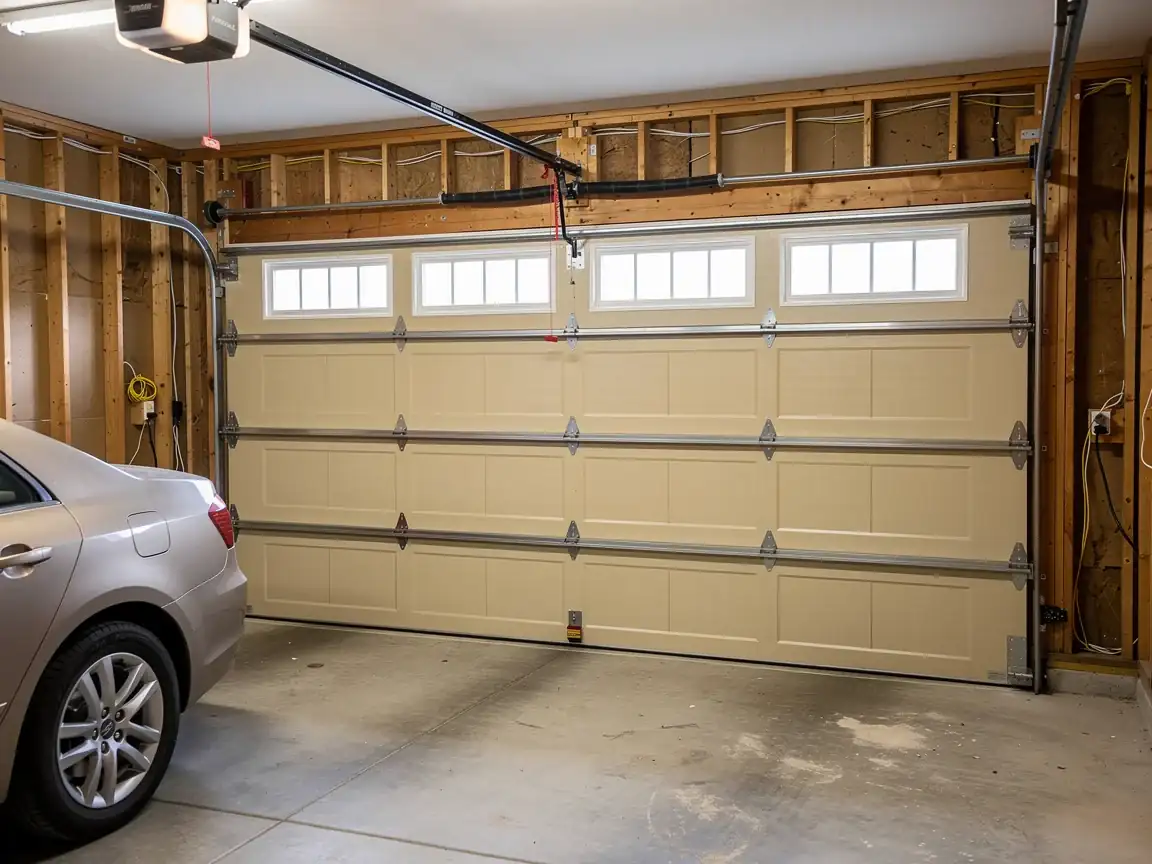
The most common wrong turn we see in Cromwell starts with a homeowner swapping the opener themselves and bolting a new unit to brackets sized for a door and header built around 1977. Bracket spacing, header clearance, and arm length on houses from that era don't always match what ships in a big-box opener kit today, so the new unit either binds on the travel or strips its own gear within a season.
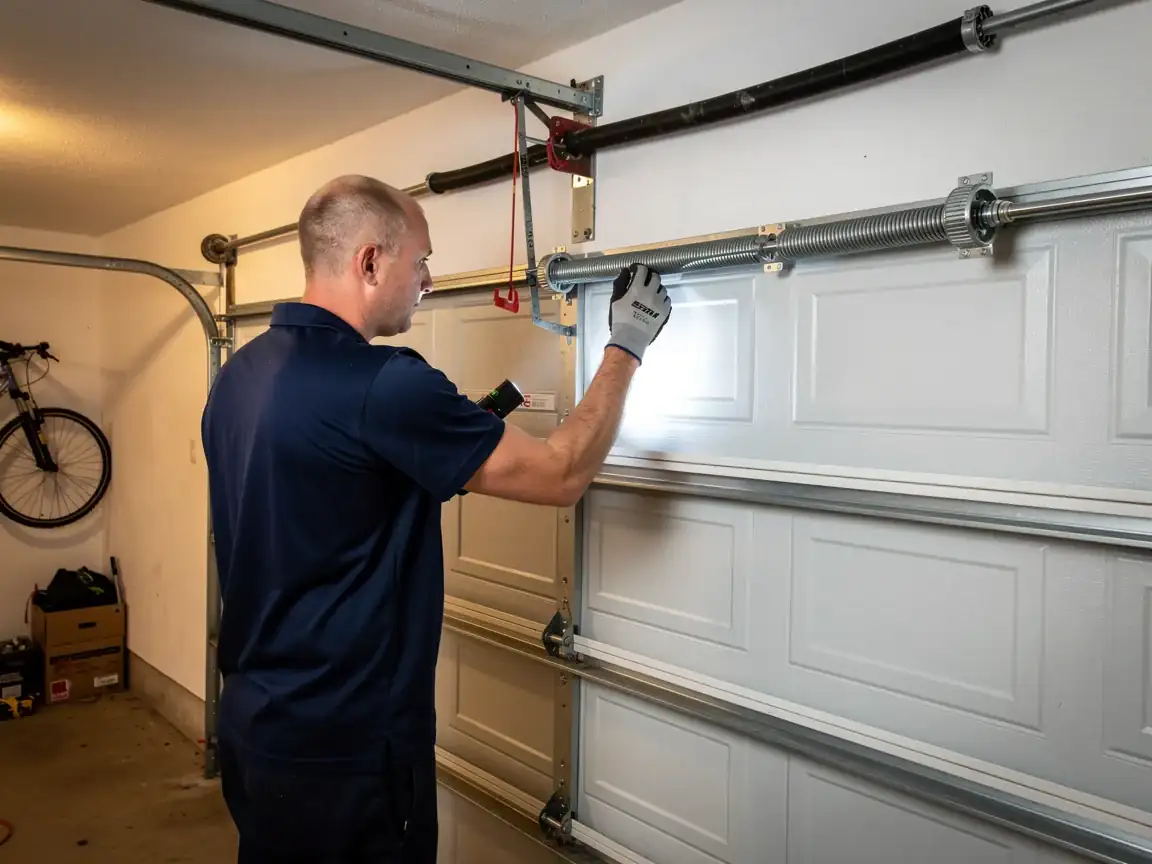
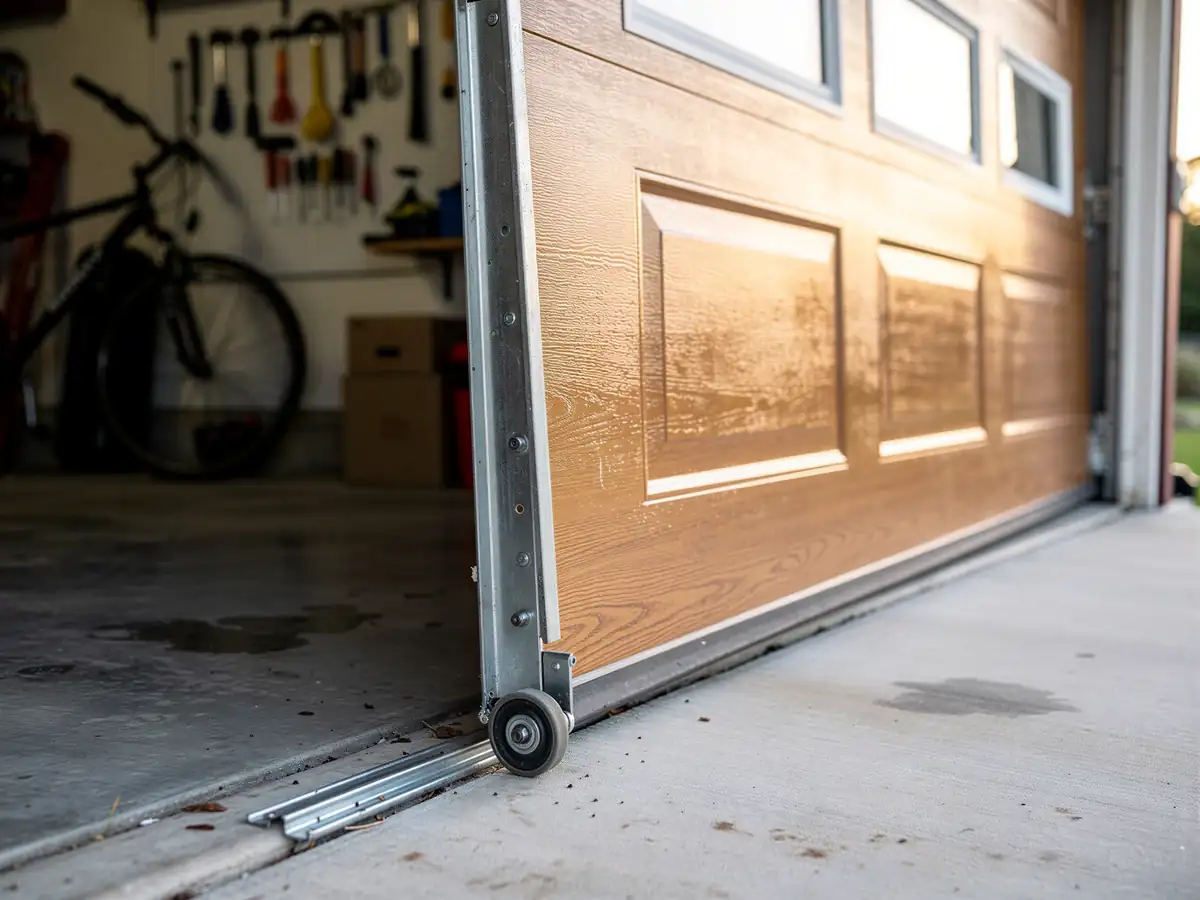
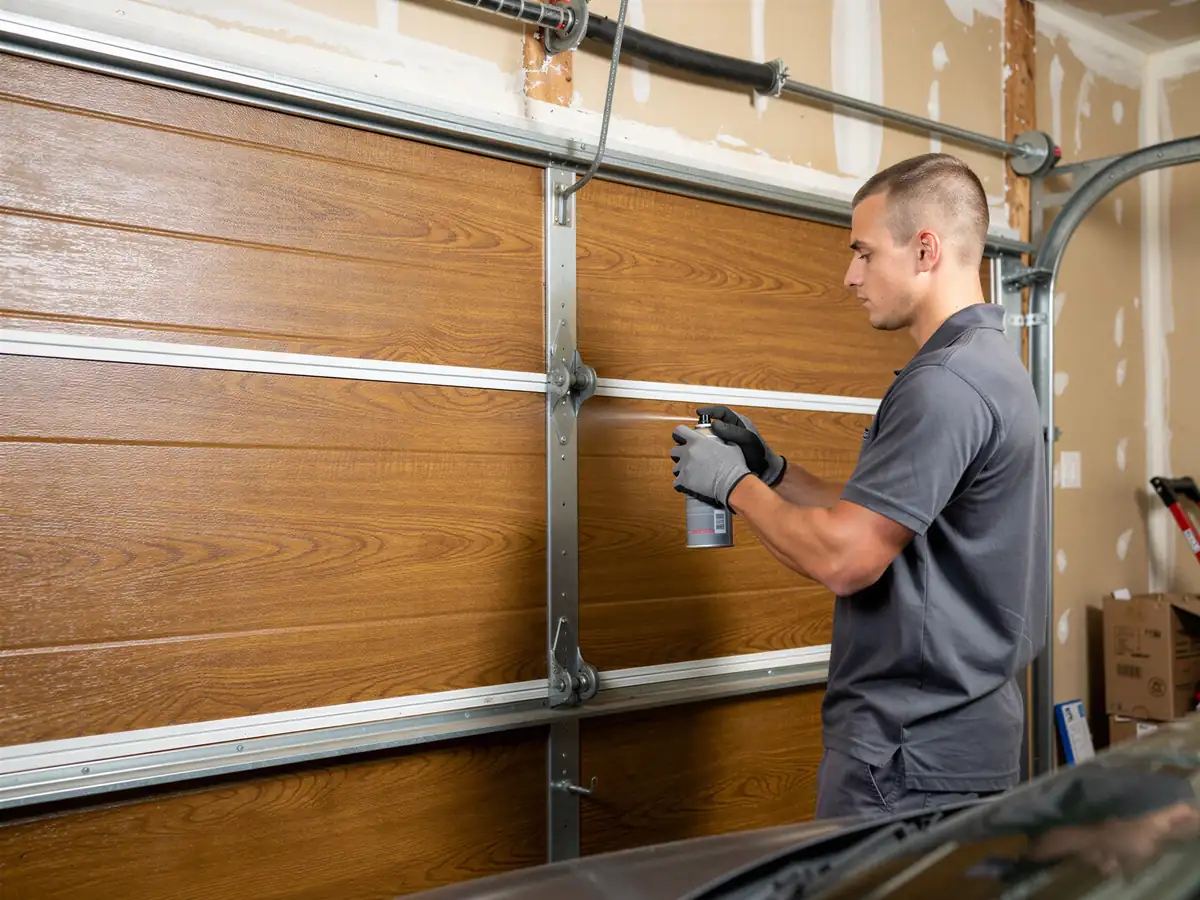
The second way it goes sideways is diagnosing the opener when the real problem is the door. A heavy, out-of-balance door from original hardware will burn out a perfectly good motor in under two years, and replacing the opener again doesn't fix anything if the door is still fighting it every time it moves.
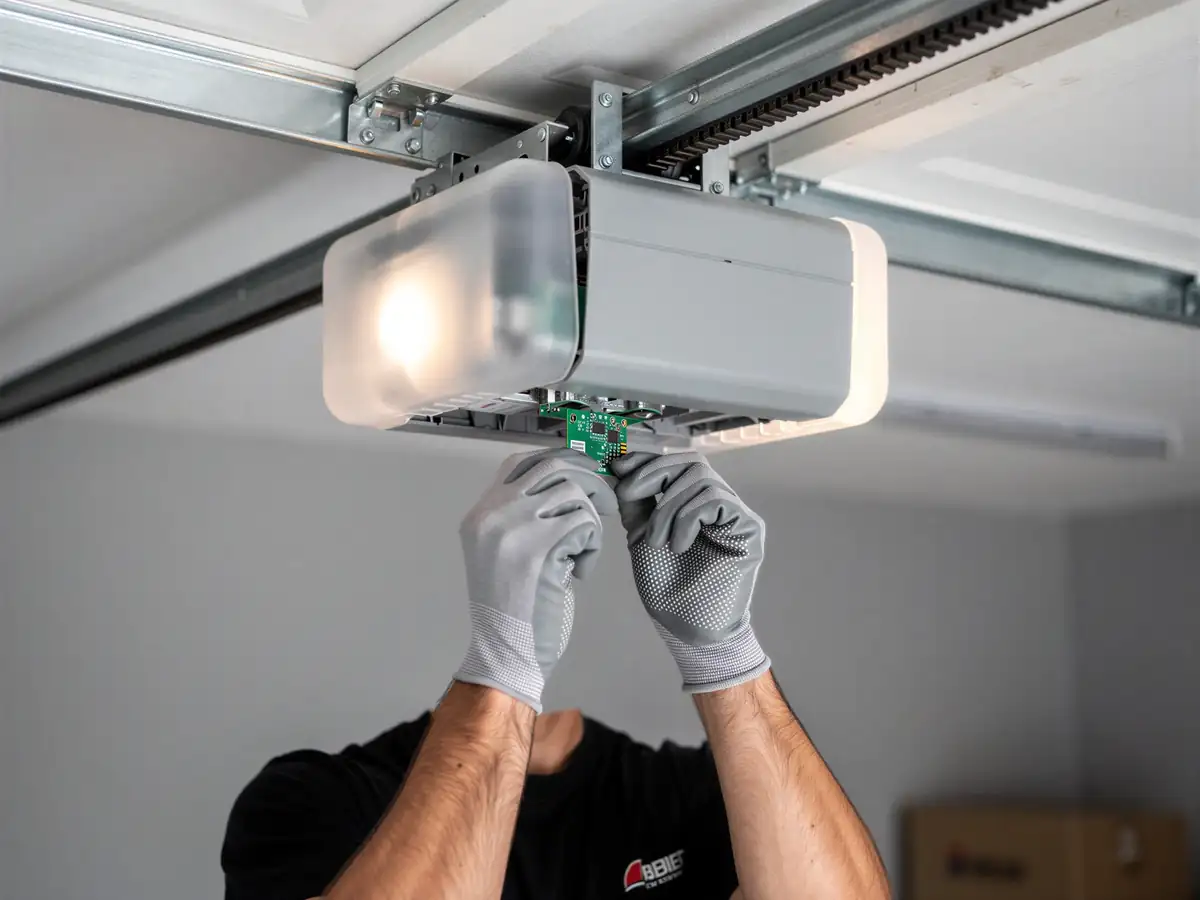
Third: logic boards. Older sensor wiring run along a garage wall for decades picks up enough nicks and corrosion that a board starts throwing faults that look like a dead motor. We check sensor wiring before we tell a homeowner the whole opener needs to come out, because sometimes a $20 wire fix solves what looked like a $300 problem.
Why This Fails Locally
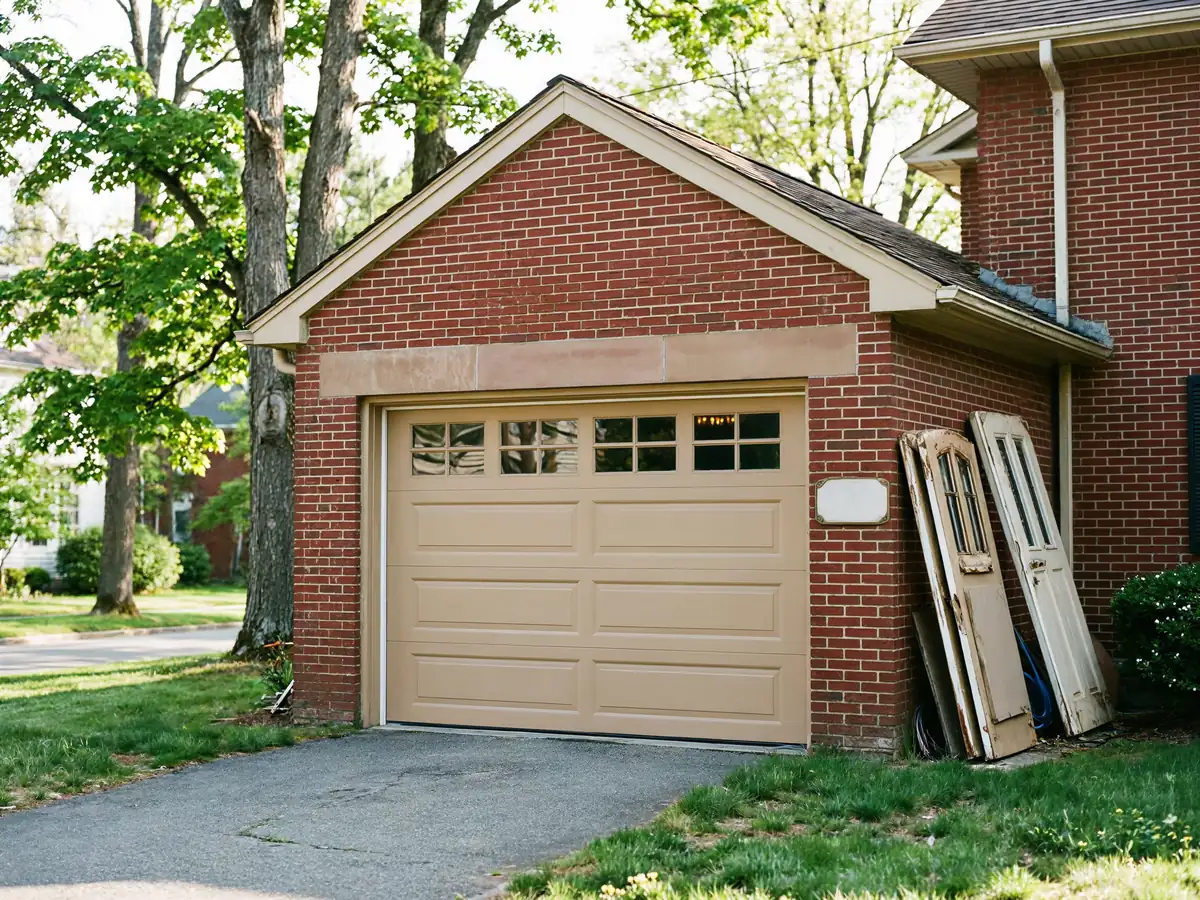
Cromwell's housing stock centers on 1977
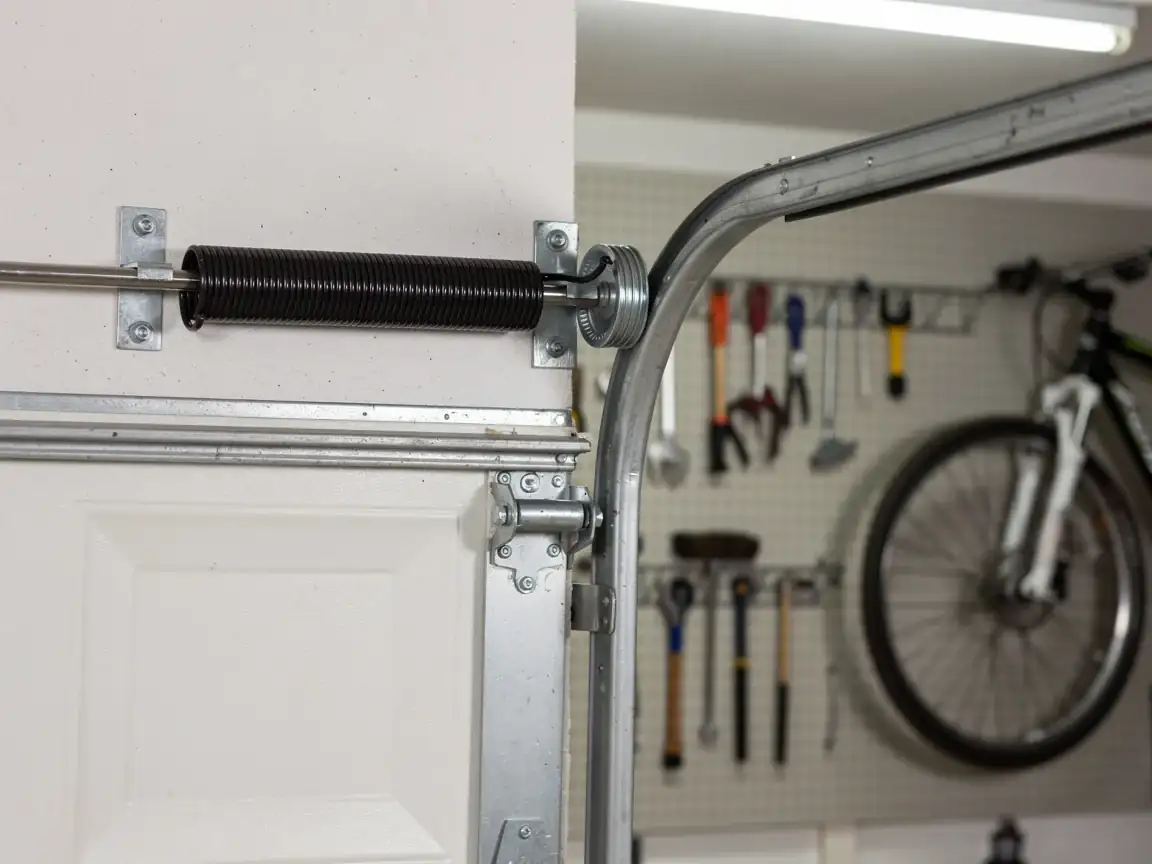
Squarely in the era when chain-drive openers were standard and screw-drive units were the upgrade option. Across the wider service area the housing runs 1938 to 1990 with a median around 1973, and Cromwell sits close to that midpoint rather than at either edge. That means original hardware here is often a torsion or extension spring setup matched to a chain-drive opener installed sometime in the 80s or 90s, not the newer belt-drive systems you'd find in a subdivision built in the last fifteen years.
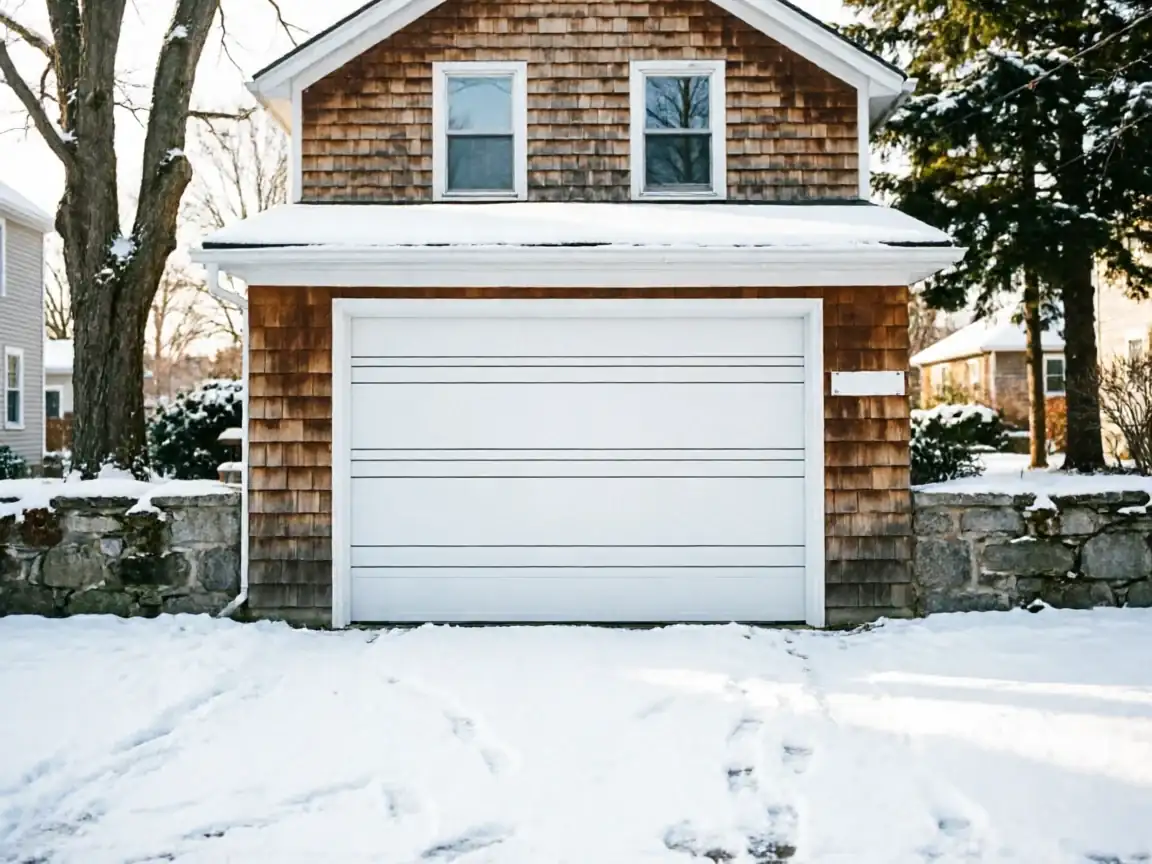
The area also sits in a cold, severe climate band
Winter cold thickens grease in gearboxes and makes aging capacitors fail at the worst moment, usually a January morning when the door is iced at the bottom and the opener is straining against extra resistance it wasn't designed to fight for long. A motor that's marginal in October usually dies in a cold snap, not in summer.
With roughly 5,868 households in Cromwell, we're not running a crew through here daily
That shapes how fast a part gets to your garage once we know what's broken.
- 5,868 households
Stocked Parts
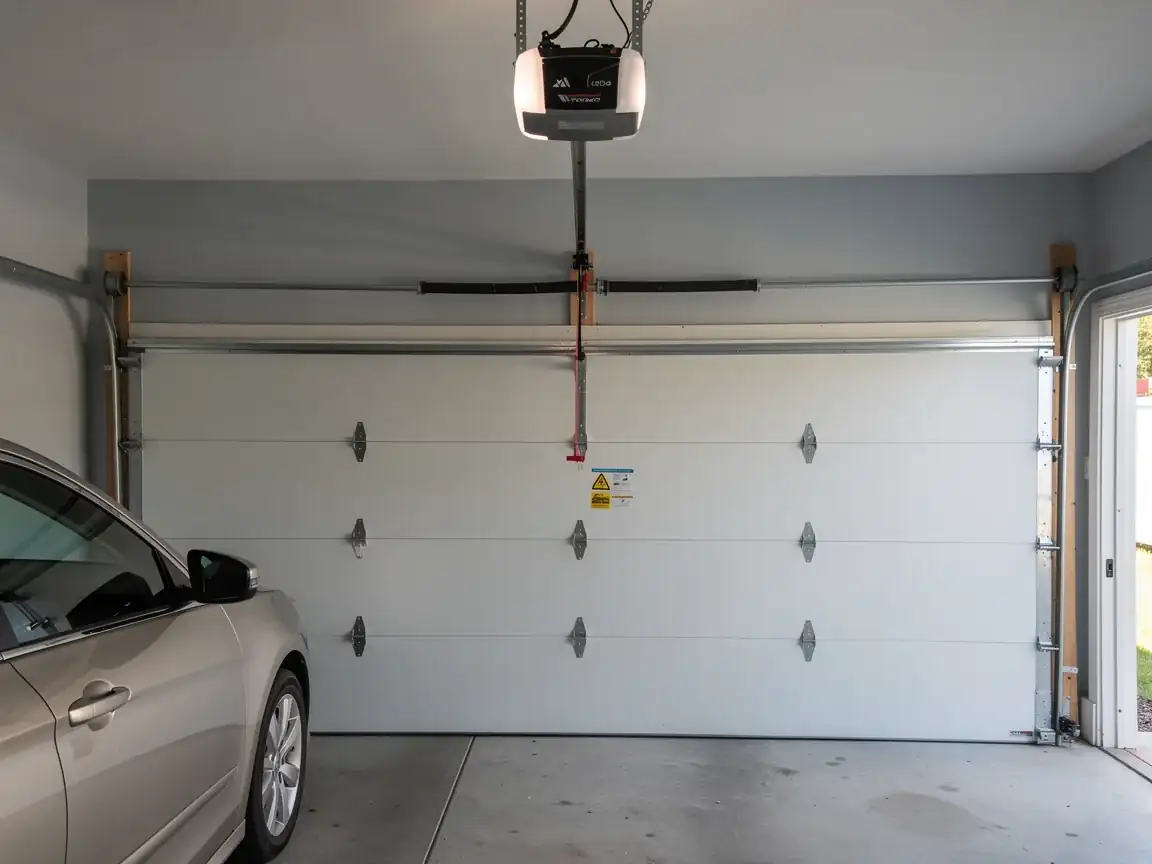
For a town built mostly in the chain-drive era, the parts we carry on the truck lean toward what fits that hardware: standard 1/2 and 3/4 horsepower chain-drive gear kits, capacitors, logic boards for the common residential brands, and replacement sensor pairs. Belt-drive parts ride along too, since enough owners have upgraded over the years that we don't assume every garage still has the original unit.
What we don't carry on the truck is anything proprietary to a smart-opener brand that's gone out of production or stopped supporting older models. If your opener falls into that category, we'll tell you on site and talk through whether a full replacement unit makes more sense than hunting down a discontinued board.
Because Cromwell is seven miles out from our Glastonbury base, we try to stock enough of the common failure parts that a single visit handles the repair rather than a return trip for a part we didn't have on hand. It doesn't always work out that way, but it's the goal on most calls.
What the Repair Takes
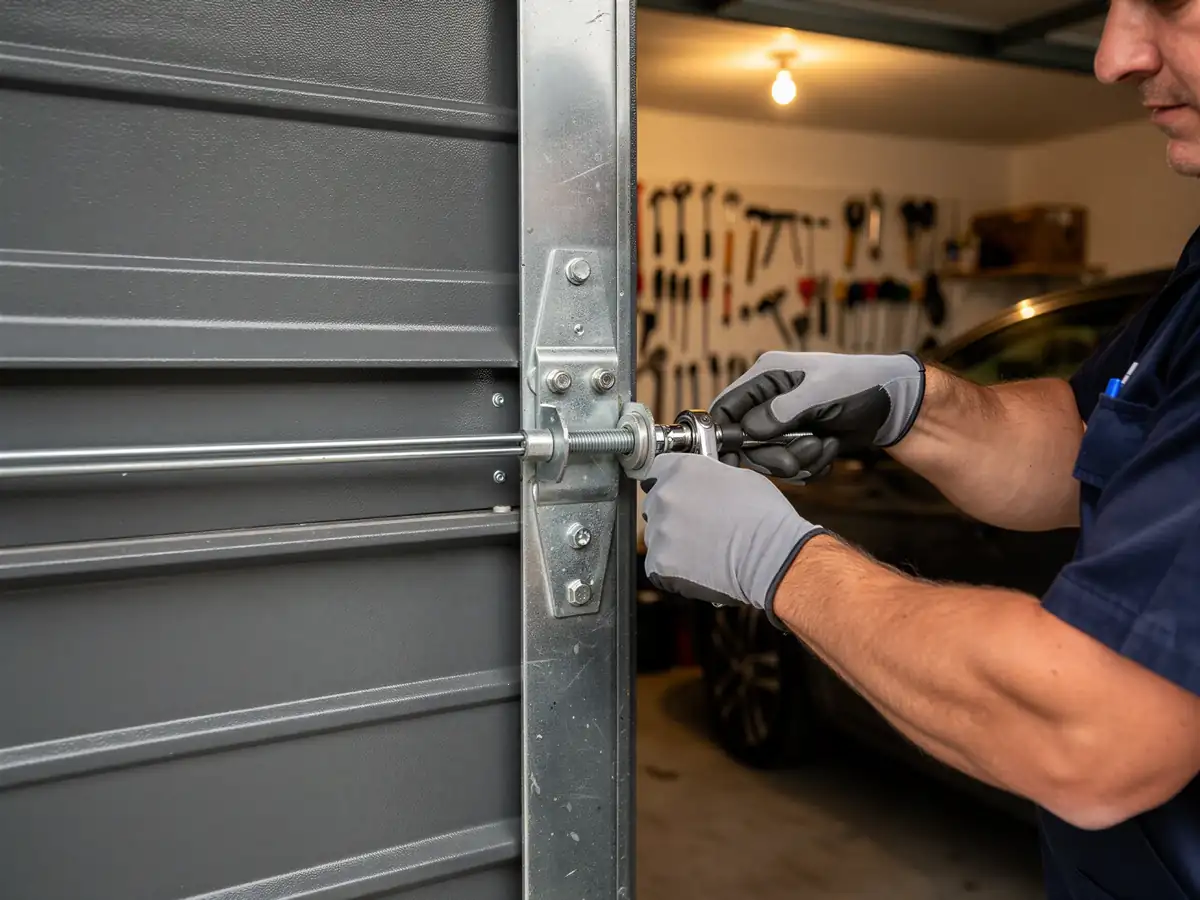
A straightforward opener repair, motor swap or gear kit, usually runs an hour to ninety minutes once we're in your driveway. Diagnosing a logic board fault or chasing an intermittent sensor issue takes longer because intermittent problems don't always show themselves on command.
The seven-mile run from Glastonbury adds maybe fifteen minutes of travel each way, which isn't the job itself but does factor into how we schedule the day. We batch Cromwell calls with other work in the nearby towns rather than treating every call here as a dedicated solo trip, which keeps the overall cost of running the truck down and keeps us from charging you for windshield time you didn't ask for.
If the opener needs a part we don't carry, the repair splits into two visits: one to diagnose and order, one to install. We'd rather tell you that up front than promise a same-day fix we can't back up from seven miles away.
The Symptom
The call we get most from Cromwell starts the same way
The door hesitates, reverses partway up, or the opener runs but the door doesn't move. In a cold, severe climate band, that symptom spikes hard in winter, when stiff grease and a strained motor finally give out together.
A door that reverses on the way down almost always means a sensor alignment problem or a force setting that's drifted
Not a dead opener. A door that hums but doesn't lift is usually a gear or capacitor failure inside the unit itself. And a door that's gone completely silent is either a dead circuit board or, less often, a tripped breaker that has nothing to do with the opener at all.
If your opener light blinks a number of times in a pattern before it stops
That's usually the manufacturer's own fault code, and we can often tell what's wrong before we even open the housing. Worth mentioning that code when you call, if you've noticed it.