What You Pay
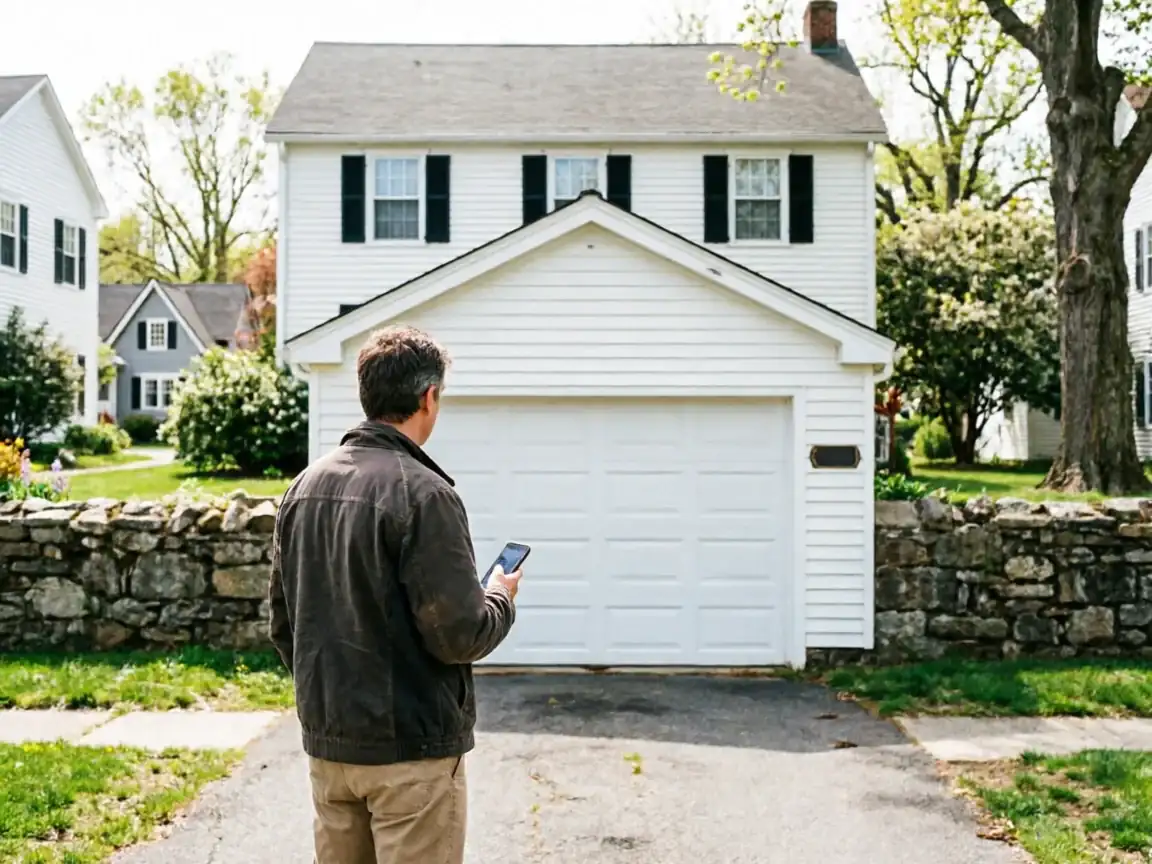
Cromwell's median household income runs $104,458, a bit under the $107,012 median across the wider area we work. That number matters because it sits close to the line where replacing a door starts to make more sense than patching it again. A single torsion spring swap on a builder-grade door from this era is usually worth doing. A door that's already had three service calls, with a warped panel and a motor that grinds on startup, often isn't - the parts to keep it limping along cost more over two years than a new door would. We don't post a flat price here, because a broken spring and a bent track aren't the same job, and quoting one number for both would be a guess, not a price. What we can tell you is which side of that repair-or-replace line your door is likely on once we've looked at the spring gauge, the hinge wear, and whether the opener is original to the house. For a household at Cromwell's income level, that's usually the real question, not the sticker price of one part.
Where This Job Goes Sideways
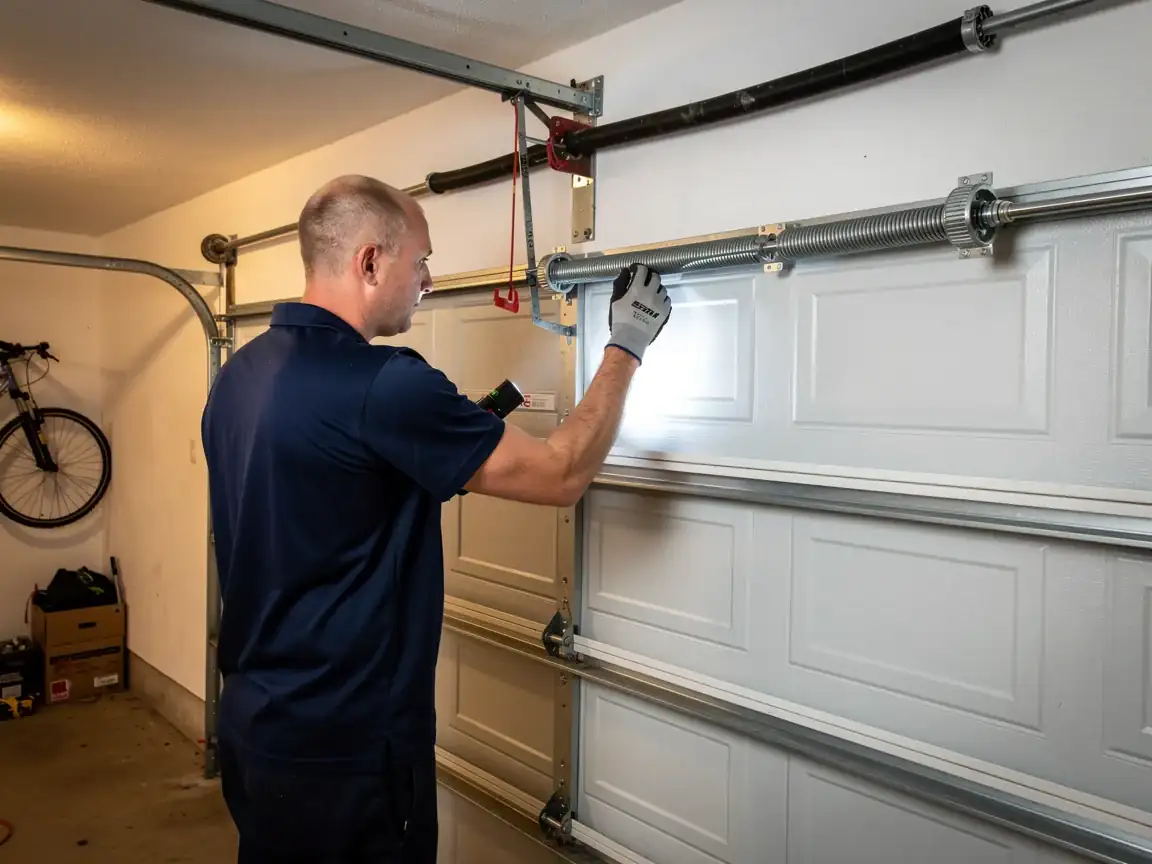
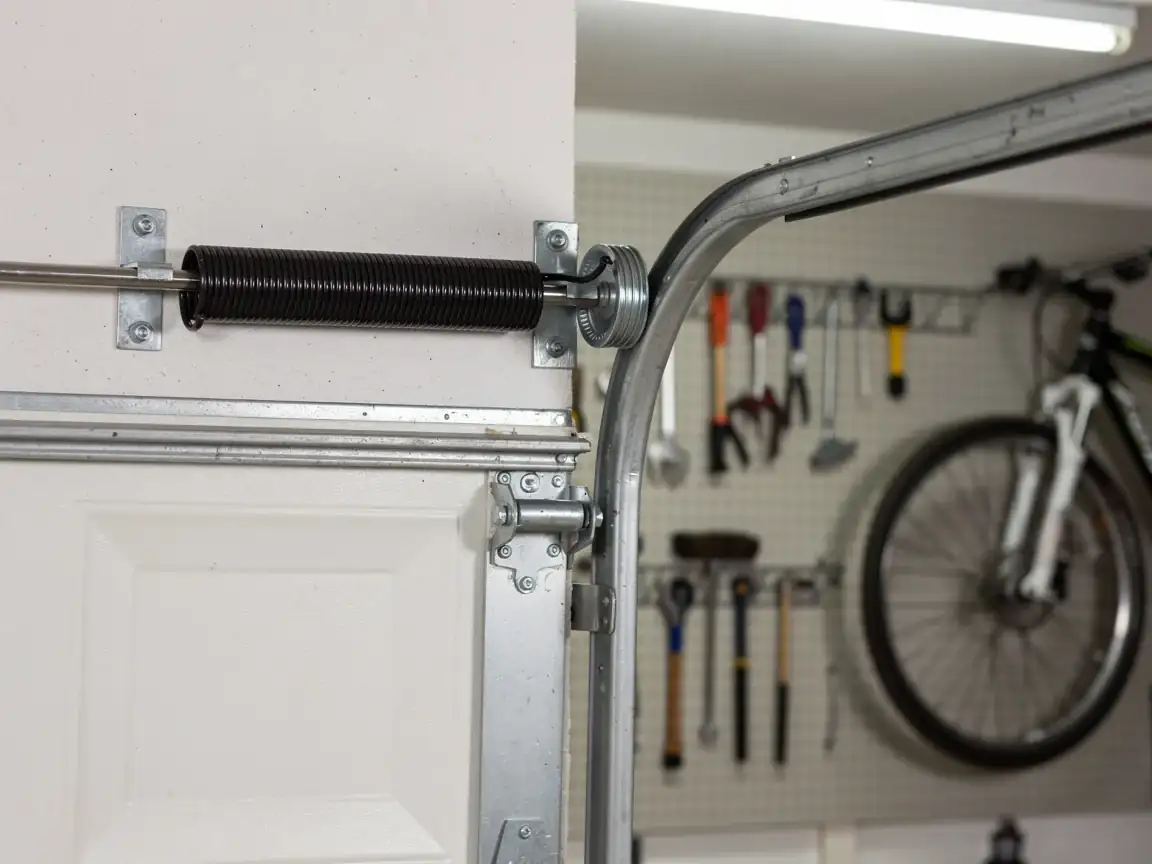
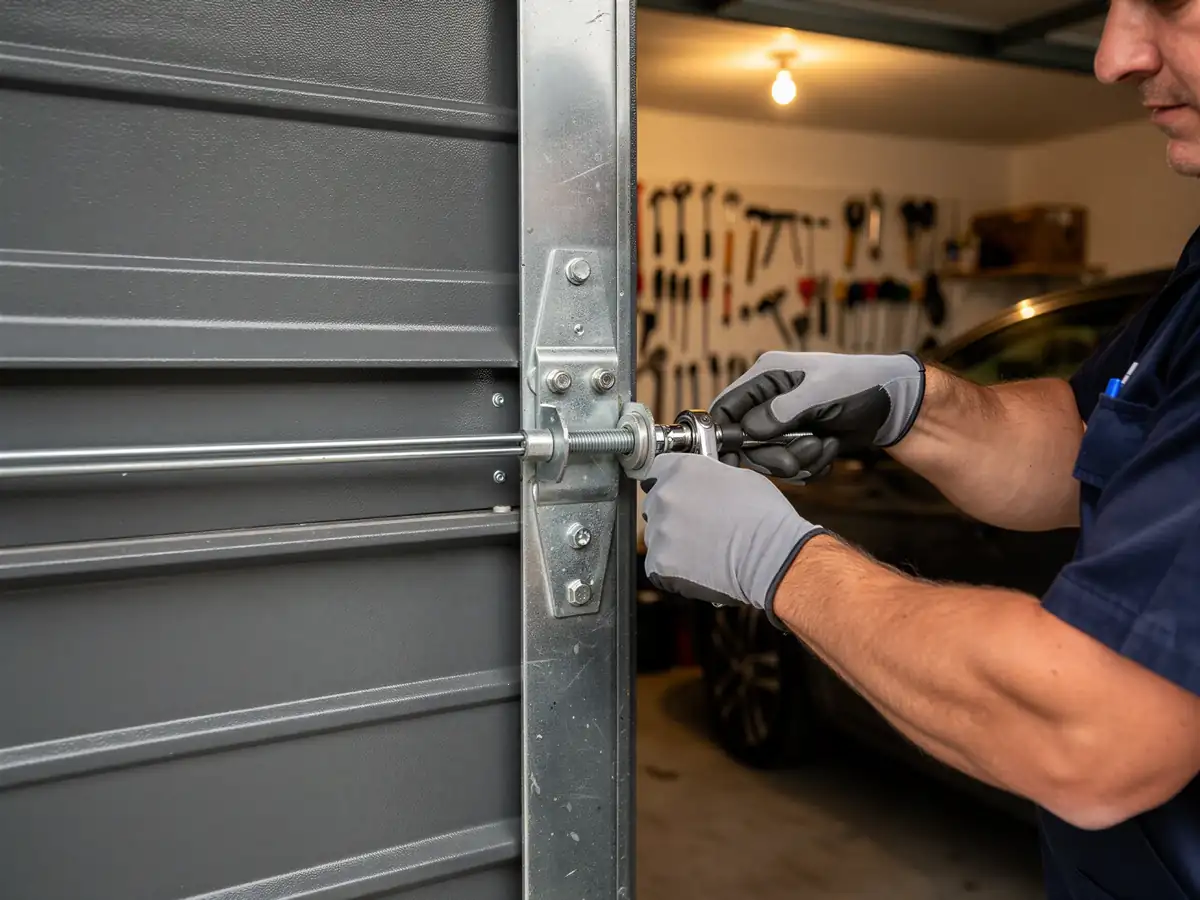
The call that starts as "my spring snapped" turns into a bigger job when the door has been running on a stretched or undersized spring for years before it finally let go. On a house built around 1977, that's common - the original torsion spring was sized for the door's weight when it was new, not for the extra pounds of a retrofitted insulated panel or a heavier steel replacement installed later without resizing the spring. We also see tracks that were never reset after the house settled, which doesn't matter much until a spring fails and suddenly the door isn't traveling straight anymore. The sideways turn, almost every time, is discovering the cable drums or the end bearing plates are worn to match the spring, not just the spring itself. That's not us padding the job - it's the reason a $200 problem on paper sometimes needs two more parts to actually hold. We'll tell you before we start if that's likely, based on the drum wear we can see, not after the invoice is written.
Stocked Parts
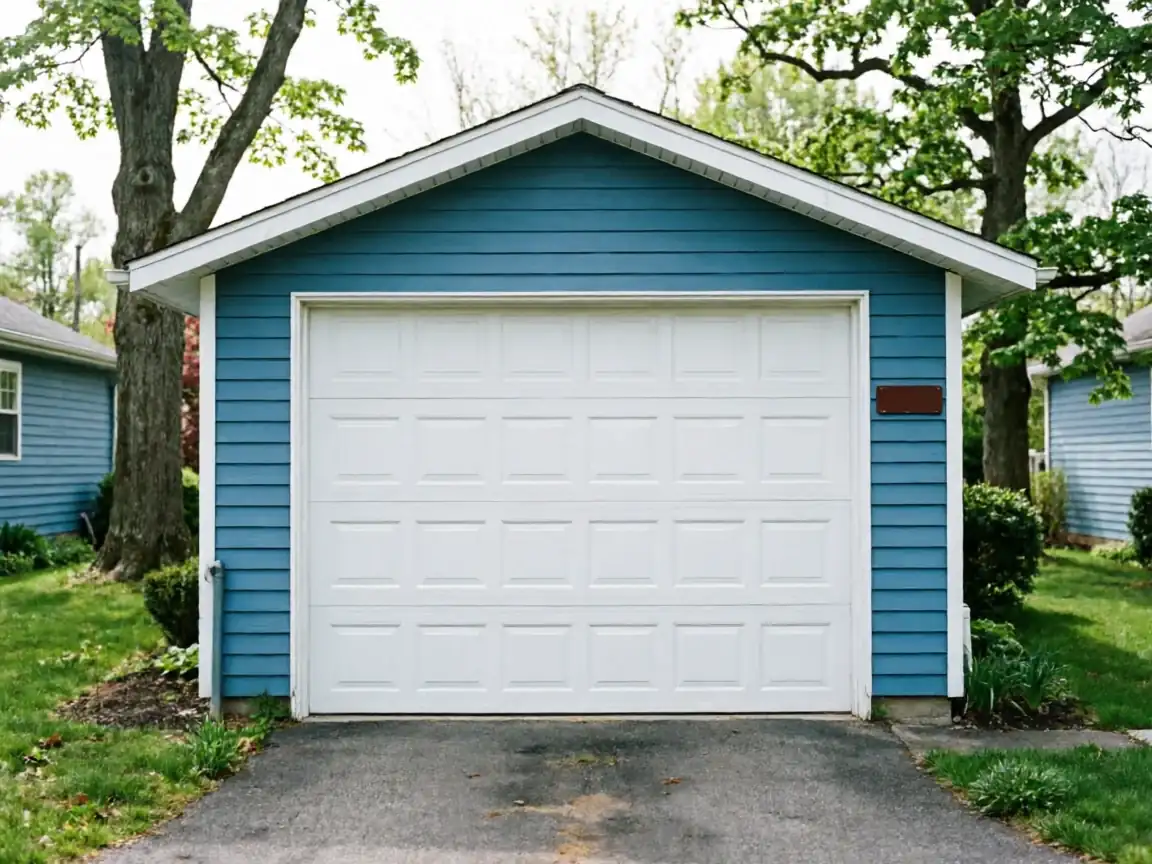
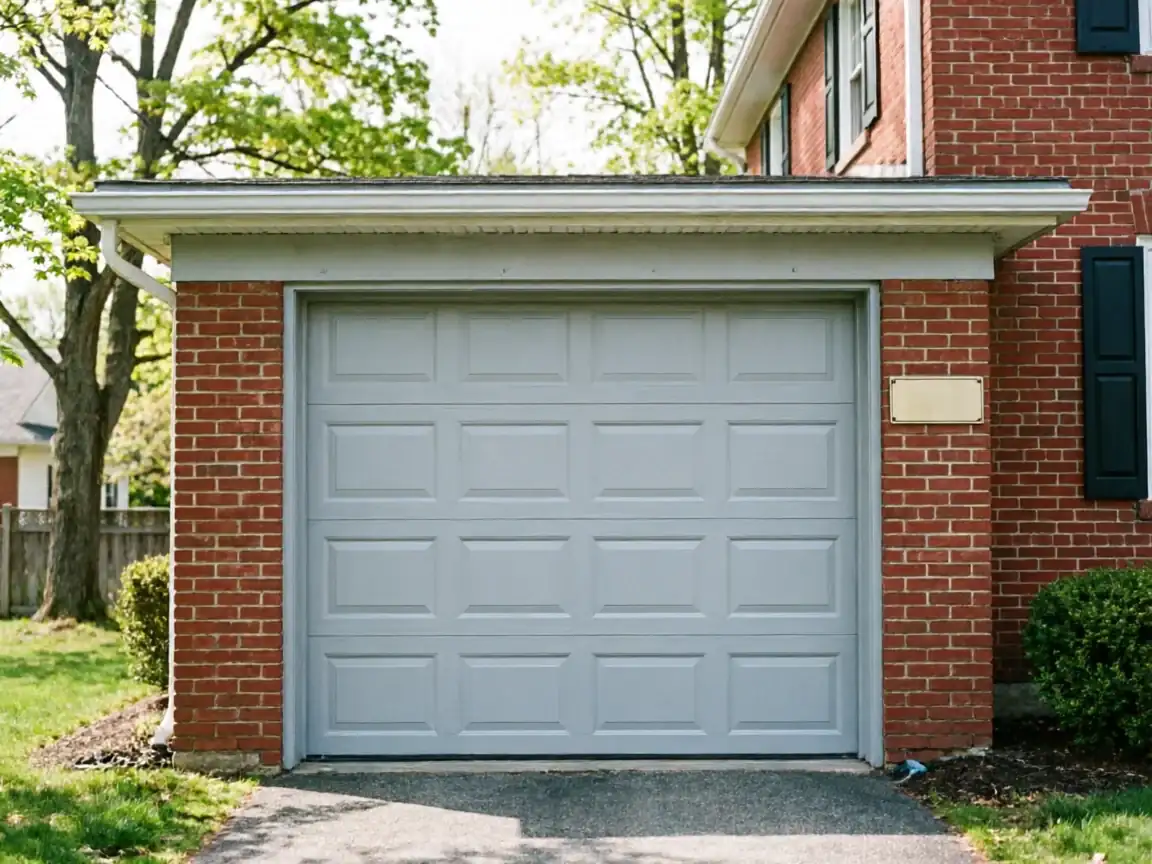
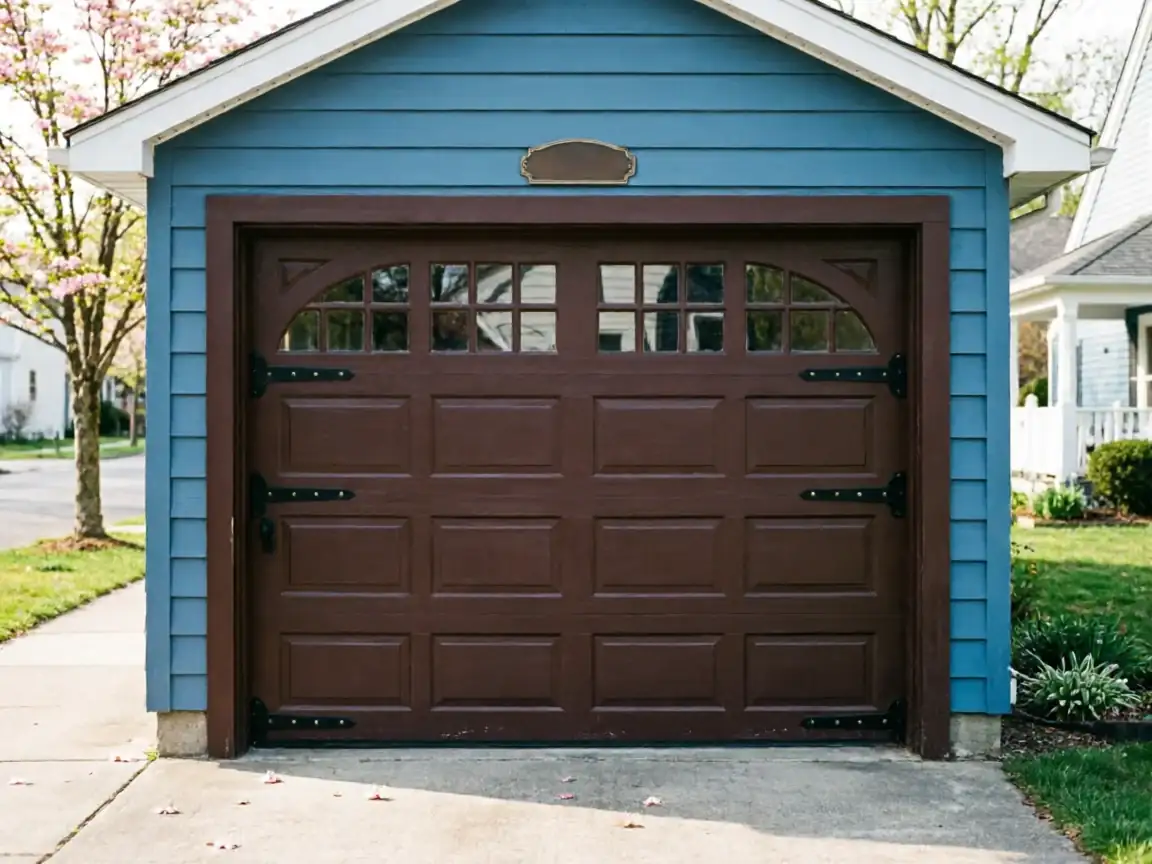
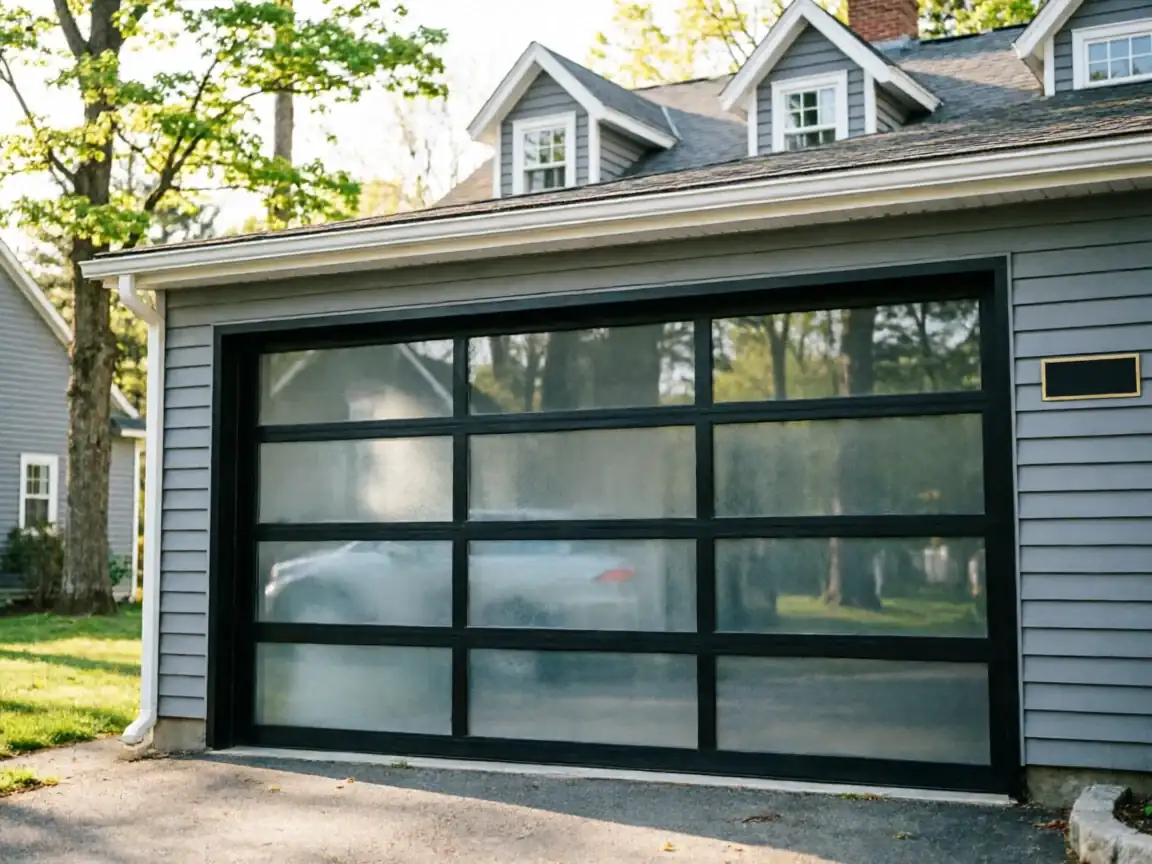
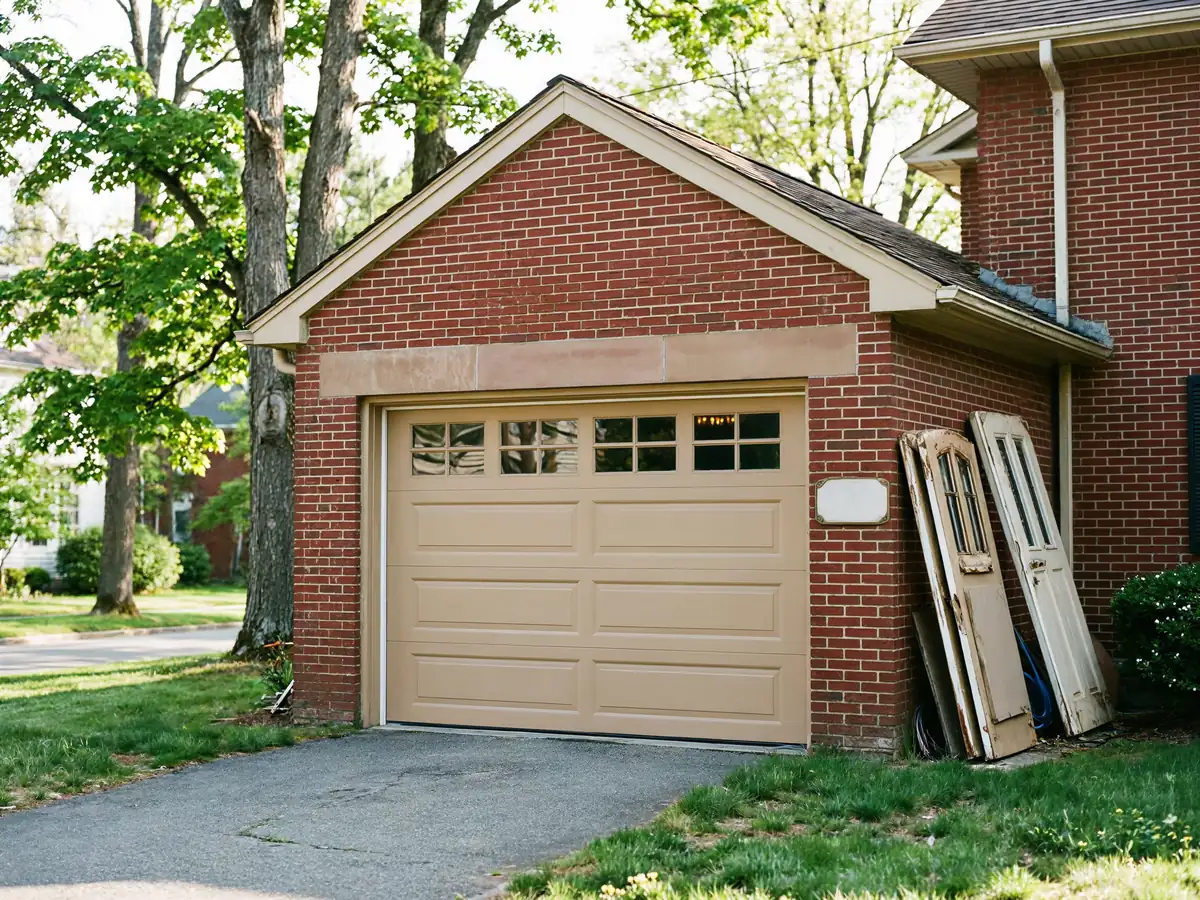
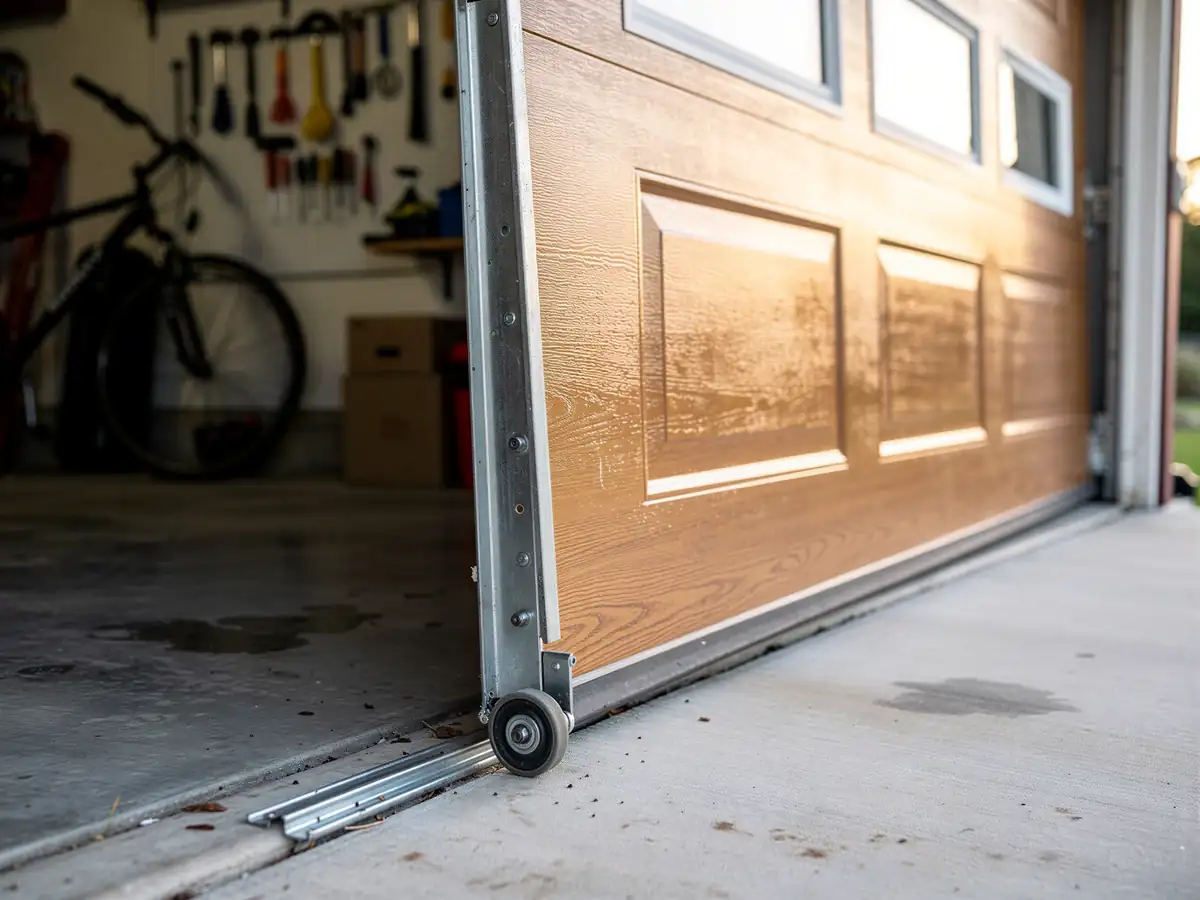
We carry the torsion springs, cables, and rollers sized for the builder-grade doors common across this area's 1960s-to-70s housing, since that's what we're working on most weeks. Standard-size openers and the drive gear kits that wear out in them are on the truck too. Where we run into lead time is the oddball stuff: a discontinued panel profile from a manufacturer that's stopped making that model, or a custom-width door that was never a stock size to begin with. If your door falls into that category, we'll tell you straight that the part has to be ordered, and give you a realistic sense of how long that takes rather than promising a same-visit fix we can't deliver. For the majority of doors from Cromwell's building era, though, what breaks is what we already have with us - springs, drums, and the hardware that takes the daily wear of opening and closing.
What the Repair Takes
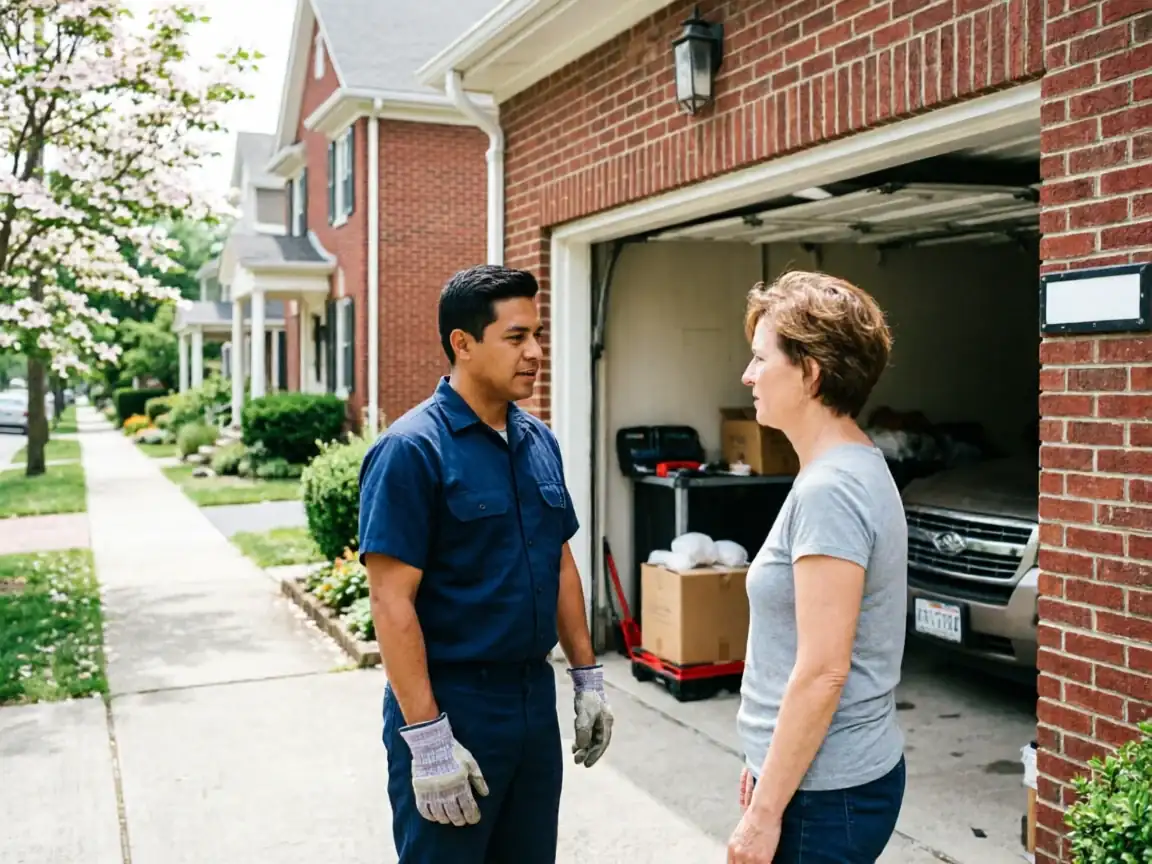
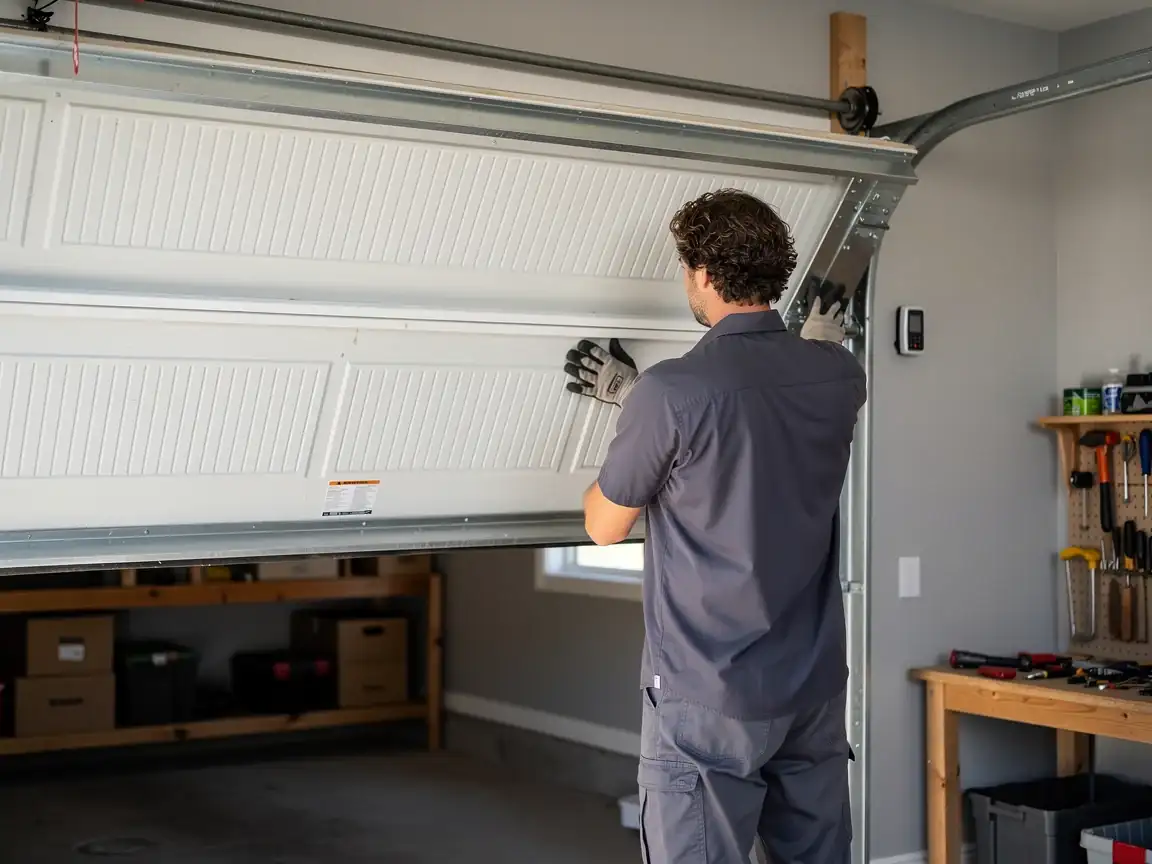
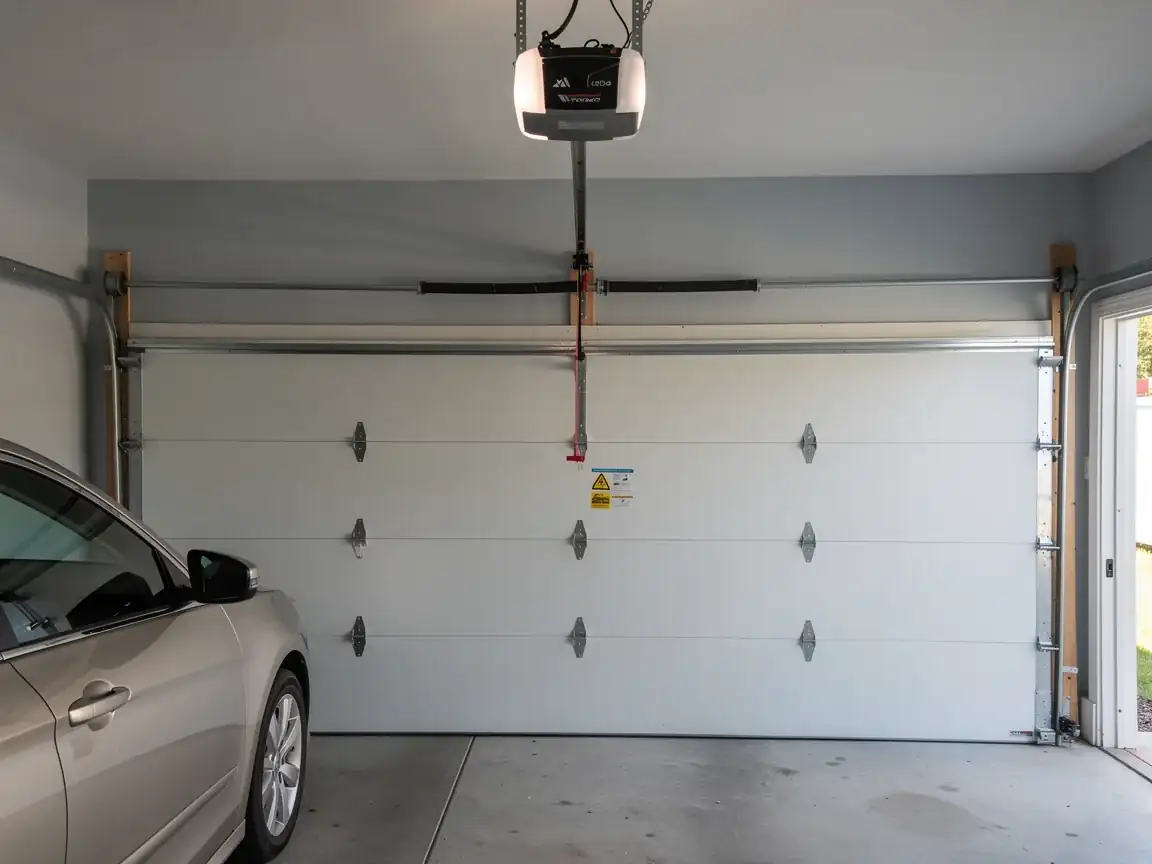
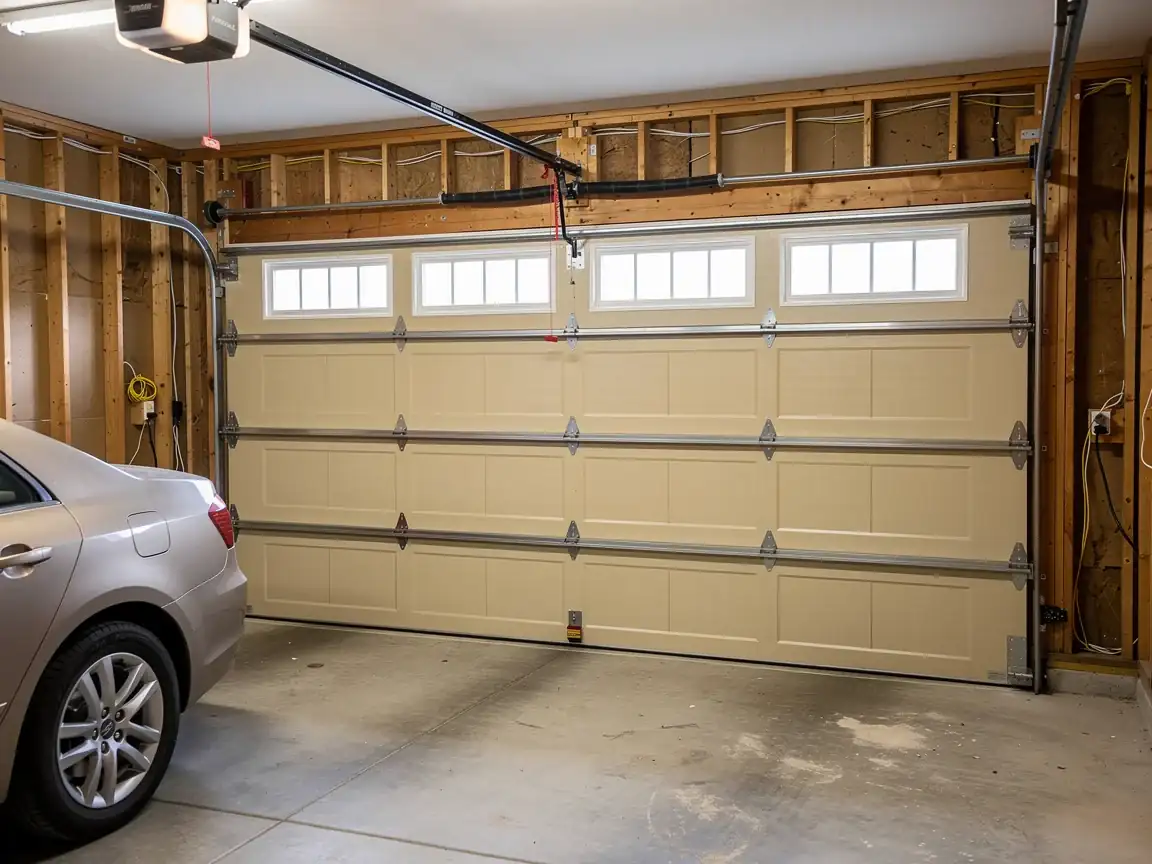
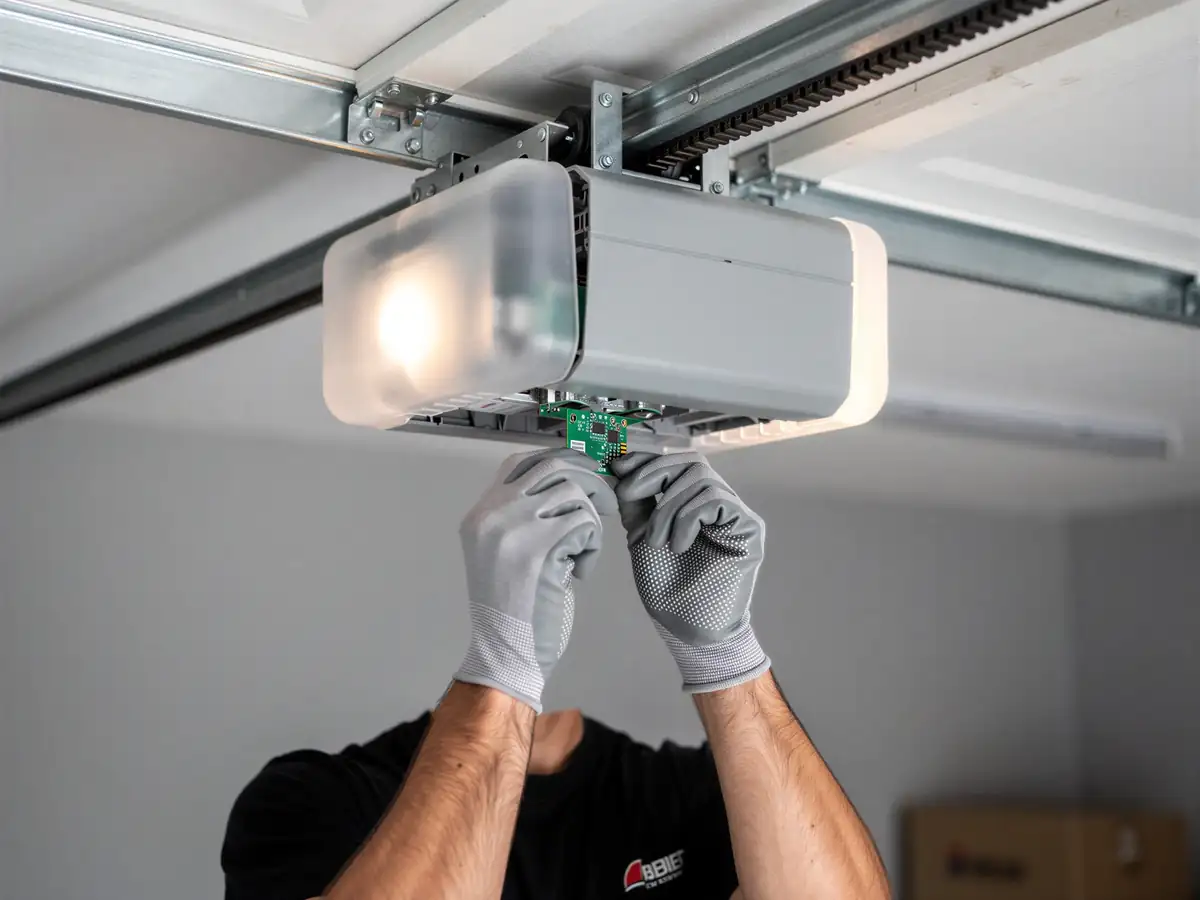
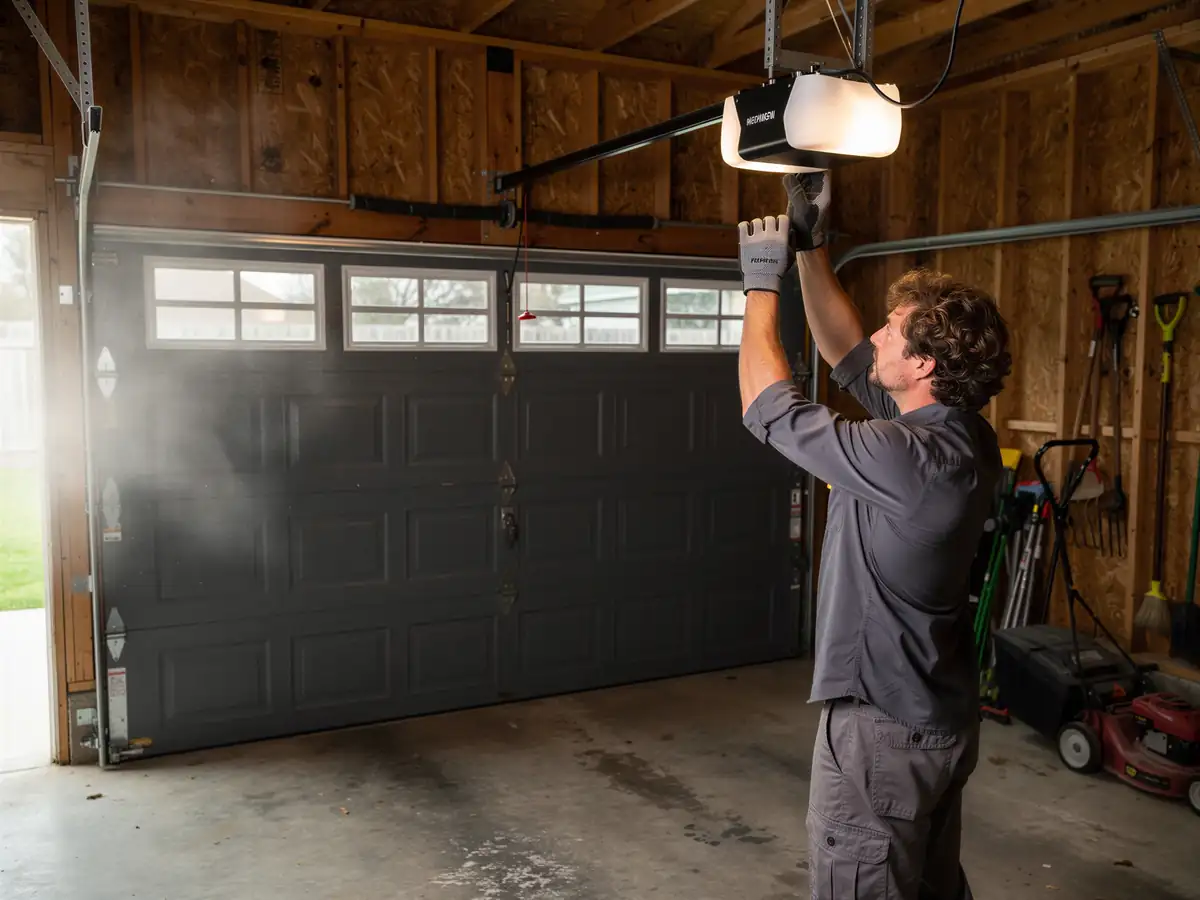
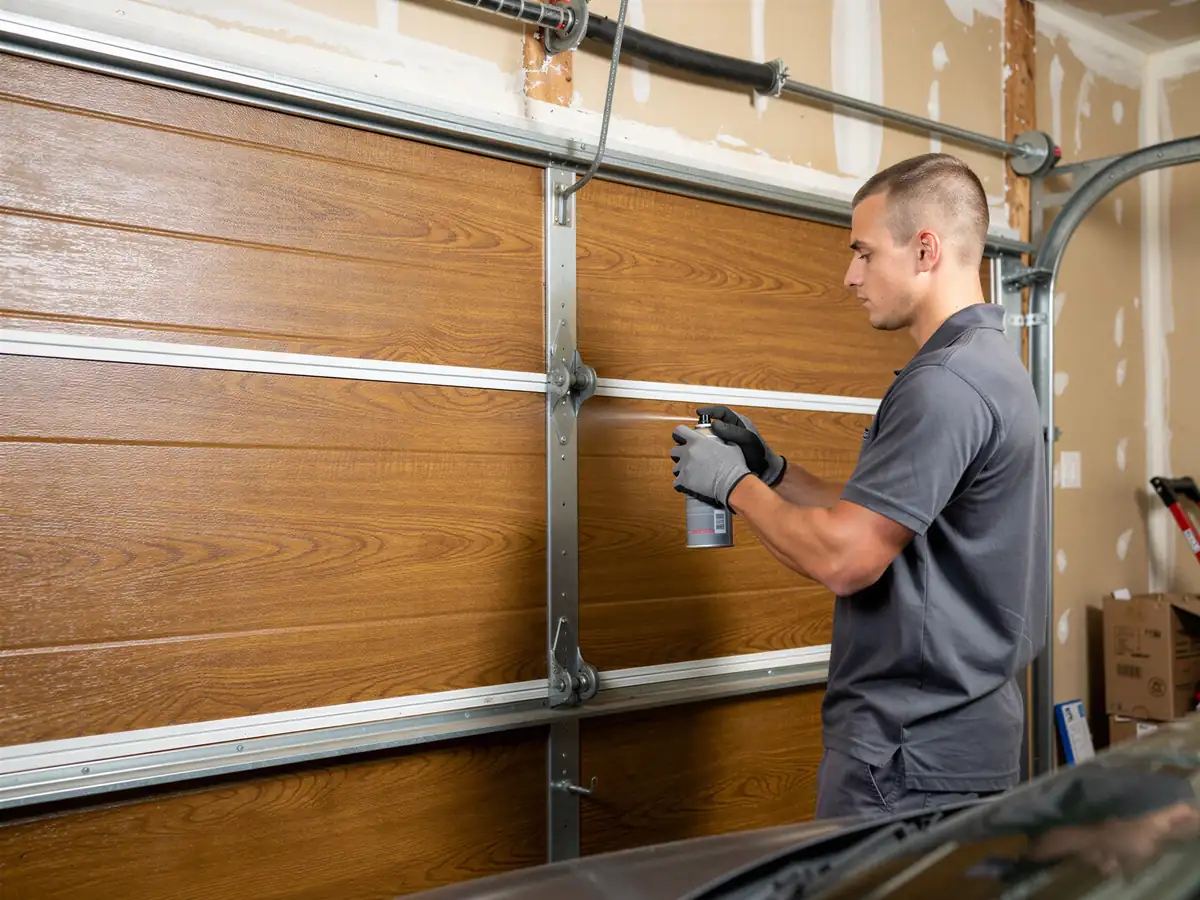
We travel the seven miles from Glastonbury out to Cromwell for the call, so the visit starts with a look at the door before anything gets touched - spring size, drum wear, cable fray, and whether the track is still square. Most torsion spring replacements and roller swaps are a single-visit job once we're on site, since those are stocked parts. What takes longer is anything that needs the opener's logic board or a panel reordered, where the visit becomes a diagnosis trip first and a repair trip second. We test the door under full cycle, not just once, before we call it done - a door that opens fine but binds on the second or third cycle usually has a track alignment issue that a single test won't catch. We'll walk you through what we found and what we did, including anything we didn't fix because it wasn't worth fixing yet.