What You Pay
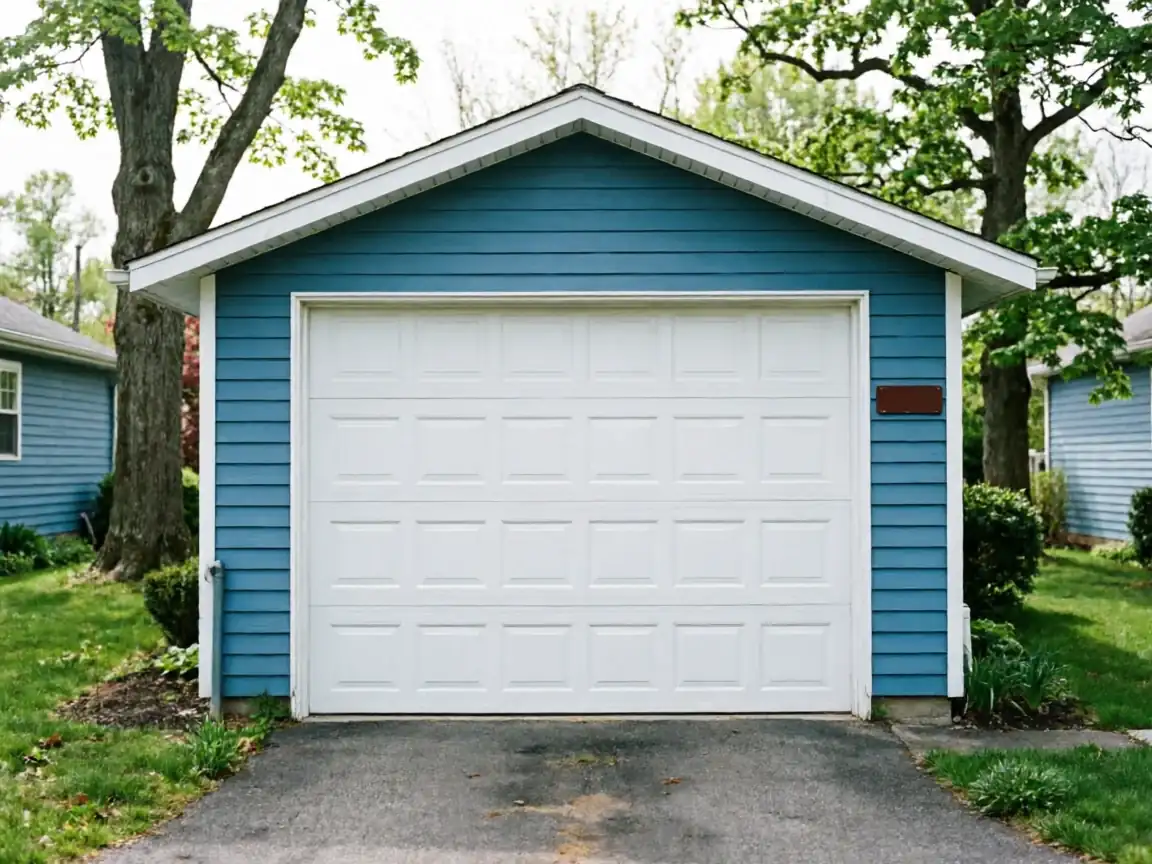
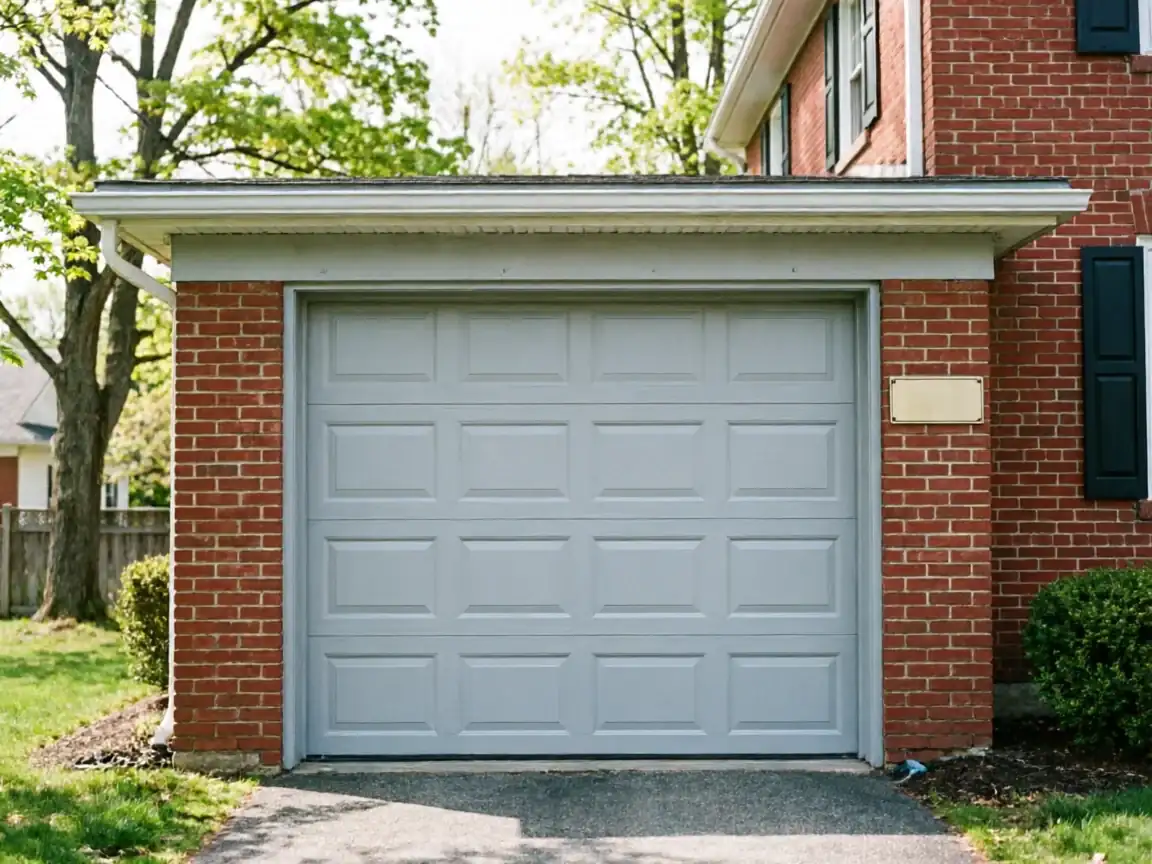
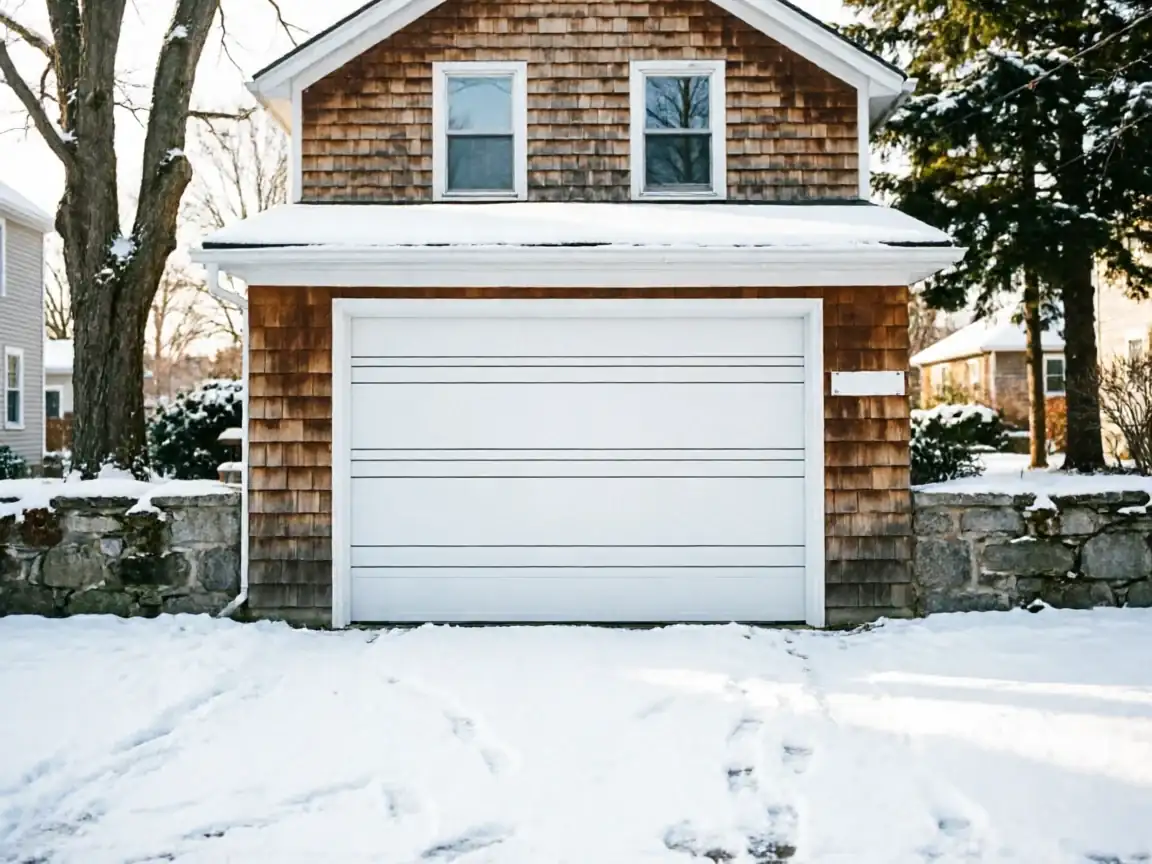
We don't quote a flat number for panel replacement sight unseen, and Cromwell is no exception - a single-panel swap on a steel sectional door costs less than matching a full run when the model's been discontinued. What we can tell you is how the town's housing stock shapes that math. Cromwell's homes center on a median year built of 1977, a few years past the 1973 median across the wider Glastonbury service area. That gap matters: doors from the late 1970s often used panel profiles and track widths that differ from the 1960s stock common a few miles closer to Glastonbury Center. If your door is original to the house, we're sometimes matching a panel that hasn't been made in decades, which pushes the job toward a full door rather than a single panel. With 5,868 households in Cromwell, we see this pattern often enough to recognize it on sight, but every driveway still gets measured before we promise anything.
The honest limitation: if your panel profile is obsolete and the manufacturer won't custom-run a short order, replacing the whole door is usually cheaper than chasing a one-off match.
Where This Job Goes Sideways
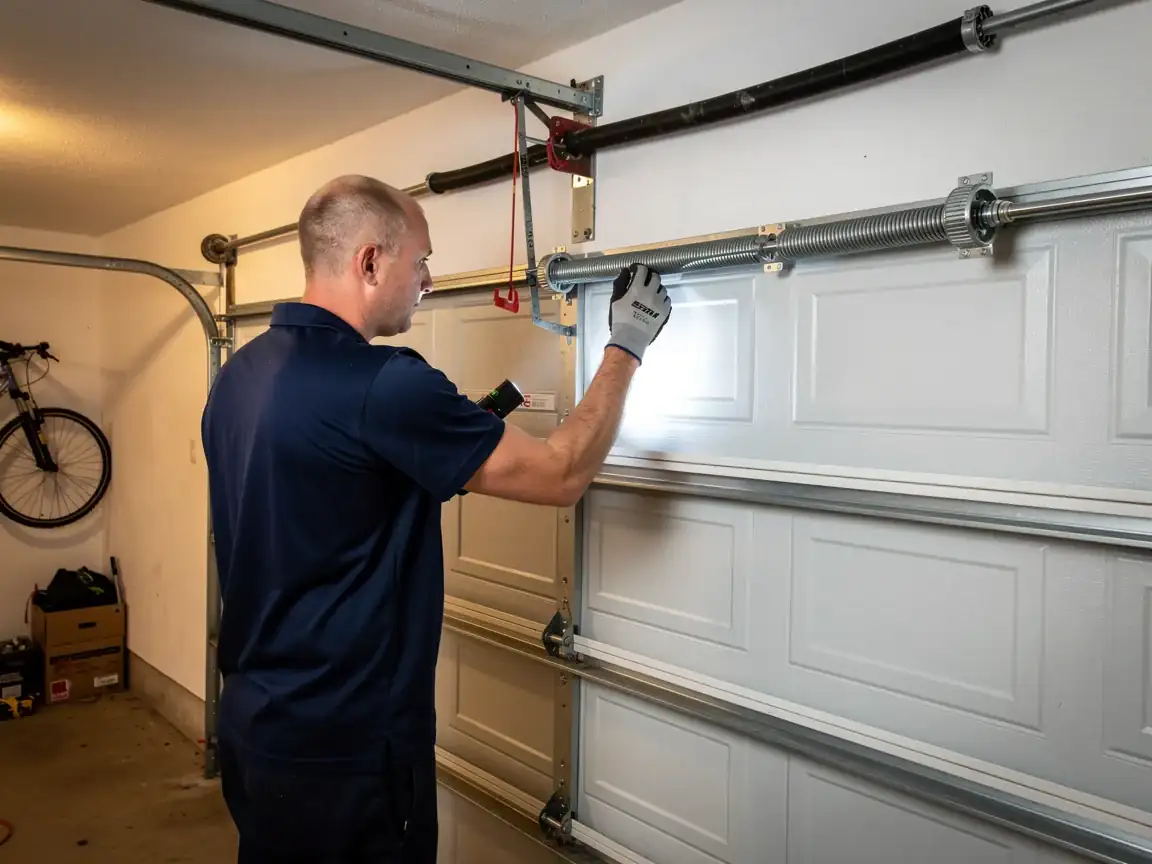
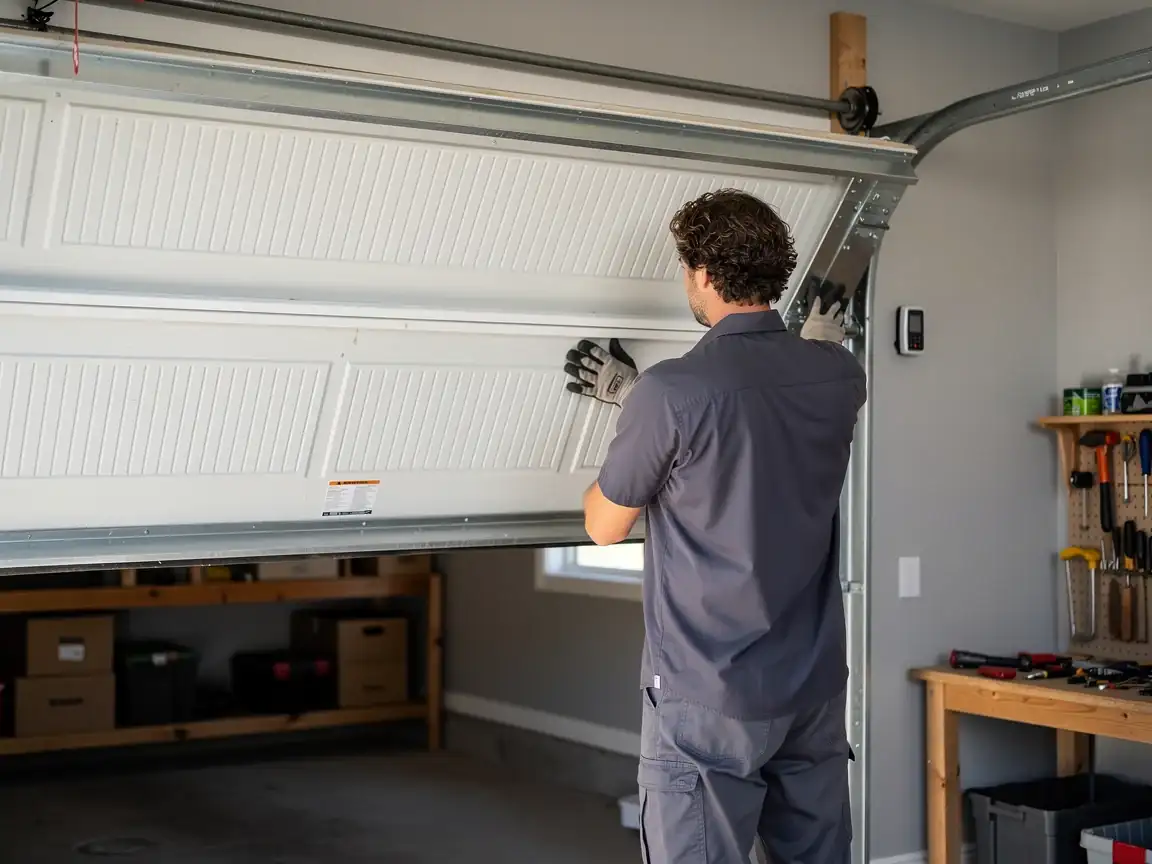
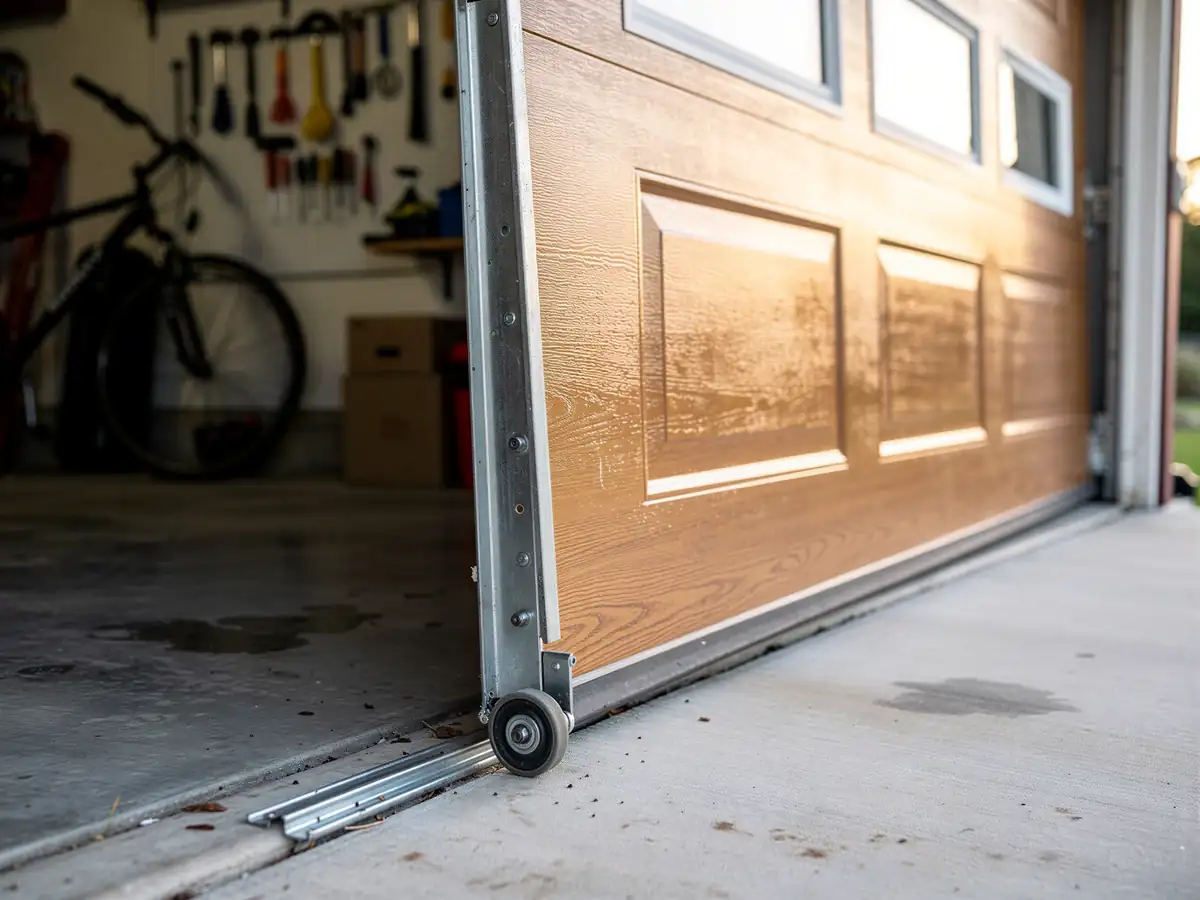
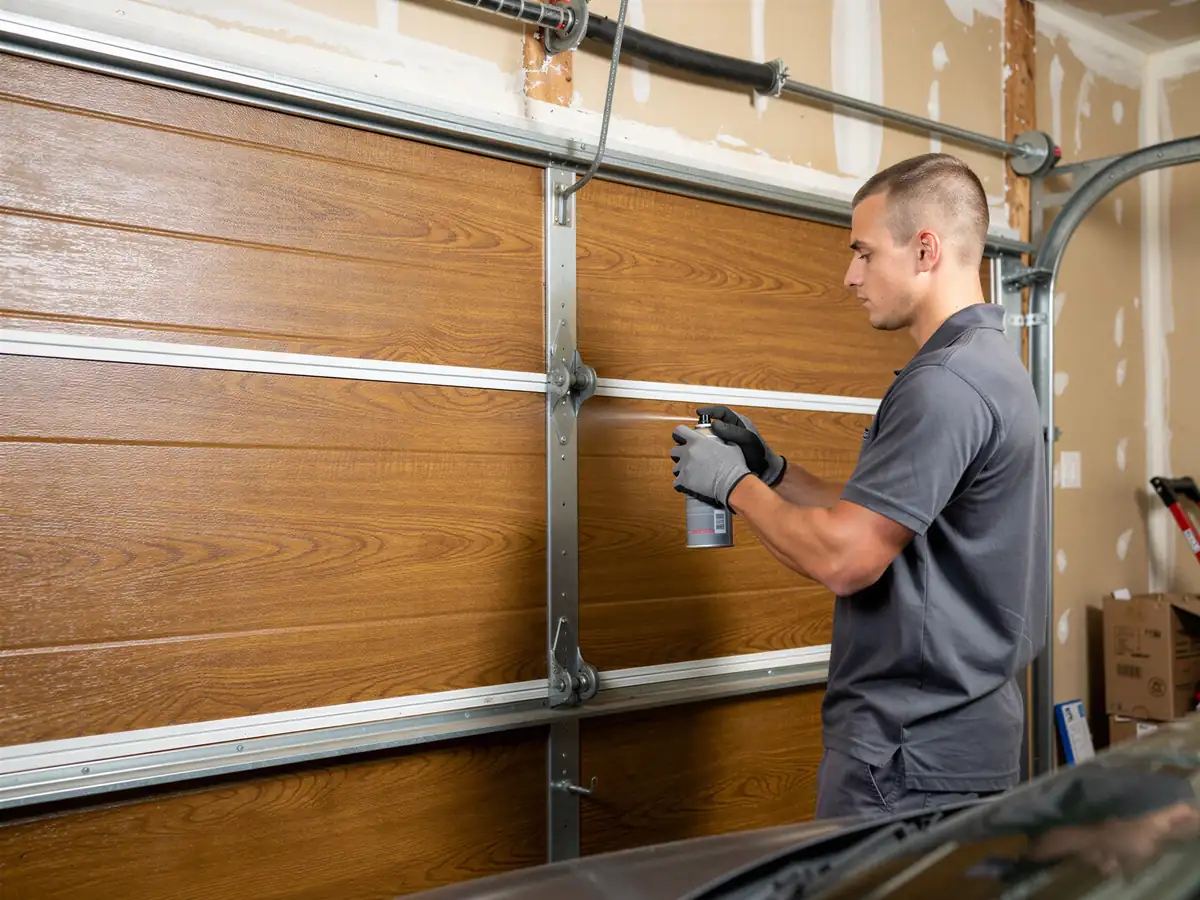
The failure mode we see most in Cromwell isn't the panel itself - it's what's attached to it. A dented or cracked panel on a door built around 1977 often shares hinges and rollers original to the house. Pull one panel and the hardware on the next one over can crumble in your hand, especially where the steel has fatigued from decades of expansion and contraction. We've also seen jobs quoted as a simple panel swap turn into a track realignment because the garage settled slightly over nearly fifty years, which throws off the reveal between panels just enough that a new section won't sit flush. None of this is unusual for a house this age; it's just not visible until the old panel comes off.
Stocked Parts
We carry common panel sections, rollers, hinges, and end caps on the truck for the door styles that show up most often across the service area - which, given that Cromwell's stock runs mostly late 1970s, means we're often prepared for the hardware this town actually has. What we don't carry is a discontinued panel profile from a manufacturer that's changed its panel geometry since Cromwell's houses were built. When that's the case, we order it, or we talk through replacing the section with a close match rather than an exact one. We'd rather tell you that up front than have you wait on a part that isn't coming.
What the Repair Takes
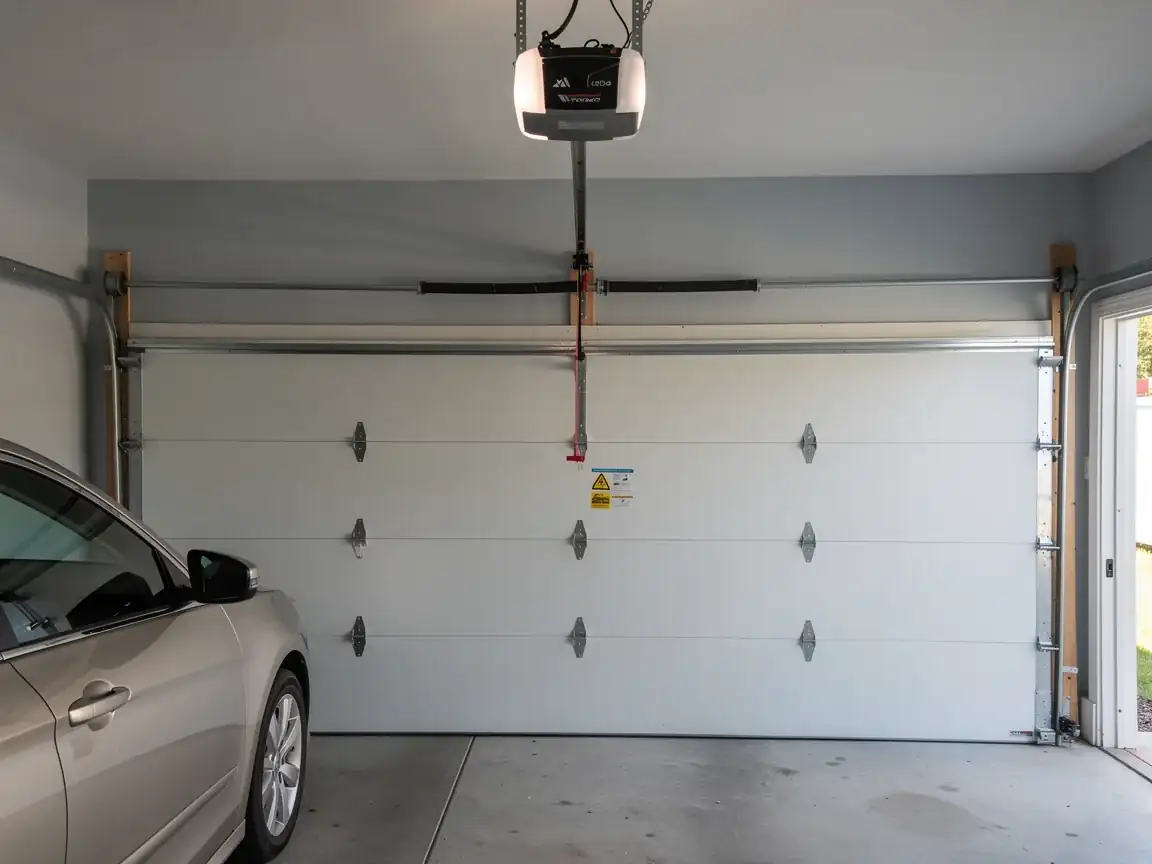
A straightforward panel swap, once the right part is on hand, is a half-day job for most sectional doors in this area. What takes longer in Cromwell specifically is diagnosing whether the surrounding hardware needs attention first - given the age of the stock here, we check hinges, rollers, and the track alignment before we touch the new panel, because installing a fresh section against worn hardware just transfers the problem to the next panel over. If the door needs a custom-matched panel rather than a stocked one, the install itself doesn't change, but the lead time on the part does.