What You Pay
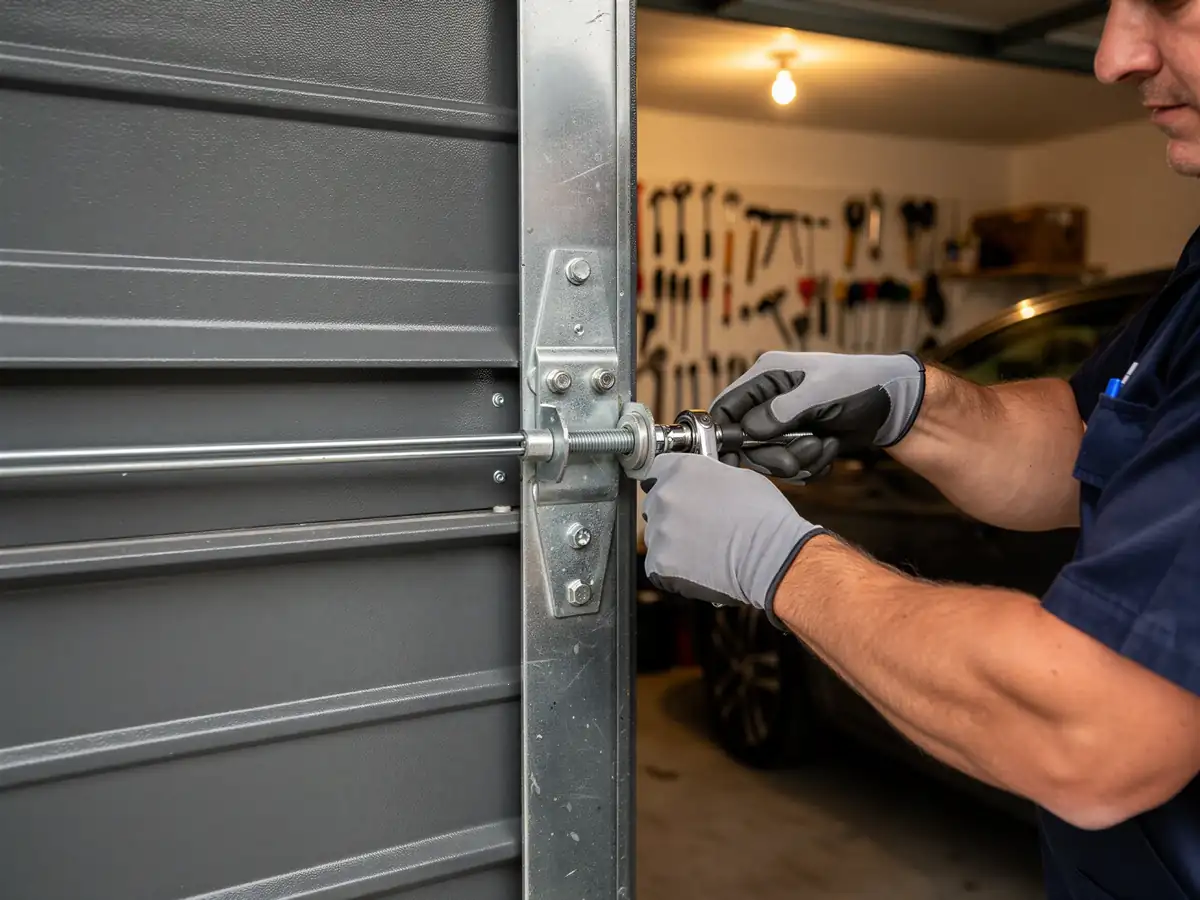
Cromwell's median household income sits at $104,458, close to the service-area figure of $107,012, so we price the job the same way we do everywhere we work from Glastonbury - by what's actually broken, not by zip code. What changes here is the mix of work. With a median build year of 1977, you're a few years past the heavy wave of 1960s-70s construction that defines most of this area, which means fewer of the oldest one-piece doors and more early sectional steel doors with their original torsion hardware still hanging on. That hardware is 45+ years old regardless of what it cost new, and age is what drives the bill, not the town. A spring job on one of these houses is a spring job. A full torsion conversion from an old extension setup, if that's what we find, runs longer because of the extra bracket and shaft work. We quote before anything's cut.
See the Glastonbury page for how we price across the wider area - the numbers don't move much town to town, but the parts list does.
Where This Job Goes Sideways
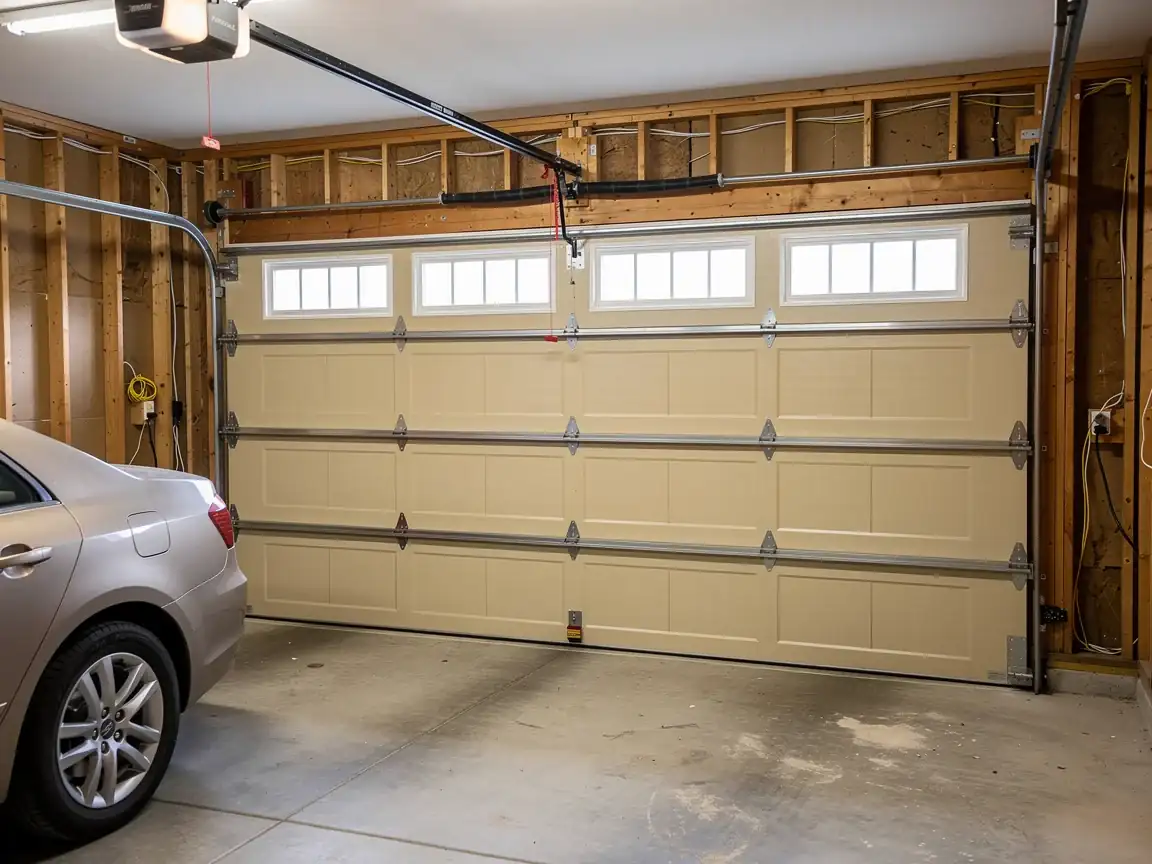
The trouble spot on a 1977-era door is usually the junction between original hardware and whatever's been bolted on since. Somebody replaced an opener in the 90s or 2000s and left the old track brackets. Somebody added a keypad to a door that still runs on a single torsion spring rated for a lighter panel than what's on it now. None of that is unique to Cromwell, but it's common across housing from this build window, and Cromwell's median year - 1977 - puts most of its stock squarely in it.
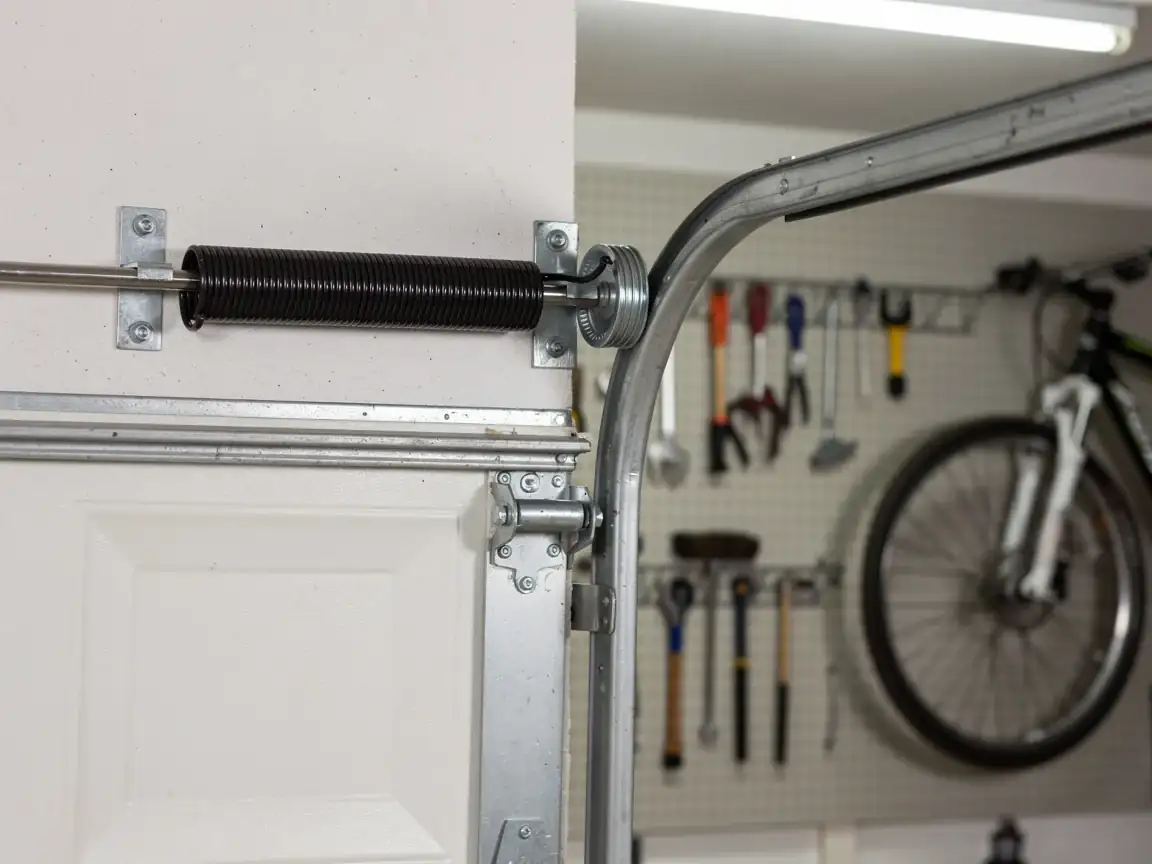
The other place it goes sideways: cold. This area sits in a severe cold climate band, and a torsion spring that's been fine for forty winters can lose just enough temper that it finally lets go on the one morning it's 10 degrees out. We see more spring failures called in during cold snaps than at any other time of year, and a door built in the mid-70s has had four and a half decades of those cycles to wear the spring down.
Why This Fails Locally
At 7 miles from Glastonbury, Cromwell isn't close enough that we're going to pretend we've got a truck sitting there
We come from Glastonbury, same as we do for the rest of the area. That distance doesn't change the diagnosis, but it does mean we plan the parts before we leave, especially for a door from this build era where the original hardware may not match anything on a standard truck stock list.
- 7 miles
The bigger local factor is simply the housing stock itself
Across the 61 named areas we cover, construction runs from 1938 to 1990 with a median of 1973, and Cromwell's own median of 1977 puts it a bit later than that average - late enough that a chunk of these doors got steel sectional panels from the start rather than wood, but early enough that the openers are long past any reasonable service life. A door that fails here usually fails because of straightforward age, not because of anything unusual about the town.
Stocked Parts
With 5,868 households in Cromwell and 173,708 owner-occupied houses across the full service area, we stock toward the springs, rollers, and cables that fit a late-1970s steel sectional door, because that's the single largest bracket of what's out there in this town. Standard torsion springs, nylon rollers, and galvanized cable are on the truck every day.
What we don't carry as standing stock is anything matched to a door that predates that era - early wood panel doors with non-standard track widths, or openers from the original builder-grade installs that nobody has made parts for in decades. If that's what's on your house, we'll tell you straight that it's a special-order part or a replacement conversation, not a same-visit fix. That's the one honest limit on what we can promise before we've seen the door.
What the Repair Takes
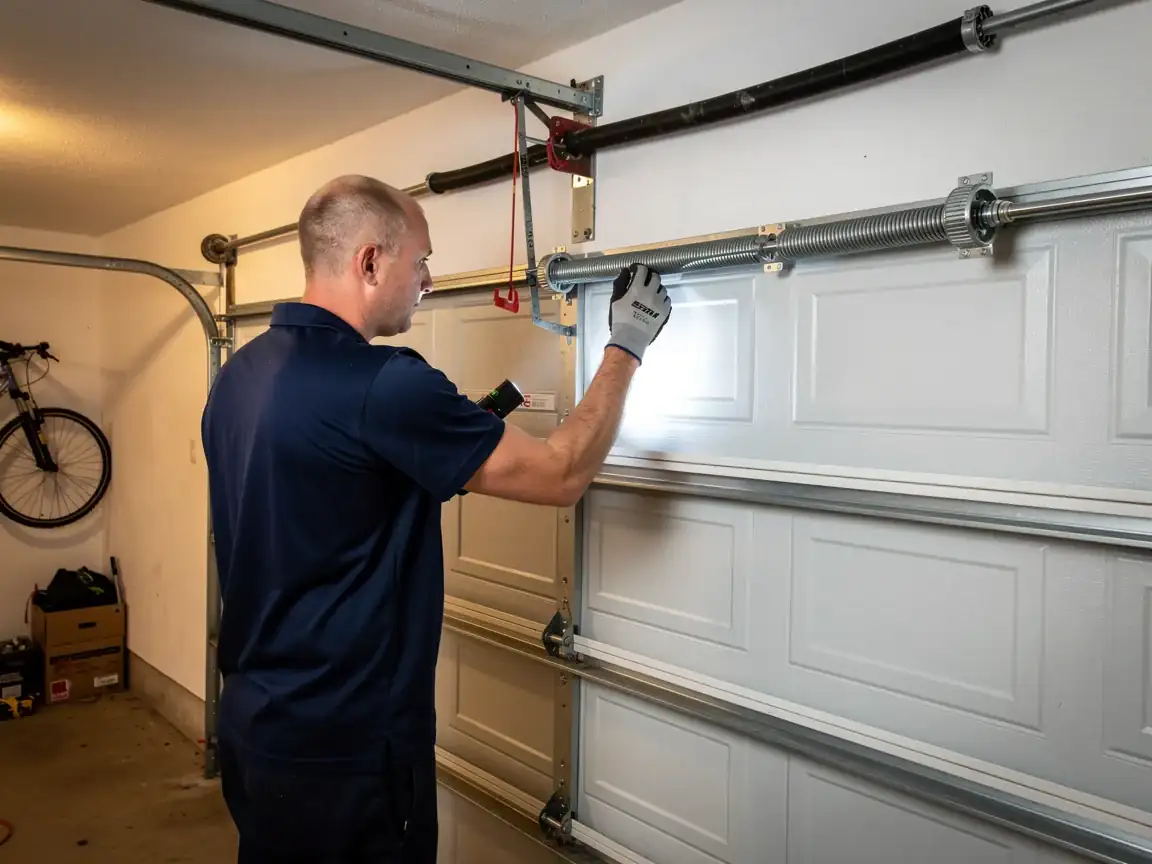
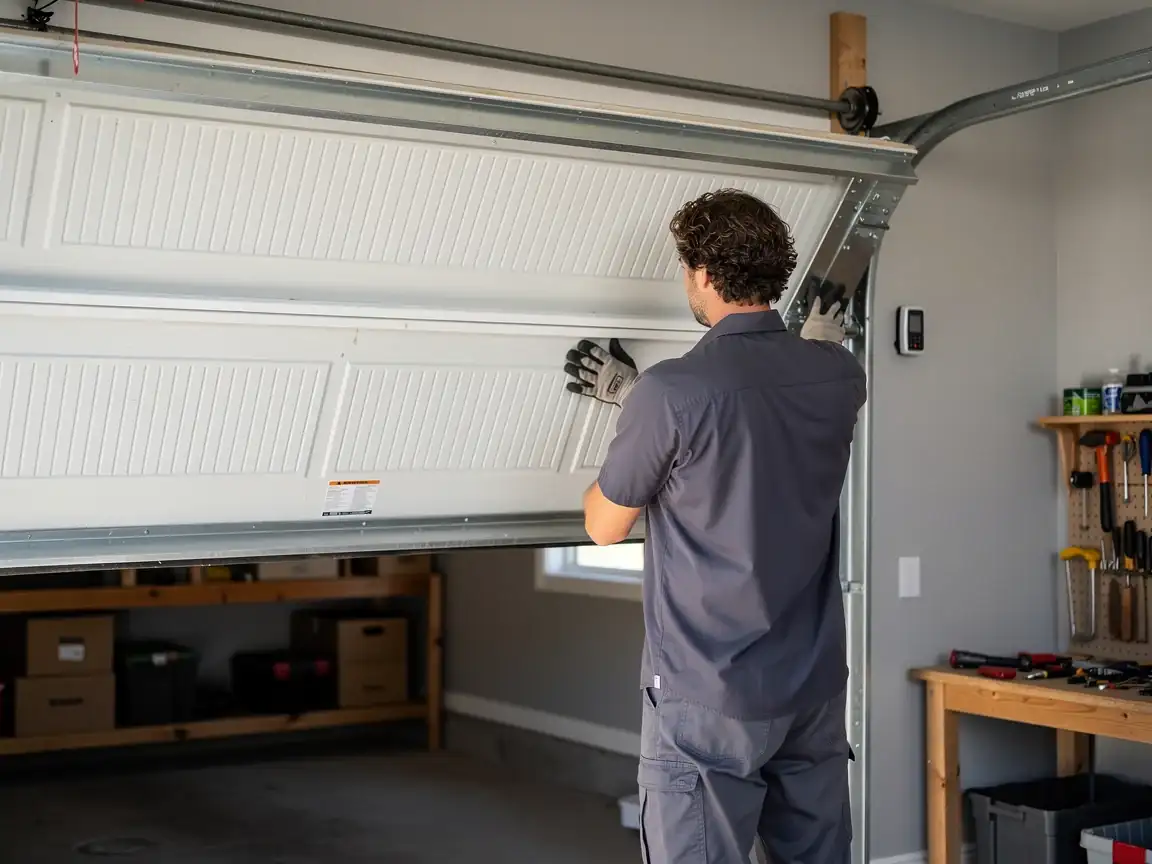
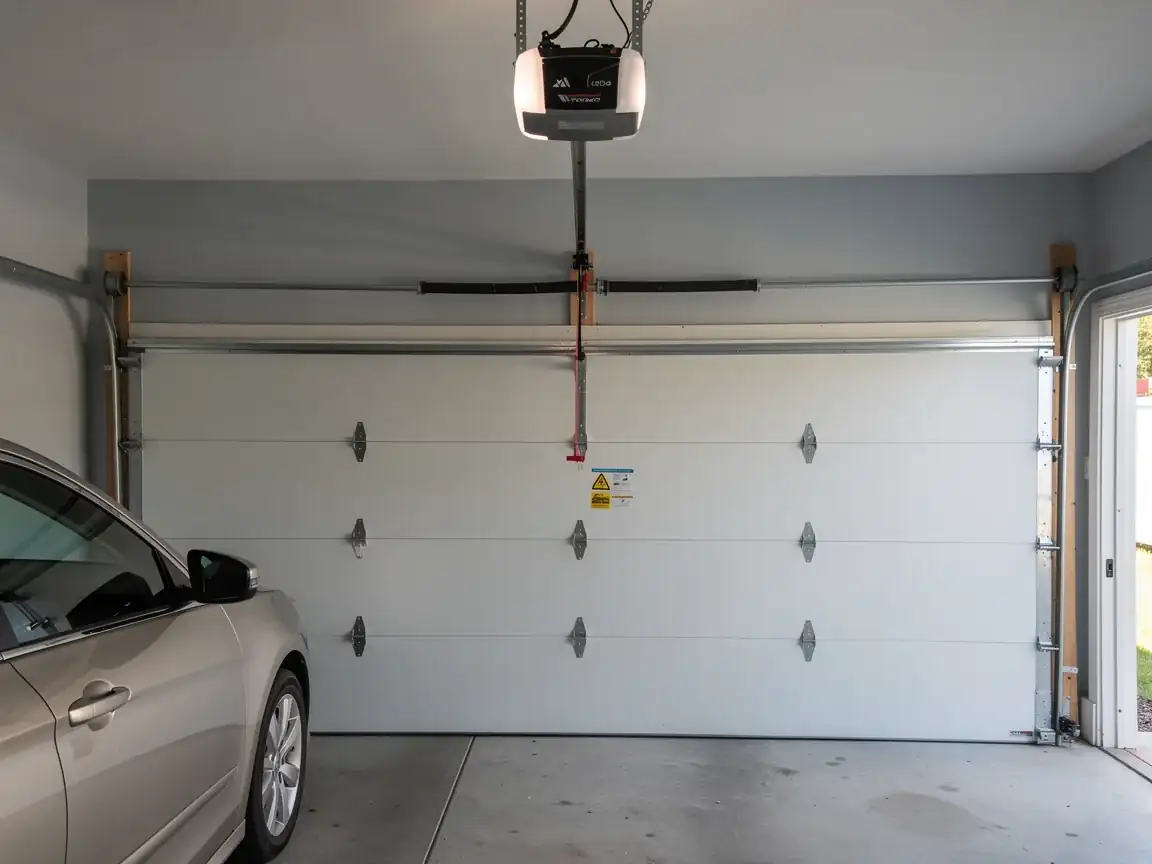
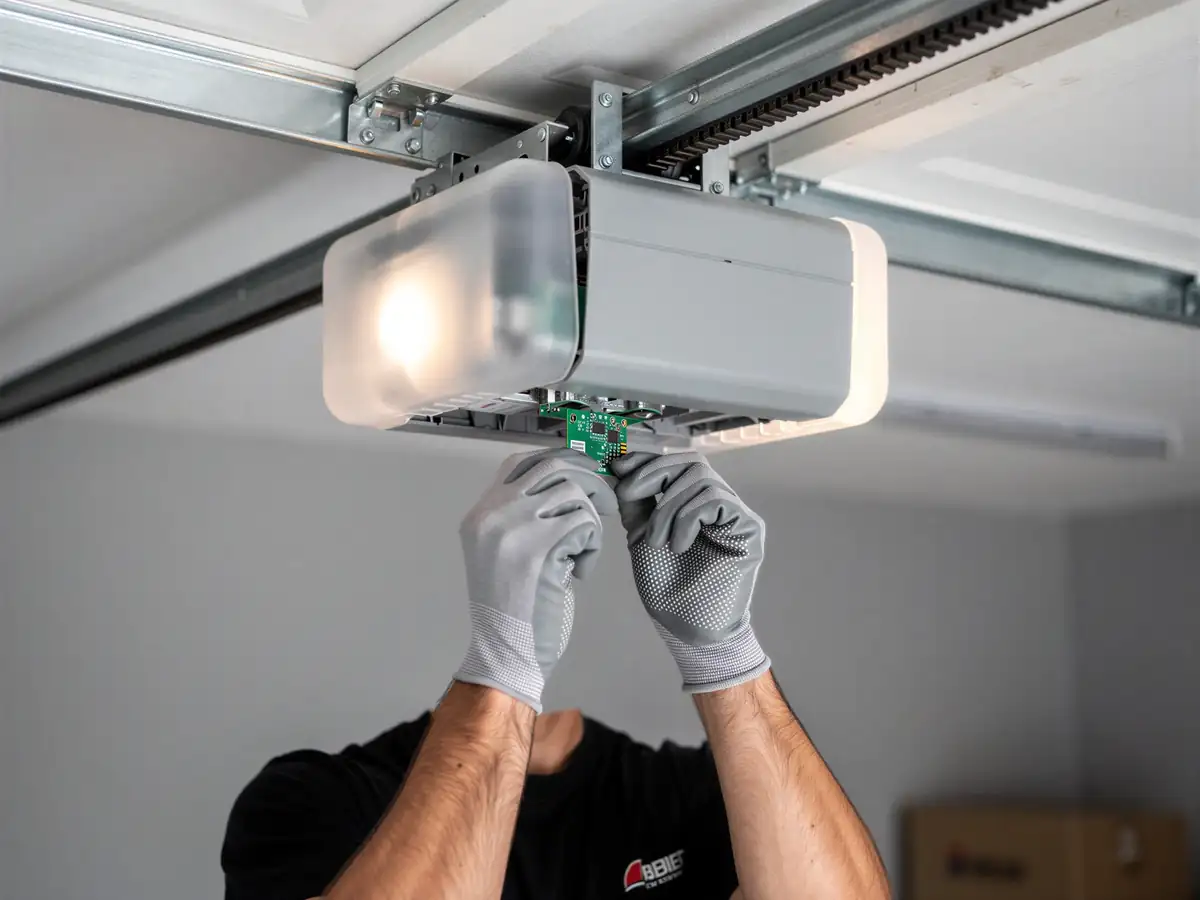
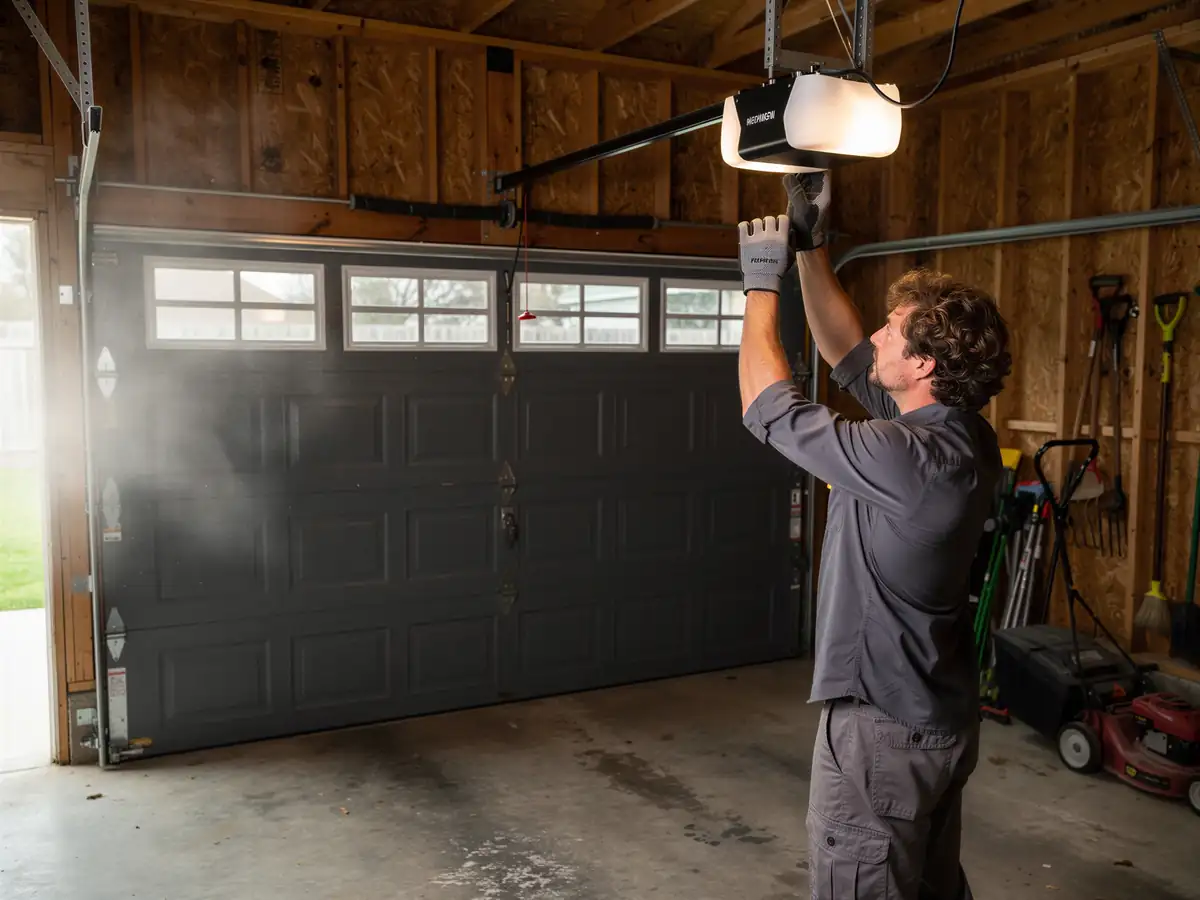
Most calls on a 1977-era door break down into one of three jobs: a torsion spring replacement, a roller and track service, or an opener swap where the original motor has finally quit. None of these take unusual time on their own. What adds time is finding that a previous repair didn't match the original hardware - a heavier door with a spring sized for a lighter one, or a replacement opener bolted to a bracket that was never rated for it.
We check the full system before we touch the part that's obviously broken, because on a house this age, the obvious failure is often downstream of something installed wrong years ago. That's slower than a quick swap, but it's the only way to leave a door that won't call us back in six months for the same complaint.
The Symptom
The complaint we hear most from this part of the area is a door that won't open at all
Or one that slams down the last foot of travel instead of settling. Both point to a torsion spring that's lost tension - common on doors from the 1970s build wave that have never had the spring replaced. A door that reverses on its own partway up usually means the opener's travel limits have drifted, which is an adjustment, not a replacement, more often than homeowners expect.
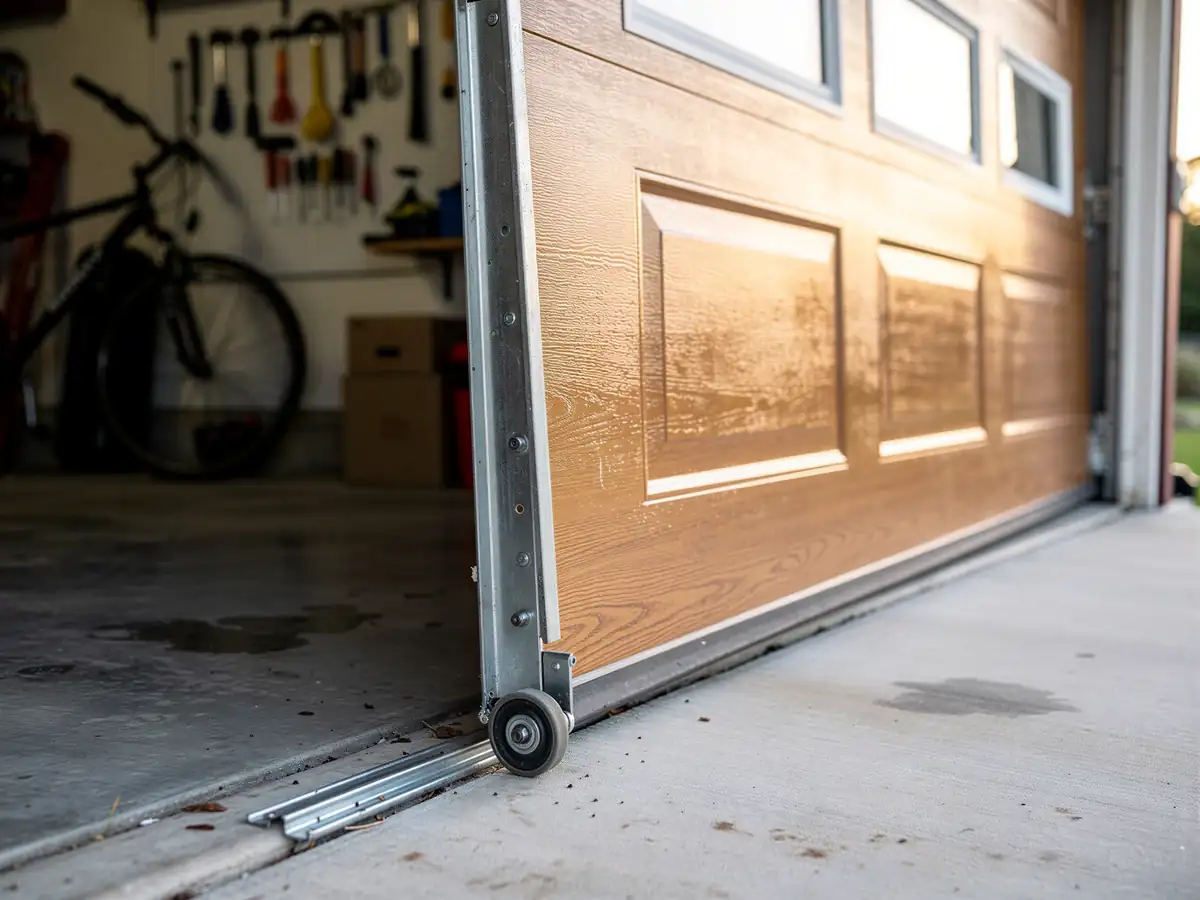
If your door is noisy on the way up but still opens fine, that's rollers, not springs
A cheaper fix and one we'd rather tell you about than talk you into a bigger job you don't need. For the specifics on repair visits to this town, see our Cromwell repair page.