Serving Glastonbury, CT & nearby
(860) 217-5253
Glastonbury, CT

Weather Seals and Draughts on Glastonbury Garage Doors

Why garage doors in Glastonbury's 1960s-70s housing stock leak cold air at the bottom seal, and what a COLD-climate fix actually costs here.

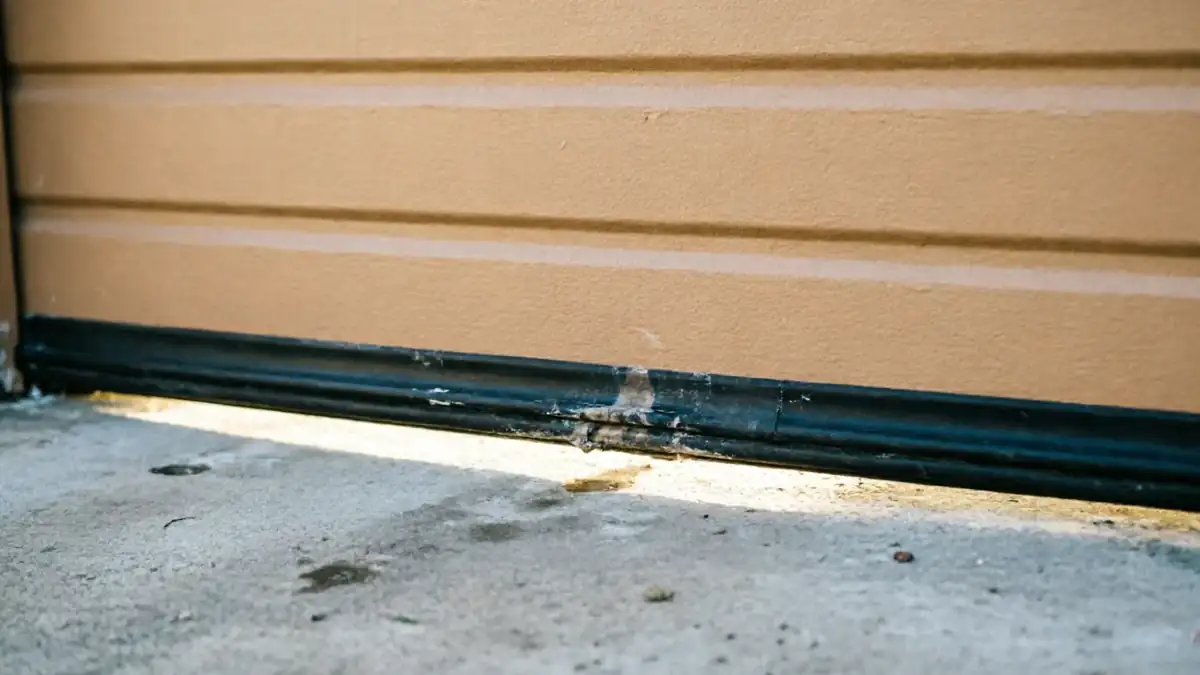
The bottom of a tan garage door has a damaged black seal with light showing underneath.

What Local Conditions Do

Glastonbury sits in a severe cold climate band, and that matters more for a garage door than most homeowners think. The bottom seal, the piece of rubber that runs along the floor of the door, is the first thing to fail when temperatures swing hard through a Connecticut winter. Repeated freeze-thaw cycles harden that rubber, and once it stiffens it stops flexing against the slab. You get a visible gap at the corners first, usually where the door meets the jamb, and that gap pulls in cold air straight past the tires of any car parked inside. Most of the houses on this side of town were built between 1938 and 1990, with the bulk of that stock going up in the 1960s and 70s. Doors and jamb framing from that era were not built to the sealing standards used today, and a lot of the original wood jambs have shifted slightly over fifty-plus years, so even a new bottom seal does not always sit flush against them without some trim work. That combination - older jamb geometry plus a harsh cold swing - is why draught complaints cluster in exactly this kind of neighborhood.

The Situation

Across the 61 named areas we work in, the garage doors we see most often are original or first-replacement units tied to that 1938-1990 build window, with median construction around 1973. A door installed in the early 1970s almost never has a thermal break in the panel, and the vinyl astragal at the bottom has usually been replaced at least once by whoever owned the house before. When that seal was swapped, it was often done without checking whether the track alignment had drifted, which is common on a fifty-year-old jamb. The result is a seal that looks fine from the driveway but still lets wind through at one corner. In a town this close to the river valley cold that settles into Hartford County, that one-corner gap is enough to drop the garage a noticeable number of degrees below the rest of the house, which then shows up as a cold wall in whatever room shares a wall with the garage. We don't see this pattern as much in newer construction nearby - it's specific to the vintage of door hardware that's still in service on this side of the valley.

What You Pay

We don't have a flat number to quote you here, and pricing a seal job without seeing the jamb is how you end up undercharging or overpromising. What we can tell you is what drives the cost: whether the existing track needs re-shimming before a new bottom seal will seat flat, whether the side seals (the vertical strips along the jamb) need replacing at the same time, and whether the door itself is original enough that standard astragal sizes no longer fit the track channel. Median household income in this service area runs north of $107,000, which tends to mean homeowners here ask for the jamb fixed properly rather than a quick seal slapped over a crooked track - that's the job that actually stops the draught instead of masking it for one winter.

What Most People Get Wrong

The most common mistake is buying a universal bottom seal online and nailing it onto a track that was never square to begin with. It looks sealed for a season, then the cold comes back through the same corner by the next one. The honest limitation here: if your jamb has shifted more than about an inch out of plumb, a seal alone won't fix it, and we'll tell you that instead of selling you a seal kit that won't hold. On a door from the 1973-ish median build year, we'd rather check the hinges and track brackets first - loose hardware is usually why the seal failed in the first place, not the rubber itself. People also assume side seals and bottom seals are the same material; on older Glastonbury doors they rarely are, since replacements have been patched in piecemeal over the decades.
How it works

From “it’s stuck” to “it’s fixed”

A quick, honest process - no guesswork and no surprises.

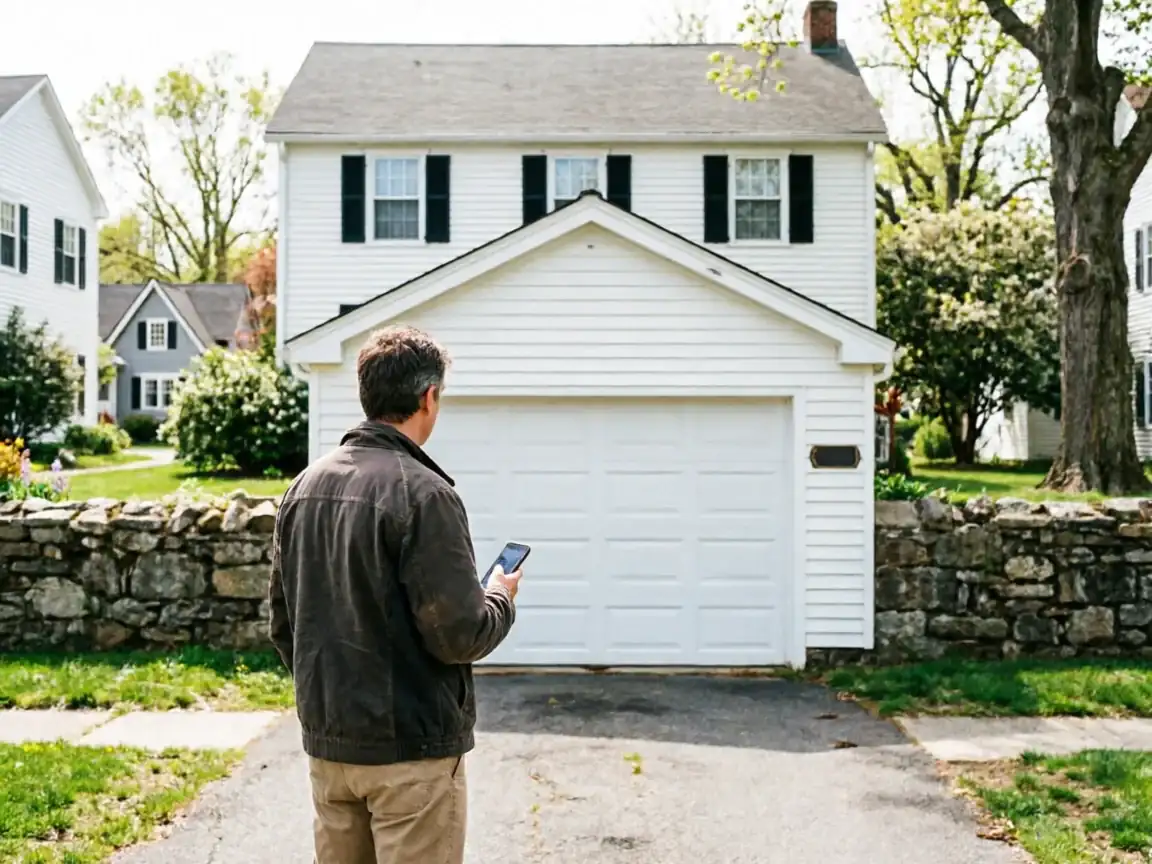
  1. A man stands in a driveway holding a phone, facing a white garage door.
    1

    Tell us what’s wrong

    Describe the symptom - won’t open, loud bang, opener runs but the door won’t move.

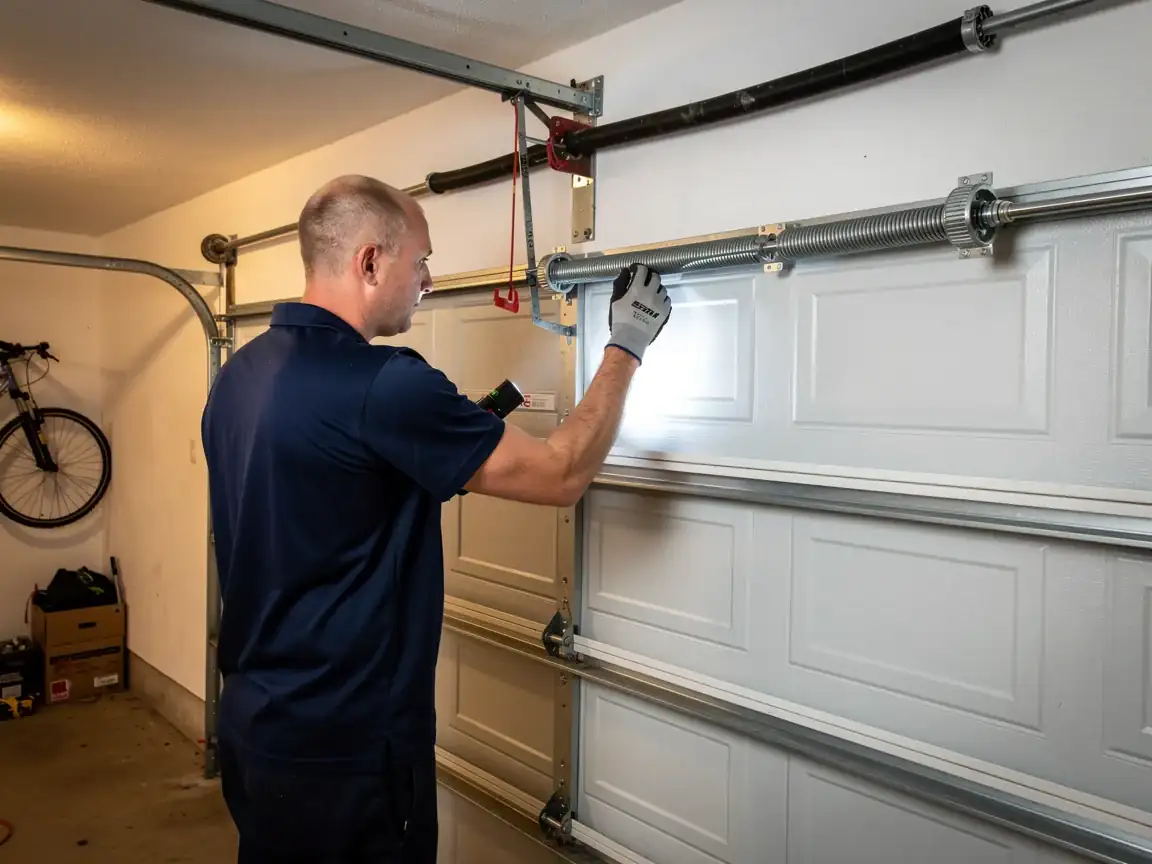
  2. A technician shines a flashlight on a garage door torsion spring.
    2

    On-site diagnosis

    A technician tests the door under power and by hand and finds what actually failed.

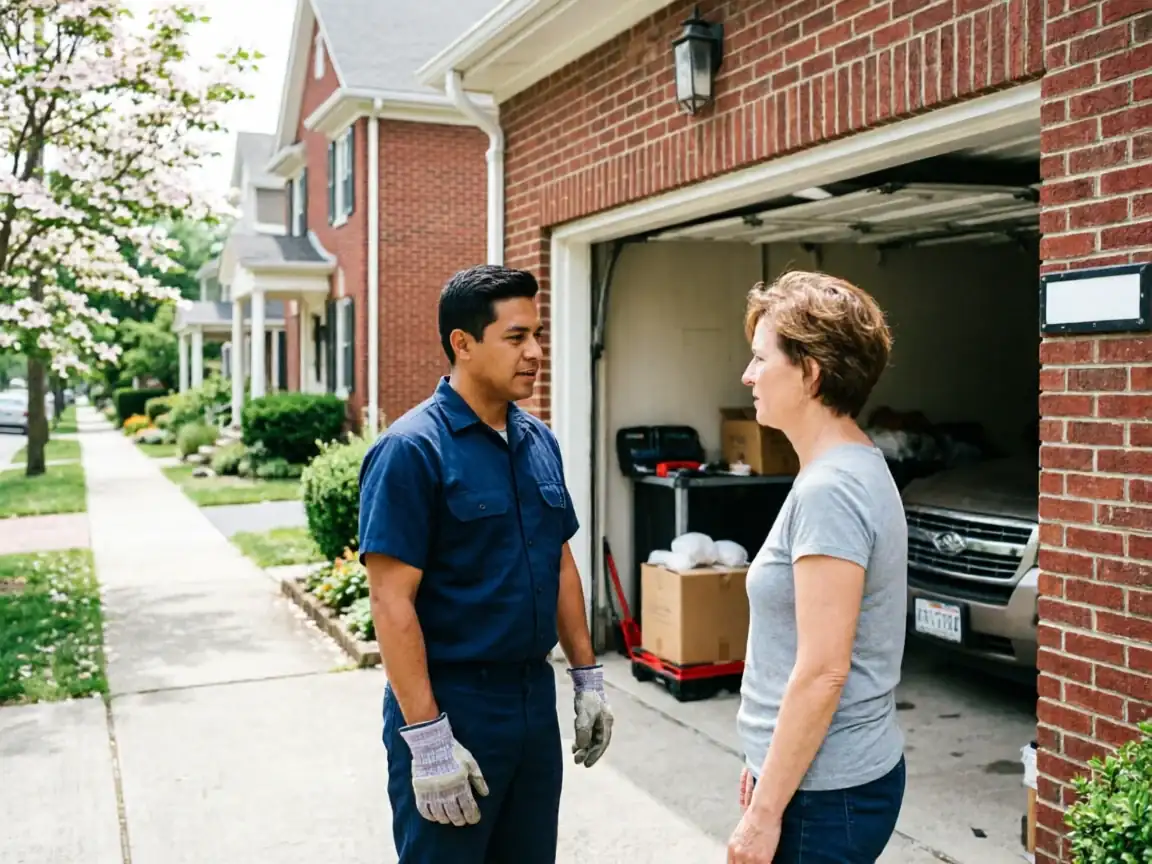
  3. A technician talks to a woman in front of a brick house with an open garage.
    3

    Clear, up-front plan

    You get the fix that’s needed and what drives the cost - before any work starts.

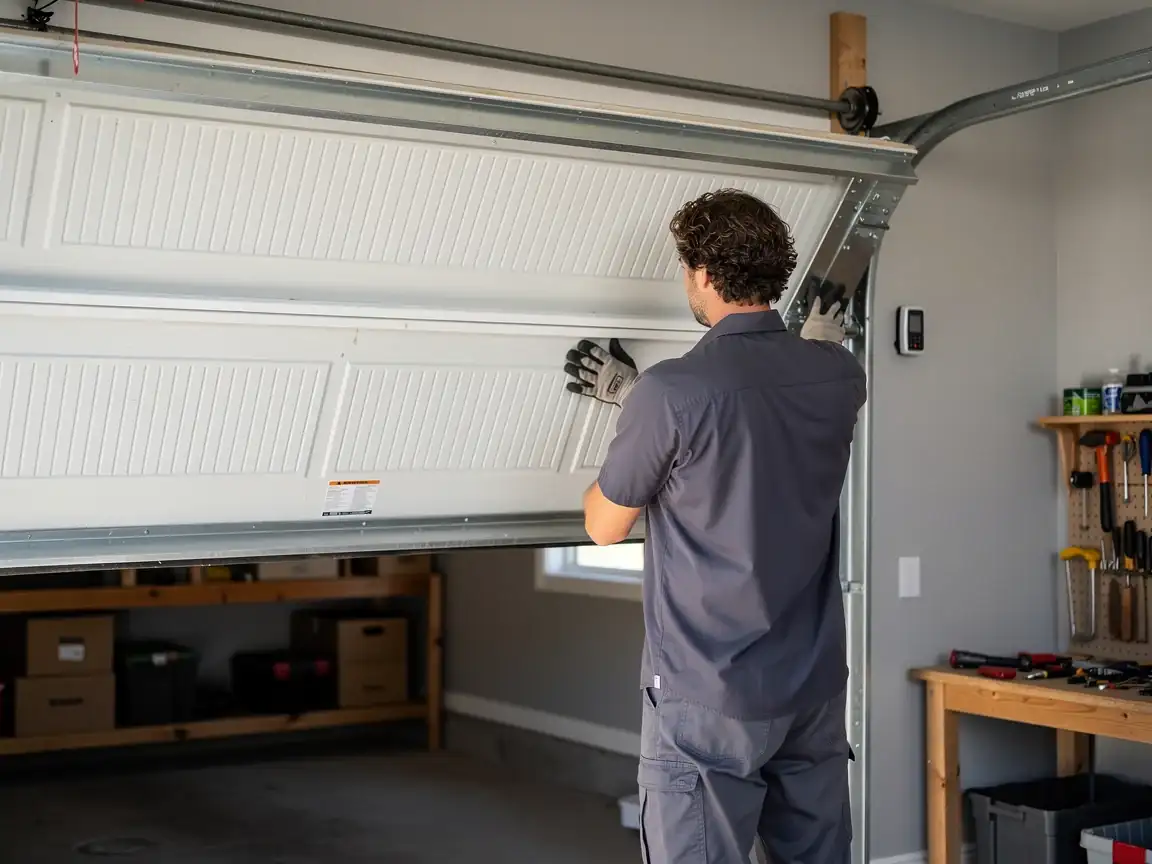
  4. A technician in a gray uniform is working on a white garage door.
    4

    Repaired & tested

    The repair is done, the door is set true and tested, and the work area left clean.

Not sure which repair your door needs in Glastonbury, CT? Describe what it’s doing - every job starts with a diagnosis.

How we work

What to expect

  • Diagnosis firstEvery visit starts by finding what actually failed - not a pre-written parts list.
  • The right part for the doorSprings and openers matched to the door’s weight and age, so the fix holds up.
  • Straight answersWhen a repair makes more sense than a replacement - or the reverse - you hear it plainly.
  • Clean, careful workTension released safely, hardware set true, the door tested under power before we leave.
What we do

Garage Door Services

Repair and installation work for Glastonbury homes and businesses.

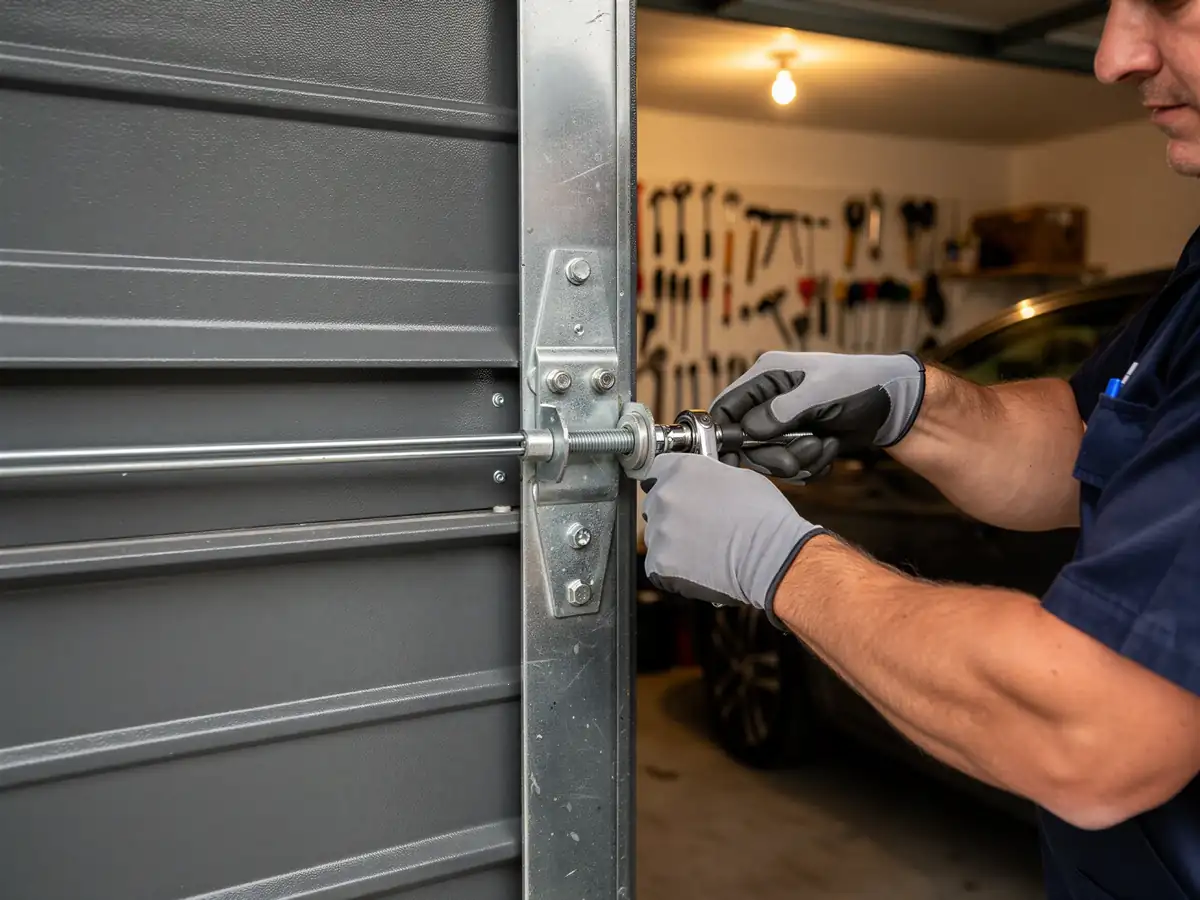
A technician in gloves adjusts a garage door roller and track.

Garage Door Repair

Garage door repair for Glastonbury homes built between 1938 and 1990, where original torsion hardware and cold-weather strain cause the most common spring and opener failures.

Learn more
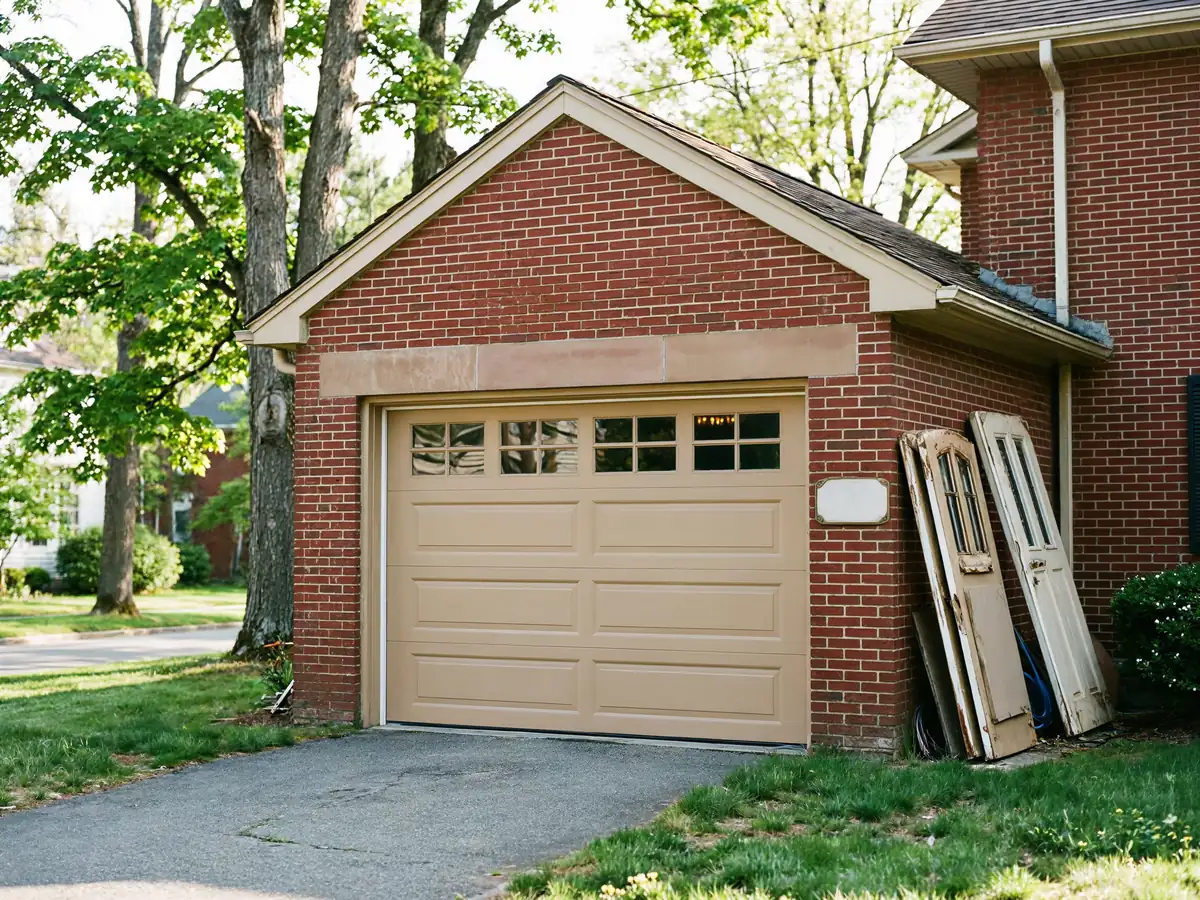
A tan garage door with windows is on a brick garage next to a driveway.

Garage Door Installation

Garage door installation in Glastonbury, CT for homes built mostly 1938 to 1990, where original openers and tracks no longer match new doors or cold winters.

Learn more
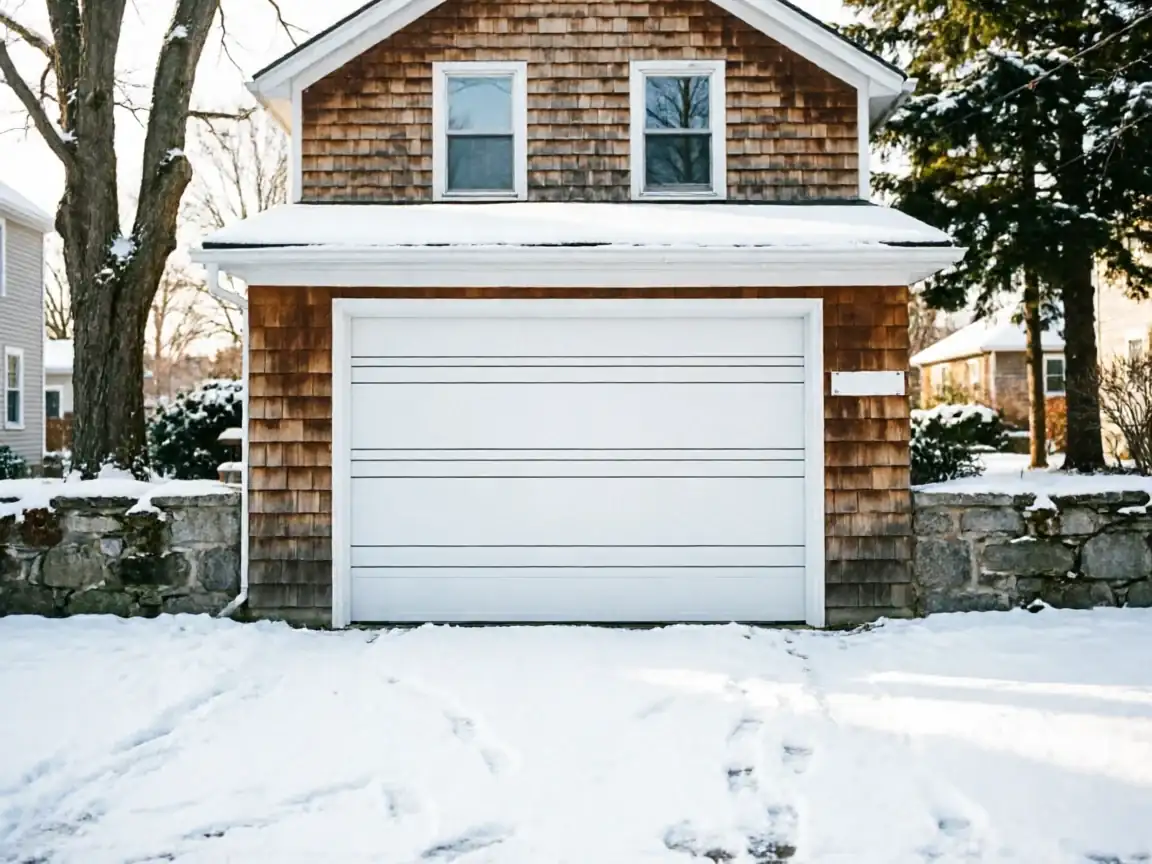
The house has a white garage door, cedar shake siding, and a snow-covered driveway.

Garage Door Service

Garage door repair for Glastonbury's 1960s-70s housing stock. We know why torsion springs and openers fail here, and what a cold Connecticut winter does to them.

Learn more
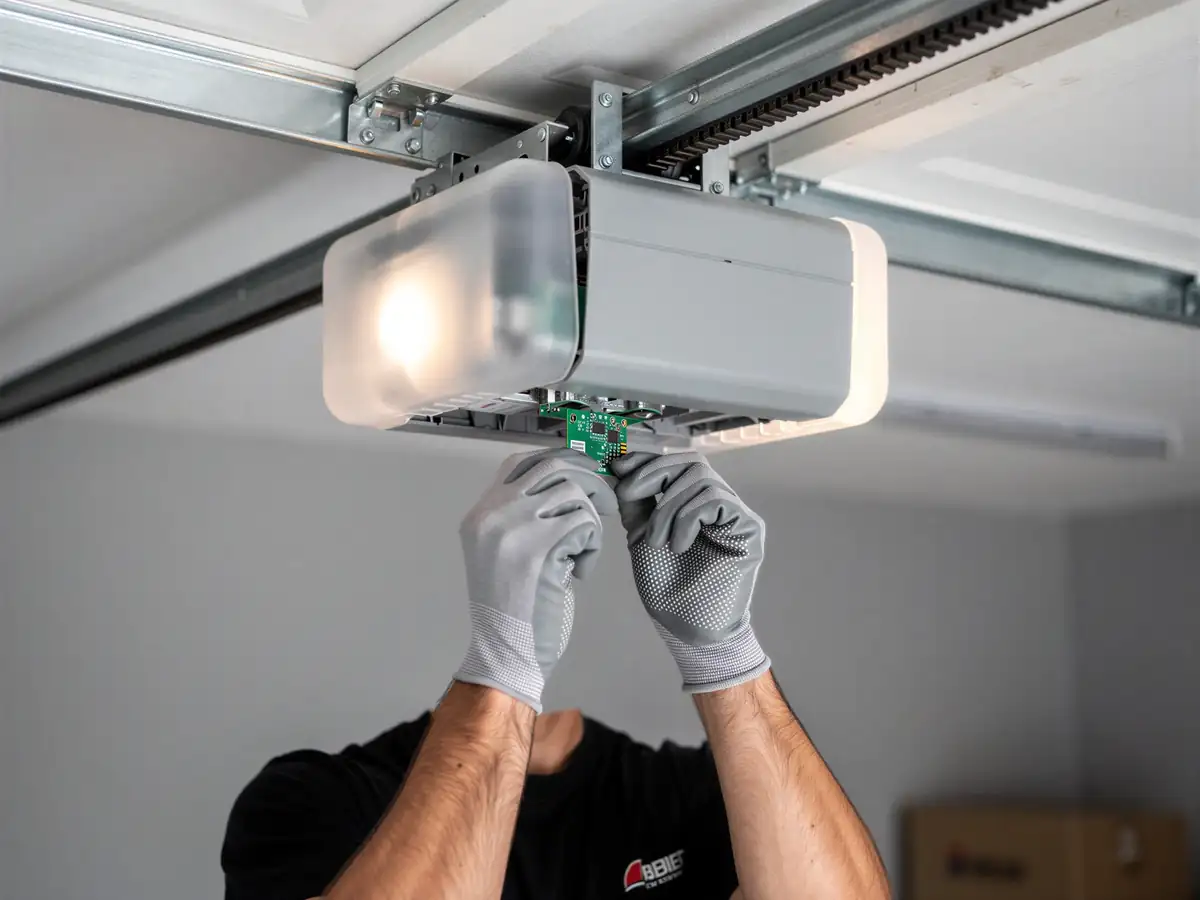
A technician in gloves works on the circuit board of a garage door opener.

Opener Repair

Opener dead or acting up in a Glastonbury home built before 1990? We diagnose the fault, price the fix plainly, and get the door moving again the same visit.

Learn more
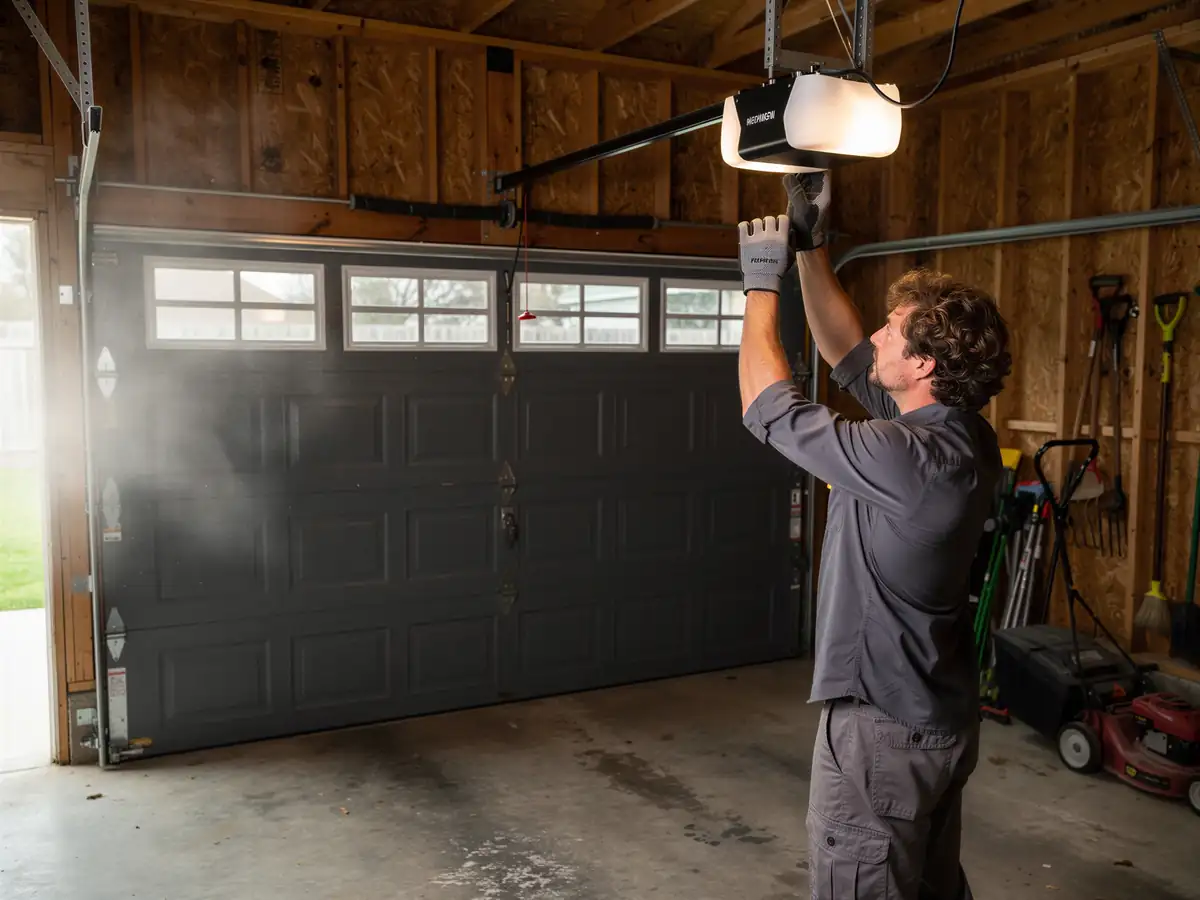
A technician adjusts a garage door opener above a dark gray garage door.

Opener Installation

Opener installs and swaps for Glastonbury homes built mostly between 1960 and 1990, where original drive units are decades past their rated life in a cold climate.

Learn more
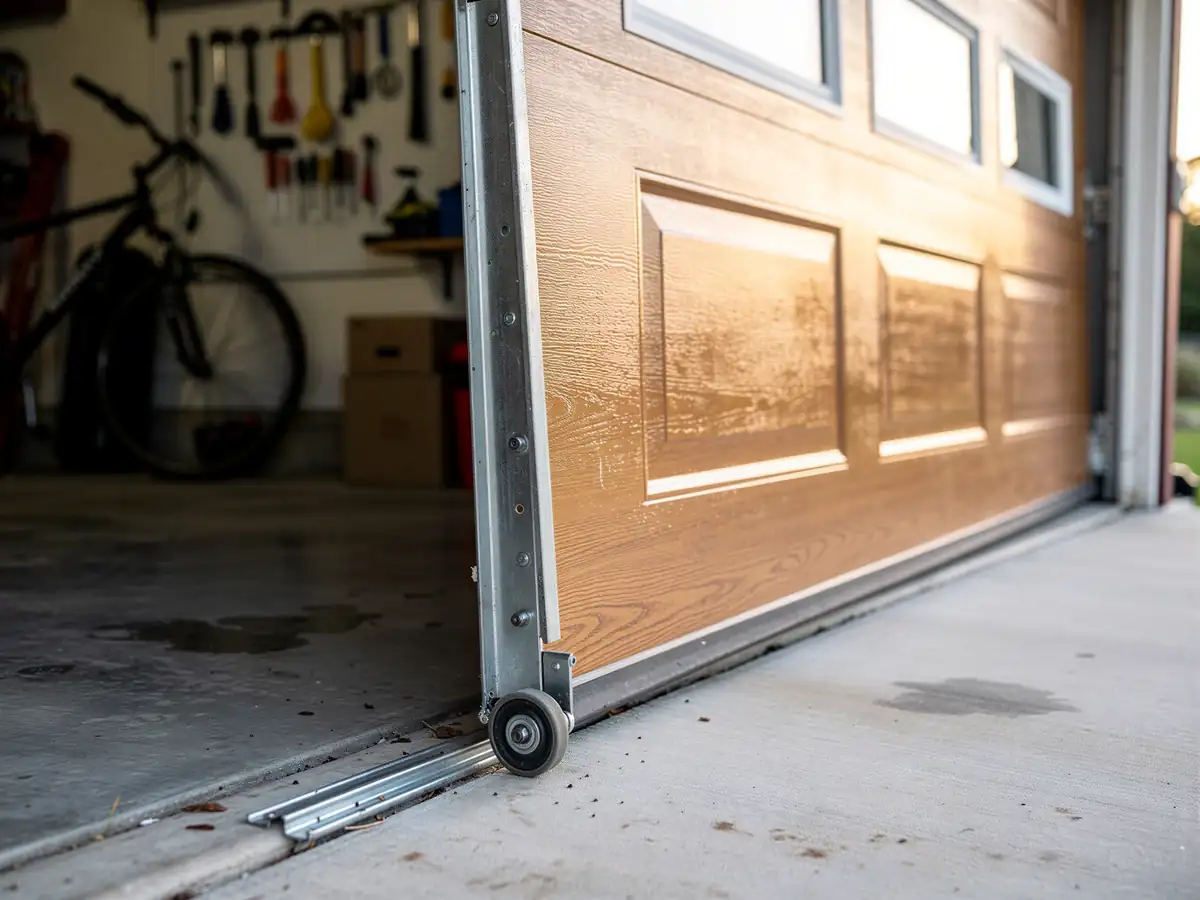
The garage door is partially open with a roller off its track.

Off-Track Repair

Garage door jumped its track in Glastonbury? We explain why it happens so often in homes built 1938-1990 and what the fix actually costs.

Learn more
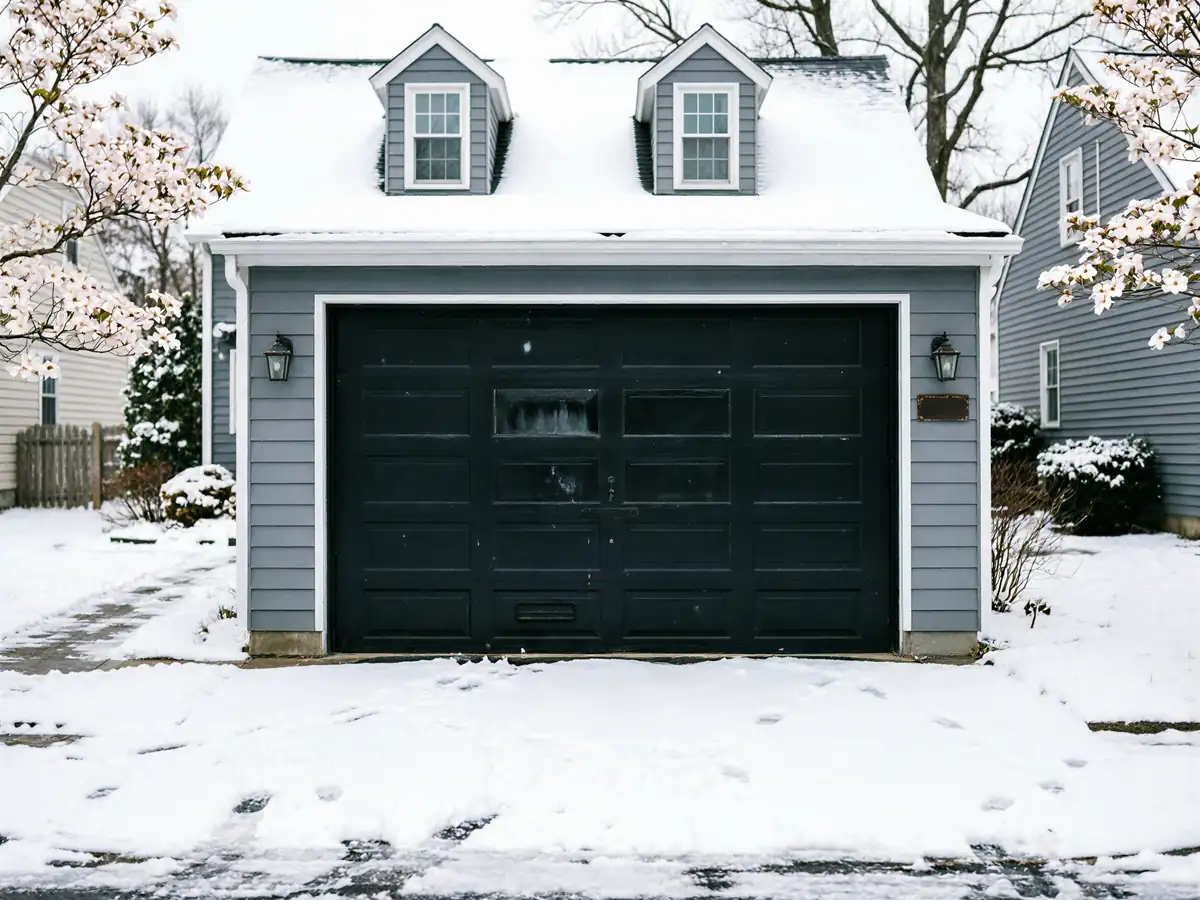
A gray garage with a black door and two dormer windows is covered in snow.

Panel Replacement

Cracked, dented, or rusted garage door panel in Glastonbury? We match panels on 1960s-70s doors and explain what drives cost and timeline for this housing stock.

Learn more
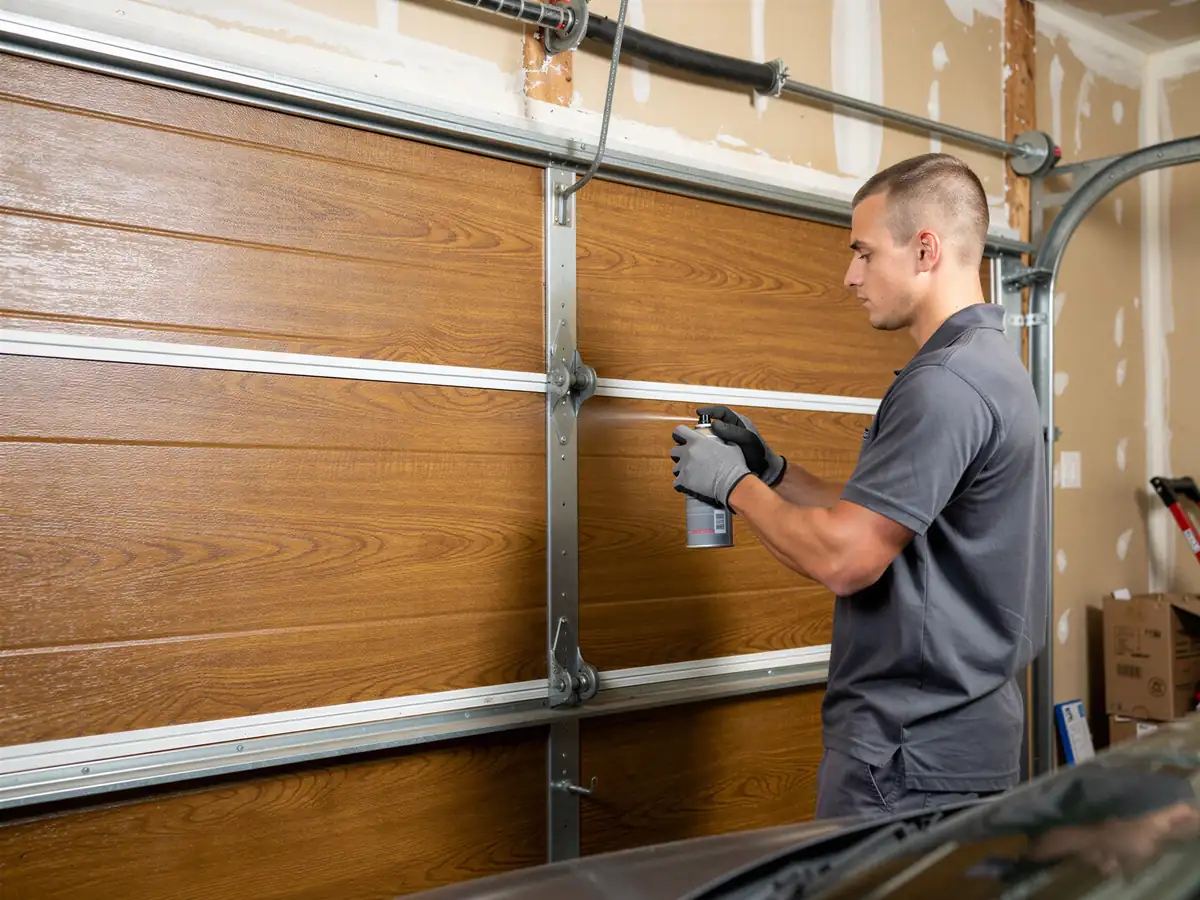
A technician in gray gloves sprays lubricant on a brown garage door.

Maintenance

Glastonbury homes built between 1938 and 1990 carry original hardware that wasn't made for New England winters. Here's what maintenance actually catches before it fails.

Learn more
Questions

Frequently asked

Straight answers about garage door repair in Glastonbury. Still unsure? Ask us directly.

Why does my garage door let in cold air even with a new bottom seal?

On a lot of the 1960s-70s doors still in service here, the track has drifted out of square over the decades. A new seal rubber can't compensate for a crooked track, so air still gets in at the corner where the gap is widest. The track needs re-aligning before the seal will actually seat flat.

Is it worth sealing an original door from the 1970s instead of replacing it?

Depends on the panel condition. If the steel or wood panel itself is sound and it's just the seals and hardware that have failed, sealing and re-aligning the track is the cheaper fix. If the panel is warped or rusted through, no seal job will solve the draught - that's a replacement conversation.

Does the cold climate here wear out seals faster than other places?

Yes. Severe cold means more freeze-thaw cycling on the rubber, which hardens it faster than a milder climate would. A seal that might last a decade elsewhere can stiffen and crack in less time through repeated hard winters in this area.

Ready to get your garage door sorted?

Tell us what it’s doing and where you are in Glastonbury - we’ll take it from there.

Request a QuoteCall