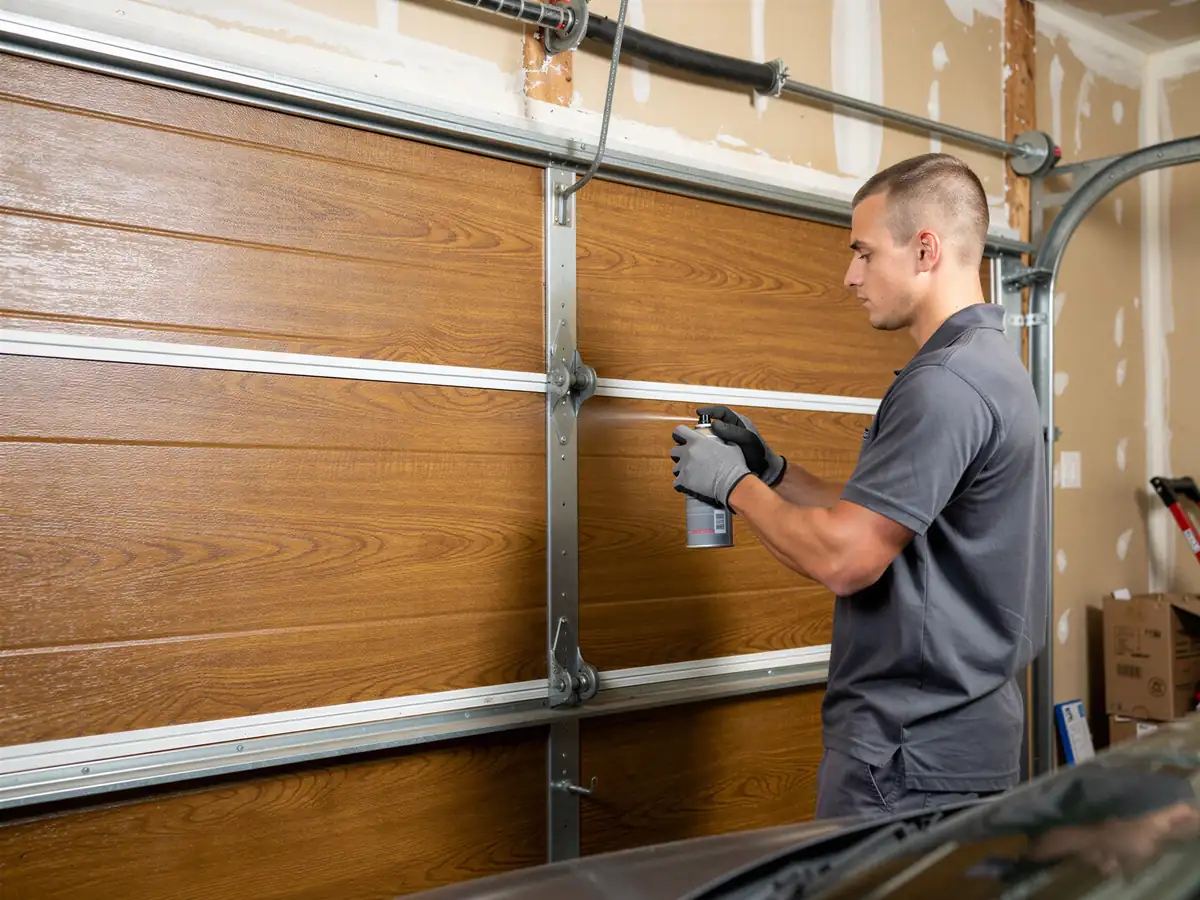
The Symptom
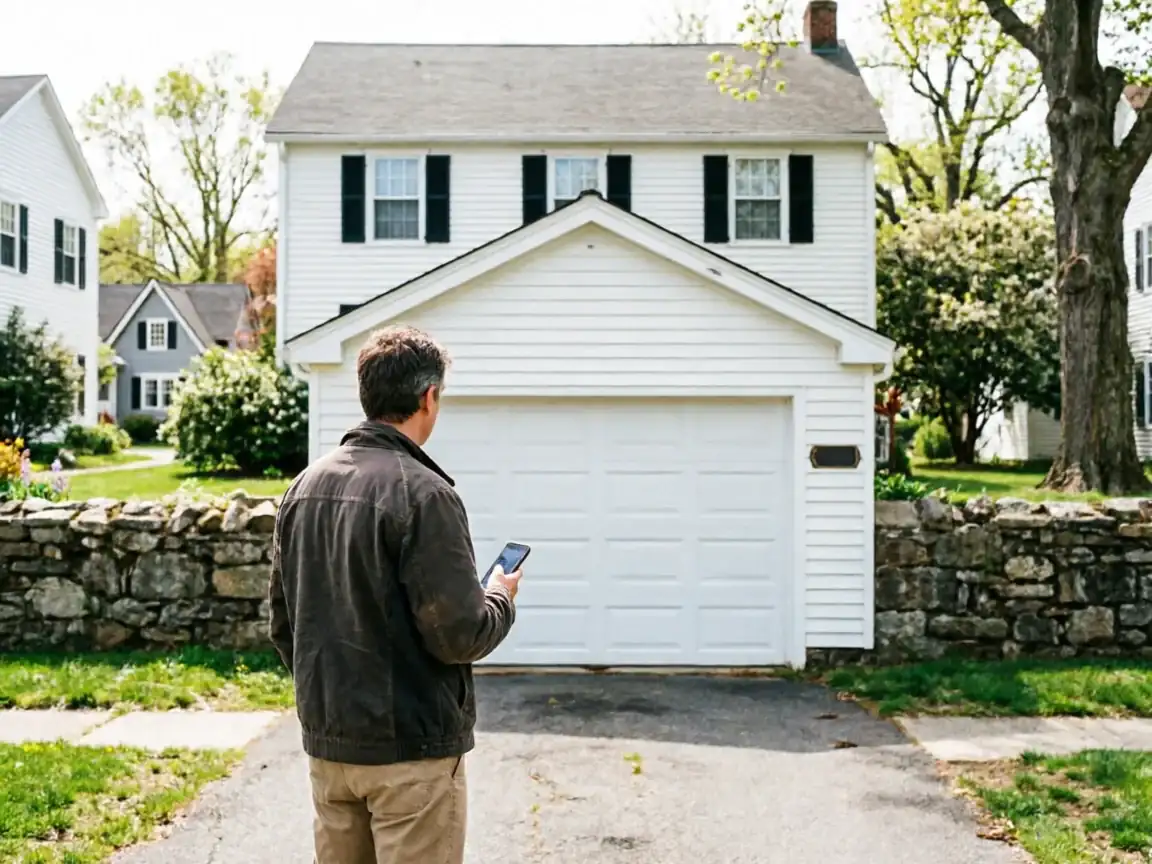
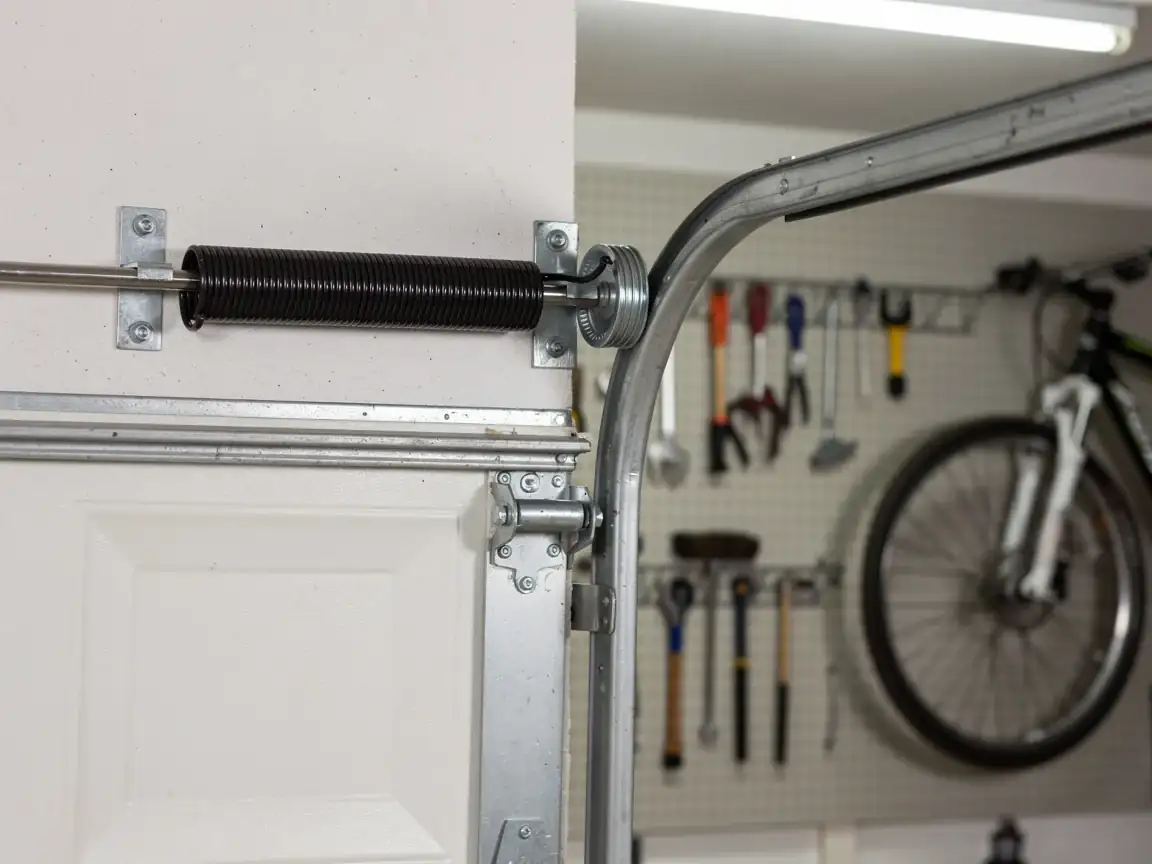
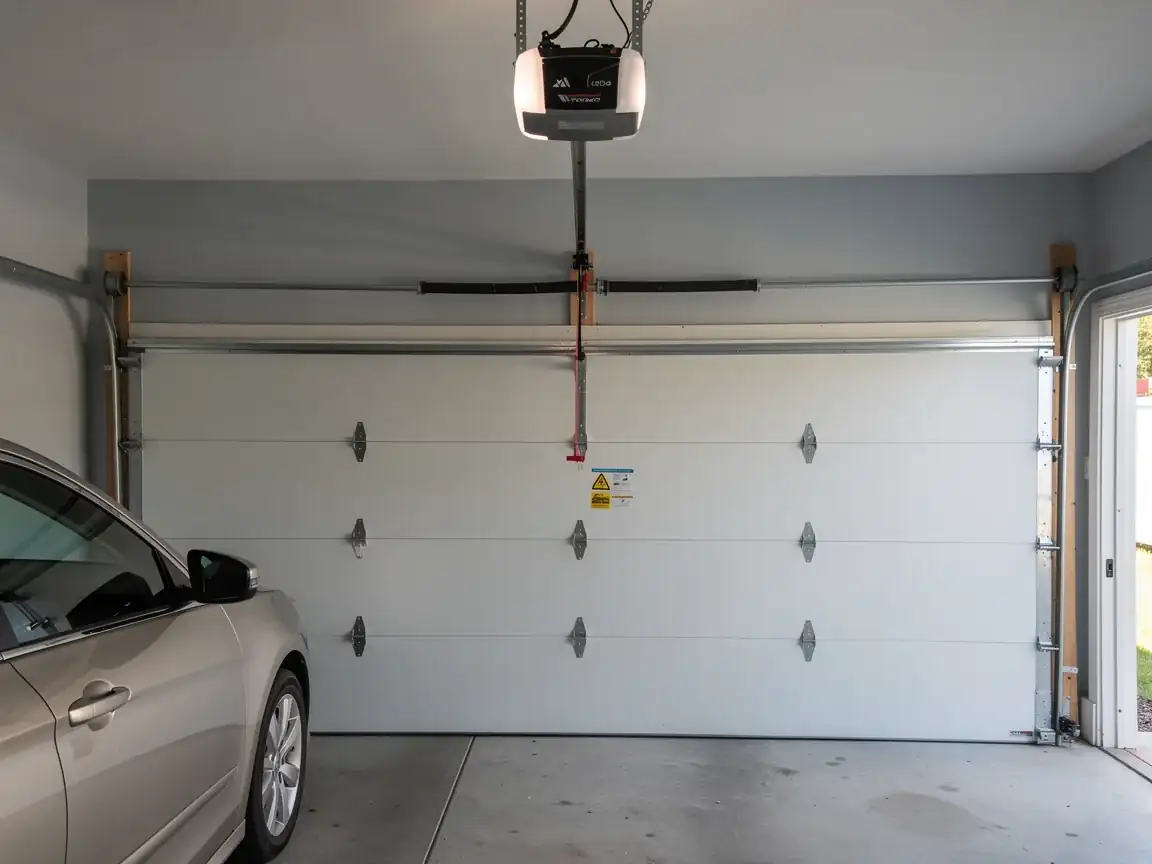
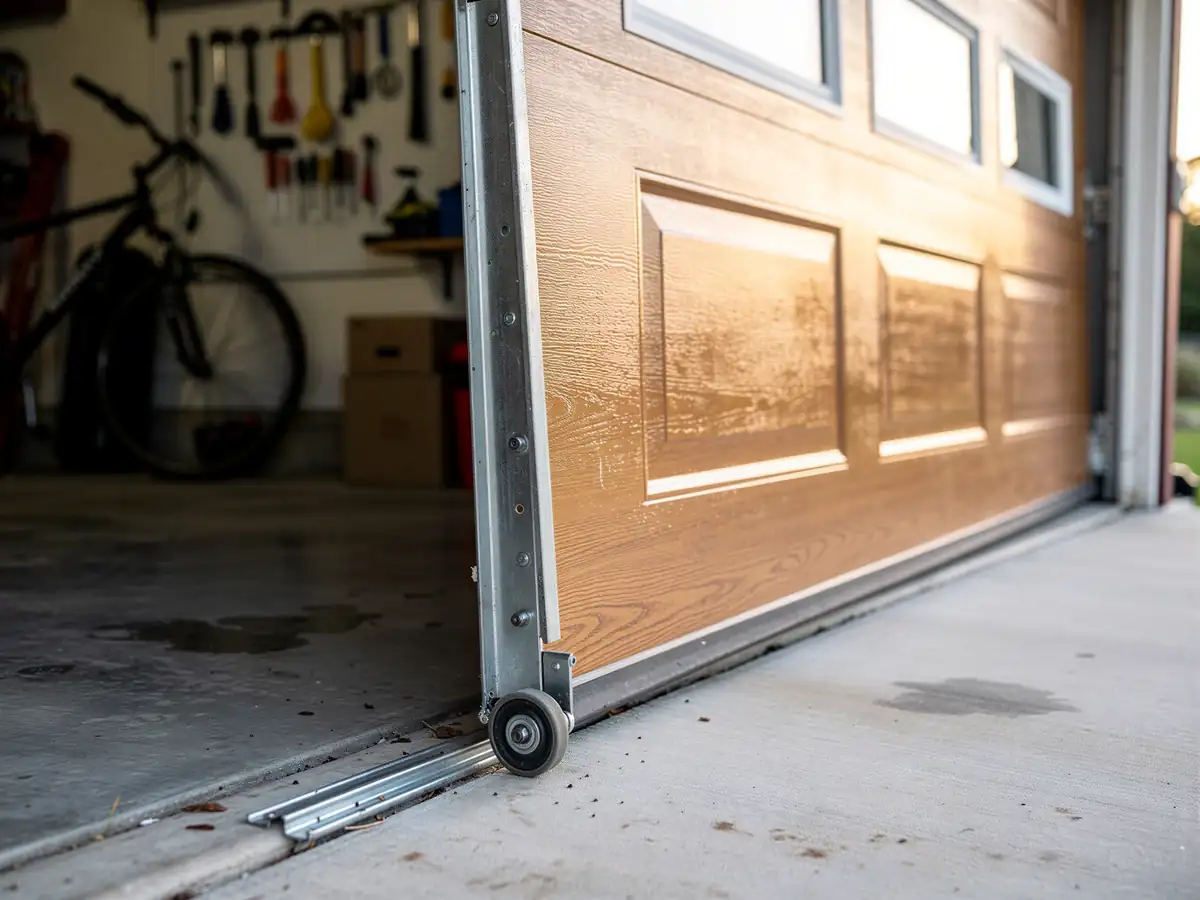
The door groans going up. It hesitates halfway, then jerks the rest of the way open. Or it closes fine on a warm afternoon and sticks in the track the next cold morning. None of that is random - it's the predictable sequence of a torsion spring losing tension, a roller bearing drying out, or a track bolt that's worked loose from years of temperature swings.
Most owners notice it as a sound first. A scrape where there used to be a smooth roll. A clunk on the way down that wasn't there last fall. By the time the door won't open at all, the spring has usually already gone - and that's not a maintenance call anymore, that's an emergency repair with the door stuck wherever it stopped.
Maintenance is the stage before that. It's catching the dry bearing, the spring that's lost a quarter-turn of tension, the cable starting to fray at the drum, while the door is still working. In Glastonbury's housing stock, that window tends to show up on a schedule tied directly to how old the hardware is and how hard the winters have been on it.
Why This Fails Locally
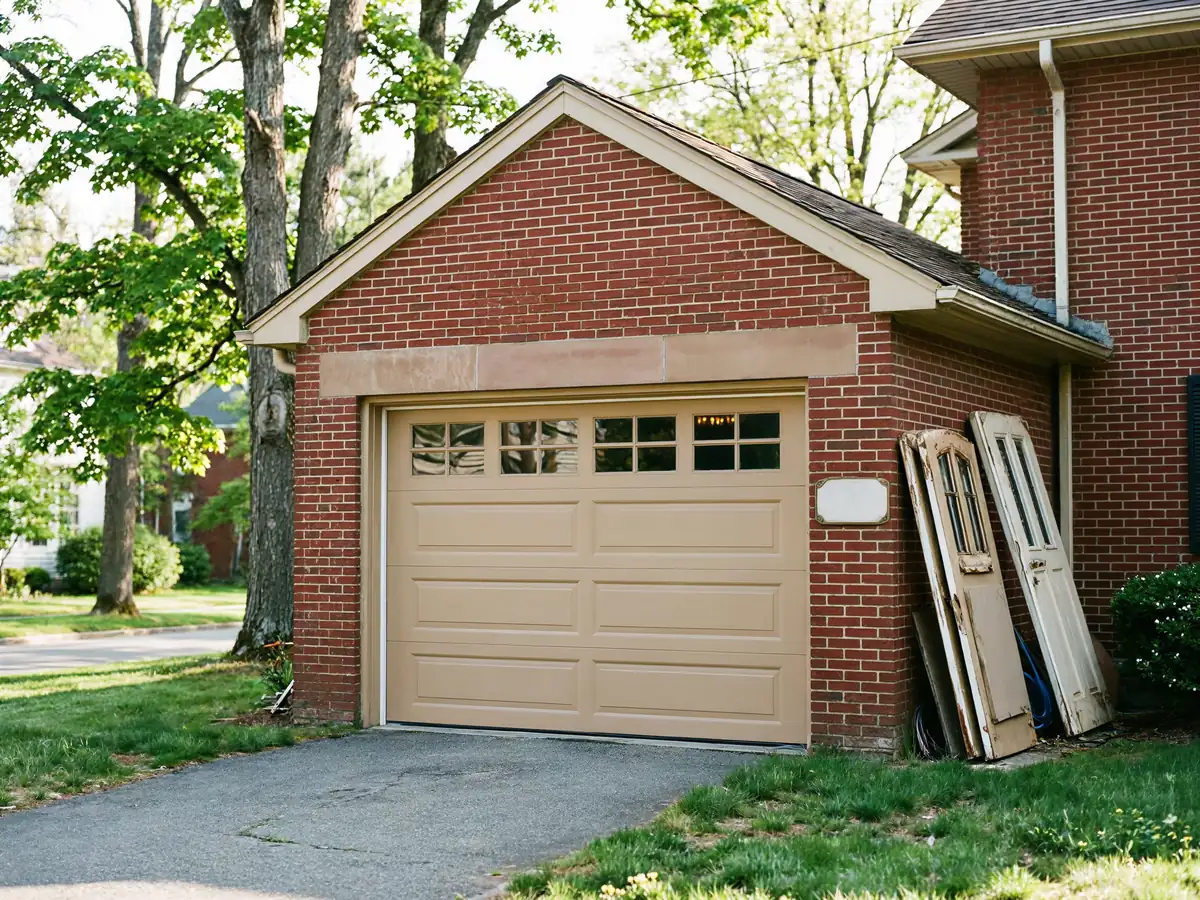
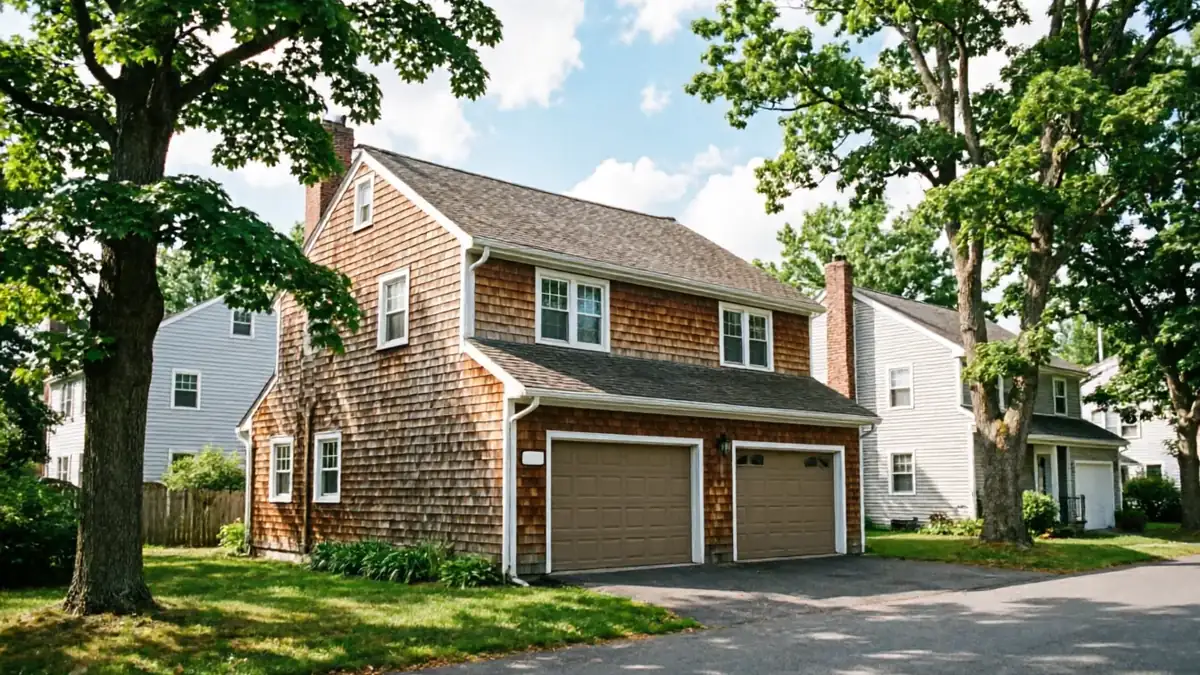
Housing across this service area was mostly built between 1938 and 1990, with the median landing around 1973, and the bulk of it dates to the 1960s and '70s across the 61 named neighborhoods we cover. That means a lot of doors are running original or first-replacement hardware - torsion springs rated for a lifecycle that's long since closed out, galvanized rollers instead of sealed bearings, tracks bolted to jamb framing that's shifted slightly over fifty-plus years.
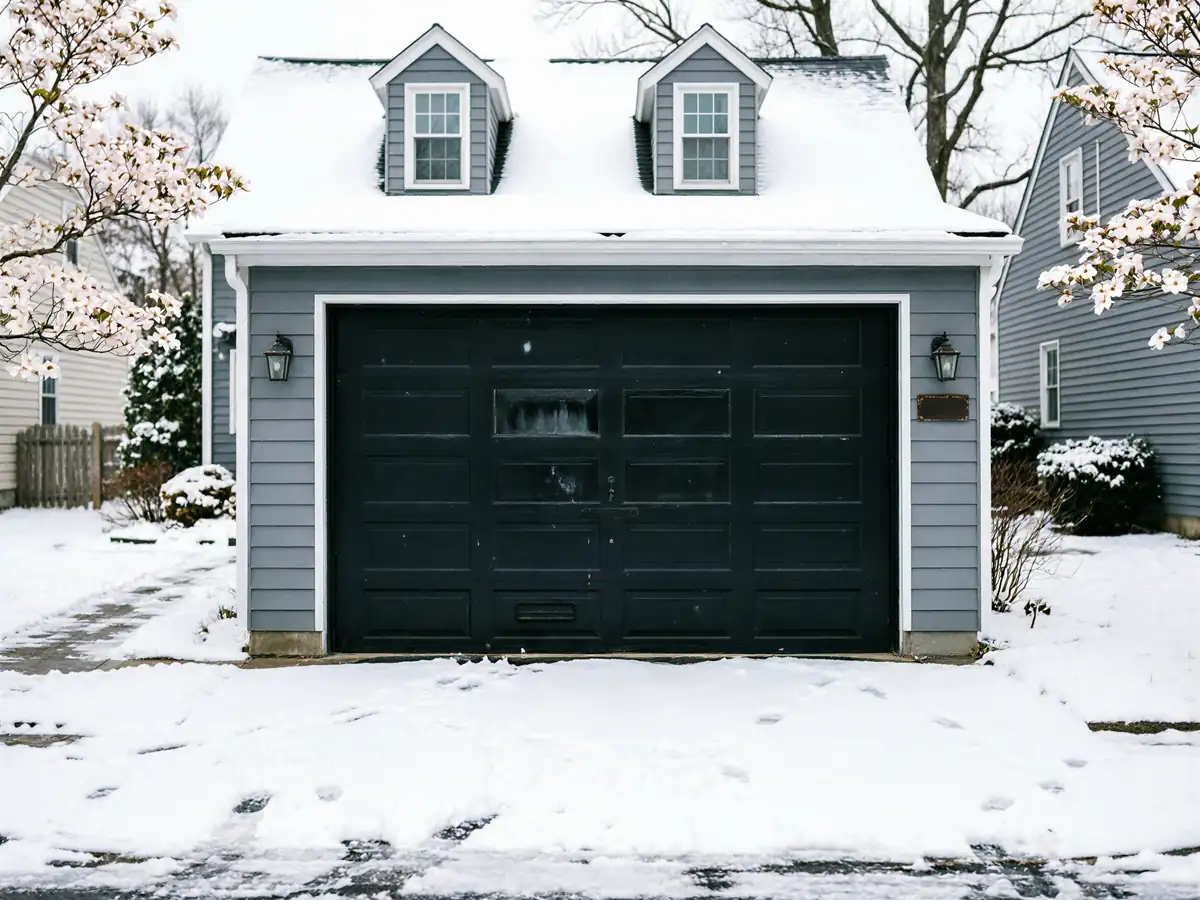
The climate band here is classified cold and severe, which matters more than people expect. Steel contracts in the cold. Lubricant that was fine in August turns gummy in January. A spring under tension in a heated garage behaves differently than the same spring in an unheated one, and most Glastonbury-area garages aren't heated. That combination - older hardware plus real winter swings - is why a door that was quiet in October starts complaining by February.
It's not that newer doors never need service. It's that a 1970s-era door with original torsion hardware in a cold-climate garage is working through more stress cycles per winter than the same door would see somewhere mild, and nobody's been in to check it since it was installed.
What You Pay
We don't post a flat maintenance price here because the job varies
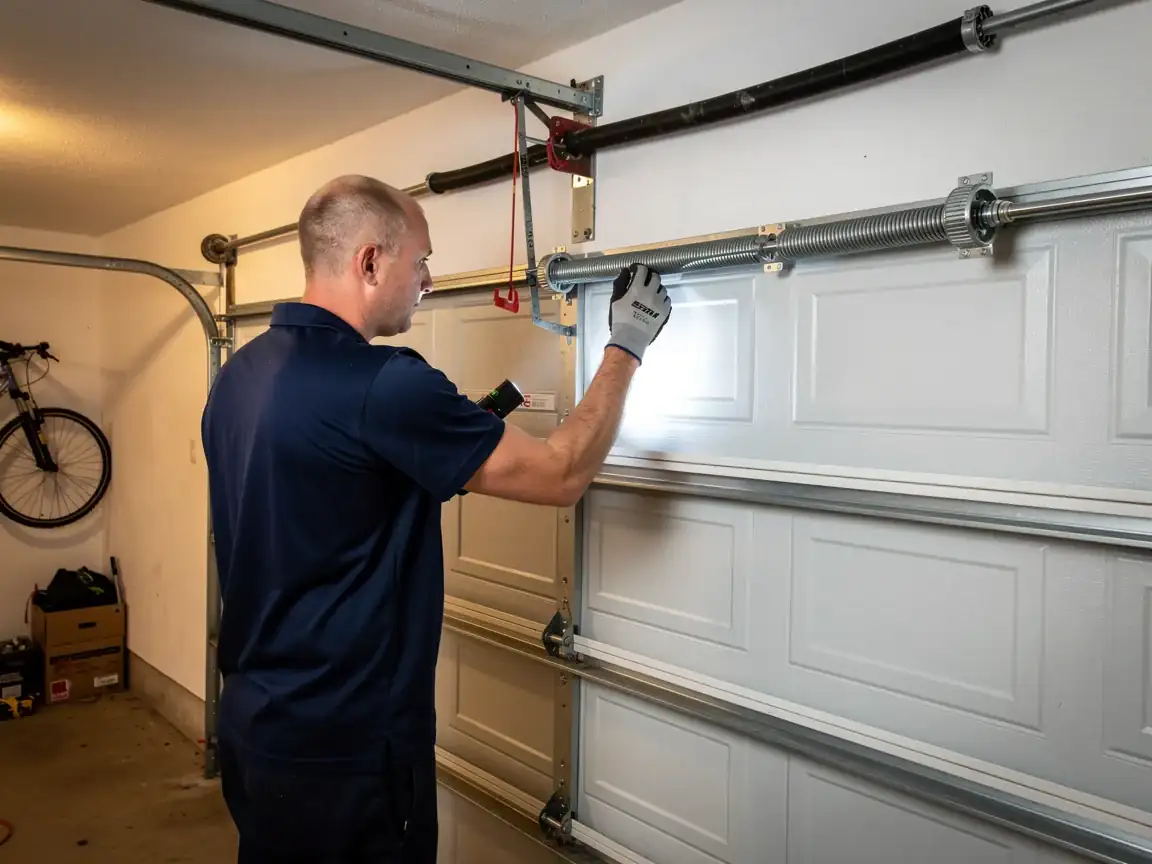
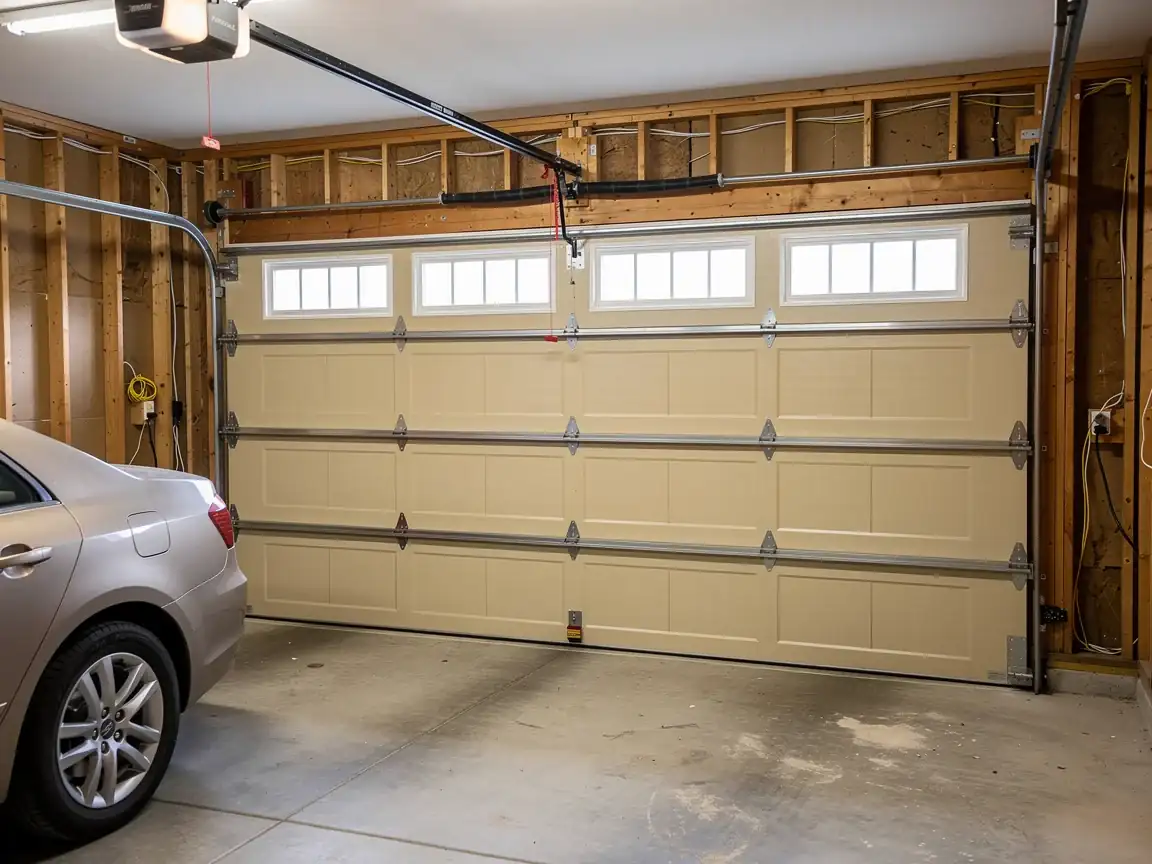
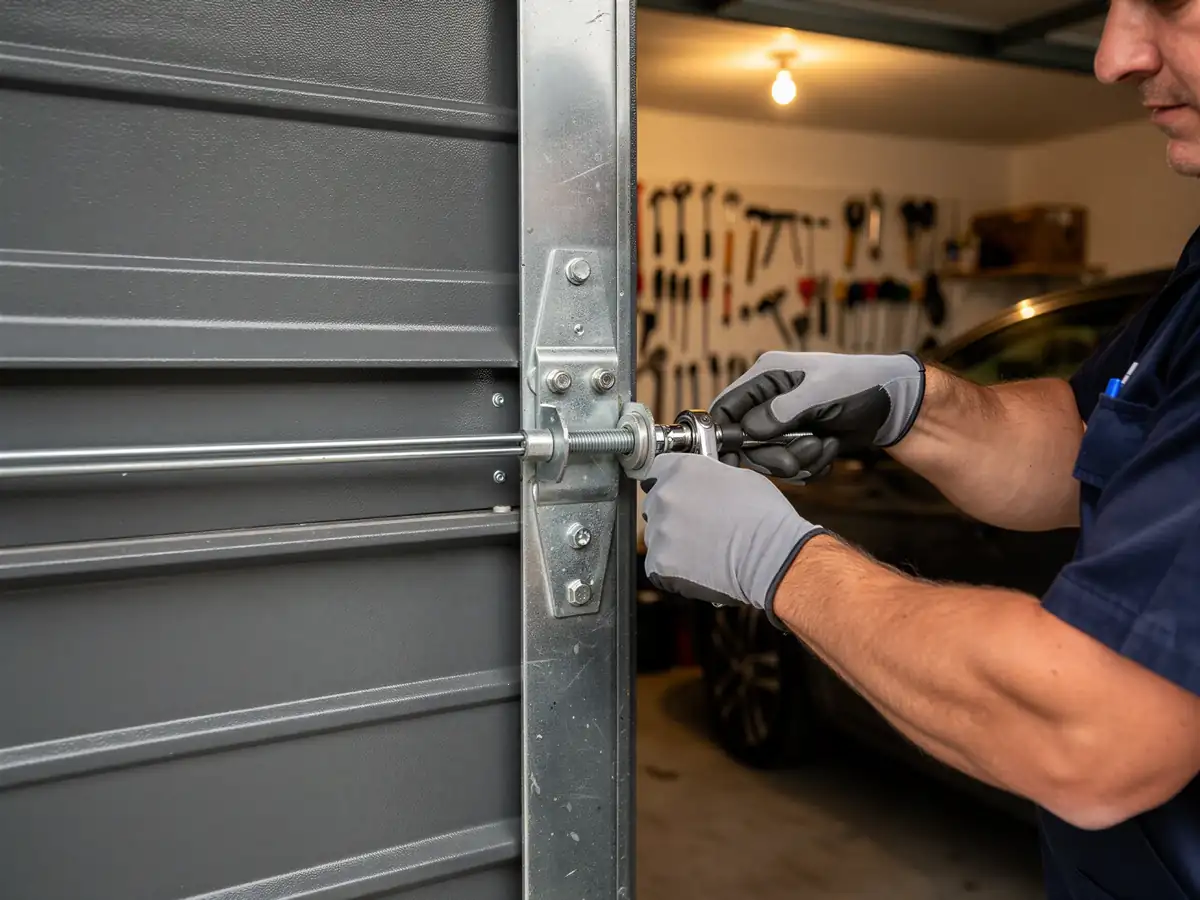
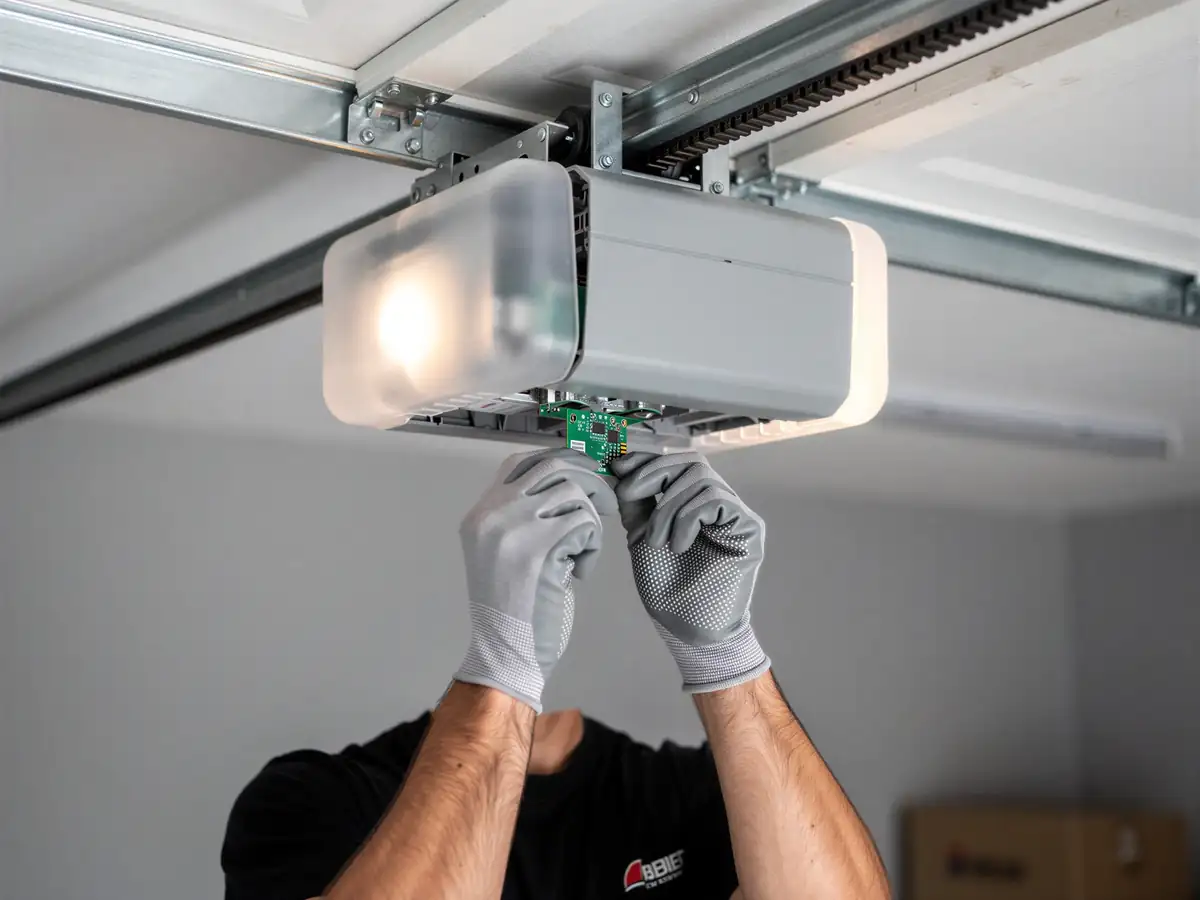
A single-spring door with easy drum access isn't the same visit as a double door with a worn opener gear and a bent track. What we can tell you is what the visit covers: spring tension check and adjustment, roller and hinge inspection, track alignment, cable condition, hardware torque, and opener safety reversal test.
If something's found during that check
A cable starting to fray, a bearing that's shot - we'll tell you what it costs to fix before we touch it. We don't add it to the bill after the fact. If the fix is bigger than the visit (a full spring replacement, say), that's a separate quote, not folded into a maintenance charge.
One honest note: if your door is old enough that parts are genuinely hard to source
Sometimes the math doesn't favor repair. We'll say so rather than keep billing small fixes to a door that's better off replaced.
Time on the Job
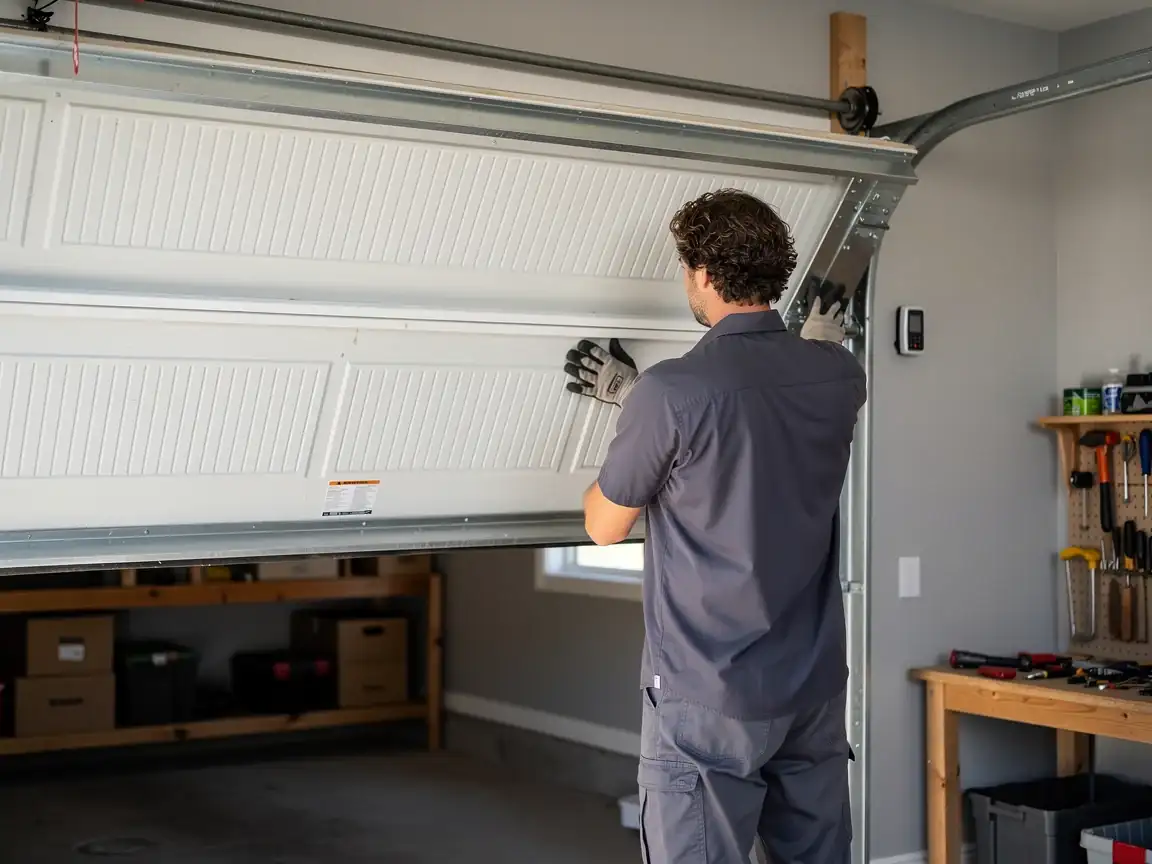
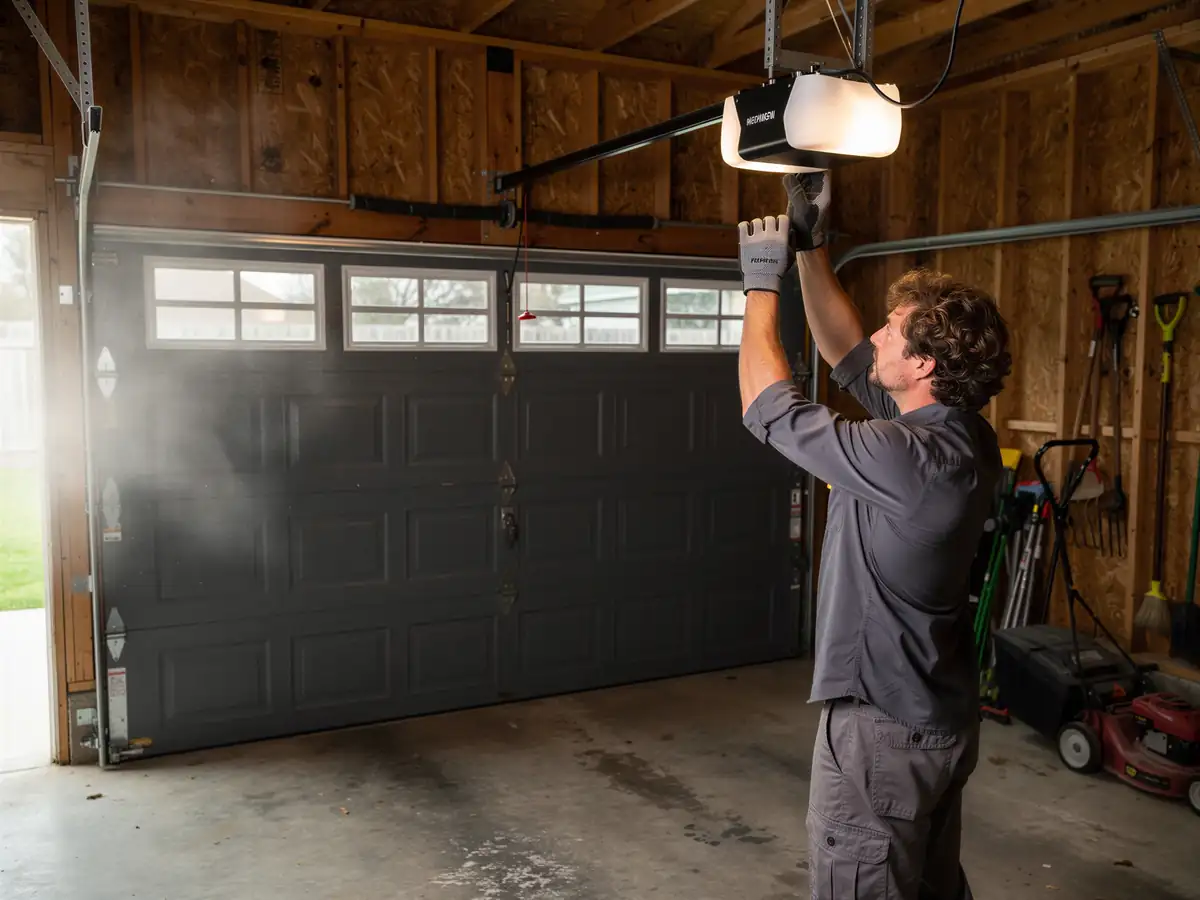
A standard maintenance visit on a single door runs well under an hour once we're set up - check tension, lube the moving parts, test the opener's reverse sensors, tighten what's loosened. Double doors or doors with added issues (a track that needs realignment, a spring that needs more than minor adjustment) take longer, and we won't rush a tension adjustment just to hit a number.
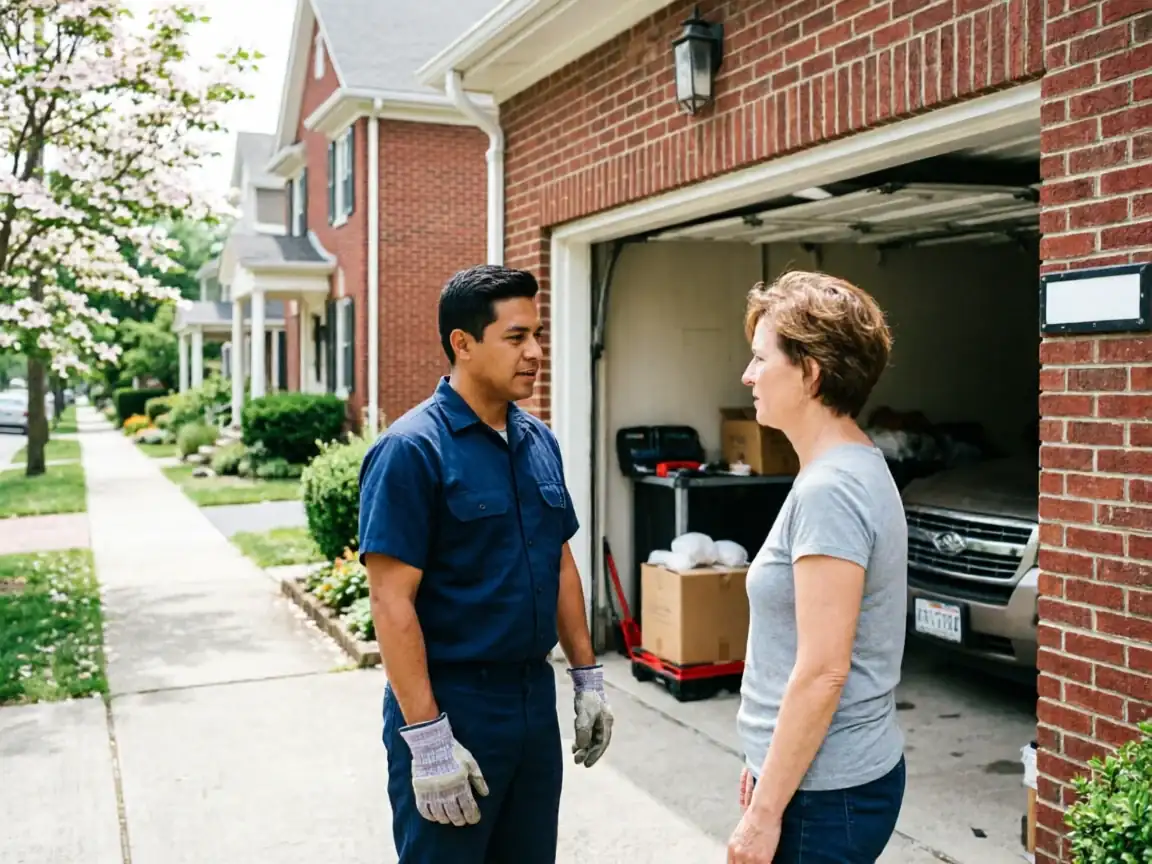
We work across the broader service area, from Glastonbury Center out through towns like Wethersfield, East Hartford, Rocky Hill, and Newington, and scheduling reflects that - we're not always parked outside your specific street the day you call, but we're not driving in from somewhere unfamiliar with this housing stock either.
The honest limitation: we can't promise same-day for every maintenance request during peak cold snaps, when a run of doors all freeze up at once. Repairs where the door won't move get priority over scheduled tune-ups.