Serving Glastonbury, CT & nearby
(860) 217-5253
Glastonbury, CT

Why Your Garage Door Sensors Keep Drifting Out of Alignment

Why garage door safety sensors go out of alignment in Glastonbury's older homes and cold winters, and what it actually takes to fix it for good.

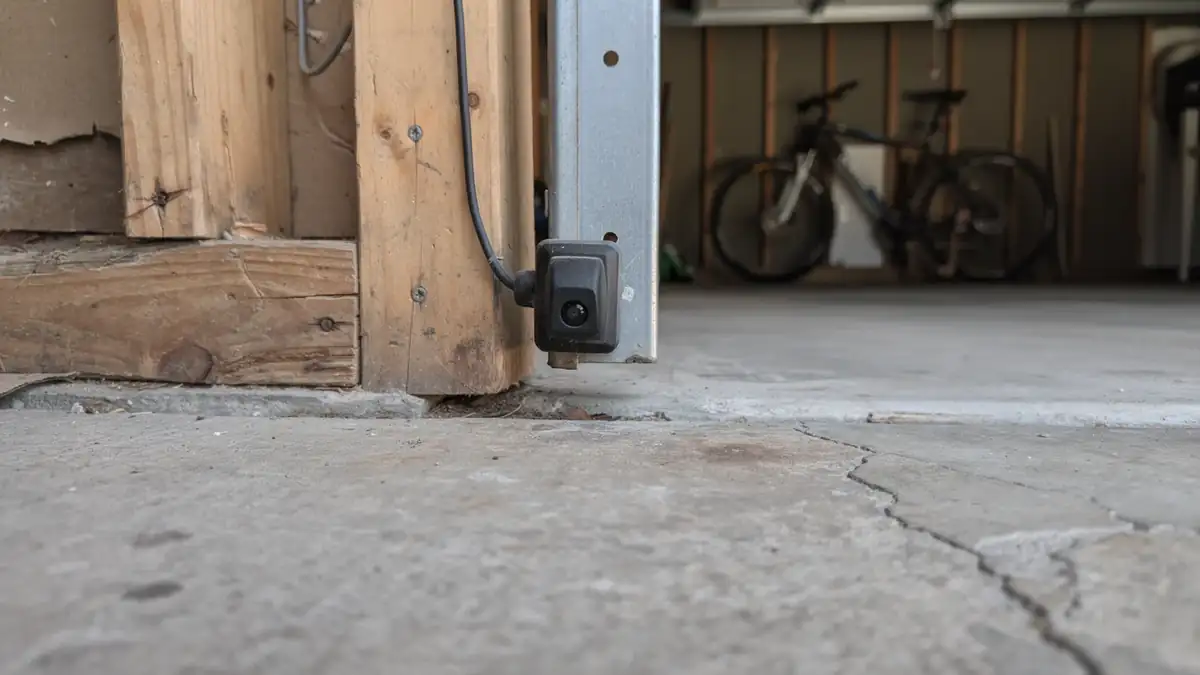
A garage door safety sensor is mounted on a wooden frame next to a concrete floor.

What Local Conditions Do

Most of the houses in this part of Glastonbury went up between 1938 and 1990, and the bulk of that stock dates to the 1960s and 70s, with a median build year around 1973. That matters for sensor alignment more than people expect. Those slabs and driveway aprons were poured before anyone worried much about frost depth under a garage, and Connecticut's winters are hard on concrete. The ground freezes, heaves a fraction of an inch, settles back differently come spring, and the slab under your tracks moves with it. The two safety sensors sit low, six inches off the floor on either side of the opening, bolted to brackets that are themselves fastened to door track or framing that's now 50-plus years old. When the slab shifts even slightly, the bracket angle shifts with it, and the beam between the two eyes no longer lines up dead center. You don't need a dramatic crack in the floor for this to happen - a slow seasonal tilt is enough, and in a cold-climate town like this one, it happens every single winter, not just once.

The Situation

Across the 61 named areas we work in, that same 1960s-70s building wave shows up again and again, which means a lot of garages share the same failure pattern: original or early-replacement track mounted to framing that's moved a little every winter since Nixon was in office. A house a mile from Glastonbury Center built in that era will usually show the same symptom as one further out toward Marlborough or Hebron - the door reverses on close, or the opener light blinks and nothing happens, and the owner assumes the opener itself is dying. Nine times out of ten it isn't. It's a sensor that's off by a couple degrees, or a lens with a film of garage dust and road salt haze on it from winter driving. Cold also plays a direct role - wiring insulation gets brittle after enough freeze-thaw cycles and connections at the sensor terminals loosen or corrode. We see this as a seasonal pattern here, worse right after the first hard frost and again in the spring thaw, which lines up with when the ground itself is moving the most.

What You Pay

We don't have a flat number to quote here, because what you pay depends on whether this is a cleaning-and-realignment call or a full bracket and wiring replacement, and that depends on what we find on the slab and the track once we're under the door. A home with the original 1960s or 70s track and a settled slab is a different job from a newer replacement opener with a frayed low-voltage wire. What we can tell you is that sensor work is almost never the expensive part of a service call - the labor to locate and fix the actual cause, whether that's a tilted bracket, corroded terminal, or sun-faded lens, is usually quick once we're on site. Where it gets more expensive is if the bracket itself has to be remounted to solid framing because the original mounting point has rotted or moved too far to hold alignment reliably through another winter.

What Most People Get Wrong

The most common mistake is replacing the opener when the sensors were the actual problem - a new opener will show the exact same reversing behavior if the eyes still aren't lined up. The second mistake is bending the bracket by hand to force alignment instead of fixing whatever moved underneath it; that gets you one good season before the slab shifts again and you're back to square one. We'll be straight with you on the limitation here: if your slab has settled enough that the bracket point keeps drifting winter after winter, realigning the sensor is a band-aid, not a fix, and we'll tell you that instead of charging you to realign it a third time. In a house from the 1938-1990 era, that's a foundation and track conversation, not a sensor conversation, and it's worth knowing the difference before you keep paying for the same five-minute fix every January.
How it works

From “it’s stuck” to “it’s fixed”

A quick, honest process - no guesswork and no surprises.

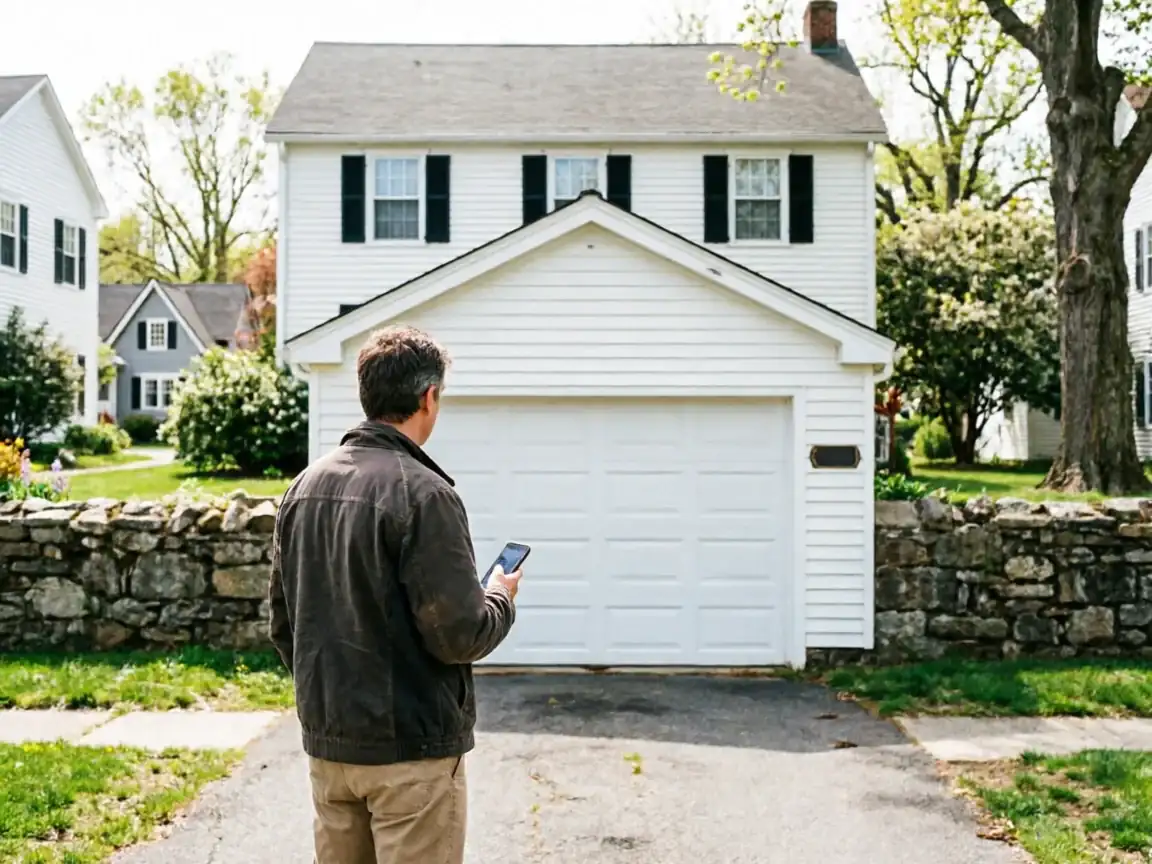
  1. A man stands in a driveway holding a phone, facing a white garage door.
    1

    Tell us what’s wrong

    Describe the symptom - won’t open, loud bang, opener runs but the door won’t move.

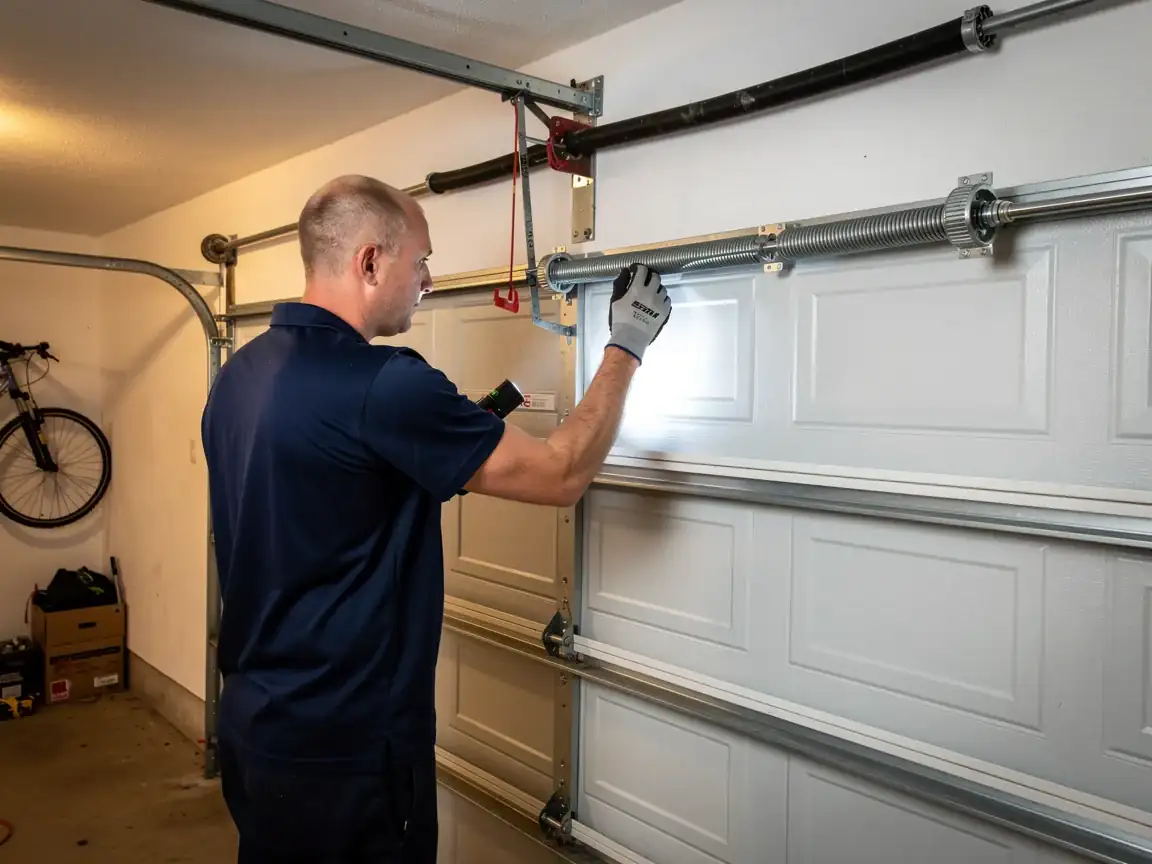
  2. A technician shines a flashlight on a garage door torsion spring.
    2

    On-site diagnosis

    A technician tests the door under power and by hand and finds what actually failed.

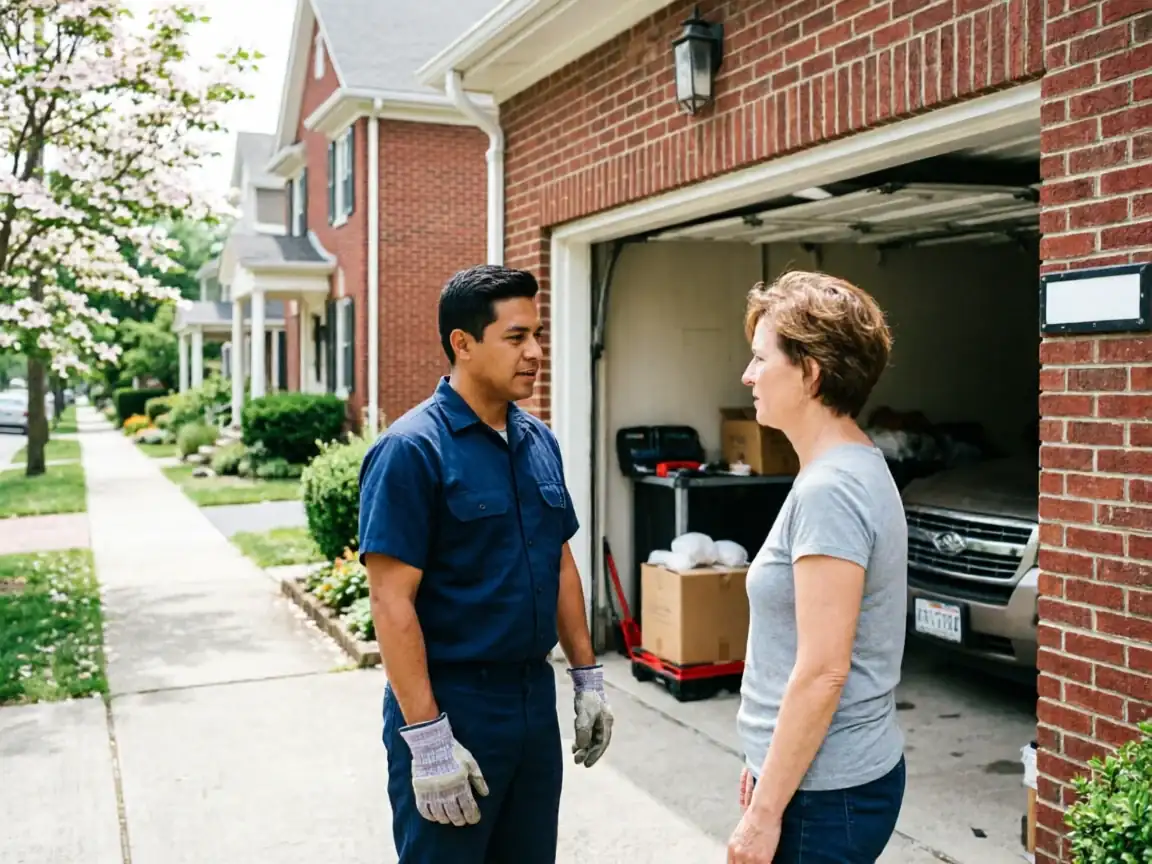
  3. A technician talks to a woman in front of a brick house with an open garage.
    3

    Clear, up-front plan

    You get the fix that’s needed and what drives the cost - before any work starts.

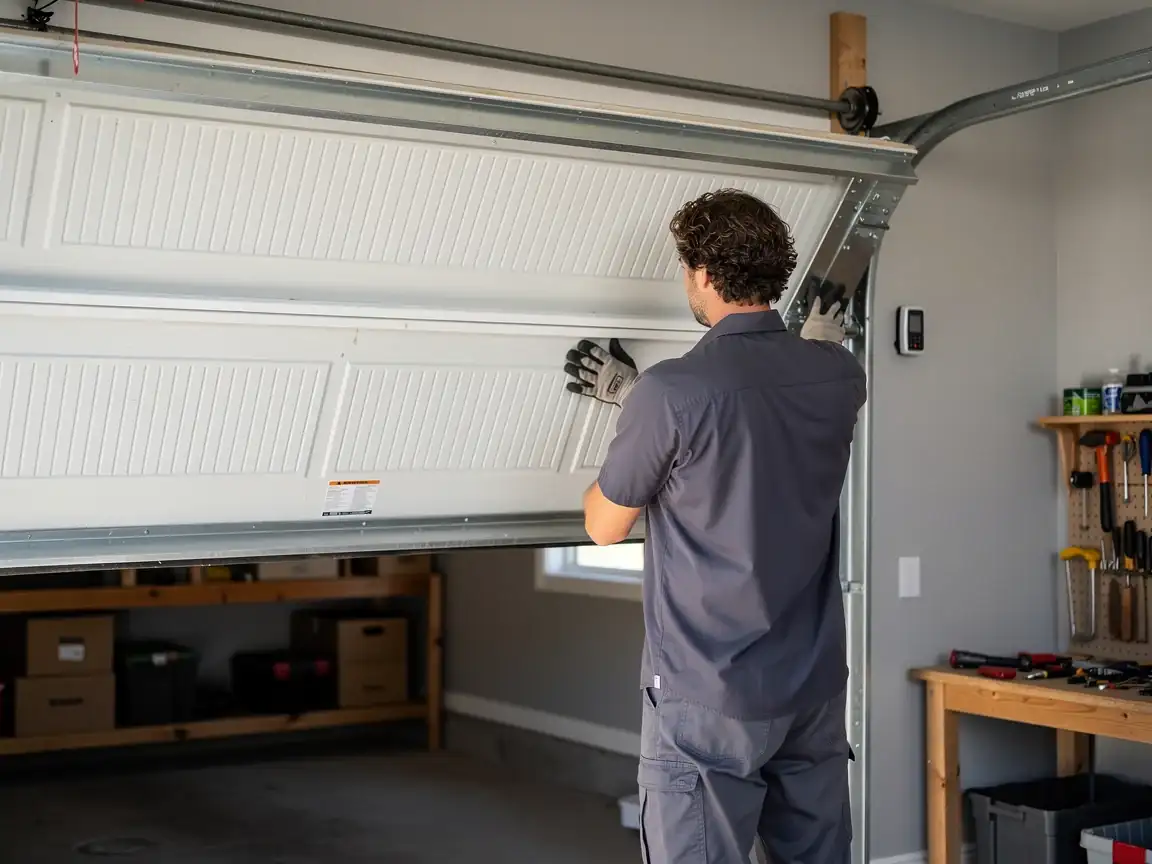
  4. A technician in a gray uniform is working on a white garage door.
    4

    Repaired & tested

    The repair is done, the door is set true and tested, and the work area left clean.

Not sure which repair your door needs in Glastonbury, CT? Describe what it’s doing - every job starts with a diagnosis.

How we work

What to expect

  • Diagnosis firstEvery visit starts by finding what actually failed - not a pre-written parts list.
  • The right part for the doorSprings and openers matched to the door’s weight and age, so the fix holds up.
  • Straight answersWhen a repair makes more sense than a replacement - or the reverse - you hear it plainly.
  • Clean, careful workTension released safely, hardware set true, the door tested under power before we leave.
What we do

Garage Door Services

Repair and installation work for Glastonbury homes and businesses.

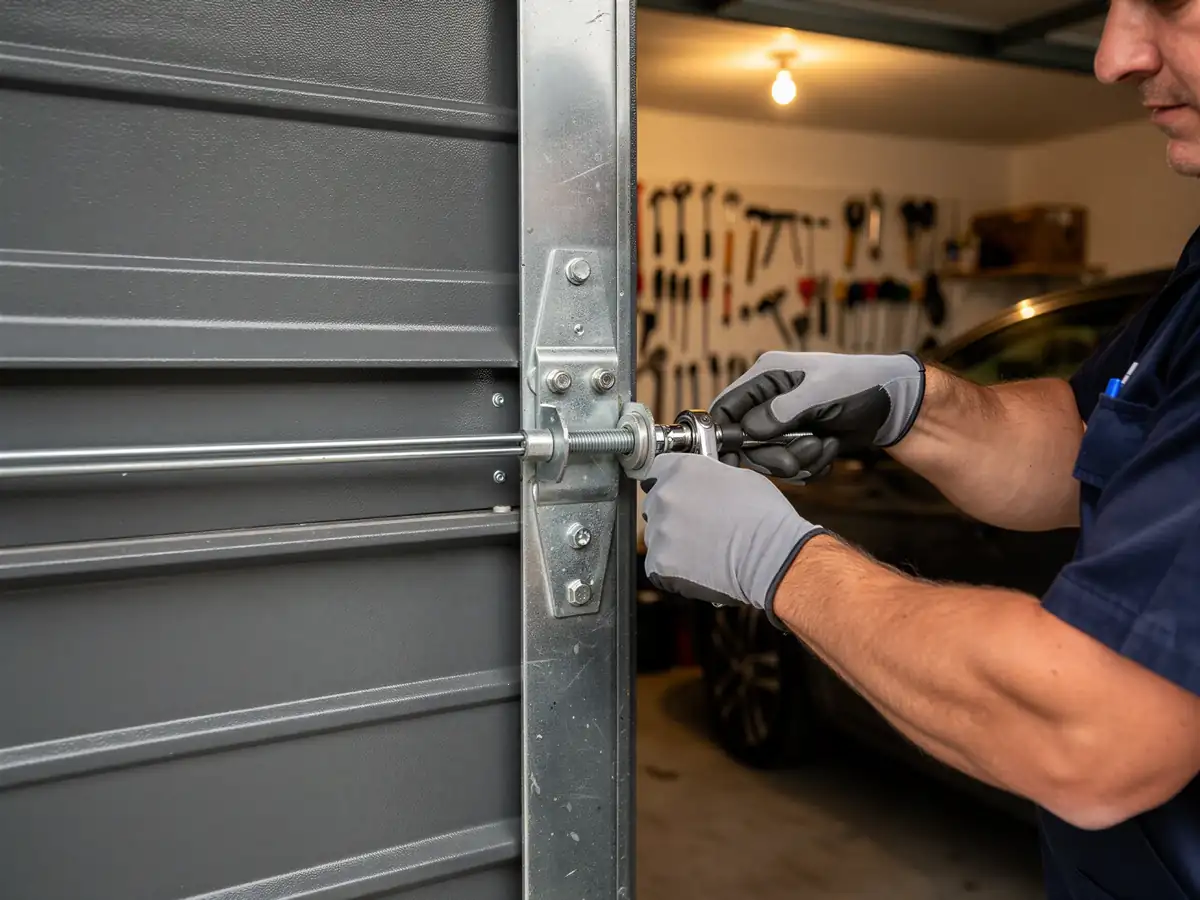
A technician in gloves adjusts a garage door roller and track.

Garage Door Repair

Garage door repair for Glastonbury homes built between 1938 and 1990, where original torsion hardware and cold-weather strain cause the most common spring and opener failures.

Learn more
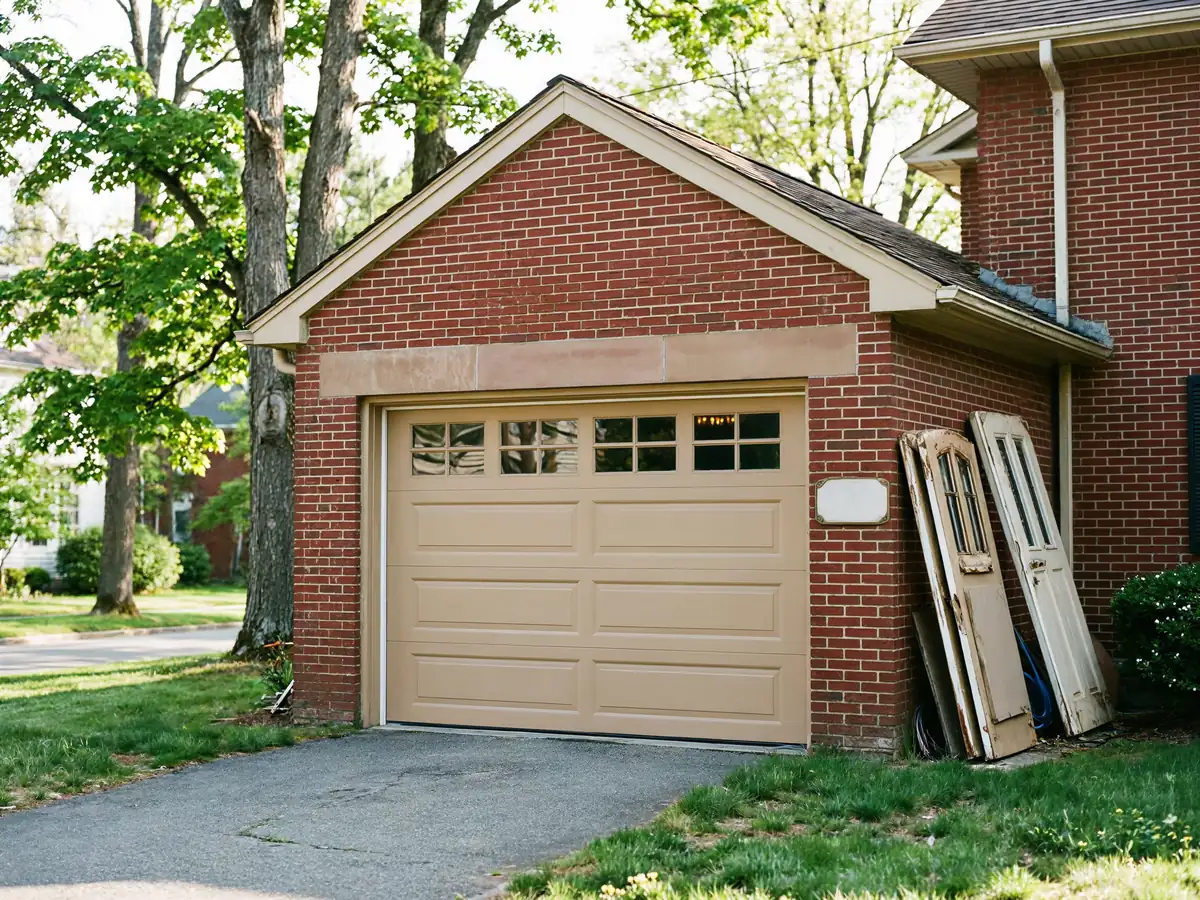
A tan garage door with windows is on a brick garage next to a driveway.

Garage Door Installation

Garage door installation in Glastonbury, CT for homes built mostly 1938 to 1990, where original openers and tracks no longer match new doors or cold winters.

Learn more
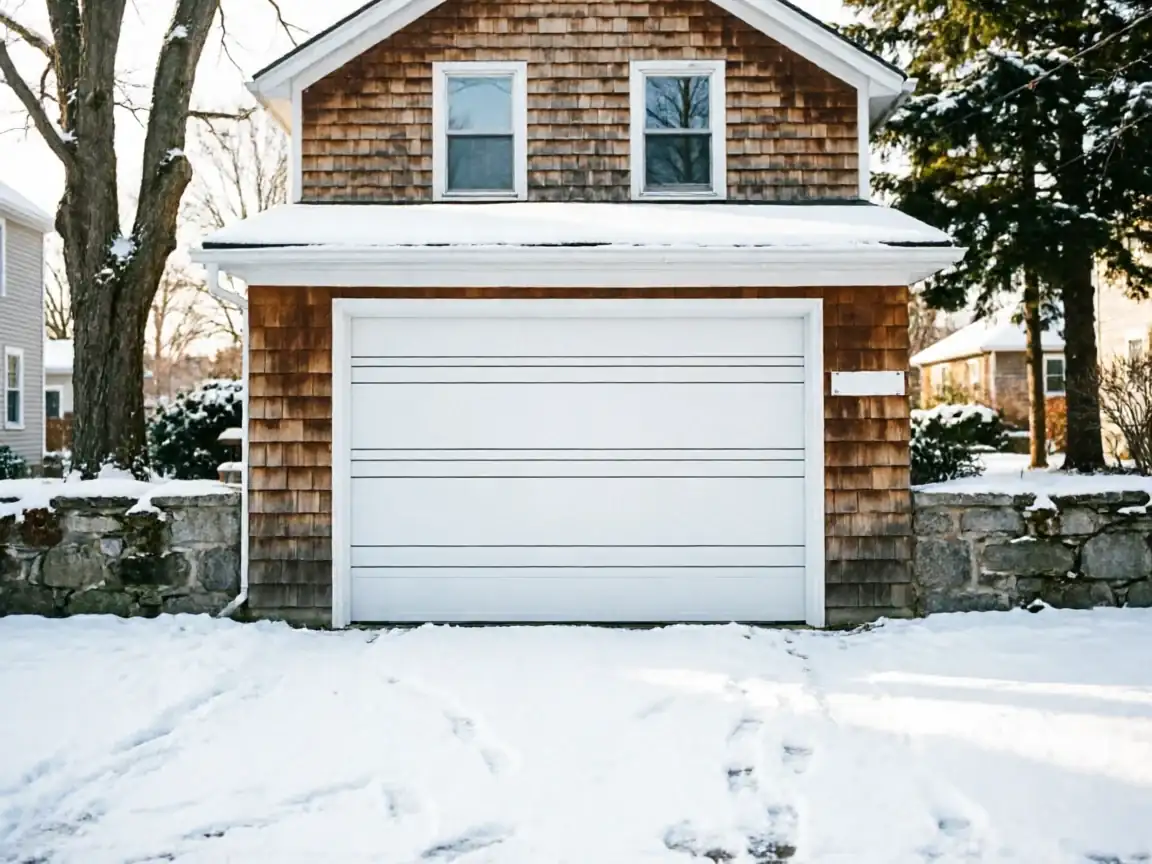
The house has a white garage door, cedar shake siding, and a snow-covered driveway.

Garage Door Service

Garage door repair for Glastonbury's 1960s-70s housing stock. We know why torsion springs and openers fail here, and what a cold Connecticut winter does to them.

Learn more
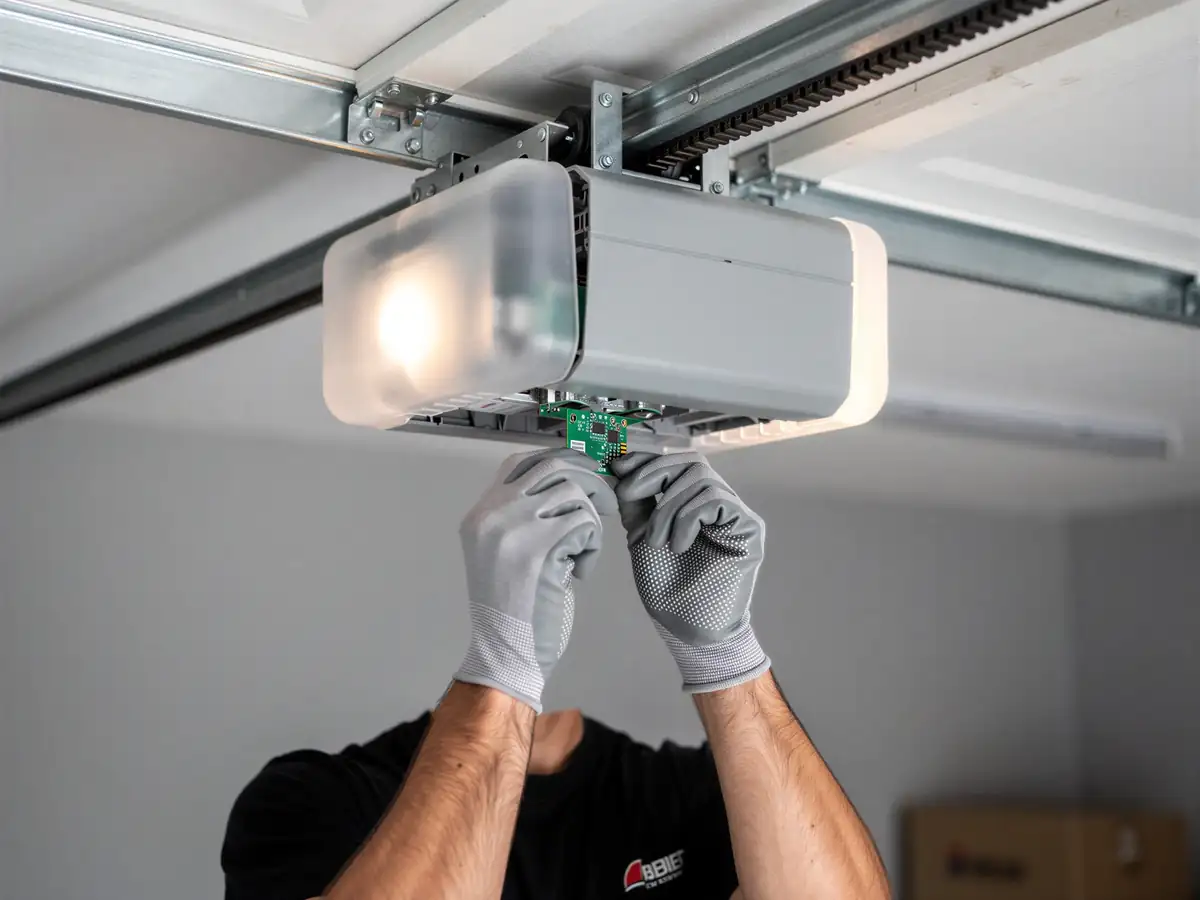
A technician in gloves works on the circuit board of a garage door opener.

Opener Repair

Opener dead or acting up in a Glastonbury home built before 1990? We diagnose the fault, price the fix plainly, and get the door moving again the same visit.

Learn more
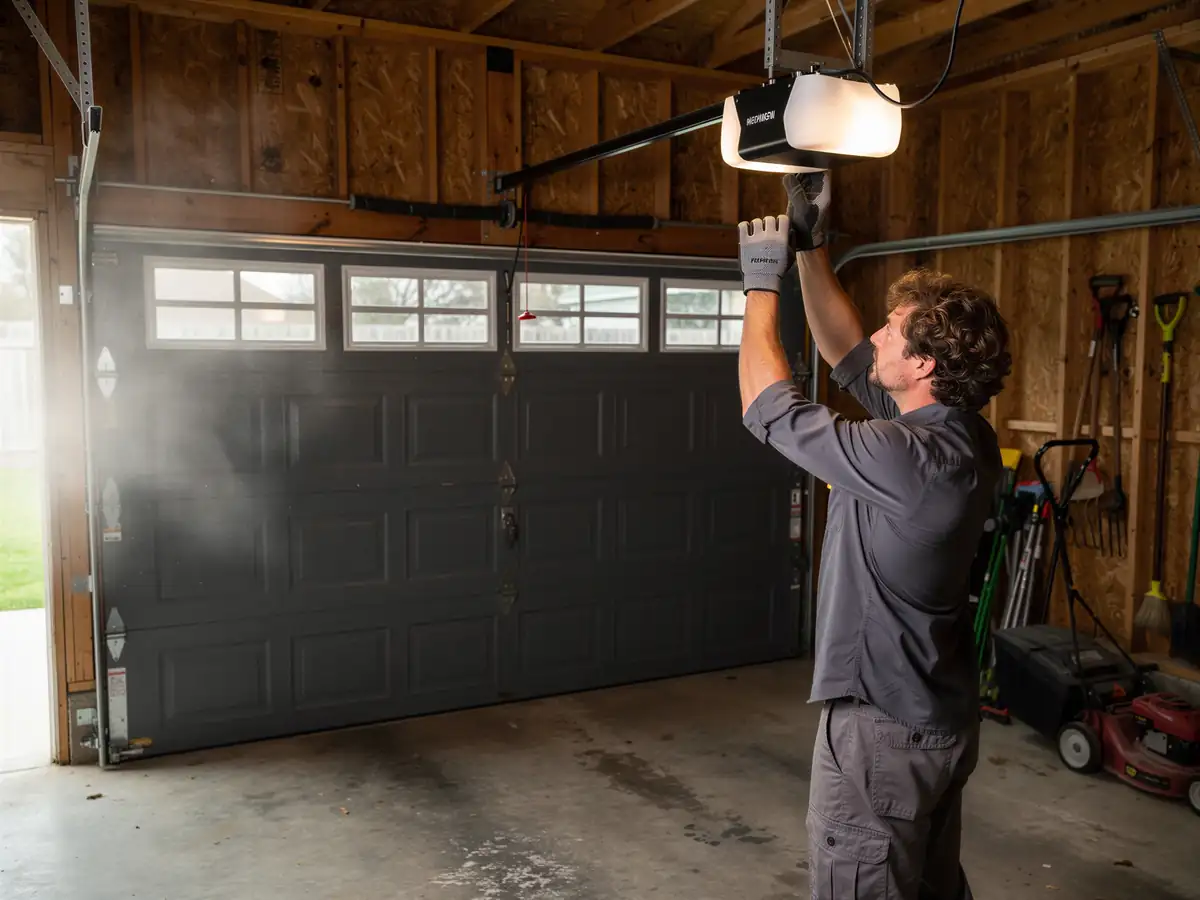
A technician adjusts a garage door opener above a dark gray garage door.

Opener Installation

Opener installs and swaps for Glastonbury homes built mostly between 1960 and 1990, where original drive units are decades past their rated life in a cold climate.

Learn more
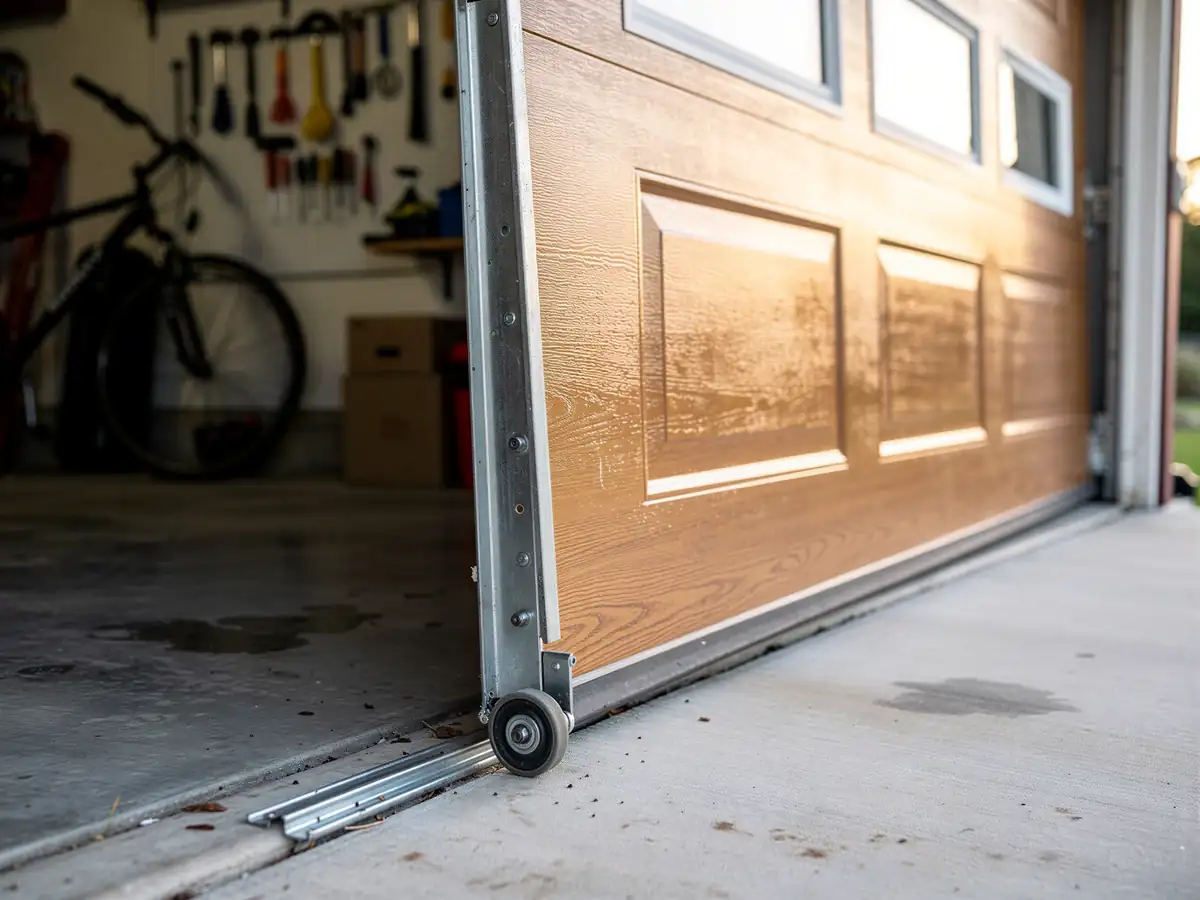
The garage door is partially open with a roller off its track.

Off-Track Repair

Garage door jumped its track in Glastonbury? We explain why it happens so often in homes built 1938-1990 and what the fix actually costs.

Learn more
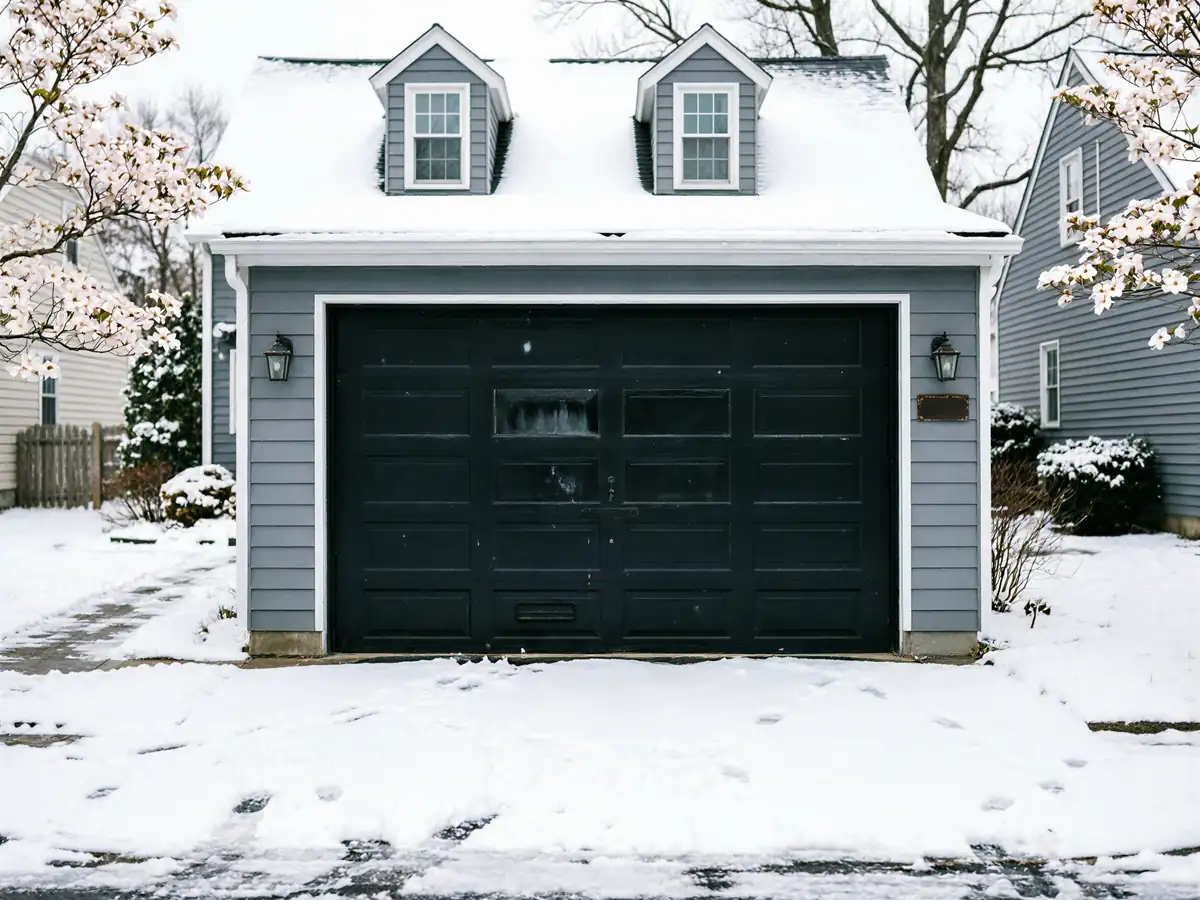
A gray garage with a black door and two dormer windows is covered in snow.

Panel Replacement

Cracked, dented, or rusted garage door panel in Glastonbury? We match panels on 1960s-70s doors and explain what drives cost and timeline for this housing stock.

Learn more
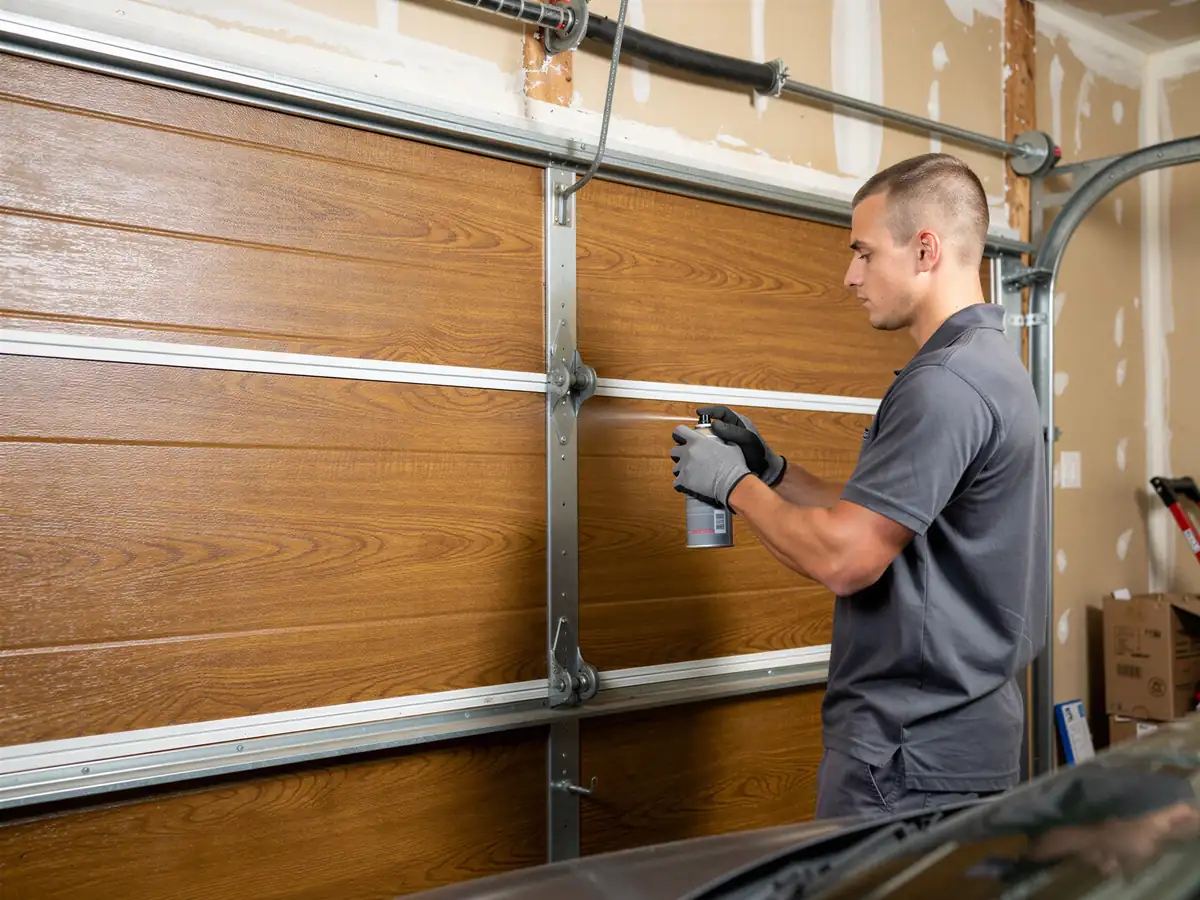
A technician in gray gloves sprays lubricant on a brown garage door.

Maintenance

Glastonbury homes built between 1938 and 1990 carry original hardware that wasn't made for New England winters. Here's what maintenance actually catches before it fails.

Learn more
Questions

Frequently asked

Straight answers about garage door repair in Glastonbury. Still unsure? Ask us directly.

Why do my garage door sensors only act up in winter?

Cold-climate freeze-thaw cycles move the ground under your slab a little every winter, and that shifts the bracket angle on sensors mounted near the floor. Brittle, corroded wiring from repeated cold snaps adds to it. It's a seasonal pattern we see across the older housing stock in this area, not a one-time glitch.

My door reverses right before it closes - is that the opener?

Usually not. That reversal is the opener doing exactly what it's supposed to do when the safety sensor beam is broken or misaligned. Before replacing an opener, check whether the two sensor lenses are clean and pointed at each other - in older homes here, a shifted bracket is the far more common cause.

Can I fix sensor alignment myself?

Cleaning the lenses and loosely re-aiming the brackets is reasonable DIY. The harder part is figuring out why they drifted - usually a slab or framing shift - and that's worth having looked at if it keeps recurring, since bending the bracket back by hand is a temporary fix at best.

How often does this need attention in a Glastonbury house?

In homes from the 1938-1990 era especially, we see sensor alignment complaints cluster right after first hard frost and again at spring thaw, since that's when ground movement is most active. A once-a-year check before winter catches most of it before it causes a reversing door.

Ready to get your garage door sorted?

Tell us what it’s doing and where you are in Glastonbury - we’ll take it from there.

Request a QuoteCall