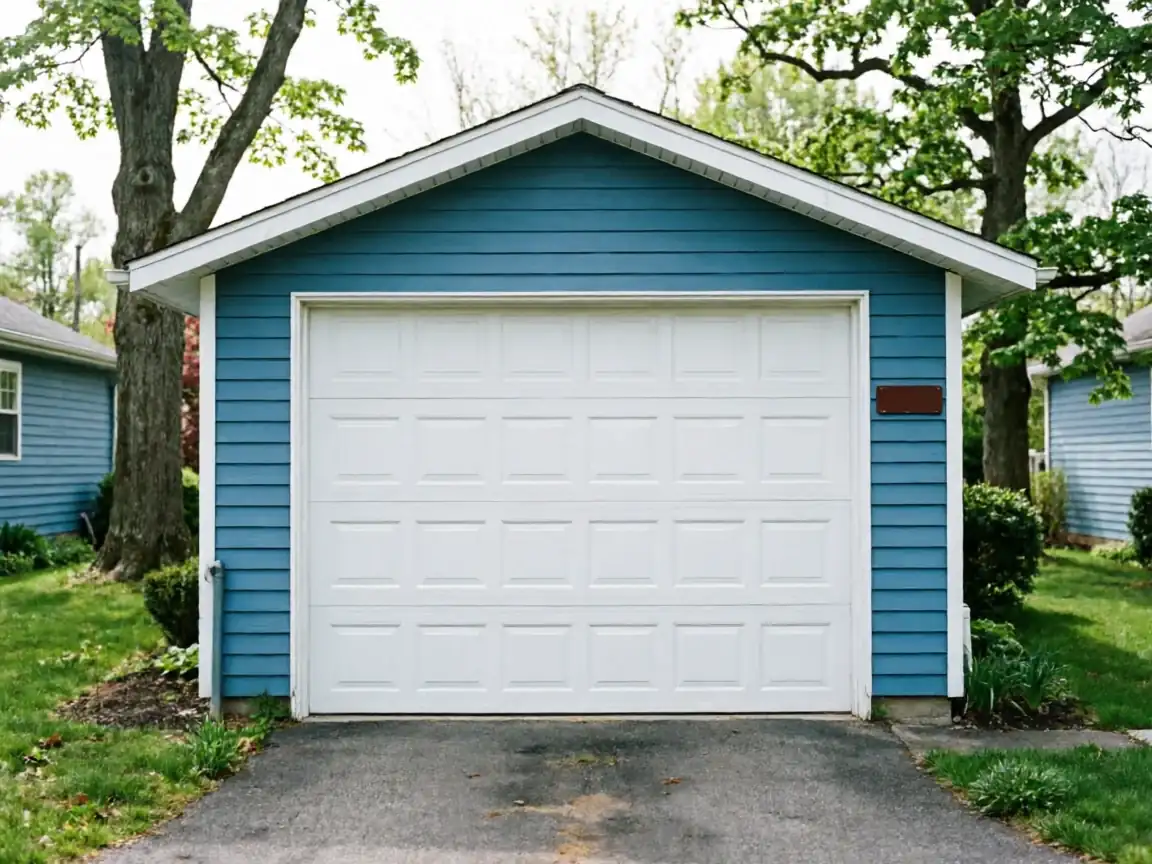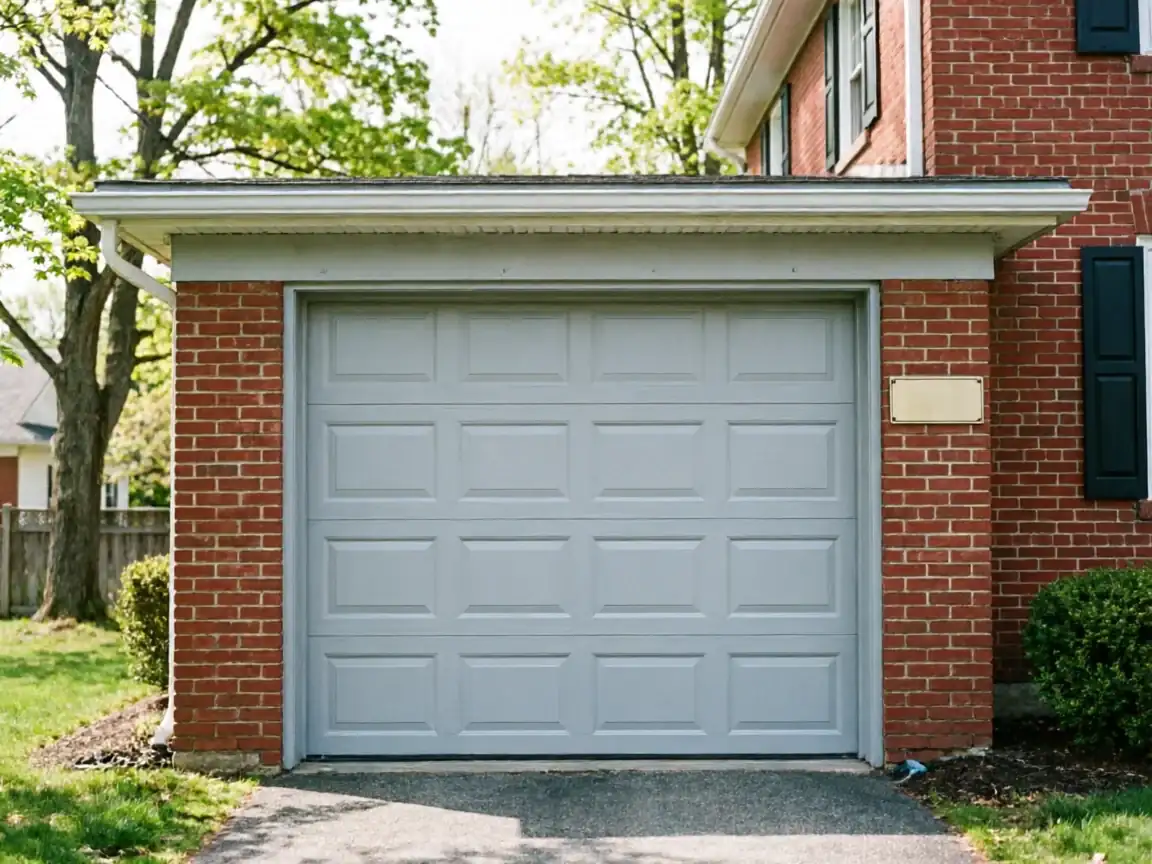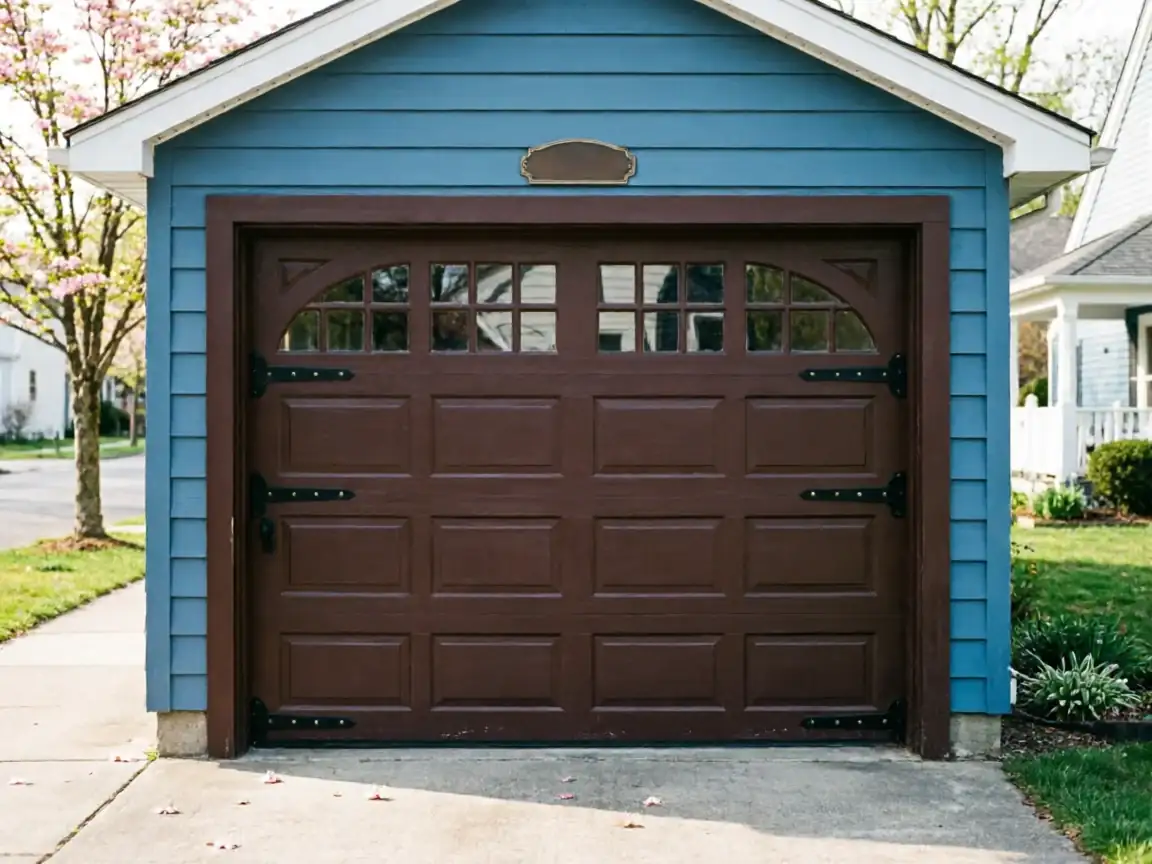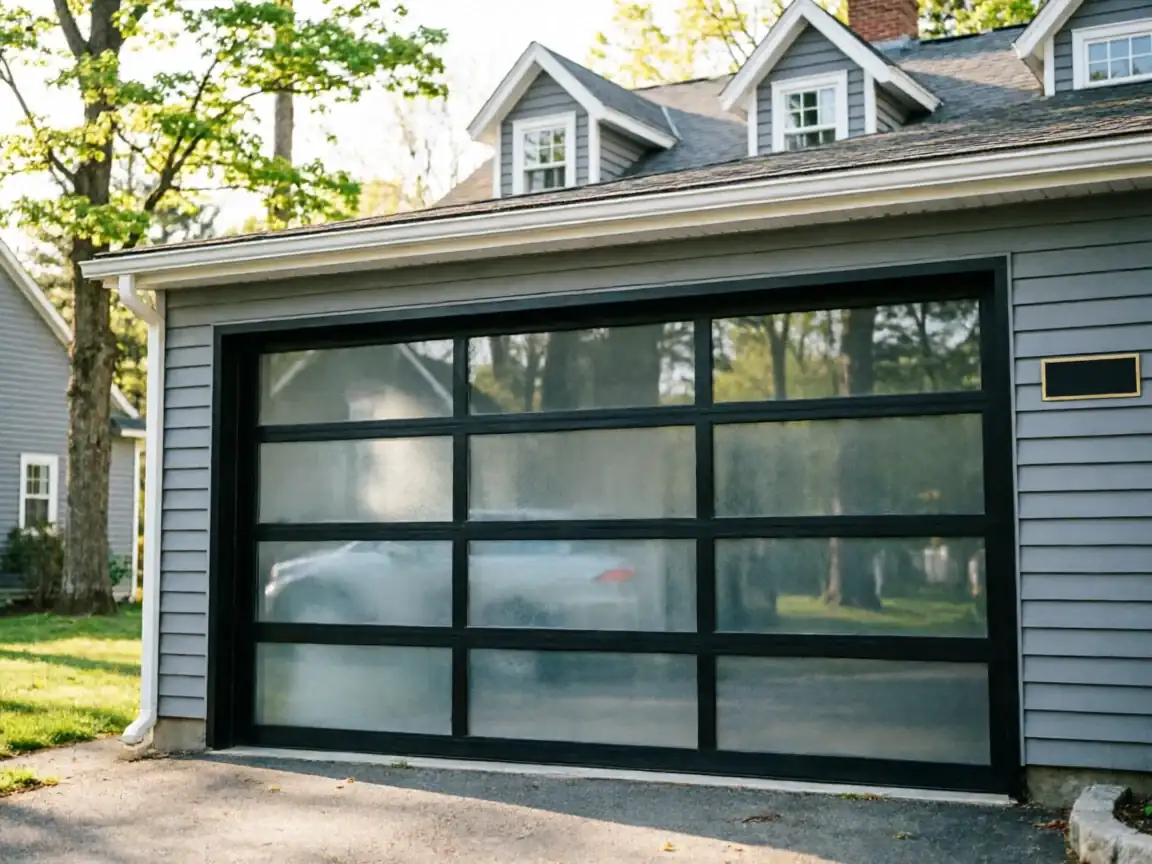
The Symptom
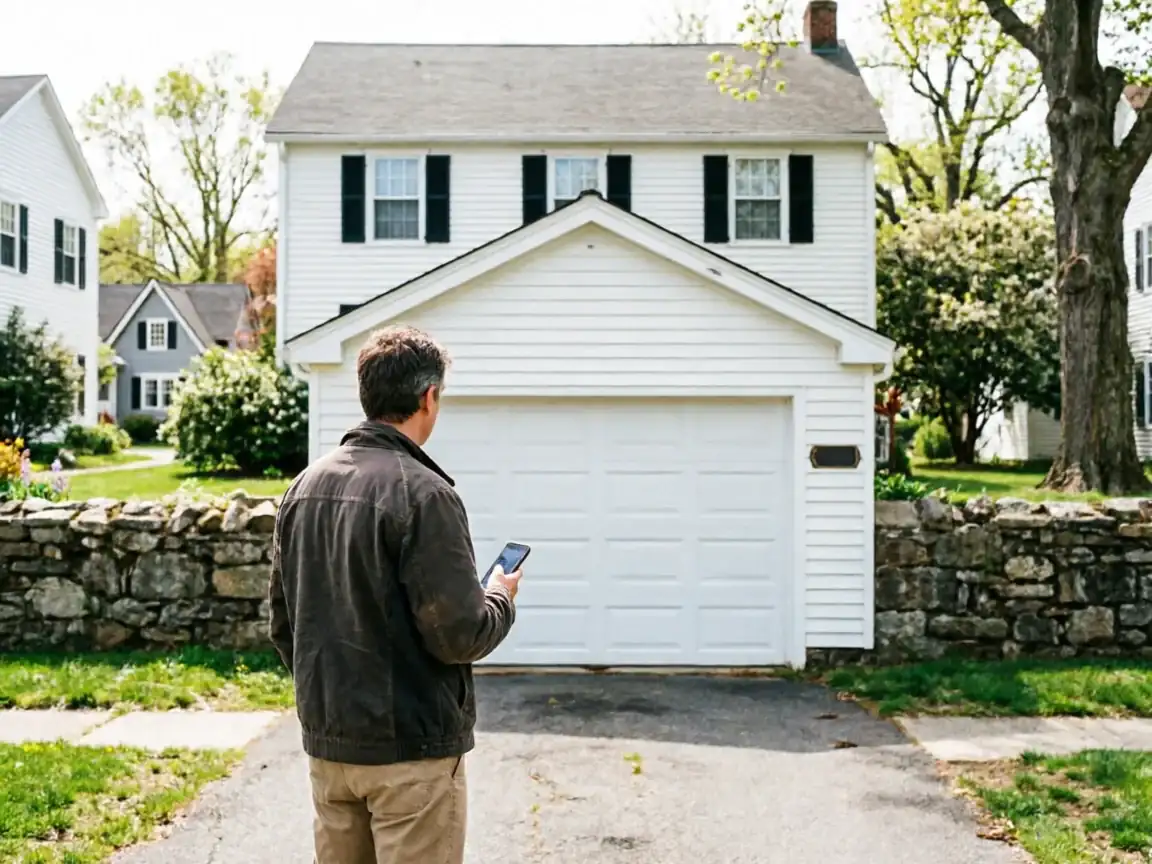
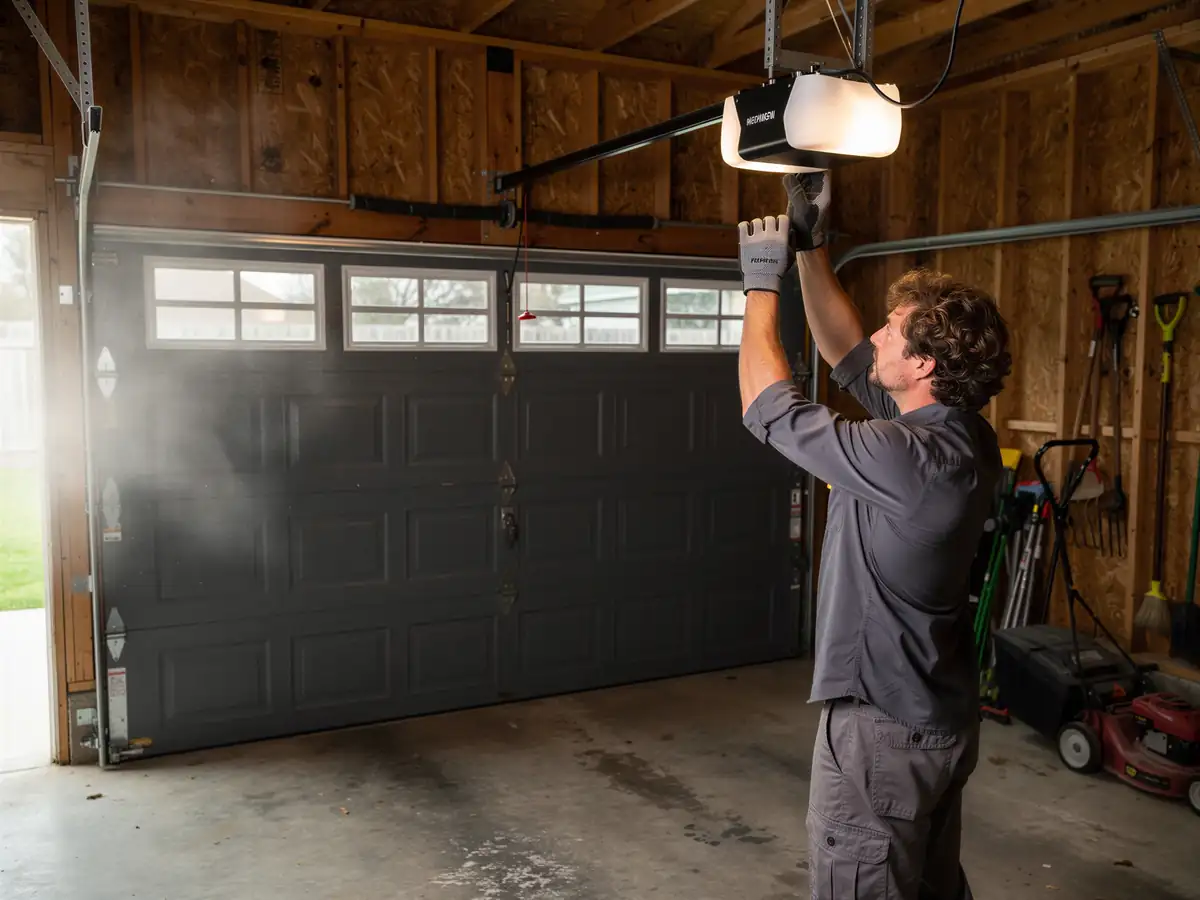
The door gets heavy all of a sudden. It used to lift with one hand and now it fights you, or it starts up and stalls halfway, or the opener grinds and gives up. Sometimes it's a loud bang from the garage first thing in the morning, followed by a door that won't budge at all. These are the calls we get most from homes in and around Glastonbury Center and the neighborhoods out toward Wethersfield and Rocky Hill.
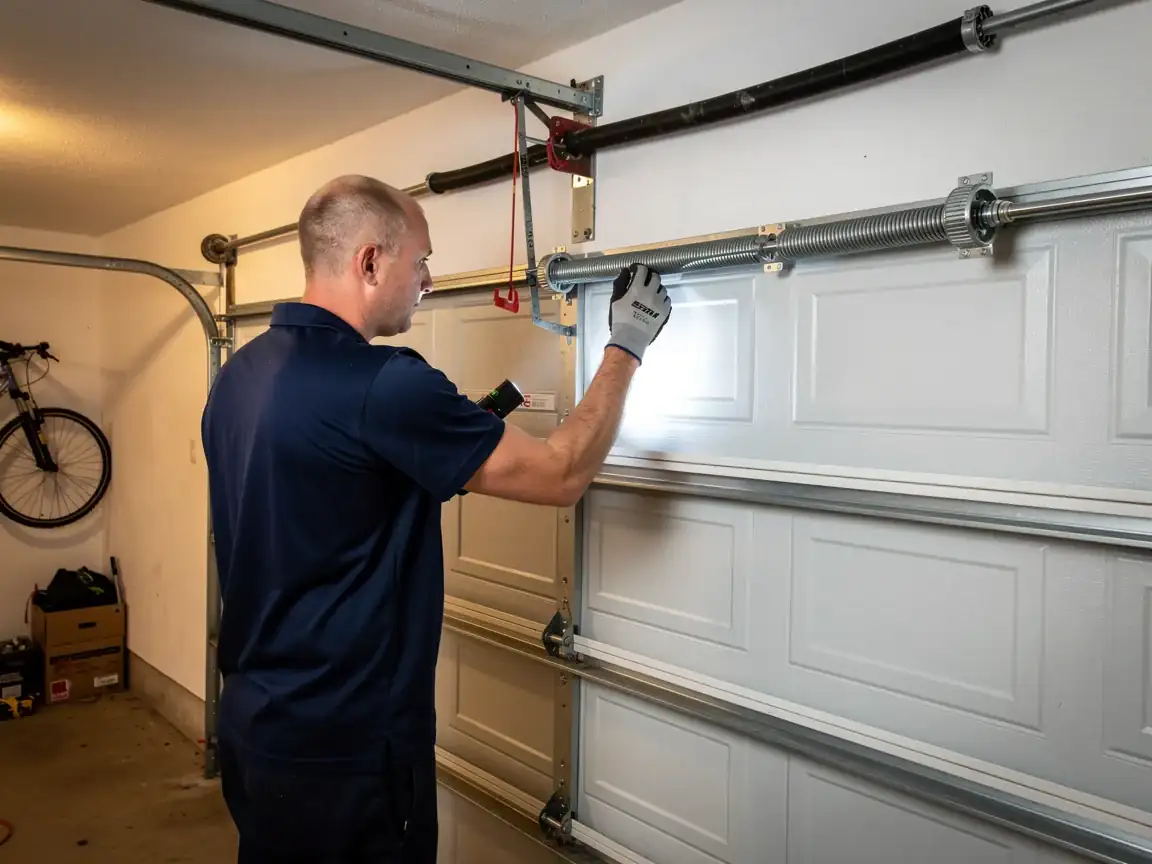
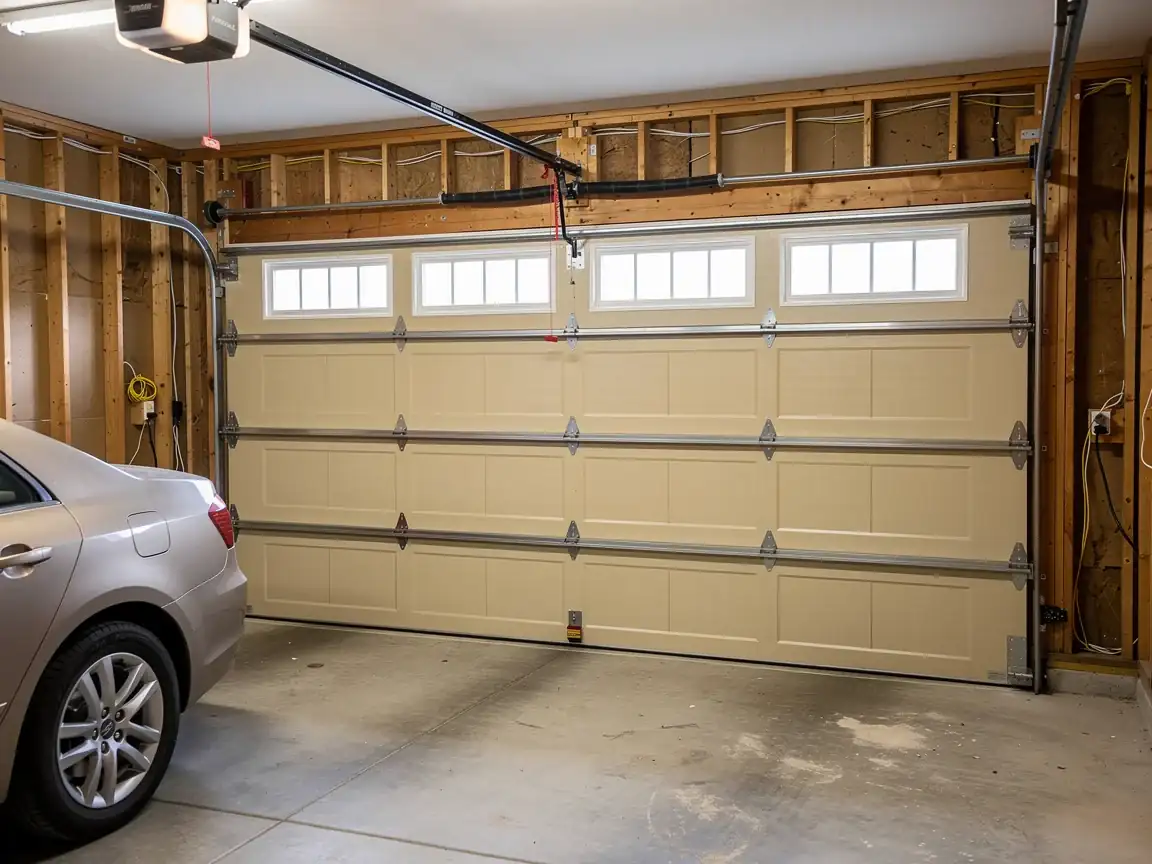
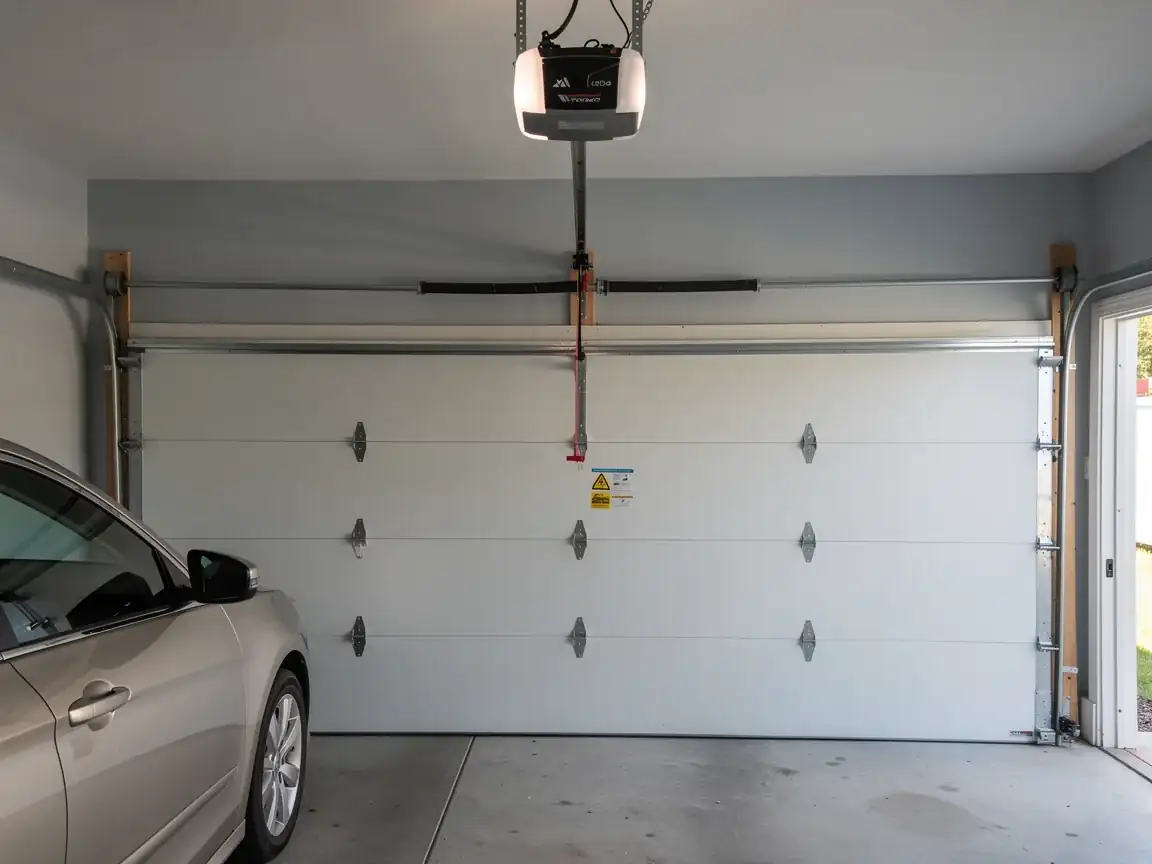
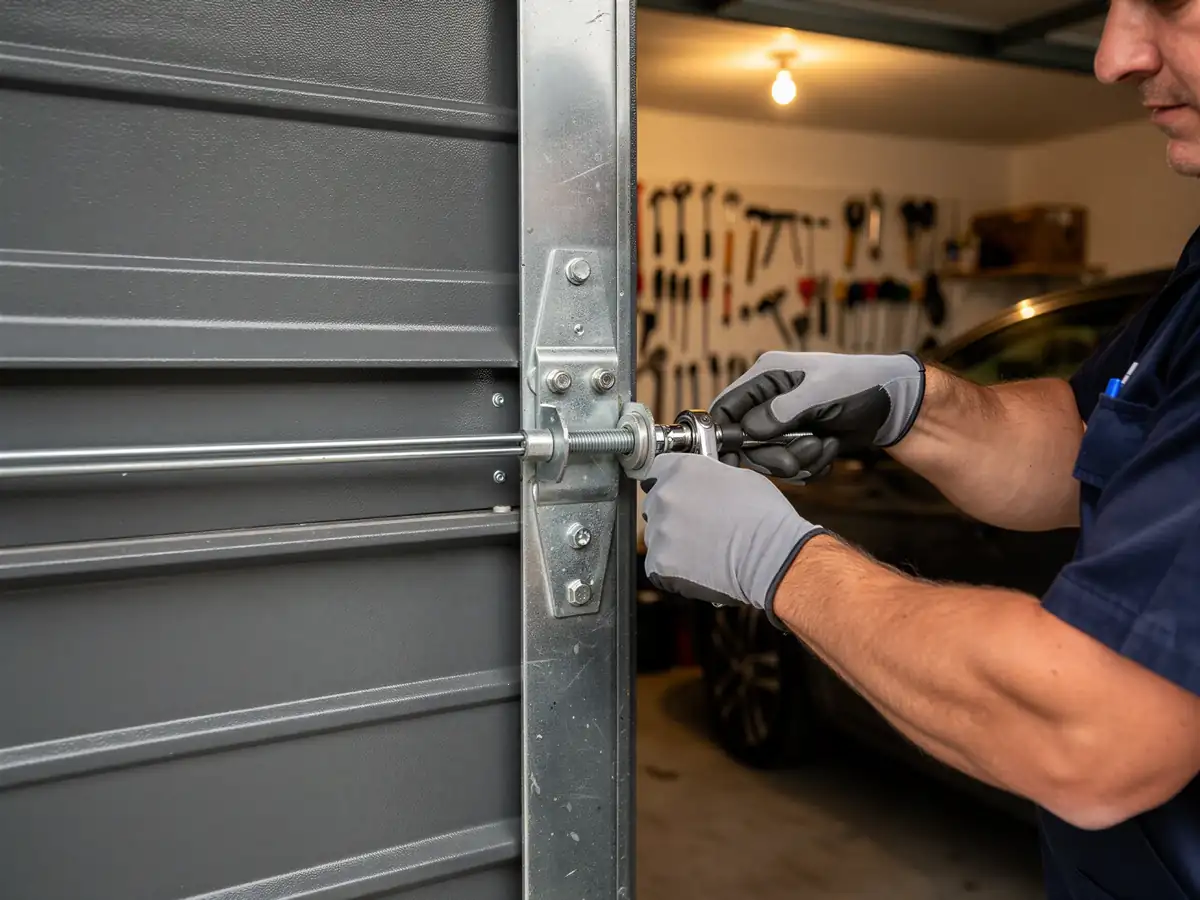
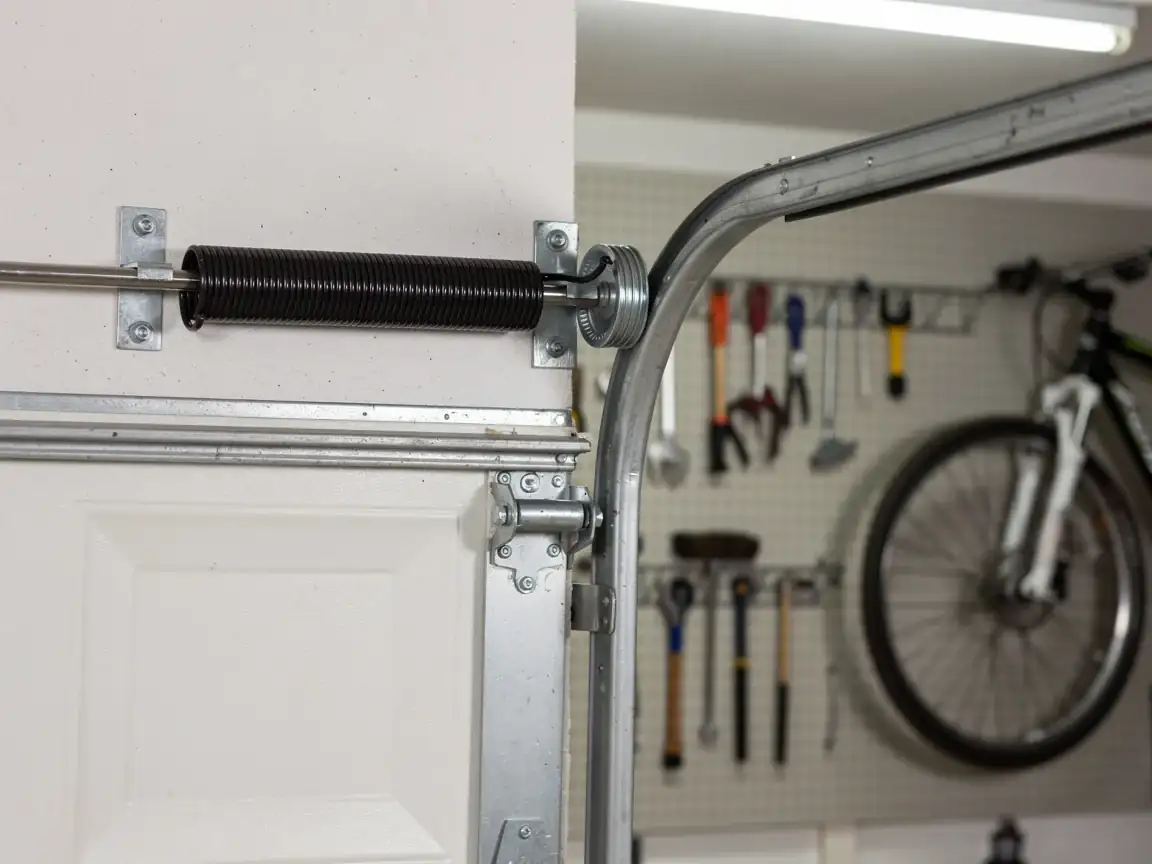
On a double door, an uneven lift usually means one spring is still doing its job and the other isn't. On a single door, a dead stop partway up usually means the spring gave out entirely and the opener is trying to lift the full weight on its own, which it was never built to do. If you hear a snap like a gunshot from the garage, that's the spring - don't keep hitting the opener button, you'll just burn out the motor or snap the cable next.
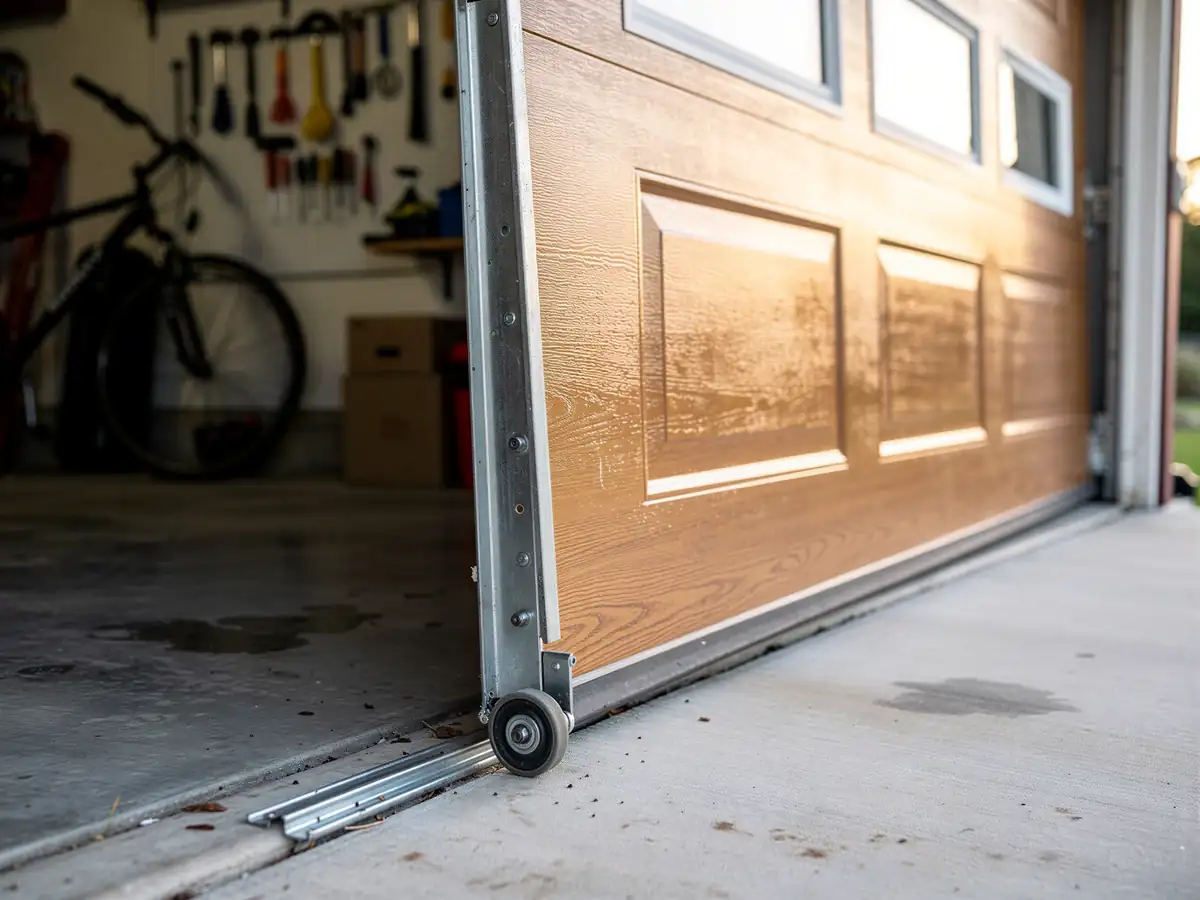
We also see rollers that have worn down to the point where the door shudders in the track, and tracks that have pulled away from the frame because someone kept using the door after a spring went. None of this is exotic. It's wear, plus age, plus cold, compounding on each other.
Why This Fails Locally
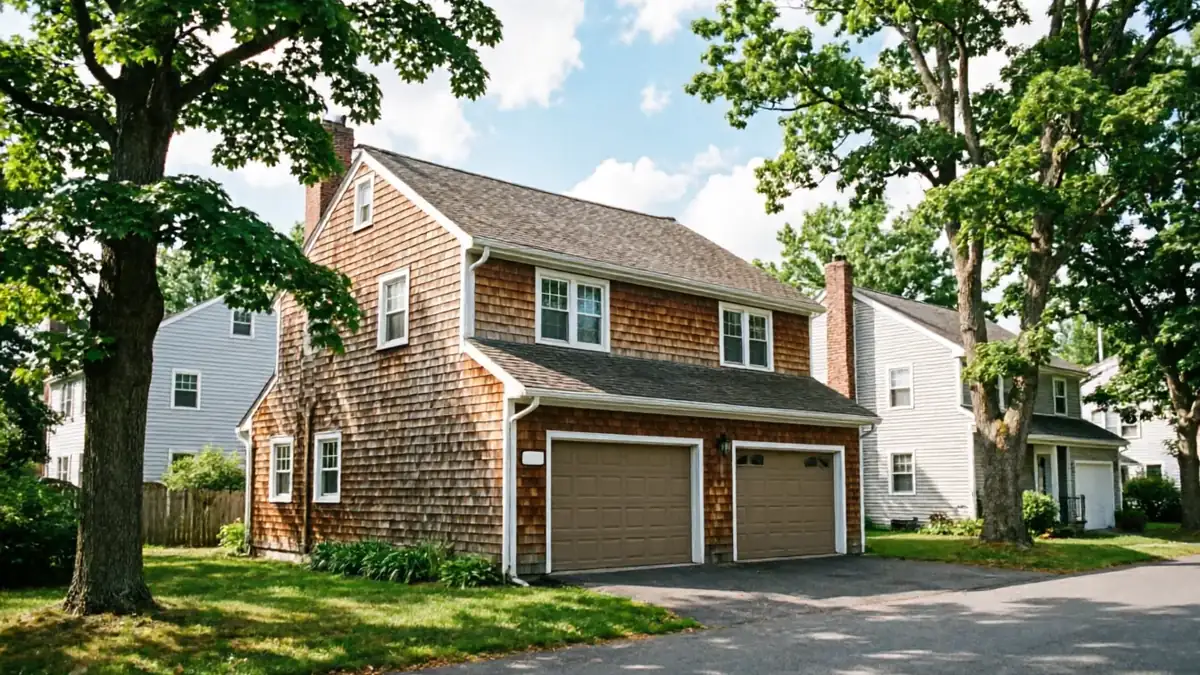
Most of the housing across this service area was built between 1938 and 1990, with the median landing around 1973, and the bulk of it is 1960s-70s construction spread across the 61 named neighborhoods we cover. That matters because a door and opener installed - or even updated once - during that stretch is now on its second or third spring, original header bracket, and often an opener that's outlived its design life twice over. Garages built in that era also tend to have less insulation and air-sealing around the door opening than anything built today, which means the hardware takes the full brunt of outside temperature swings.
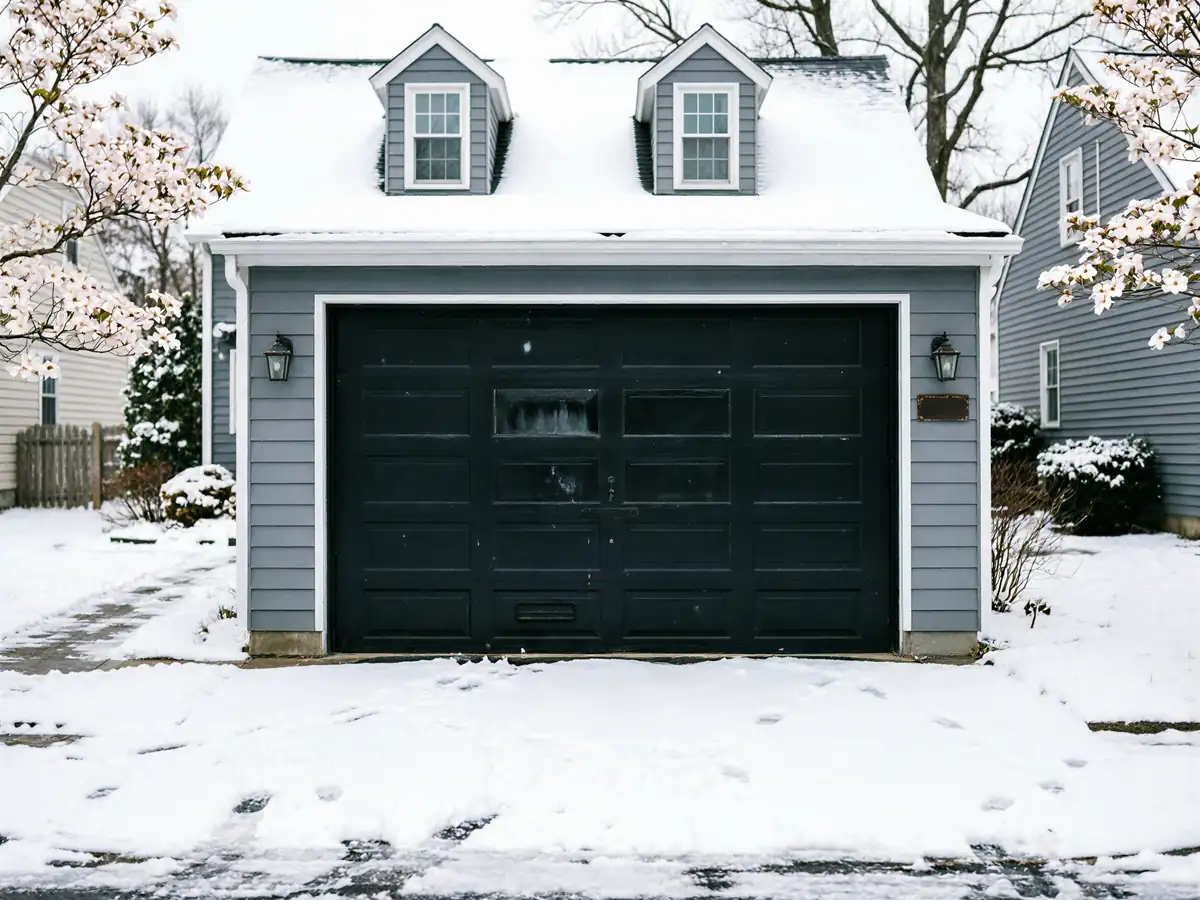
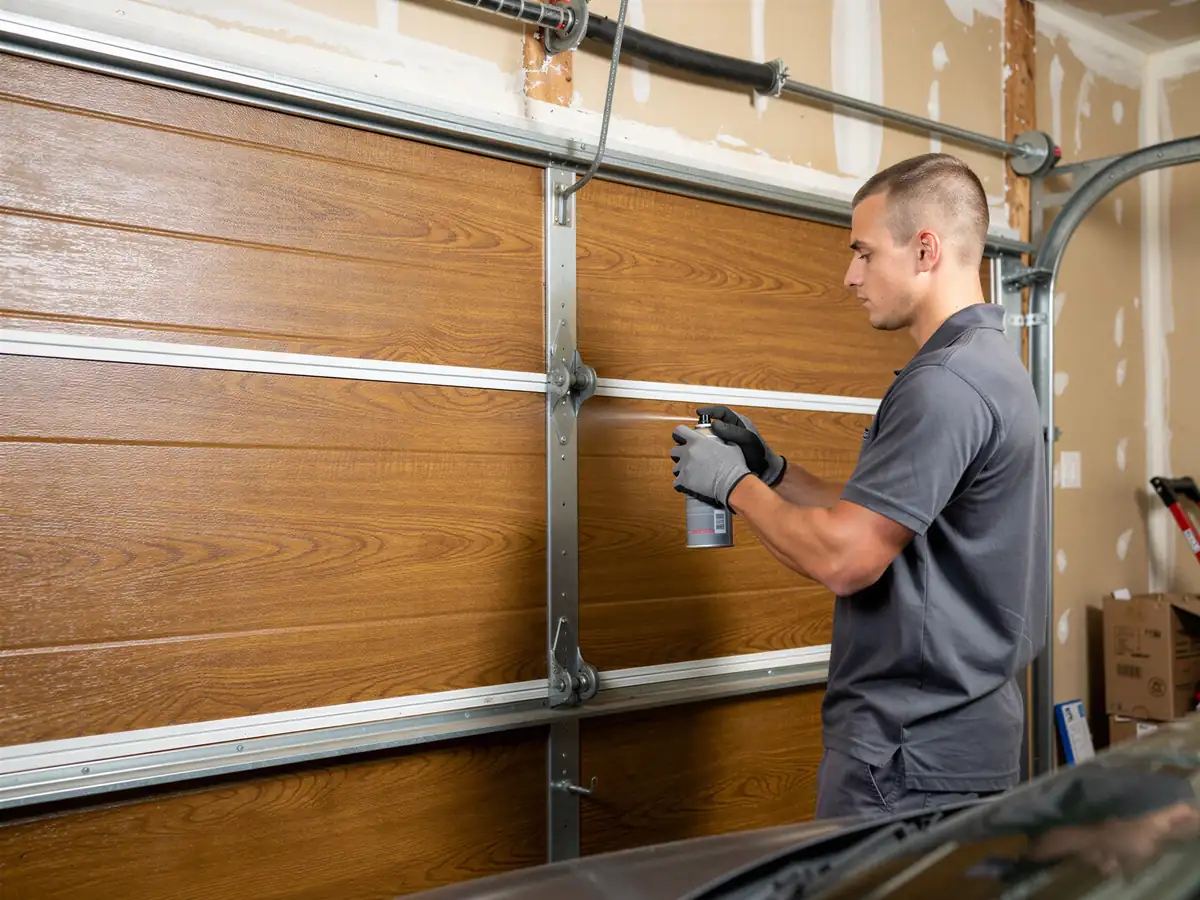
And this area sits in a cold, severe climate band. Steel springs lose tension and get brittle faster in repeated hard freezes, nylon rollers crack, and lubricant that was fine in September turns thick and sluggish by January, which is exactly when a stressed spring is most likely to let go. A door that's been quietly weakening all fall tends to fail on the first real cold snap, not before. That's the pattern we see: older torsion hardware, a garage with no real climate buffer, and a Connecticut winter finishing the job.
What You Pay
We don't post a flat number here because the job isn't flat
A single torsion spring swap on a standard door is a different job than a double-door opener replacement with new rollers and cable, and we're not going to guess a price before we've seen the door. What we can tell you is what drives the cost: whether it's one spring or two, whether the drum or cable needs replacing along with it, whether the opener itself is the problem or just a symptom of a dying spring overworking the motor, and whether the track needs to be reset or replaced outright.
With median household income in this service area at $107,012
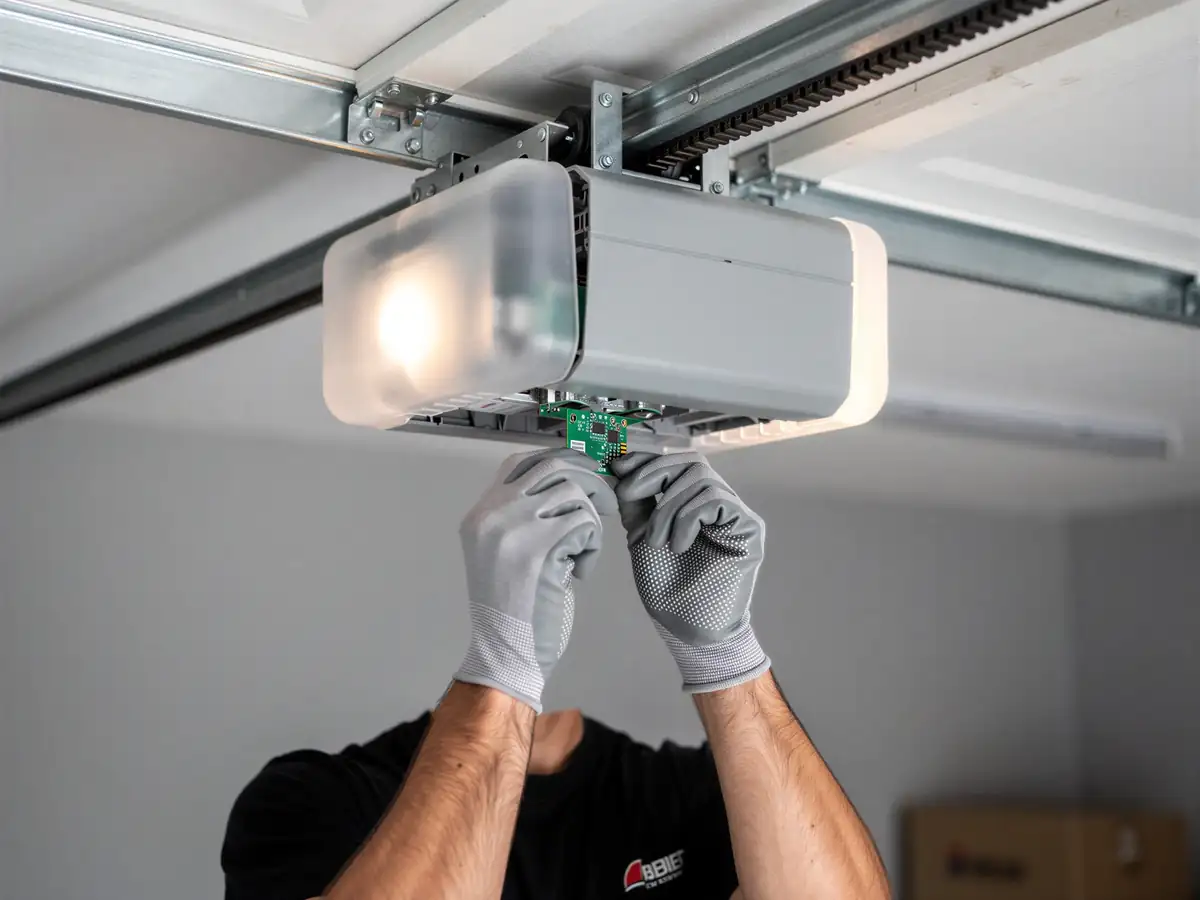
Most of the homeowners we talk to want the repair done right the first time rather than patched twice - so we'll tell you straight if a motor is close enough to the end of its life that replacing it now saves you a second call in a year. That's the honest limitation: if your opener is original to a 1973-era build, we may tell you the spring repair makes sense but the opener doesn't, and that's a separate conversation and a separate cost, not a package deal.
Time on the Job
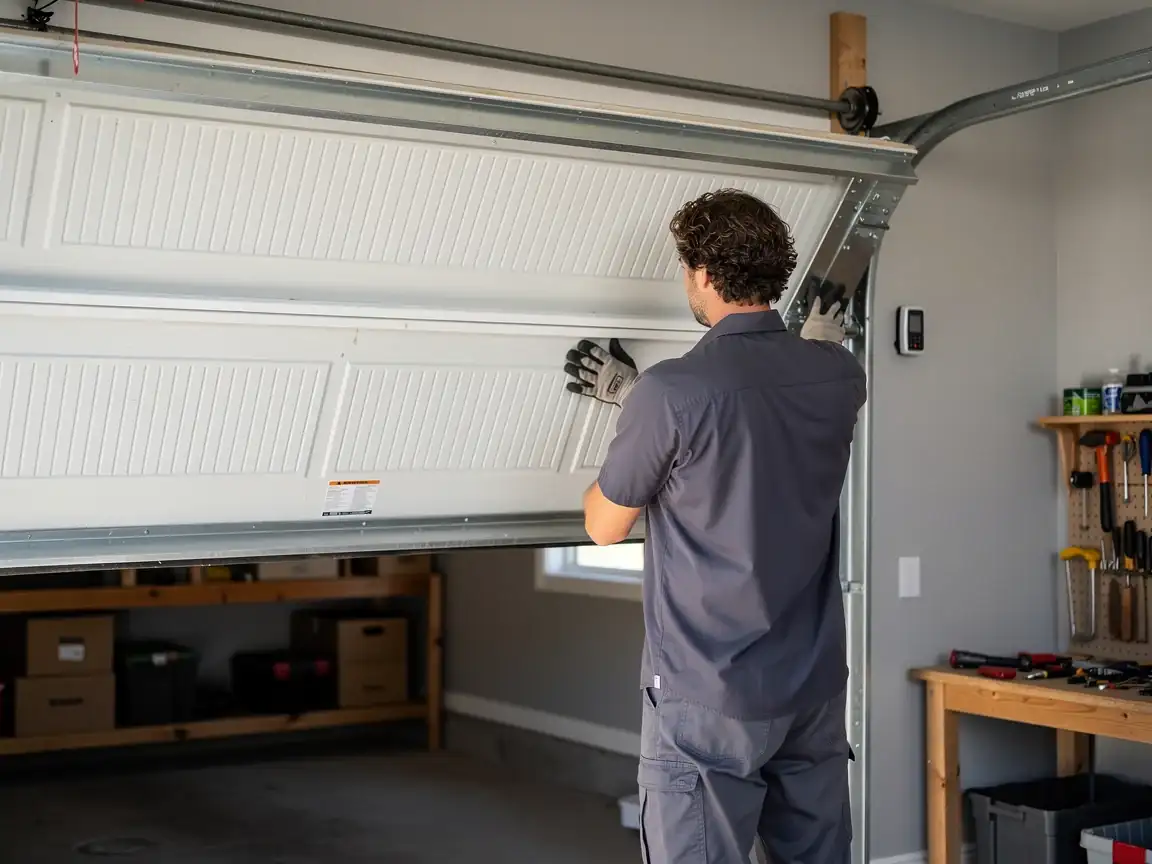
A straightforward spring replacement is usually an hour or two once the truck is on-site - we're not stretching a simple job to fill an afternoon. Where it runs longer is when the cable, drum, or track has been damaged by someone running the door on a broken spring, which happens more than you'd think, or when the opener needs to come out entirely and the header bracket underneath it needs attention too, which is common on the older stock across this area.
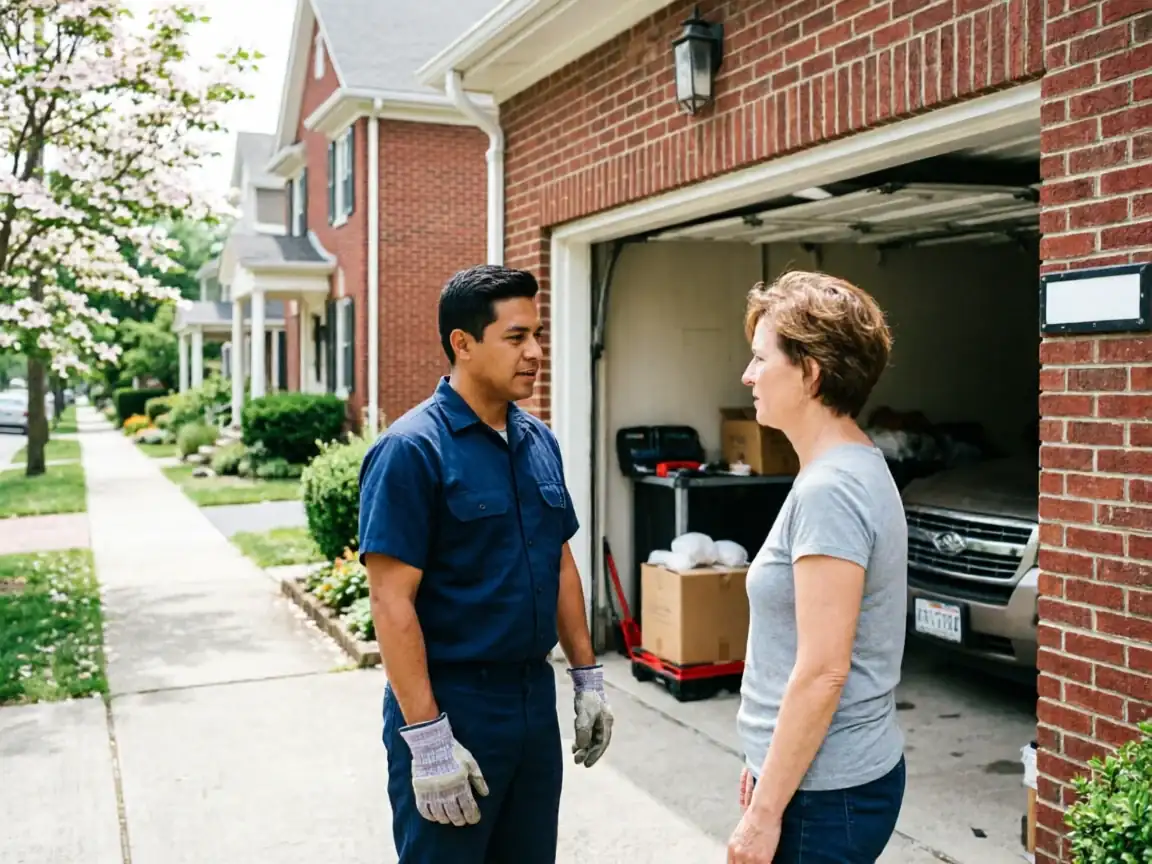
We'd rather diagnose on arrival and tell you a real number than quote a time over the phone and miss it. If we open the garage and find the track bent from the door running crooked, that gets added to the job in front of you, not billed as a surprise afterward.