Getting Here
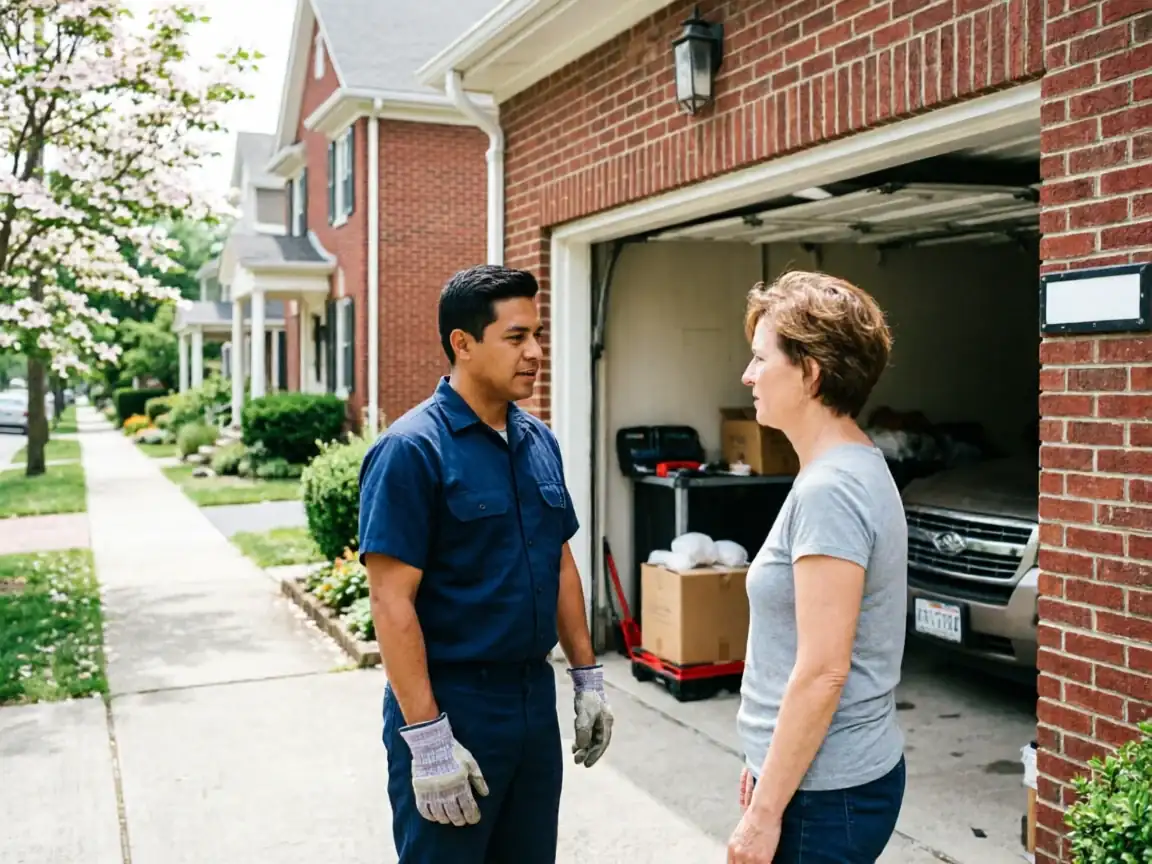
We run out of Glastonbury, and Wethersfield sits about 3 miles west of us, close enough that a morning call usually fits the same day's route. We don't keep a depot in Wethersfield itself - the truck comes from Glastonbury every time, same as it does for Rocky Hill or Newington. That's worth saying plainly: if you need something inside the hour, call and ask what's realistic that day rather than assuming a local presence that isn't there. What you do get is a crew that's already worked the roads between here and Glastonbury Center enough times that the drive isn't the bottleneck - the parts on the truck are what matters, and we stock for the hardware this part of the state actually has, not a generic catalog. Wethersfield Center, the stretch toward the Wethersfield Cove area, and the blocks running toward the Wethersfield-Newington line all sit within that same short haul. If your opener dies on a Tuesday afternoon, the question isn't whether we can get there - it's whether the spring or cable we pull off the truck matches what's actually bolted to your header.
The Usual Work Here
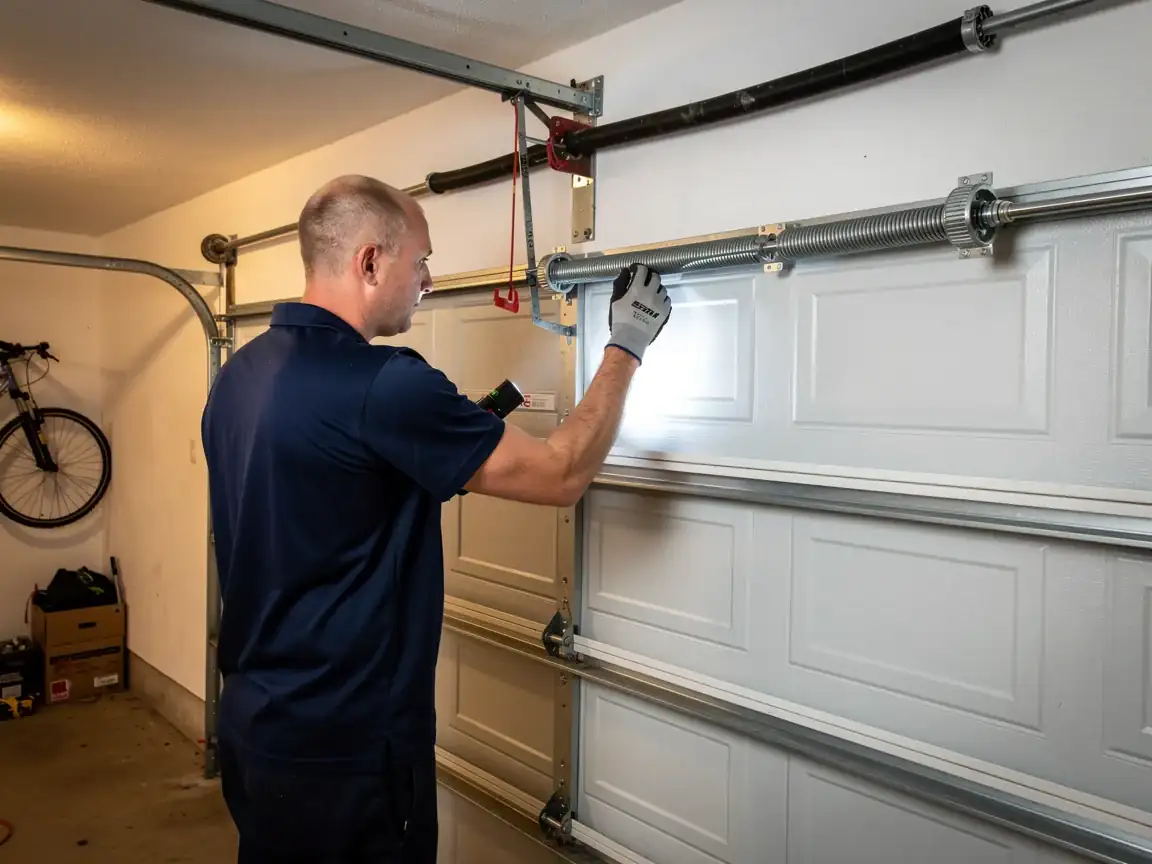
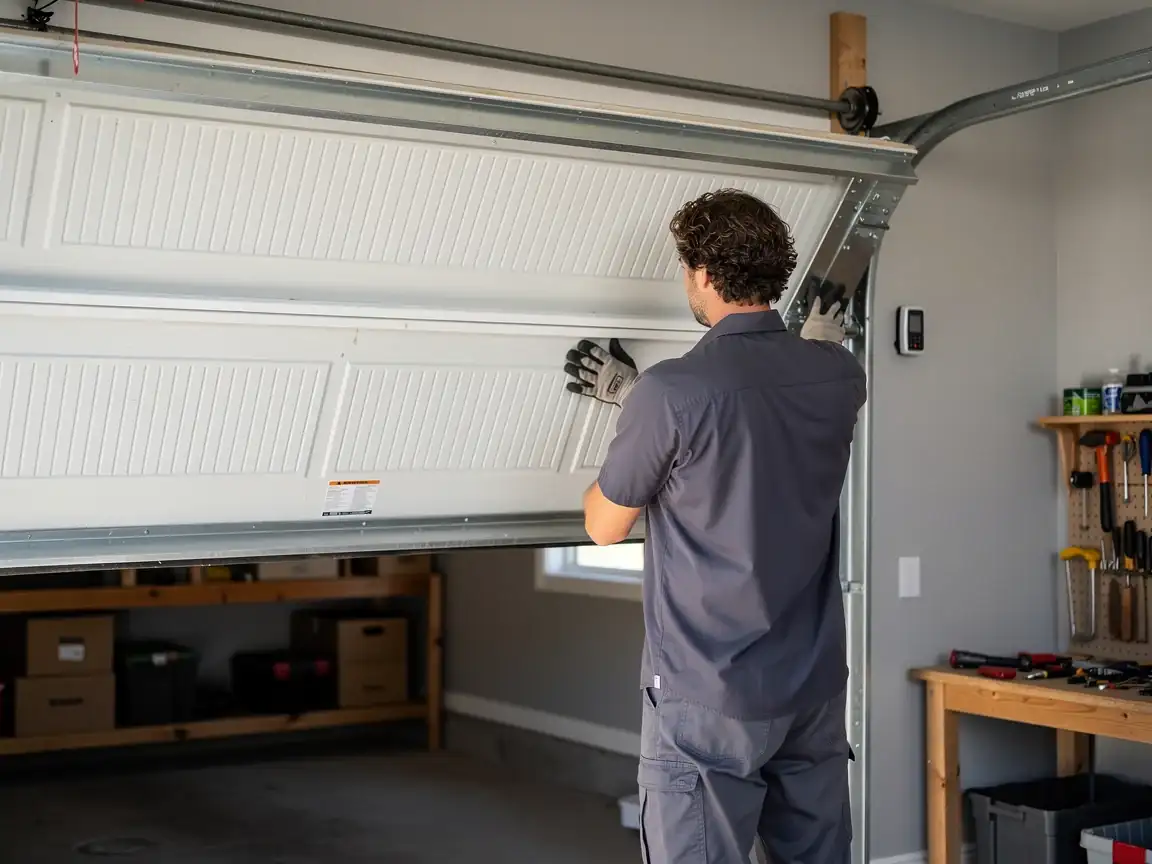
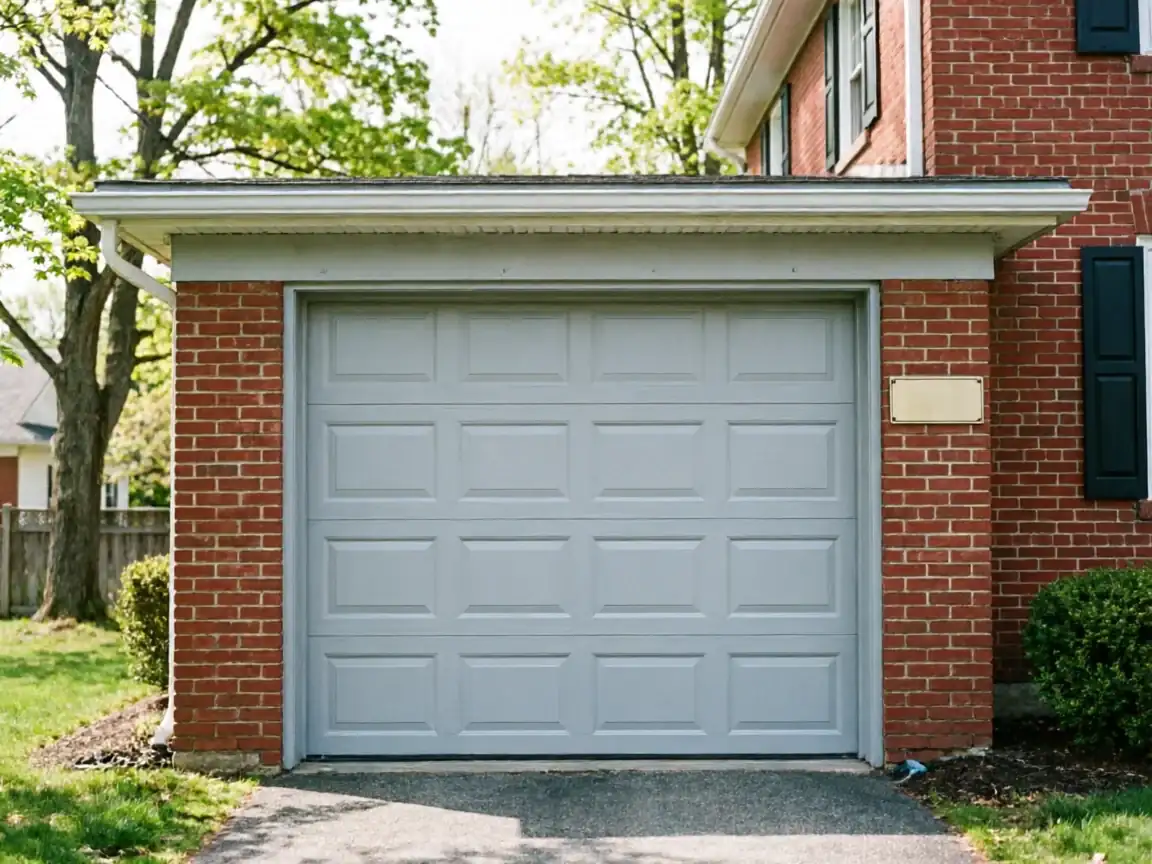
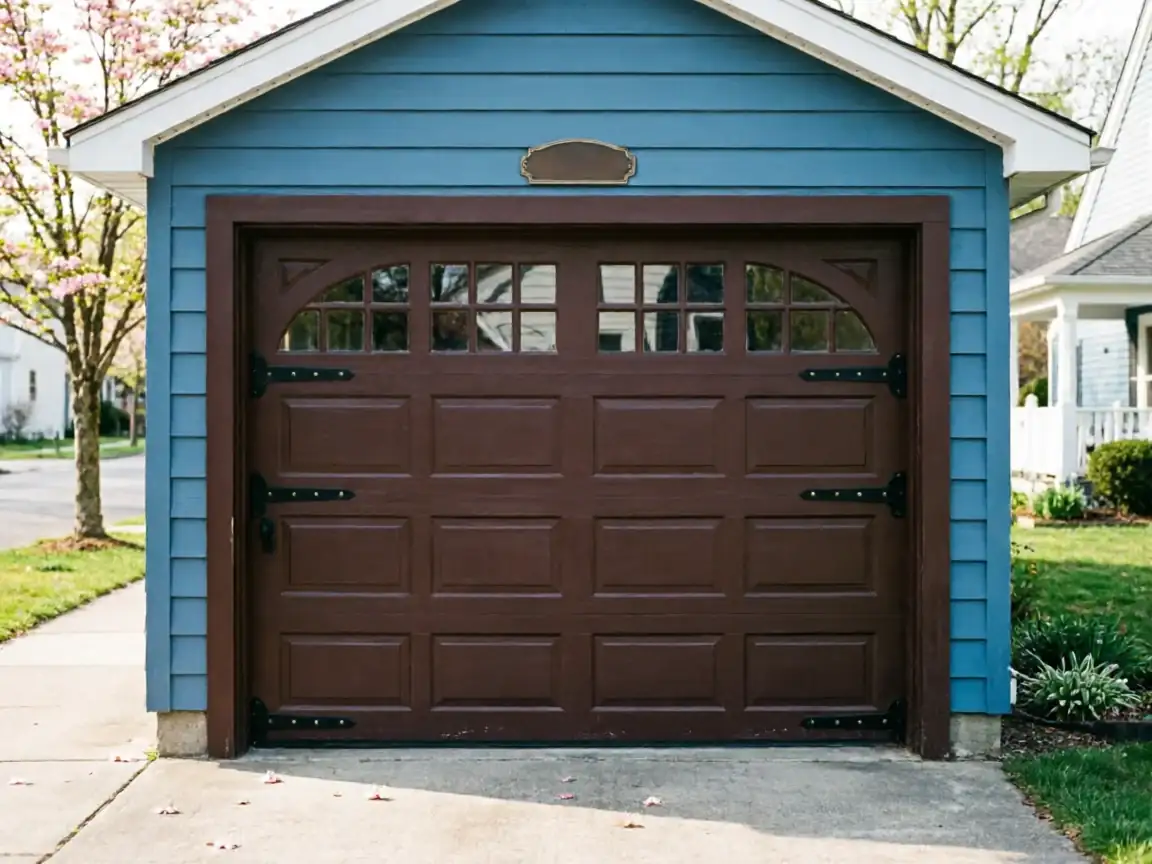
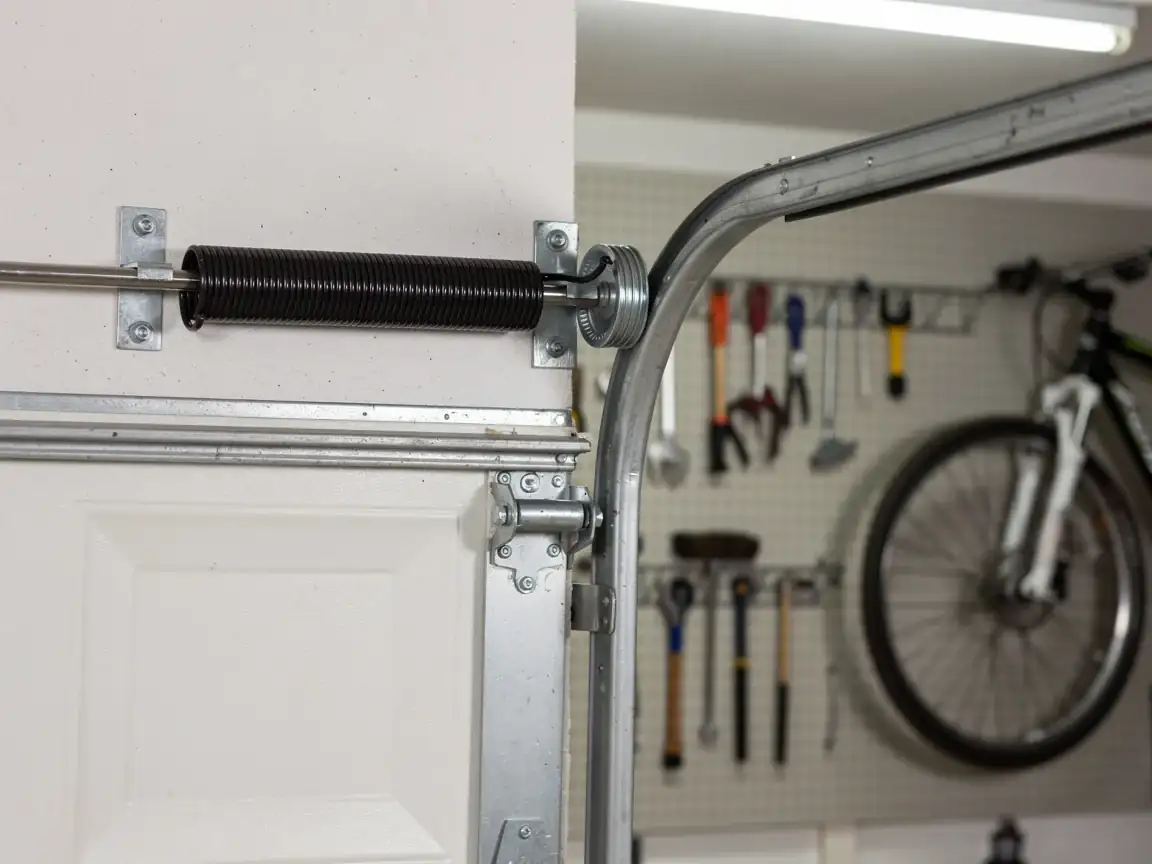
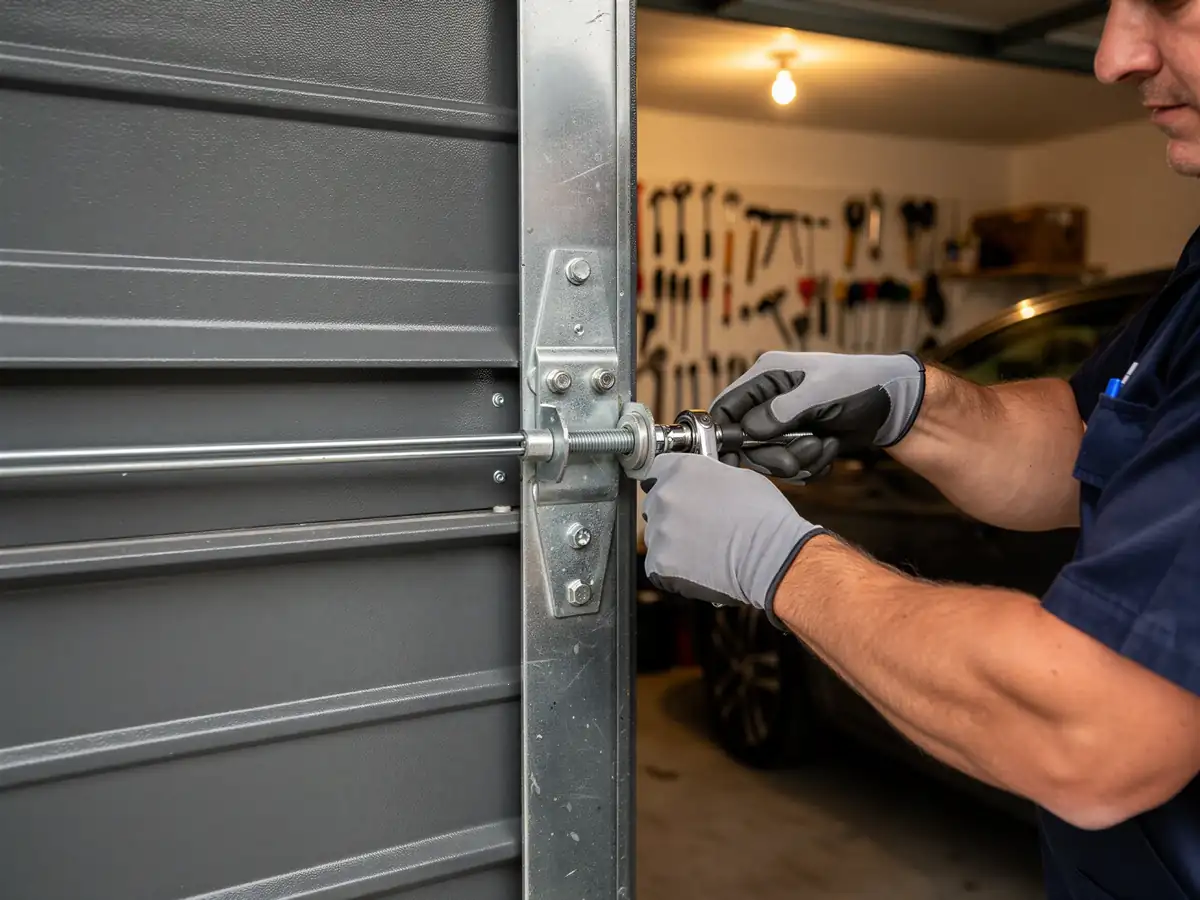
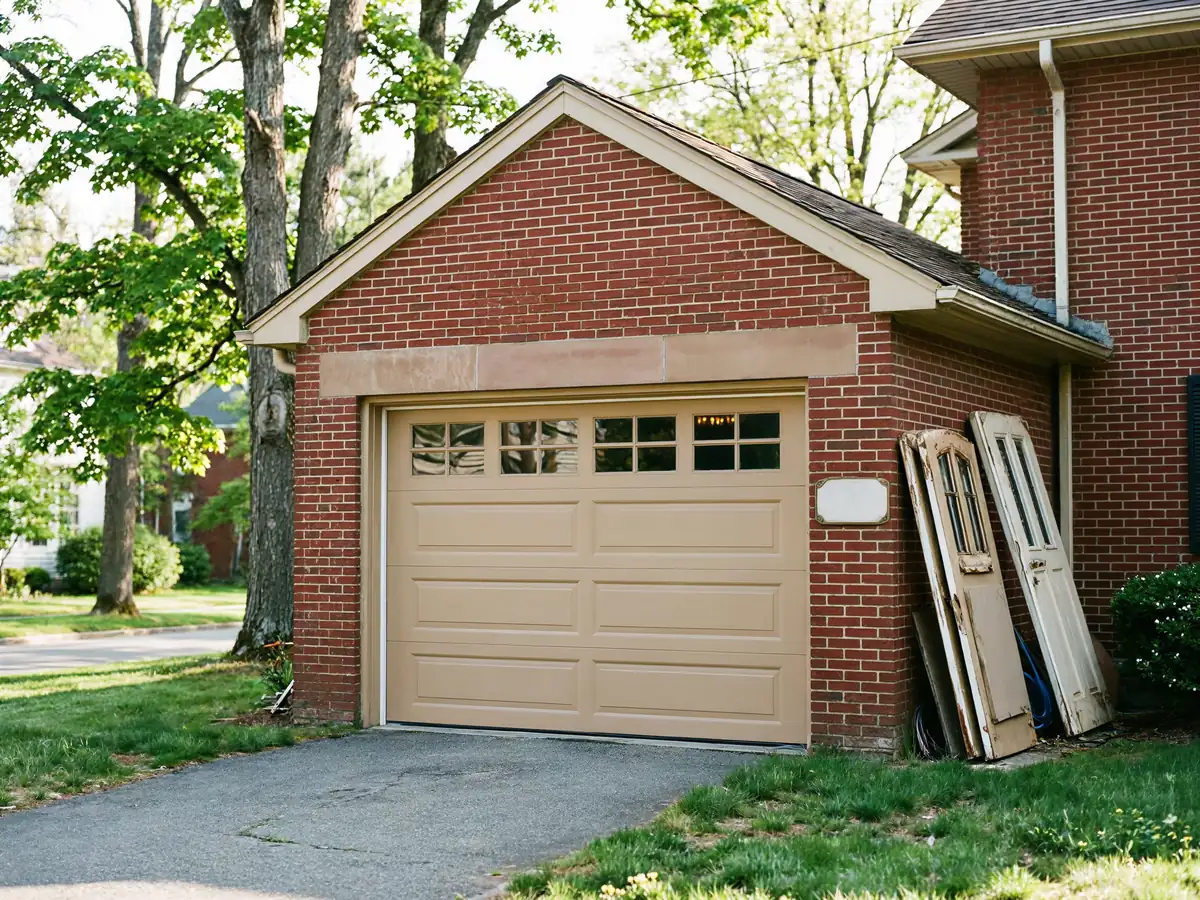
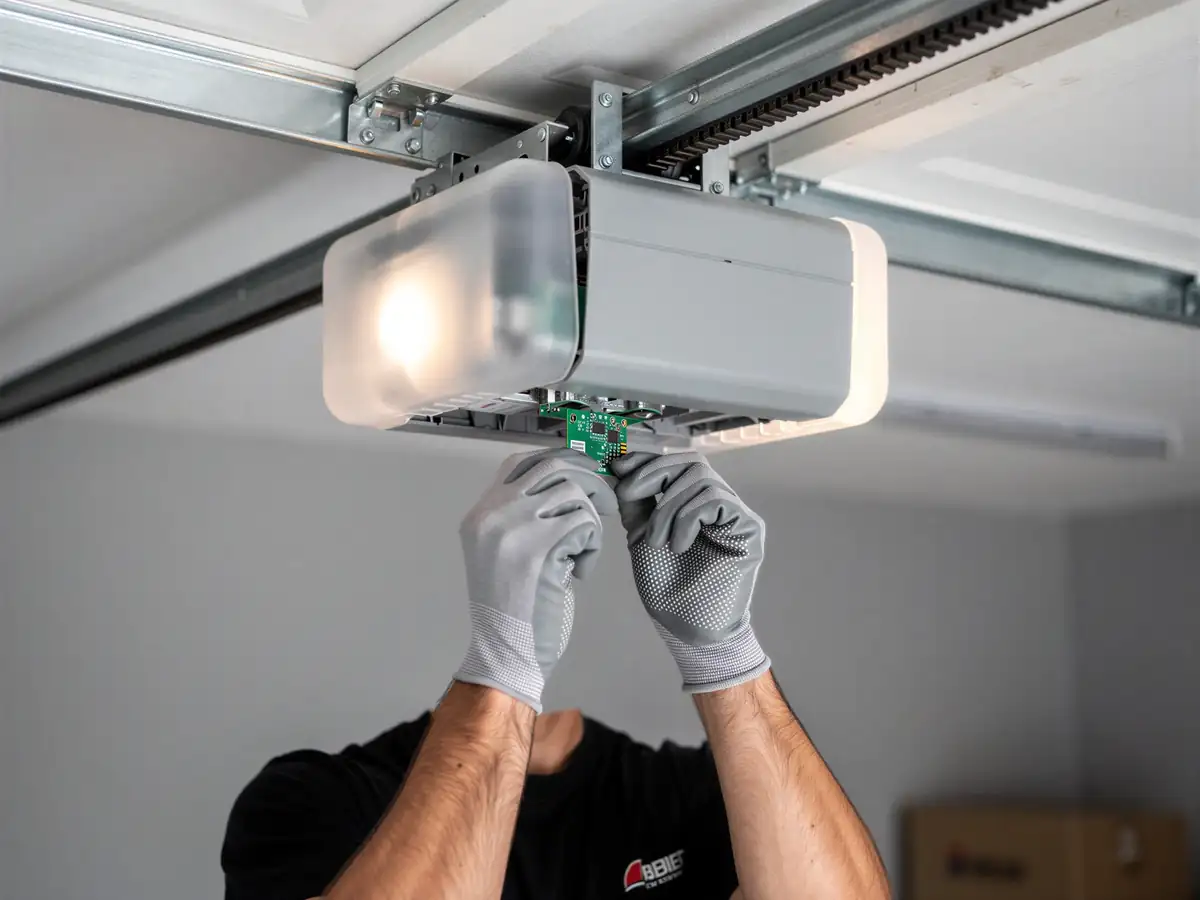
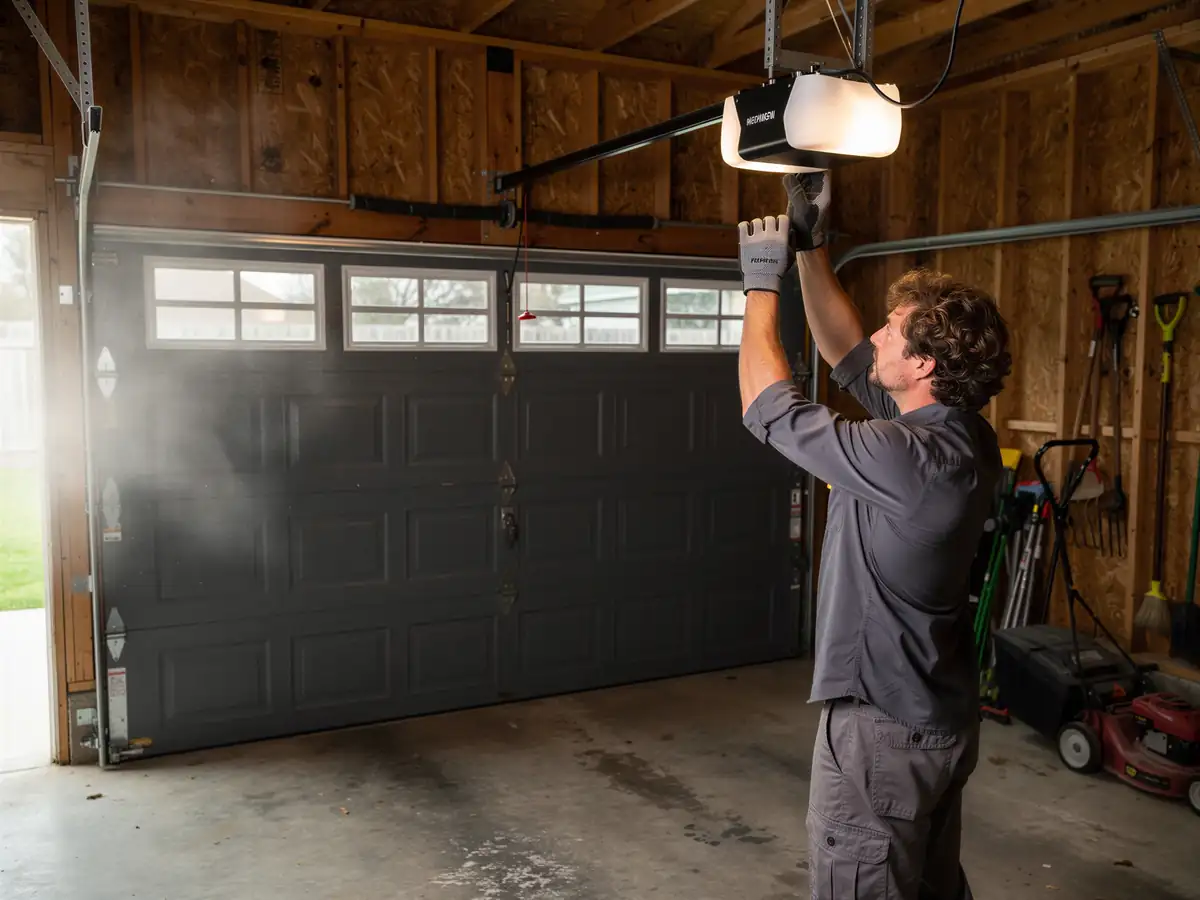
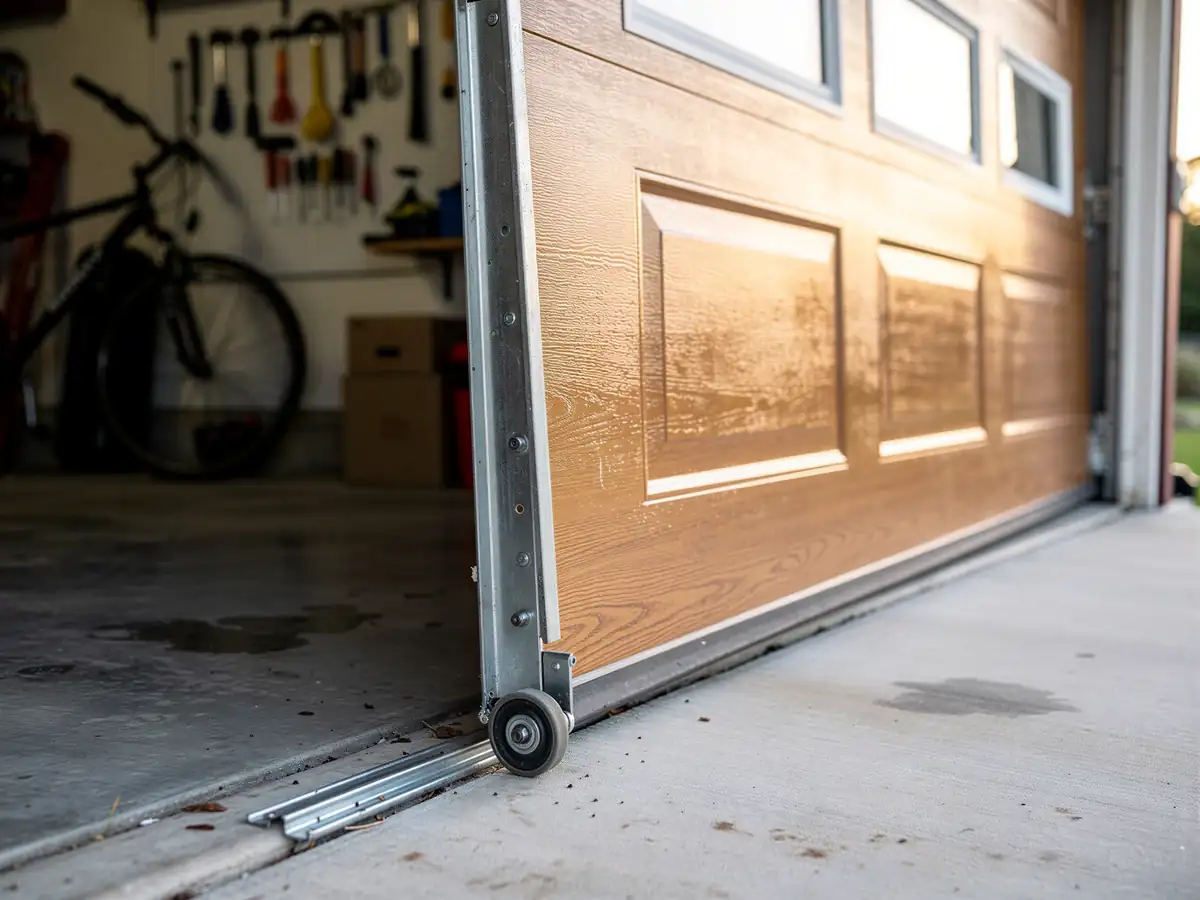
The calls we get from Wethersfield skew toward torsion springs and worn extension cable on doors that have been cycling since the Johnson administration gave way to Nixon's. A lot of these houses still carry their second or third opener, not their first, which means the door itself is original '59-vintage steel or wood while the motor underneath it is whatever got swapped in during a remodel. That mismatch causes its own problems - a modern opener forcing an old, heavier door that was never balanced for it. We also see rollers that have gone from steel to a crumbling nylon nobody makes anymore, and track that's been reshaped by decades of New England frost heave under the slab. None of this is exotic work. It's the predictable wear of a door built when Eisenhower was still fresh news, used hard for sixty-plus years in a climate that swings from humid summers to hard freezes. One honest limit: if the track is bent badly enough from slab movement, realigning it sometimes costs more in labor than a new track section, and we'll tell you that instead of billing hours to chase it.
What the Housing Means for Your Door
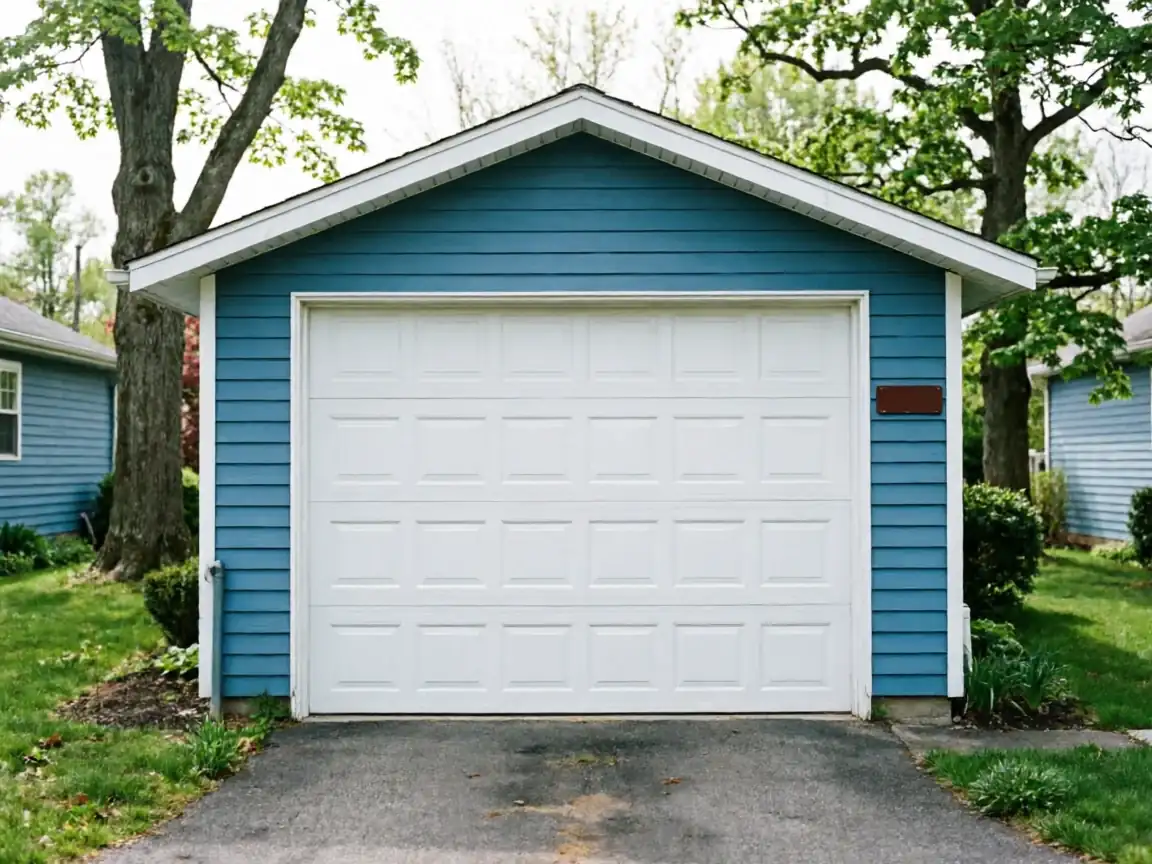
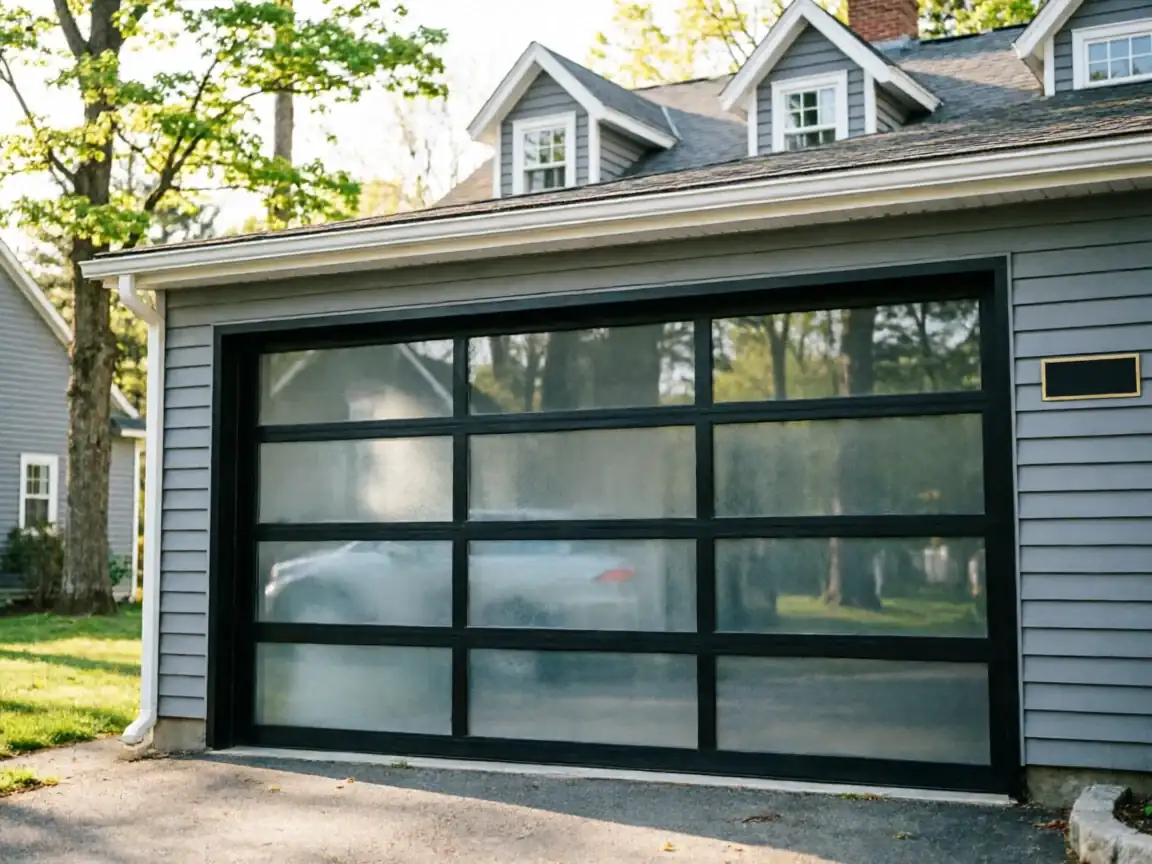
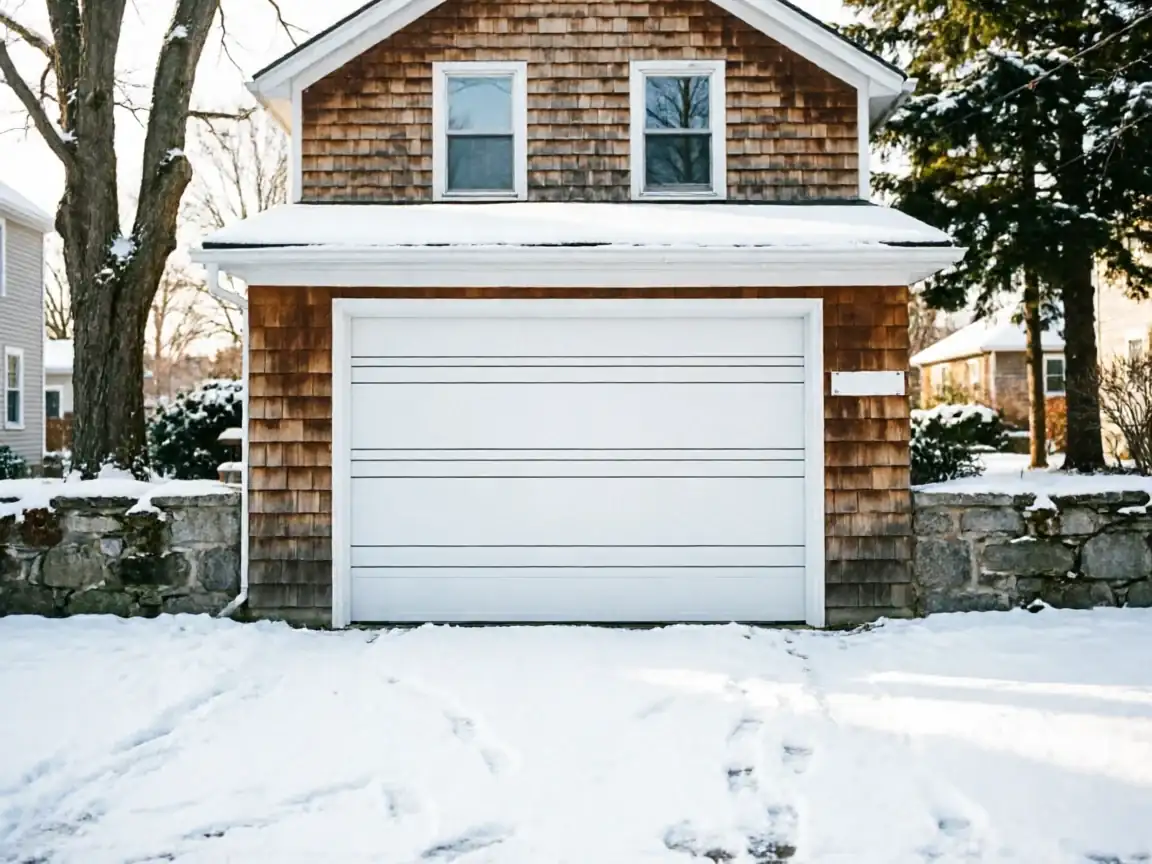
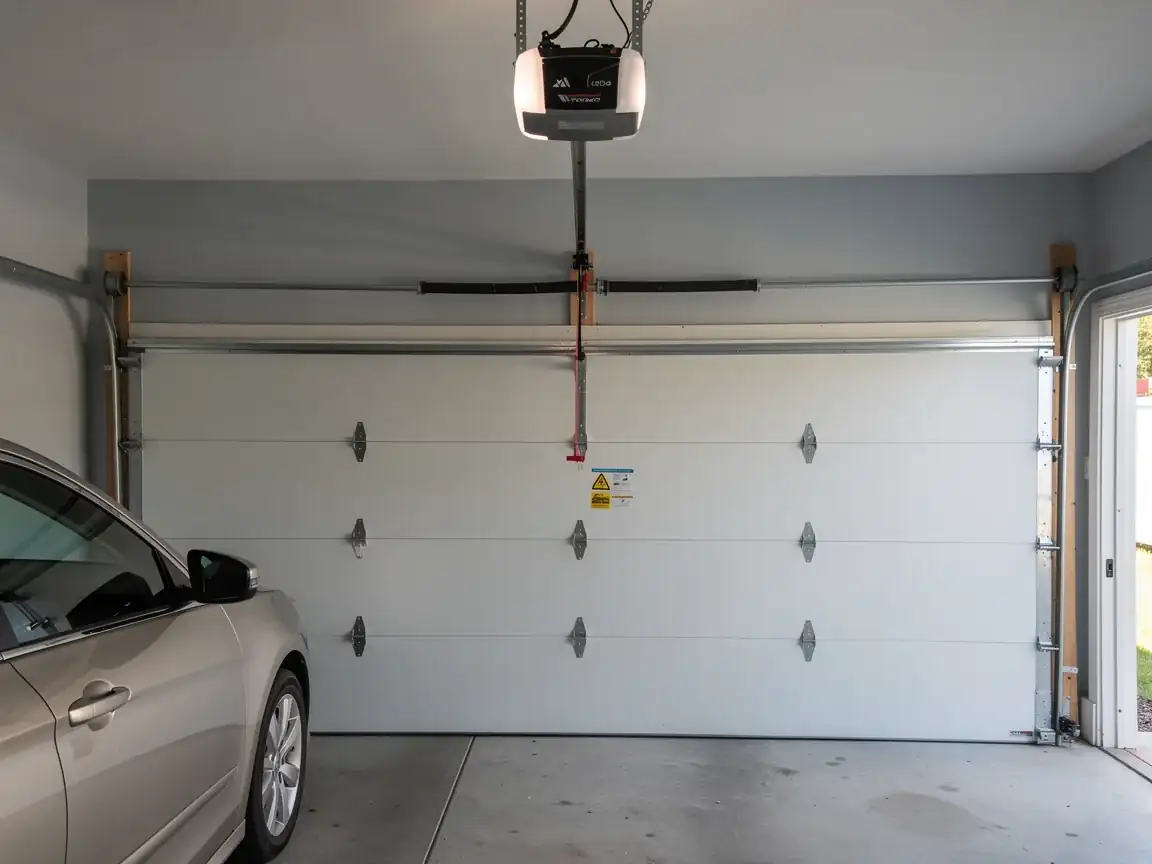
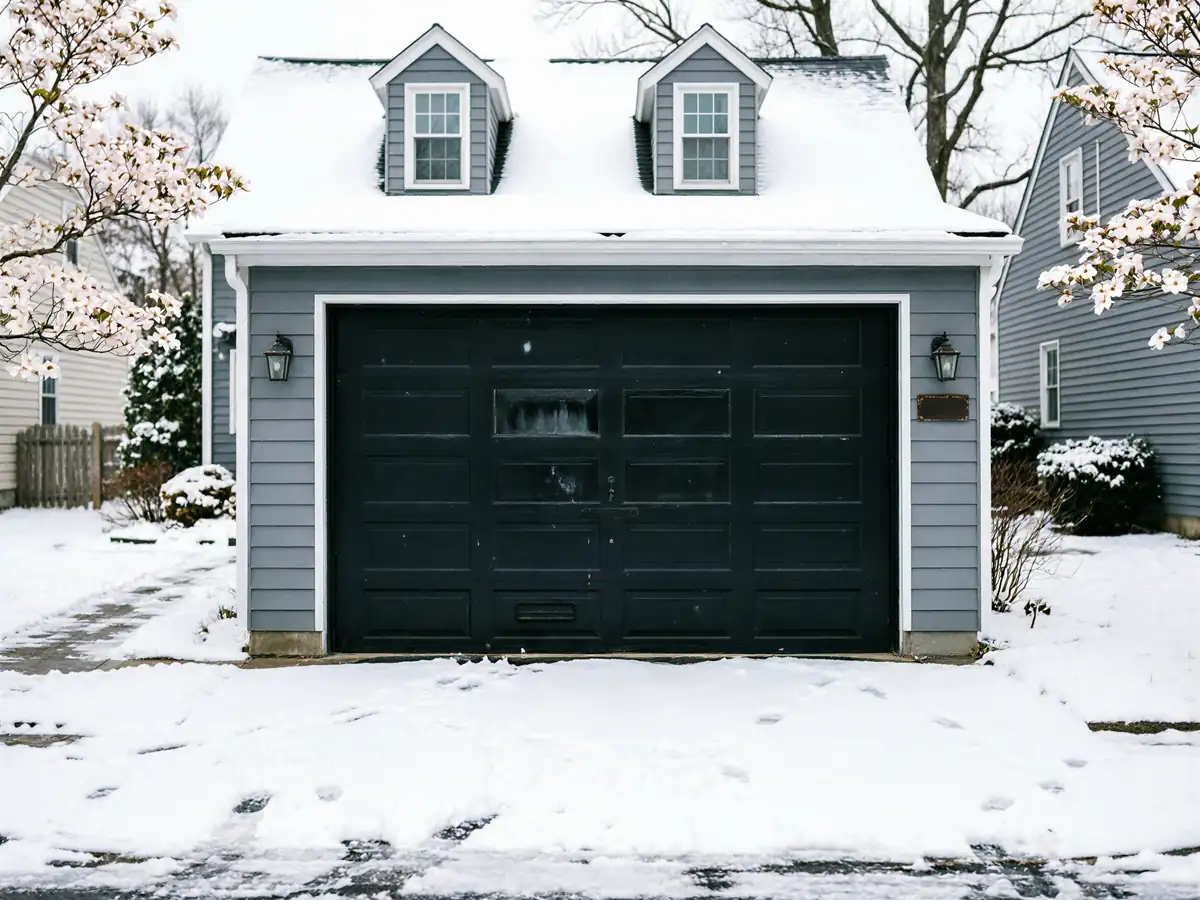
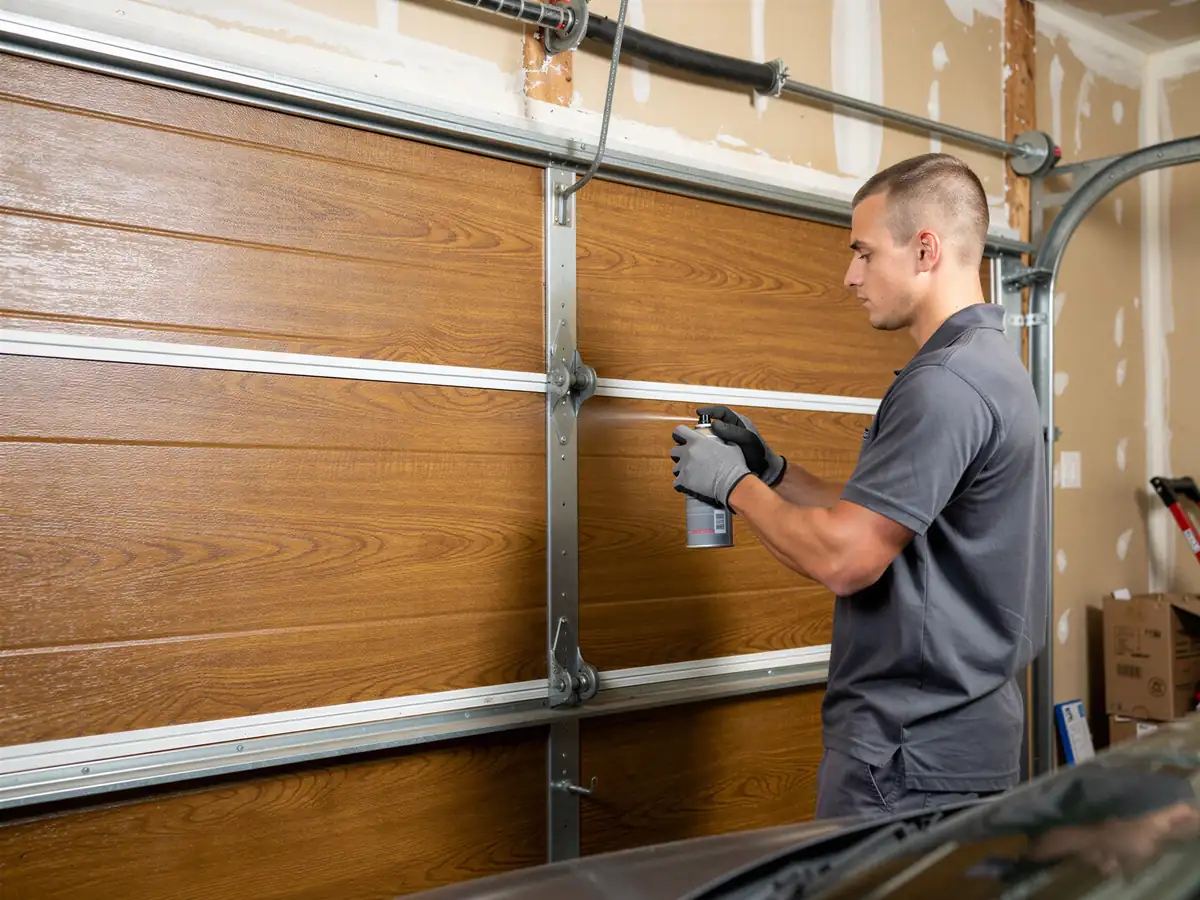
Because so much of Wethersfield went up around 1959, the springs we replace here are more often the older-style torsion units sized for lighter doors, not the heavier insulated steel doors common in newer builds further out past Cromwell or Berlin. If a previous owner upgraded to a heavier insulated door but never upsized the spring, that door is working harder every single cycle, and it shows up as a spring that fails years before it should. Cold, severe winters add another layer: steel contracts, lubricant stiffens, and a marginal spring that limps through September snaps in January. We check spring size against door weight before we touch anything, because swapping a broken spring for an identical undersized one just resets the clock on the same failure. If your door is original to a 1959 build and the opener is newer, that mismatch is worth a look even before anything breaks.