Serving Glastonbury, CT & nearby
(860) 217-5253
Glastonbury, CT

Garage Door Service for Wethersfield's 1959-Era Housing Stock

Wethersfield homes mostly went up around 1959, which means original extension-spring setups and steel doors reaching the end of their life. Service from Glastonbury, 3 miles away.

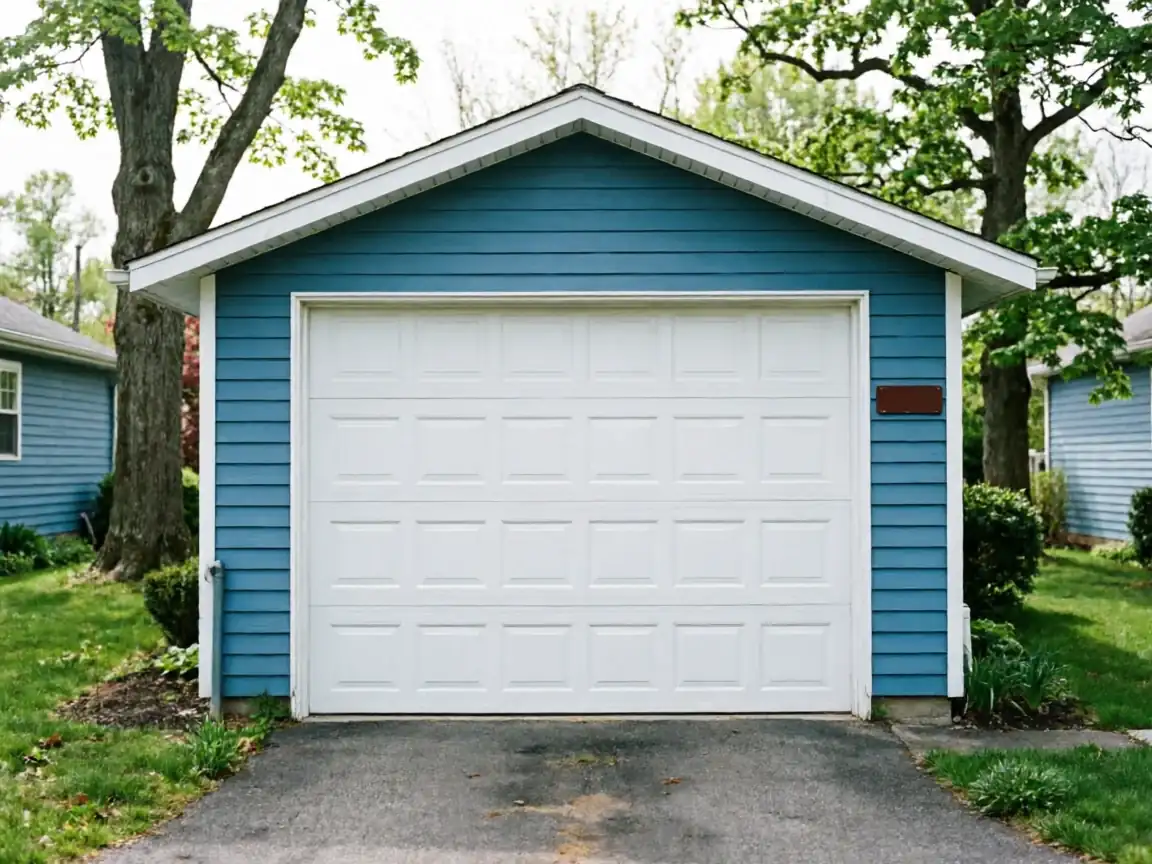
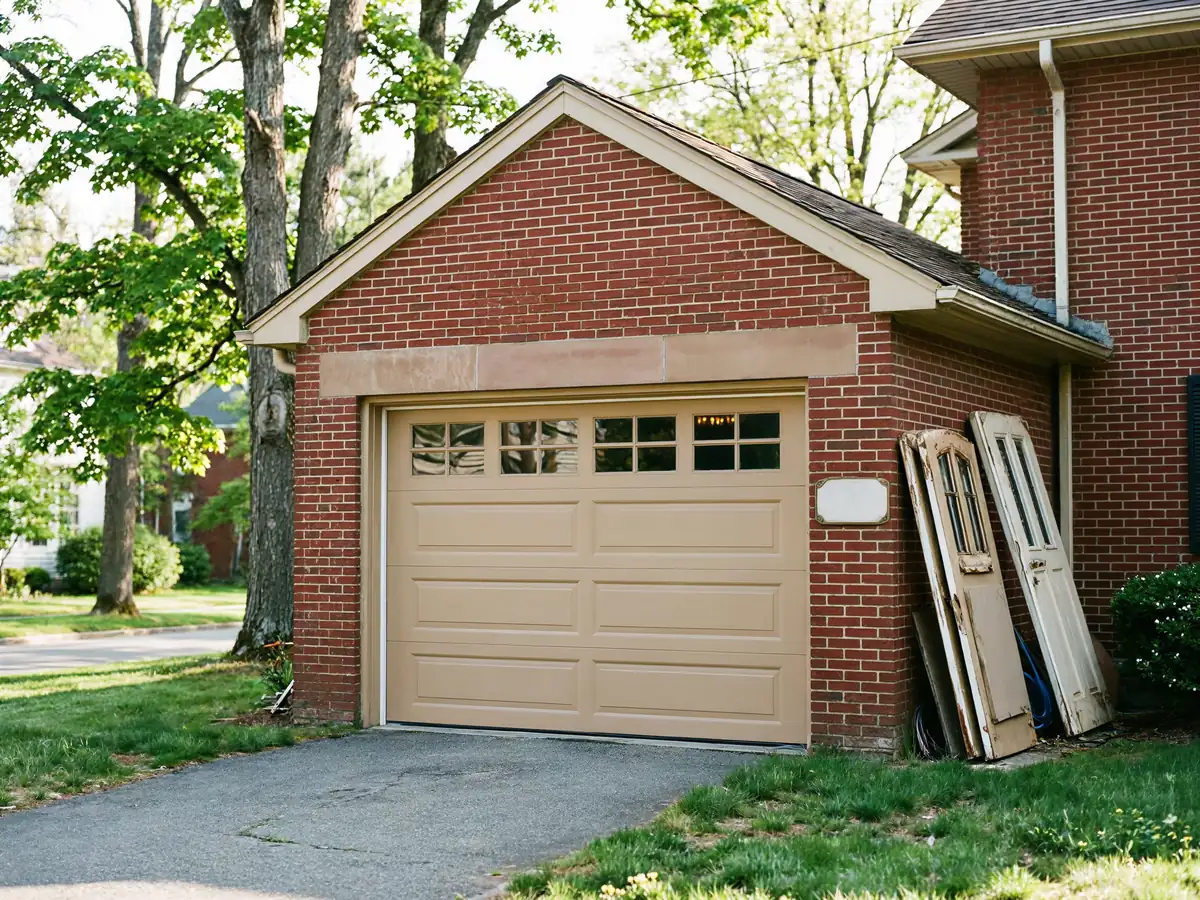
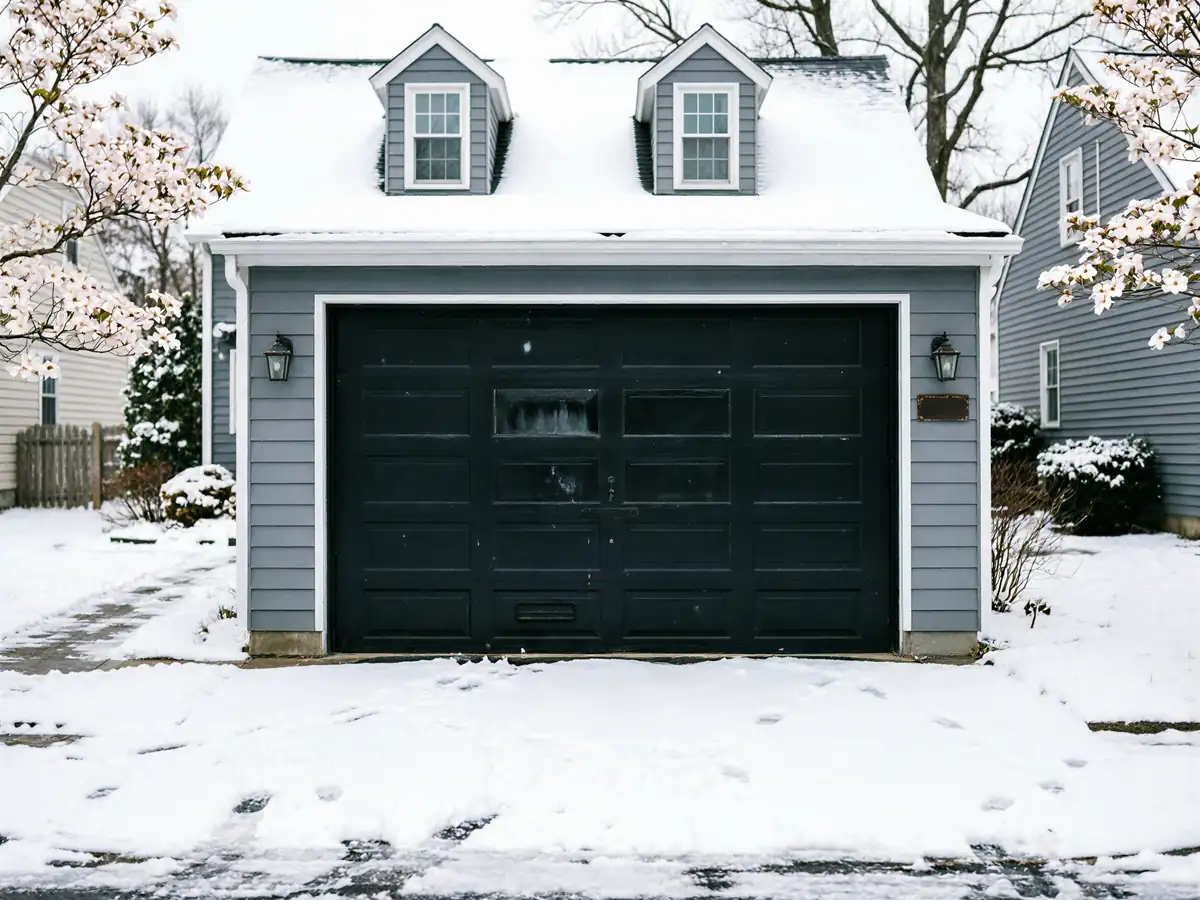
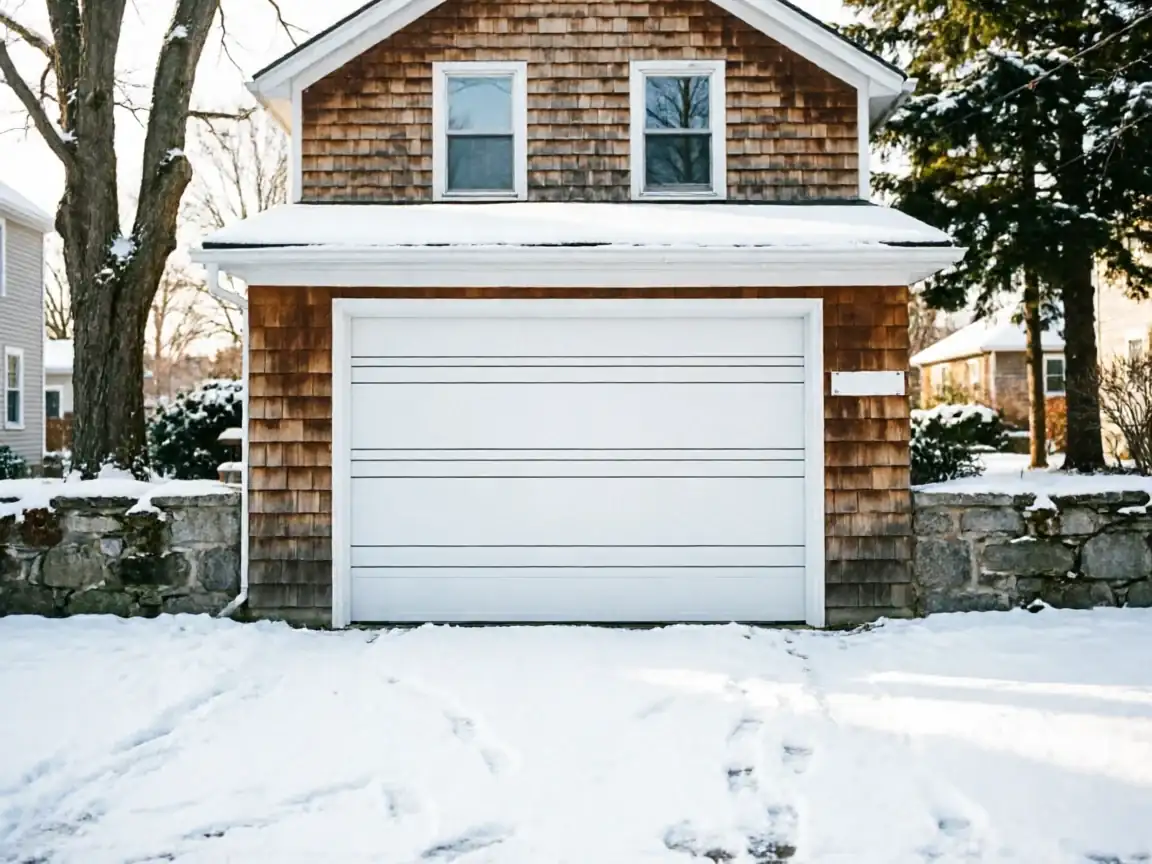
The house has a white garage door, cedar shake siding, and a snow-covered driveway.
Glastonbury, CT
8 services
5 service areas
Diagnosis first, then the fix

Why This Fails Locally

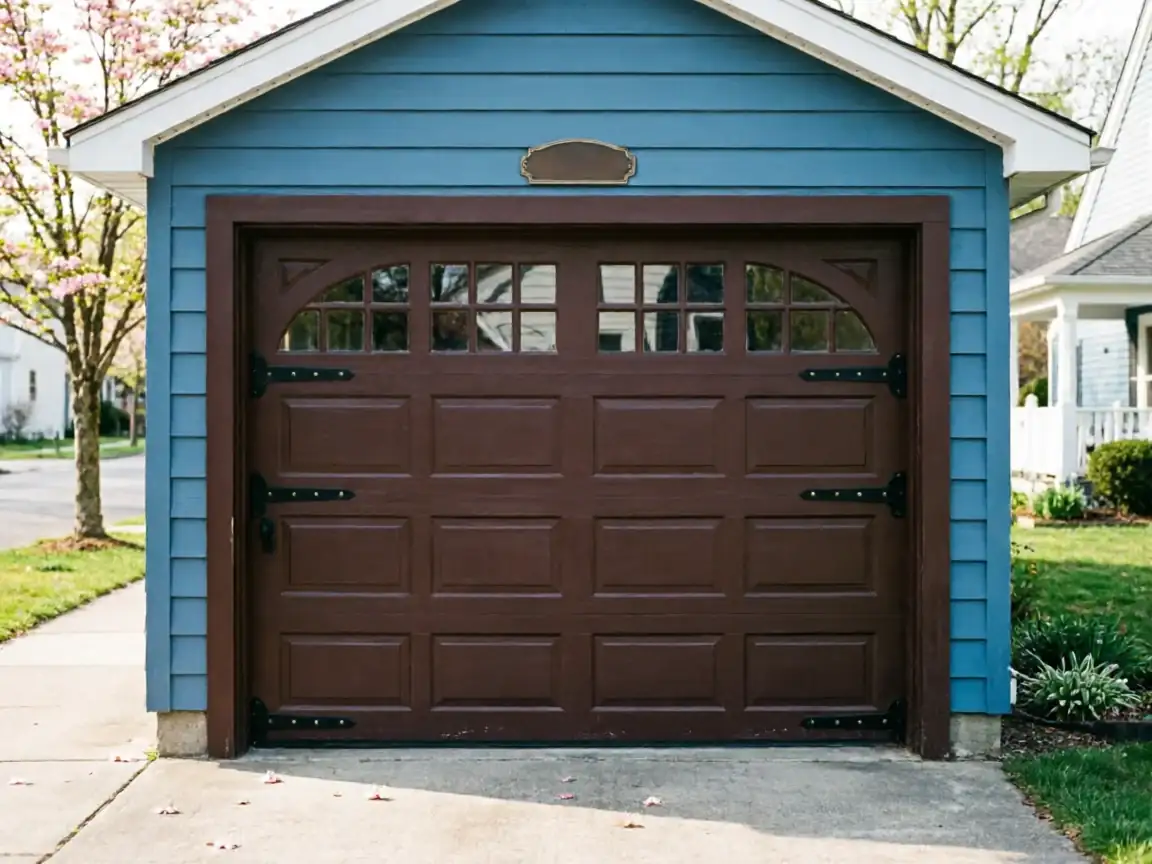
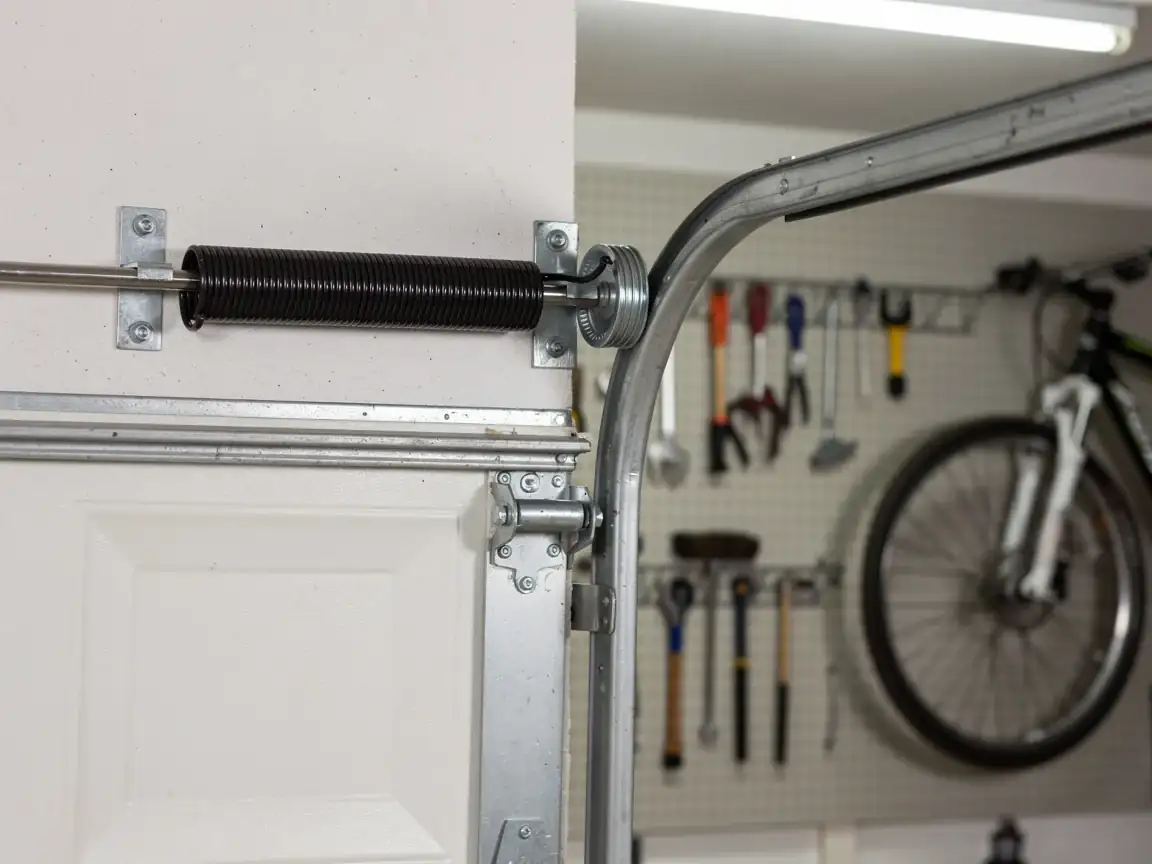
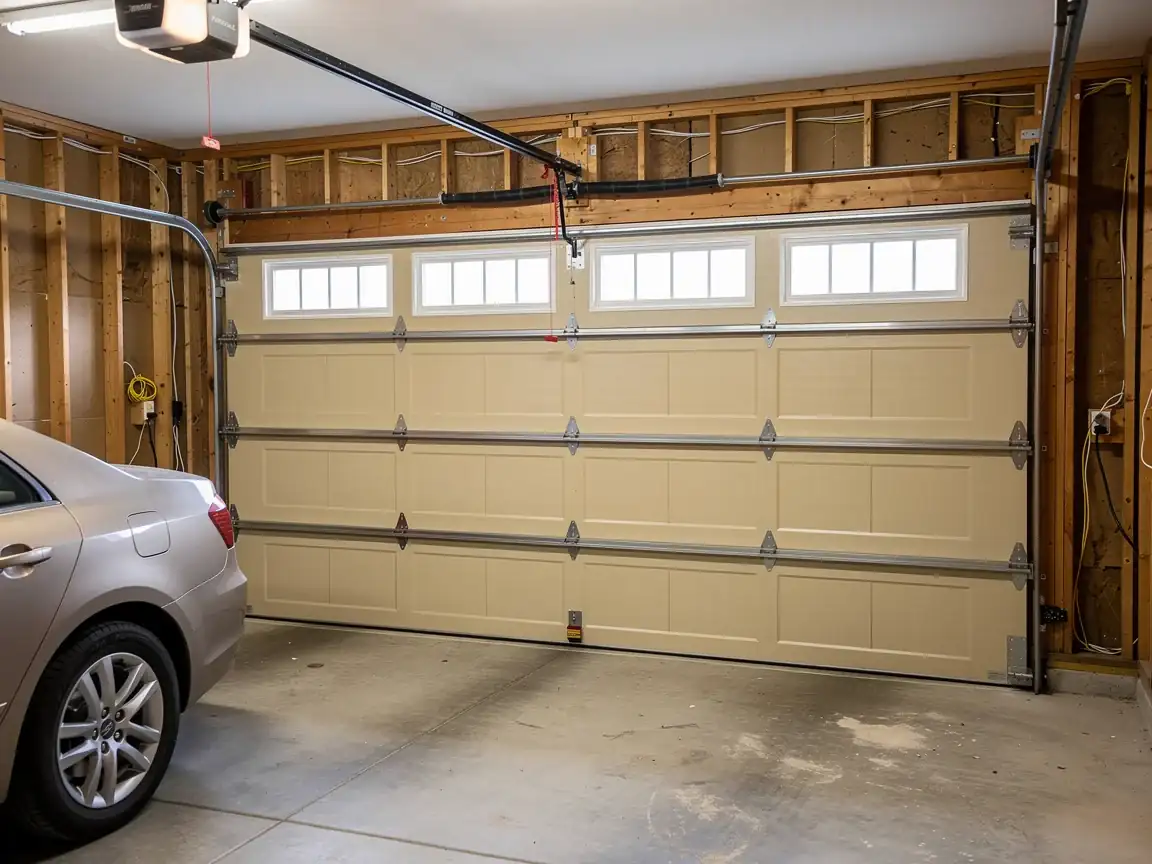
Most garages in Wethersfield went up around 1959, inside that broader 1938-to-1990 build window that runs across the area. That year matters more than people think. A garage built in 1959 almost never shipped with torsion springs over the opening - extension springs along the horizontal tracks were the standard, cheap and easy to install on a production line, and a lot of them are still hanging there today, decades past what any spring is rated for. The doors themselves were usually single-layer steel, no insulation, no reinforcement strut on the top panel. If your house is from that era and the door still looks original, the hardware behind it is original too, and extension springs don't give much warning before they let go. This isn't a story about garage doors in general - it's about what a specific decade of home construction left behind, and why a repair call in a neighborhood like this usually starts with an inspection of parts nobody has swapped out since the Eisenhower administration.

The Symptom

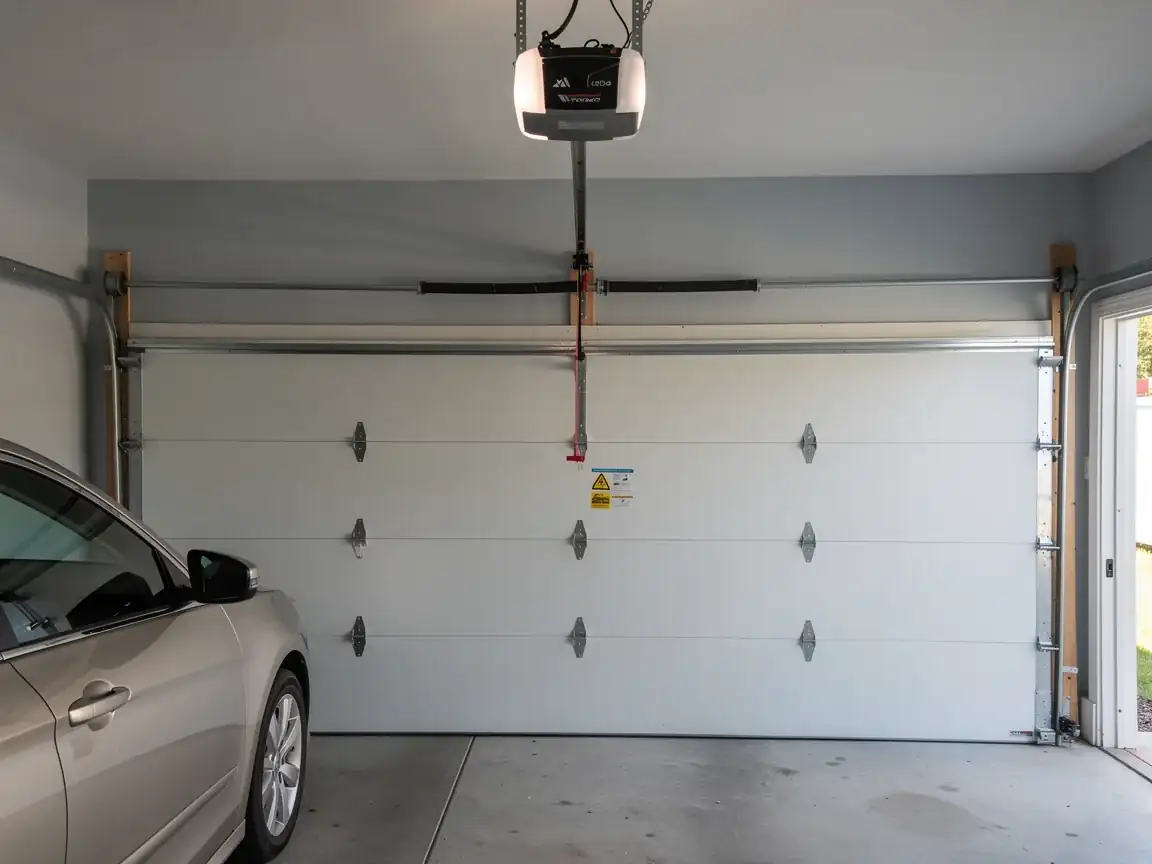
On these 1959-vintage doors, the complaint is usually one of three things: a door that slams down the last foot of travel because a frayed safety cable finally let go, a door that won't lift past waist height because one of the two extension springs has lost tension while the other hasn't, or a track that's pulled away from the jamb because 65 years of wood framing has shifted. None of these are opener problems, even though homeowners usually call them that first. The opener is often newer than the door - someone bolted a replacement unit onto 1959 hardware at some point, and the motor is doing extra work trying to compensate for springs that aren't holding their share of the weight anymore. That mismatch is the actual fault, not the motor.

Time on the Job

Wethersfield sits about 3 miles from Glastonbury, so getting a truck out here doesn't add meaningfully to a job compared to calls closer to the shop. We don't quote a fixed response window for this town - that number depends on the day's schedule, not the distance - but 3 miles is close enough that travel time isn't the variable driving how long the job takes. What drives it is what's actually on the door. Swapping a pair of extension springs and the safety cables that go with them is a different job than re-hanging a track that's come off a rotted jamb, and the second one can run long if the wood behind the bracket needs attention before the track goes back up.

What You Pay

Wethersfield's median household income runs higher than the wider service area's figure - $118,523 against $107,012 - which shows up less in what jobs cost and more in what gets approved. Households here are more likely to replace a door outright once a tech explains that the original 1959 steel panel is single-layer with no insulation, rather than spend money patching hardware that's been failing piece by piece for years. We don't have a fixed price list to quote in writing, and anyone who tells you a number before seeing the door is guessing. What we can tell you up front is that original-era hardware - the extension springs, the lightweight steel, the non-reinforced top panel - tends to get replaced as a set, not patched one part at a time, once one piece has already failed.

The DIY Question

Extension springs look simpler to handle than torsion springs, and that's exactly why they cause more trips to the ER. There's no torque bar holding the tension in one place - the spring is stretched along a track, under load, right next to where your hands go to adjust a bracket or free a stuck roller. We won't walk a homeowner through replacing one over the phone, and we won't sell parts for a stranger to install. Where DIY does make sense on an older door: tightening loose hinge bolts, lubricating rollers and hinges, and clearing track debris. None of that touches the spring system, and none of it will hurt you if it goes wrong.

Where This Job Goes Sideways

This area sits in a cold climate zone with real winter severity, and that matters for 1959-era steel doors specifically because the panels have no insulation layer to buffer temperature swings. Steel contracts in the cold, and an extension spring that was already stretched past its working life tends to snap on the first hard cold snap of the season rather than during a mild stretch. We see more emergency calls on these older doors right after a sharp temperature drop than at any other point in the year. The job goes sideways when a homeowner waits through one cold snap thinking the door survived fine, then loses the second spring a few weeks later because the first failure already overloaded the one that was left. For the full repair writeup on this town, see our page at /wethersfield-garage-door-repair/, and for how we cover the wider area out of Glastonbury, see /garage-door-service-glastonbury-ct.

How it works

From “it’s stuck” to “it’s fixed”

A quick, honest process - no guesswork and no surprises.

  1. A man stands in a driveway holding a phone, facing a white garage door.
    1

    Tell us what’s wrong

    Describe the symptom - won’t open, loud bang, opener runs but the door won’t move.

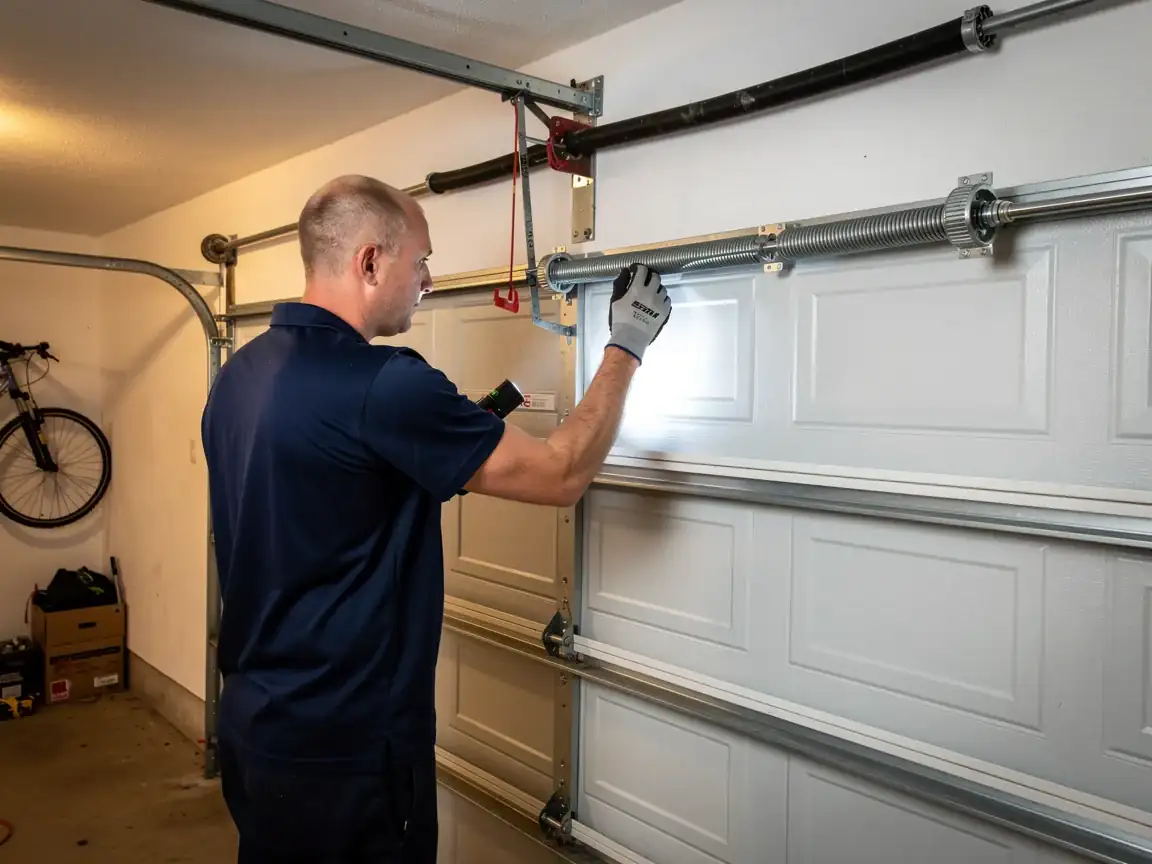
  2. A technician shines a flashlight on a garage door torsion spring.
    2

    On-site diagnosis

    A technician tests the door under power and by hand and finds what actually failed.

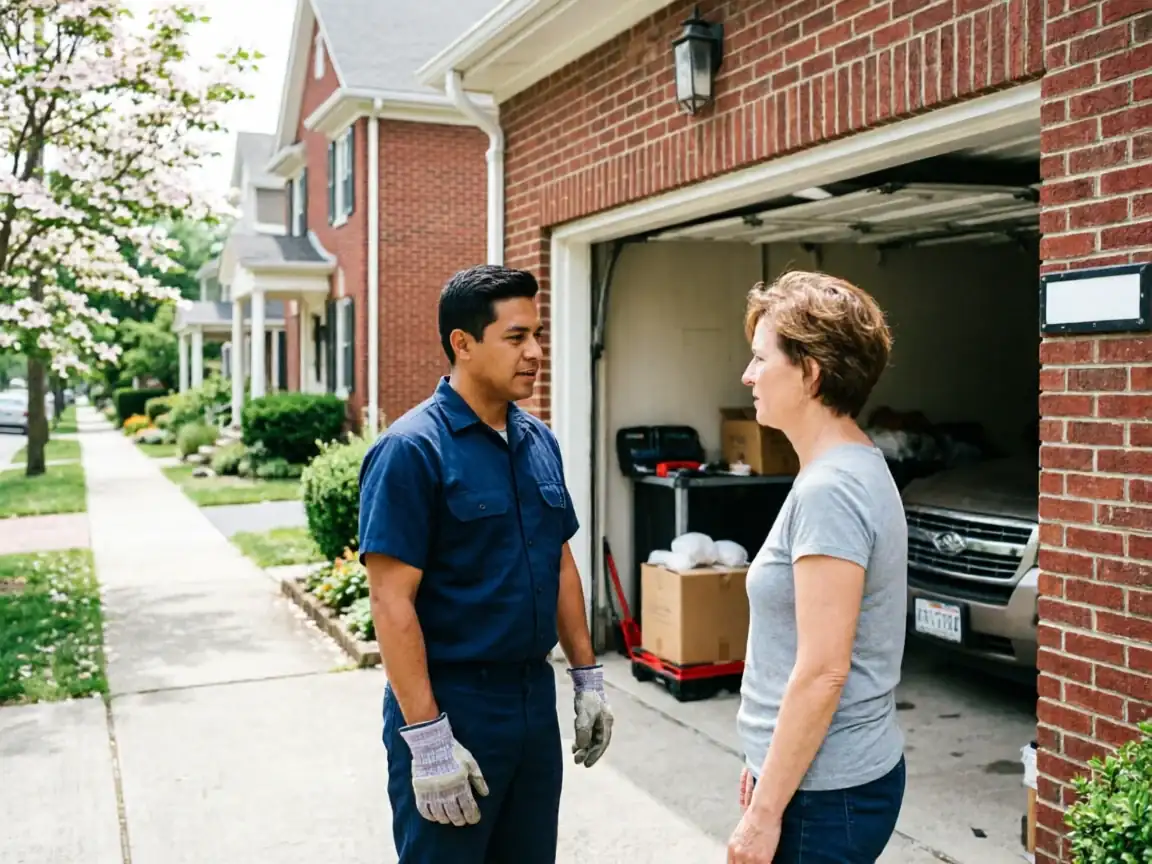
  3. A technician talks to a woman in front of a brick house with an open garage.
    3

    Clear, up-front plan

    You get the fix that’s needed and what drives the cost - before any work starts.

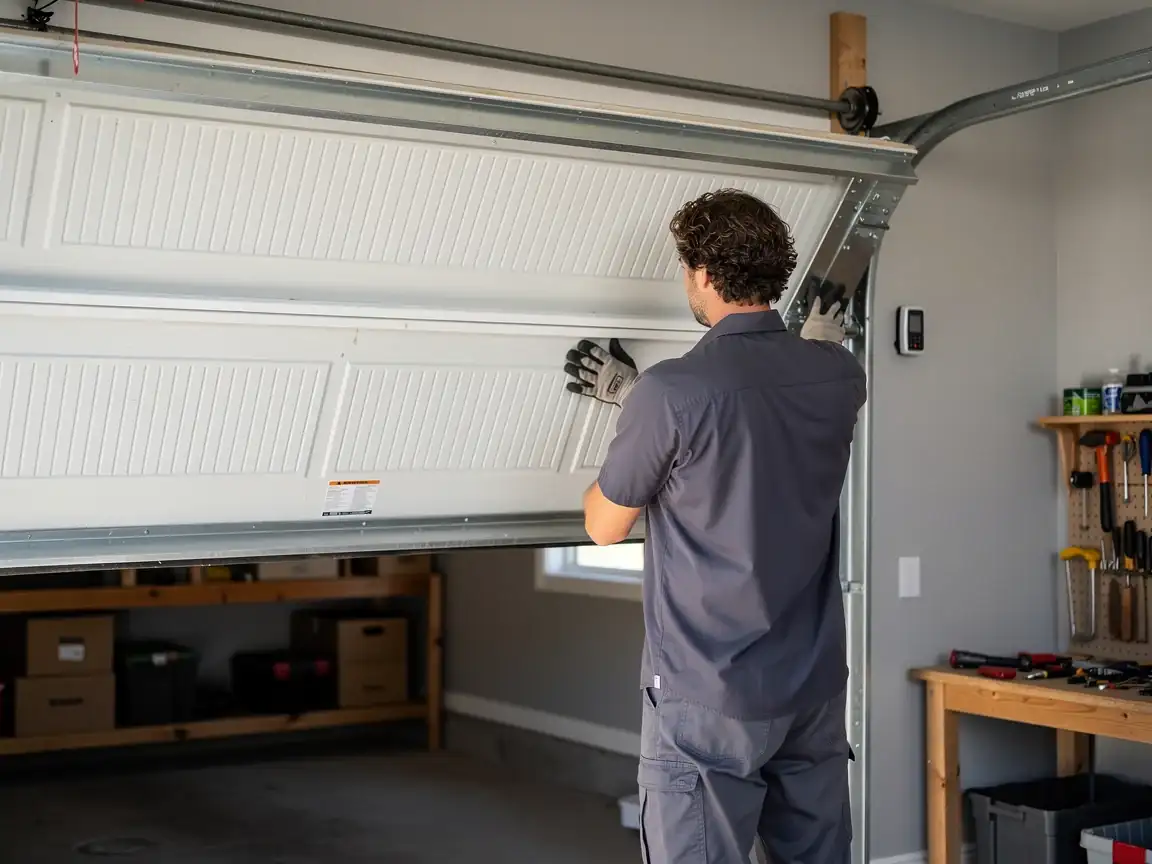
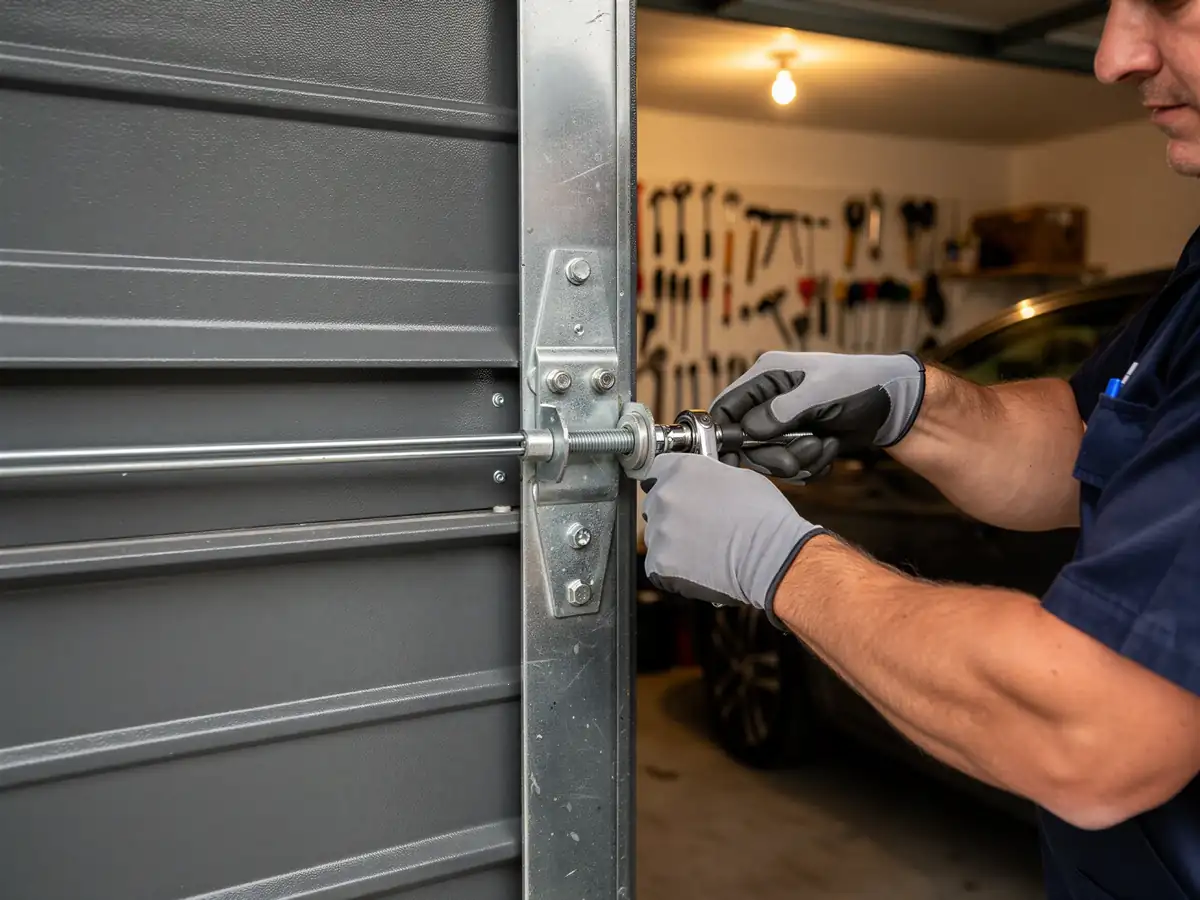
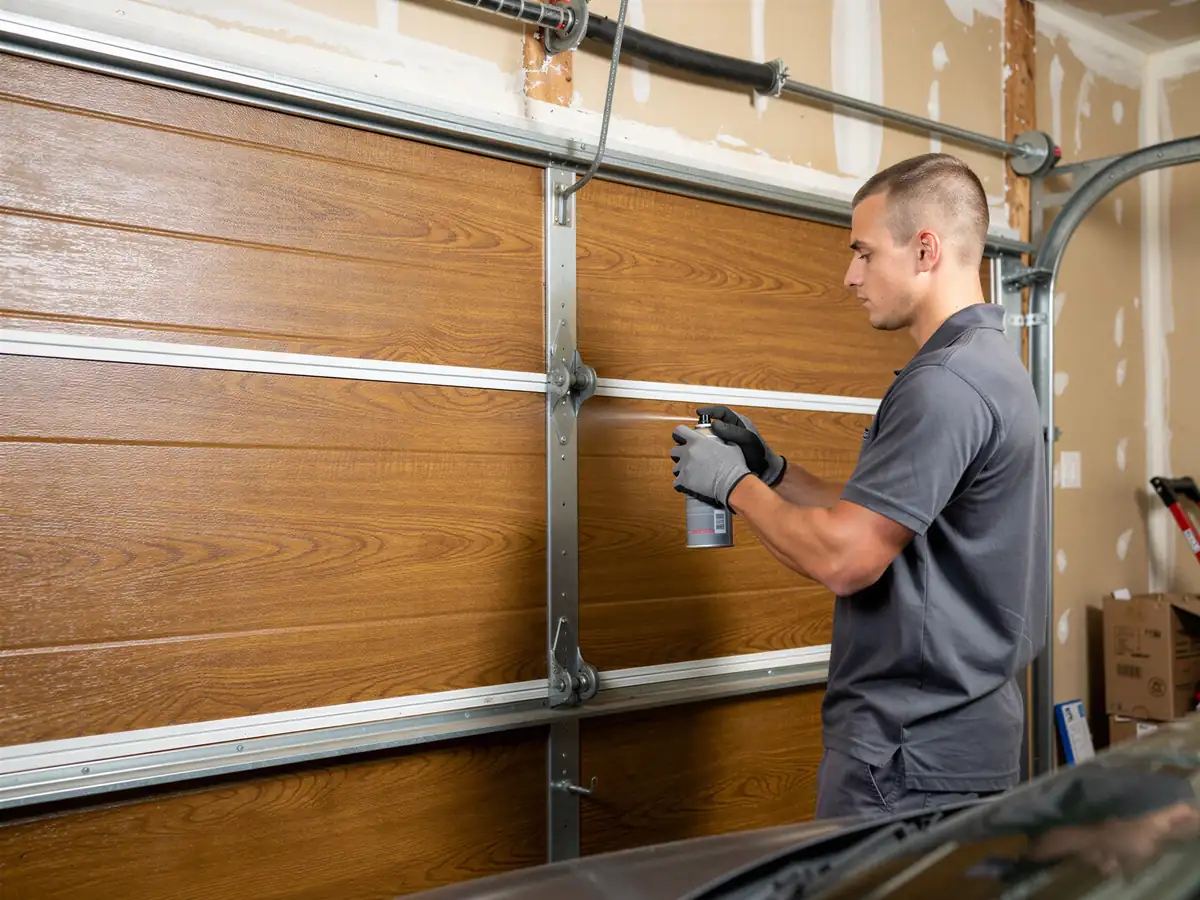
  4. A technician in a gray uniform is working on a white garage door.
    4

    Repaired & tested

    The repair is done, the door is set true and tested, and the work area left clean.

Not sure which repair your door needs in Glastonbury, CT? Describe what it’s doing - every job starts with a diagnosis.

How we work

What to expect

  • Diagnosis firstEvery visit starts by finding what actually failed - not a pre-written parts list.
  • The right part for the doorSprings and openers matched to the door’s weight and age, so the fix holds up.
  • Straight answersWhen a repair makes more sense than a replacement - or the reverse - you hear it plainly.
  • Clean, careful workTension released safely, hardware set true, the door tested under power before we leave.
Residents in Glastonbury
Garage door services
Neighborhoods & suburbs
Serving Glastonbury, CT
31,876
8
5
CT
Questions

Frequently asked

Straight answers about garage door repair in Glastonbury. Still unsure? Ask us directly.

Why does my 1959 garage door keep breaking even though the opener is newer?

Because the opener isn't the original part - someone replaced the motor at some point, but the springs, cables, and track are likely still from when the house was built. A newer opener straining against worn-out 1959 hardware will keep failing until the spring system itself gets addressed, not just the motor.

How far is Glastonbury from Wethersfield for a service call?

About 3 miles. That's close enough that distance isn't the factor driving how fast we can get a truck to your door - the day's schedule is. We work out of Glastonbury and cover Wethersfield as part of the surrounding service area.

Should I repair or replace a door this old?

If the door is original to a 1959-era house and you're already looking at a spring failure, replacing the whole system often makes more sense than patching one part. A single-layer steel panel with no insulation and decades-old hardware tends to need the next repair soon after the first one.

Ready to get your garage door sorted?

Tell us what it’s doing and where you are in Glastonbury - we’ll take it from there.

Request a QuoteCall