Why This Fails Locally
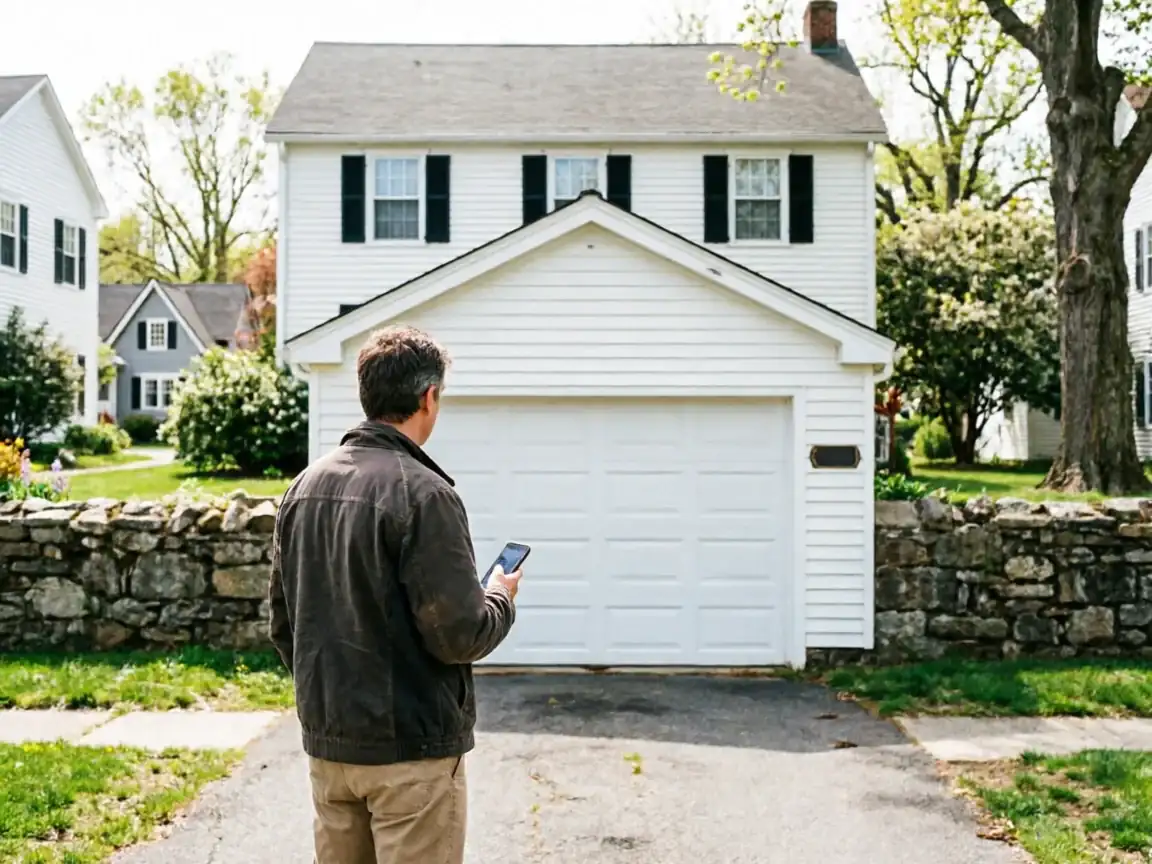
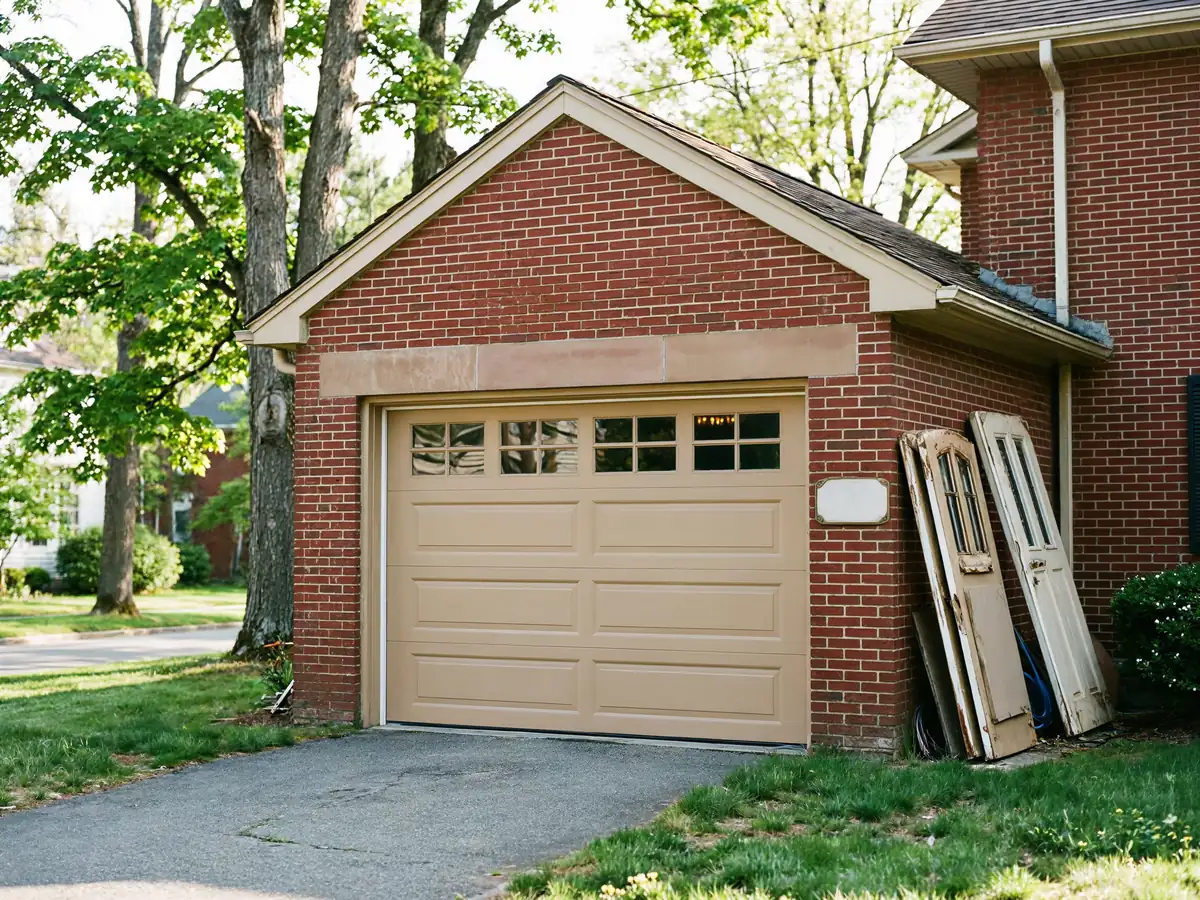
The call we get most from Wethersfield is a motor that strains halfway up the track and reverses, or a wall button that goes dead after the first hard frost. It's not a coincidence tied to one bad opener brand. Wethersfield's housing stock centers on 1959, a good fourteen years earlier than the 1973 median across the rest of the Glastonbury service area. Garages from that era were often wired as an afterthought, sometimes on a circuit shared with a freezer or a sump pump, and openers installed since then have been bolted onto that same old wiring without anyone checking the load.
Add in a cold-severe climate band and you get a second layer on top of the wiring problem: grease in the drive gear stiffens, limit switches drift out of calibration overnight, and a logic board that read the door position fine in October starts guessing by January. Neither problem is dramatic on its own. Together they're why opener calls here cluster hard once temperatures drop and don't let up until spring.
The Symptom
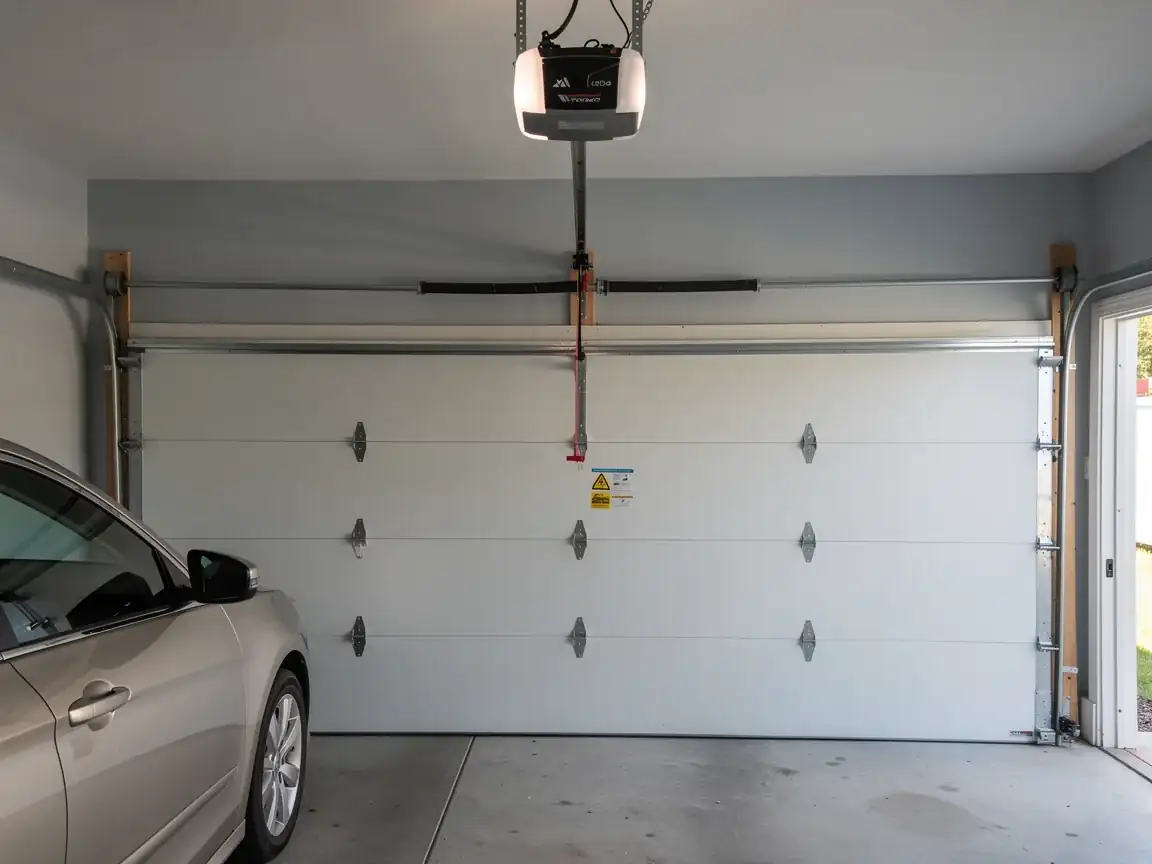
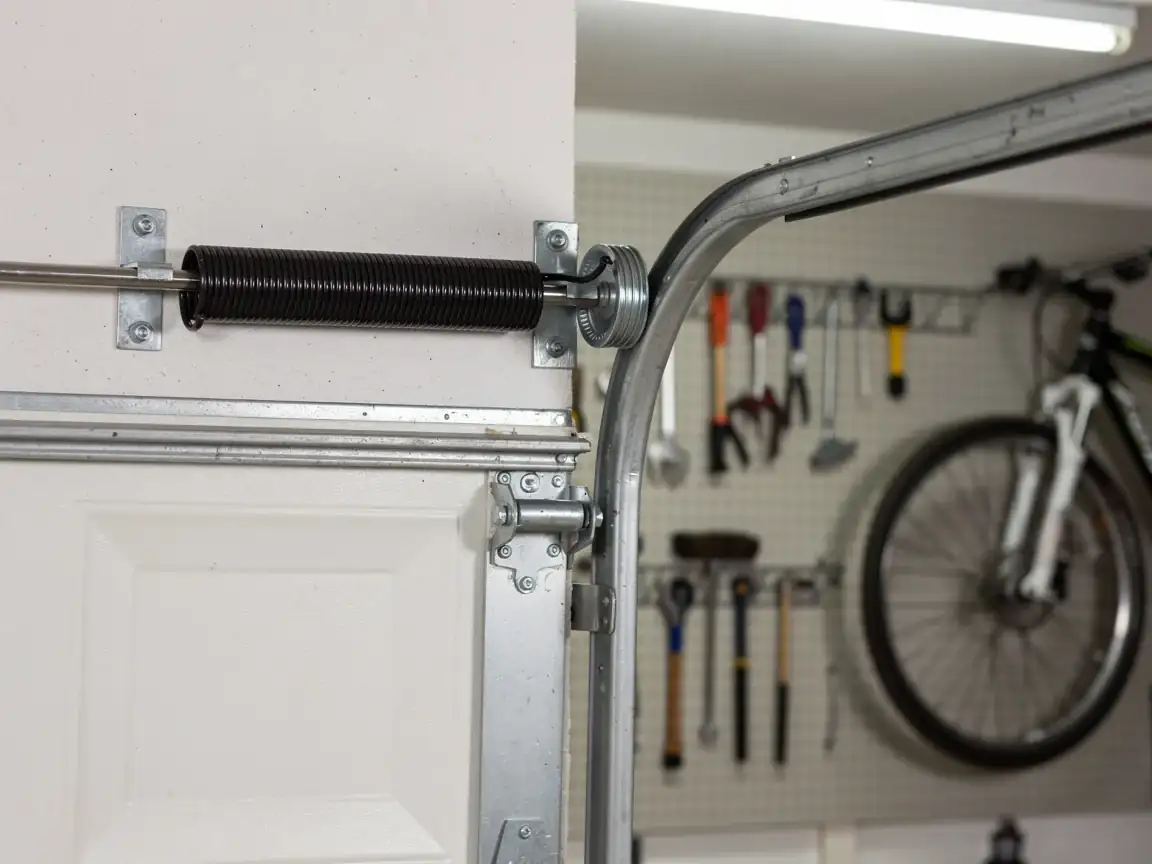
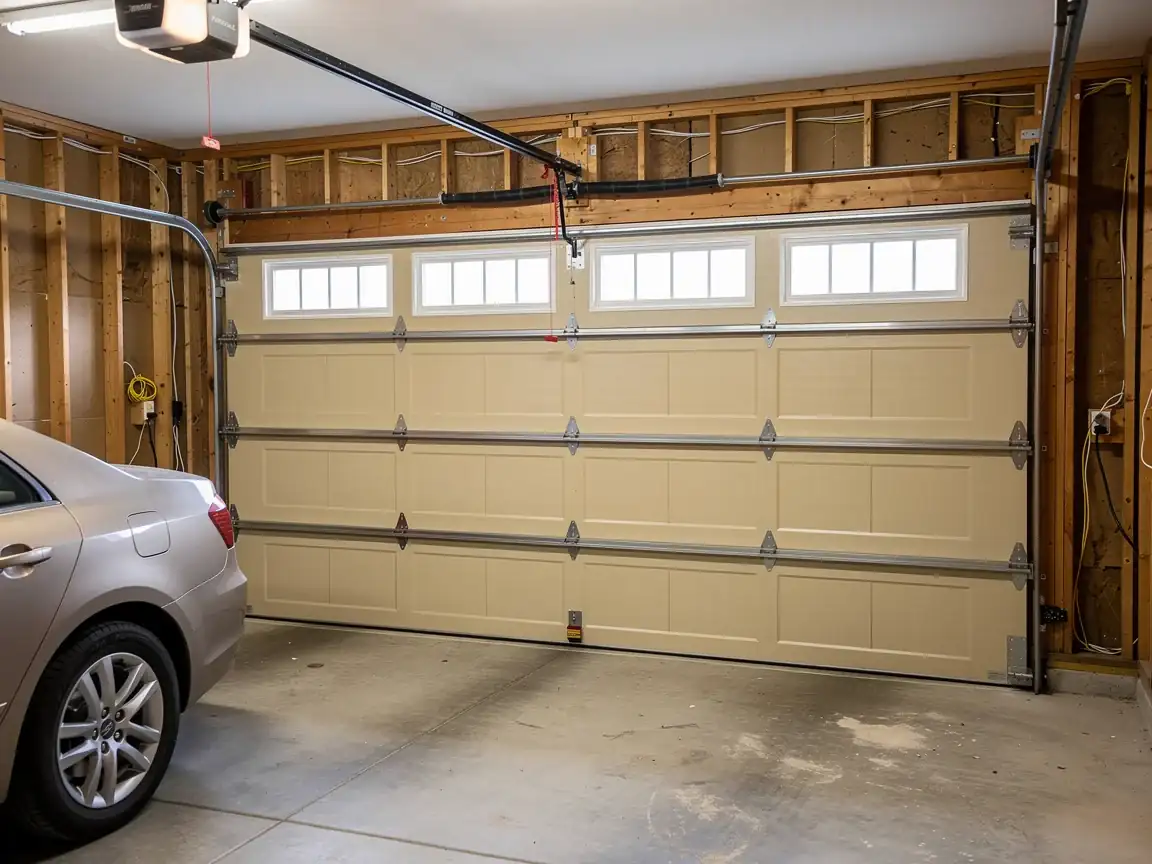
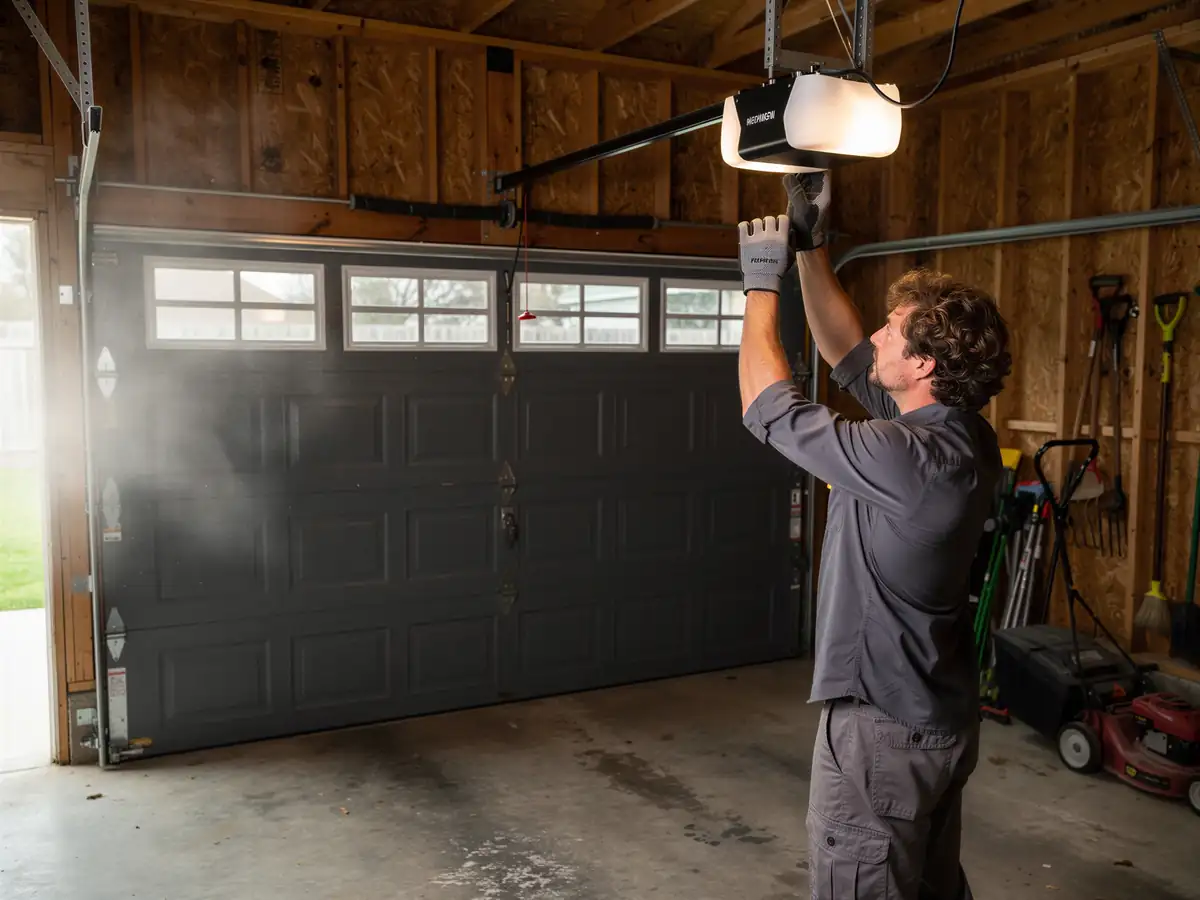
Most owners describe one of three things: the opener hums but the door doesn't move, the remote works from the driveway but not from inside the car, or the light on the unit blinks a pattern and then shuts off. On a house built around 1959, we often find a torsion spring and track that were never upgraded when the opener was replaced, so the opener is fighting hardware it was never matched to. The motor reads that extra resistance as an obstruction and reverses the door to protect the gear, which looks like a safety sensor fault but isn't one.
Intermittent remote range is usually simpler: weak coil battery, a receiver antenna buried behind a newer insulated door panel, or interference from a second opener on the same frequency nearby. We check the easy causes first. A blinking status light almost always means the opener itself is logging an error code, and that code, not a guess, is where the repair starts.
Time on the Job
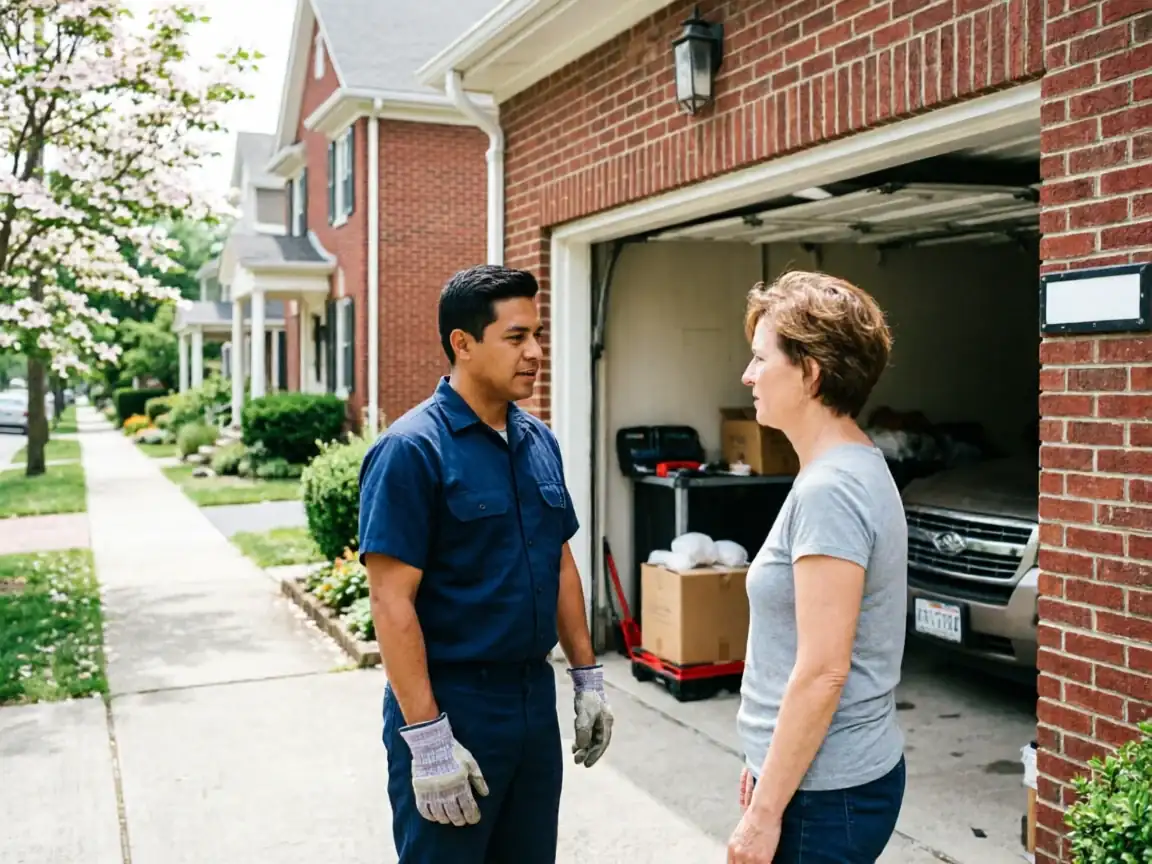
We're driving in from Glastonbury, about three miles to most of Wethersfield, not from a depot in town
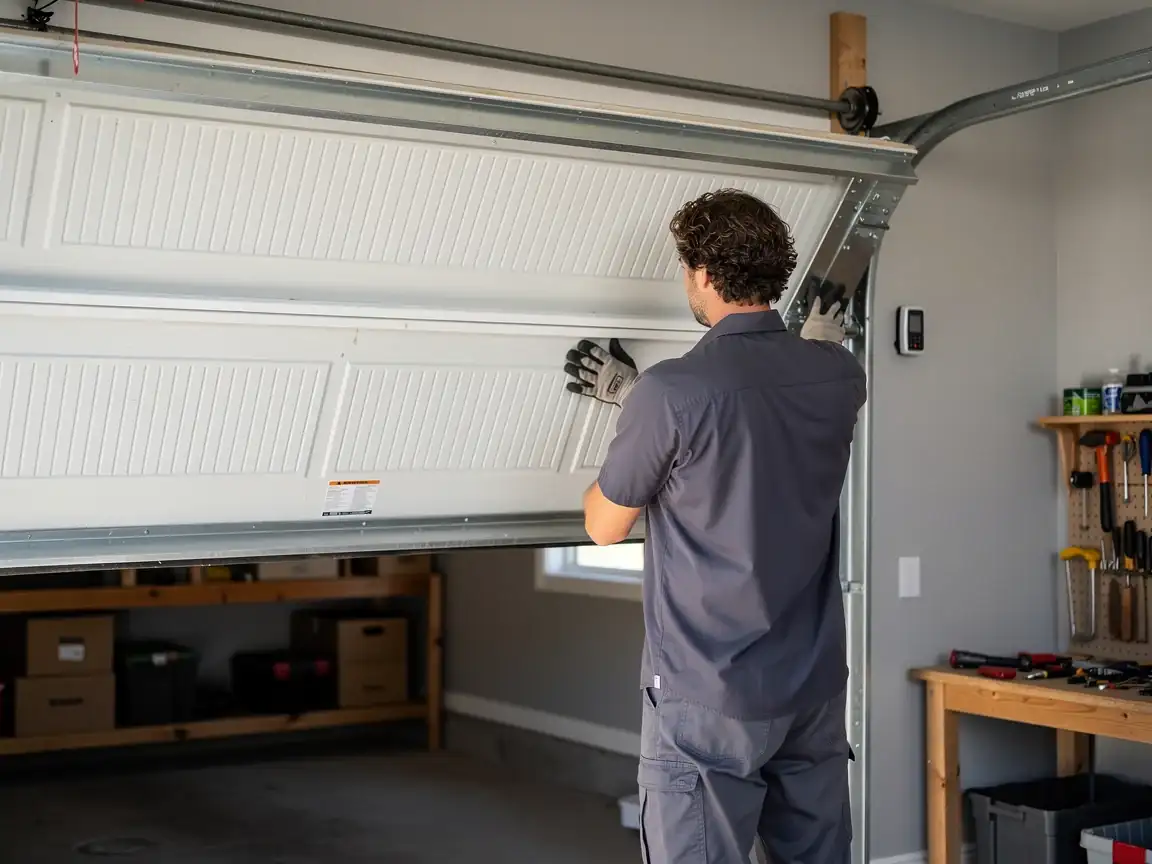
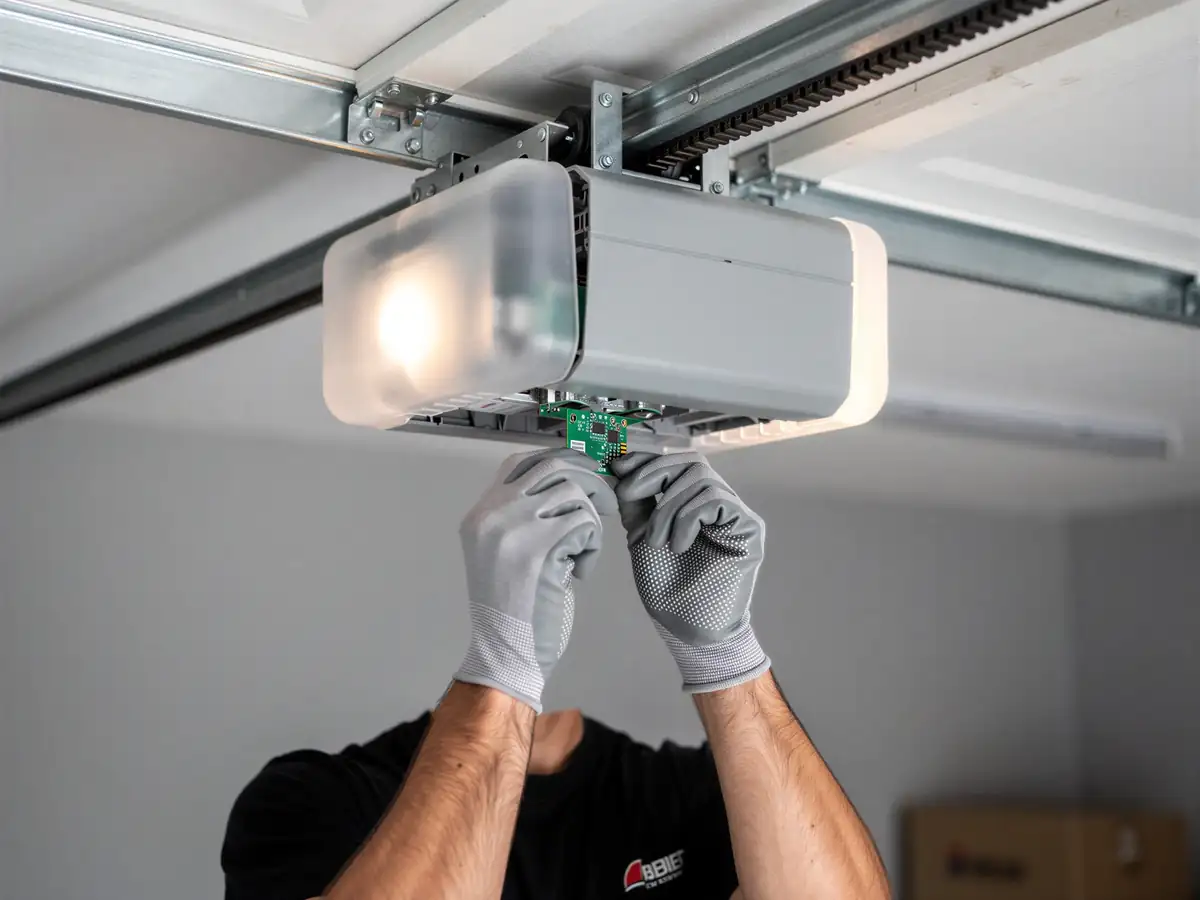
So the diagnostic starts the moment we're on site rather than before. A straightforward fix, swapping a sensor, reseating a drive gear, replacing a logic board, usually wraps in a single visit once we've confirmed what's actually failing. Diagnosis takes longer than most of these repairs do.
What extends a visit isn't the opener itself, it's what's behind it
If the spring or cable needs attention too, that's a separate job on a separate system, and we'll tell you that up front rather than bundle it in as part of the opener call. We don't carry every discontinued opener model on the truck, older chain-drive units from the 1980s and 90s sometimes need a part ordered, and we'll say so rather than improvise a fix that won't hold.
What You Pay
We're not going to put a number here that isn't backed by a quote for your specific opener, but the cost structure is consistent: a sensor or wiring fix is the cheapest call, a drive gear kit or capacitor replacement sits in the middle, and a full opener swap is the largest line item, mostly driven by the unit itself rather than labor. Wethersfield's median household income runs $118,523, above the $107,012 median across the rest of the service area, which is worth mentioning only because it shapes a real decision homeowners here actually face: repair a ten-year-old opener for a fraction of a new unit's cost, or replace it now and skip the next failure.
We'll give you both numbers on site and let you decide. There's no single right answer, it depends on the opener's age and whether the gear and board failures are isolated or the first of several.
The DIY Question
Reprogramming a remote, replacing sensor eye batteries, and clearing the photo-eye lenses of dust are all things an owner can do safely with no tools beyond a screwdriver. Force and travel limit adjustments are a different matter: get them wrong on a heavier door and the opener will either strain the gear every cycle or fail to reverse on an obstruction, which is a safety issue, not a convenience one.
Here's the honest limitation: if your opener is an older chain-drive unit, parts for it may already be out of production, and we're not going to pretend we can source a board that the manufacturer stopped making years ago. In that case replacement is the only real option, and we'll tell you that rather than charge for a diagnostic that ends the same way.
Where This Job Goes Sideways
The opener takes the blame for problems that actually start at the spring or the track
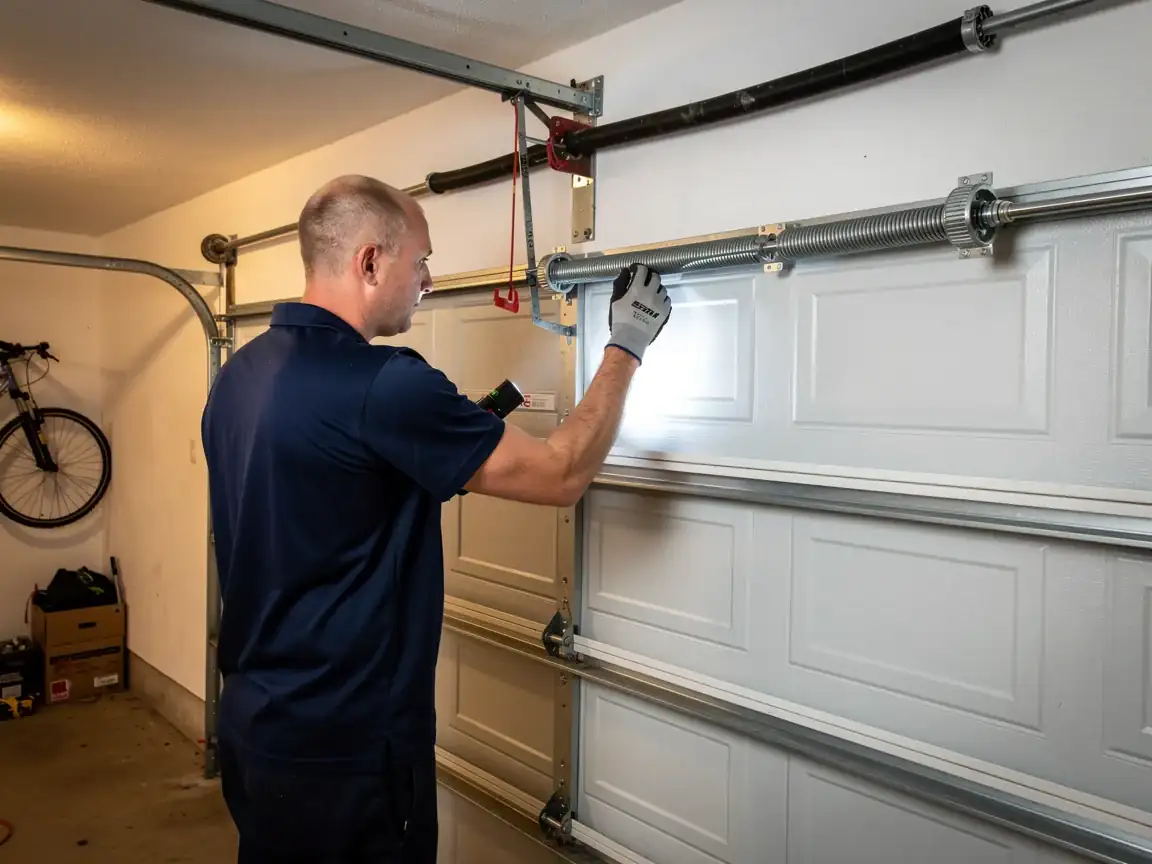
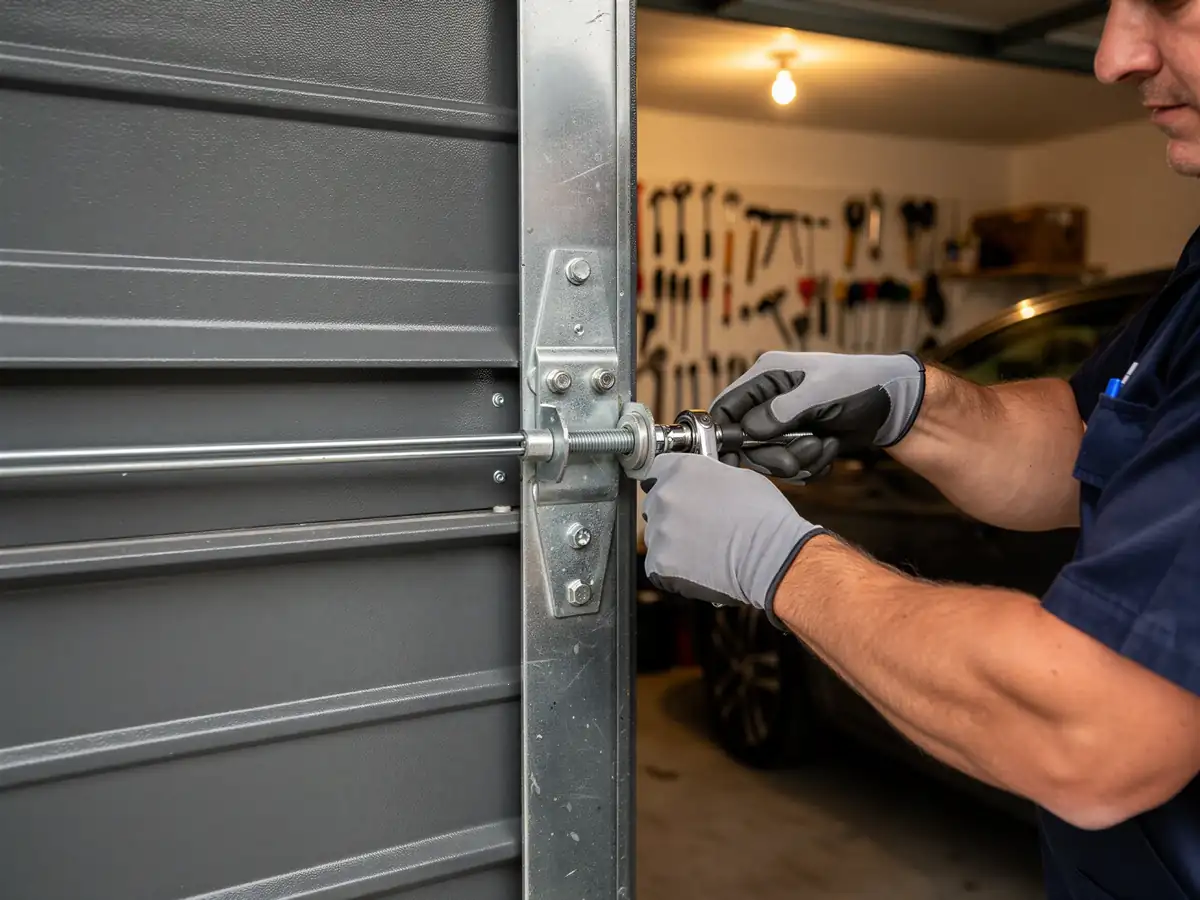
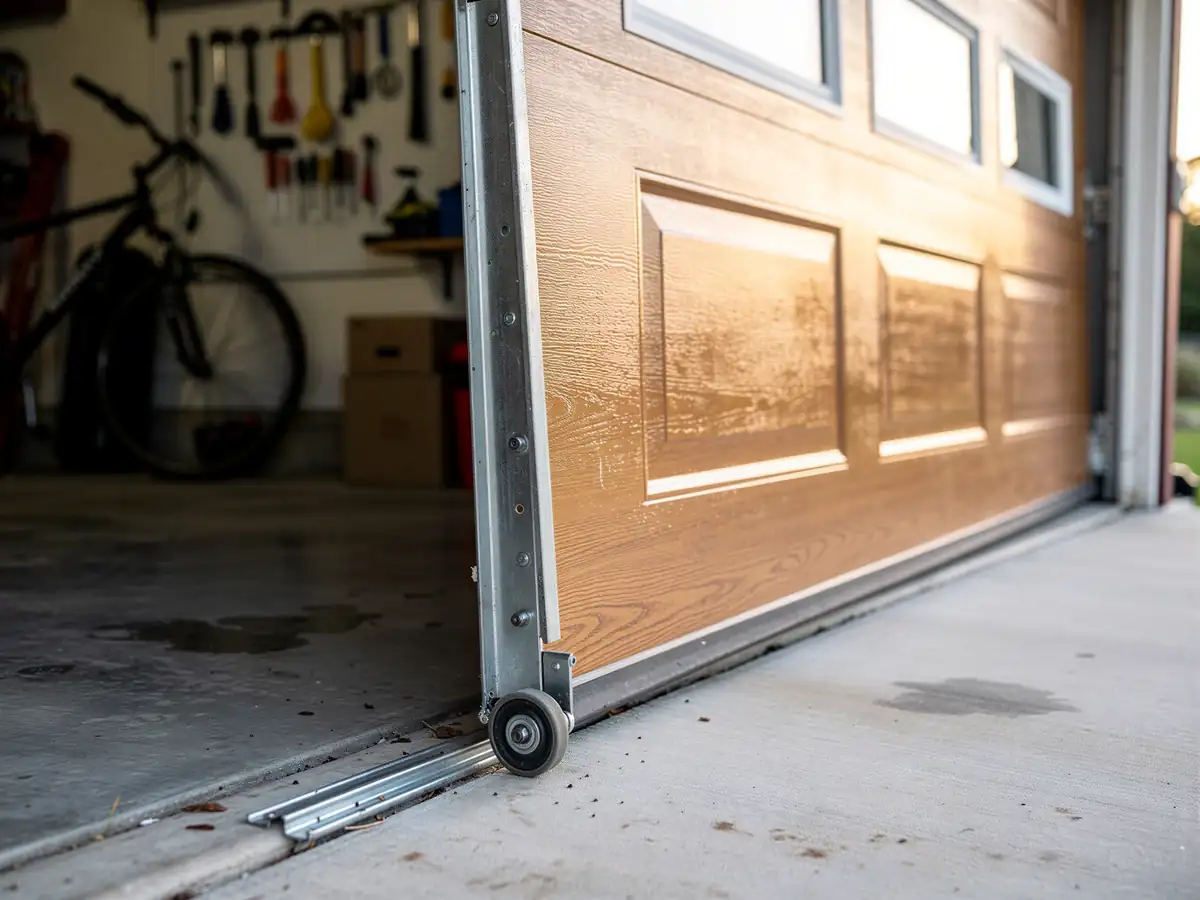
A torsion spring losing tension doesn't always snap outright, it just gets weaker, and the opener motor starts doing more of the lifting than it's built for. That shows up as the same reversing and straining symptom as a bad gear, and swapping the opener won't fix it if the spring is the real cause.
If that's what we find, that's a separate repair covered on our Wethersfield door page rather than something we fold into an opener invoice
/wethersfield-garage-door-repair/. For owners comparing opener work across the wider area we also cover the general version of this job, parts, settings, and typical failure patterns, on the Glastonbury page: /garage-door-opener-repair-glastonbury-ct. We'd rather send you to the right page than guess at the wrong fix.