Why This Fails Locally
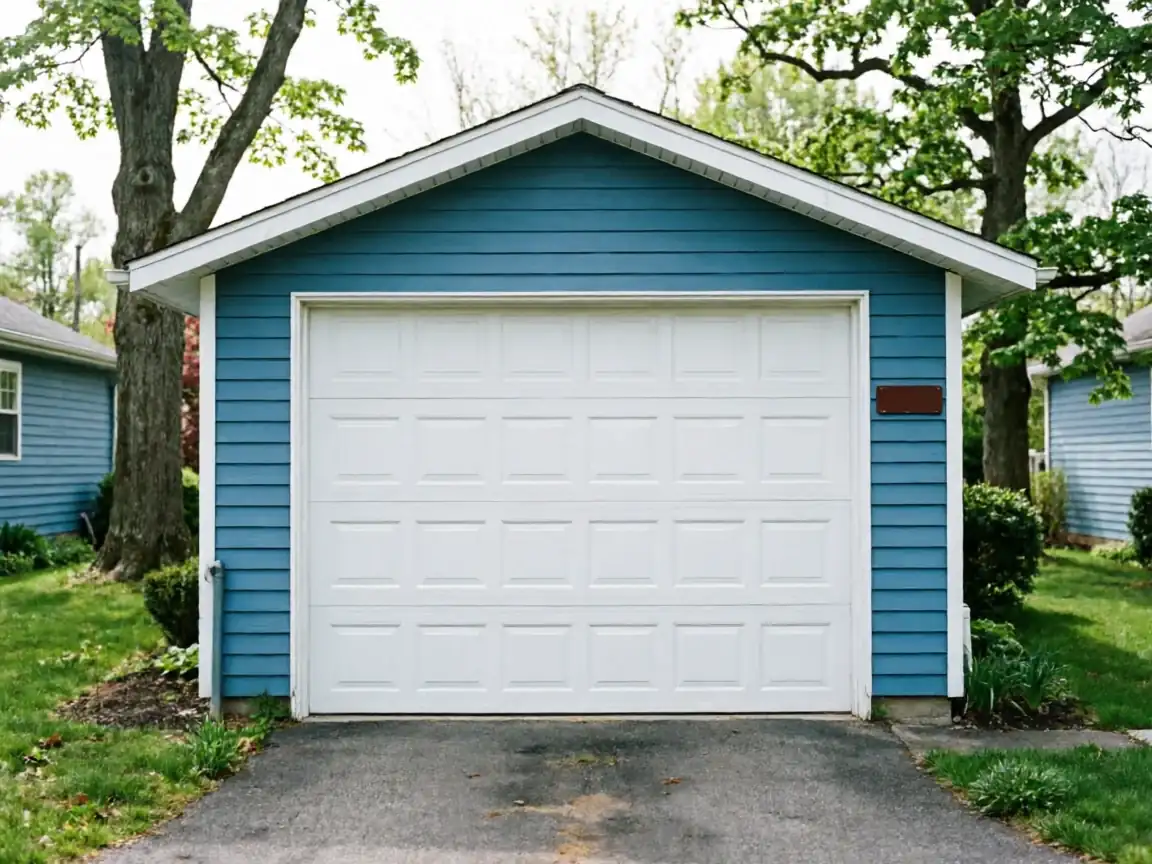
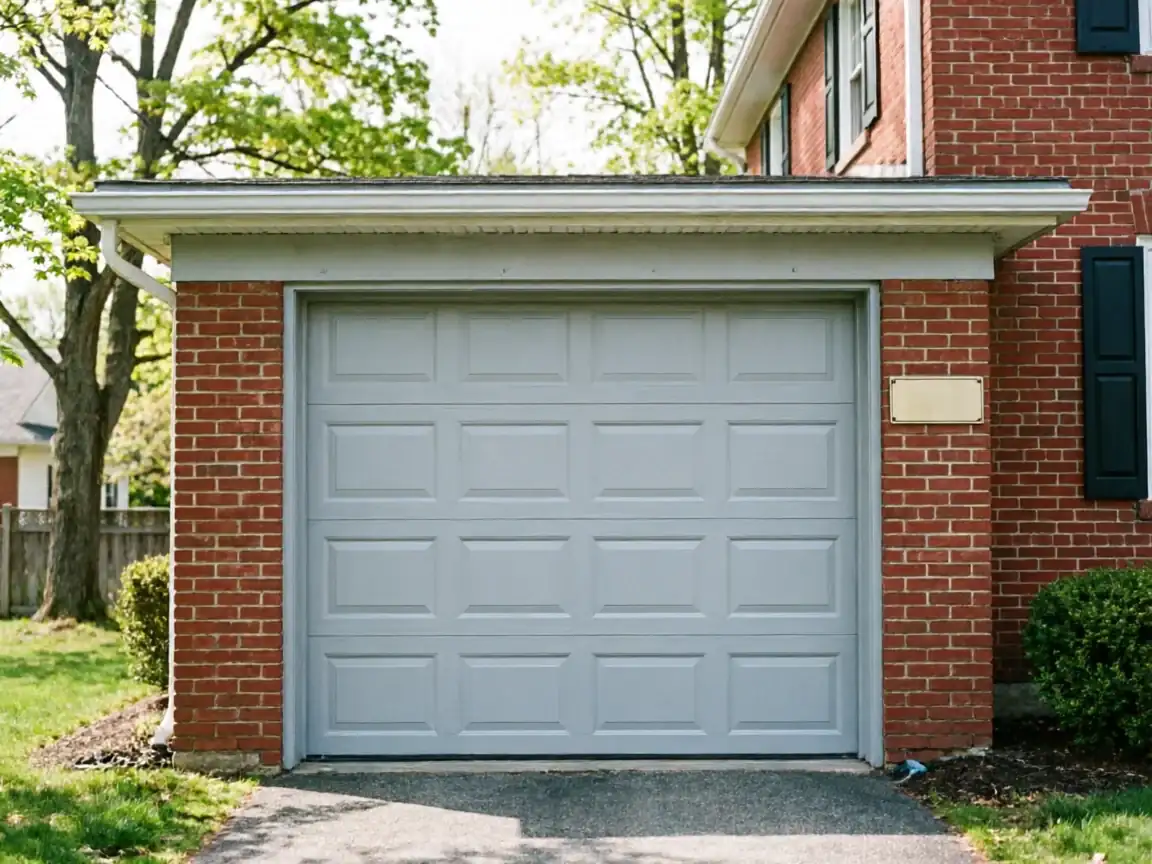
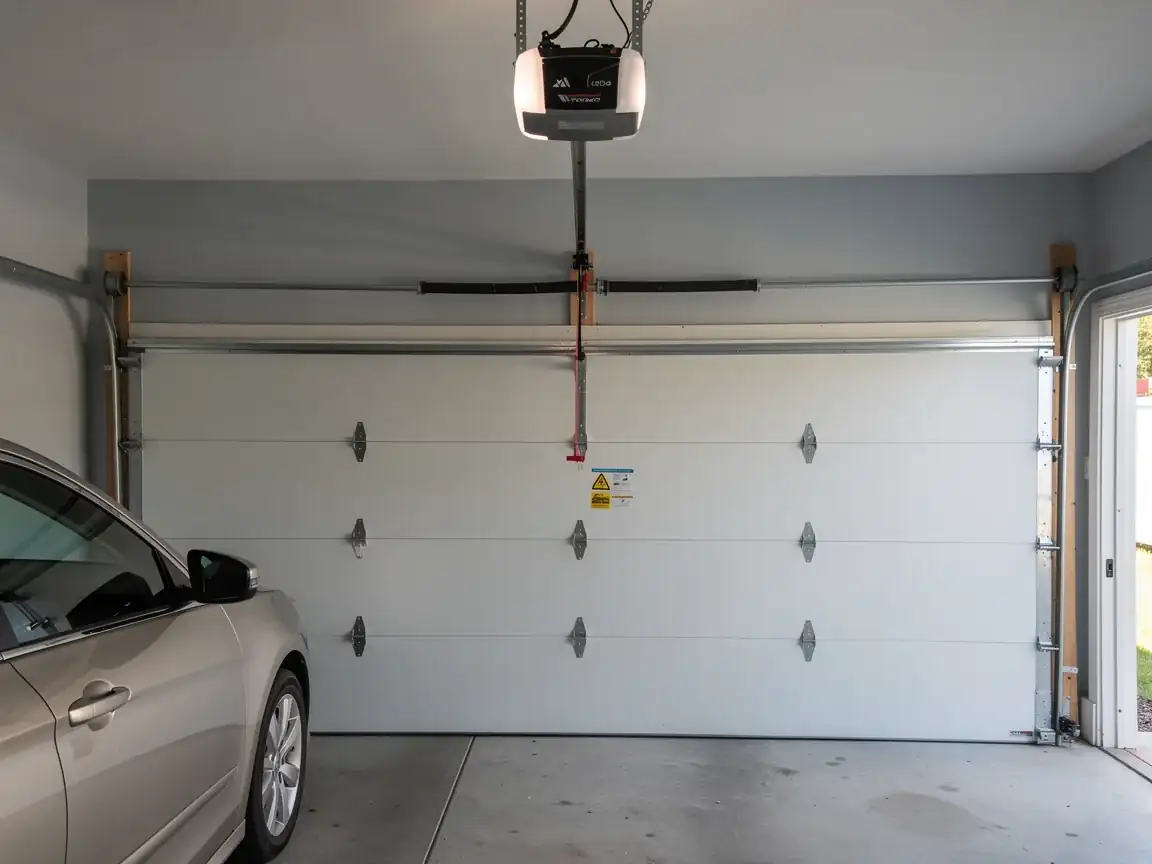
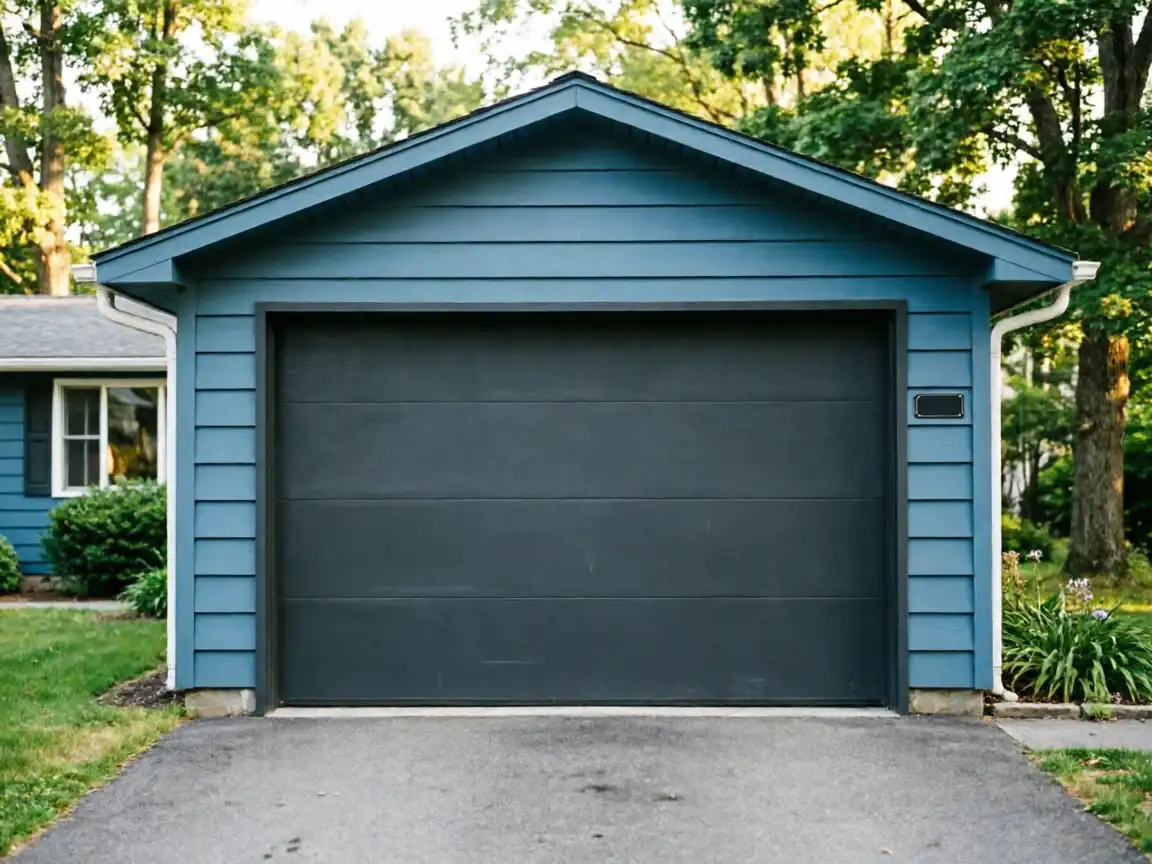
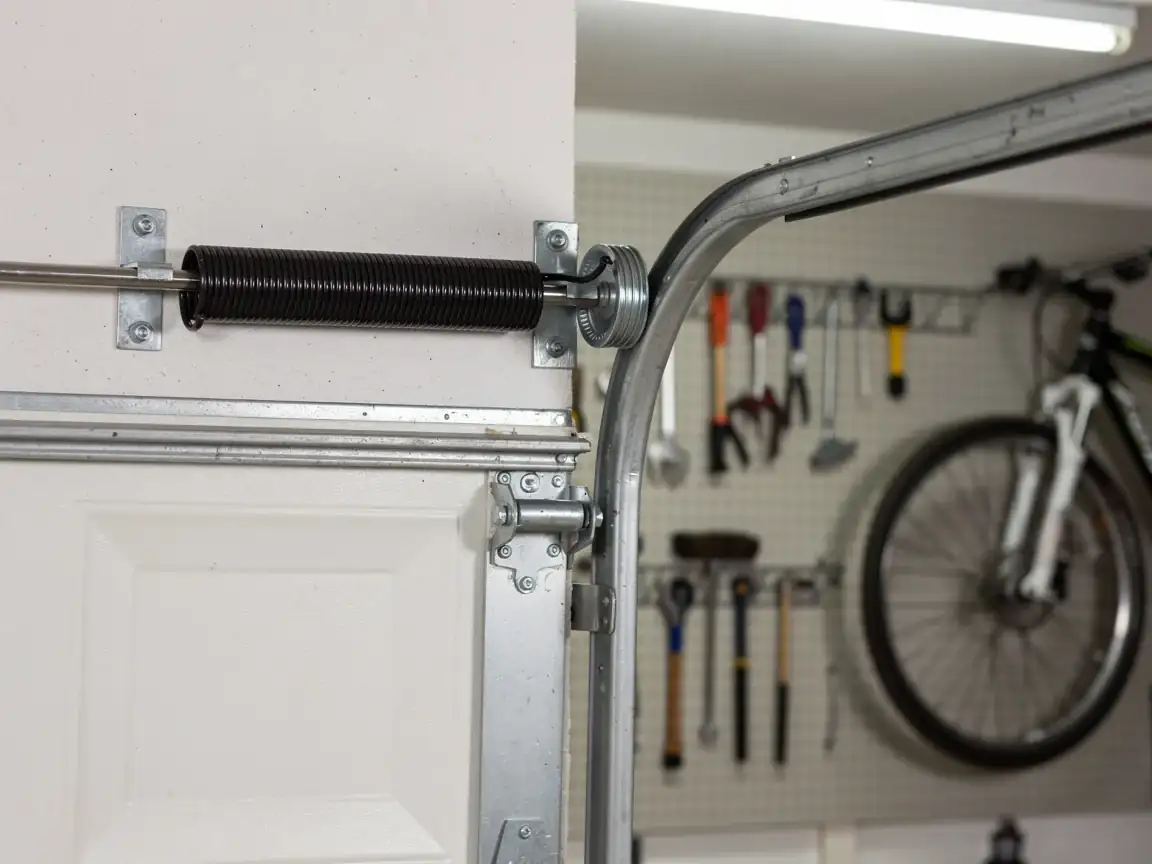
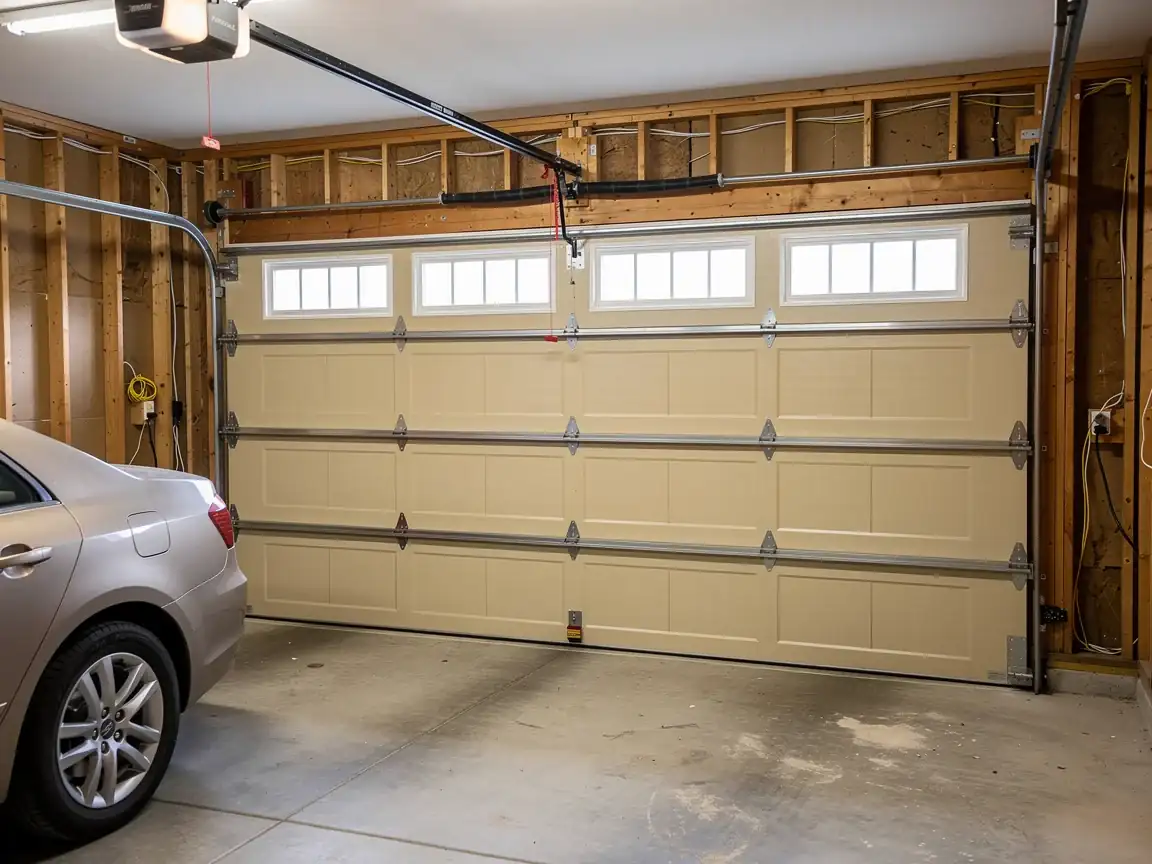
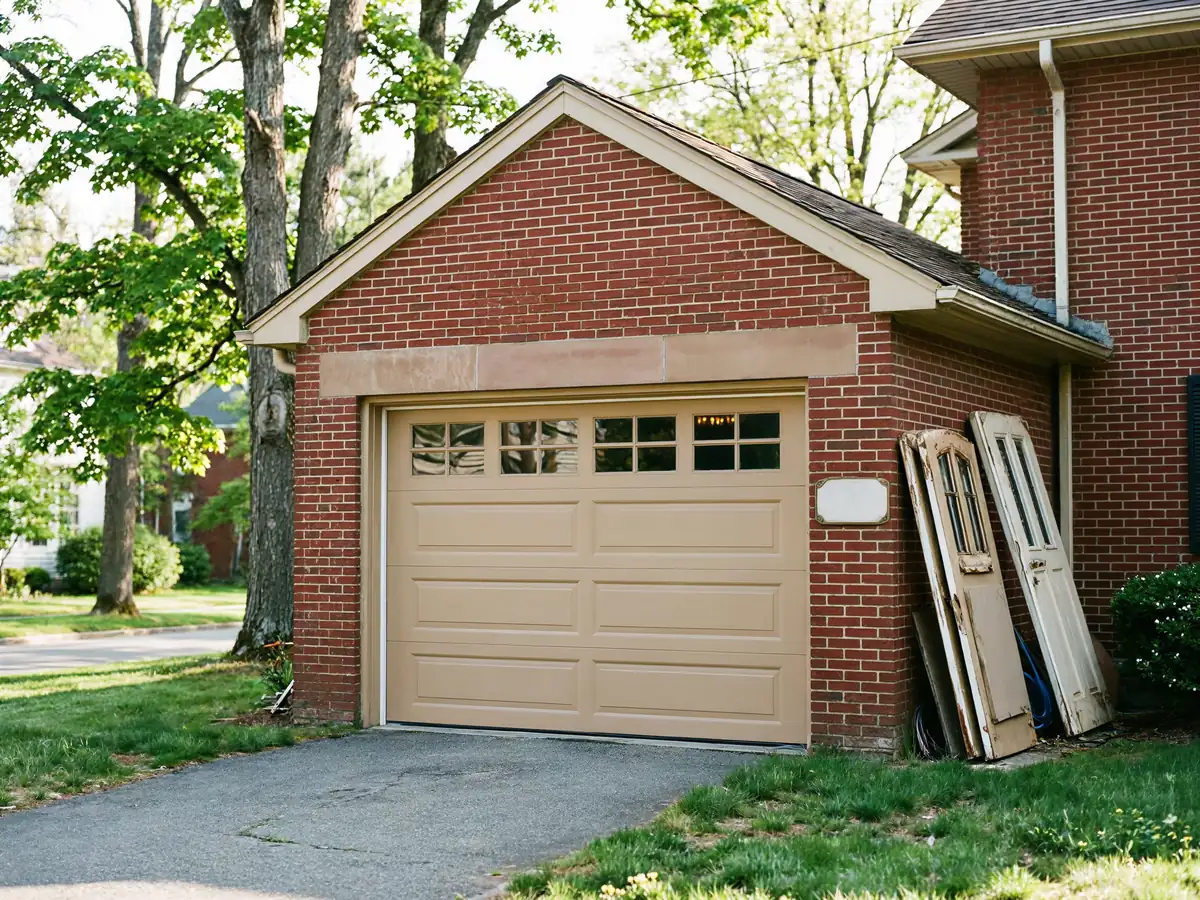
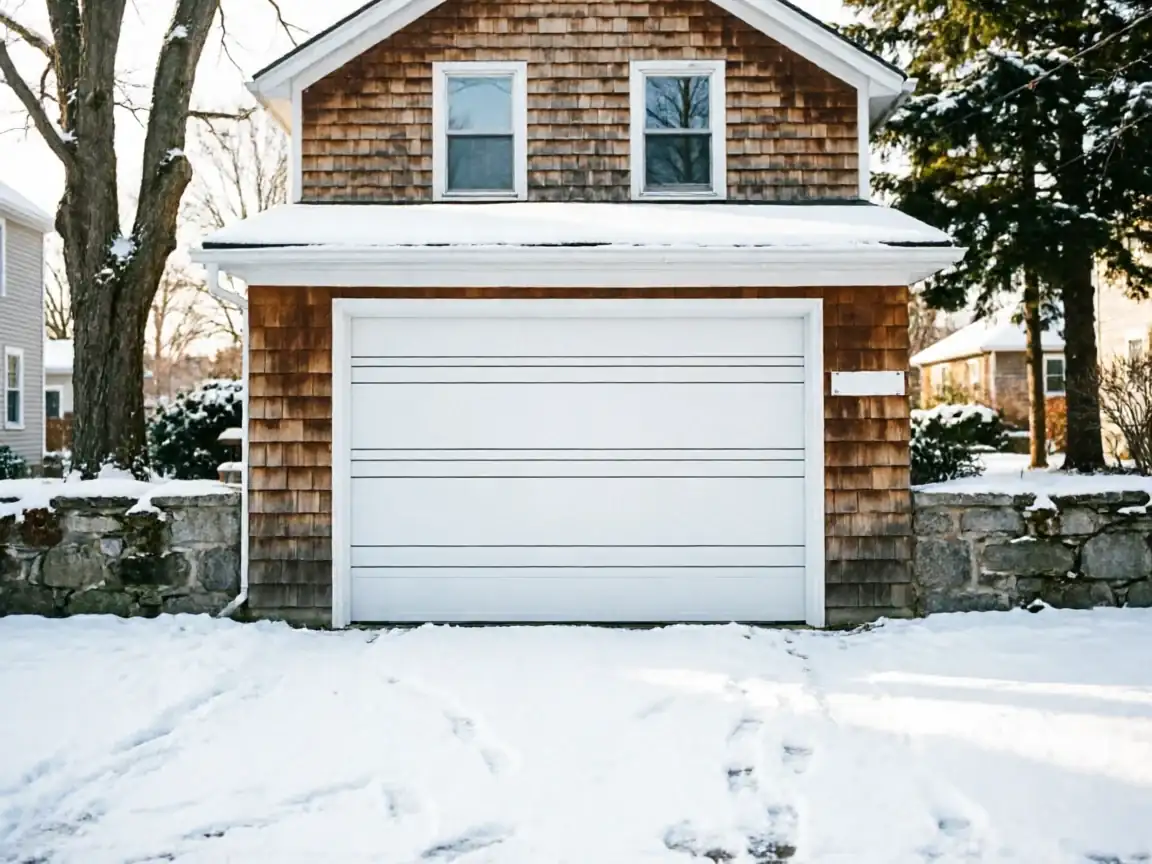
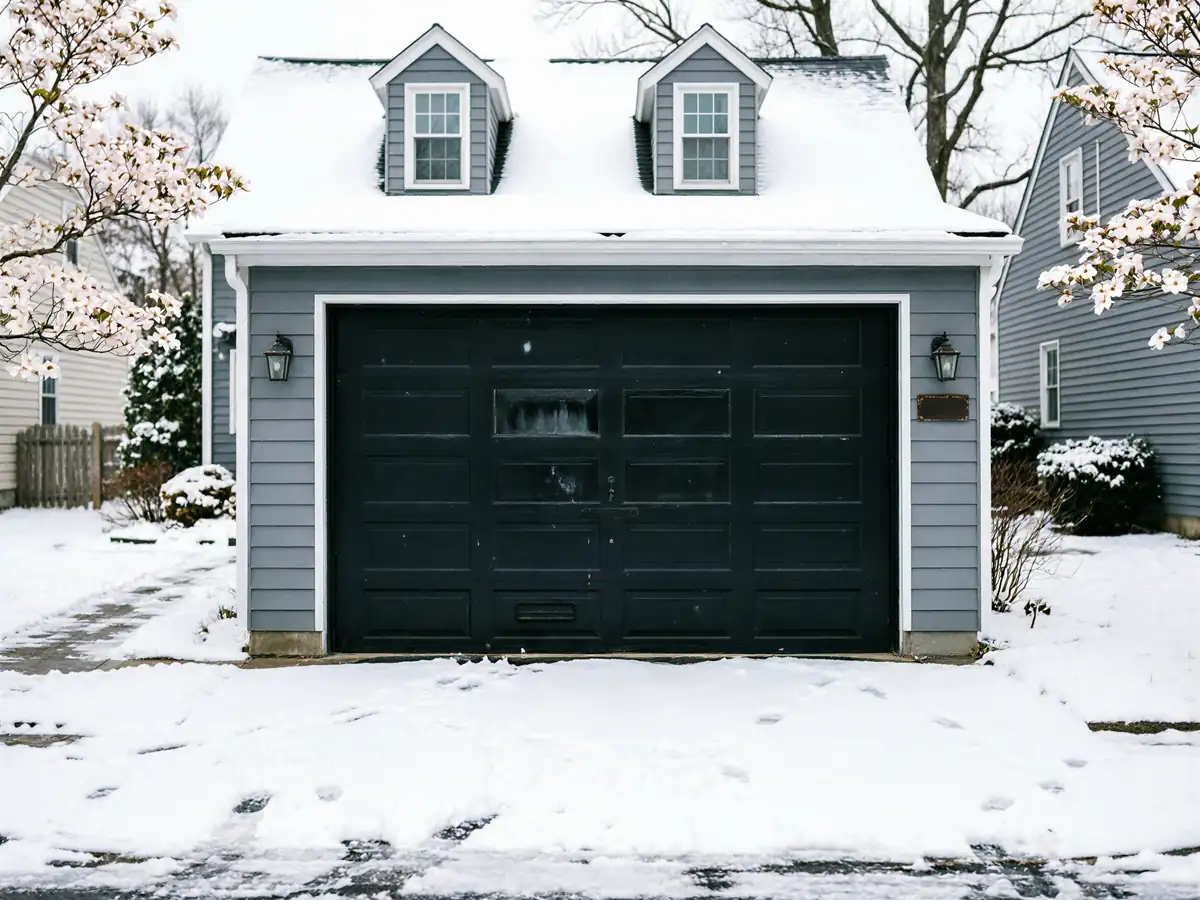
Most of the garage doors we see in Wethersfield sit on houses built around 1959, a good decade and a half ahead of the 1973 median for our wider service area. That means steel doors from an era when single-layer panels and lightweight extension-spring hardware were still standard, before torsion systems took over in most new construction. The track tends to be narrower, the rollers plain steel instead of nylon, and the panels thinner than anything built after 1990. With about 11,333 households in town, most built in that same late-1950s wave, the same drum-and-extension-spring setup repeats on street after street rather than showing up as an occasional outlier. None of that is a flaw by design - it's just what got installed when the house went up, and sixty-plus years later the steel has fatigued in ways a newer door hasn't. The fix usually isn't a quick tweak; it's hardware that's simply run its course.
The Symptom
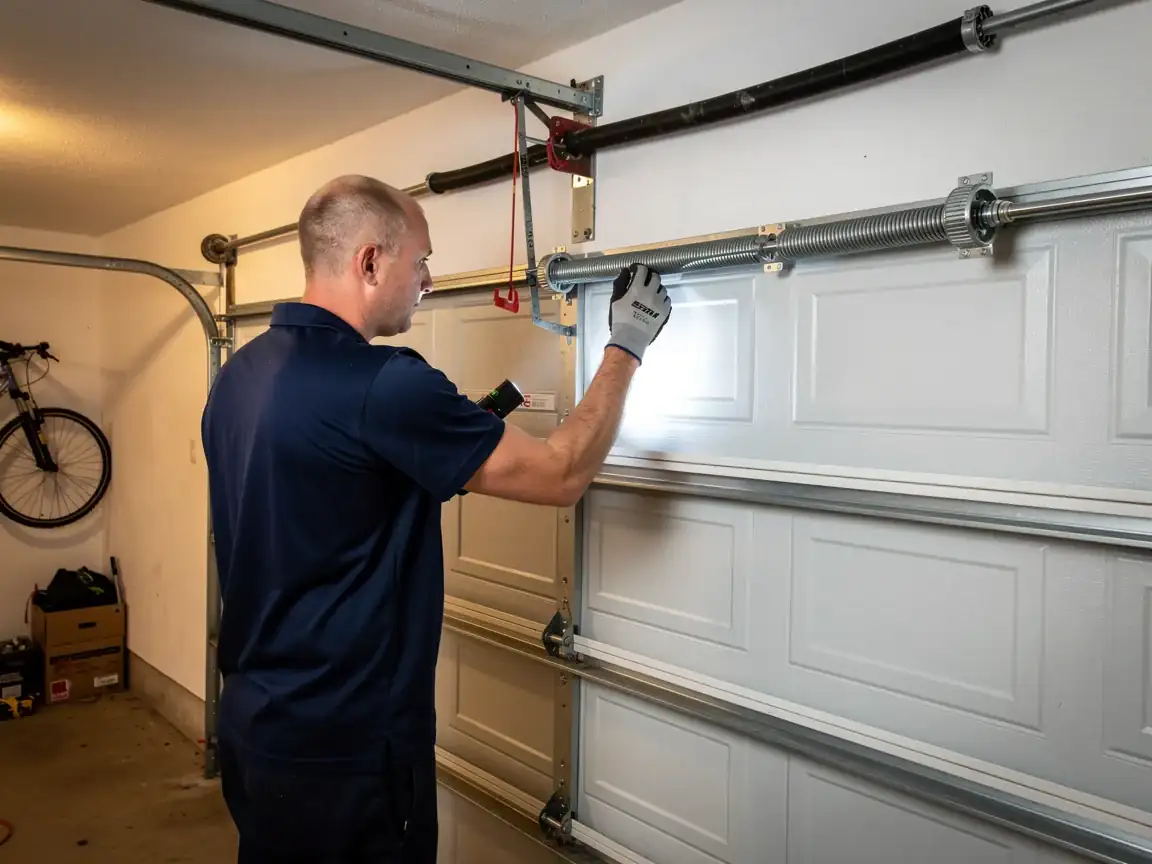
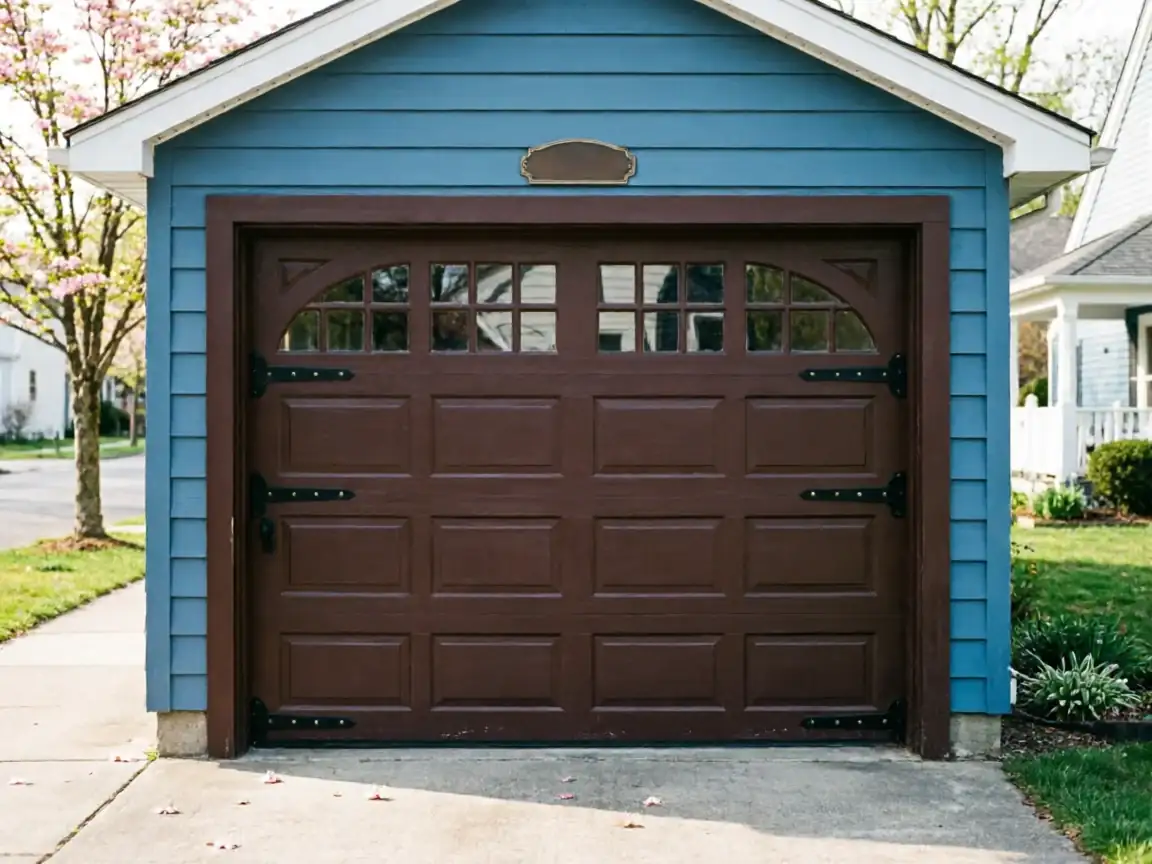
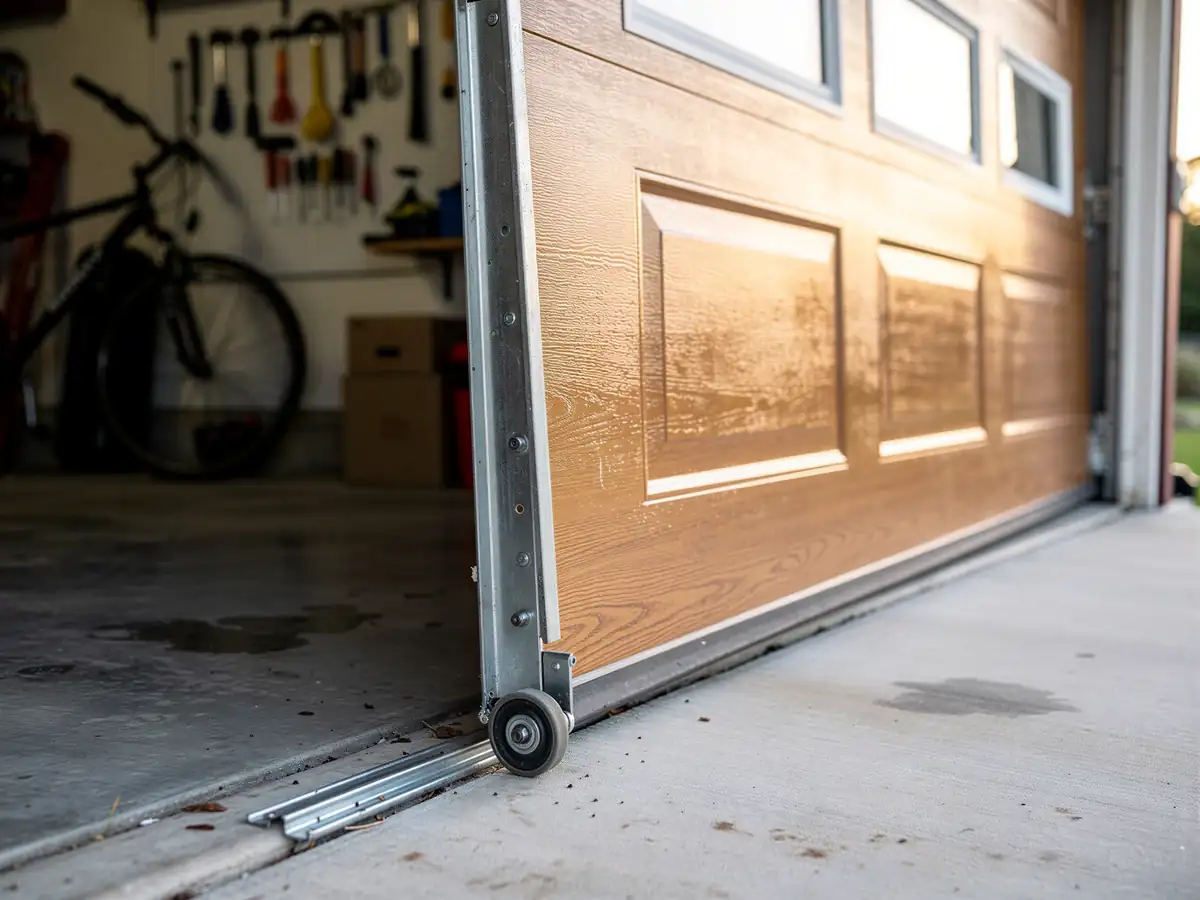
Connecticut's cold band hits this hardware hard. Extension springs that have already stretched past spec lose tension faster once temperatures drop into the teens, and the steel track common to 1950s construction pits and rusts faster than newer galvanized rail. The symptom is usually simple: the door groans going up, stutters halfway, or needs a shove before the opener catches. Sometimes it's a cable that's frayed down to a few strands, sitting on a drum that was never upgraded to the wider, safer kind. On wood-paneled doors from that era, cold cycling also opens hairline splits at the panel seams, which you'll feel as a draft before you ever see daylight through it. None of this announces itself with a bang - it creeps in over a winter or two, and by the time the door won't stay up on its own, the spring has usually been working on borrowed tension for months.
What You Pay
We don't have a flat number to hand you here - pricing on 1950s-era hardware swings more than it does on newer doors, since original rollers and drums aren't something a supply house stocks on the shelf anymore. What we can tell you is that households in Wethersfield report a median income of $118,523, well above the $107,012 median across our broader service area, which doesn't change what a spring costs but does shape which jobs we see - full hardware replacements get approved here more often than patch repairs, since owners tend to want it done once rather than revisited in two years. If a part has to be sourced rather than pulled off the truck, that's reflected in the job, and we'll say so before any work starts, not after.
The DIY Question
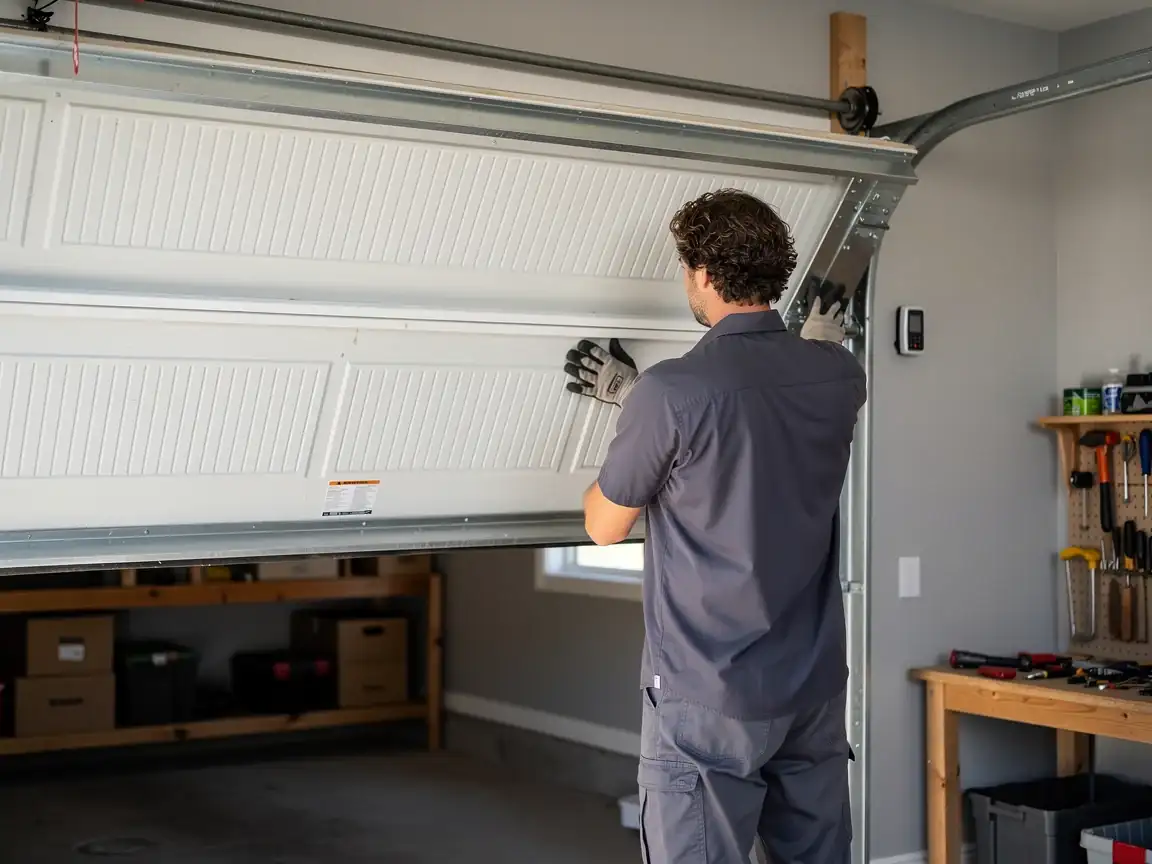
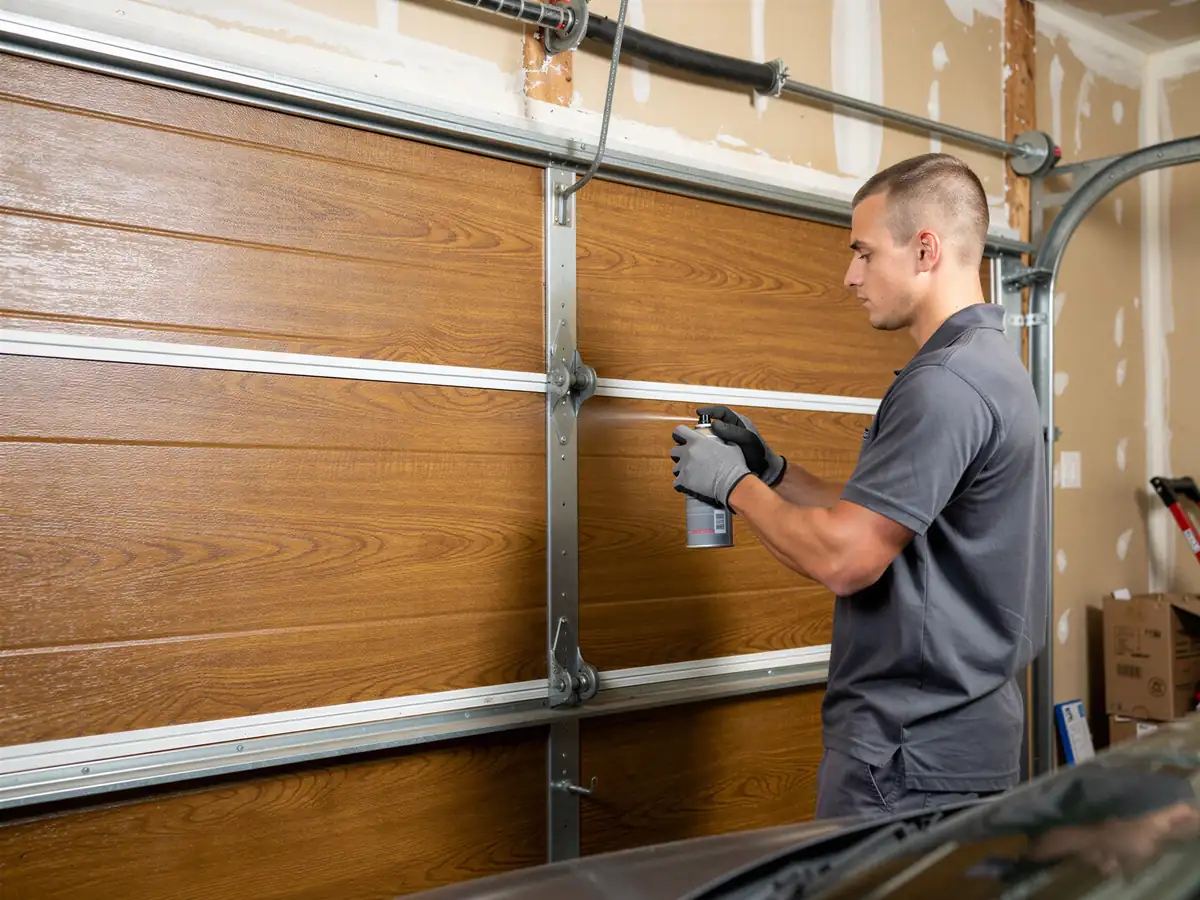
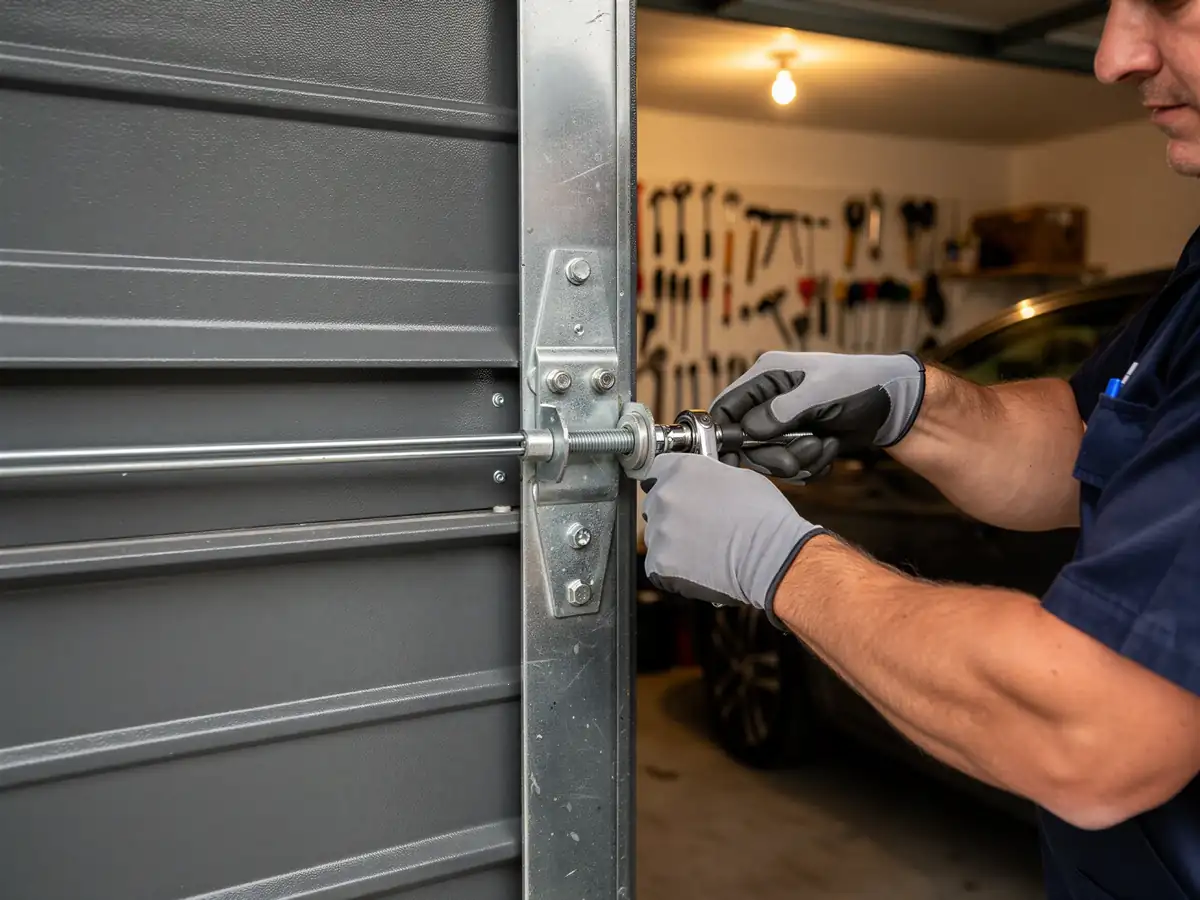
Extension springs under tension are not a weekend project, especially the older style without a containment cable running through the coil - if one lets go, it can put a loop of spring steel across a garage at speed. That's the honest limit here: we'll walk you through adjusting a chain or lubricating a track, but we won't talk anyone through pulling an extension spring off a 1950s drum. There's also a point where repair stops making sense. If the track is rusted through on a door with a wood frame already splitting at the seams, patching one part just moves the next failure down the road a few months. On a door this age, replacing the whole hardware set at once is often cheaper over time than three separate service calls for three separate parts.