Why This Fails Locally
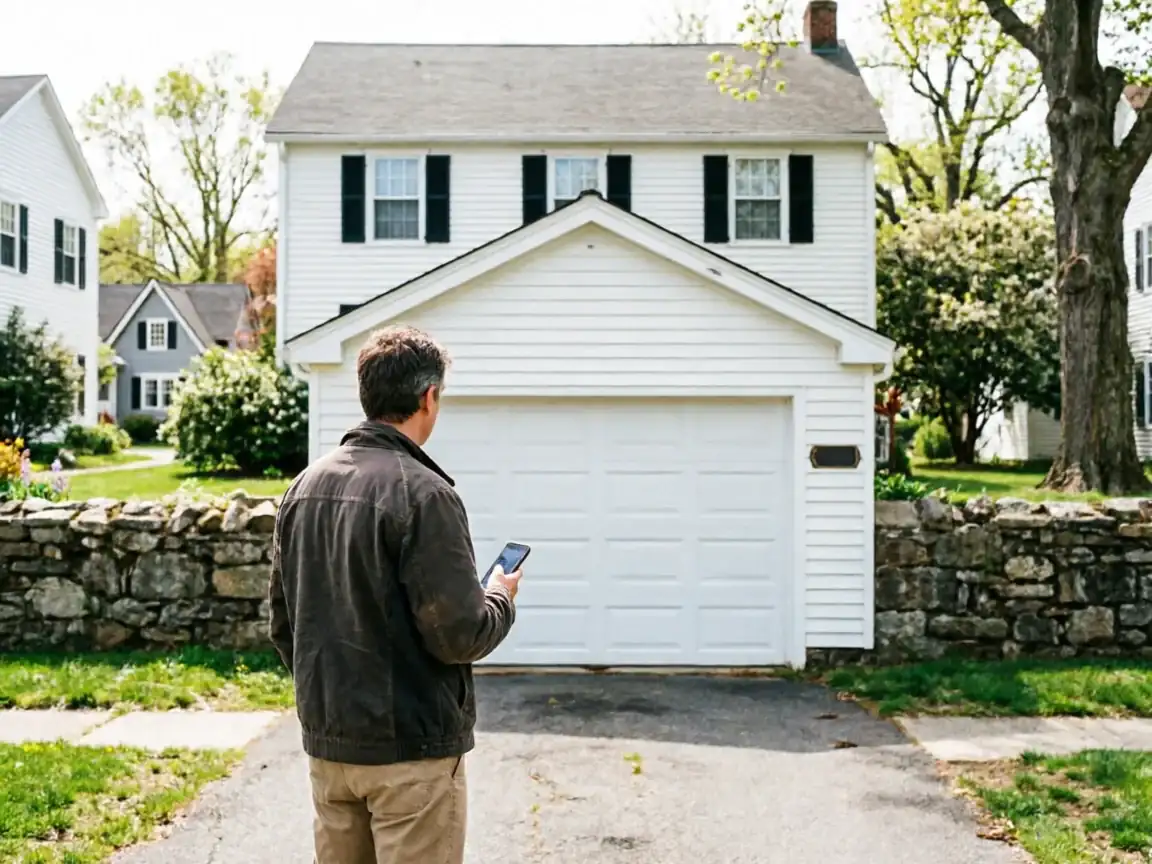
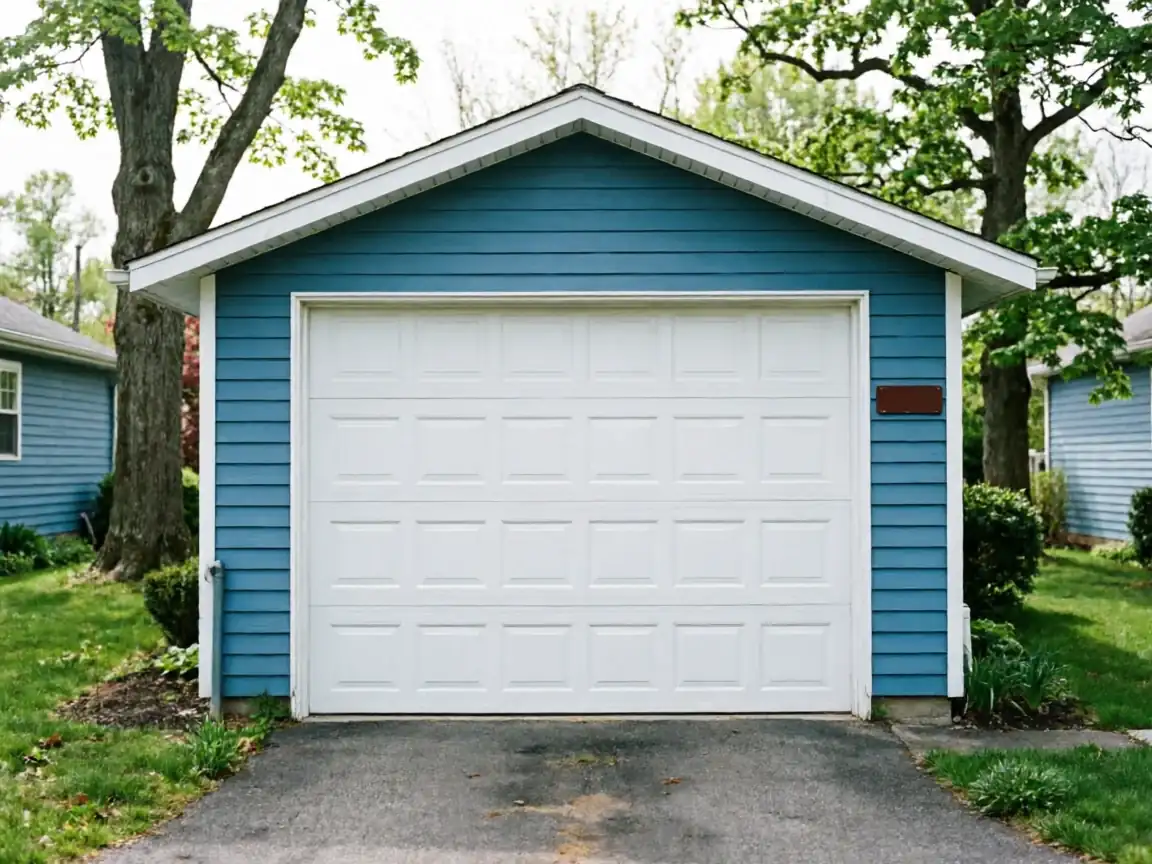
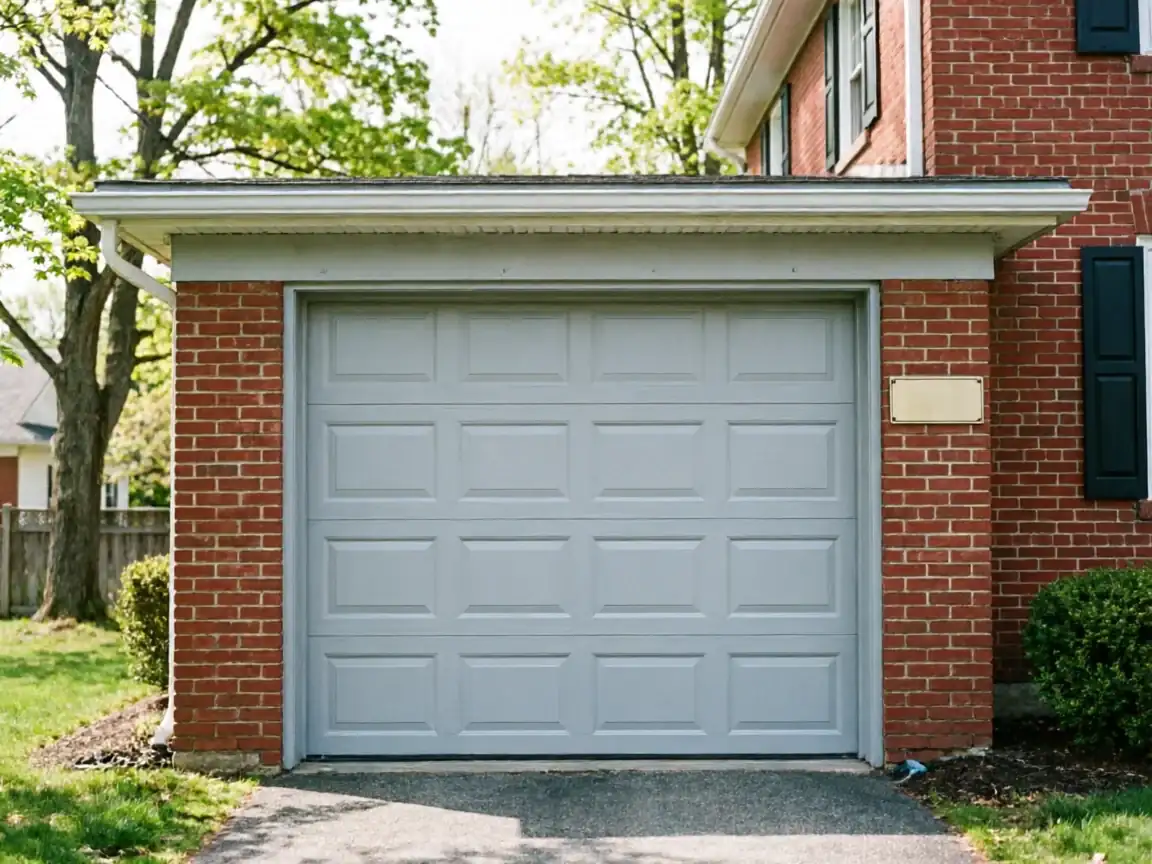
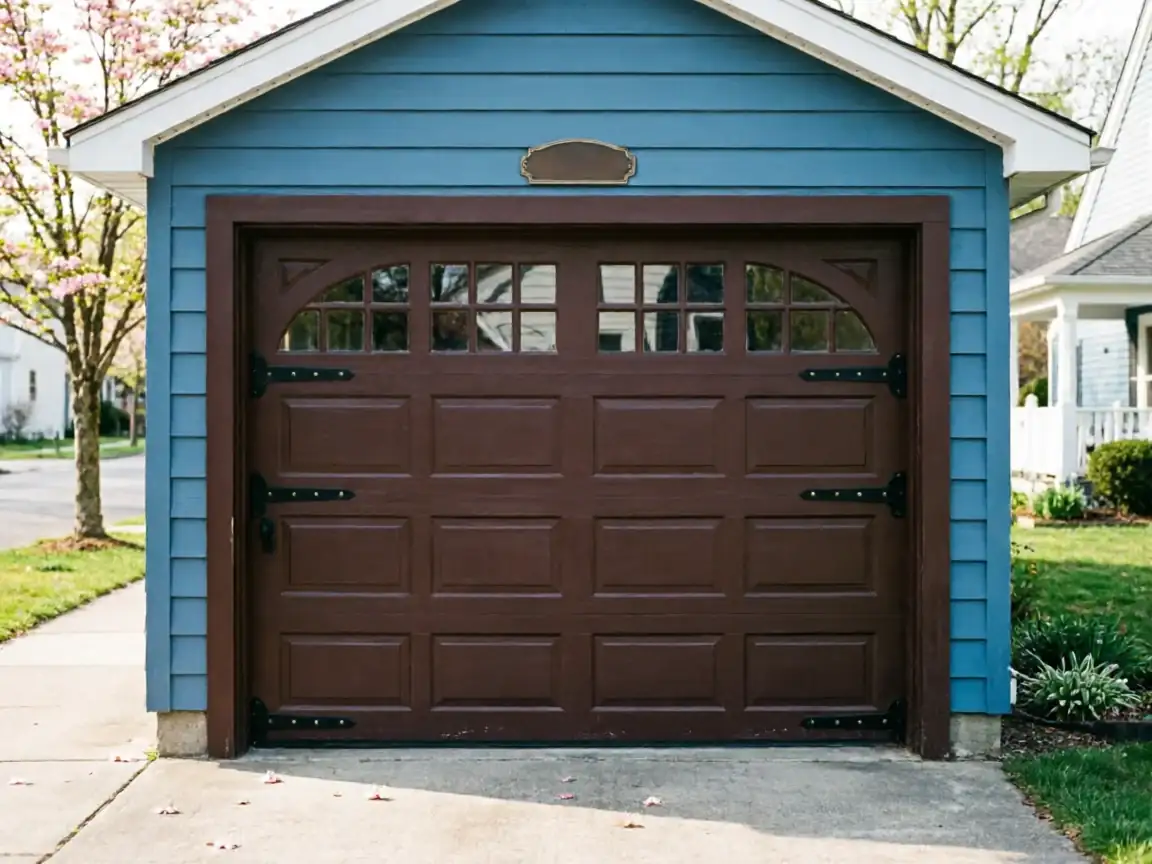
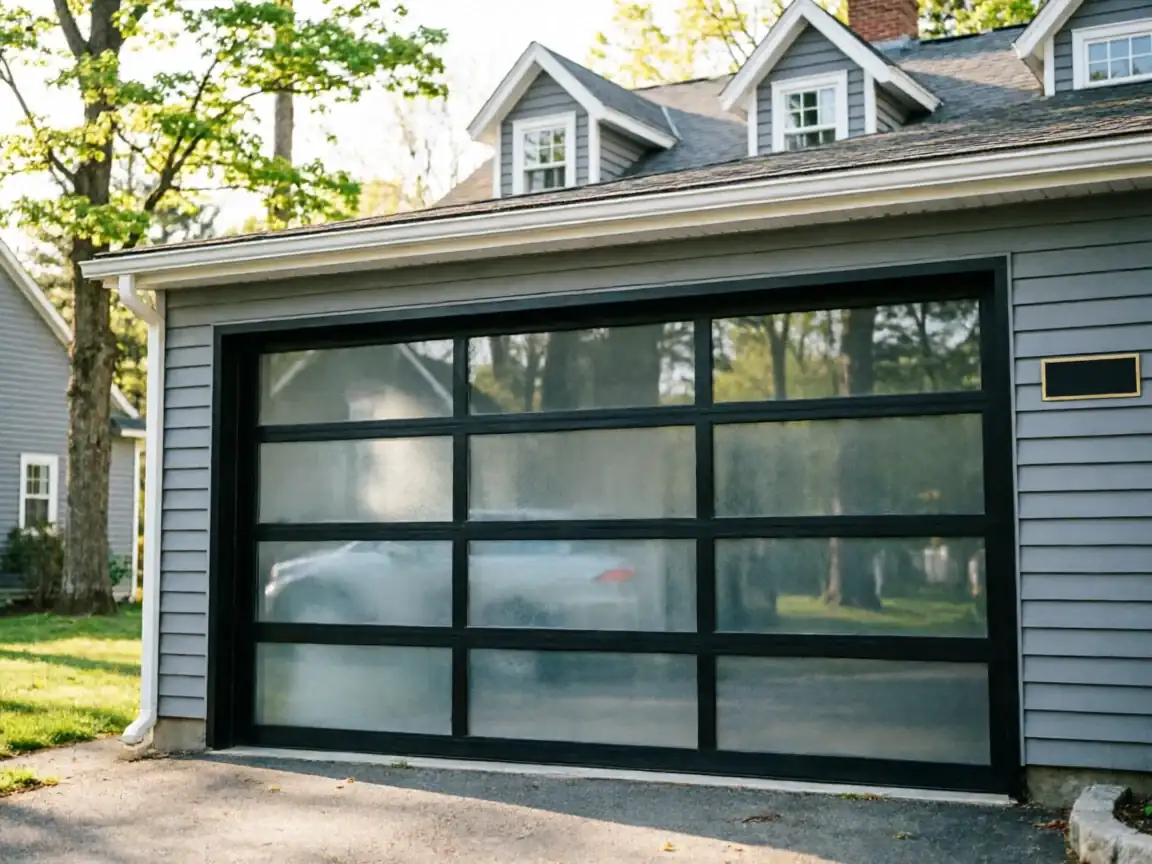
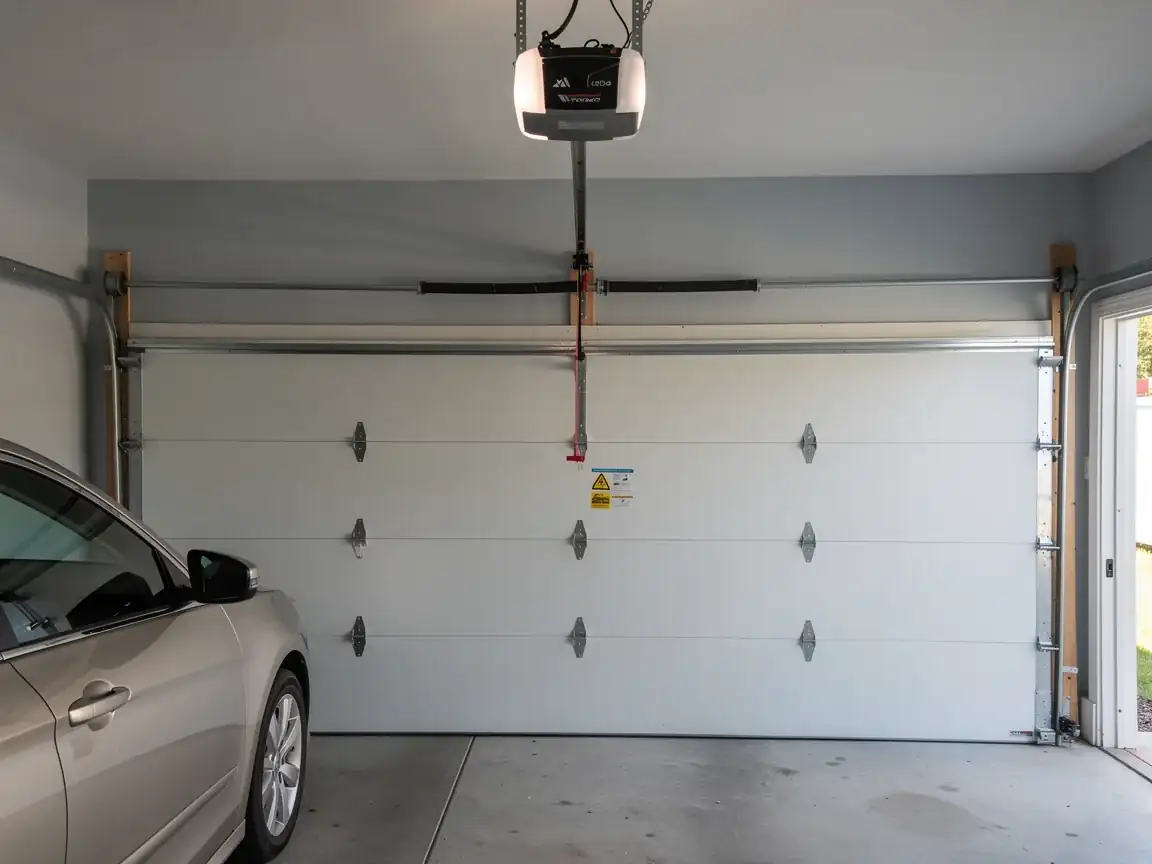
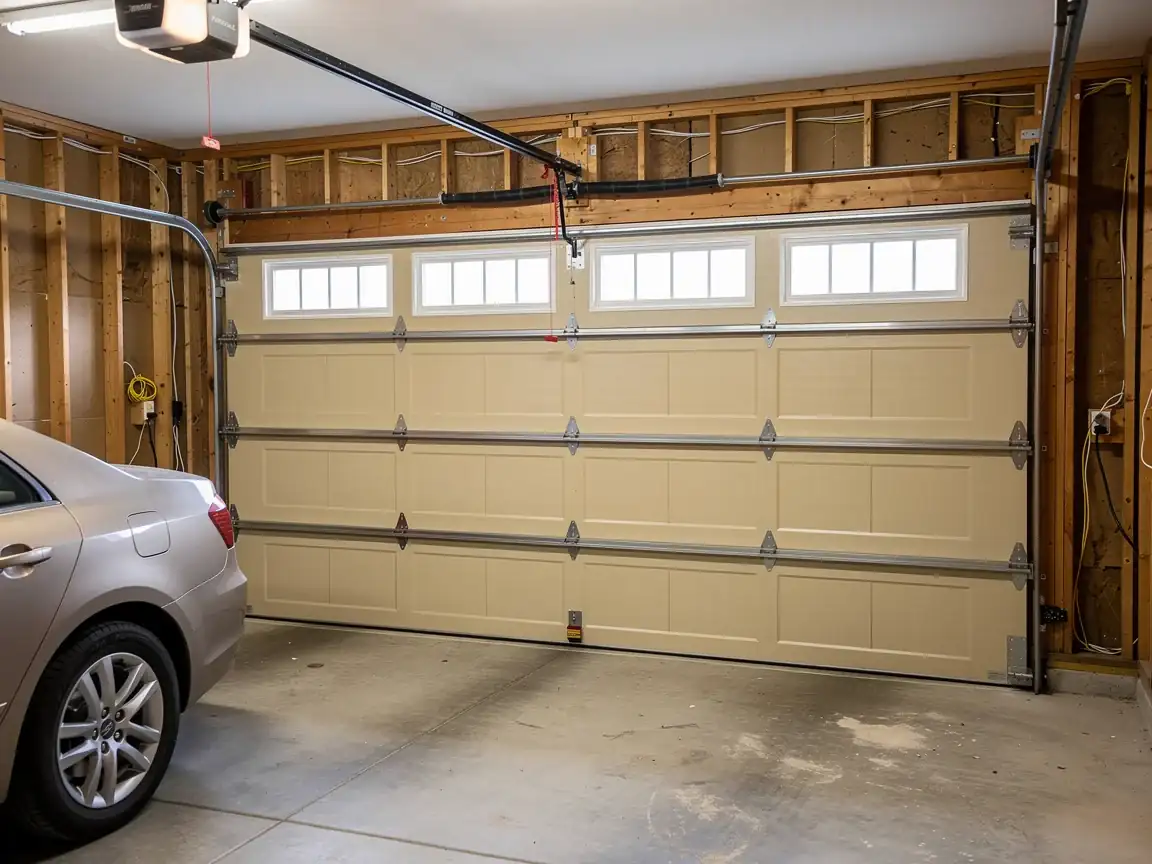
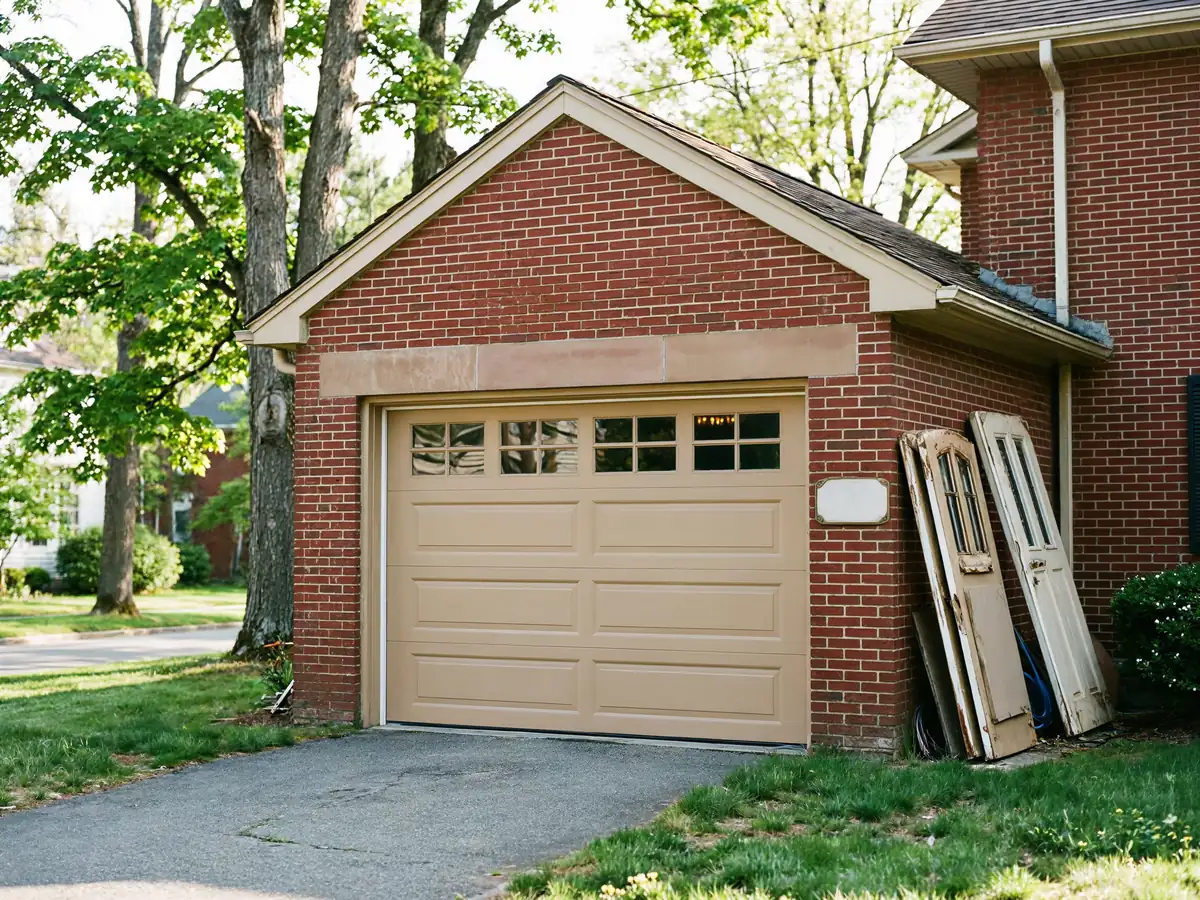
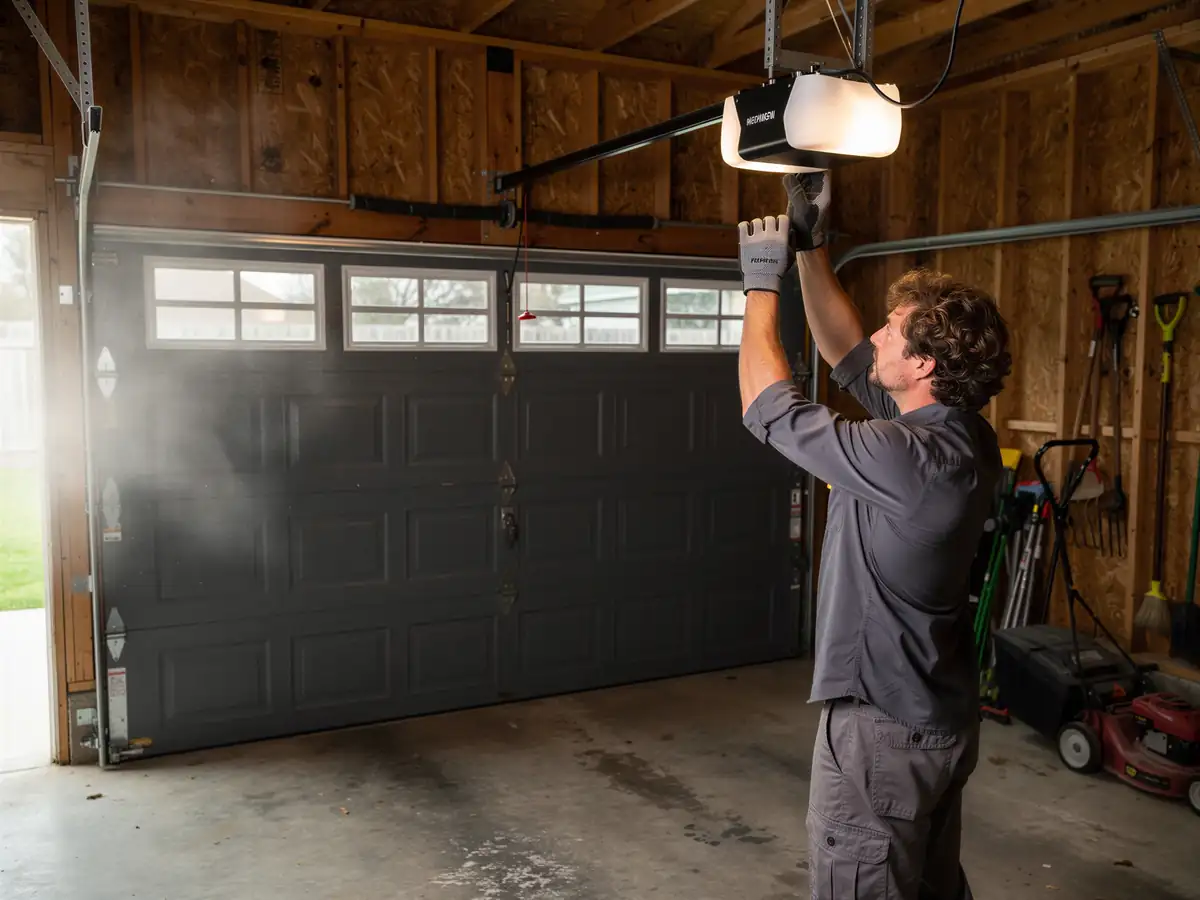
Glastonbury's housing stock as a whole centers on 1973, but Wethersfield skews older - median build year here lands around 1959. That gap matters more than it sounds like it should. A garage built in 1959 usually has a shorter, lower header above the door opening than one built in the 1970s, and the ceiling track clearance is tighter. Openers designed for a full 7-foot rail run into the joists before they're fully seated. We've also seen garages from this era where the original framing was never built to carry a center-mounted opener bracket at all - it was added later, sometimes poorly. Before we quote an install here, we look at header height and joist spacing, not just door size. Skip that step and you end up with a unit that's technically installed but vibrates the whole frame every time it runs. The fix isn't a better opener. It's matching the opener to a header that's fifteen years older than what the rest of the area averages. That's the first decision on every Wethersfield job, and it's the one that gets skipped when a installer treats this as just another Glastonbury-area address.
The Symptom
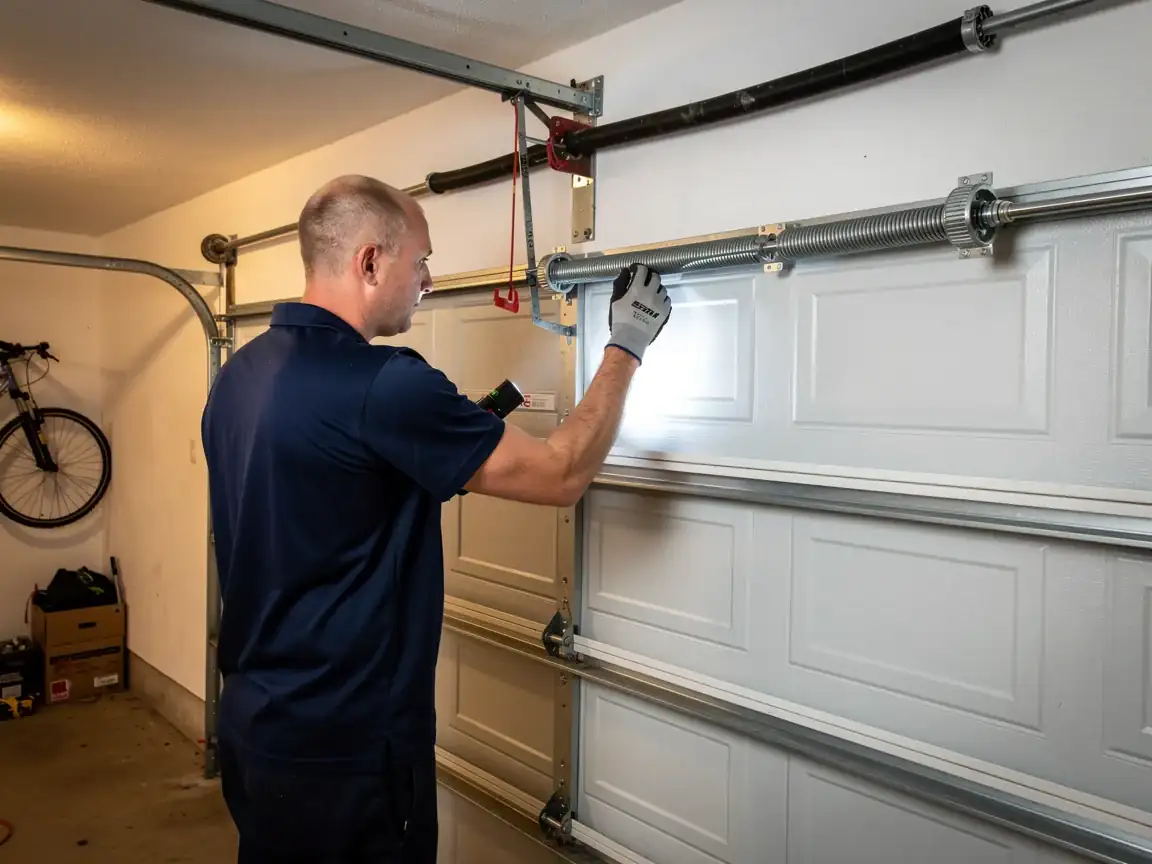
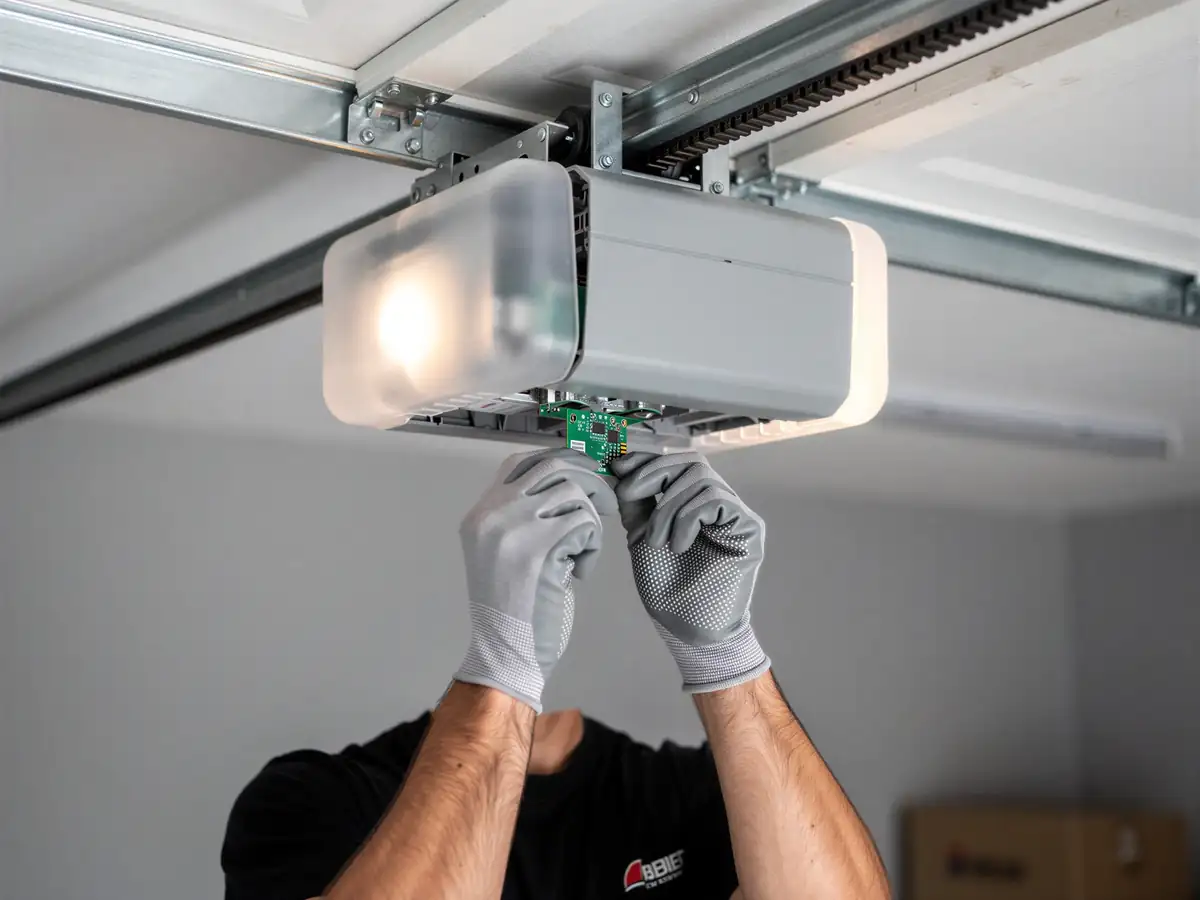
The complaint we hear most from this stretch isn't "my opener won't work." It's "it works, but it's loud, and the door shudders when it closes." On a house from this build era, that's usually the header flexing under a chain-drive unit it was never sized for, or a bracket lag-bolted into framing that's softened over sixty-plus years. Some owners also report the opener light flickering or the remote range being shorter than they'd expect - often tied to the same older electrical runs common in houses from this period, not the opener itself. We check the circuit before we touch the unit. In a climate zone that runs cold and severe, a garage that isn't sealed well also lets the opener's drive components see more temperature swing than a heated space would, which shortens belt and chain life faster than the owner expects. None of this is dramatic. It's small, cumulative wear that shows up as noise and hesitation long before it shows up as total failure.
What You Pay
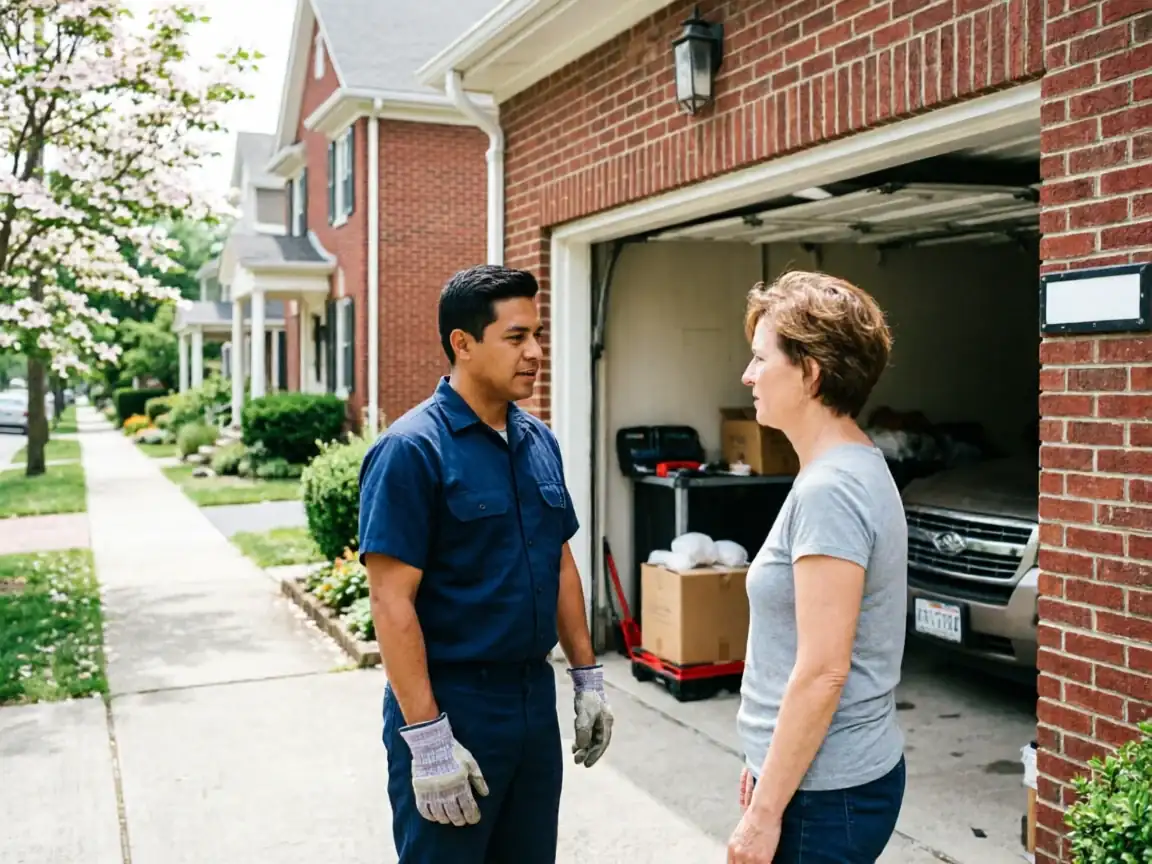
We don't have a published price list to hand you here, and we're not going to invent one. What we can tell you is that the bracket and header work common to older Wethersfield garages adds labor time beyond a stock swap, and that shows up on the invoice as a separate line, not folded into the opener price. Median household income in this area runs higher than the broader service-area figure, which doesn't change what we charge - it just means we're not the cheapest call you'll get, and we're not trying to be. We quote the job in front of us, not a number from a different house.
The DIY Question
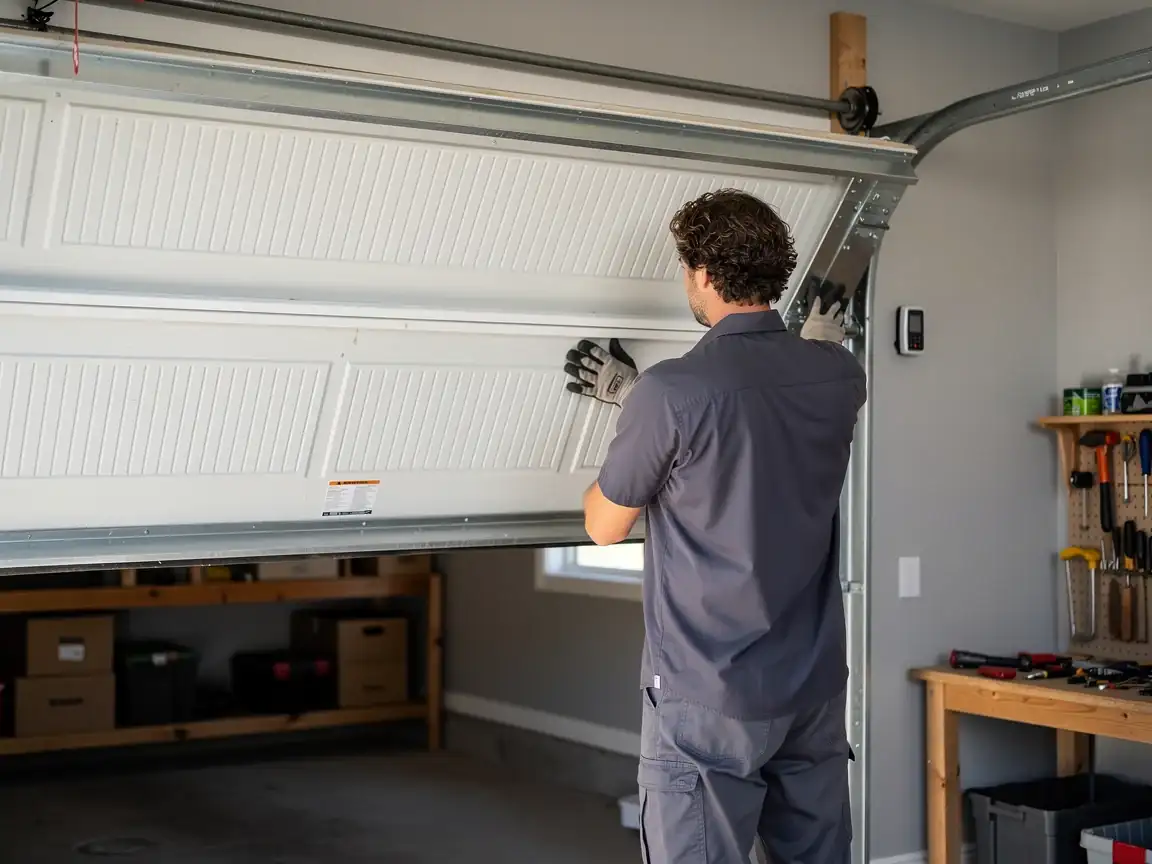
A box-store opener kit assumes a modern header and a rail path with no obstructions. On a garage from this period, that assumption fails more often than it holds. If you're set on doing it yourself, measure your header depth and joist spacing before you buy - not after. We won't talk anyone out of a DIY install on principle. We will say that reinforcing a header after a bracket has already pulled loose costs more than doing it right the first time, and that's the repair call we get most often from owners who went the kit route on an older garage.