Why This Fails Locally
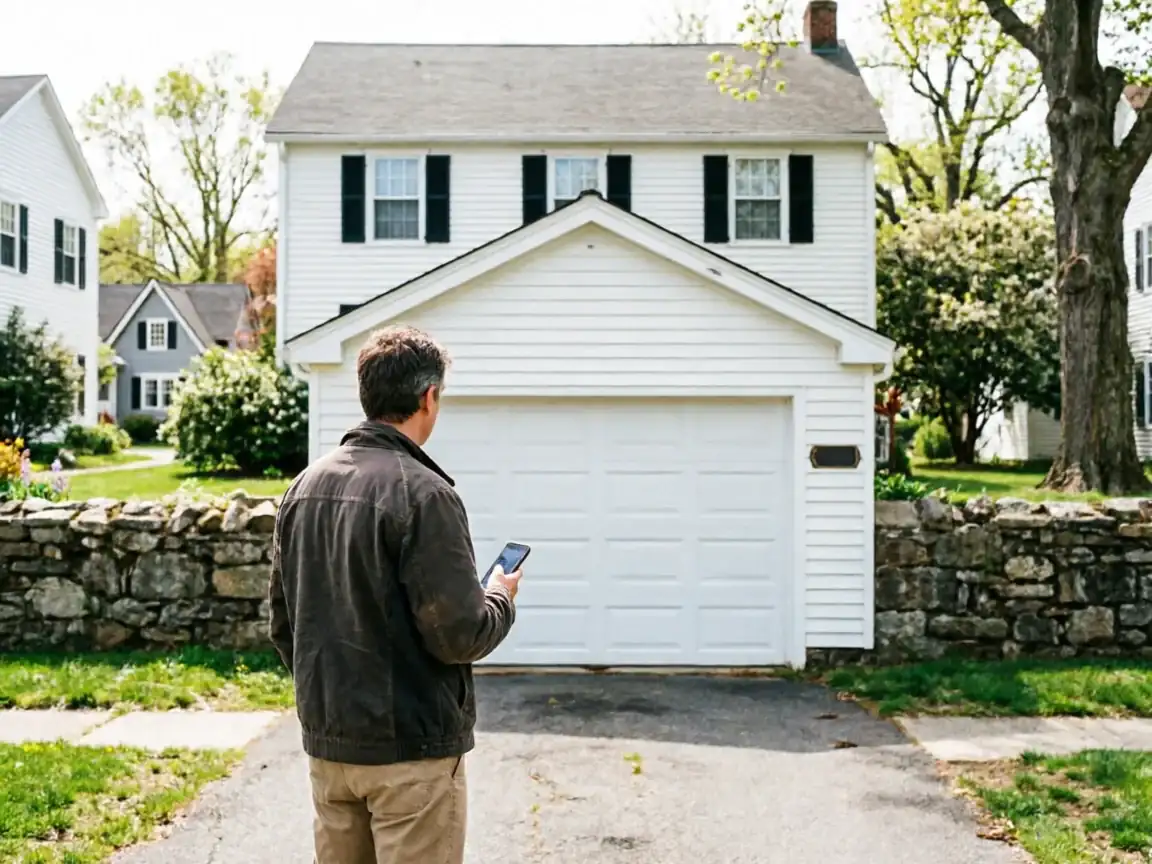
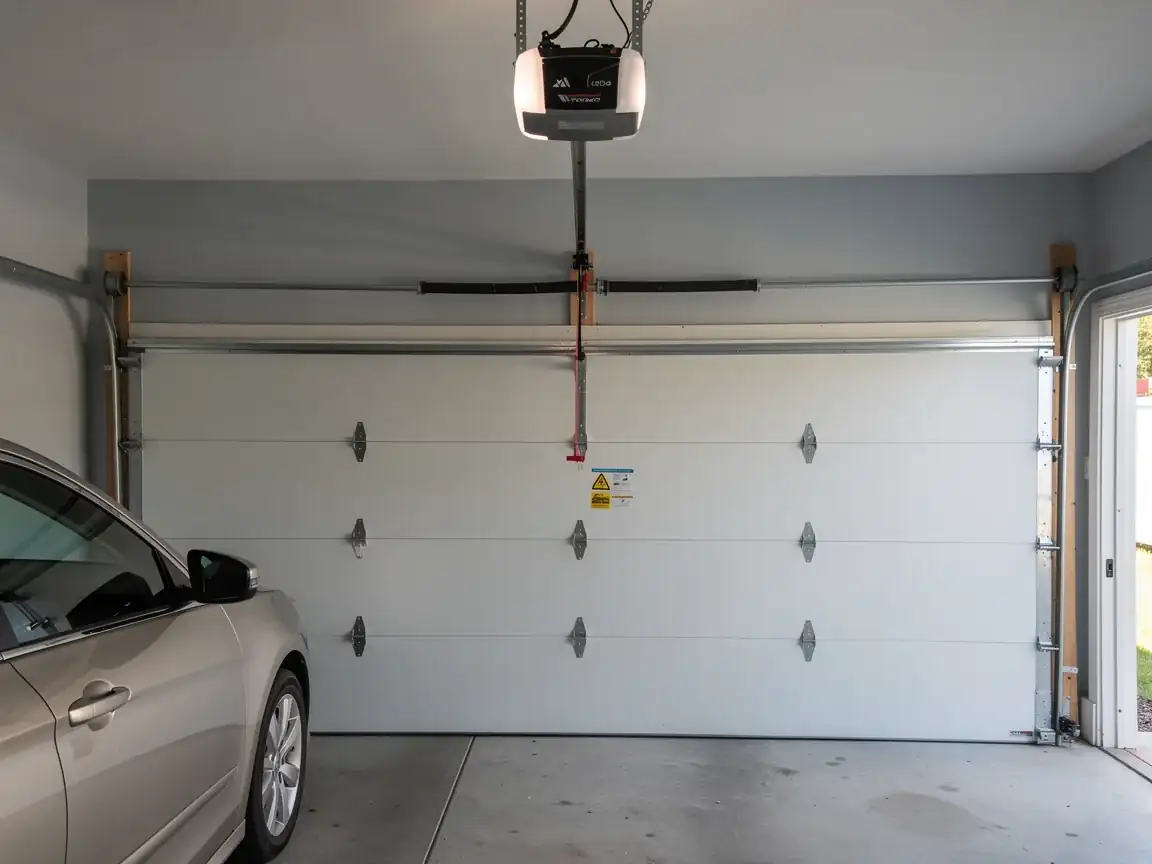
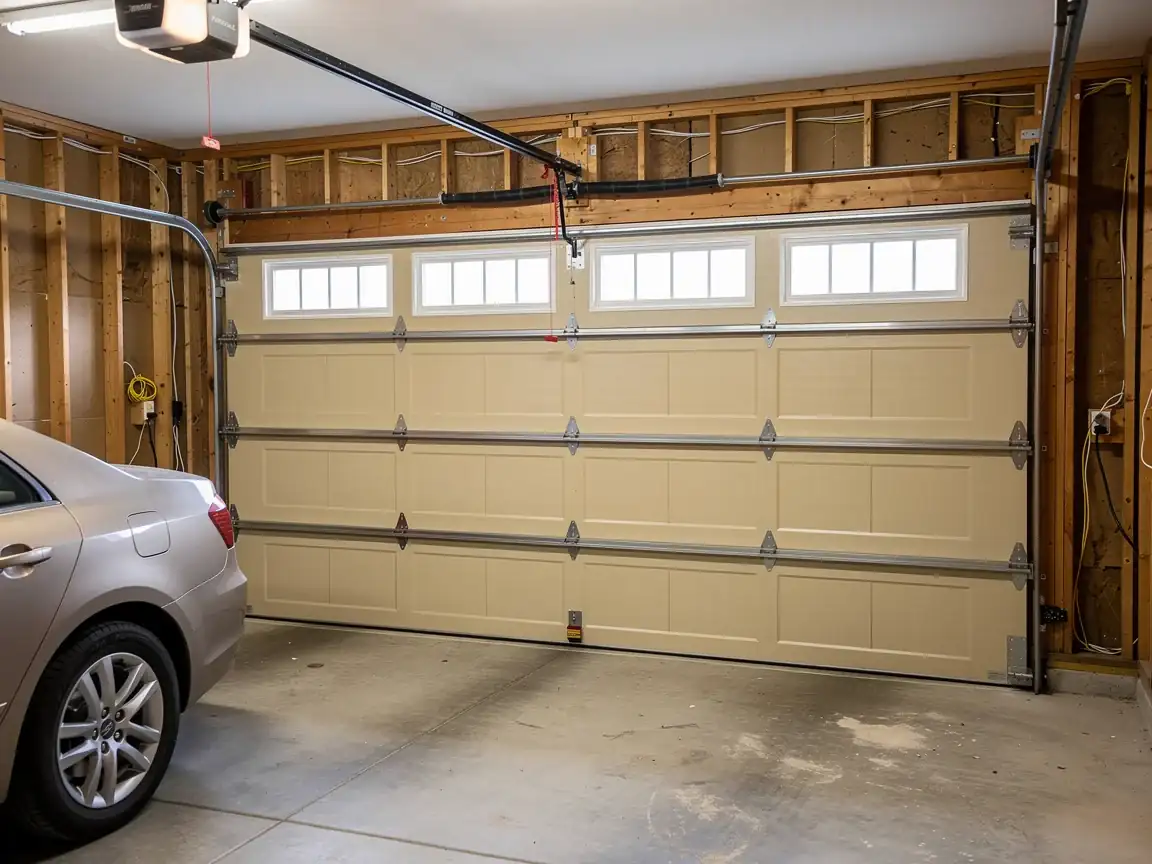
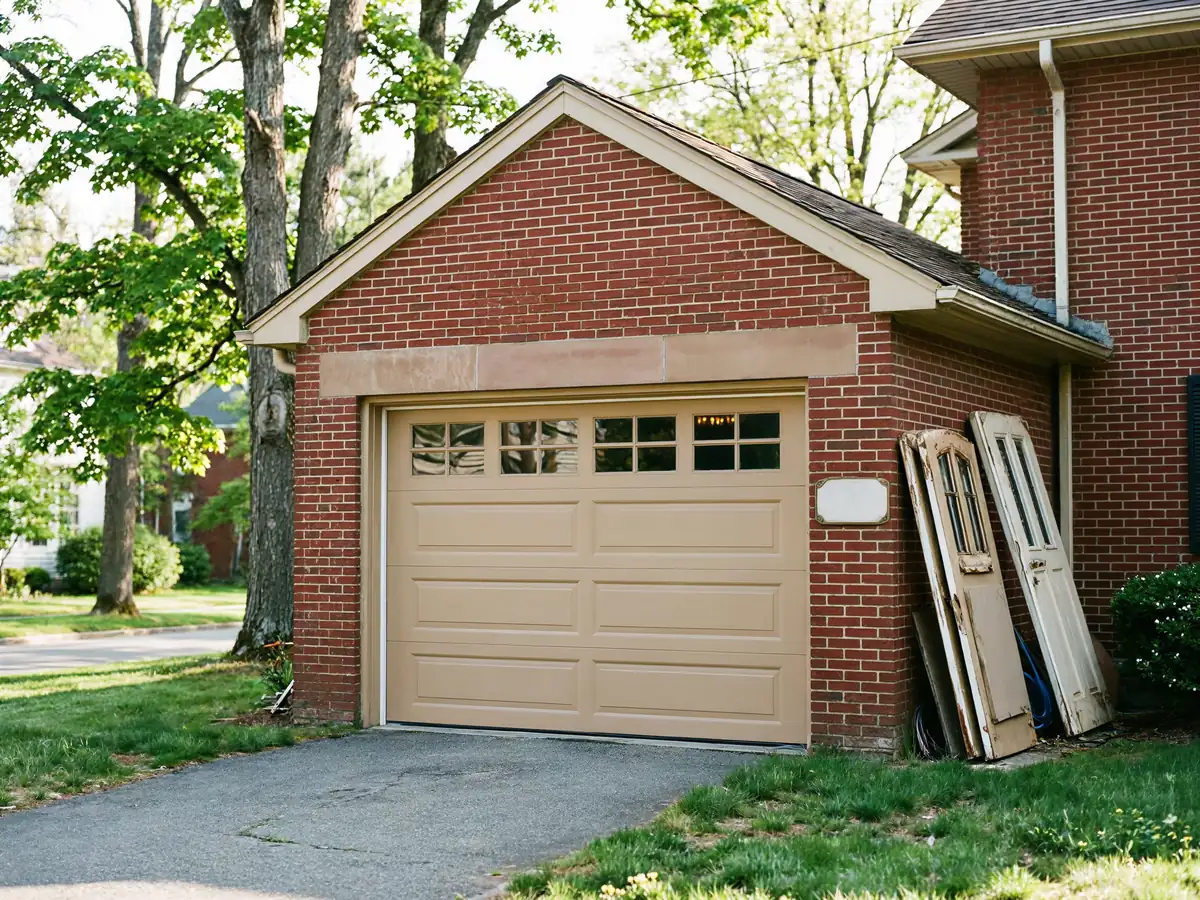
Wethersfield's housing stock centers on 1959, which puts most garages here a full decade or more ahead of the broader Glastonbury service area's median of 1973. That gap matters because a door installed in 1959 was almost never replaced wholesale - homeowners patched what broke and left the rest. So the panel sections you see today are frequently original steel, original seams, original fasteners, paired with an opener and springs that got swapped out sometime in the 80s or 90s. The result is a door that's a mix of generations, and a panel order that has to account for a track width and section height that newer doors don't use. With 11,333 households in town and a median income of $118,523, we see plenty of owners who'd rather replace one damaged section cleanly than pay for a full door they don't need yet. That only works if the existing panel dimensions and hinge spacing get measured against what's actually on the house, not assumed from a catalog number.
The Symptom
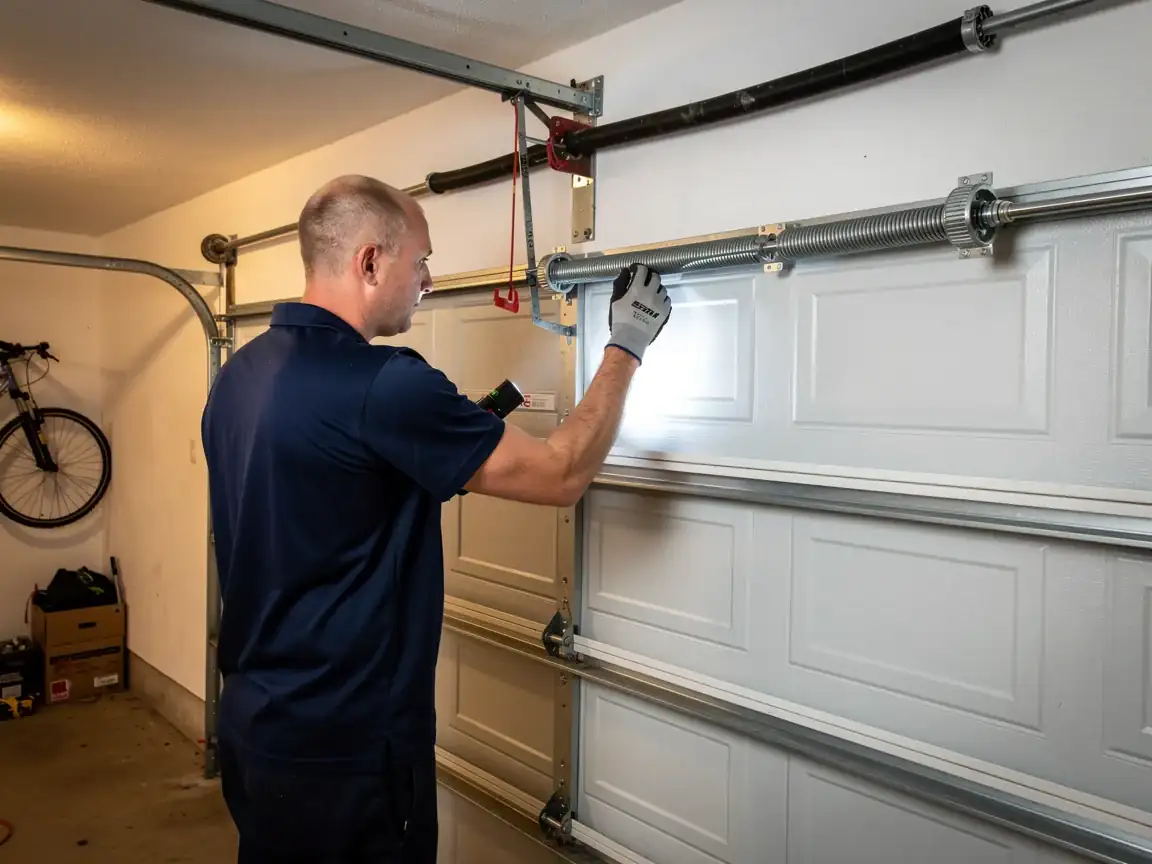
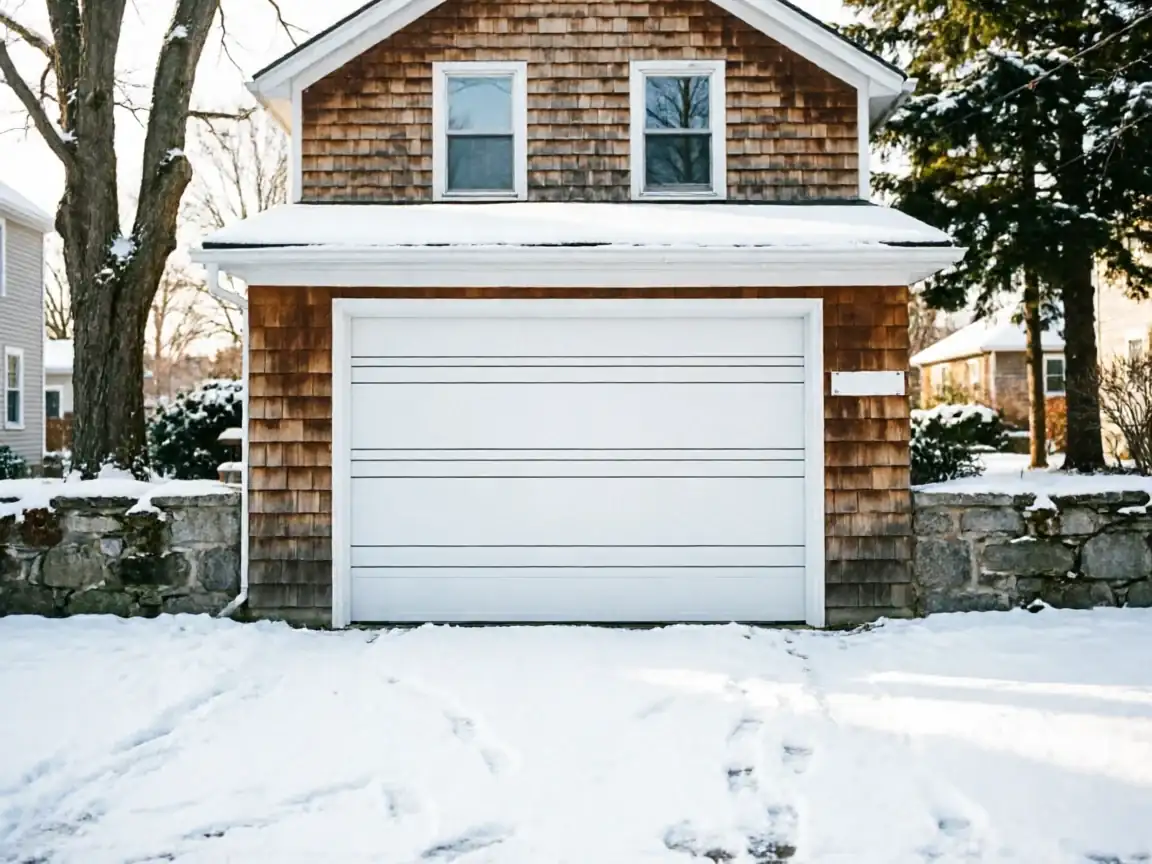
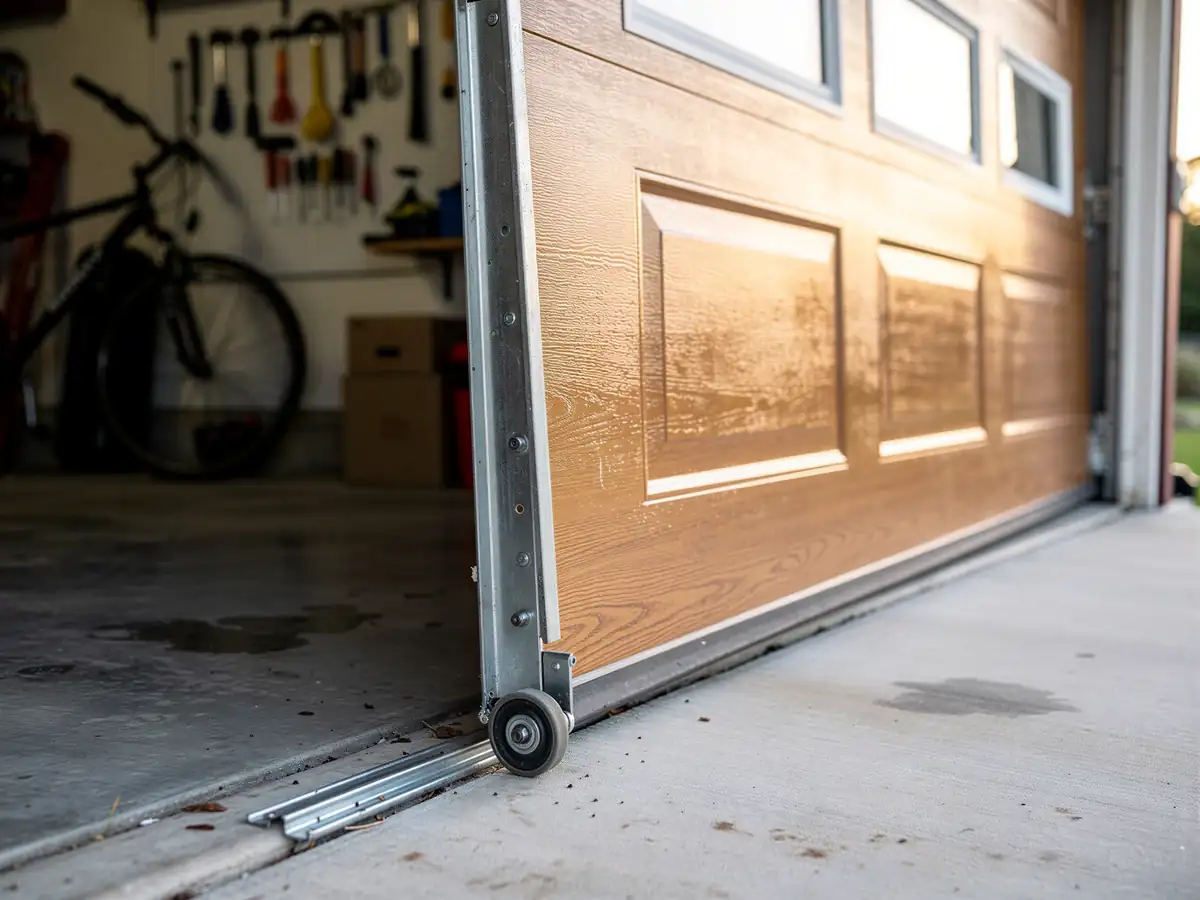
The giveaway on a 1959-era door is usually a dent or rust-through on the bottom panel first - that's the section that takes the brunt of road salt kicked up off a cold winter driveway and gets hit by bikes, mowers, and car bumpers over sixty-plus years. You'll see the panel bowing inward at the bottom corners, or the paint cracking along a seam that was never meant to flex that much. On doors this old, a single cracked panel can also throw off the whole door's balance, because the original hardware wasn't engineered with today's lighter composite panels in mind. If the door drags or binds on one side when it opens, that's often the panel's frame deforming, not the opener.
What You Pay
We don't have a flat number to quote you here, because panel cost swings hard depending on whether we're sourcing a match for a 1959 groove pattern or installing a current-production panel that fits without modification. What we can tell you is that in a town where the median household income runs $118,523, we see owners split fairly evenly between paying for an exact match to keep the door's look consistent, and opting for a slightly different modern panel that costs less and installs faster. Either way, the quote reflects your door, not a generic one. If you want a number before we're on-site, send us the door's measurements and we'll be straight with you about what's realistic.
The DIY Question
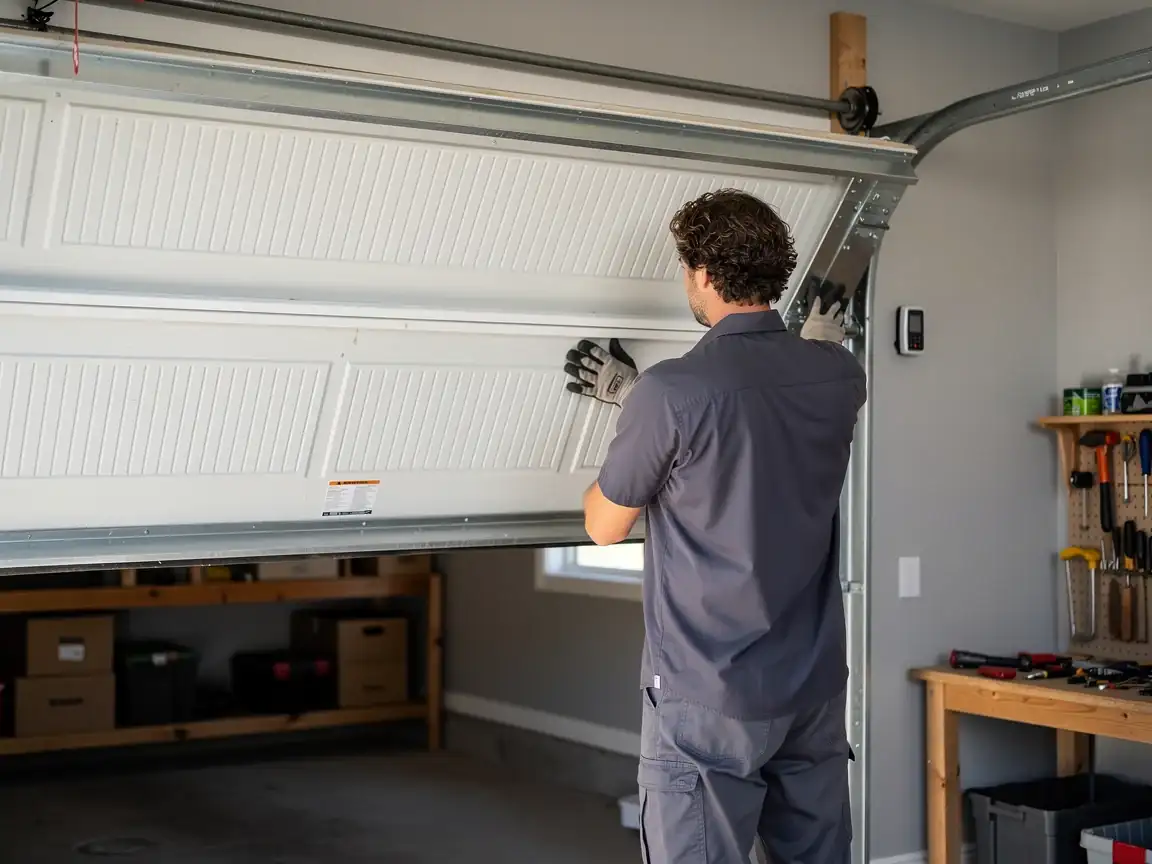
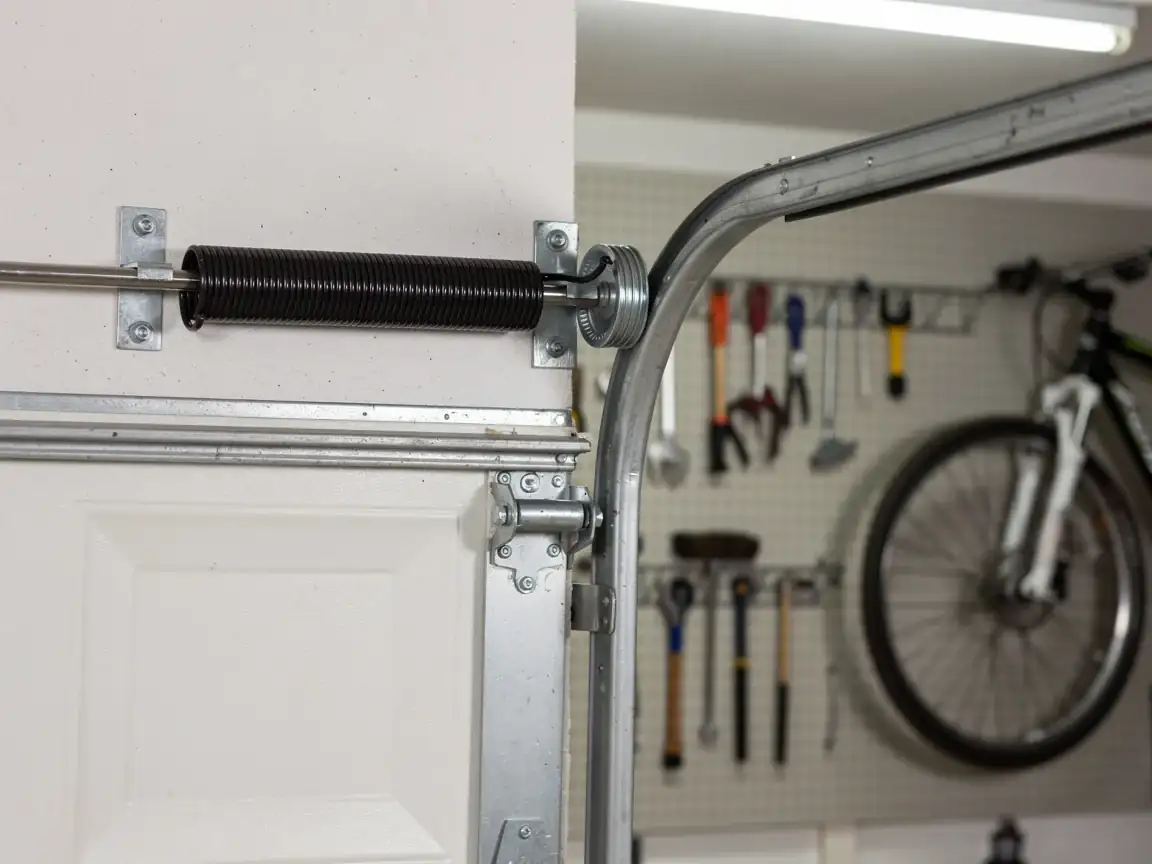
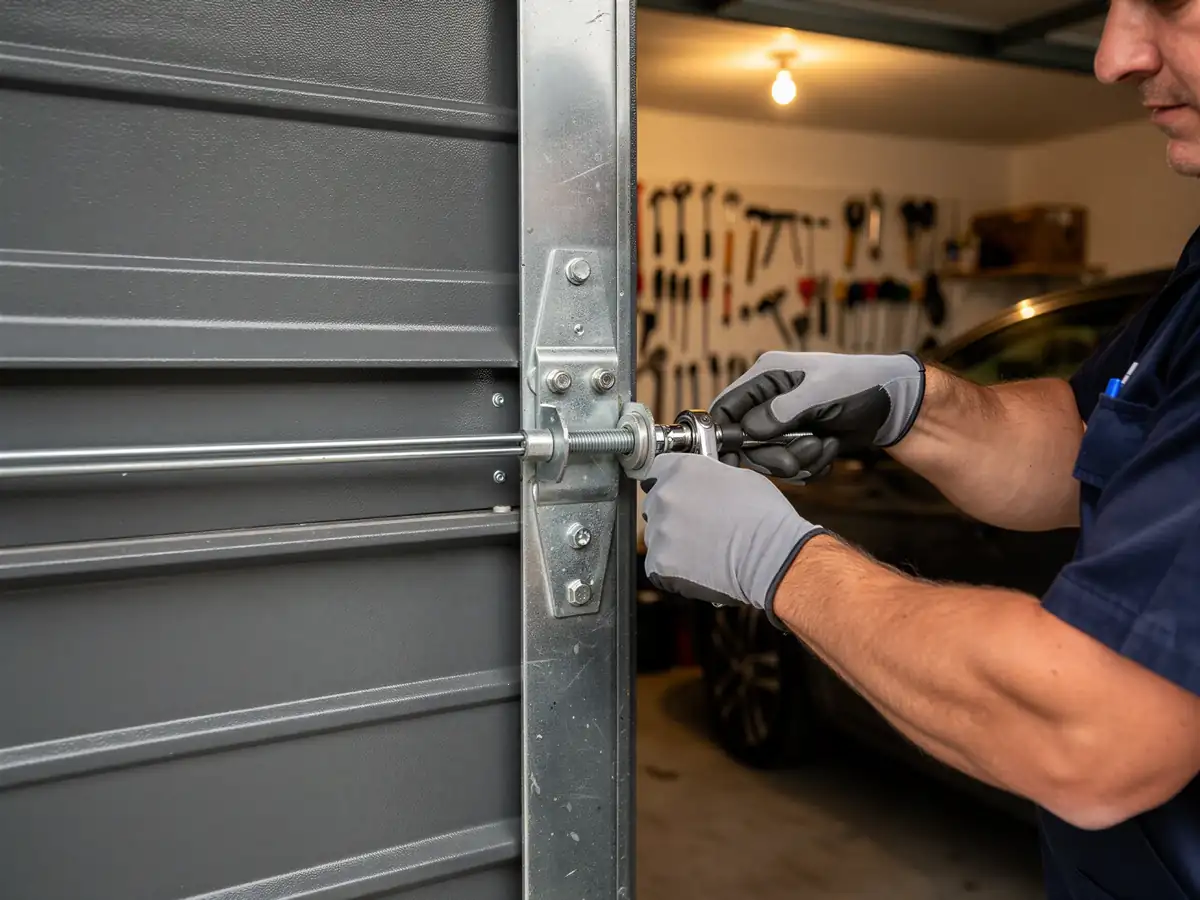
Ordering a replacement panel online and bolting it in yourself sounds simple until you're staring at hinge holes that don't line up, because the spacing on a 1959 door often isn't what a modern panel kit assumes. We've seen owners get most of the way through a swap and then find the new panel sits proud of the old ones by a quarter inch, which throws the whole door's seal off. If your door is still largely original hardware, that's the honest limitation: matching an exact panel yourself is a real risk, and a mismatched one can strain the rest of the door's springs and track. A full-door replacement is sometimes the better call once more than one panel's involved.