Why This Fails Locally
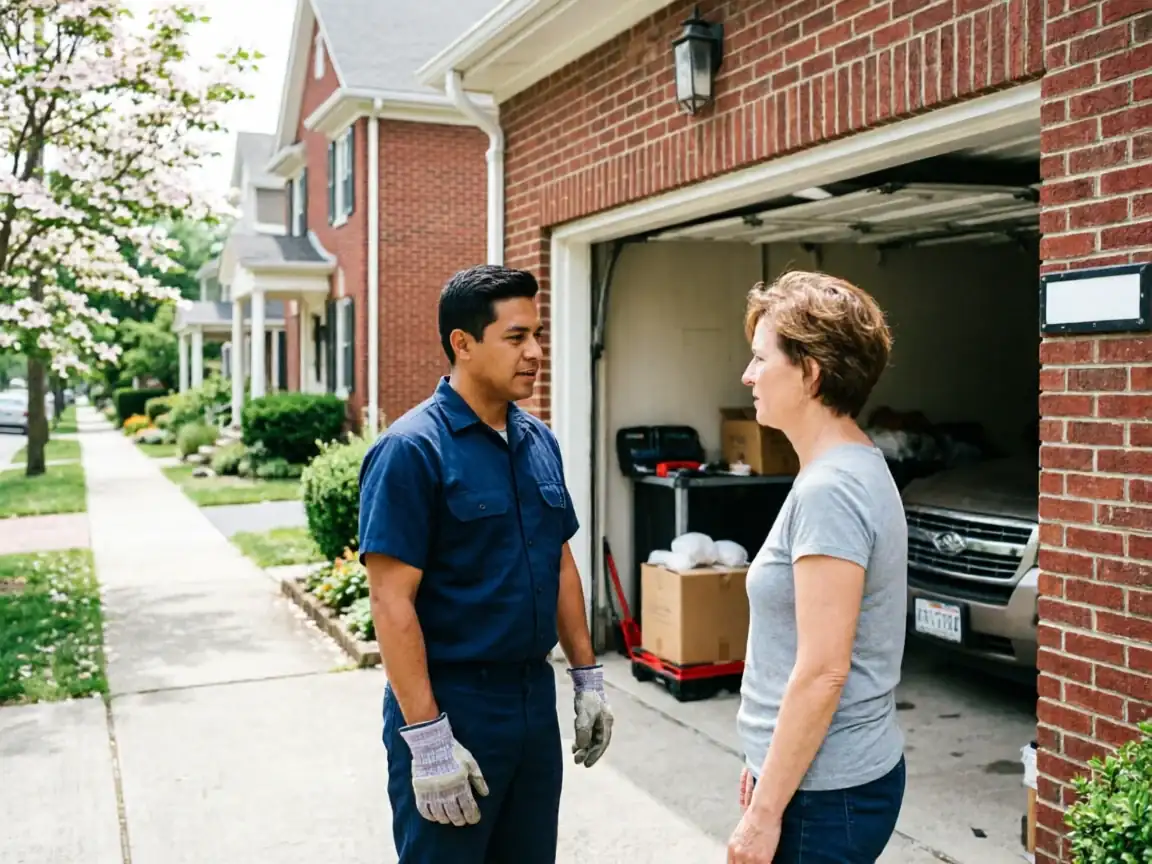
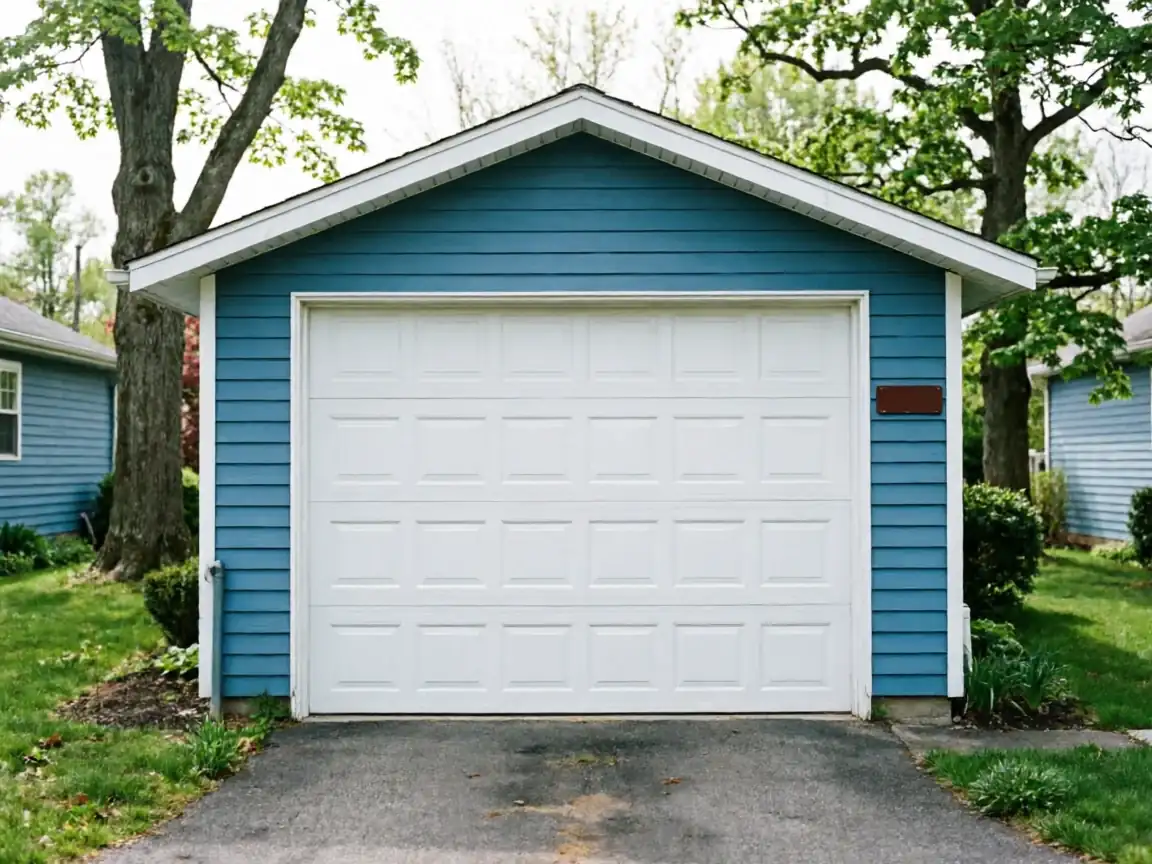
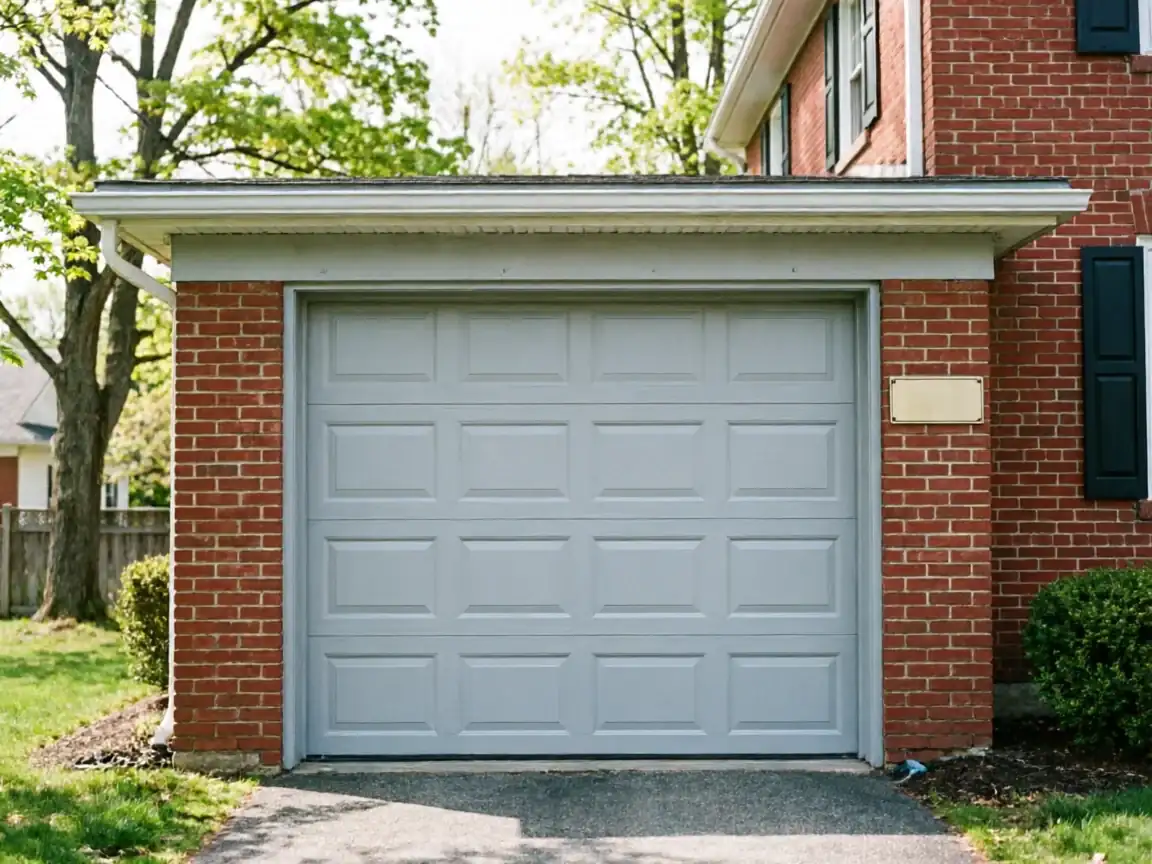
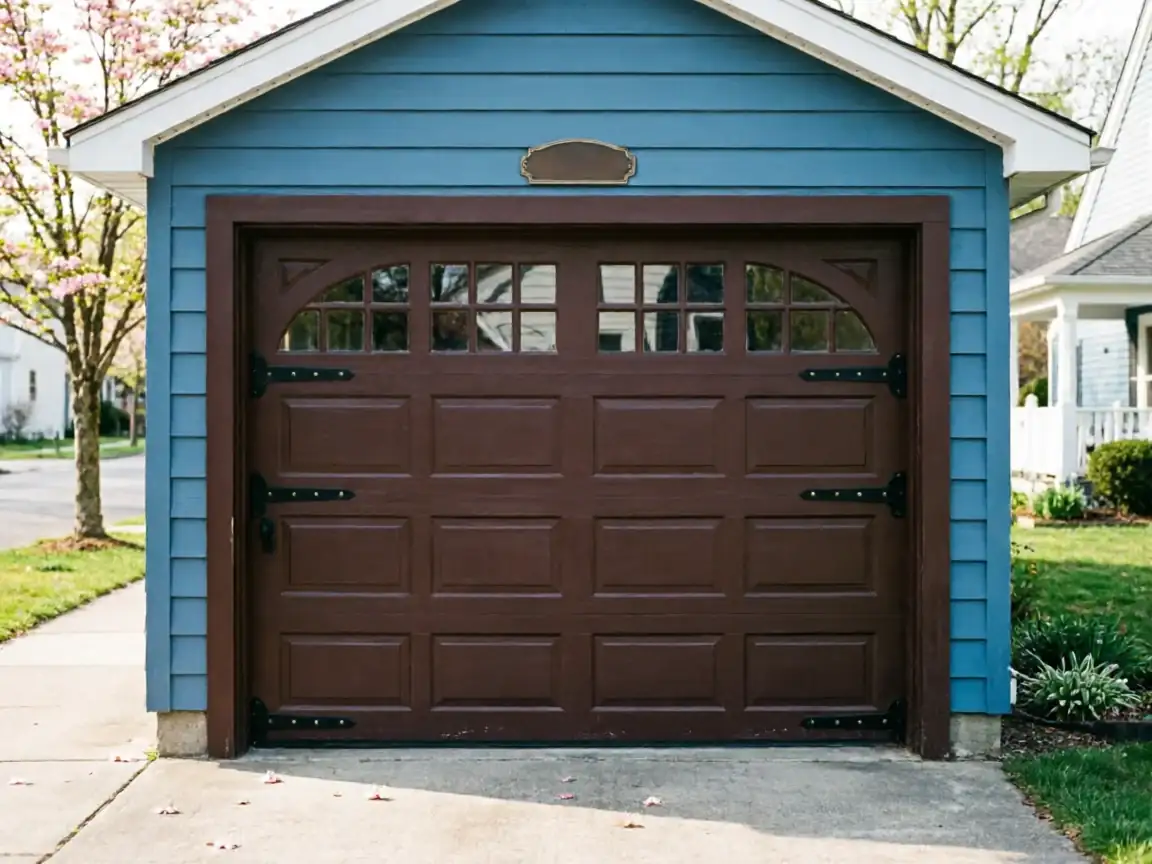
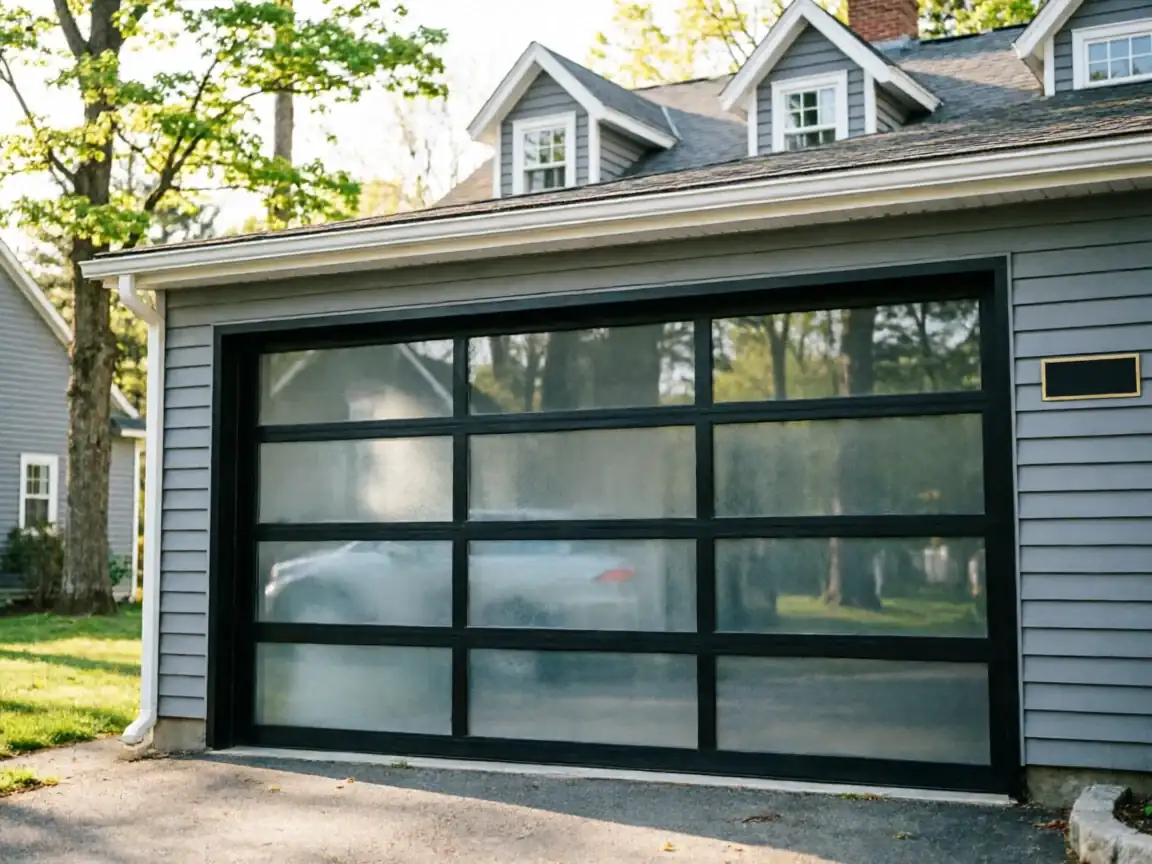
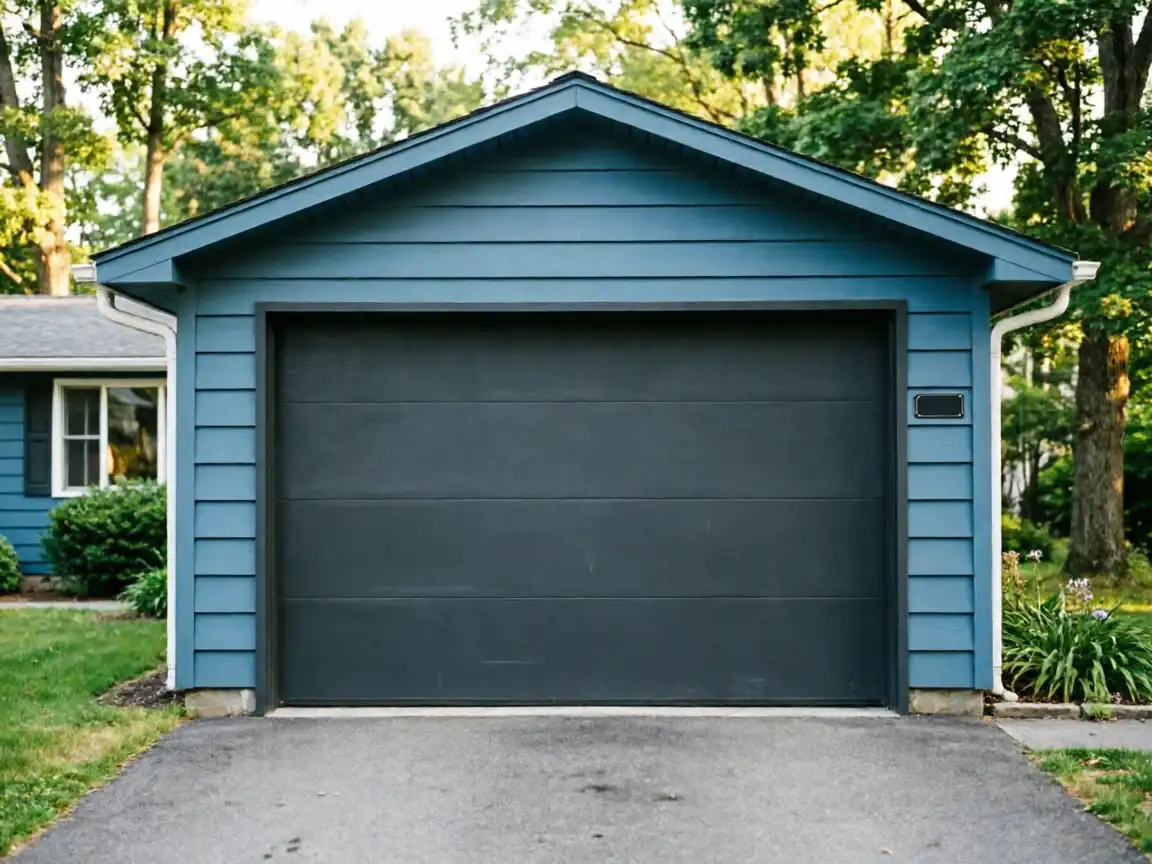
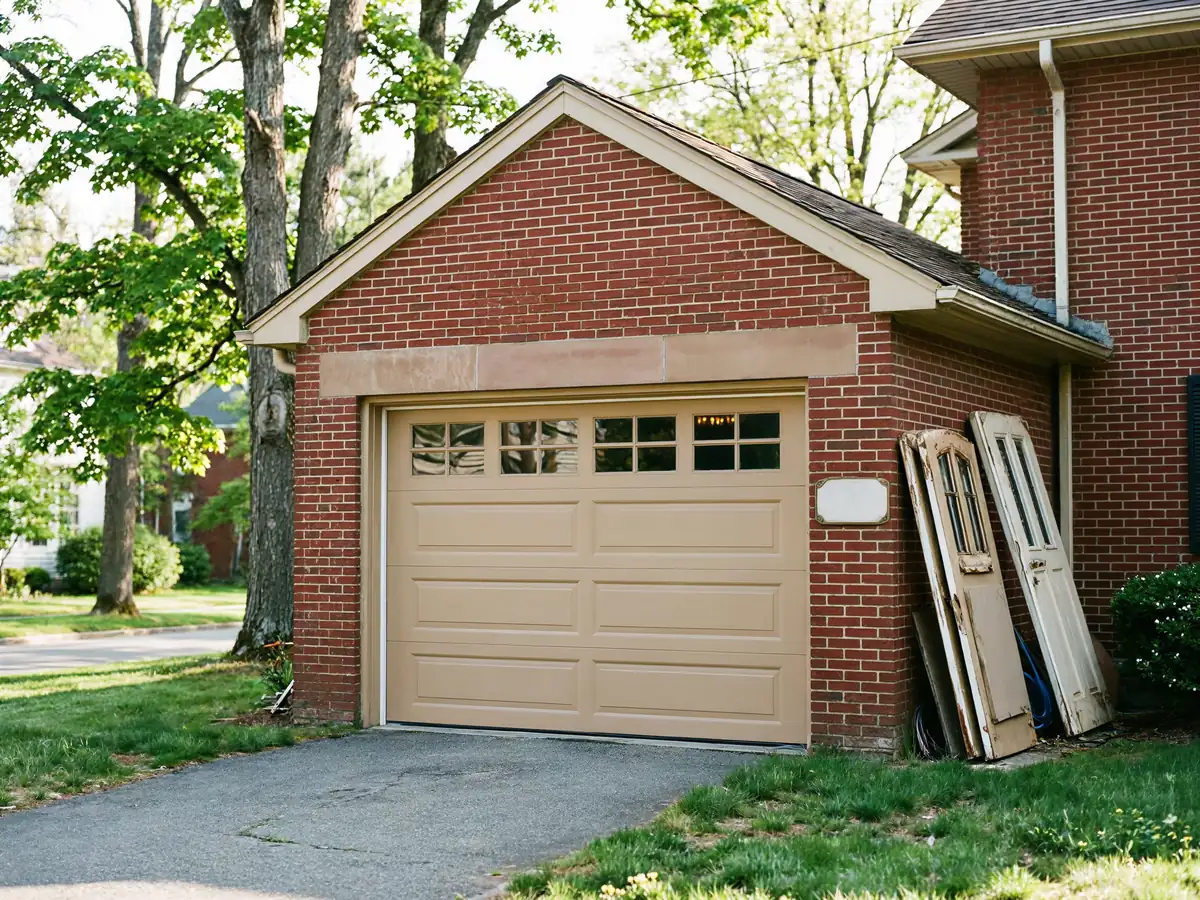
Wethersfield is a small town as these things go, 11,333 households total, and that matters for what kind of maintenance calls come out of it. A town this size doesn't have a lot of new construction mixed in to dilute the pattern. The housing here mostly dates to around 1959, which puts a large share of these garage doors and their openers well past the point where factory lubrication and original hardware tolerances still do their job. A bigger, newer suburb would show a mix of ages and failure types. Here, the failures cluster: dried-out rollers, torsion springs that have cycled tens of thousands of times since Eisenhower was president, and track brackets that were fine for a lighter door than the one hanging on them now after a panel swap decades back. We drive the 3 miles over from Glastonbury for these jobs regularly enough to know the pattern isn't random. It's the age of the stock talking.
The Symptom
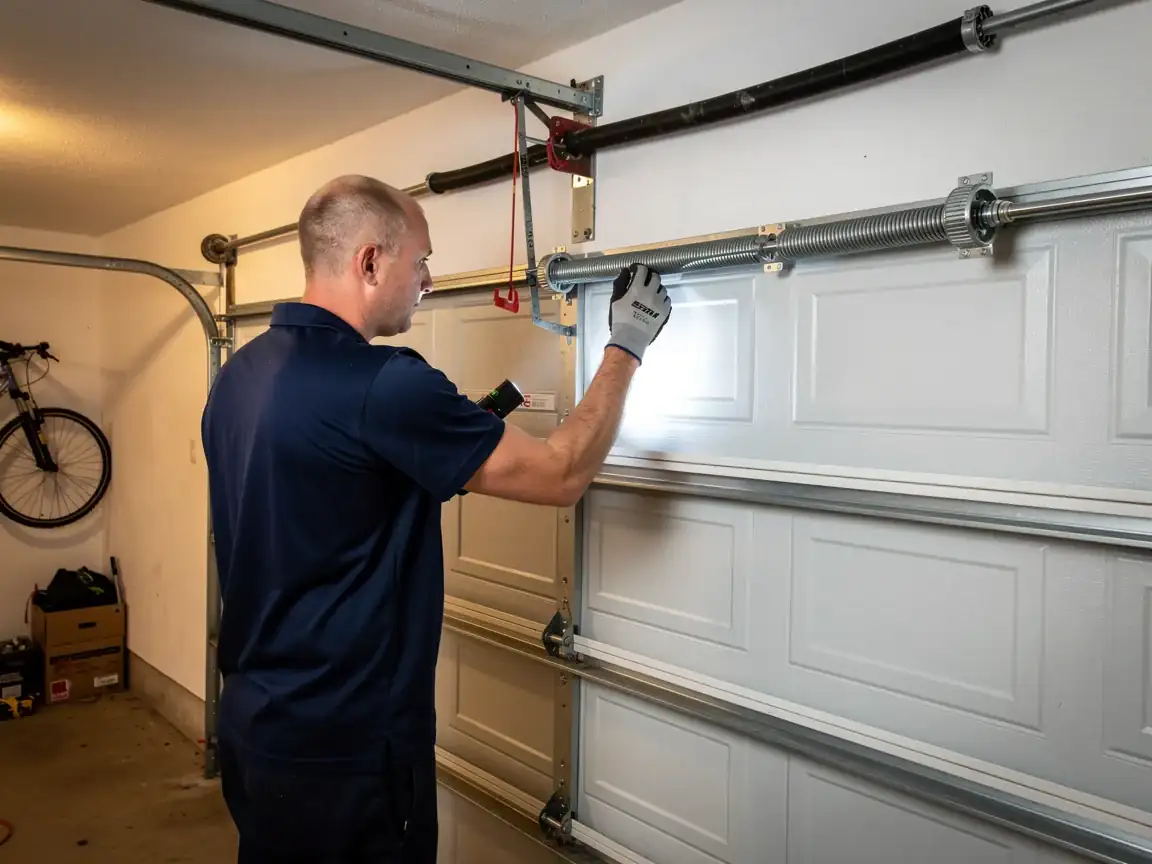
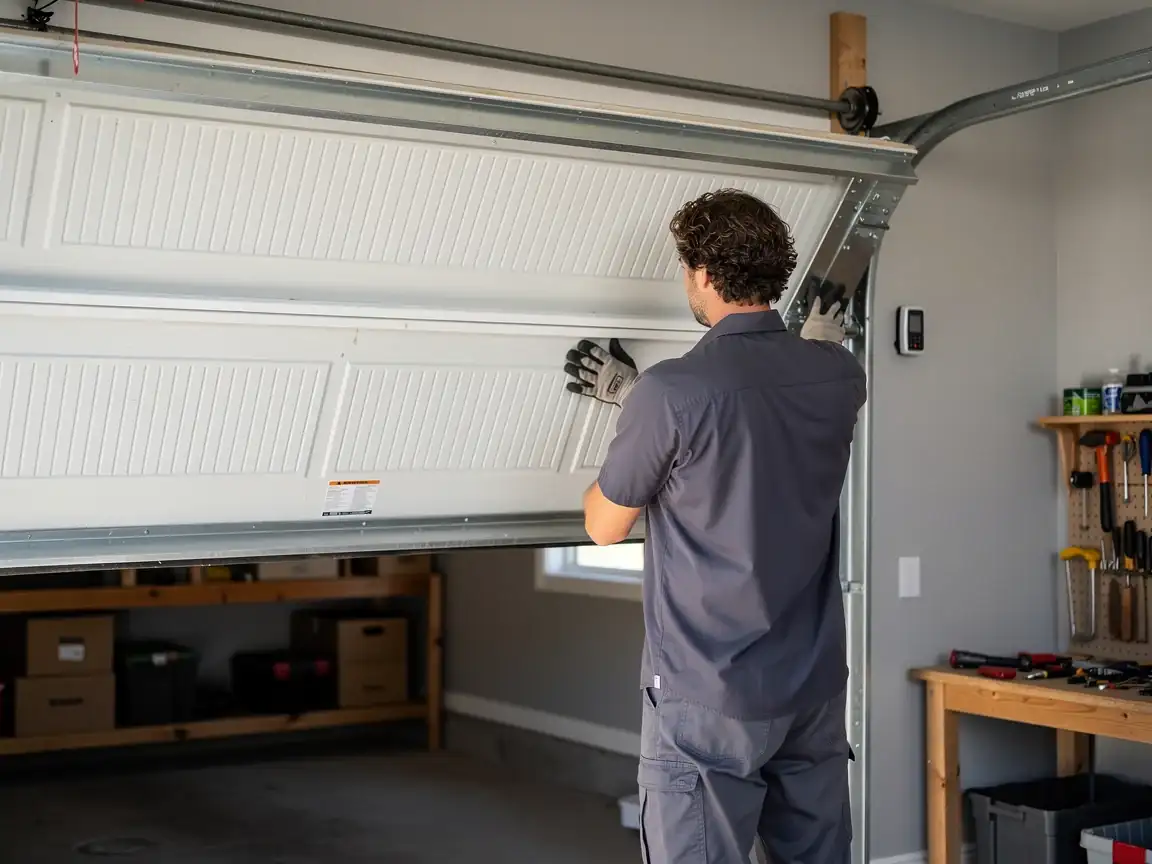
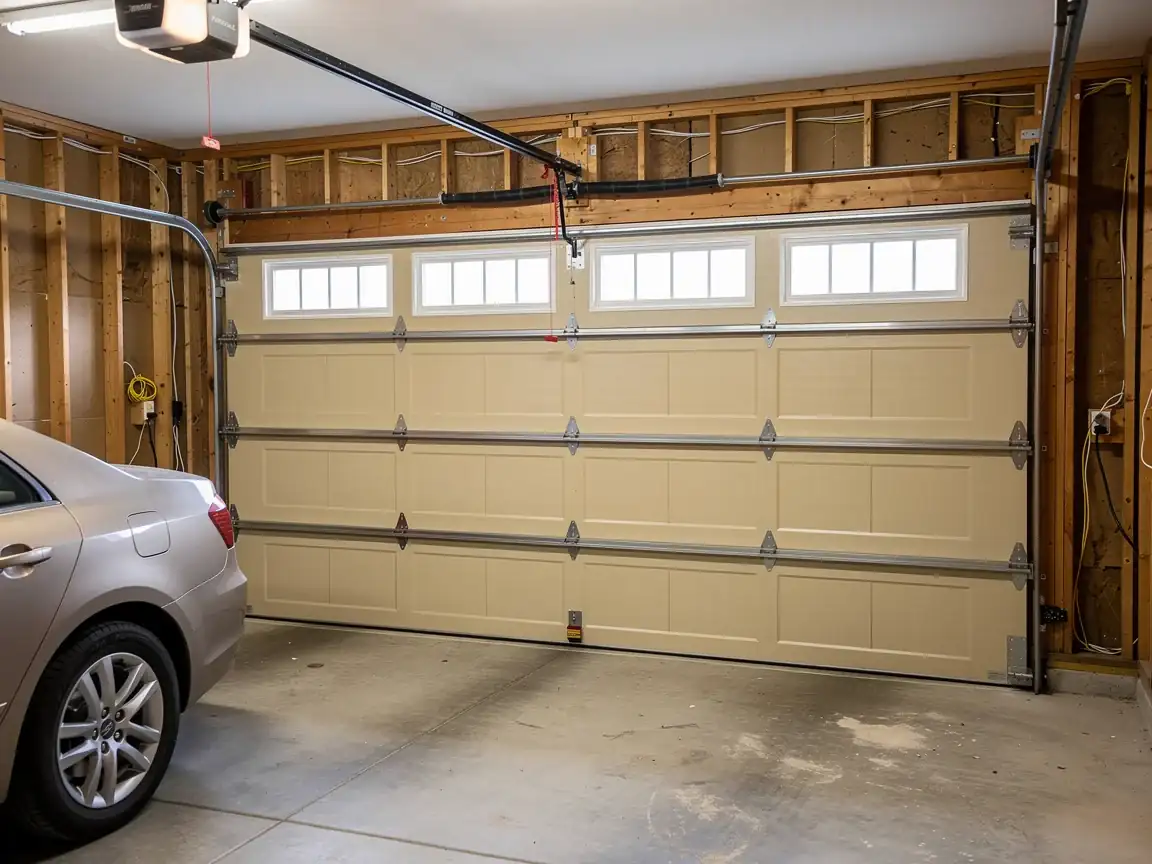
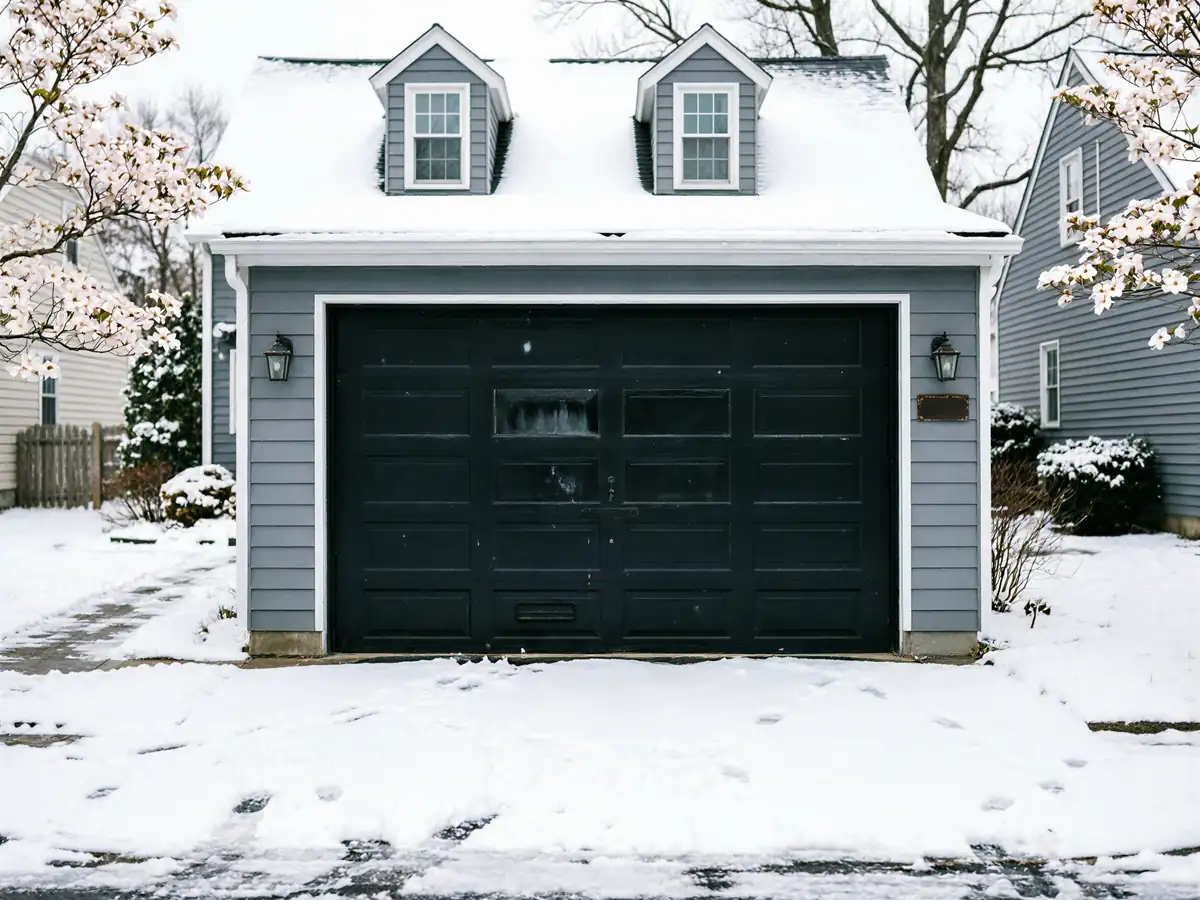
On a house built around 1959, the complaint is rarely 'it won't open.' It's usually something smaller that the owner has been living with: a door that shudders halfway up, a opener that strains and groans before it catches, a spring that makes a flat clunking noise on the last foot of travel. Those are wear symptoms from original or early-replacement hardware, not from a new install gone wrong. In a town where the median income runs $118,523, a lot of owners have the means to fix things properly rather than patch them, but plenty just haven't had a reason to look at the garage door since it was last serviced, if ever. Connecticut's cold winters add their own wrinkle: grease that was fine in August turns stiff by January, and a door that worked all fall suddenly needs a shove to clear the last six inches on a 10-degree morning. That's a maintenance gap talking, not a broken door, and it's an easy one to catch before it becomes a torsion spring job.
What You Pay
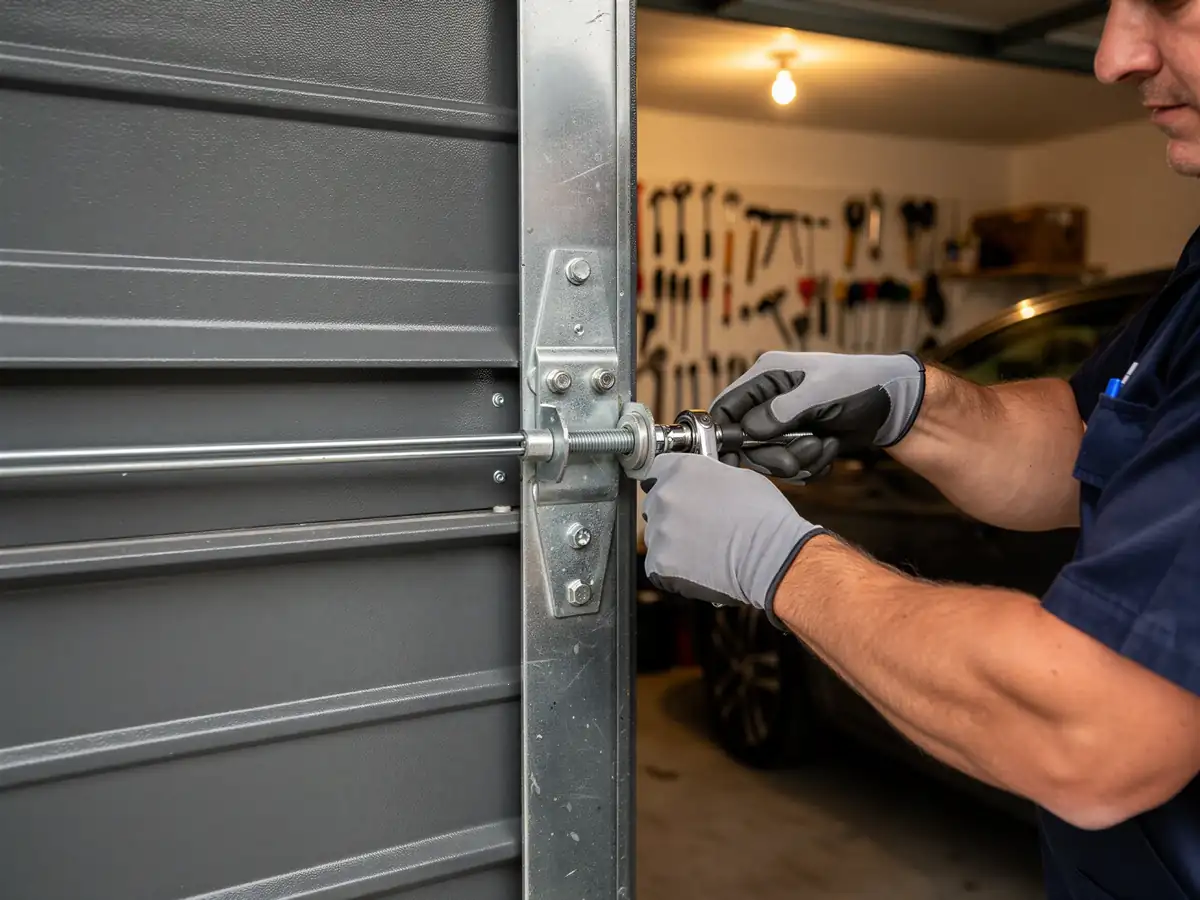
We don't have a published flat rate for maintenance calls, since what a visit costs depends on whether it's lubrication and inspection only or whether something on the door needs replacing once we're in there. What we can say is that a town with a median household income of $118,523 and a housing stock centered on 1959 tends to generate a specific mix of jobs: routine maintenance on doors that have never had it, paired with the occasional spring or roller replacement found during that first visit. If you want a number before we're on site, call and describe what the door is doing, we'll give you a straight answer, not a range padded to cover every possibility.
The DIY Question
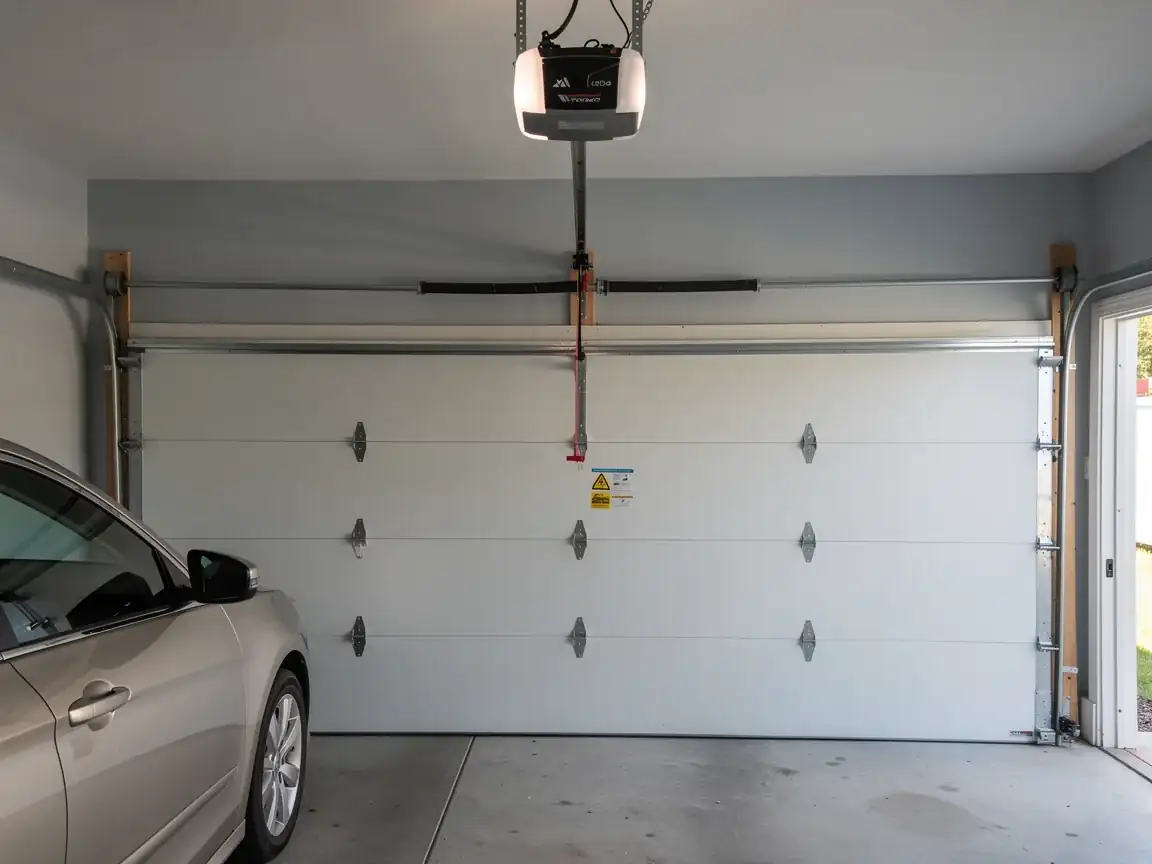
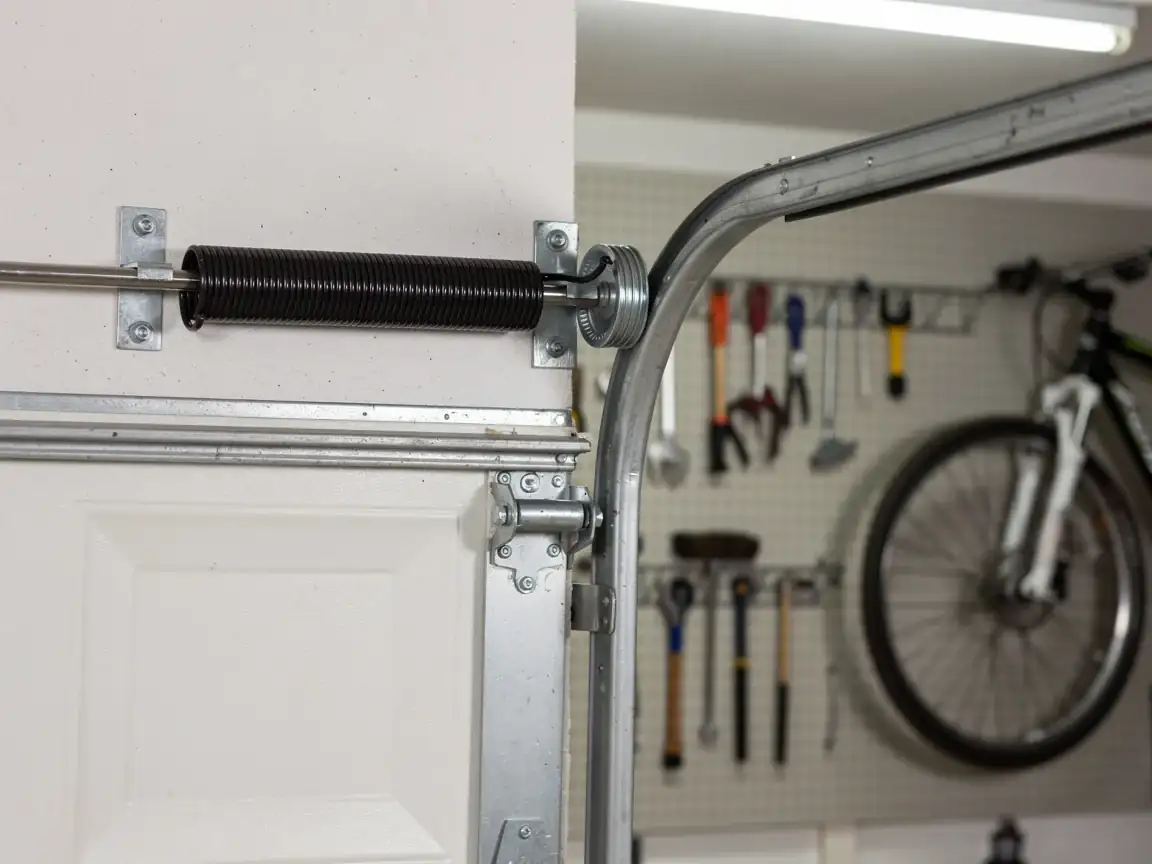
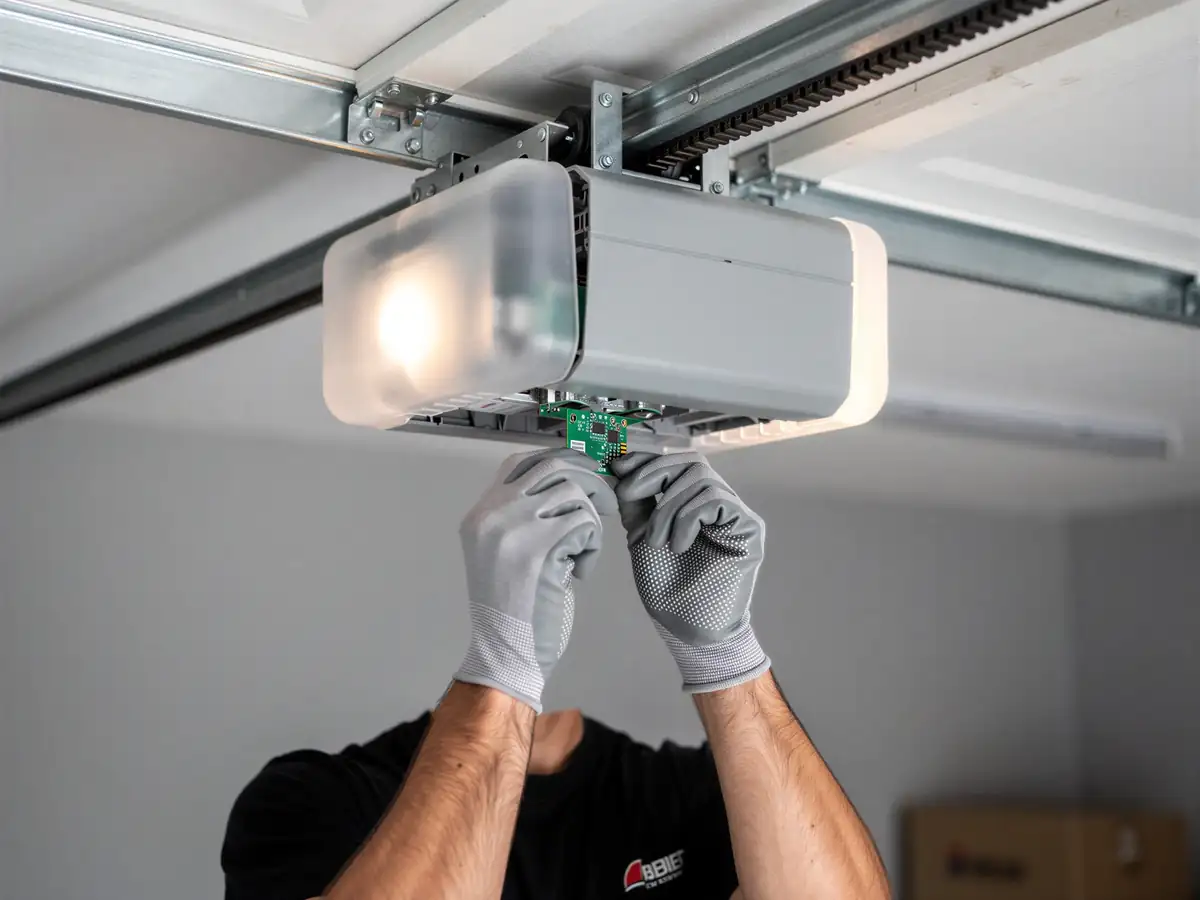
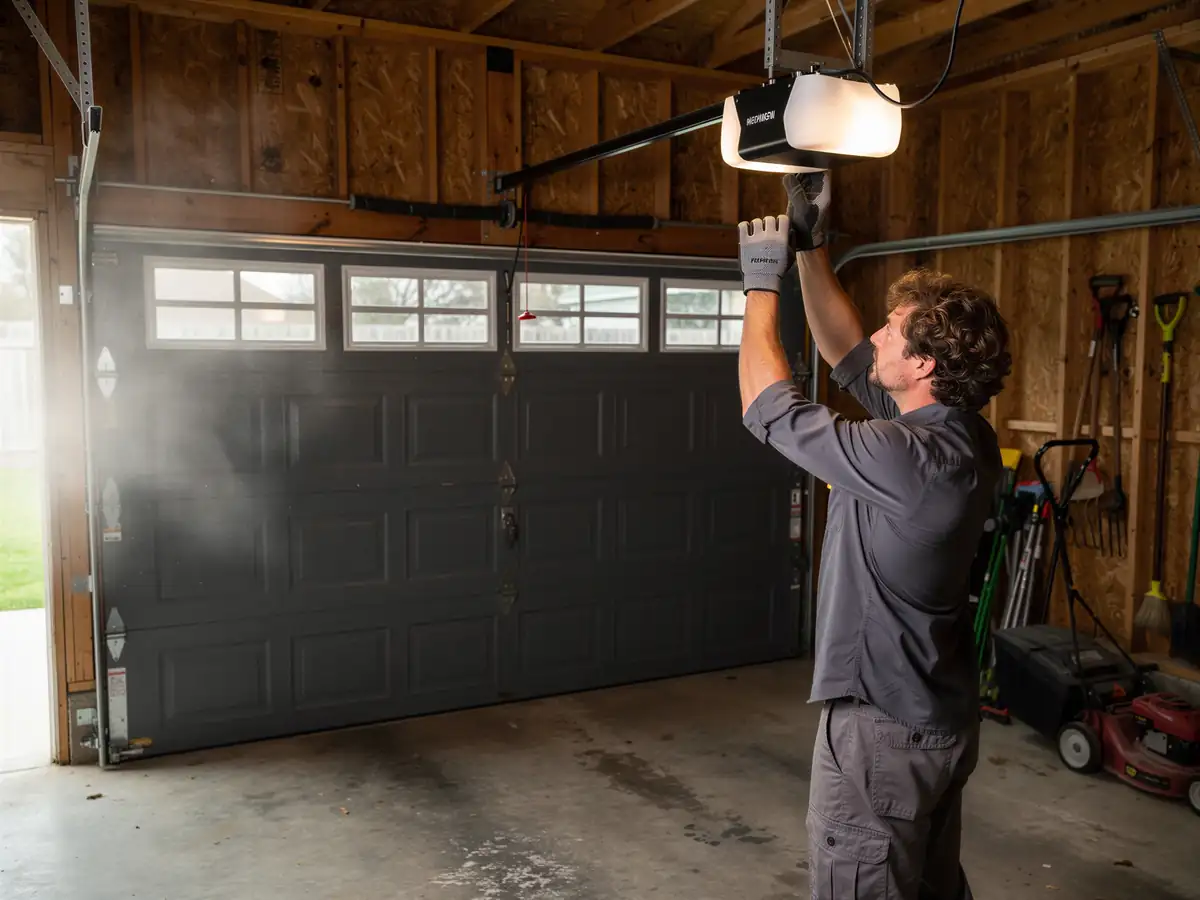
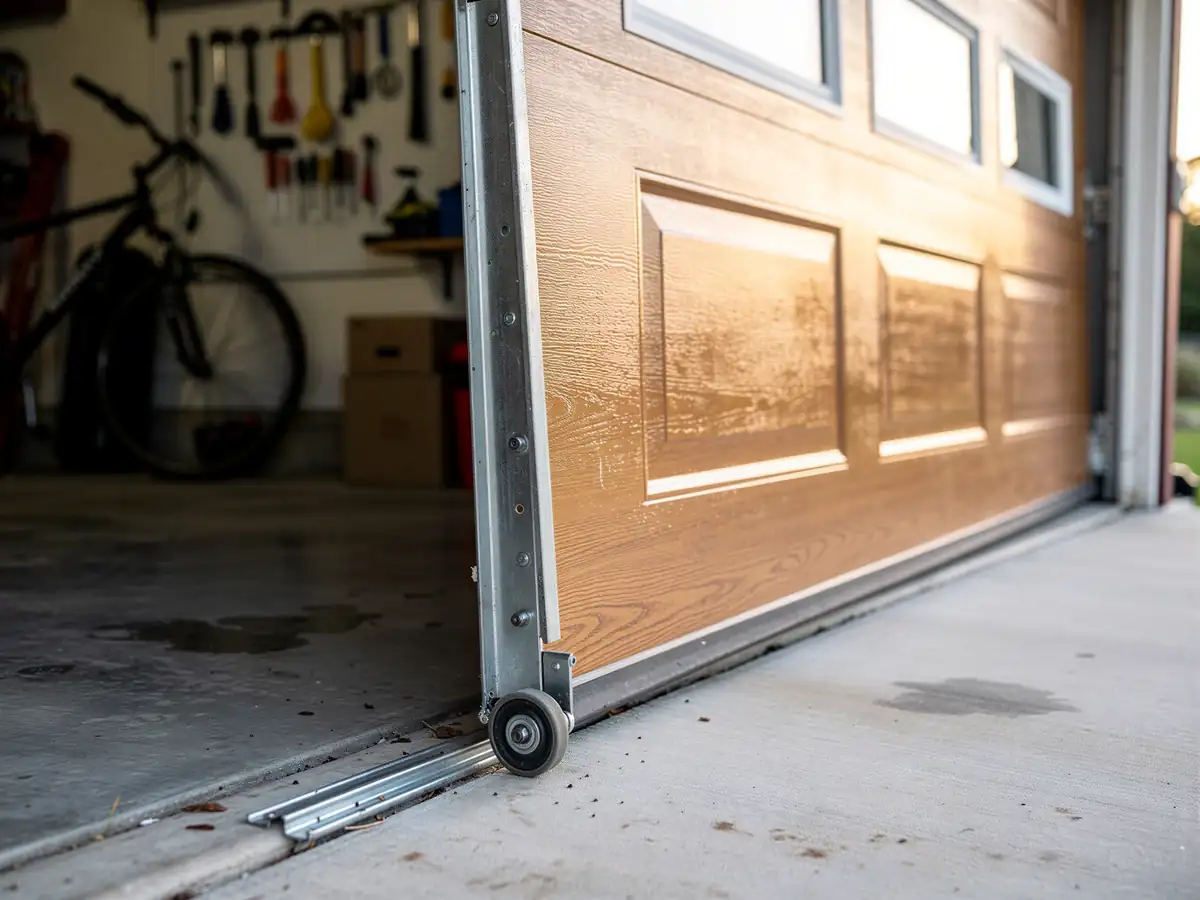
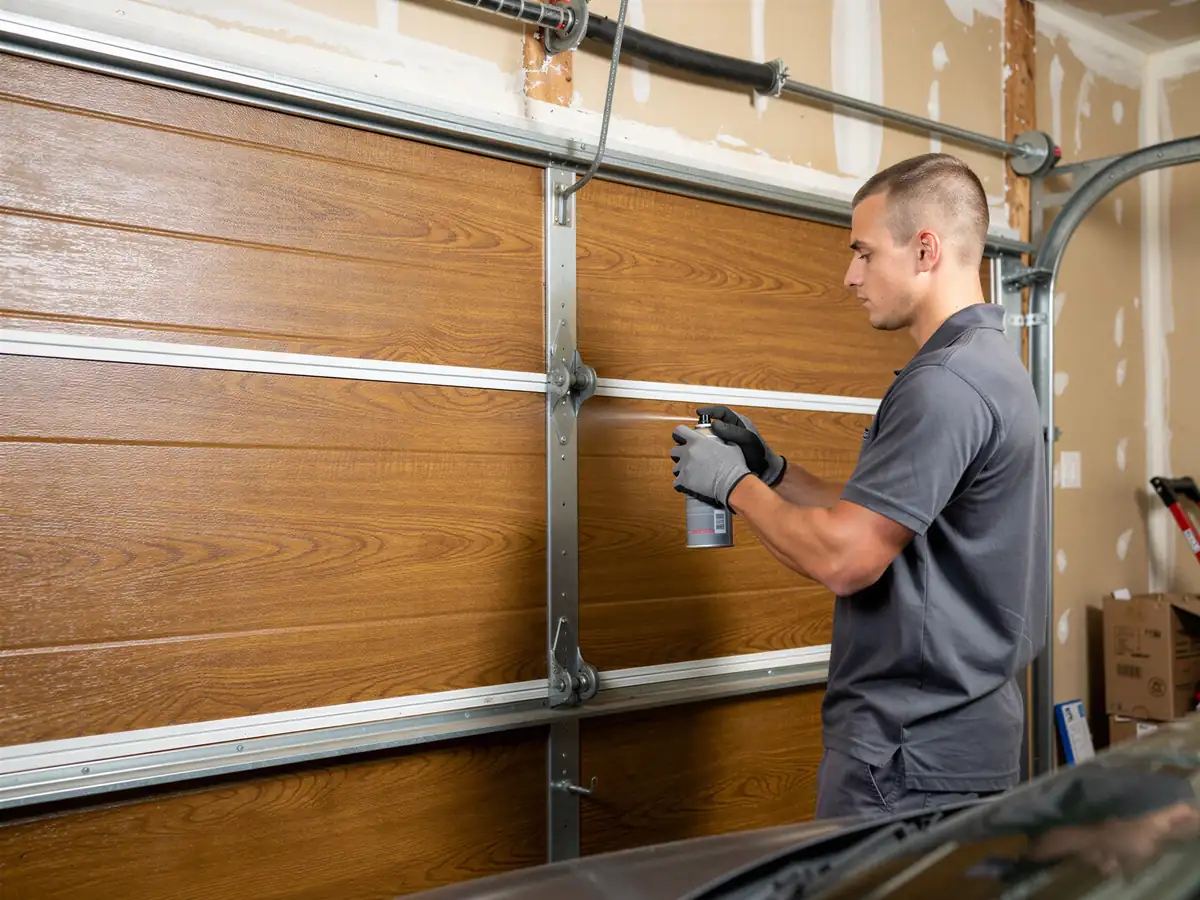
Some of this you can do yourself. Spraying the hinges and rollers with the right lubricant twice a year, checking that the auto-reverse safety feature still works, keeping the track clear of debris. That's reasonable homeowner work on any door, including the ones here. What's not reasonable is touching the torsion spring. On hardware that's been winding and unwinding since 1959 or close to it, the spring is under enough stored force to cause a serious injury if it lets go while you're working on it, and on an older system you often can't tell from the outside how much life is left in it. If the door is sagging on one side, making a grinding noise from the spring area, or the cable looks frayed, that's a call, not a weekend project.