Serving Glastonbury, CT & nearby
(860) 217-5253
Glastonbury, CT

What's Actually Included in a Glastonbury Service Call

A Glastonbury service call on a pre-1990 torsion door covers spring tension, track alignment, and cold-weather opener checks for this area's housing stock.

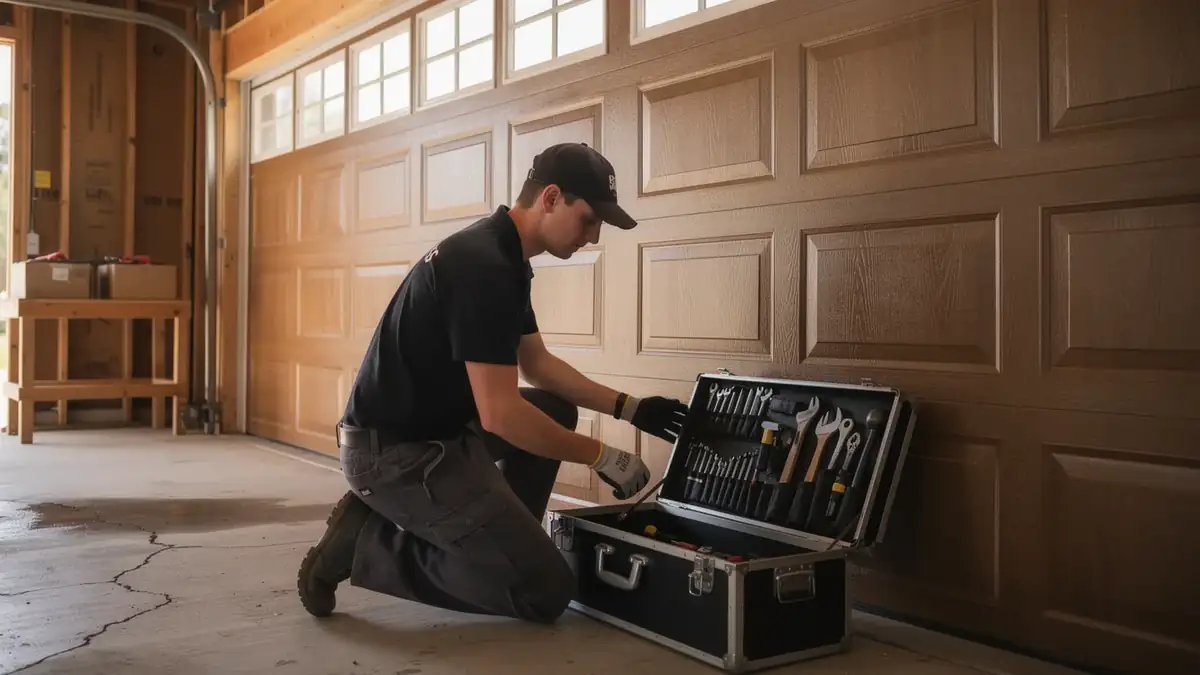
A technician kneels in a garage, opening a toolbox in front of a brown garage door.

What Local Conditions Do

Glastonbury sits in a cold-climate band the federal data marks as severe, and that matters more to a garage door than most owners realize. Steel torsion tubes and tracks contract when temperatures drop hard in January, and a track that was square in October can be a sixteenth of an inch off by midwinter - enough to throw a roller off the rail on the next cycle. Nylon rollers get brittle in that same cold and start cracking at the hub. None of this is dramatic. It shows up as a door that hesitates, or a faint grinding sound on the way up, weeks before it actually fails. A service call here has to check track plumb and roller condition every visit, not just when someone calls about a noise, because the cold does its work slowly and then all at once, usually on the coldest morning of the year when you're already late. We also check weatherstrip and bottom seal compression, since a gap that's fine in July lets in a surprising amount of wind once the season turns. This is the part of the job that doesn't show up on an invoice line but decides whether the next call is in six years or six months.

The Situation

Housing in this service area was mostly built between 1938 and 1990, with the median year landing around 1973, and the bulk of it is 1960s-70s construction spread across the 61 named neighborhoods we cover. That means a lot of original torsion spring setups sized for door weights and track widths that current manufacturers don't stock anymore. A house a mile from Glastonbury Center, built in that mid-century wave, is going to need a different spring wind and drum size than something newer out toward Marlborough or Hebron. On a service call, the first ten minutes are spent figuring out what's actually on the door - what era of hardware, what cable gauge, whether the opener was retrofitted onto original track or the whole assembly was replaced at some point. Half the job is diagnosis before any wrench comes out, because guessing wrong on spring wind on a door this old can snap a cable or worse. The other half is explaining to the owner why their neighbor's door, built the same decade, might need a completely different part. Same era, same town, different garage - it happens more than you'd think once you've seen enough of these.

What You Pay

We don't post a flat number for a service call because the honest answer is that it depends on what's actually wrong once we're standing in front of the door - a bent track takes ten minutes to true up, a snapped torsion spring on a door built in the 1960s means sourcing a size that isn't on the truck as standard stock anymore. What every call includes: a full inspection of springs, cables, tracks, rollers, and opener function, not just a fix for whatever you called about. If your garage was built anywhere near the median year for this area, there's a decent chance we're also flagging something you didn't call about - a fraying cable, a sagging panel seam - because on houses this old, problems tend to travel in groups. We'll tell you what's urgent and what can wait a season. One honest limit: if a part for an original-era door has to be special-ordered, that adds lead time we can't shrink, and we'd rather tell you that up front than let you assume same-day.

What Most People Get Wrong

The most common mistake we see is an owner assuming a noisy door just needs lubricant, when on a house from the 1960s-70s wave the actual issue is a worn roller bearing or a spring that's lost tension and is letting the opener do work it was never built to do. WD-40 on a dry bearing buys you two weeks, not a fix. The second mistake is waiting for total failure before calling, which on an older torsion system usually means the spring goes while the door is halfway up, and that's a cable-and-track repair instead of a spring swap. The third: assuming because a neighbor's door got fixed for a certain scope of work, yours will match - houses built in the same stretch of years can still have different drum sizes, different door weights, different retrofit histories. We've opened doors expecting a standard mid-century setup and found three different eras of hardware bolted together by three different owners over the decades. Match the diagnosis to the door in front of you, not the one down the street.
How it works

From “it’s stuck” to “it’s fixed”

A quick, honest process - no guesswork and no surprises.

  1. A man stands in a driveway holding a phone, facing a white garage door.
    1

    Tell us what’s wrong

    Describe the symptom - won’t open, loud bang, opener runs but the door won’t move.

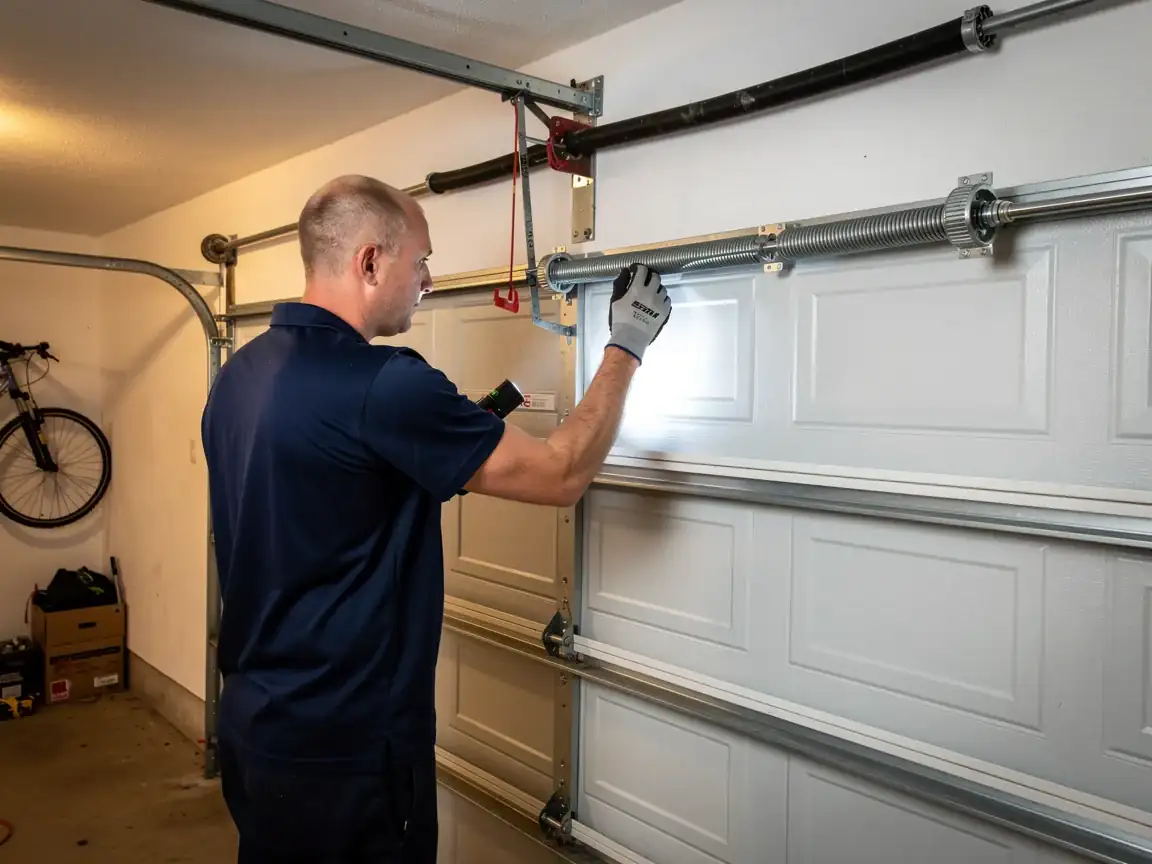
  2. A technician shines a flashlight on a garage door torsion spring.
    2

    On-site diagnosis

    A technician tests the door under power and by hand and finds what actually failed.

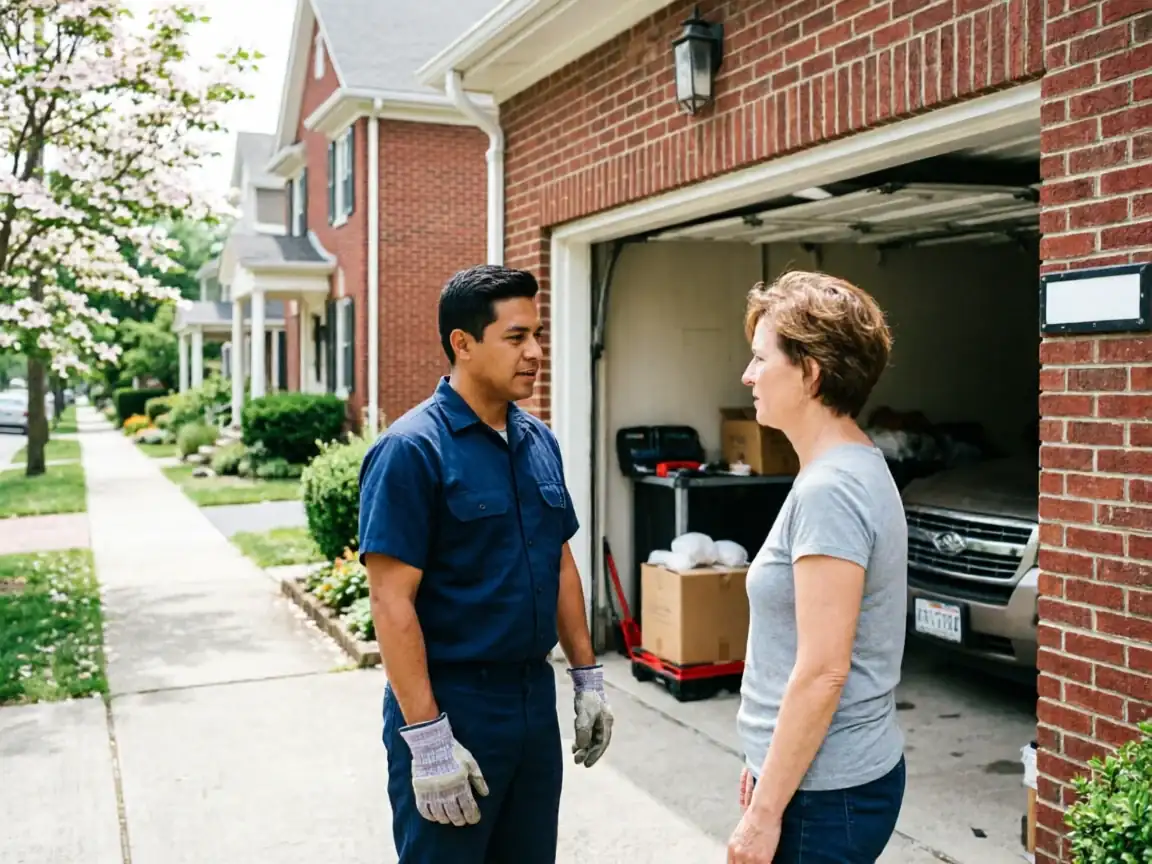
  3. A technician talks to a woman in front of a brick house with an open garage.
    3

    Clear, up-front plan

    You get the fix that’s needed and what drives the cost - before any work starts.

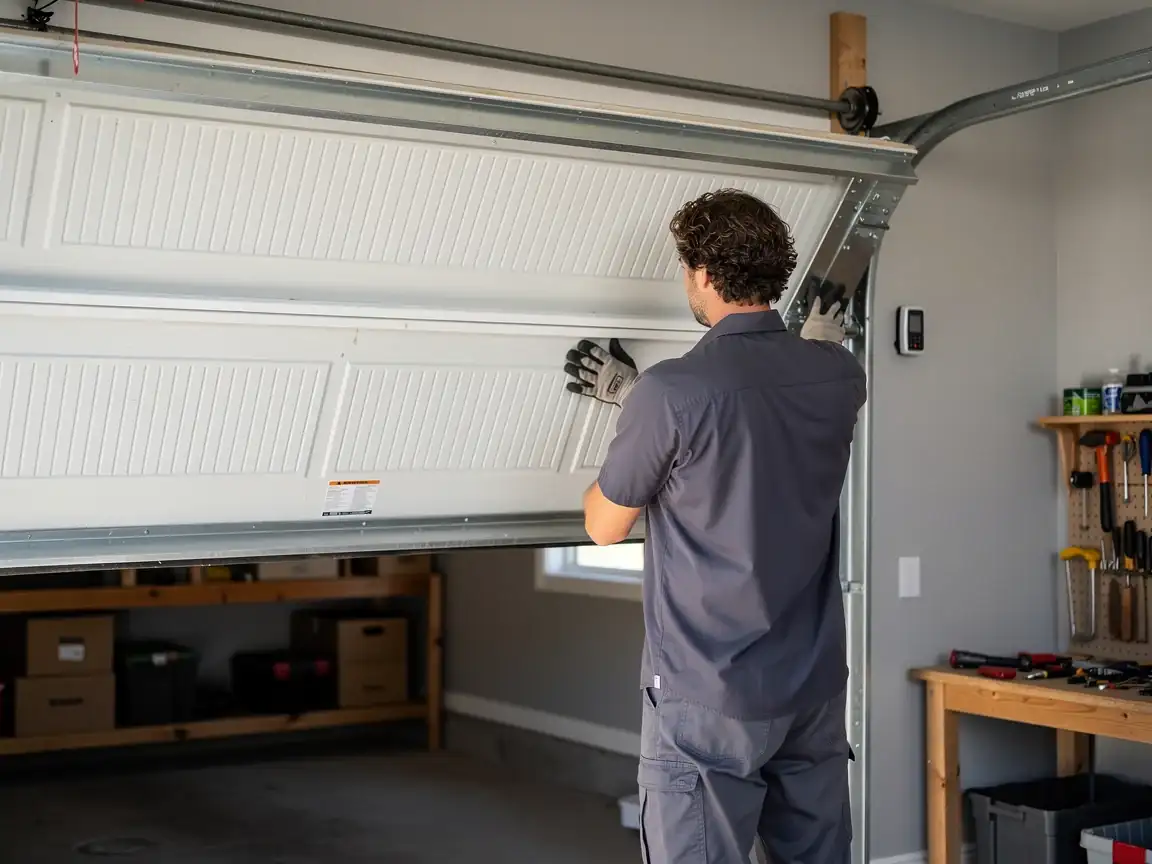
  4. A technician in a gray uniform is working on a white garage door.
    4

    Repaired & tested

    The repair is done, the door is set true and tested, and the work area left clean.

Not sure which repair your door needs in Glastonbury, CT? Describe what it’s doing - every job starts with a diagnosis.

How we work

What to expect

  • Diagnosis firstEvery visit starts by finding what actually failed - not a pre-written parts list.
  • The right part for the doorSprings and openers matched to the door’s weight and age, so the fix holds up.
  • Straight answersWhen a repair makes more sense than a replacement - or the reverse - you hear it plainly.
  • Clean, careful workTension released safely, hardware set true, the door tested under power before we leave.
What we do

Garage Door Services

Repair and installation work for Glastonbury homes and businesses.

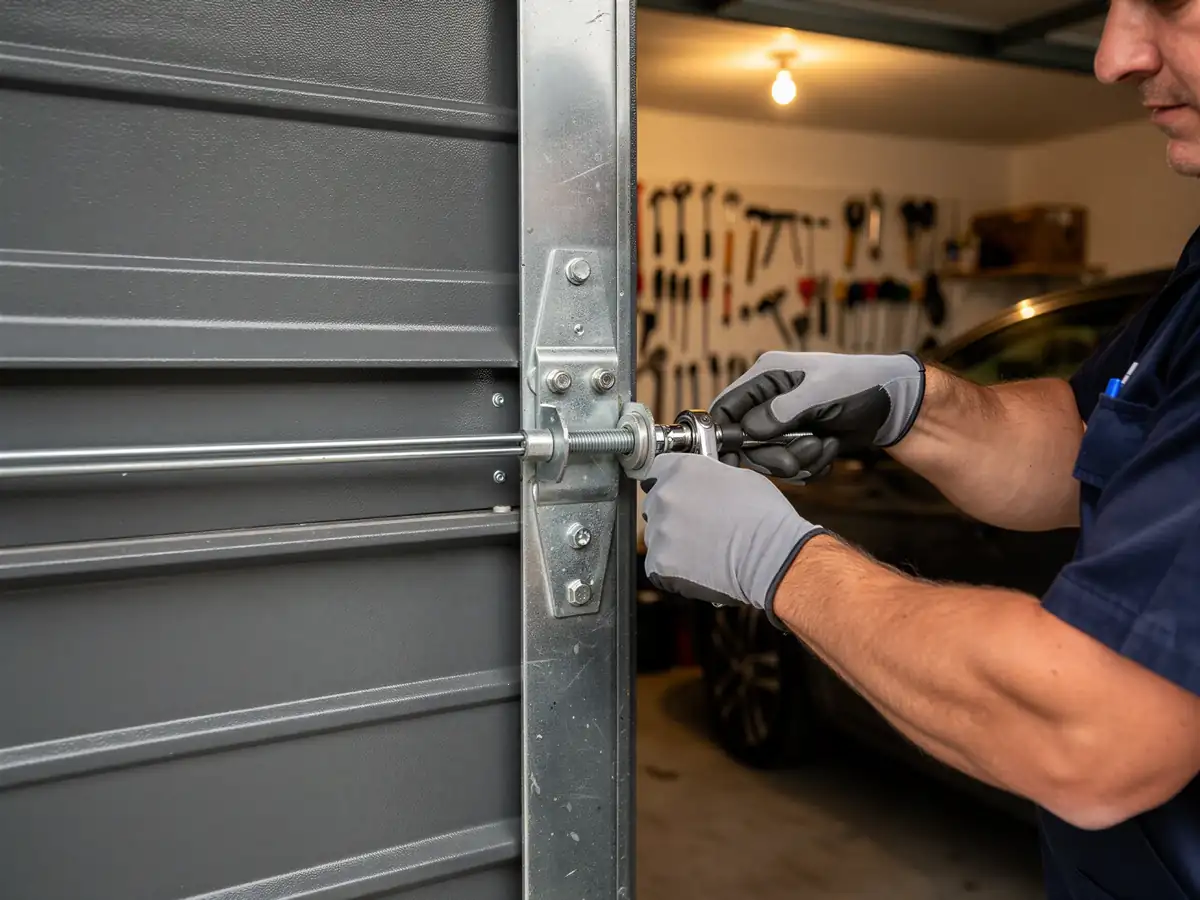
A technician in gloves adjusts a garage door roller and track.

Garage Door Repair

Garage door repair for Glastonbury homes built between 1938 and 1990, where original torsion hardware and cold-weather strain cause the most common spring and opener failures.

Learn more
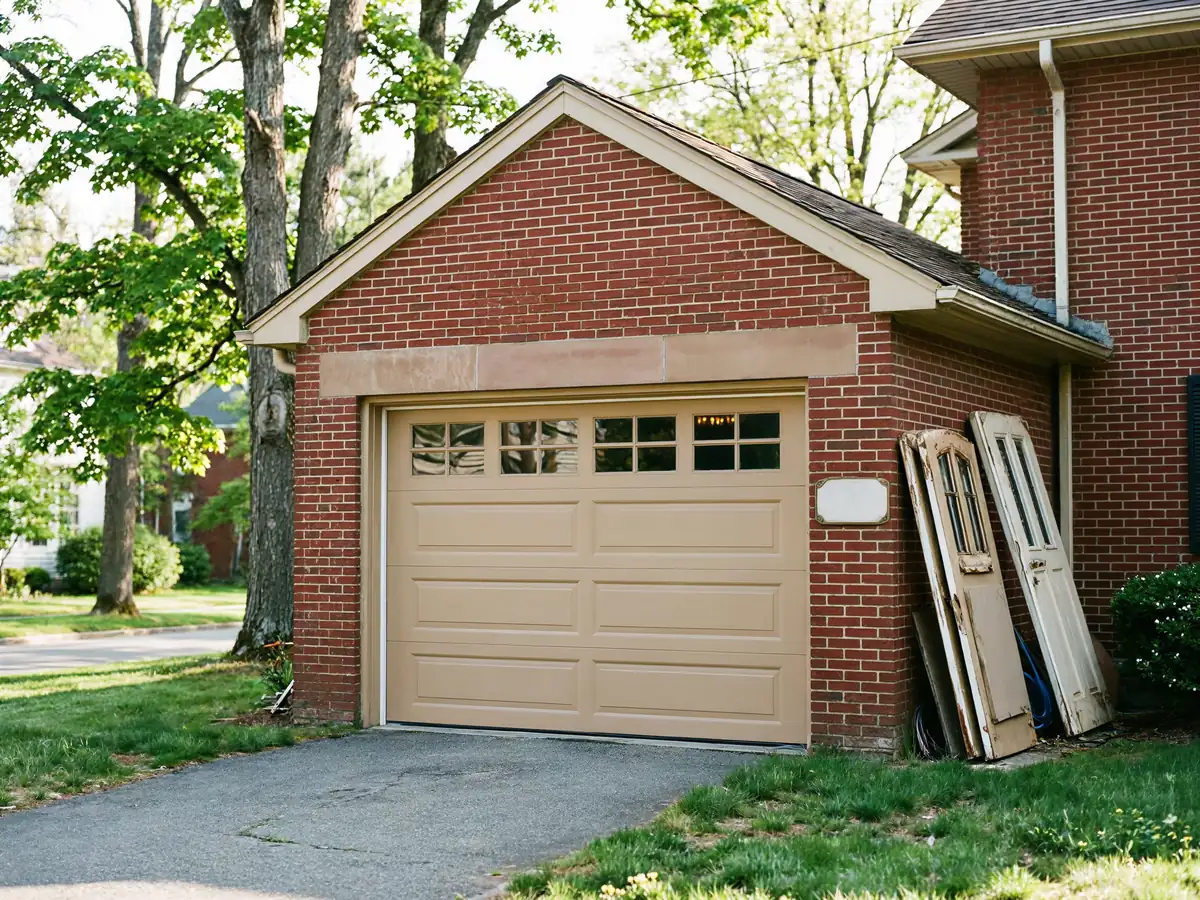
A tan garage door with windows is on a brick garage next to a driveway.

Garage Door Installation

Garage door installation in Glastonbury, CT for homes built mostly 1938 to 1990, where original openers and tracks no longer match new doors or cold winters.

Learn more
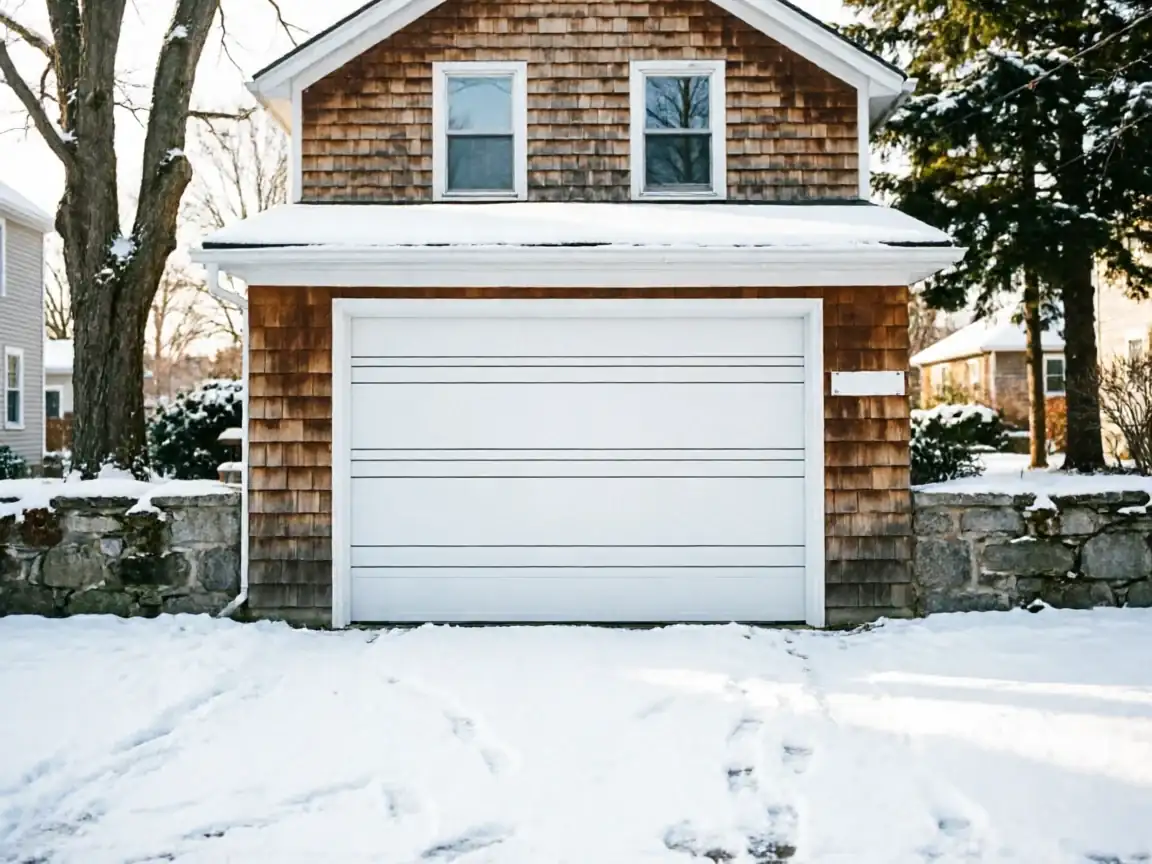
The house has a white garage door, cedar shake siding, and a snow-covered driveway.

Garage Door Service

Garage door repair for Glastonbury's 1960s-70s housing stock. We know why torsion springs and openers fail here, and what a cold Connecticut winter does to them.

Learn more
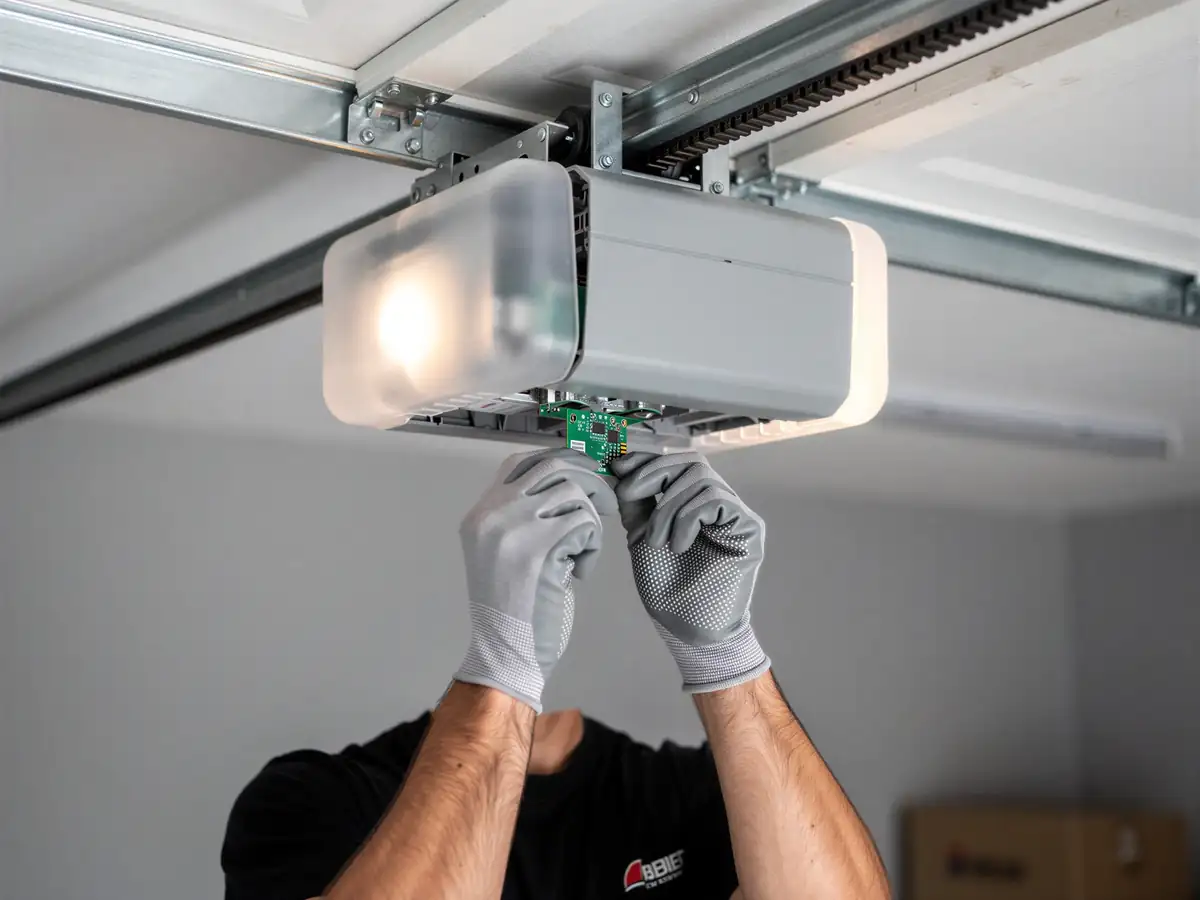
A technician in gloves works on the circuit board of a garage door opener.

Opener Repair

Opener dead or acting up in a Glastonbury home built before 1990? We diagnose the fault, price the fix plainly, and get the door moving again the same visit.

Learn more
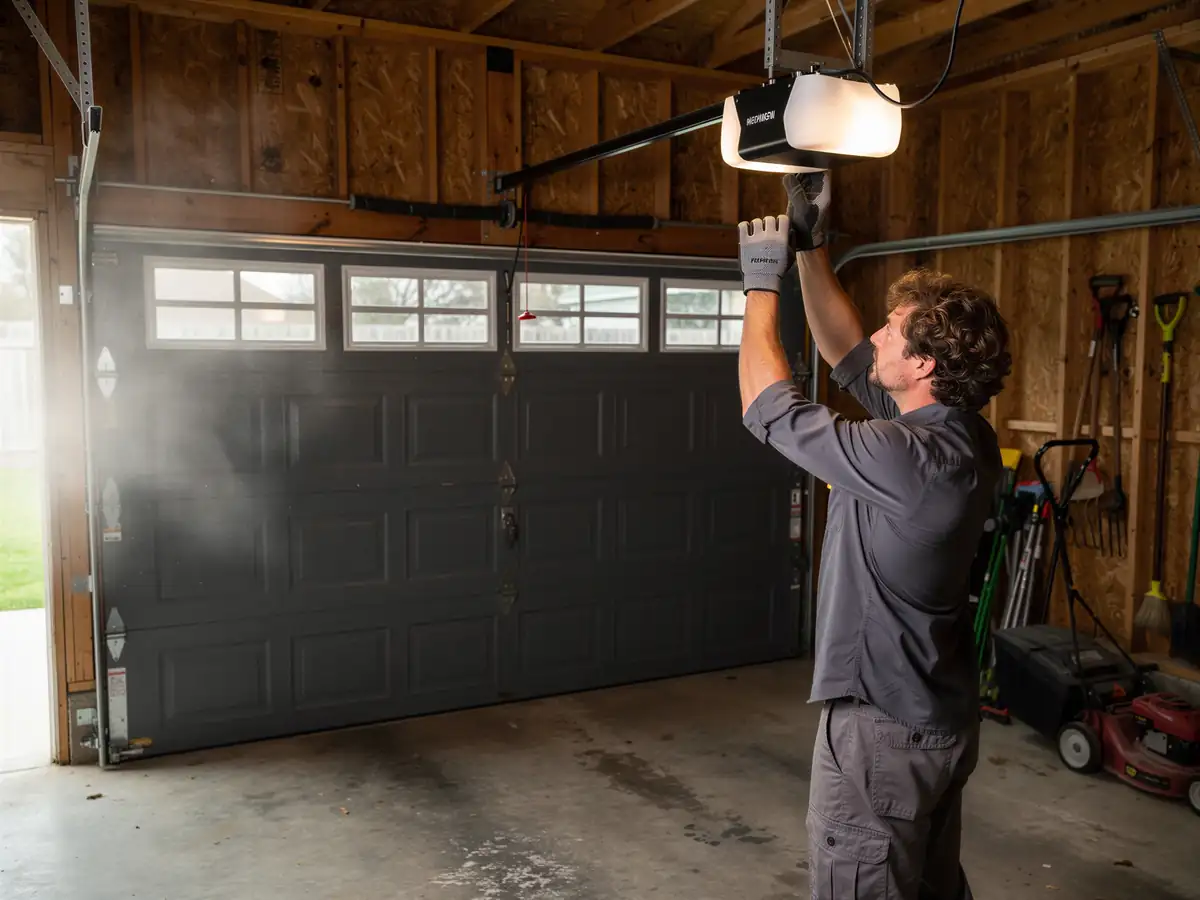
A technician adjusts a garage door opener above a dark gray garage door.

Opener Installation

Opener installs and swaps for Glastonbury homes built mostly between 1960 and 1990, where original drive units are decades past their rated life in a cold climate.

Learn more
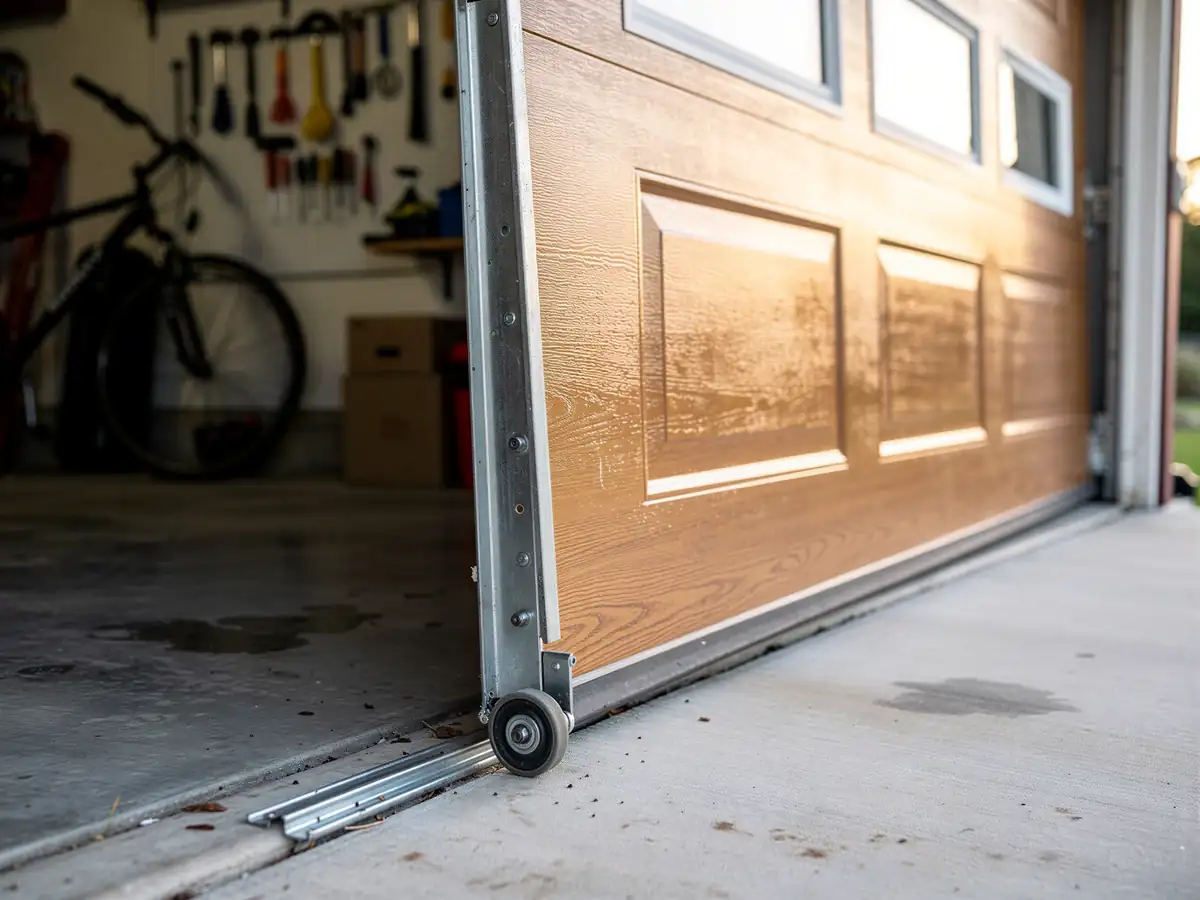
The garage door is partially open with a roller off its track.

Off-Track Repair

Garage door jumped its track in Glastonbury? We explain why it happens so often in homes built 1938-1990 and what the fix actually costs.

Learn more
A gray garage with a black door and two dormer windows is covered in snow.

Panel Replacement

Cracked, dented, or rusted garage door panel in Glastonbury? We match panels on 1960s-70s doors and explain what drives cost and timeline for this housing stock.

Learn more
A technician in gray gloves sprays lubricant on a brown garage door.

Maintenance

Glastonbury homes built between 1938 and 1990 carry original hardware that wasn't made for New England winters. Here's what maintenance actually catches before it fails.

Learn more
Questions

Frequently asked

Straight answers about garage door repair in Glastonbury. Still unsure? Ask us directly.

Why does my garage door act up more in winter here than it did last summer?

Cold contracts steel track and makes nylon rollers brittle, and Glastonbury sits in a climate band marked severe for cold. A track that's fine in warm months can pull slightly off-plumb in a hard freeze, which is when rollers jump the rail or an opener strains against stiff hardware.

How old is the hardware likely to be on a house like mine?

If your house was built anywhere near the median year for this area, 1973, there's a good chance you're running original or first-generation replacement torsion hardware. The bulk of local stock dates to the 1960s-70s wave, which means spring sizing and drum widths that aren't universal with what's sold today.

Do you give a price over the phone?

Not a firm one. Scope depends on what's actually failed, and on older doors that can mean a part has to be sourced rather than pulled off the truck. We'll inspect first and tell you what's urgent versus what can wait before any work starts.

Is a service call just for the thing I called about?

No. Every call includes a check of springs, cables, tracks, rollers, and opener function, because on houses from this era problems tend to cluster - a fraying cable often shows up alongside a sagging panel seam on the same door.

Ready to get your garage door sorted?

Tell us what it’s doing and where you are in Glastonbury - we’ll take it from there.

Request a QuoteCall