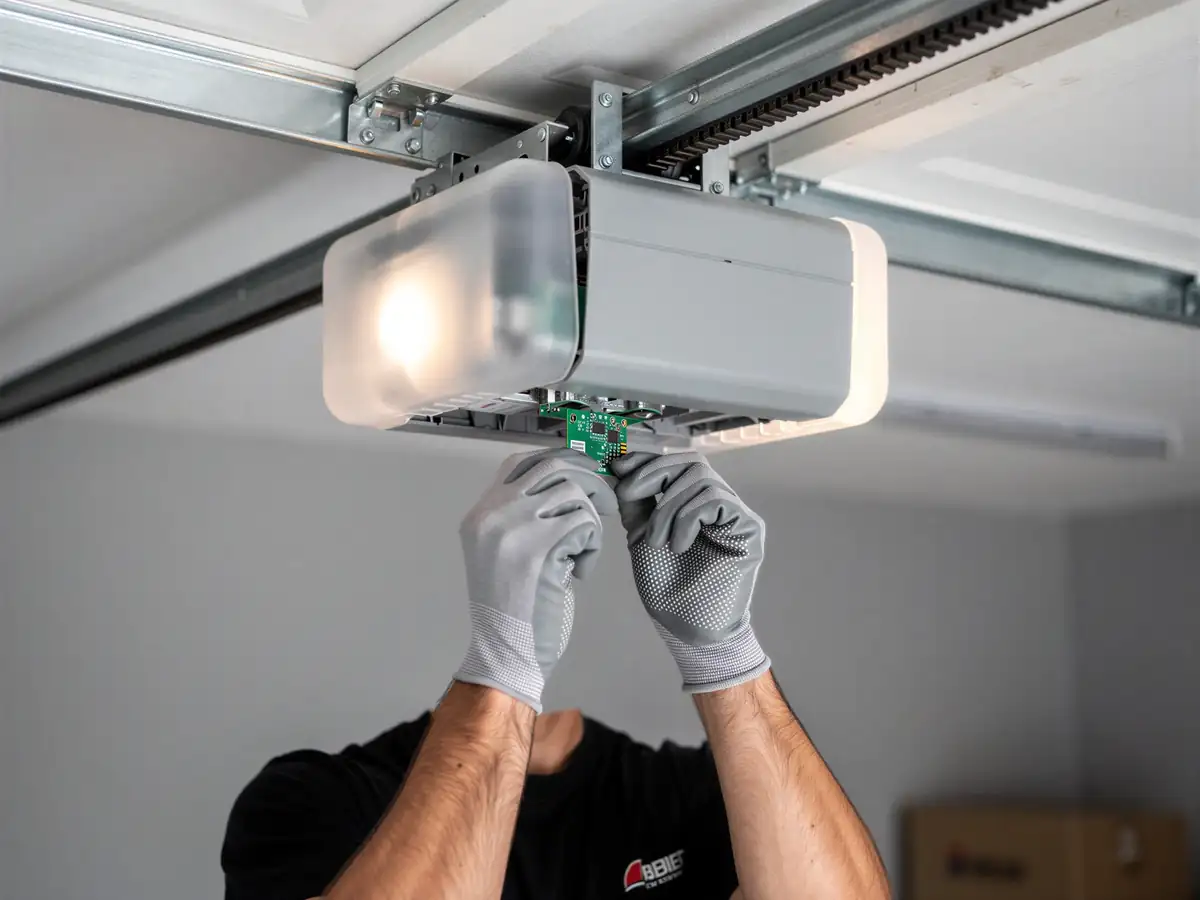
The Symptom
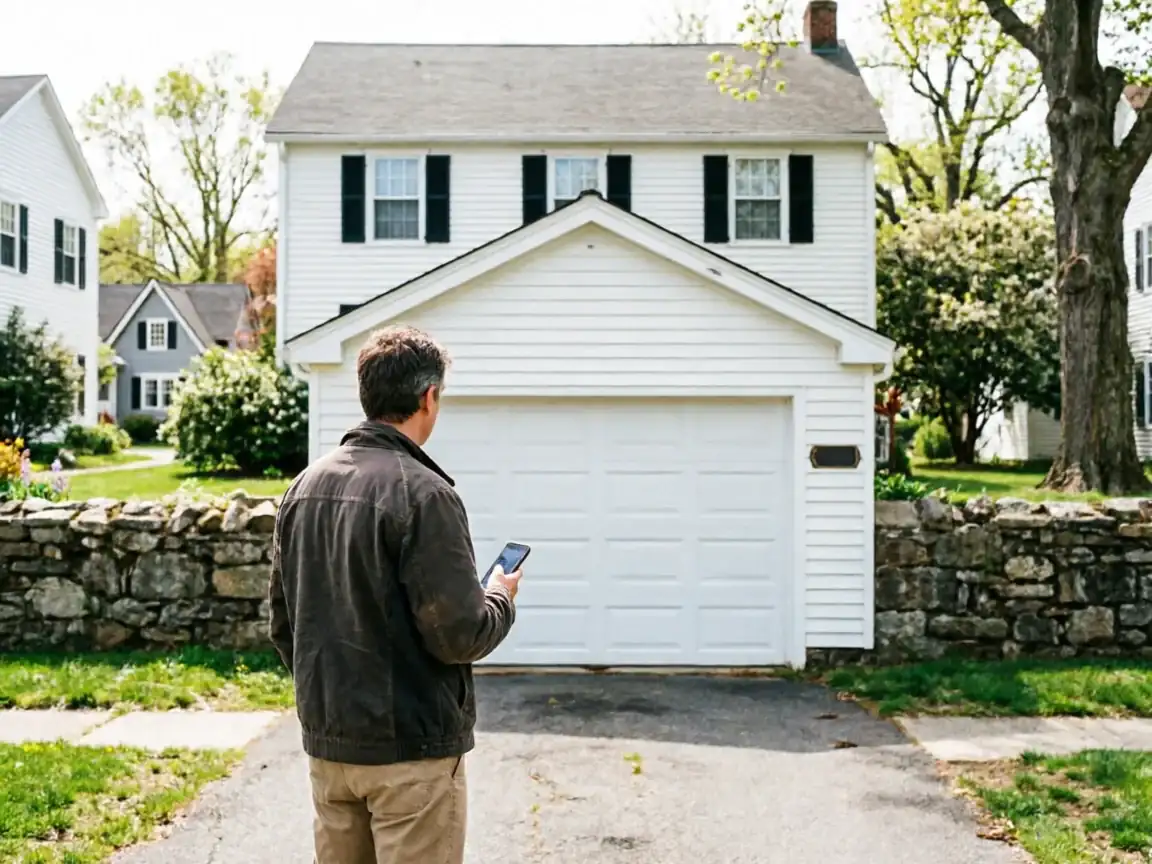
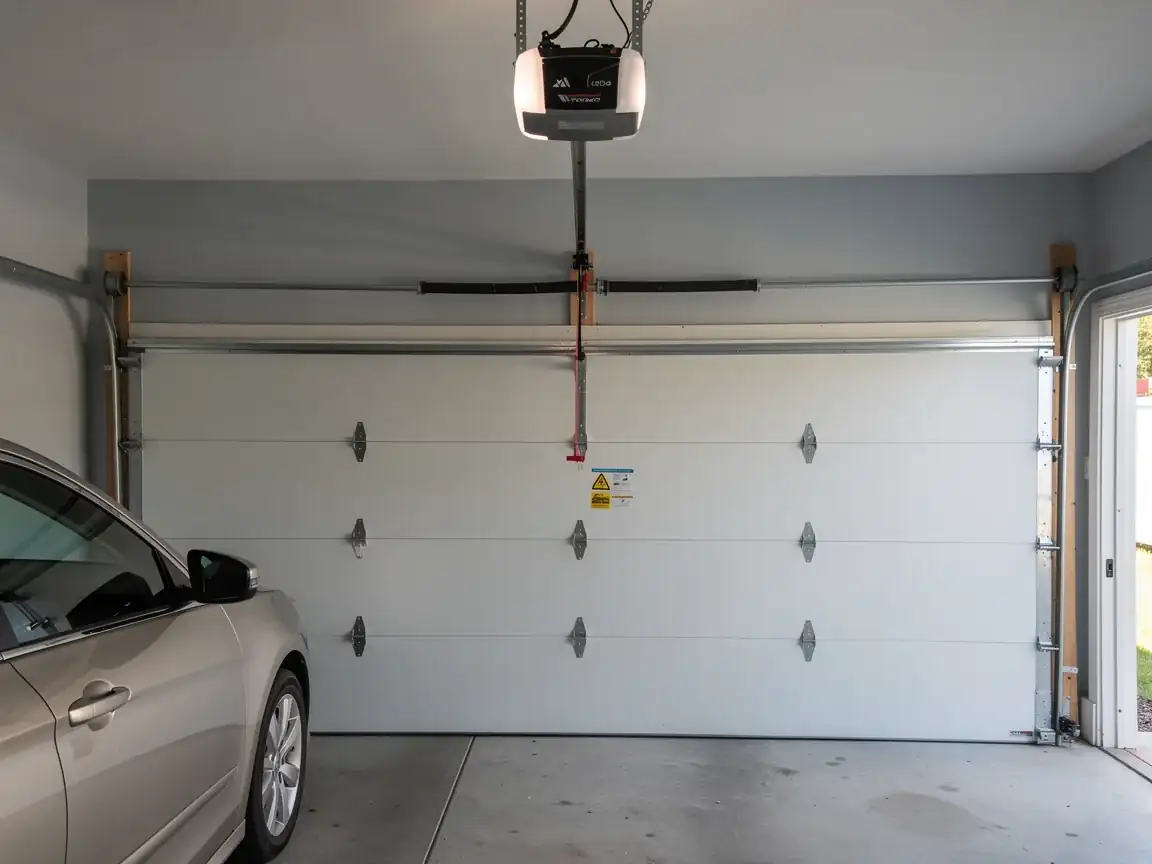
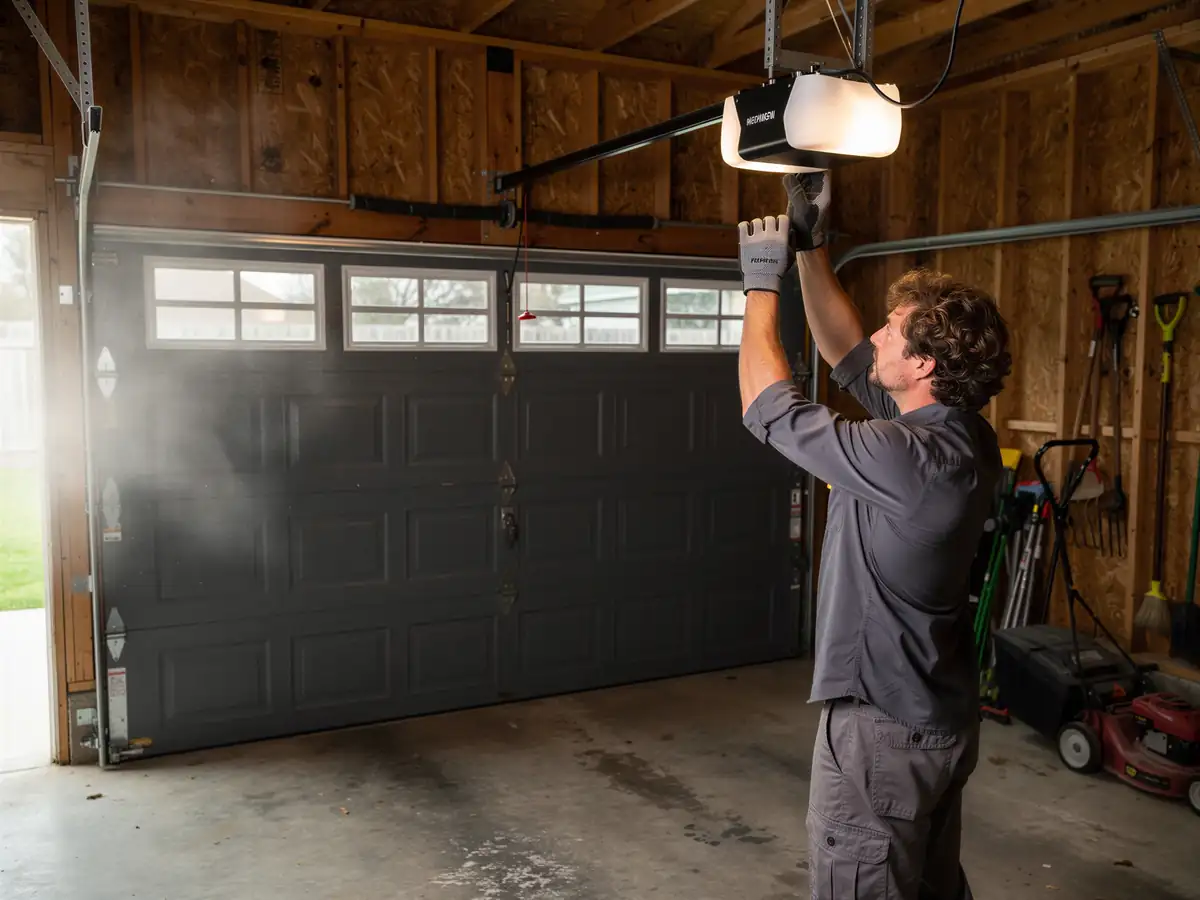
The opener hums but the door doesn't move. Or it moves a foot and reverses. Or the remote works from the driveway but not from the car across the street. Some mornings it just doesn't respond at all, and you're standing there pressing the button like it's going to change its mind.
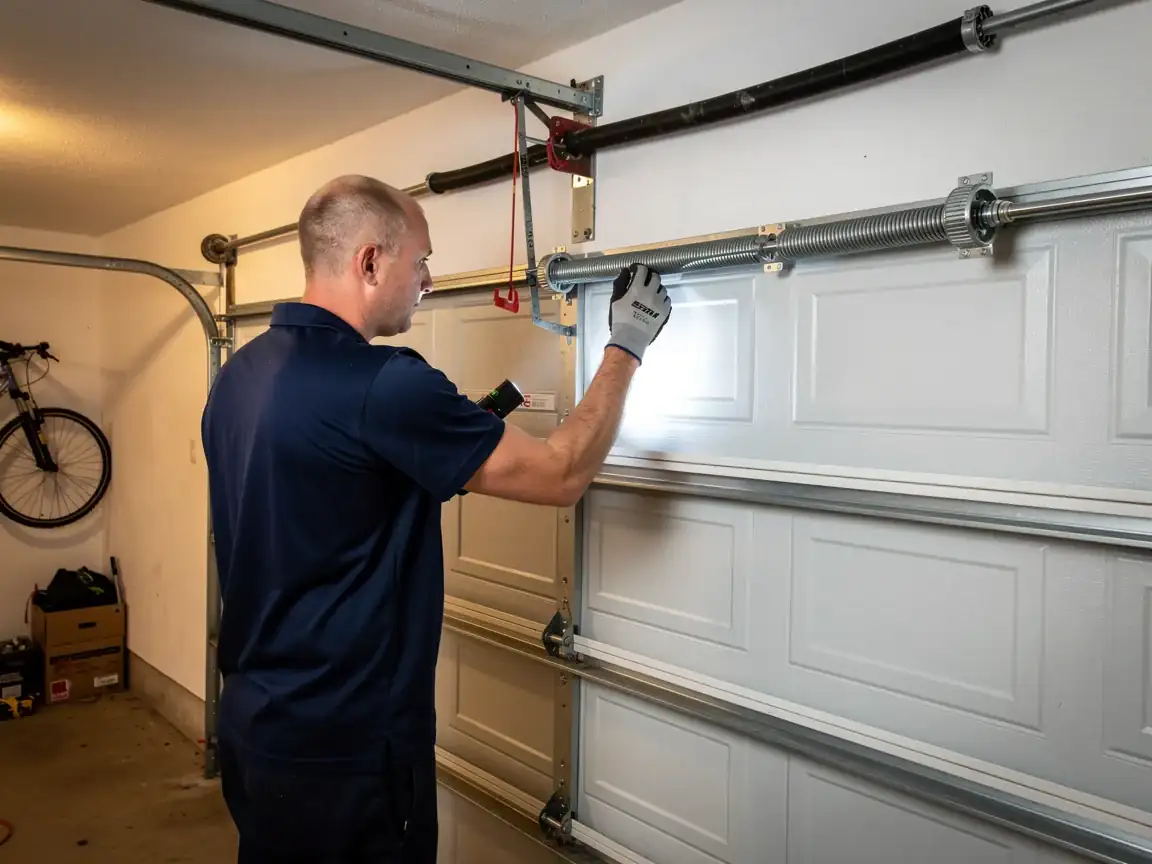
These aren't random. A motor that strains on a cold start, a logic board that drops the remote signal, a safety sensor that throws a fault code when the light hits it wrong at a certain time of year - each of those points to a specific part, not a vague "opener problem." The fix depends on knowing which one you've got before a truck ever leaves for the job.
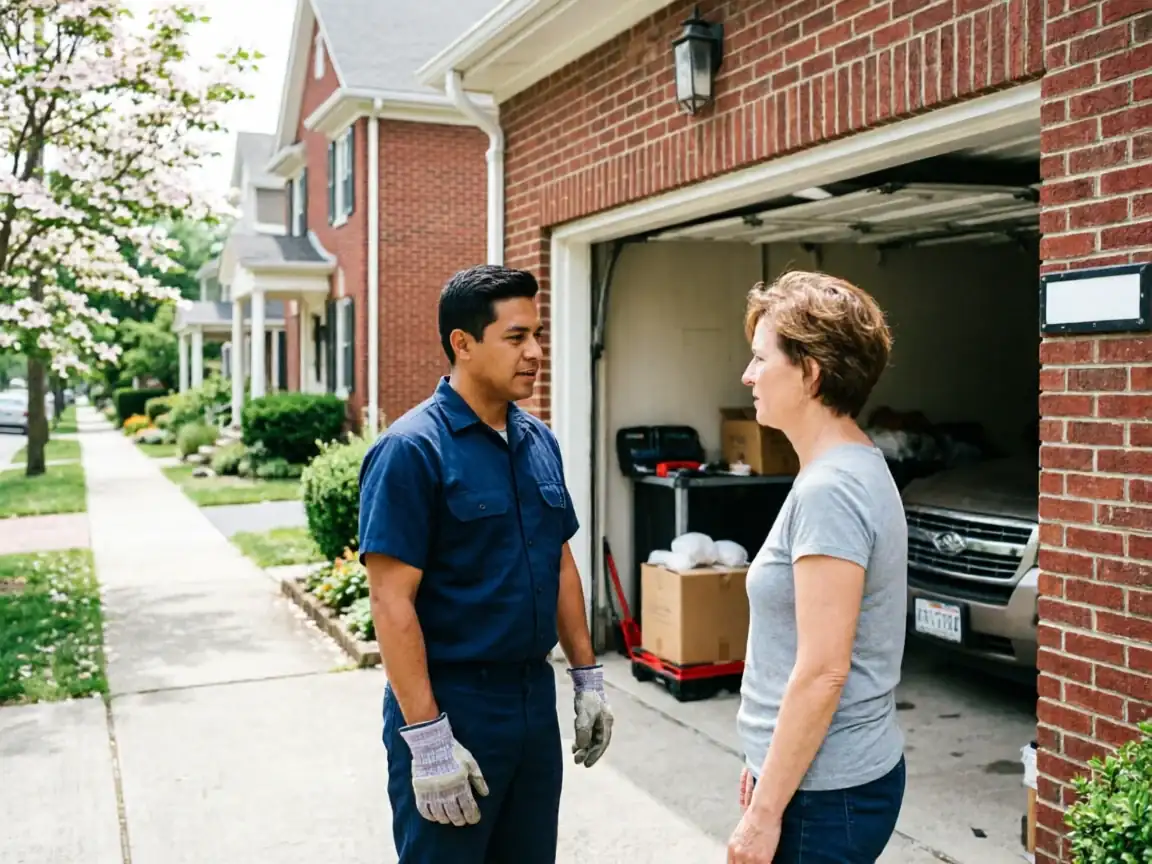
We see this call constantly from the Glastonbury side of our service area, where houses skew older and openers have had decades to wear through drive gears, capacitors, and travel limits. If your opener is original to a mid-century house, you're not dealing with a loose wire - you're dealing with a part that's simply reached the end of its run.
Why This Fails Locally
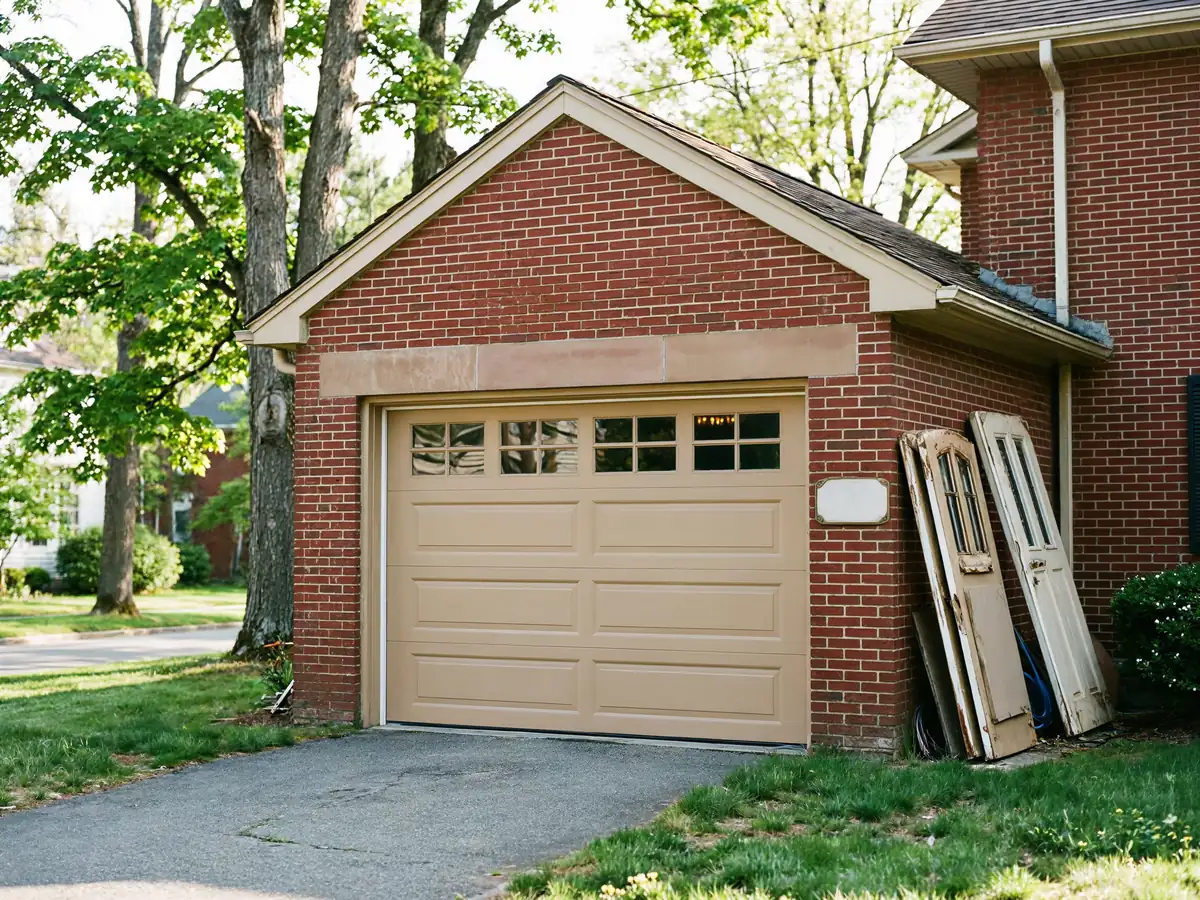
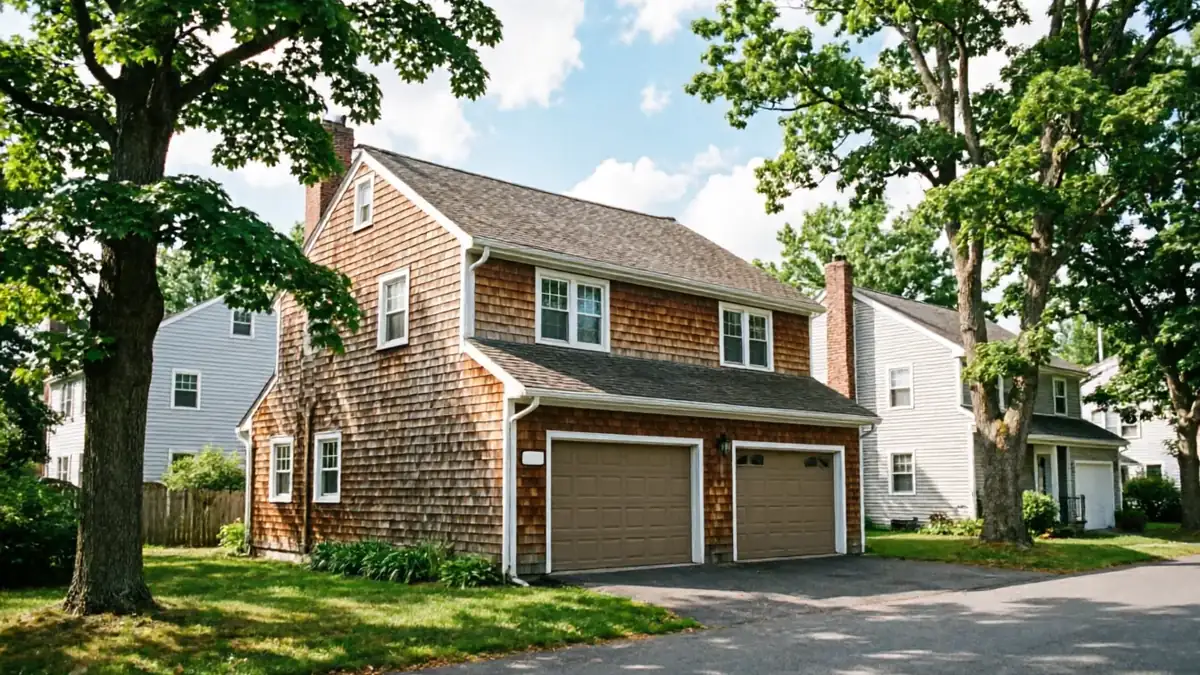
Housing in this service area was mostly built between 1938 and 1990, with the bulk going up in the 1960s and 70s across the 61 named sections we cover. That means a lot of openers are second or third-generation replacements on original track and hardware - chain-drive units from a different decade than the door they're lifting, with mounting brackets and header clearance that don't match current standard kits.
The climate band here is cold and severe, which matters more for openers than people expect. Grease in an old drive screw stiffens below freezing, gear-reduction units built with cheaper nylon crack over repeated cold-to-warm cycles, and capacitors that are already marginal fail outright on the first hard frost. A homeowner in a house built in 1973 running an opener installed in the 90s is running two mismatched generations of equipment, and the opener is almost always the first thing to give out.
We're not guessing at this pattern - it's what actually comes off the truck on these calls, call after call, in houses with this housing-stock profile.
What You Pay
We don't quote opener repair over the phone sight unseen
Because a dead remote, a burnt capacitor, and a stripped gear kit cost different amounts and look identical from the driveway. What we can tell you is how we price it: a flat diagnostic look at the unit, then a clear number for the fix before anything gets touched, with no add-on charges once we're mid-repair.
Some calls end up being a $20 part
Some end up being a full opener swap because the motor housing has cracked and parts for that model stopped shipping years ago - that's the honest limitation here. If your opener is old enough that the manufacturer doesn't carry boards or gear kits for it anymore, repair isn't cheaper than replacement, and we'll say so instead of charging you for a patch that won't hold through next winter.
Given the income profile across this service area
Where median household income runs north of $107,000, most owners we talk to would rather pay once for the right fix than twice for a stopgap. We price accordingly - straight, not padded.
Time on the Job
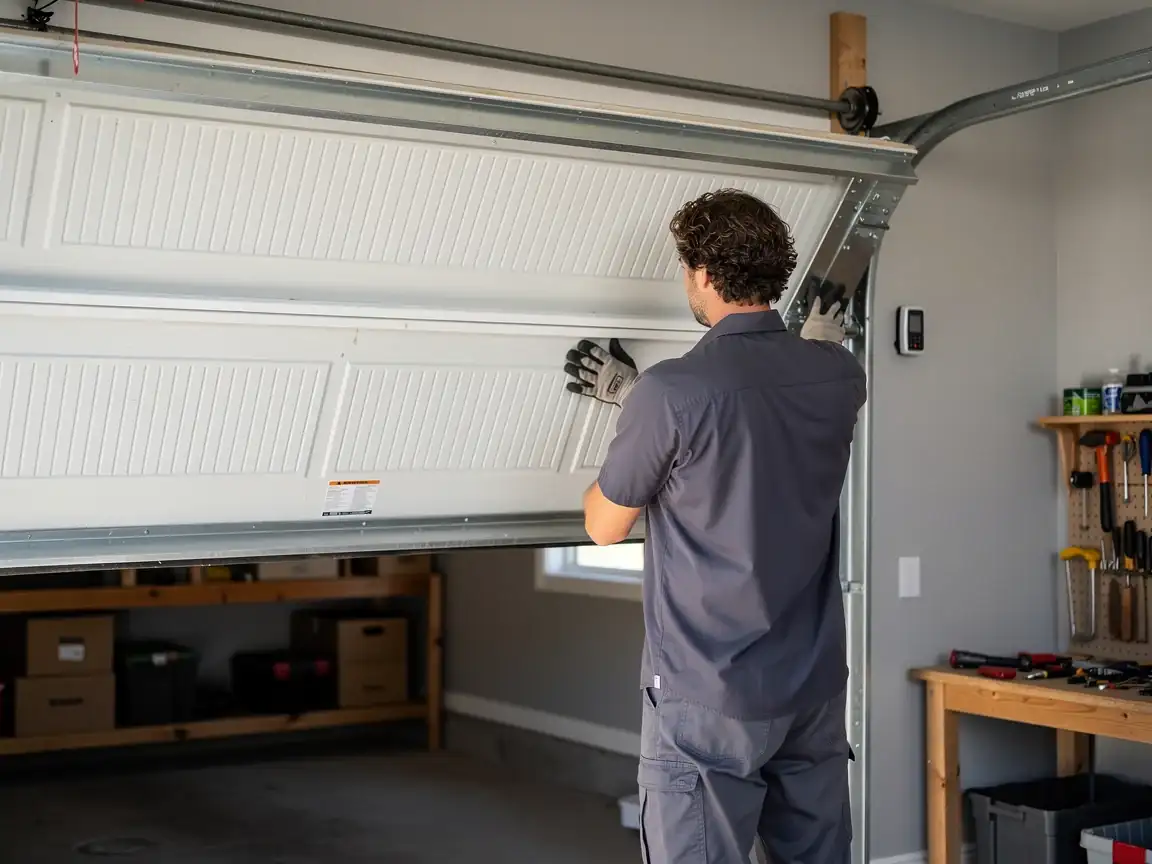
Most opener repairs are a single-visit job once we're on site - an hour or so once we know what's wrong, longer if the unit needs a full swap and we're matching mounting points to older track hardware. Diagnosis itself is usually the fast part; it's sourcing a part for a 20-year-old unit that can add a day or two if it's not something we carry on the truck already.
Across a service area with 364,772 households and 173,708 owner-occupied houses, we're not working off a single neighborhood's parts list - we stock what actually fails most in this region's housing stock, which cuts down on the "order it and wait" calls. But we won't pretend every part for every opener built in the 1970s or 80s is sitting on a shelf. If yours is a rare one, we'll tell you upfront what the wait looks like instead of guessing at a date.