What Local Conditions Do
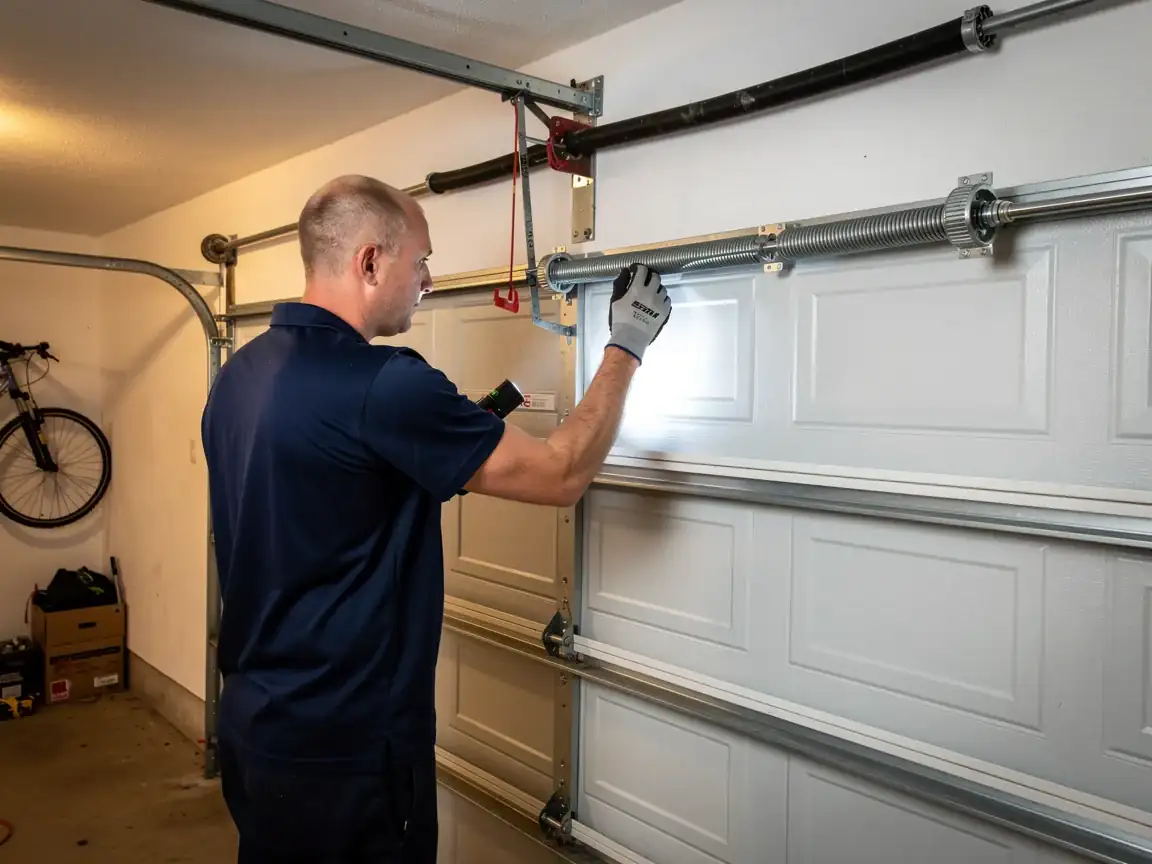
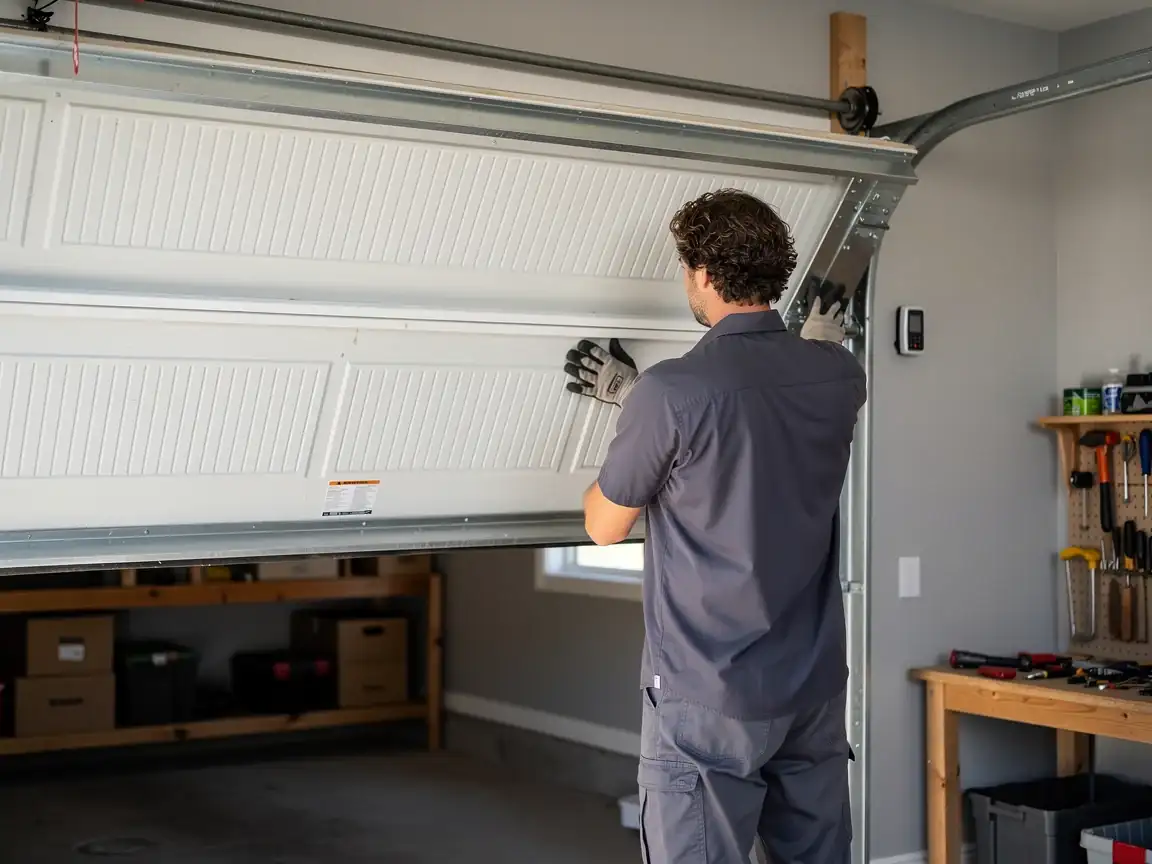
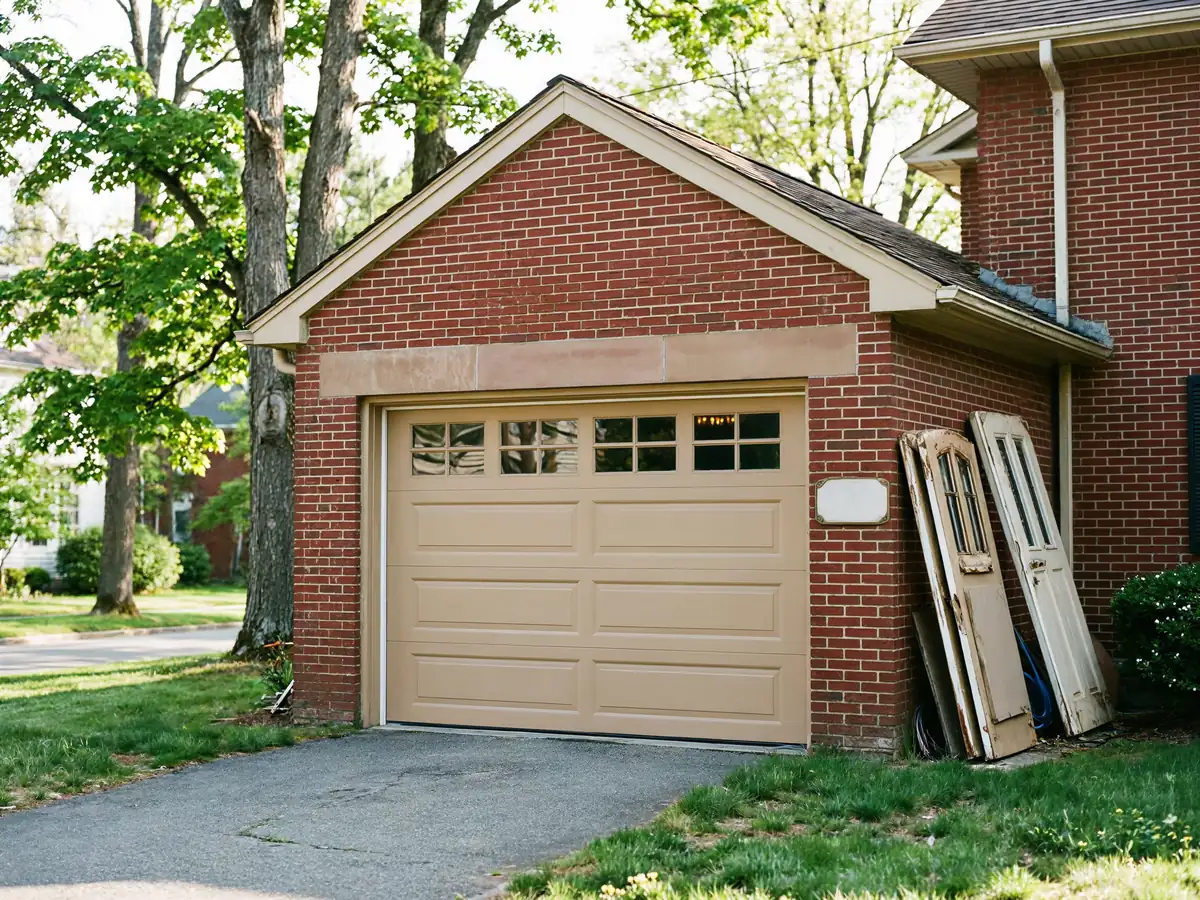
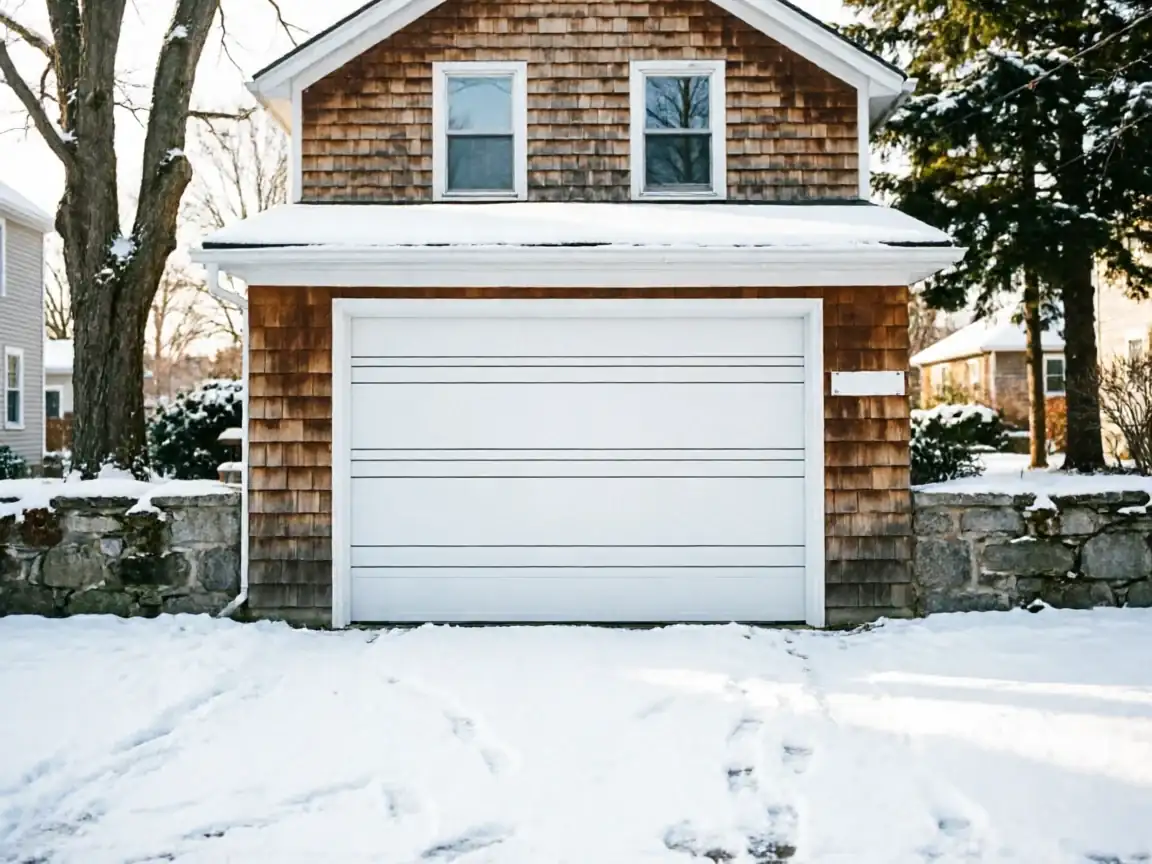
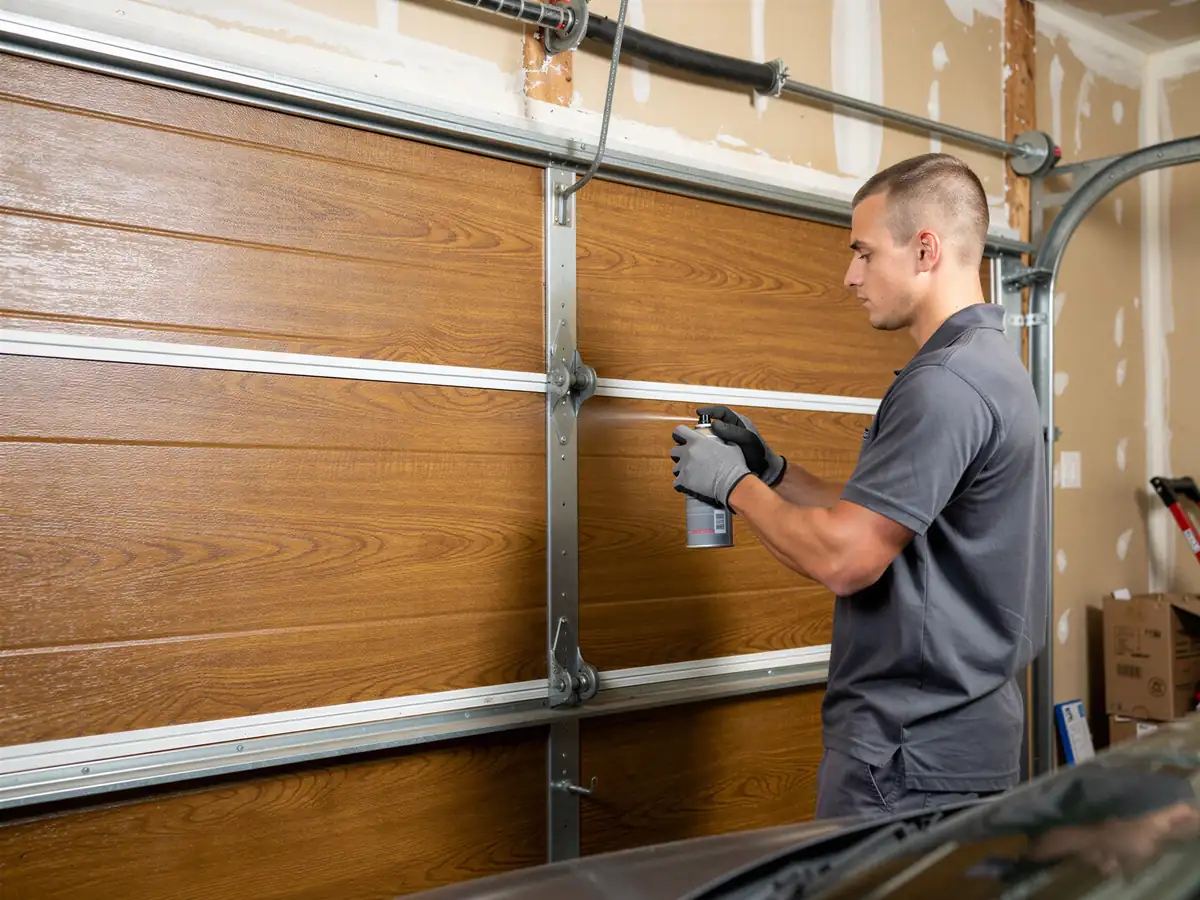
Glastonbury's housing stock runs 1938 to 1990, with a median build year of 1973, spread across 61 named neighborhoods and areas from Glastonbury Center out toward the Wethersfield and East Hartford lines. A door put on a house in 1973 was built to a code that didn't ask much of it - no insulation requirement, no wind load spec, often a single layer of steel over a wood frame with no thermal break. The door never had to do the job we now expect: keep a heated or semi-heated garage warm enough that pipes don't freeze and the attached mudroom doesn't feel like an icebox. Pair that with a severe cold climate band and you get a door shell that was adequate for 1973 standards sitting in a 2024 winter. The hardware ages the same way - torsion springs calibrated for a lighter, uninsulated panel start to feel wrong the day someone swaps in a heavier insulated replacement without recalculating spring weight. That's a common mismatch we see on these older Glastonbury frames.
The Situation
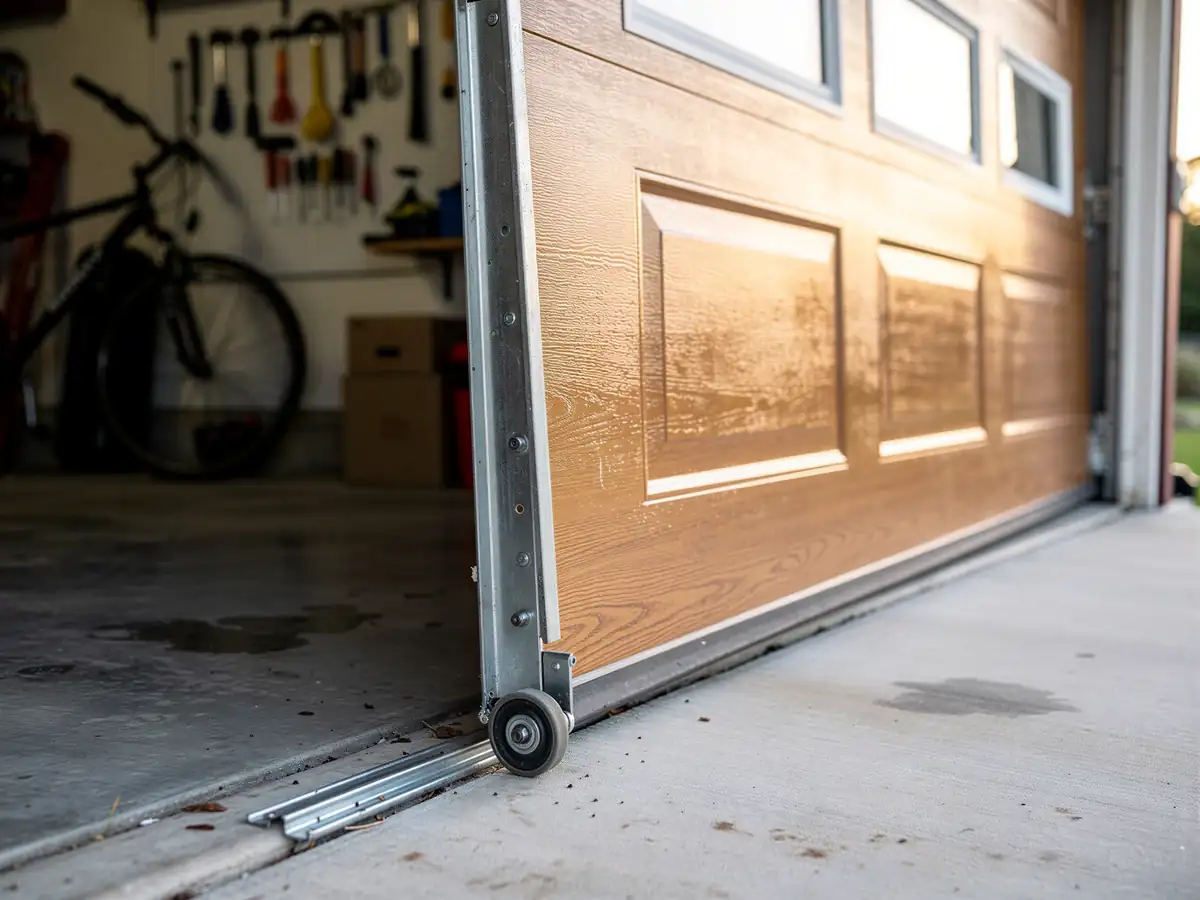
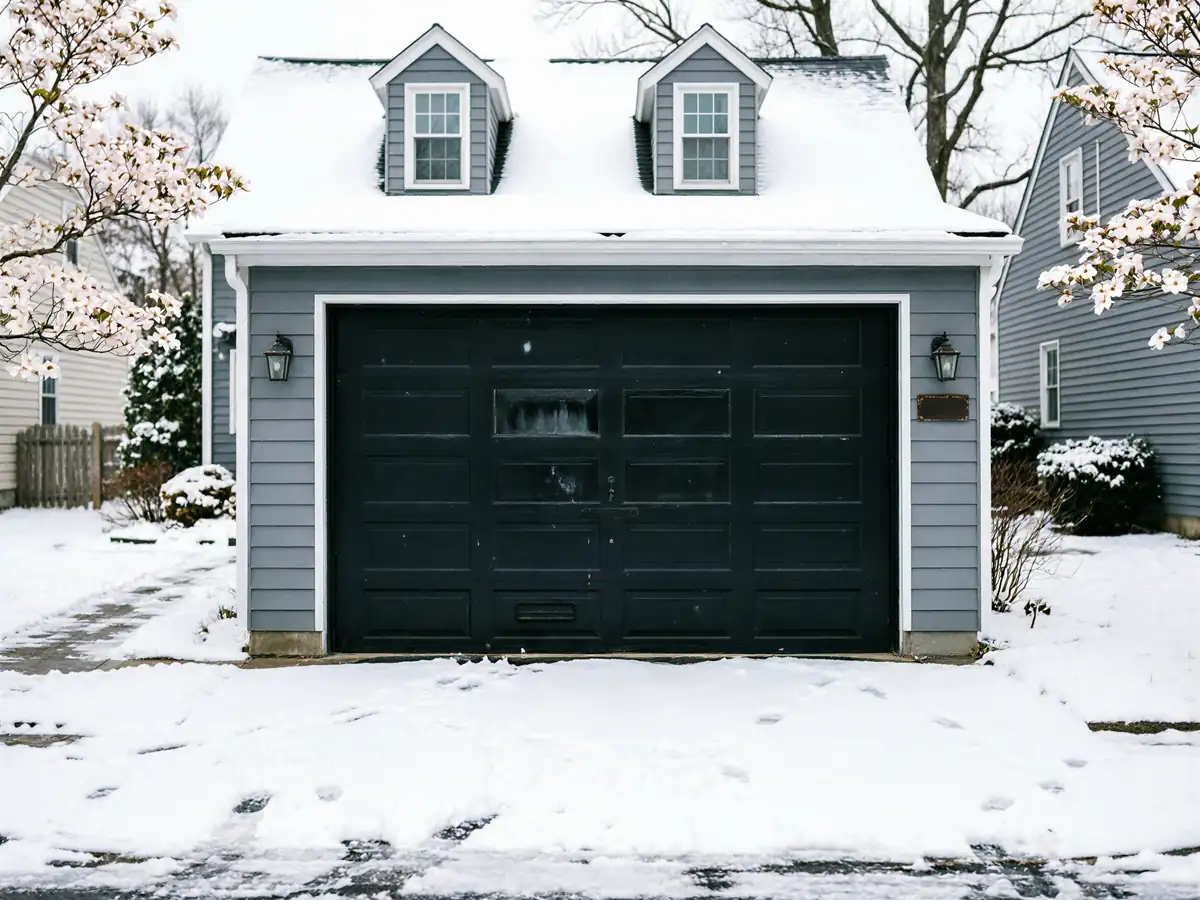
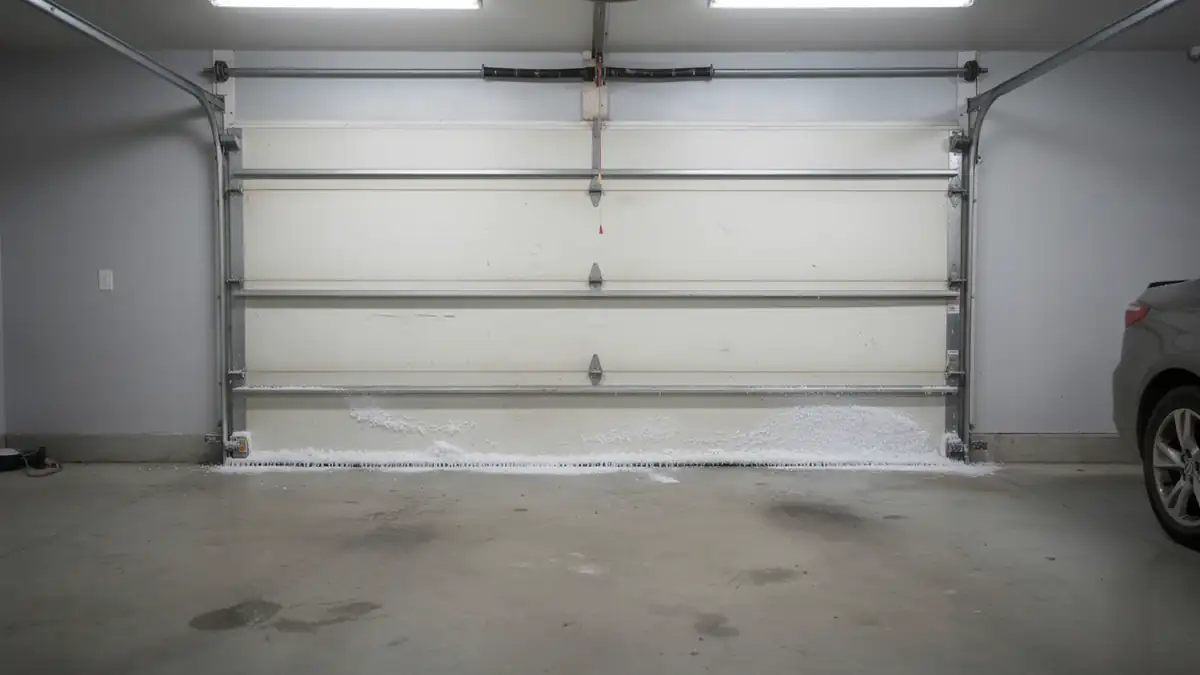
Walk a street built in the 1960s or 70s anywhere in this town and the garage doors tell the story before you even open one. Original one-piece or early sectional steel doors, no foam backing, thin gauge panels that oil-can in the cold and let a visible line of frost build on the inside skin on a severe-cold morning. Owner-occupied houses make up a large share of the roughly 364,772 households across the wider service area, and a lot of these owners inherited a door that's never been touched since the house was built - original hardware, original spring, sometimes original opener bolted to a header that was never reinforced for the weight of what's now hung on it. The fix isn't always replacement. Sometimes the frame and track are sound and all that's wrong is the seal at the floor, which on a severe-cold winter is where most of the heat loss actually happens, not through the panel itself. We look at the whole opening before we talk about swapping anything.
What Most People Get Wrong
The biggest mistake we see on these pre-insulation-era doors is owners adding a thicker, heavier replacement panel and keeping the original torsion spring, assuming