What Local Conditions Do
Glastonbury's housing stock runs mostly 1938 to 1990, with the median build year sitting at 1973, and that split matters more than most homeowners expect. A detached garage built in that window usually got whatever door was cheap at the time - single layer steel, maybe no insulation at all, because nobody heated it and nobody cared. An attached garage from the same era is a different animal. It shares at least one wall, sometimes a ceiling, with living space, and in a cold-severe climate band like ours, an uninsulated door on an attached garage is a direct heat sink for the room next to it.
Across the 61 named areas we work in this service territory, most of what we see is 1960s and 70s construction, and the door choice people made back then assumed a detached garage was just a shed for the car. That assumption doesn't hold anymore for the attached ones, especially where someone's finished a bonus room above or next to the garage bay. The door on an attached garage is functionally an exterior wall of the house. The door on a detached one is closer to a garden shed wall - it still has to work every day, but the stakes on heat loss are lower.
The Situation
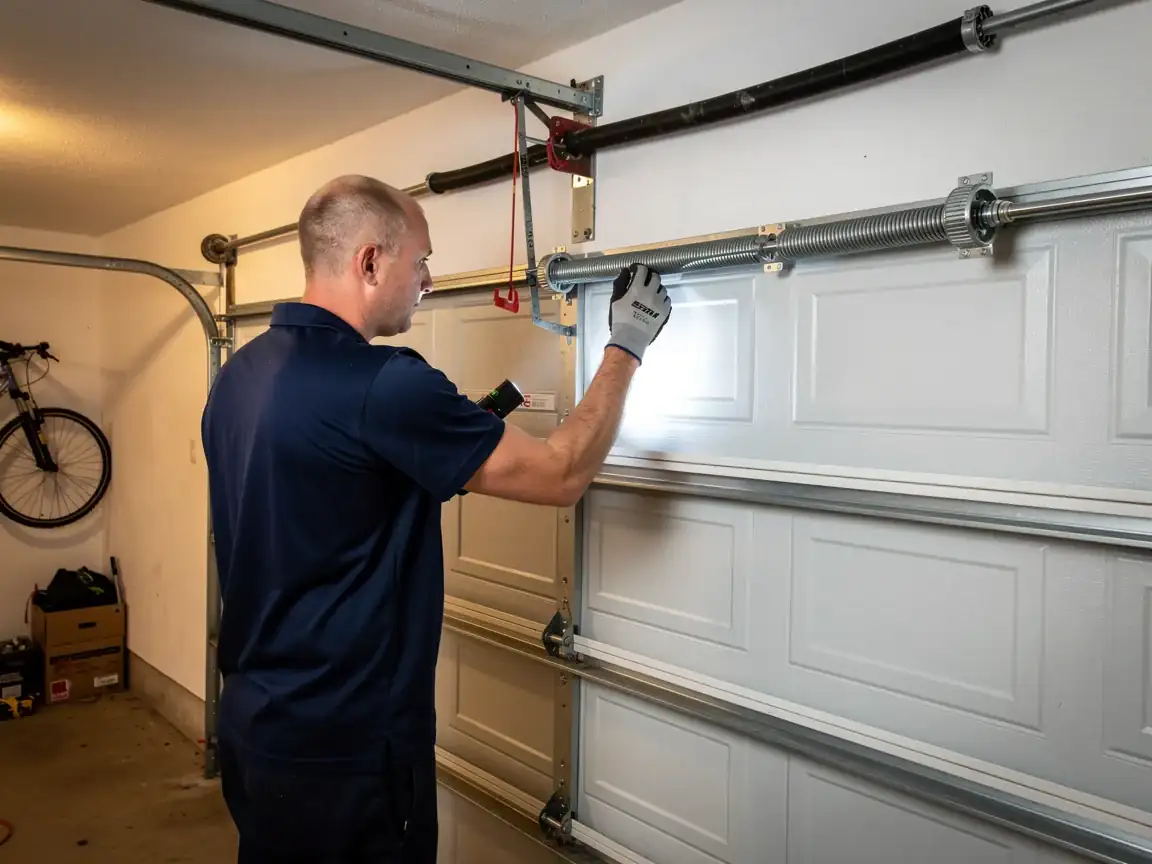
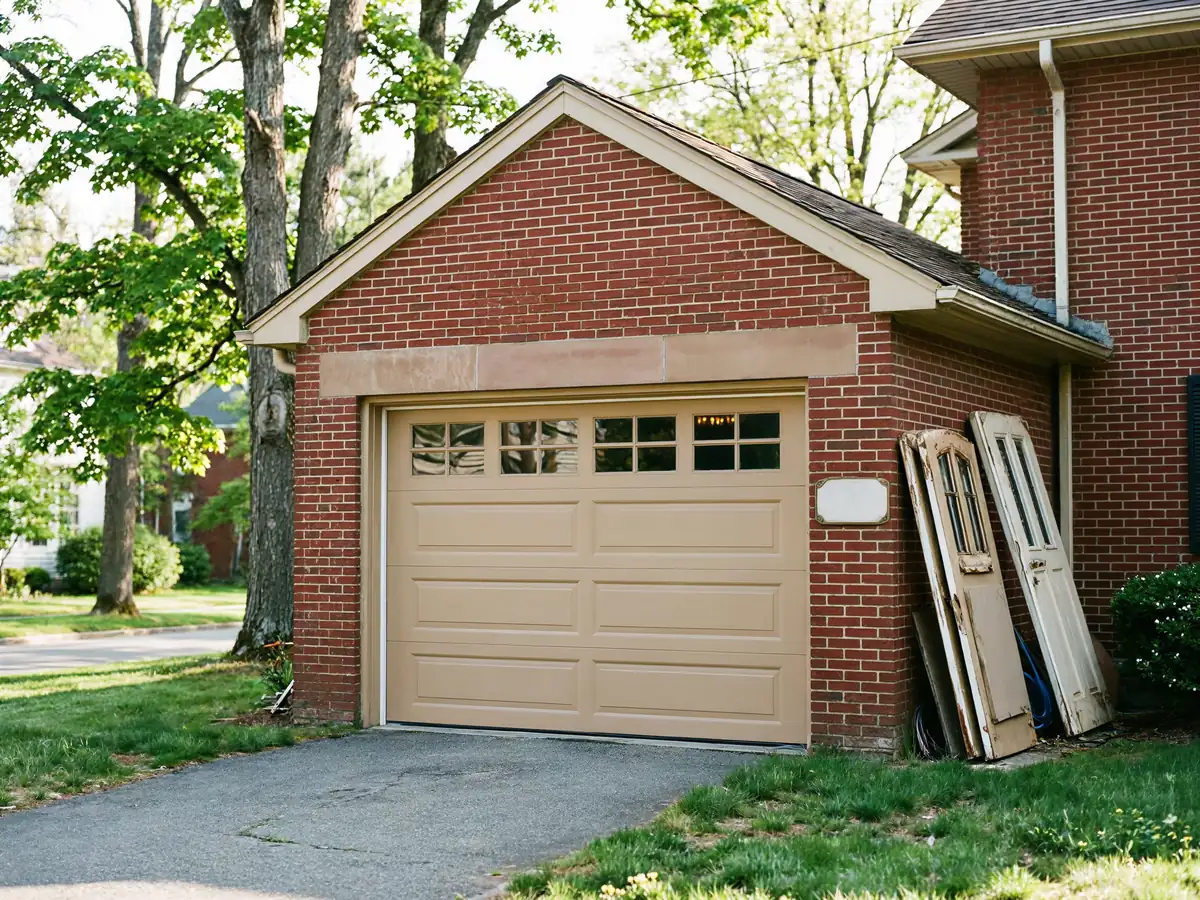
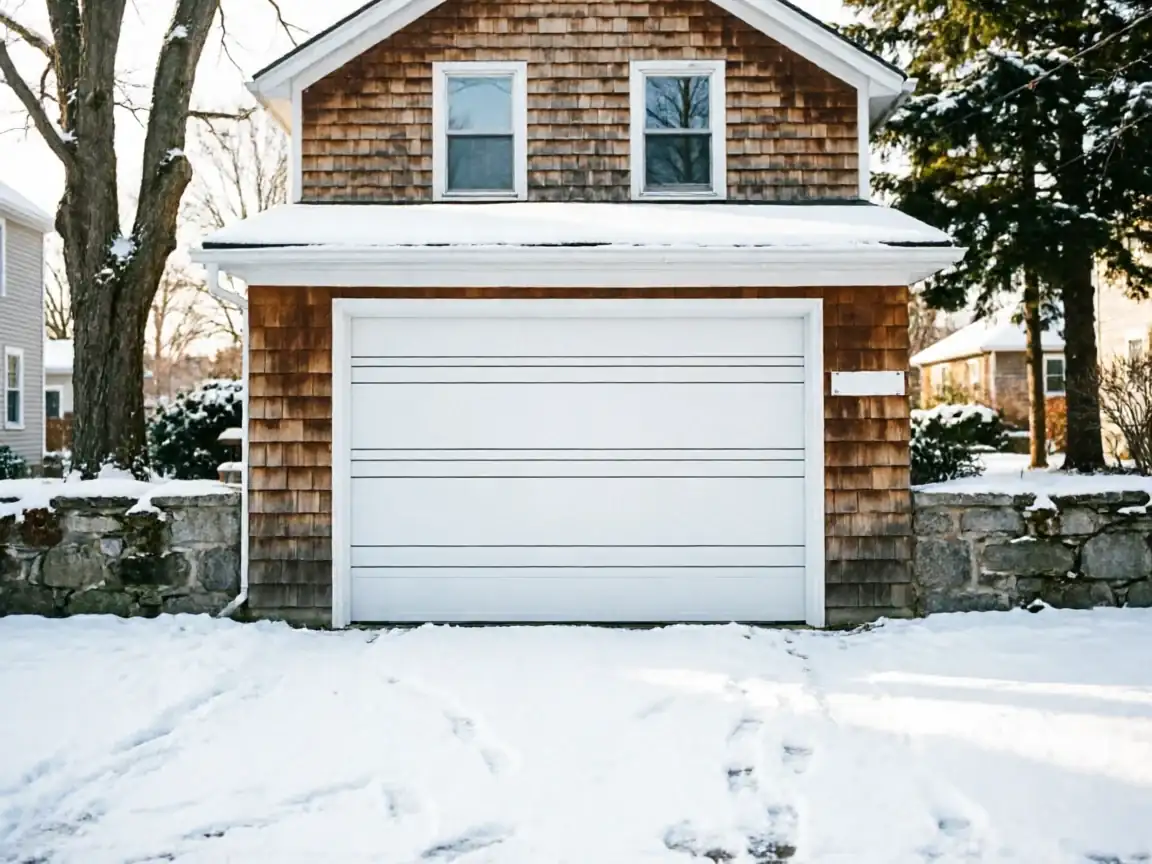
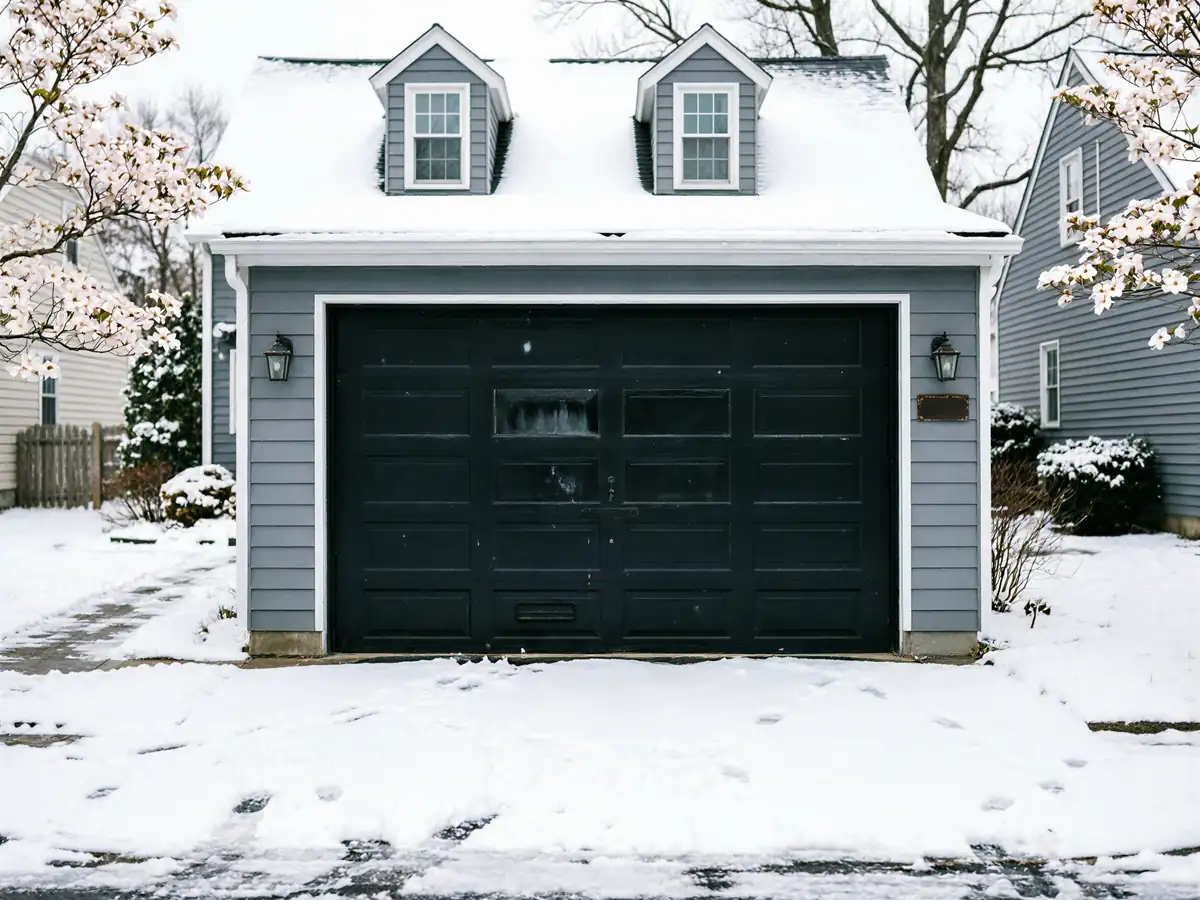
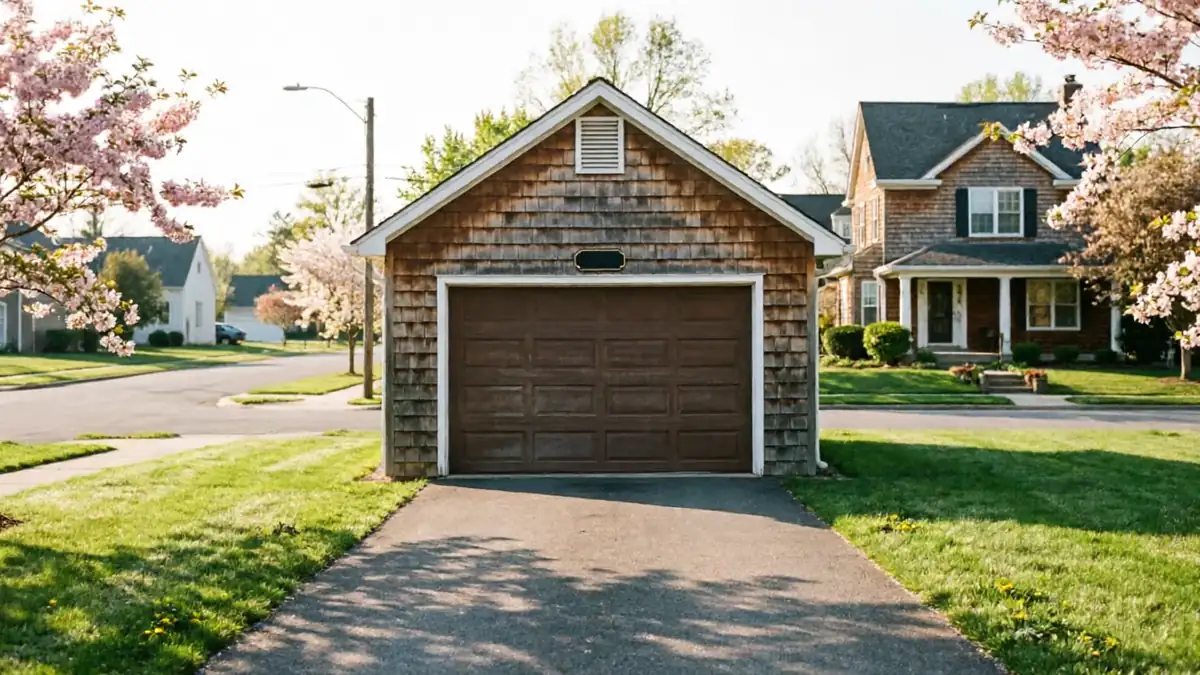
Walk a street near Glastonbury Center and you'll see the pattern: older detached garages set back from the house, often with the original single-layer door still on torsion hardware nobody's touched since the Carter administration, next to newer attached garages with whatever builder-grade door came with a 1980s or 90s addition. Neither is wrong on its own terms. The detached door's job is to keep weather and wildlife out of a space that isn't climate-controlled. The attached door's job is to keep the house's heated air in.
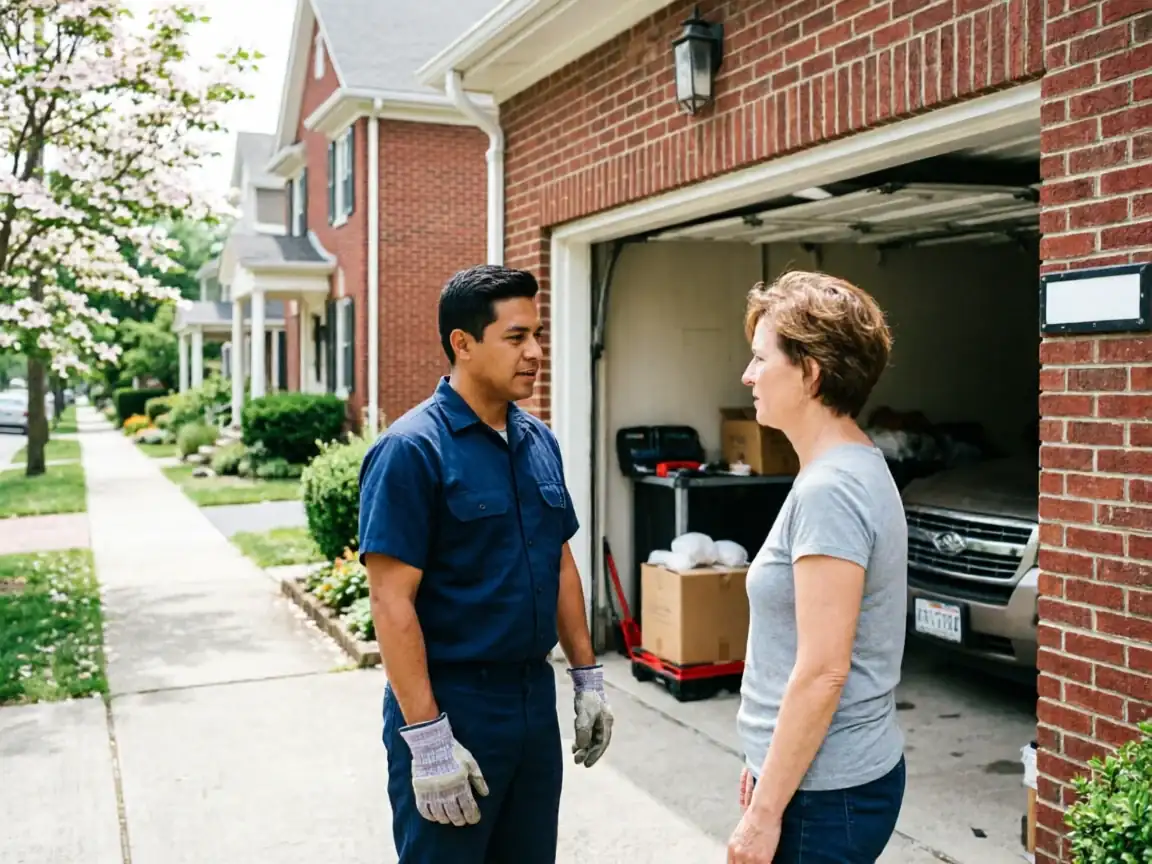
The cold-severe climate here means both doors deal with real temperature swings and real snow load against the bottom seal, but only the attached door's R-value shows up on a heating bill. We get calls where someone's replacing a door on a detached garage purely because the old one quit - spring broke, panel's dented, whatever - and they're surprised when we don't push insulation hard on that job. We get calls on attached garages where insulation is the whole point of the swap, because the room on the other side of that wall is cold in January and the door is why.
What You Pay
We don't have a flat number to hand you here
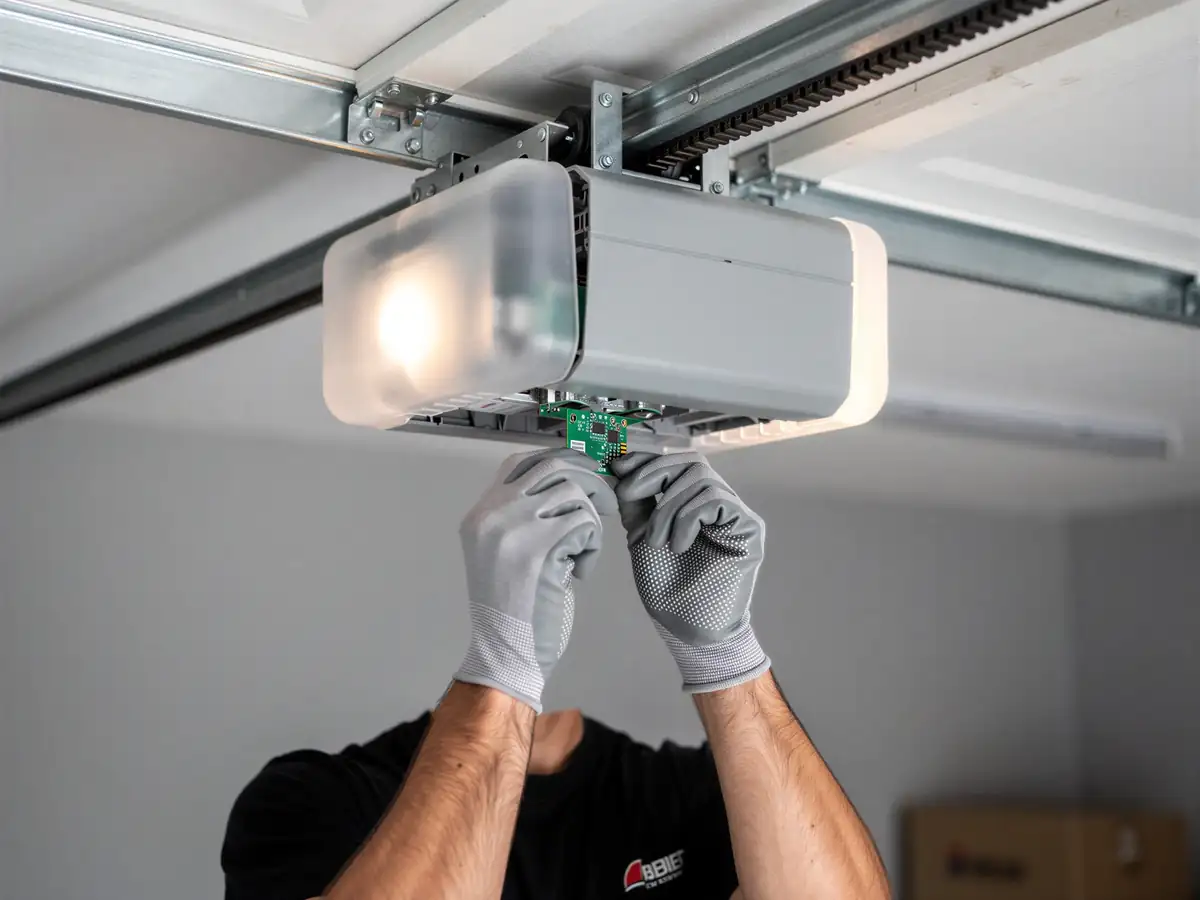
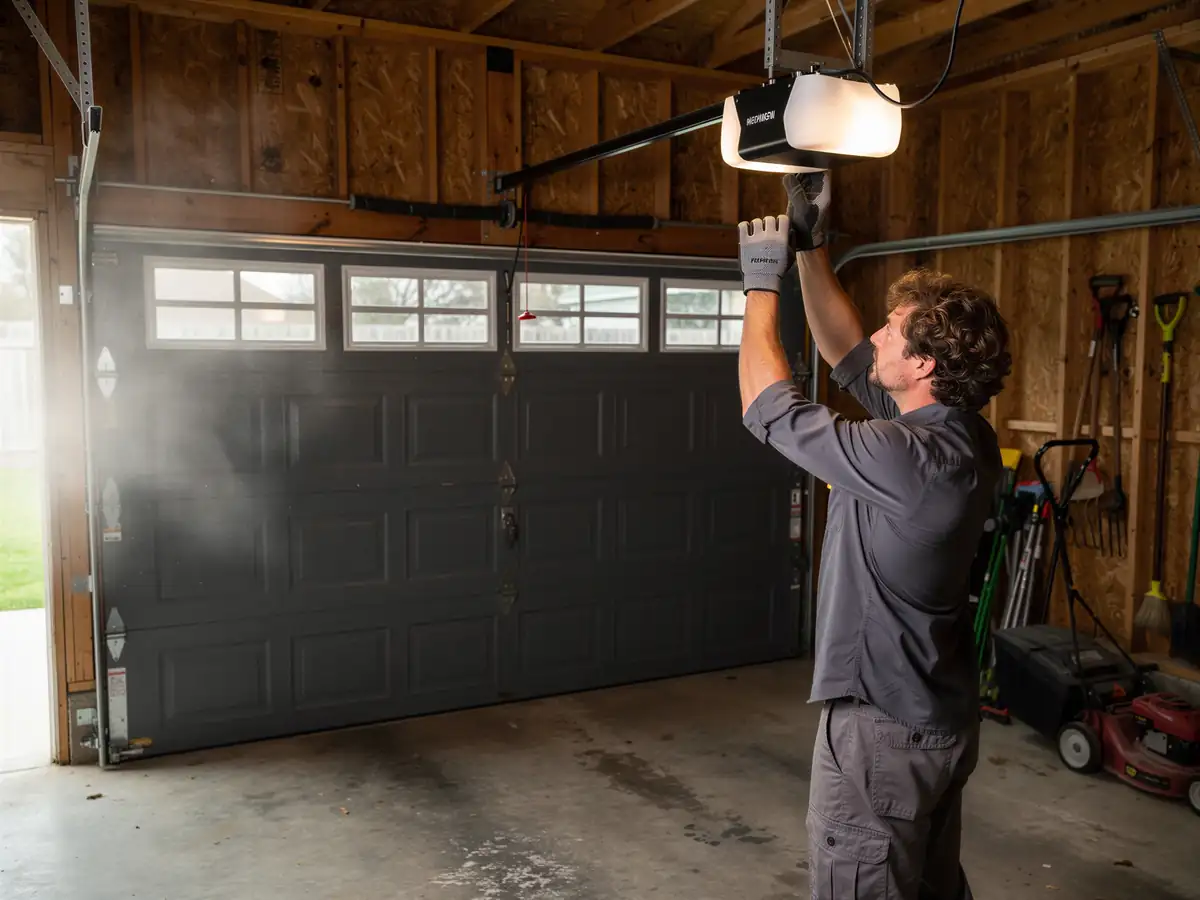
Because what you pay depends on the door width, the insulation level you pick, and what's already on the opener side of the job. What we can tell you is how the decision usually gets framed: on a detached garage with no living space attached, a non-insulated or single-layer-with-foam door is a defensible choice, and it costs less than the alternative. On an attached garage, especially one built in that 1960s-70s window this area is full of, the insulated option earns its keep faster because it's doing double duty - garage door and exterior wall.
Median household income across this service area runs $107,012
Which puts a lot of households in range of choosing insulation on the attached garage without it being a stretch decision. That's not a guarantee of what any one job costs, just context for why we see more upgraded doors going onto attached garages than detached ones when people have the choice.
What Most People Get Wrong
The mistake we see most is treating the detached garage door and the attached garage door as the same purchase decision. They're not. People shop by price per door and end up putting an insulated door on a detached structure that's never going to be heated - money spent on a feature that isn't doing any work - or they put the cheap single-layer door back on an attached garage and wonder why the laundry room stays cold all winter.
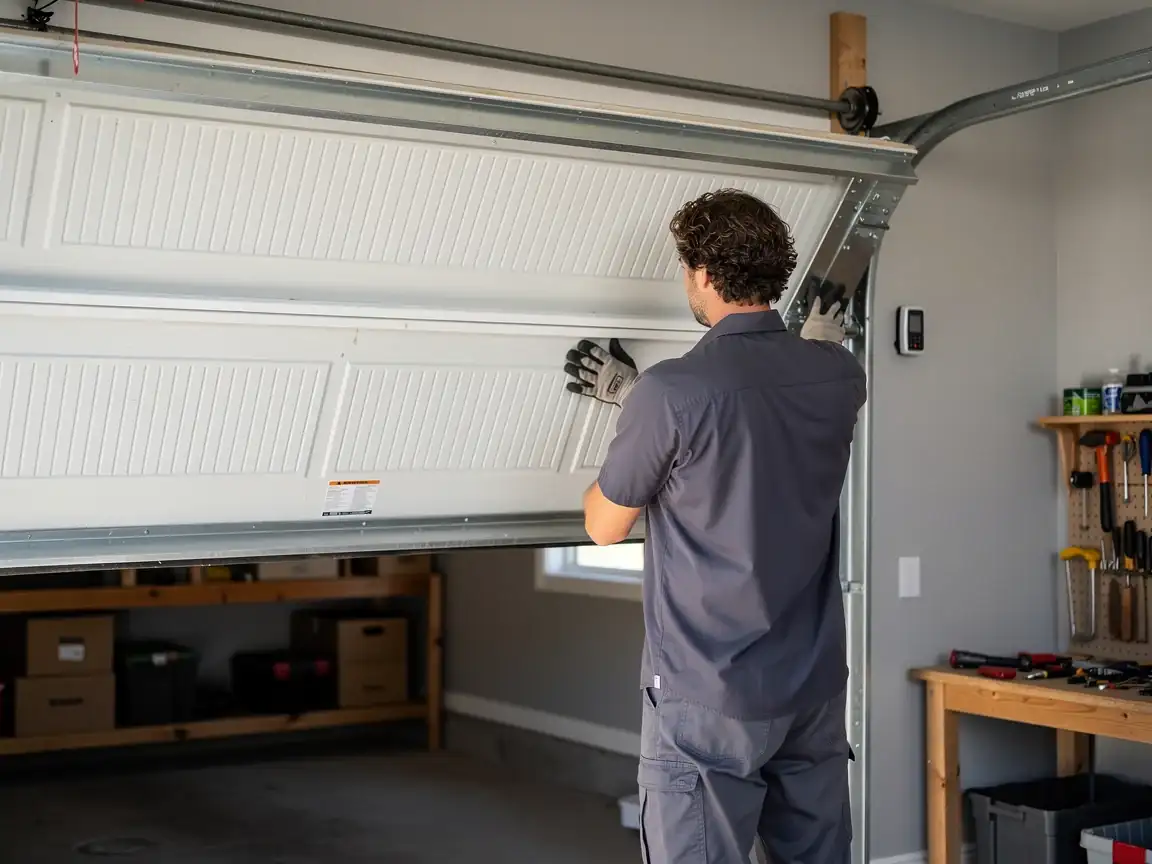
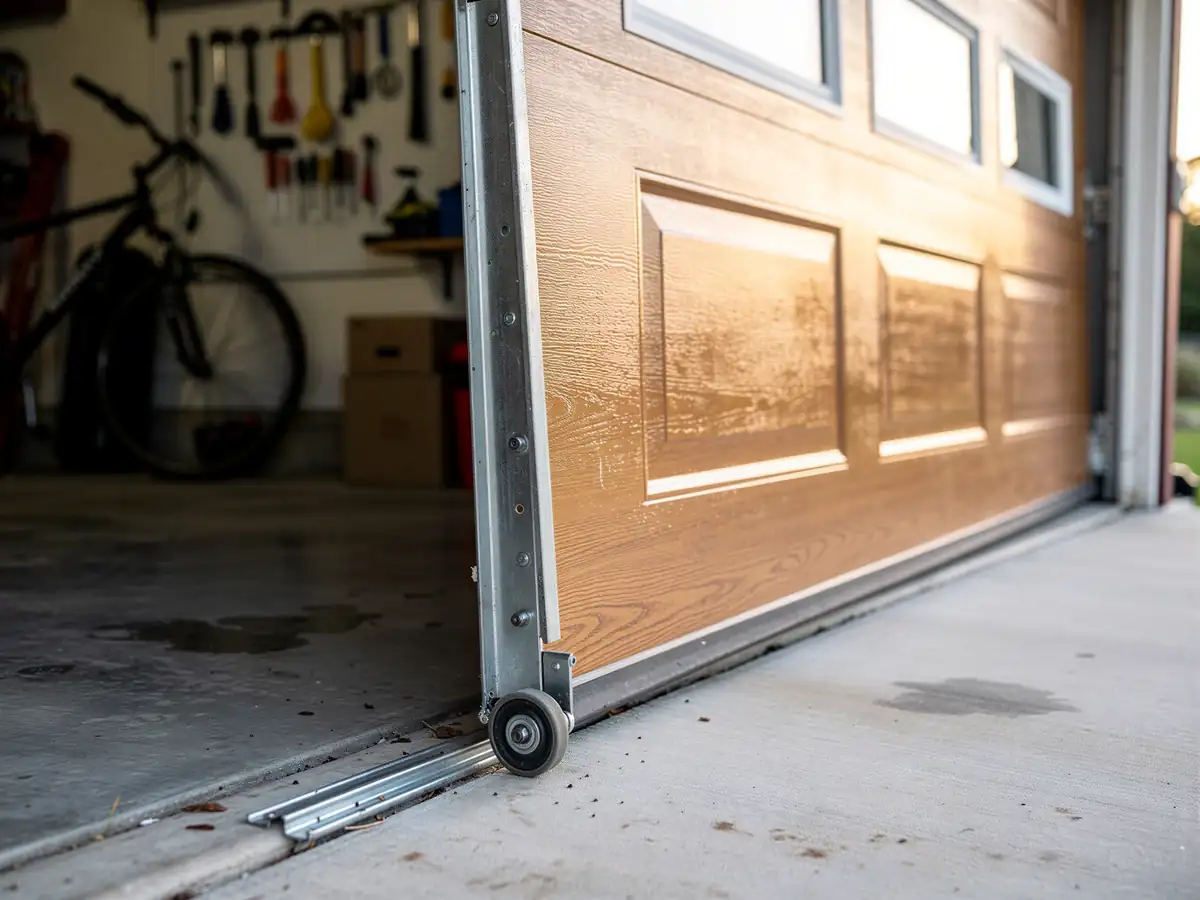
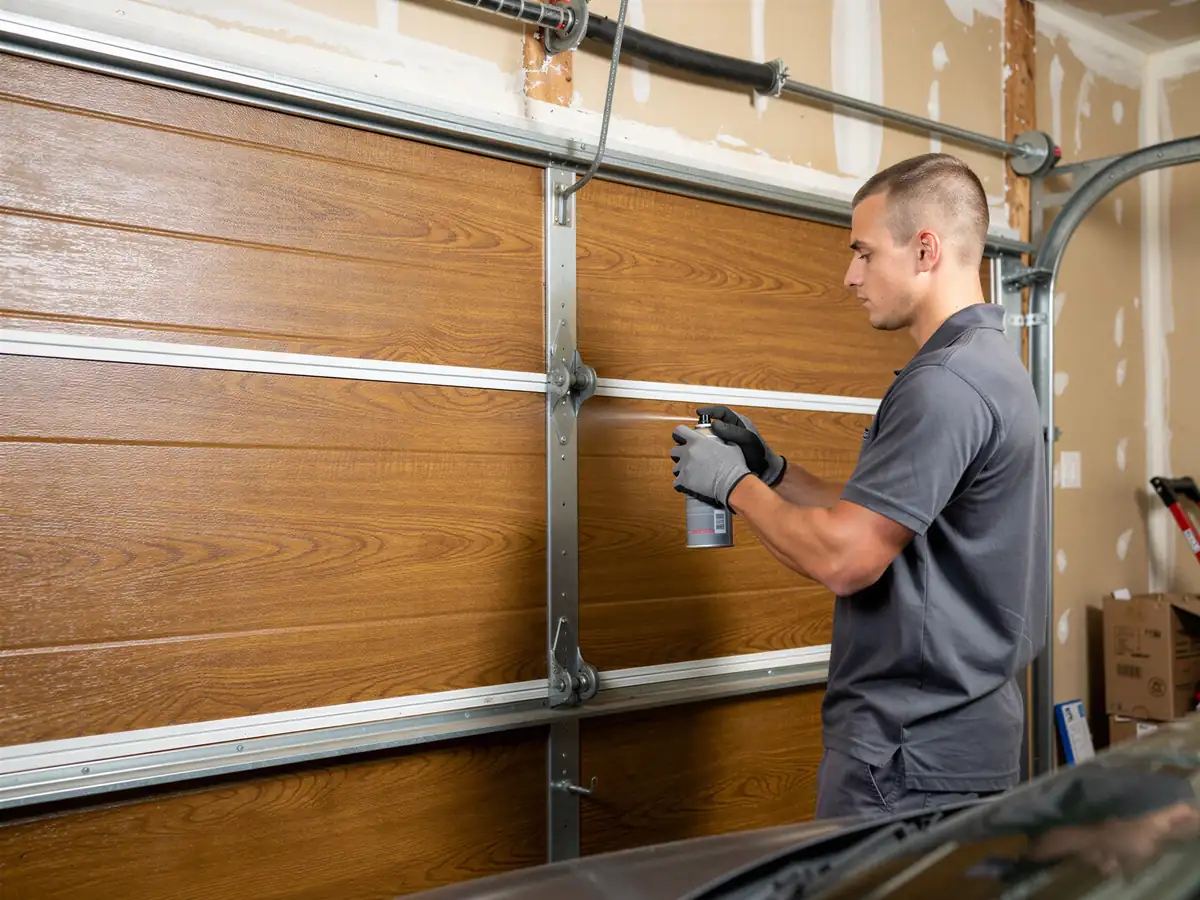
The other thing people miss: an old detached garage door on original hardware from the 1960s or 70s might be fine mechanically but miserable on wind infiltration, which matters less if it's detached and more if it's attached. Honest limitation here - we can tell you what we see on doors of this vintage in this area, but we can't tell you the condition of your specific door without looking at it. Age alone doesn't tell you whether a door needs replacing or just a new bottom seal and a service call.