Why This Fails Locally
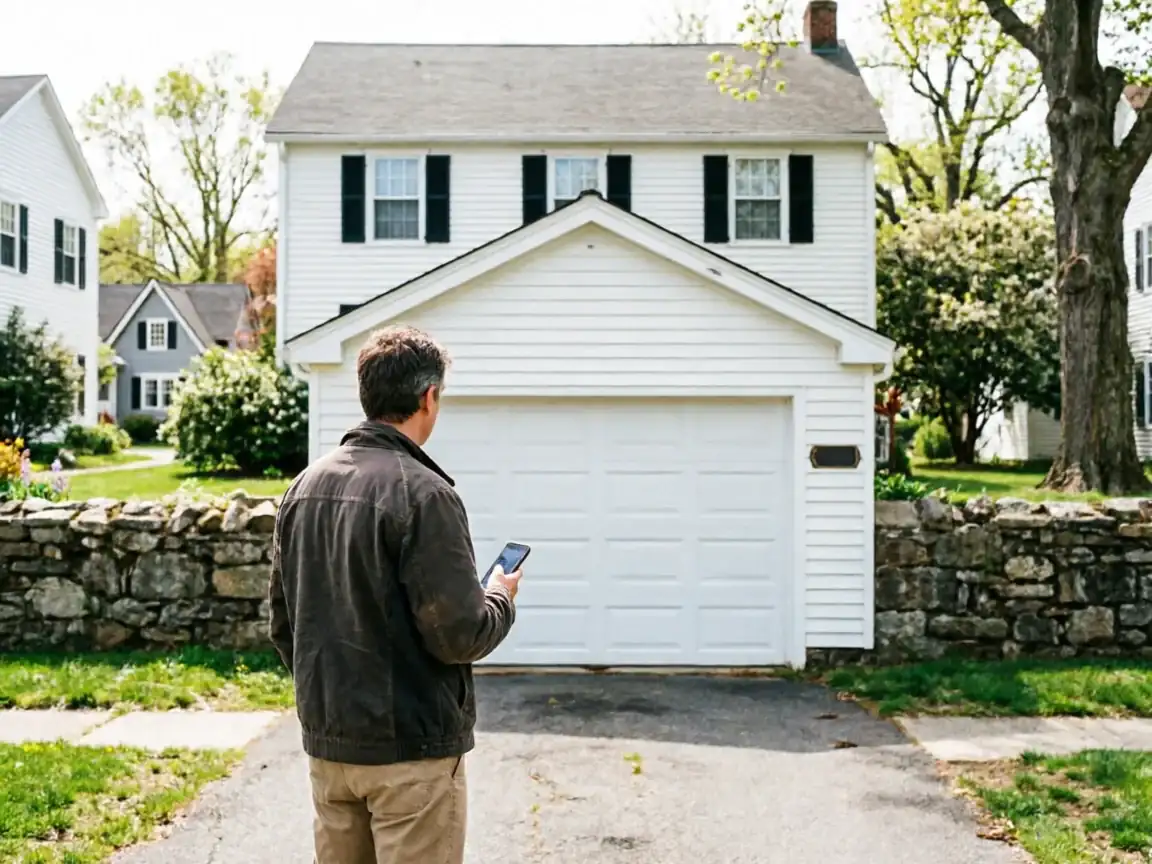
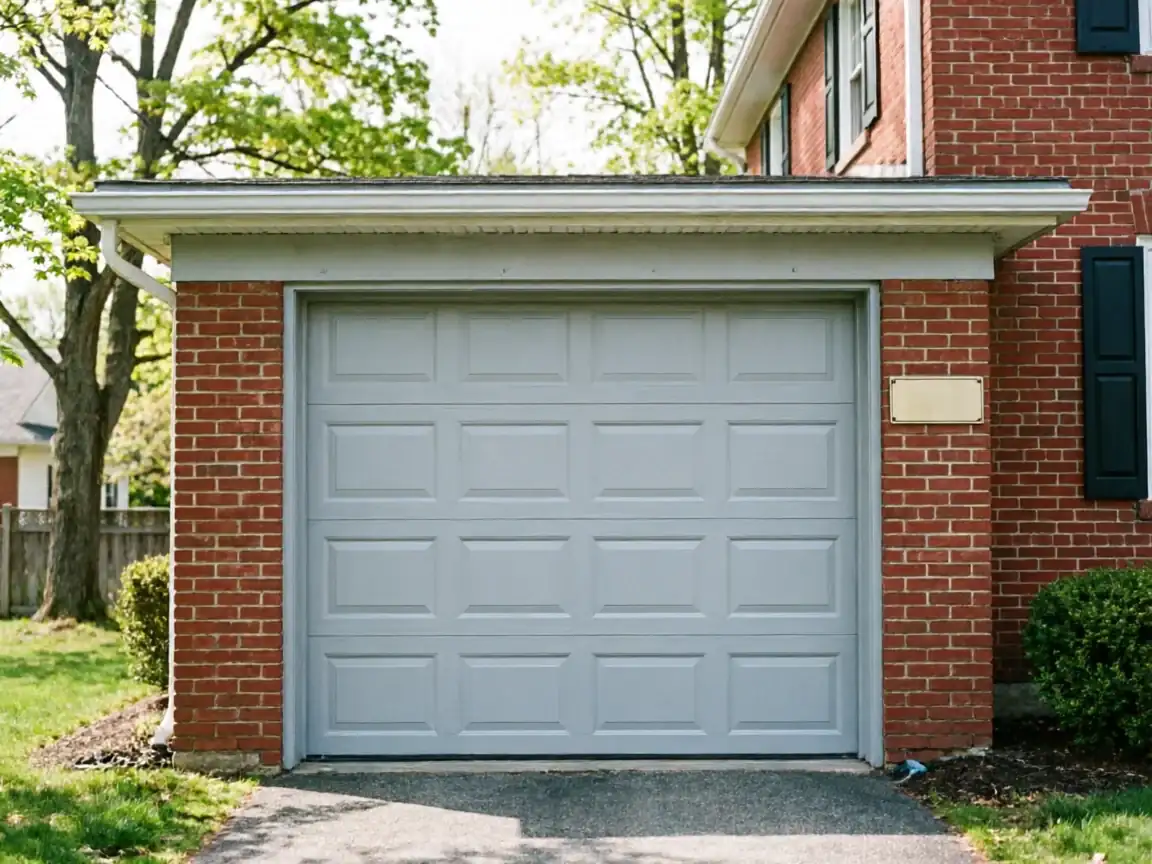
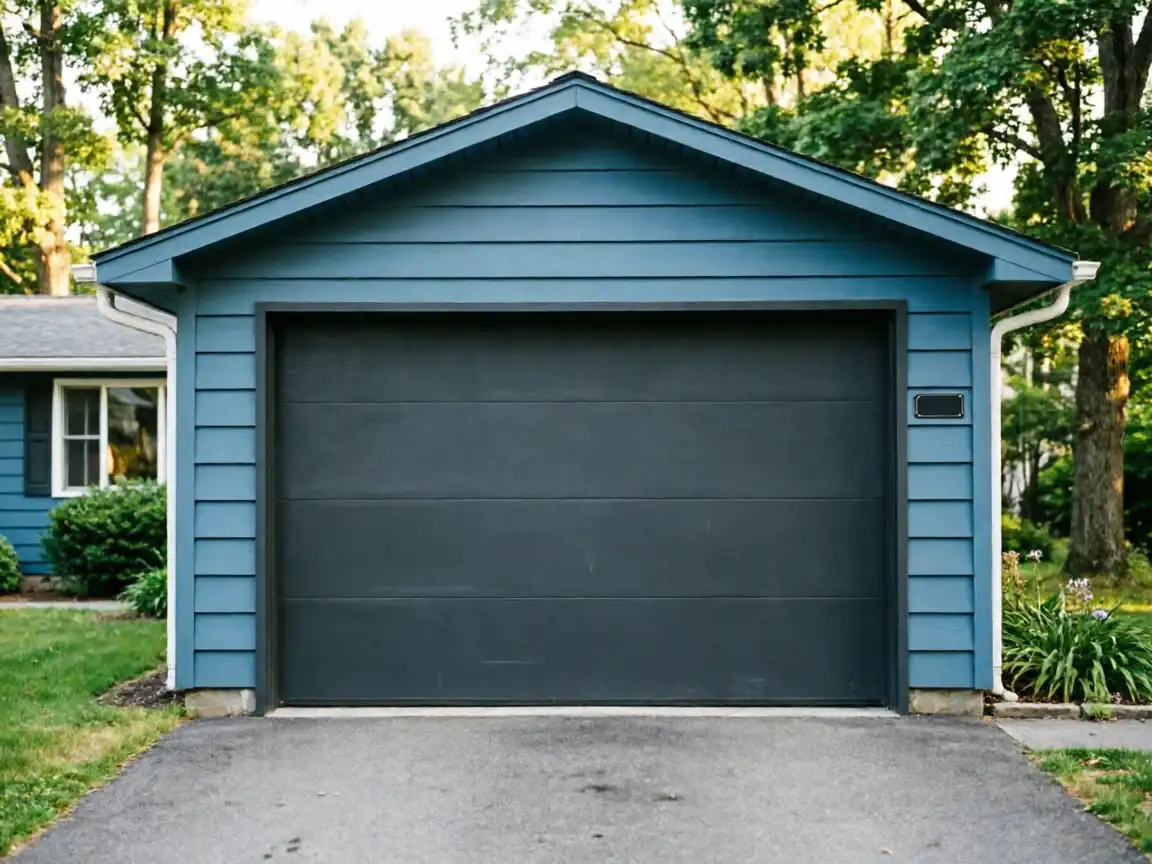
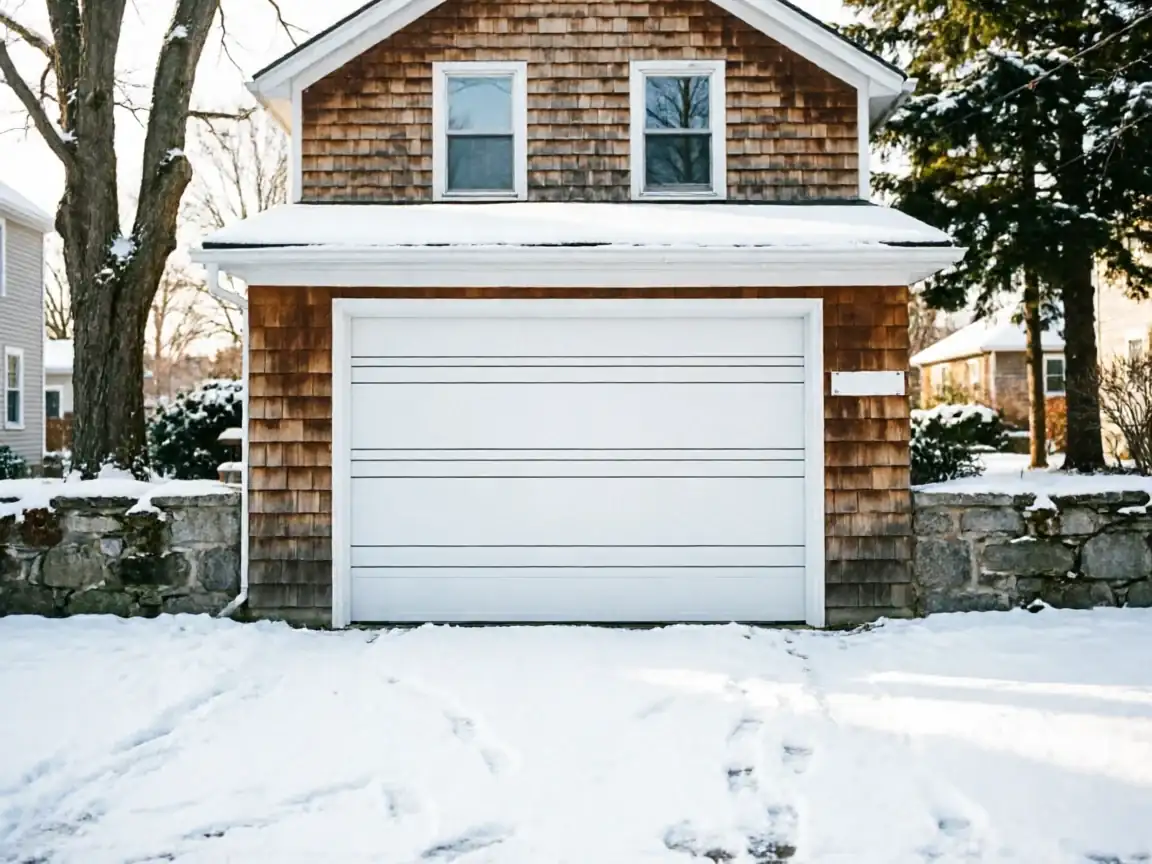
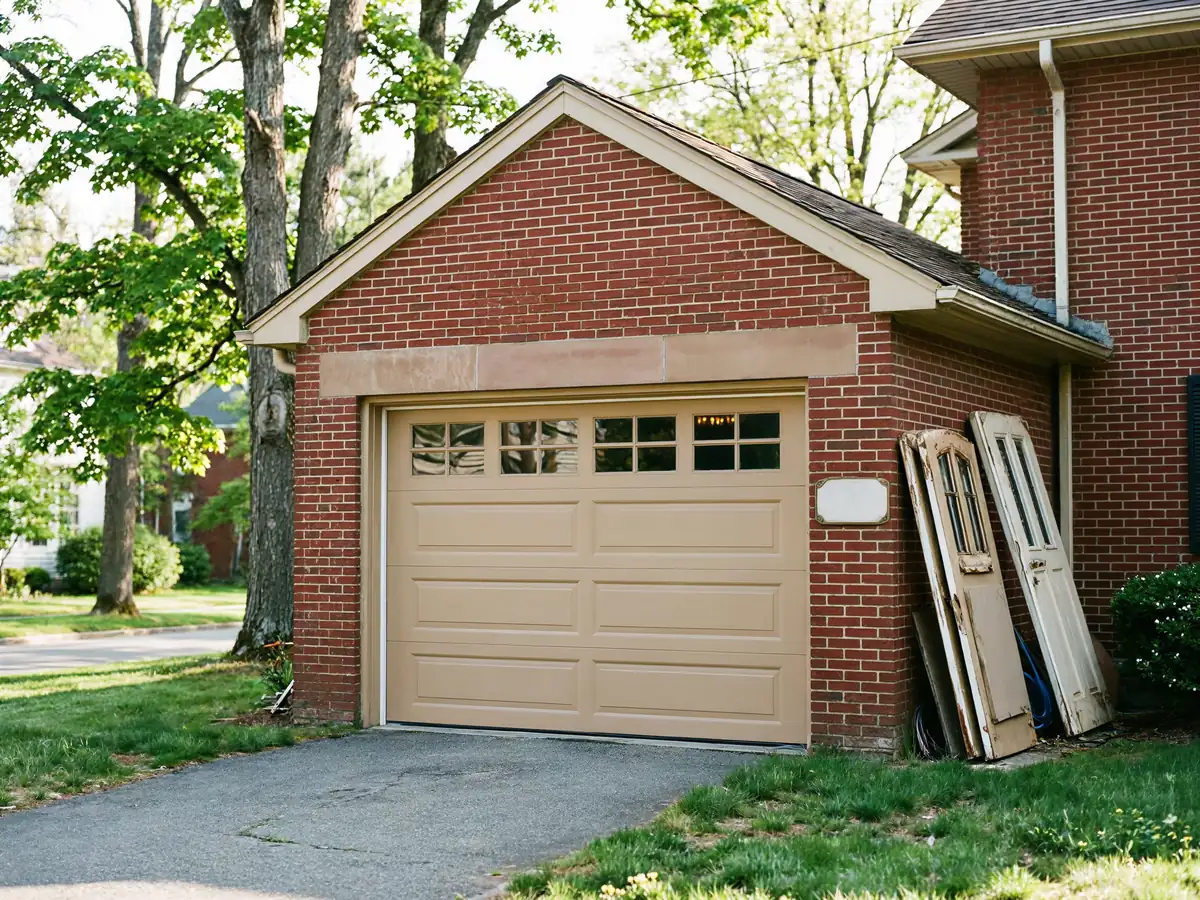
The drive from our Glastonbury shop to Wethersfield is short, about 3 miles, which matters less for how fast we can get there and more for how often we're there. We see enough of this town's housing stock to know what we're walking into before we open the truck doors. Wethersfield's homes mostly went up around 1959, noticeably older than the 1973 median across the wider area we cover. That extra decade or more of age shows up in the openings themselves: narrower rough framing, wood jambs that have shifted, and door sizes that don't match what a big-box store stocks off the shelf.
A door built for a 1959 opening wasn't speced for today's taller cars or today's R-value expectations. When a homeowner here wants a new door, the first job isn't picking a style out of a catalog - it's measuring an opening that was framed for a different era of garage and a different idea of what a garage was for. That's a local fact, not a sales pitch, and it changes what we quote and what we install.
The Symptom
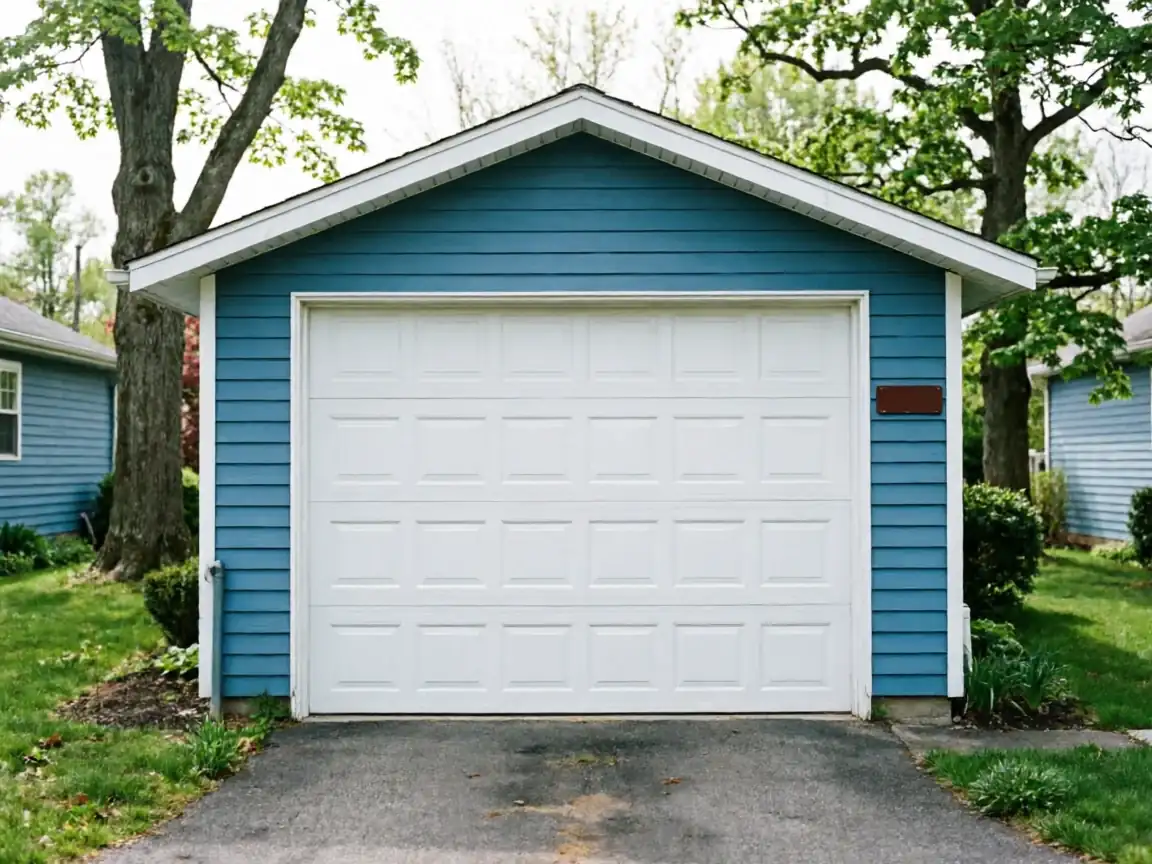
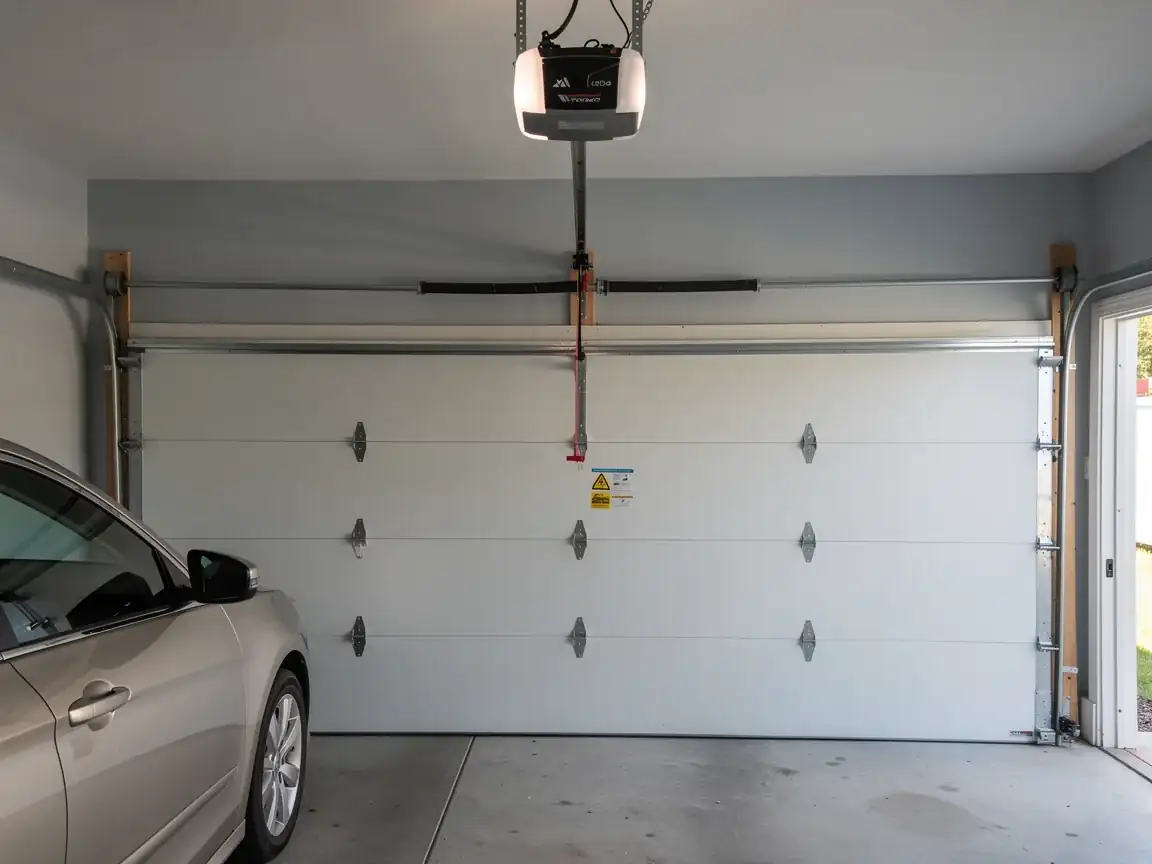
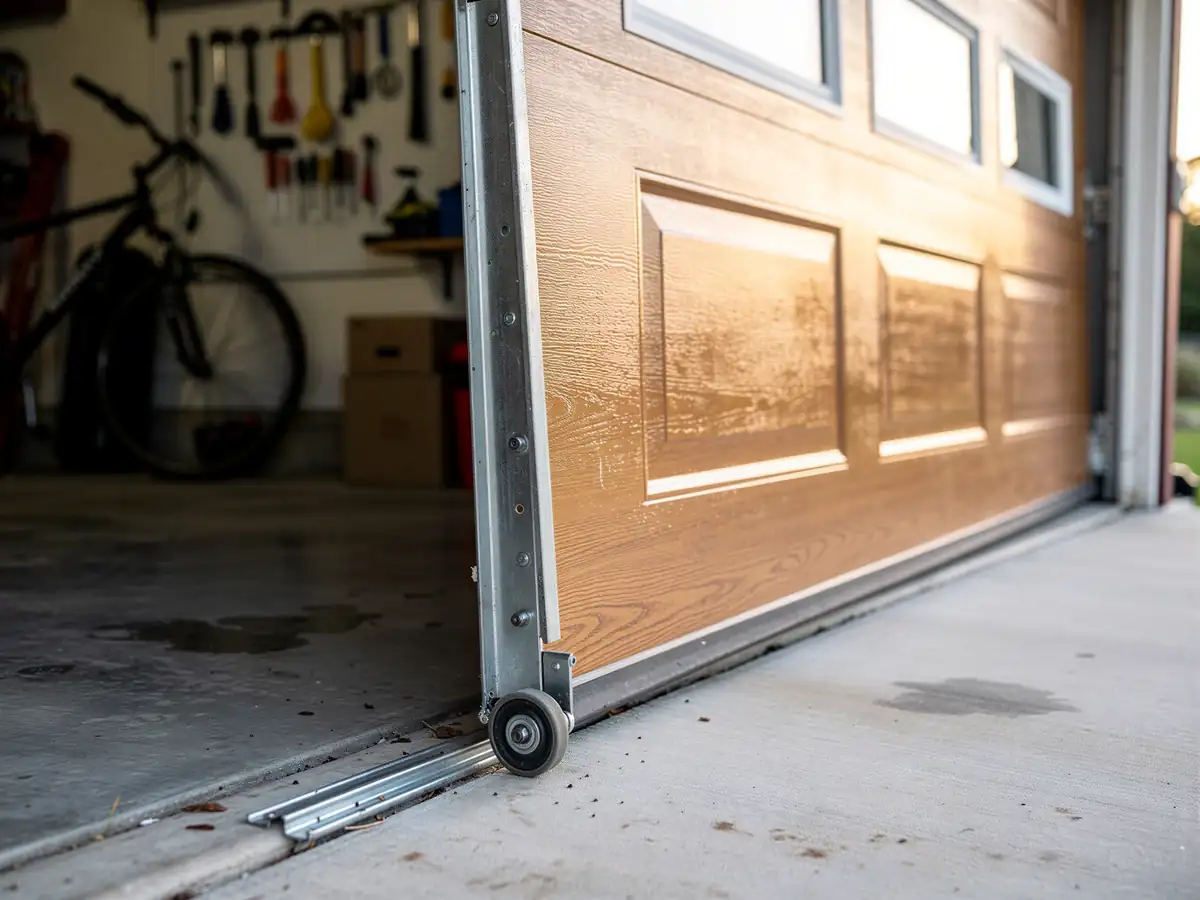
The calls we get from this town tend to start the same way: a single-layer steel door, no insulation, original to a house built when nobody worried about a garage losing heat to the house next to it. In a climate band that runs cold and severe, that uninsulated door isn't just a comfort issue - it's a door that's been fighting condensation and temperature swings for six decades, and the steel shows it. Dents that never popped back out, a bottom panel that's rusted through at the seam, a seal that hardened and cracked years ago.
Sometimes the symptom isn't the door at all - it's the opening around it. Framing that's settled a half-inch out of square over sixty-some years means a new door has to be set, shimmed, and trimmed to fit a space that isn't the rectangle it was on installation day in 1959. We measure for that, not for the nominal size on the sticker.
Time on the Job
A straightforward swap
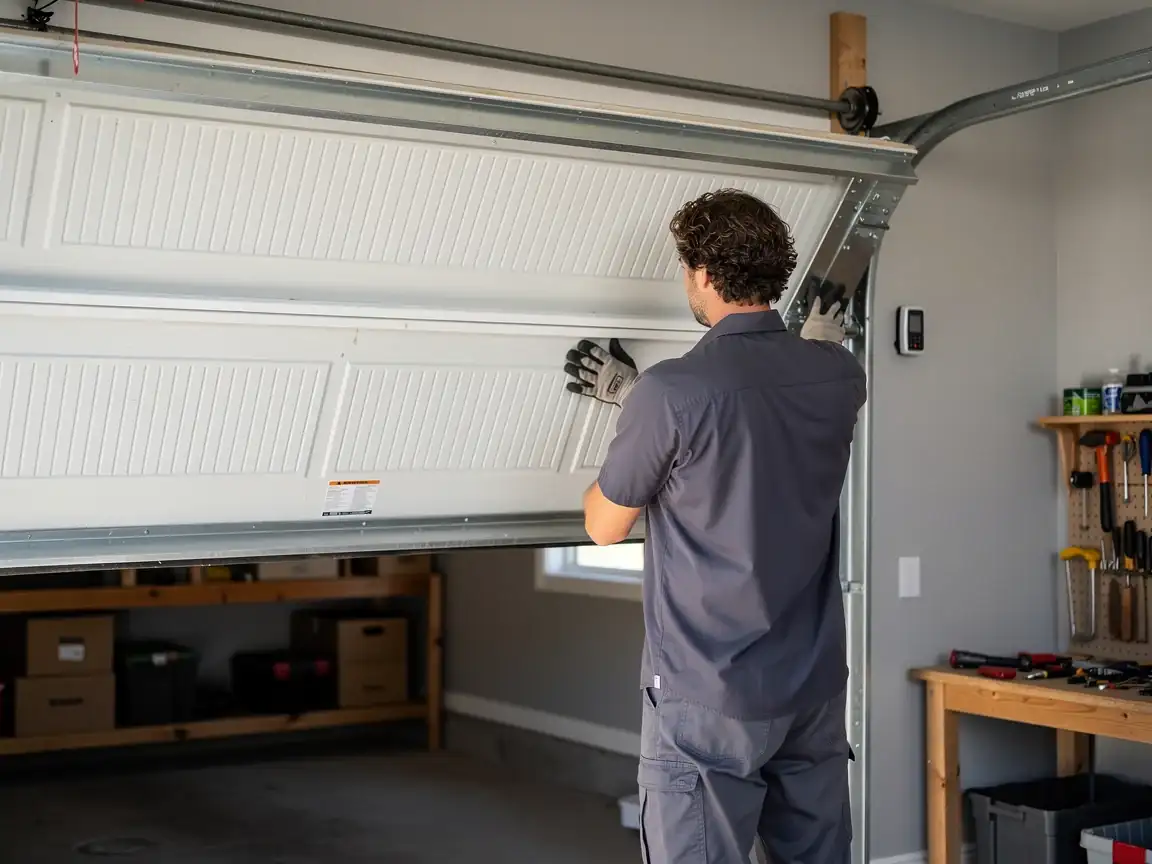
Same size opening, similar track configuration, no structural surprises - is a different job than one where we're rebuilding jamb or re-squaring an old frame. We won't quote a single number here because the honest answer depends on what's behind the old door once it comes down, and in houses from this era that's not always visible until we're standing in the opening. What we can say is that older openings add time: extra fastening into wood that's drier and more brittle than it was new, and more careful leveling when the frame itself isn't quite plumb anymore.
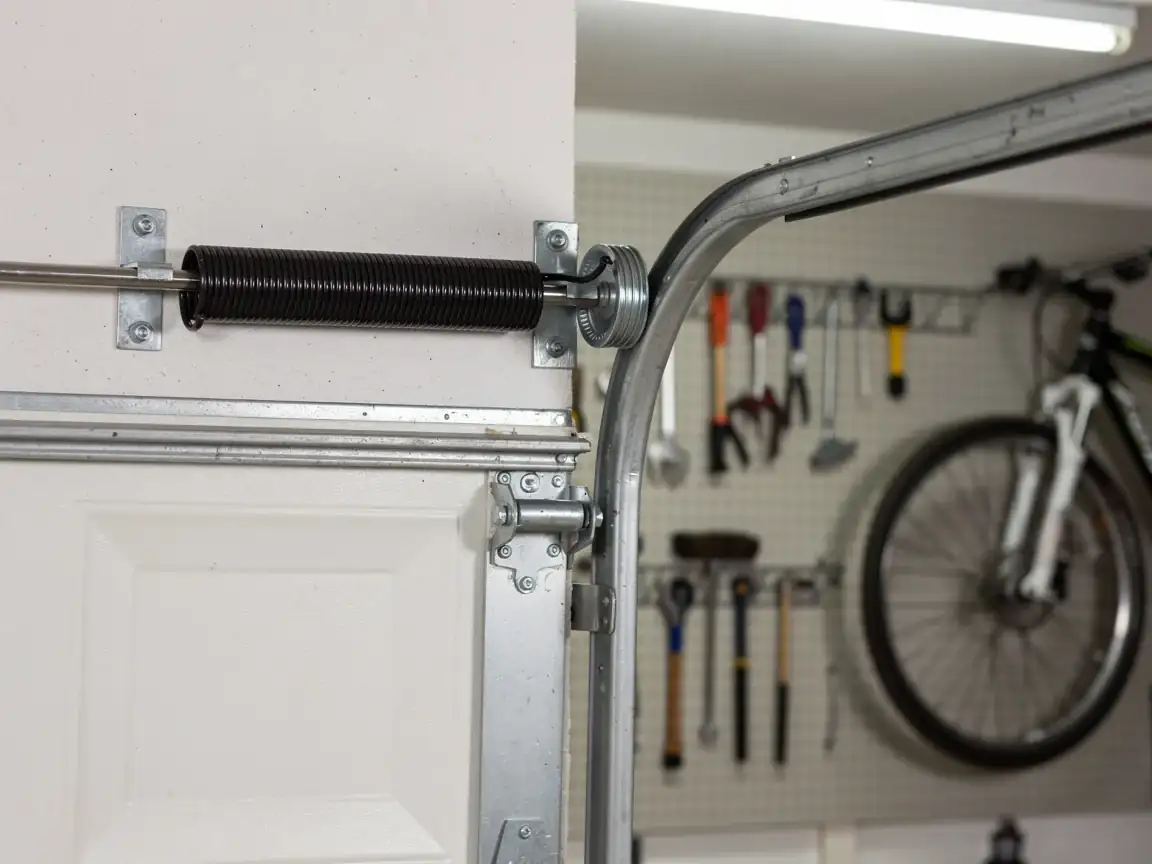
We'd rather tell a homeowner upfront that a job might run long than rush a fit on a door that's going to carry a torsion spring system for the next couple decades
A door hung crooked on an old frame is a callback waiting to happen, and that's not a corner we cut.
What You Pay
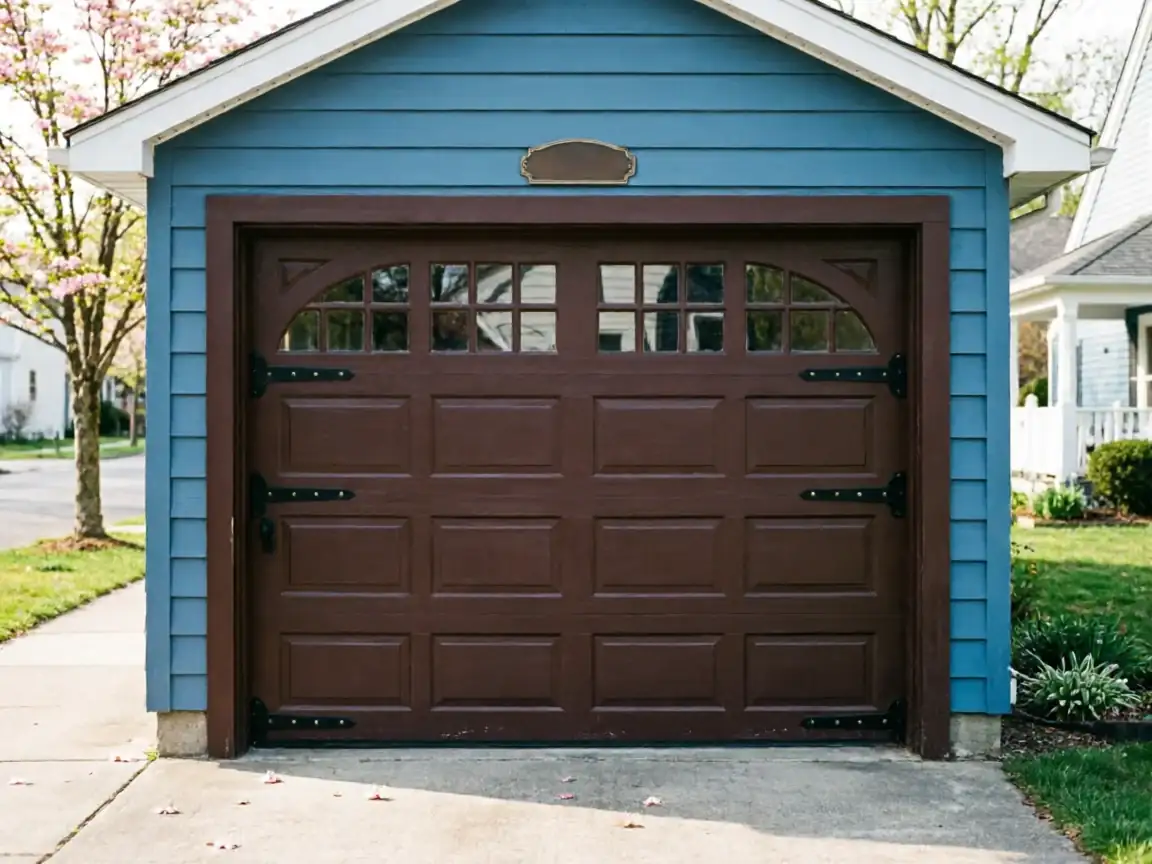
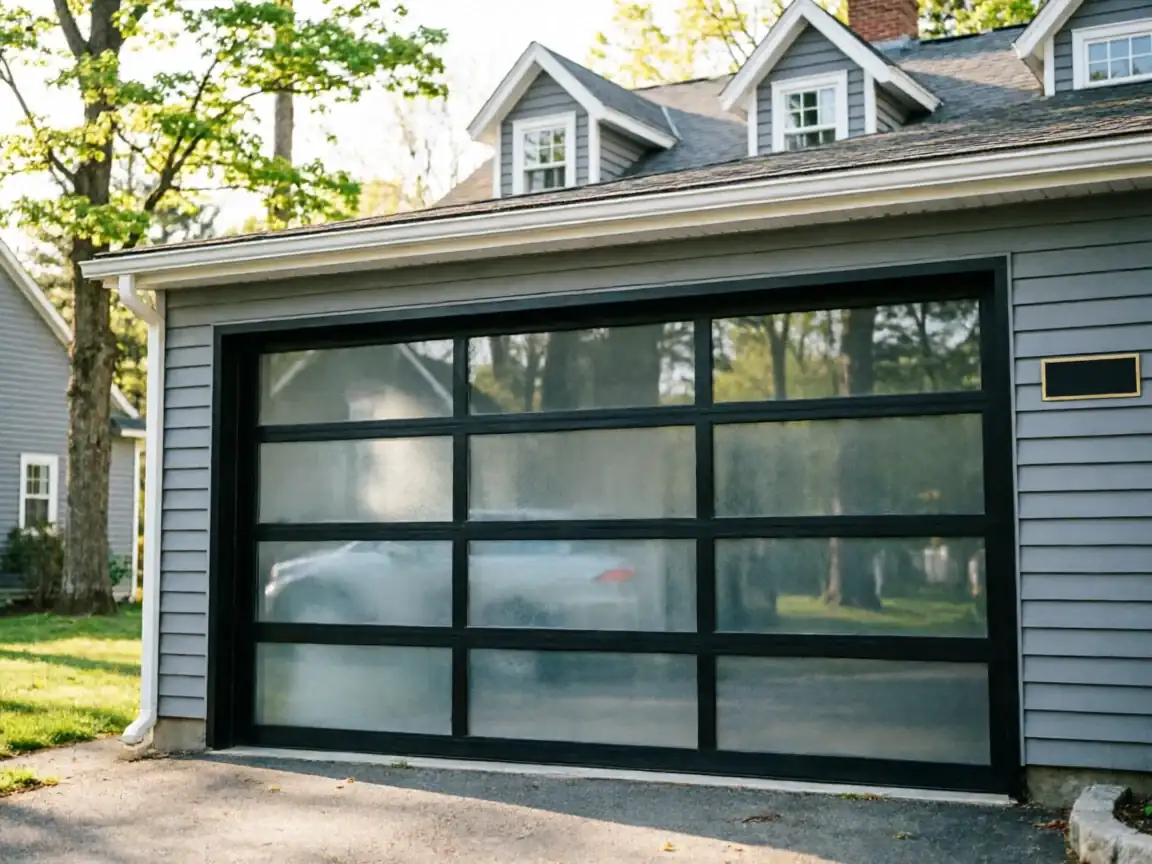
We don't publish a flat price here because the openings in this town don't come in one size, and neither do the fixes an old frame sometimes needs before a new door goes in. What we can speak to is the household picture: median income in Wethersfield runs around $118,523, well above the $107,012 median across the broader area we serve, and that does shape what people choose - more homeowners here ask about insulated steel or wood-composite doors than the thinnest option on the lot. That's a buying pattern, not a quoted price, and we'll never give you a number we haven't measured for.
What we will say plainly: if your opening needs jamb repair or re-framing because of age, that's a separate line item from the door itself, and we'll tell you before we order anything, not after.
The DIY Question
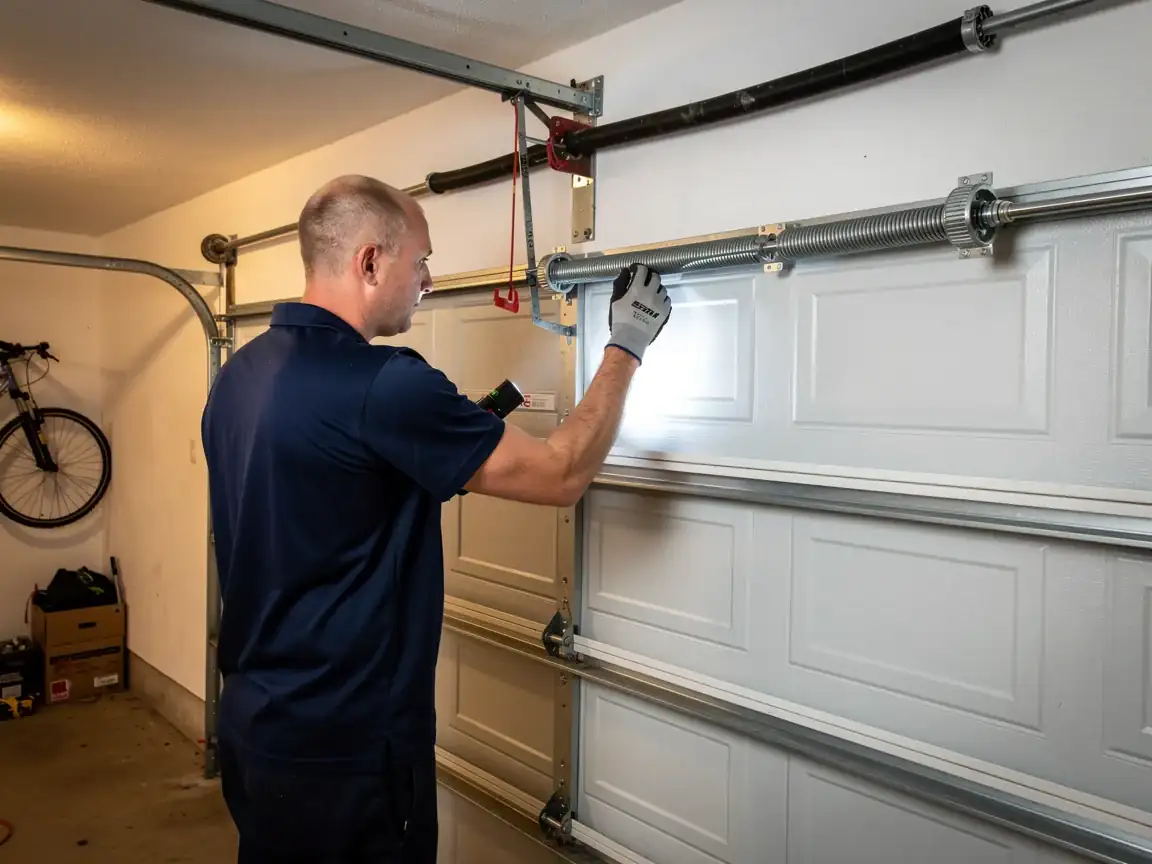
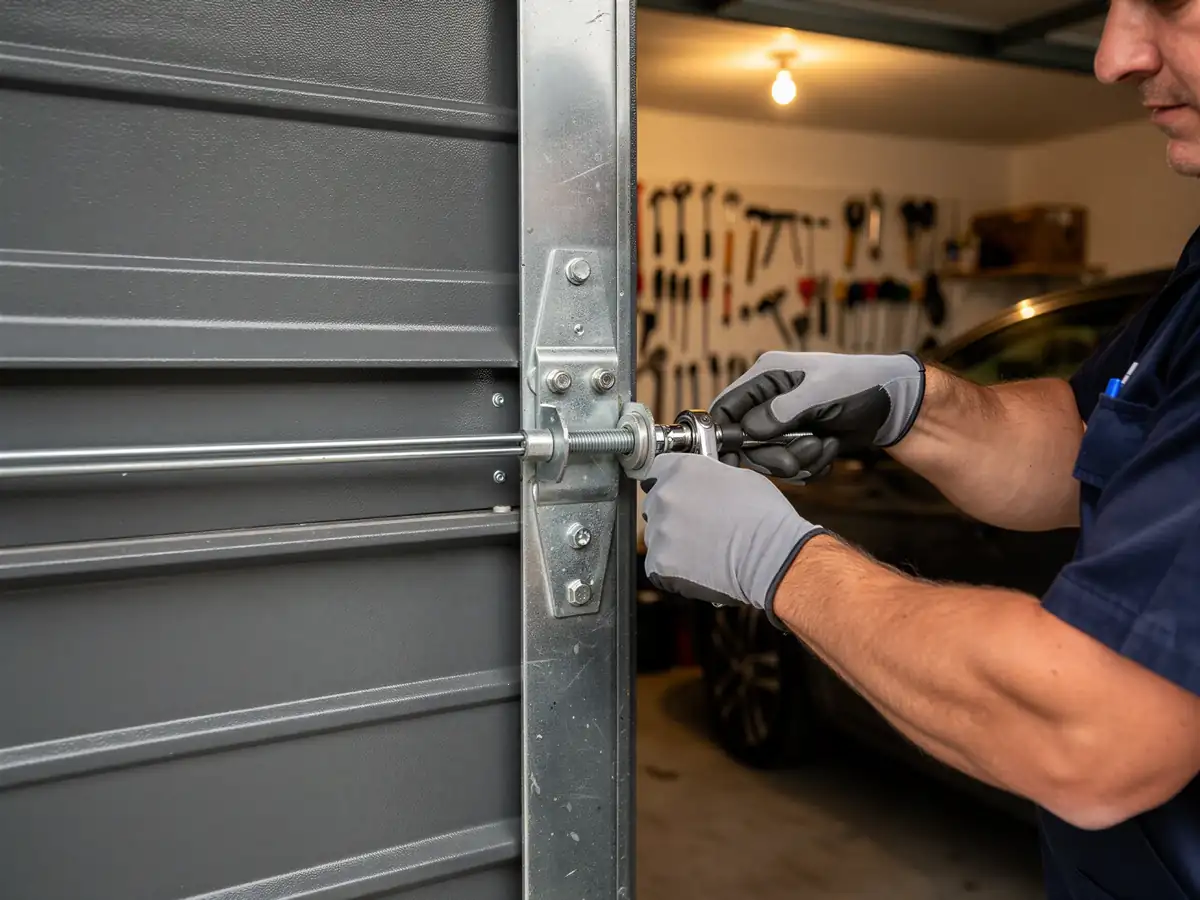
A new garage door looks like a kit-and-weekend project until you're the one holding a torsion spring under load above your head, in a 1959 frame that isn't square to begin with. That combination - old framing plus modern hardware under tension - is where DIY installs in this town tend to go wrong. The door itself isn't the hard part. Getting the track plumb and the spring tensioned correctly on an opening that's shifted over sixty years is.
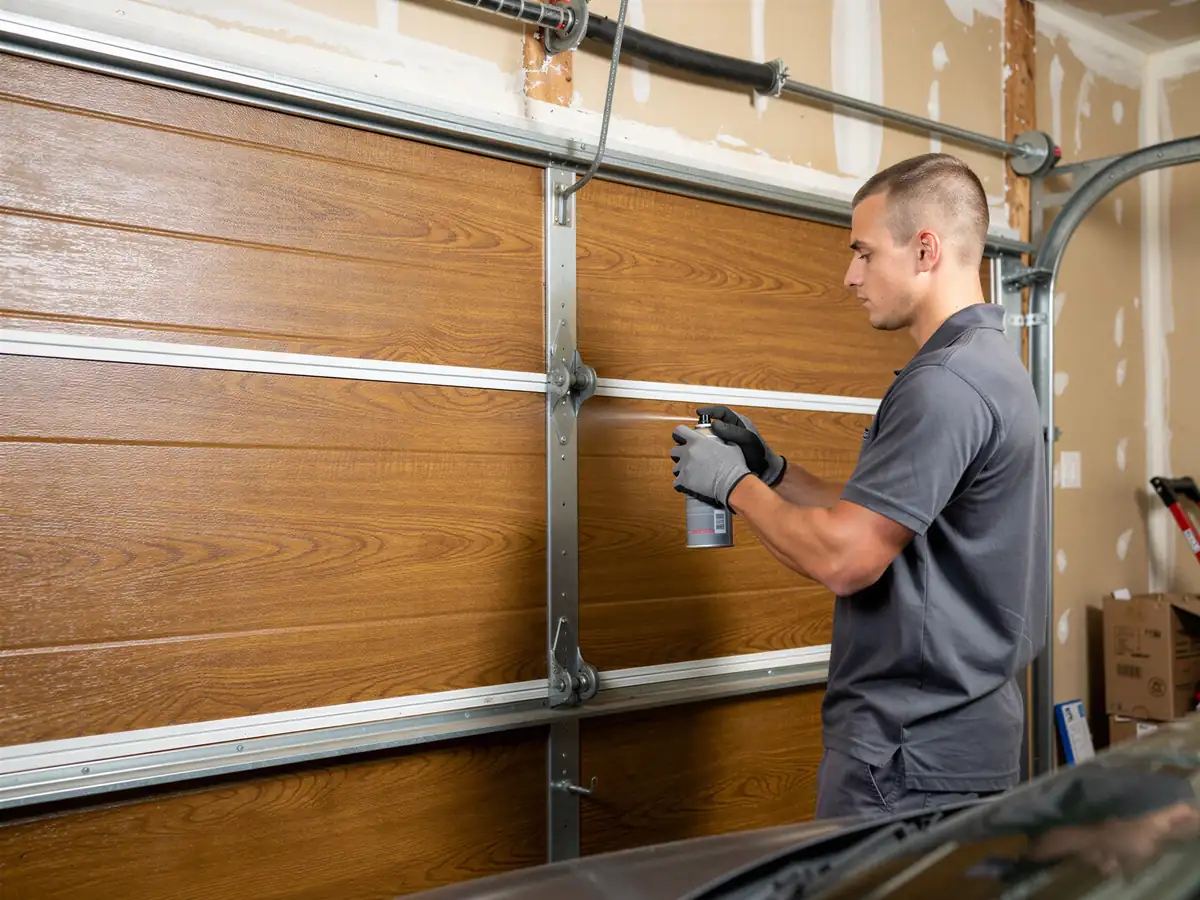
We're not going to tell you nothing here is ever a reasonable DIY job - a bottom seal or a simple weatherstrip swap is within reach for most people. A full door replacement on an older frame, with a torsion spring system, generally isn't, and we'd rather say that directly than let someone find out the hard way.
Where This Job Goes Sideways
The surprise on an installation here almost never comes from the door
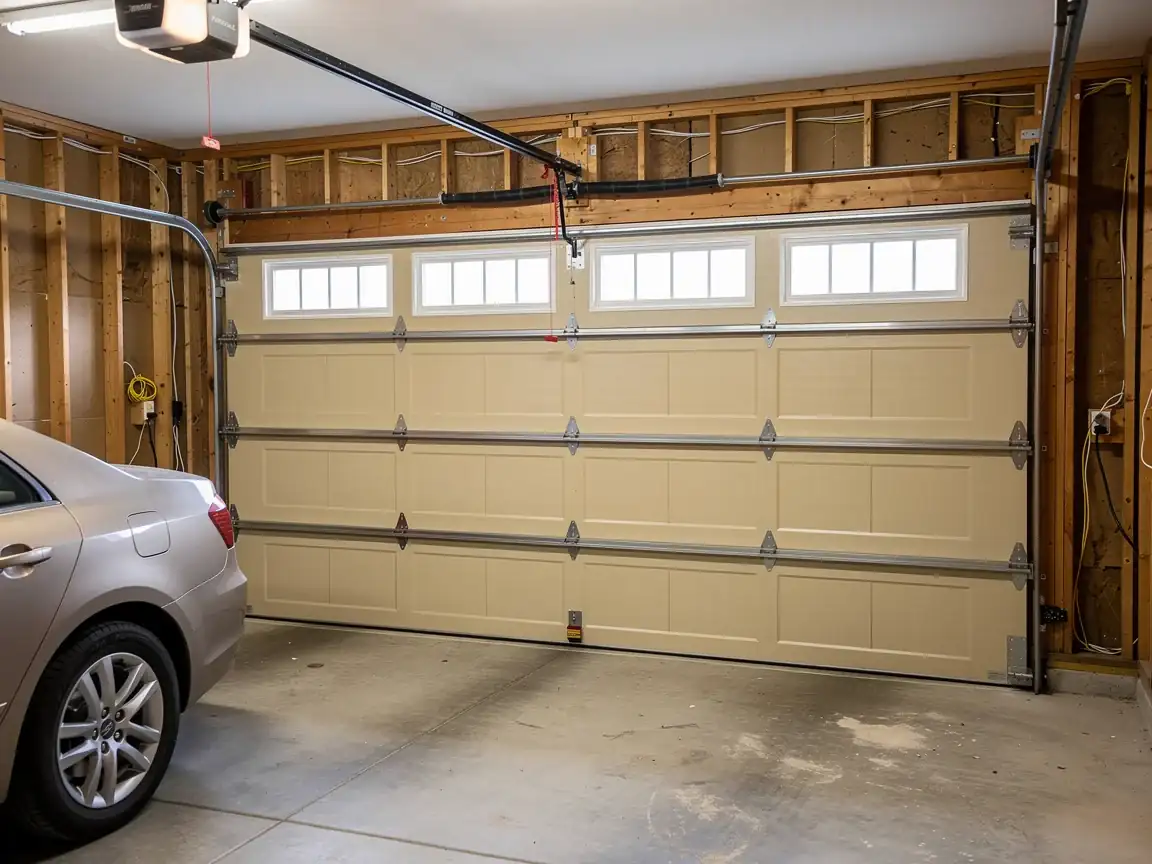
It comes from what's behind it. Framing in a house built around 1959 can look fine from the driveway and still be out of square once you take the old door off, especially after decades in a climate that runs cold enough to move wood and settle a foundation unevenly over time. We've opened up plenty of bays where the header had sagged just enough that a standard-size door wouldn't sit flush without shimming the track on one side.
The other place this goes sideways is wiring and opener mounting
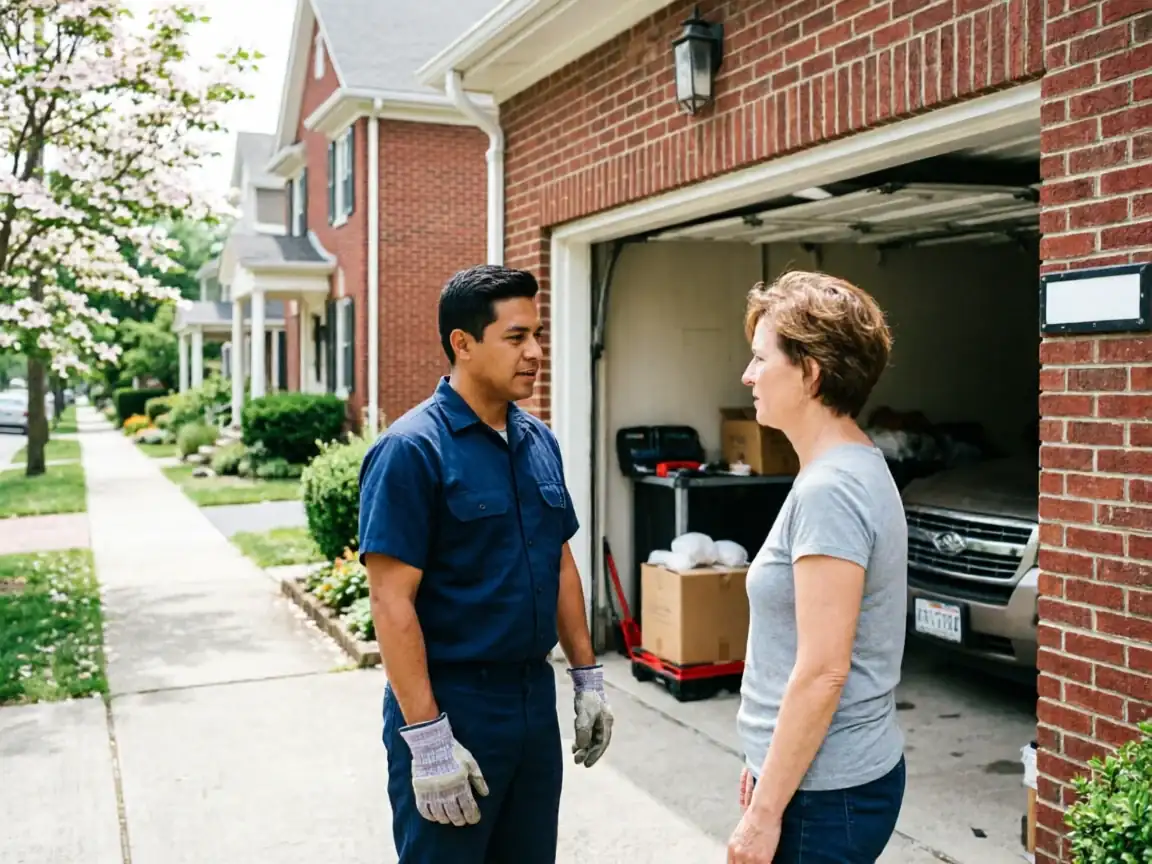
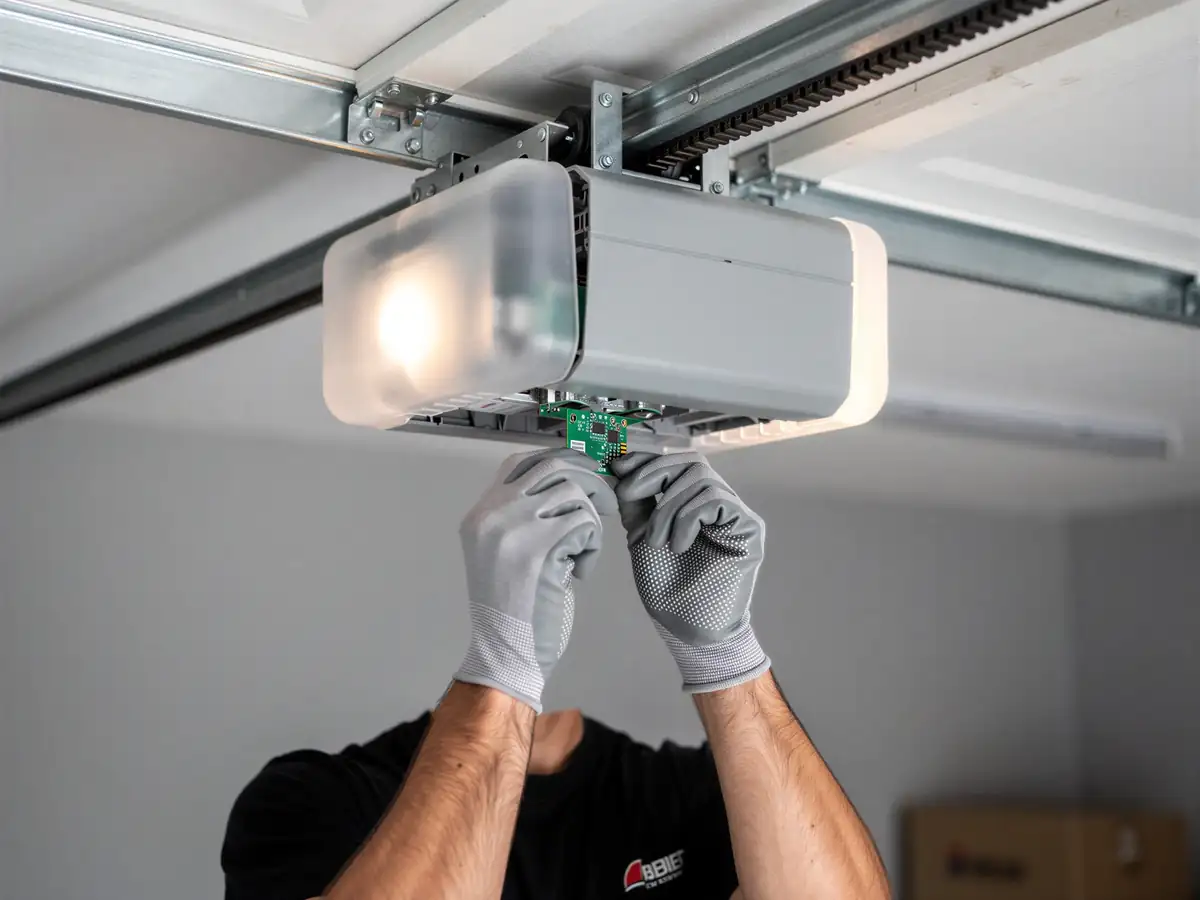
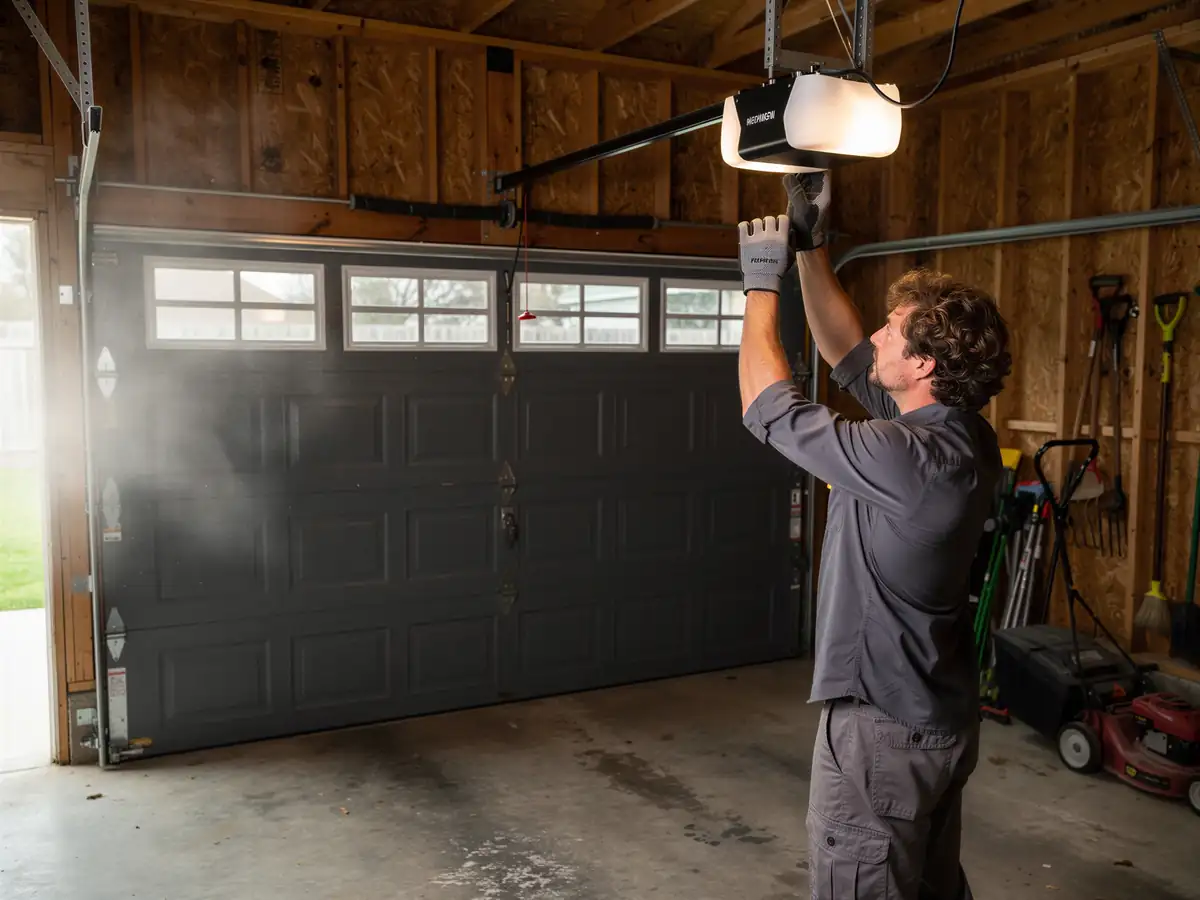
Older garages weren't built with a dedicated outlet anywhere near the header, so a new opener sometimes means running power before it means hanging a motor. We flag both of these during the walkthrough, not after the old door is already off the hinges, because that's the point where a homeowner still has options.