What You Pay
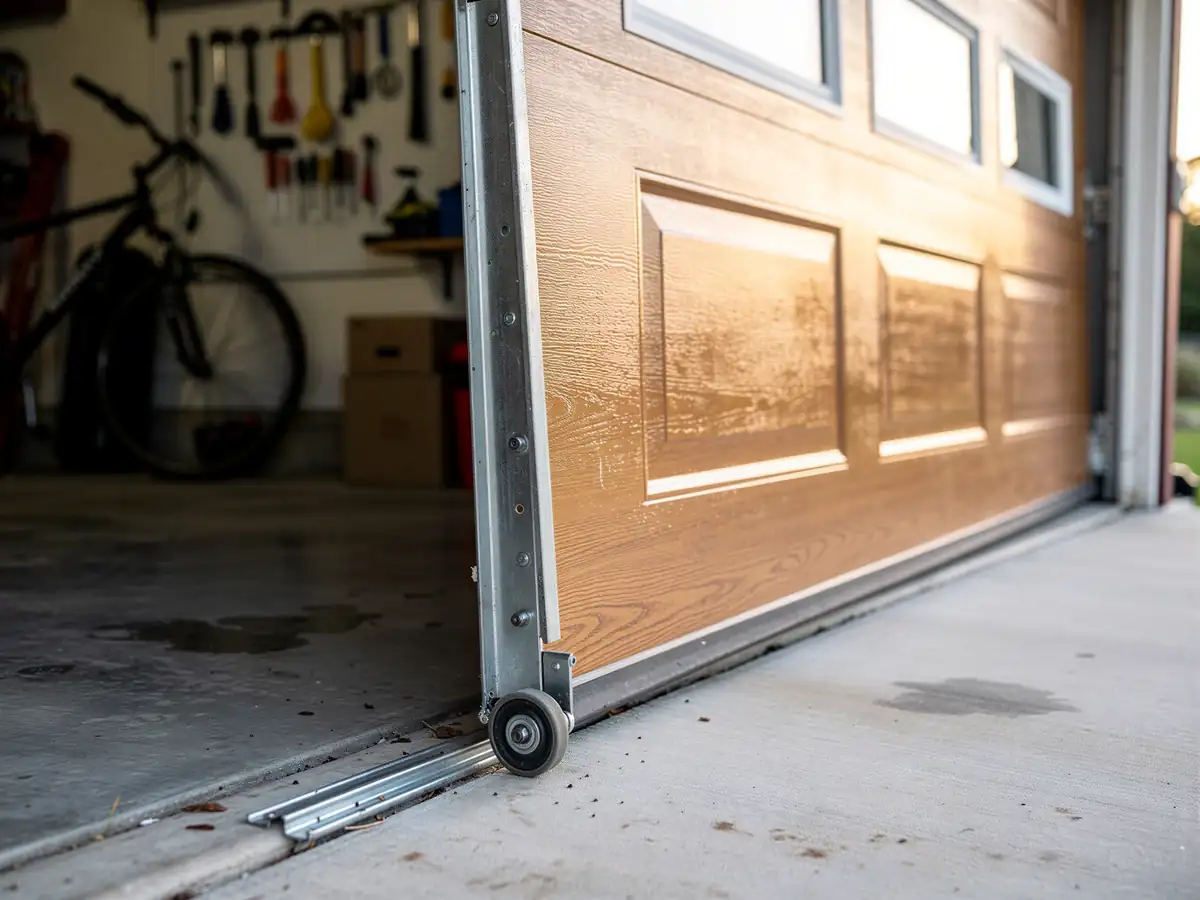
We don't post a flat number for off-track repair because what's wrong with the track decides the bill, not the town. A roller that's jumped the rail on a door from Cromwell's 1977-median building stock is usually a short job: realign the rail, swap a roller or two, check the cable drum. A track that's bent where a car clipped it, or a double-wide 16-by-7 door that's racked on both sides, takes longer and more hardware. What we can tell you up front is that the call starts with a 7-mile drive from our Glastonbury shop, which we fold into the estimate, not onto it after the fact. If the door turns out to need a full track replacement rather than a straighten-and-reset, we'll say so before we start pulling fasteners, not after you've paid for a repair that won't hold through the next freeze.
Where This Job Goes Sideways
A door off its track looks simple until you're under it. The common mistake on a Cromwell-era door is treating a bent track like a bent coat hanger - hammer it straight and move on. Steel track from the mid-1970s construction wave is thinner-gauge than what goes up today, and it work-hardens where it's been kinked. Straighten it twice and the metal fatigues at the bend point; it'll hold for a week and then let go again, often with the door halfway up. The other way this goes wrong is chasing the roller when the real fault is a stretched or frayed cable that let the panel drop crooked in the first place. Fix the roller, skip the cable, and you've got a door that looks fixed and isn't. Our rule: find out why the panel left the track before we put it back on the track.
Stocked Parts
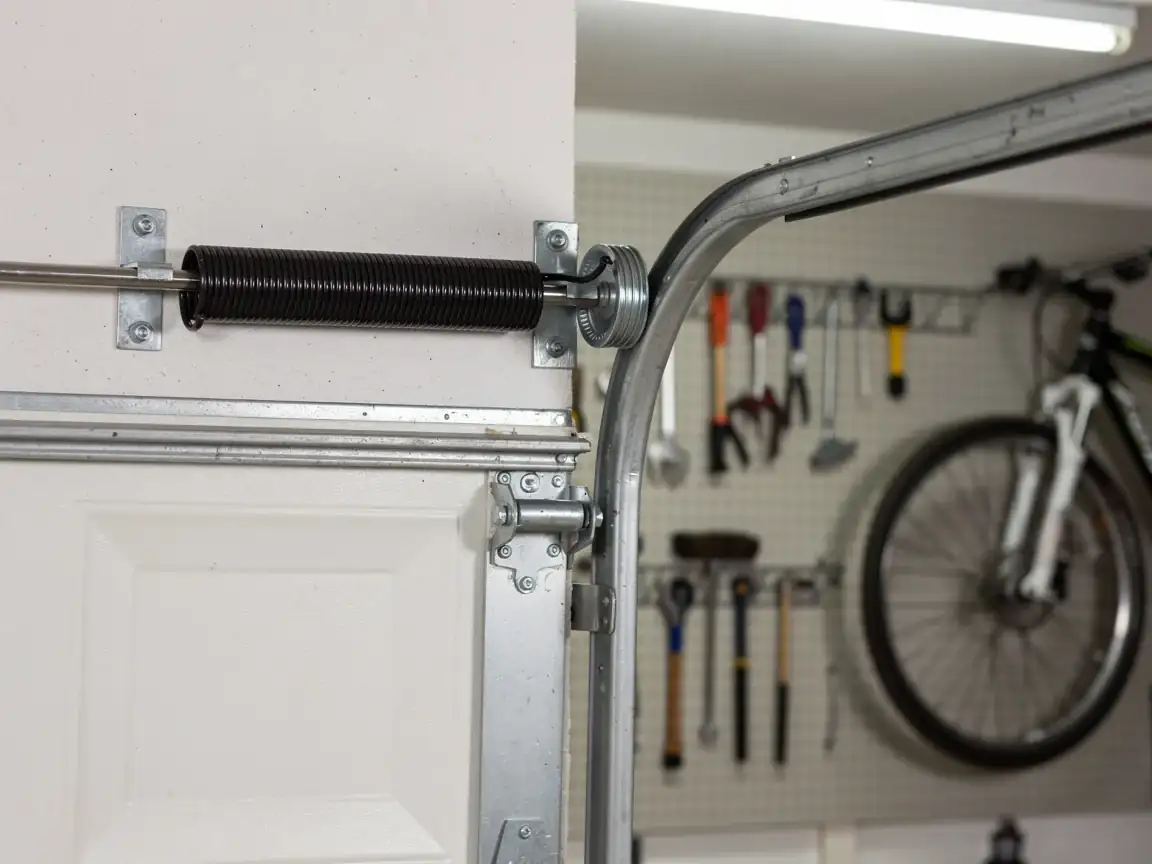
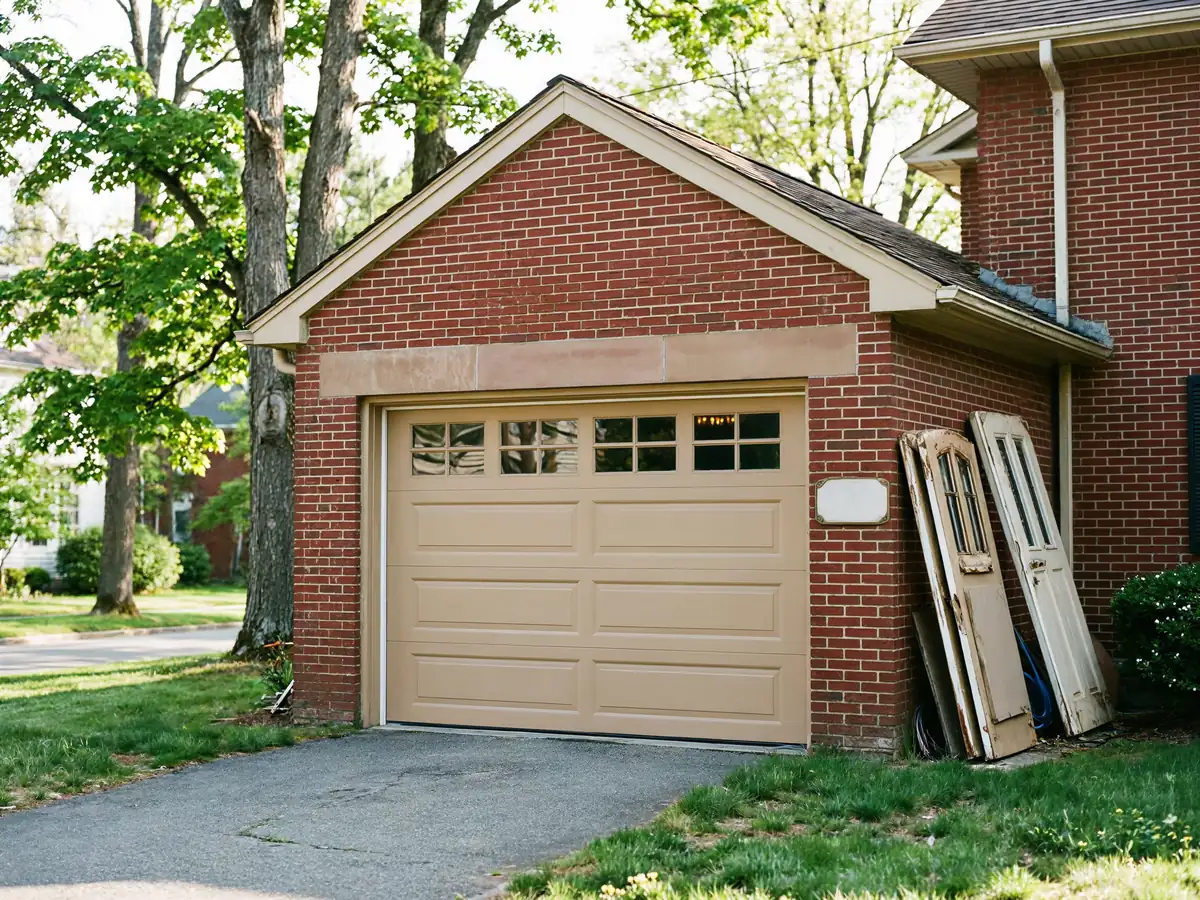
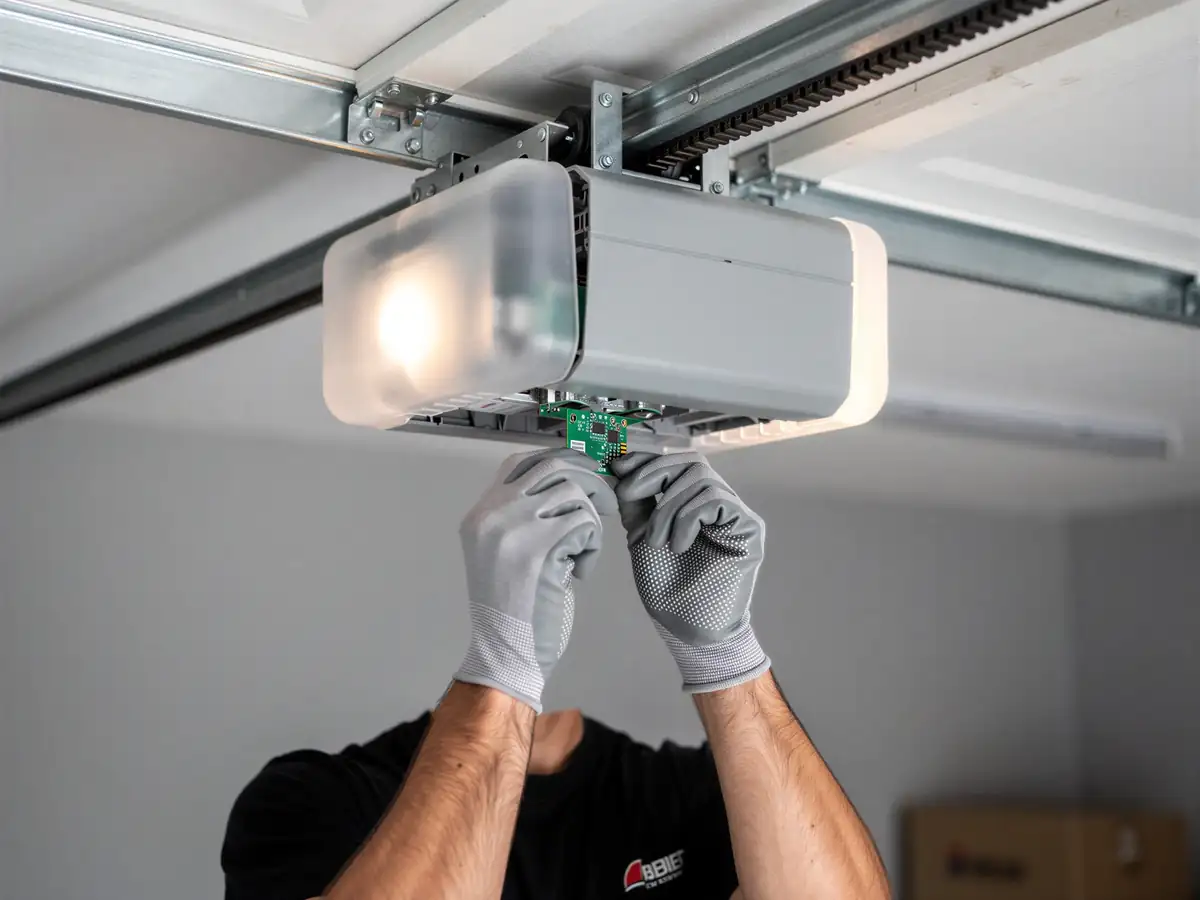
We carry the roller sizes and track brackets that fit the steel sectional doors common to Cromwell's building era - nylon and steel rollers in the common stem lengths, standard track sections, and the lag hardware that replaces what's worked loose over the years. What we don't carry on the truck is anything custom-cut for a non-standard door opening, and older homes sometimes have one. If a track section needs to be fabricated to an odd width, that's a return trip once the part is in. We'd rather tell you that at the estimate than have you wait at a half-fixed door. For anything beyond the track hardware itself - openers, full door replacement, spring systems - that's a separate visit covered on our main Cromwell page, not this one.
What the Repair Takes
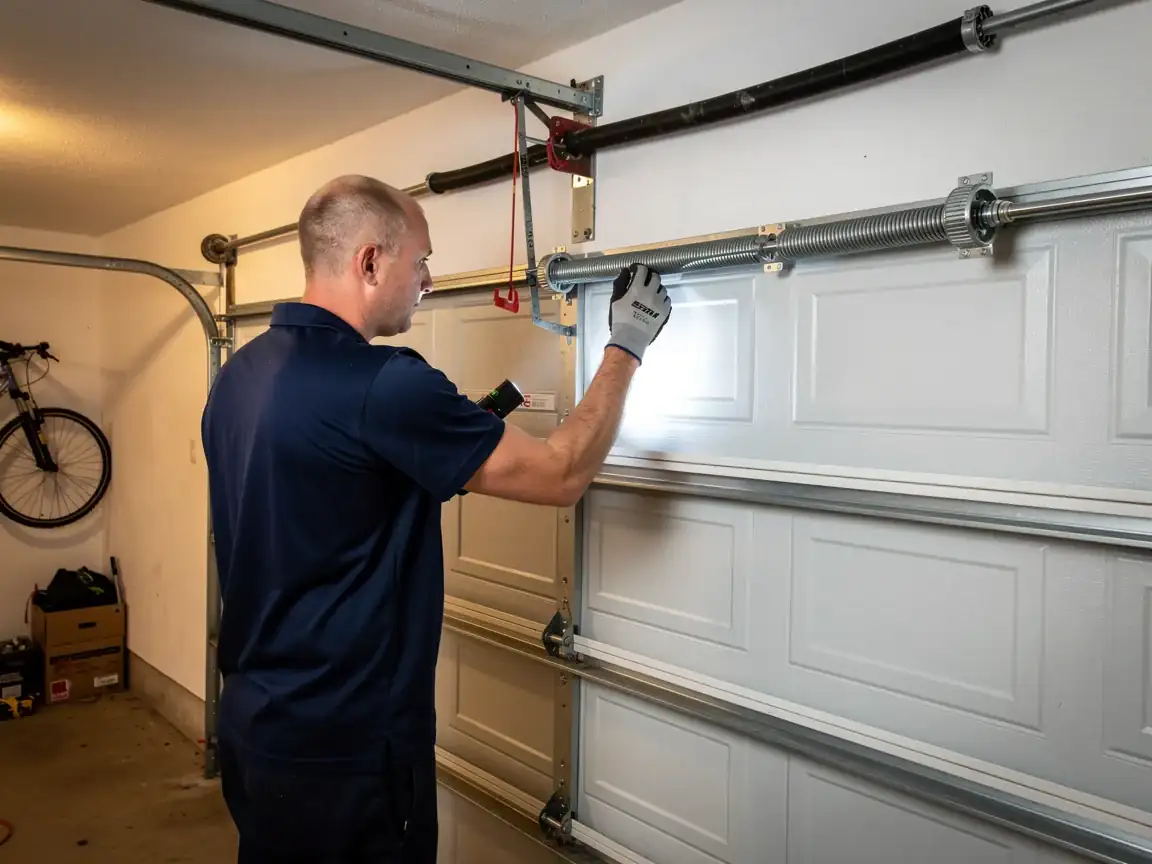
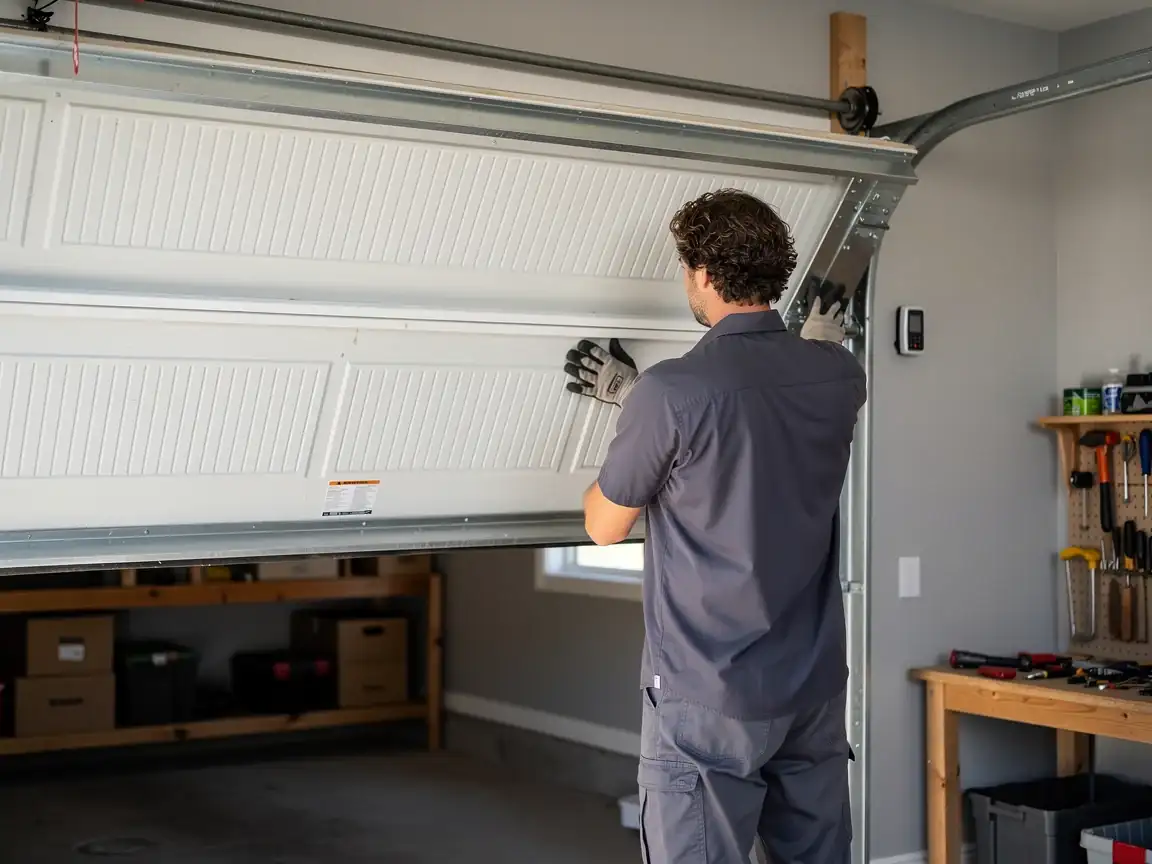
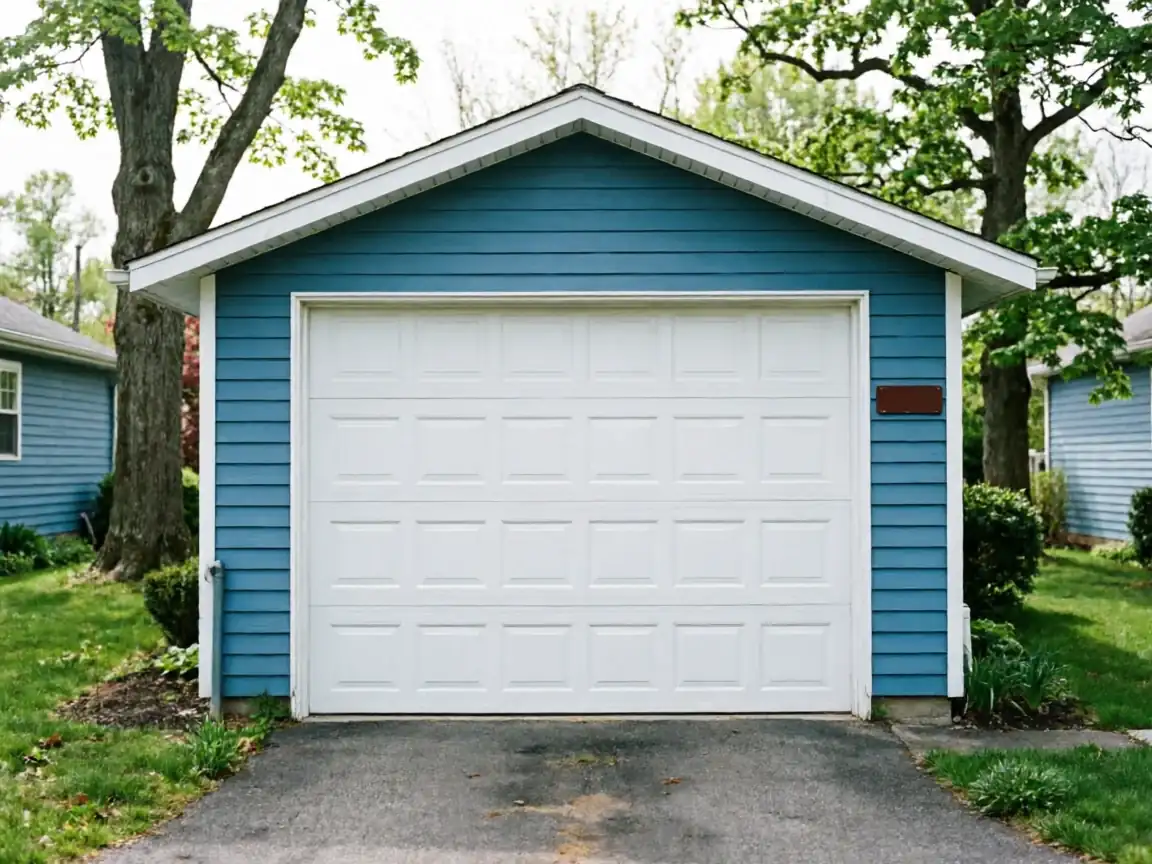
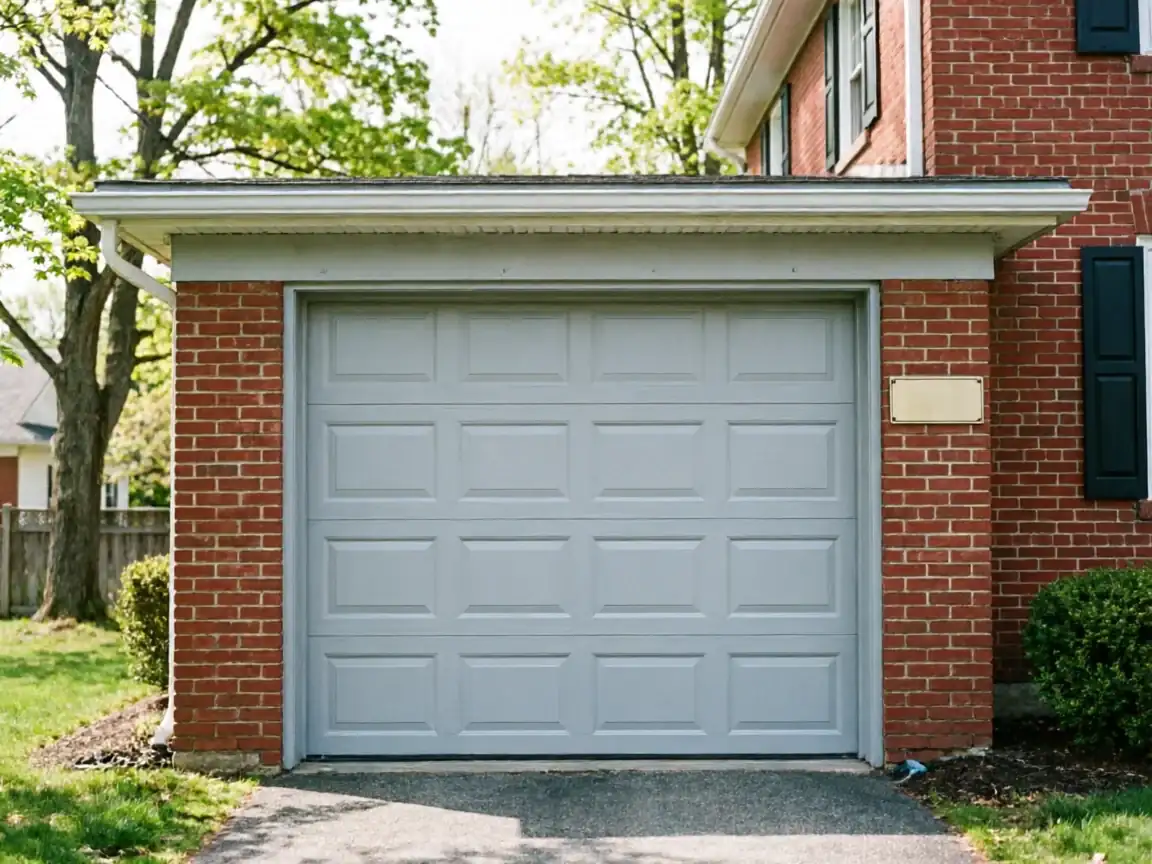
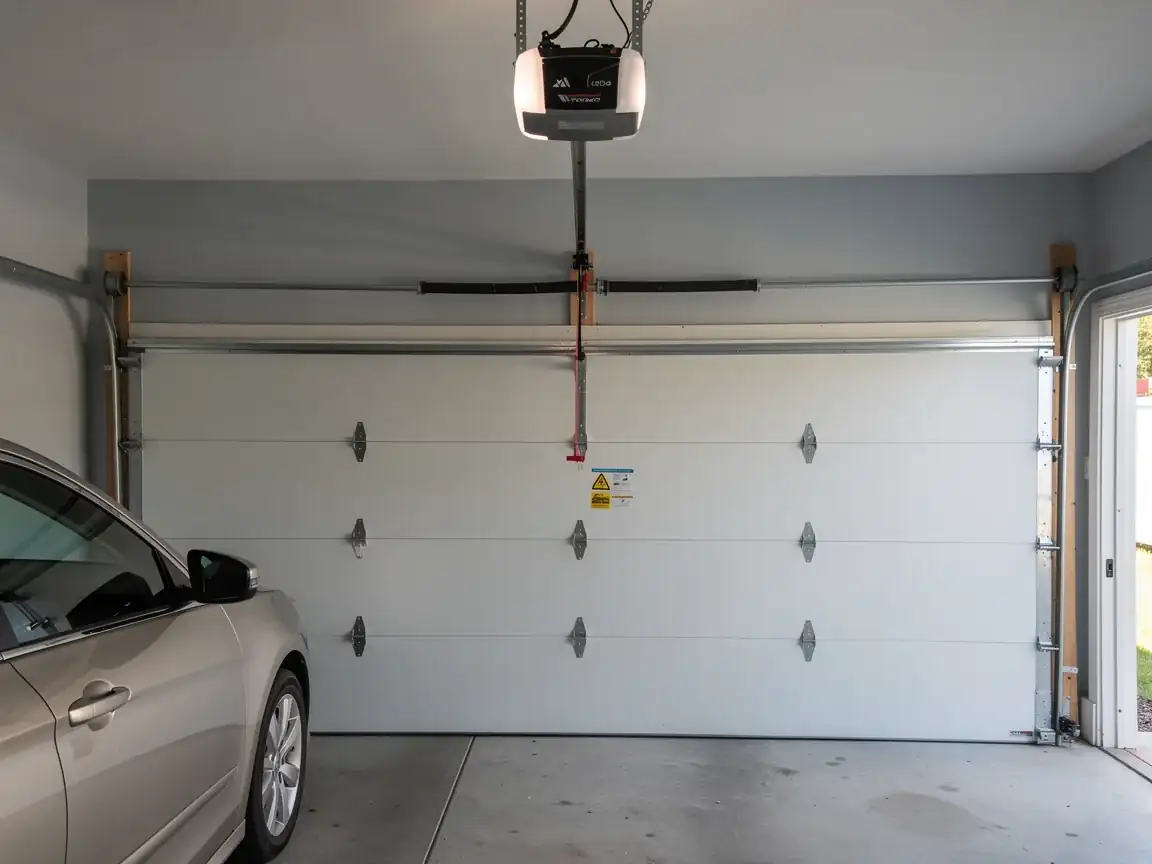
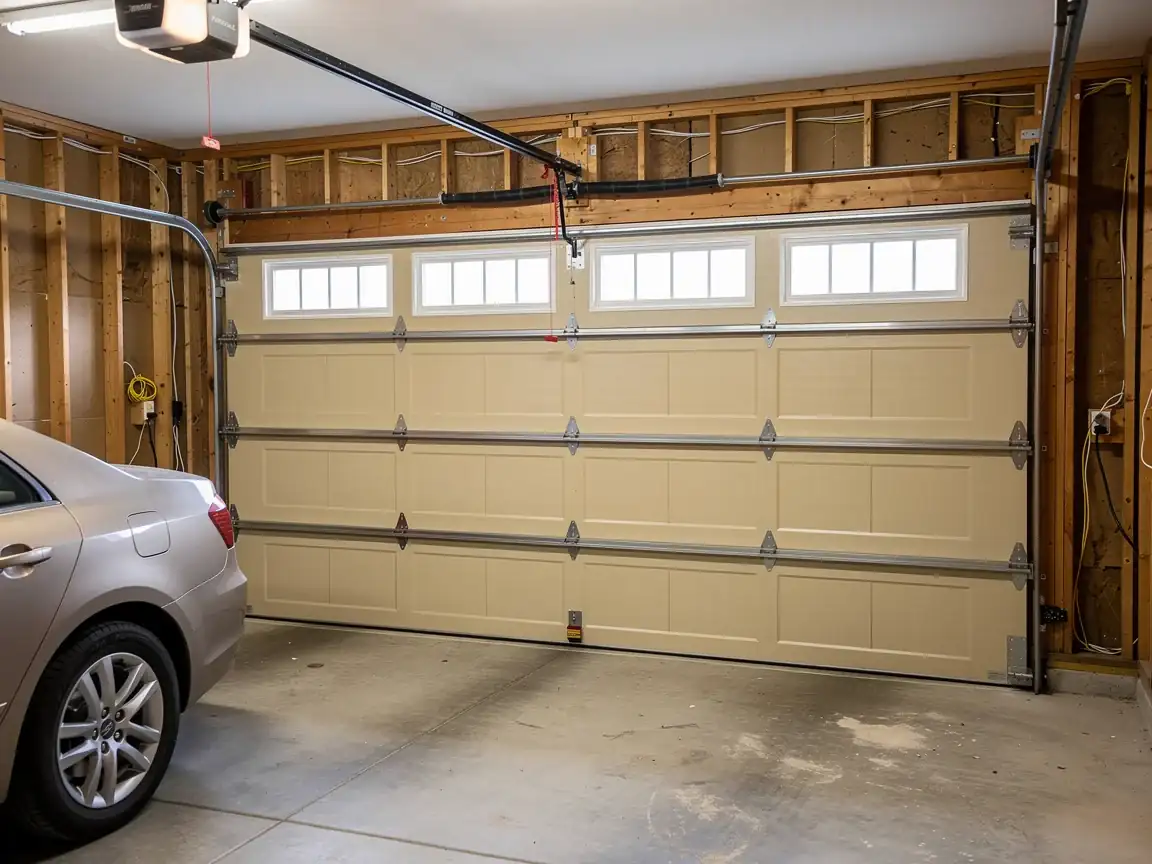
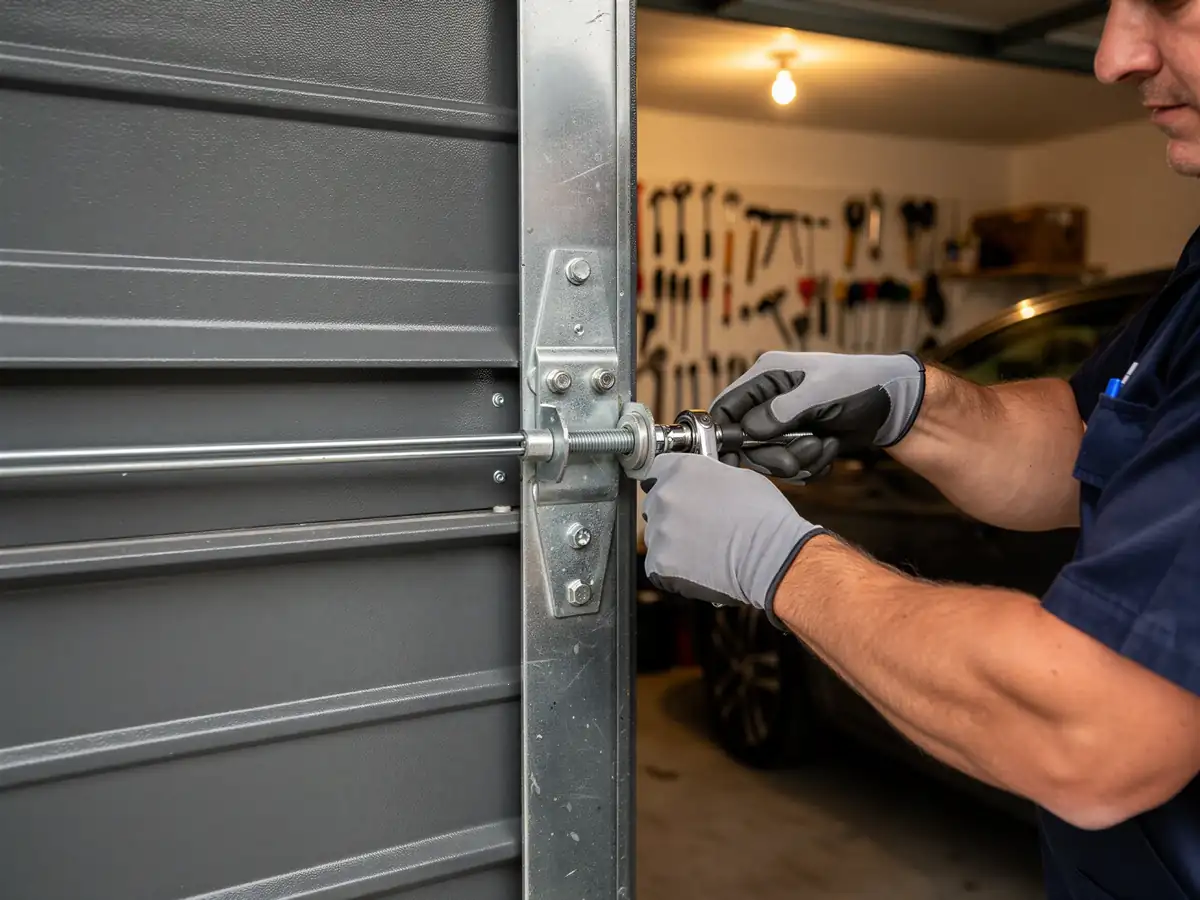
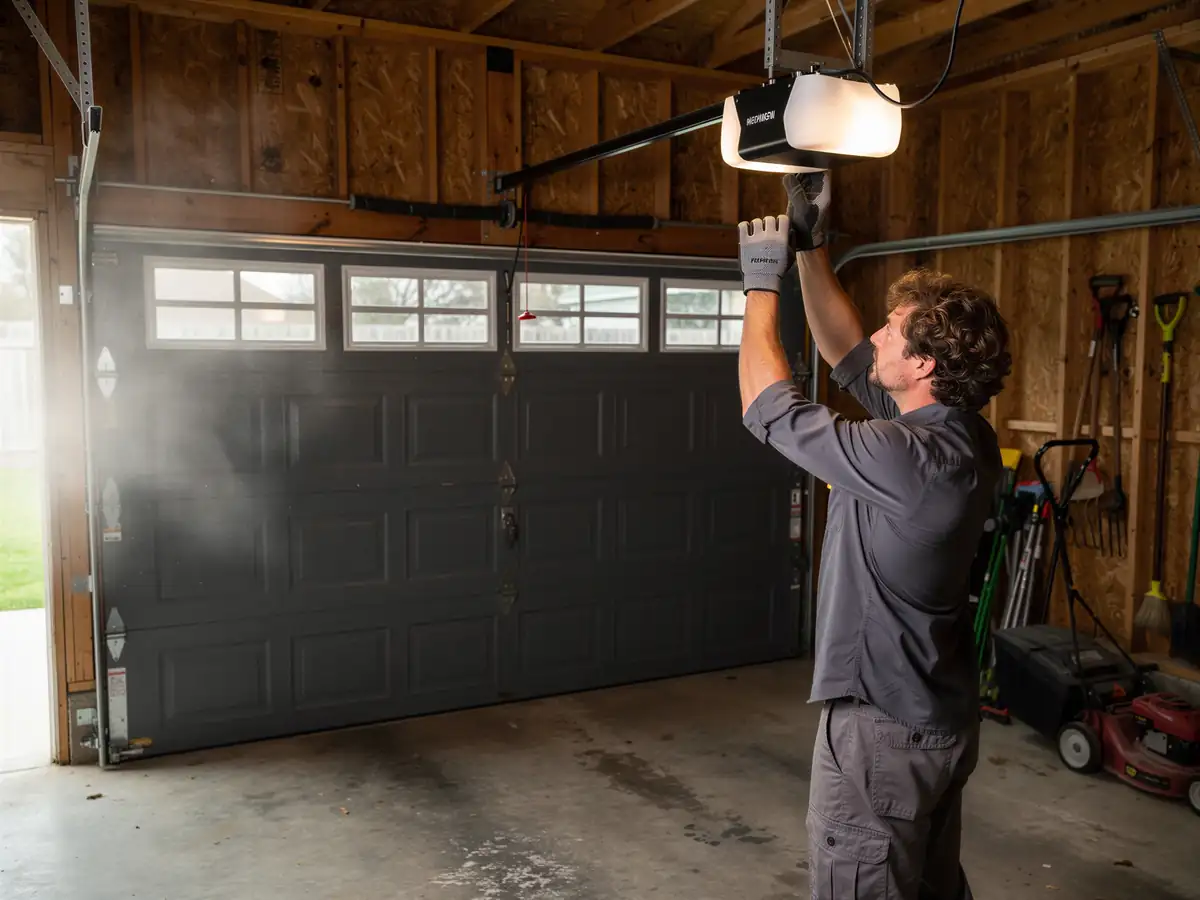
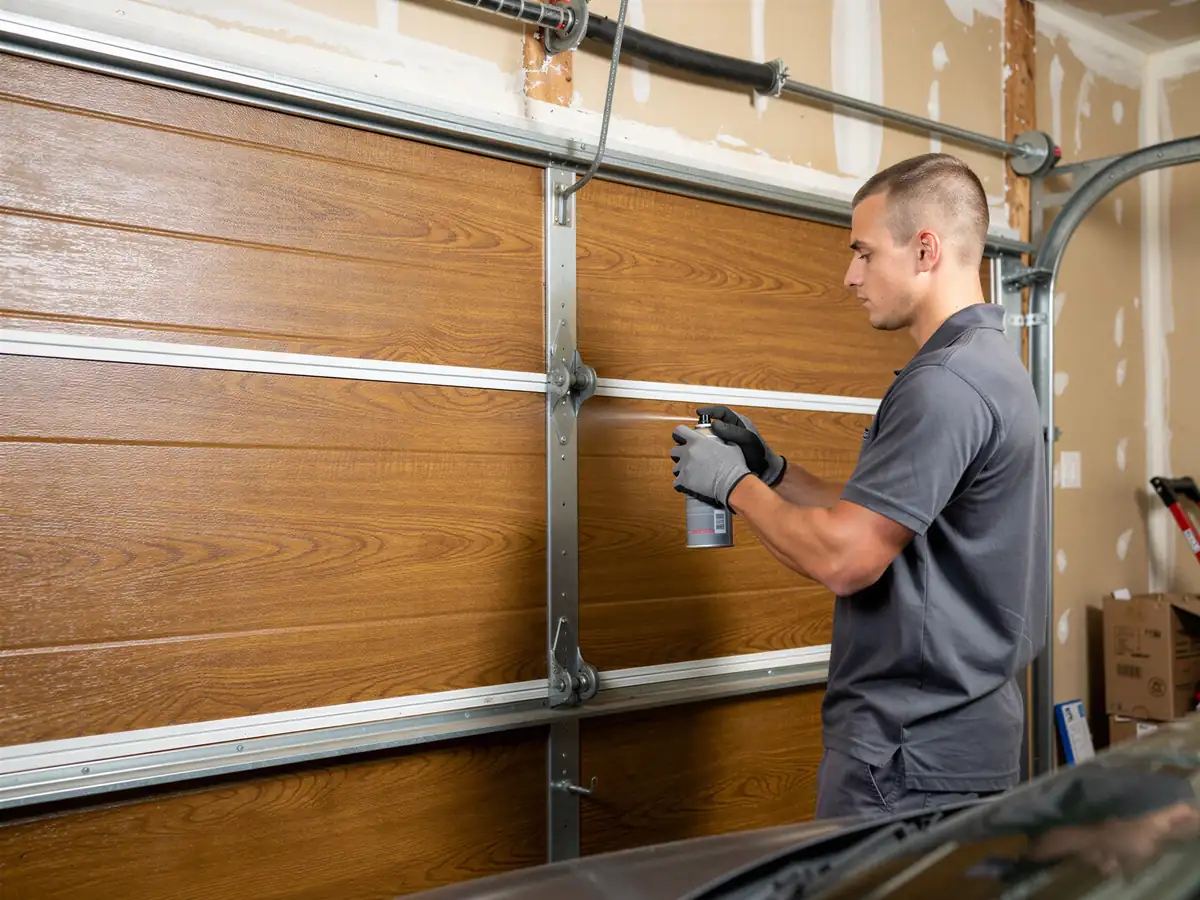
Most off-track jobs on a single-car door run under two hours once we're on site: disconnect the opener, release spring tension safely, lift the panel back into the track, replace the damaged roller or bracket, re-tension, and run it through a dozen open-close cycles to check it tracks true in the cold. A double 16-by-7 door - the size that shows up often in Cromwell's 1970s-built homes - takes longer because both tracks and both sides of the cable system need checking, not just the side that failed. If we find the track bent beyond a clean straighten, or bolts torn out of rotted jamb wood, the job becomes a track replacement instead of a repair, and that's a different time estimate we'll walk you through before touching tools to the door.