What You Pay
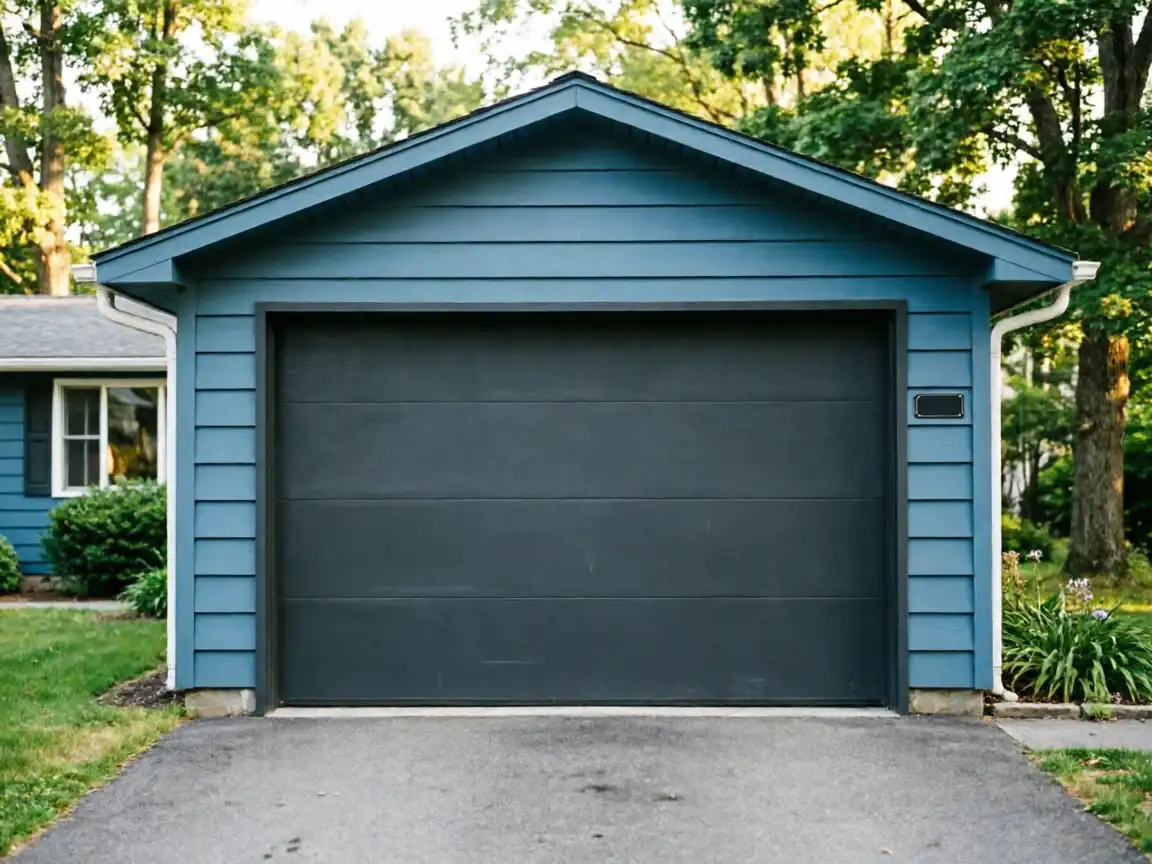
Glastonbury Center sits at a median household income of $133,450, well above the $107,012 median for the wider service area. That number matters here because it shifts the repair-or-replace math earlier than it does elsewhere. On a door built in the early 1970s - the median year built in this pocket is 1972 - the rollers, hinges, and track brackets are original-era steel, often worn enough that an off-track fix is a stopgap, not a cure. We don't carry a price list we can quote sight unseen, because what a roller and track realignment runs versus what a full track-and-hardware swap runs depends on how bent the track is and whether the door itself is still square. What we can tell you: at this income level, most owners here choose the permanent fix over a patch job once we show them the wear, rather than calling us back in a year. We'll always give you both numbers before we touch the door.
How to Book
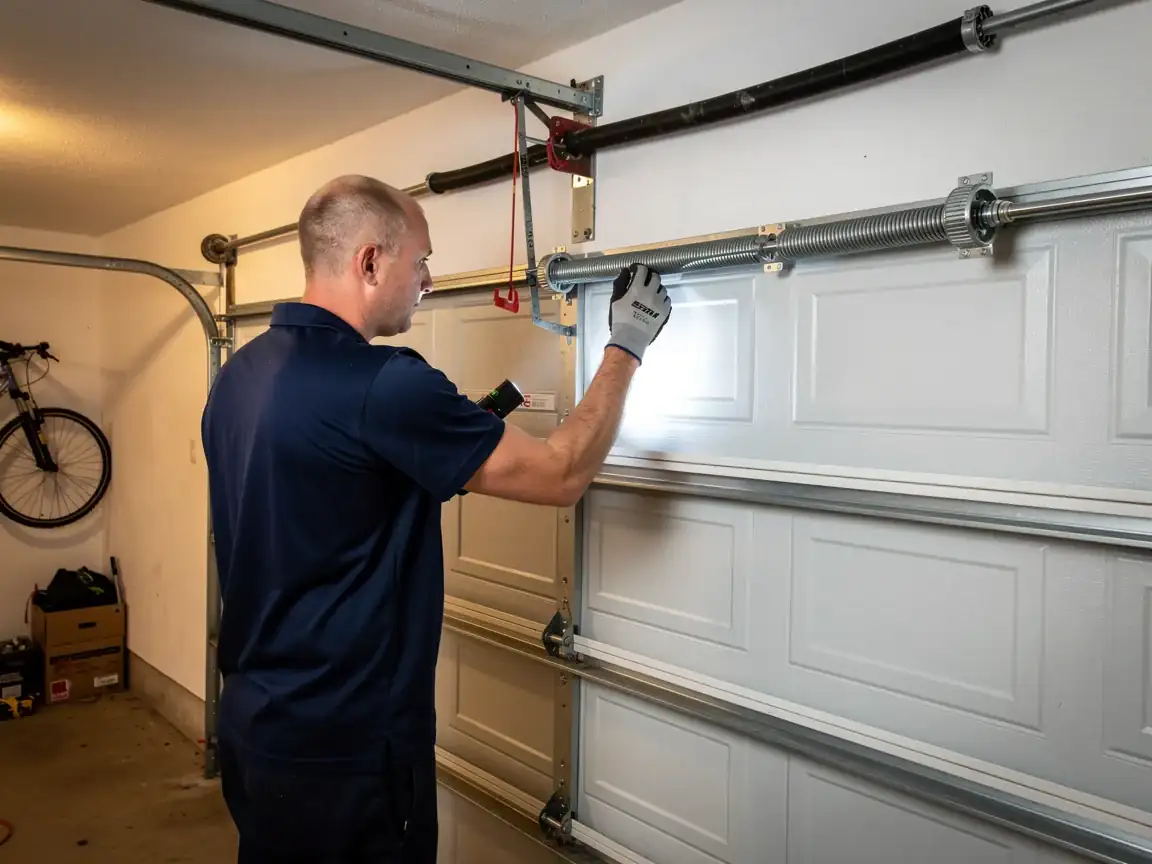
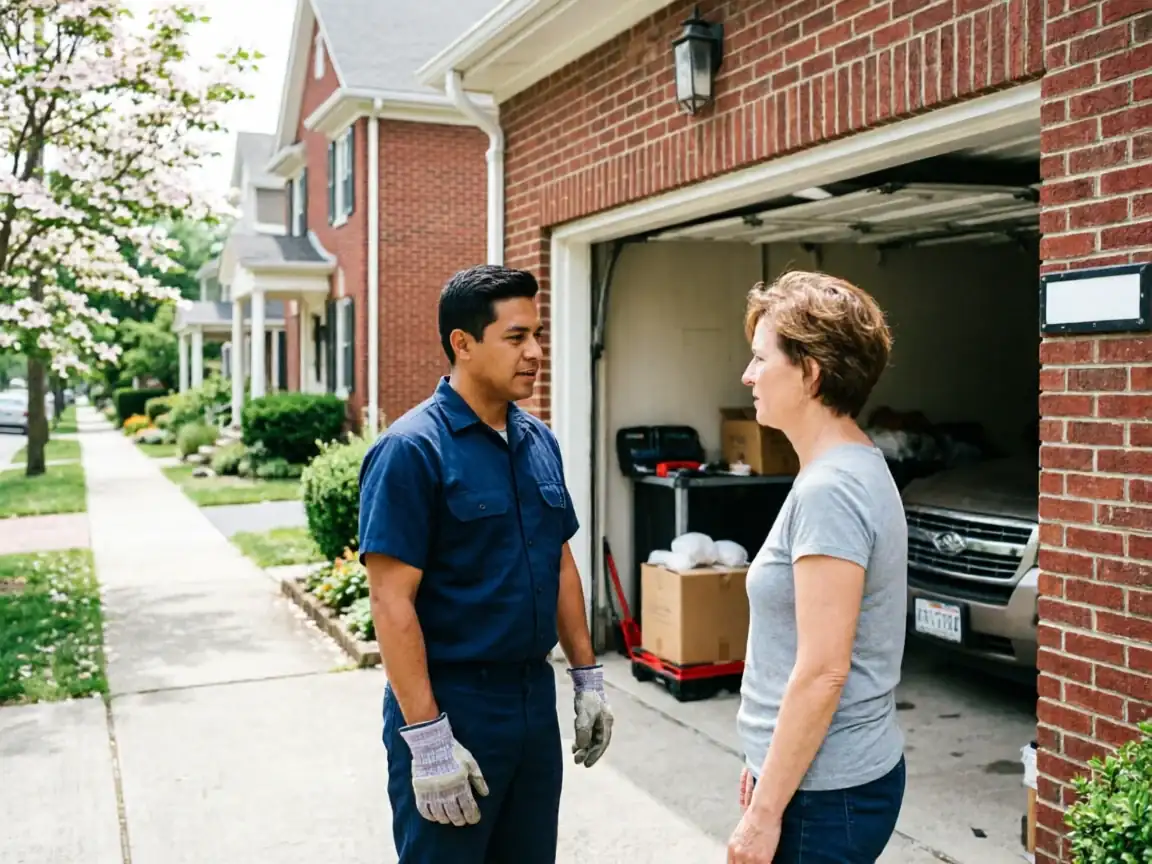
We run out of Glastonbury, about a mile from the Center, so getting a truck to your driveway isn't the hold-up - matching a tech to your door's actual problem before we show up is. Tell us when you call whether the door came off the track on one side or both, whether it still moves at all, and whether you heard a bang or it just ground to a stop. That tells us whether we're bringing a straightforward realignment kit or full replacement track stock. You can also start the request through our Glastonbury Center repair page, which routes straight to scheduling. If the issue is specifically a door that's jumped its track rather than a spring or opener fault, our off-track page for the wider Glastonbury service area covers the mechanics of that failure in more depth.
Why This Fails Locally
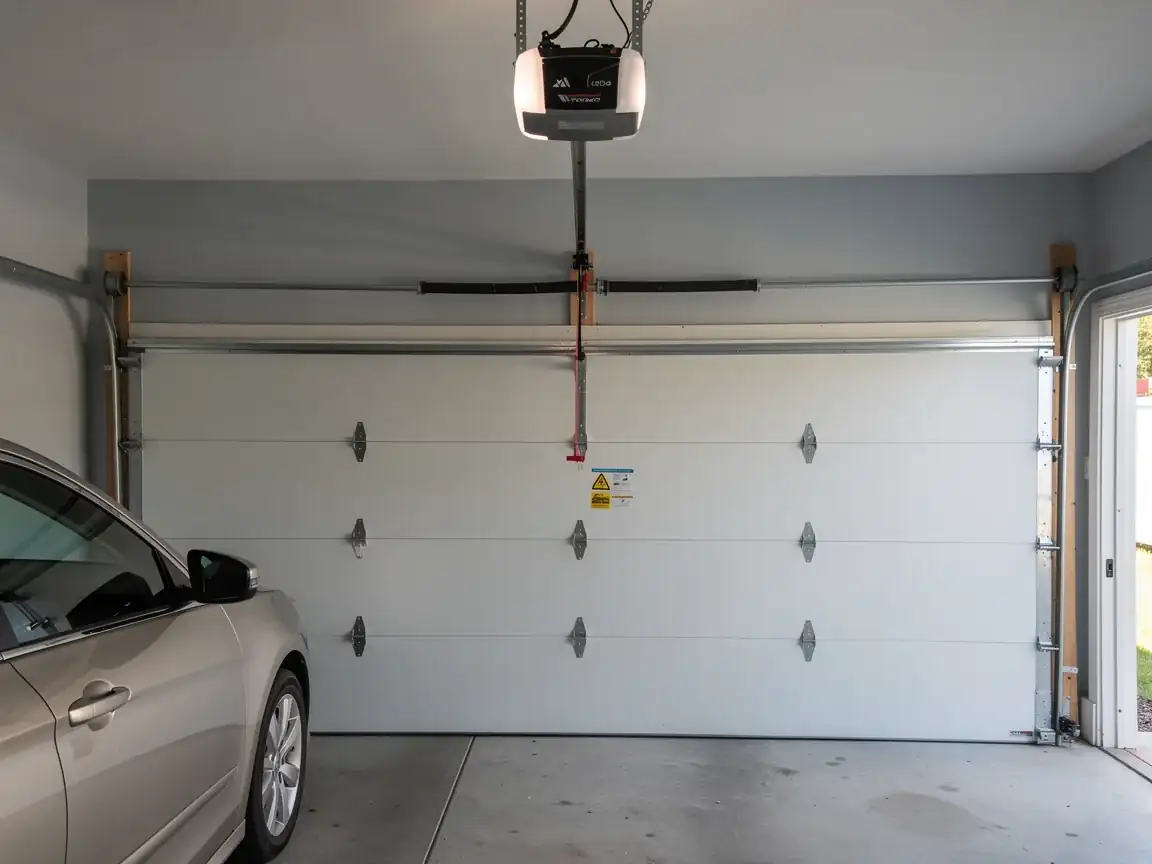
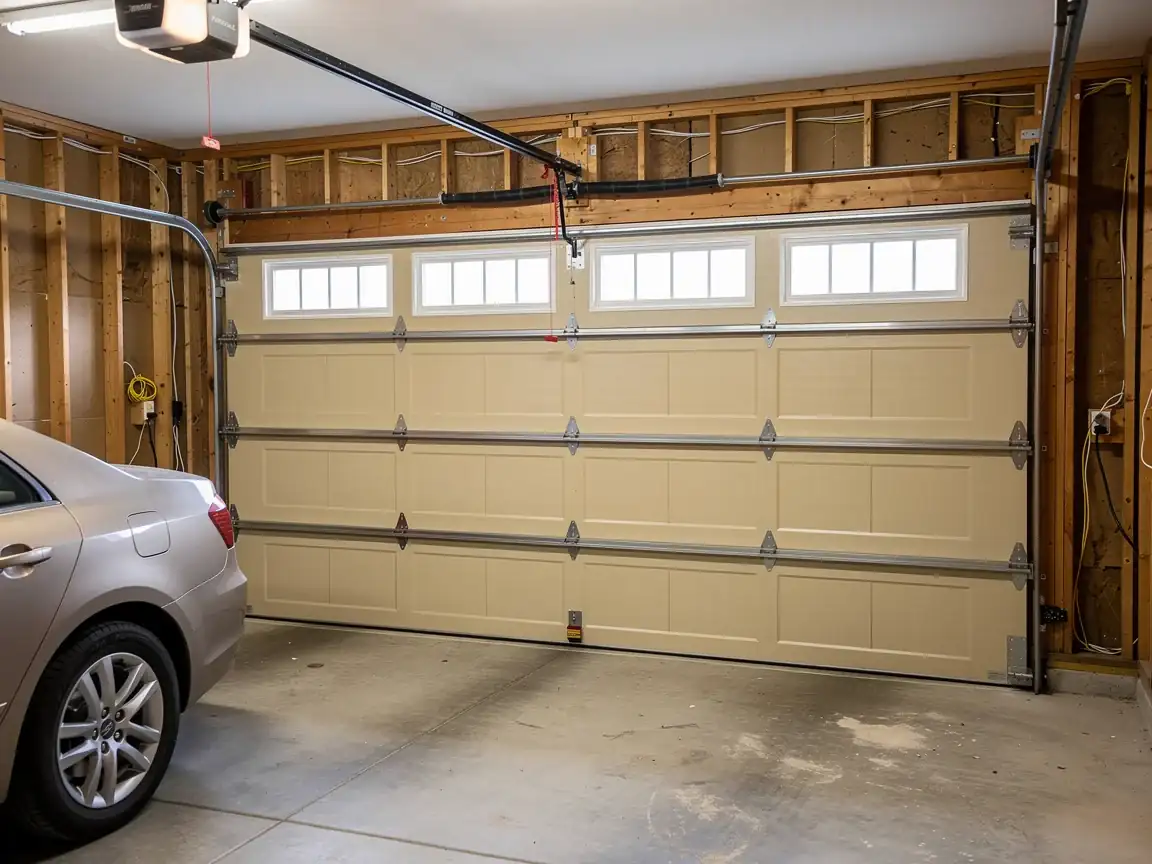
This region sits in a cold-severe climate band, and that matters more for off-track failures than people expect. Steel track contracts in deep cold, which tightens tolerances that were already snug on 1970s-era hardware - a roller that rode fine in August can bind and jump in January. Houses in this part of the service area were built between 1938 and 1990, and a door from the earlier end of that range, if it's never been upgraded, is running galvanized track with none of the adjustability built into current rail systems. Combine a cold snap with a door that's already slightly out of square and the track takes the brunt of it. We see this pattern more in the colder months here than owners assume going in.
The DIY Question
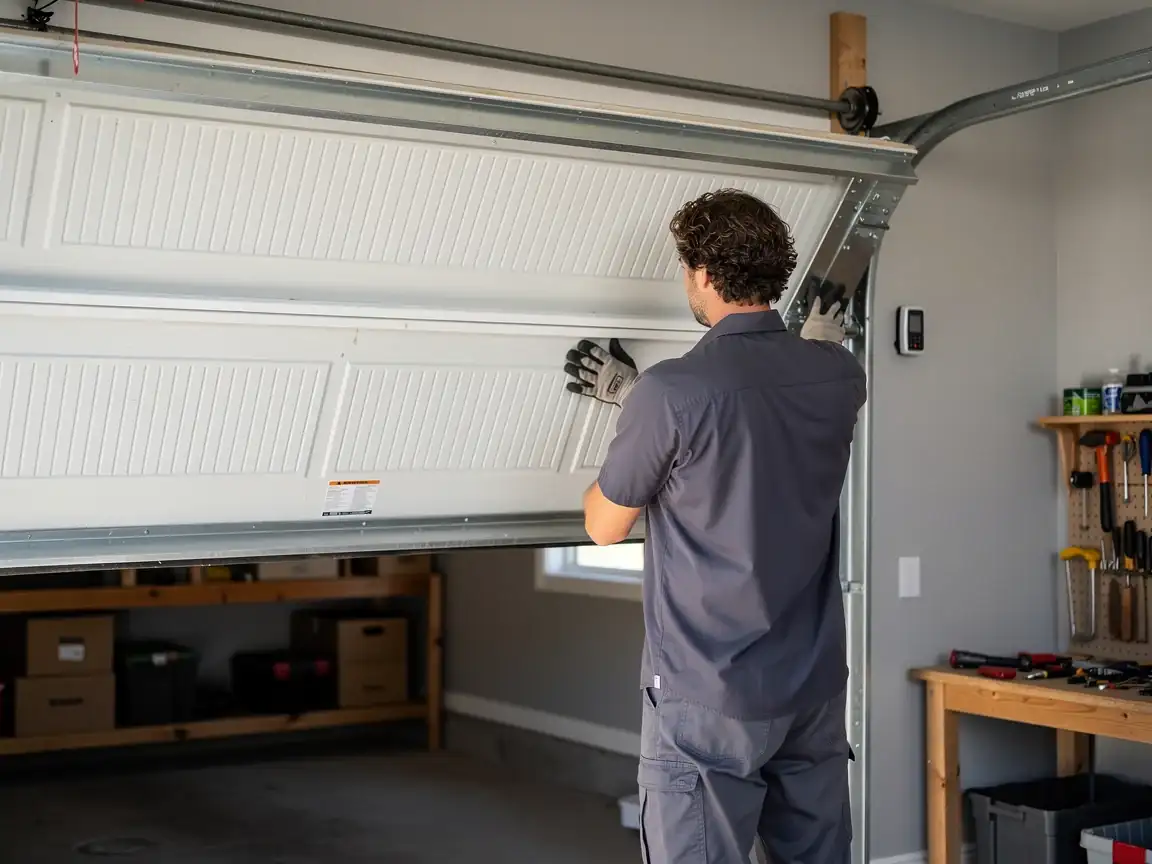
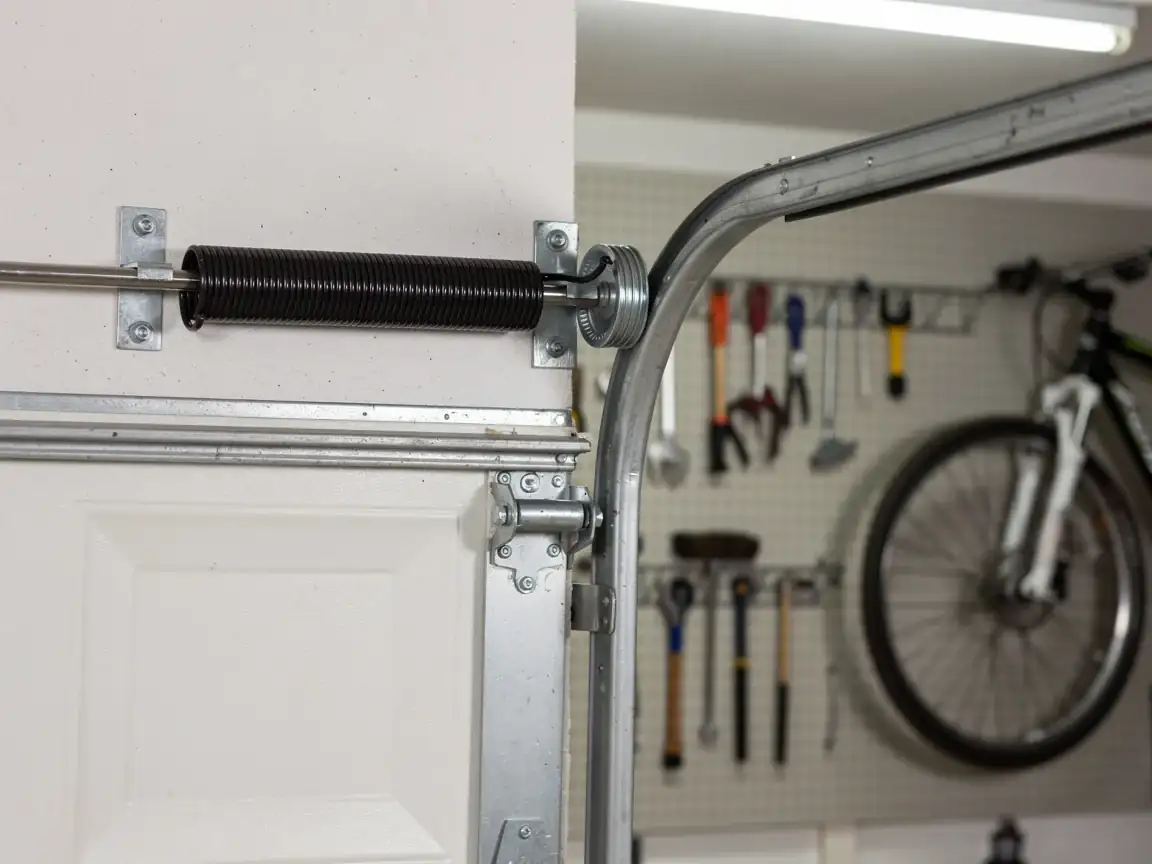
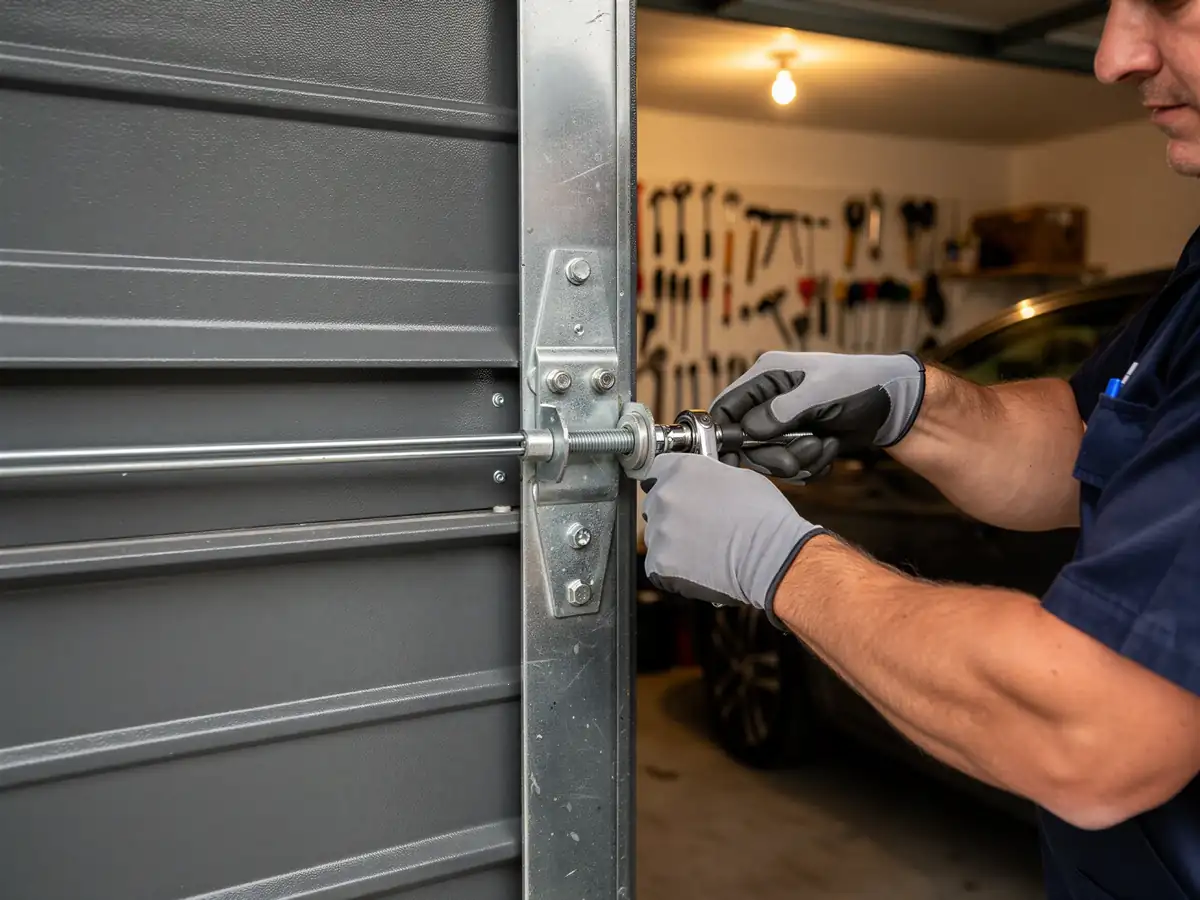
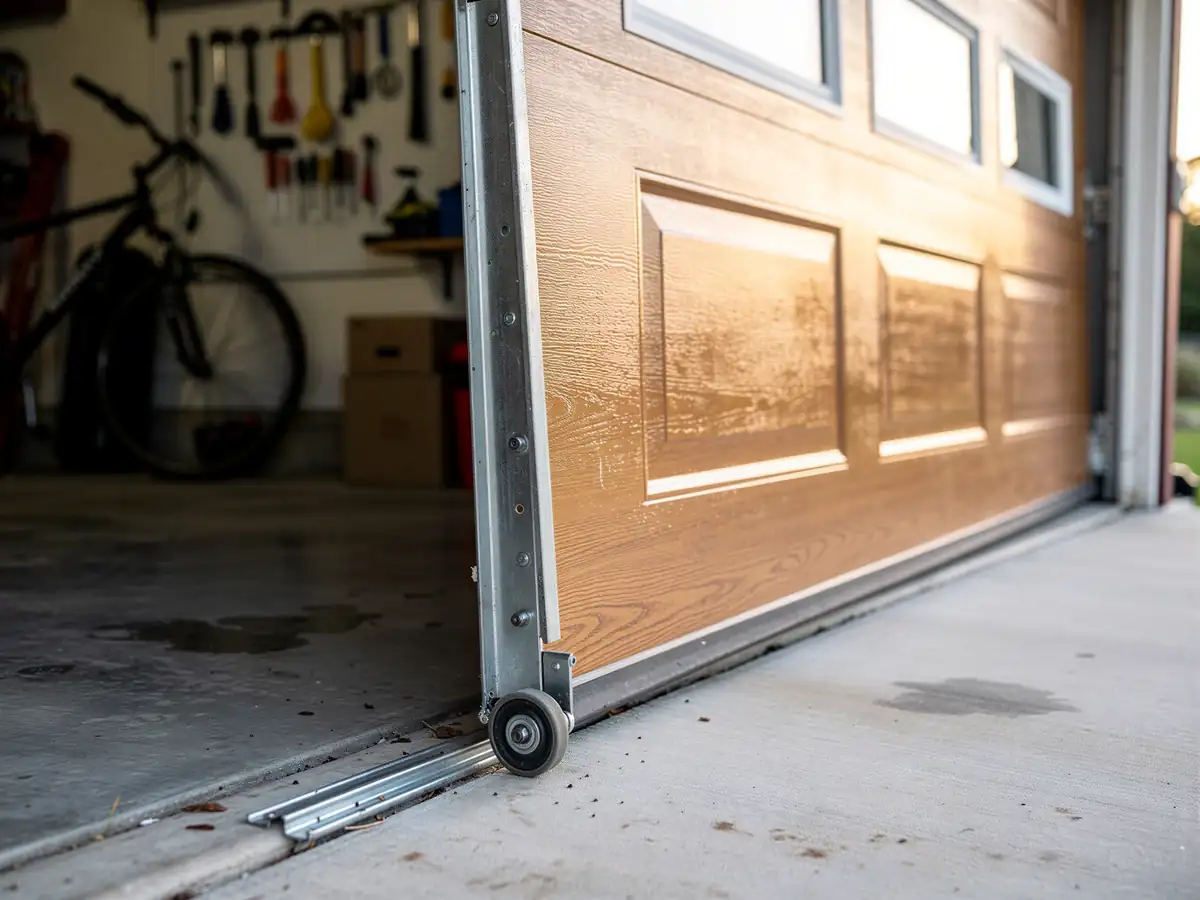
You can usually get a door back onto its track yourself if it's only off on one side and the opener is disconnected - loosen the lower roller bracket, guide the panel back into the channel, retighten. Where people get hurt is forcing a door that's under spring tension, or assuming a door that looks back on-track is actually square again. If the track bent even slightly when it jumped, forcing the door back in just means it jumps again, usually worse, usually at a worse time. Our honest limit: we don't do cosmetic track straightening as a cheap fix if the bracket's pulled loose from the framing - at that point you're paying for a patch that won't hold through next winter, and we'll say so instead of billing for it.