Serving Glastonbury, CT & nearby
(860) 217-5253
Glastonbury, CT

What Garage Door Maintenance Looks Like in Glastonbury Center

Glastonbury Center homes date mostly to the 1960s-70s. Here's what garage door maintenance covers there, what it costs, and why it matters that much more.

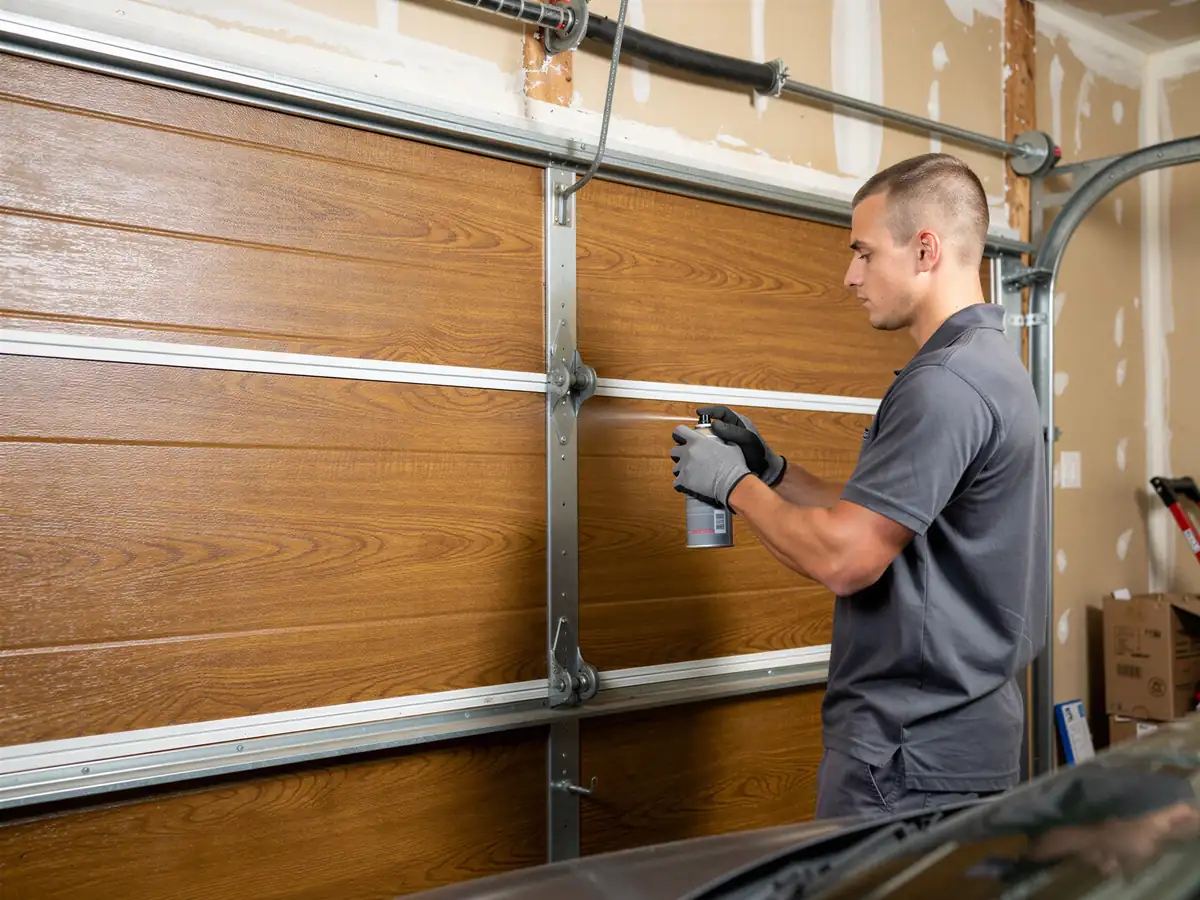
A technician in gray gloves sprays lubricant on a brown garage door.
Glastonbury, CT
8 services
5 service areas
Diagnosis first, then the fix

What You Pay

We don't post a flat number for maintenance because what a visit actually involves changes with the door in front of us, and in a neighborhood this size that's rarely a guess. Glastonbury Center has about 3,693 households, which is small enough that the same handful of door and opener models show up again and again rather than a few dozen one-offs. Median household income here runs $133,450, well above the $107,012 median across the wider service area, and that gap shows up in the work: more owners here book a yearly check before something fails than wait for a spring to go. A tune-up visit covers spring tension, track alignment, hardware torque, and opener settings - what it costs depends on whether the door needs lubrication and adjustment only, or whether a roller or cable is close enough to failure that we flag it for replacement instead of folding it into the same visit. We'll tell you which before we touch anything, not after.

How to Book

We run this out of our Glastonbury shop, about a mile from Glastonbury Center, so getting someone out here isn't a logistics problem - it's a scheduling one. If the door is already sticking, binding, or making a new noise, start with the repair page rather than a maintenance slot: /glastonbury-center-garage-door-repair/. If the door still works fine and you just want it looked at before winter or before it doesn't, that's the maintenance visit, and the broader rundown of what's included across our whole coverage area lives at /garage-door-maintenance-glastonbury-ct. Either way, tell us the age of the door and whether it's ever had a spring replaced - that alone tells us a lot about what to expect walking in.

What the Repair Takes

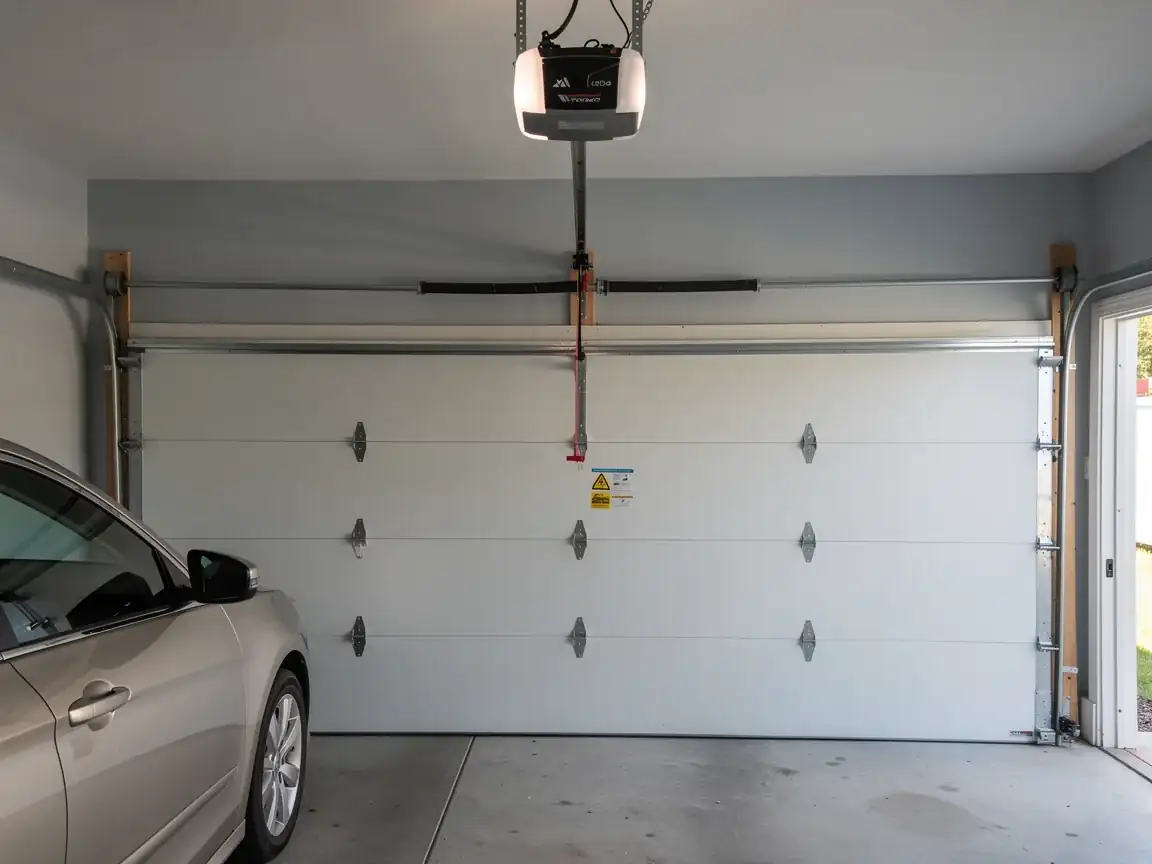
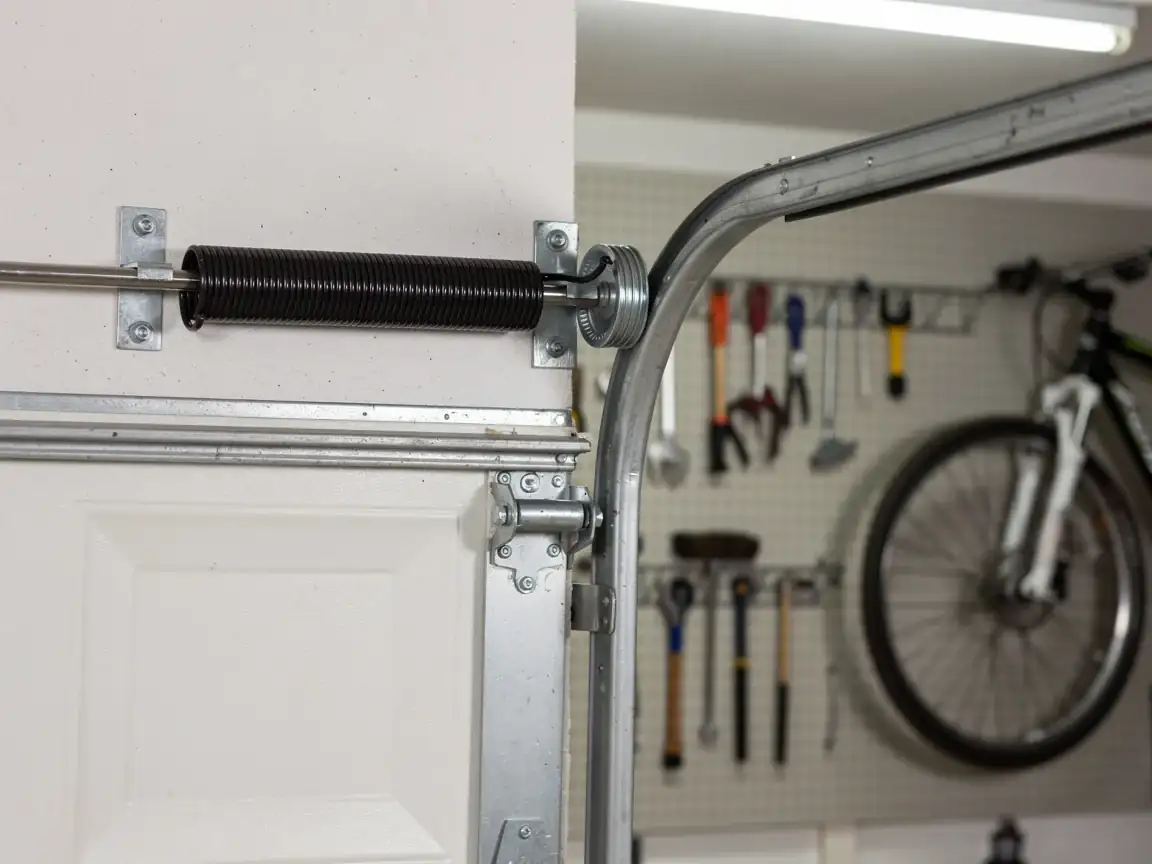
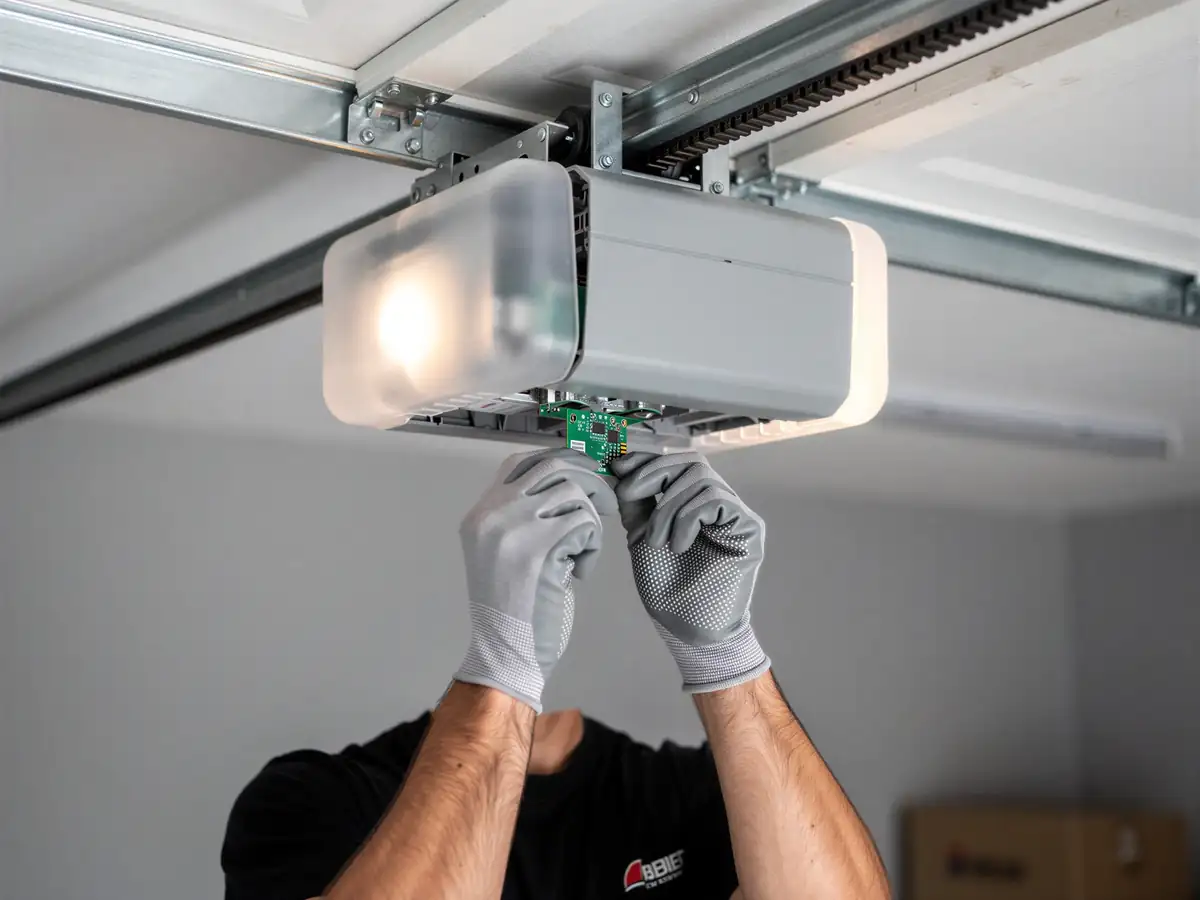
Most houses in Glastonbury Center went up around 1972, right in the middle of the 1938-to-1990 range for the broader area, and that median year matters more than it sounds like it should. A door and opener installed or replaced in that era is now deep into its service life even if nobody's touched it since. A standard maintenance visit means pulling the opener cover to check the gears and drive mechanism, checking torsion spring wind and balance by hand, inspecting cable fray at the drum, and testing the auto-reverse safety - the kind of check that catches a worn roller before it jumps the track instead of after. If the springs are original to a 1970s install, we'll say so plainly rather than just lubricating past the problem. One thing we don't do on a maintenance call is reframe springs or cables that are past the point of safe operation - at that stage it's a repair, not upkeep, and we'll tell you straight that it's time to schedule the other visit instead.

Why This Fails Locally

This area sits in a severe cold climate band, and that changes what breaks first on an older door more than most owners expect. Cold doesn't snap a spring on its own, but it stiffens grease, shrinks seals, and makes an opener motor work harder to lift a door that's already heavier than it should be from age. On a 1972-era door, a spring was never rated to last fifty-plus years regardless of climate - but the cold speeds up everything that was already wearing down, which is why we see more mid-winter spring failures here than in October. A door that's been skipped on maintenance for a decade in this climate tends to fail without warning rather than gradually, because the slack and corrosion build up quietly until a cold morning asks more of the hardware than it has left to give.

The DIY Question

Lubricating hinges and rollers with the right garage door grease, vacuuming out the track, and checking that the photo-eye sensors are clean - an owner can do all of that safely, and it's worth doing between our visits. What we don't recommend touching yourself is anything involving the torsion spring itself. A wound spring on a door this age carries enough stored force to cause a serious injury if the winding bar slips, and on a door built around 1972 there's a decent chance the spring size or drum setup doesn't match anything sold off a shelf today, which is its own separate problem if you order the wrong part. If you're not sure whether what you're looking at is a lubrication job or a spring job, that's exactly the call to make before you start - not after.
How it works

From “it’s stuck” to “it’s fixed”

A quick, honest process - no guesswork and no surprises.

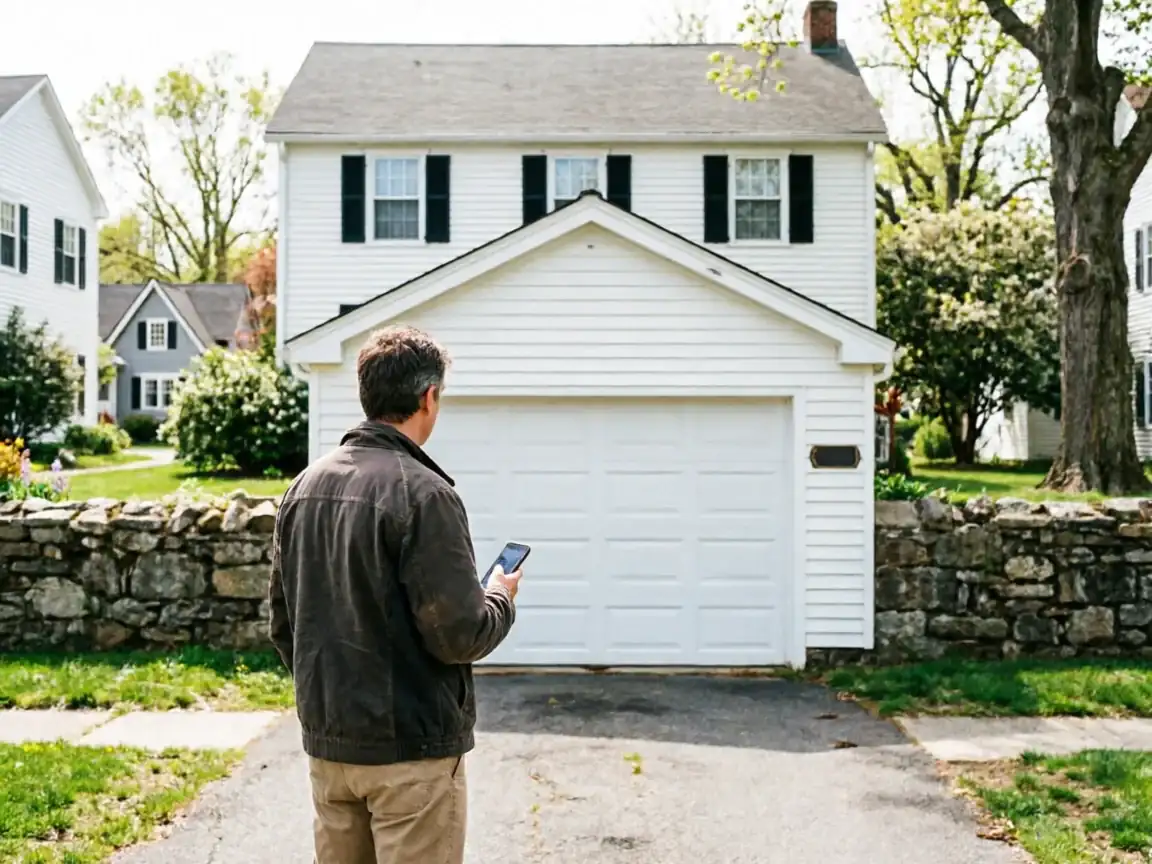
  1. A man stands in a driveway holding a phone, facing a white garage door.
    1

    Tell us what’s wrong

    Describe the symptom - won’t open, loud bang, opener runs but the door won’t move.

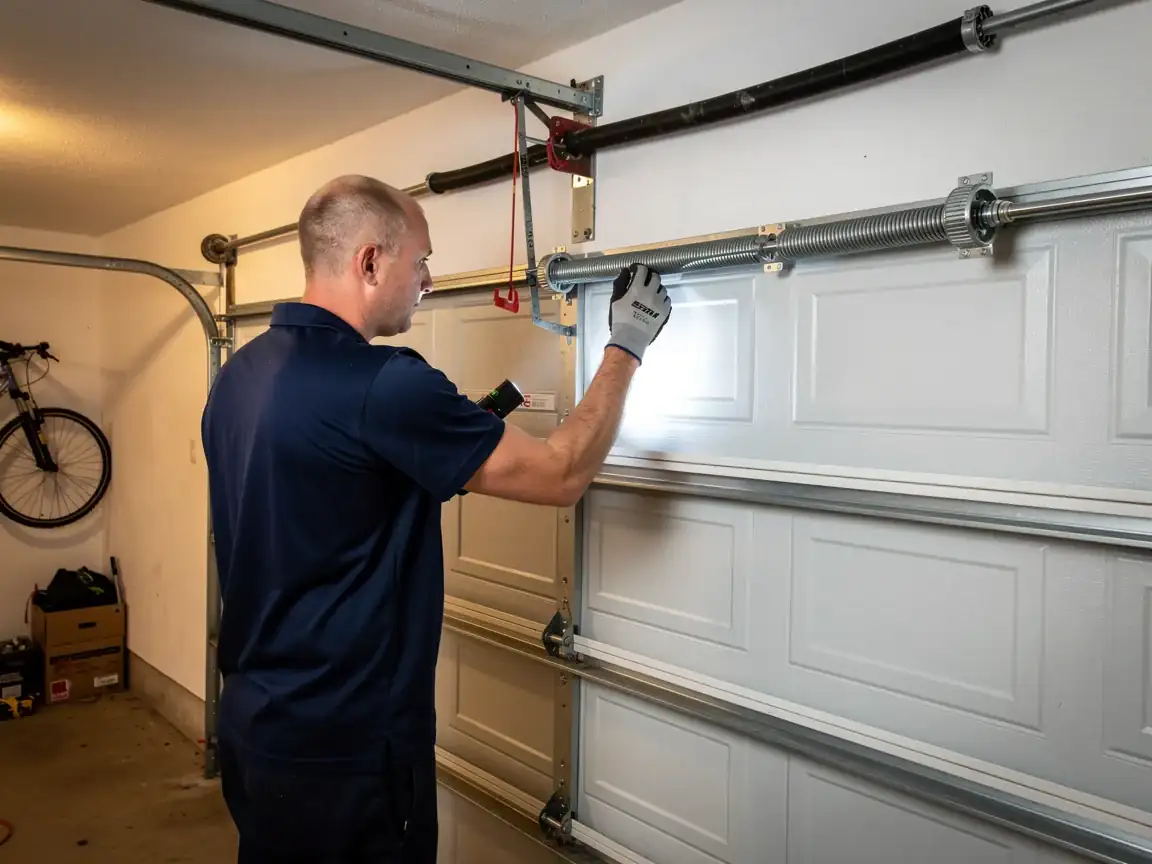
  2. A technician shines a flashlight on a garage door torsion spring.
    2

    On-site diagnosis

    A technician tests the door under power and by hand and finds what actually failed.

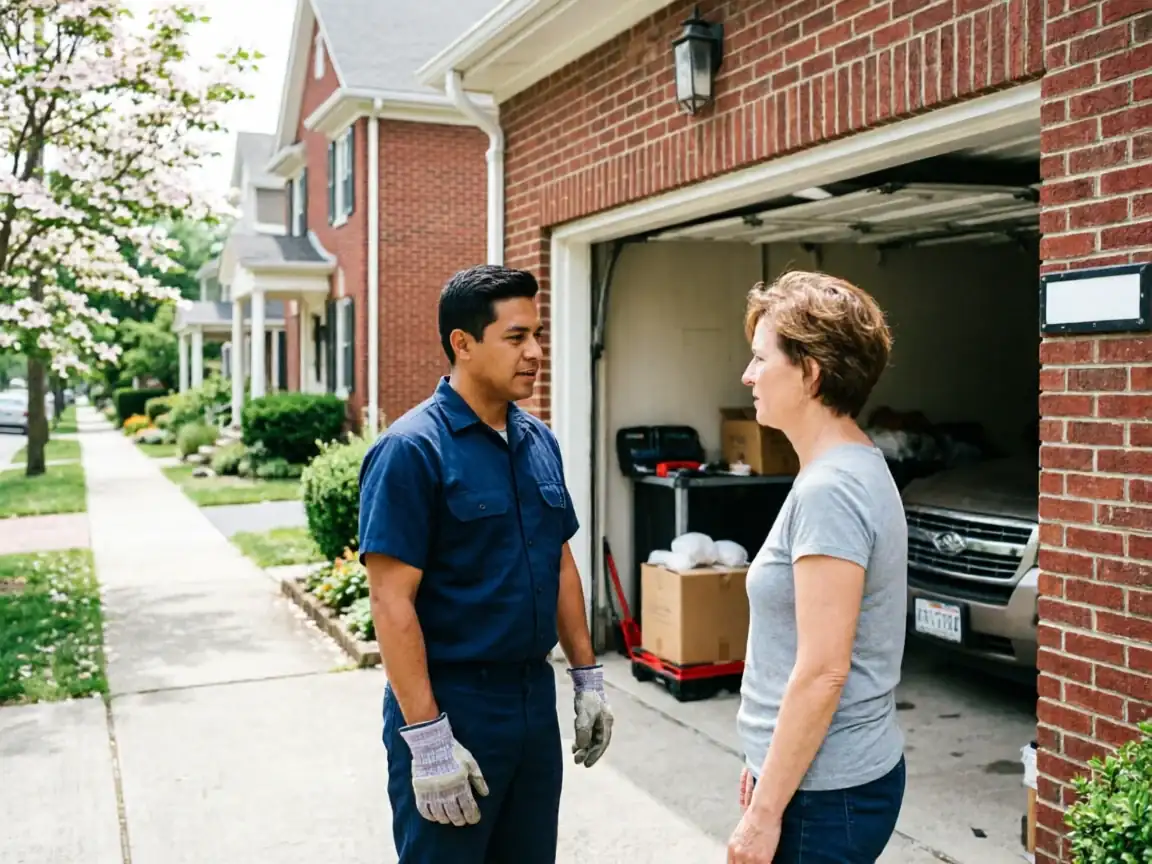
  3. A technician talks to a woman in front of a brick house with an open garage.
    3

    Clear, up-front plan

    You get the fix that’s needed and what drives the cost - before any work starts.

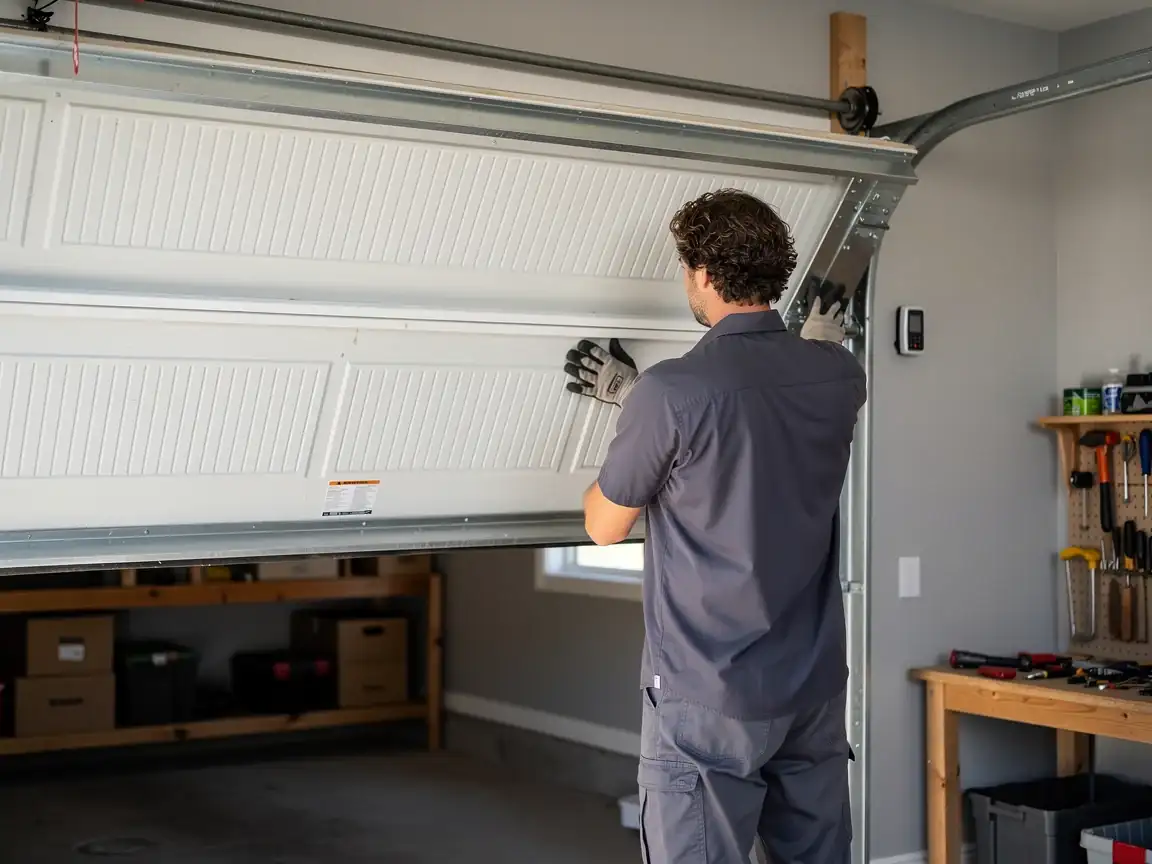
  4. A technician in a gray uniform is working on a white garage door.
    4

    Repaired & tested

    The repair is done, the door is set true and tested, and the work area left clean.

Not sure which repair your door needs in Glastonbury, CT? Describe what it’s doing - every job starts with a diagnosis.

How we work

What to expect

  • Diagnosis firstEvery visit starts by finding what actually failed - not a pre-written parts list.
  • The right part for the doorSprings and openers matched to the door’s weight and age, so the fix holds up.
  • Straight answersWhen a repair makes more sense than a replacement - or the reverse - you hear it plainly.
  • Clean, careful workTension released safely, hardware set true, the door tested under power before we leave.
Residents in Glastonbury
Garage door services
Neighborhoods & suburbs
Serving Glastonbury, CT
31,876
8
5
CT
Questions

Frequently asked

Straight answers about garage door repair in Glastonbury. Still unsure? Ask us directly.

How often should a garage door in Glastonbury Center get serviced?

Once a year is standard, ideally before the coldest stretch of winter, since cold weather is what tends to expose a spring or opener that's already worn. Doors older than the 1972 median for this area are worth checking twice a year if they've never had major parts replaced.

Does maintenance include replacing the spring?

No. A maintenance visit checks spring tension and balance and flags wear, but replacing a torsion spring is a separate repair job, priced and scheduled on its own. If a spring is close to failing, we'll tell you during the maintenance visit rather than waiting for it to break.

Is it worth maintaining a door that's original to the house?

Usually yes, up to a point. A lot of houses in Glastonbury Center still have hardware from around the original 1972-era build, and keeping it lubricated and aligned buys time - but if the springs or cables are original too, maintenance can only do so much before replacement is the more honest answer.

Ready to get your garage door sorted?

Tell us what it’s doing and where you are in Glastonbury - we’ll take it from there.

Request a QuoteCall