What You Pay
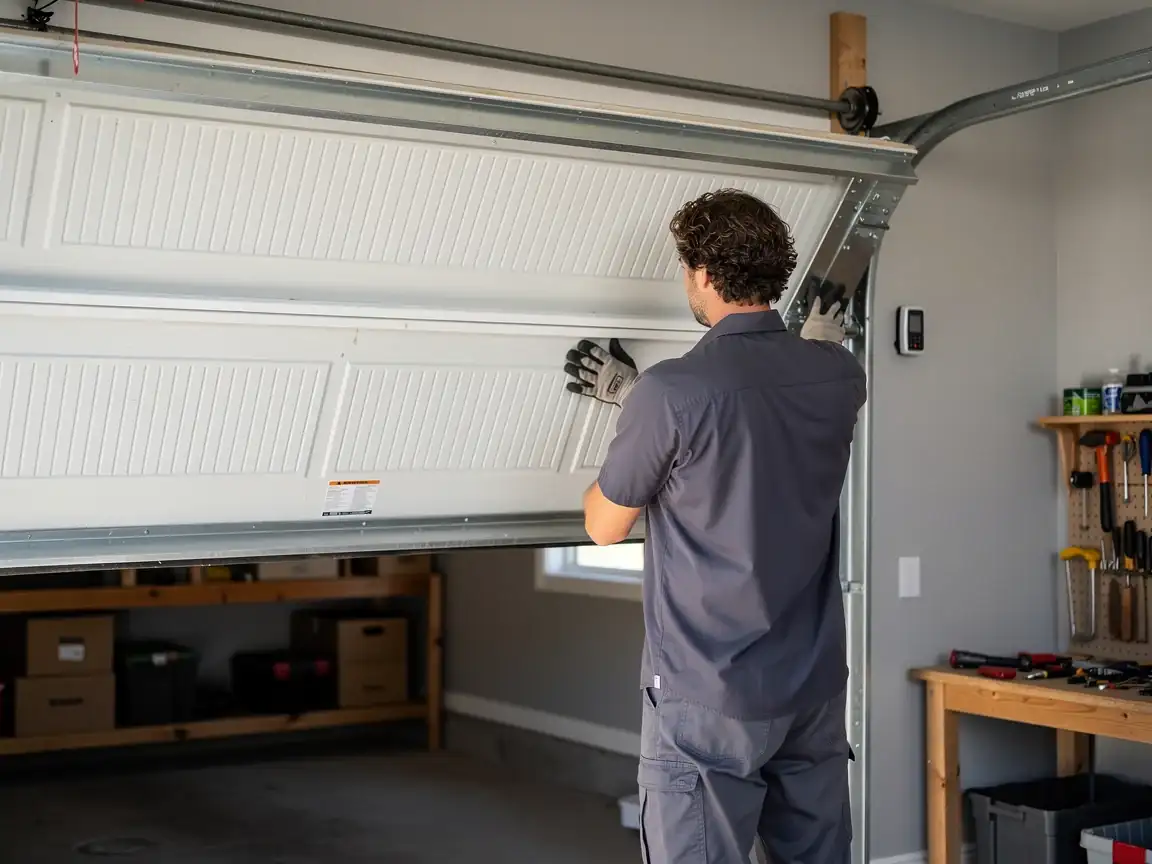
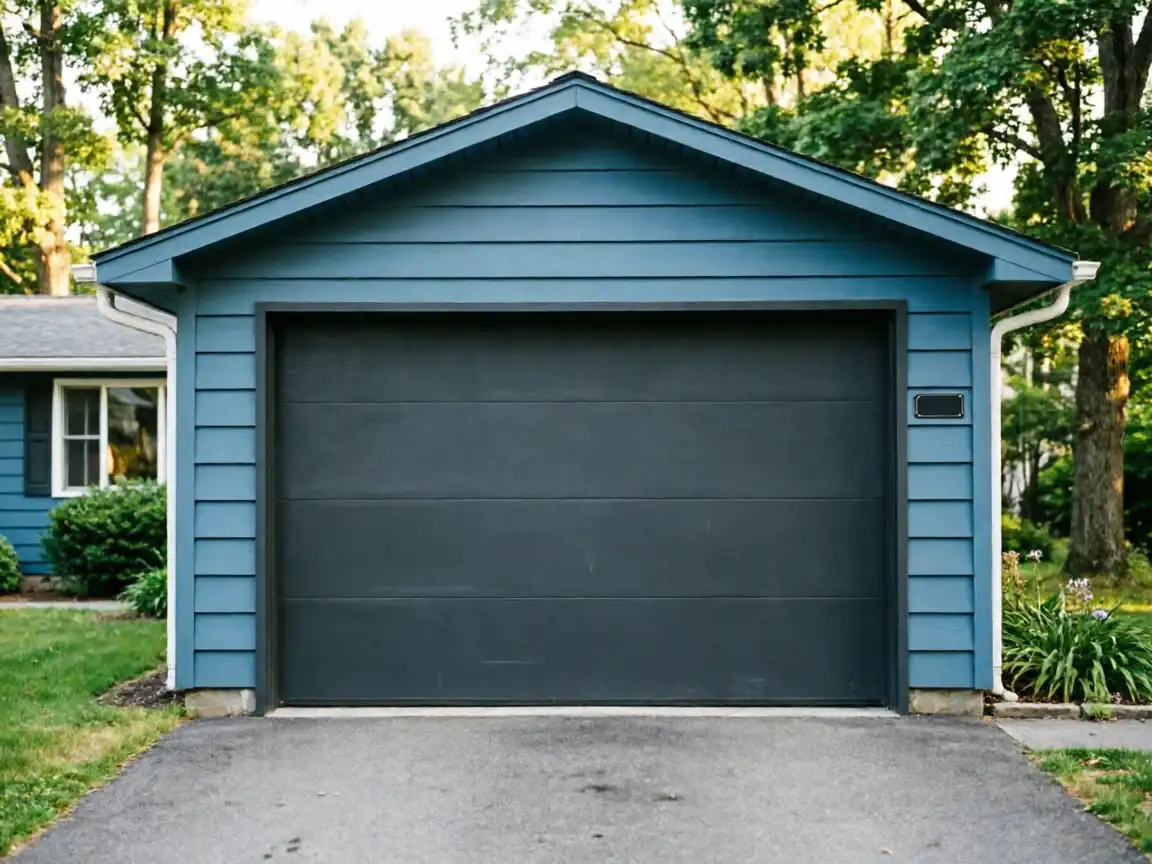
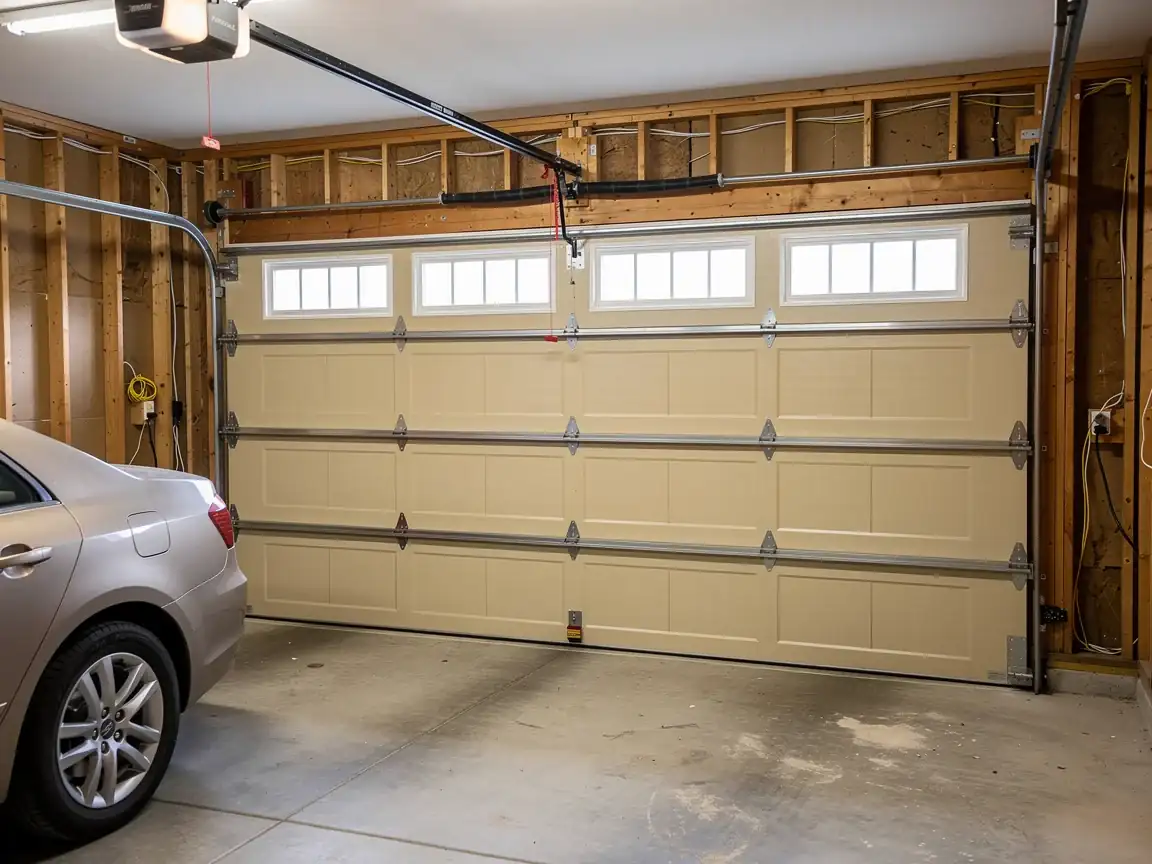
We don't quote a panel job over the phone without seeing the door, and that's truer here than in newer parts of the service area. Glastonbury Center's housing stock centers on 1972, which means a lot of doors still running the panel style and track width that was standard that year. If your door is a common size and the manufacturer still makes a matching panel, it's a straightforward swap. If it's an odd width, or the panel run was discontinued, you're looking at either a custom order or replacing more than one section so the color and ribbing match. We'll tell you straight if a full door makes more sense than chasing one panel - sometimes it does, sometimes it doesn't, and we won't pad the job to make it look bigger. What we won't do is promise a number before someone's measured your track and looked at what's actually bolted to it.
How to Book
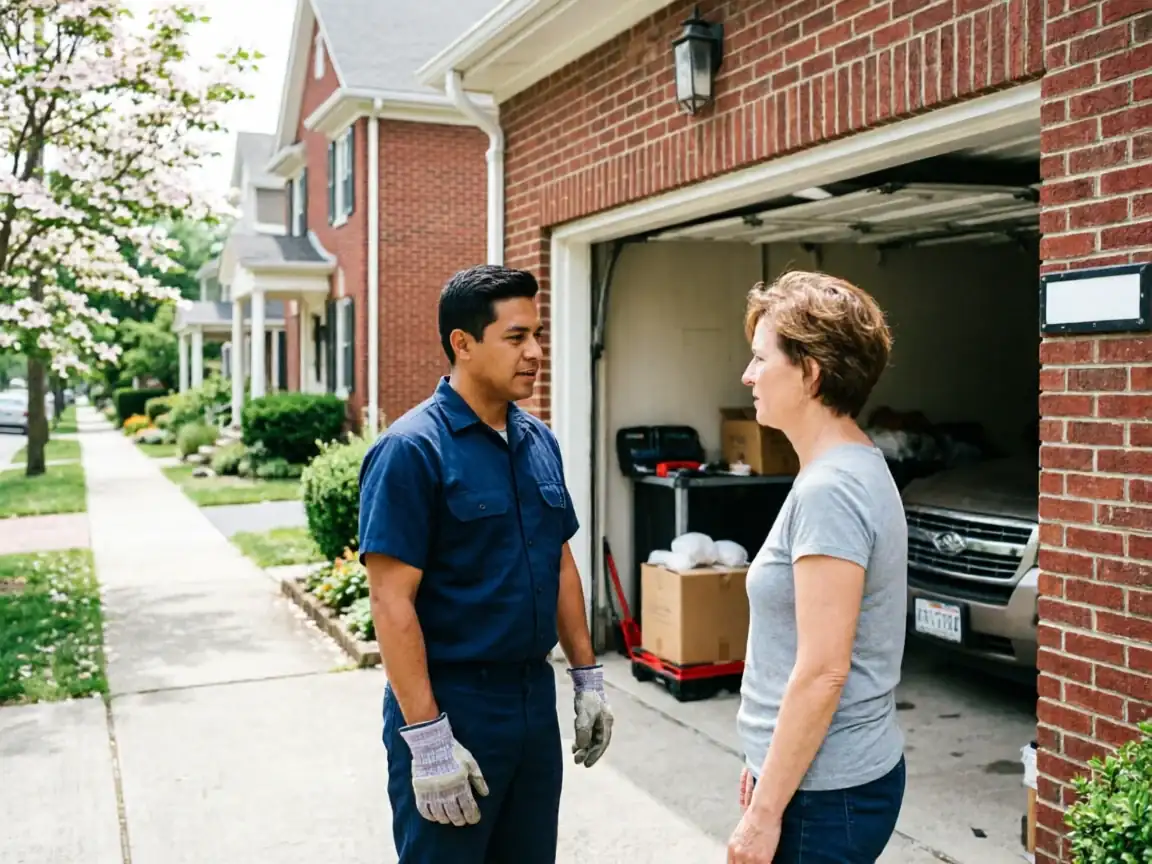
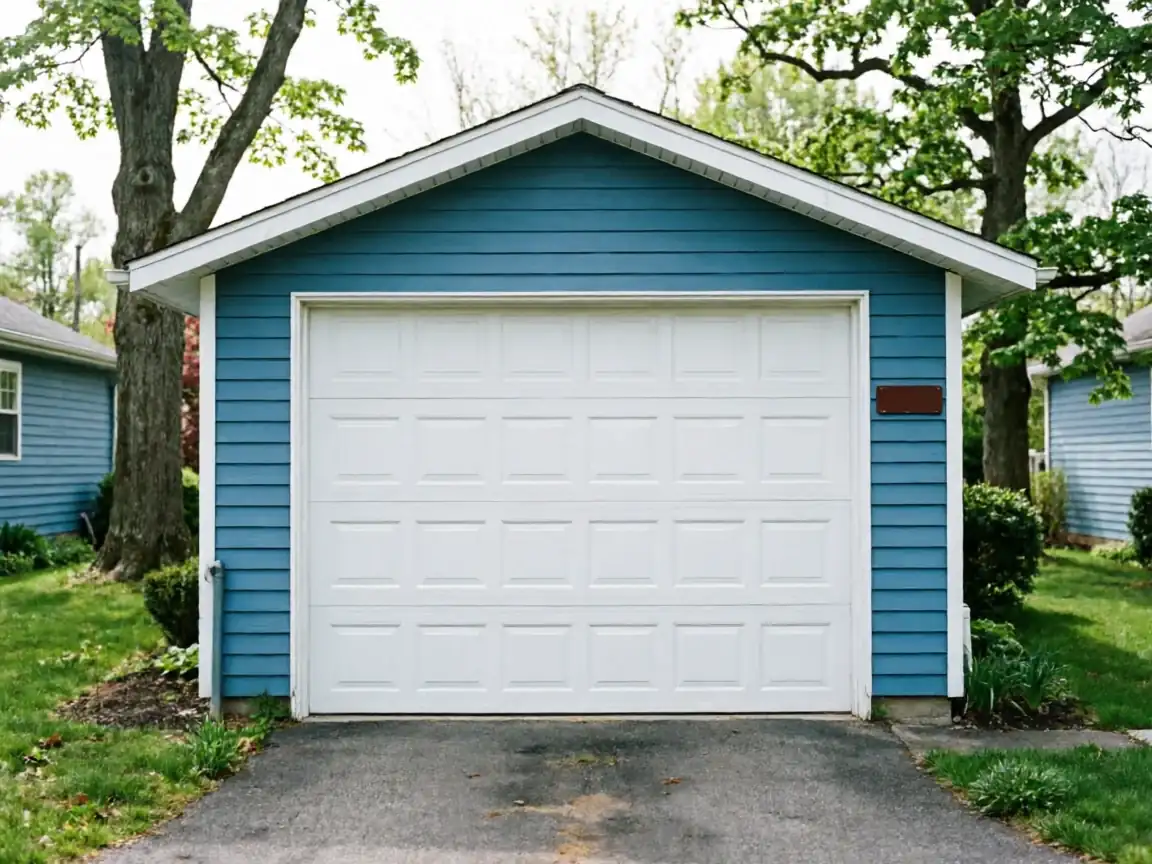
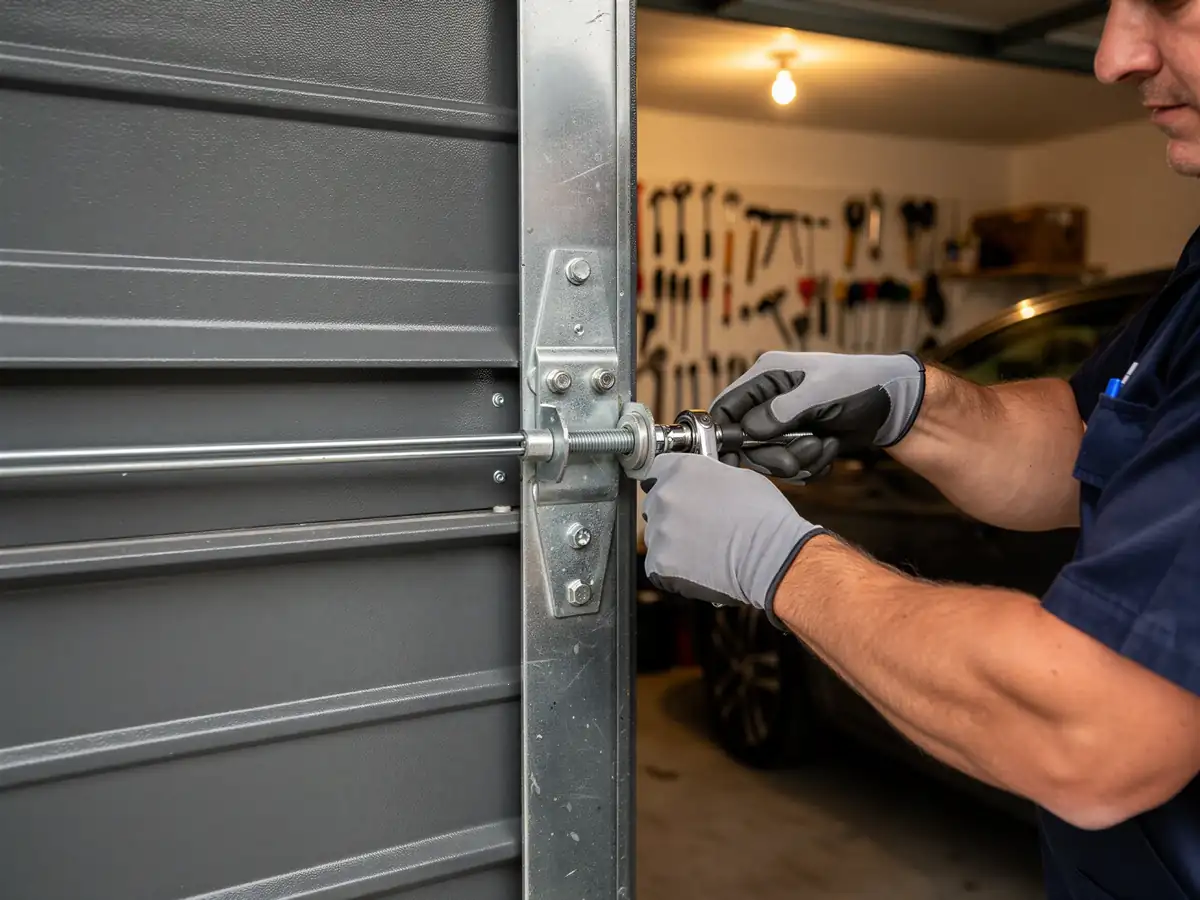
We run out of Glastonbury, and Glastonbury Center sits about a mile from there, so getting a truck to you isn't the issue - matching your panel is. Call or book through our Glastonbury Center repair page and tell us the brand stamped inside the door if you can find it, along with roughly how old the house is. For a panel-specific job, our panel replacement page walks through what we need from you before we show up: a photo of the damaged section, the door's width, and whether the rest of the panels are in decent shape. That saves a return trip if the part has to be special-ordered.
Why This Fails Locally
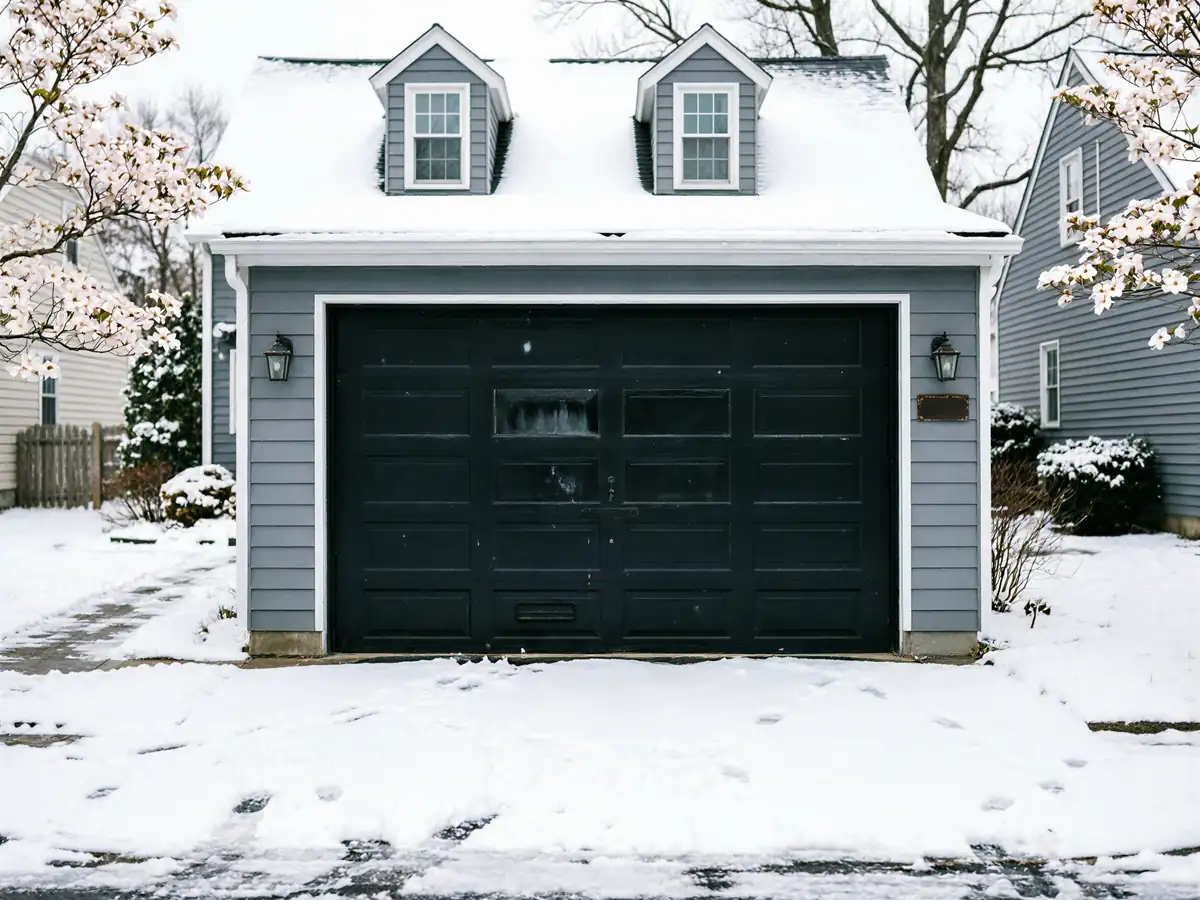
Connecticut sits in a severe cold climate band, and that matters more for panels than people expect. Steel panels contract in the cold, and a dent or a hairline crack that looked cosmetic in October can propagate into a bowed section by February once the metal's been through a few freeze cycles. On the insulated doors common in houses built in this era, moisture can also get behind a cracked panel skin and freeze, which pries the layers apart from the inside. With median household income here running well above the wider area's $107,012 figure, a fair number of these doors have been upgraded once already, but the original panel run from 1972 construction is still common enough that we see it weekly. A door that's taken one hard knock - a car bumper, a basketball, ice falling off a roofline - often doesn't show the full damage until a cold snap finishes the job.
The DIY Question
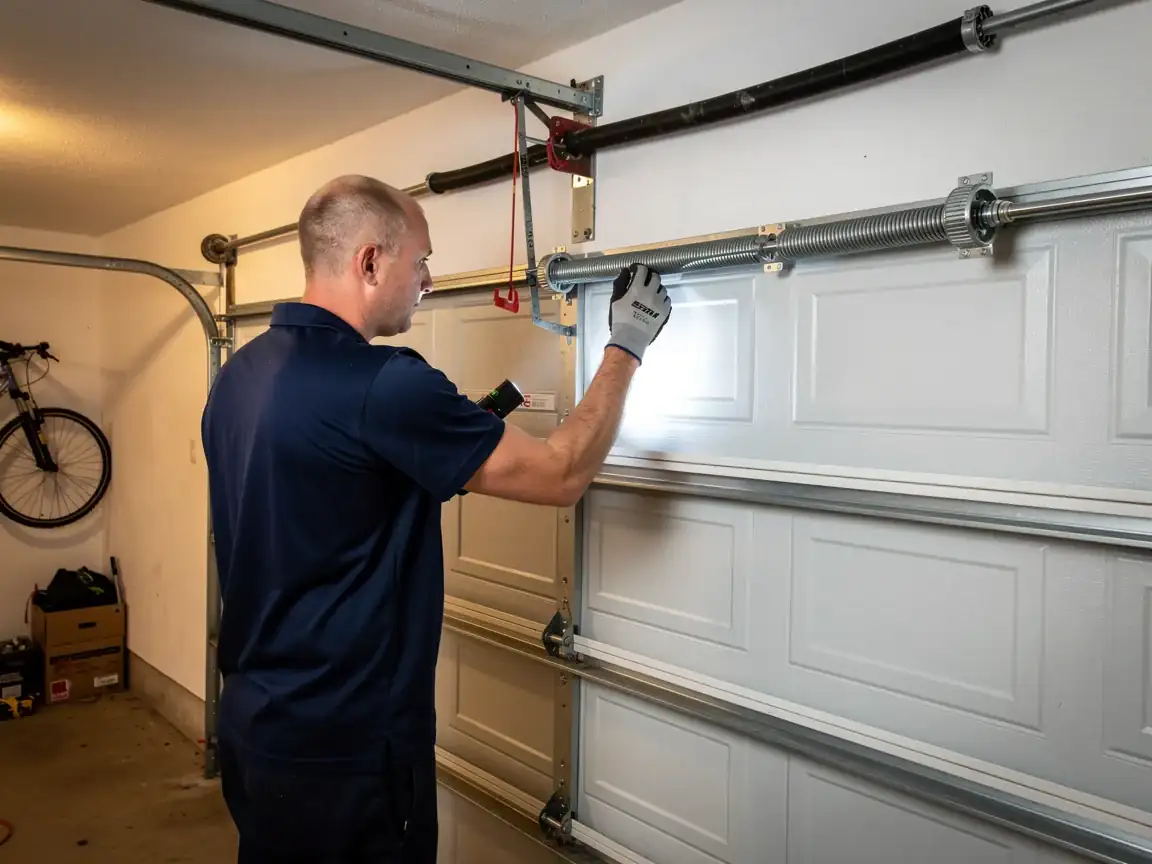
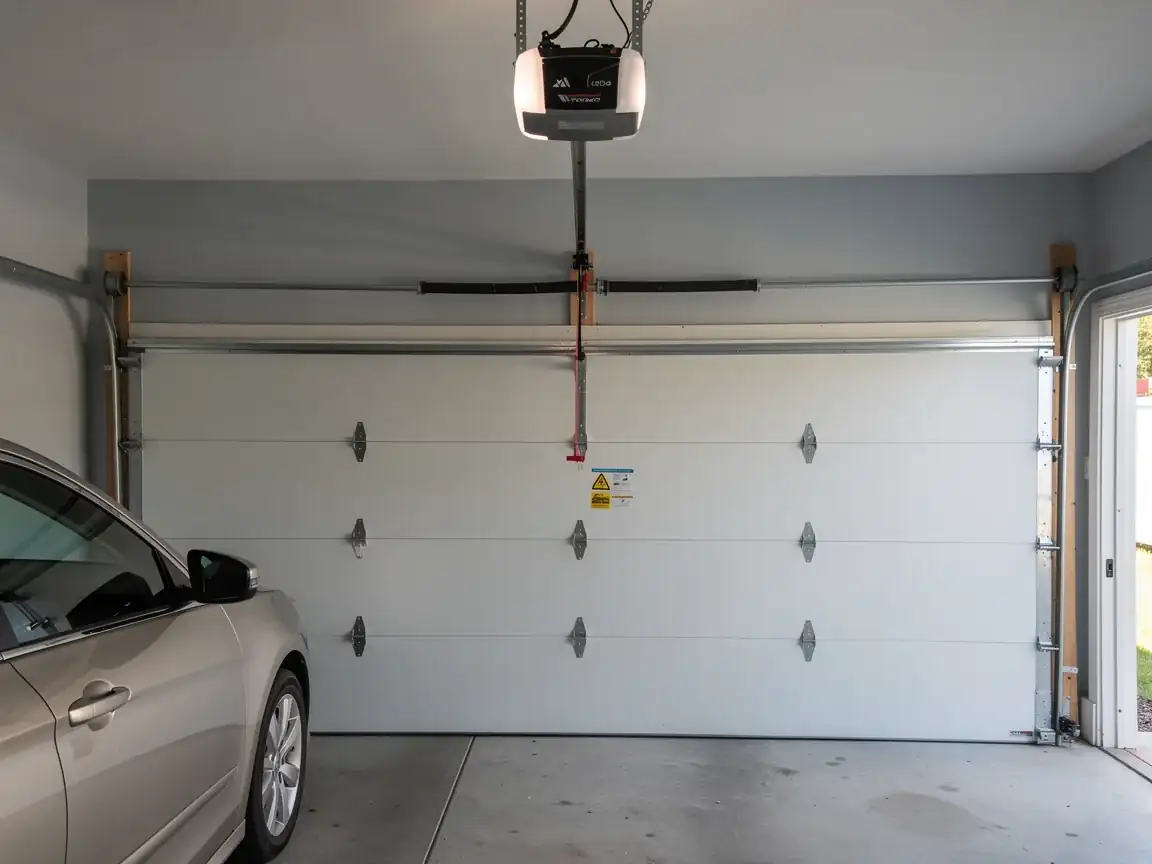
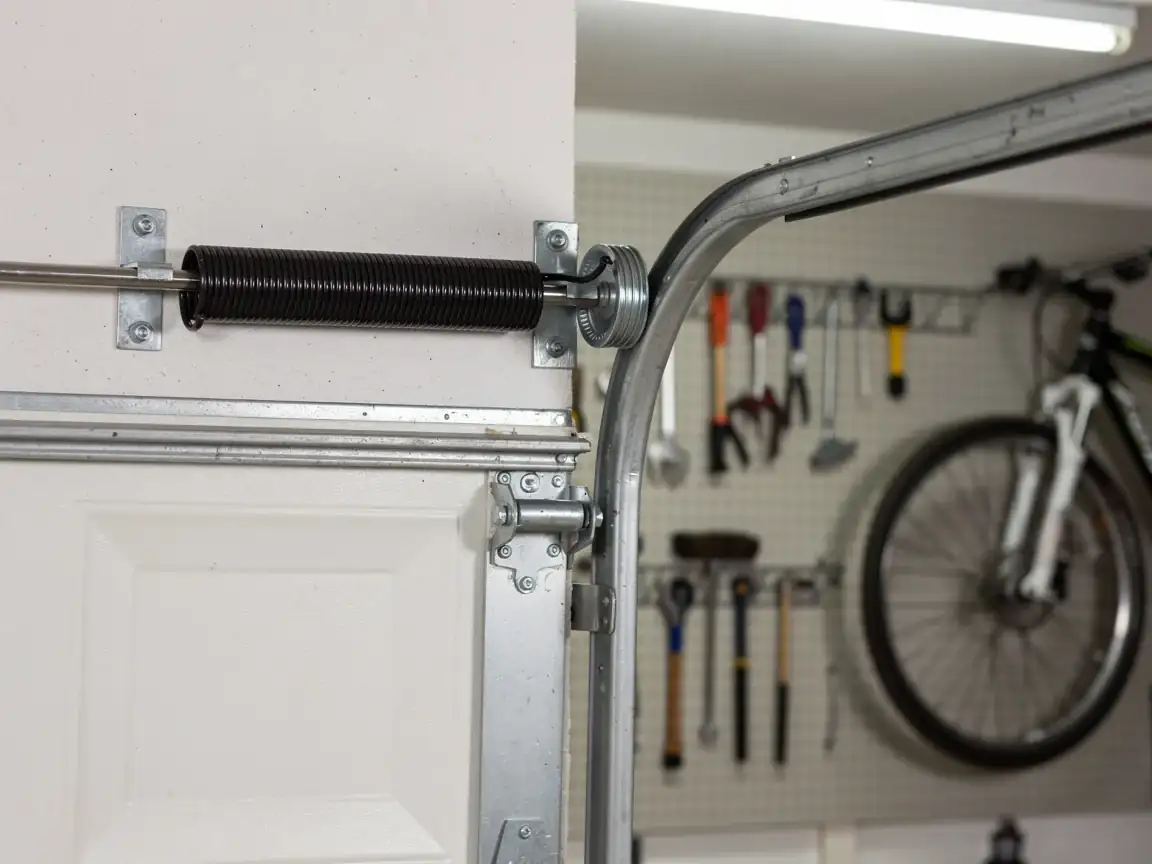
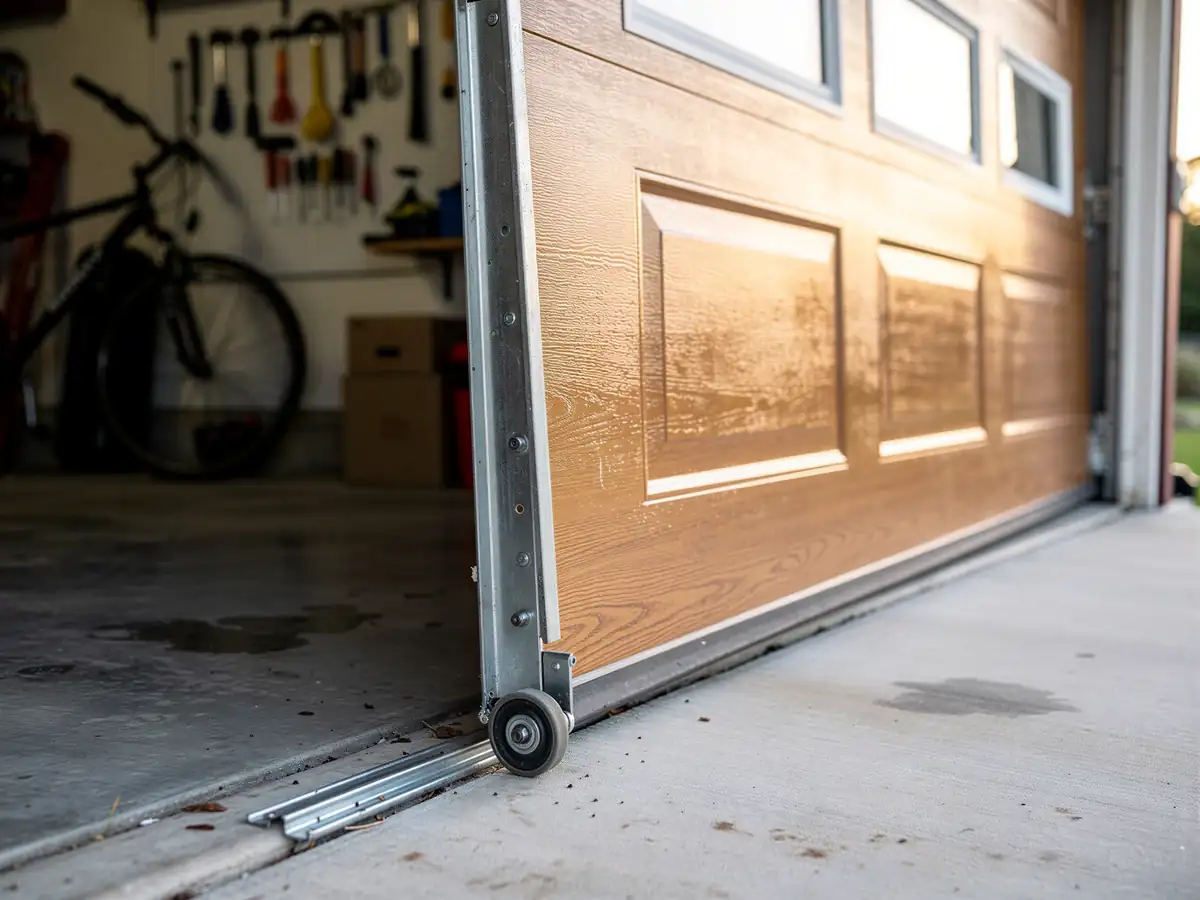
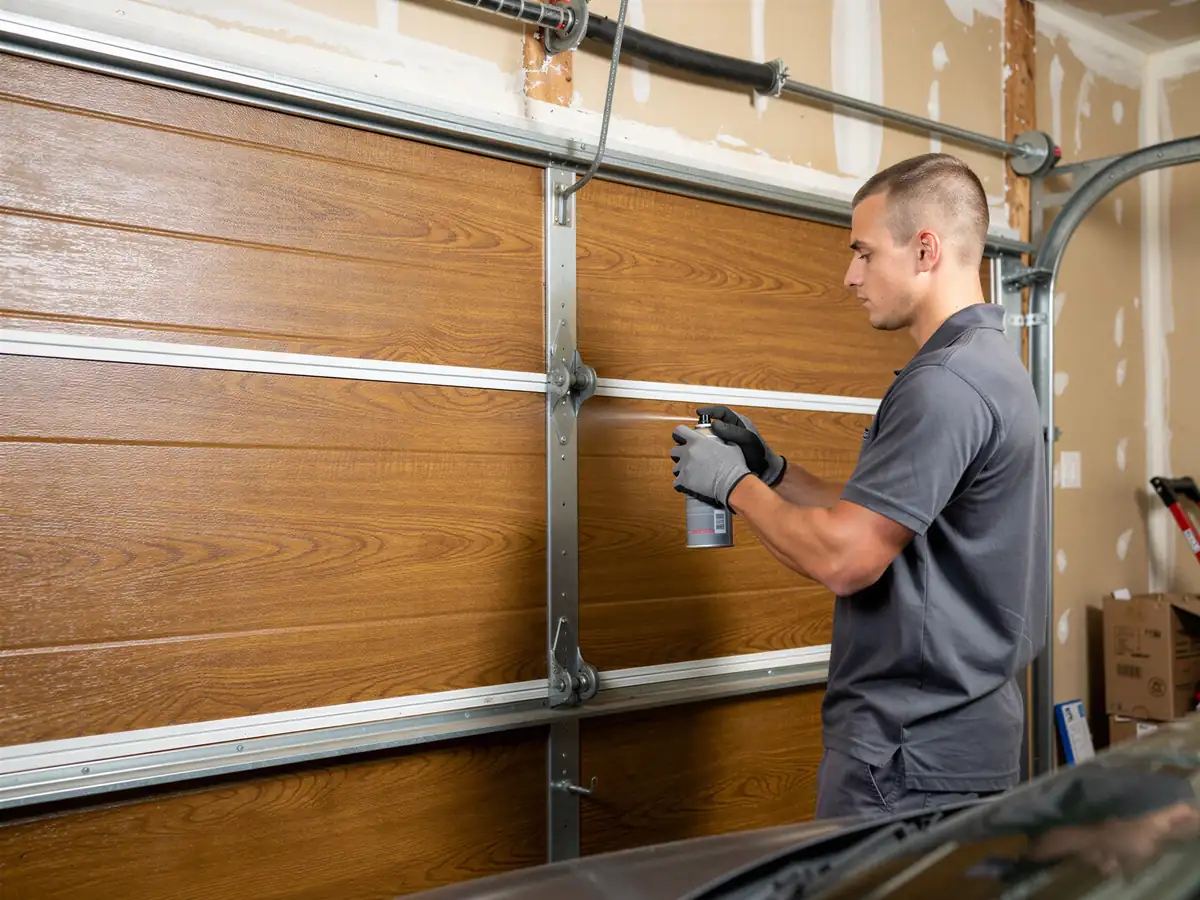
Swapping a single panel looks like a weekend job on video, and sometimes it is - if the door is a current model and the panel is in stock. The catch with a lot of Glastonbury Center doors is the discontinued part problem: order the wrong panel and it doesn't rack straight against the others, which stresses the track and the opener motor on the very next cycle. The other risk is one we won't sugarcoat - releasing torsion spring tension to pull panels off an older door is where people get hurt, and we'd rather lose the job than have that call be the one that goes wrong. If your door is a common size with parts still made, go ahead and try it. If you're not sure, send us a photo of the manufacturer label before you start pulling bolts.