What You Pay
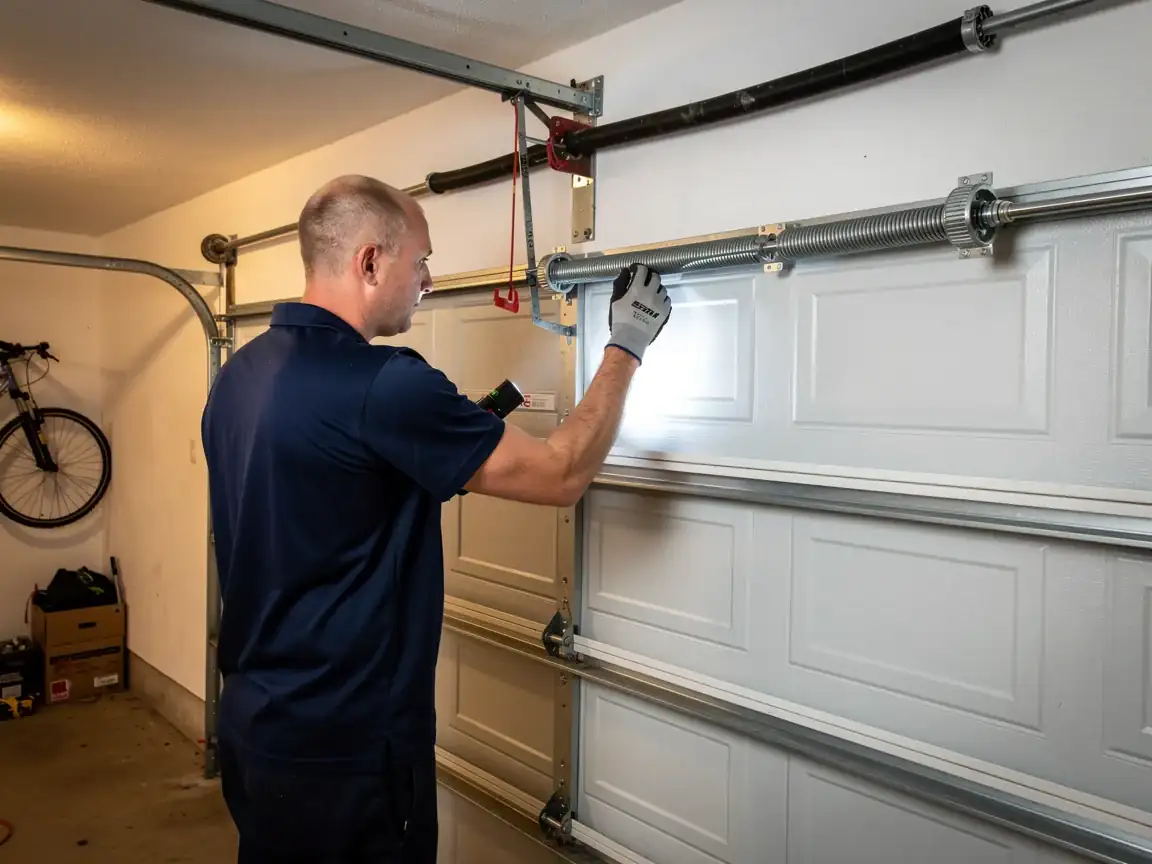
Most houses in Glastonbury Center were built around 1972, the same stretch that brought steel sectional doors into everyday use here, replacing the older single-panel wood doors. That steel is thinner than what's sold today, and the torsion springs sized for it were built to a lighter standard than current code calls for. What you pay depends on whether we're matching a spring to that older door weight, swapping a worn roller track, or replacing a cable that's frayed from age rather than abuse. We don't publish a flat number for every job because a 50-year-old door with original hardware takes longer to source parts for than a door installed in the last decade. If a part isn't a stock size anymore, we'll tell you before we start, not after. Glastonbury Center sits in a higher income bracket than much of the wider service area - median household income here runs $133,450 against $107,012 across the broader footprint - and we see more owners here choose a full spring and cable replacement over a patch job, since they'd rather not call again next winter. That's a choice we lay out, not one we push.
How to Book
We work out of Glastonbury, about a mile from Glastonbury Center, so getting a truck to your driveway isn't the long haul it is for some of the farther towns on our list. Call or use the contact page, tell us the door size and whether it's a single or double, and give us the symptom - won't open, opens crooked, makes a bang when it closes. That's usually enough for us to bring the right spring size on the first trip instead of a second one. We don't quote a same-day guarantee here; we quote based on what's actually wrong and what's in the truck that day.
Why This Fails Locally
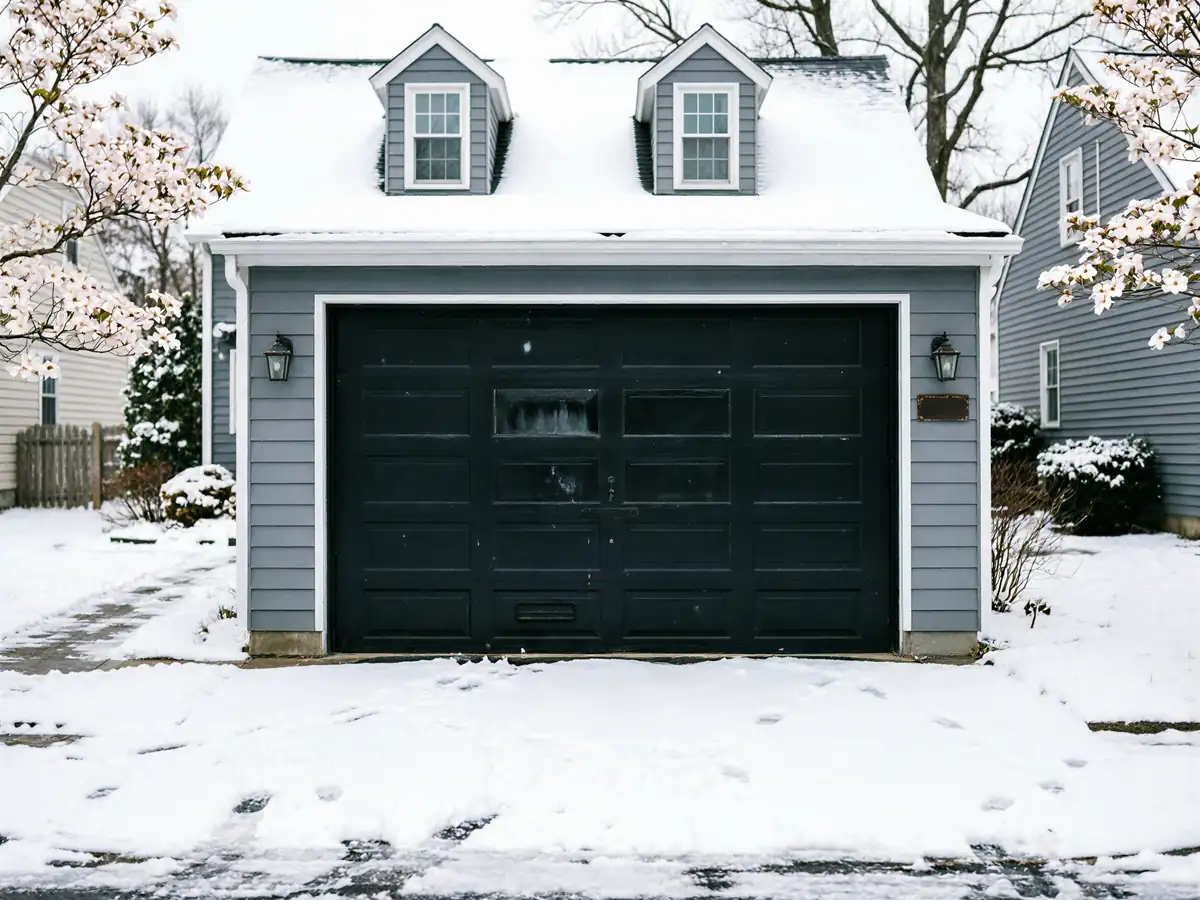
Glastonbury Center sits in a cold-climate band with severe winters, and a steel door from 1972 doesn't flex the way it did when the panel was new. Cold stiffens the lubricant on original hardware, and a track that's a quarter-inch out of plumb - common after fifty years of settling - will bind hard the first freeze of the season rather than glide through it. With roughly 3,693 households in Glastonbury Center, a lot of that original-era hardware is aging out on the same calendar, which is why we see clusters of spring failures in the same cold snap rather than one at a time. It's not bad luck; it's a door and a spring built to a 1970s load spec meeting a 2020s winter.
The DIY Question
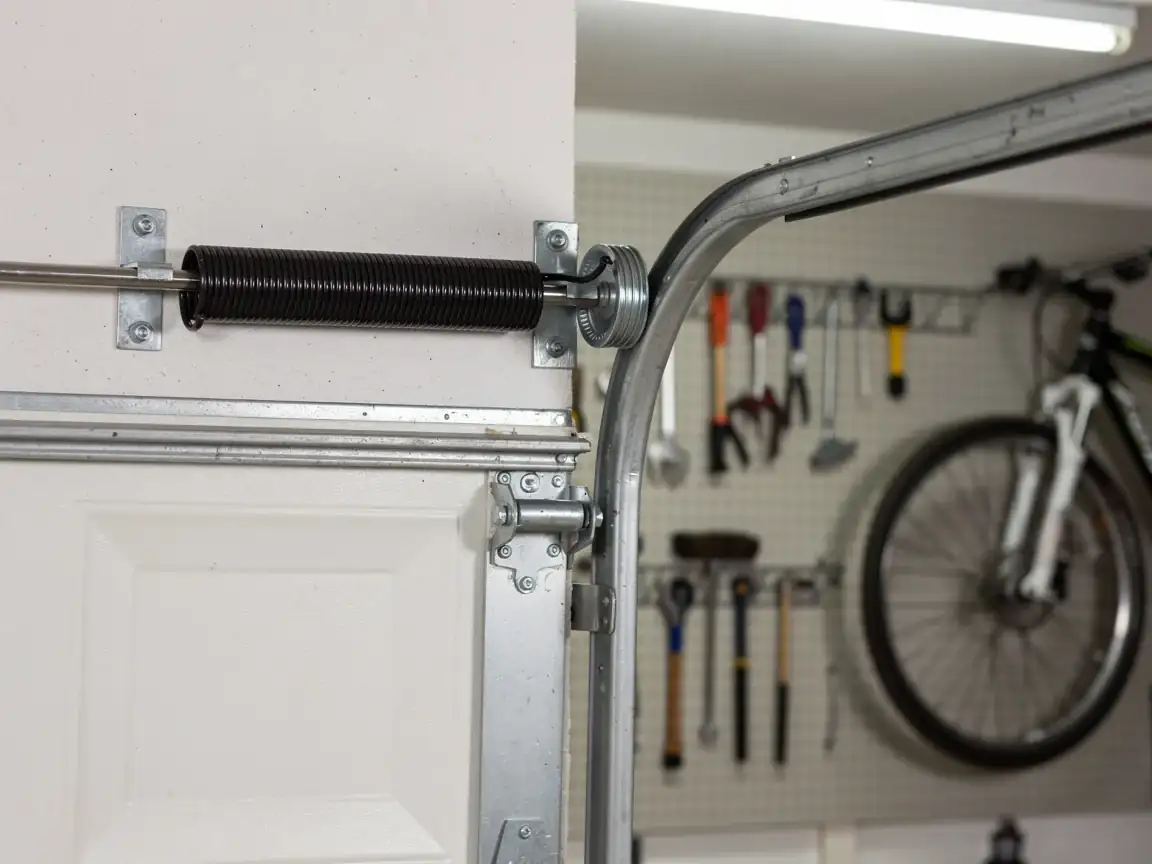
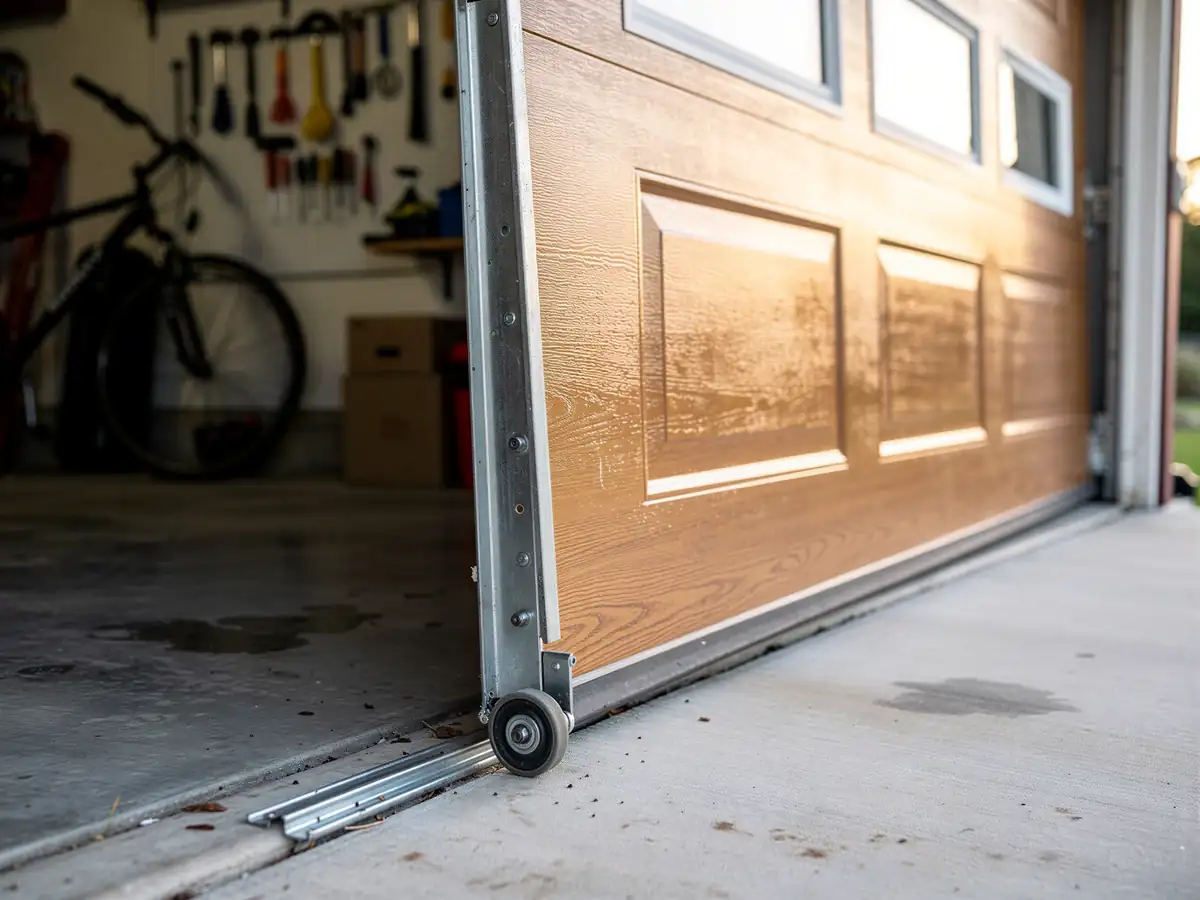
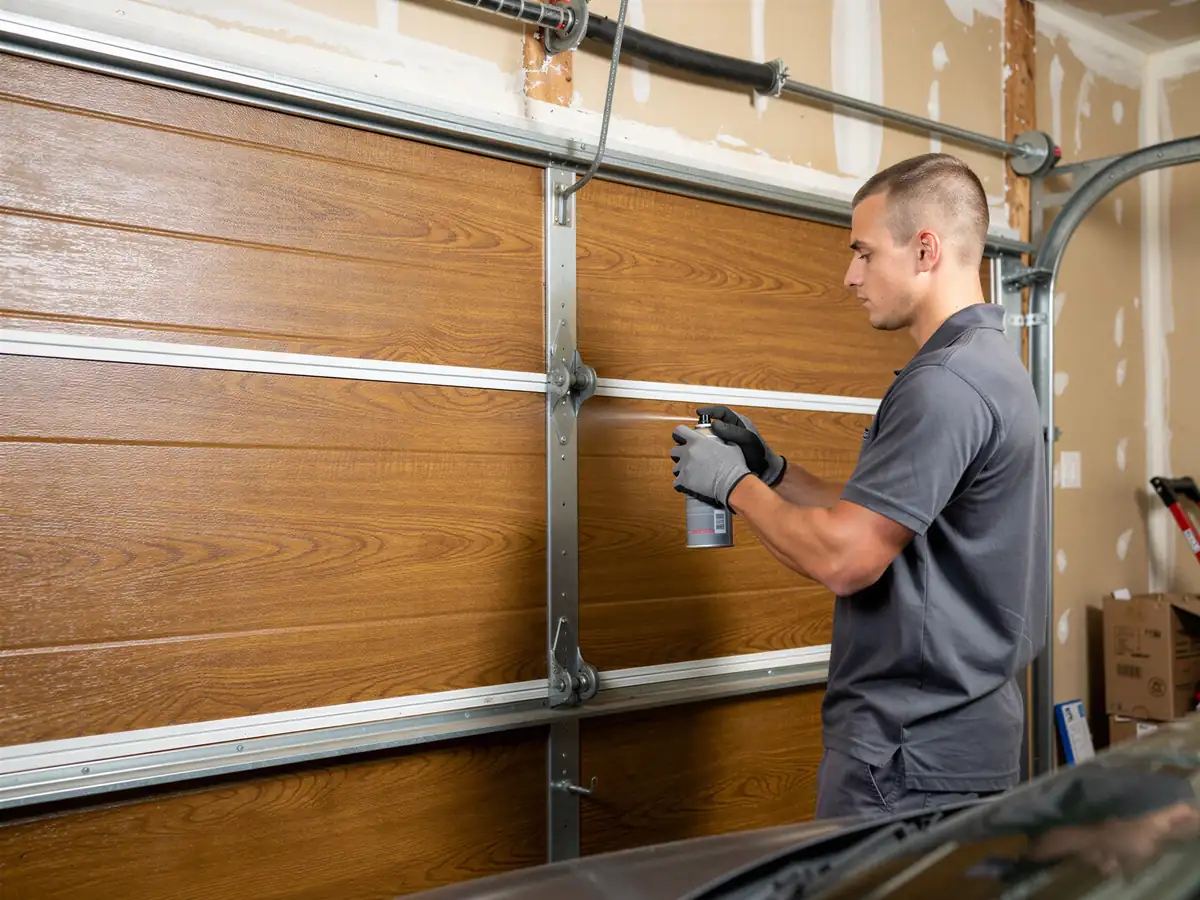
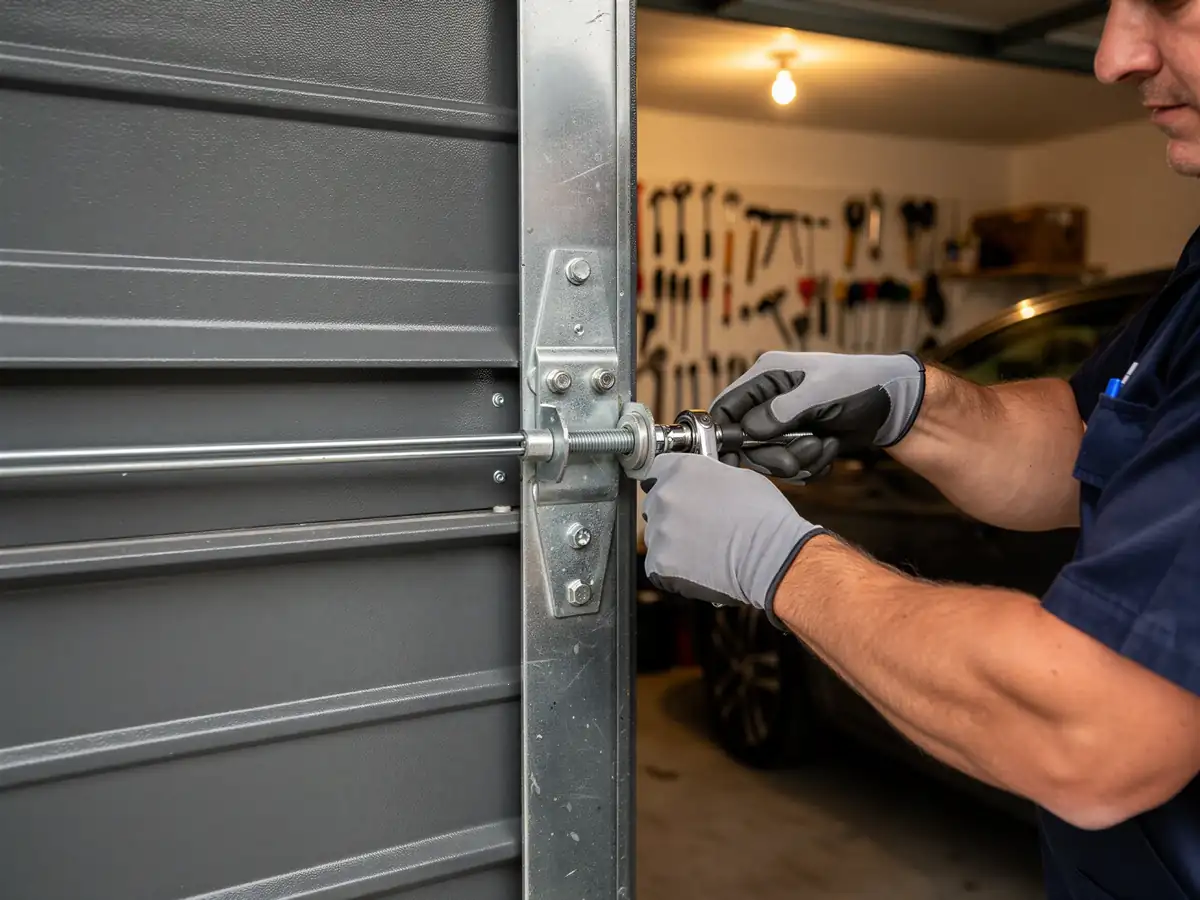
Replacing a roller or tightening a loose hinge bolt is reasonable for most owners to handle. A torsion spring under tension is not - that's where people get hurt, and it's not a repair we'll walk you through over the phone. If your door is original to a house built around 1972, the honest call is often replacement of the spring and cable together rather than patching one and leaving the other to fail in a month. We'll tell you when a repair isn't worth the labor against a full door's remaining life, even if that means a shorter invoice for us.