What You Pay
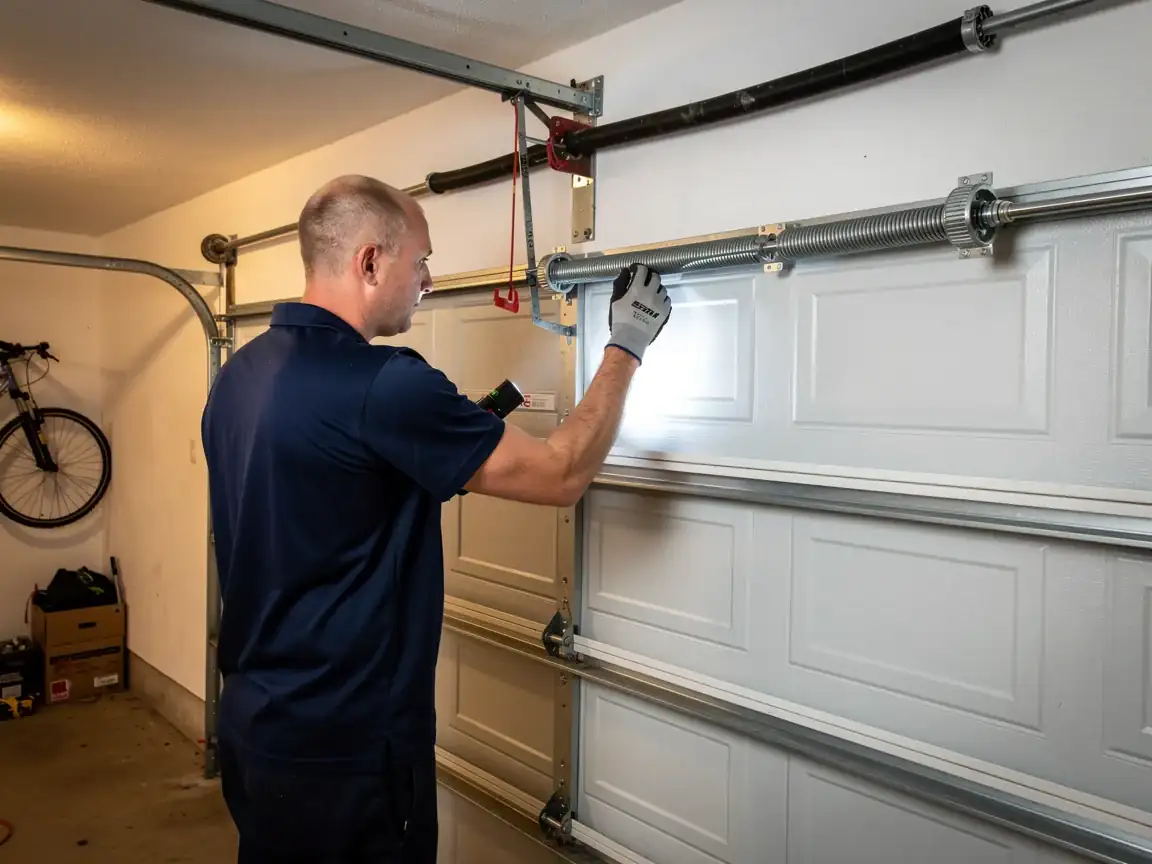
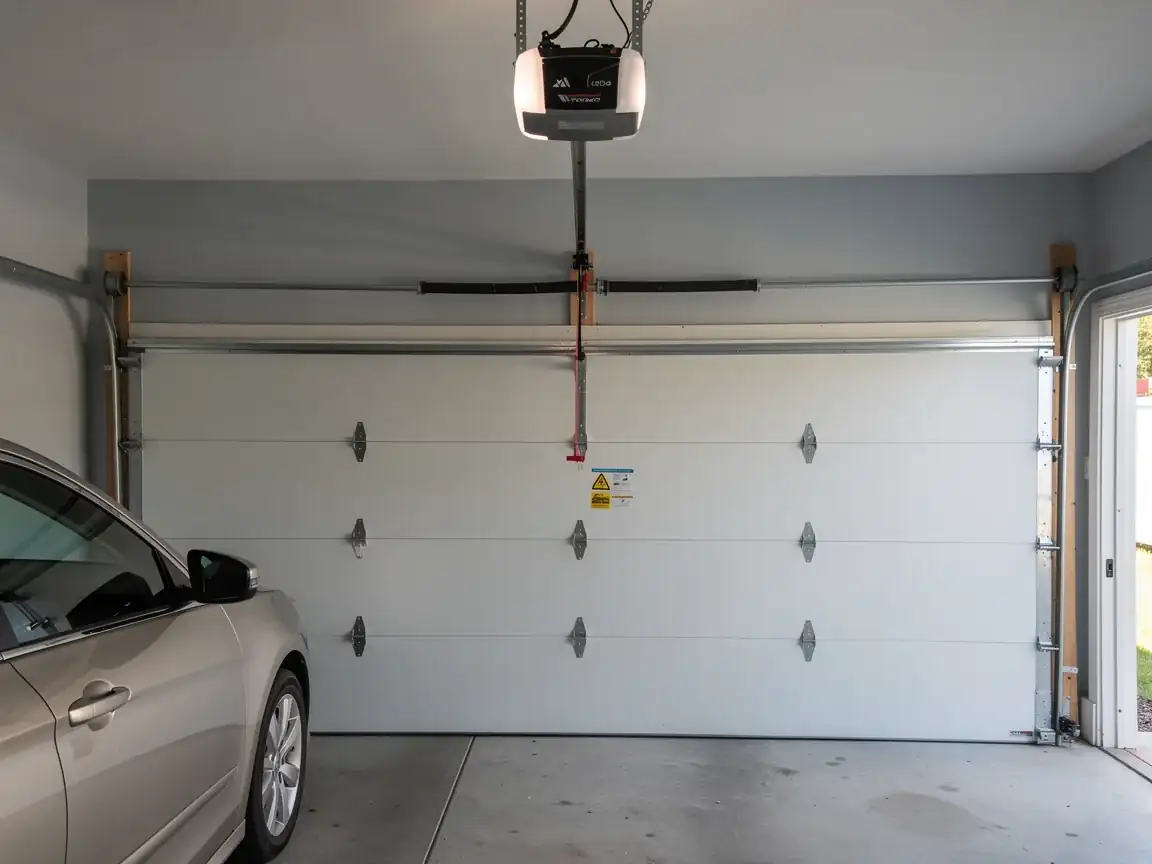
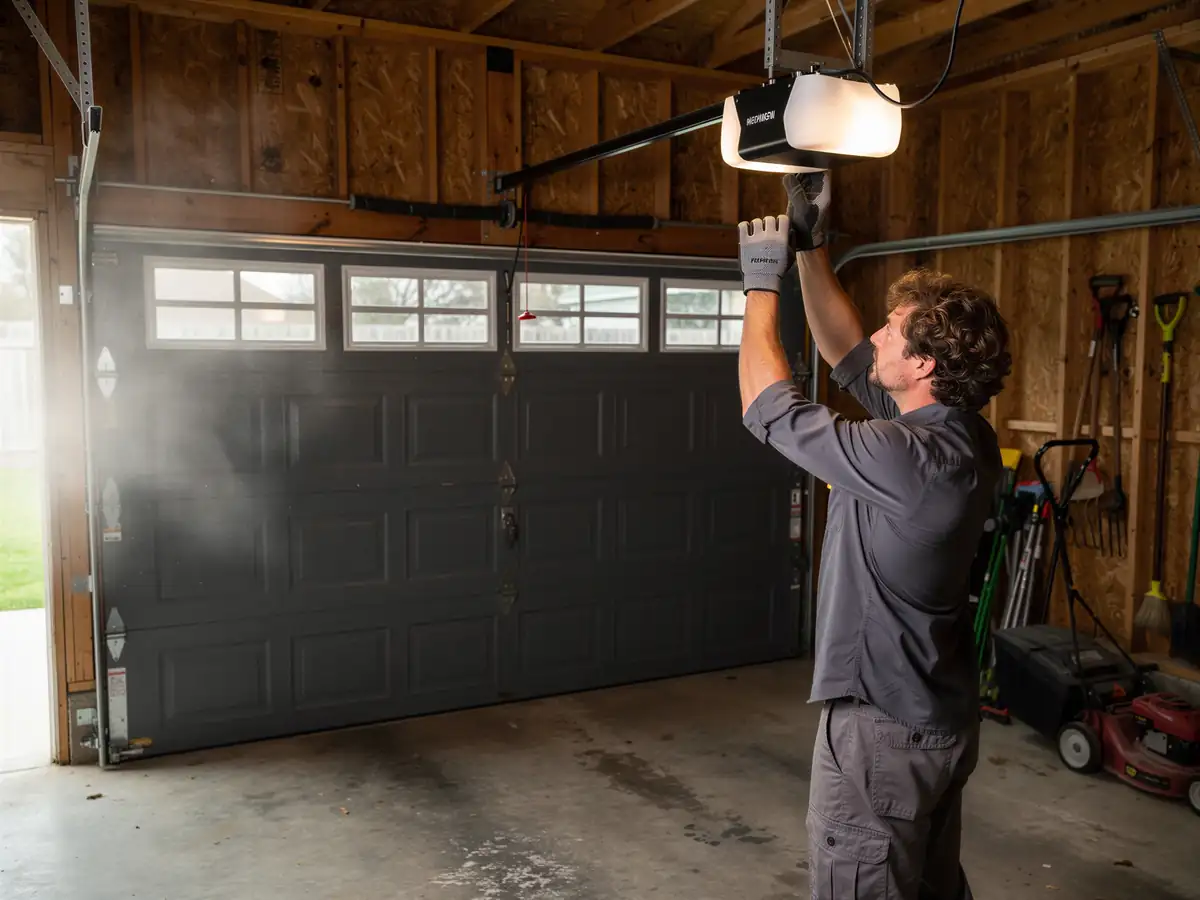
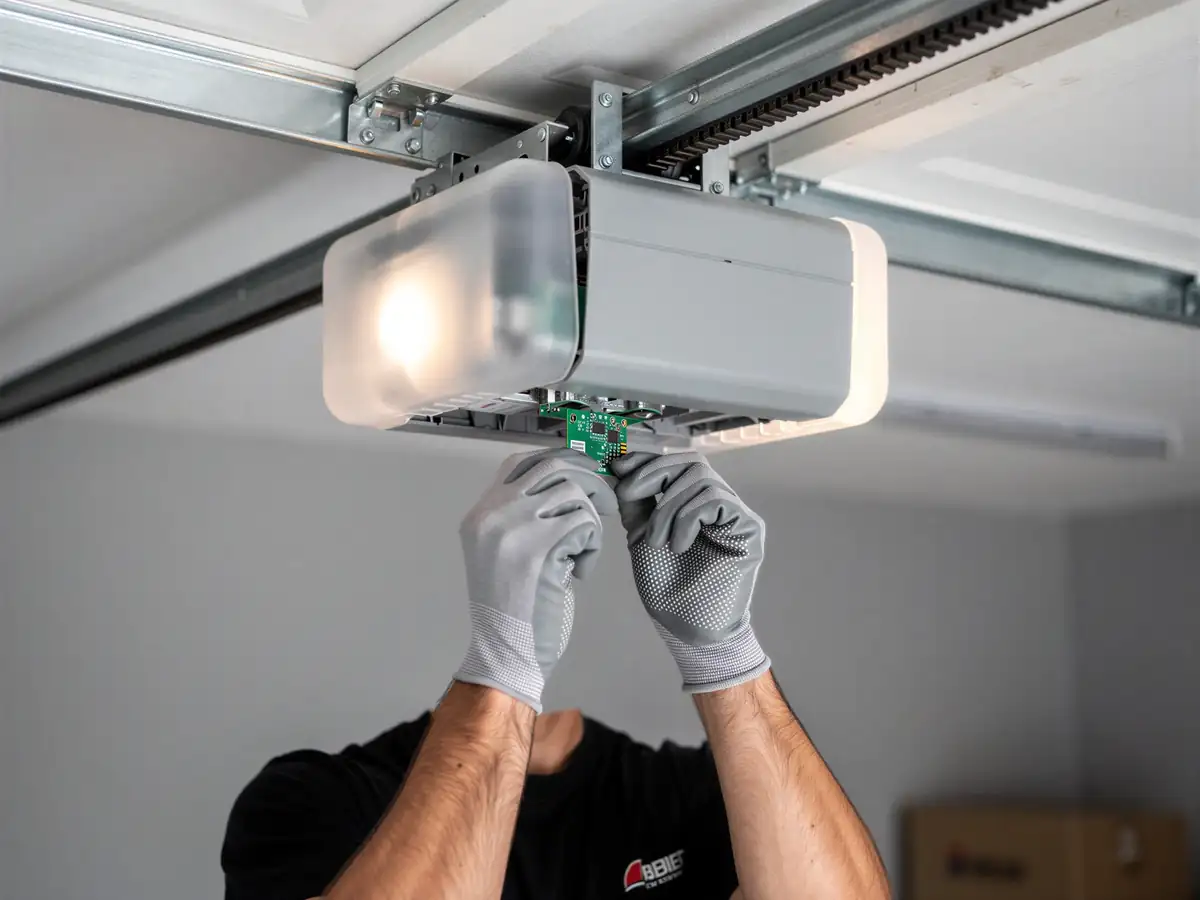
We don't post a flat number for opener repair here, because what's wrong with the unit decides the bill more than the town does. A logic board swap costs differently than a worn drive gear or a dead capacitor, and we won't quote one over the phone without seeing the unit. What we can tell you is that Glastonbury Center sits inside a service area with a median household income of $107,012, but this particular neighborhood runs well above that, closer to $133,450. That gap matters for one practical reason: we see more mid-range and premium opener models here - belt drives with battery backup, Wi-Fi-enabled units - than the bare chain-drive units common in lower-cost housing nearby. Those parts aren't interchangeable with a 1980s chain-drive bracket kit, and if your opener was upgraded at some point without matching the original rail, that mismatch itself can be the fault we're pricing around. We'll open the housing, check the board, test the travel limits, and give you a number before we touch anything further. No work starts on a guess.
How to Book
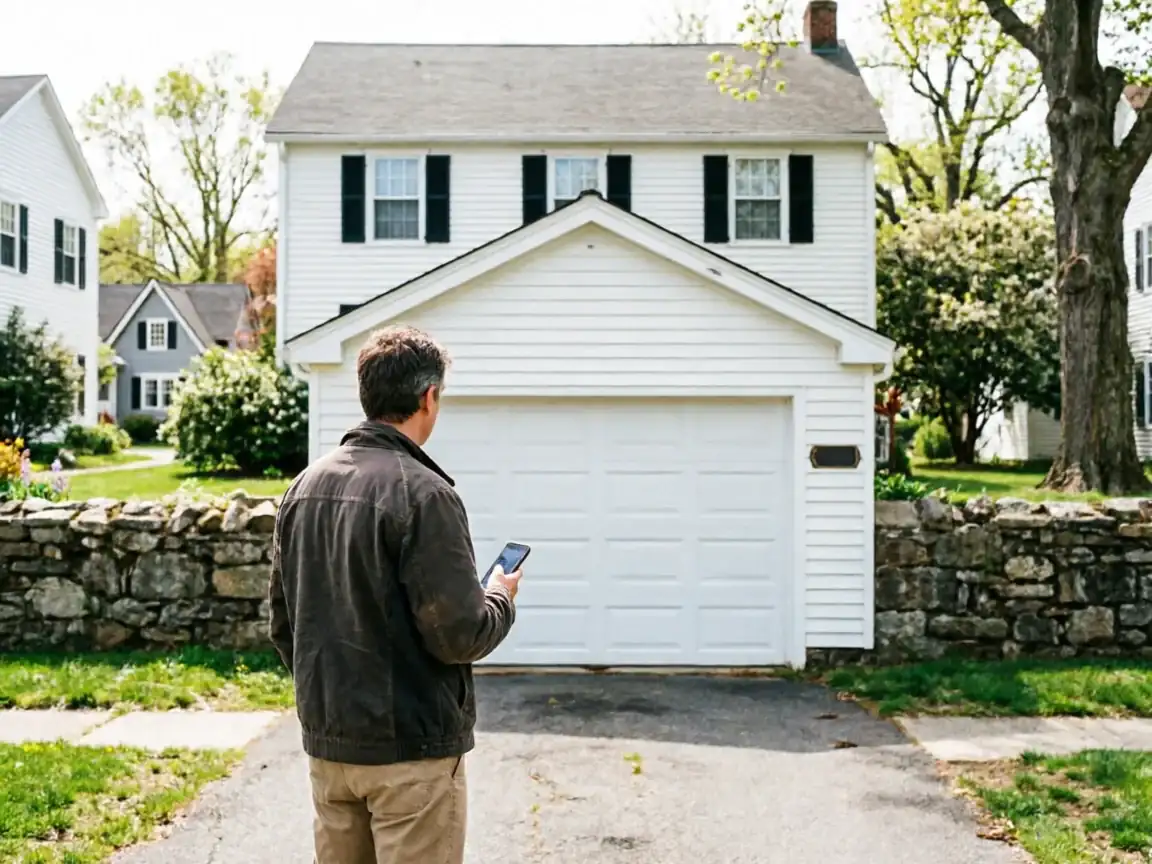
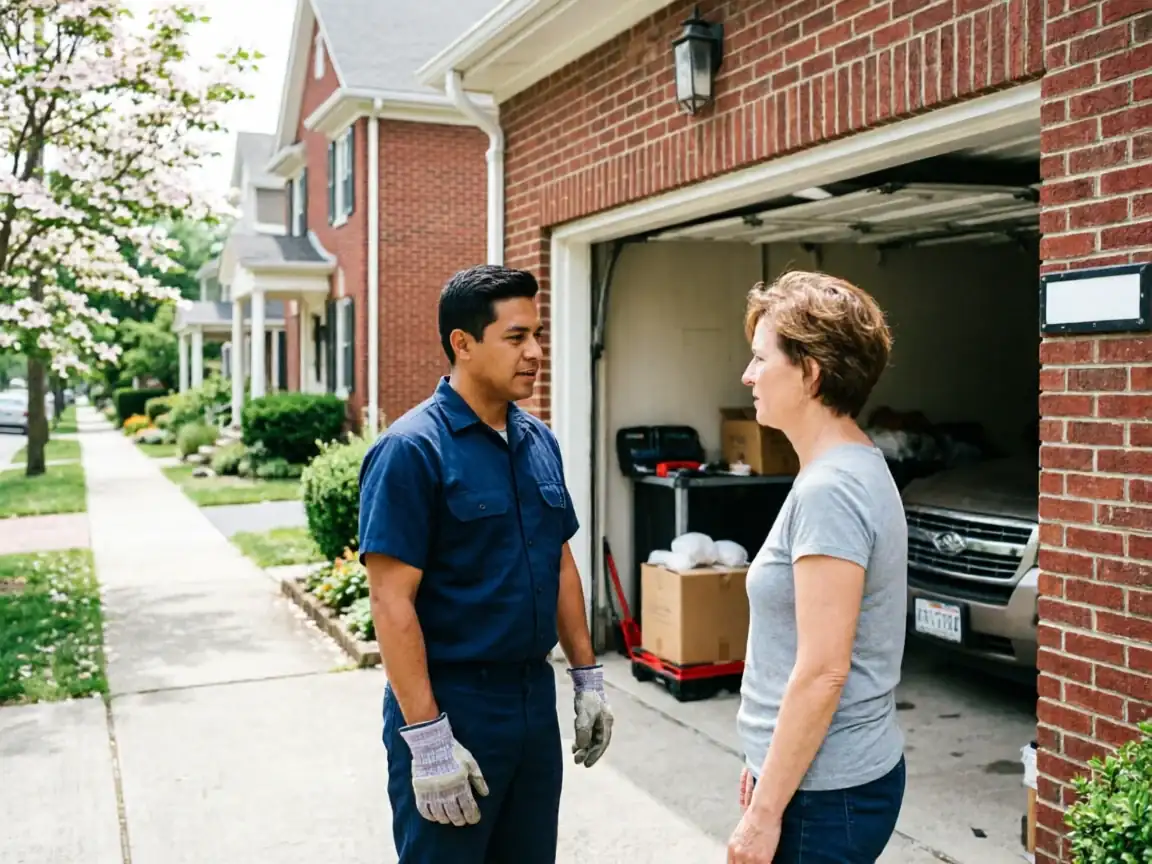
We run this call from Glastonbury, one mile from the Center, so there's no separate branch or drop-off point here - just a truck that comes to you. Book through the Glastonbury Center page for scheduling specific to this area, or go straight to the opener repair page for Glastonbury if you want the broader rundown on what we cover. On the call, tell us the opener's age if you know it and whether it's making noise, failing to reverse, or just not responding to the remote at all - that narrows the visit before we arrive.
Why This Fails Locally
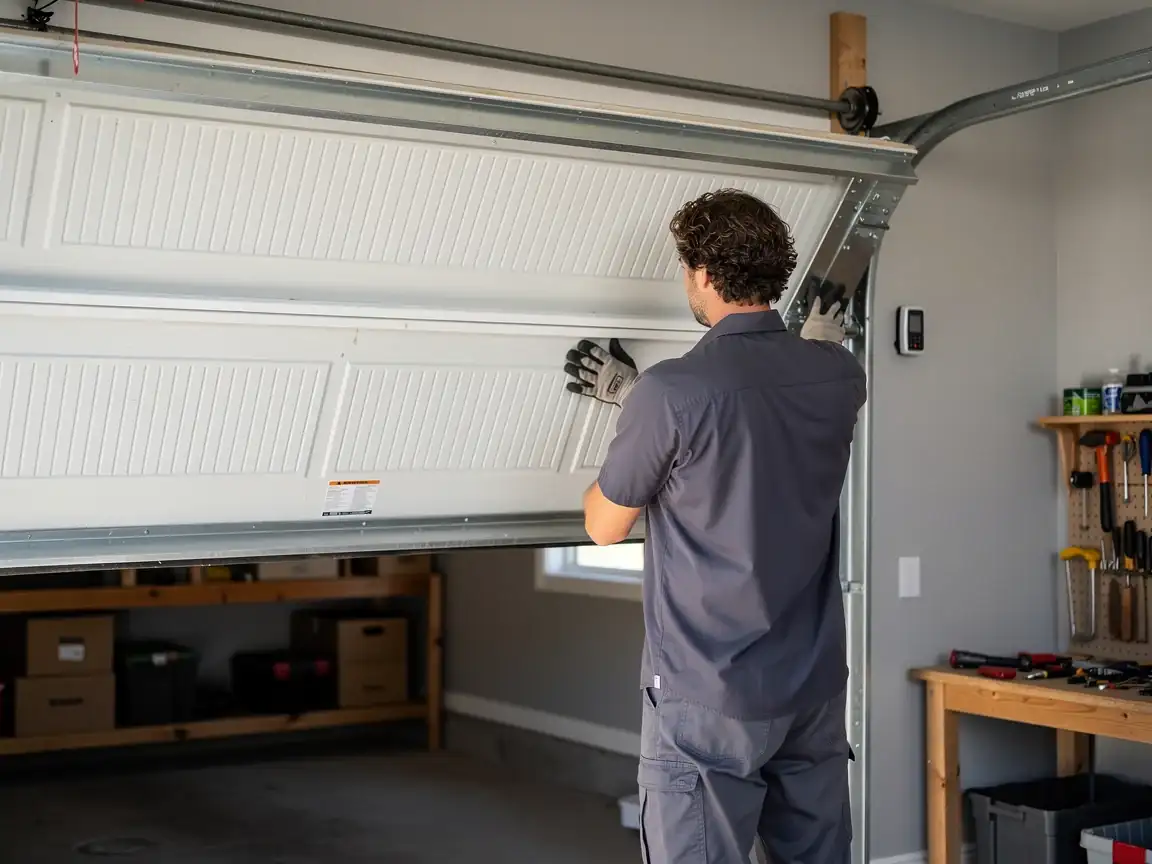
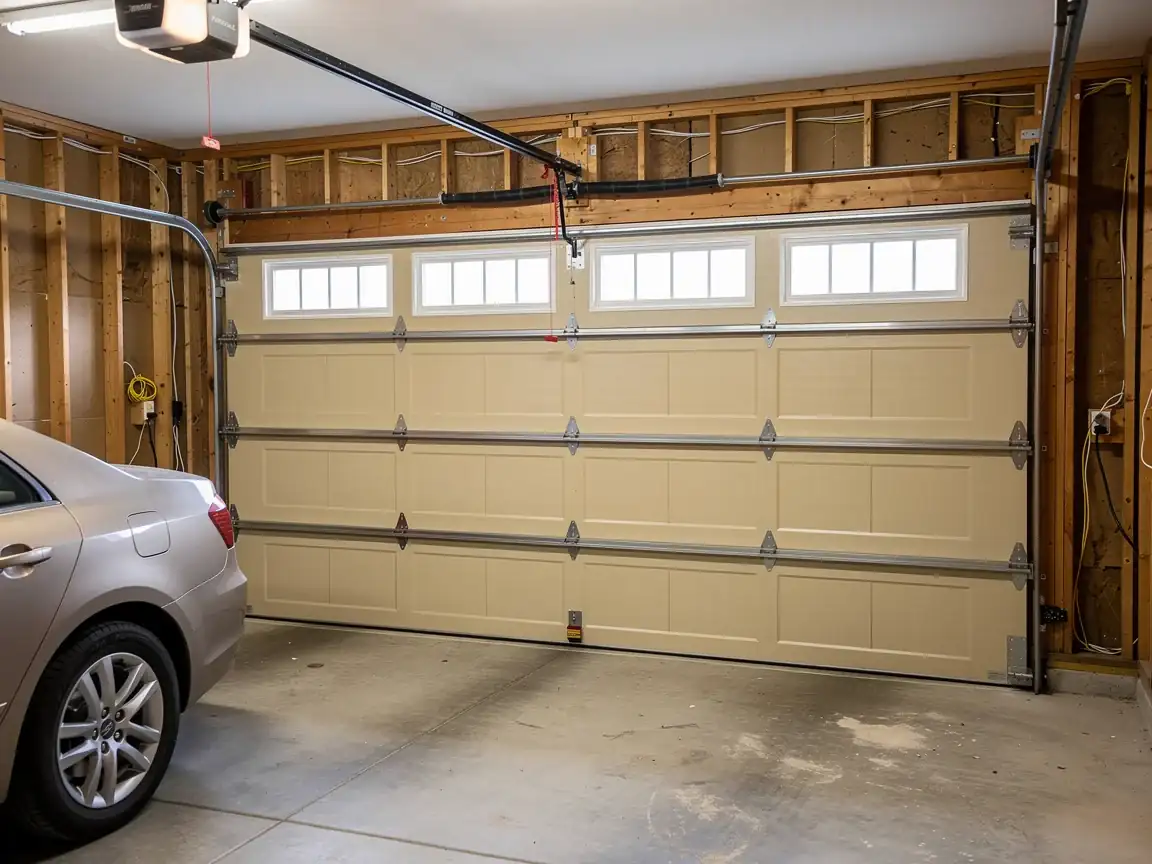
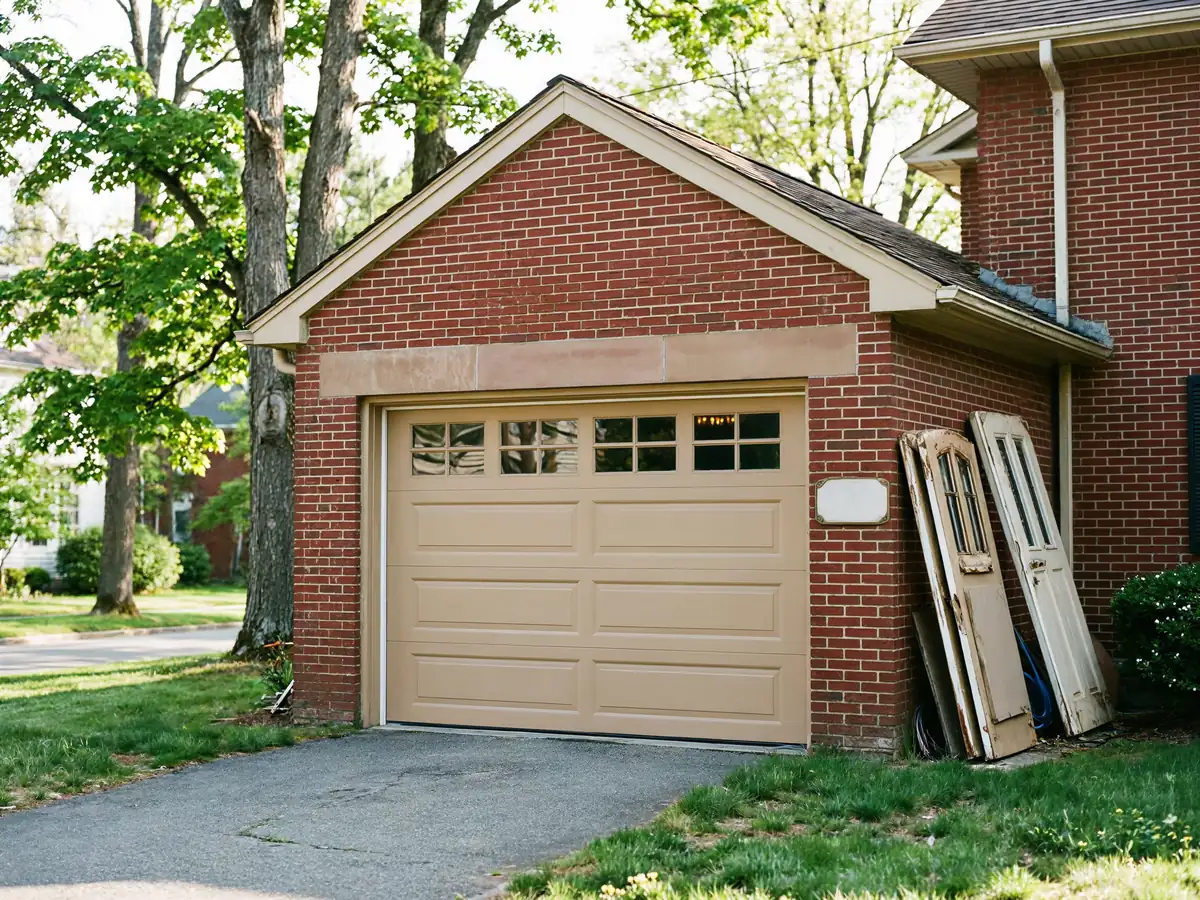
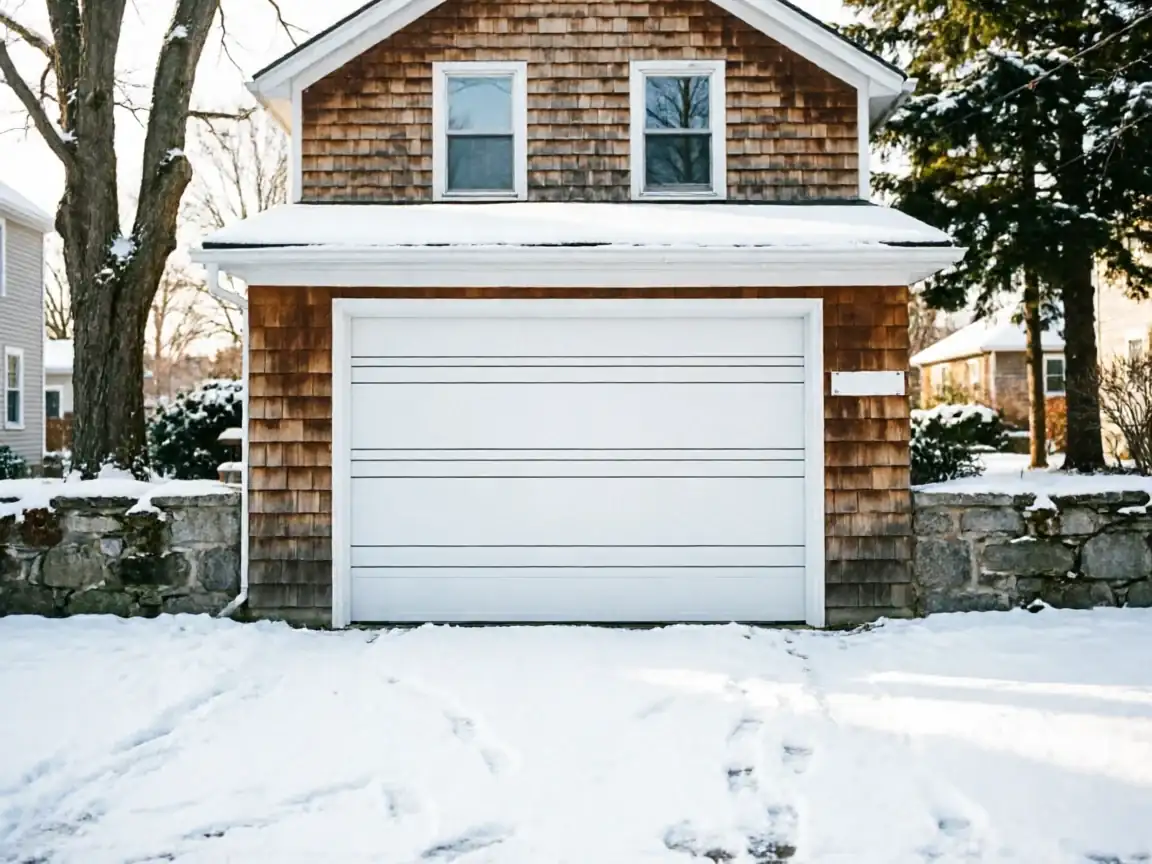
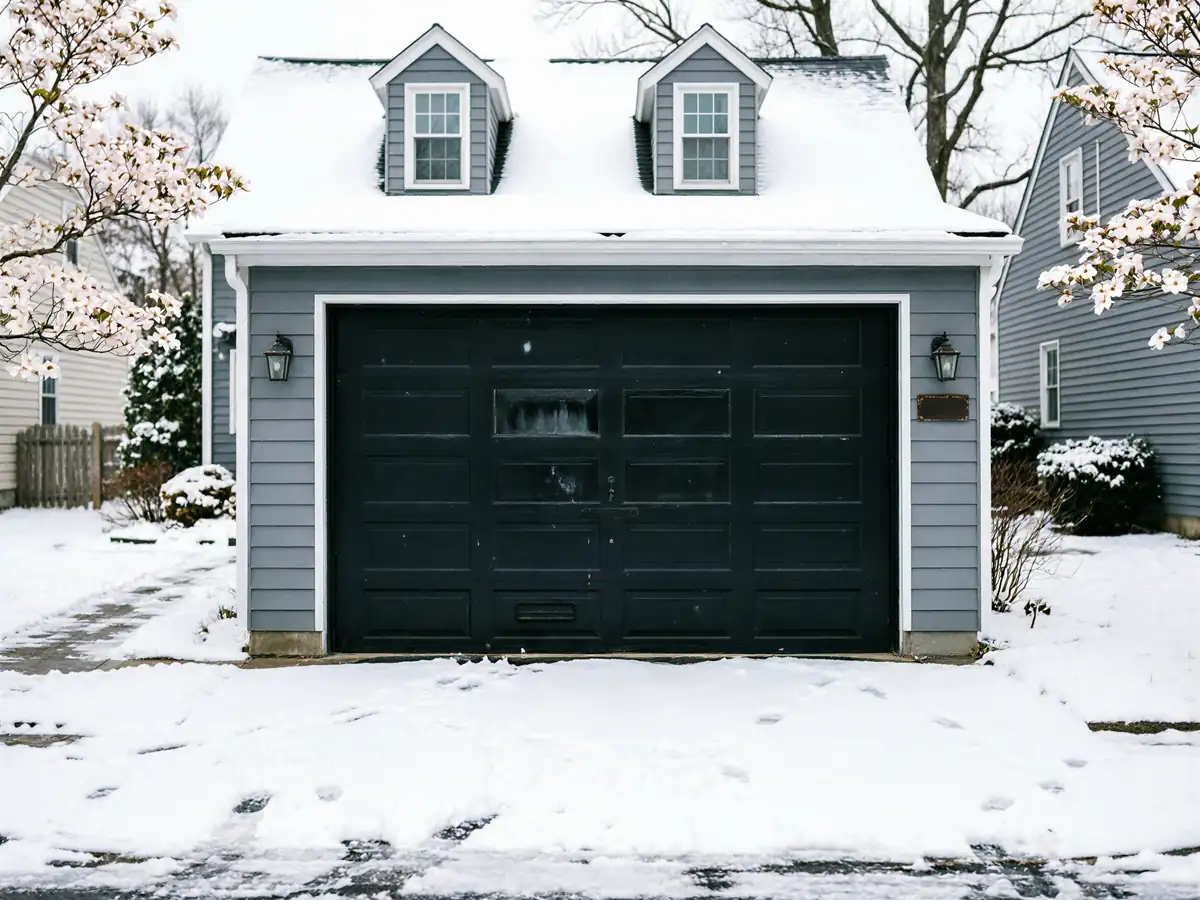
The service area sits in a cold climate zone with severe winter conditions, and openers take that differently than doors do. Motor capacitors lose starting torque in sustained cold, grease in the gearbox stiffens, and limit switches that were set in summer humidity can drift out of calibration once the door's weight shifts slightly with the season. In a neighborhood built mostly in 1972, the doors themselves have often been swapped for heavier insulated models over the decades, but the original opener motor sometimes wasn't upsized to match - so it's straining against a door heavier than it was built for. That combination, older motor plus newer heavier door plus a hard winter, is the exact failure pattern we get called out for most in this part of the service area.
The DIY Question
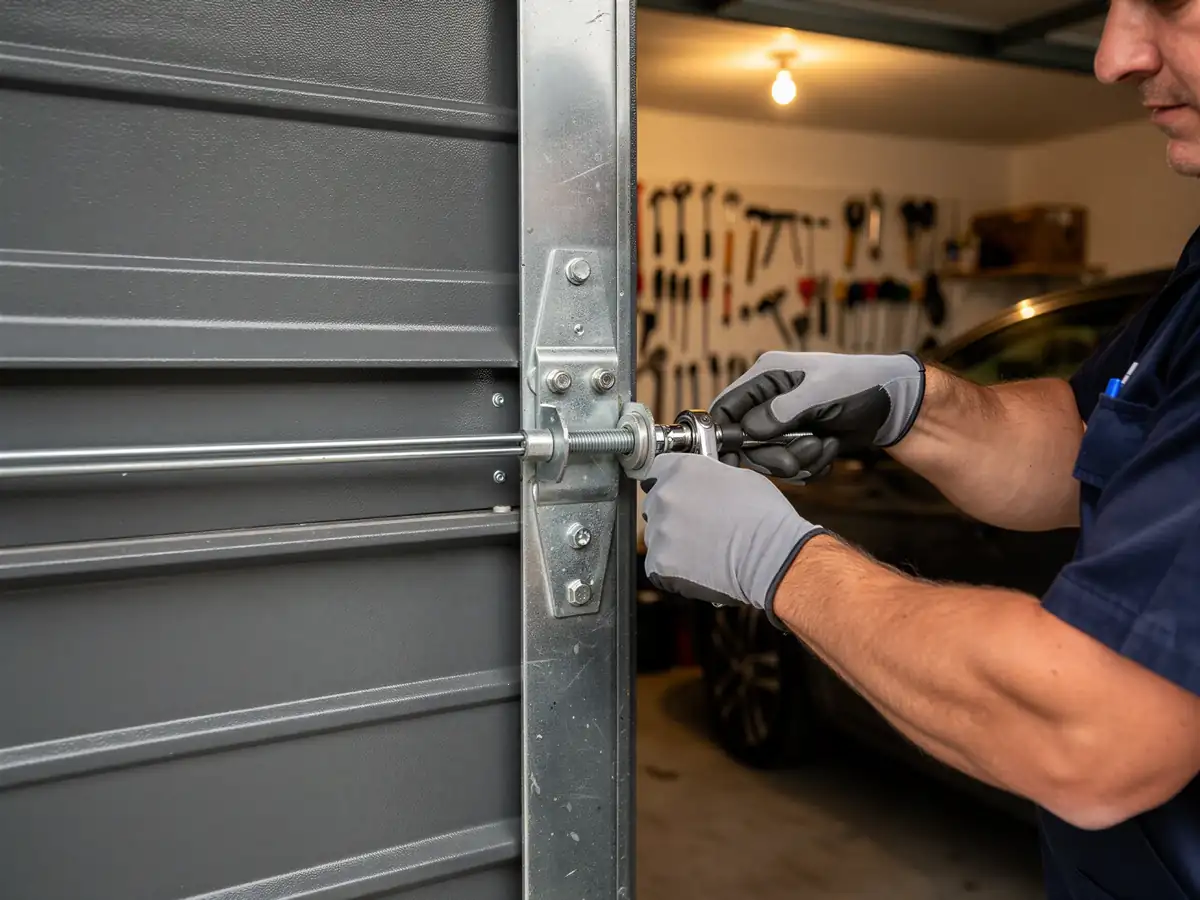
Reprogramming a remote or replacing a 9-volt backup battery is fine to do yourself, and we'd rather you save the call-out for something that actually needs a truck. Where it stops being a DIY job is anything involving the drive gear, the circuit board, or the travel limit adjustment screws - on a 1970s-era house with an opener that's already been through one replacement, guessing at limit settings can put uneven strain on a belt or chain that's already older than it looks. If the opener trips the breaker repeatedly or the motor hums without moving the door, that's a board or capacitor issue, not a settings issue, and poking at it further usually just adds a second fault to the one you started with.