What You Pay
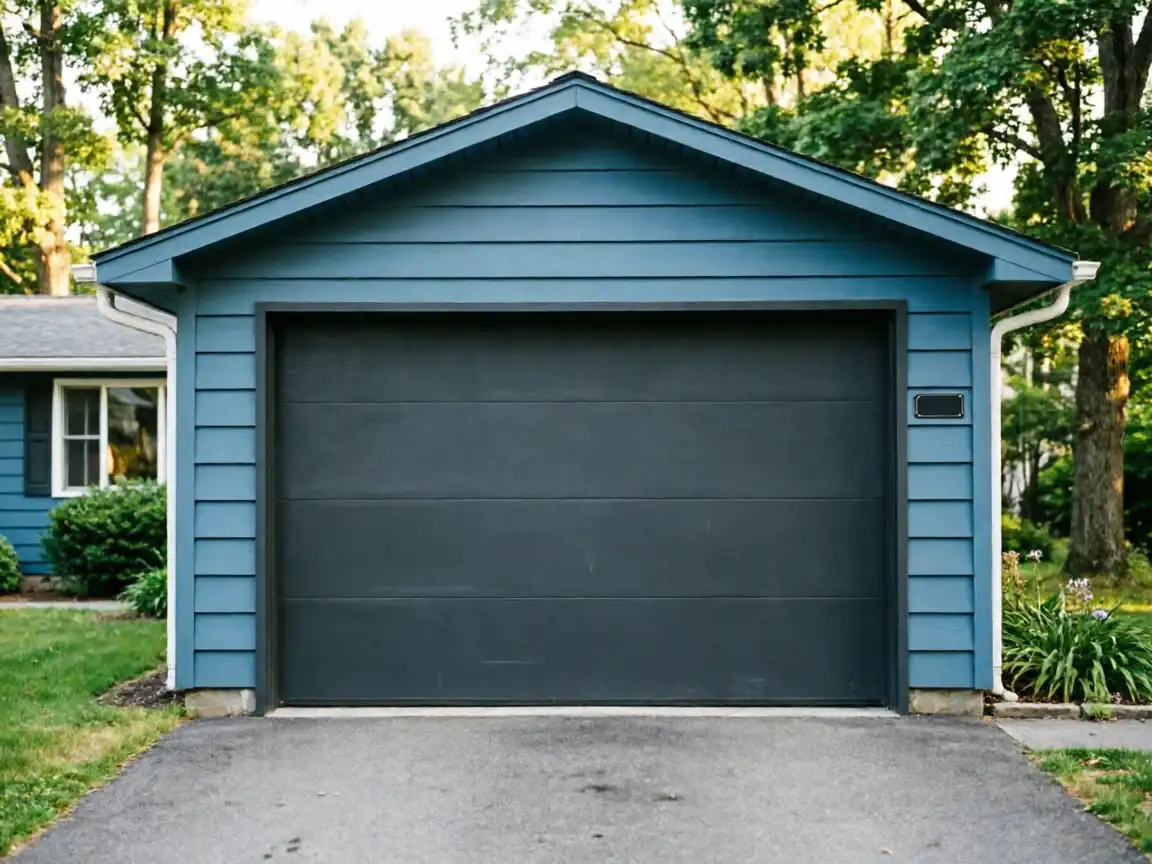
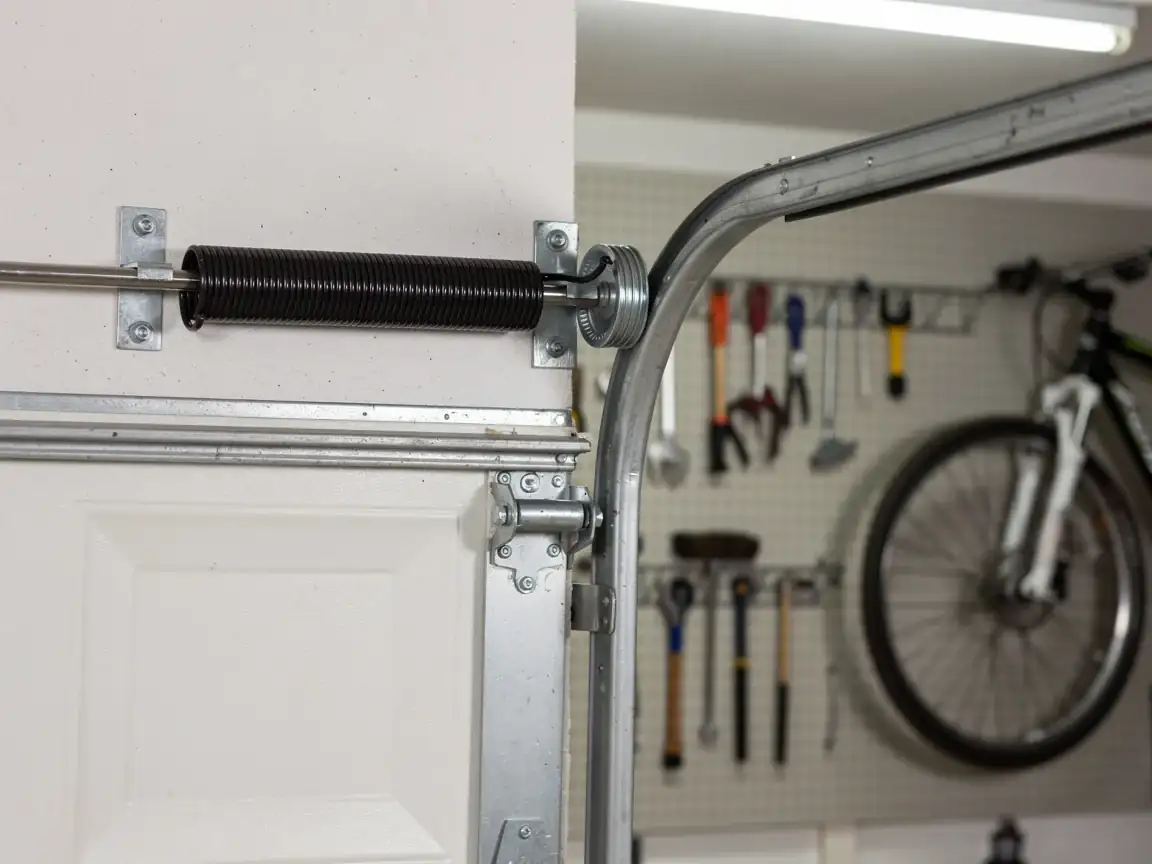
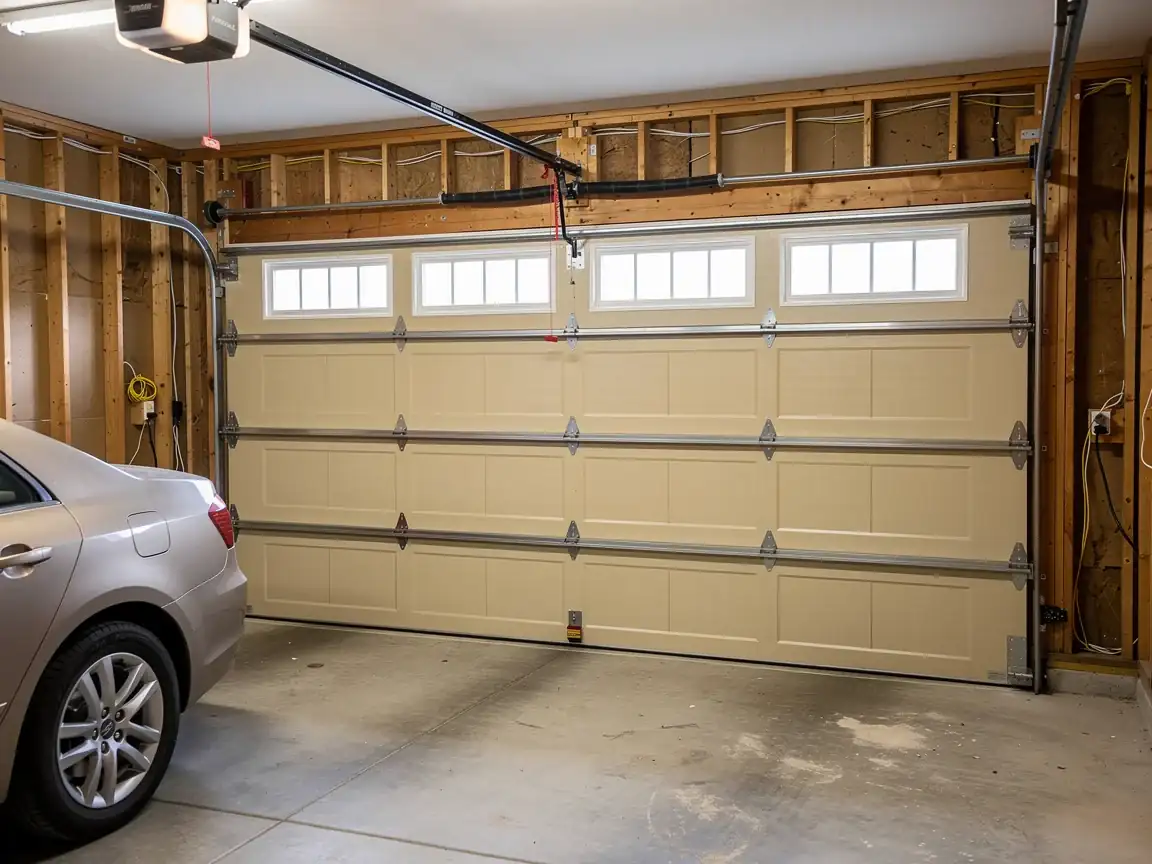
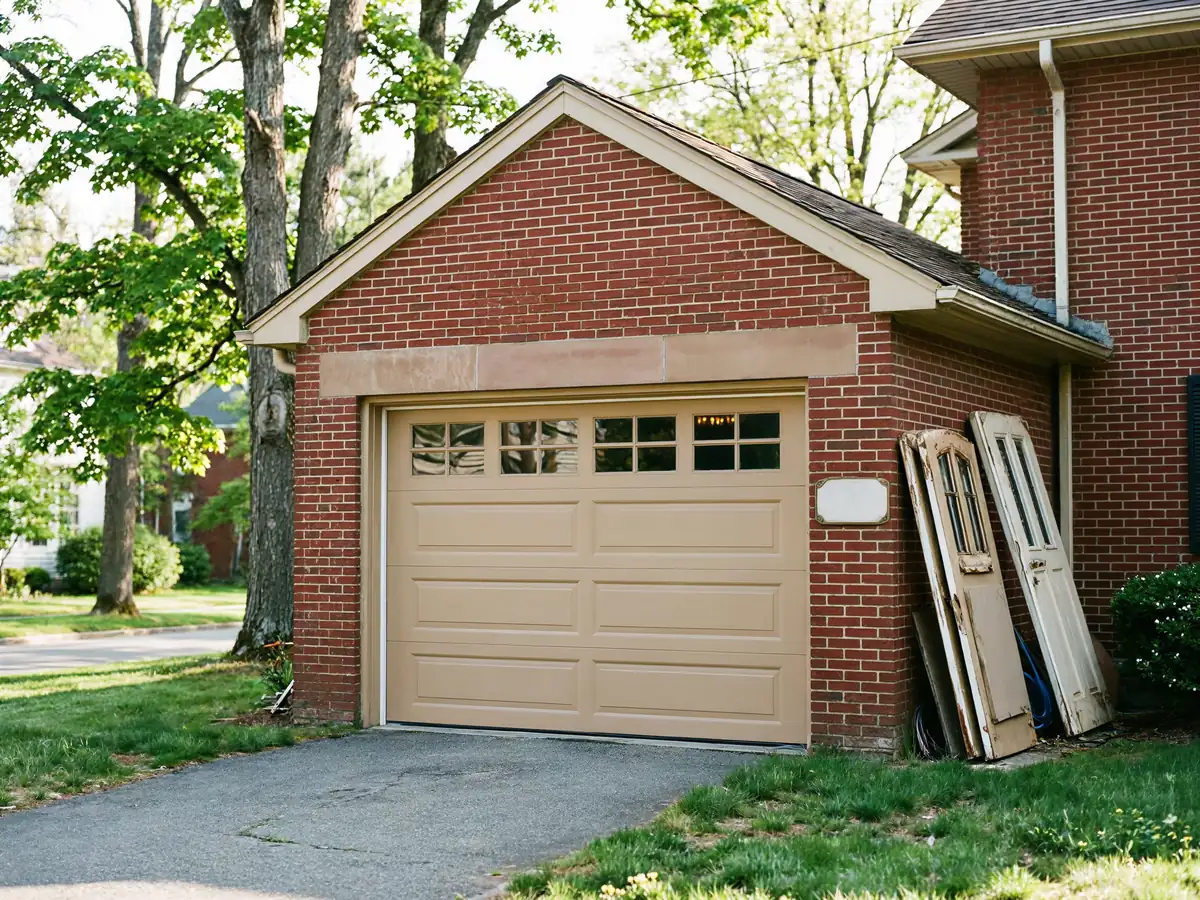
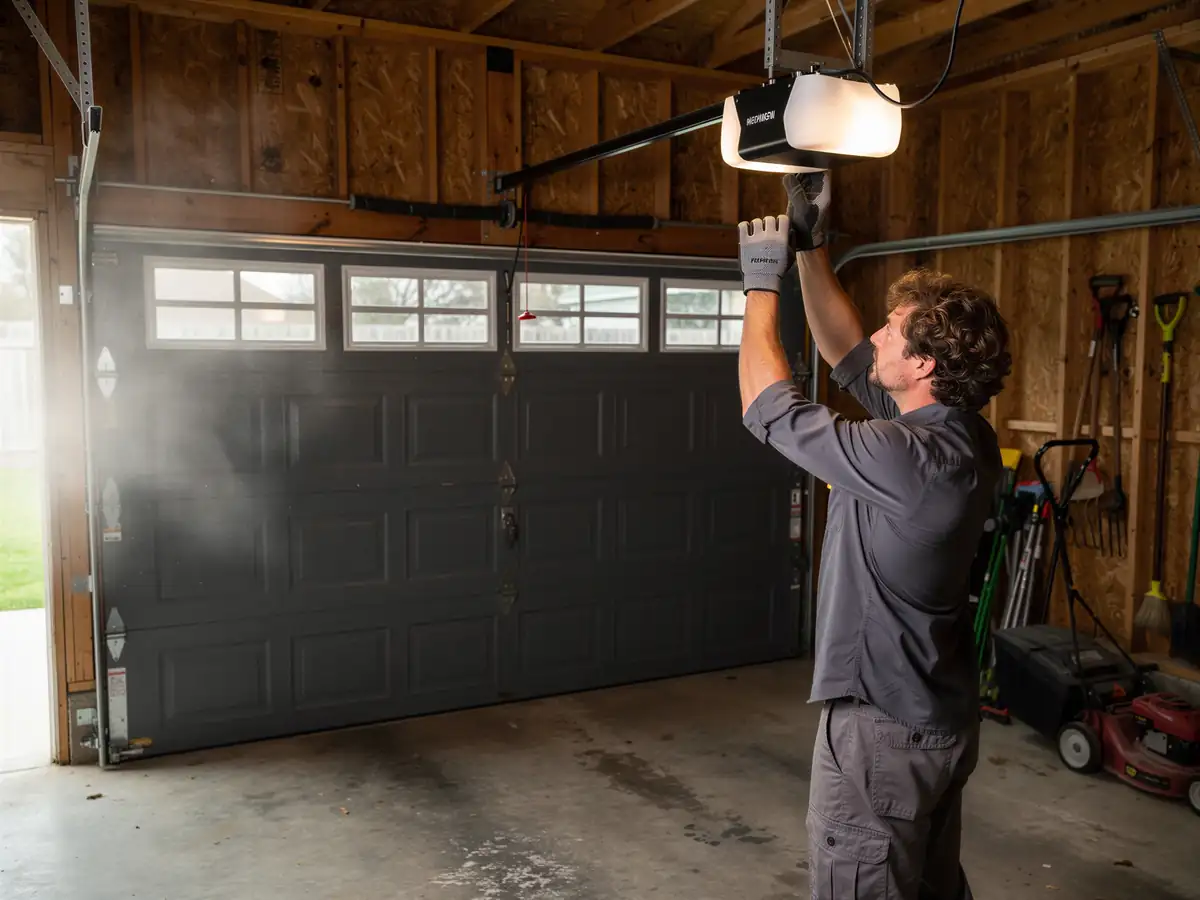
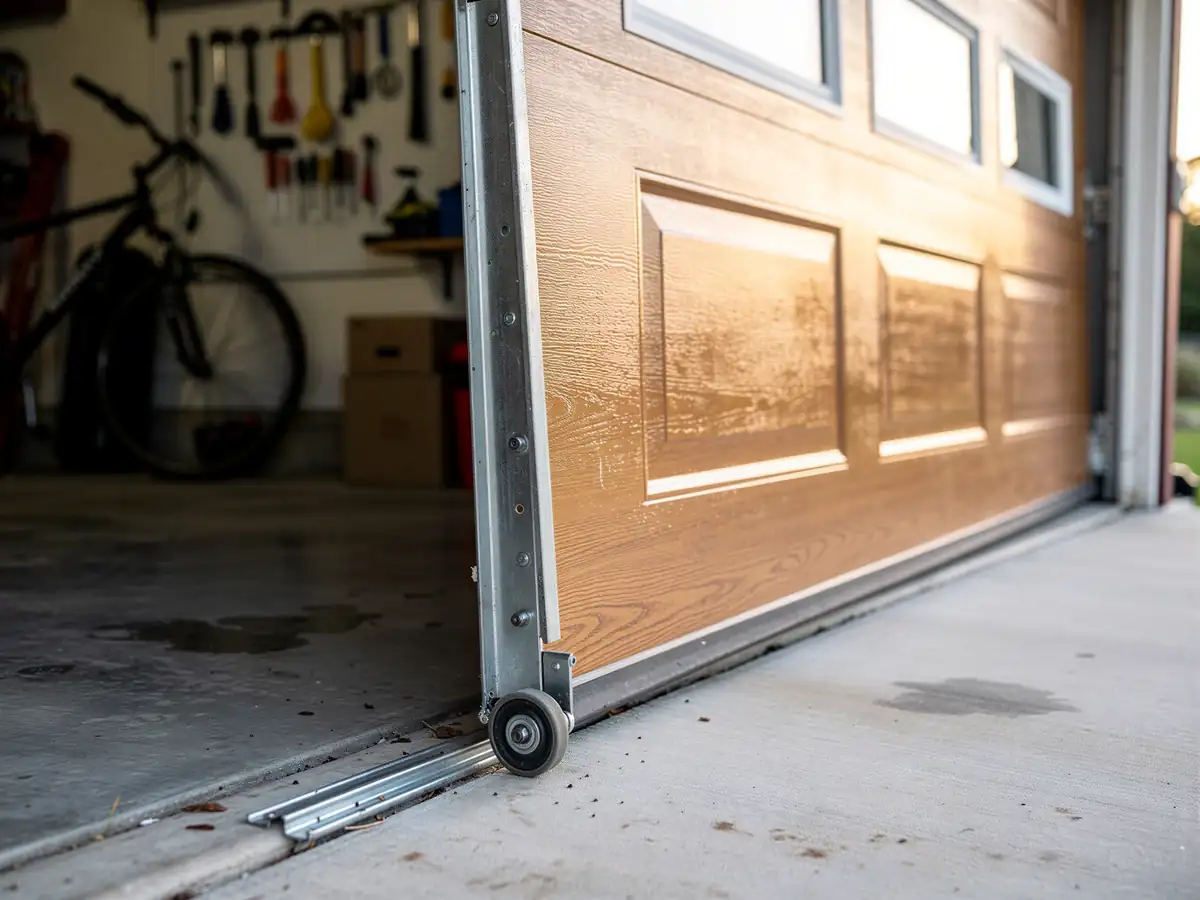
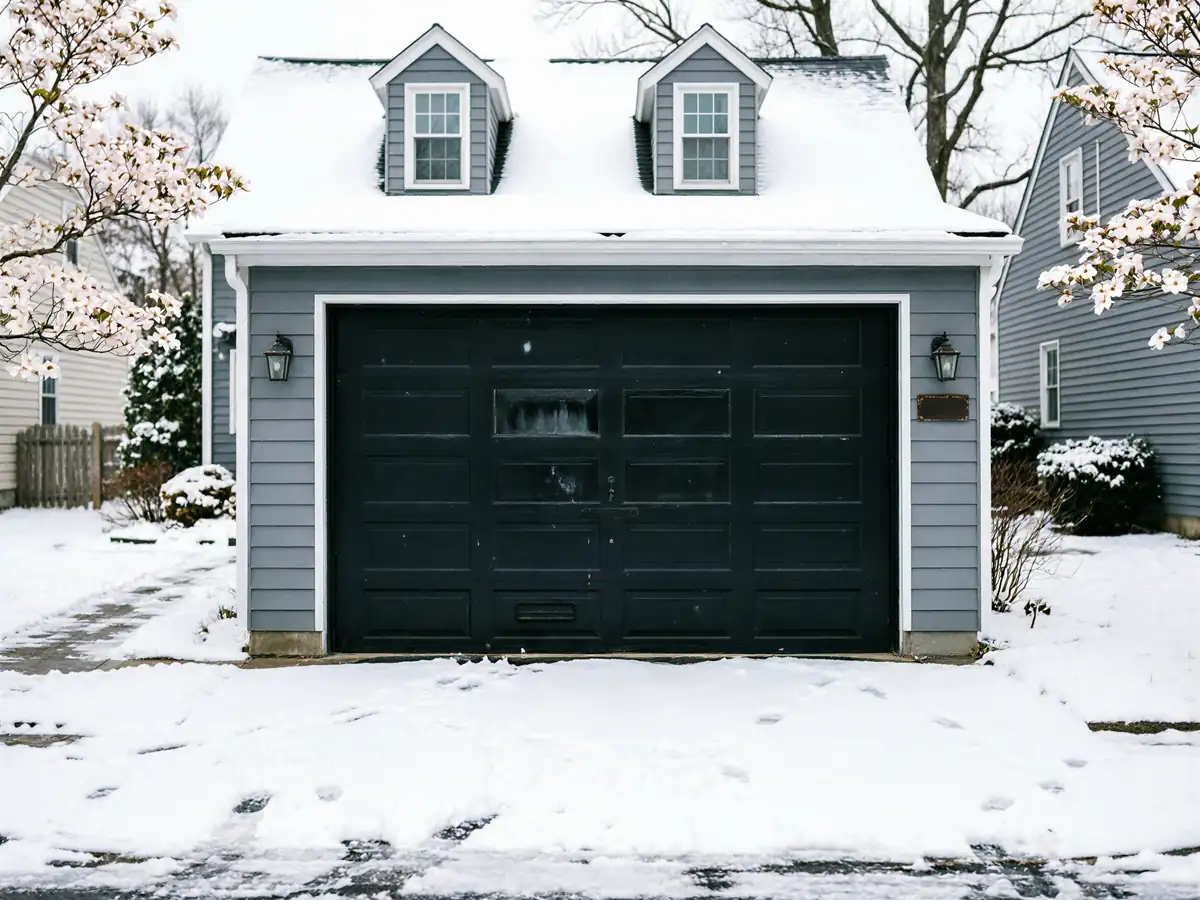
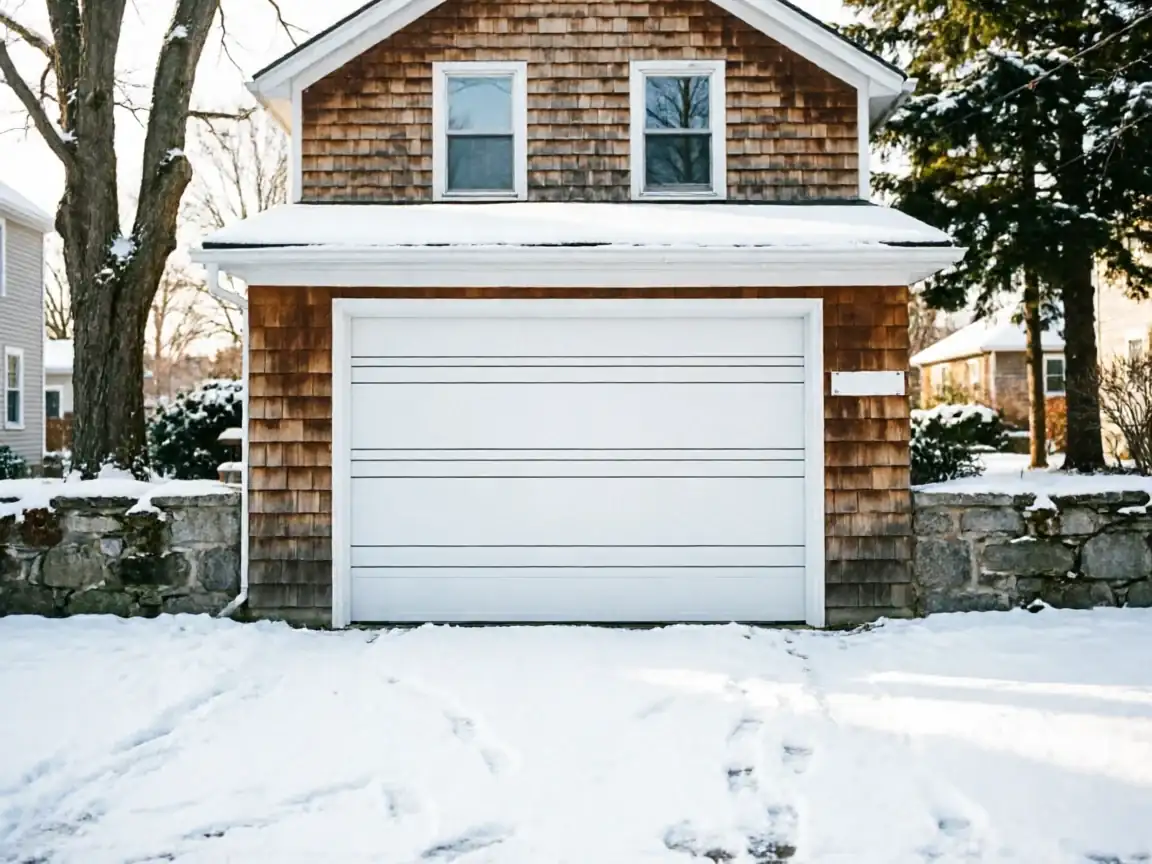
We don't post a flat number here because what a job costs depends on what's actually on the door, and in Glastonbury Center that varies more than you'd think for a town this small. A house built around the median year of 1972 often still has its original steel door and the extension-spring setup that was standard before torsion systems took over residential construction. Replacing a snapped extension spring is a different job, with different parts, than servicing a torsion spring on a newer opener upgrade someone bolted on in the 2000s. What we can tell you: with median household income here at $133,450, well above the wider service area's $107,012, most calls we get are about doing the job right the first time rather than chasing the cheapest patch. We price the visit once we know the door, the spring type, and whether the track or rollers are original. If you want a number before we're standing in front of it, tell us the age of the door and the opener brand and we'll get closer over the phone.
How to Book
We work out of Glastonbury, and Glastonbury Center sits about a mile away, so there's no separate dispatch or local branch to coordinate with - we just drive the mile. Call or use the contact page, describe what the door's doing (or not doing), and we'll get a time on the books. With roughly 3,693 households in this area, we're not running a large standing crew here full-time, so booking ahead for anything non-urgent gets you a better window than trying to squeeze in same-day. If a spring has let go and the door won't move at all, say so when you call - that changes how we schedule the visit.
Why This Fails Locally
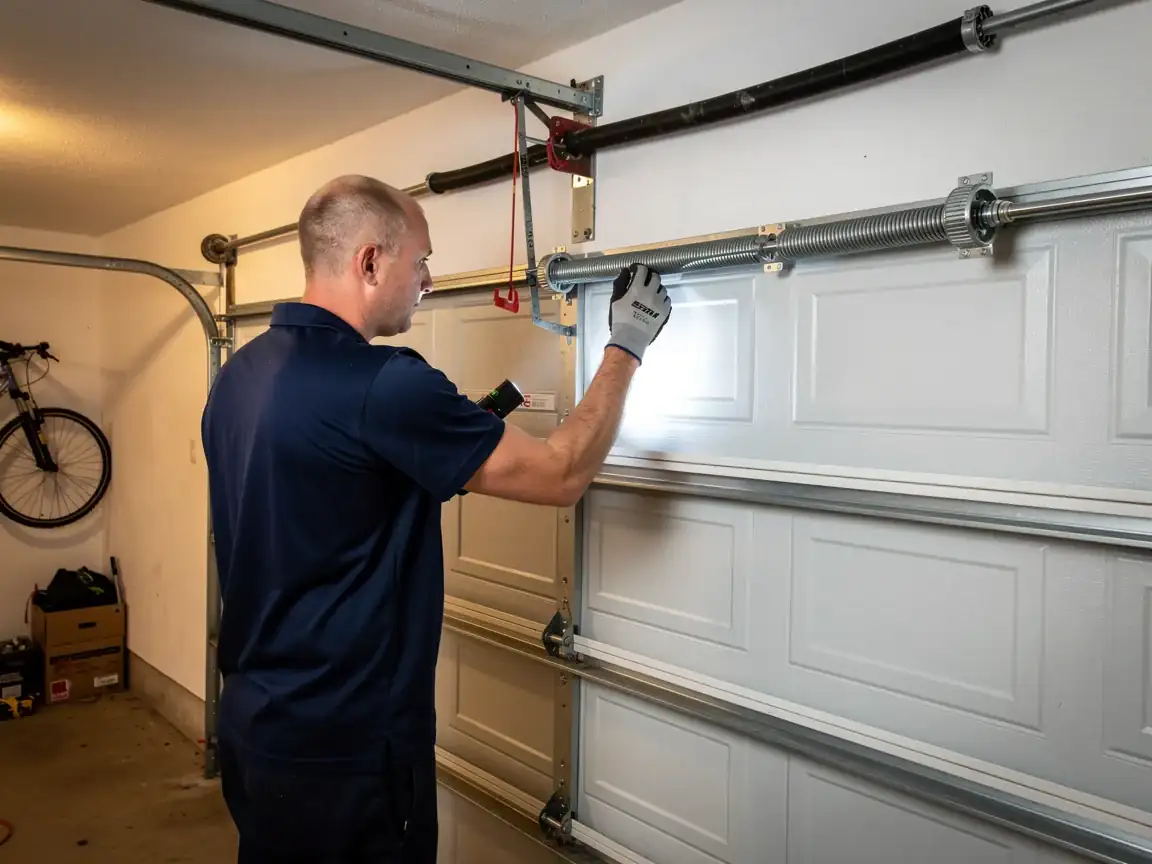
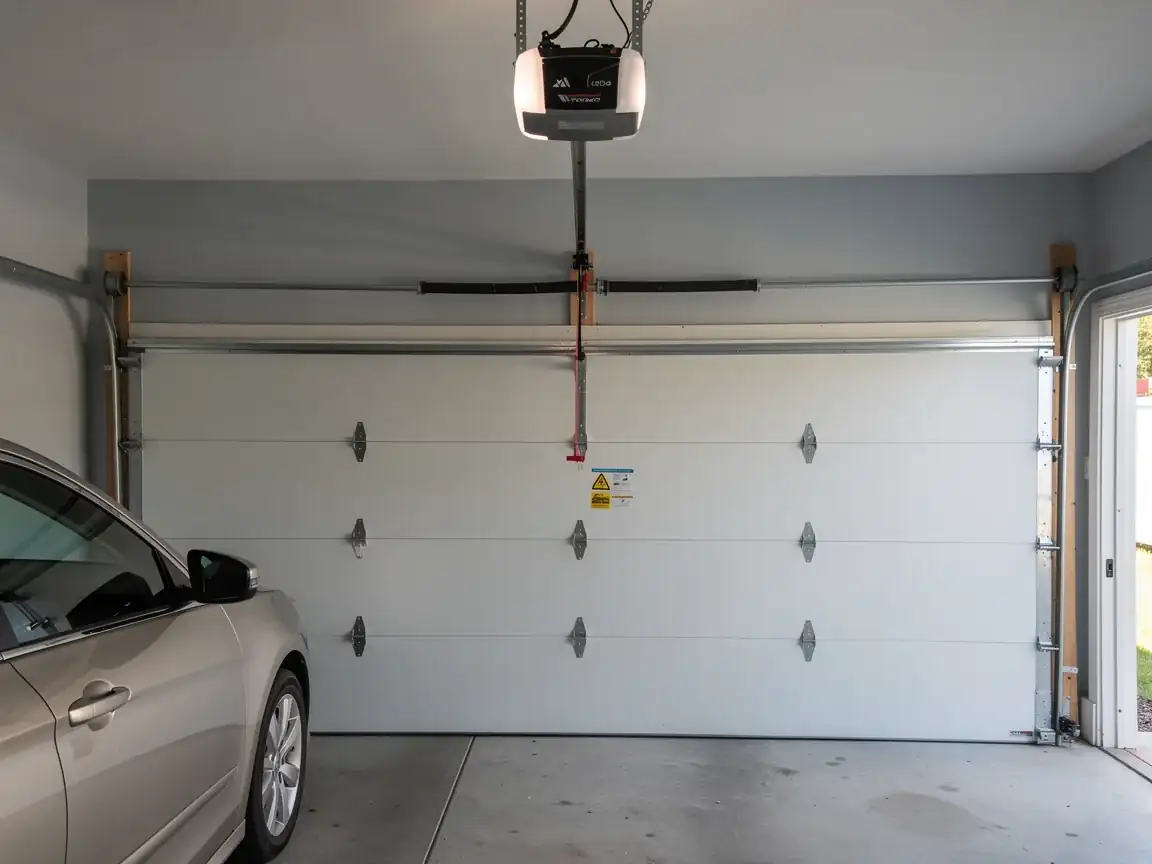
The reason spring and cable failures cluster hard in houses from this build year comes down to what was standard when they went up: lighter-gauge track, extension springs instead of torsion, and openers that have usually been replaced once or twice since, often without anyone checking whether the spring tension still matches the door weight. Add a winter that puts real cold stress on steel and lubricant - this region sits in a cold-climate band with weather severe enough to stiffen grease and shrink metal tolerances - and a spring that's been quietly weakening for years finally lets go on the coldest morning of the year. It's not bad luck. It's 50-year-old hardware meeting a season it wasn't built to handle indefinitely.
The DIY Question
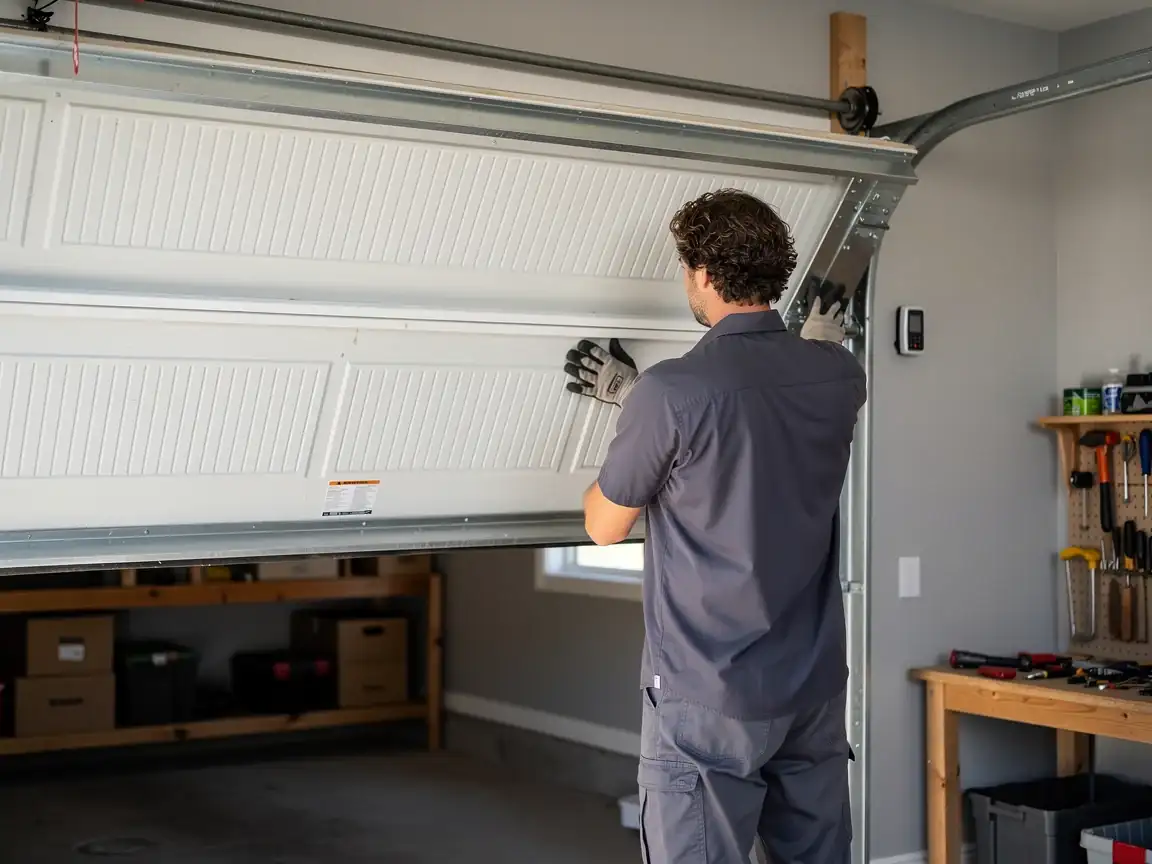
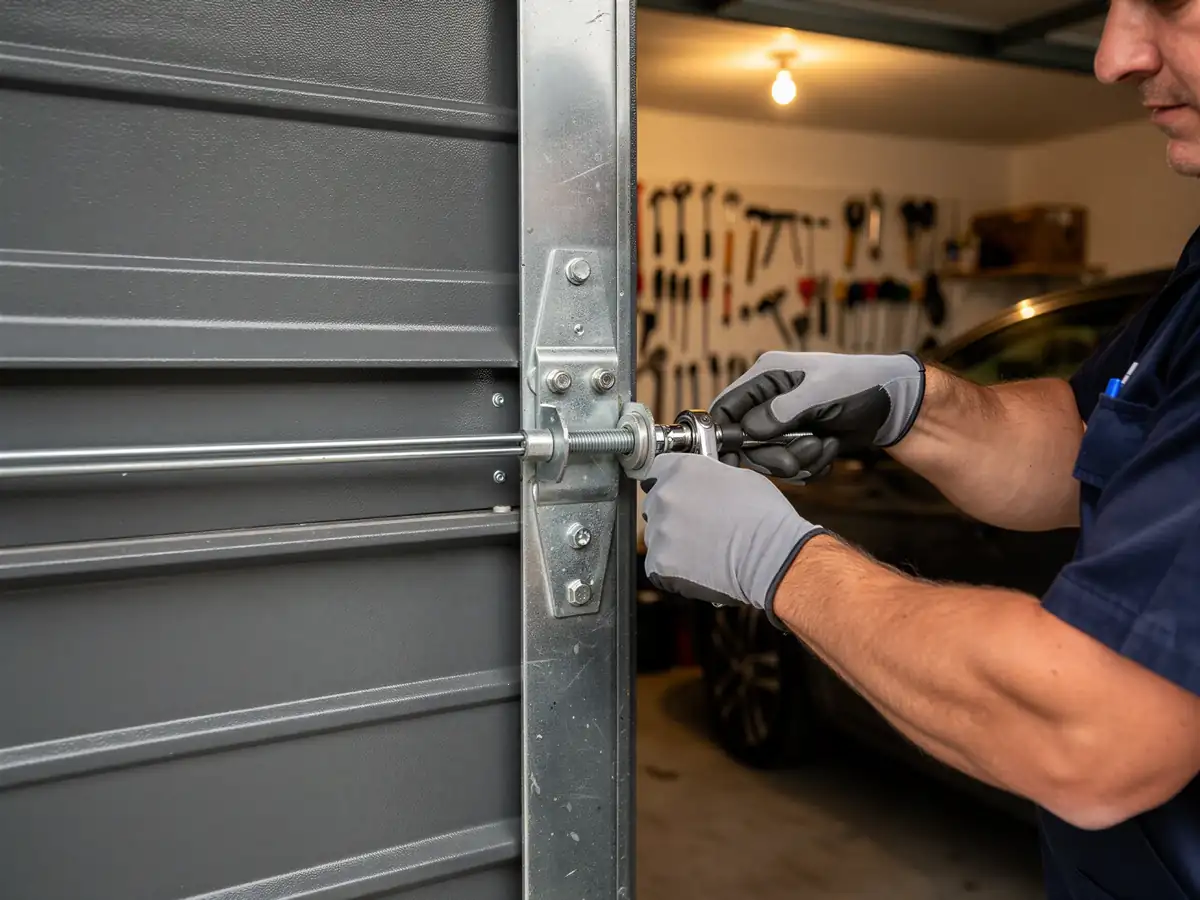
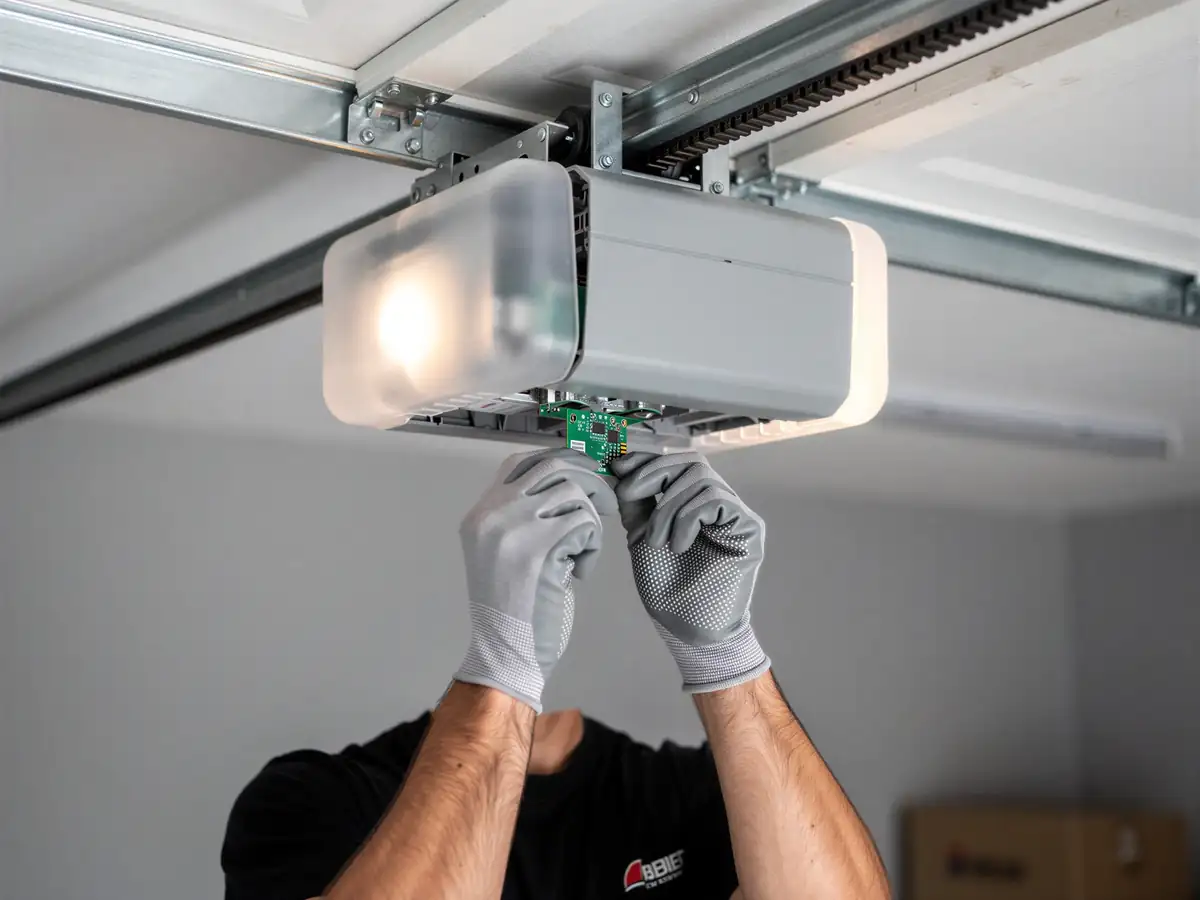
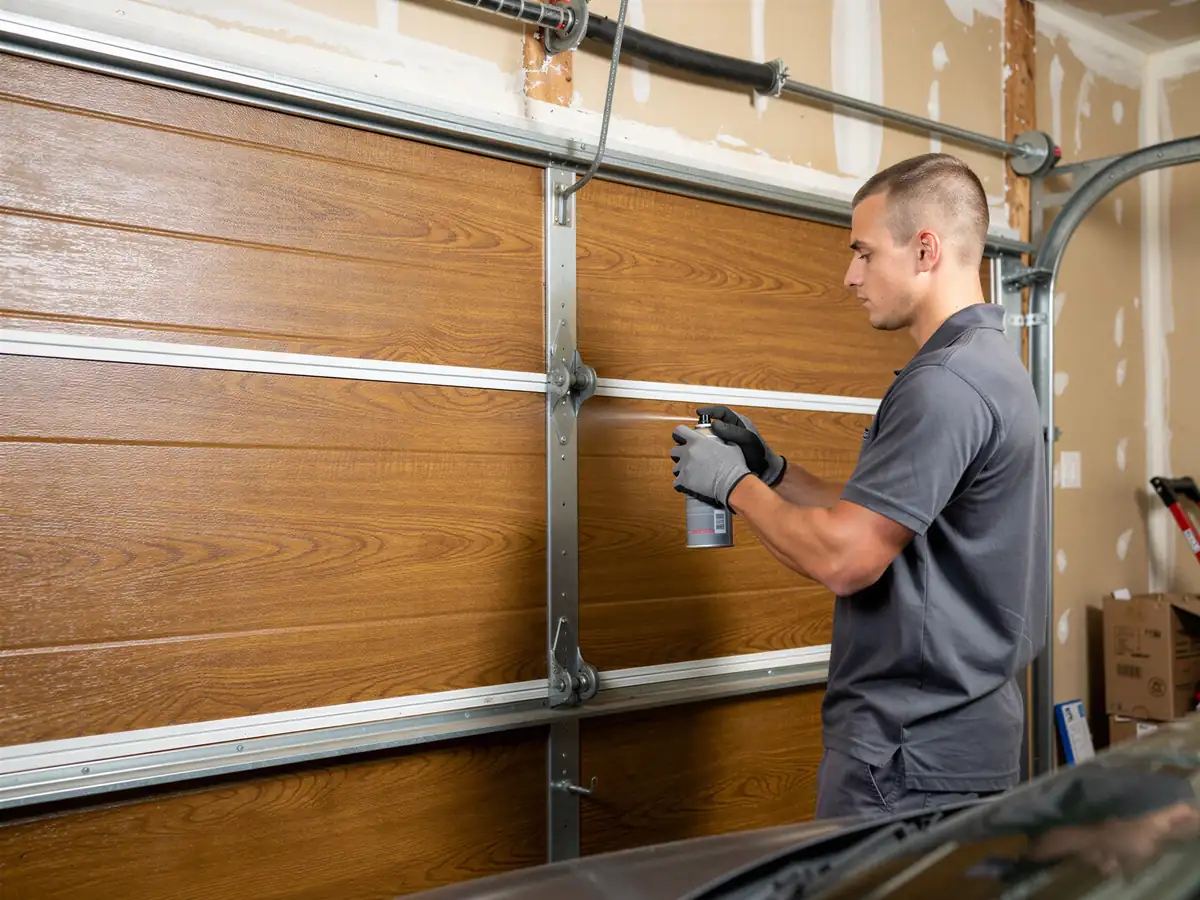
Lubricating hinges, tightening visible hardware, and clearing the track of debris are reasonable DIY tasks on any door, this era included. Springs are not. An extension spring under tension can do real damage if it lets go while you're working near it, and on original 1970s-era installs there's often no safety cable at all to contain it if it snaps. If the door is heavy to lift by hand with the opener disconnected, that's a spring that's already weak - not a project for a Saturday afternoon. We'll also tell you plainly when a repair isn't worth doing: if the door itself is original steel with surface rust through the panel, putting new springs on it is money spent on hardware that'll fail somewhere else within a year or two. Replacement is sometimes the honest answer.