What You Pay
The truck ride from Glastonbury into the Center is about a mile, which matters less for the drive itself and more for what it means on a call: no highway time wasted, no half-day window needed, so the visit is almost entirely measurement and talk about the door, not travel.
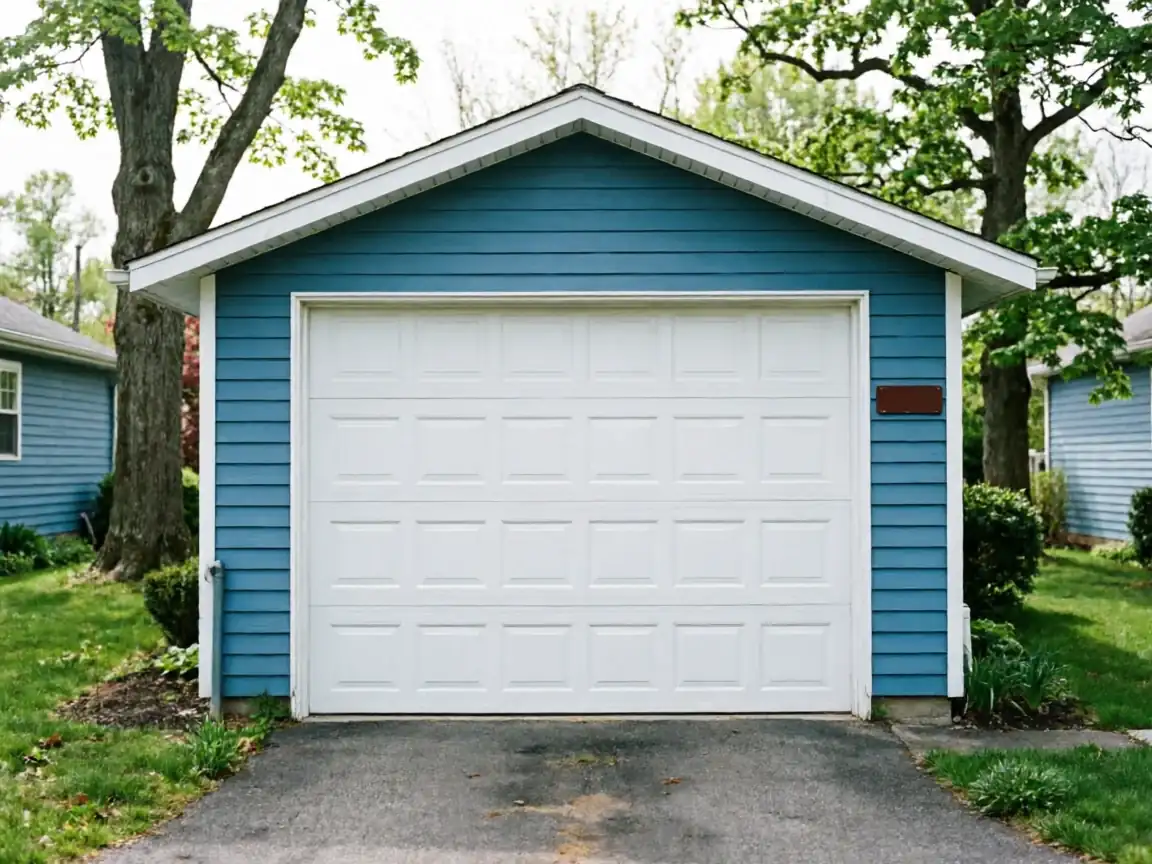
We can't quote a flat price here because it depends on the door width, the insulation level you pick, and whether the opener gets replaced at the same time - none of that is fixed until we see the opening. What we can tell you is that houses in this part of town were mostly built around 1972, which puts most openings at the standard single or double widths used in that era, so the sizing conversation is usually quick. If your opening has been modified - widened, lowered, reframed - that adds a step, and we'll flag it before any number gets written down.
Honest limit: we don't do same-day install quotes over the phone sight unseen. A door is too big a purchase to guess at from a description.
How to Book
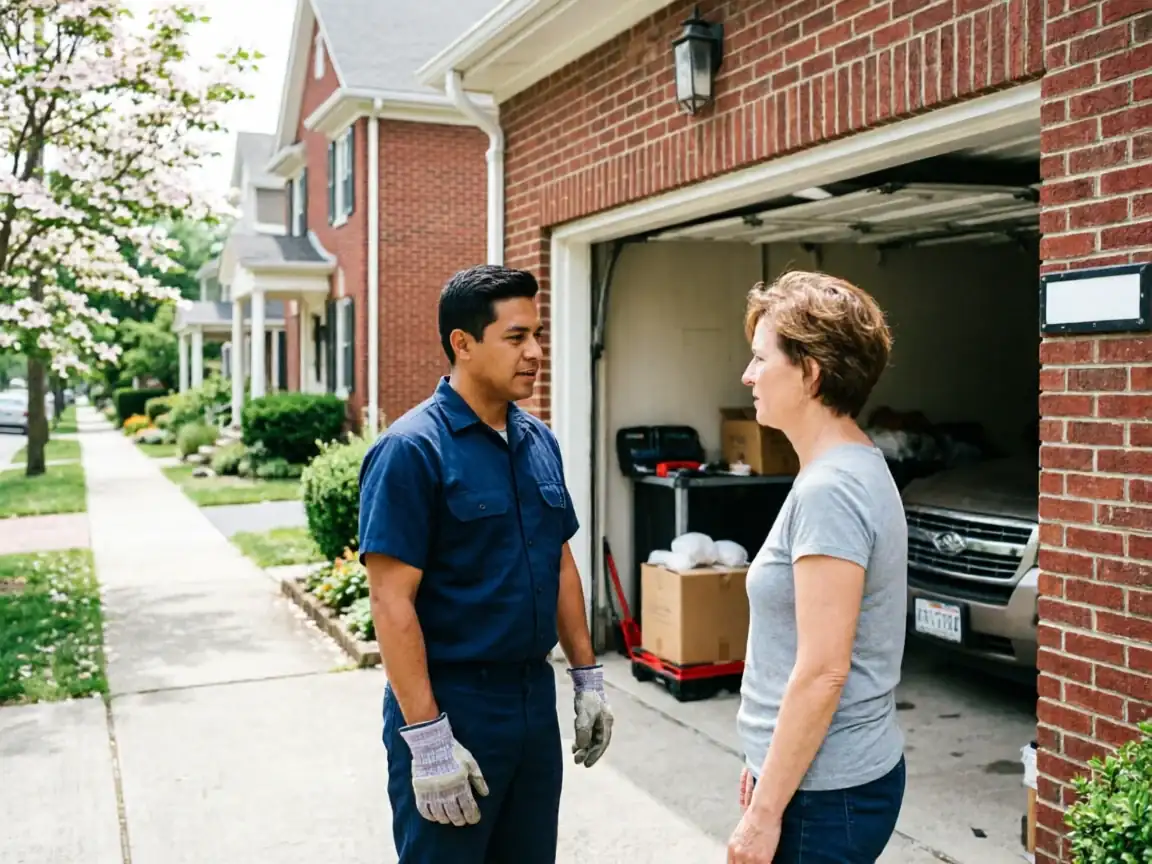
Because the Center sits about a mile from our Glastonbury base, scheduling a look at your opening doesn't mean waiting on a big travel window - we can usually slot a measurement visit in around other calls on that side of town the same week. You tell us rough door size and whether you want insulated steel or something else, we confirm a time, and we bring samples to your driveway rather than asking you to pick from a catalog over the phone.
If you're replacing an existing door rather than installing where there's never been one, it helps to know the age of the current door and track - houses here built around the early 1970s often still run original hardware, and that changes what we bring on the truck.
We don't install on a floating schedule; once a date's set, it's set, because the door has to be ordered to the confirmed measurements first.
What the Repair Takes
A straight swap - old door off, new one on the same track and opener
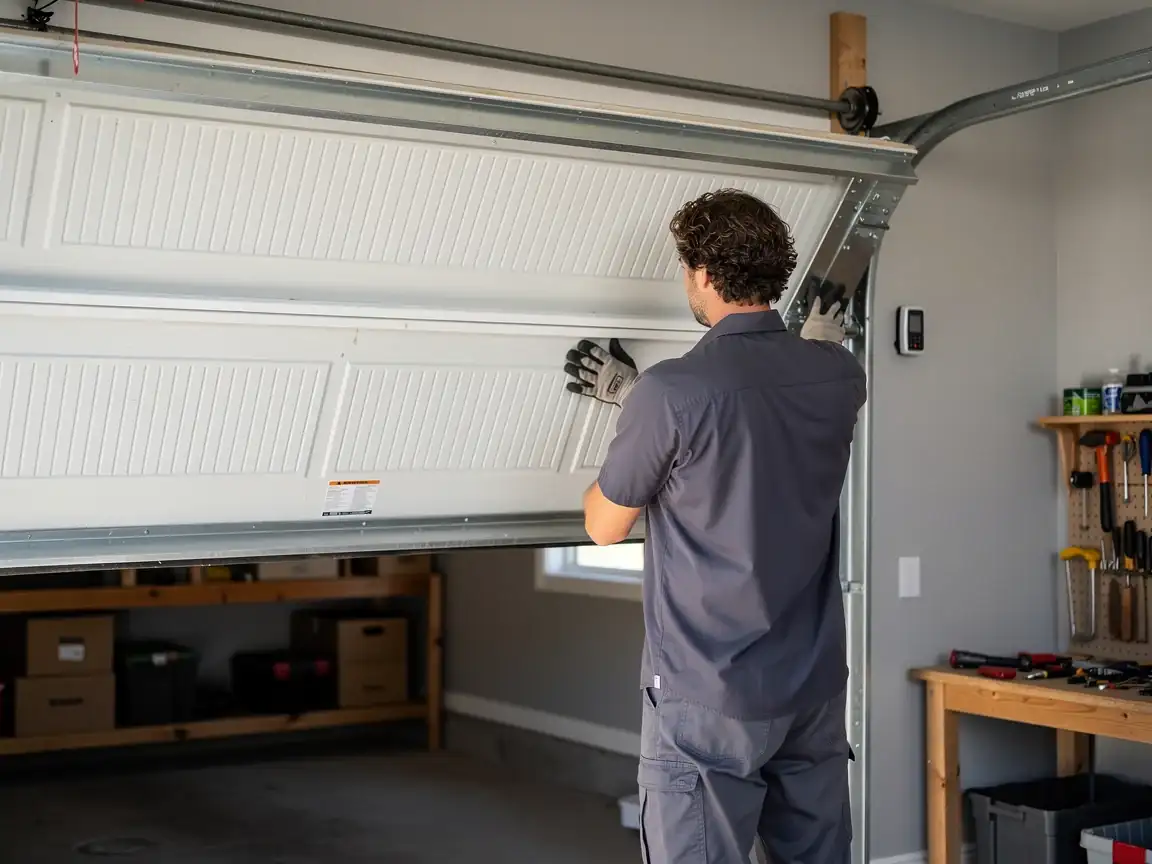
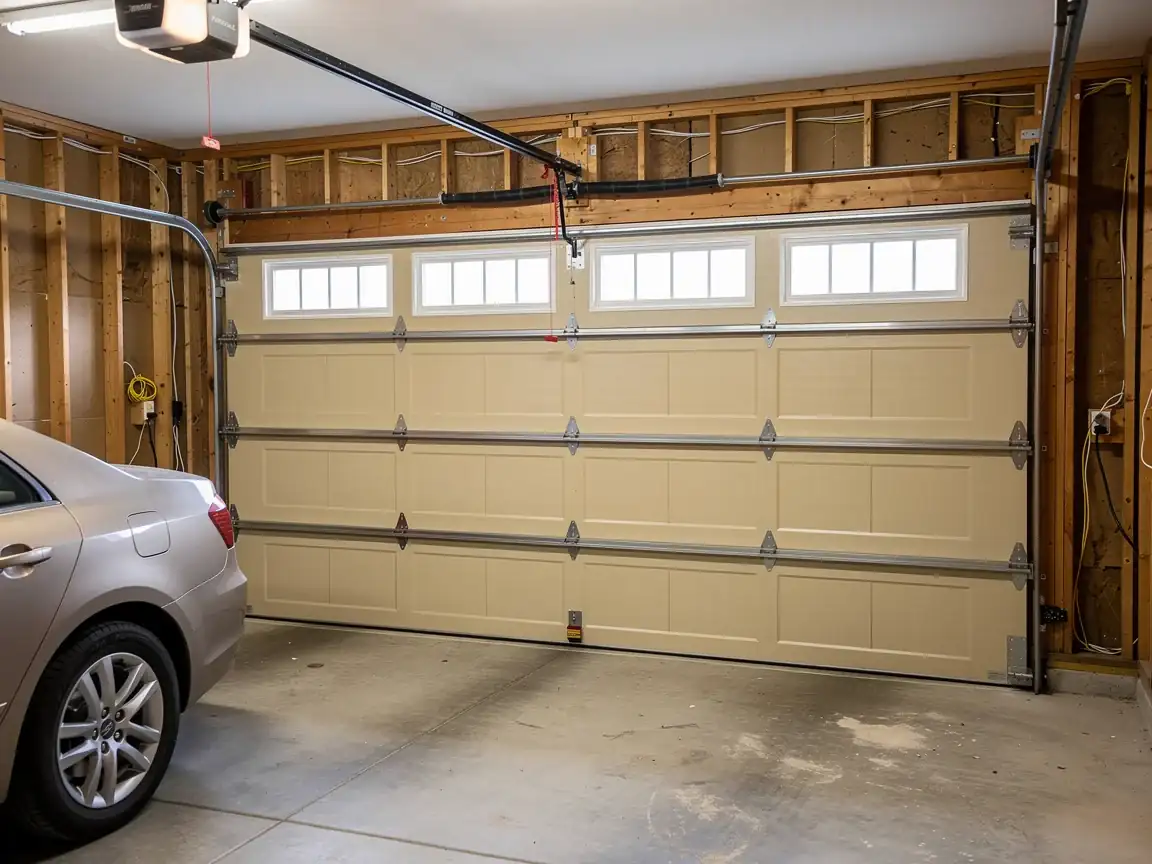
Is usually a one-day job once the door itself has arrived. What takes longer is anything tied to the age of the opening. With median construction here landing around 1972, a lot of garages still have the original jamb and header sizing from that period, which doesn't always match the mounting specs of current insulated panel doors. We shim, reframe, or adjust track position as needed, but that's extra time on site, not extra guessing.
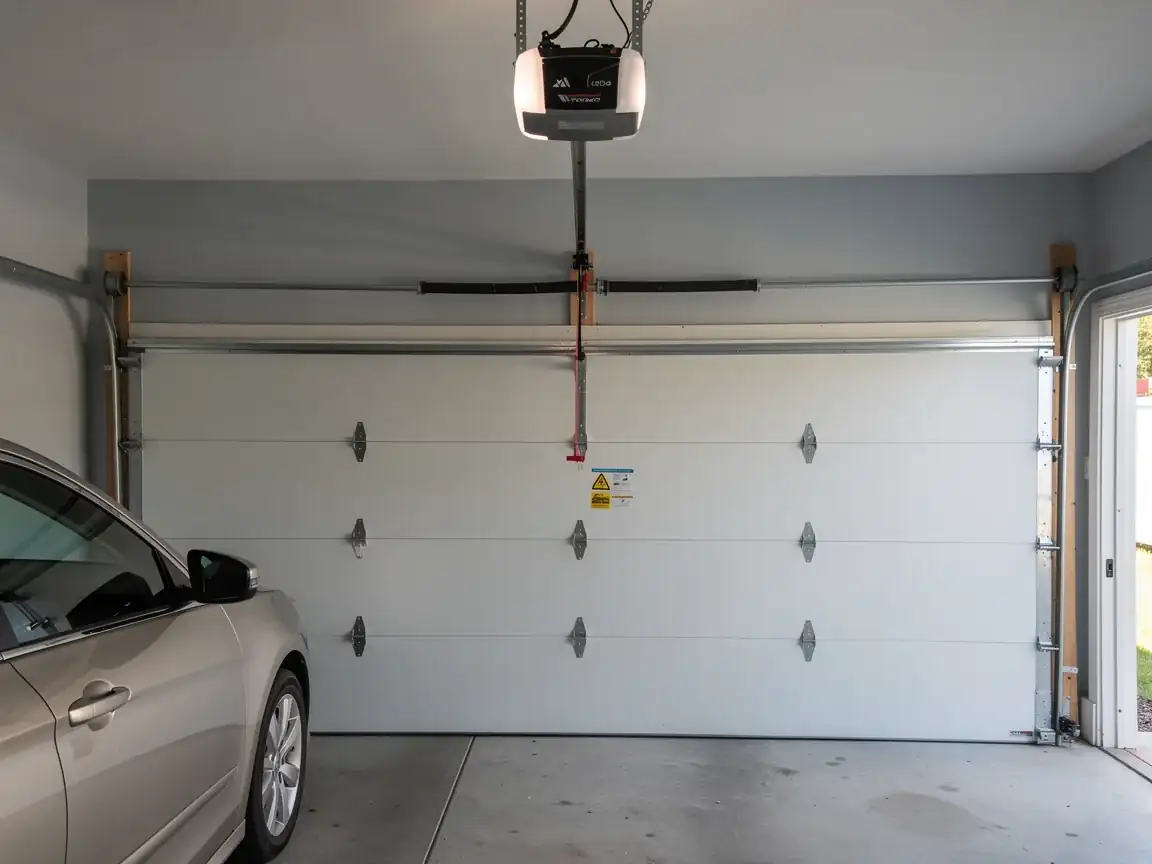
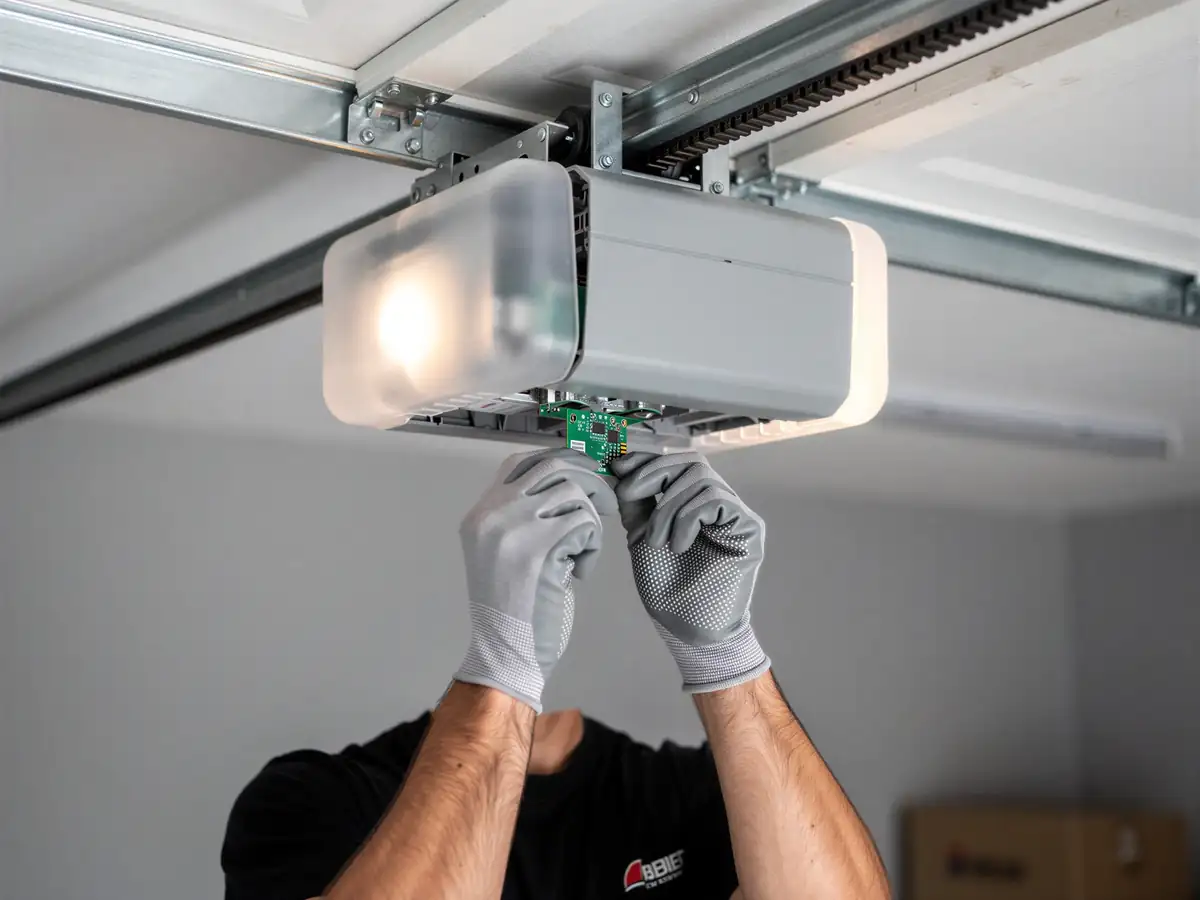
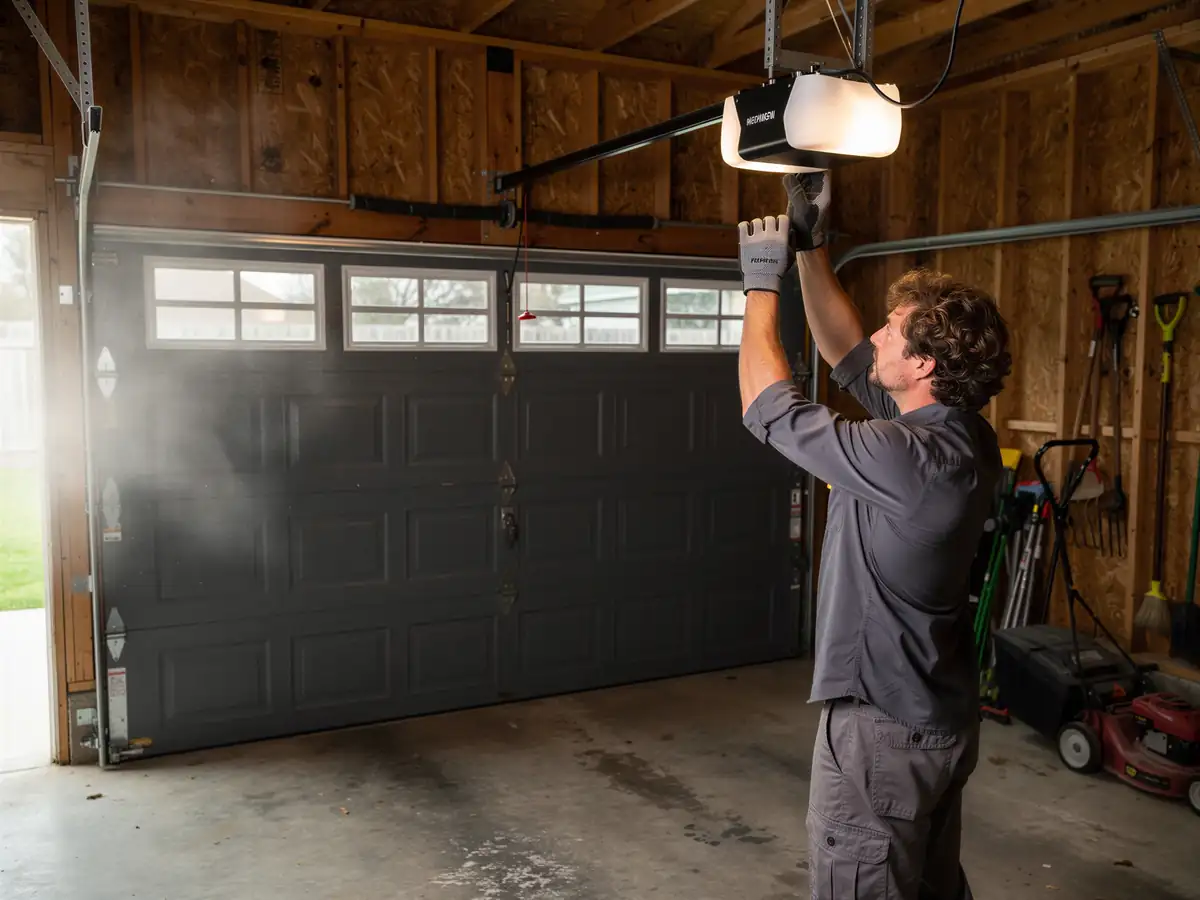
We also check the opener bracket and the wall button wiring while we're in there
Since a door this old is commonly paired with an opener that's been replaced once already and doesn't quite match the new door's weight.
What we don't do on an install day: structural header repair
If the framing itself needs rebuilding, that's a carpenter's job first, ours second.
Why This Fails Locally
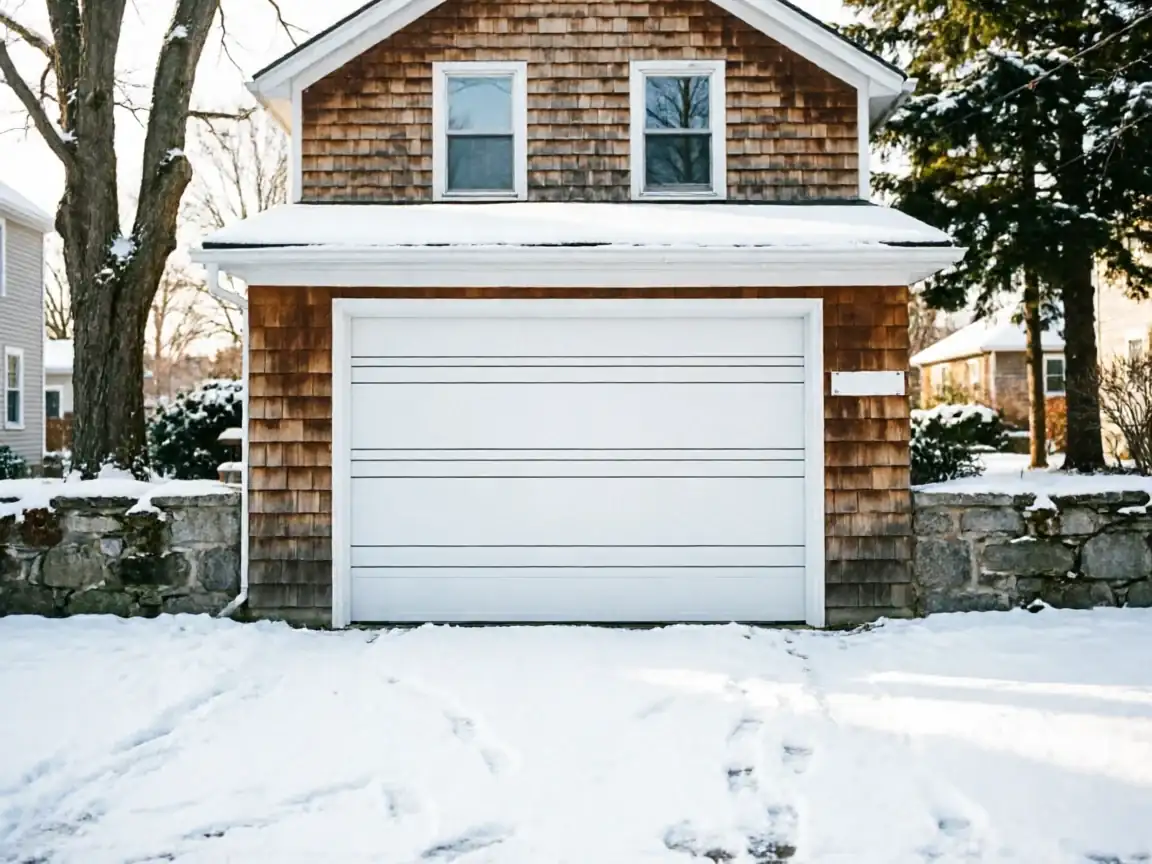
This is a cold-climate area - the kind of winter severity that pushes builders toward insulated steel doors rather than the uninsulated single-layer panels that were standard when most of this neighborhood went up. A door built to a 1972-era spec wasn't engineered around today's insulation expectations, and it shows every winter: condensation on the inside panel, a bottom seal that stiffens and cracks in deep cold, hardware that was never zinc-coated for the kind of freeze-thaw cycling this area gets.
Household incomes here run well above the wider service area average, and that shows up in what people ask for - more owners here are asking for higher R-value insulated doors and quieter openers than the base-model steel doors we install elsewhere. That's a reasonable upgrade given the climate, not an upsell we push on everyone.
The failure mode we see most in this part of town isn't a broken spring - it's an old uninsulated door that technically still opens but costs the owner in heat loss every winter it stays up.
The DIY Question
Swapping a garage door yourself is possible if you've done it before, but a few things in this area make it a worse bet than usual. The 1972-median housing stock here means many openings are original, and original openings rarely run true square anymore - decades of settling do that. Hanging a new door on a frame that's off by even half an inch shows up immediately as a door that won't seal evenly, which matters a lot more here given the winter severity than it would somewhere milder.
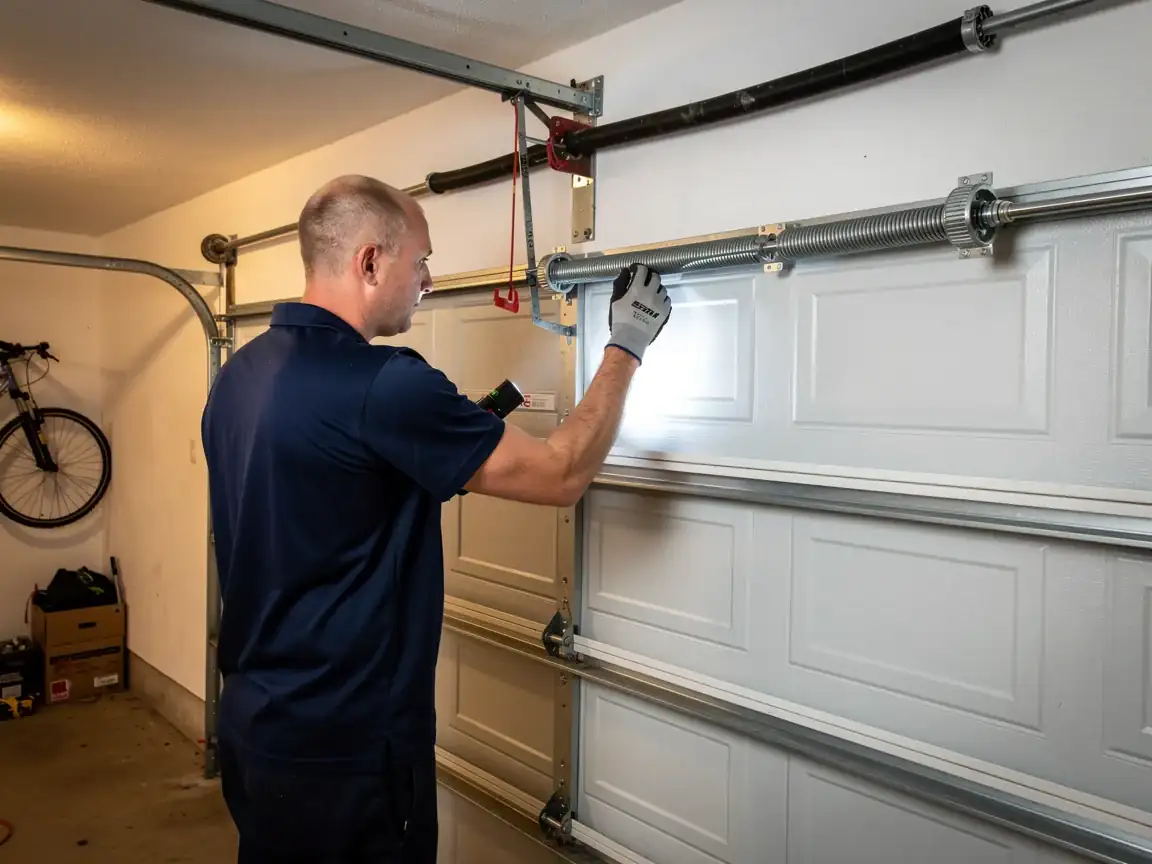
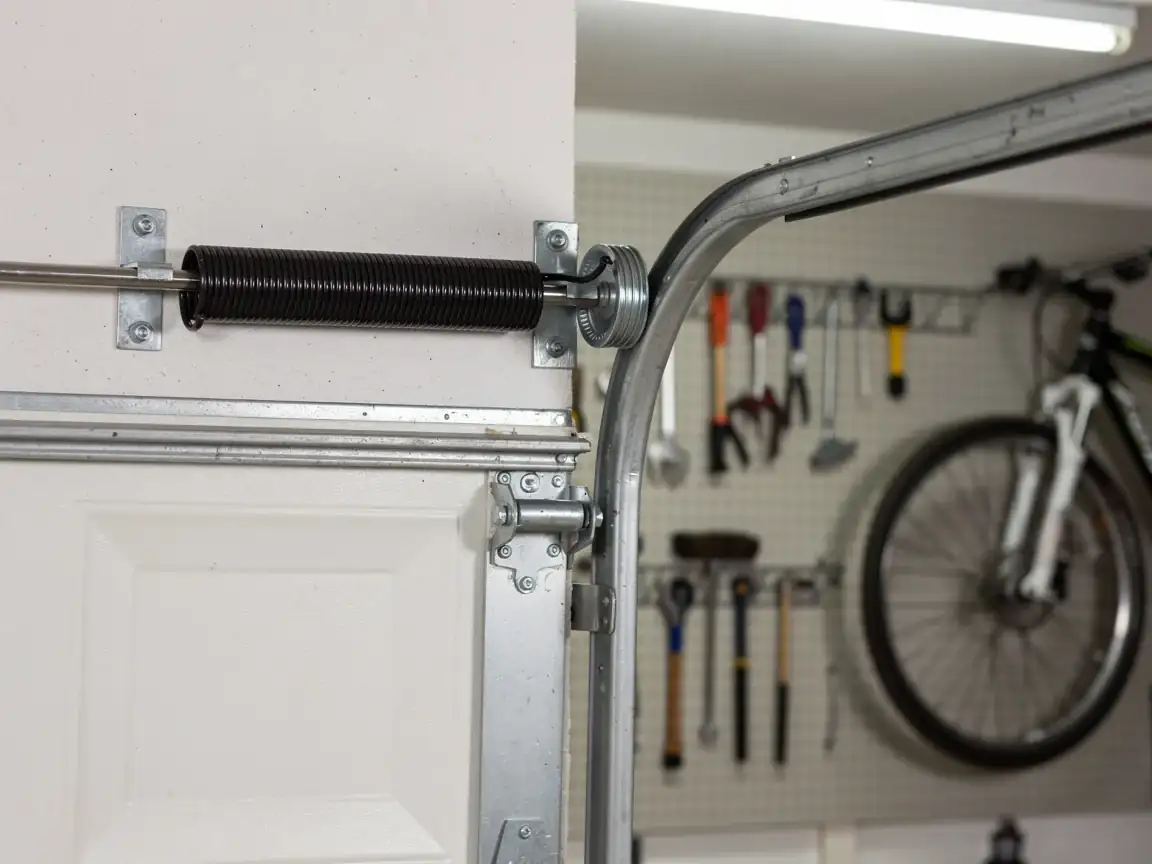
Torsion spring work is the harder no. A spring sized wrong for a heavier insulated door - which is what most people here are upgrading to - can cause real injury, and it's not a place to learn by trial.
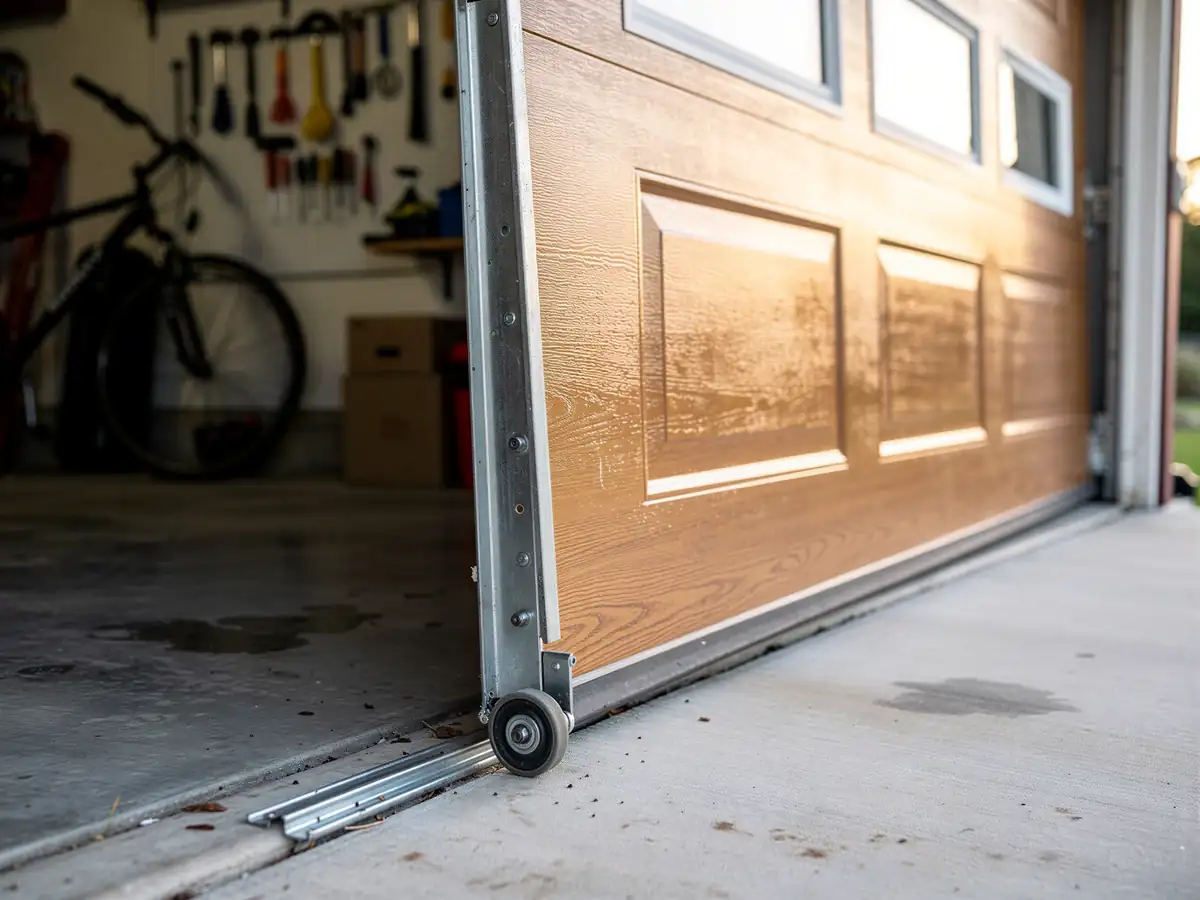
If you're just replacing weatherstripping or a roller, that's reasonable DIY. The door itself, on a frame this old, isn't.