Time on the Job
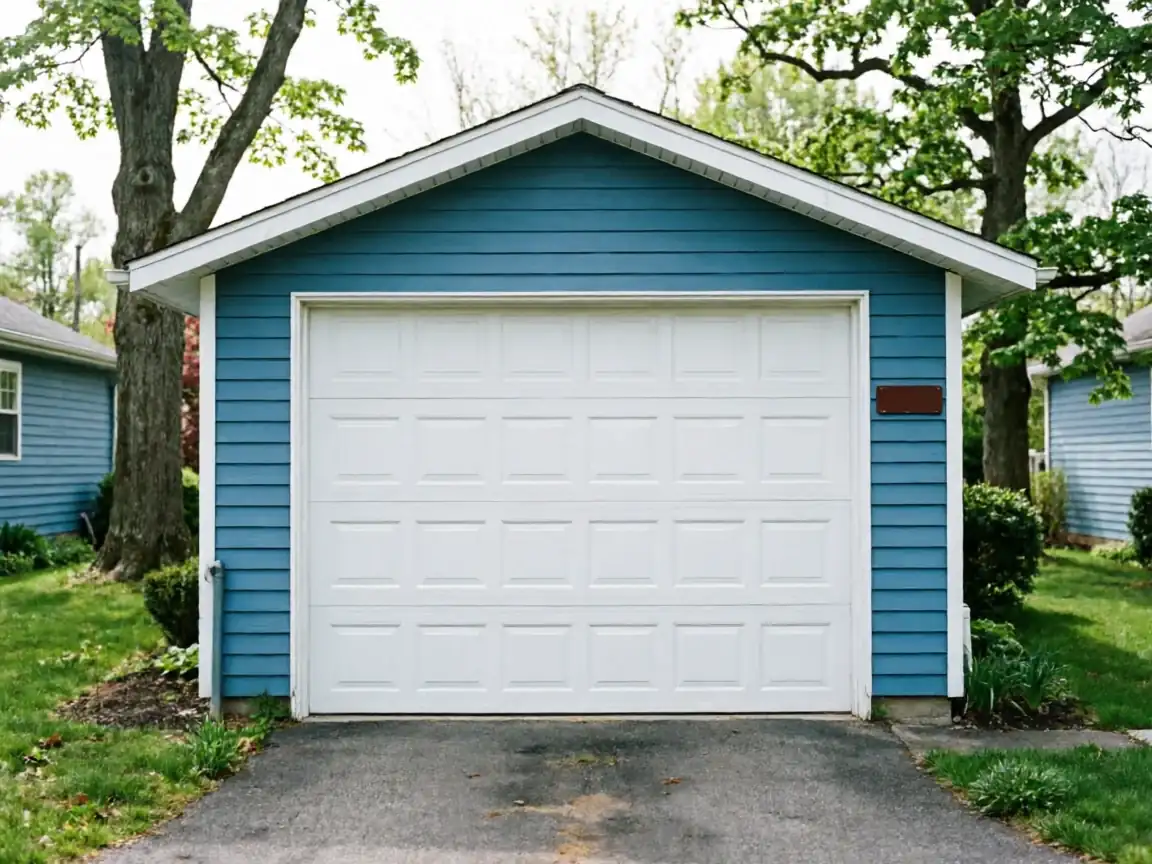
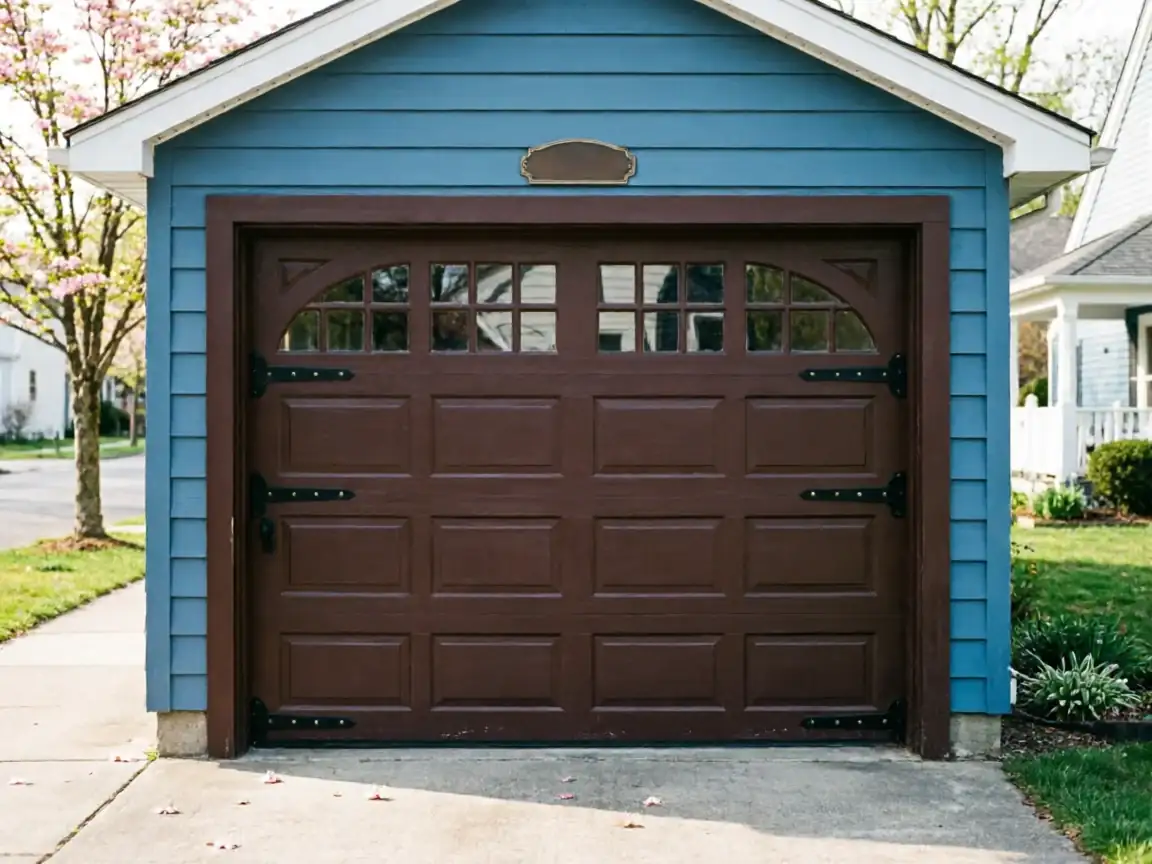
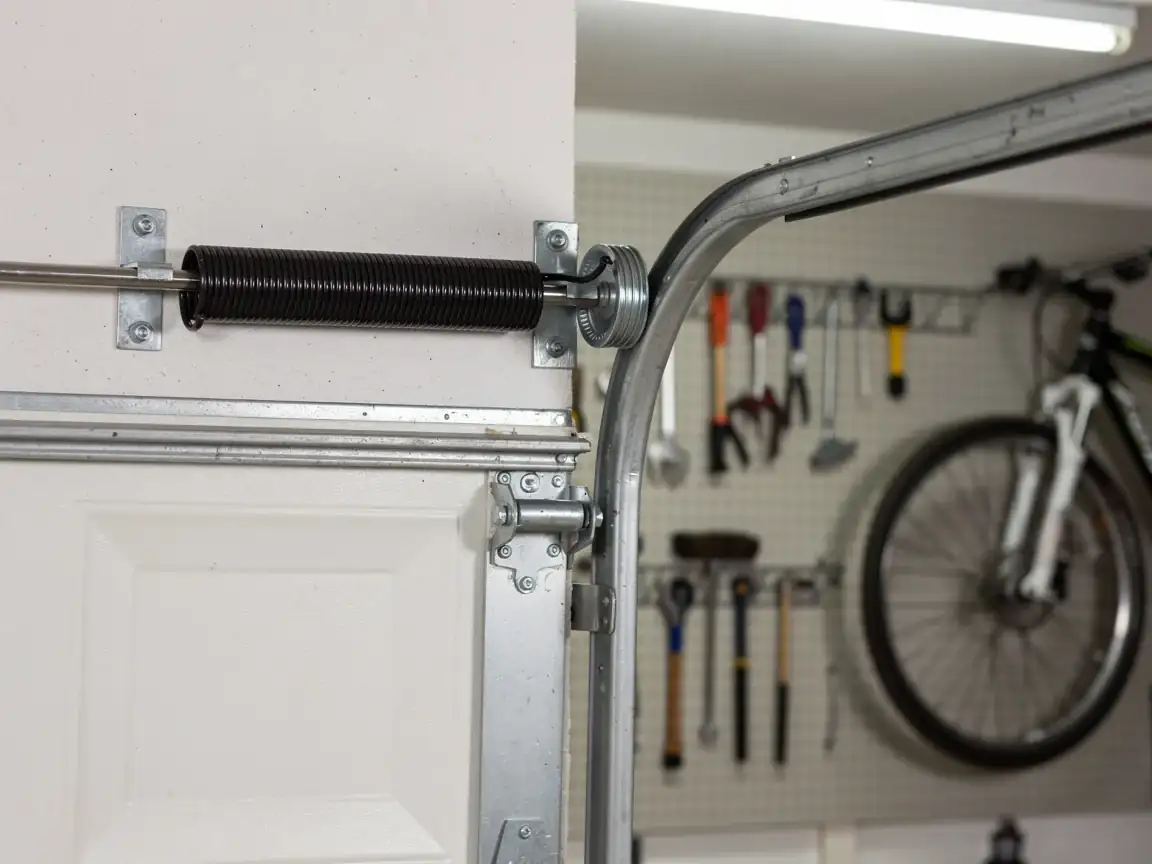
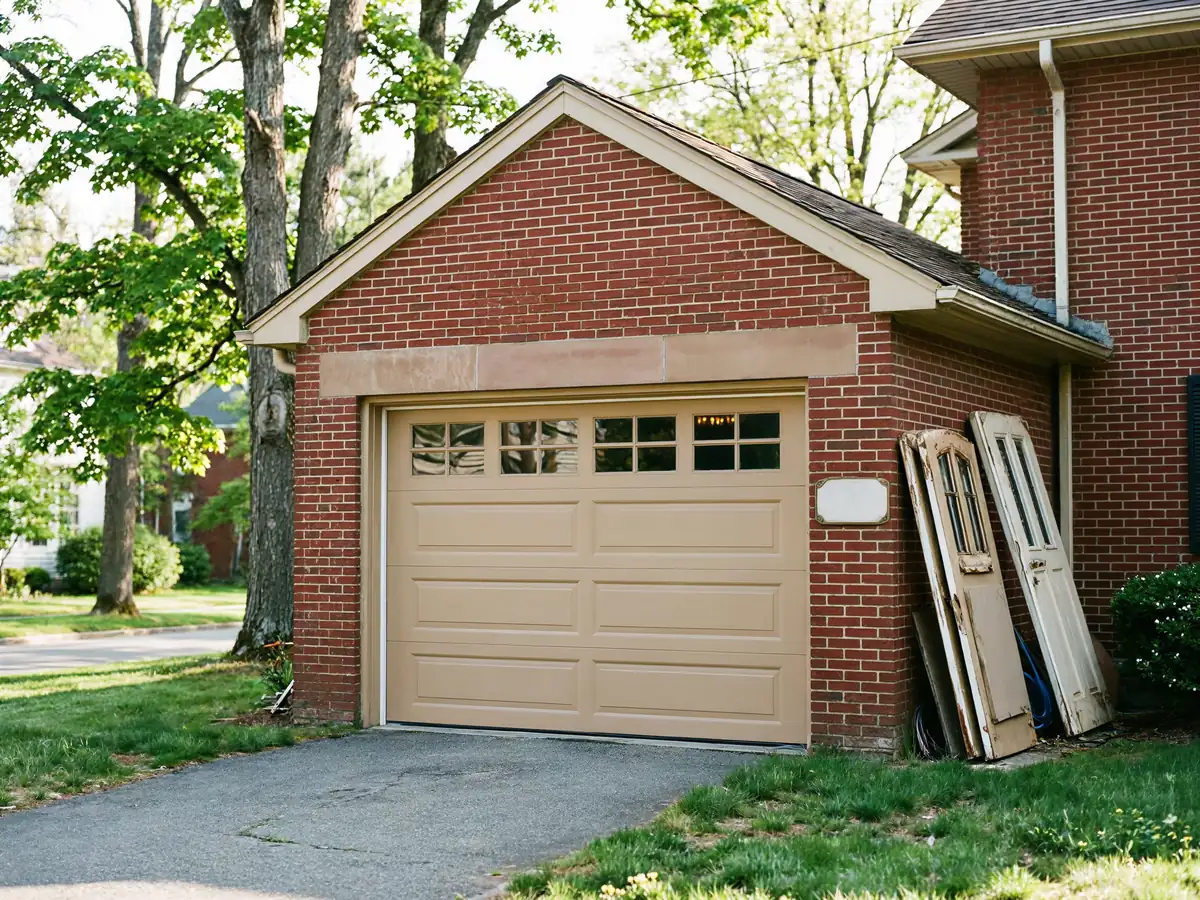
A garage built in West Hartford around 1955 almost always came with a single door, eight feet wide at most, hung from steel tracks on extension springs rather than the torsion-bar setup standard today. The panel itself was usually wood, often tongue-and-groove, heavy enough that the original springs were already working near their limit by the time the house was twenty years old. That's the starting point for most new-install calls we get in town - not a broken spring, not a dented panel, but a homeowner who wants a door built for current clearances and insulation values sitting on an opening framed for a car half the width of what people drive now.
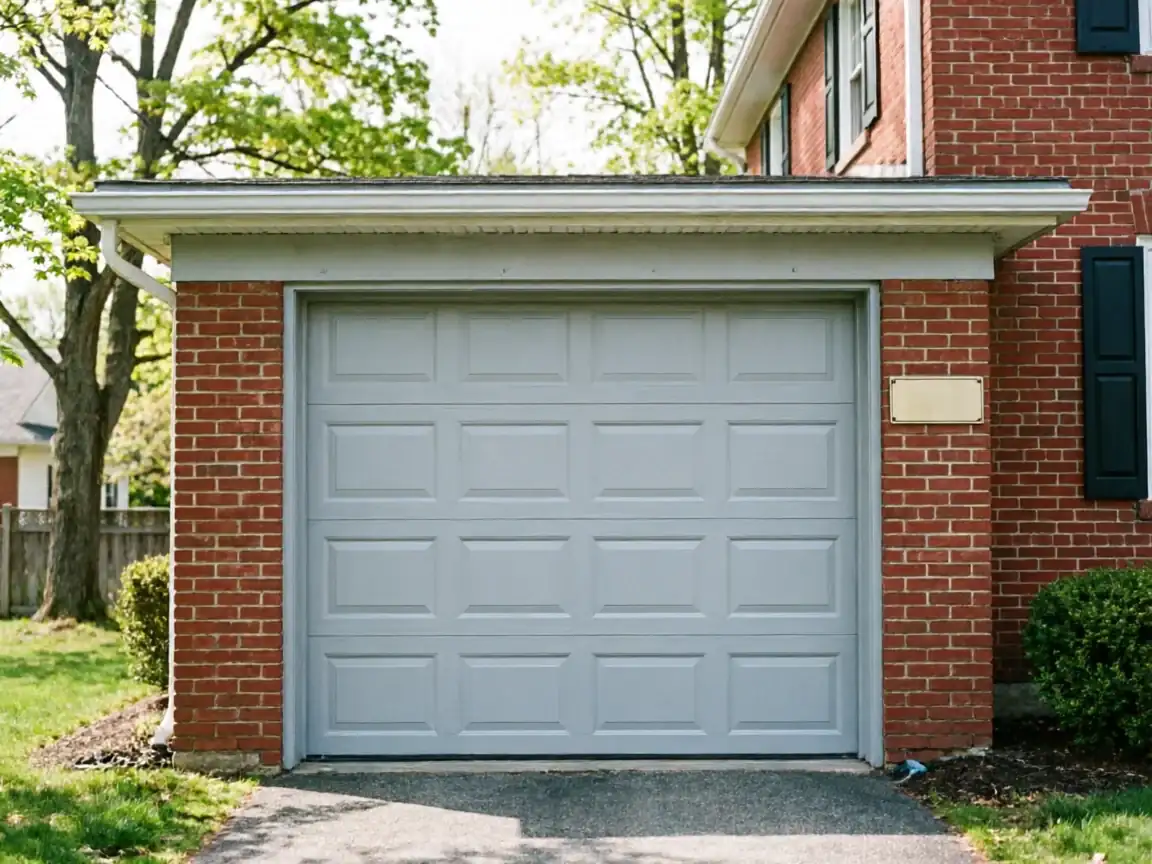
Fitting a new sectional door into that opening isn't a swap-and-go job. We measure the rough opening, check headroom against the track style the new door needs, and most of the time have to adjust the jamb or add blocking before the door will hang square. None of that is specific to West Hartford - the same mid-century framing shows up across the wider area we cover, where houses went up between 1938 and 1990 - but West Hartford's stock sits tighter on the early end of that range, so the adjustment work comes up more often here than it does in newer pockets of the territory.
Why This Fails Locally
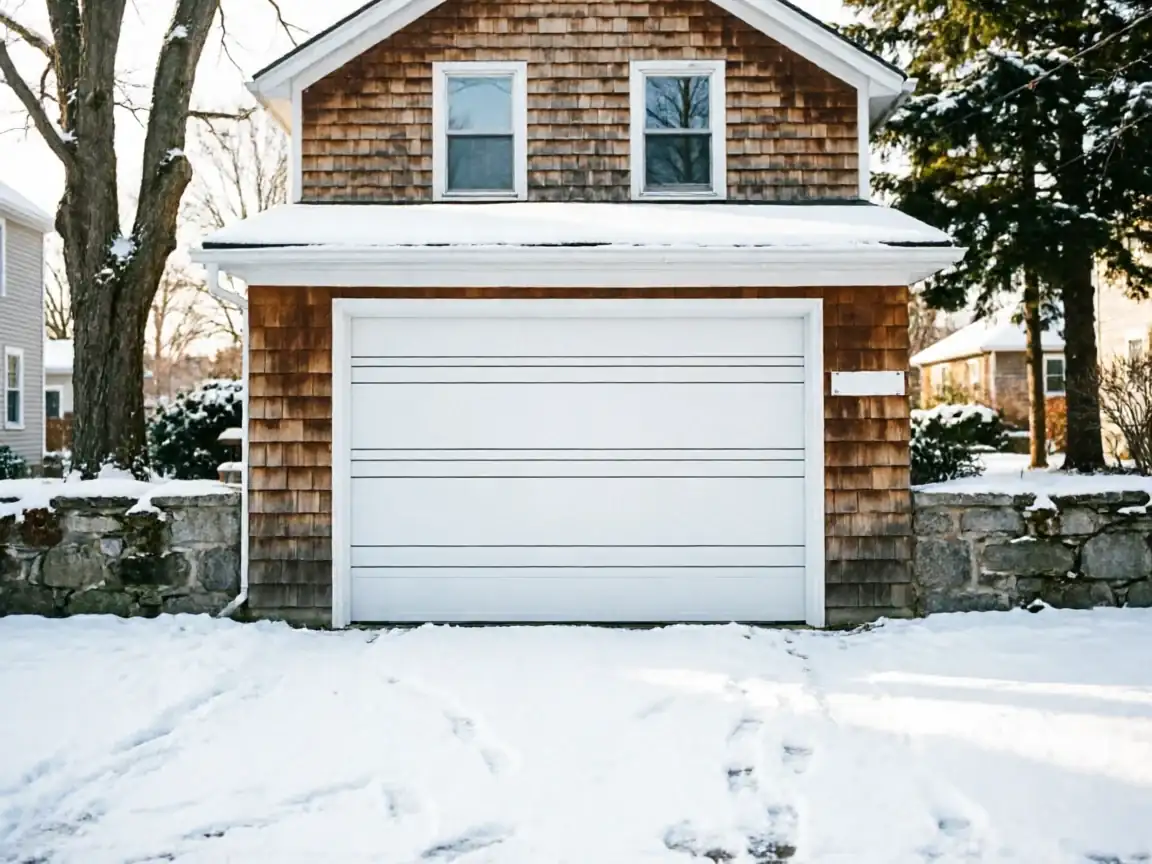
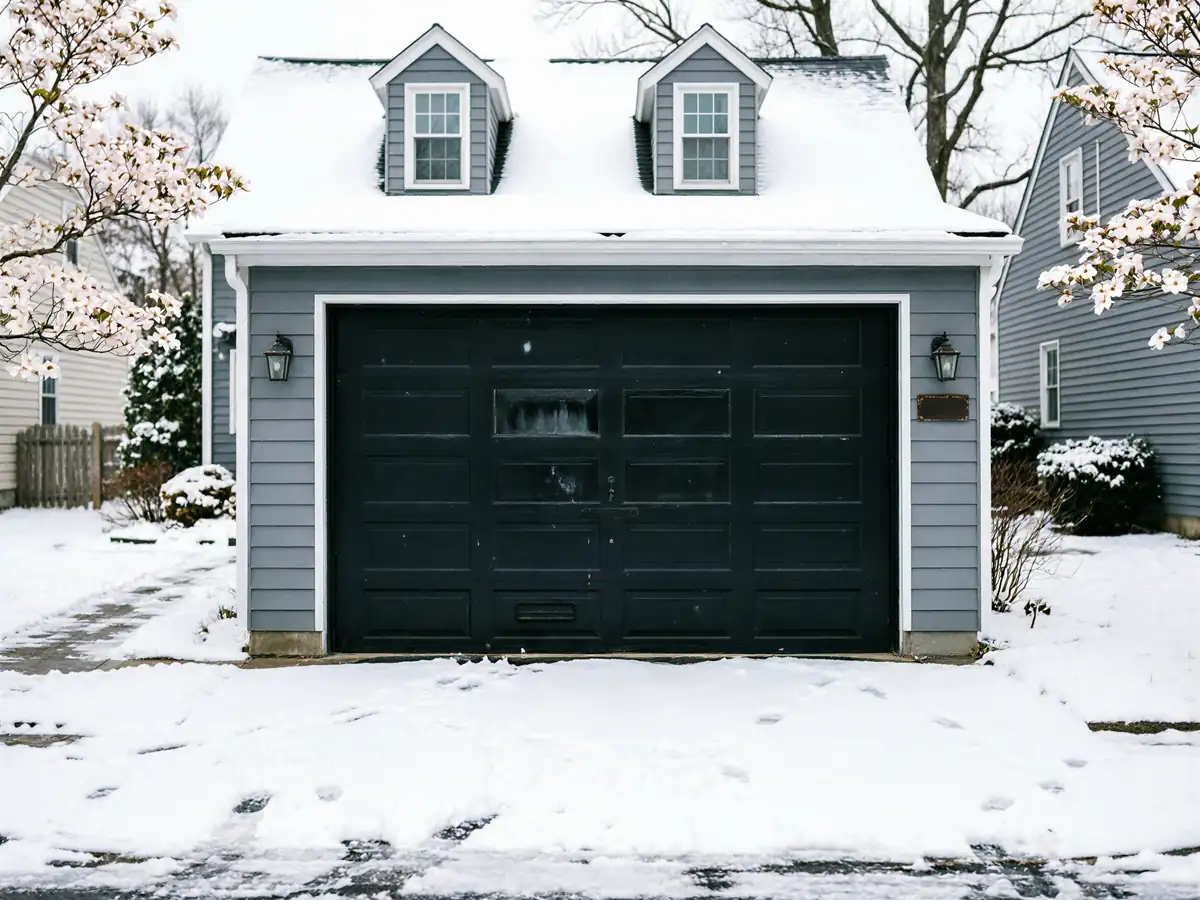
Connecticut winters put real load on a garage door, and this region sits in a cold-severe climate band - the kind of cold that turns a non-insulated wood panel into a cold wall between the garage and whatever sits against it, a mudroom, a laundry, a finished room overhead. A 1955 door was never built with a thermal break or real weatherstripping, so the cold comes straight through the seams.
West Hartford's median household income runs higher than the service area average - $125,616 against the area's $107,012 - and that shows up directly in the calls we get here: fewer patch jobs, more full replacements with insulated steel doors and better seals. People in this town aren't asking us to make the old door last one more winter. They're asking for an R-value that holds up against a real New England February.
The failure point isn't dramatic. It's not a sudden collapse. It's a door that's cold to the touch in January, that lets in enough draft to run the furnace longer than it should, and that ends up costing more to keep patched than it would to replace outright once the spring or track needs attention anyway.
The DIY Question
A new garage door install is not a weekend project
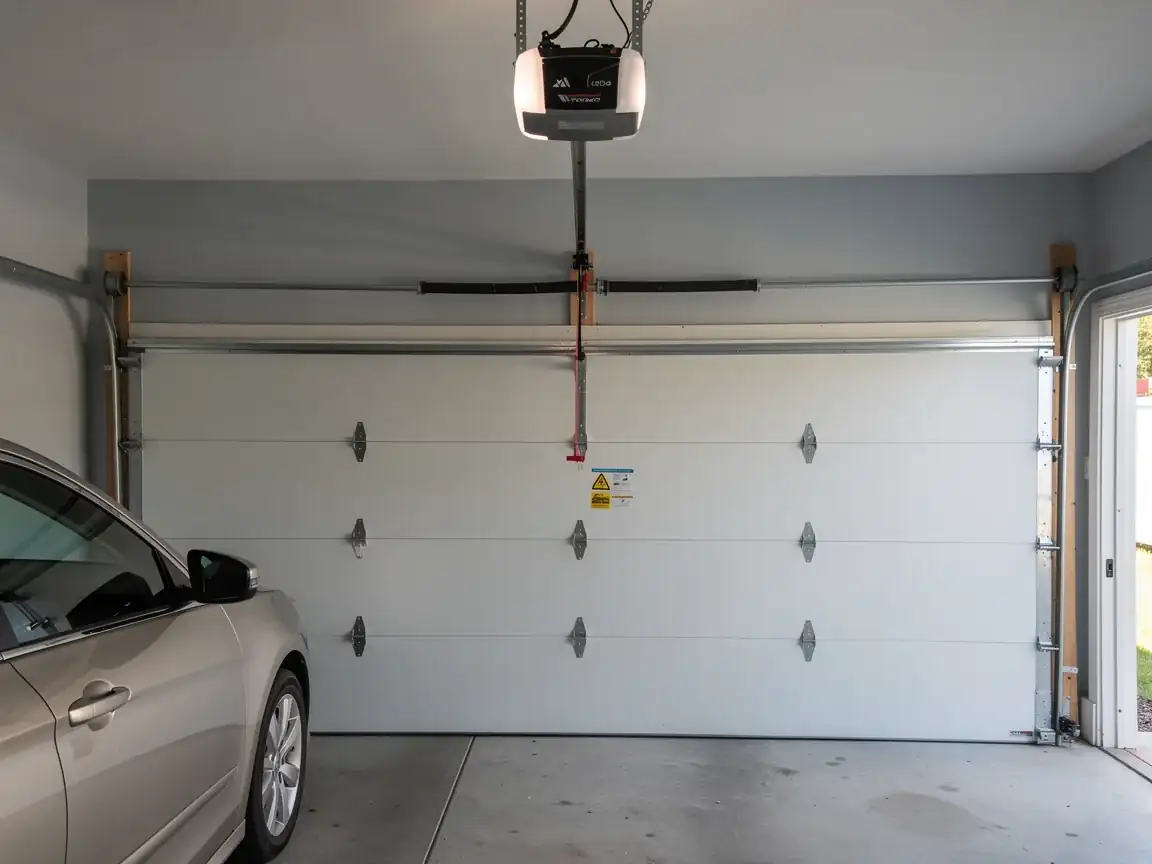
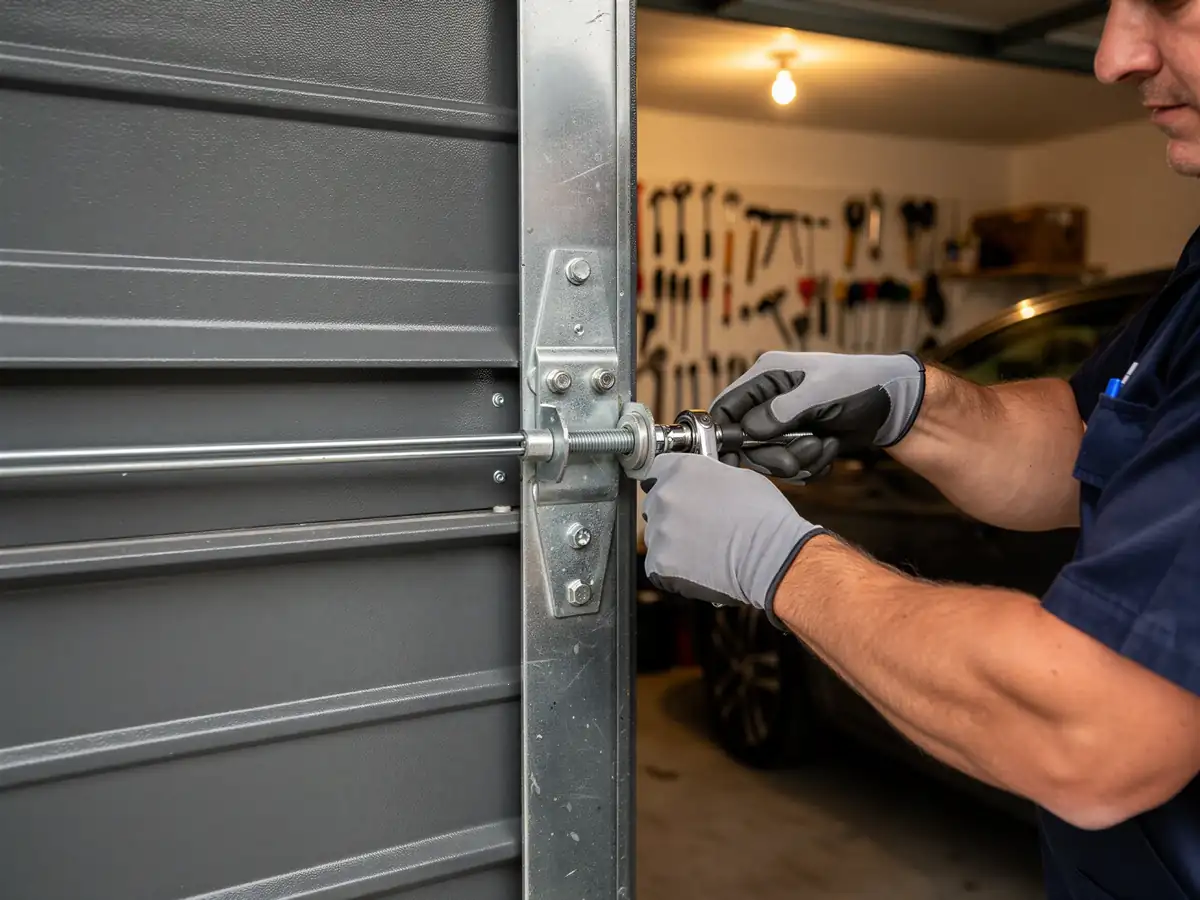
And the spring conversion that comes with it is the part that puts people in the ER, not the panel itself. We won't talk anyone through doing their own spring work over the phone - that's an honest limit on what we'll help with outside of showing up with the truck.
Where DIY does make sense
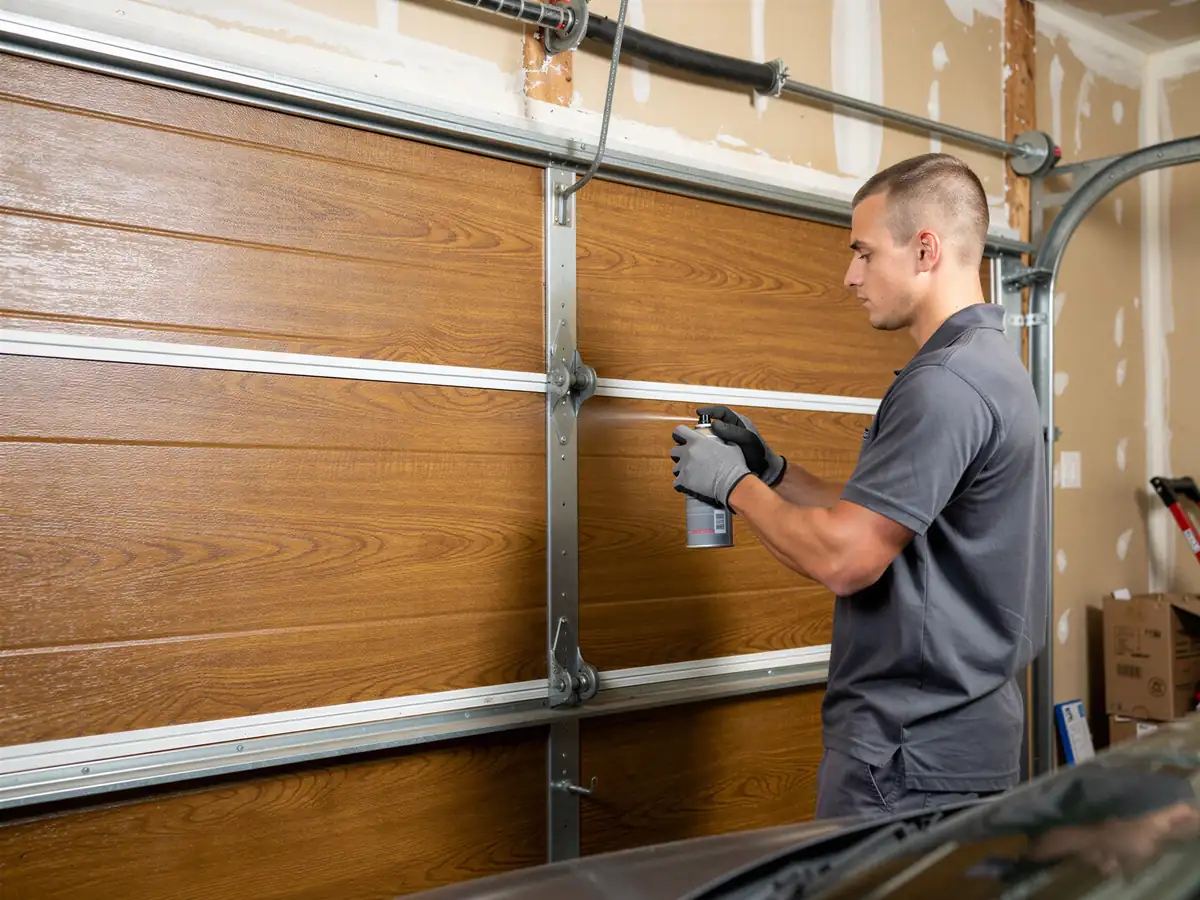
Swapping weatherstripping, cleaning and lubing rollers and track on a door that's otherwise sound, or priming and repainting an old wood panel that still closes true. None of that touches tensioned hardware.
For a full install on a West Hartford garage
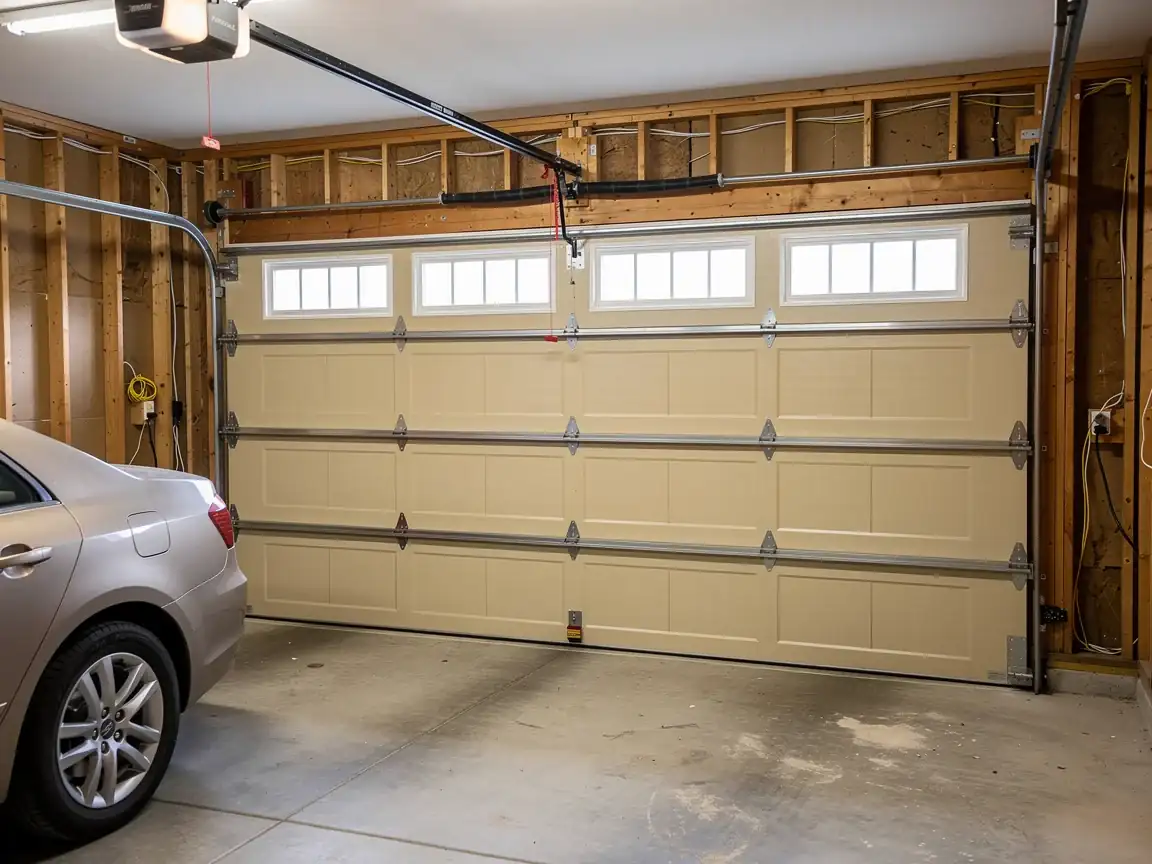
New door, new track sized for current headroom, spring set matched to the new panel's weight - we don't recommend tackling it solo. The margin for error on a torsion spring under full tension isn't forgiving, and a mis-set spring on a door this size can put a cable or bracket through drywall or worse. If you want to handle part of the job yourself, tell us up front and we'll scope the work around it rather than quoting the whole thing as one package.
What the Repair Takes
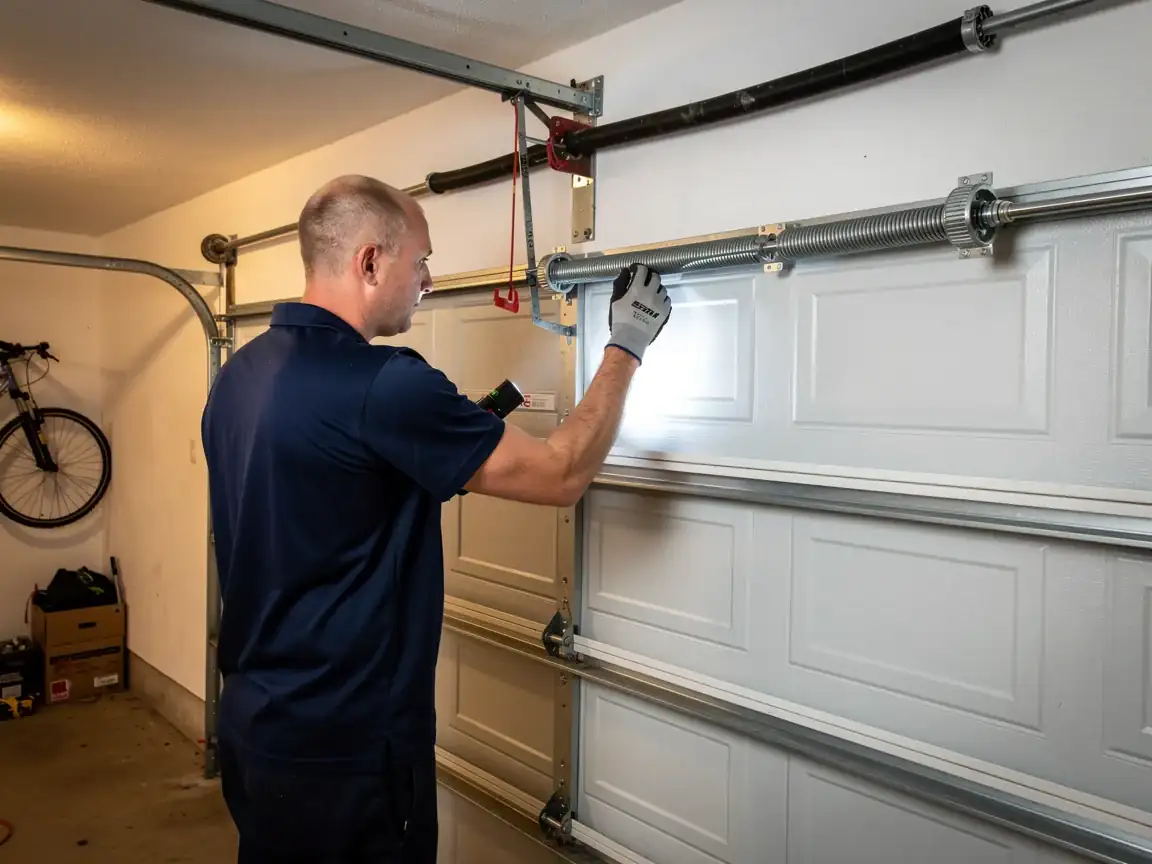
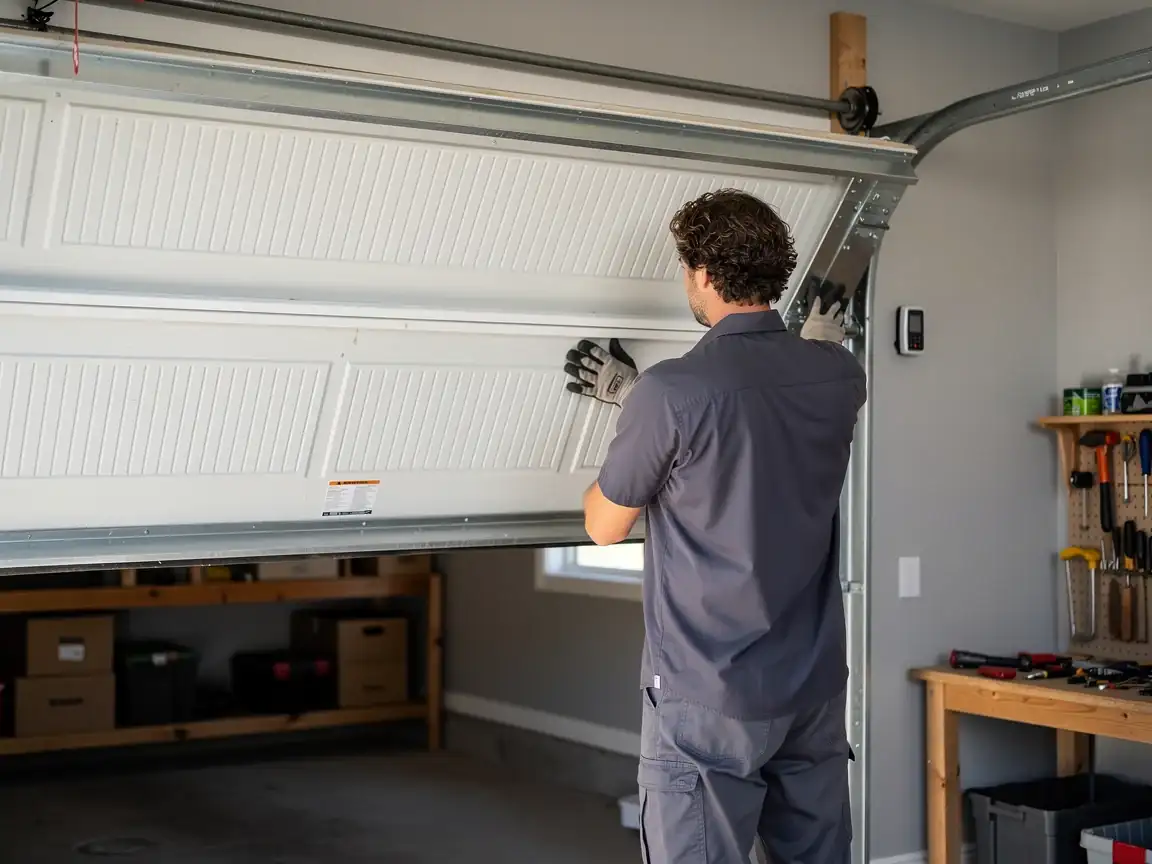
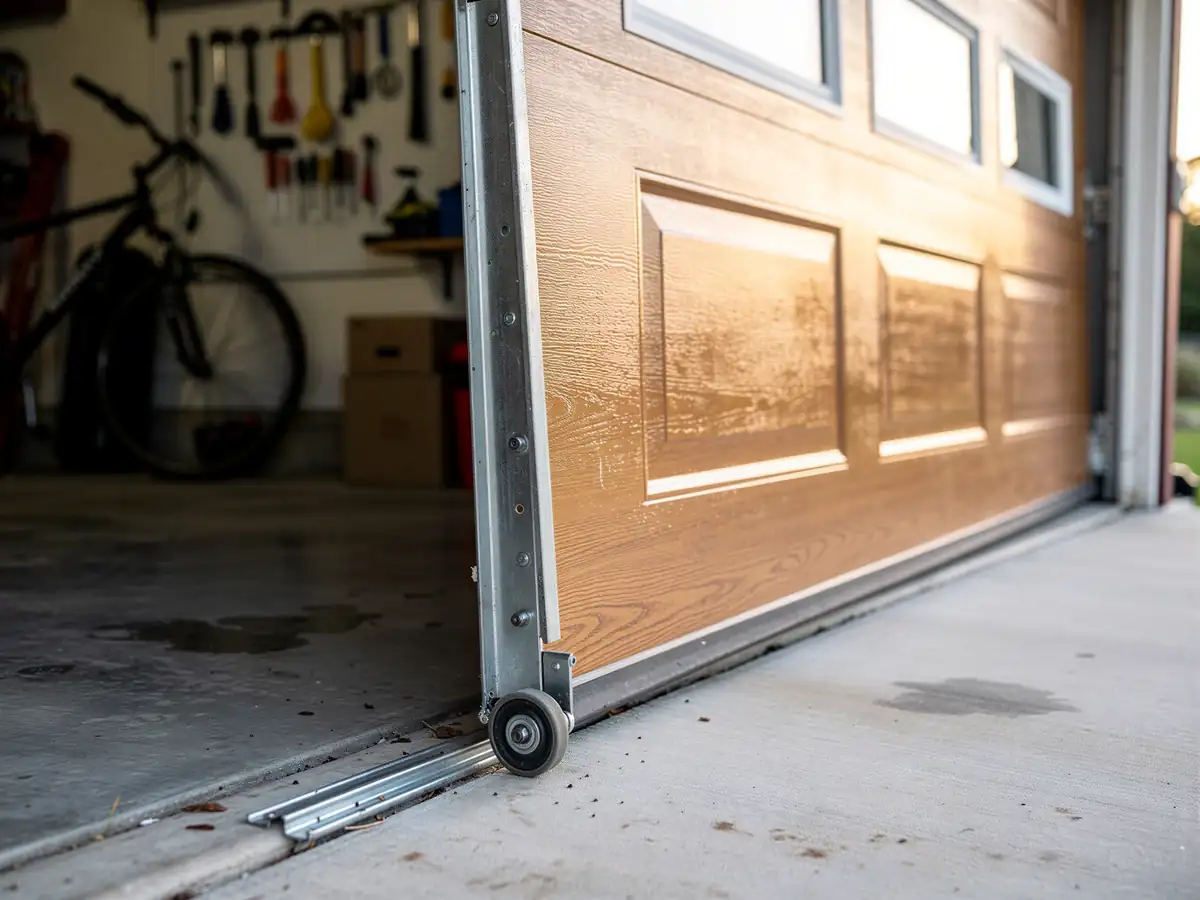
Installing a new door on a West Hartford garage usually runs a full day once you count removing the old panel and track, reframing if the opening's out of square - common on houses from this era - hanging new track rated for the door's weight, and setting springs to match. We travel the 8 miles from Glastonbury for the job, so we plan the full install as one trip rather than splitting it across visits.
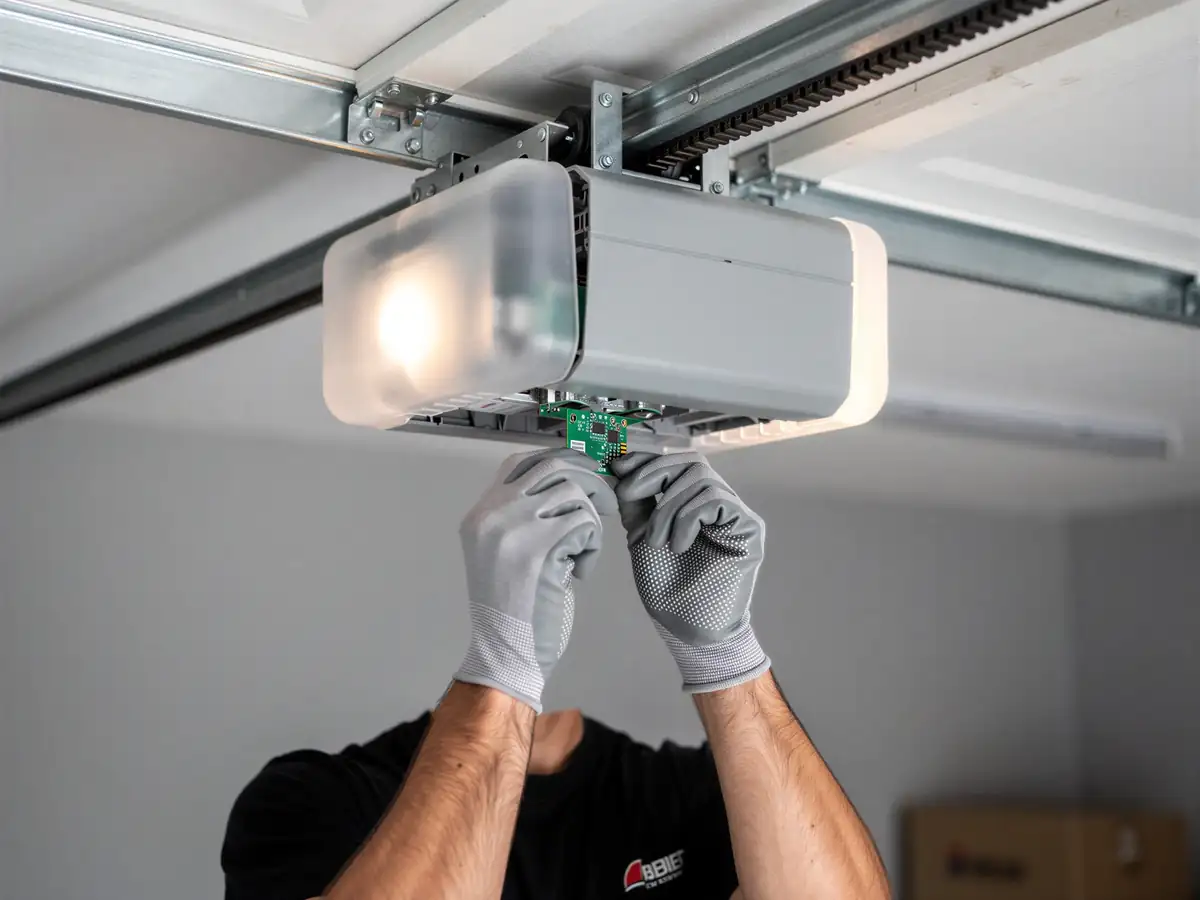
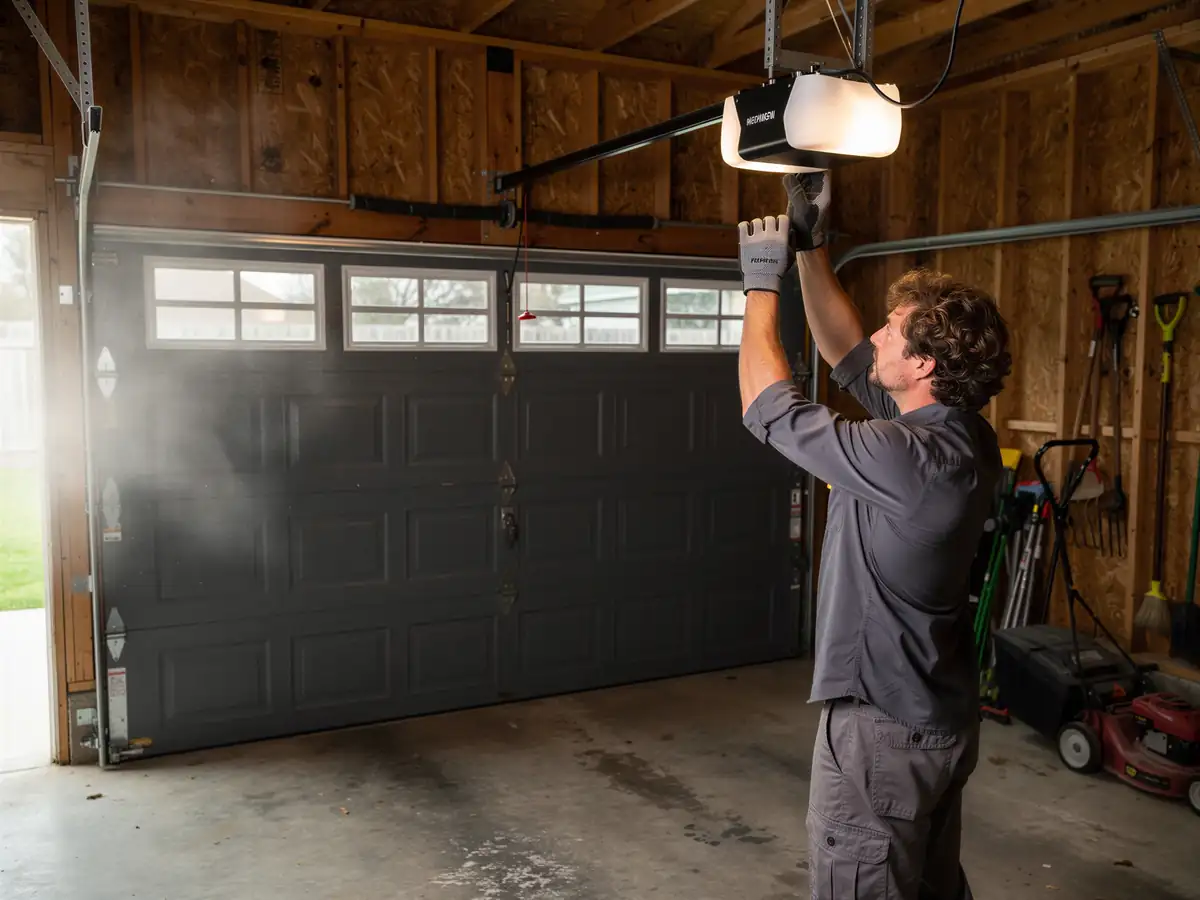
Opener compatibility is worth checking before the door goes in, not after. A lot of 1950s openings have had an opener added over the years on a bracket that doesn't line up with where a new door's track wants to sit. We check that during the same visit instead of treating it as a separate call.
Lead times on specific door models and sizes vary, and we don't carry every option on the truck, so if you want something outside the standard stock sizes, expect the order to add time before install day gets scheduled. For straightforward sectional steel installs, once the door's on site, the swap itself is the fast part - most of the job time goes into fitting it right to a frame that was never built with this door in mind.