Time on the Job
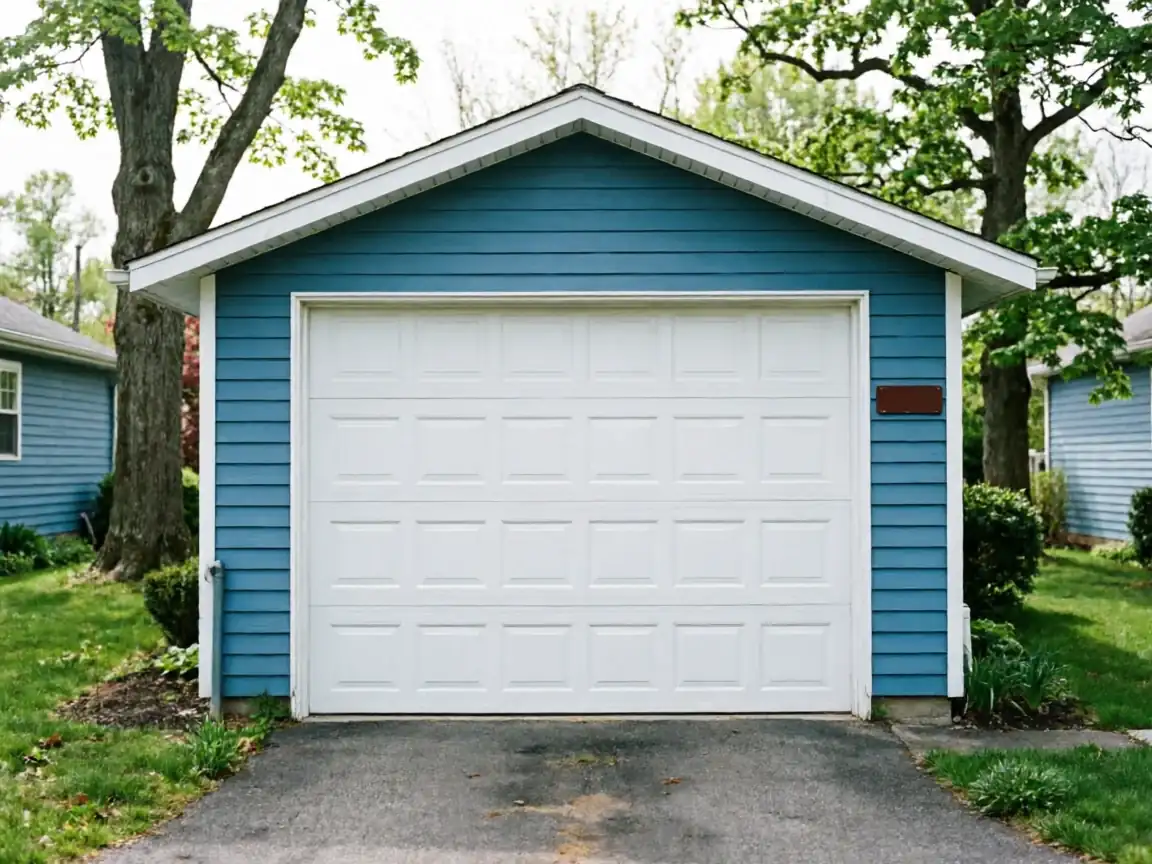
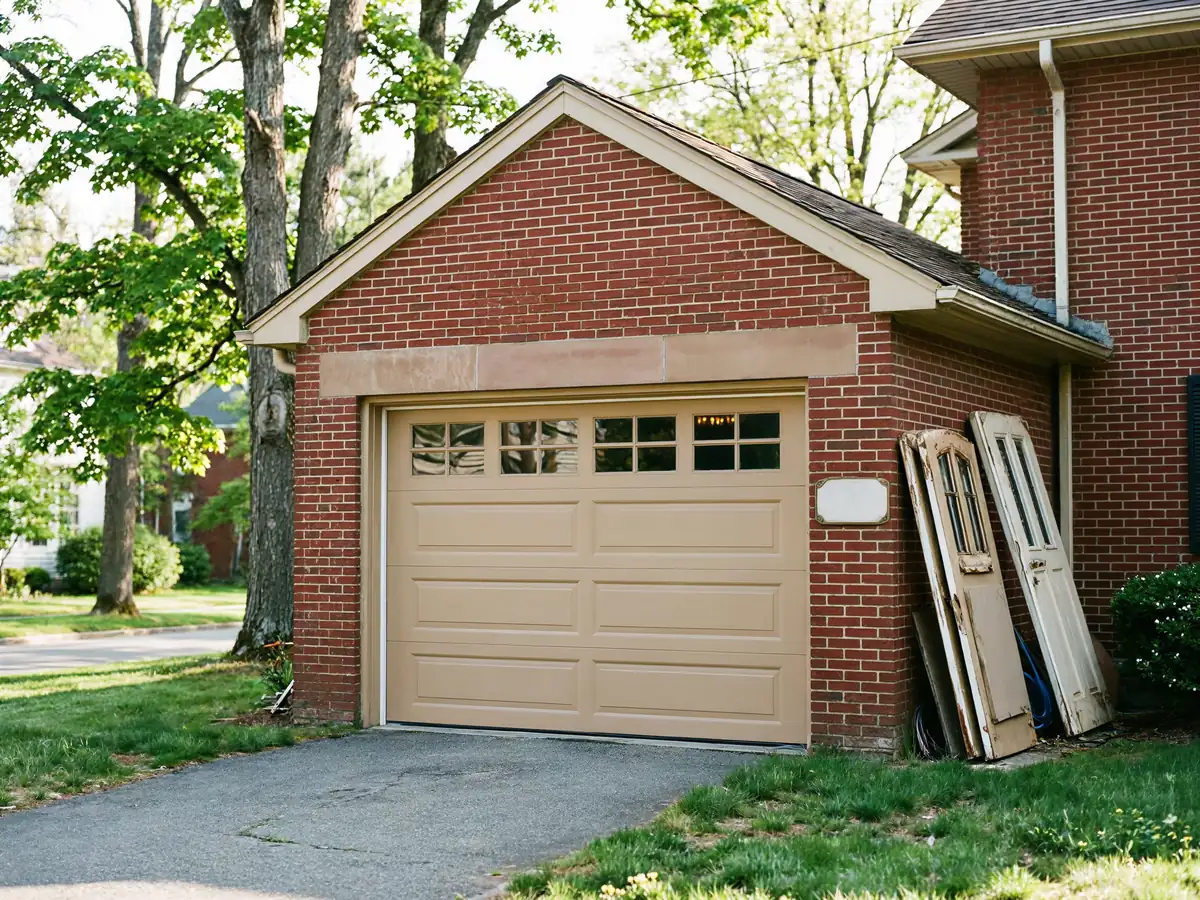
West Hartford's housing stock centers on 1955, roughly eighteen years ahead of the 1938-1990 build window we see across this service area, where the median lands closer to 1973. That gap matters on a panel job. A door built in the mid-1950s was likely replaced at least once already, sometimes with a mismatched section from a different manufacturer, sometimes with a full door that doesn't share the original's panel profile. We travel 8 miles out from Glastonbury to get here, which is close enough that we don't treat this as an out-of-territory call, but far enough that we plan the trip around what the job actually needs rather than guessing from the street. On a panel swap, that planning means confirming the door's width, panel height, and hinge spacing before we load the truck, because a 1955 door and a 2005 door on the same block can take entirely different stock sections.
Why This Fails Locally
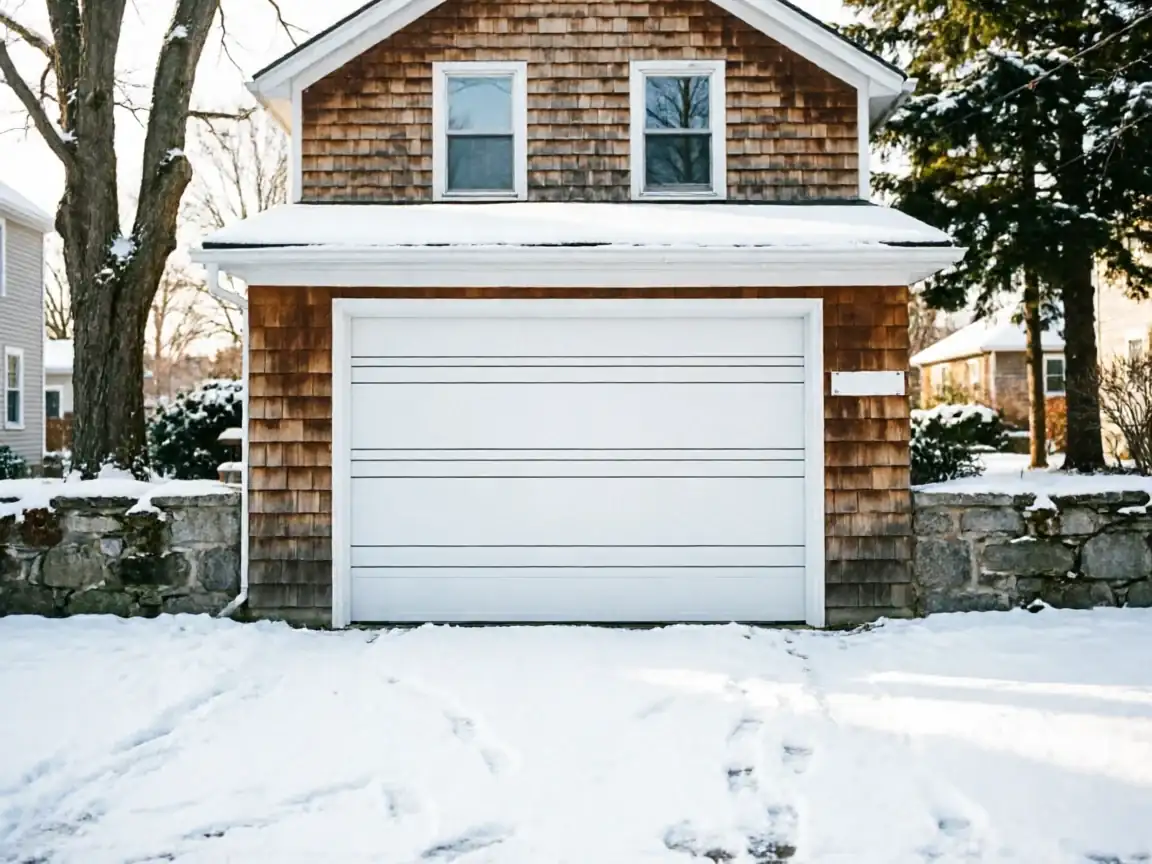
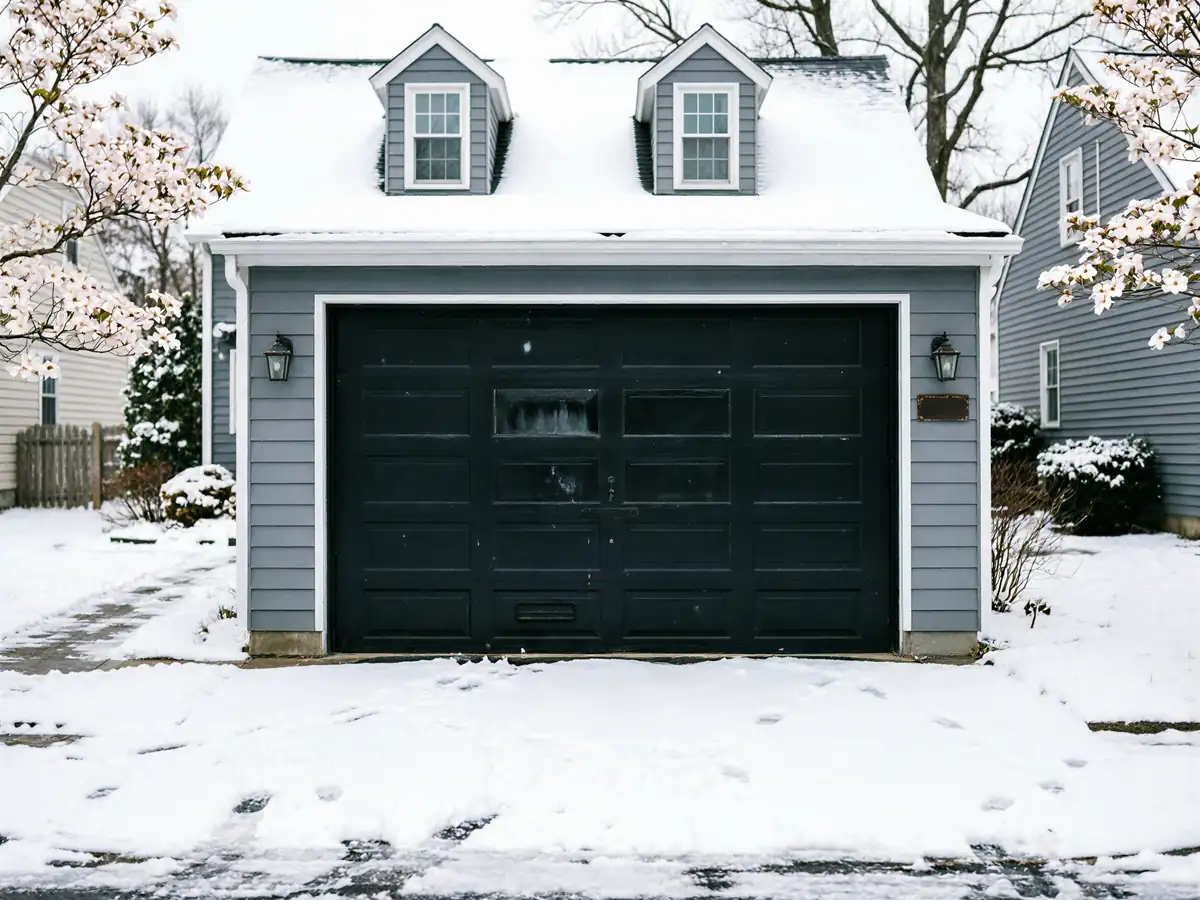
A dented or rusted-through panel on an older West Hartford door usually isn't an isolated problem. Homes from this era often carry steel sections thinner than what's sold today, and this region sits in a cold-severe climate band, which means years of freeze-thaw cycling at the bottom panel seam before anyone notices a crack. By the time a homeowner calls about one bad panel, the seam below it has usually flexed enough to loosen a hinge or two, and the track alignment on that side has drifted slightly out of plane. Median household income across the wider service area runs about $107,012, but West Hartford itself runs closer to $125,616 with roughly 26,276 households, and what we see on the ground is that higher-end finish doors here are more likely to have a painted steel or composite overlay panel, not bare galvanized steel. Matching that finish, not just the panel size, is usually the harder part of the job.
What the Repair Takes
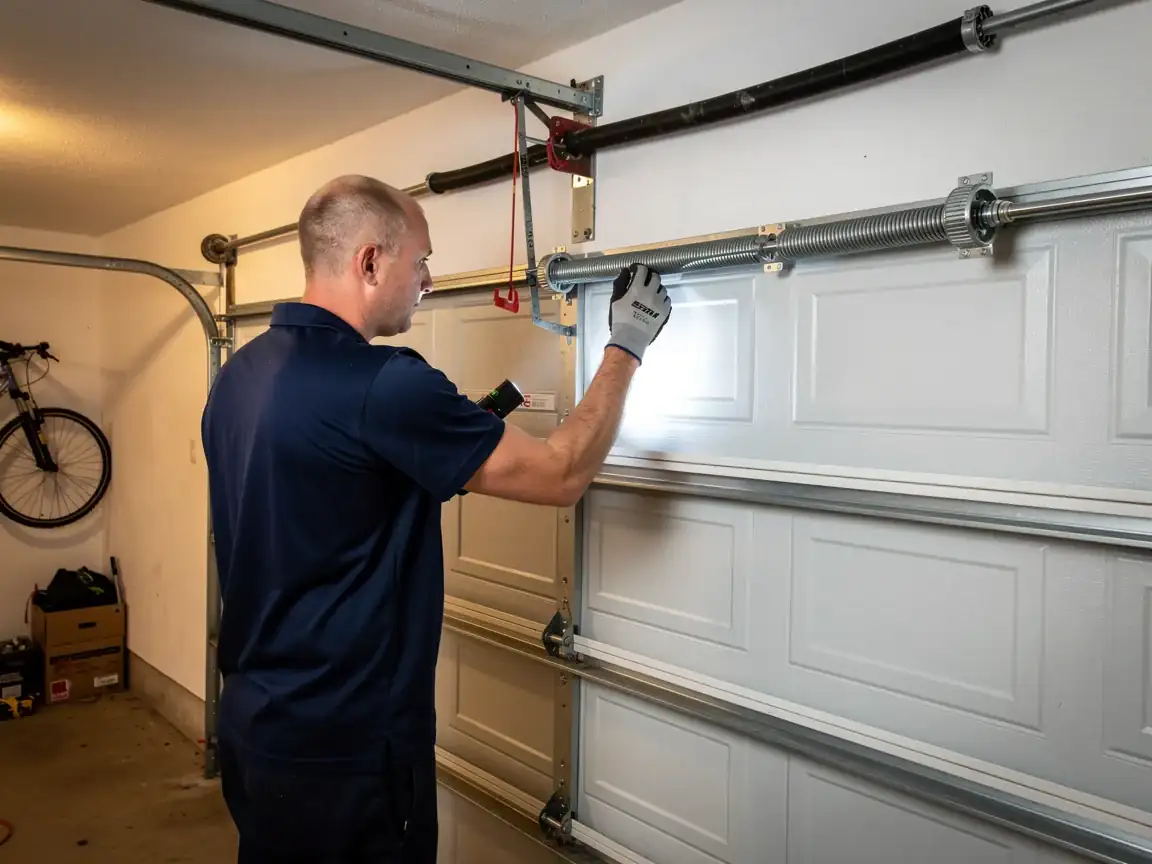
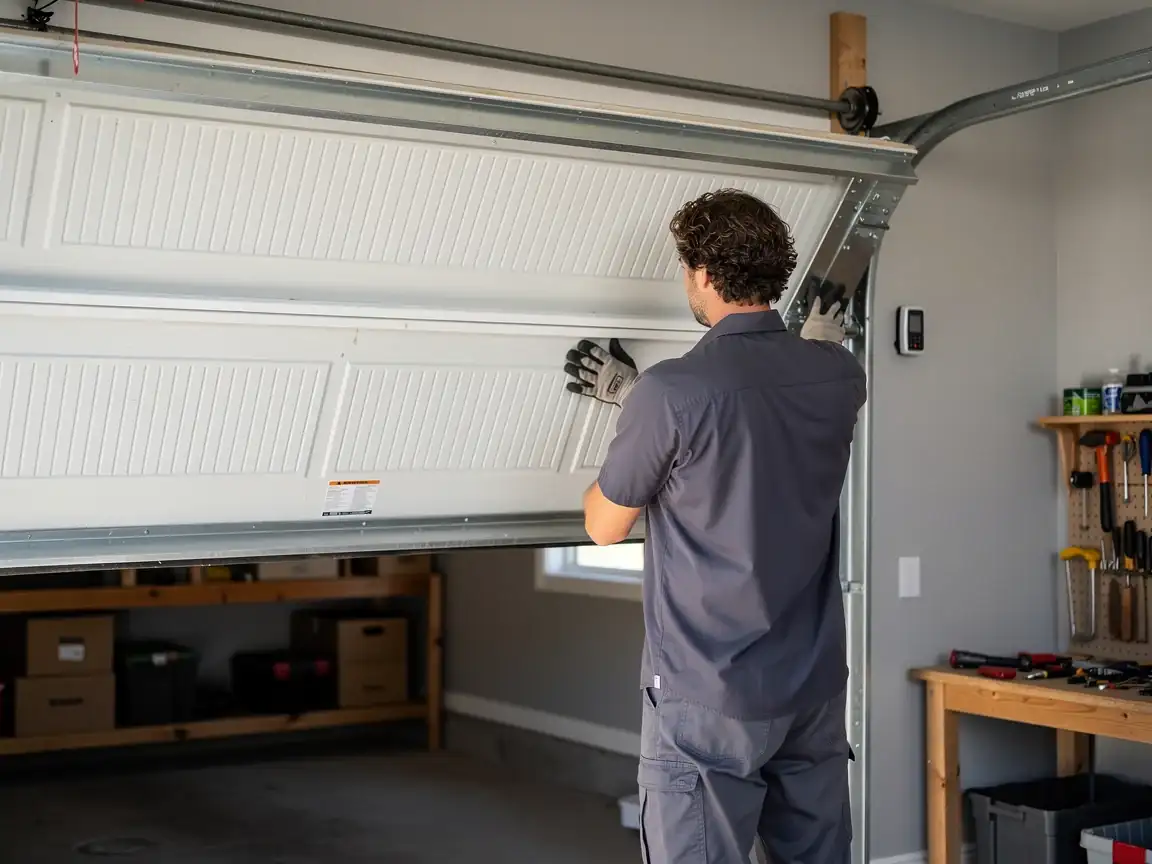
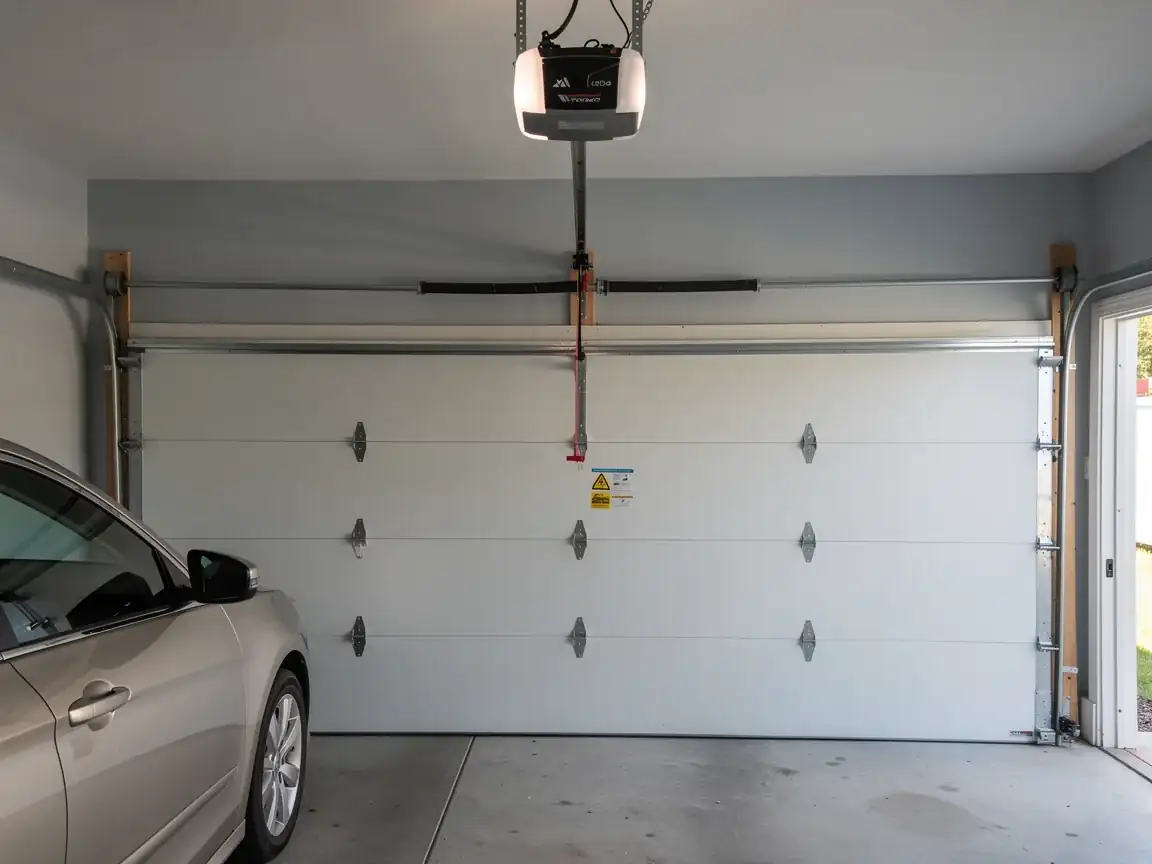
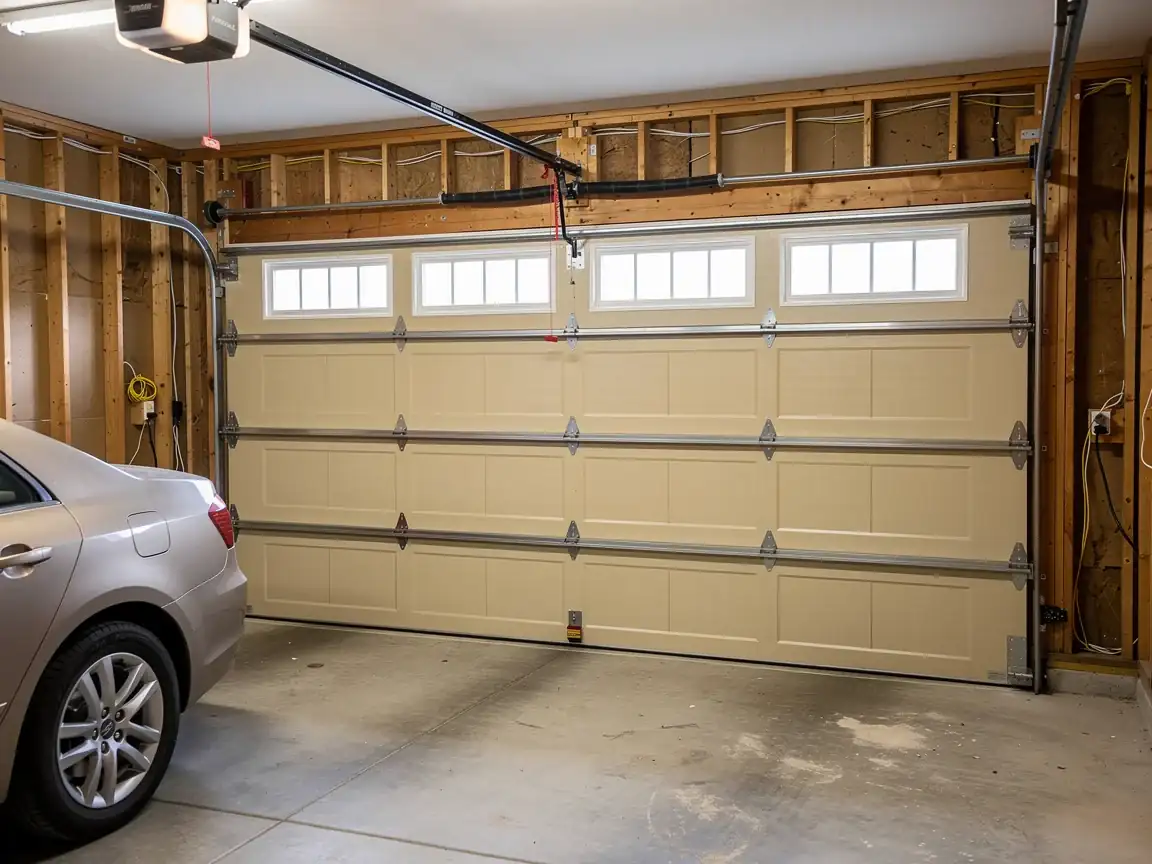
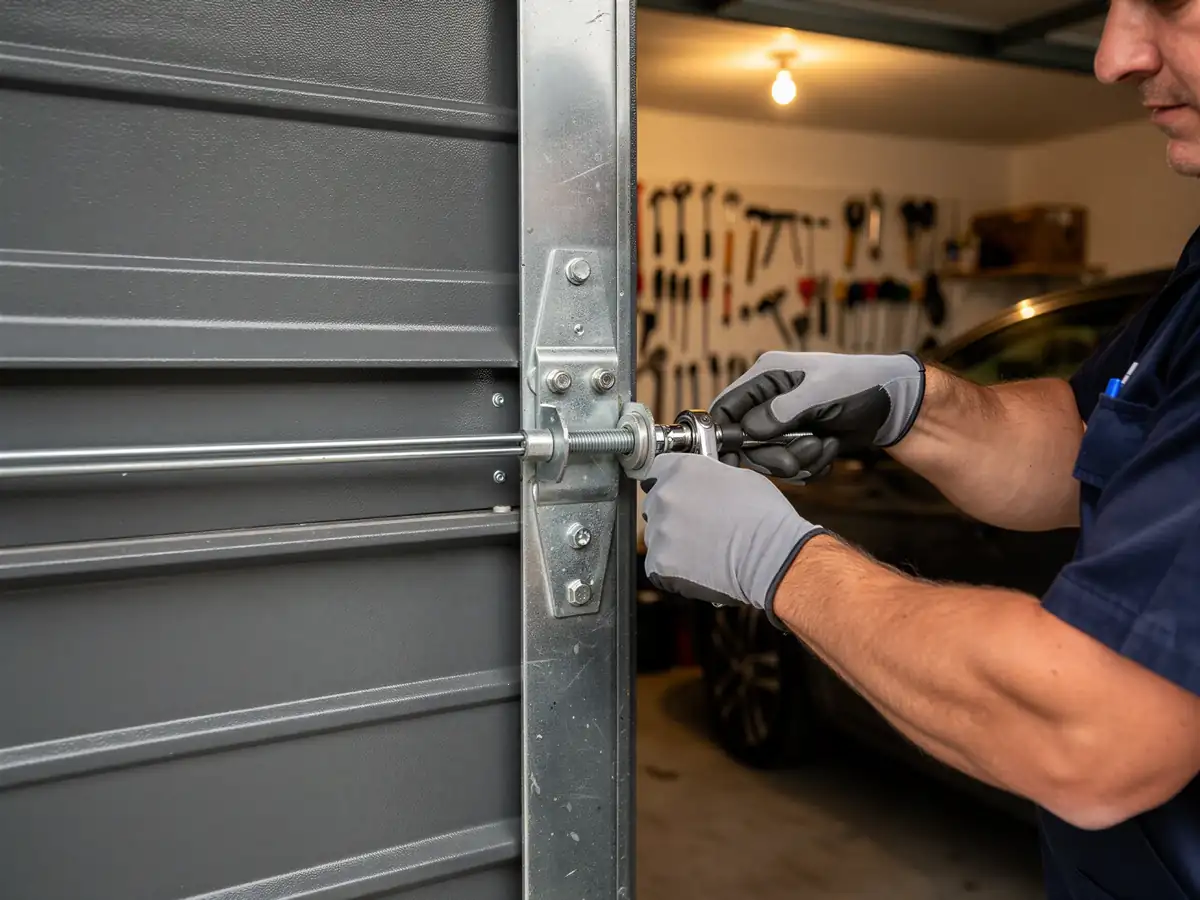
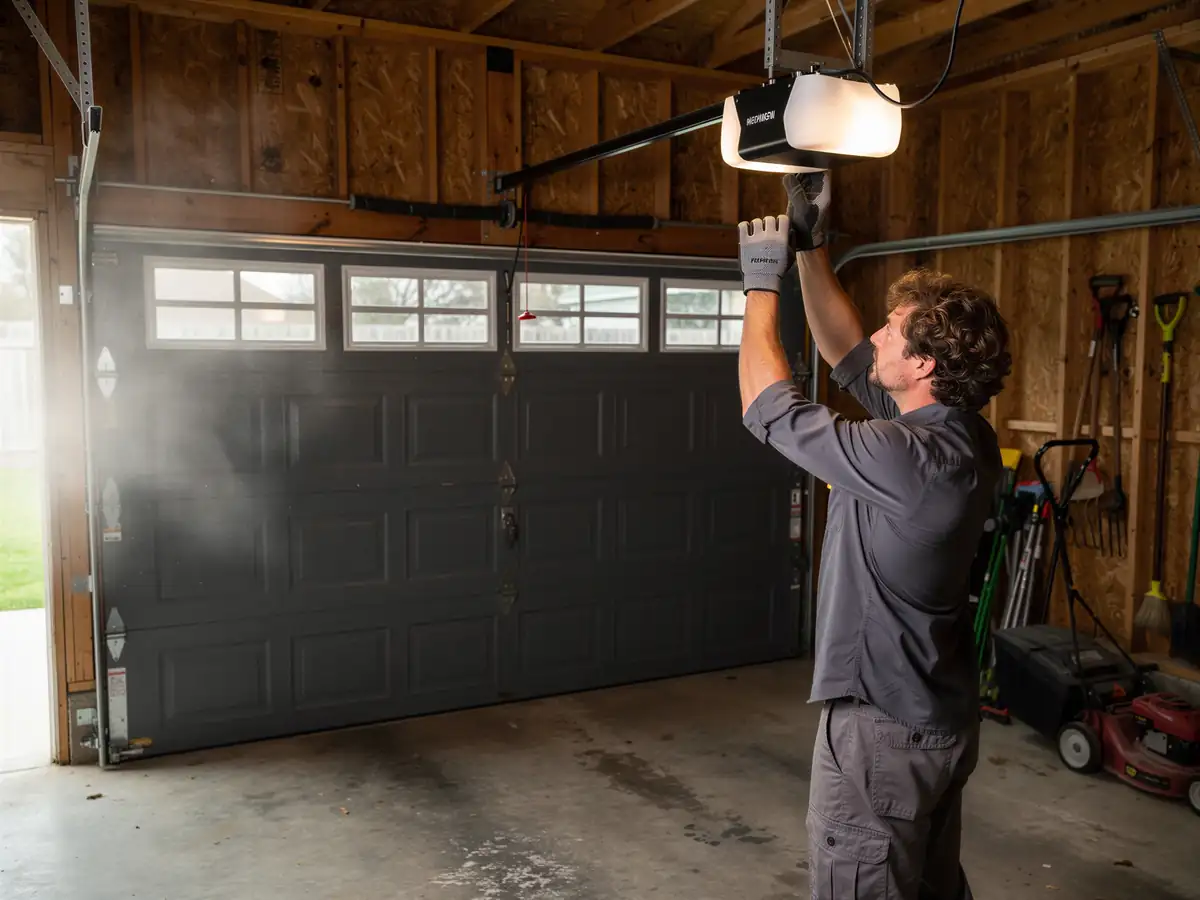
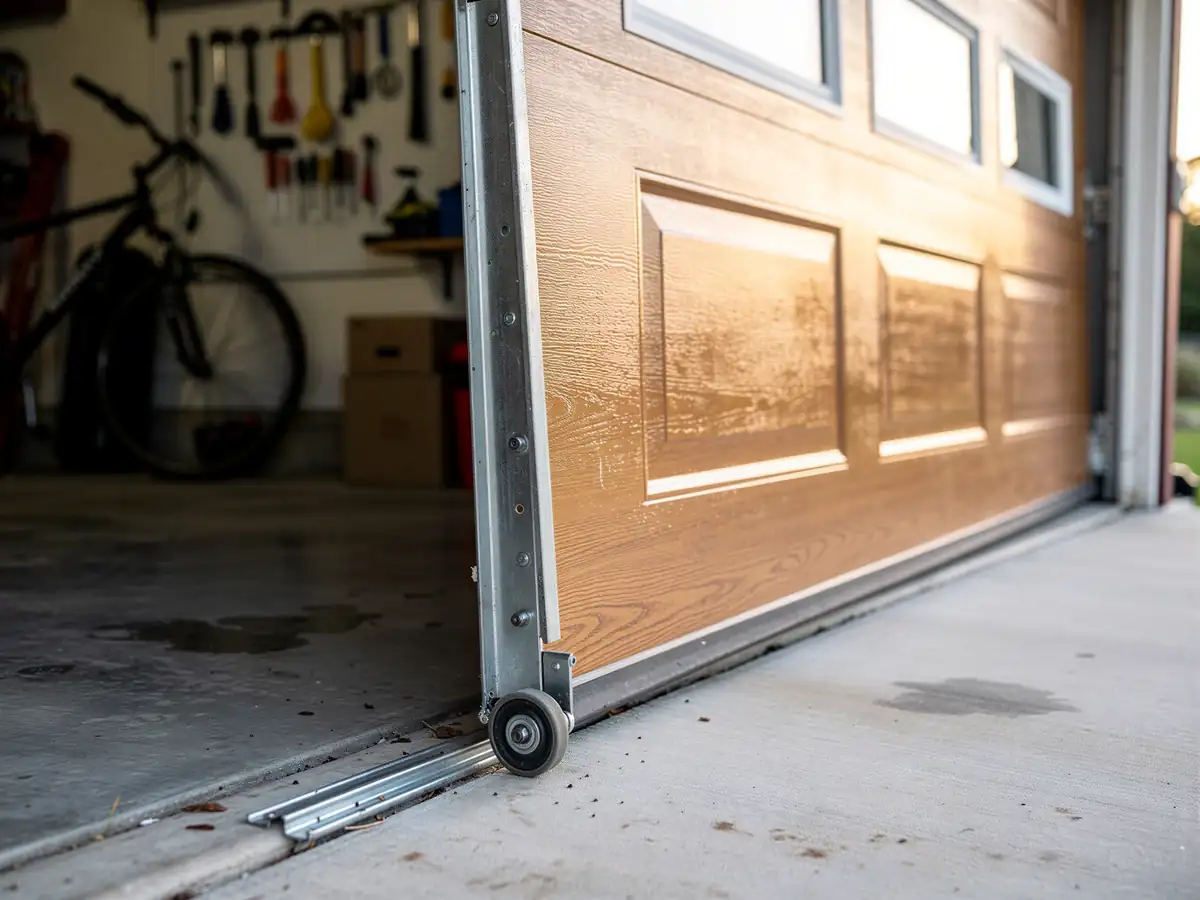
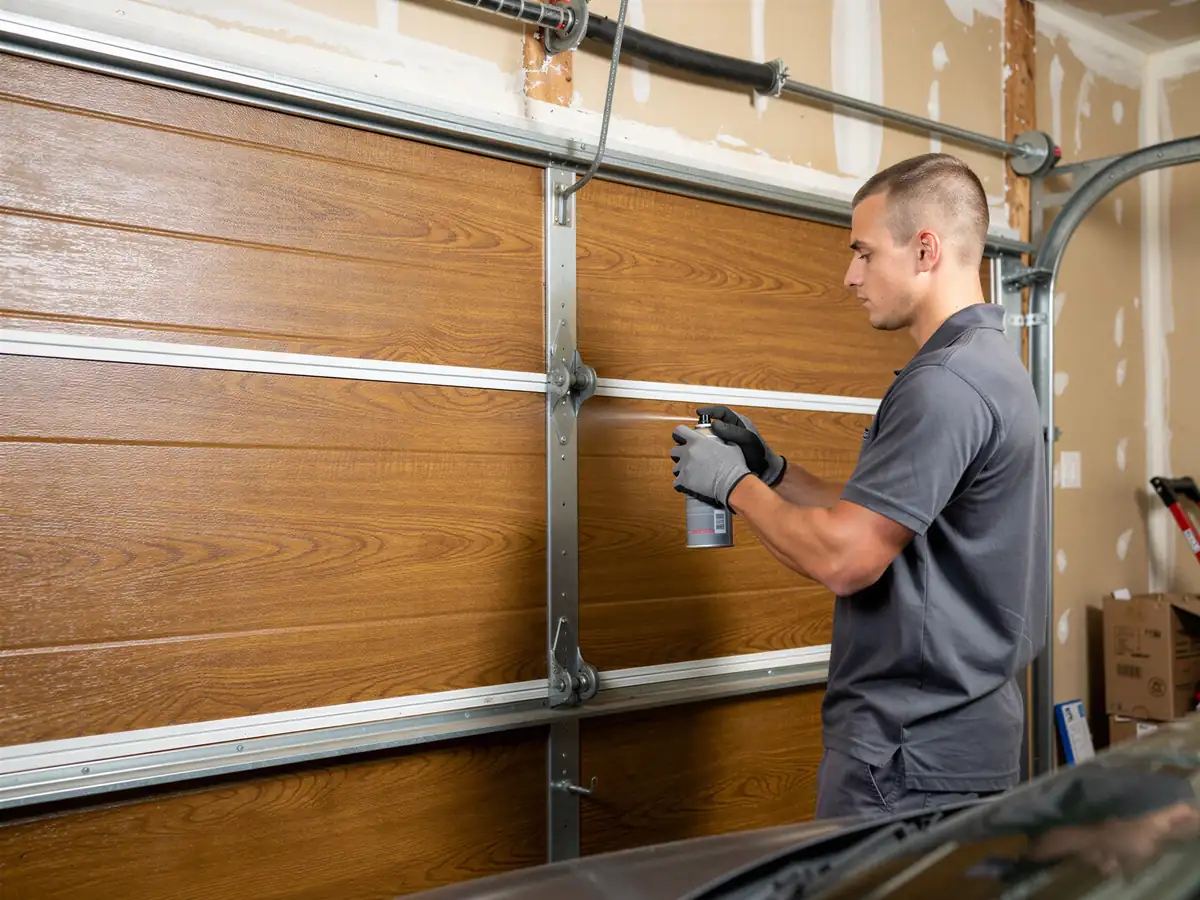
We start by pulling the model and series tag off the inside of the door, if it's still legible, since that tells us the panel profile without guesswork. If the tag's gone, which happens often on doors this age, we measure the section height and the hinge-to-hinge spacing directly. From there we check whether the replacement panel needs to be ordered pre-finished or painted to match on-site, given how many of these doors carry a factory color rather than bare steel. Once the part's in hand, swapping a single section usually means pulling the hinges on either side, freeing the rollers from the track, sliding the old panel out, and reseating the new one with the same hardware if it's still sound. We check spring tension and track alignment before we close out the job, because a panel replacement on an unbalanced door just moves the next failure to a different section.