What You Pay
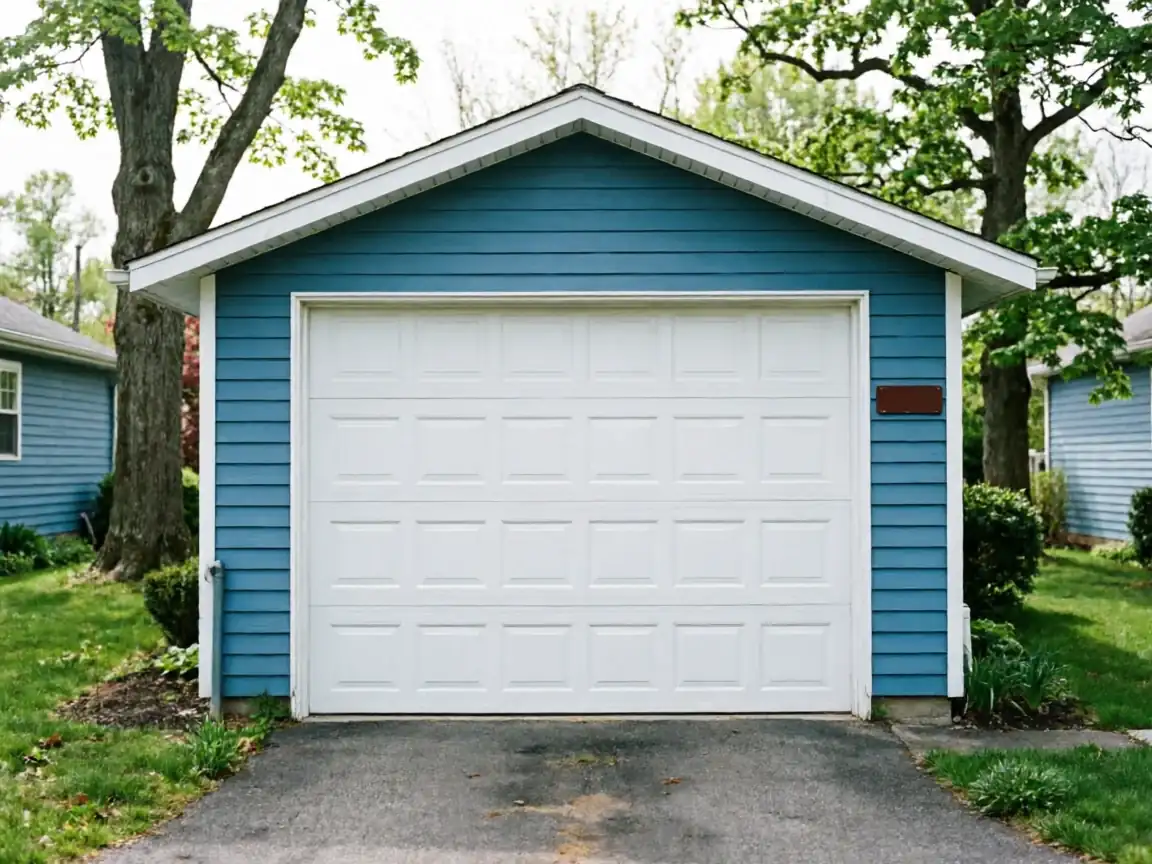
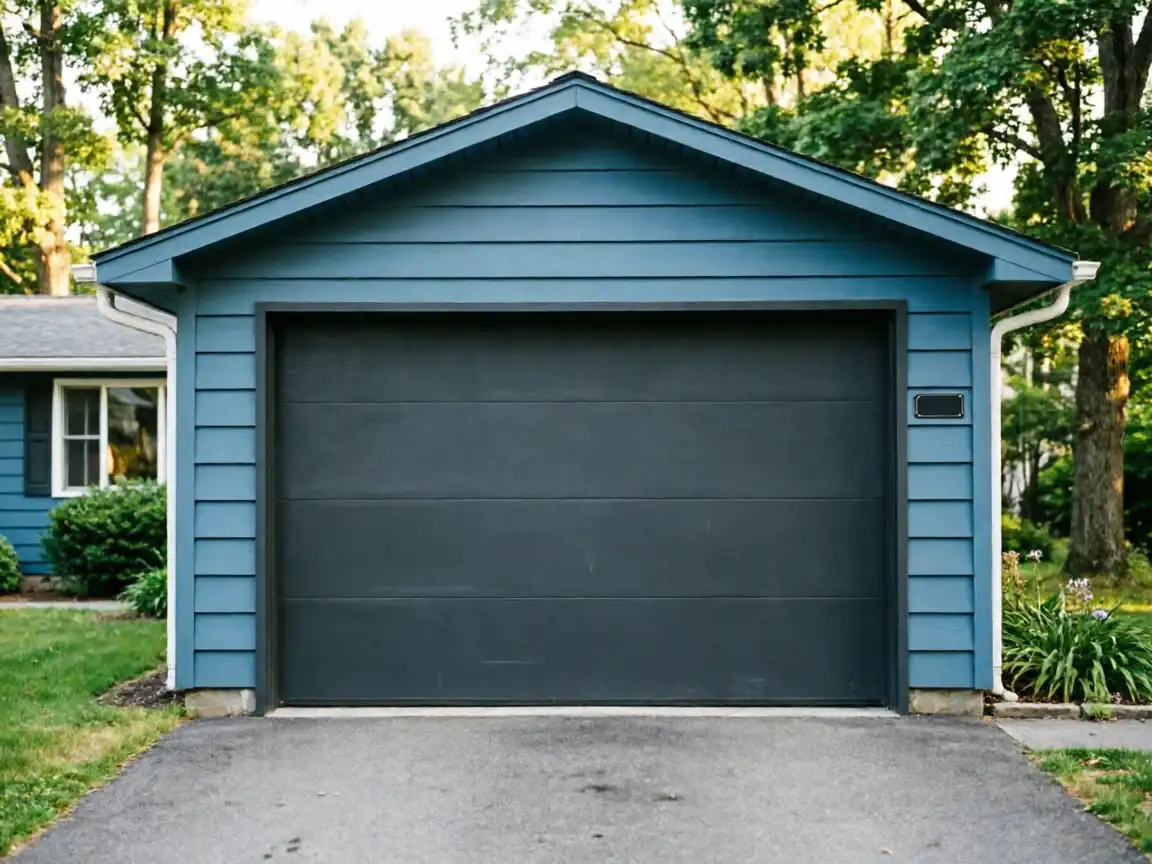
We won't quote a flat number over the phone for an off-track door, and that's the honest answer, not a dodge. What a job costs here depends on what the track and rollers actually look like once we're under the door. Southington's housing stock centers on 1973, the same build-out era that produced most of the garage doors across this part of Connecticut - steel sectional panels on roll-formed horizontal track, held by L-brackets that were never meant to flex. Fifty years on, those brackets bend, the track pulls off true, and a door that's merely sagging on one side can look like total failure to an owner standing in the driveway.
Southington's median household income runs higher than the broader service area's $107,012 - a difference that doesn't change what the repair costs, but it does mean more owners here ask us to replace worn rollers and a bent section of track at the same visit rather than patch the cheapest fix and wait for the next call. We price the door in front of us, not the zip code. If the track is salvageable, that's a smaller bill than a full track replacement, and we'll tell you which one you're looking at before we touch a wrench.
How to Book
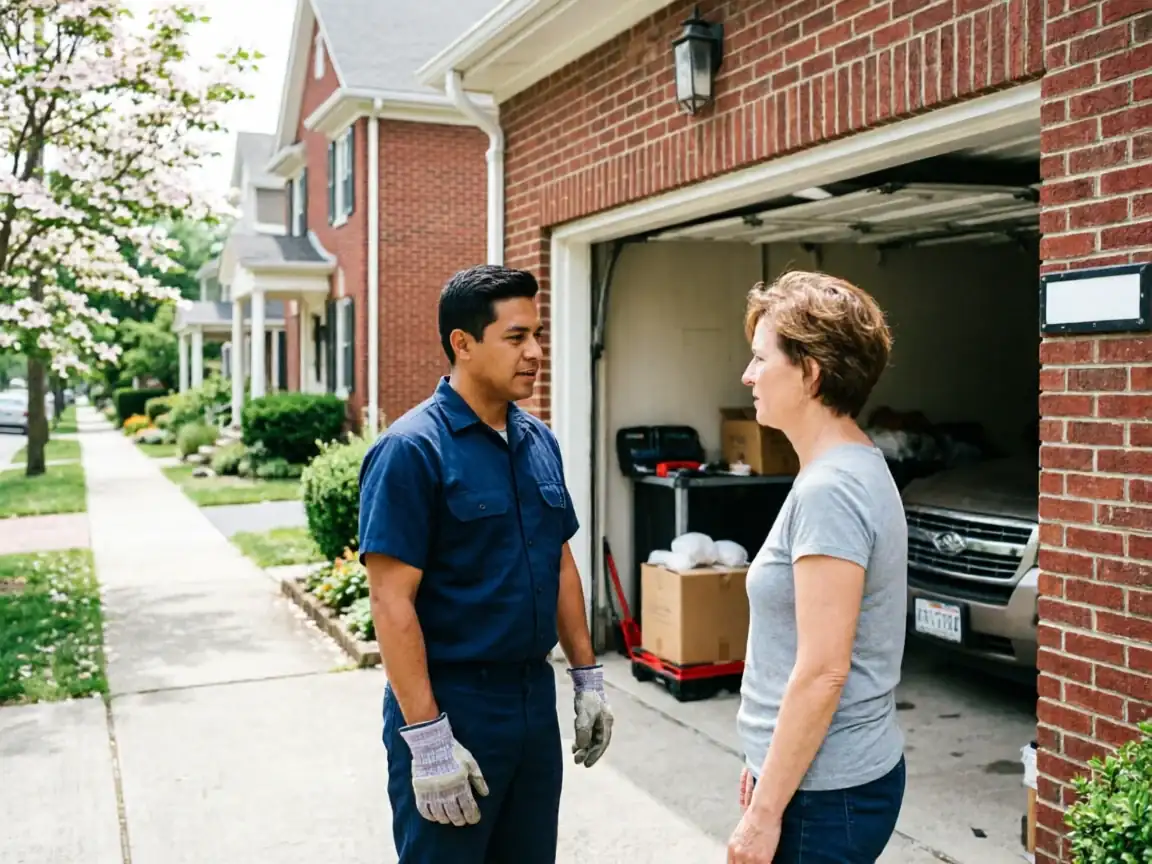
There's no Glastonbury Garage Door Pros location in Southington - we run this call out of our Glastonbury base, about 16 miles from most Southington addresses. That distance is why we ask you to book rather than just show up: start at our Southington garage door repair page and describe what the door is doing. Hanging crooked, one side lower than the other, a roller sitting outside the track - all of that helps us bring the right hardware instead of guessing.
If the issue turns out to be bigger than the door itself - opener trouble, a cracked panel, a full replacement - that's a different job with its own page, and we'll point you to it rather than try to sell it to you here. This page is about getting a door back on its track, nothing wider.
We don't claim a same-day window for Southington specifically, since every call out here travels that 16 miles first. Tell us what you're seeing and we'll tell you honestly where you land in the schedule.
Time on the Job
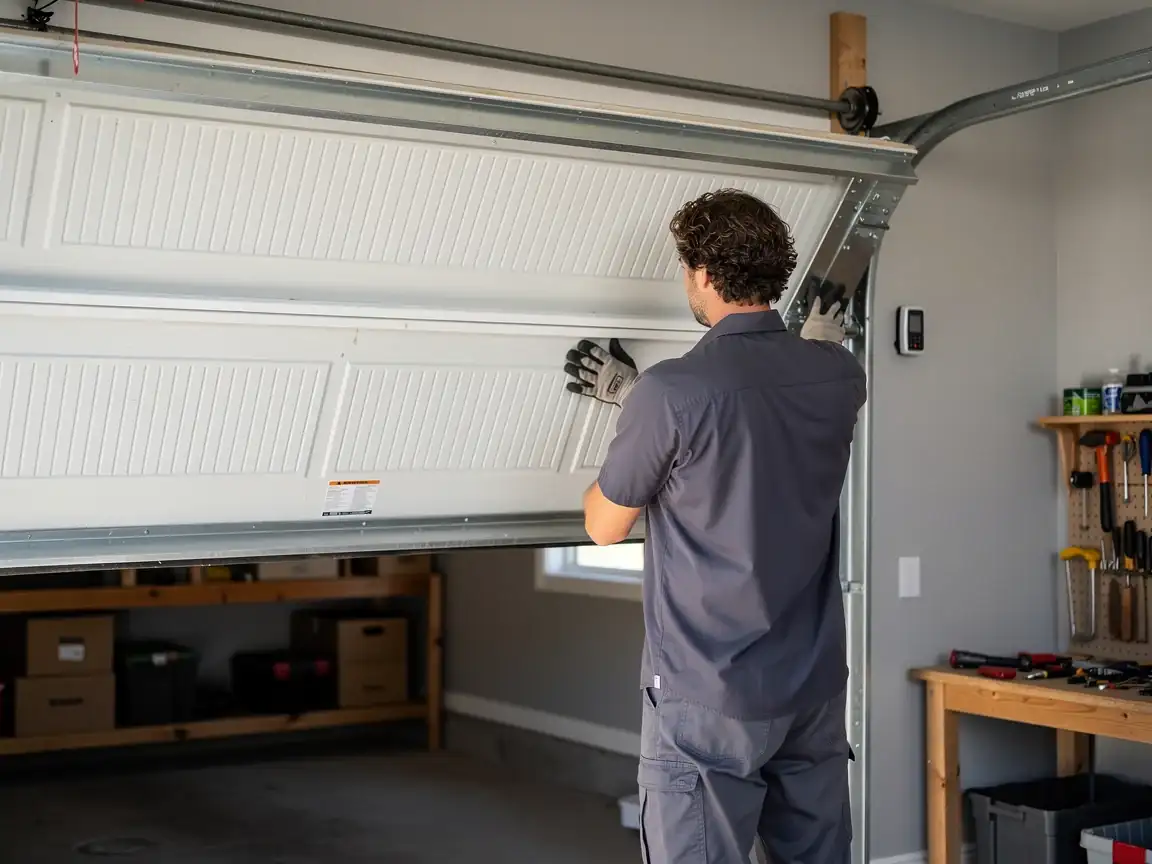
An off-track door is rarely a five-minute fix, even when it looks simple from the driveway
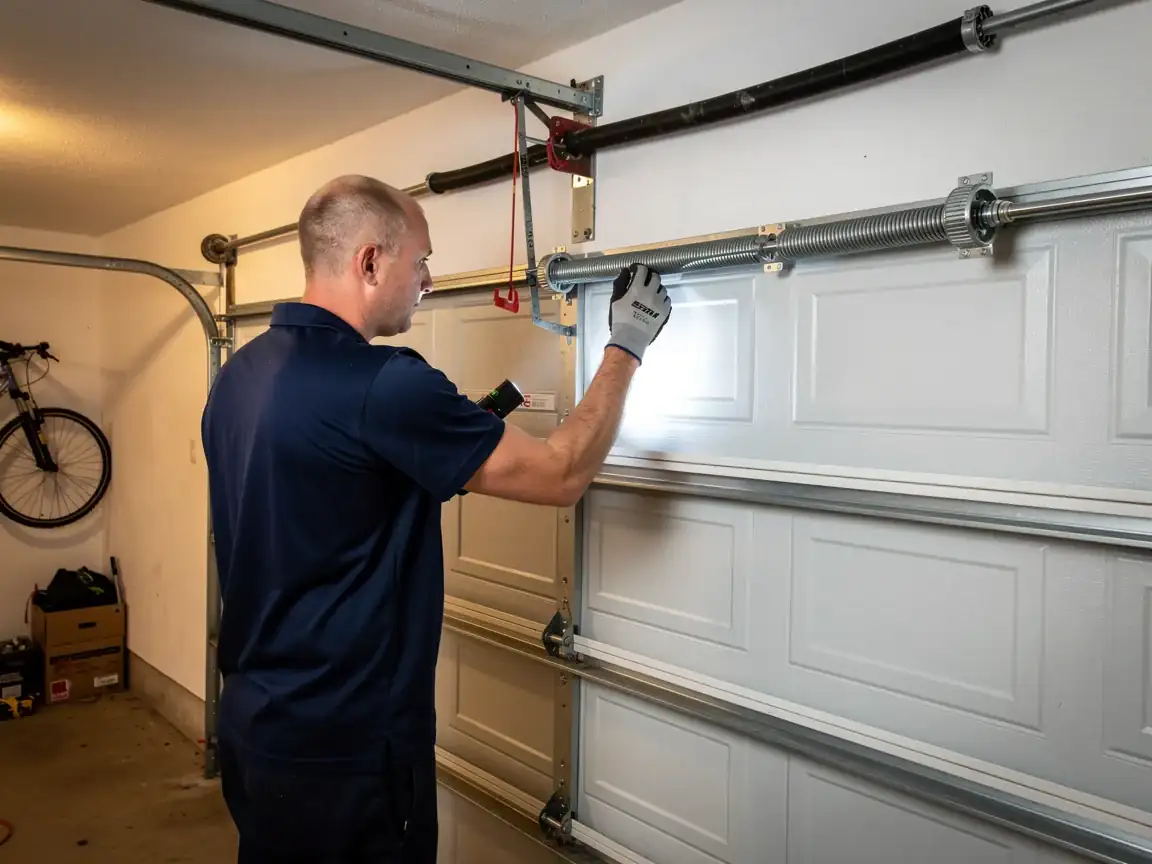
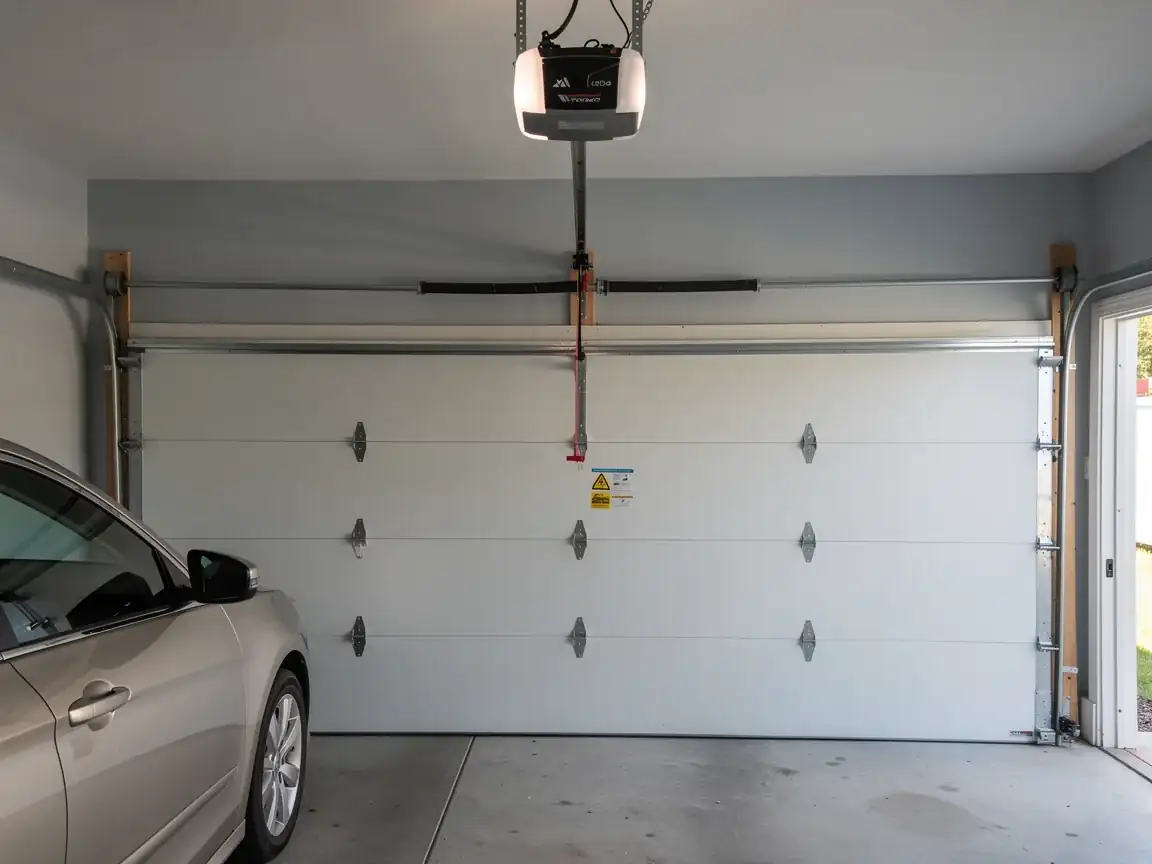
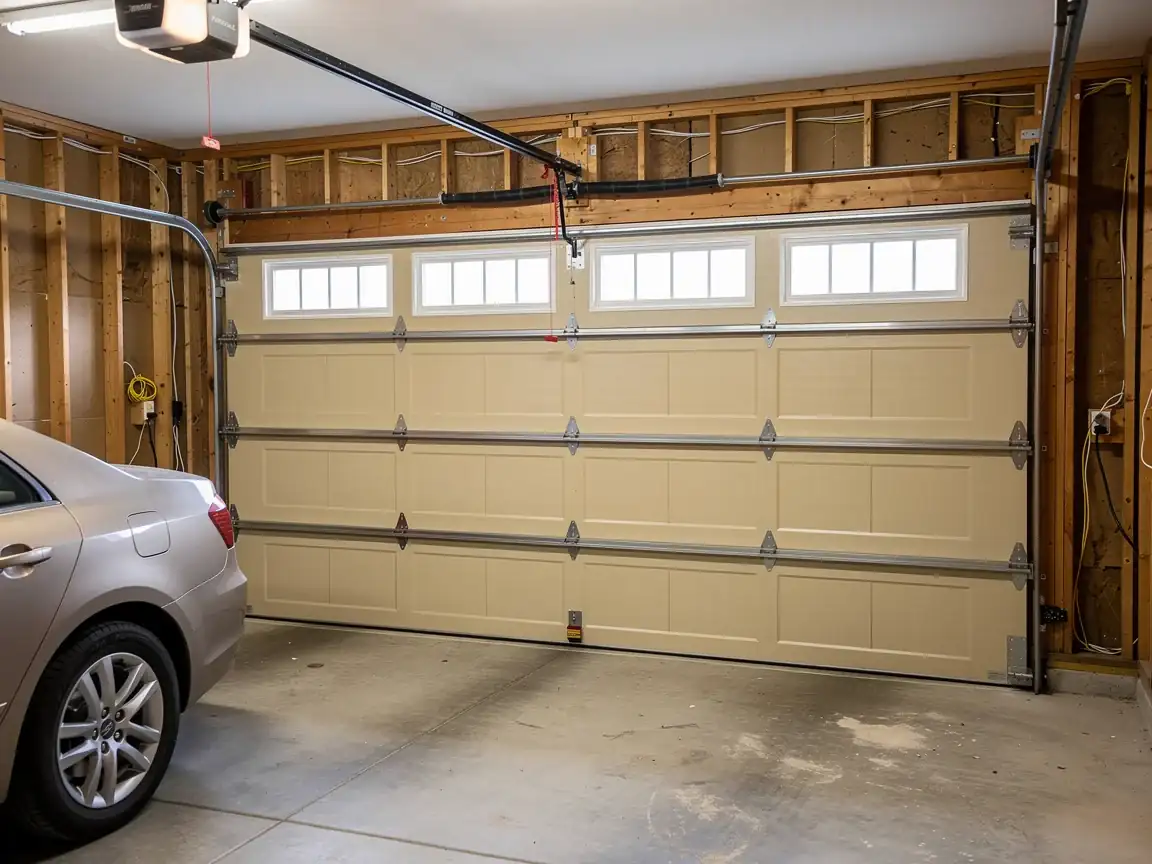
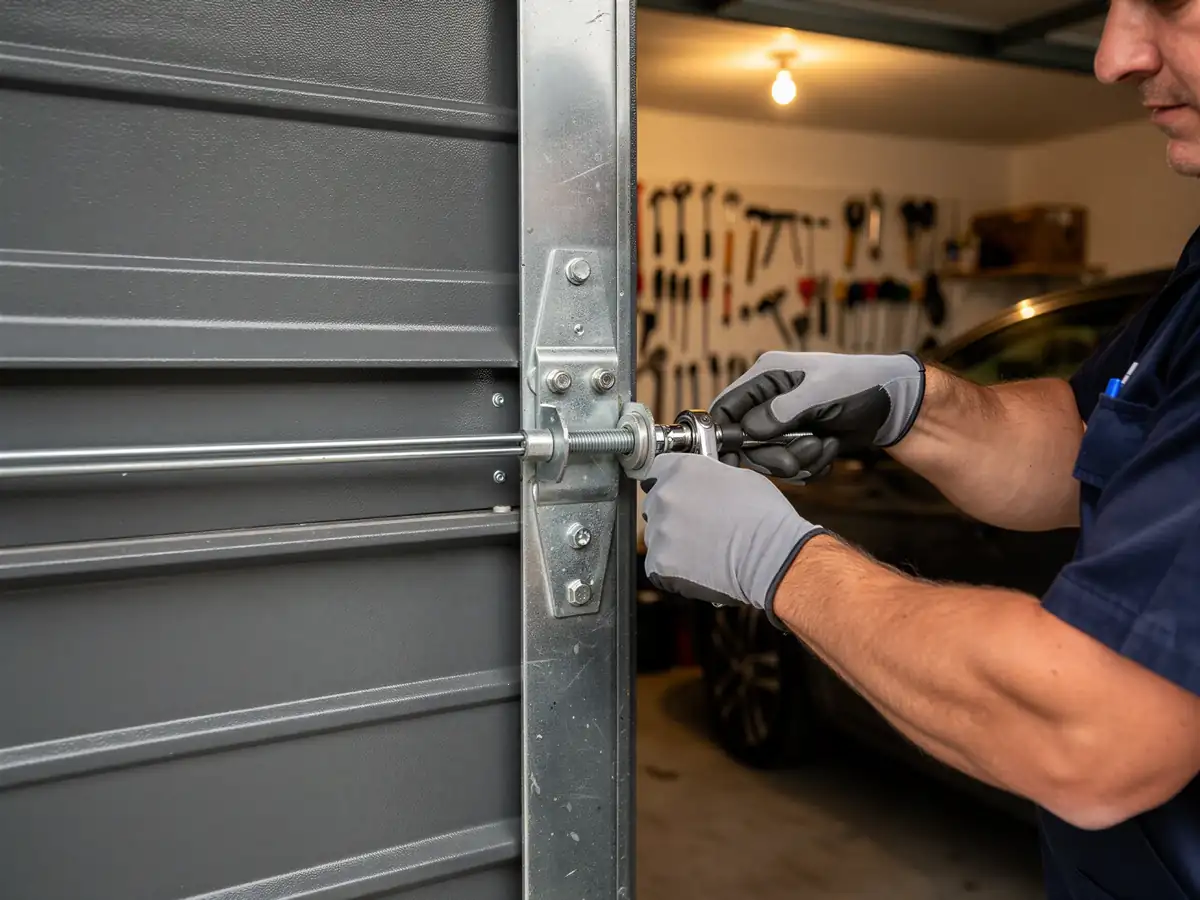
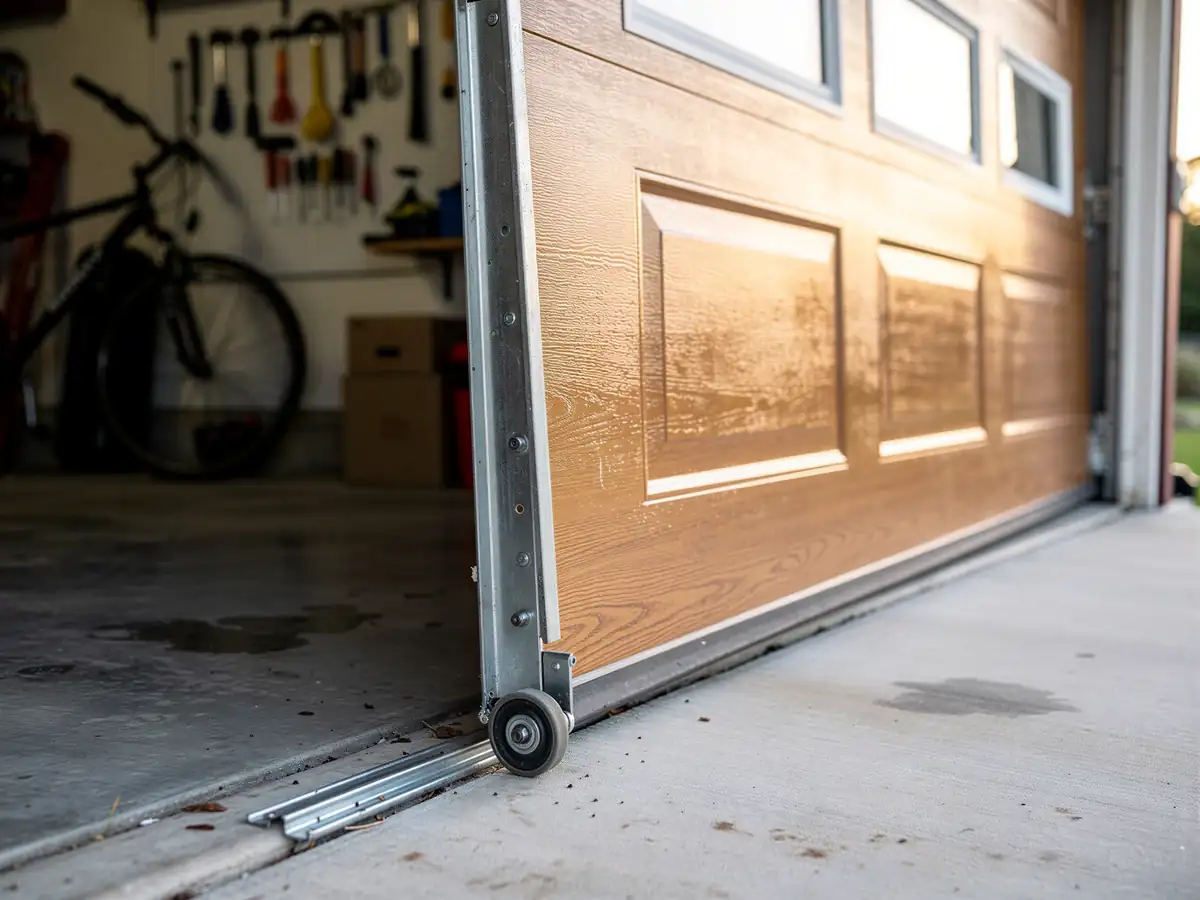
On a steel sectional door from the 1973-era stock common across this area, the first job is figuring out why it came off - a snapped cable, a bent track section, a stripped roller bracket - because forcing a door back onto bad track just sets up the next failure. We check the vertical and horizontal track alignment, the roller condition on both sides, and whether the bottom bracket that took the load is still square.
What we won't do is promise a fixed clock time before we've seen the door
A single bent bracket on an otherwise sound track is a short repair. A door that's been run off-track for a while, with rollers chewed up and the track itself pulled from the wall studs, takes longer and sometimes means replacing the whole horizontal run. That's the honest limitation here: we can tell you the steps, not the minutes, until we're standing in front of it.
Stocked Parts
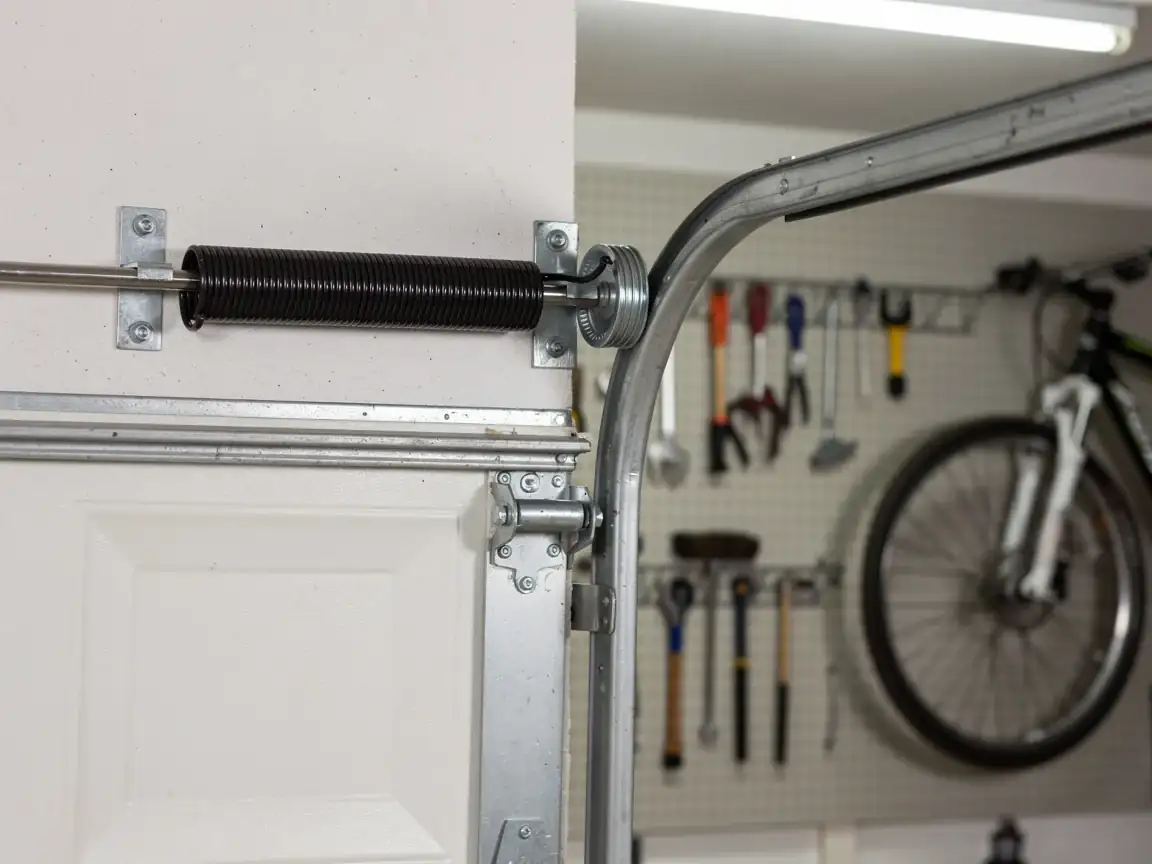
Because so much of the garage stock in this part of Connecticut dates to the 1960s and 70s build era, our truck carries the rollers, standard-gauge track sections, and L-brackets that match that generation of steel sectional doors - the parts that fail most on the hardware Southington actually has hanging in its garages. Standard nylon and steel rollers, common track splice plates, and the torsion-era cable drums that go with side-mount springs are all things we expect to use, not special-order.
What we don't carry on the truck is anything original to a door that's been discontinued by its manufacturer - some older aluminum-clad panels and odd-width track from the earlier end of that 1938-to-1990 build window fall into that category. If your door needs a match to something that old, we'll tell you it's a lead-time item rather than pretend we can swap it same visit. In Connecticut's cold winters, we also keep an eye on seal and weatherstripping stock, since brittle seals on older doors tend to fail right alongside the hardware.